Busque também em nossas outras coleções:

Data da imagem:
Pauta
ver mais opções...
Agência
ver mais opções...
Fotógrafo
ver mais opções...
Artista
Pais
Estado
ver mais opções...
Cidade
ver mais opções...
Local
ver mais opções...
Tipo de licença
Orientação
Coleção
ver mais opções...

Total de Resultados: 5.253

Página 1 de 53

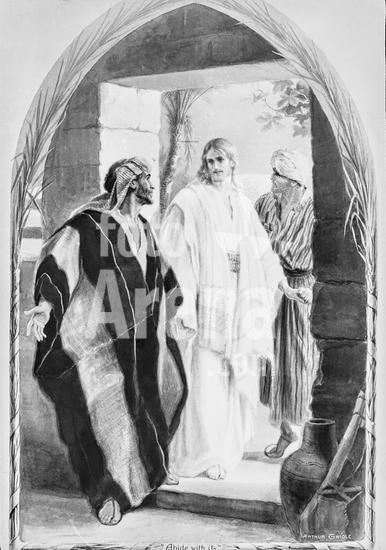
902_05_12513187highres A magic lantern slide circa 1900. Abide with us for it is toward evening Luke 24:29. Illustrated by Arthur Twidle. Arthur Twidle (?1865 to 26 April 1936) was an English illustrator and artist best known for his illustrations of Arthur Conan Doyle's Sherlock Holmes books.
DC
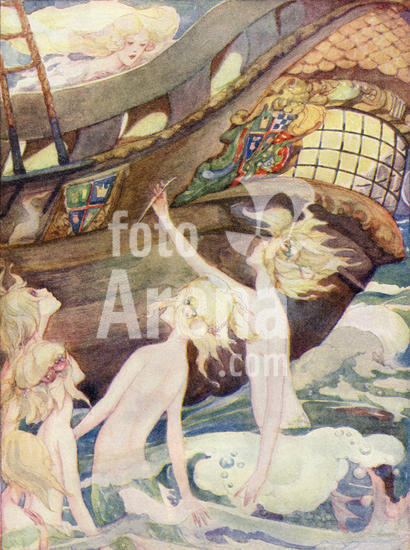
902_05_12321131HighRes The Little Mermaid, illustration from The Golden Wonder Book published 1934. She saw her sisters rise out of the sea, handing her a penknife with which they told her to kill the prince.
DC
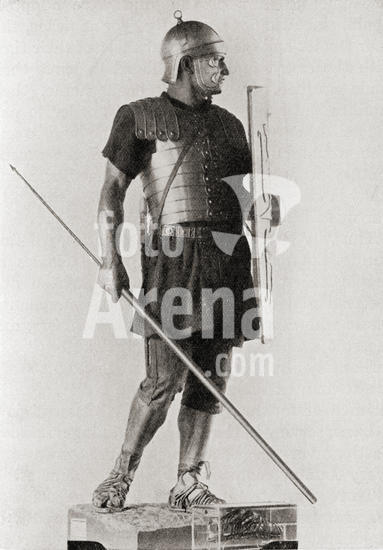
902_05_12290405HighRes A life size model of a Roman infantryman holding a pilum (spear) in his right hand, with the point to the rear. From A Book of Ancient Peoples, published 1931.
DC
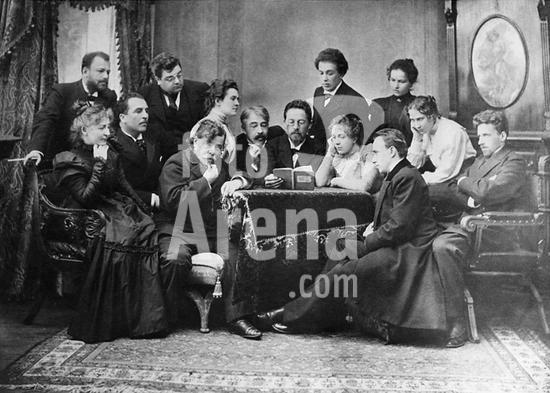
975_05_TASS-B-172786 Anton chekhov reads his play 'the seagull' to actors of the moscow art theatre, 1899, chekhov center with book in hand, director and actor konstantin stanislavsky to his left, standing beside stanislavsky: olga knipper (chekhov's future wife), front, stroking beard: actor a, artem, far left, standing (with beard) v, nemirovich-danchenko, setaed, far right: v, meyerhold.
DC
990_05_3-Home-HM_5HR New York, New York: c. 1940 A woman with her bank book in hand making entries in her budget book.
DC
925_09_MW015718 Afghan girls sharing a book at the tent classroom at Phool-e-Rangeena Government School in the north-western city of Herat
DC
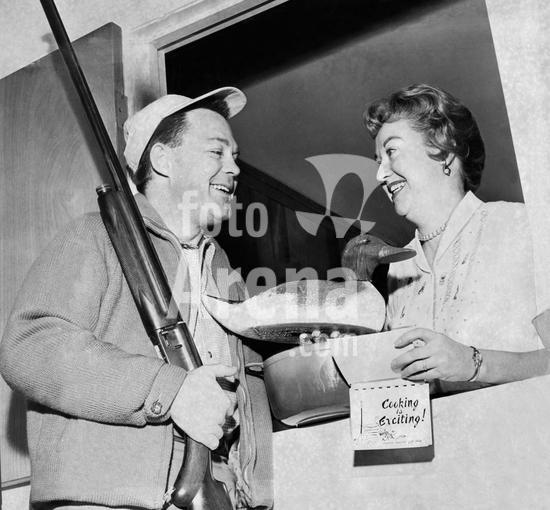
990_05_3-Rec-Hunt_9HR San Francisco, California: November, 1962 An unsuccessful duck hunter hands his wife a decoy and a cookbook with which to cook it.
DC
990_05_X-Pearson-Drew_2HR Washington, D.C.: March 10, 1937 Newspaper columnist and radio commentator Drew Pearson with co-author Bob Allen present members of the House of Representatives with autographed copies of their new satire on the Supreme Court, 'The Nine Old Men'.
DC
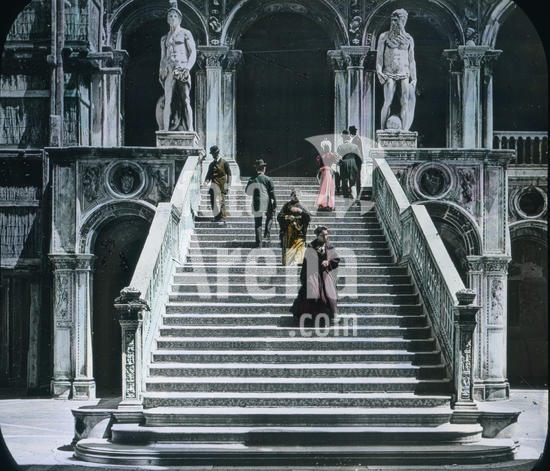
948_05_01256279 The entrance to the Doge's Palace. Three paths lead from the end of the giant staircase on, the first by an inconspicuous door in the basement prison where not as serious criminals, but opponents of the ruling authorities and political traitors were held captive in damp, dark dungeons, in rooms that still the nowadays visitors shuddering when they enter and leave again with horror. The other two continuations of the giant stairs lead up to the council chambers. There is the so-called golden staircase, entry into which was only recorded in the Golden Book of the Republic of nobles allowed, strictly separated from the stairway for the common people. This difference is maintained even today in whimsical manner by visitors to the Doge's Palace on days not allowed to use the needle staircase with free admission.
DC
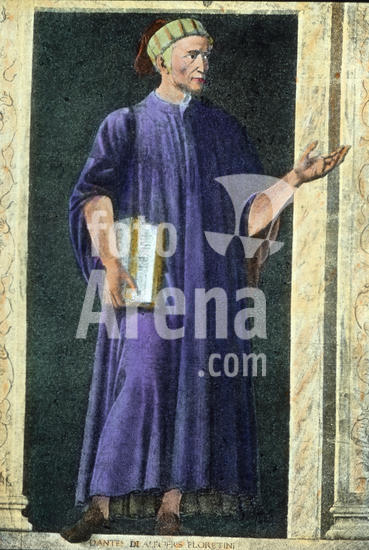
948_05_01256123 In the tomb but not rest the remains of the greatest Italian poet. Dante was involved early in the dispute between the Guelphs and Ghibellines. He thought Ghibelline, was minded loyal to the Emperor. Therefore, he was banished from his native city. His great seal the äGöttliche Komödieì represents a tremendous journey through hell, purgatory and heaven. Makes Dante himself in his wonderful verses to judge the humanity that has lived up to his times. The various historical figures he has with great candor into place in one of the three realms of the afterlife. The name: Divine Comedy has often been misunderstood, he has nothing to do with the usual concept comedy, is a sacred, serious work.
DC
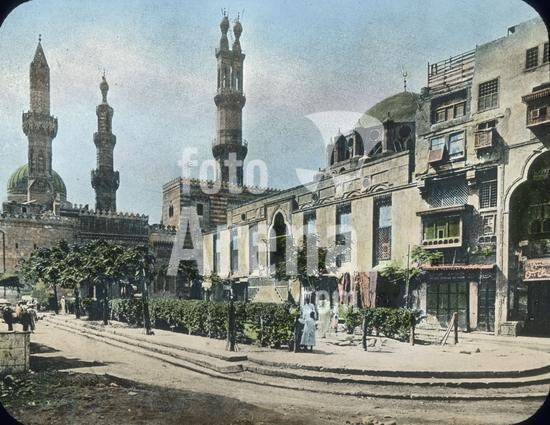
948_05_01252765 Al - Azhar Mosque. A mosque was originally the meeting house of the believers gathered around the Prophet Mohammed. It consists of a square space, porticoes was included rings of halls later. In the middle of the courtyard is the specific to the sacred ablutions fountain. On the eastern column wall, pointing to Mecca, is the prayer niche to the call the faithful to her side the pulpit. Only later the minarets, the slender towers, built with their whorls, of which the muezzin (prayer caller) were the mosques five times a day calling Muslims to prayer. The mosques are allowed in accordance with the instructions of the prophets bear any artistic jewelry, and therefore act only through the construction and the material used, which is very precious in the individual mosques, but many are very dilapidated and poor. This El Azhar Mosque is a kind of Mohammedan University. Many students study in 1000 in her the wisdom of the Koran, the holy book of Muslims.
DC
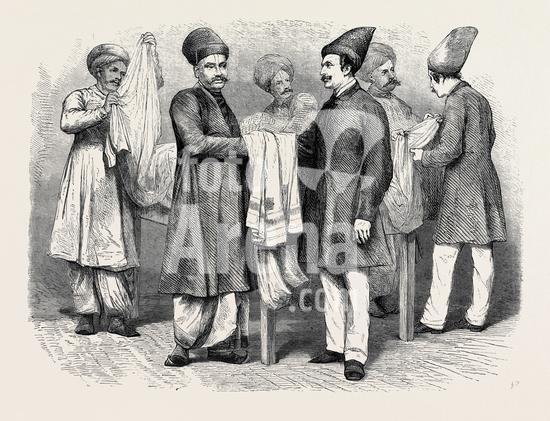
981_05_LC120411_1096_2 Bombay Brokers And Traders: A 'Brokers' Room' Of An English Merchant In Bombay. On The Staff Of Each European Firm Is A Broker, Or Clerk, Acting In The Same Capacity, Whose Special Business It Is To Show The Goods To The Hindoo Buyers, Take Their Bids (Which Are Submitted In A Book To The Salesman), Make Bargains, Settle Disputes, Etc. The Native Way Of Making And Receiving Offers Is Very Peculiar, The Offer Is Never Made In Words, But Always By Squeezes Of The Fingers And Strokes Of The Finger Across The Palm, The Hands Being Covered With A Towel Or Scarf, That Bystanders May Not Know The Offer Made, As Is Shown By The Two Figures In The Foreground. 1870
DC
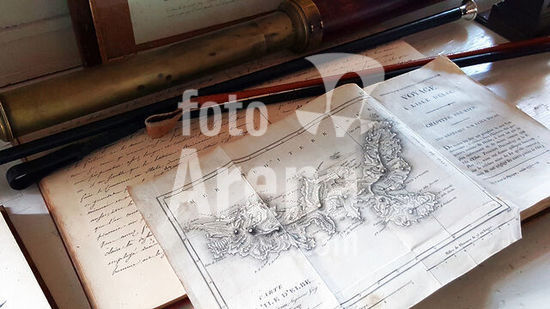
akg5857304 Italy, Tuscan Archipelago, island of Elba: historic map of Elba and first page of French travel guide book "Voyage a L`Isle d`Elbe" of 1808, in Casetta Drouot, Poggio. Paolo Ferruzzi is also running the nearby Casetta Drouot. Paolo Ferruzzi, retired art director of Academy of Fine Arts in Rome and new director of private Academy of teh Beautiful (Accademia del Bello) in Poggio, runs at Casetta Drouot, an original 17th century building with original furniture; the theatre company Compagnia teatrale dei Tappezzieri theatre company of the upholsterers). In original furnuiture of 1814, three actors play Napoleon Bonaparte, Napoleon, Marie Countess Walewska (German: Gräfin Maria Walewska), 1876 - 1817, and General Drouot. Conte Antoine (Antonio) Drouot was an artillery general of Napoleon and, in 1814, 40 years old. He followed Napoleon in his exile on Elba and became Governor of Elba. The Casa Drouot also shows a rare copy of the Code Napoleon and a rare copy of a French travel guide book to island of Elba, Napoleon may have used. The Code Napoleon has been issued on 3rd of September 1807 (3.9.1807) and is today owned by Ferruzzi. The French travel guide book, most probably used by Napoleon Bonaparte, has the title "Voyage a l`isle d`Elbe" (english: Voyage to island of Elba) and was issued, in 1808.History of this copy of the Code Napoleon: In 1814, the honorious people of village of Poggio chose the most beautiful girl in the mountain village to hand over to exiled Napoleon Bonaparte flowers, when he was visitng Poggio for the first time for inspection. The people chose "Betta la Carina", english "sweet Elizabeth" (Betta = Elisabetta), whose full name was Elisabetta Pavolini. On the piazza in front of main village church San Niccoló the girl presented herself to Bonaparte with "grazia e titubanza", dignity and hesitation, but overwhelmened, she did not speak any word. Napoleon was amused and asked her for her name. She answered: "Carina" (Sweetheart). Napoleon kep.
DC
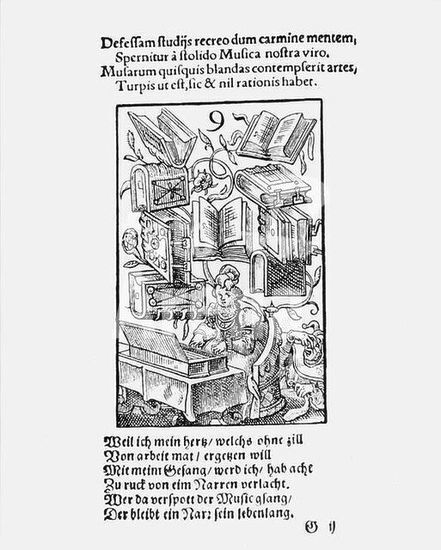
akg250609 Jeux : jeu de cartes. Carte. (Dame jouant du clavicorde et chantant pour son plaisir afin de se reposer de l'étude de cet instrument, tandis qu'un bouffon prêt à se moquer d'elle la guette). Gravure sur bois, v. 1570, du "Kartenbuch" (Livre des cartes), de Jost Amman (1539-1591).
DC
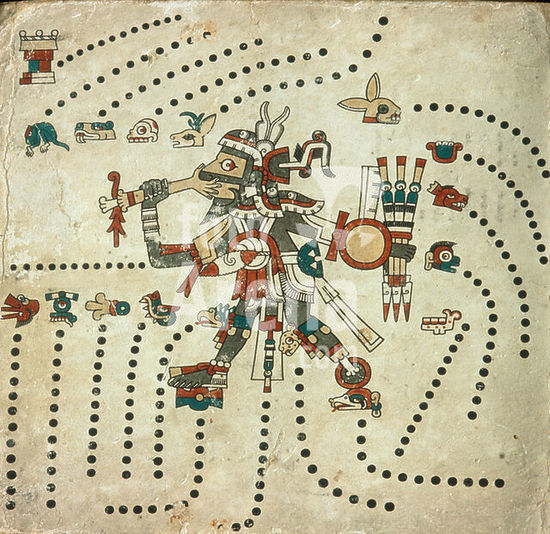
akg301706 Mixtec, before Conquista, Codex Fejervary-Mayer. Page with depiction of Tezcatlipoca, the "Smoking Mirror", Tutelary god of warriors and avengers of misdeeds; the God devours the hand of a human sacrifice. On buckskin with chalk grounding. Liverpool, Museum. Museum: Liverpool, Museum.
DC
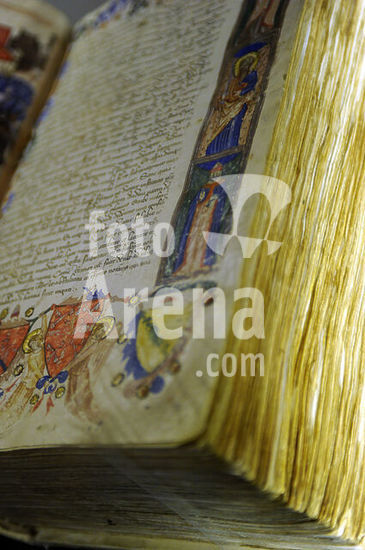
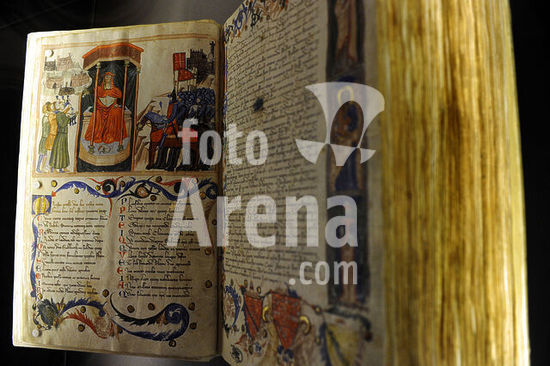
akg7874499 Register of the oaths of fealty to pope Innocent VI.(Serment de fidélité au pape Innocent VI)In 1353 Pope Innocent VI ordered Cardinal Gil Álvarez Carillo de Albornoz to Italy as his Legate and General Vicar. Albornoz, known as the assertive fighter, had to combat the unrest instigated by Cola di Rienzo and restore order again.The book at hand contains 112 documents from the years 1356 to 1359 filled with wonderful incunabula, miniatures and embellishments. All of them, under notarial certification, have invoked loyalty for the previously mentioned Pope Innocent VI. This applies as a rule to the confirmation of the submission of power of the local administration under papal authority.- The Vatican Secret Archives (Archives secretes du Vatican- Archivio Segreto Vaticano) is the central repository in the Vatican City for all of the acts promulgated by the Holy See. The archives also contain the state papers, correspondence, papal account books and many other documents which the church has accumulated over the centuries. More than 1000 years of history on 85 km of shelving. The papal archives has served the Holy See for 400 years and is one of the most important and renowned research centres in the world. Ii is a treasure trove of peerless precious documents: millions of papers and parchments that can be accessed by scholars of all nationalities and all faiths.- Vatican Secret Archives (1999).
DC
akg7874504 Register of the oaths of fealty to pope Innocent VI.(Serment de fidélité au pape Innocent VI)In 1353 Pope Innocent VI ordered Cardinal Gil Álvarez Carillo de Albornoz to Italy as his Legate and General Vicar. Albornoz, known as the assertive fighter, had to combat the unrest instigated by Cola di Rienzo and restore order again.The book at hand contains 112 documents from the years 1356 to 1359 filled with wonderful incunabula, miniatures and embellishments. All of them, under notarial certification, have invoked loyalty for the previously mentioned Pope Innocent VI. This applies as a rule to the confirmation of the submission of power of the local administration under papal authority.- The Vatican Secret Archives (Archives secretes du Vatican - Archivio Segreto Vaticano) is the central repository in the Vatican City for all of the acts promulgated by the Holy See. The archives also contain the state papers, correspondence, papal account books and many other documents which the church has accumulated over the centuries. More than 1000 years of history on 85 km of shelving. The papal archives has served the Holy See for 400 years and is one of the most important and renowned research centres in the world. Ii is a treasure trove of peerless precious documents: millions of papers and parchments that can be accessed by scholars of all nationalities and all faiths.- Vatican Secret Archives (1999).
DC
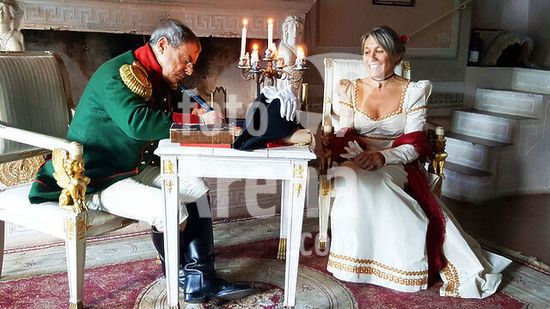
akg5857338 Italy, Tuscan Archipelago, island of Elba: Napoleon Bonaparte (actor: Franco Gianone) and Marie Countess Walewska (actress: Giuliana Berti) during performance in Casetta Drouot, Poggio. Paolo Ferruzzi is also running the nearby Casetta Drouot. Paolo Ferruzzi, retired art director of Academy of Fine Arts in Rome and new director of private Academy of teh Beautiful (Accademia del Bello) in Poggio, runs at Casetta Drouot, an original 17th century building with original furniture; the theatre company Compagnia teatrale dei Tappezzieri theatre company of the upholsterers). In original furnuiture of 1814, three actors play Napoleon Bonaparte, Napoleon, Marie Countess Walewska (German: Gräfin Maria Walewska), 1876 - 1817, and General Drouot. Conte Antoine (Antonio) Drouot was an artillery general of Napoleon and, in 1814, 40 years old. He followed Napoleon in his exile on Elba and became Governor of Elba. The Casa Drouot also shows a rare copy of the Code Napoleon and a rare copy of a French travel guide book to island of Elba, Napoleon may have used. The Code Napoleon has been issued on 3rd of September 1807 (3.9.1807) and is today owned by Ferruzzi. The French travel guide book, most probably used by Napoleon Bonaparte, has the title "Voyage a l`isle d`Elbe" (english: Voyage to island of Elba) and was issued, in 1808.History of this copy of the Code Napoleon: In 1814, the honorious people of village of Poggio chose the most beautiful girl in the mountain village to hand over to exiled Napoleon Bonaparte flowers, when he was visitng Poggio for the first time for inspection. The people chose "Betta la Carina", english "sweet Elizabeth" (Betta = Elisabetta), whose full name was Elisabetta Pavolini. On the piazza in front of main village church San Niccoló the girl presented herself to Bonaparte with "grazia e titubanza", dignity and hesitation, but overwhelmened, she did not speak any word. Napoleon was amused and asked her for her name. She answered: "Carina" (Sweethe.
DC
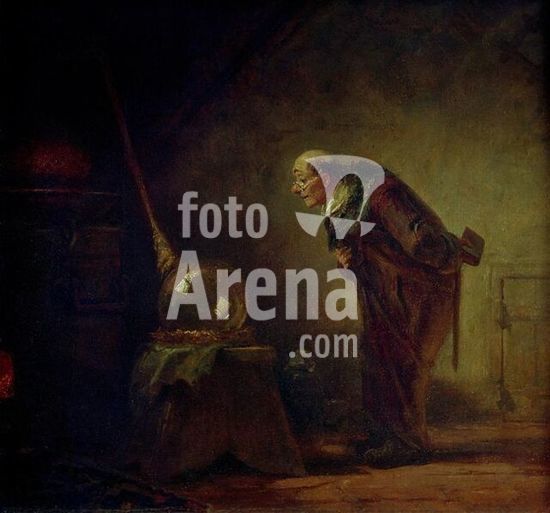
akg387835 Spitzweg, Carl. 1808-1885. "Der Alchimist mit Buch in der linken Hand" (The Alchemist with Book in the , Left), Oil on canvas, 24.2 × 24.7 cm. Inv. No. MGS 2239. Schweinfurt, Museum Georg Schäfer. Museum: Schweinfurt, Museum Georg Schäfer.
DC
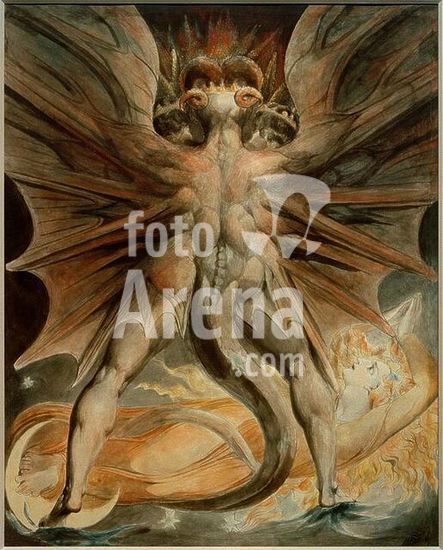
akg3547786 Blake, William, 1757 - 1827, English poet, painter and printmaker. The Great Red Dragon and the Woman Clothed with the Sun. Drawing, 1803/05. Illustration for the 12th Book of Revelation by Thomas Butts. Pen and ink, watercolour and graphite, 43.7 x 34.8 cm. Gift of William Augustus White, Brooklyn, The Brooklyn Museum. Museum: Brooklyn, The Brooklyn Museum.
DC
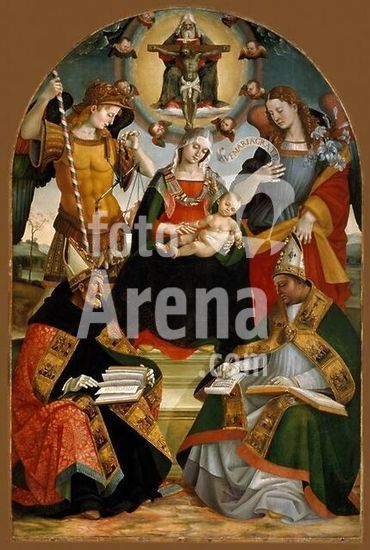
akg330994 Signorelli, Luca c. 1441 - 1523. "Mary with Child and the Trinity, Archangels Michael and Gabriel and Saints Augustine and Athanasius", 1505. Oil on wood, 272 × 180cm. Inv. No. 8369. (Photo after restoration 2002). Florence, Galleria degli Uffizi. Museum: Florenz, Galleria degli Uffizi.
DC
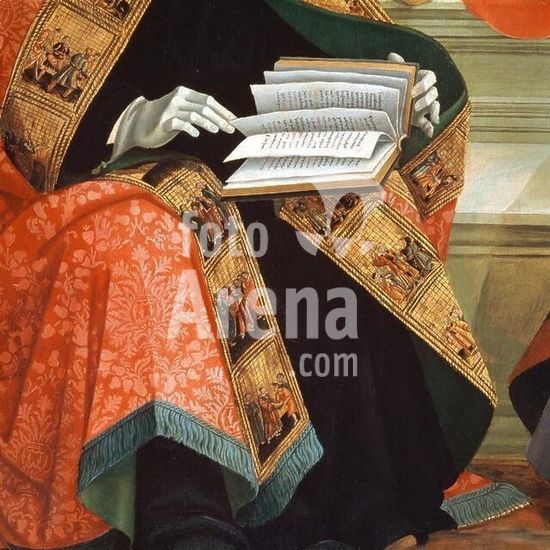
akg331022 Signorelli, Luca c. 1441 - 1523. "Mary with Child with the Trinity, Archangels and Saints", 1505. Section: Hands of Saint Augustine. Oil on wood, 272 × 180cm. Inv. No. 8369. (Photo after restoration 2002). Florence, Galleria degli Uffizi. Museum: Florenz, Galleria degli Uffizi.
DC
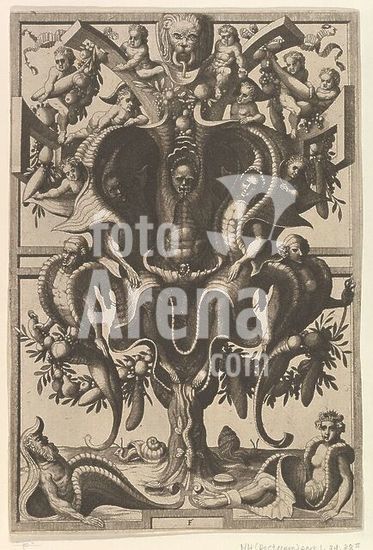
alb3612882 Auricular Cartouche with Figures within a Strapwork Frame from Veederley Veranderinghe van grotissen ende Compertimenten. Libro Primo. Artist: Johannes van Doetecum the elder (Netherlandish, active 1554-ca. 1600, died 1605); Lucas van Doetecum (Netherlandish, active 1554-72, died before 1589); after Cornelis Floris II (Netherlandish, Antwerp before 1514-1575 Antwerp). Dimensions: Overall: 14 7/16 x 11 7/16 x 5/16 in. (36.6 x 29 x 0.8 cm). Date: 1556.In his early career in Antwerp, the sculptor Cornelis Floris proved himself to be one of the most inventive designers of ornament. He took inspiration from Italian grotesque decorations and developed his very own vocabulary of, often exotic, creatures which inhabit a world of strapwork. Invertebrates and sea creatures play a prominent role in the designs, which illustrates the contemporary taste for the bizarre, but may also have be connected with Antwerp's success in trade by sea. This particular type of grotesques became characteristic for Antwerp during the 1540s and 1550s, and is sometimes even specifically referred to as Floris grotesques, although several hands can be distinguished in extant designs. Museum: Metropolitan Museum of Art, New York, USA.
DC
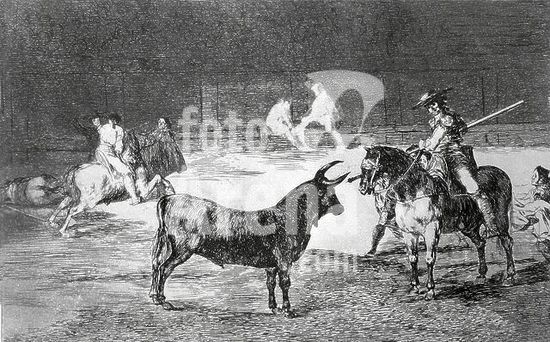
alb3733094 El celebre Fernando del Toro, barilarguero, obligando a la fiera con su garrocha (The celebrated Picador, Fernando del Toro, Draws the Fierce Beast on with His Pique). Dated: in or before 1816. Medium: etching, burnished aquatint, drypoint and burin [first edition impression]. Museum: National Gallery of Art, Washington DC. Author: FRANCISCO DE GOYA.
DC
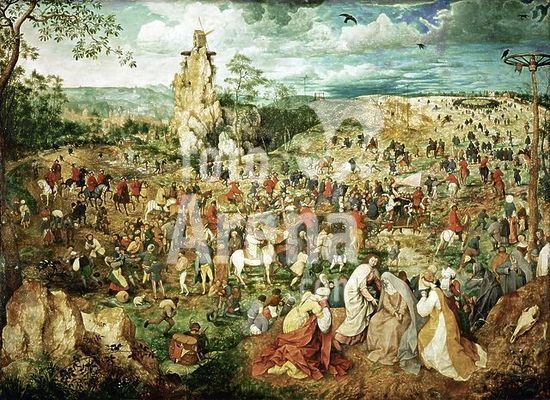
alb213942 The Procession to Calvary, 1564, Oil on canvas, 124 cm x 170 cm. Museum: KUNSTHISTORISCHES MUSEUM, VIENA, AUSTRIA. Author: PIETER BRUEGEL THE ELDER.
DC
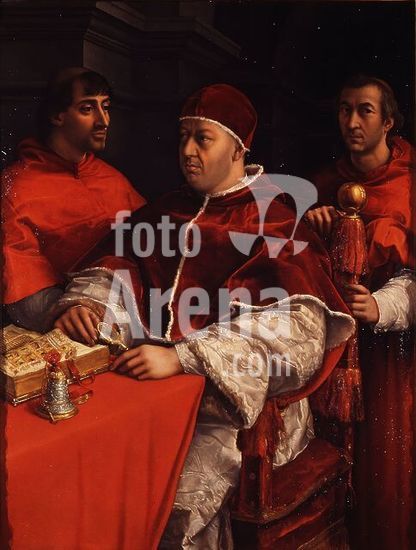
alb3905052 Ritratto di Leone X coi cardinali Giulio de' Medici e Luigi de' Rossi / Portrait of Pope Leo X with Cardinals Giulio de' Medici and Luigi de' Rossi. Date/Period: Ca. 1518. Painting. Oil on panel. Height: 155.5 cm (61.2 in); Width: 119.5 cm (47 in). Author: Raphael.
DC
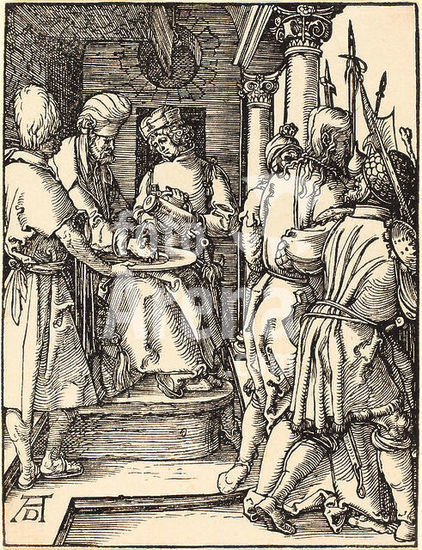
alb3728288 Pilate Washing His Hands. Dated: probably c. 1509/1510. Medium: woodcut. Museum: National Gallery of Art, Washington DC. Author: ALBRECHT DURER.
DC
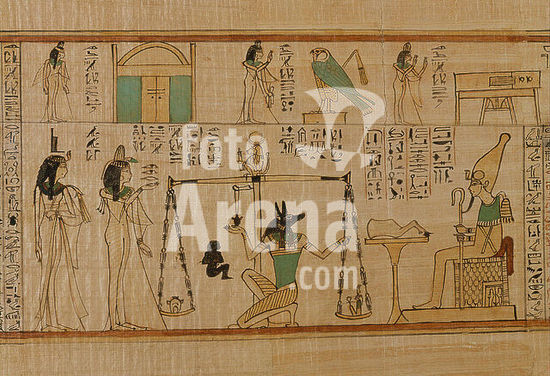
alb3666228 Book of the Dead for the Singer of Amun, Nany. Dimensions: L. 521.5 cm (206 5/16 in); H. 35 cm (13 3/4 in). Dynasty: Dynasty 21. Reign: reign of Psusennes I-II. Date: ca. 1050 B.C..Archaeologists found this papyrus in the burial of Nany, a woman in her seventies. She was a singer of the god Amun-Re. Nany also had the title "king's daughter," which probably means that she was a child of the high priest of Amun and titular king, Painedjem I. As was customary during the Third Intermediate Period, Nany's coffins (30.3.23-.25) and boxes of shabtis (30.3.26-.30) were accompanied by a hollow wooden Osiris figure, which contained a papyrus scroll inscribed with a collection of texts called the "Book of Coming Forth by Day" - better known to us as the Book of the Dead. When unrolled, this scroll is more than seventeen feet long.The scene depicted here shows the climax of the journey to the afterlife. Nany is in the Hall of Judgment. Holding her mouth and eyes in her hand, she stands to the left of a large scale. Her heart is being weighed against Maat, the goddess of justice and truth, who is represented as a tiny figure wearing her symbol, a single large feather, in her headband. On the right, Osiris, god of the underworld and rebirth, presides over the scene. He wears the white crown of Upper Egypt and the curving beard of a god. His body is wrapped like a mummy except for his hands, which clasp a crook. On the table before him is an offering of a joint of beef. Canine-headed Anubis, overseer of mummification, adjusts the scales, while a baboon—symbolizing Thoth, the god of wisdom and writing—sits on the balance beam and prepares to write down the result. Behind Nany stands the goddess Isis, both wife and sister of Osiris. She is identified by the hieroglyph above her head.In this scene, Nany has been found truthful and therefore worthy of entering the afterlife. Anubis says to Osiris, "Her heart is an accurate witness, "and Osiris replies," Give her her eyes and her mouth, since her heart is an accurate witness." In the horizontal register above the judgment scene, Nany appears in three episodes: worshipping the divine palette with which all is written, praising a statue of Horus in his falcon form, and standing by her own tomb. Museum: Metropolitan Museum of Art, New York, USA.
DC
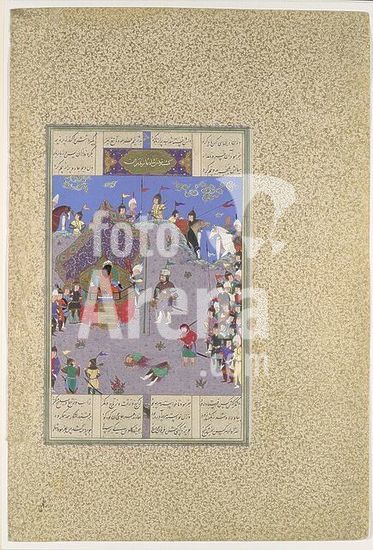
alb3661660 "Rustam Brings the Div King to Kai Kavus for Execution", Folio 127v from the Shahnama (Book of Kings) of Shah Tahmasp. Artist: Painting attributed to Qasim ibn 'Ali (active ca. 1525-60); Painting attributed to Mir Musavvir (active 1525-60). Author: Abu'l Qasim Firdausi (935-1020). Dimensions: Painting: H. 11 3/16 x W. 7 1/8 in. (H. 28.4 x W. 18.1 cm)Entire Page: H. 18 5/8 x W. 12 9/16 in. (H. 47.3 x W. 31.9 cm). Date: ca. 1525-30.Even with the death of the White Div and the Div General Arzhang, the demons of the Div King of Mazandaran continue to harry the Iranians. At last, Kai Kavus leads his army into battle gainst the divs. Rustam captures the Div King, who transforms himself into a stone. When Rustam lugs him to Kai Kavus and threatens to slice him up, he returns to div form and is executed on Kai Kavus's order. [A later hand blackened the face and hands of Kai Kavus.]. Museum: Metropolitan Museum of Art, New York, USA.
DC
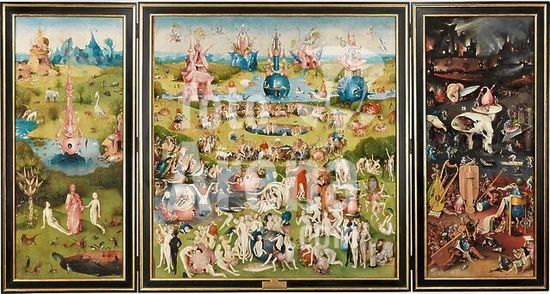
alb2070435 El Bosco / 'The Garden of Earthly Delights', 1500-1505, Flemish School, Oil on panel, 220 cm x 389 cm, P02823. Museum: MUSEO DEL PRADO, MADRID, SPAIN.
DC
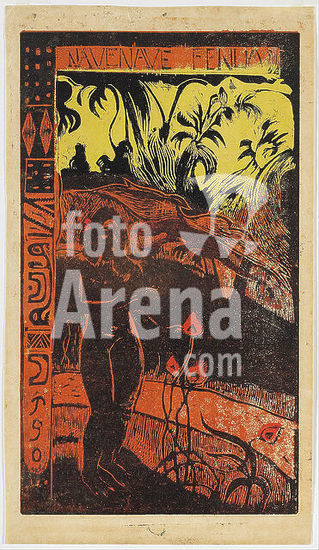
alb3898259 Nave Nave Fenua from the Noa Noa Series. Date/Period: 1893 - 1894. Unknown. Woodcut printed in colours on heavy japan paper woodcut printed in colours on heavy japan paper. Height: 365 mm (14.37 in); Width: 203 mm (7.99 in). Author: PAUL GAUGUIN.
DC
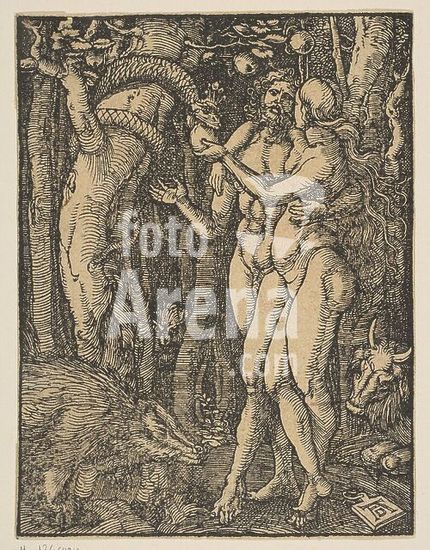
alb3613702 Adam and Eve, from the Small Passion, copy. Artist: After Albrecht Dürer (German, Nuremberg 1471-1528 Nuremberg); Johann Mommard. Date: n.d.. Museum: Metropolitan Museum of Art, New York, USA.
DC
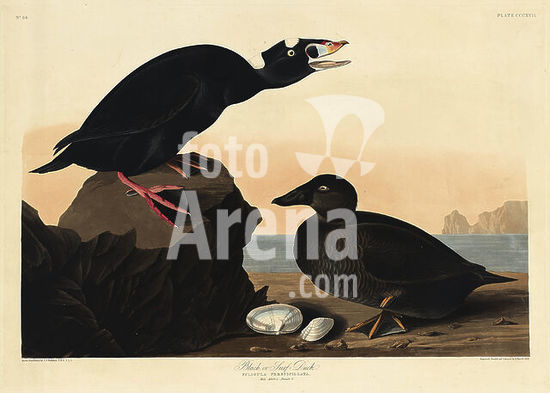
alb3729962 Black or Surf Duck. Dated: 1836. Medium: hand-colored etching and aquatint on Whatman paper. Museum: National Gallery of Art, Washington DC. Author: Robert Havell after John James Audubon.
DC
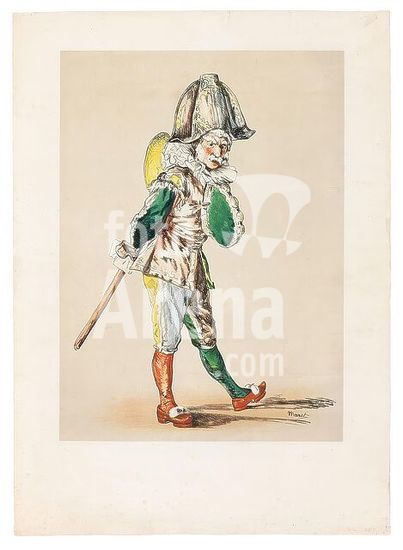
alb4157808 Punch. Édouard Manet; French, 1832-1883. Date: 1874. Dimensions: 462 × 336 mm (image); 619 × 445 mm (sheet). Lithograph printed in color from seven stones (beige, orange, green, yellow, light blue, white, black), with scraping, on ivory wove paper. Origin: France. Museum: The Chicago Art Institute, USA.
DC
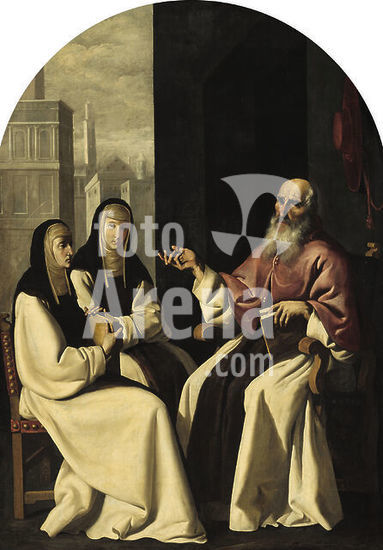
alb3738389 Saint Jerome with Saint Paula and Saint Eustochium. Dated: c. 1640/1650. Dimensions: overall: 245.7 x 173.5 cm (96 3/4 x 68 5/16 in.) framed: 264.2 x 192.4 x 9.5 cm (104 x 75 3/4 x 3 3/4 in.). Medium: oil on fabric. Museum: National Gallery of Art, Washington DC. Author: Francisco de Zurbarán and Workshop.
DC
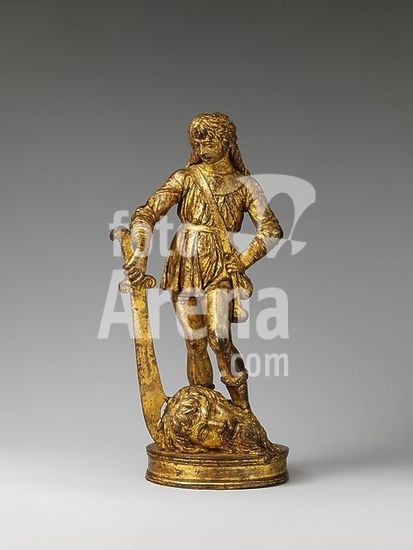
alb3610609 David with the Head of Goliath. Artist: Bartolomeo Bellano (Italian, Padua 1437/38-1496/97 Padua). Culture: Italian, Padua. Dimensions: Overall (confirmed): 11 1/4 × 5 1/4 × 4 7/8 in., 9.7 lb. (28.6 × 13.3 × 12.4 cm, 4.4 kg). Date: 1470-80.This is a key work in the early Renaissance development of bronze statuettes in northern Italy. Its creator, Bartolomeo Bellano, was a disciple of Donatello's, as is documented by a payment in connection with that master's Judith Slaying Holofernes (ca. 1459, Palazzo Vecchio, Florence).[1] His independent work began with a bronze statue of Pope Paul II in Perugia (1466 - 67, now lost) and a series of Old Testament subjects in relief for the choir screen of the basilica of San Antonio (Il Santo) in Padua (1484 - 90), which features small-scale figures standing out in high relief from their backgrounds. As we know from Giorgio Vasari's biography, he went on to execute a number of small metal figures for the pope and for others, and he has been recognized as one of the earliest Italian sculptors to make a specialty of bronze statuettes.[2]David with the Head of Goliath has long been admired as one of Bellano's masterpieces in bronze.[ 3] Its debt to Donatello's famous nude David (ca. 1455, Museo Nazionale del Bargello, Florence) is reflected in the hero's pose with hip swung out and one arm akimbo and the gigantic head of Goliath at his feet. Bellano dressed David in a short tunic with many pleats -- Wilhelm von Bode once described the sculptor's boldly chiseled drapery as like crumpled paper.[4] The youthful victor's accessories include a gorget decorated with a head, probably of Medusa, in a classical allusion; boots rolled down to the calf; and a shoulder bag, whose strap crosses the right shoulder. His weapons are a sling, still weighted by a stone, and a large sword. Having hit his foe with a projectile -- stones scattered on the base give a sense that the battle has just taken place -- David triumphs over his dead opponent. The triangular gash in the giant's forehead indicates the cause of death, while the curved blade is clearly the implement that was used to lop off the giant's head. David's graceful pose, his limbs in contrapposto, emphasizes his youth and suggests serenity in the aftermath of violent conflict.Scholars divide over the relationship of this to other small bronzes by Bellano, notably a variant David in the Philadelphia Museum of Art and a Saint Jerome and the Lion in the Musée du Louvre, Paris. Hans Weihrauch saw the Philadelphia example as more clearly derivative of Donatello and believed it therefore to be earlier than the Museum's David;[5] John Pope-Hennessy followed this line of reasoning in dating the Philadelphia example to about 1466 and the present version later.[6] Museum curator James Draper believed, to the contrary, that the taut pose and sharp faceting of the Museum's statuette align it with such early works by the artist as the Miracle of the Mule relief in Il Santo (1469 - 72) and that the bulkier body, more static composition, and chunkier faceting of the Philadelphia David reflect Bellano's advancing style, as represented by the Saint Jerome in Paris.[ 7] Some scholars wondered whether the Davids under discussion are in fact by two different hands, but Draper sees them as from different phases of one career.[8] Most recently Volker Krahn has reaffirmed the early dating of the Museum's example, calling it Bellano's masterwork in the small bronze format.[9] A number of later versions testify to the continuing esteem in which this sculpture was held well into the sixteenth century.[10][Ian Wardropper. European Sculpture, 1400-1900, in the Metropolitan Museum of Art. New York, 2011, no. 6, pp. 26-29.]Footnotes:[1] Volker Krahn. "Bellano, Bartolomeo." In The Dictionary of Art, edited by Jane Turner, vol. 3, pp. 636-67. New York, 1996, p. 636.[2] Giorgio Vasari. Le vite de' più eccellenti pittori, scultori ed archetettori. 2nd ed. 3 vols. Florence, 1568. 1906 ed., edited by Gaetano Milanesi. 9 vols. Florence, 1906, vol. 2, p. 606.[3] Volker Krahn. "Bellano (Belani; Belanus; Vellano), Bartolomeo." In Allgemeines Künstlerlexikon: Die bildenden Künstler aller Zeiten und Völker, vol. 8, pp. 438-39. Munich, 1994, p. 439.[4] Wilhelm von Bode. "Lo scultore Bartolomeo Bellano da Padova." Archivio storico dell'arte 4 (1891), pp. 397-416, p. 412.[5] Hans R. Weihrauch. Europäische Bronzestatuetten, 15.-18. Jahrhundert. Braunschweig, 1967, pp. 97 - 98.[6] John Pope-Hennessy. Luca della Robbia. Itahca, N.Y., 1980, p. 264, under no. 57.[7] Draper in Italian Renaissance Sculpture in the Time of Donatello: An Exhibition to Commemorate the 600th Anniversary of Donatello's Birth and the 100th Anniversary of the Detroit Institute of Arts. Exh. cat. Detroit Institute of Arts; Kimbell Art Museum, Fort Worth; 1985-86. Detroit, 1985, pp. 225 - 26, no. 82.[8] Charles Avery. "Donatello Celebrations: A Major Exhibition at Detroit, Fort Worth and Florence." Apollo 123 (January 1986), pp. 14-18, p. 18; Bruce Boucher. "Detroit and Fort Worth: Sculpture in the Time of Donatello." Burlington Magazine 128 (January 1986), pp. 67-68, p. 68. Draper dates the Philadelphia and Paris bronzes to the time of Bellano's Monument to Pietro Roccabonella in the church of San Francesco, Padua (finished in 1498), on the basis of "a markedly blockier approach to modeling"; James David Draper. Bertoldo di Giovanni, Sculptor of the Medici Household: Critical Reappraisal and Catalogue Raisonné. Columbia, Mo., 1992, pp. 35 - 36.[9] Volker Krahn in Von allen Seiten schön: Bronzen der Renaissance und des Barock. Wilhelm von Bode zum 150. Geburstag. Exh. cat. edited by Volker Krahn. Altes Museum, Berlin; 1995-96. Berlin, 1995, p. 136.[10] John Pope-Hennessy. The Frick Collection: An Illustrated Catalogue. Val. 3, Sculpture: Italian. New York, 1970, p. 68, lists the known versions. After that book was published, another version came up for sale at Sotheby Parke Bernet, New York, March 23 - 24, 1973, no. 94. Museum: Metropolitan Museum of Art, New York, USA.
DC
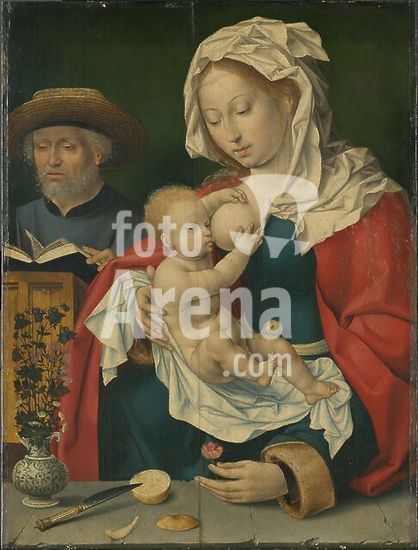
alb4131339 Holy Family. Workshop of Joos van Cleve; Netherlandish, Active by 1507-1540/41. Date: 1515-1535. Dimensions: 48.3 x 36.4 cm (19 x 14 3/8 in.)Panel: 48.3 x 35.3 cm (19 x 13 7/8 in.). Oil on panel, with added strips. Origin: Holland. Museum: The Chicago Art Institute, USA.
DC
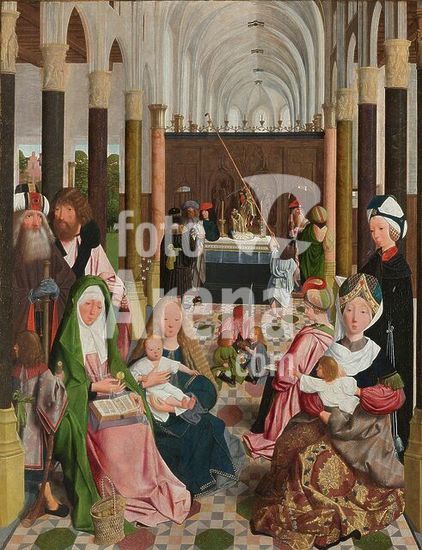
alb4105046 The Holy Kinship. Dating: c. 1495. Place: Haarlem. Measurements: support: h 137.2 cm × w 105.8 cm. Museum: Rijksmuseum, Amsterdam. Author: Geertgen tot Sint Jans (workshop of).
DC
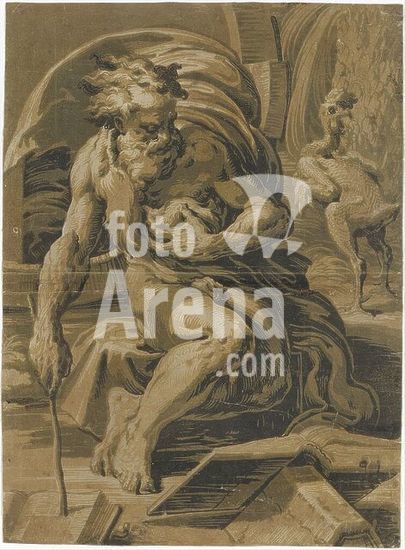
alb3680184 Diogenes, seated before his barrel, reading from a book, a plucked hen standing behind him at right. Artist: After Parmigianino (Girolamo Francesco Maria Mazzola) (Italian, Parma 1503-1540 Casalmaggiore); Ugo da Carpi (Italian, Carpi ca. 1480-1532 Bologna). Dimensions: Image: 18 11/16 x 13 5/8 in. (47.5 x 34.6 cm)Mount: 28 x 22 in. (71.1 x 55.9 cm). Date: 1520-30.Ugo da Carpi was the first Italian artist to experiment with a multiblock woodcut technique known as chiaroscuro. The method requires a different block for each shade; the blocks are inked and printed one over the other to create the composition. In this remarkable example of the medium, the artist creates form through areas of tone. Ugo seems to have drawn inspiration from the wash drawings of Parmigianino, with whom he may have collaborated. The print shows the Greek philosopher Diogenes immersed in his studies. The chicken at right is a reference to his mocking response to Plato's definition of man as a featherless biped: Diogenes is said to have presented a plucked chicken, saying, "Here is Plato's man!". Museum: Metropolitan Museum of Art, New York, USA.
DC

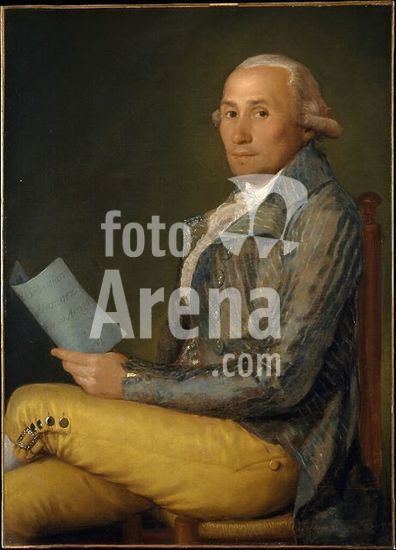
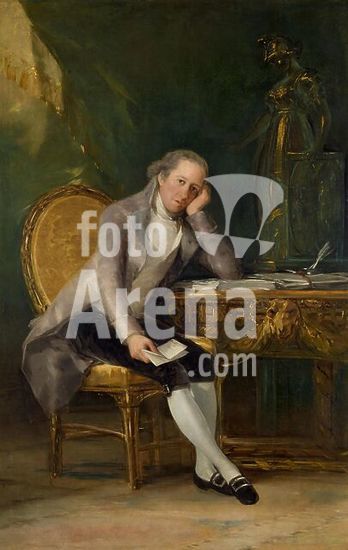
alb3631088 Sebastián Martínez y Pérez (1747-1800). Artist: Goya (Francisco de Goya y Lucientes) (Spanish, Fuendetodos 1746-1828 Bordeaux). Dimensions: 36 5/8 x 26 5/8 in. (93 x 67.6 cm). Date: 1792.The sheet of paper in the sitter's hand reads: "Don Sebastián Martínez by his friend Goya 1792." Martínez was a famous collector of books, prints, and paintings. He held the position of chief treasurer of the Finance Committee of Cadiz, a flourishing harbor town linked by trade with England and France. This portrait was probably painted just before Goya contracted the illness that caused his deafness and affected him intermittently for the rest of his life. During his convalescence in 1793, he spent several months in Martínez's home. Museum: Metropolitan Museum of Art, New York, USA. Author: Goya (Francisco de Goya y Lucientes).
DC
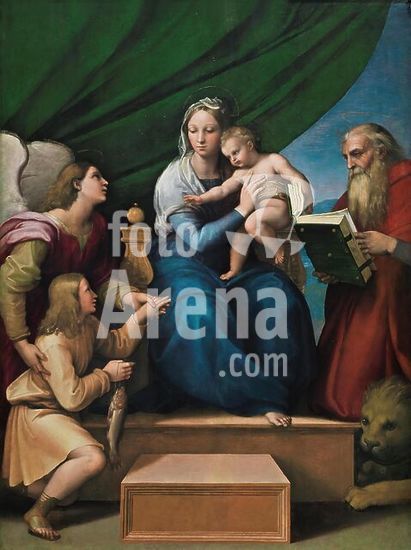
alb2068700 Rafael / 'The Holy Family with Raphael, Tobias and Saint Jerome, or the Virgin with a Fish', 1513-1514, Italian School, Oil on panel, 215 cm x 158 cm, P00297. Museum: MUSEO DEL PRADO, MADRID, SPAIN.
DC
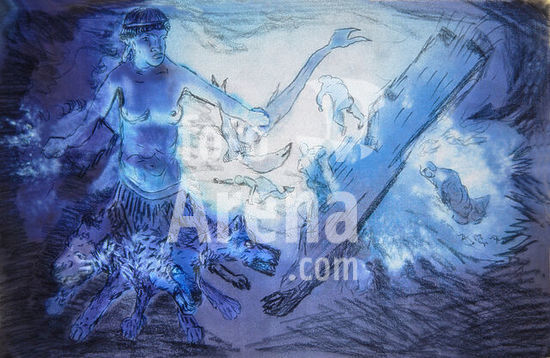
akg8668873 Epoch of Odysseus. In a period of time when history is being made, the life of one person, named Odysseus, will mark the events of particular characteristics for years to come. Travels of need that are about to befall Odysseus and his warriors after the fall of Troy, a series of acts that the Gods arranged. The Nemesis (goddess of revenge) will follow him during his ten years of wandering. Scylla, a naiad changed into a sea monster with three heads of beasts that tears apart boats (Book XII). Drawing and watercolour, 2020.
DC
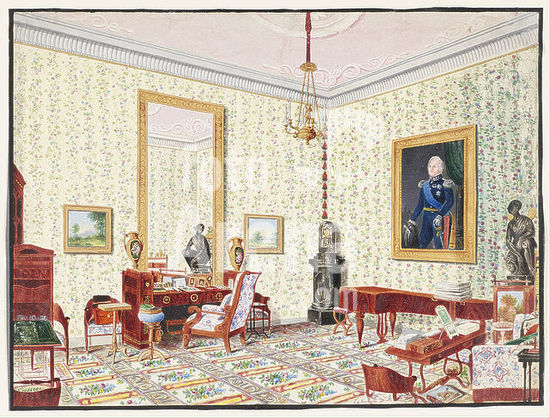
alb3896738 The Study of Grand Duchess Cecilia von Oldenberg. Date/Period: 1839. Drawing. Brush and watercolor and gouache with accents of gold paint on white wove paper. Author: Ernst Christian Anton von Lautzow.
DC
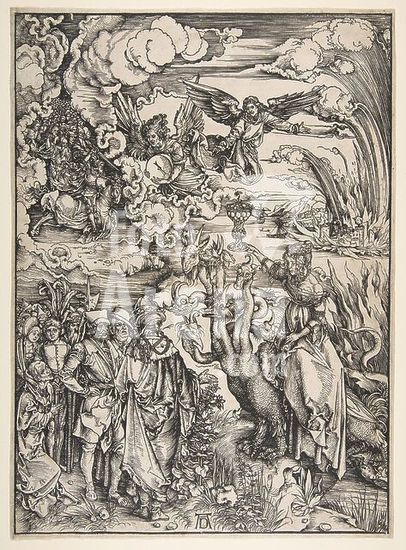
alb3617170 The Whore of Babylon, from The Apocalypse. Artist: Albrecht Dürer (German, Nuremberg 1471-1528 Nuremberg). Dimensions: sheet, 15-5/8 x 11-1/4 in. (39.5 x 28.6 cm). Date: 1498.By 1498, Dürer had published more than two dozen prints, which brought him to the attention of artists and connoisseurs not only in his native Nuremberg and other German-speaking areas but also across the Alps in Italy. It was the prodigious woodcuts of The Apocalypse, however, published in 1498, that made him enormously famous. There was a long tradition of Apocalypse illustrations in manuscripts, which continued in printed books, but nothing like Dürer's galvanizing imagination had ever been brought to bear on the text. In previous printed Bibles, illustrations had been put on pages along with the words, but Dürer gave precedence to the image, taking the entire large page of what he himself called a "superbook" for each of his fifteen subjects. This last image in the series marks the appearance of the whore of Babylon in the Book of Revelation (17:3--4): "And I saw a woman sitting on a scarlet beast, full of names of blasphemy with seven heads and ten horns. The woman was garbed in purple and scarlet, and gilded with gold, gems, and pearls, and bearing a golden goblet in her hand full of abominations and filthiness of her fornication." Babylon, the domain that embodies evil on earth, burns with huge explosions of flame and smoke in the distance, and from the upper left come the armies of heaven, led by the knight Faithful-and-True. Museum: Metropolitan Museum of Art, New York, USA.
DC
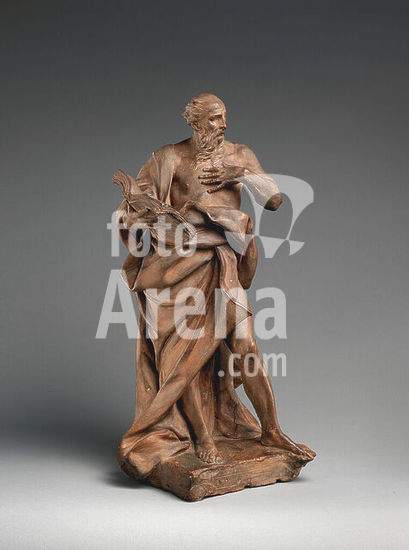
alb3683979 Apostle (Saint Matthew?). Culture: Italian. Dimensions: Overall (confirmed): 17 1/2 × 8 5/8 × 6 7/8 in. (44.5 × 21.9 × 17.5 cm). Date: 1730s.This vigorously modeled statuette portrays an Apostle, possibly Saint Matthew. He holds an open book, one of his symbols, in his right hand, and his left is pressed against his chest, almost evocative of his call from Jesus. The terracotta bozzetto exemplifies a different way of fashioning clay, being in between a clay sketch and a smooth model. The handling of the clay is masterful. Particularly engaging is the spiky head, quickly modeled with few secure strokes and framed by sparse hair. The Evangelist's powerful stride and arrangement of the heavy mantle, with its deep edgy folds, animate the figure and impart a sense of monumentality and command of space typical of Roman sculpture at the time. Museum: Metropolitan Museum of Art, New York, USA.
DC

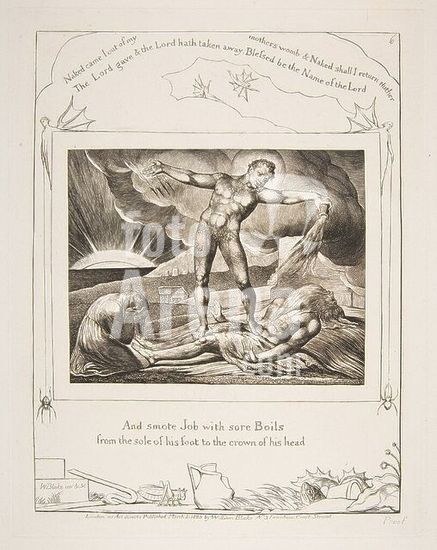
alb3637373 Satan Smiting Job with Boils, from Illustrations of the Book of Job. Artist: William Blake (British, London 1757-1827 London). Dimensions: plate: 8 1/2 x 6 5/8 in. (21.6 x 16.8 cm)sheet: 16 1/8 x 10 7/8 in. (41 x 27.6 cm). Publisher: Published by William Blake (British, London 1757-1827 London) No. 3 Fountain Court, Strand. Date: 1825-26. Museum: Metropolitan Museum of Art, New York, USA.
DC

alb4104829 Tobit and Anna with the Kid. Dating: 1626. Measurements: h 39.5 cm × w 30 cm. Museum: Rijksmuseum, Amsterdam. Author: Rembrandt van Rijn (mentioned on object).
DC
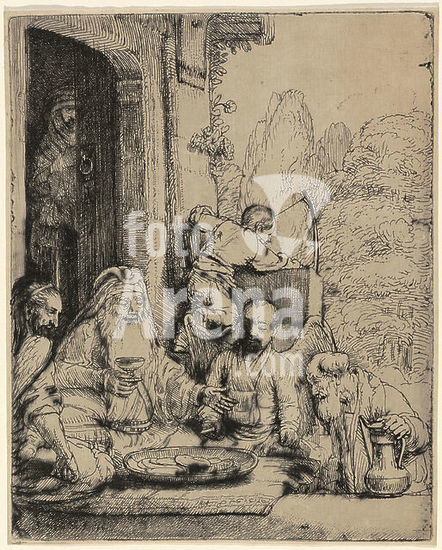
alb3740088 Abraham Entertaining the Angels. Dated: 1656. Dimensions: plate: 15.8 x 12.7 cm (6 1/4 x 5 in.) sheet: 16.1 x 13 cm (6 5/16 x 5 1/8 in.). Medium: etching and drypoint on japan paper. Museum: National Gallery of Art, Washington DC. Author: Rembrandt.
DC
alb3602771 Aubrey Beardsley. Artist: Frederick H. Evans (British, London 1853-1943 London). Dimensions: 13.6 x 9.7 cm (5 3/8 x 3 13/16 in.); 12.3 x 9.5 cm (4 13/16 x 3 3/4 in.). Date: ca. 1894.A major figure in British Pictorialism and a driving force of its influential society The Linked Ring, Frederick Evans is best known for his moving interpretations of medieval cathedrals rendered with unmatched subtlety in platinum prints. Until 1898, Evans owned a bookshop in London where, according to George Bernard Shaw, he was the ideal bookseller, chatting his customers into buying what he thought was right for them. In 1889, Evans befriended the seventeen-year-old Aubrey Beardsley, a clerk in an insurance company who, too poor to make purchases, browsed in the bookshop during lunch hours. Eventually, Evans recommended Beardsley to the publisher John M. Dent as the illustrator for a new edition of Thomas Malory's "Le Morte d'Arthur." It was to be Beardsley's first commission and the beginning of his meteoric rise to fame.Evans probably made these two portraits of Beardsley (1872-1898) in 1894, at the time the young artist was achieving notoriety for his scandalous illustrations of Oscar Wilde's "Salomé" and "The Yellow Book," two publications that captured the irreverent, decadent mood of the European fin de siècle. A lanky, stooped youth who suffered from tuberculosis and would die of the disease at the age of twenty-five, Beardsley, conscious of his awkward physique, cultivated the image of the dandy. Evans is reported to have spent hours studying Beardsley, wondering how best to approach his subject, when the artist, growing tired, finally relaxed into more natural poses. In the platinum print on the left, Evans captured the inward-looking artist lost in the contemplation of his imaginary world, his beaked profile cupped in the long fingers of his sensitive hands. In contrast, in the photogravure on the right, Beardsley peers out from under his smoothly combed fringe as if scrutinizing himself in an unseen mirror. Evans presented the portraits mounted as a diptych in a folder. Produced in an edition of twenty, the sets were probably issued as a commemorative tribute following the artist's death on March 16, 1898. Museum: Metropolitan Museum of Art, New York, USA. Author: FREDERICK H. EVANS.
DC
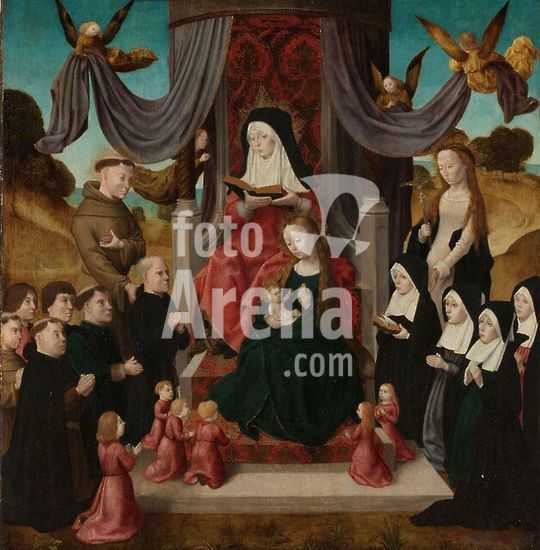
alb4104409 Virgin and Child with Saint Anne and Saints Francis and Lidwina, with Donors (Anna Selbdritt). Dating: c. 1490 - c. 1500. Measurements: support: h 55.5 cm × w 53.5 cm; painted surface: h 54.5 cm × w 52.2 cm; d 6 cm. Museum: Rijksmuseum, Amsterdam. Author: Master of the Saint John Panels.
DC
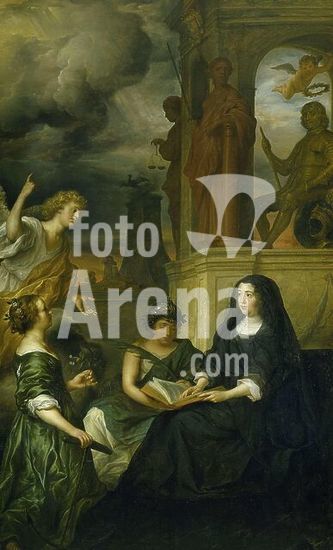
alb4105450 Allegory on the Memory of Frederik Hendrik (1584-1647), Prince of Orange, with the Portrait of his Widow Amalia van Solms. Dating: 1654. Measurements: h 307 cm × w 189 cm. Museum: Rijksmuseum, Amsterdam. Author: Govert Flinck.
DC
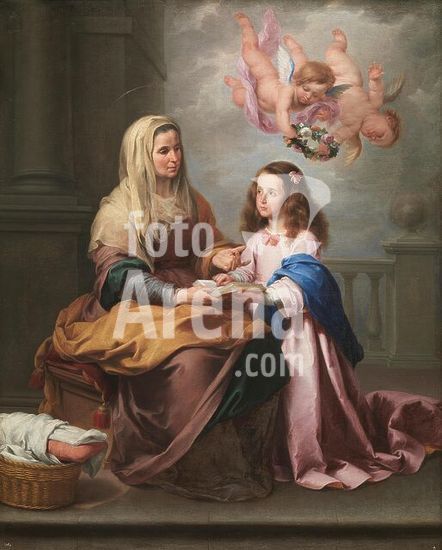
alb2070600 Bartolomé Esteban Murillo / 'Saint Anne with the Virgin', ca. 1655, Spanish School, Oil on canvas, 219 cm x 165 cm, P00968. Museum: MUSEO DEL PRADO, MADRID, SPAIN.
DC
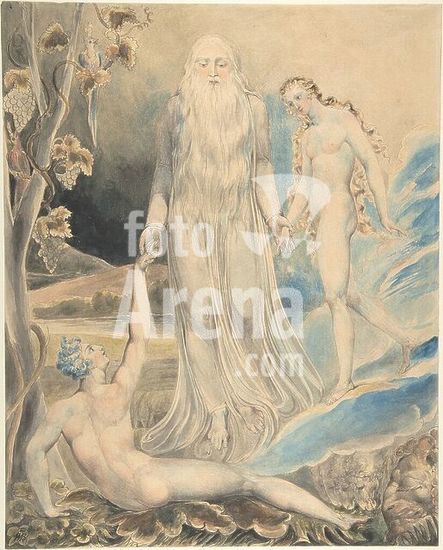
alb3637770 Angel of the Divine Presence Bringing Eve to Adam (The Creation of Eve: "And She Shall be Called Woman) (recto); Sketch for the same (verso). Artist: William Blake (British, London 1757-1827 London). Dimensions: Sheet: 16 3/8 × 13 1/16 in. (41.6 × 33.2 cm). Date: ca. 1803.Blake considered the Bible to be the supreme poetic work and here evocatively re-imagined the Old Testament theme of the creation of Eve. Instead of showing the first woman emerging from Adam's side, Blake presents the couple meeting with ceremonial solemnity. A divine figure prepares to join their hands while a recumbent Adam looks up eagerly as his mate steps down from blue-tinged clouds. Objects in the landscape elaborate the meaning: the grape vines entwined around the tree symbolize marriage; the exotic red and blue plumed birds represent the newly created souls; and the giant oak leaf on which Adam reclines forecasts humankind's suffering. A lion dozing near grazing lambs at lower right signals the peace of the pre-fallen world. Blake made this finished watercolor for his loyal patron Thomas Butts. Museum: Metropolitan Museum of Art, New York, USA.
DC

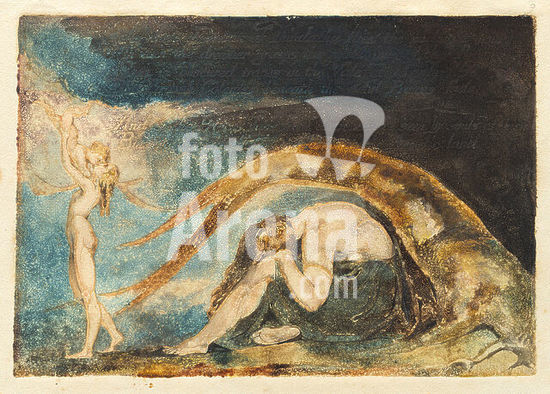
alb3705992 Dream of Thiralatha [from "America," cancelled plate d]. Dated: c. 1794/1796. Dimensions: plate: 11.8 x 17.2 cm (4 5/8 x 6 3/4 in.) sheet: 21 x 24.1 cm (8 1/4 x 9 1/2 in.). Medium: relief etching, color-printed (with hand-coloring?). Museum: National Gallery of Art, Washington DC. Author: William Blake.
DC
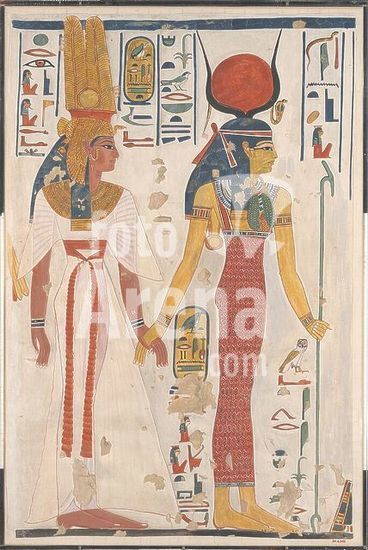
alb3607123 Queen Nefertari being led by Isis. Artist: Charles K. Wilkinson. Dimensions: facsimile: h. 70 cm (27 9/16 in); w. 46 cm (18 1/8 in)scale approximately 1:3framed: h. 73.7 cm (29 in); w. 49.5 cm (19 1/2 in). Dynasty: Dynasty 19. Reign: reign of Ramesses II. Date: ca. 1279-1213 B.C..Nefertari was the main wife of pharaoh Ramses II and her tomb with its vivid wall paintings is one of the most beautiful tombs in Egypt. This watercolor copy depicts the queen (left) being led by the goddess Isis (right). Noteworthy is that Nefertari's husband, Ramses II, is absent in these scenes, indicating the queen's high status that allowed her to directly interact with the deities without him; such depictions would not be possible for non-royal individuals. Museum: Metropolitan Museum of Art, New York, USA. Author: Charles K. Wilkinson.
DC
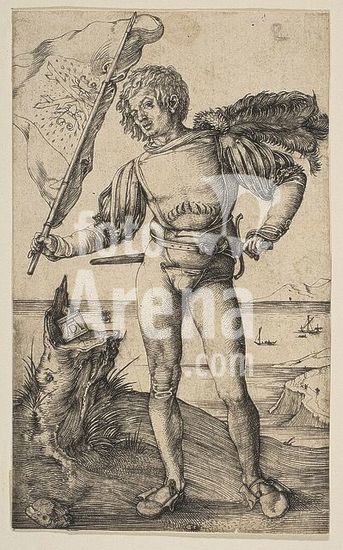
alb3600167 The Standard Bearer. Artist: Albrecht Dürer (German, Nuremberg 1471-1528 Nuremberg). Dimensions: Sheet: 4 1/2 × 2 3/4 in. (11.5 × 7 cm). Date: ca. 1501. Museum: Metropolitan Museum of Art, New York, USA.
DC

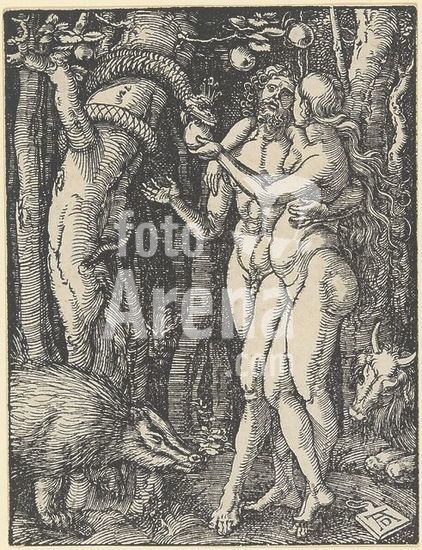
alb3617541 The Fall of Man, from The Small Passion. Artist: Albrecht Dürer (German, Nuremberg 1471-1528 Nuremberg). Dimensions: sheet: 5 x 3 13/16 in. (12.7 x 9.7 cm). Date: ca. 1510. Museum: Metropolitan Museum of Art, New York, USA.
DC

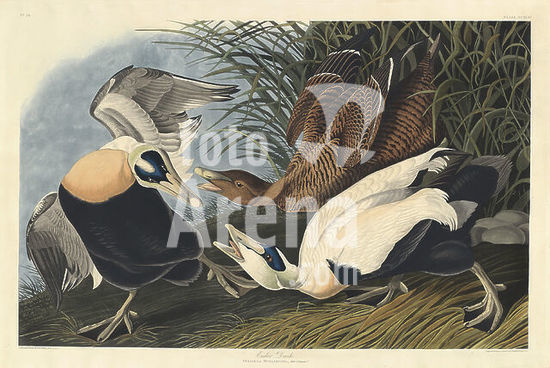
alb3712122 Eider Duck. Dated: 1835. Medium: hand-colored etching and aquatint on Whatman paper. Museum: National Gallery of Art, Washington DC. Author: Robert Havell after John James Audubon.
DC
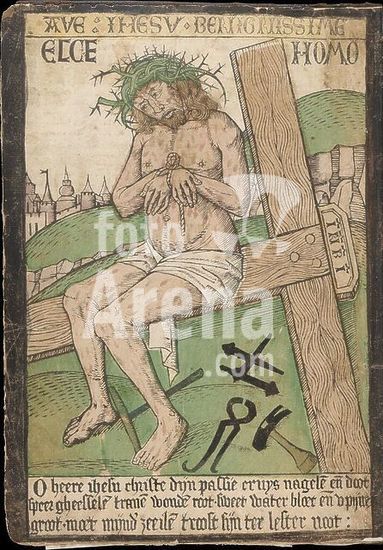
alb3637936 Album with Twelve Engravings of The Passion, a Woodcut of Christ as the Man of Sorrows, and a Metalcut of St. Jerome in Penitence. Artist: Anonymous, Netherlandish, 15th century; Israhel van Meckenem (German, Meckenem ca. 1440/45-1503 Bocholt); Anonymous, German, Cologne, 15th century. Dimensions: Overall: 10 1/4 x 8 1/16 x 1/2 in. (26 x 20.4 x 1.3 cm). Date: late 15th century.This fascinating album provides vivid testimony to the way in which prints were used in the fifteenth century. Twelve outstanding early impressions of Israhel van Meckenem's engravings of the Passion are interleaved with manuscript text of the Hundred Meditations on the Passion of Christ. The album also includes two rare devotional prints, both hand-colored, as well as liturgical calendars and several devotional texts in Dutch. The entirety was bound into a now well-worn fifteenth-century Netherlandish leather flap binding decorated with geometrical patterns and a stamp with animals and text. Museum: Metropolitan Museum of Art, New York, USA.
DC

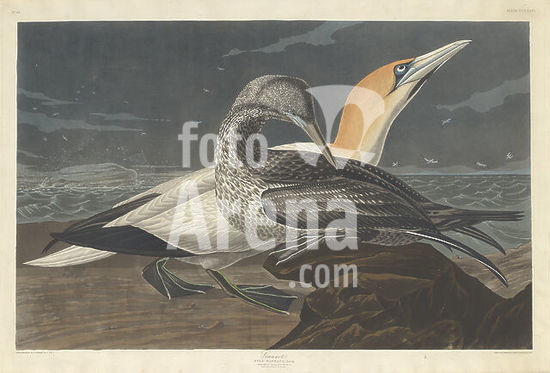
alb3742971 Gannet. Dated: 1836. Medium: hand-colored etching and aquatint on Whatman paper. Museum: National Gallery of Art, Washington DC. Author: Robert Havell after John James Audubon.
DC
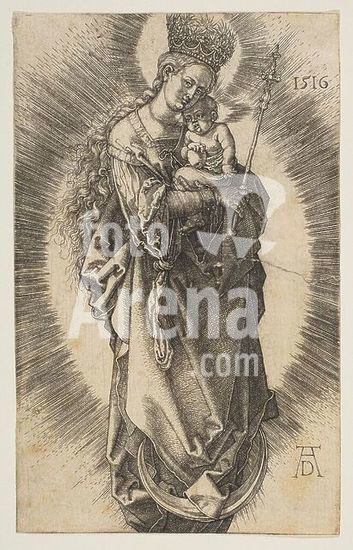
alb3600714 Virgin on the Crescent with Scepter and Starry Crown. Artist: Albrecht Dürer (German, Nuremberg 1471-1528 Nuremberg). Dimensions: Sheet: 4 5/8 × 2 15/16 in. (11.7 × 7.4 cm). Date: 1516. Museum: Metropolitan Museum of Art, New York, USA.
DC

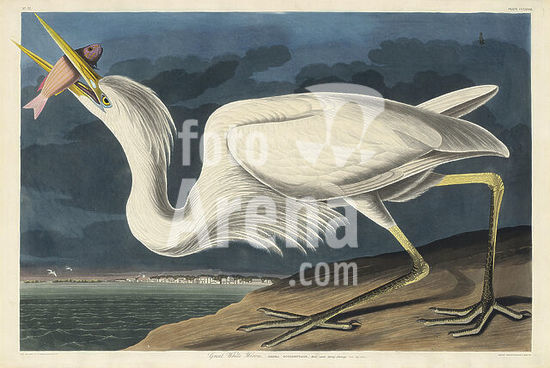
alb3724244 Great White Heron. Dated: 1835. Dimensions: plate: 65.6 x 97.4 cm (25 13/16 x 38 3/8 in.) sheet: 67.4 x 101 cm (26 9/16 x 39 3/4 in.). Medium: hand-colored etching and aquatint on Whatman paper. Museum: National Gallery of Art, Washington DC. Author: Robert Havell after John James Audubon.
DC
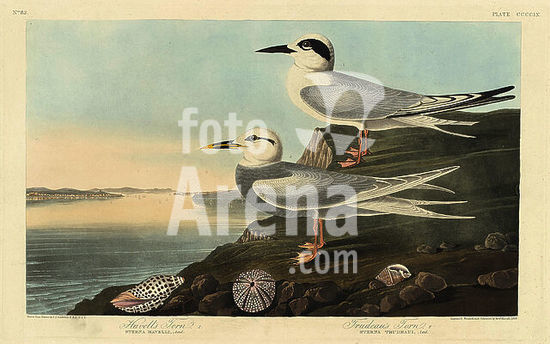
alb3720688 Havell's Tern and Trudeau's Tern. Dated: 1838. Medium: hand-colored etching and aquatint on Whatman paper. Museum: National Gallery of Art, Washington DC. Author: Robert Havell after John James Audubon.
DC
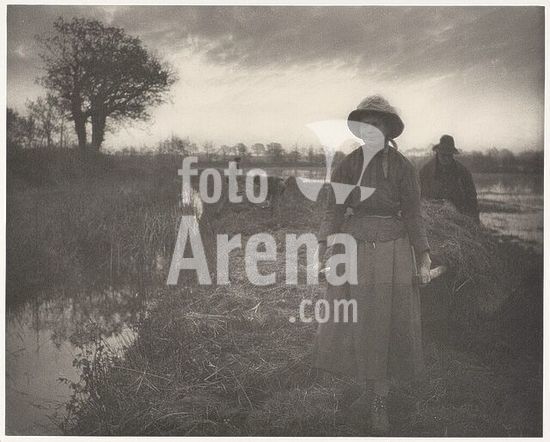
alb3615700 Poling the Marsh Hay. Artist: Peter Henry Emerson (British, born Cuba, 1856-1936). Dimensions: Image: 23.2 x 29 cm (9 1/8 x 11 7/16 in.)Mount: 28.6 x 40.9 cm (11 1/4 x 16 1/8 in.)Sheet ((Interleaving Plate Sheet)): 28 x 40.7 cm (11 x 16 in.). Date: 1886.P. H. Emerson's book "Life and Landscape on the Norfolk Broads," in which this image was one of forty plates, was the artist's first demonstration of the naturalism that he advocated for photography. While seeking the same goal as his ideological opposite, H. P. Robinson--recognition of photography as a fine art--Emerson drew his subjects not from literary narratives, but rather from an examination, at once both highly personal and anthropological, of the environment and daily rituals of rural life in East Anglia, the marshy coastal region northeast of London. Adamantly, even vociferously, opposed to Robinson's artificial manipulation of the medium, Emerson admitted into his own photographic vocabulary only selective focus and the careful gradation of tones, subtly rendered here by the platinum process. He looked to the work of painters for his aesthetic models, Jean-François Millet and Jules Bastien-Lepage in France and, at home, the painters of the New English Art Club, including his collaborator on "Life and Landscape," Thomas Goodall. In breaking the existing molds of ambitious photography--sharp, straightforward documentation and contrived tableaux--and opting for a more impressionist vision, Emerson blazed the trail that would be followed by the American Pictorialists, the Photo-Secession, and modern photography.Emerson immersed himself in the life and work of East Anglia, passing on his expertise in more than a half-dozen books illustrated with platinum prints or photogravures during his ten-year photographic career. But "Poling the Marsh Hay" is more than just an accurate depiction of the means by which Norfolk peasants transported their harvest over ground too sodden to traverse with carts; it is an essay on the nobility of manual labor and a meditation on nature and mortality. Below ominous dark clouds the assertive strong-bodied woman in the foreground and the shadowed figure behind pole their hay as if carrying a funeral litter. Museum: Metropolitan Museum of Art, New York, USA.
DC

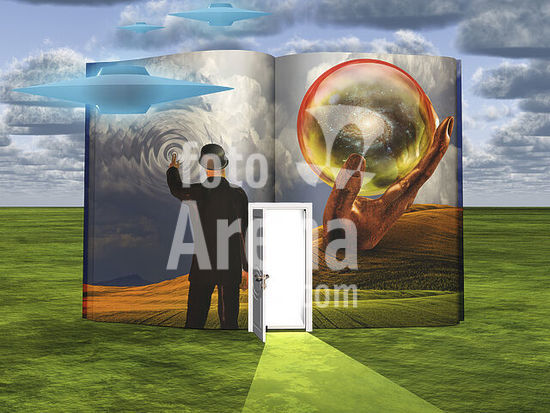
alb5578172 Surrealism. Book with opened door and hand holds crystal ball with galaxy inside. Man in suit and bowler hat. Flying saucers.
DC
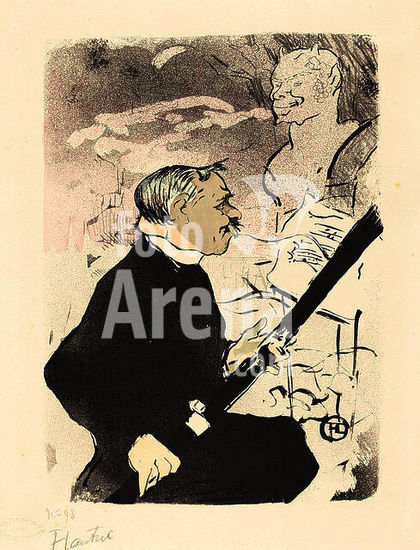
alb3698598 For You (Pour toi!...). Dated: 1893. Dimensions: overall: 37.9 x 27.3 cm (14 15/16 x 10 3/4 in.). Medium: 4-color lithograph on velin paper. Museum: National Gallery of Art, Washington DC. Author: Henri de Toulouse-Lautrec.
DC
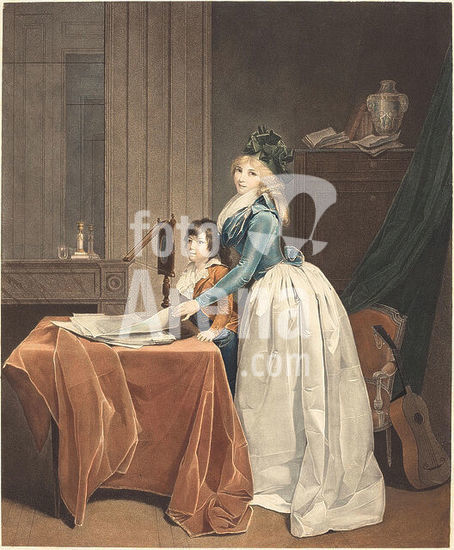
alb3720170 L'Optique (The Optical Viewer). Dated: c. 1793. Dimensions: plate: 55 x 45 cm (21 5/8 x 17 11/16 in.) sheet: 55.9 x 47.8 cm (22 x 18 13/16 in.). Medium: etching and wash manner, inked la poup e in black, brown, and green with hand coloring. Museum: National Gallery of Art, Washington DC. Author: Frédéric Cazenave after Louis-Léopold Boilly.
DC
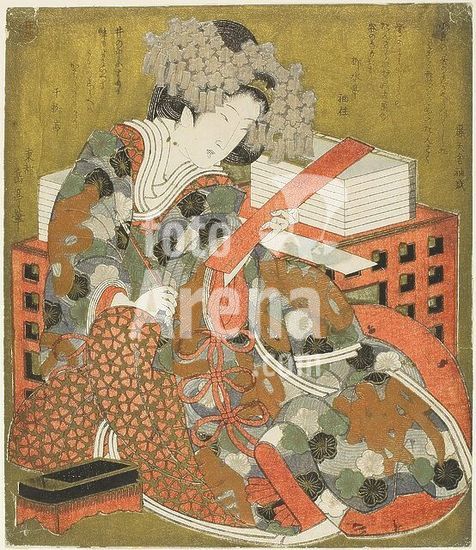
alb4146209 Woman About to Write a Poem. Yashima Gakutei; Japanese, 1786 (?)-1868. Date: 1816-1833. Dimensions: 21.3 x 18.3 cm. Color woodblock print with metallic pigments; surimono shikishiban. Origin: Japan. Museum: The Chicago Art Institute, USA.
DC
alb2070196 Francisco de Goya y Lucientes / 'Gaspar Melchor de Jovellanos', 1798, Spanish School, Oil on canvas, 205 cm x 133 cm, P03236. Museum: MUSEO DEL PRADO, MADRID, SPAIN.
DC
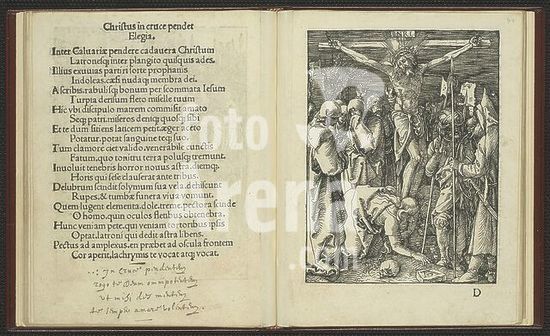
alb4134367 The Small Woodcut Passion. Albrecht Dürer; German, 1471-1528. Date: 1511. Dimensions: 159 x 119 mm. Woodcut and letterpress in black, with additions in pen and brown ink on cream laid paper, in modern full red calfskin, sewn on raised bands, with blind fillets around inner-edges of boards, blind lines and gold titling on the spine, and hand-sewn silk headbands. Origin: Germany. Museum: The Chicago Art Institute, USA.
DC
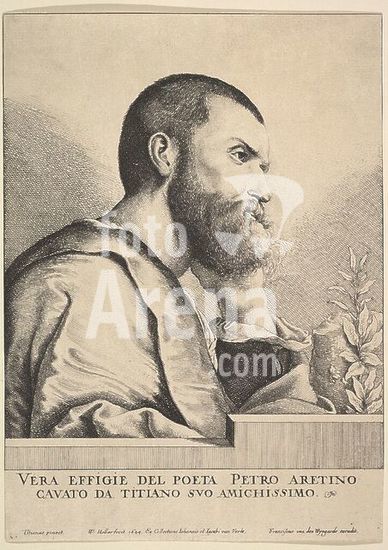
alb3651505 Pietro Aretino. Artist: Wenceslaus Hollar (Bohemian, Prague 1607-1677 London). Dimensions: Sheet: 9 15/16 × 7 3/16 in. (25.3 × 18.2 cm). Series/Portfolio: Italian portraits. Date: 1649.Portrait of Pietro Aretino, bust-length, seated behind a parapet in three-quarter profile to right, supporting his chin with left hand in a contemplating pose; young laurel plant next to tree stump at right; after Titian. Museum: Metropolitan Museum of Art, New York, USA.
DC

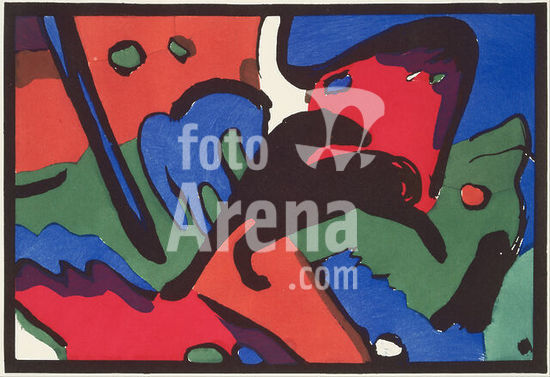
alb3907525 Der Blaue Reiter (The Blue Rider). Date/Period: 1912. Illustrated Books. Illustrated book with two color woodcuts, hand-colored linecut, and photo-offset reproductions. Height: 295 mm (11.61 in); Width: 223 mm (8.77 in). Author: FRANZ MARC. WASSILY KANDINSKY.
DC
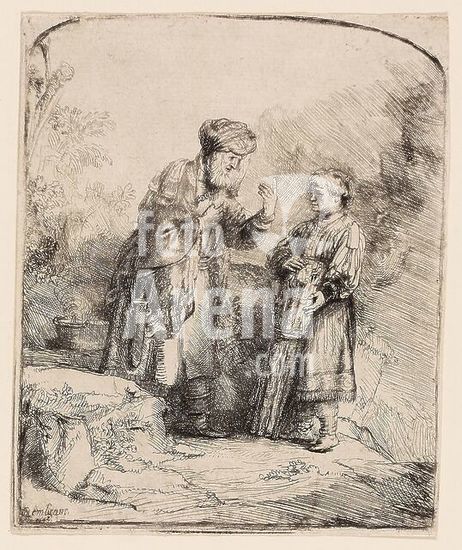
alb4137564 Abraham and Isaac. Rembrandt van Rijn; Dutch, 1606-1669. Date: 1645. Dimensions: 156 x 128 mm (image/plate); 159 x 131 mm (sheet). Etching and drypoint on white laid paper. Origin: Holland. Museum: The Chicago Art Institute, USA. Author: REMBRANDT HARMENSZOON VAN RIJN.
DC
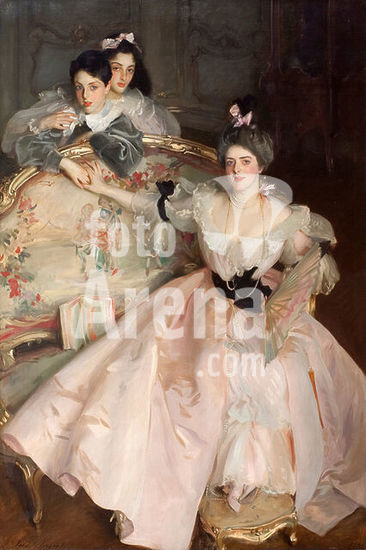
akg8243806 Meyer, Sir Carl Ferdinand, 1st Baronet. Brit. Banker and mining magnate of german origin, chief clerk and foreign emissary of the Rothschild family, chairman of the De Beers mining group, governor of the National Bank of Egypt, patron of the arts, baronet since 1910. Hamburg 23.12.1851 - (?) 18.12.1922. "Mrs Carl Meyer and her Children". (Adèle Meyer (née Levis) with daughter Elsie Charlotte and son Frank Cecil). Painting, 1896, by John Singer Sargent (1856-1925). Oil on canvas, 201.4 x 134 cm. Ref. No.: T12988. Bequeathed by Adèle, Lady Meyer 1930, with a life interest for her son and grandson and presented in 2005 in celebration of the lives of Sir Anthony and Lady Barbadee Meyer, accessioned 2009. London, Tate Britain.
DC
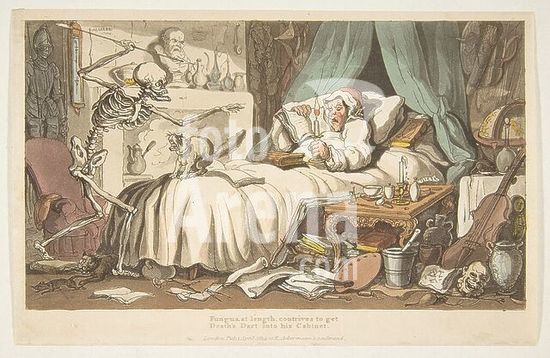
alb3634982 The Antiquary's Last Will and Testament (The English Dance of Death, plate 2). Artist: Thomas Rowlandson (British, London 1757-1827 London). Dimensions: image: 4 13/16 x 8 1/4 in. (12.2 x 21 cm)sheet: 5 9/16 x 8 5/8 in. (14.1 x 21.9 cm). Publisher: Published by Rudolph Ackermann, London (active 1794-1829). Series/Portfolio: The Dance of Death. Date: April 1, 1814. Museum: Metropolitan Museum of Art, New York, USA.
DC

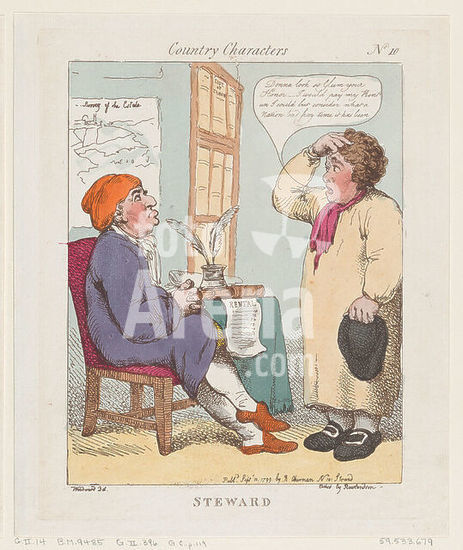
alb3678516 Steward. Artist: Thomas Rowlandson (British, London 1757-1827 London); After George Moutard Woodward (British, ca. 1760-1809 London). Dimensions: Sheet: 10 3/8 × 8 11/16 in. (26.4 × 22 cm)Plate: 9 3/4 × 7 3/4 in. (24.7 × 19.7 cm). Publisher: Rudolph Ackermann, London (active 1794-1829). Series/Portfolio: Country Characters. Date: September 10, 1799. Museum: Metropolitan Museum of Art, New York, USA.
DC

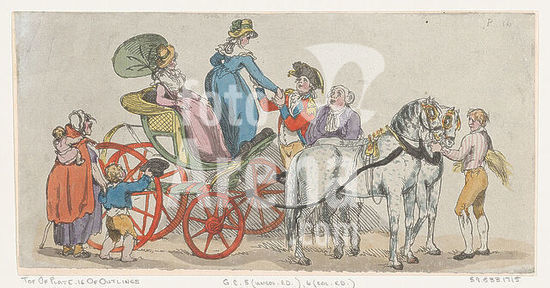
alb3679308 Outlines of Figures with a Carriage. Artist: Thomas Rowlandson (British, London 1757-1827 London). Dimensions: Sheet: 5 3/8 × 10 5/8 in. (13.6 × 27 cm). Date: June 1, 1790. Museum: Metropolitan Museum of Art, New York, USA.
DC

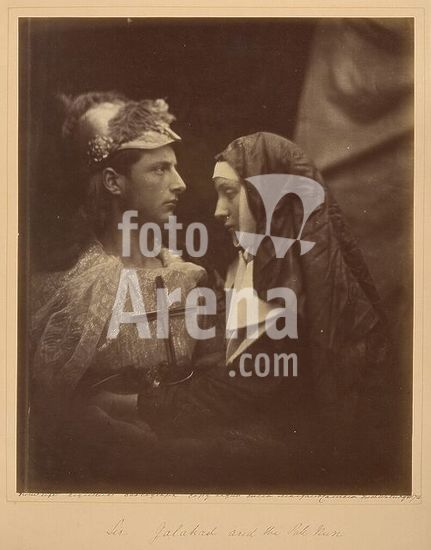
alb3604809 Sir Galahad and the Pale Nun. Artist: Julia Margaret Cameron (British (born India), Calcutta 1815-1879 Kalutara, Ceylon). Dimensions: 33.2 x 27.5 cm (13 1/16 x 10 13/16 in. ). Date: 1874.In 1874 Tennyson asked Cameron to make photographic illustrations for a new edition of his Idylls of the King, a recasting of the Arthurian legends. Responding that both knew that "it is immortality to me to be bound up with you," Cameron willingly accepted the assignment. Costuming family and friends, she made some 245 exposures to arrive at the handful she wanted for the book. Ultimately--and predictably--she was unhappy with the way her photographs looked reduced in scale and translated into wood engravings, and she chose to issue a deluxe edition, at her own risk, that included a dozen full size photographic prints in each of two volumes. Museum: Metropolitan Museum of Art, New York, USA.
DC

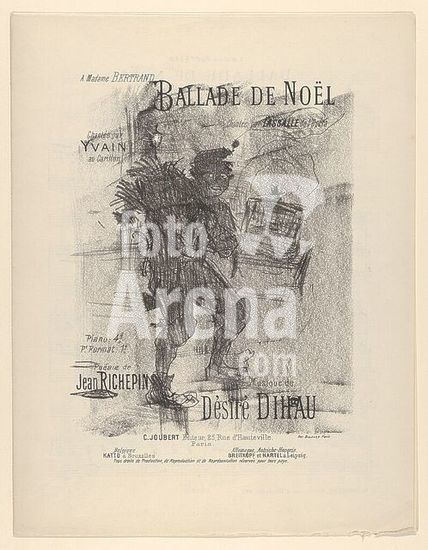
alb3611214 Ballade de Noël. Artist: Henri de Toulouse-Lautrec (French, Albi 1864-1901 Saint-André-du-Bois). Dimensions: Image: 9 3/4 × 7 11/16 in. (24.7 × 19.5 cm). Printer: Crevel Frères (French). Publisher: C. Joubert (French). Date: ca. 1895. Museum: Metropolitan Museum of Art, New York, USA.
DC

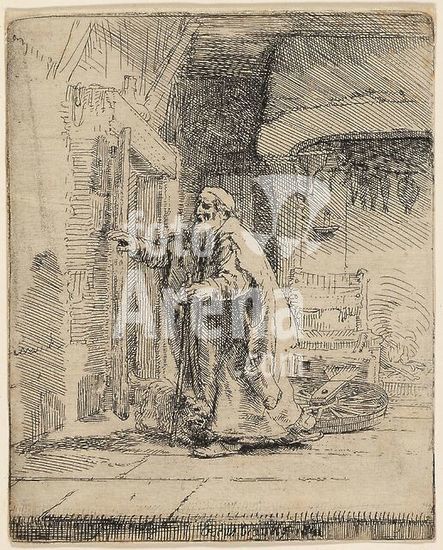
alb4138026 The Blindness of Tobit: The Larger Plate. Rembrandt van Rijn; Dutch, 1606-1669. Date: 1651. Dimensions: 160 x 129 mm (image/plate); 162 x 130 mm (sheet). Etching with drypoint on ivory laid paper. Origin: Holland. Museum: The Chicago Art Institute, USA. Author: REMBRANDT HARMENSZOON VAN RIJN.
DC
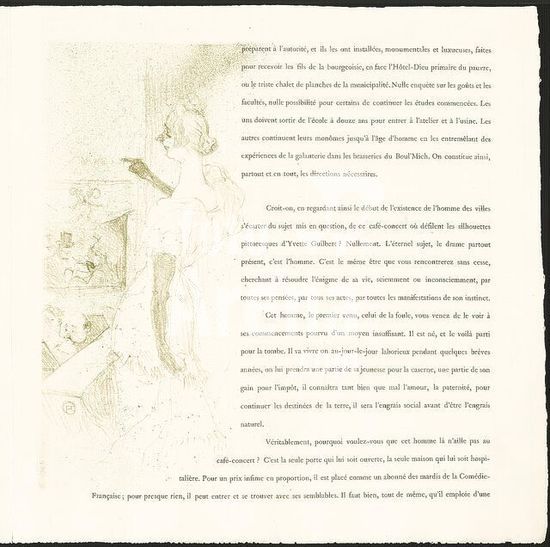
alb4161336 Yvette Guilbert. Henri de Toulouse-Lautrec; French, 1864-1901. Date: 1894. Dimensions: 326 × 178 mm (image); 388 × 386 mm (sheet, folded, appro×.). Lithograph with letterpress, on ivory laid paper. Origin: France. Museum: The Chicago Art Institute, USA.
DC
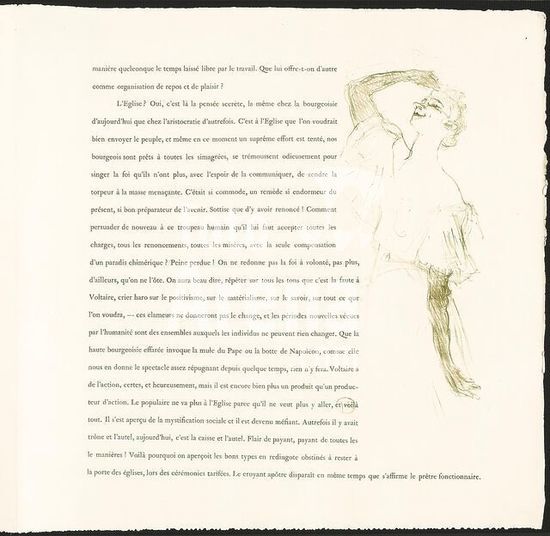
alb4161835 Yvette Guilbert. Henri de Toulouse-Lautrec; French, 1864-1901. Date: 1894. Dimensions: 282 × 121 mm (image); 385 × 385 mm (sheet, folded, appro×.). Lithograph with letterpress, on ivory laid paper. Origin: France. Museum: The Chicago Art Institute, USA.
DC
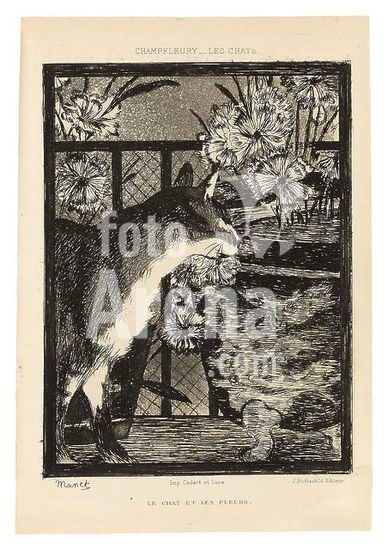
alb4158933 Les Chats. Original prints by Édouard Manet (French, 1832-1883), Marie Champfleury (French, 19th century) after Burbanck (British, 19th century), Louis Eugène Lambert (French, 1825-1900), Armand Désiré Gautier (French, 1825-1894), and Victor Eugène Géruzez (Crafty) (French, 1840-1906); illustrations by Charles Kreutzberger (French, 1829-1909), M. Mérimée (French, 19th century), Lorédan Larchey (French, 1831-1902), Prisse d'Avennes (French, 1807-1879), and Edmond Morin (French, 1824-1882); some works etched by M. Comte (French, 19th century) and Firmin Gillot (French, 1820-1872) after works by Eugène Delacroix (French, 1798-1863), Gottfried Mind (Swiss, 1768-1814), Utagawa Hiroshige (erroneously attributed to Hokusai) (Japanese, 1797-1858), Pierre-Paul Prud'hon (French, 1758-1823), Théodule Augustin Ribot (French, 1823-1891), Cornelis Visscher (Dutch, c. 1629-1658), Jean Morin (French, 1600-1650), Jean Ignace Isadore Grandville (J.J. Grandville) (French, 1803-1847), Ferdinand van Kessel (Dutch, 1648-1696) (erroneously attributed to Bruegel) and Viollet-Le-Duc (French, 1814-1879); written by Champfleury (Jules-François-Félix Husson-Fleury) (French, 1821-1889); published by J. Rothschild (French, 19th century); and Libraire de la Société Botanique de France (French, 19th century); typography by Gustave Silbermann (French, 1801-1876); printed by Cardart et Luce (French, 19th century). Date: 1870. Dimensions: 229 × 164 × 33 mm (book, closed); 229 × 347 × 35 mm (book, open). Book with five etchings, two with aquatint and three with plate tone, one color lithograph, and line block prints, two with hand-coloring, with letterpress in black on ivory wove paper, with cardboard and paper cover and leather spine with gilt lettering. Origin: France. Museum: The Chicago Art Institute, USA.
DC
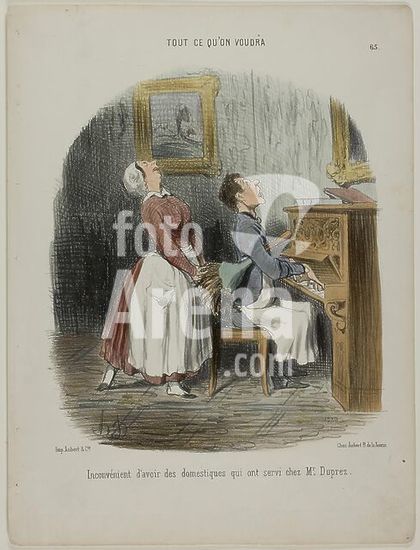
alb4153198 The disadvantage of having servants who have previously served at Mr. Duprez', plate 65 from Tout Ce Qu'on Voudra. Honoré Victorin Daumier; French, 1808-1879. Date: 1850. Dimensions: 245 × 213 mm (image); 340 × 260 mm (sheet). Lithograph, with hand-coloring on white wove paper. Origin: France. Museum: The Chicago Art Institute, USA.
DC
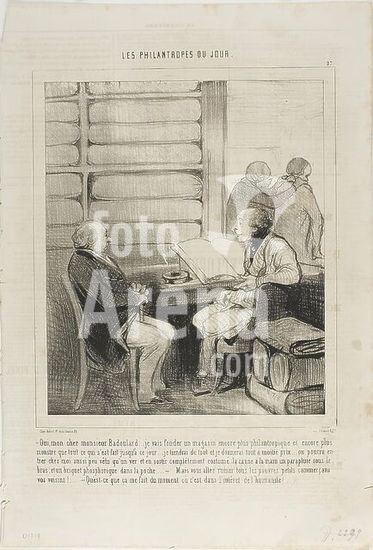
alb4153154 "- Yes, my dear Badoulard... I will open a department store even more philanthropic and greater than anything that existed up to now.... it will carry the complete set of articles at half price... someone can come in as naked as a new born baby and leave fully dressed, including cane, umbrella and cigarette lighter! - But then you will ruin all the small little shops in the neighborhood! - What do I care, as long as its all done in the name of humanity!, plate 27 from Les Philantropes Du Jour. Honoré Victorin Daumier; French, 1808-1879. Date: 1845. Dimensions: 224 × 187 mm (image); 368 × 252 mm (sheet, folded). Lithograph in black, with scraping on stone on cream wove paper (sheet folded to form four pages), with text added in another hand and letterpress verso (and recto when unfolded). Origin: France. Museum: The Chicago Art Institute, USA.
DC
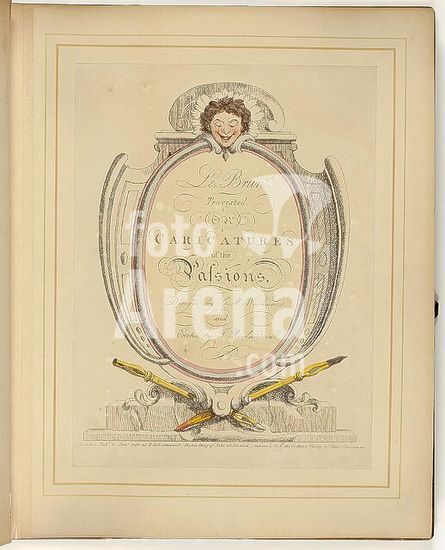
alb4144800 Le Brun Travested, or Caricatures of the Passions. Thomas Rowlandson (English, 1756-1827); after George Woodward (English, c.1760-1809); and Franz Joseph Manskirch (1770-1830), after Thomas Rowlandson; published by Rudolph Ackermann (German, 1792-1834). Date: 1800. Dimensions: 360 × 300 × 30 mm. Book with twenty hand-colored etchings and four aquatints in gray and black on cream wove paper, laid down on album sheets with gilt borders. Origin: England. Museum: The Chicago Art Institute, USA.
DC
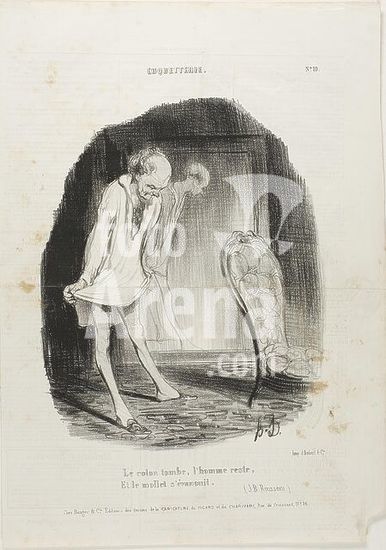
alb4149750 The Gown Falls, Man Remains, and the Legs are Shaking. (J.B. Rousseau), plate 10 from Coquetterie. Honoré Victorin Daumier; French, 1808-1879. Date: 1840. Dimensions: 234 × 190 mm (image); 362 × 255 mm (sheet). Lithograph in black with scraping on stone on cream wove paper, with text added in another hand and letterpress verso. Origin: France. Museum: The Chicago Art Institute, USA.
DC
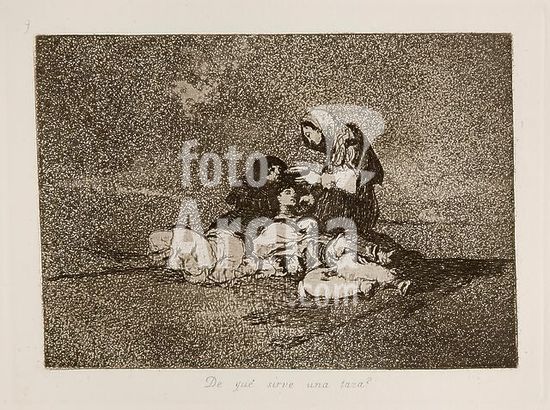
alb3787693 Francisco de Goya y Lucientes / 'What is the use of a cup?'. 1812 - 1814. Wash, Etching, Aquatint, Burnisher on ivory paper. Museum: Museo del Prado, Madrid, España.
DC
alb3888801 Cleopatra Presented with the Head and Limbs of Her Own Child. Date/Period: Ca. 1413 - 1415. Folio. Tempera colors, gold leaf, gold paint, and ink on parchment. Height: 420 mm (16.53 in); Width: 296 mm (11.65 in). Author: UNKNOWN.
DC
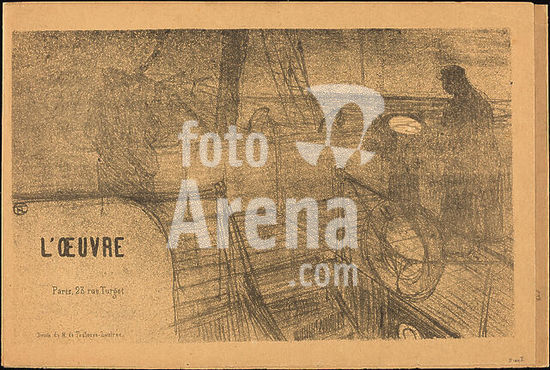
alb3712337 Prospectus Programme de l'Oeuvre. Dated: 1895. Medium: one sheet folded in thirds with text and text insert, and 6 prints: Cover in lithograph by Toulouse-Lautrec, 1 woodcut by Charles Doudelet, 1 woodcut or woodengraving by Denis, 1 woodcut by Vallotton, 1 lithograph by Vuillard, and 1 lithograph byAntonio de la Gandara. Museum: National Gallery of Art, Washington DC. Author: Henri de Toulouse-Lautrec, Félix Vallotton, Antonio de la Gandara, M. Doudelet, Maurice Denis, and Edouard Vuillard.
DC
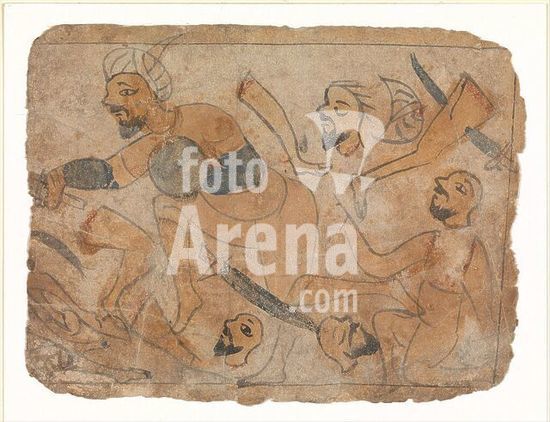
alb3608863 Battle Scene. Dimensions: H. 5 1/2 in. (14 cm)W. 7 3/16 in. (18.3 cm). Date: 13th century.This scene depicts a battle in which the central figure appears to be the only one who has not lost a limb. Severed heads, arms, and legs and a man who has lost his hand are arranged across the composition. The legs and tail of a downed horse are visible at the lower left. The sketchy drawing and thin wash used for the figures suggest that the image was produced in thirteenth-century Egypt. The curved swords are associated with "Saracens", as found in a thirteenth-century European illustration of a Crusader battle. Museum: Metropolitan Museum of Art, New York, USA.
DC

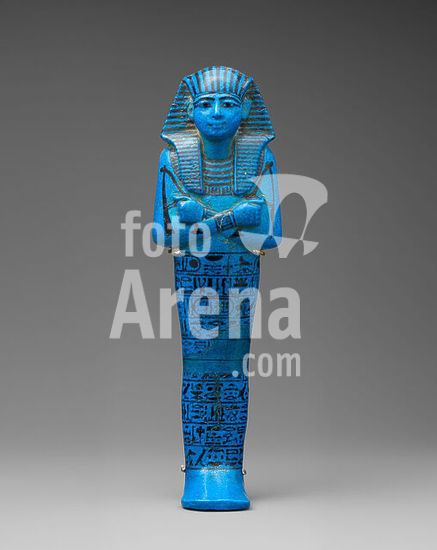
alb3680974 Shabti of Seti I. Dimensions: H. 30.5 × W. 8.8 × D. 6.5 cm (12 × 3 7/16 × 2 9/16 in.). Dynasty: Dynasty 19. Reign: reign of Seti I. Date: ca. 1294-1279 B.C..This shabti was one of hundreds made for the pharaoh Seti I, the father of Ramesses II. Shabtis were placed in a tomb so the owner's spirit would not have to perform manual labor in the afterlife. The figurines were often inscribed with the "shabti text" - chapter 6 of the Book of the Dead - a spell that exhorts the shabti to substitute itself if the owner is asked to till the fields, irrigate the land, or transport sand from east to west. To this end, even royal shabtis are often depicted clutching a pick and a hoe, and with a basket hanging over one or both shoulders. In this example, the king holds the hoe in his left hand and the pick in his right, but there is no basket on the back. Museum: Metropolitan Museum of Art, New York, USA.
DC

alb4133095 Christ, Man of Sorrows, Mocked by a Soldier, from The Large Passion. Albrecht Dürer; German, 1471-1528. Date: 1511. Dimensions: 198 x 195 mm (image); 434 x 303 mm (sheet). Woodcut in black on cream laid paper. Origin: Germany. Museum: The Chicago Art Institute, USA.
DC
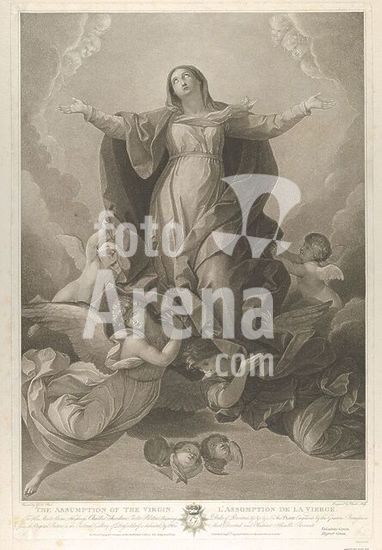
alb3613969 The assumption of the Virgin, who rises with arms outstretched, angels supporting her from below, after Reni. Artist: After Guido Reni (Italian, Bologna 1575-1642 Bologna). Dimensions: Sheet (Trimmed): 24 5/8 × 16 9/16 in. (62.6 × 42 cm). Engraver: Carl Ernst Christoph Hess (German, Darmstadt 1755-1828 Munich). Publisher: Valentine Green (British, Salford 1739-1813 London); Rupert Green (British, London ca. 1768-1804 London). Date: 1792.Verso is not visible as print is laid to another sheet of paper. Museum: Metropolitan Museum of Art, New York, USA.
DC

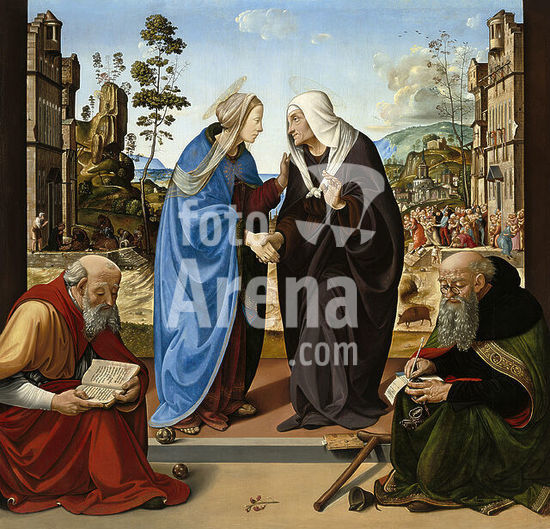
alb3735114 The Visitation with Saint Nicholas and Saint Anthony Abbot. Dated: c. 1489/1490. Dimensions: overall: 184.2 x 188.6 cm (72 1/2 x 74 1/4 in.) framed: 235.6 x 250.2 x 12.1 cm (92 3/4 x 98 1/2 x 4 3/4 in.). Medium: oil on panel. Museum: National Gallery of Art, Washington DC. Author: PIERO DI COSIMO.
DC
alb3639396 Ecco Homo, from The Small Passion. Artist: Albrecht Dürer (German, Nuremberg 1471-1528 Nuremberg). Dimensions: sheet: 5 1/16 x 3 13/16 in. (12.8 x 9.7 cm). Date: ca. 1509. Museum: Metropolitan Museum of Art, New York, USA.
DC

alb3705354 The Annunciation. Dated: probably c. 1509/1510. Medium: woodcut. Museum: National Gallery of Art, Washington DC. Author: ALBRECHT DURER.
DC
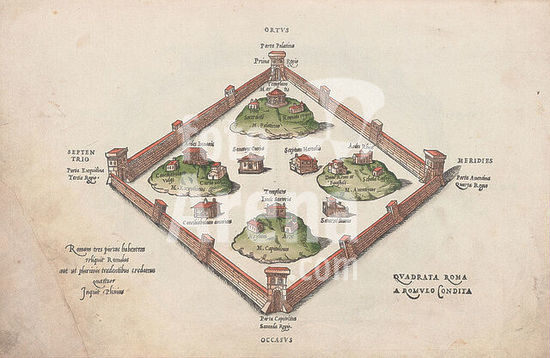
alb3643426 Antiquae Urbis Romae cum Regionibus Simulacrum. Author: Written by Fabio Calvo (Italian, probably Ravenna ca. 1450-1527 Rome); Introduction written by Fabio Timotheo (Italian). Dedicatee: Dedicated to Pope Clement VII (Giulio de Medici) (Italian, 1478-1534, (papacy 1523-34)). Designer: Woodcut plans designed by Tolomeo Egnazio (Italian). Dimensions: 16 5/16 x 11 1/8 x 1 3/16 in. (41.5 x 28.2 x 3 cm). Draftsman: Chancery script on woodcuts lettered by Ludovico Arrighi (Italian, 16th century). Patron: Publication paid for by Cardinal Francesco Armellini de' Medici (Italian, 1470-1527). Published in: Rome. Publisher: Published by Valerio Dorico , Rome. Date: 1532. Museum: Metropolitan Museum of Art, New York, USA.
DC

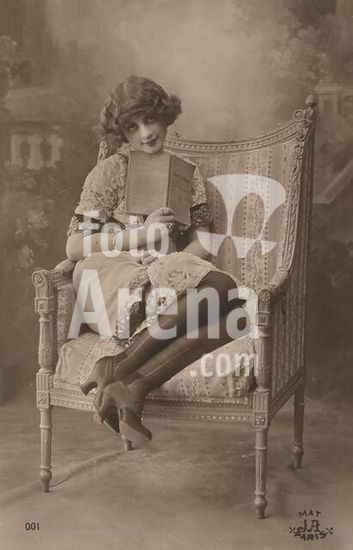
akg3738724 Frauenbild / Fotografie. - Junge Frau in kurzem Kleid, mit angezogenen Beinen in einem Louis-Seize-Sessel sitzend, in der Hand ein Buch. - Fotopostkarte, Paris (Jean Agélou), um 1910. Privatsammlung. Museum: PRIVATE COLLECTION.
DC

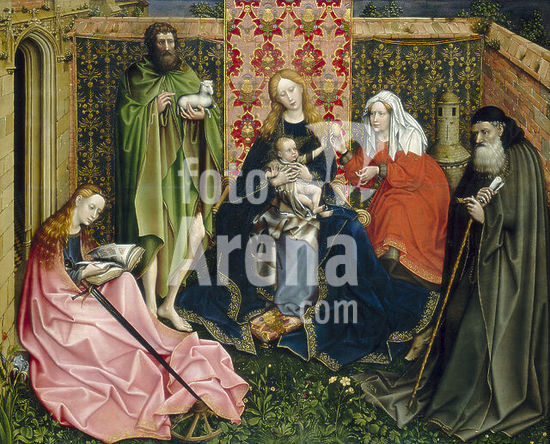
alb3746468 Madonna and Child with Saints in the Enclosed Garden. Dated: c. 1440/1460. Dimensions: painted surface: 119.8 x 148.5 cm (47 3/16 x 58 7/16 in.) overall (panel): 122.2 x 151.2 cm (48 1/8 x 59 1/2 in.) framed: 138.7 x 166.7 x 9.5 cm (54 5/8 x 65 5/8 x 3 3/4 in.). Medium: oil on panel. Museum: National Gallery of Art, Washington DC. Author: Follower of Robert Campin.
DC

Total de Resultados: 5.253

Página 1 de 53