


















































Busque também em nossas outras coleções:

Data da imagem:
Pauta
ver mais opções...
Agência
Fotógrafo
ver mais opções...
Estado
Cidade
Local
Tipo de licença
Orientação
Coleção

Total de Resultados: 43

Página 1 de 1

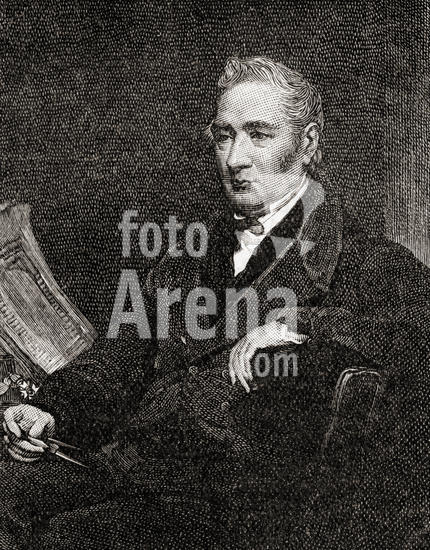
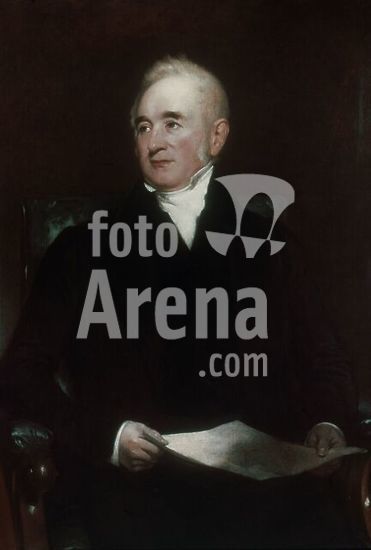
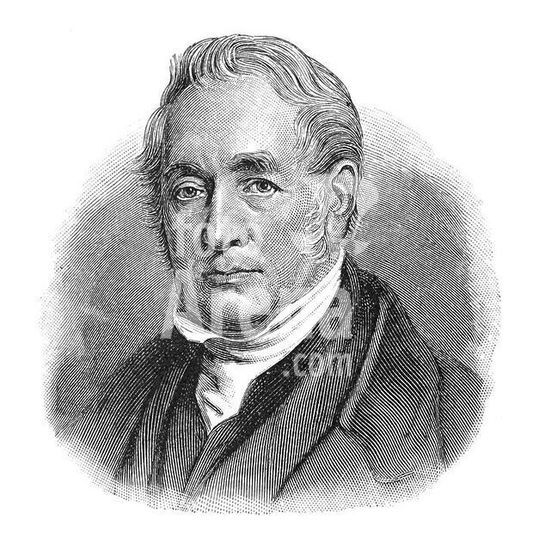
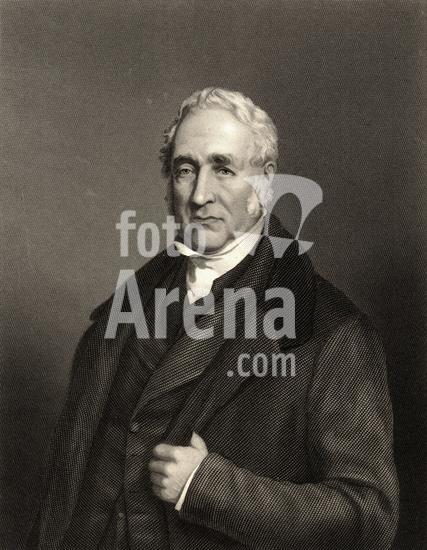
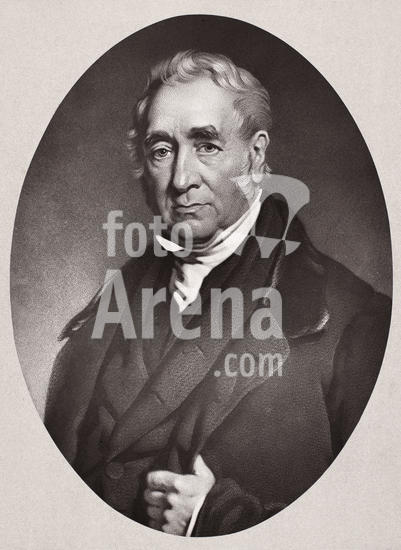
902_05_12310532HighRes George Stephenson, 1781 ? 1848. English civil engineer and mechanical engineer, builder of the first public inter-city railway line in the world to use steam locomotives. From The Century Edition of Cassell's History of England, published c. 1900
DC
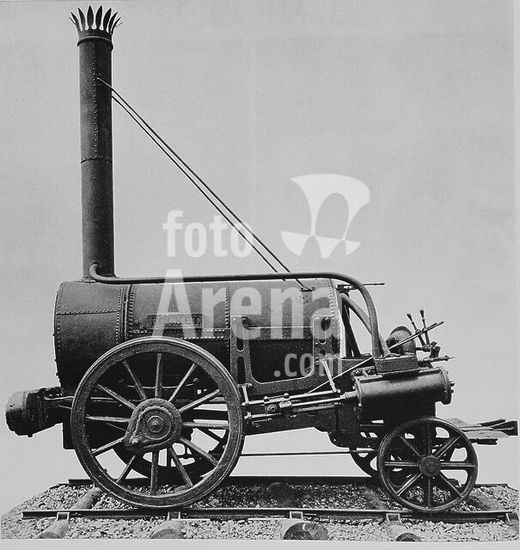
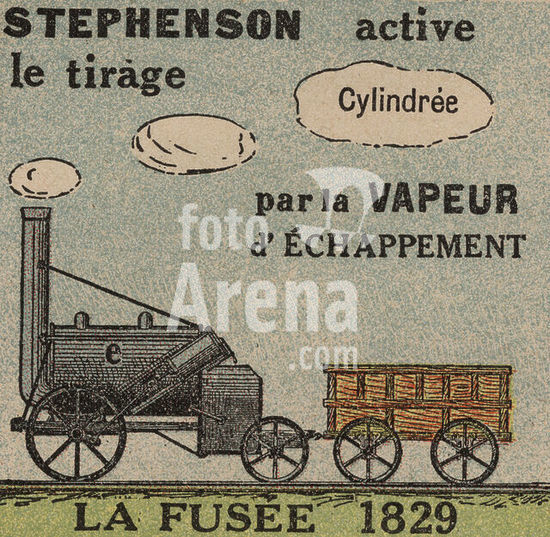
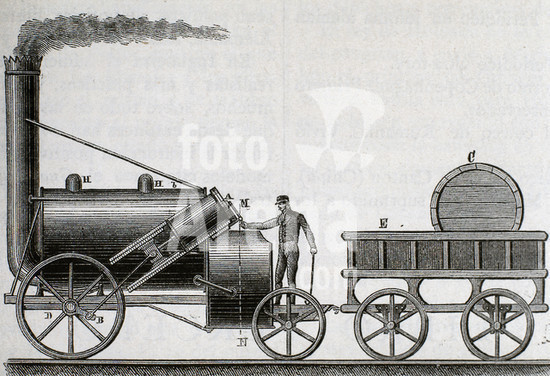
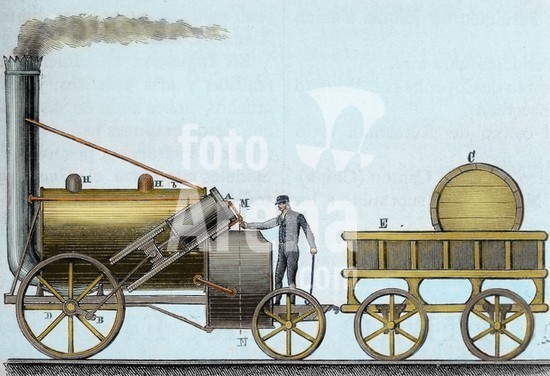
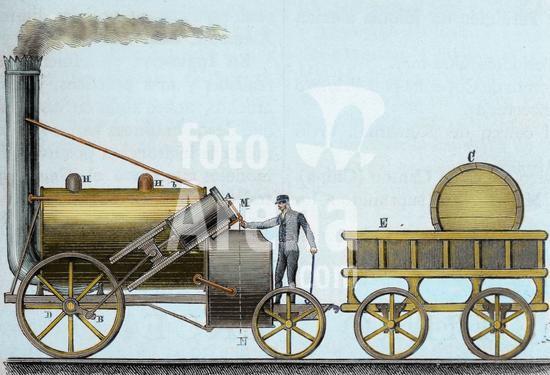
orz171420 STEAM LOCOMOTIVE, CALLED "THE ROCKET" - 1829. Author: George Stephenson (1781-1848). Location: PRIVATE COLLECTION.
DC
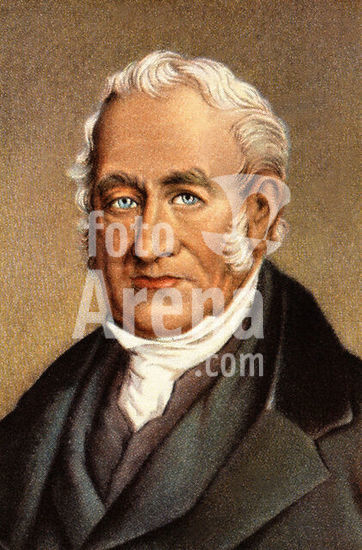
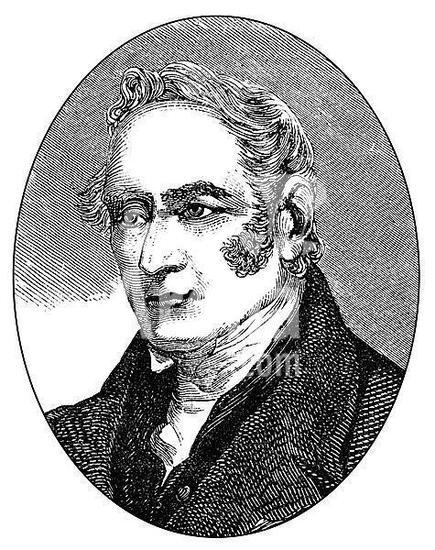
orz054721 GEORGE STEPHENSON (1781/1848) INVENTOR OF THE LOCOMOTIVE.
DC
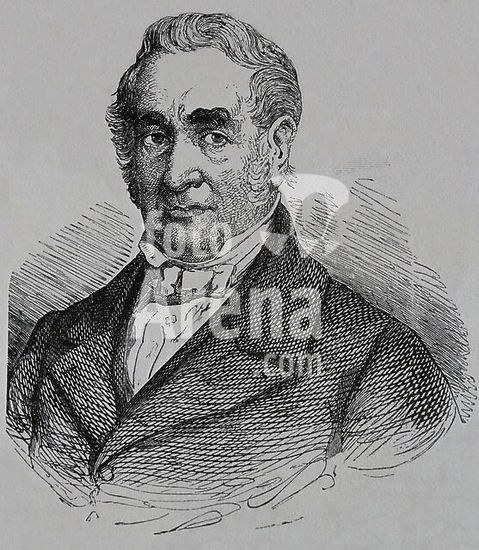
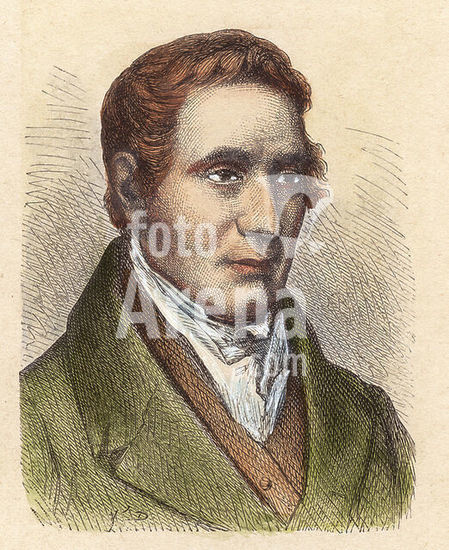
alb11642694 George Stephenson (1781-1848). English engineer. Fathers of Railways. Engraving, Nuestro Siglo, 1833.
DC
alb11642723 George Stephenson (1781-1848). English engineer. Fathers of Railways. Engraving, Nuestro Siglo, 1833.
DC
alb11642468 George Stephenson (1781-1848). English engineer. Fathers of Railways. Engraving, Nuestro Siglo, 1833.
DC
akg342515 Stephenson, George; Engl. civil engineer, (built 1st public railway with steam locomotives in 1814); 1781-1848. / - G.Stephenson (2nd f. t. l), son Robert. (right), mother Mabel Carr (backgr.), his 1st wife Frances (left), his 2nd wife Elizabeth and Robert senior). Painting, 1861, by William Lucas (c. 1840-1895), Oil / Canv. 137.5 × 121.5cm. London, Museum of Science and Industry. Museum: London, Museum of Science and Industry.
DC
akg2097138 George Stephenson, 9. Juni 1781 in Wylam bei Newcastle upon Tyne, Northumberland - 12. August 1848 in Tapton House bei Chesterfield, englischer Ingenieur, Hauptbegründer Eisenbahnwesen.
DC
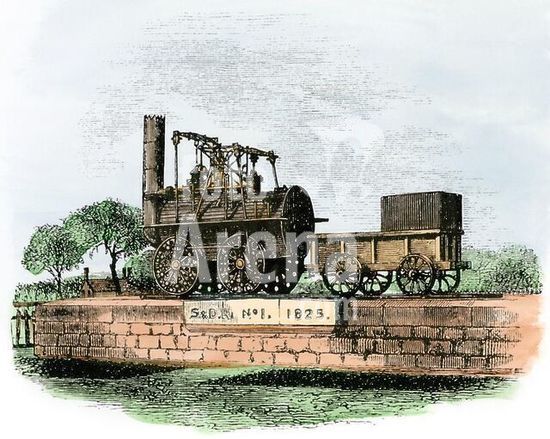
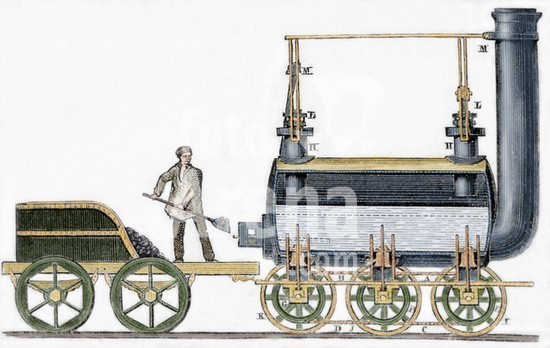
akg1729530 Stephenson, George, English engineer, 1781-1848.-George Stephenson's locomotice (also callled 'Rocket'. Engine no.1, Darlington, England, 1825.-19th Century illustration, handcoloured woodcut.
DC
ado00038360 George Stephenson (1781-1848), British engineer, born in Wylam near Newcastle-upon-Tyne (England). Author: UNKNOWN ARTIST.
DC
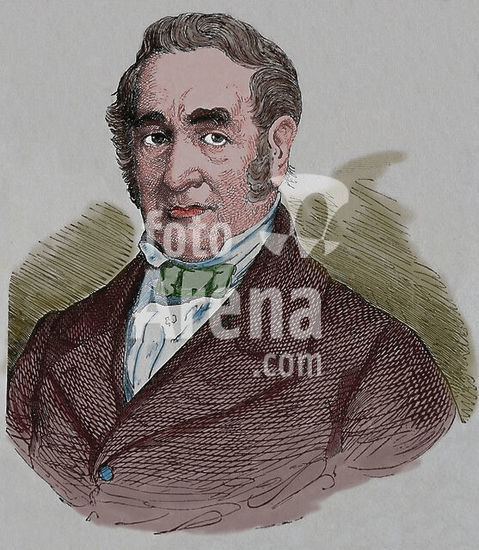
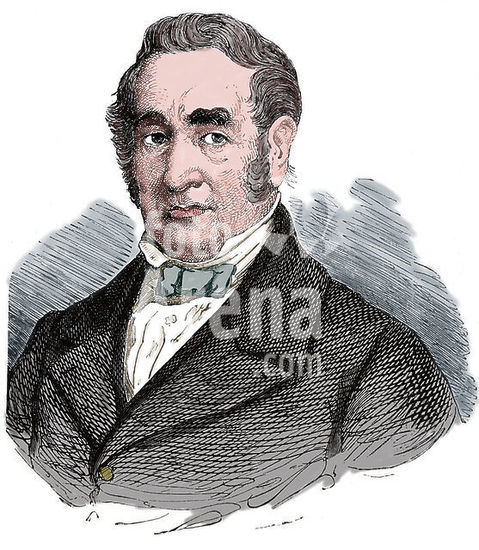
ado00034332 George Stephenson (1781-1848), English civil engineer and mechanical engineer who built the first public railway line in the world to use steam locomotives. Coloured engraving. Author: UNKNOWN ARTIST.
DC
ado00052659 The English engineer George Stephenson (1781-1848), develops a steam locomotive, The Rocket (England). In 1829. Author: UNKNOWN ARTIST.
DC
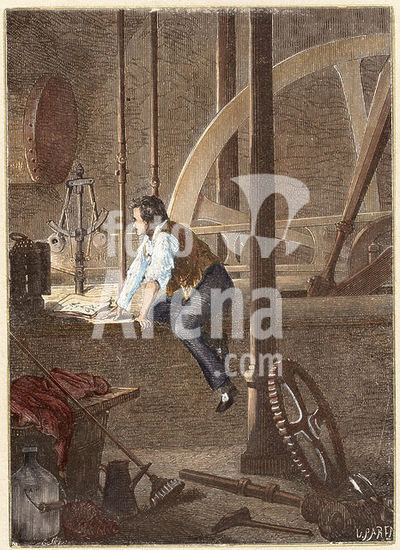
ado00034337 George Stephenson (1781-1848) manual driver Newcastle apart and repaired his machine steam burning. Coloured engraving. Author: UNKNOWN ARTIST.
DC
alb1471481 "The Rocket". Locomotive designed by British engineer and inventor George Stephenson (1781-1848). It was the first that covered the journey with passengers between the cities of Liverpool and Manchester (year 1830), at an average speed of 30 km / h. Engraving 19th century.
DC
alb1784854 Locomotive designed in 1814 by British engineer and inventor George Stephenson (1781-1848). Nineteenth-century engraving. Colored.
DC
alb1720468 The Rocket. Locomotive designed by British engineer and inventor George Stephenson (1781-1848). It was the first that was traveling with passengers between the cities of Liverpool and Manchester (1830), at an average speed of 30 km/h. Nineteenth-century engraving. Colored.
DC
alb4266530 George Stephenson (1781-1848). British engineer and principal inventor of the railroad locomotive. Made by George Setphenson and his son Robert's company Robert Stephenson and Company, the Locomotion No. 1 was the first steam locomotive to carry passengers on a public rail line, the Stockton and Darlington Railway in 1825. Portrait. Engraving. La Ilustracion Espa–ola y Americana, 1881.
DC
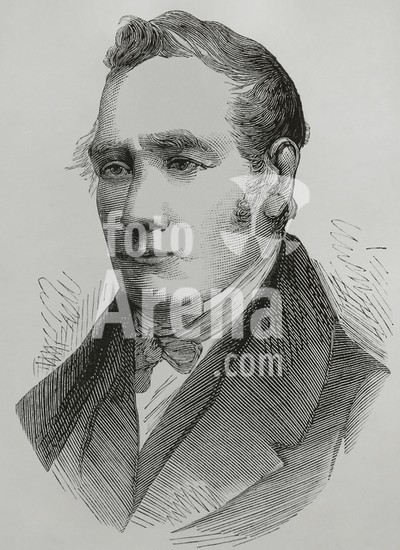
iblhdf02305358 Historical drawing, 19th century, portrait of George Stephenson, 1781 - 1848, an English engineer and principal founder of the railroad industry
DC
917_05_510017562 G. Stephenson with wife and son
DC
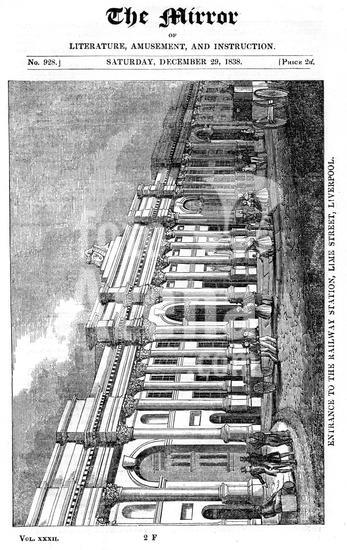
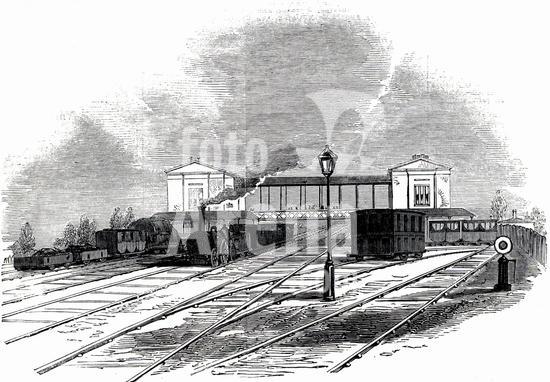
917_05_0460000842 Facade of Lime Street Station, Liverpool, England. The world's first passenger railway, the Liverpool and Manchester Railway opened on 15 September 1830. The principal engineer was George Stephenson (1781-1848). From The Mirror of Literature, Amusement, and Instruction, (London, 1838). Woodcut.
DC
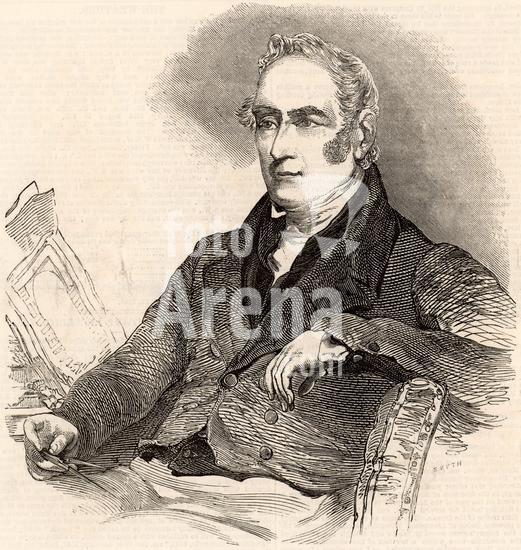
917_05_011048 George Stephenson (1781-1848) English mechanical engineer and railway pioneer. Engineer of the Stockton and Darlington Railway (1825), made a survey for the Liverpool and Manchester Railway (1824) and was appointed engineer to the line, 1826. In 1829 he won the Rainhill Trials with his locomotive 'Rocket' which had a tubular boiler. Engraving from The Illustrated London News (London, 2 September 1848)
DC
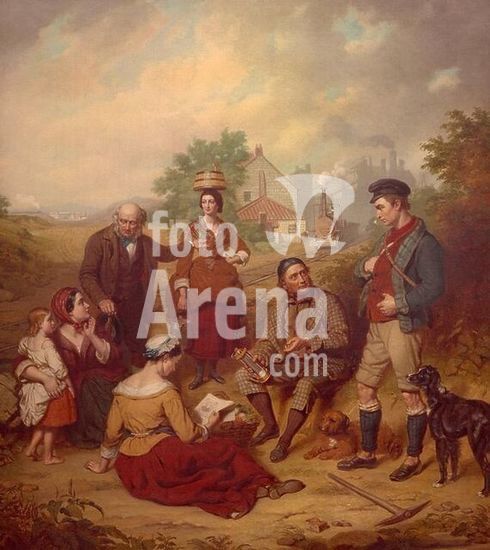
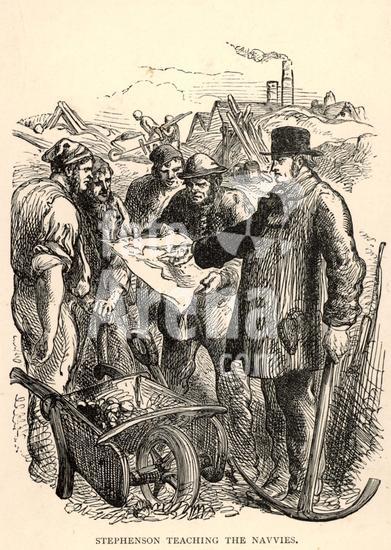
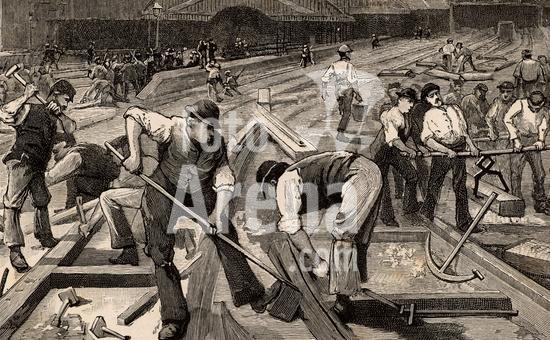
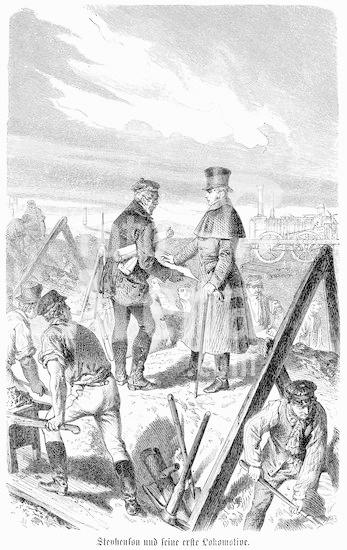
917_05_011033 George Stephenson (1781-1848) English mechanical engineer and railway pioneer, born at Wylam, near Newcastle upon Tyne, Northumberland. Stephenson instructing the navvies constructing the Liverpool and Manchester Railway, England, which was opened in September 1830. From The Triumphs of Steam by Henry Frith (London, c1898). Engraving.
DC
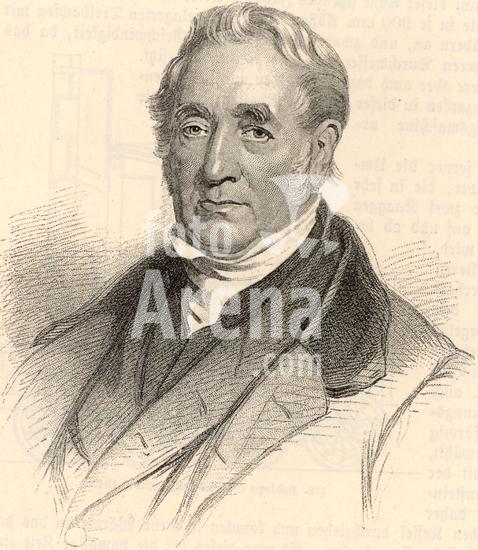
917_05_011012 George Stephenson (1781-1848) English mechanical engineer and railway pioneer. Engineer of the Stockton and Darlington Railway (1825), he made a survey for the Liverpool and Manchester Railway (1824) and was appointed engineer to the line 1826. In 1829 he won the Rainhill Trials with his locomotive 'Rocket' which had a tubular boiler. Engraving from Das Buch der Erfindungen Gewerbe und Industrien (Leipzig, 1896-1901).
DC
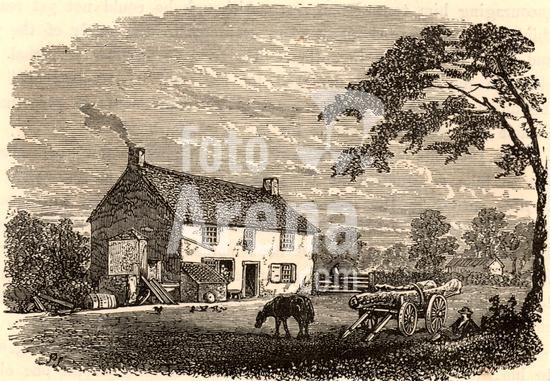
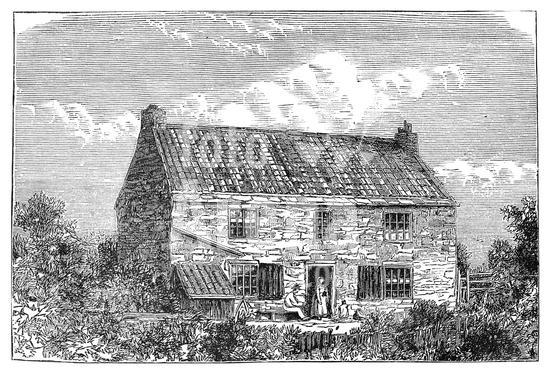
917_05_011011 The house at Wylham near Newcastle, Northumberland, in which George Stephenson (1781-1848) English mechanical engineer and railway pioneer was born. Engraving c1850.
DC
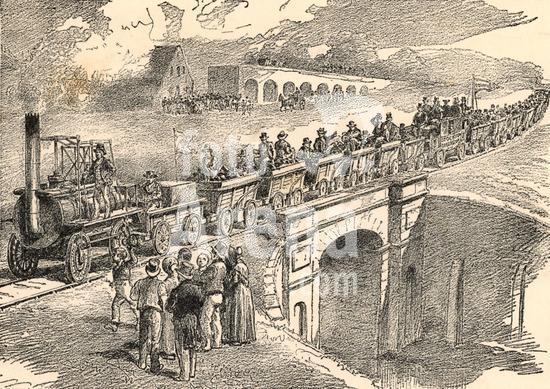
917_05_010018 Opening of the Stockton and Darlington Railway, 27 September 1825. The civil engineer for the line was George Stephenson (1781-1848) From The Triumphs of Steam by Henry Frith (London, c1898).
DC
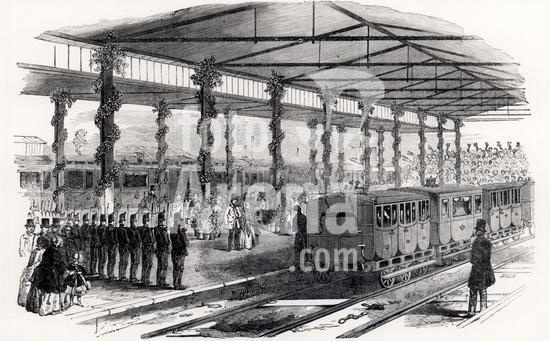
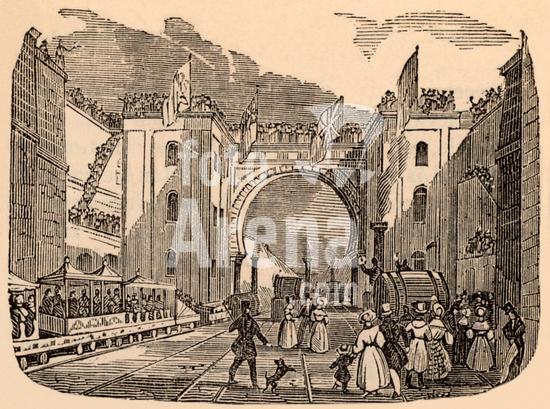
917_05_010002 Opening of the Liverpool and Manchester Railway, England on 15 September 1830. The engineer for the work was George Stephenson (1781-1848). Woodcut from Roads and Railroads, Vehicles, and Modes of Travelling (London, c1840).
DC
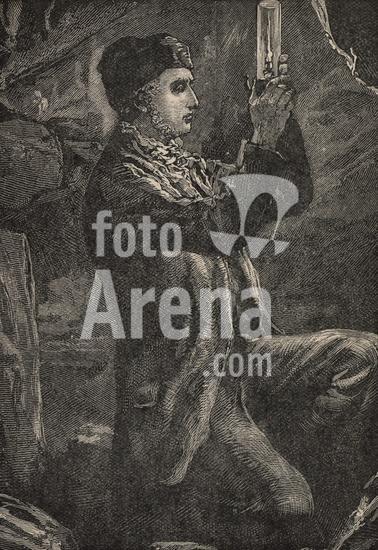
917_05_009774 George Stephenson (1781-1848) English mechanical engineer and railway pioneer, born at Wylam, near Newcastle upon Tyne, Northumberland. Artist's impression of Stephenson trying out his miner's safety lamp. He perfected his third lamp in 1815 when he was enginewright at Killingworthworth colliery, and it was widely used in coal mines in the north of England. From The Triumphs of Steam by Henry Frith (London, c1898). Engraving.
DC
917_05_009304 Queen Victoria changing trains at Gloucester, 1849. Isambard Kingdom Brunel (1806-1859) favoured the 7ft 1/4inch (2.2m) broad gauge and designed the Great Western Railway accordingly. However, in the Gauge Act of 1846 Parliament declared that all future railway track should be of the standard 4ft 8 1/2inch (1.44m) gauge introduced by George Stephenson (1781-1848) on the Liverpool & Manchester Railway. It was not until 1892 that the last broad gauge track was lifted. On her journey back to London from Balmoral the Queen changed from the standard gauge Midland Railway to the broad gauge Great Western Railway. From The Illustrated London News. (London, 6 October 1849).
DC
917_05_009295 Swindon station on the Great Western Railway, 1845. Isambard Kingdom Brunel (1806-1859) favoured broad gauge 7ft 1/4inch (2.2m) and designed the Great Western Railway accordingly. However, in the Gauge Act of 1846 declared that all future railway track should be of the standard 4ft 8 1/2inch (1.44m) gauge introduced by George Stephenson (1781-1848) on the Liverpool & Manchester Railway. It was not until 1892 that the last broad gauge track was lifted. From The Illustrated London News. (London, 18 October 1845).
DC
917_05_009294 The end of broad gauge, 1892. Work in progress at Plymouth station, Devonshire, to change from broad gauge to standard gauge railway track. Isambard Kingdom Brunel (1806-1859) favoured broad gauge 7ft 1/4inch (2.2m) and designed the Great Westerrn Railway accordingly. However, in the Gauge Act of 1846 Parliament declared that all future railway track should be of the standard 4ft 8 1/2inch (1.44m) gauge introduced by George Stephenson (1781-1848) on the Liverpool & Manchester Railway. It was not until 1892 that the last broad gauge track was lifted. From The Romance of Engineering by Henry Frith. (London, 1892).
DC
953_05_353-16286 The Rocket. Locomotive designed by British engineer and inventor George Stephenson (1781-1848).
DC
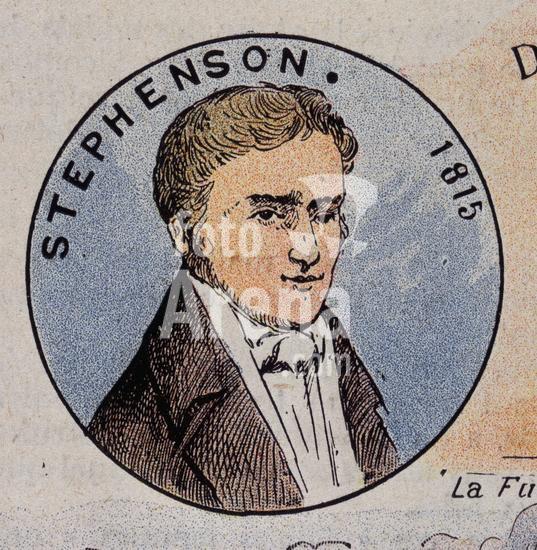
908_05_34500 George Stephenson. Portrait of George Stephenson 1781-1848, in 1815, British engineer, renowned as being the Father of Railway. Coloured Engraving, 19th century
DC
902_05_1859604 George Stephenson,1781-1848. British inventor and engineer. 19th century print engraved by E. Stodart.
DC
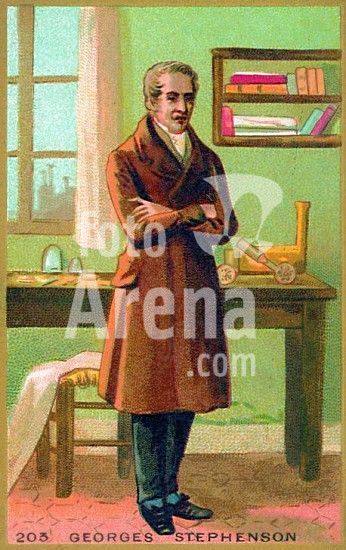
akg3688959 Chromo - fin XIX°Portrait de Georges StephensonStephenson GeorgesIngénieur anglaisWylam - 1781 / Tapton House (Chesterfieldshire) - 1848.
DC
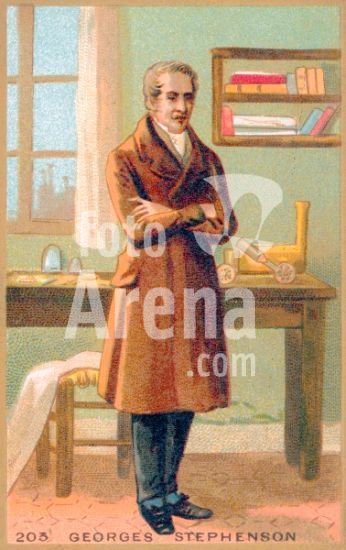
akg1236078 Portrait de Georges Stephenson|Stephenson Georges-Ingénieur anglais|Wylam-1781 / Tapton House (Chesterfieldshire)-1848|Chromolithographie |Fin XIX°|.
DC
0267108 GEORGE STEPHENSON (1781-1848). English inventor and founder of railways. The birthplace of Stephenson at Street House in Wylam, England. Engraving, American, 1881.
DC
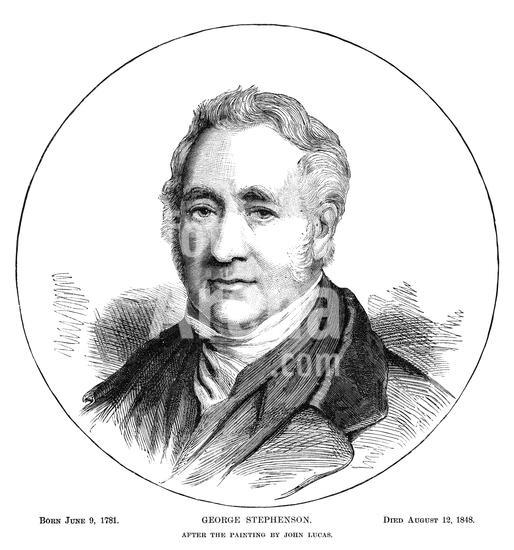
0267116 GEORGE STEPHENSON (1781-1848). English inventor and founder of railways. Engraving after a painting by John Lucas, American, 1881.
DC
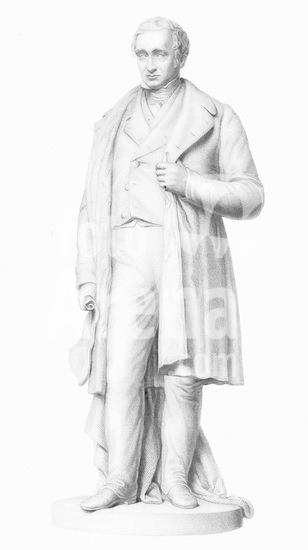
0071282 GEORGE STEPHENSON (1781-1848). English inventor and founder of railways. Stipple engraving after the statue by E.H. Baily.
DC
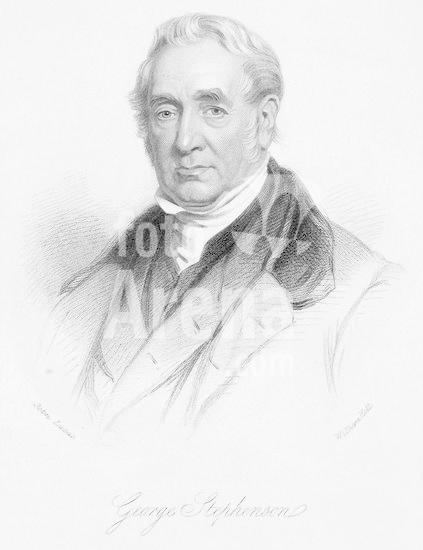
0049142 GEORGE STEPHENSON (1781-1848). English inventor and founder of railways. Stipple engraving, English, 1874, after a painting by John Lucas.
DC
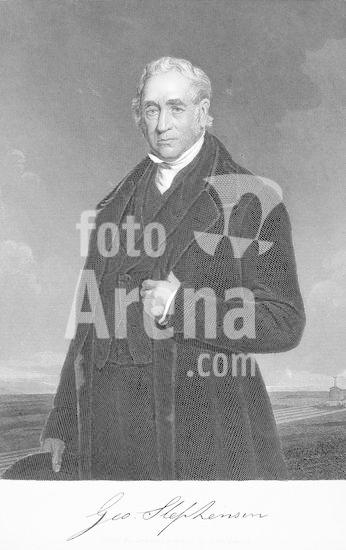
0048647 GEORGE STEPHENSON (1781-1848). English inventor and founder of railways. Steel engraving, American, 19th century, after a painting by John Lucas.
DC
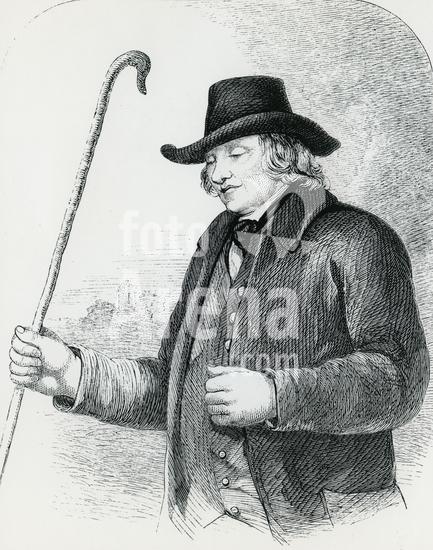
0045439 GEORGE STEPHENSON (1781-1848). English inventor and founder of railways. Wood engraving, German, 19th century.
DC
0045438 GEORGE STEPHENSON (1781-1848). English inventor and founder of railways. Mezzotint, 19th century, after a painting by John Lucas.
DC
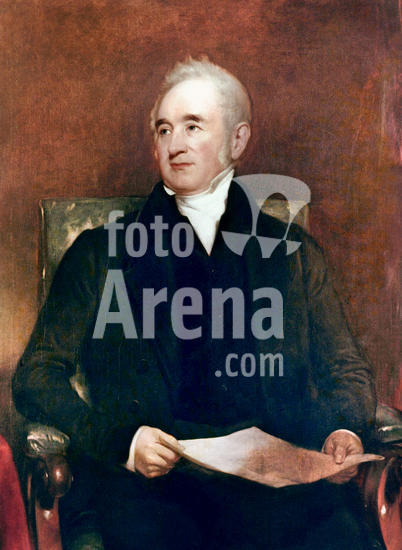
0045435 GEORGE STEPHENSON (1781-1848). English inventor and founder of railways. Oil on canvas, c1845, by Henry William Pickersgill.
DC

Total de Resultados: 43

Página 1 de 1