

















































Busque também em nossas outras coleções:

Tipo de arquivo:

Tipo do arquivo:

Tipo da licença:

Orientação:

Total de Resultados: 8.455

Página 1 de 85

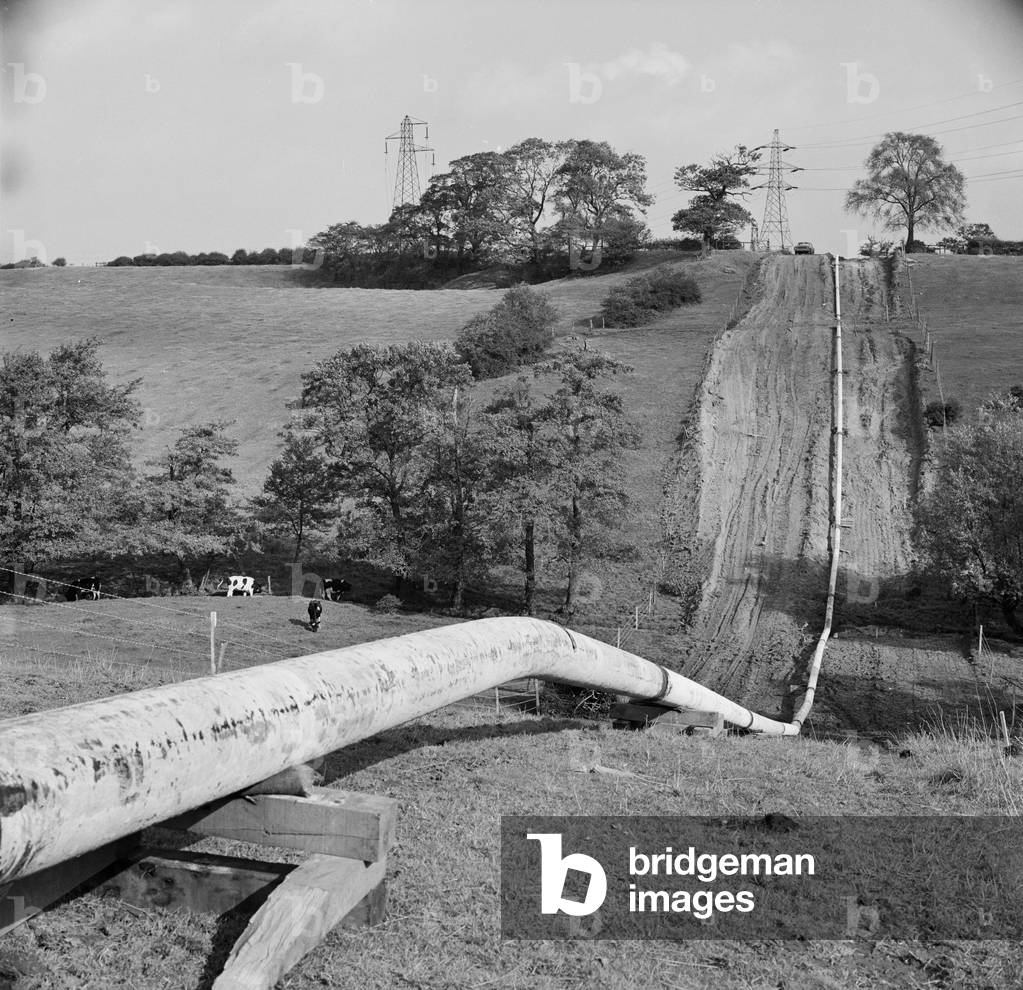
EHT6620130 Photographer, John Laing and Son Ltd; Engineer, Laing Pipelines; A view along the route of the Brampton pipeline, showing the pipe at a 45 degree angle in the foreground, where it meets a slopeIn 1975, Laing Pipelines laid the Brampton gas pipeline between Longtown near Carlisle to the east of Bishop Auckland. The pipeline is a section of the Frigg pipeline carrying natural gas from the North Sea to near Peterhead in Scotland. The headquarters for the Laing contract was located at an old quarry near Brampton.
DC
LLM979418 Engineering. From the Albert Memorial, Hyde Park, London. Illustration for London edited by Charles Knight (Virtue, c 1875). Digitally cleaned image.
DC
XLA3762061 Engineering Peace (Geniedu Comerce), on the ace of diamonds on a French medieval playing card. Gebrauchsgraphik, vol. 3, no. 11, Published in Leipzig, 1926.
DC
XLA3762049 Engineering Peace (Genie de la Paix), on the ace of a French medieval playing card. Gebrauchsgraphik, vol. 3, no. 11, Published in Leipzig, 1926.
DC
UIS5068017 Genetic Engineering .Tracy, a transgenic sheep, 1999. Tracy (1990-1997) was a transgenic ewe that had been genetically modified by the Roslin Institute, near Edinburgh, Scotland, so that her milk produced a human protein called alpha antitrypsin, a potential treatment for the disease cystic fibrosis. ©SSPL/Science Museum
DC
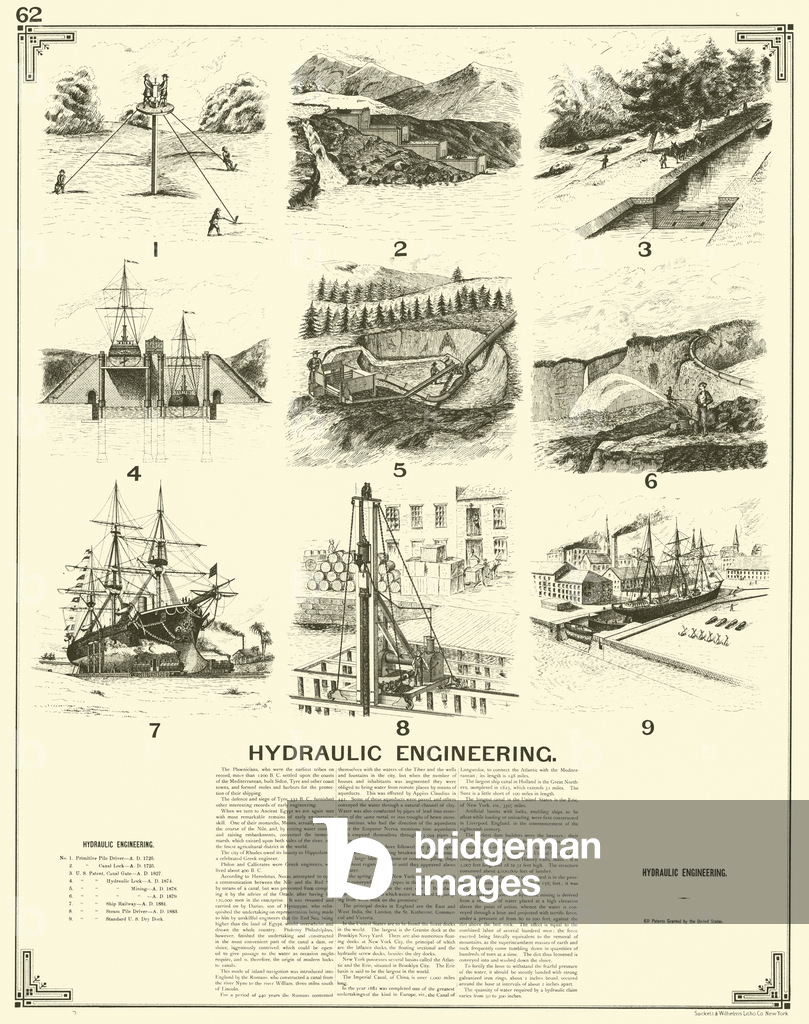
SIC744450 This full page spread shows scenes from the technological history of Hydraulic Engineering, published in 'The Growth of Industrial Art' by the government printing office (1892).
DC
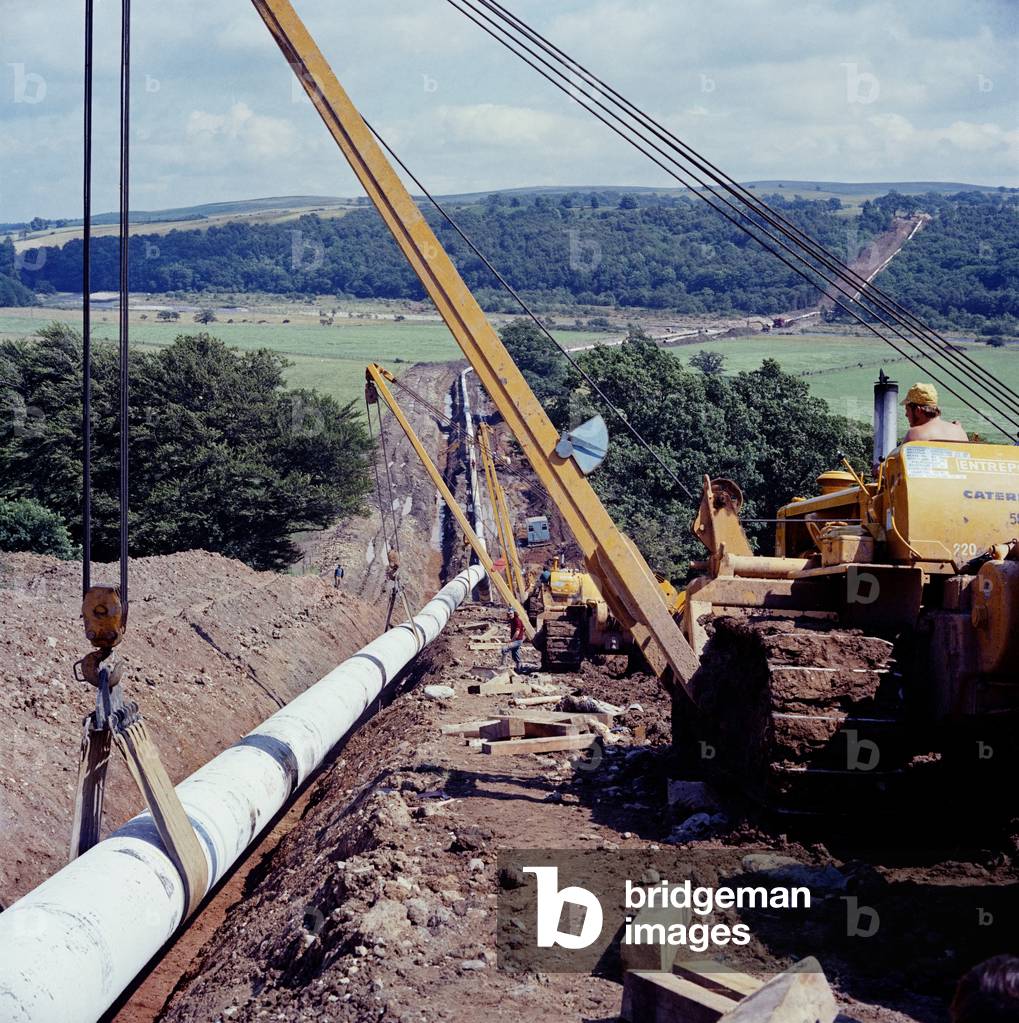
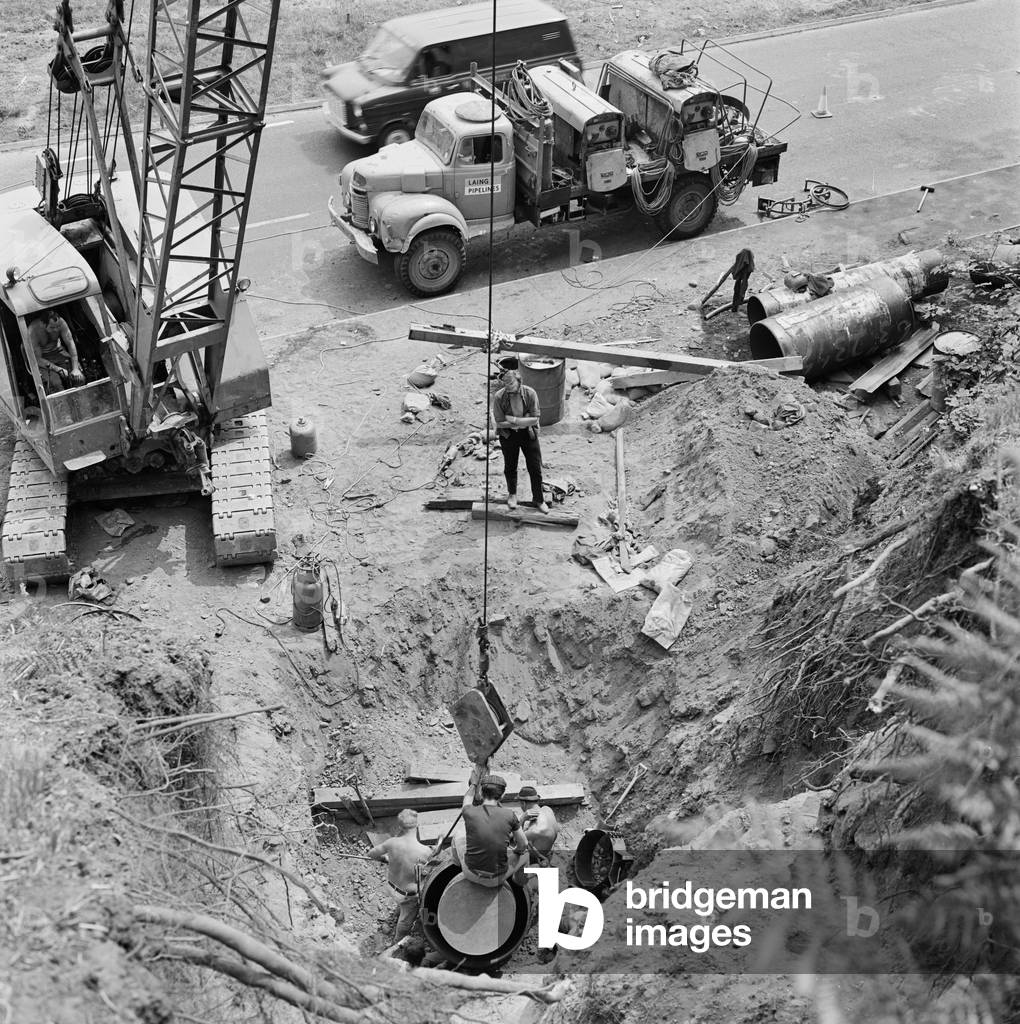
EHT6620126 Photographer, John Laing and Son Ltd; Engineer, Laing Pipelines; A view along the route of the Brampton pipeline, showing pipelaying equipment in the foreground lowering the pipeline into a trenchIn 1975, Laing Pipelines laid the Brampton gas pipeline between Longtown near Carlisle to the east of Bishop Auckland. The pipeline is a section of the Frigg pipeline carrying natural gas from the North Sea to near Peterhead in Scotland. The headquarters for the Laing contract was located at an old quarry near Brampton.
DC
EHT6619913 Photographer, John Laing and Son Ltd; Engineer, Laing Civil Engineering; A view along a stretch of the Mersey oil pipeline in rolling countryside, showing the pipeline after the welders have passed but before the joints have been coatedThe Mersey oil pipeline was installed in 1967 by Laing Civil Engineering in association with the French companies, Entrepose and Grands Trevaux de Marseille (GTM). It is 88 miles in length and runs from Ellesmere Port to the Kingsbury Oil Terminal serving the Midlands. This photograph was published in November 1967 in the Laing monthly newsletter 'Team Spirit'.
DC
LLJ587872 The Thames Subway at the Tower: the tunnel from the heading. Published in the Illustrated London News, 30 October 1869.
DC
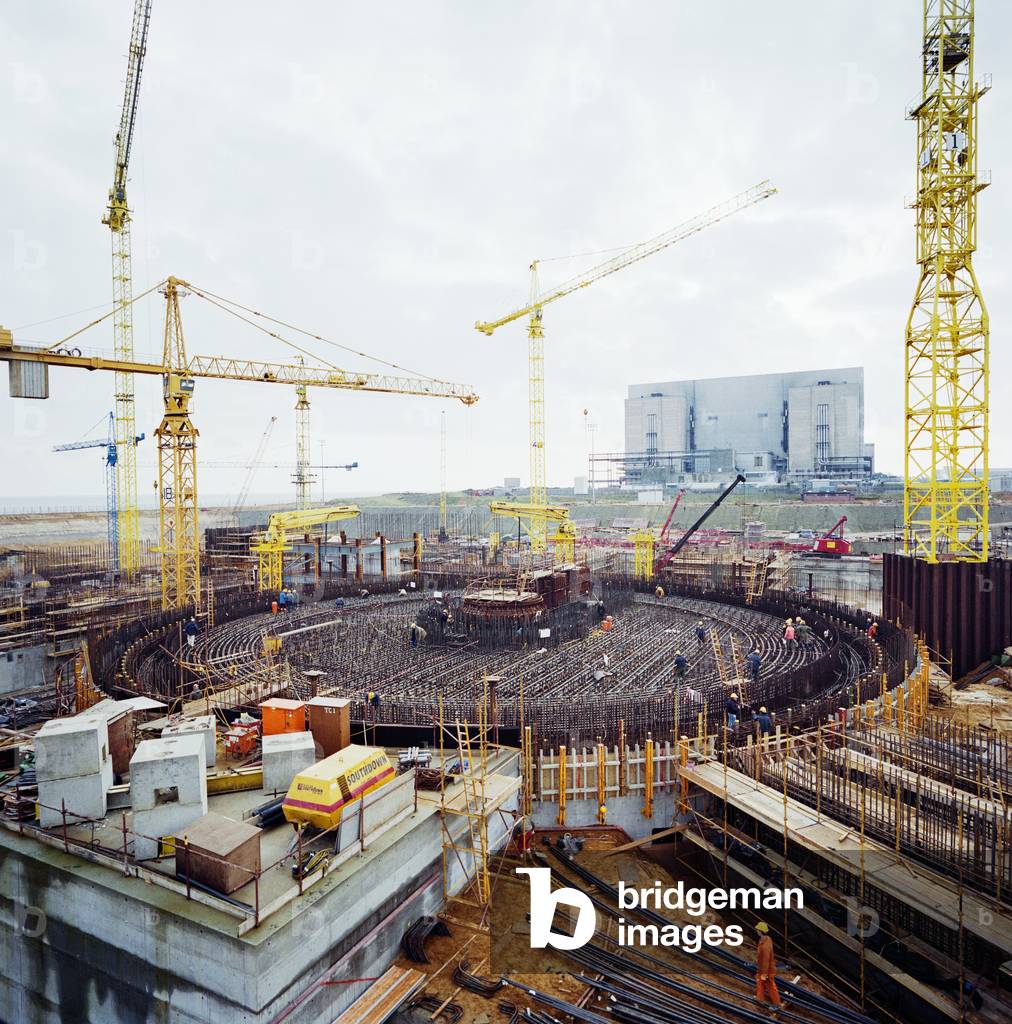
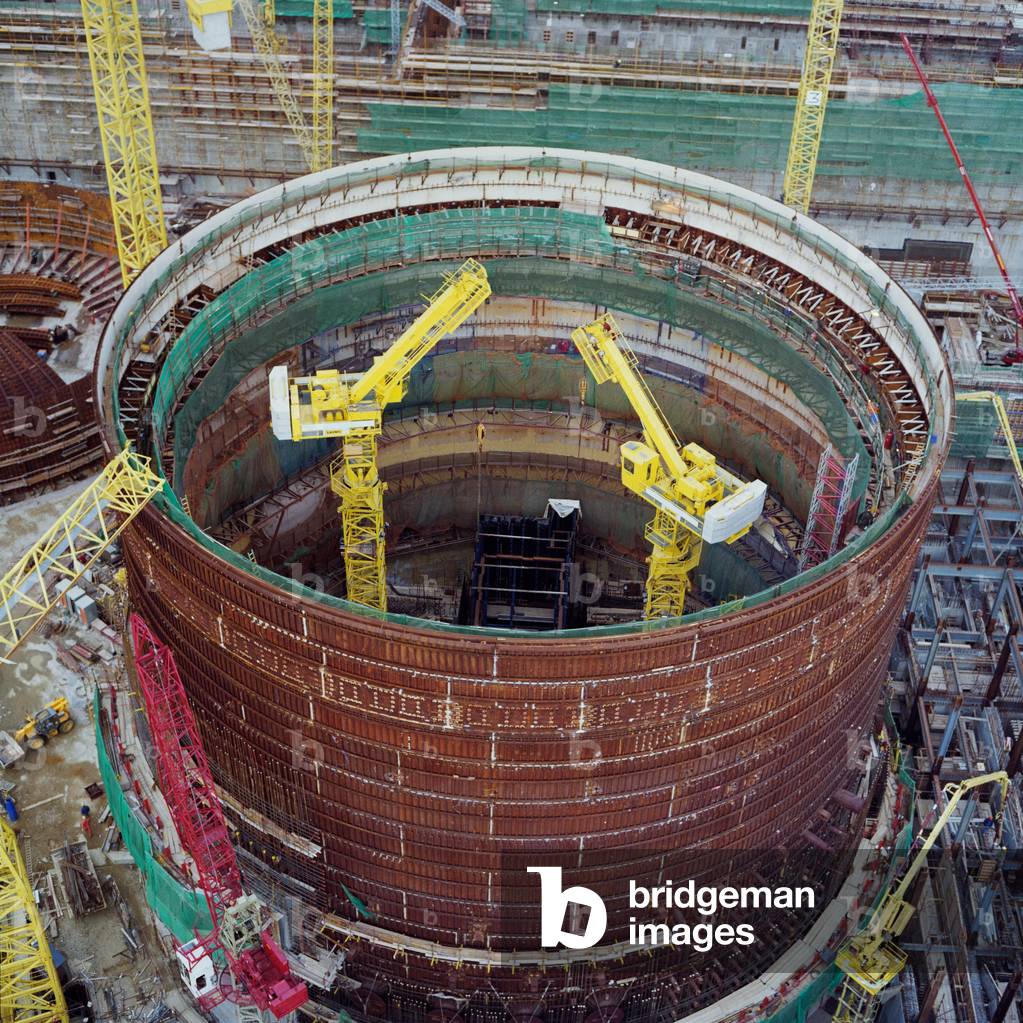
EHT6620257 Photographer, John Laing plc; Engineer, John Laing plc; Looking south-east towards the reactor building on the construction site of Sizewell 'B' Nuclear Power Station, with three sections of steel liner for the reactor dome assembled in the foregroundSizewell 'B' is one of two nuclear power stations on the Suffolk coast near the village of Sizewell. Sizewell 'A', its predecessor, is in the process of being decommissioned. Sizewell 'B' is a Pressurised Water Reactor (PWR); the first of its kind to be constructed in the UK. John Laing plc were awarded the contract for the main civil engineering work on 19th May 1987. Sizewell 'B' was completed in 1995, after 8 years of construction, and is operated by EDF Energy.
DC
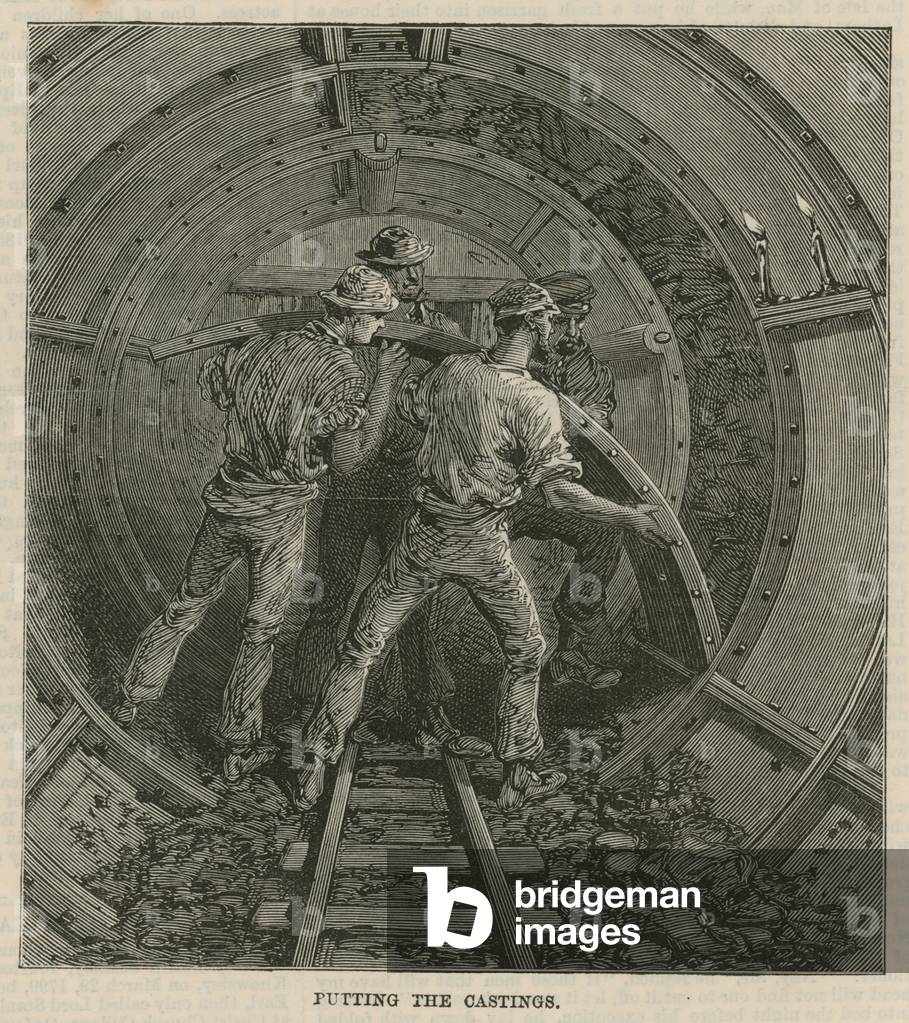
LLJ587871 The Thames Subway at the Tower: putting the castings. Published in the Illustrated London News, 30 October 1869.
DC
LLJ587870 The Thames Subway at the Tower: advancing the shield. Published in the Illustrated London News, 30 October 1869.
DC
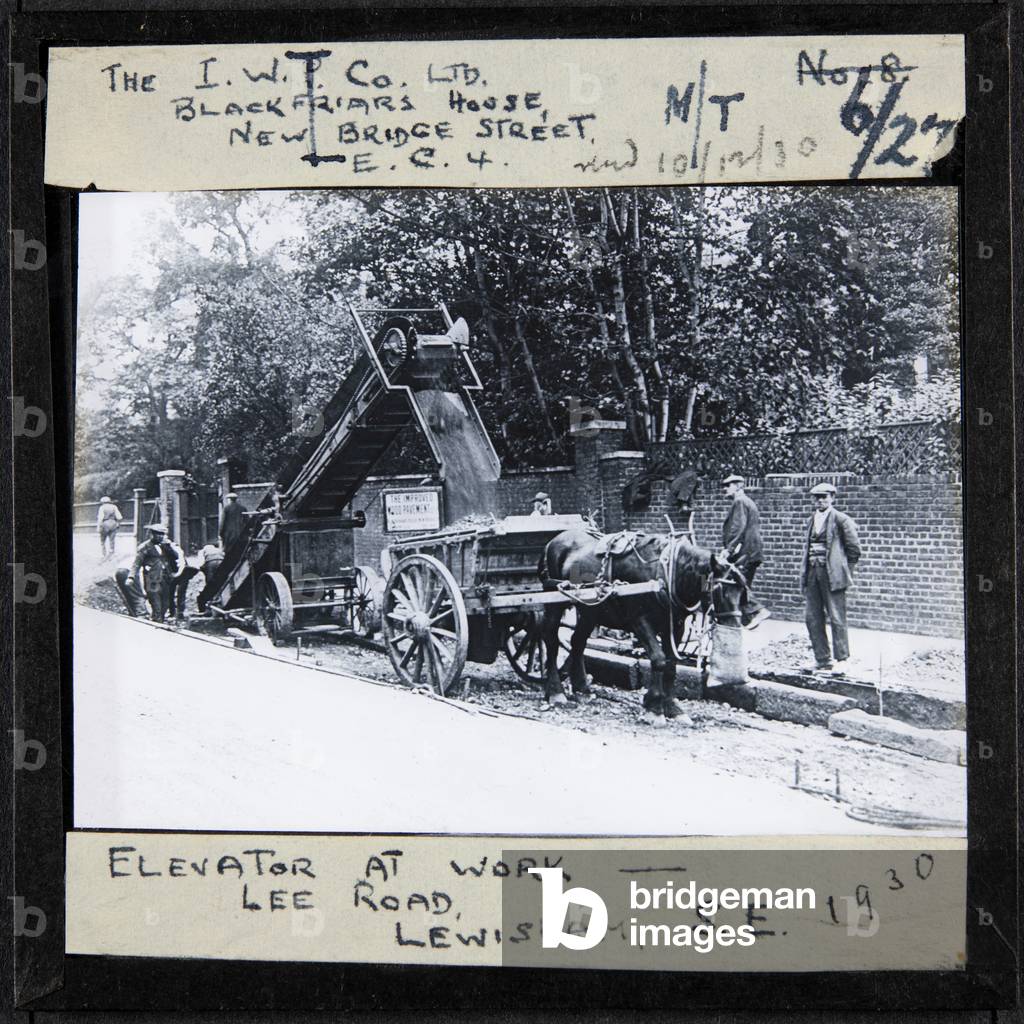
EHT6948437 UnknownAn elevator depositing debris into a cart drawn by a horse, during construction work on Lee Road, with workers from the Improved Wood Pavement Company in the backgroundThe caption on this slide reads: "The I.W.P. Co. Ltd, Blackfriars House, New Bridge Street, E.C.4. Elevator at work. Lee Road, Lewisham."The Improved Wood Pavement Company Ltd was registered in 1872, having previously operated as the London Wood Paving Company. The use of wood to pave London streets had began in around the 1840s; new systems were introduced in the 1870s. A major advantage of wooden paving was that it produced less noise under horse drawn transport than the alternatives of granite or macadam, but was slippery when wet.
DC
EHT6620253 Photographer, John Laing plc; Engineer, John Laing plc; Looking south-east towards the reactor building on the construction site of Sizewell 'B' Nuclear Power Station, showing three sections of steel liner for the reactor dome in the foregroundSizewell 'B' is one of two nuclear power stations on the Suffolk coast near the village of Sizewell. Sizewell 'A', its predecessor, is in the process of being decommissioned. Sizewell 'B' is a Pressurised Water Reactor (PWR); the first of its kind to be constructed in the UK. John Laing plc were awarded the contract for the main civil engineering work on 19th May 1987. Sizewell 'B' was completed in 1995, after 8 years of construction, and is operated by EDF Energy.
DC
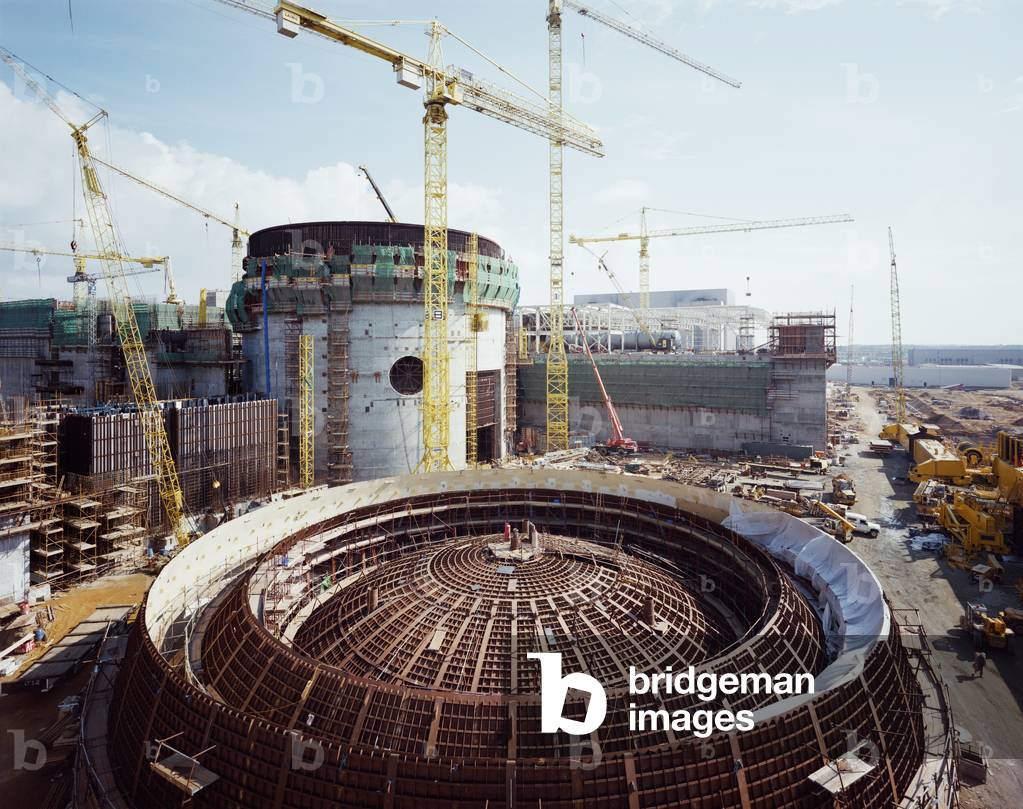
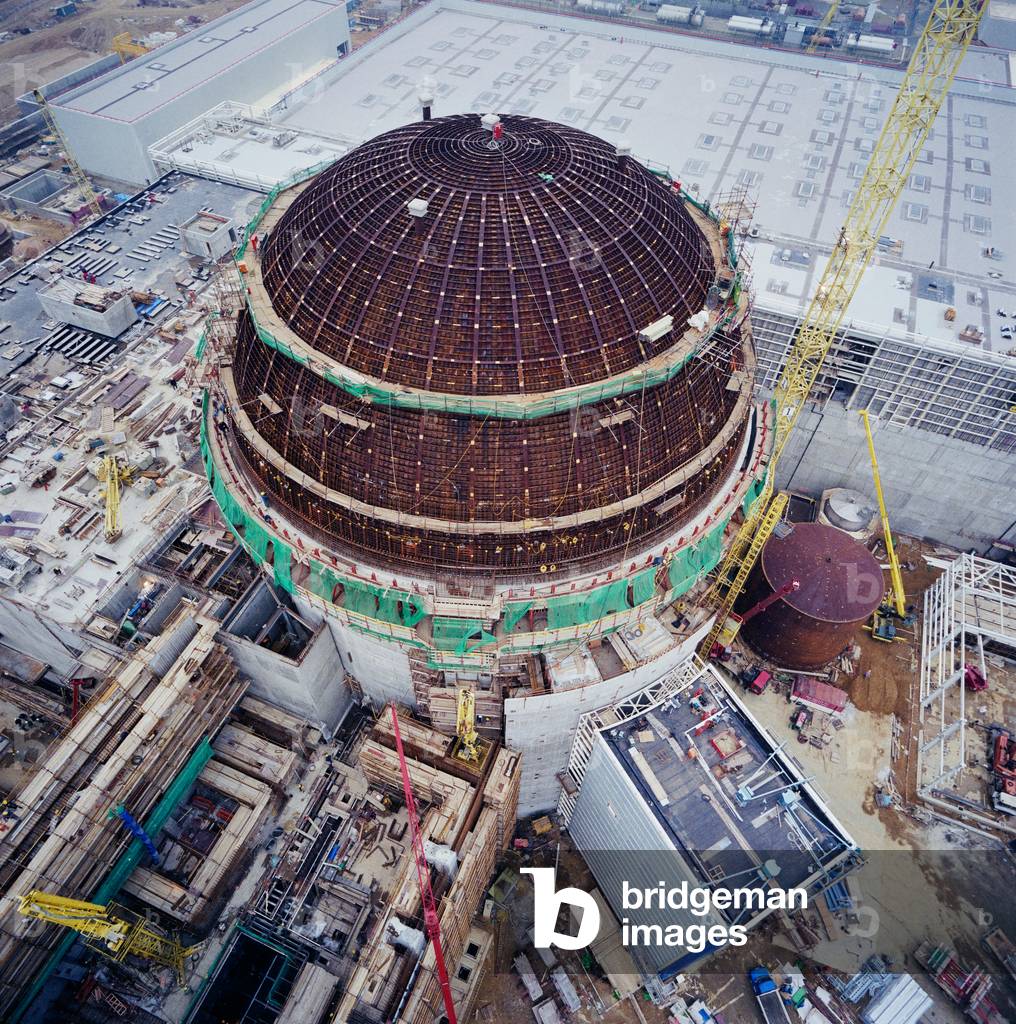
EHT6620284 Photographer, John Laing plc; Engineer, John Laing plc; A view of the reactor building under construction at Sizewell 'B' Nuclear Power Station, with Sizewell 'A' visible in the backgroundSizewell 'B' is one of two nuclear power stations on the Suffolk coast near the village of Sizewell. Sizewell 'A', its predecessor, is in the process of being decommissioned. Sizewell 'B' is a Pressurised Water Reactor (PWR); the first of its kind to be constructed in the UK. John Laing plc were awarded the contract for the main civil engineering work on 19th May 1987. Sizewell 'B' was completed in 1995, after 8 years of construction, and is operated by EDF Energy.
DC
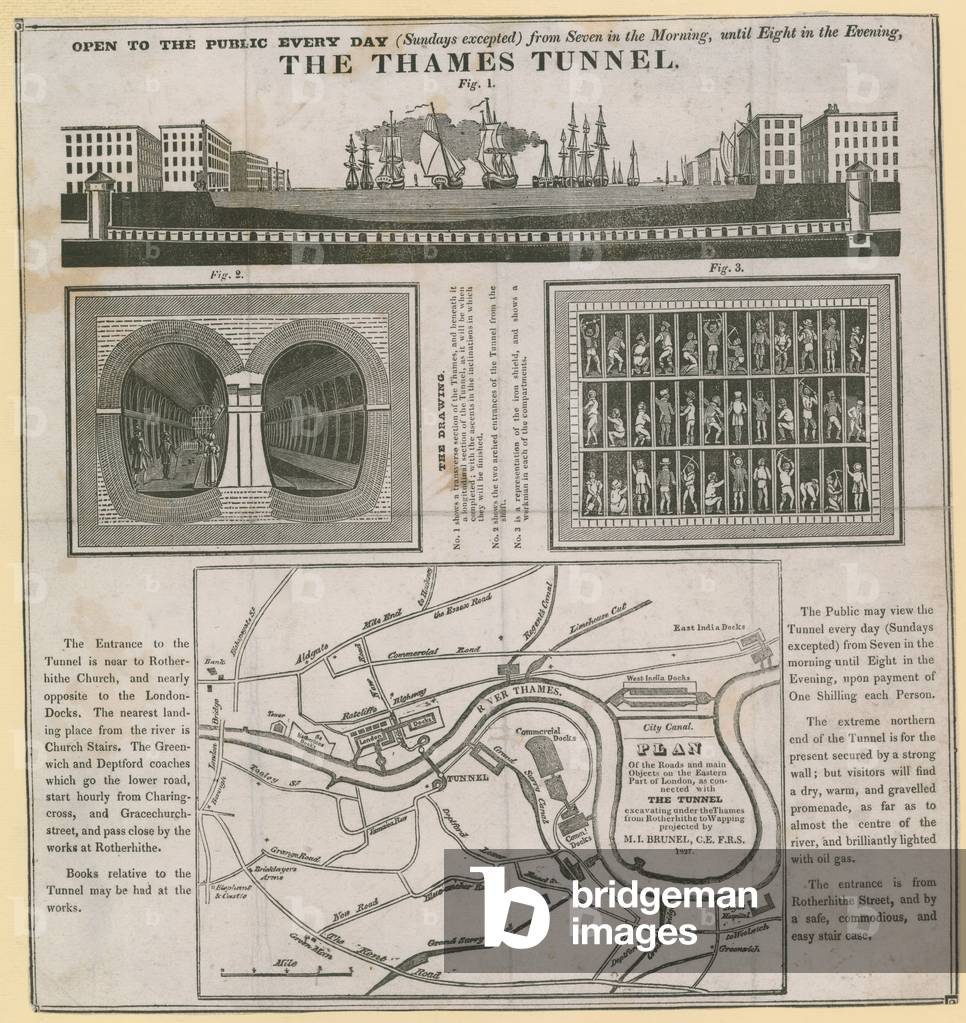
LLJ602458 The Thames Tunnel, with a plan view of the River Thames as well a view down the tunnels and workers constructing the tunnel.
DC
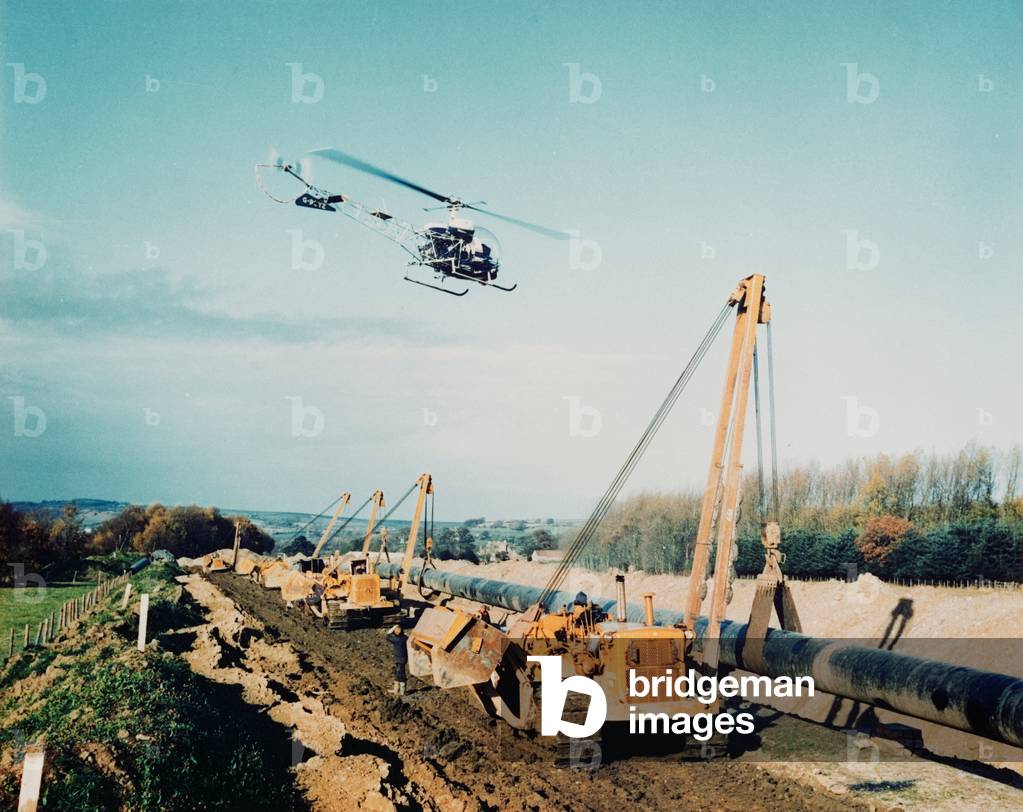
EHT6620142 Photographer, John Laing and Son Ltd; Engineer, Laing Pipelines; A helicopter flying over a row of Caterpillar pipelayers during the installation of the Brampton pipelineIn 1975, Laing Pipelines laid the Brampton gas pipeline between Longtown near Carlisle to the east of Bishop Auckland. The pipeline is a section of the Frigg pipeline carrying natural gas from the North Sea to near Peterhead in Scotland. The headquarters for the Laing contract was located at an old quarry near Brampton.
DC
EHT6620291 Photographer, John Laing plc; Engineer, John Laing plc; A view of the reactor containment building under construction at Sizewell 'B' Nuclear Power Station, showing progress in the construction of the steel linerSizewell 'B' is one of two nuclear power stations on the Suffolk coast near the village of Sizewell. Sizewell 'A', its predecessor, is in the process of being decommissioned. Sizewell 'B' is a Pressurised Water Reactor (PWR); the first of its kind to be constructed in the UK. John Laing plc were awarded the contract for the main civil engineering work on 19th May 1987. Sizewell 'B' was completed in 1995, after 8 years of construction, and is operated by EDF Energy.
DC
EHT6620314 Photographer, John Laing plc; Engineer, John Laing plc; Looking south-east towards the reactor dome during the construction of Sizewell 'B' Nuclear Power Station, showing work commencing on the formwork for the secondary containment layerThe primary containment building for the nuclear reactor was 'topped out' on 9th July 1992. Work then began on the construction of the secondary containment, leaving an air gap of 3m between the two concrete layers. The secondary containment was 'topped out' in October 1993, in a ceremony marking the completion of the structure.
DC
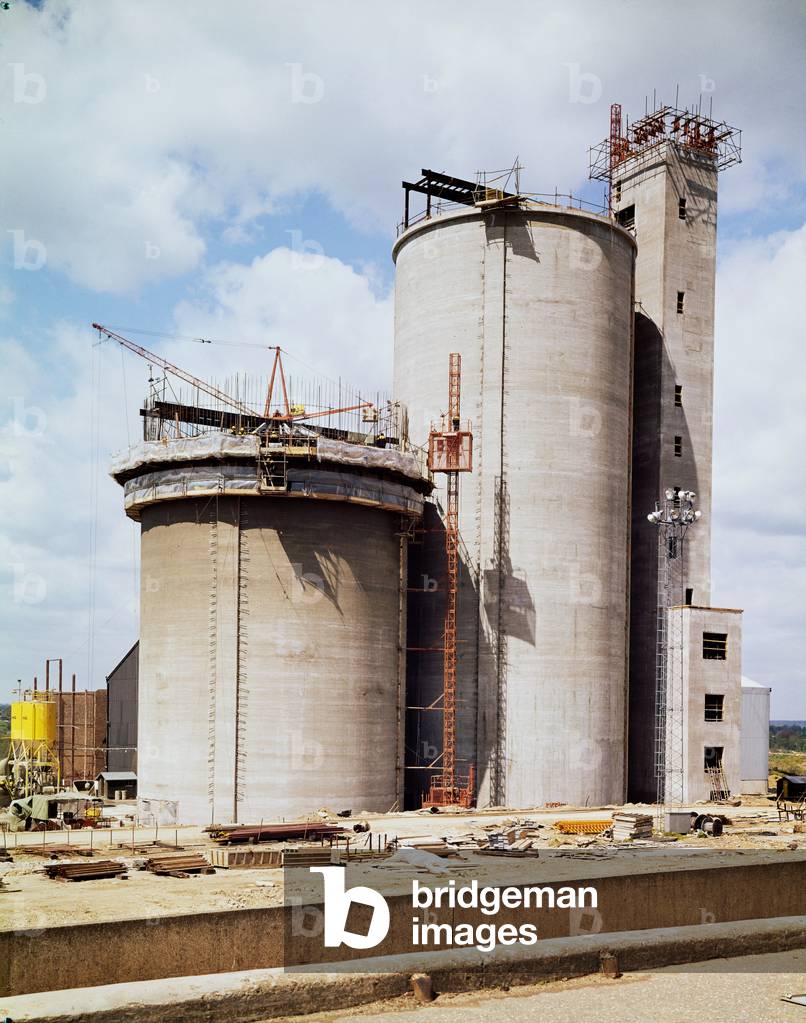
EHT6620114 Photographer, John Laing and Son Ltd; Builder, John Laing and Son Ltd; The elevator tower and two sugar silos during construction at Bury St Edmunds Sugar Beet FactoryA sugar factory began operating at Bury St Edmunds in 1924. In 1972 Laing were awarded the contract to build four sugar silos and a new beet handling plant for the British Sugar Corporation at Bury St Edmunds. The new silos made the factory the largest of its kind in Europe. The original construction period for the project was reduced by a third due to the need to retain storage and access to the silos and factory during the sugar beet campaign, which ran between September and February. New methods of construction, however, reduced manpower requirements and had the potential to increase speed. These new methods included the use of a crane with a revolving jib to hoist and distribute concrete, which replaced the use of a monorail on the working platform at the top of the silo. Construction of the first silo began in February 1973, and the elevator tower in March. The second silo, shown on the left of this photograph, was started on 7th May and was completed on 12th May.
DC
LLJ587869 The Thames Subway at the Tower: the shaft at Tower Hill. Published in the Illustrated London News, 30 October 1869.
DC
EHT6620293 Photographer, John Laing plc; Engineer, John Laing plc; The reactor building under construction at Sizewell 'B' Nuclear Power Station, seen from a tower crane to the north, showing the steel liner of the domed roofSizewell 'B' is one of two nuclear power stations on the Suffolk coast near the village of Sizewell. Sizewell 'A', its predecessor, is in the process of being decommissioned. Sizewell 'B' is a Pressurised Water Reactor (PWR); the first of its kind to be constructed in the UK. John Laing plc were awarded the contract for the main civil engineering work on 19th May 1987. Sizewell 'B' was completed in 1995, after 8 years of construction, and is operated by EDF Energy.
DC
EHT6619982 Contractor, Laing Pipelines Offshore; Photographer, John Laing and Son Ltd; A general view of progress at Graythorp, showing a 509 Revolver crane in the process of being constructedIn the early 1970s Laing Pipelines Offshore constructed the Graythorp fabrication yard and dry dock on the site of the old William Gray Shipyard. The company created a dry dock which was used for the construction of fixed platform North Sea drilling rigs for the BP North Sea Oil Project. By 1972, one thousand men were working on site to build a tubular structure which would support a drilling rig in the North Sea destined for the Forties Oilfield.
DC
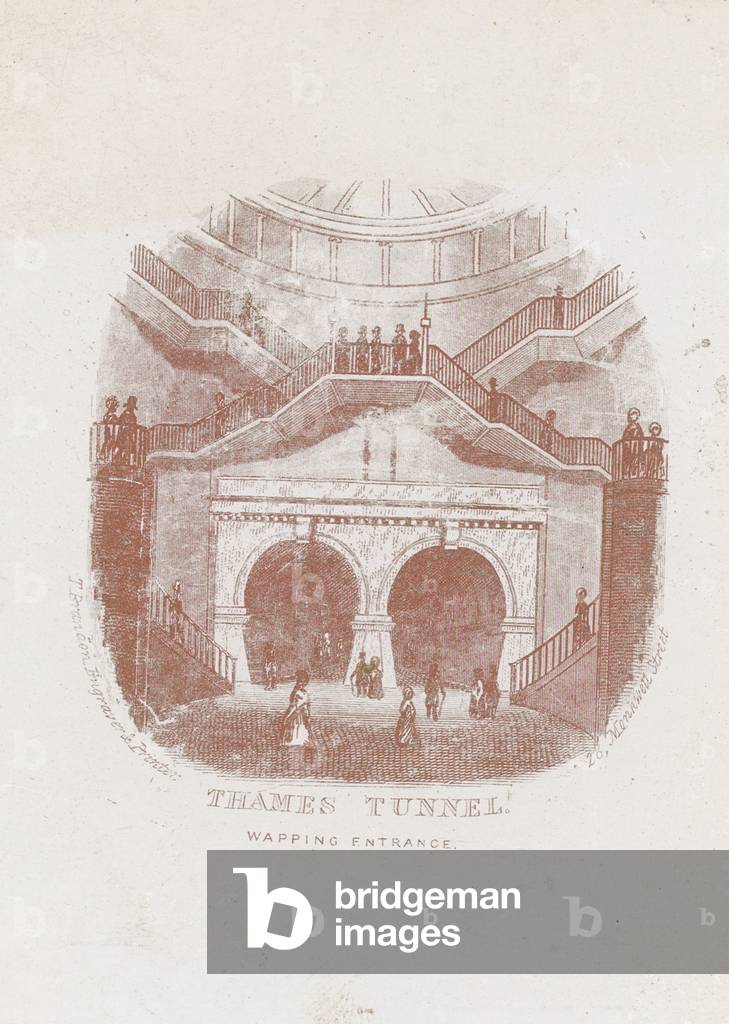
LLJ602461 The Wapping entrance of the Thames Tunnel, beneath the River Thames, London.
DC
EHT6619989 Contractor, Laing Pipelines Offshore; Photographer, John Laing and Son Ltd; A view over the basin at Graythorp, showing in situ fabrication being carried out on the flotation tanks for an oil platformIn the early 1970s Laing Pipelines Offshore constructed the Graythorp fabrication yard and dry dock on the site of the old William Gray Shipyard. The company created a dry dock which was used for the construction of fixed platform North Sea drilling rigs for the BP North Sea Oil Project. By 1972, one thousand men were working on site to build a tubular structure which would support a drilling rig in the North Sea destined for the Forties Oilfield.
DC
EHT6619961 Photographer, John Laing and Son Ltd; Engineer, Laing Pipelines; A view of the work being carried out to install the Barlaston pipeline against a steep and unstable embankment beside the A34 dual carriagewayThe contract for the Barlaston gas pipeline was awarded to Laing Pipelines in January 1970. The pipeline ran for approximately 29 miles from Uffington, near Shrewsbury, to Barlaston in North Staffordshire. Along the route there were 61 crossings, including under the M6, the main electric railway from Euston to Crew, two canals and six rivers, and a steep climb alongside the A34 dual carriageway near Barlaston. This photograph shows where the pipeline emerges from beneath the road and then bends at a 45% angle to climb up the embankment.
DC
LLJ587880 Spade drill at the Tower. Published in the Illustrated London News, 8 January 1870.
DC
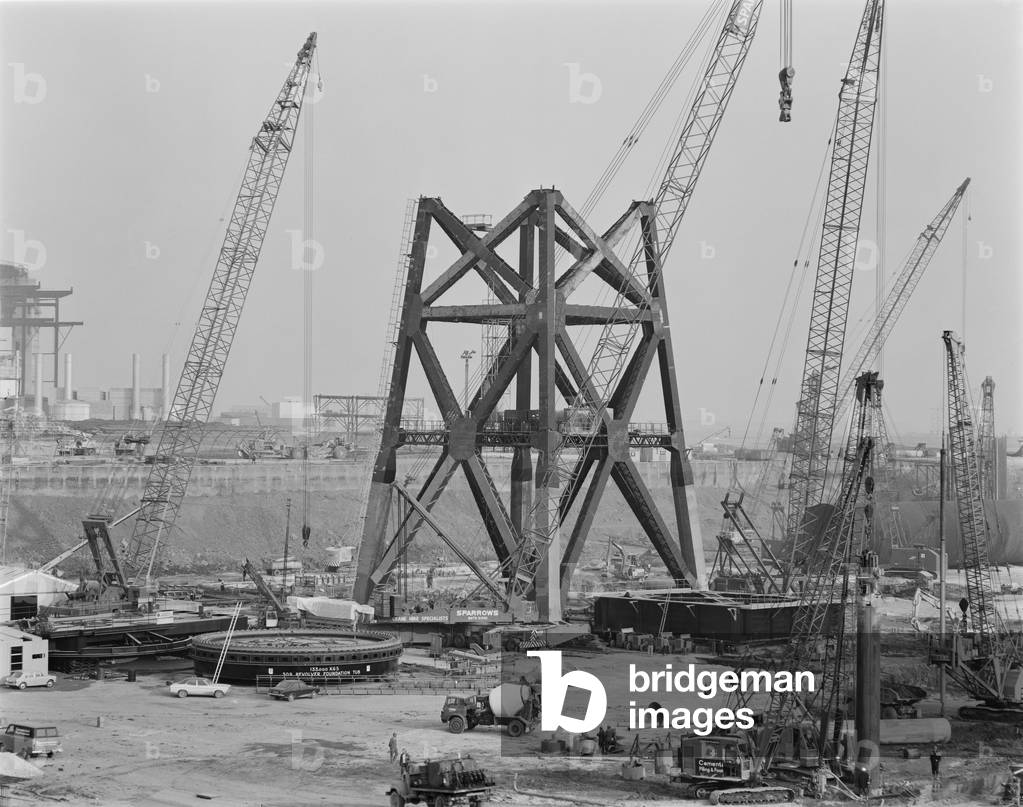
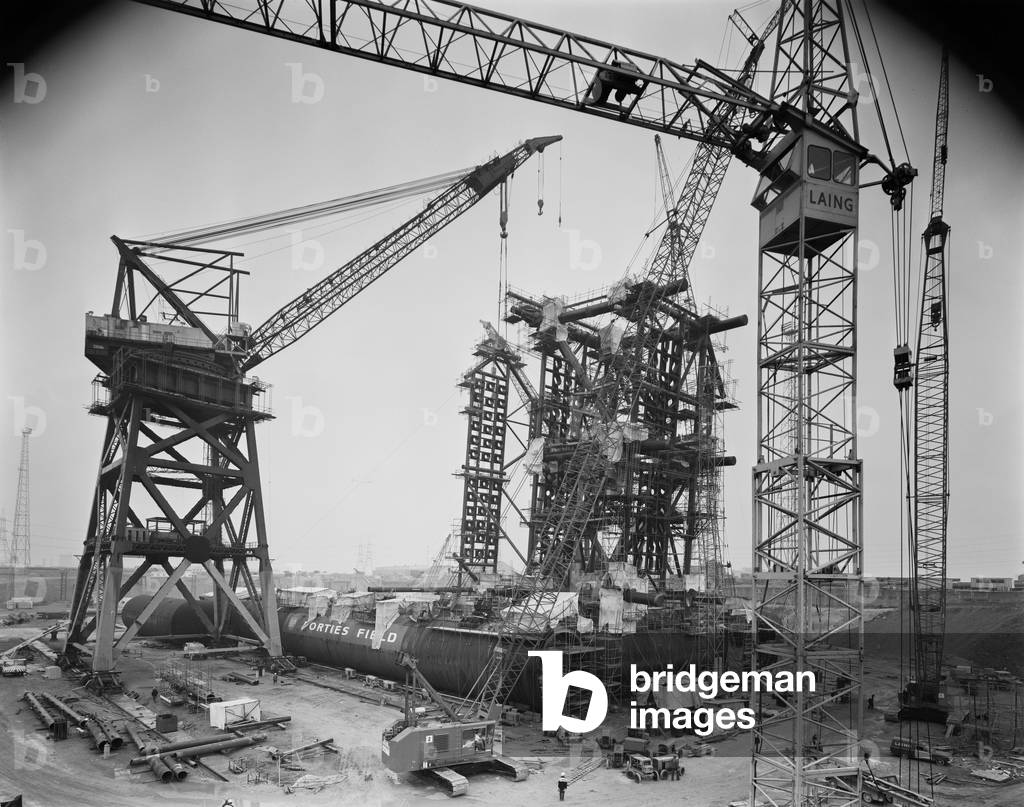
EHT6620014 Contractor, Laing Pipelines Offshore; Photographer, John Laing and Son Ltd; A view of the construction of an oil platform at Graythorp, showing cranes around the emerging structureIn the early 1970s Laing Pipelines Offshore constructed the Graythorp fabrication yard and dry dock on the site of the old William Gray Shipyard. The company created a dry dock which was used for the construction of fixed platform North Sea drilling rigs for the BP North Sea Oil Project. By 1972, one thousand men were working on site to build a tubular structure which would support a drilling rig in the North Sea destined for the Forties Oilfield. The cranes on site at Graythorp included two 509 Revolver cranes, capable of lifting 813 tonnes, and six Manitowoc cranes imported from America.
DC
LIP1052747 Practical Engineering at the Crystal Palace, the Smiths' Fitting and Erecting Shop. Illustration for The Graphic, 1 March 1873.
DC
LLJ587868 The Thames Subway - section. Published in The Graphic, 9 April 1870.
DC
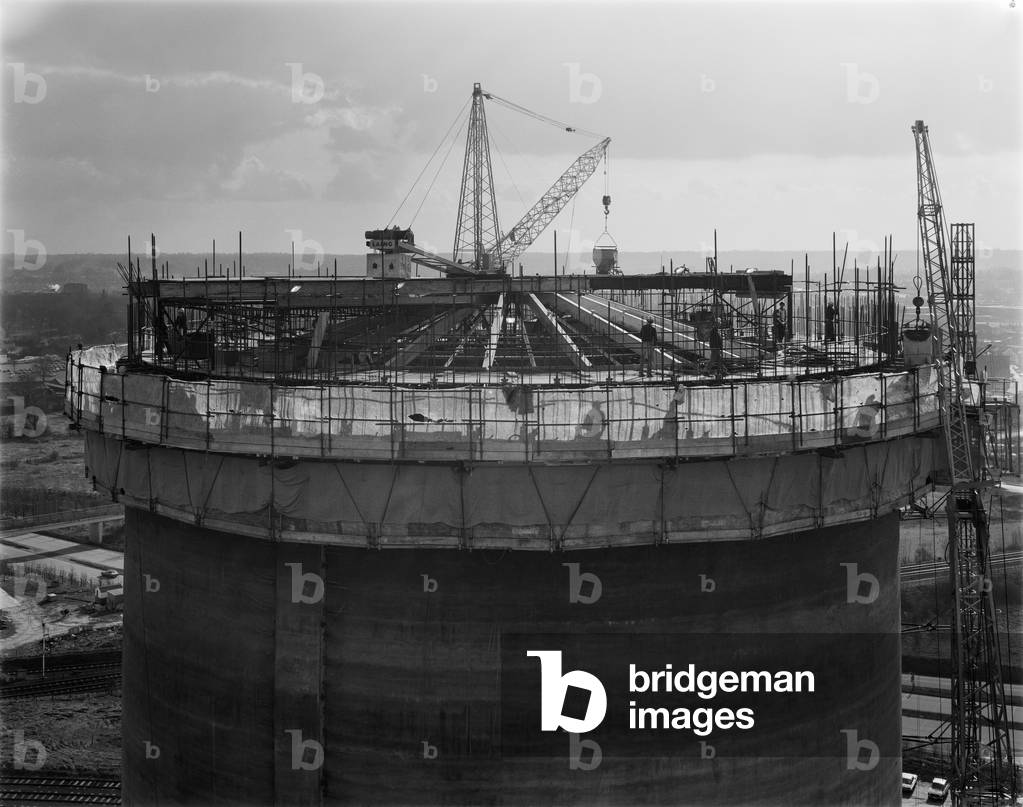
EHT6619937 Photographer, John Laing plc; Builder, John Laing plc; Designer, John Laing Design Associates; A view of the working platform with a central crane at the top of a silo during construction at Bury St Edmunds Sugar Beet Factory, showing the framework of the conical roofA sugar factory began operating at Bury St Edmunds in 1924. In 1972 Laing were awarded the contract to build four sugar silos and a new beet handling plant for the British Sugar Corporation at Bury St Edmunds, and in 1981/82 a further 25,000 tonne capacity sugar silo was built.
DC
EHT6620209 Photographer, John Laing plc; Builder, John Laing plc; A view looking upwards from the inside of a sugar silo towards the roof structure and conveyor bridge during its construction at Bury St Edmunds Sugar Beet FactoryA sugar factory began operating at Bury St Edmunds in 1924. In 1972 Laing announced they would be building four sugar silos and a new beet handling plant for the British Sugar Corporation at Bury St Edmunds, and in 1981/82 a further 25,000 tonne capacity sugar silo was built.
DC
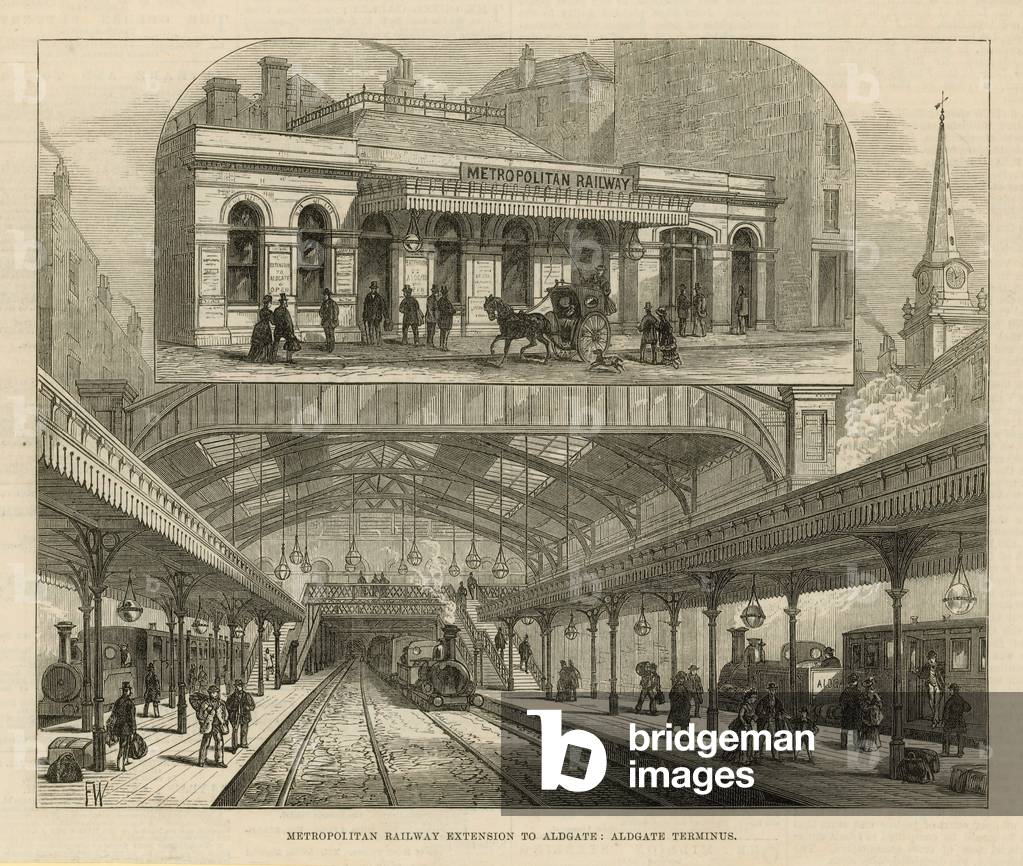
LLJ603302 Metropolitan Railway Extension to Aldgate: Aldgate Terminus. Published in the Illustrated London News, 2 December 1876.
DC
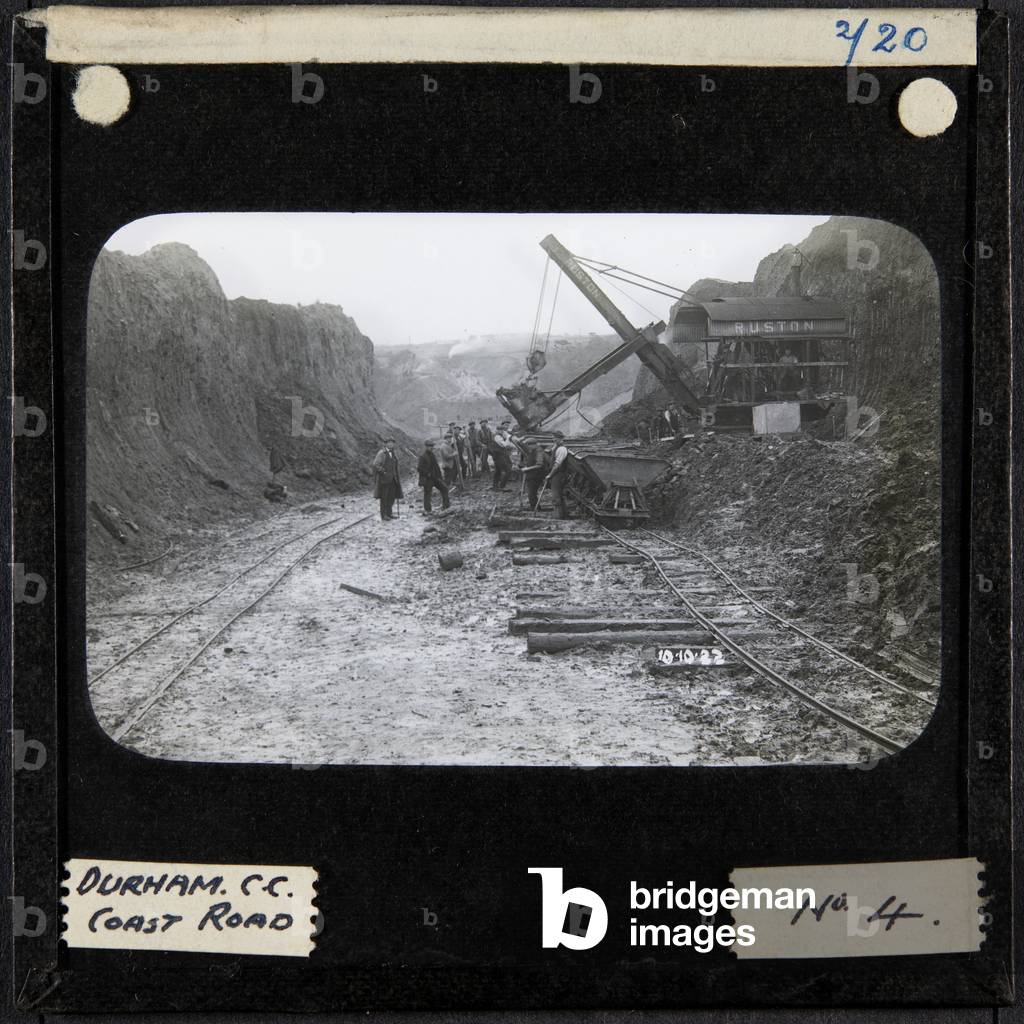
EHT6948438 UnknownA group of workmen beside a Ruston excavator loading earth into wagons on a track, during the construction of Coast RoadThe caption on this slide reads: "Durham. C.C. Coast Road"The location shown in this photograph may be looking south-west along Coast Road to the east of Dene Villas, later Willow Grove.
DC
LLJ603297 Proposed station at Baker Street on the Metropolitan Railway. Published in a supplement to the Illustrated London News, 7 April 1860.
DC
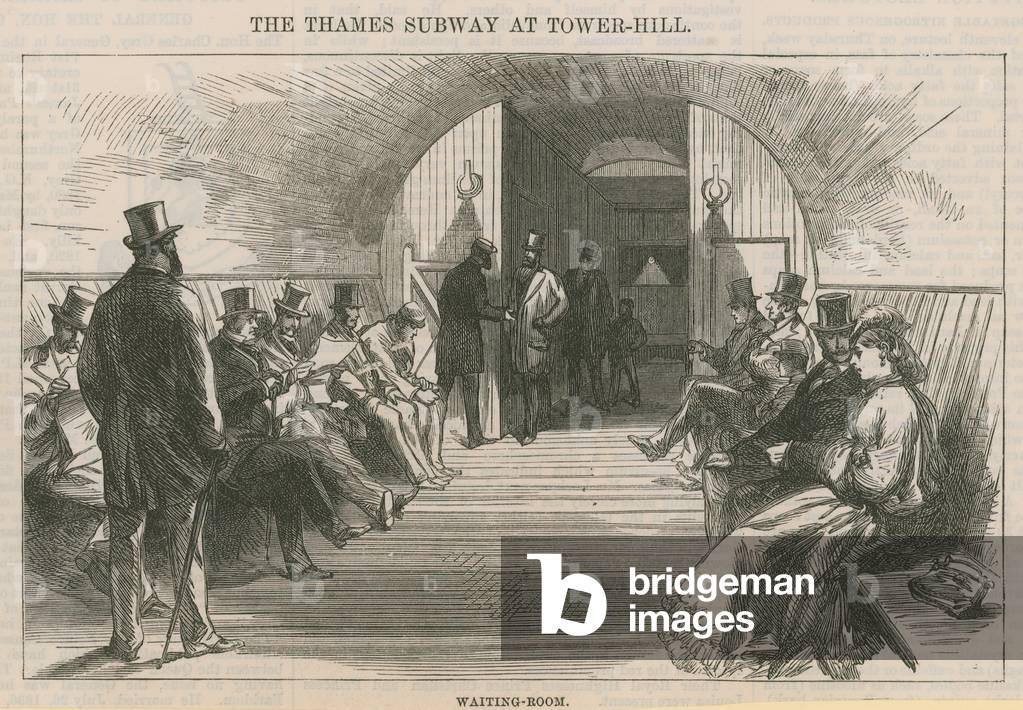
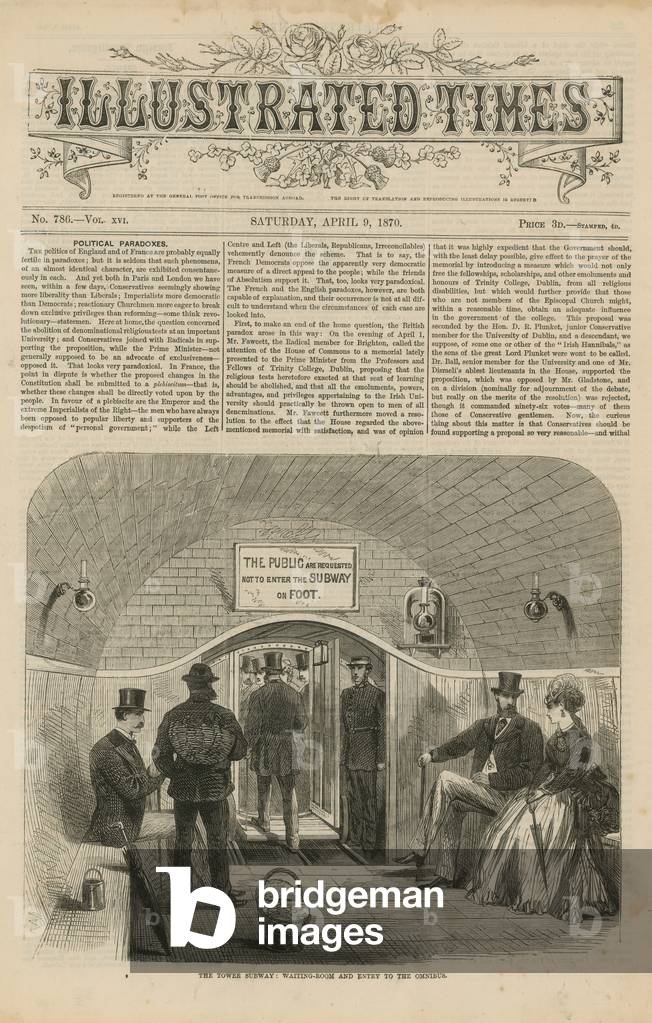
LLJ587918 The Thames Subway at Tower Hill: waiting room. Published in the Illustrated London News, 9 April 1870.
DC
EHT6619991 Contractor, Laing Pipelines Offshore; Photographer, John Laing and Son Ltd; A view over the basin at Graythorp, showing in situ fabrication being carried out on the flotation tanks for an oil platformIn the early 1970s Laing Pipelines Offshore constructed the Graythorp fabrication yard and dry dock on the site of the old William Gray Shipyard. The company created a dry dock which was used for the construction of fixed platform North Sea drilling rigs for the BP North Sea Oil Project. By 1972, one thousand men were working on site to build a tubular structure which would support a drilling rig in the North Sea destined for the Forties Oilfield.
DC
EHT6620013 Contractor, Laing Pipelines Offshore; Photographer, John Laing and Son Ltd;A view of the construction of an oil platform at Graythorp, showing cranes around the emerging structureIn the early 1970s Laing Pipelines Offshore constructed the Graythorp fabrication yard and dry dock on the site of the old William Gray Shipyard. The company created a dry dock which was used for the construction of fixed platform North Sea drilling rigs for the BP North Sea Oil Project. By 1972, one thousand men were working on site to build a tubular structure which would support a drilling rig in the North Sea destined for the Forties Oilfield. The cranes on site at Graythorp included two 509 Revolver cranes, capable of lifting 813 tonnes, and six Manitowoc cranes imported from America.
DC
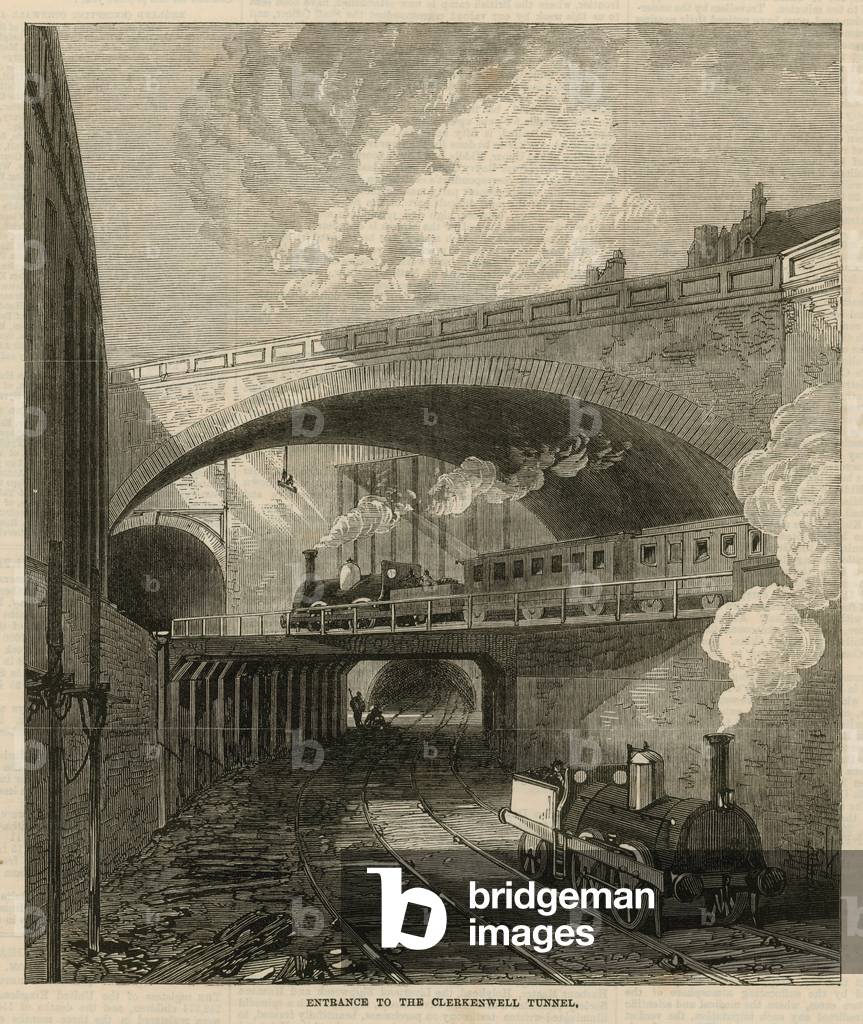
LLJ603294 Entrance to the Clerkenwell Tunnel, London. New works on the Metropolitan Railway. Published in a supplement to the Illustrated London News, 8 February 1868.
DC
LLJ587873 Cover of the Illustrated Times (published on 9 April 1870), with an illustration depicting the Tower subway: waiting room and entry to the omnibus.
DC
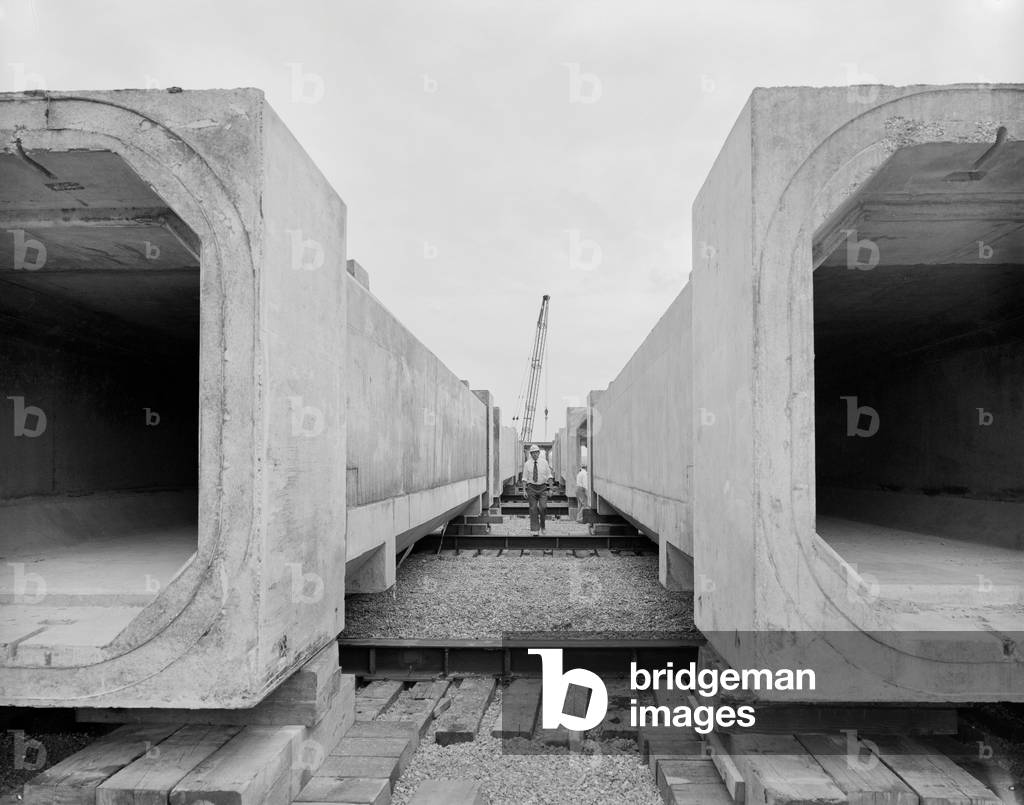
EHT6619927 Photographer, John Laing Ltd; Engineer, Laing Civil Engineering; A view of large precast concrete units for the Browndown outfall of the Peel Common Sewage WorksLaing Civil Engineering were contracted to construct the Browndown Outfall for the Southern Water Authority, as part of the South Hampshire Main Drainage Scheme for the treatment and disposal of sewage. Browndown Outfall is a 1km long underwater culvert which transports treated sewage from Peel Common Sewage Works, another contract carried out by Laing. The outfall was built in sections which were linked together in a chain on the seabed. The landward section of the outfall was cast in-situ in a temporary cofferdam.
DC
LLJ587867 The Thames Subway - the Tooley Street Station. Published in The Graphic, 9 April 1870.
DC
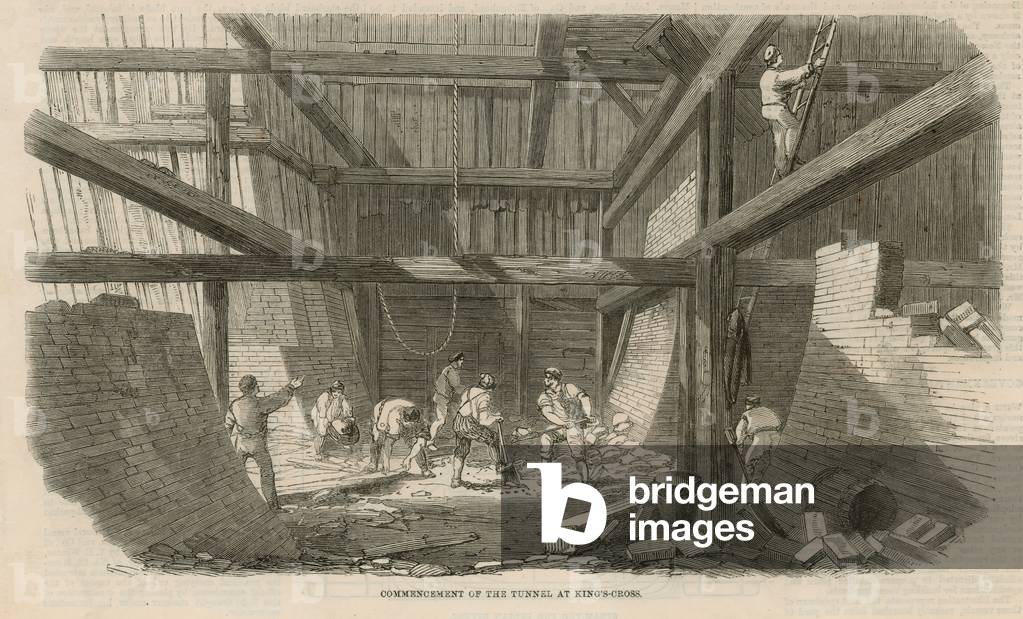
LLJ603298 Commencement of the tunnel at King's Cross, London, part of the Metropolitan Railway. Published in a supplement to the Illustrated London News, 7 April 1860.
DC
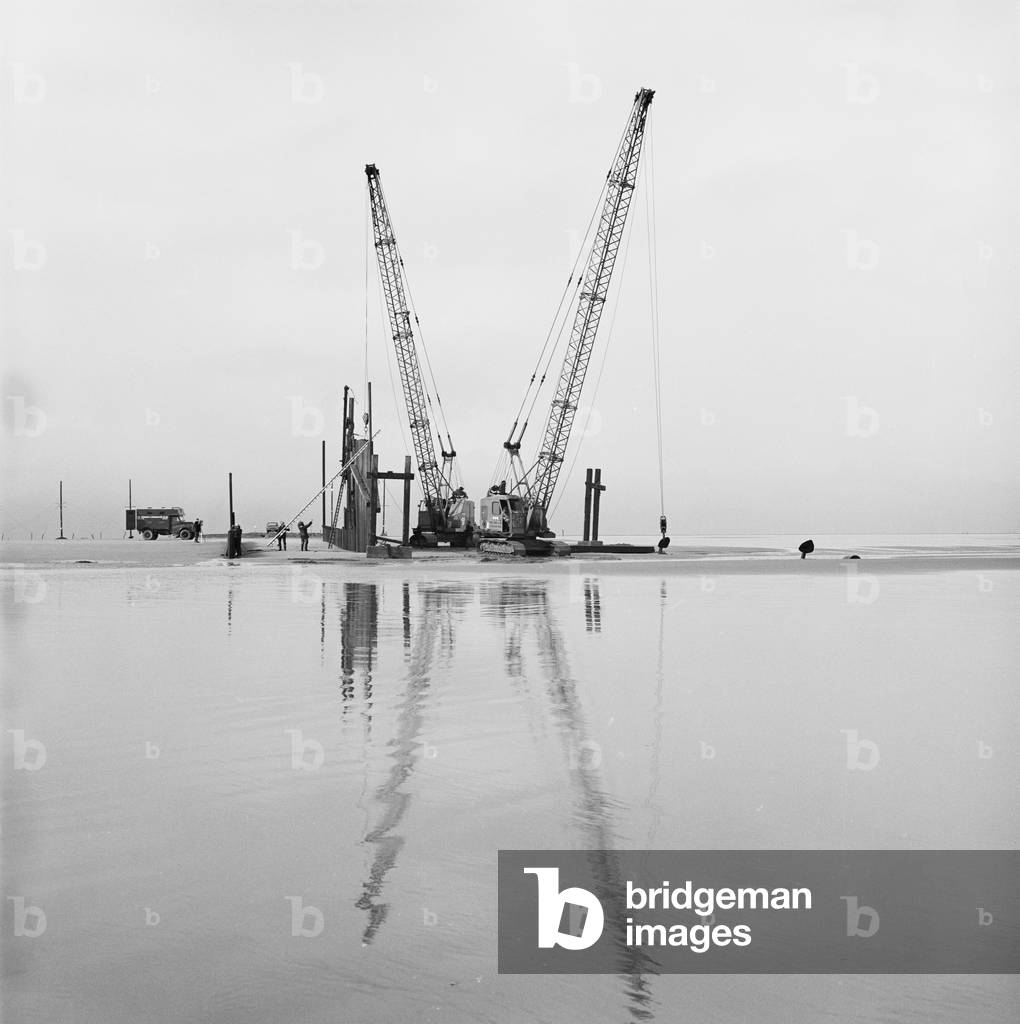
EHT6619953 Photographer, John Laing and Son Ltd; Engineer, Laing Pipelines; Two cranes installing sheet piles at mean tide level during civil engineering work on the Northcoates pipelineThe civil engineering work on the Northcoates oil pipeline was carried out by Laing Pipelines along with French companies Entrepose and GTM. Over two miles of 36 inch diameter pipeline, encased in concrete, was later pulled out to sea in the Humber Estuary. This photograph was published in May 1970 in the Laing monthly newsletter 'Team Spirit'.
DC
EHT6620204 Photographer, John Laing plc; Engineer, Laing Industrial Engineering and Construction Limited; A view of the installation of the Martin pipeline, showing two protective canopies being lowered into position so that welding can be carried outThe Martin gas pipeline was installed in 1981 by Laing Industrial Engineering and Construction Ltd for British Gas. Running 84km from Hatton in Lincolnshire to Peterborough, it crossed 50 roads, eight rivers and four railways. The site headquarters was at Martin in Lincolnshire.
DC
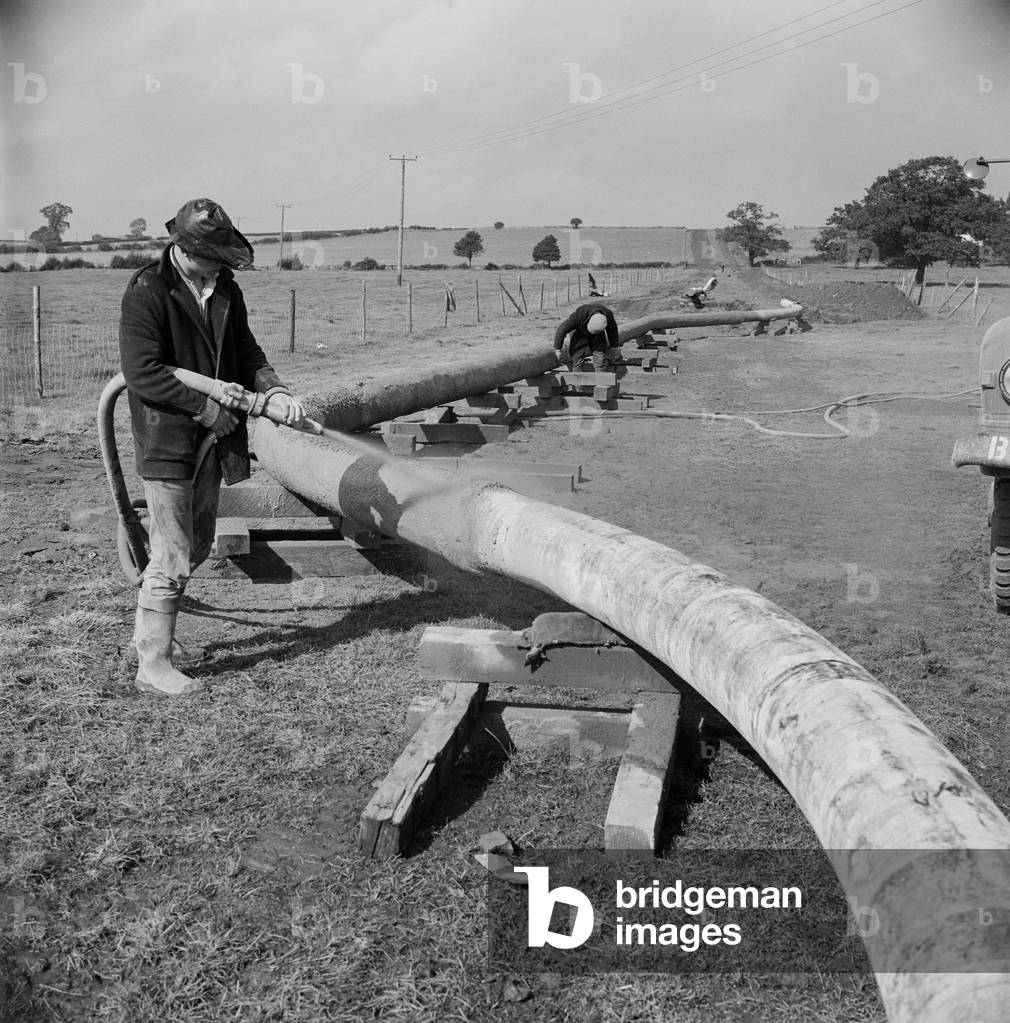
EHT6619914 Photographer, John Laing and Son Ltd; Engineer, Laing Civil Engineering; A worker carrying out guniting (spraying concrete) on the Mersey oil pipeline, ready for a river crossingThe Mersey oil pipeline was installed in 1967 by Laing Civil Engineering in association with the French companies, Entrepose and Grands Trevaux de Marseille (GTM). It is 88 miles in length and runs from Ellesmere Port to the Kingsbury Oil Terminal serving the Midlands. The pipeline had to cross the River Trent four times, also the River Tame and a series of streams and canals. The photograph shown was published in November 1967 in the Laing monthly newsletter 'Team Spirit'.
DC
LLJ602460 General view of the Thames Tunnel, beneath the River Thames, London.
DC
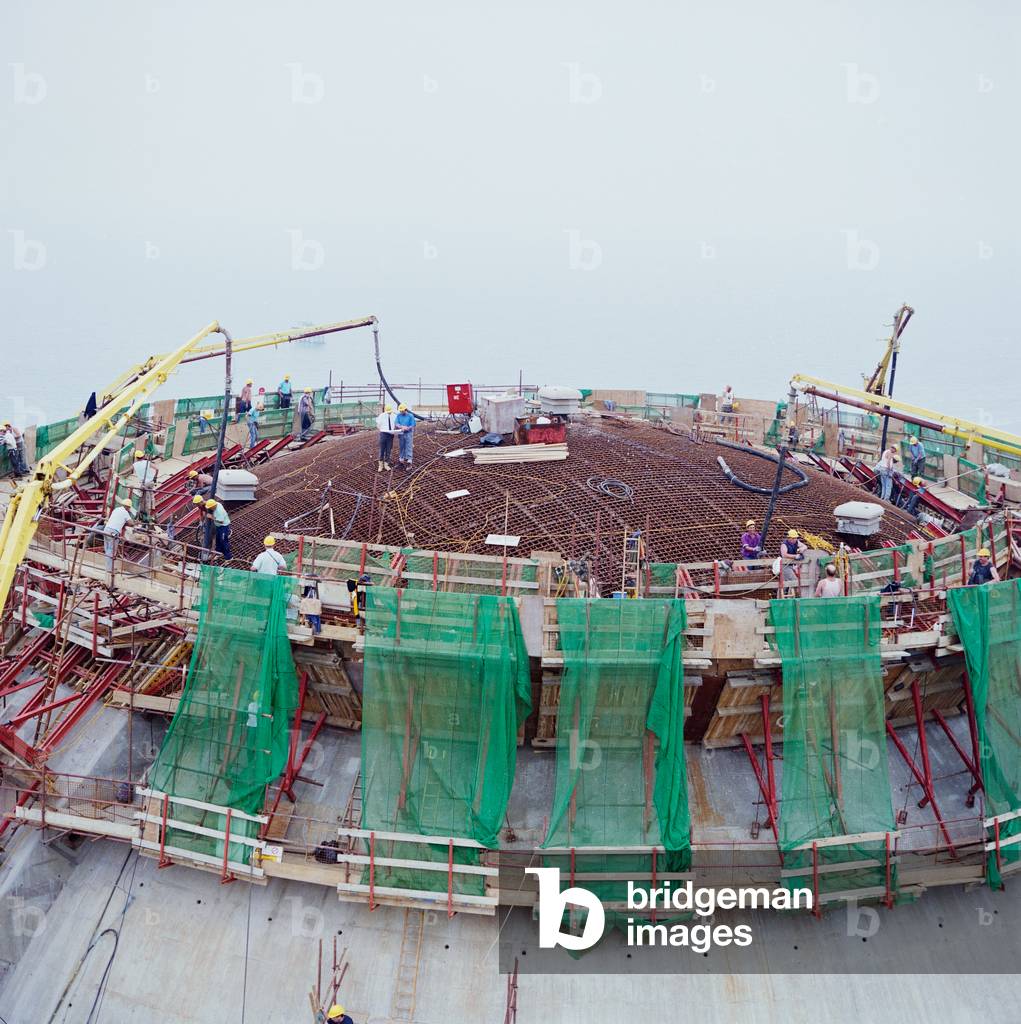
EHT6620300 Photographer, John Laing plc; Engineer, John Laing plc; Laing workers concreting the top of the reactor dome during the construction of Sizewell 'B' Nuclear Power StationThis image is part of a batch of 'special shots taken as directed by P. Firth, for brochure at Sizewell 'B' Power Station'.
DC
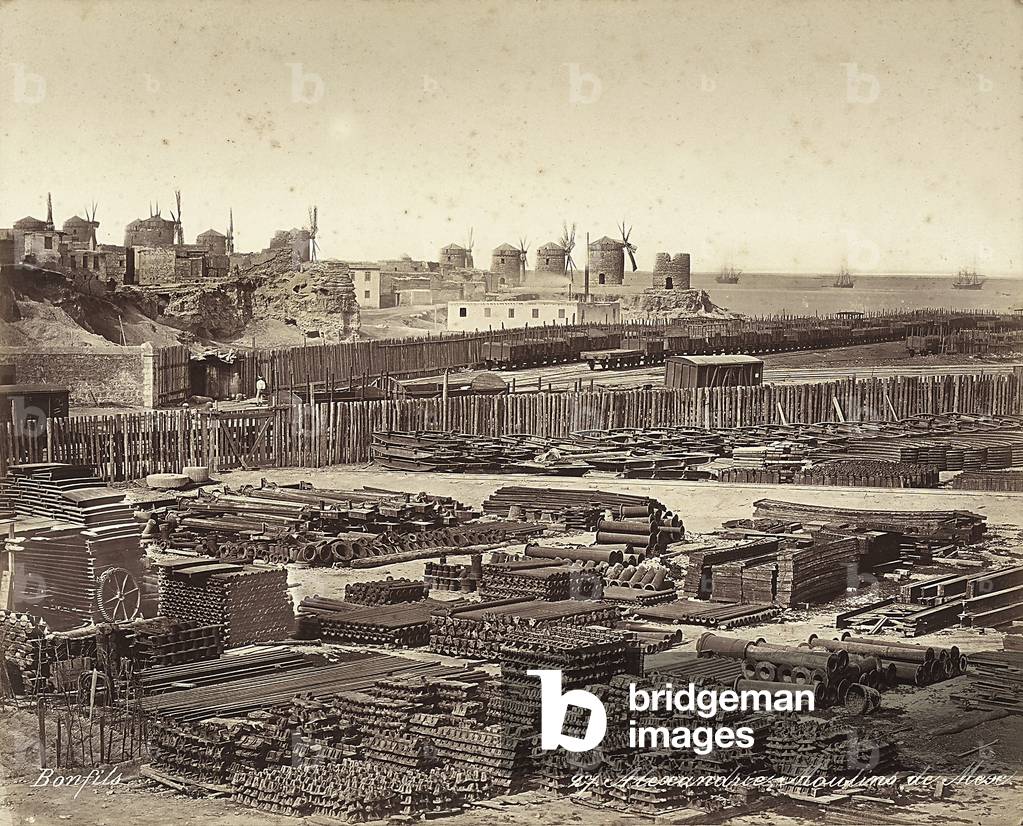
FAF3566719 Alexandria, Egypt1870 ca.Photographer: Bonfils, Félix
DC
EHT6619963 Photographer, John Laing and Son Ltd; Engineer, Laing Pipelines; A team of men installing the Barlaston pipeline against a steep and unstable embankment beside the A34 dual carriagewayThe contract for the Barlaston gas pipeline was awarded to Laing Pipelines in January 1970. The pipeline ran for approximately 29 miles from Uffington, near Shrewsbury, to Barlaston in North Staffordshire. Along the route there were 61 crossings, including under the M6, the main electric railway from Euston to Crew, two canals and six rivers, and a steep climb alongside the A34 dual carriageway near Barlaston. This photograph shows where the pipeline emerges from beneath the road and then bends at a 45 degree angle to climb up the embankment.
DC
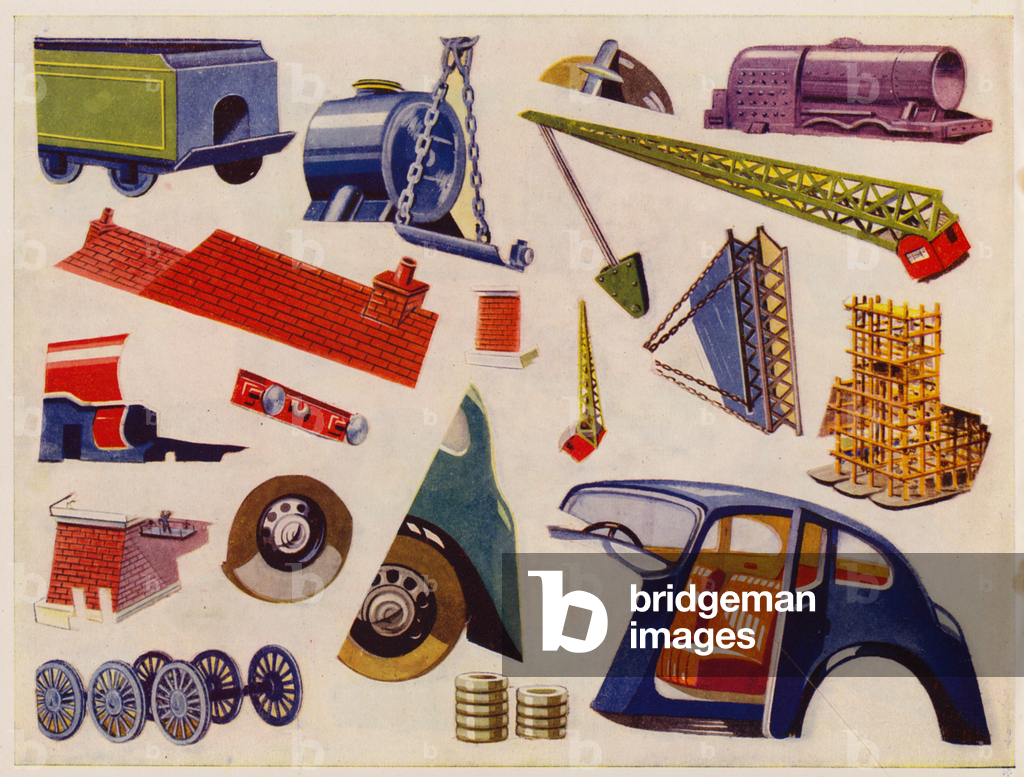
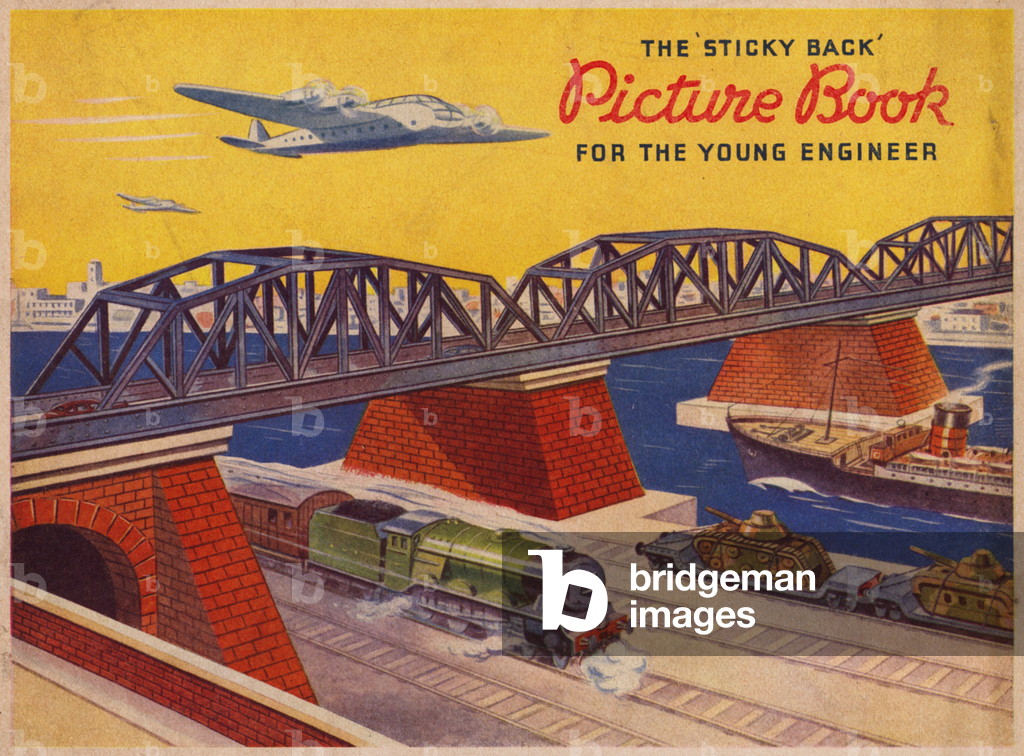
LLM11724148 Engineering. Illustration from The 'Sticky Back' Picture Book for the Young Engineer (unknown publisher, c1935).By English School (20th Century)
DC
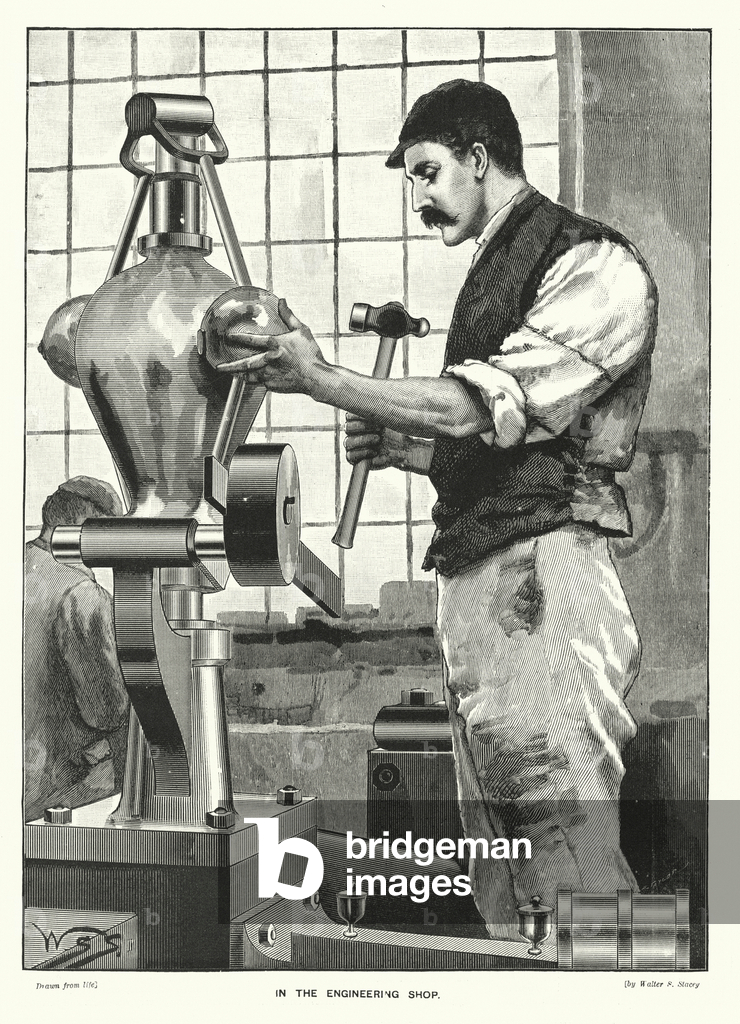
LLM11714650 In the Engineering Shop. Illustration for The Cottager and Artisan 1897 (Religious Tract Society).By English School (19th Century)
DC
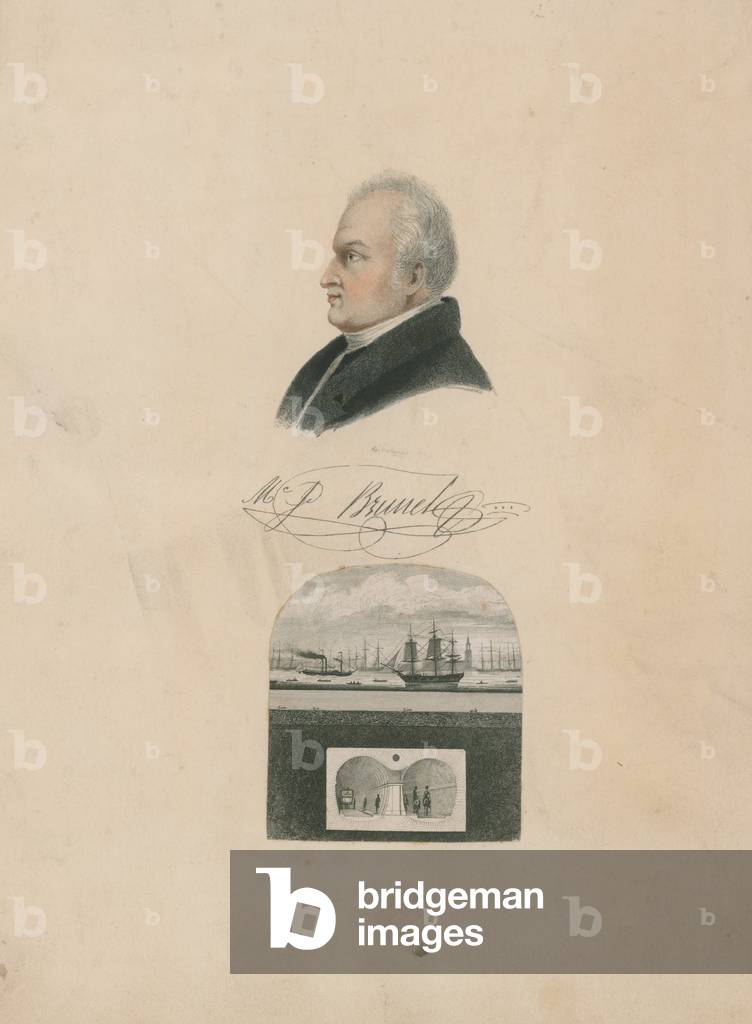
LLJ602462 Portrait of engineer Marc Isambard Brunel above a section of the Thames Tunnel beneath the River Thames, London.
DC
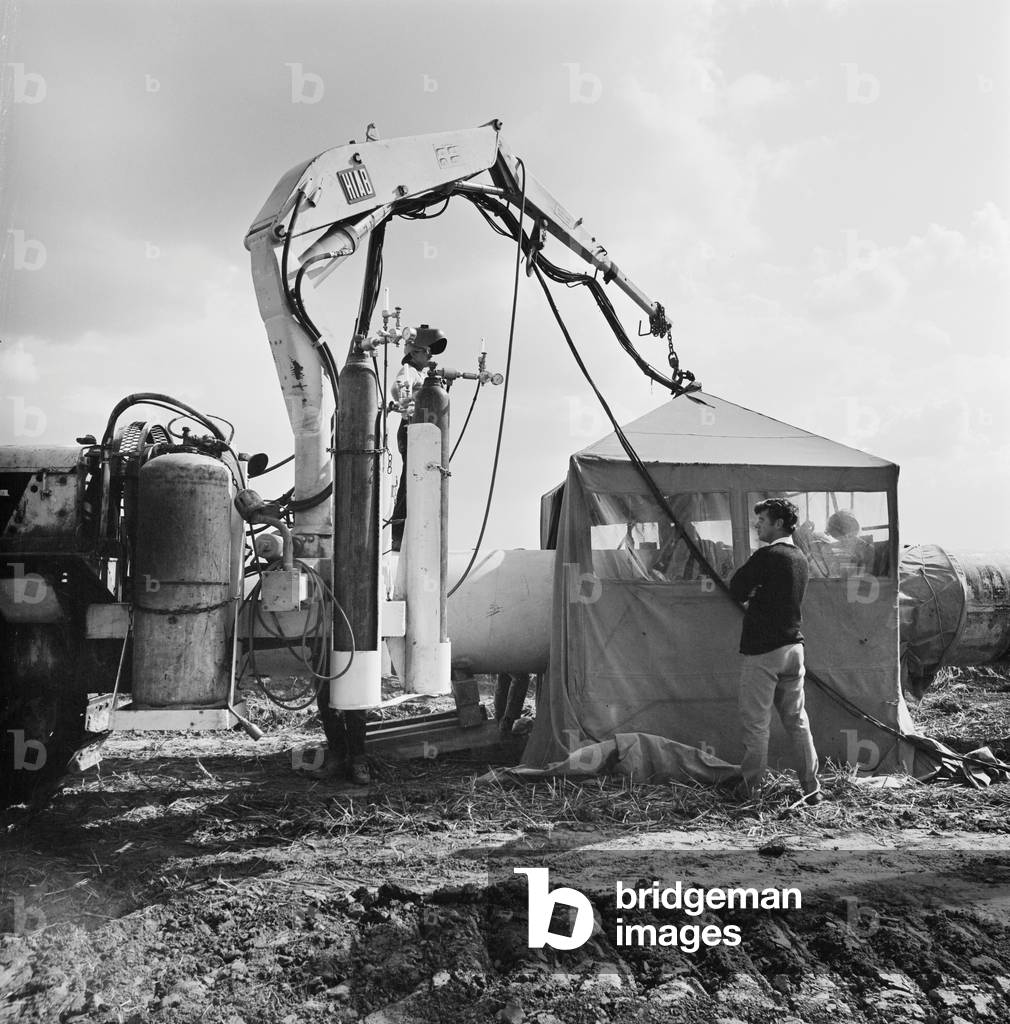
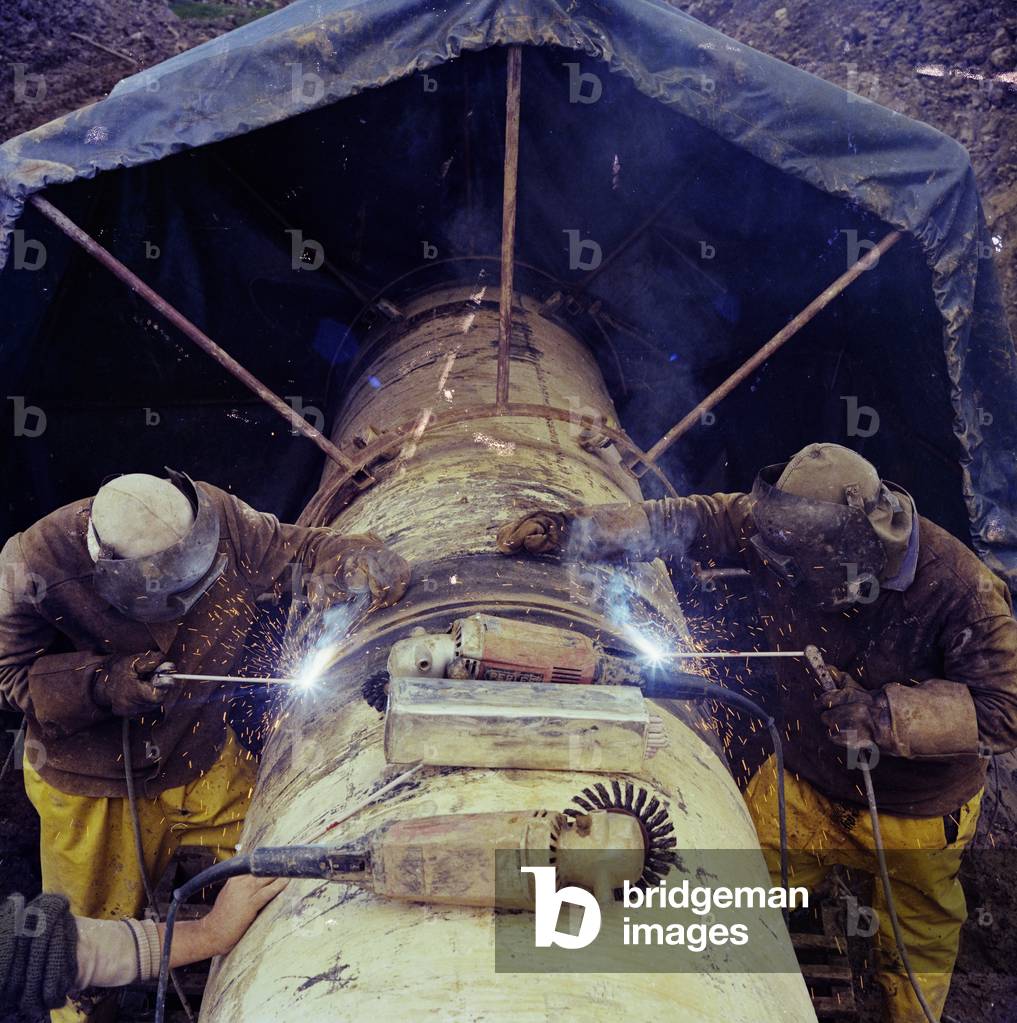
EHT6619900 Photographer, John Laing and Son Ltd; Engineer, Laing Civil Engineering; A view of welding taking place along the Fens gas pipeline, showing a protective canopy erected to cover two sections of pipe being welded togetherWork on laying the Fens gas pipeline started in June 1967 and was a joint venture between Laing Civil Engineering and French companies Entrepose and Grands Travaux de Marseille (GTM) for the Gas Council. Over 600 men worked on the project to lay 36 inch diameter steel pipes starting at West Winch in Norfolk and running to where it linked up with the next contract at Woodcroft Castle in Cambridgeshire. The pipeline crossed four rivers and numerous dykes and ditches.
DC
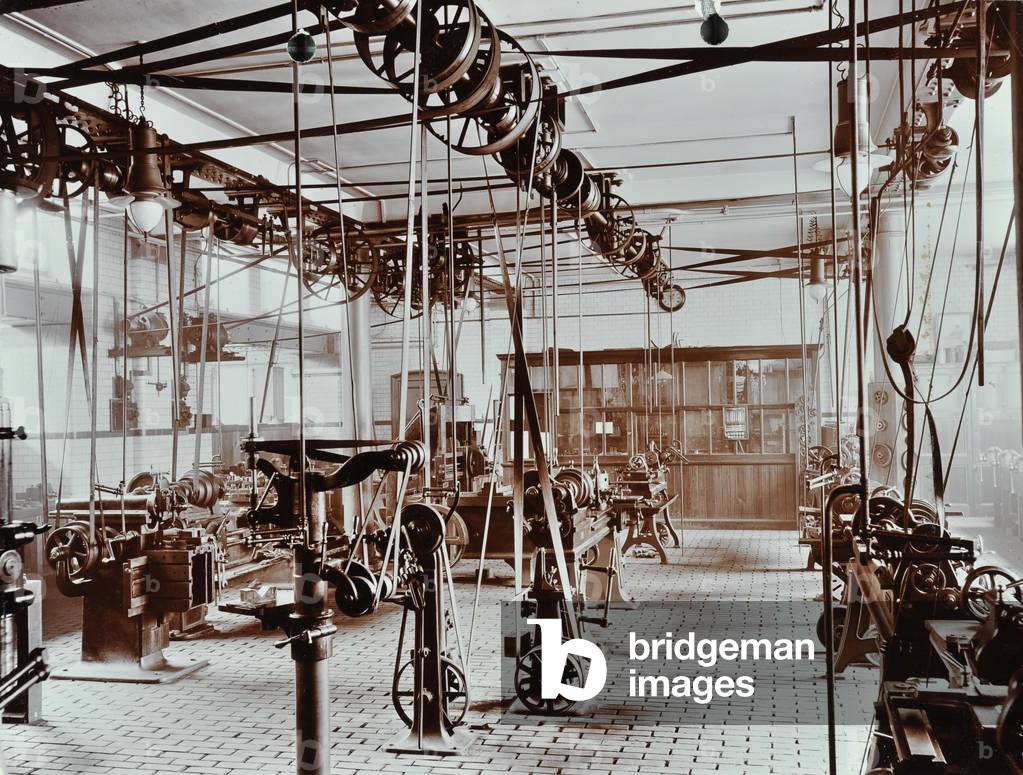
GHL1787031 Engineering laboratory with belt driven machineryPoplar, Metropolitan Borough of; Tower Hamlets, London Borough of
DC
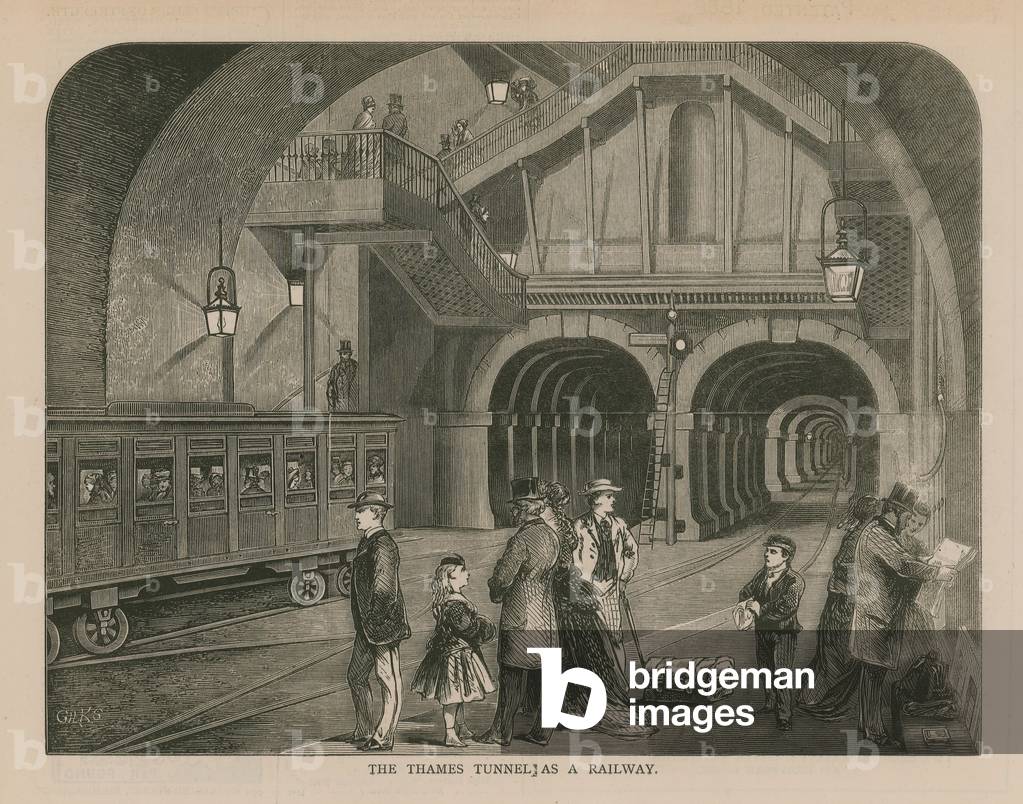
LLJ602465 The Thames Tunnel as a railway, beneath River Thames, London. Published in the Illustrated London News, 25 March 1871.
DC
LLJ605400 Tower Bridge: the progress of the works. Published in The Graphic, 4 June 1892.
DC
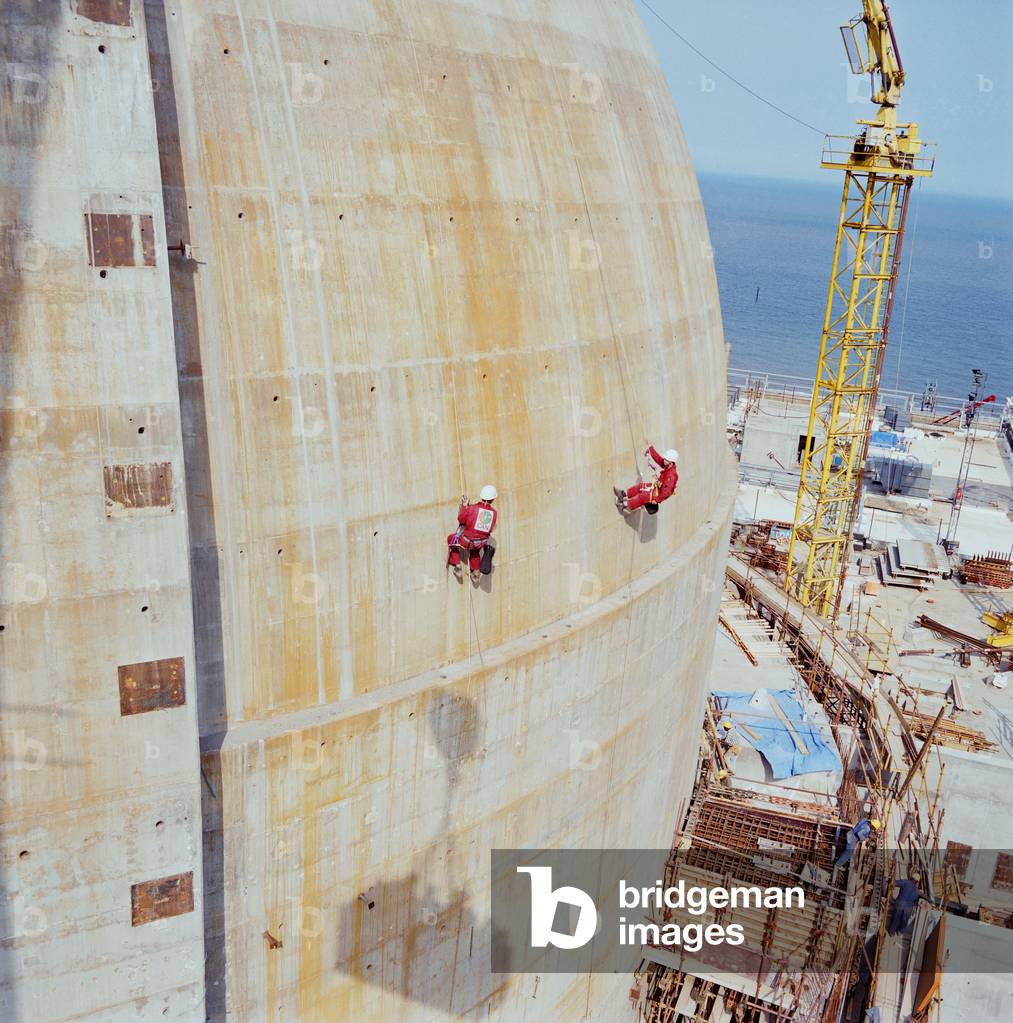
EHT6620309 Photographer, John Laing plc; Engineer, John Laing plc; Two workers on the surface of the reactor dome at Sizewell 'B' Nuclear Power Station, on the day the primary containment for the reactor was 'topped out'The primary containment building for the nuclear reactor was 'topped out' on 9th July 1992. Work then began on the construction of the secondary containment, leaving an air gap of 3m between the two concrete layers. The secondary containment was 'topped out' in October 1993, in a ceremony marking the completion of the structure.
DC
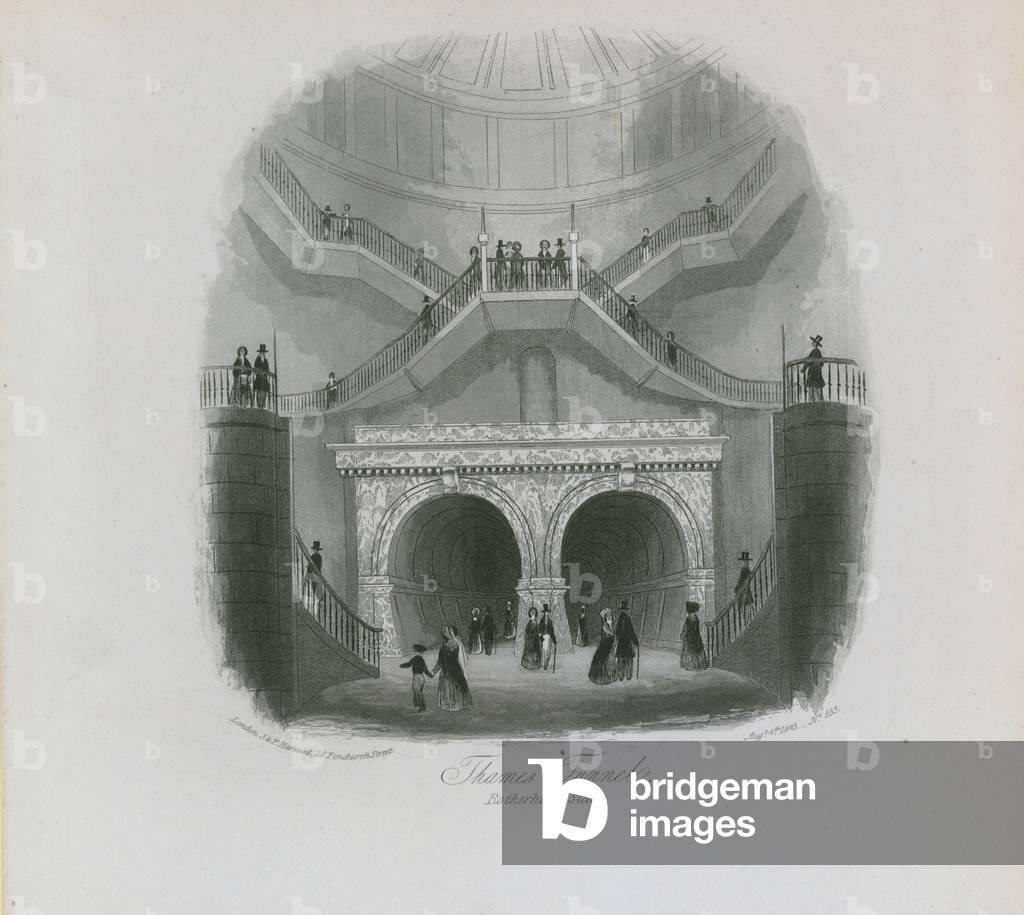
LLJ602459 General view of the Thames Tunnel, from the Rotherhithe side, London. Published on 4 August 1843.
DC
EHT6620289 Photographer, John Laing plc; Engineer, John Laing plc; Men working on the construction of the reactor's auxiliary building at Sizewell 'B' Nuclear Power StationSizewell 'B' is one of two nuclear power stations on the Suffolk coast near the village of Sizewell. Sizewell 'A', its predecessor, is in the process of being decommissioned. Sizewell 'B' is a Pressurised Water Reactor (PWR); the first of its kind to be constructed in the UK. John Laing plc were awarded the contract for the main civil engineering work on 19th May 1987. Sizewell 'B' was completed in 1995, after 8 years of construction, and is operated by EDF Energy.
DC
LLM5993199 Blakely cannon, with its mount and the arrow with pulley to bring the projectile to the level of the mouth of the cannon, at the time of loading. Illustration for Les Merveilles De La Science ou Description Populaire des Inventions Modernes by Louis Figuier (Furne, Jouvet, c 1870).
DC
LLJ605023 Casting a cylinder for the new Albert Bridge at Chelsea. Published in the Illustrated London News, 6 January 1872.
DC
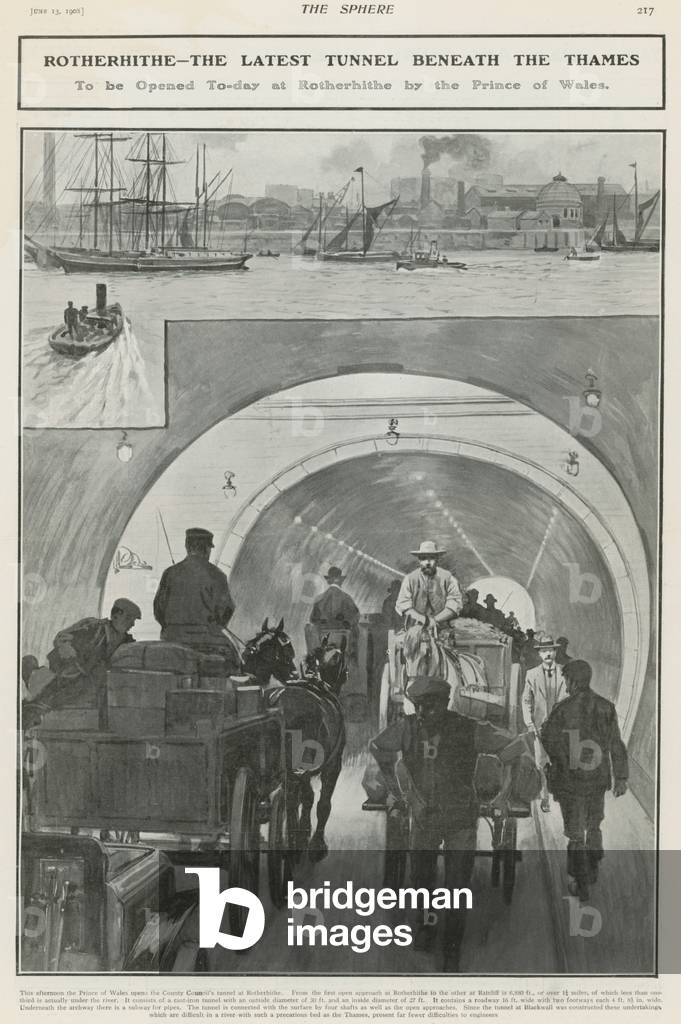
LLJ602452 Rotherhithe - the latest tunnel beneath the Thames. Published in The Sphere, 13 June 1908.
DC
UIG864416 Small engineering works in which the Tangy brothers made machine tools in the 1850s. From "One and All" by Richard Tangye (London, c1889). Richard Tangye (1833-1906) English engineer of Cornish Quaker origin, supplied hydraulic jacks for the launch of the SS Great Eastern. He instituted Saturday half holiday for his factory workers.
DC
LLM11724149 Engineering. Illustration from The 'Sticky Back' Picture Book for the Young Engineer (unknown publisher, c1935).By English School (20th Century)
DC
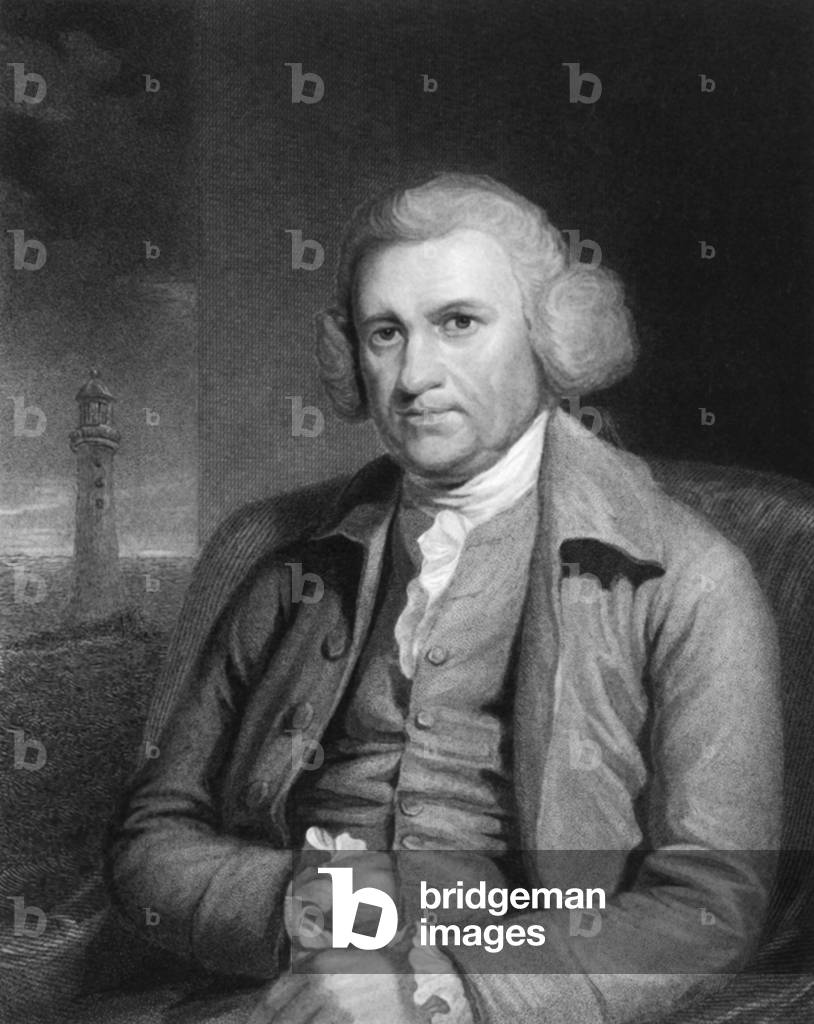
UIG3519860 Leeds, England: c. 1785 An engraving of noted English civil engineer and physicist John Smeaton.
DC
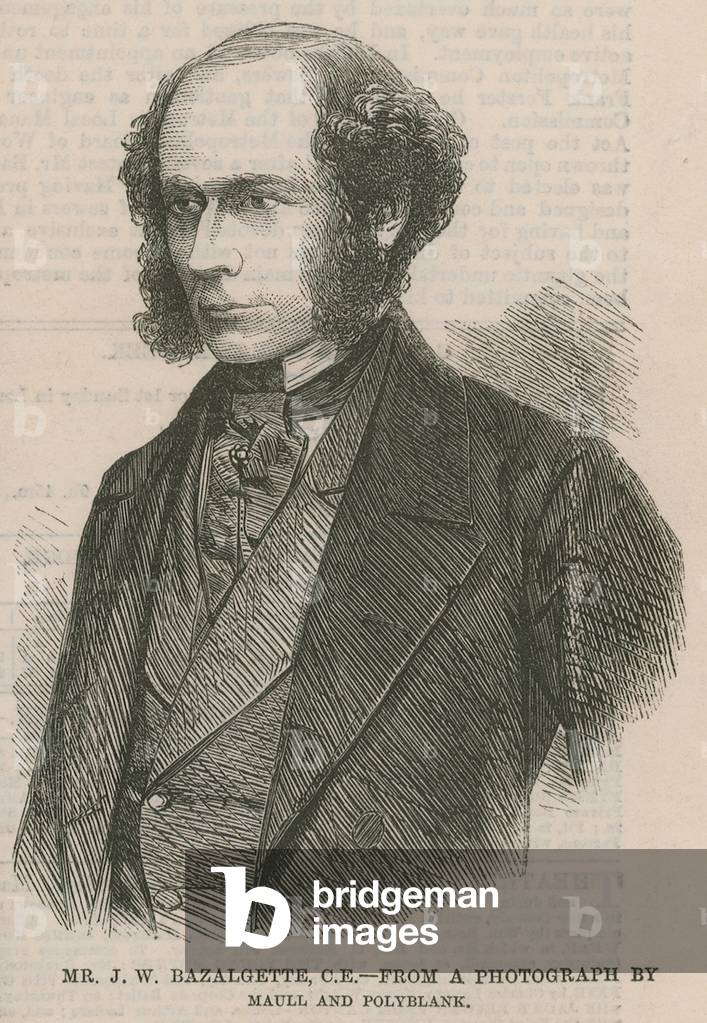
LLJ587129 Joseph Bazalgette, chief engineer of London's Metropolitan Board of Works who created the sewer network for central London. Published in the Illustrated London News, 12 March 1859.
DC
LLM11693447 Hydraulic Engineering. Illustration for The Growth of Industrial Art arranged and compiled under the supervision of Benjamin Butterworth (Washington, Government Printing Office, 1892). Scanned from later edition.By American School (19th Century)
DC
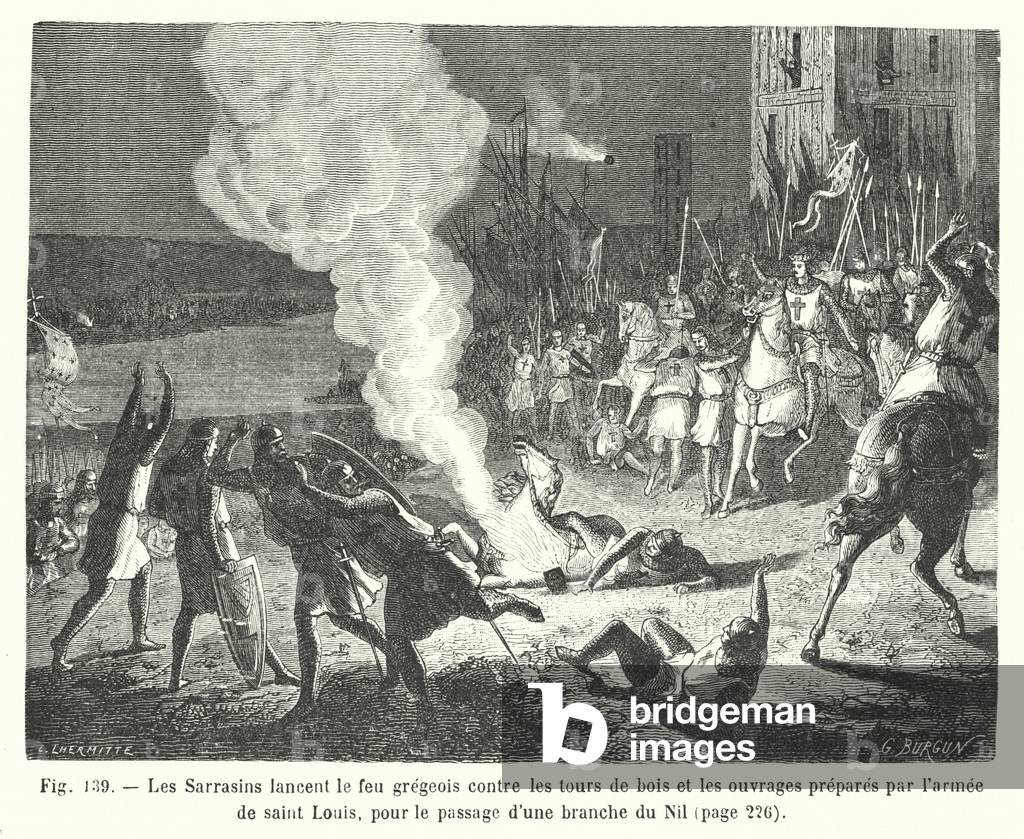
LLM5993229 The Saracens launched wildfire against the wooden towers and works prepared by the army of Saint Louis, for the passage of a branch of the Nile. Illustration for Les Merveilles De La Science ou Description Populaire des Inventions Modernes by Louis Figuier (Furne, Jouvet, c 1870).
DC
LLJ605402 The present state of the Tower Bridge - a view from the Tower Pier, Surrey side. Published in The Graphic, 20 February 1892.
DC
LLJ605415 The last vestiges of old Westminster Bridge. Published in the London Illustrated News, 21 December 1861.
DC
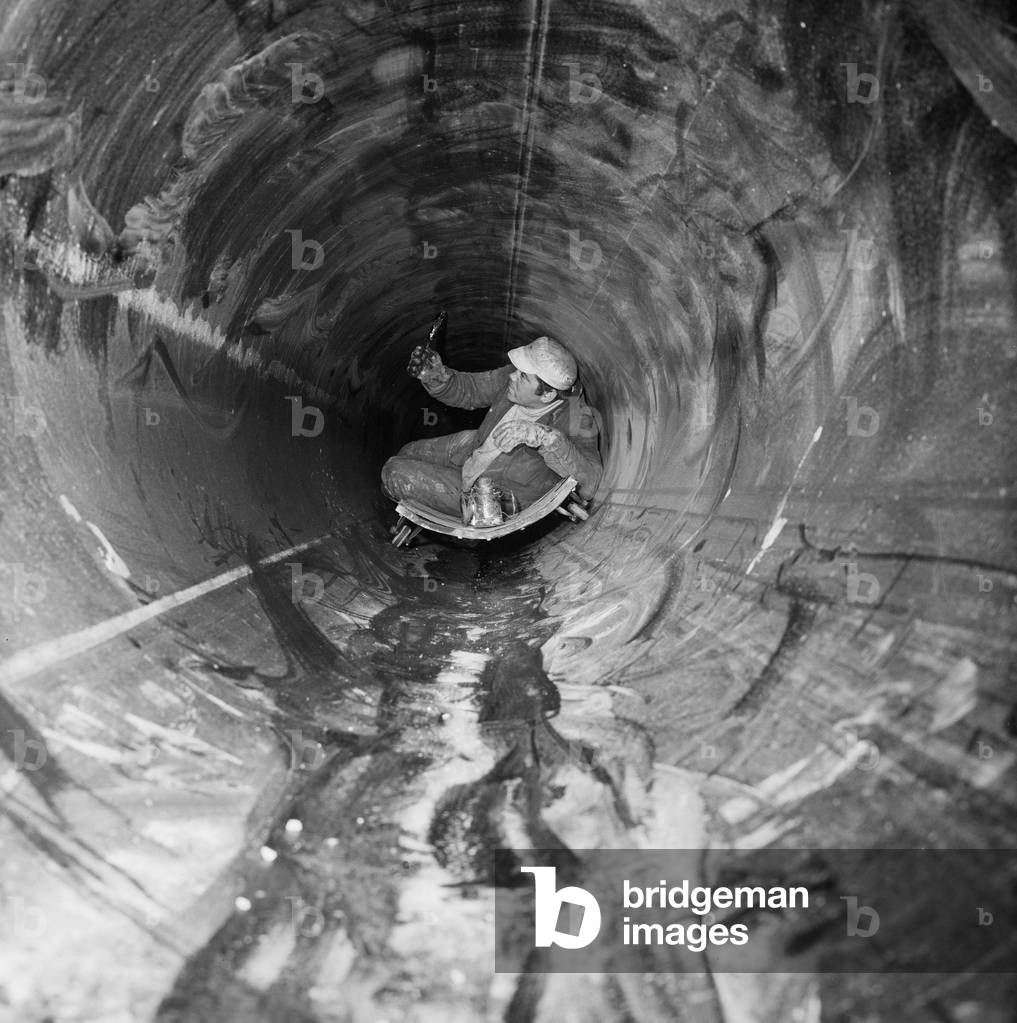
EHT6619957 Photographer, John Laing and Son Ltd; Engineer, Laing Pipelines; A worker repairing the epoxy resin lining on the welds inside the Northcoates pipelineThe civil engineering work on the Northcoates oil pipeline was carried out by Laing Pipelines along with French companies Entrepose and GTM. Over two miles of 36 inch diameter pipeline, encased in concrete, was later pulled out to sea in the Humber Estuary. This photograph was published in May 1970 in the Laing monthly newsletter 'Team Spirit'.
DC
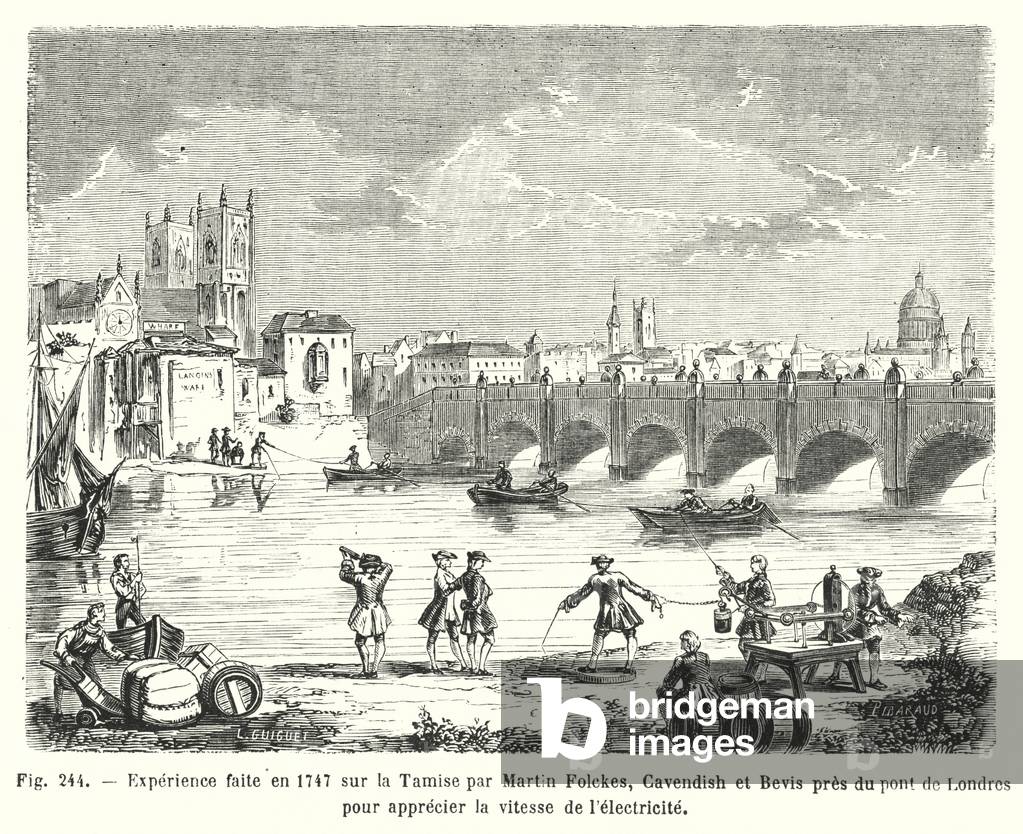
LLM5992836 Experiment of Martin Folckes, Cavendish and Bevis made in 1747 on the Thames near the London Bridge to appreciate the speed of electricity. Illustration for Les Merveilles De La Science ou Description Populaire des Inventions Modernes by Louis Figuier (Furne, Jouvet, c 1870).
DC
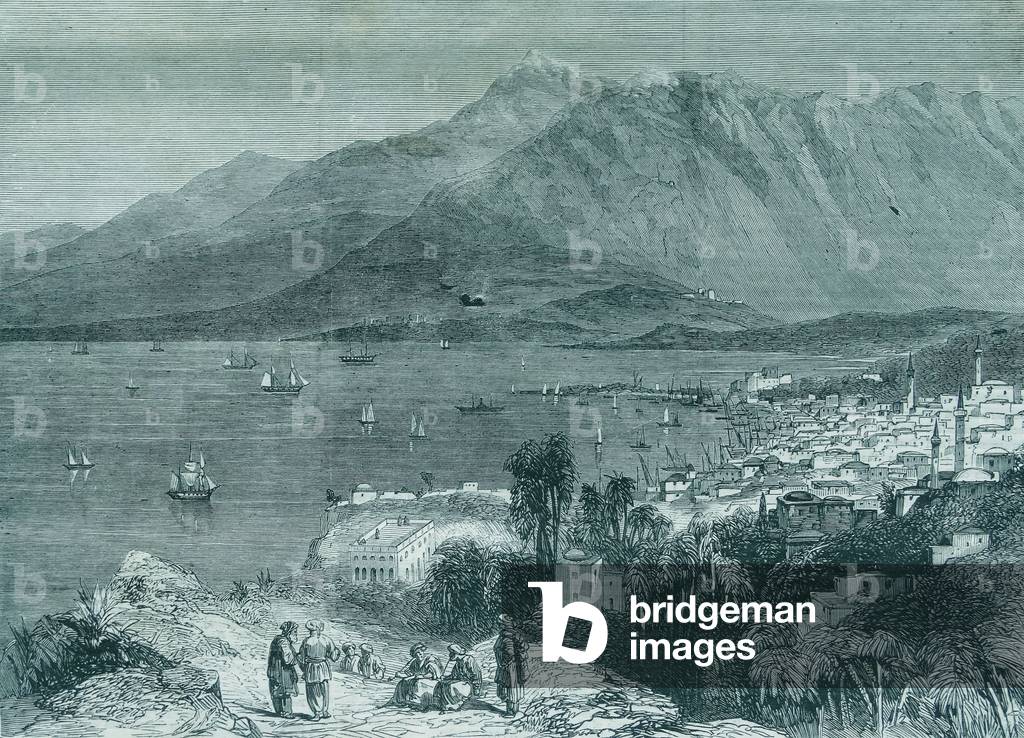
UIG1578579 The town of Beirut and Mount Lebanon. From a drawing by J. Lewis Farley. 1860
DC
EHT6620128 Photographer, John Laing and Son Ltd; Engineer, Laing Pipelines; Welders at work on the Brampton pipelineIn 1975, Laing Pipelines laid the Brampton gas pipeline between Longtown near Carlisle to the east of Bishop Auckland. The pipeline is a section of the Frigg pipeline carrying natural gas from the North Sea to near Peterhead in Scotland. The headquarters for the Laing contract was located at an old quarry near Brampton.
DC
LLJ605019 A proposed double-decker bridge over the Thames from (old) Scotland Yard to the King's Arms on the Surrey Side, 1829, designed by Thomas Motley.
DC
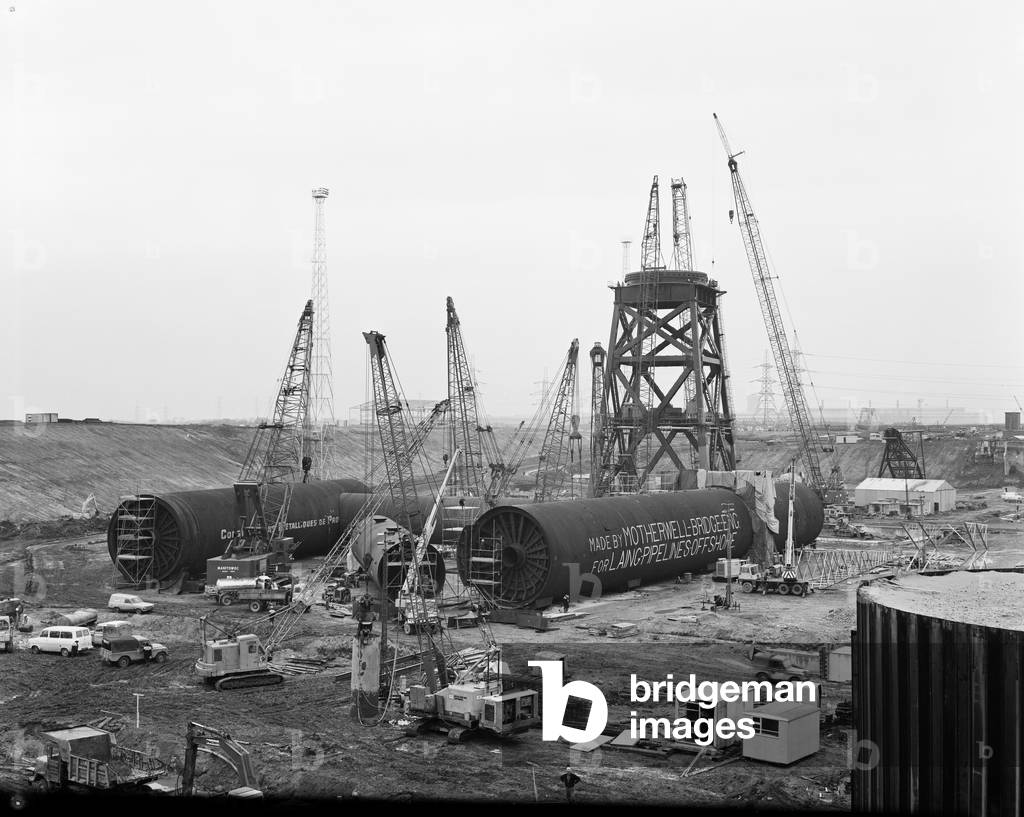
EHT6619985 Contractor, Laing Pipelines Offshore; Photographer, John Laing and Son Ltd; A team of Laing workers measuring a large metal tube in one of the welding huts at GraythorpIn the early 1970s Laing Pipelines Offshore constructed the Graythorp fabrication yard and dry dock on the site of the old William Gray Shipyard. The company created a dry dock which was used for the construction of fixed platform North Sea drilling rigs for the BP North Sea Oil Project. By 1972, one thousand men were working on site to build a tubular structure which would support a drilling rig in the North Sea destined for the Forties Oilfield.
DC
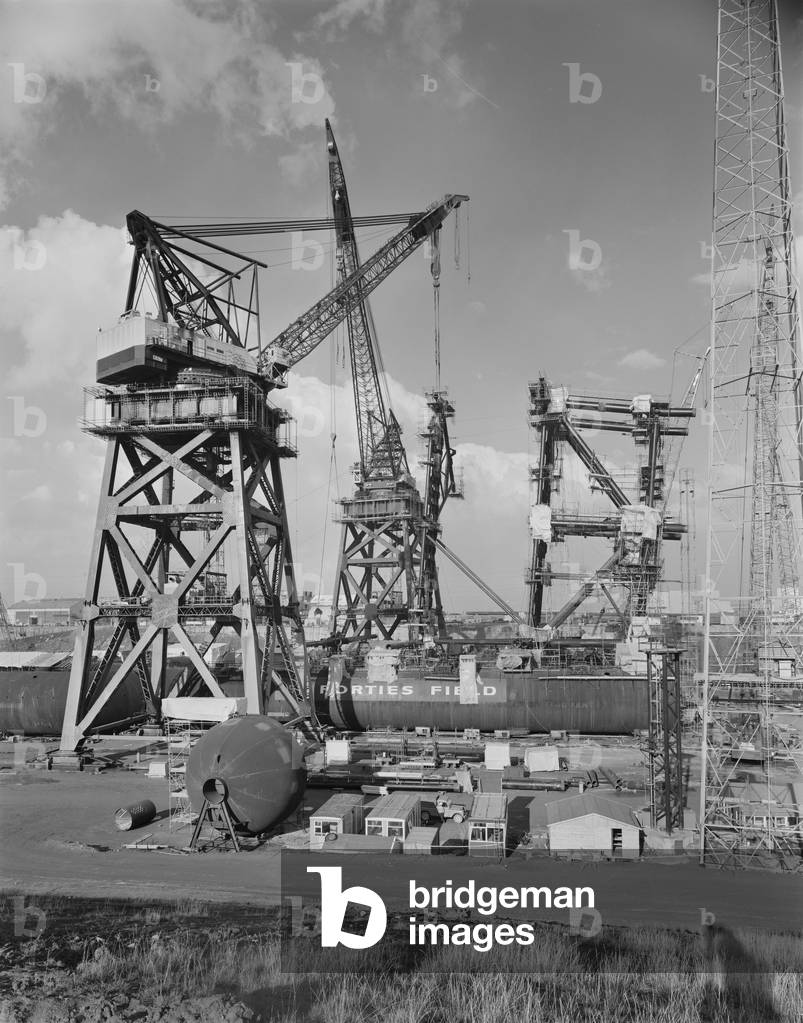
LLJ605410 Works of the Strand Bridge, taken in the year 1815. Published in January 1817.
DC
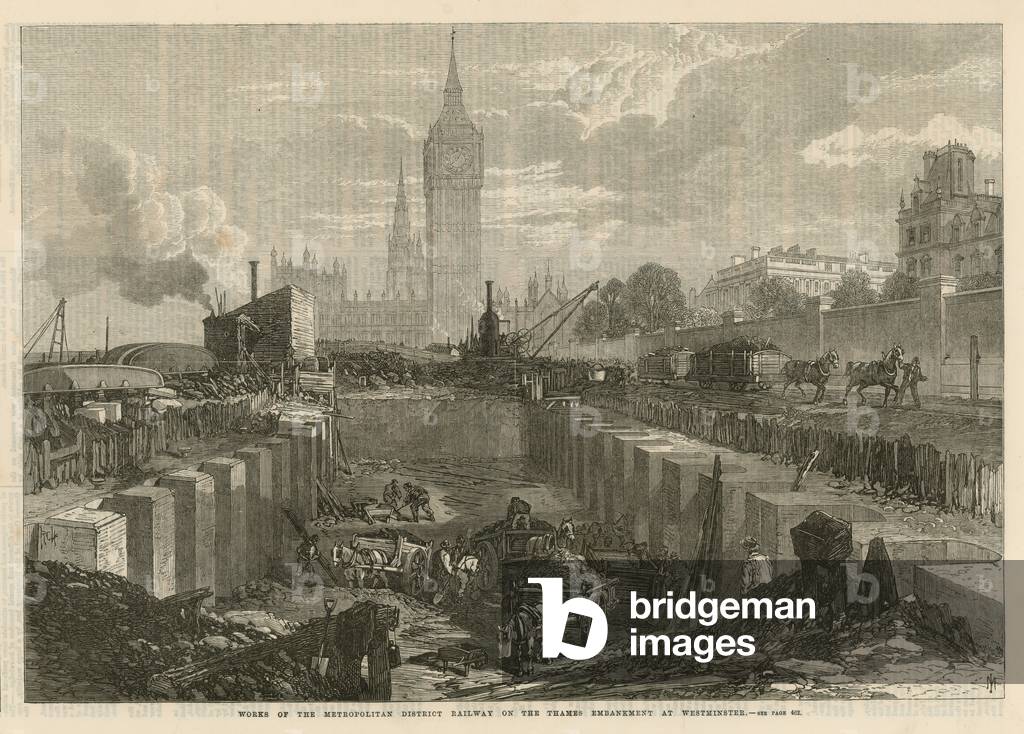
LLJ603293 Works of the Metropolitan District Railway on the Thames Embankment at Westminster. Published in the Illustrated London News, 6 November 1869.
DC
EHT6619964 Photographer, John Laing and Son Ltd; Engineer, Laing Pipelines; A view of the launch of the Northcoates pipeline, showing lifting equipment in the foregroundThe civil engineering work on the Northcoates oil pipeline was carried out by Laing Pipelines along with French companies Entrepose and GTM, and the main contractor for the dredging work was Dredging and Construction Company along with Adriaan Volker of Rotterdam. The launch of the pipeline took place at 12.30 on 16th June 1970 and took 3hrs to complete. At this time, it was the largest sea pipeline to be placed off the British coast.
DC
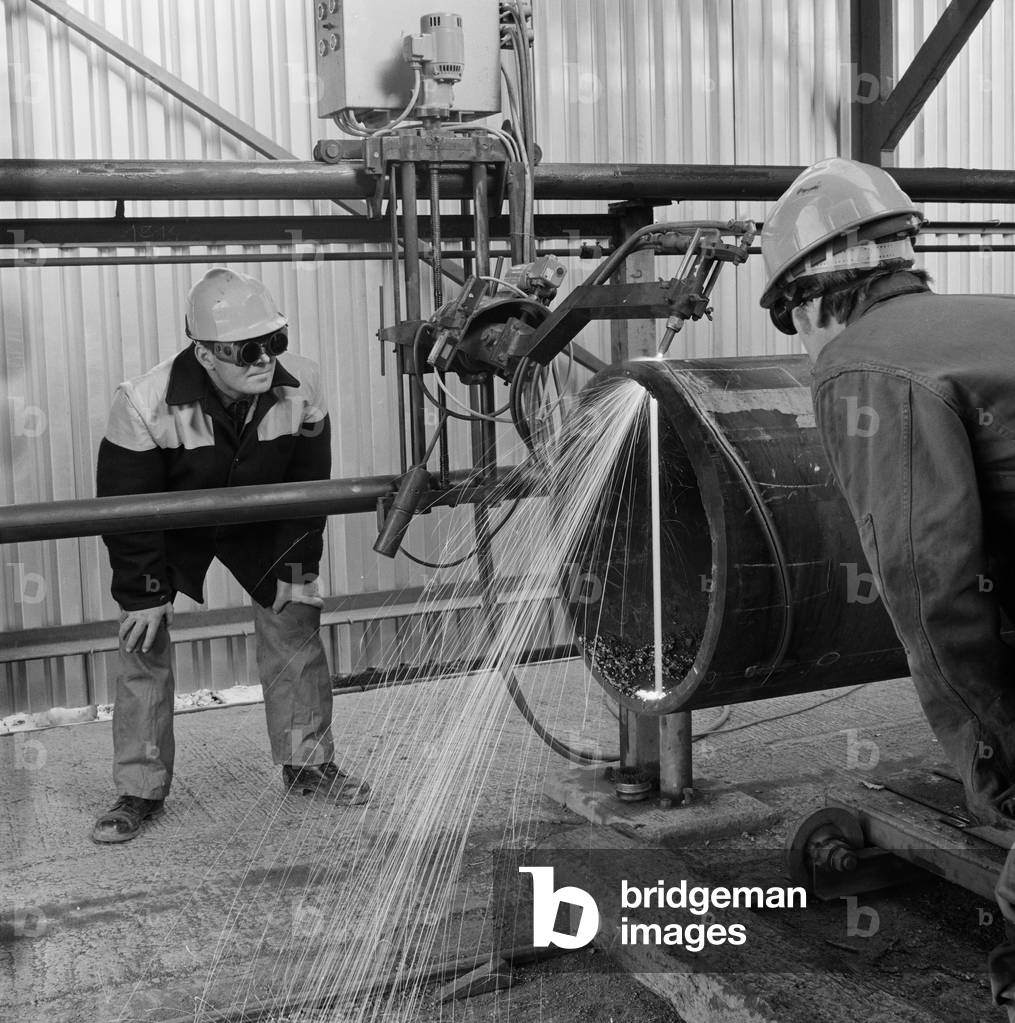
EHT6619987 Contractor, Laing Pipelines Offshore; Photographer, John Laing and Son Ltd; Two Laing workers at Graythorp watching a precision tool cutting through a large metal tubeIn the early 1970s Laing Pipelines Offshore constructed the Graythorp fabrication yard and dry dock on the site of the old William Gray Shipyard. The company created a dry dock which was used for the construction of fixed platform North Sea drilling rigs for the BP North Sea Oil Project. By 1972, one thousand men were working on site to build a tubular structure which would support a drilling rig in the North Sea destined for the Forties Oilfield.
DC
UIG1578605 Baily's beads as seen with an inverting telescope. 1860. The Baily's beads effect is a feature of total solar eclipses. As the moon "grazes" by the Sun during a solar eclipse, the rugged lunar limb topography allows beads of sunlight to shine through in some places, and not in others. The name is in honor of Francis Baily
DC
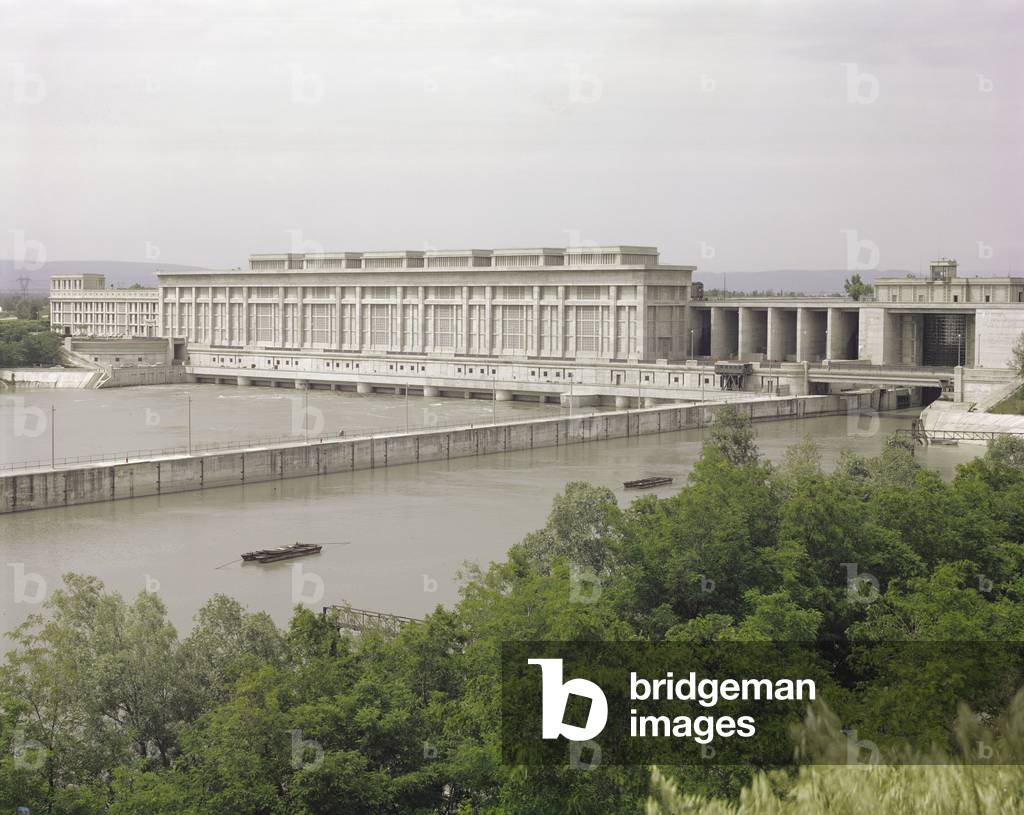
XIR392226 hydroelectric plant constructed between 1947 and 1952; named after Andre Blondel (1863-1938) celebrated French civil engineer and inventor of the oscillograph in 1893; usine hydroelectrique;
DC
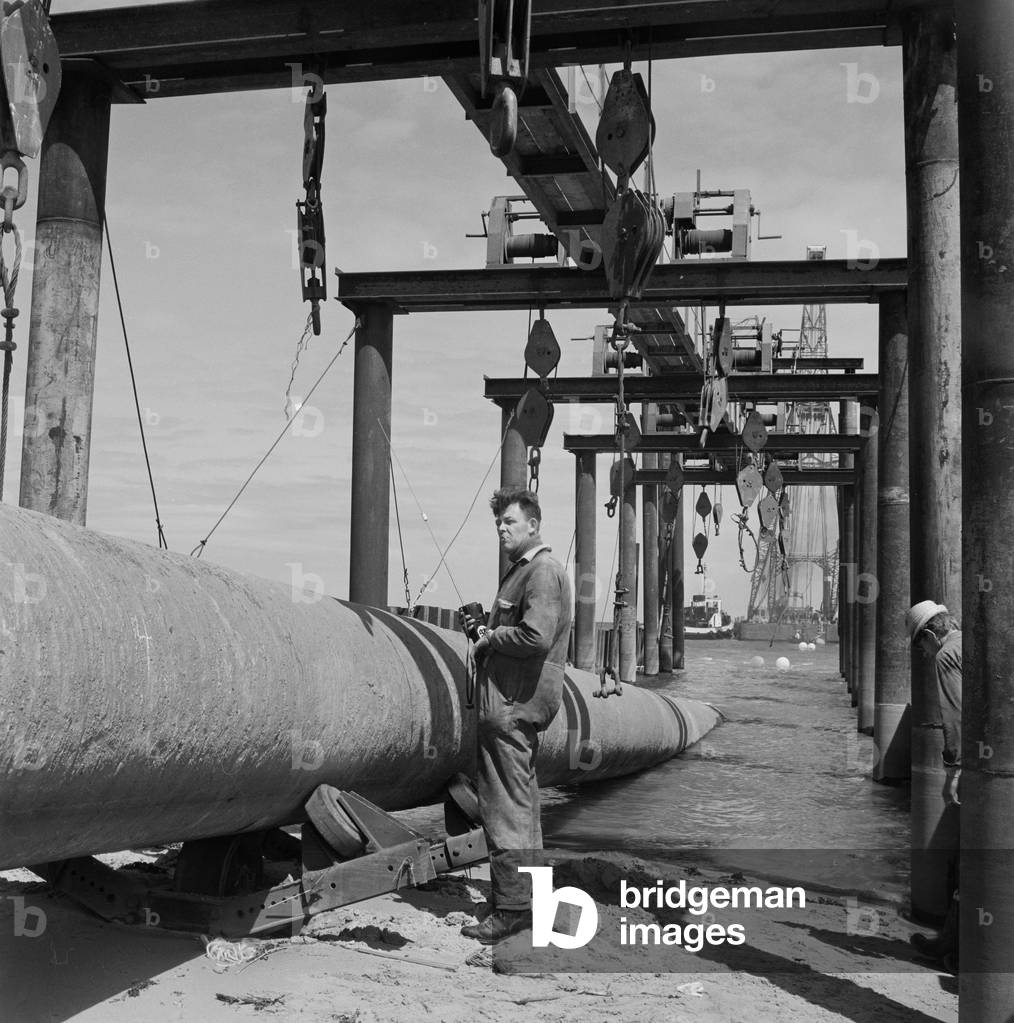
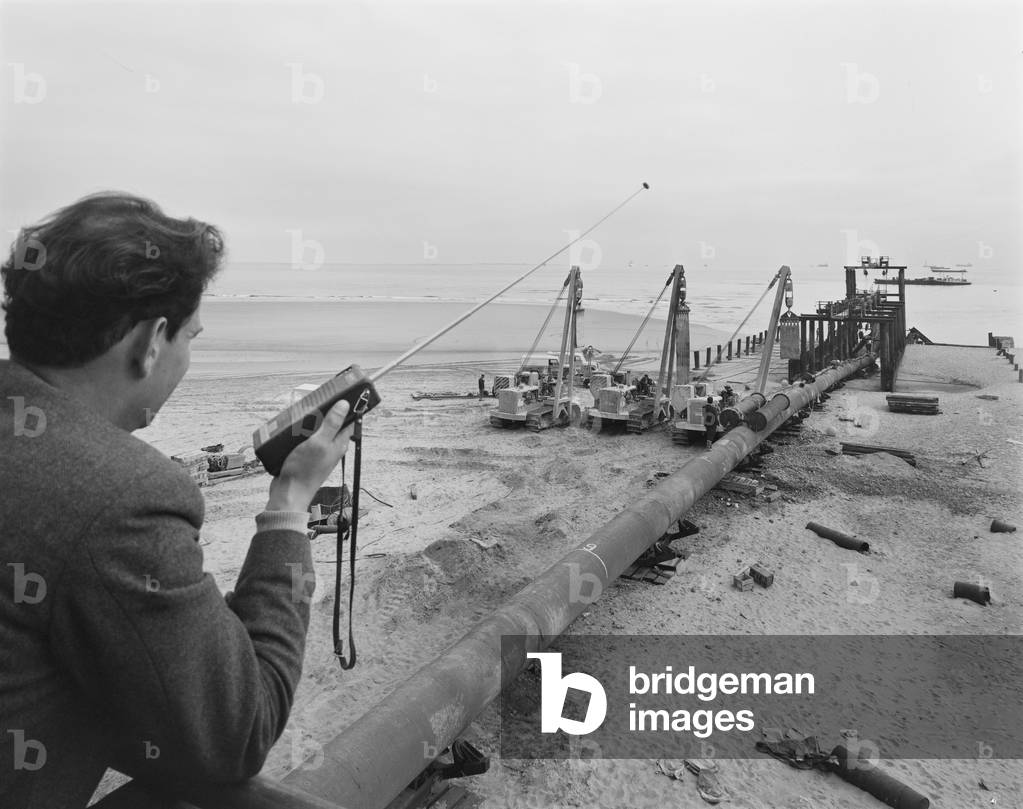
EHT6619967 Photographer, John Laing and Son Ltd; Engineer, Laing Pipelines;A view of the launch site of the Northcoates pipeline, showing a man in the foreground holding a two-way radioThe civil engineering work on the Northcoates oil pipeline was carried out by Laing Pipelines along with French companies Entrepose and GTM, and the main contractor for the dredging work was Dredging and Construction Company along with Adriaan Volker of Rotterdam. The launch of the pipeline took place at 12.30 on 16th June 1970 and took 3hrs to complete. At this time, it was the largest sea pipeline to be placed off the British coast.
DC
KDC384271 Also known as 'Mino-Owari' or 'Nobi' or Great Earthquake; one of the largest earthquakes in history; buildings of traditional Japanese construction survived while modern constructions built of iron and of Western European techniques were destroyed; disaster led to study of earthquake resistant structures; illustration from 'The Picture Magazine';
DC
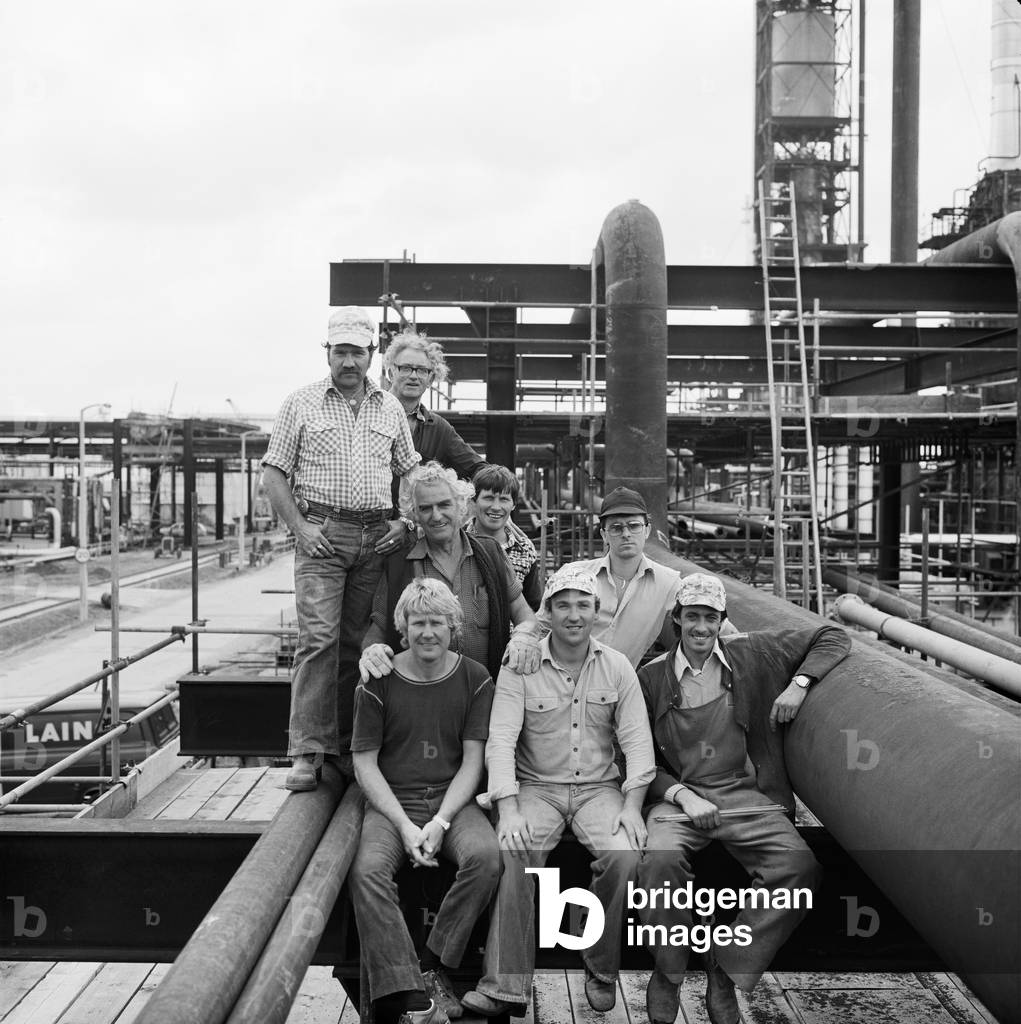
EHT6619933 Photographer, John Laing Ltd; Engineer, Laing Industrial Engineering and Construction Limited; A portrait of a group of workmen employed on the IE&C extension contract at Coryton Oil RefineryThis image was published in the September 1980 edition of Laing's monthly newsletter, Team Spirit.In November 1979, Laing Industrial Engineering and Construction Ltd (also referred to as the IE&C team) started work on an extension to Coryton Oil Refinery. The residual upgrading of the refinery was carried out by Pullman-Kellogg, with Laing as sub-contractors. A huge amount of pipework had to be prefabricated and installed as part of the construction. Pipework also had to be connected from the existing refinery to the extension, which was a Fluidised Catalytic Cracker (FCC) plant.
DC
LIP1051582 An Engineering Triumph in Switzerland. Illustration for The Graphic, 28 January 1899.
DC
LIP1050041 Field Engineering at Chatham. Illustration for The Graphic, 27 April 1878.
DC
BAL2631
RF
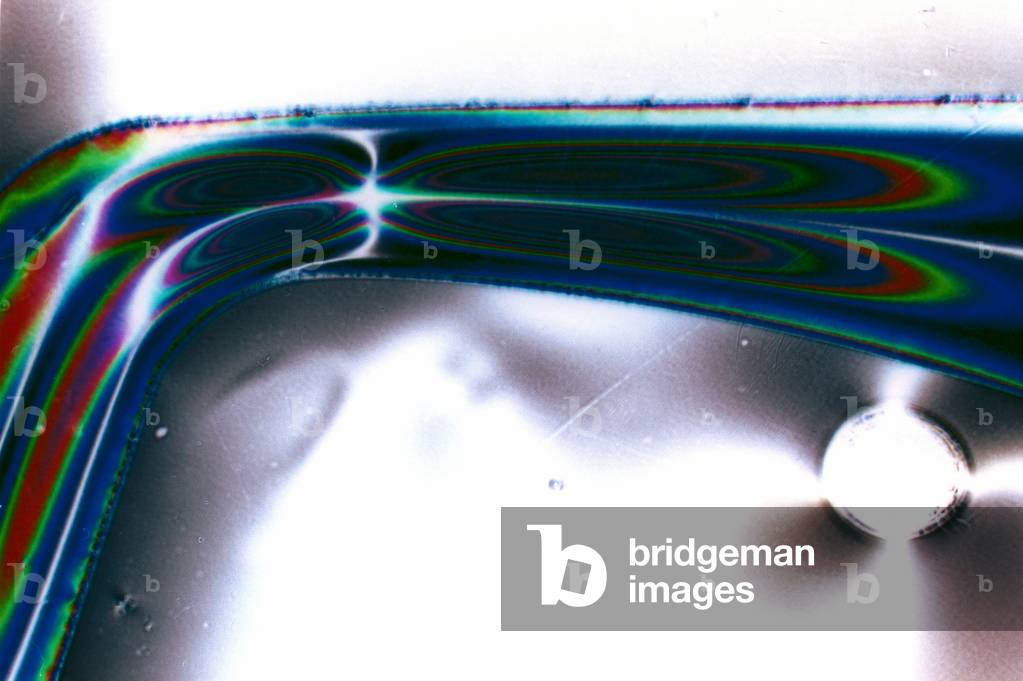
UIS5078514 POLYMERS, LM Engineering polymer. Light micrograph in cr Engineering polymer. Light micrograph in cross polar light. Magnification 50x. ©SSPL/Brian & Mavis Bousfield
DC
UIG1574171 Engineering control room at the Rocky Flats Plant, Non-Nuclear Production Facility, South of Cottonwood Avenue, west of Seventh. Photo by: .
DC
UIS5078773 POLYMERS, LM Engineering polymer. Light micrograph in Engineering polymer. Light micrograph in uncrossed polars. Magnification 50x. ©SSPL/Brian & Mavis Bousfield
DC
UDK834527
DC
LLM3625158 Railway across the Ice. Illustration for The Triumphs of Modern Engineering by Henry Frith (Griffith Farran Okeden and Welsh, c 1890). Digitally cleaned image.
DC
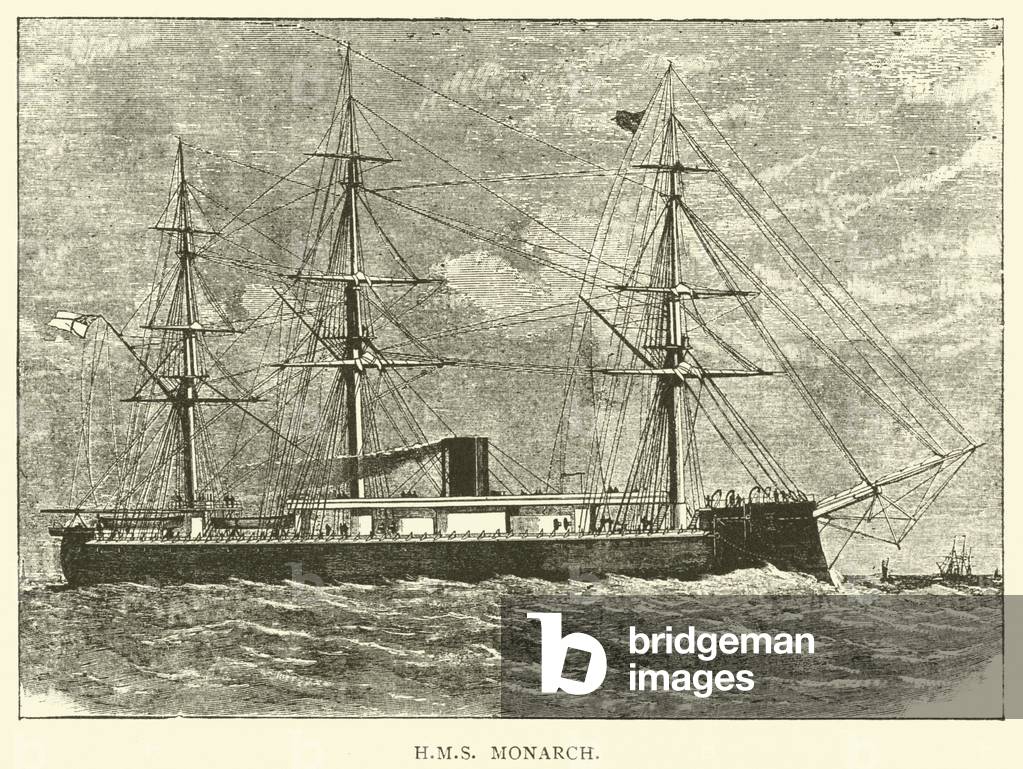
LLM3625173 HMS Monarch. Illustration for The Triumphs of Modern Engineering by Henry Frith (Griffith Farran Okeden and Welsh, c 1890). Digitally cleaned image.
DC
MOL226428 Victorian sewage pumping plant designed by Sir Joseph Bazalgette (1819-91) and Edmund Cooper in 1865-68;
DC
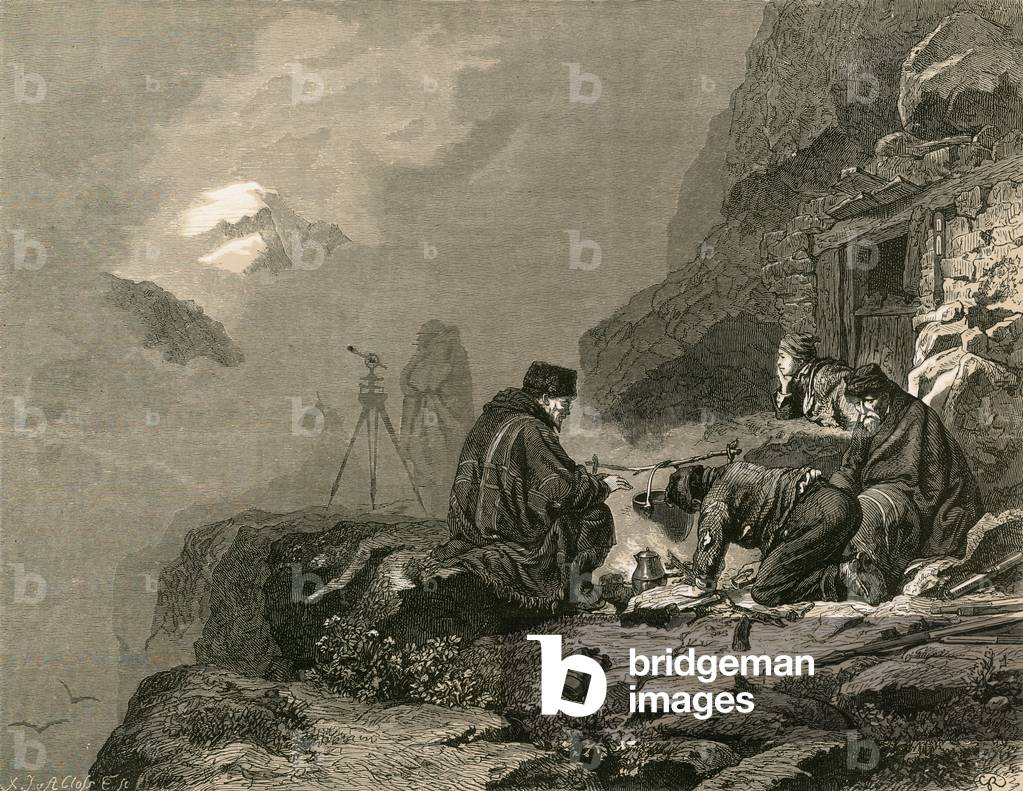
LLM727602 Engineering Surveyors in the Mountains. Illustration for Switzerland (Blackie, 1881).
DC
LLM11724147 Transport and engineering. Illustration from The 'Sticky Back' Picture Book for the Young Engineer (unknown publisher, c1935).By English School (20th Century)
DC
UIS5078327 POLYMERS, LM Engineering polymer. Light micrograph in cr Engineering polymer. Light micrograph in cross polarised light. Magnification 50x. ©SSPL/Brian & Mavis Bousfield
DC
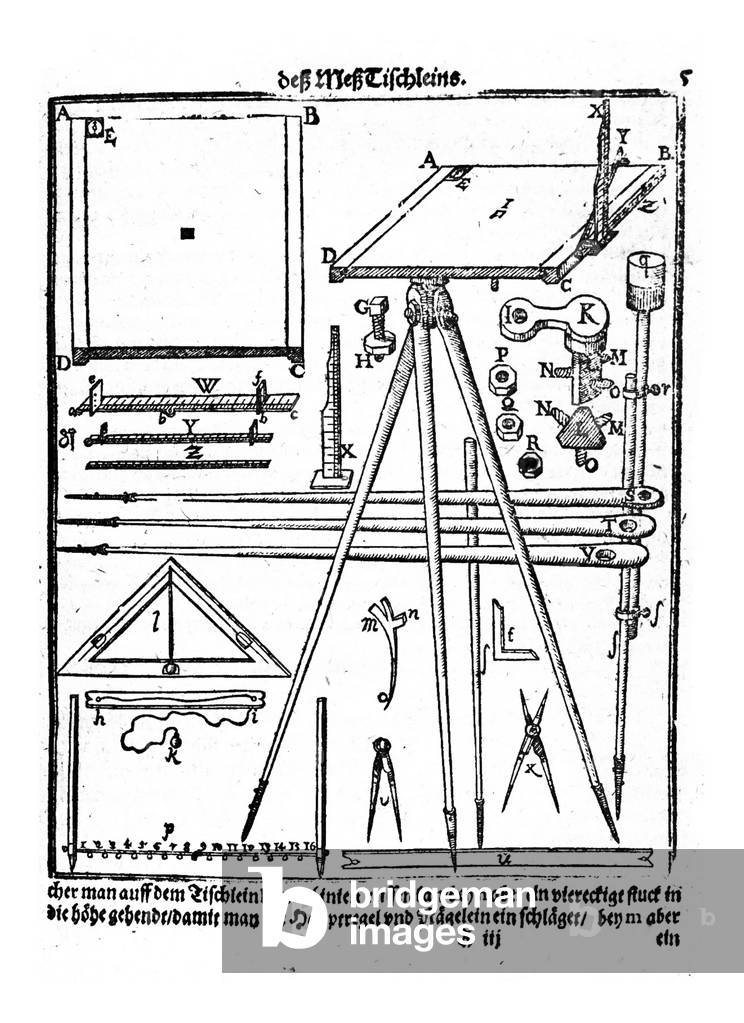
UIG3525112 Various surveying and engineering instruments. In: Geometriae practicae novae et auctae tractatus I[-IV] ... By Daniel Schwenter, 1585-1636. Published posthumously in 1641
DC

Total de Resultados: 8.455

Página 1 de 85