






















































Busque também em nossas outras coleções:

Data da imagem:
Pauta
ver mais opções...
Agência
ver mais opções...
Fotógrafo
ver mais opções...
Artista
ver mais opções...
Pais
ver mais opções...
Estado
ver mais opções...
Cidade
ver mais opções...
Local
ver mais opções...
Tipo de licença
Orientação
Coleção
ver mais opções...

Total de Resultados: 10.000

Página 1 de 100

ny100426223812 A crowd cheers at the San Diego Air and Space Museum in Balboa Park in San Diego, Calif., the successful splashdown of the Artemis II spacecraft in the Pacific Ocean on Friday, April 10, 2026. The NASA flight parachuted into the Pacific Ocean near San Diego, bringing to an end a journey that sent humans into deep space for the first time since 1972. (Ariana Drehsler/The New York Times/Fotoarena)
DC

ny100426215911 A crowd cheers at the San Diego Air and Space Museum in Balboa Park in San Diego, Calif., the successful splashdown of the Artemis II spacecraft in the Pacific Ocean on Friday, April 10, 2026. The NASA flight parachuted into the Pacific Ocean near San Diego, bringing to an end a journey that sent humans into deep space for the first time since 1972. (Ariana Drehsler/The New York Times/Fotoarena)
DC

ny100426224811 A woman wipes away tears at the San Diego Air and Space Museum in Balboa Park in San Diego, Calif., after watching the successful splashdown of the Artemis II spacecraft in the Pacific Ocean on Friday, April 10, 2026. (Ariana Drehsler/The New York Times/Fotoarena)
DC

2920484 Lua minguante vista em Sorocaba (SP) no início da noite desta segunda-feira. O registro ocorre minutos após a missão tripulada Artemis 2 (NASA), realizar um sobrevoo pelo lado oculto da Lua a apenas 7 mil Km do satélite. Um marco histórico nos últimos 50 anos: hoje, o recorde da Apollo 13 (1970) foi superado, com a espaçonave Orion atingindo 406,6 mil km da Terra, a maior distância que astronautas já foram para "longe" de casa.
DC
2920483 Lua minguante vista em Sorocaba (SP) no início da noite desta segunda-feira. O registro ocorre minutos após a missão tripulada Artemis 2 (NASA), realizar um sobrevoo pelo lado oculto da Lua a apenas 7 mil Km do satélite. Um marco histórico nos últimos 50 anos: hoje, o recorde da Apollo 13 (1970) foi superado, com a espaçonave Orion atingindo 406,6 mil km da Terra, a maior distância que astronautas já foram para "longe" de casa.
DC
ny060426203311 Staff at work in the Science Evaluation Room during the Artemis II mission at the Johnson Space Center in Houston, April 6, 2026. The NASA crew, which has temporarily lost contact with mission control, is expected to reach its farthest distance from Earth while seeing parts of the lunar far side never seen with human eyes. (Cassandra Klos/The New York Times/Fotoarena)
DC
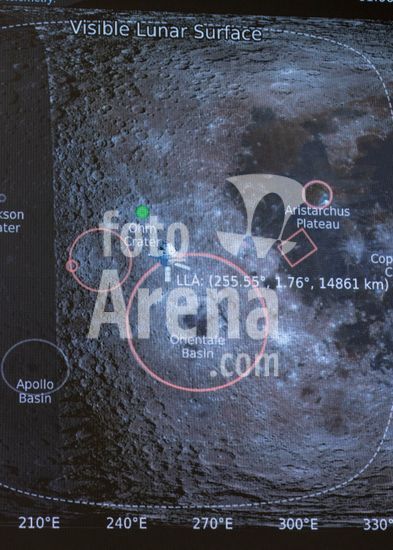
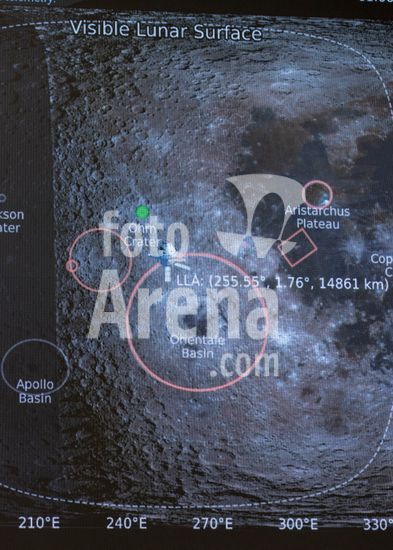
ny060426175812 EDS. RETRANSMISSION TO CORRECT ROOM *** A depiction of the Artemis II capsule passes over the Orientale Basin on the moon at Mission Control Center during the Artemis II mission at Johnson Space Center in Houston, Texas, on Monday, April 6, 2026. Orientale straddles the near side, whose dark splotches ? ancient lava flows ? can be seen above it, and the far side, which is pockmarked by more craters below it. (Cassandra Klos/The New York Times/Fotoarena)
DC
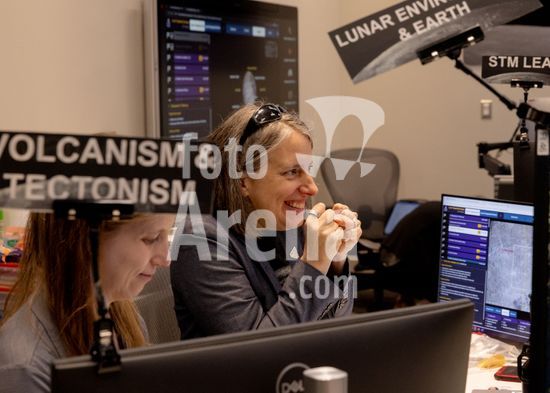
ny060426174812 A depiction of the Artemis II capsule passes over the Orientale Basin on the moon at Mission Control Center during the Artemis II mission at Johnson Space Center in Houston, Texas, on Monday, April 6, 2026. Orientale straddles the near side, whose dark splotches ? ancient lava flows ? can be seen above it, and the far side, which is pockmarked by more craters below it. (Cassandra Klos/The New York Times/Fotoarena)
DC

ny070426124311 Juliane Gross, curation lead of the Artemis Internal Science Team, right, and Debra Needham, with the NASA Science Mission Directorate, at the Johnson Space Center in Houston during the lunar flyby on Monday, April 6, 2026. While science can seem colorless and plain, NASA personnel have brought expressiveness and emotion about their journey to mission control and the public. (Cassandra Klos/The New York Times/Fotoarena)
DC

ny060426203312 Staff at work in the Science Evaluation Room during the Artemis II mission at the Johnson Space Center in Houston, April 6, 2026. The NASA crew, which has temporarily lost contact with mission control, is expected to reach its farthest distance from Earth while seeing parts of the lunar far side never seen with human eyes. (Cassandra Klos/The New York Times/Fotoarena)
DC

ny060426174813 Mission Control Center during the Artemis II mission at Johnson Space Center in Houston, Texas, on Monday, April 6, 2026. The Artemis II astronauts have now ventured farther from Earth than anyone else in the history of humanity. (Cassandra Klos/The New York Times/Fotoarena)
DC
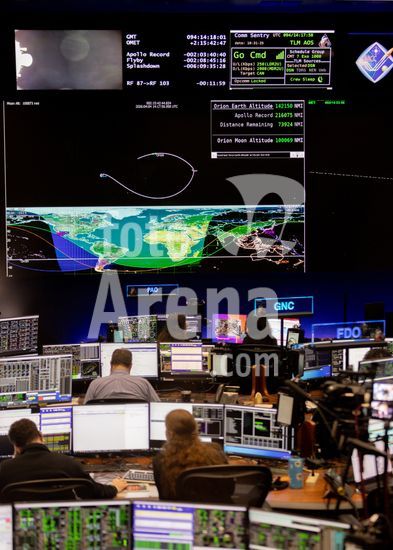
ny060426174811 Kelsey Young, the lunar science specialist in mission control, during a news conference at Johnson Space Center in Houston, Texas, on Sunday, April 5, 2026. The Artemis II astronauts have now ventured farther from Earth than anyone else in the history of humanity. (Cassandra Klos/The New York Times/Fotoarena)
DC

ny040426140712 The mission team works inside the Artemis II Mission Control room during the lunar mission at Johnson Space Center in Houston, April 4, 2026. The astronauts will loop around the far side of the moon, the first humans to visit ? from afar ? in more than half a century. (Cassandra Klos/The New York Times/Fotoarena)
DC

ny040426140711 The mission team works inside the Artemis II Mission Control room during the lunar mission at Johnson Space Center in Houston, April 4, 2026. The astronauts will loop around the far side of the moon, the first humans to visit ? from afar ? in more than half a century. (Cassandra Klos/The New York Times/Fotoarena)
DC

ny040426135313 President Donald Trump addresses the nation from the Cross Hall of the White House in Washington, April 1, 2026. President Trump devoted just 35 seconds to the launch at the start of his nationally televised address shortly after takeoff. ?It?s amazing,? he said, praising NASA and the astronauts. (Doug Mills/The New York Times/Fotoarena)
DC

ny020426193811 President Donald Trump addresses the nation from the Cross Hall of the White House in Washington, April 1, 2026. President Trump devoted just 35 seconds to the launch at the start of his nationally televised address shortly after takeoff. ?It?s amazing,? he said, praising NASA and the astronauts. (Doug Mills/The New York Times/Fotoarena)
DC
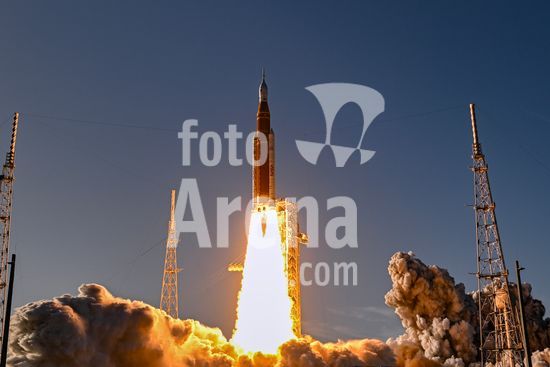
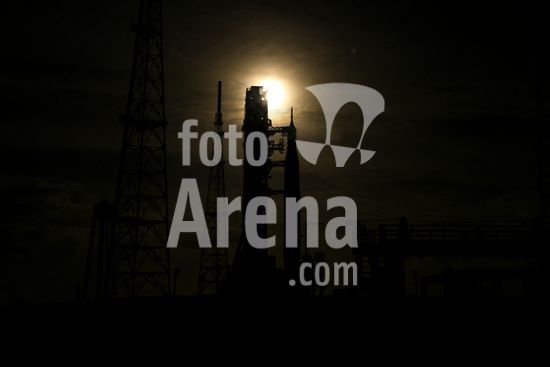
ny110426130812 FILE Ñ The Moon rises over Kennedy Space Center after the successful launch of Artemis II in Cape Canaveral, Fla. on April 1, 2026. The Artemis II mission was a chance to pause and participate in the ancient human pastimes of contemplating the skies. (Cassandra Klos/The New York Times/Fotoarena)
DC
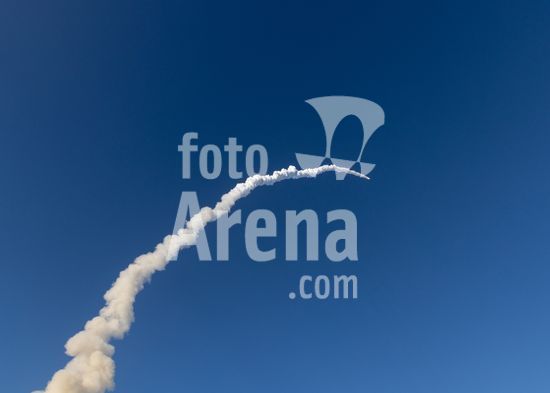
ny020426102012 NASAÕs Space Launch System (SLS) rocket, carrying the crew of the Artemis II mission, lifts off from the launchpad at the Kennedy Space Center in Florida on Wednesday, April 1, 2026. The crew of four Ñ three Americans and one Canadian Ñ reached space on Wednesday on the first crewed journey to the moon since 1972. (Kenny Holston/The New York Times/Fotoarena)
DC
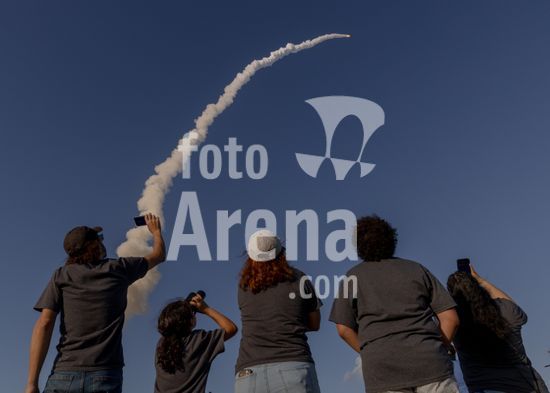
ny010426203511 NASA?s Space Launch System (SLS) rocket lifts off from the Launch Pad39-B at the Kennedy Space Center in Florida on Wednesday, April 1, 2026. A towering orange-and-white NASA rocket blasted off from Florida on Wednesday evening, lifting four astronauts toward space and transporting spectators? imaginations to a future in which Americans may again set foot on the moon. (Cassandra Klos/The New York Times/Fotoarena)
DC
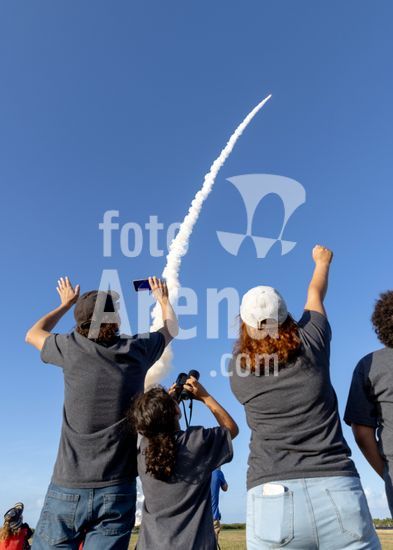
ny110426130811 FILE Ñ A family watches the launch of Artemis II at the Kennedy Space Center in Cape Canaveral Fla. on April 1, 2026. The Artemis II mission was a chance to pause and participate in the ancient human pastimes of contemplating the skies. (Cassandra Klos/The New York Times/Fotoarena)
DC
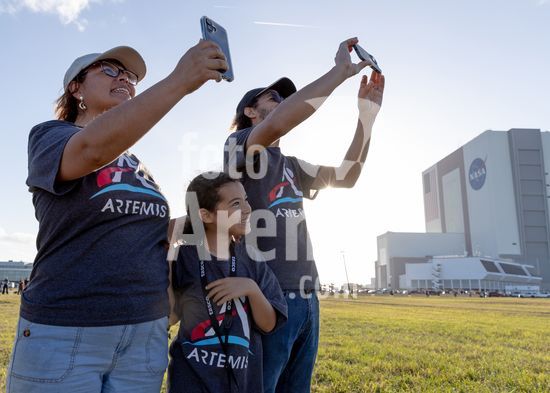
ny020426122014 Spectators cheer as NASAÕs Space Launch System (SLS) rocket, carrying the crew of the Artemis II mission, lifts off from the launchpad at the Kennedy Space Center in Florida on Wednesday, April 1, 2026. The crew of four Ñ three Americans and one Canadian Ñ reached space on Wednesday on the first crewed journey to the moon since 1972. (Cassandra Klos/The New York Times/Fotoarena)
DC
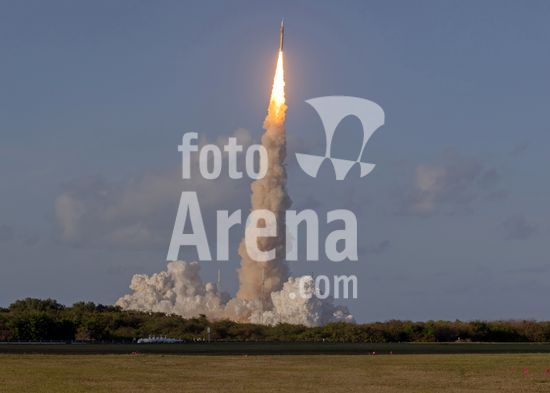
ny010426202211 Camila Martinez, center, watches with her family, who drove from Houston, as NASAÕs Space Launch System (SLS) rocket lifts off from the Launch Pad39-B at the Kennedy Space Center in Florida on Wednesday, April 1, 2026. (Cassandra Klos/The New York Times/Fotoarena)
DC
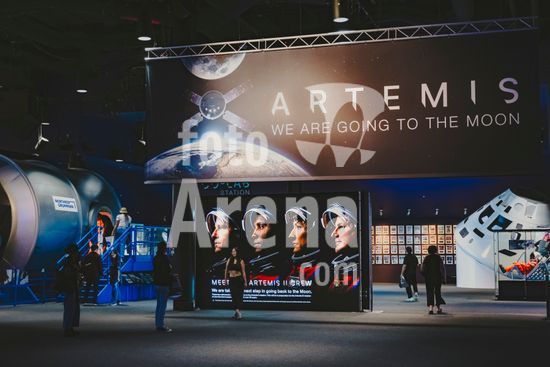
ny010426200412 NASA?s Space Launch System (SLS) rocket lifts off from the Launch Pad39-B at the Kennedy Space Center in Florida on Wednesday, April 1, 2026. (Kenny Holston/The New York Times/Fotoarena)
DC
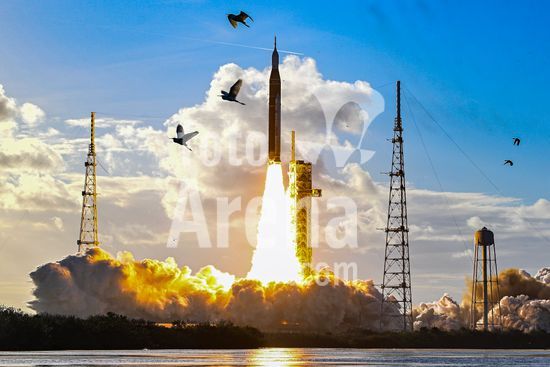
ny040426123213 A depiction of the four Artemis II astronauts in an exhibit about the moon mission at the museum Space Center Houston, April 1, 2026. The successful launch elicited deep feelings for many Americans, particularly in Houston, the home of mission control. (Meridith Kohut/The New York Times/Fotoarena)
DC
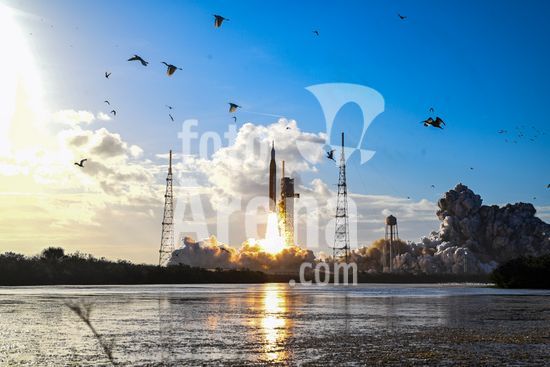
ny020426122012 NASAÕs Space Launch System (SLS) rocket, carrying the crew of the Artemis II mission, lifts off from the launchpad at the Kennedy Space Center in Florida on Wednesday, April 1, 2026. The crew of four Ñ three Americans and one Canadian Ñ reached space on Wednesday on the first crewed journey to the moon since 1972. (Kenny Holston/The New York Times/Fotoarena)
DC
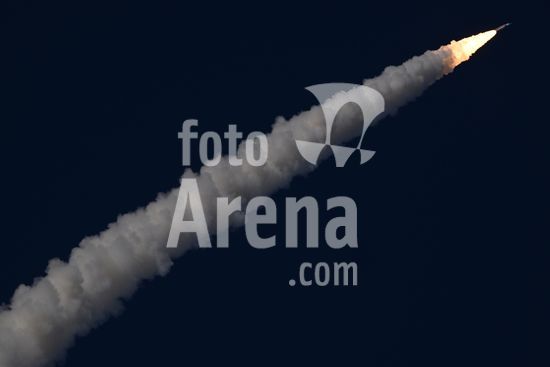
ny020426102016 NASAÕs Space Launch System (SLS) rocket, carrying the crew of the Artemis II mission, lifts off from the launchpad at the Kennedy Space Center in Florida on Wednesday, April 1, 2026. The crew of four Ñ three Americans and one Canadian Ñ reached space on Wednesday on the first crewed journey to the moon since 1972. (Kenny Holston/The New York Times/Fotoarena)
DC

ny020426102014 NASAÕs Space Launch System (SLS) rocket, carrying the crew of the Artemis II mission, lifts off from the launchpad at the Kennedy Space Center in Florida on Wednesday, April 1, 2026. The crew of four Ñ three Americans and one Canadian Ñ reached space on Wednesday on the first crewed journey to the moon since 1972. (Kenny Holston/The New York Times/Fotoarena)
DC

ny040426135311 NASA?s Space Launch System (SLS) rocket, carrying the crew of the Artemis II mission, lifts off from the launchpad at the Kennedy Space Center in Florida, April 1, 2026. The launch of Artemis II captured the tenor of the times in a country that can still do big things but seems forever mired in big problems. (Kenny Holston/The New York Times/Fotoarena)
DC
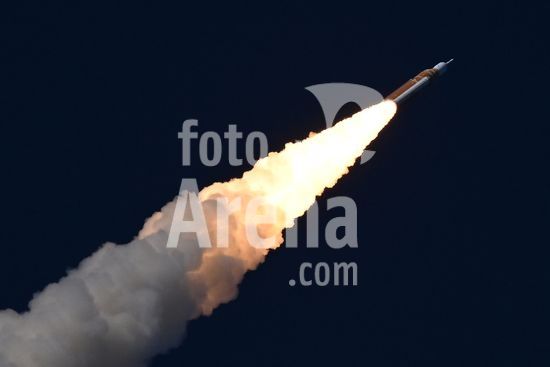
ny020426193813 NASA?s Space Launch System (SLS) rocket, carrying the crew of the Artemis II mission, lifts off from the launchpad at the Kennedy Space Center in Florida, April 1, 2026. The launch of Artemis II captured the tenor of the times in a country that can still do big things but seems forever mired in big problems. (Kenny Holston/The New York Times/Fotoarena)
DC
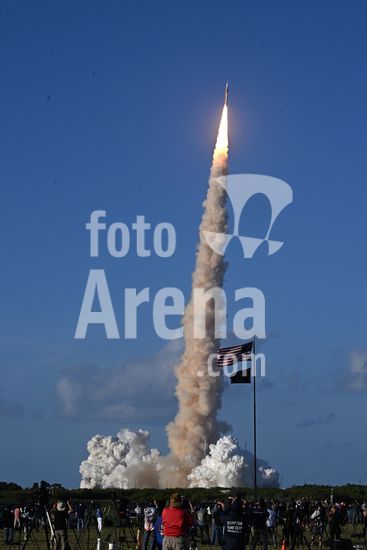
ny010426204111 NASA?s Space Launch System (SLS) rocket lifts off from the Launch Pad39-B at the Kennedy Space Center in Florida on Wednesday, April 1, 2026. A towering orange-and-white NASA rocket blasted off from Florida on Wednesday evening, lifting four astronauts toward space and transporting spectators? imaginations to a future in which Americans may again set foot on the moon. (Kenny Holston/The New York Times/Fotoarena)
DC
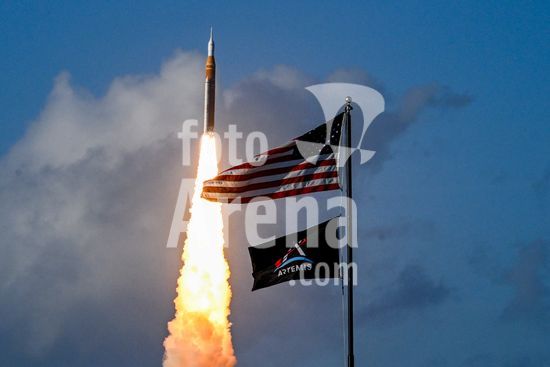
ny010426195211 NASAÕs Space Launch System (SLS) rocket lifts off from the Launch Pad39-B at the Kennedy Space Center in Florida on Wednesday, April 1, 2026. (Kenny Holston/The New York Times/Fotoarena)
DC
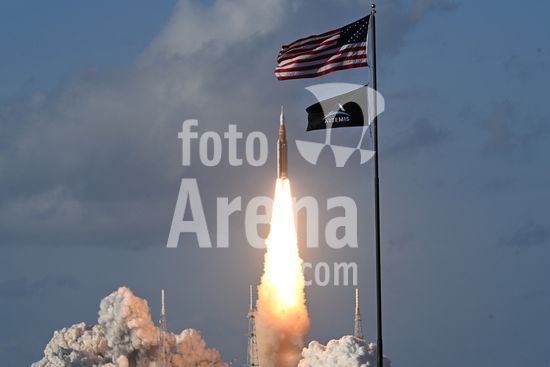
ny060426125612 The SLS rocket takes off to begin the Artemis II mission at NASA?s Kennedy Space Center in Cape Canaveral, Fla., April 1, 2026. The journey around the moon of three Americans and one Canadian is going into its sixth day. (Kenny Holston/The New York Times/Fotoarena)
DC
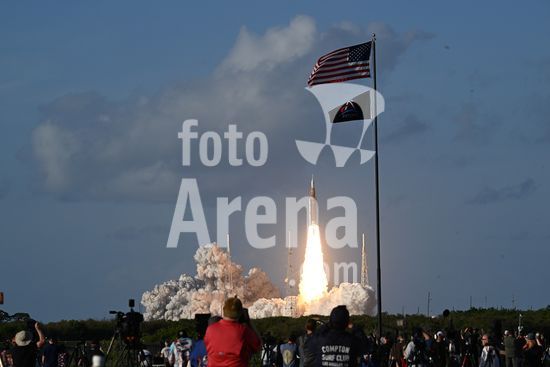
ny010426195212 NASA?s Space Launch System (SLS) rocket lifts off from the Launch Pad39-B at the Kennedy Space Center in Florida on Wednesday, April 1, 2026. (Kenny Holston/The New York Times/Fotoarena)
DC
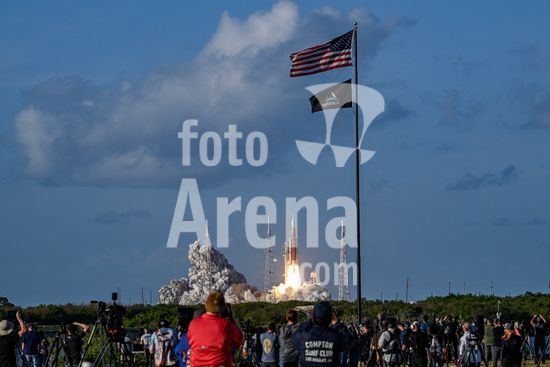
ny010426194711 NASA?s Space Launch System (SLS) rocket lifts off from the Launch Pad39-B at the Kennedy Space Center in Florida on Wednesday, April 1, 2026. (Kenny Holston/The New York Times/Fotoarena)
DC
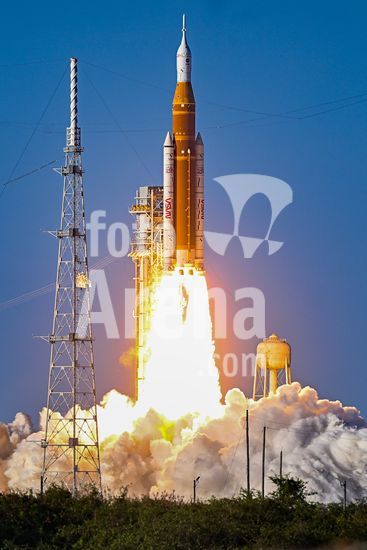
ny010426215513 NASAÕs Artemis II SLS (Space Launch System) rocket and Orion spacecraft lift off from Launch Complex 39B at the Kennedy Space Center in Florida, on Wednesday, April 1, 2026. (Kenny Holston/The New York Times/Fotoarena)
DC
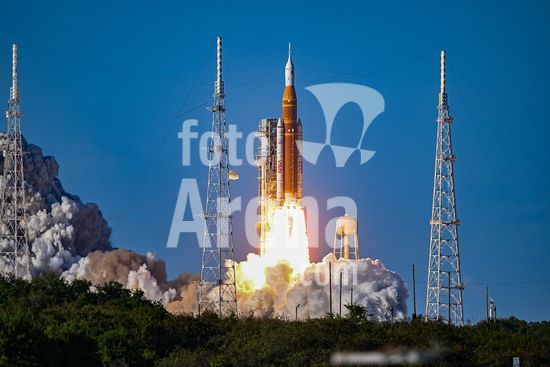
ny010426213212 NASAÕs Artemis II SLS (Space Launch System) rocket and Orion spacecraft lift off from Launch Complex 39B at the Kennedy Space Center in Florida, on Wednesday, April 1, 2026. (Kenny Holston/The New York Times/Fotoarena)
DC
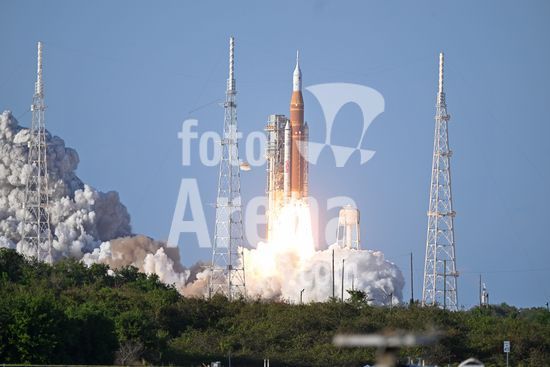
ny010426213214 NASAÕs Artemis II SLS (Space Launch System) rocket and Orion spacecraft lift off from Launch Complex 39B at the Kennedy Space Center in Florida, on Wednesday, April 1, 2026. (Kenny Holston/The New York Times/Fotoarena)
DC
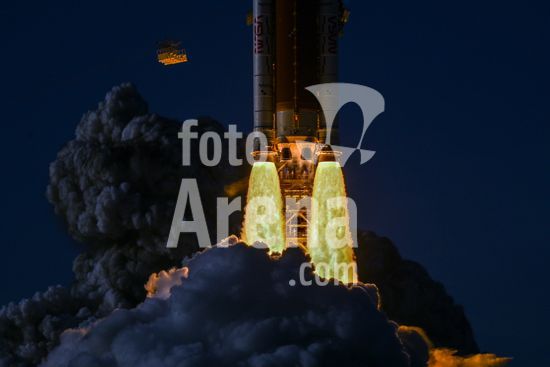
ny010426201011 NASAÕs Space Launch System (SLS) rocket lifts off from the Launch Pad39-B at the Kennedy Space Center in Florida on Wednesday, April 1, 2026. A towering orange-and-white NASA rocket blasted off from Florida on Wednesday evening, lifting four astronauts toward space and transporting spectatorsÕ imaginations to a future in which Americans may again set foot on the moon. (Kenny Holston/The New York Times/Fotoarena)
DC
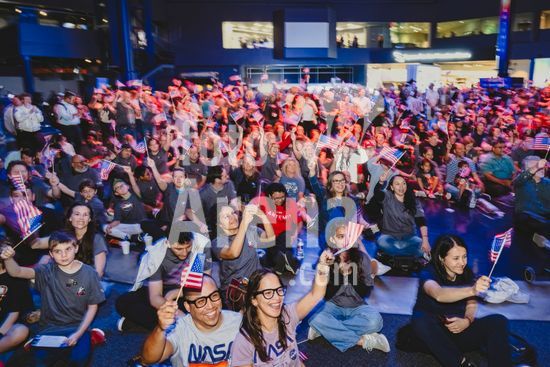
ny040426123212 A crowd gathered at the museum Space Center Houston participate in a watch party of the launching of Artemis II for its moon mission, in Houston, April 1, 2026. The successful launch elicited deep feelings for many Americans, particularly in Houston, the home of mission control. (Meridith Kohut/The New York Times/Fotoarena)
DC
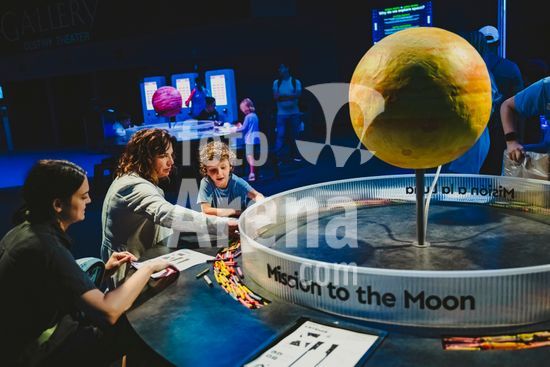
ny040426123113 People at the museum Space Center Houston for special launch day events and a watch party for the take-off of Artemis II on its moon mission, in Houston, April 1, 2026. The successful launch elicited deep feelings for many Americans, particularly in Houston, the home of mission control. (Meridith Kohut/The New York Times/Fotoarena)
DC
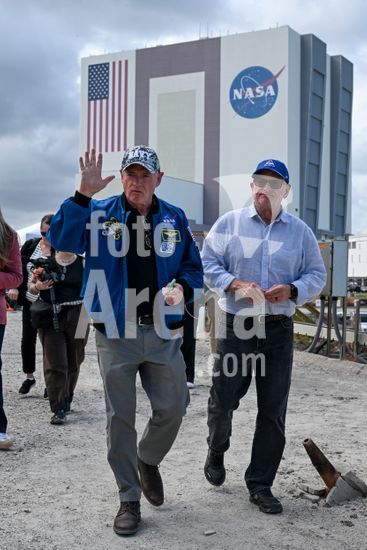
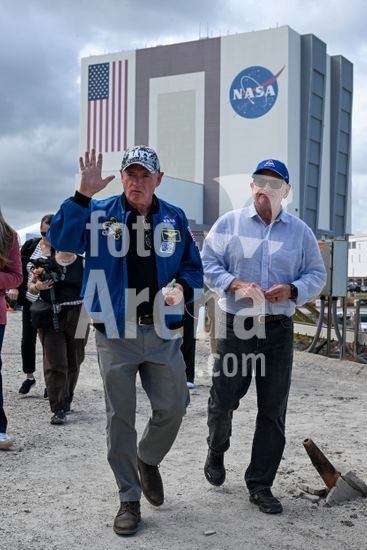
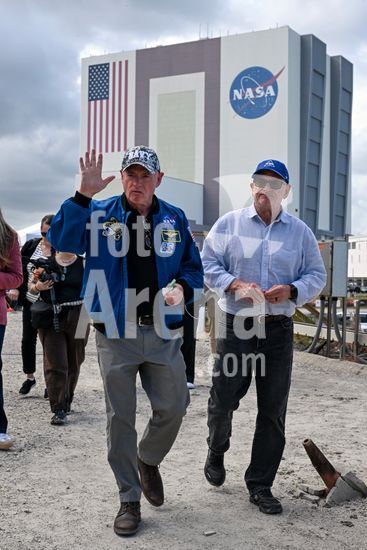
ny040426135315 From left, Sen. Mark Kelly (D-Ariz.) and his brother Scott Kelly, both former astronauts, wait to view the launch of Artemis II at Kennedy Space Center in Florida, April 1, 2026. ?It?s moments like this that I think give people hope,? said Senator Kelly. (Kenny Holston/The New York Times/Fotoarena)
DC
ny020426193712 From left, Sen. Mark Kelly (D-Ariz.) and his brother Scott Kelly, both former astronauts, wait to view the launch of Artemis II at Kennedy Space Center in Florida, April 1, 2026. ?It?s moments like this that I think give people hope,? said Senator Kelly. (Kenny Holston/The New York Times/Fotoarena)
DC
ny010426182112 From left, Sen. Mark Kelly (D-ARiz.) andhis twin brother Scott Kelly, both retired NASA astronauts, at the Kennedy Space Center in Florida for the launch of the Artemis II mission on Wednesday, April 1, 2026. The crew of four Ñ three Americans and one Canadian Ñ are scheduled to launch Wednesday evening on the first crewed journey to the moon since 1972. (Kenny Holston/The New York Times/Fotoarena)
DC
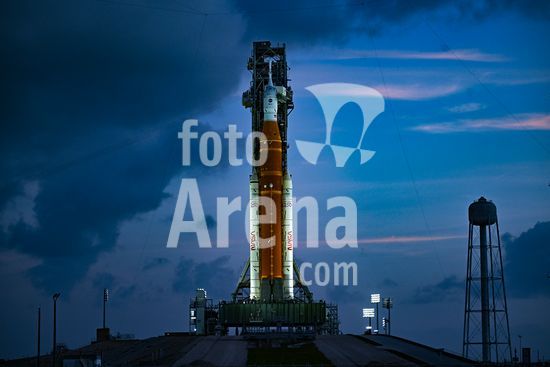
ny010426181212 NASAÕs Space Launch System (SLS) rocket on the launchpad at the Kennedy Space Center ahead of the launch of the Artemis II mission on Wednesday, April 1, 2026. The crew of four Ñ three Americans and one Canadian Ñ are scheduled to launch Wednesday evening on the first crewed journey to the moon since 1972. (Kenny Holston/The New York Times/Fotoarena)
DC

ny010426181211 NASAÕs Space Launch System (SLS) rocket on the launchpad at the Kennedy Space Center ahead of the launch of the Artemis II mission on Wednesday, April 1, 2026. The crew of four Ñ three Americans and one Canadian Ñ are scheduled to launch Wednesday evening on the first crewed journey to the moon since 1972. (Kenny Holston/The New York Times/Fotoarena)
DC
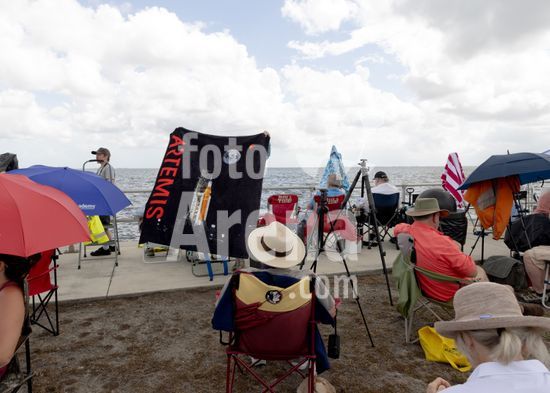
ny010426191611 Spectators gather in Titusville, Fla., to watch the launch of the Artemis II mission from the nearby Kennedy Space Center, on Wednesday, April 1, 2026. Future engineers and former space campers hope to infect people around them with enthusiasm for NASAÕs latest moon mission. (Cassandra Klos/The New York Times/Fotoarena)
DC

ny020426101711 Young people in Titusville, Fla., draw space scenes as they wait to watch the launch of the Artemis II mission from the nearby Kennedy Space Center on Wednesday, April 1, 2026. The crew of four Ñ three Americans and one Canadian Ñ reached space on Wednesday on the first crewed journey to the moon since 1972. (Cassandra Klos/The New York Times/Fotoarena)
DC

ny010426160912 Well-wishers look on as the of the Artemis II leaves the Operations and Checkout Building en route to the launchpad at the Kennedy Space Center in Florida on Wednesday, April 1, 2026. The crew of four Ñ three Americans and one Canadian Ñ are scheduled to launch at 6:24 p.m. Eastern on the first crewed journey to the moon since 1972. (Kenny Holston/The New York Times/Fotoarena)
DC

ny020426101816 Relatives of the astronauts and well-wishers wave and take photos at the Kennedy Space Center in Florida as the crew members of the Artemis II mission board a van for the drive to the launchpad on Wednesday, April 1, 2026. The crew of four Ñ three Americans and one Canadian Ñ reached space on Wednesday on the first crewed journey to the moon since 1972. (Kenny Holston/The New York Times/Fotoarena)
DC
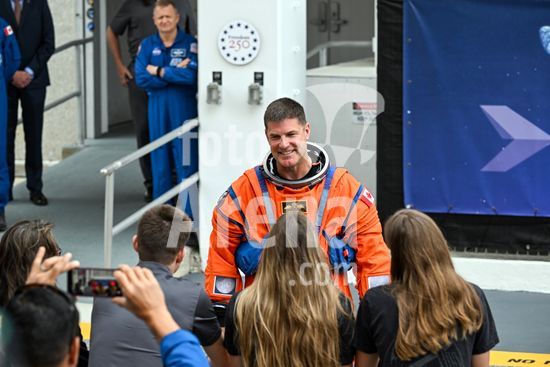
ny010426181512 Canadian Space Agency astronaut Jeremy Hansen turns back to wave to family members as he and the rest of the Artemis II crew board a van for the drive to the launchpad at the Kennedy Space Center in Florida on Wednesday, April 1, 2026. The crew of four Ñ three Americans and one Canadian Ñ are scheduled to launch Wednesday evening on the first crewed journey to the moon since 1972. (Kenny Holston/The New York Times/Fotoarena)
DC
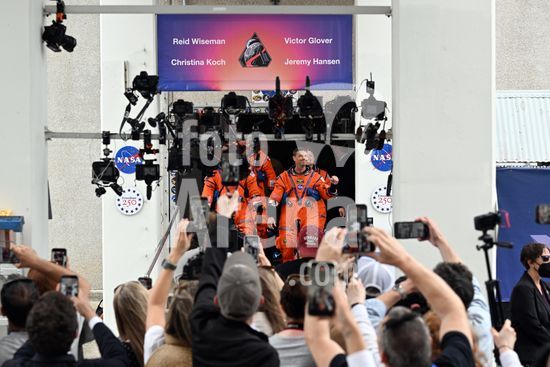
ny010426162812 The crew of the Artemis II en route to the launchpad at the Kennedy Space Center in Florida on Wednesday, April 1, 2026. From left: Victor Glover, the pilot; Canadian Space Agency astronaut Jeremy Hansen; mission specialist Christina Koch; and Reid Wiseman, the mission commander. (Kenny Holston/The New York Times/Fotoarena)
DC
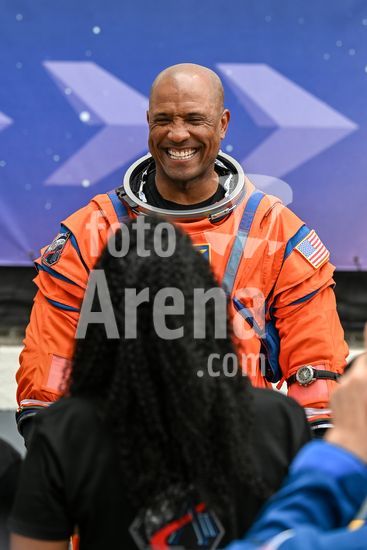
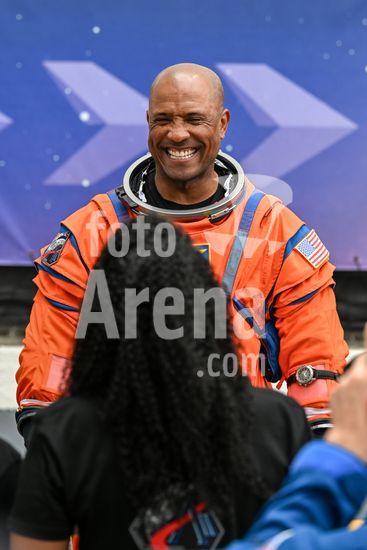
ny030426155112 Victor Glover, the mission pilot, speaks with family members before he and the rest of the Artemis II crew board a van for the drive to the launchpad at the Kennedy Space Center in Florida on Wednesday, April 1, 2026. Glover, a former Navy test pilot, carefully maneuvered the Orion capsule in space around a discarded rocket stage. The demonstration is crucial for future moon landing missions. (Kenny Holston/The New York Times/Fotoarena)
DC
ny010426182012 Victor Glover, the mission pilot, speaks with family members before he and the rest of the Artemis II crew board a van for the drive to the launchpad at the Kennedy Space Center in Florida on Wednesday, April 1, 2026. The crew of four Ñ three Americans and one Canadian Ñ are scheduled to launch Wednesday evening on the first crewed journey to the moon since 1972. (Kenny Holston/The New York Times/Fotoarena)
DC
ny010426181912 Canadian Space Agency astronaut Jeremy Hansen speaks with family members before he and the rest of the Artemis II crew board a van for the drive to the launchpad at the Kennedy Space Center in Florida on Wednesday, April 1, 2026. The crew of four Ñ three Americans and one Canadian Ñ are scheduled to launch Wednesday evening on the first crewed journey to the moon since 1972. (Kenny Holston/The New York Times/Fotoarena)
DC

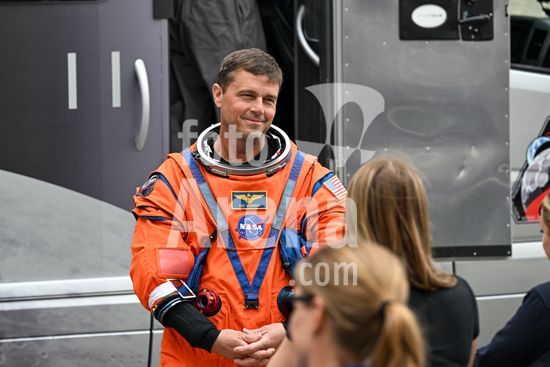
ny010426181615 Reid Wiseman, commander of the Artemis II mission, speaks with family members before he and his crew board a van for the drive to the launchpad at the Kennedy Space Center in Florida on Wednesday, April 1, 2026. The crew of four Ñ three Americans and one Canadian Ñ are scheduled to launch Wednesday evening on the first crewed journey to the moon since 1972. (Kenny Holston/The New York Times/Fotoarena)
DC

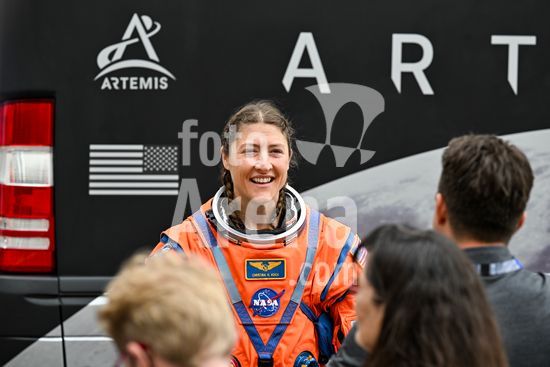
ny010426181812 Christina Koch, mission specialist, speaks with family members before she and the rest of the Artemis II crew board a van for the drive to the launchpad at the Kennedy Space Center in Florida on Wednesday, April 1, 2026. The crew of four Ñ three Americans and one Canadian Ñ are scheduled to launch Wednesday evening on the first crewed journey to the moon since 1972. (Kenny Holston/The New York Times/Fotoarena)
DC

ny010426181612 Victor Glover, the mission pilot, speaks with family members before he and the rest of the crew board a van for the drive to the launchpad at the Kennedy Space Center in Florida on Wednesday, April 1, 2026. The crew of four Ñ three Americans and one Canadian Ñ are scheduled to launch Wednesday evening on the first crewed journey to the moon since 1972. (Kenny Holston/The New York Times/Fotoarena)
DC

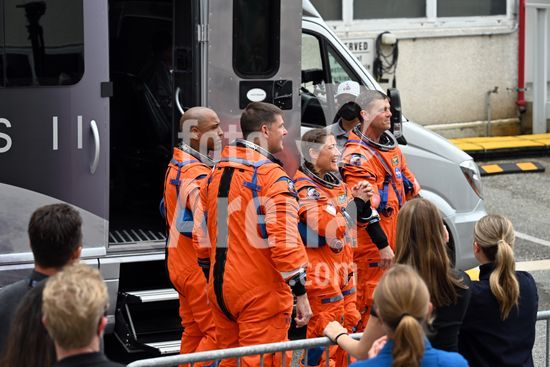
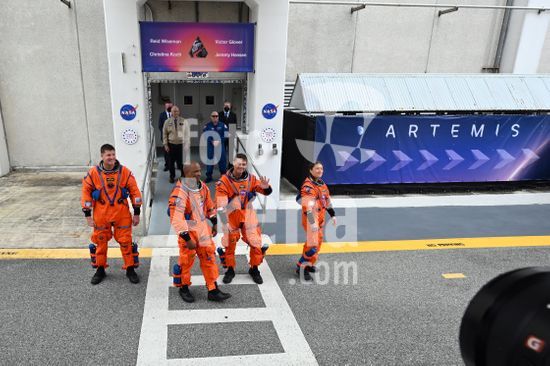
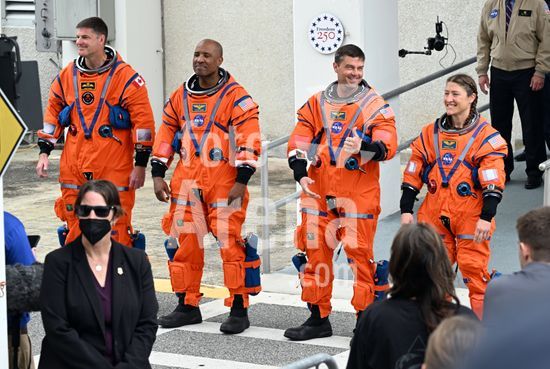
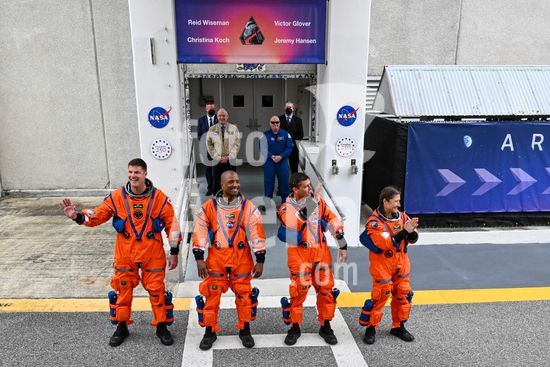
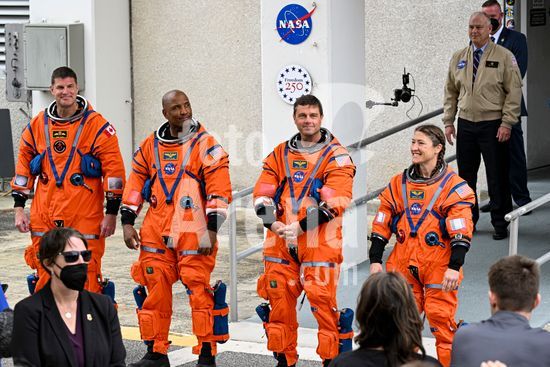
ny010426162611 The crew of the Artemis II leaves the Operations and Checkout Building en route to the launchpad at the Kennedy Space Center in Florida on Wednesday, April 1, 2026. From left: Canadian Space Agency astronaut Jeremy Hansen; NASA astronauts Victor Glover, the pilot; Reid Wiseman, the mission commander; and mission specialist Christina Koch. (Kenny Holston/The New York Times/Fotoarena)
DC

ny010426160812 The crew of the Artemis II leaves the Operations and Checkout Building en route to the launchpad at the Kennedy Space Center in Florida on Wednesday, April 1, 2026. From left: Canadian Space Agency astronaut Jeremy Hansen; NASA astronauts Victor Glover, the pilot; Reid Wiseman, the mission commander; and mission specialist Christina Koch. (Kenny Holston/The New York Times/Fotoarena)
DC

ny020426101815 The crew of the Artemis II leaves the Operations and Checkout Building en route to the launchpad at the Kennedy Space Center in Florida on Wednesday, April 1, 2026. From left: Canadian Space Agency astronaut Jeremy Hansen; NASA astronauts Victor Glover, the pilot; Reid Wiseman, the mission commander; and mission specialist Christina Koch. (Kenny Holston/The New York Times/Fotoarena)
DC

ny040426135312 The crew of the Artemis II leaves the Operations and Checkout Building en route to the launchpad at the Kennedy Space Center in Florida on Wednesday, April 1, 2026. Artemis II is bringing to another world, from left: Canadian Space Agency astronaut Jeremy Hansen, the first non-American; NASA astronauts Victor Glover, the first Black man; Reid Wiseman, the mission commander; and mission specialist Christina Koch, the first woman. (Kenny Holston/The New York Times/Fotoarena)
DC

ny010426163012 Reid Wiseman, the mission commander, pumps his fist as he and the crew of the Artemis II leave the Operations and Checkout Building en route to the launchpad at the Kennedy Space Center in Florida on Wednesday, April 1, 2026. The crew of four Ñ three Americans and one Canadian Ñ are scheduled to launch at 6:24 p.m. Eastern on the first crewed journey to the moon since 1972. (Kenny Holston/The New York Times/Fotoarena)
DC

ny010426174911 Spectators stake out their spot in Titusville, Fla., to watch the launch of the Artemis II mission from the nearby Kennedy Space Center, visible on the horizon, on Wednesday, April 1, 2026. The crew of four Ñ three Americans and one Canadian Ñ are scheduled to launch Wednesday evening on the first crewed journey to the moon since 1972. (Cassandra Klos/The New York Times/Fotoarena)
DC

ny010426144811 Sen. Mark Kelly (D-Ariz.), a retired NASA astronaut, speaks to reporters at the Kennedy Space Center in Florida ahead of the Artemis II launch on Wednesday, April 1, 2026. Artemis II, the first crewed mission around the moon in more than 50 years, is scheduled to launch on Wednesday evening. (Kenny Holston/The New York Times/Fotoarena)
DC

ny020426101912 Spectators stake out their spots in Titusville, Fla., to watch the launch of the Artemis II mission from the nearby Kennedy Space Center, across the Indian River, on Wednesday, April 1, 2026. The crew of four Ñ three Americans and one Canadian Ñ are scheduled to launch Wednesday evening on the first crewed journey to the moon since 1972. (Cassandra Klos/The New York Times/Fotoarena)
DC

ny010426174912 A young woman readies her camera while staking out her spot in Titusville, Fla., to watch the launch of the Artemis II mission from the nearby Kennedy Space Center on Wednesday, April 1, 2026. The crew of four Ñ three Americans and one Canadian Ñ are scheduled to launch Wednesday evening on the first crewed journey to the moon since 1972. (Cassandra Klos/The New York Times/Fotoarena)
DC

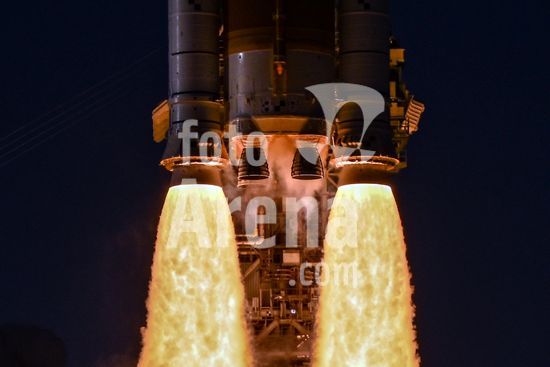
ny020426121912 Artemis IIÕs solid rocket boosters providing the 7.2 million pounds of thrust during launch at Cape Canaveral, Fla., Wednesday, April 1, 2026.ÊThe crew of Artemis II, three Americans and a Canadian, are the first humans to travel to the moon in more than 50 years. They will not land on the surface, but the mission will pave the way for future visits. (Kenny Holston/The New York Times/Fotoarena)
DC

ny020426101814 NASAÕs Space Launch System (SLS) rocket, carrying the crew of the Artemis II mission, lifts off from the launchpad at the Kennedy Space Center in Florida on Wednesday, April 1, 2026. The crew of four Ñ three Americans and one Canadian Ñ reached space on Wednesday on the first crewed journey to the moon since 1972. (Kenny Holston/The New York Times/Fotoarena)
DC

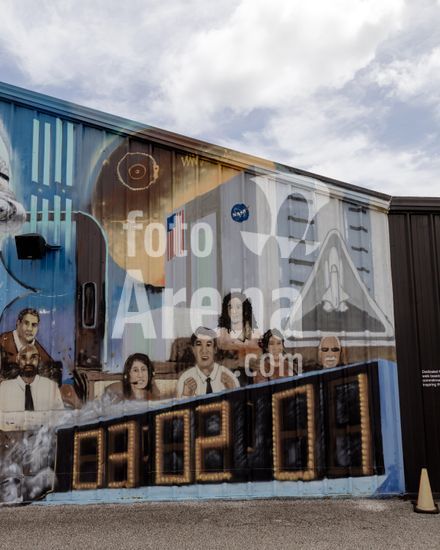
ny020426102015 A space-themed mural t the Kennedy Space Center in Florida on Tuesday, March 31, 2026, one day before the launch of the Artemis II mission. The crew of four Ñ three Americans and one Canadian Ñ reached space on Wednesday on the first crewed journey to the moon since 1972. (Cassandra Klos/The New York Times/Fotoarena)
DC

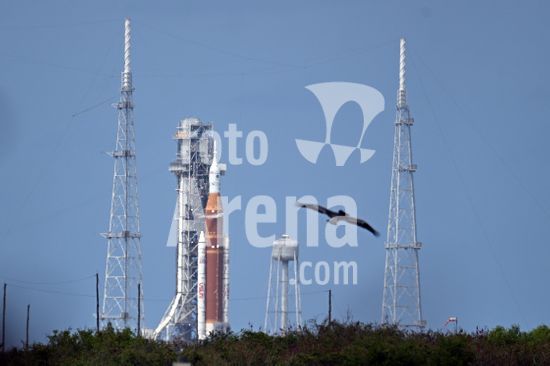
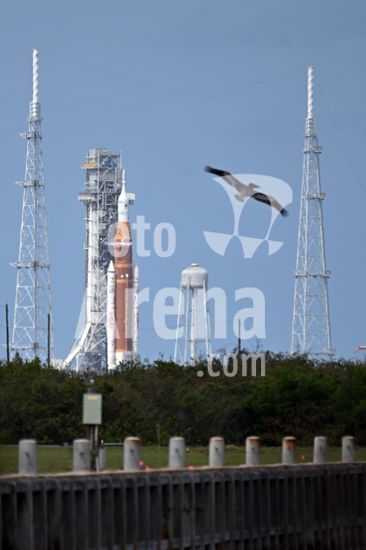
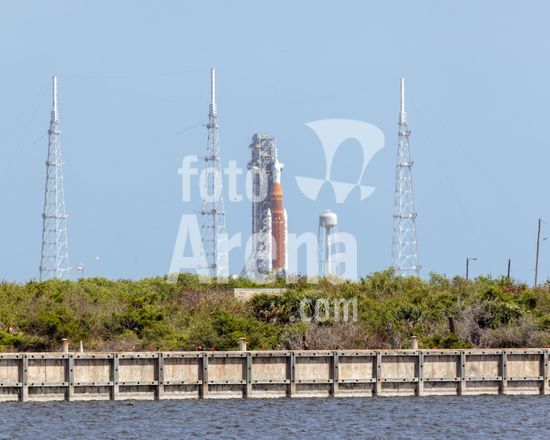
ny310326182411 The Space Launch System (SLS) rocket on the launchpad at Kennedy Space Center in Florida on Tuesday, March 31, 2026. The Artemis II mission is scheduled to launch on Wednesday evening, April 1. (Cassandra Klos/The New York Times/Fotoarena)
DC

ny040426135314 The Space Launch System (SLS) rocket on the launchpad at Kennedy Space Center in Florida, March 31, 2026. The launch of Artemis II captured the tenor of the times in a country that can still do big things but seems forever mired in big problems. (Kenny Holston/The New York Times/Fotoarena)
DC

ny310326200711 The Space Launch System (SLS) rocket on the launchpad at Kennedy Space Center in Florida on Tuesday, March 31, 2026. The Artemis II mission is scheduled to launch on Wednesday evening, April 1. (Kenny Holston/The New York Times/Fotoarena)
DC
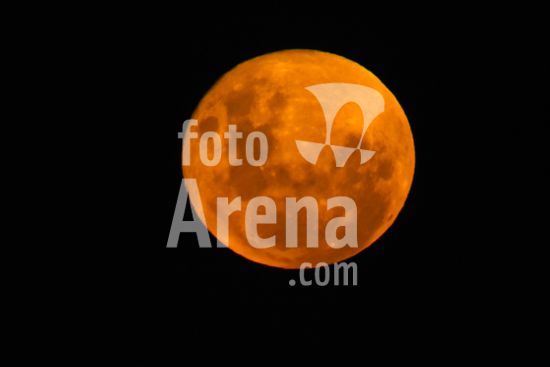
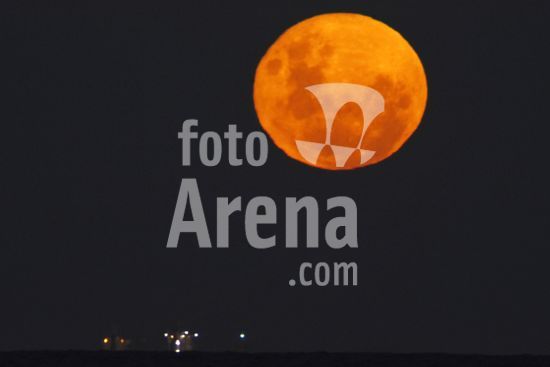
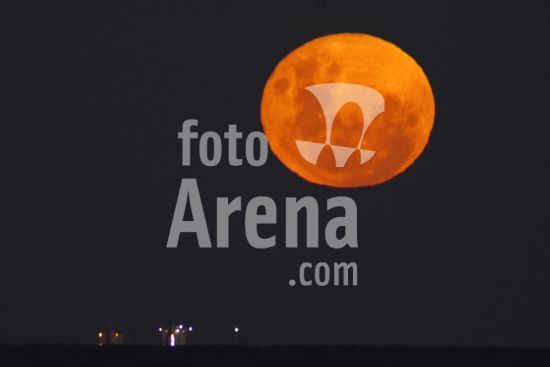
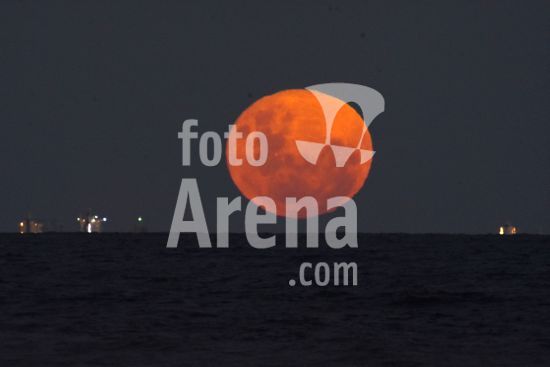
2897033 A lua esta cheia nessa terça feira 3 de março, e é chamada de lua de sangue.O apelido Lua de sangue,, é mais uma expressão de impacto popular do que um termo científico, mas traduz bem o efeito visual provocado pela filtragem atmosférica.Fotografia capturada Nacidade de Pontal do Paraná,Paraná.
DC
2897032 A lua esta cheia nessa terça feira 3 de março, e é chamada de lua de sangue.O apelido Lua de sangue,, é mais uma expressão de impacto popular do que um termo científico, mas traduz bem o efeito visual provocado pela filtragem atmosférica.Fotografia capturada Nacidade de Pontal do Paraná,Paraná.
DC
2897031 A lua esta cheia nessa terça feira 3 de março, e é chamada de lua de sangue.O apelido Lua de sangue,, é mais uma expressão de impacto popular do que um termo científico, mas traduz bem o efeito visual provocado pela filtragem atmosférica.Fotografia capturada Nacidade de Pontal do Paraná,Paraná.
DC
2897041 A lua esta cheia nessa terça feira 3 de março, e é chamada de lua de sangue.O apelido Lua de sangue,, é mais uma expressão de impacto popular do que um termo científico, mas traduz bem o efeito visual provocado pela filtragem atmosférica.Fotografia capturada Nacidade de Pontal do Paraná,Paraná.
DC
2897040 A lua esta cheia nessa terça feira 3 de março, e é chamada de lua de sangue.O apelido Lua de sangue,, é mais uma expressão de impacto popular do que um termo científico, mas traduz bem o efeito visual provocado pela filtragem atmosférica.Fotografia capturada Nacidade de Pontal do Paraná,Paraná.
DC
2897039 A lua esta cheia nessa terça feira 3 de março, e é chamada de lua de sangue.O apelido Lua de sangue,, é mais uma expressão de impacto popular do que um termo científico, mas traduz bem o efeito visual provocado pela filtragem atmosférica.Fotografia capturada Nacidade de Pontal do Paraná,Paraná.
DC
2897038 A lua esta cheia nessa terça feira 3 de março, e é chamada de lua de sangue.O apelido Lua de sangue,, é mais uma expressão de impacto popular do que um termo científico, mas traduz bem o efeito visual provocado pela filtragem atmosférica.Fotografia capturada Nacidade de Pontal do Paraná,Paraná.
DC
2897037 A lua esta cheia nessa terça feira 3 de março, e é chamada de lua de sangue.O apelido Lua de sangue,, é mais uma expressão de impacto popular do que um termo científico, mas traduz bem o efeito visual provocado pela filtragem atmosférica.Fotografia capturada Nacidade de Pontal do Paraná,Paraná.
DC
2897036 A lua esta cheia nessa terça feira 3 de março, e é chamada de lua de sangue.O apelido Lua de sangue,, é mais uma expressão de impacto popular do que um termo científico, mas traduz bem o efeito visual provocado pela filtragem atmosférica.Fotografia capturada Nacidade de Pontal do Paraná,Paraná.
DC
2897035 A lua esta cheia nessa terça feira 3 de março, e é chamada de lua de sangue.O apelido Lua de sangue,, é mais uma expressão de impacto popular do que um termo científico, mas traduz bem o efeito visual provocado pela filtragem atmosférica.Fotografia capturada Nacidade de Pontal do Paraná,Paraná.
DC
2897034 A lua esta cheia nessa terça feira 3 de março, e é chamada de lua de sangue.O apelido Lua de sangue,, é mais uma expressão de impacto popular do que um termo científico, mas traduz bem o efeito visual provocado pela filtragem atmosférica.Fotografia capturada Nacidade de Pontal do Paraná,Paraná.
DC
2897030 A lua esta cheia nessa terça feira 3 de março, e é chamada de lua de sangue.O apelido Lua de sangue,, é mais uma expressão de impacto popular do que um termo científico, mas traduz bem o efeito visual provocado pela filtragem atmosférica.Fotografia capturada Nacidade de Pontal do Paraná,Paraná.
DC
2896871 Imagens da movimentação de visitantes na 95ª Festa da Uva, no Parque de Eventos Mário Bernardino Ramos, os Pavilhões da Festa da Uva, nesta segunda-feira, um evento de gastronomia, cultura e tradição italiana-gaúcha, com espetáculos cênicos e shows. Imagem da lua, de um pinheiro, da bandeira do Brasil e de um cacho de uva decorativo pendurado em um guindaste. Caxias do Sul, RS, (02).
DC
2896862 Imagens da movimentação de visitantes na 95ª Festa da Uva, no Parque de Eventos Mário Bernardino Ramos, os Pavilhões da Festa da Uva, nesta segunda-feira, um evento de gastronomia, cultura e tradição italiana-gaúcha, com espetáculos cênicos e shows. Imagem da lua no início da noite. Caxias do Sul, RS, (02).
DC
2896863 Imagens da movimentação de visitantes na 95ª Festa da Uva, no Parque de Eventos Mário Bernardino Ramos, os Pavilhões da Festa da Uva, nesta segunda-feira, um evento de gastronomia, cultura e tradição italiana-gaúcha, com espetáculos cênicos e shows. Imagem da lua no início da noite. Caxias do Sul, RS, (02).
DC
ny200226133413 Ethan Hawke in Los Angeles, Feb. 10, 2026. A best actor Oscar contender for ?Blue Moon,? the star reflected on turbulent times in Hollywood and the notion of selling out. (Sela Shiloni/The New York Times/Fotoarena)
DC
ny180226145014 Ethan Hawke in Los Angeles, Feb. 10, 2026. A best actor Oscar contender for ?Blue Moon,? the star reflected on turbulent times in Hollywood and the notion of selling out. (Sela Shiloni/The New York Times/Fotoarena)
DC
ny180226144912 Ethan Hawke in Los Angeles, Feb. 10, 2026. A best actor Oscar contender for ?Blue Moon,? the star reflected on turbulent times in Hollywood and the notion of selling out. (Sela Shiloni/The New York Times/Fotoarena)
DC
ny180226145011 Ethan Hawke in Los Angeles, Feb. 10, 2026. A best actor Oscar contender for ?Blue Moon,? the star reflected on turbulent times in Hollywood and the notion of selling out. (Sela Shiloni/The New York Times/Fotoarena)
DC
ny180226145012 Ethan Hawke in Los Angeles, Feb. 10, 2026. A best actor Oscar contender for ?Blue Moon,? the star reflected on turbulent times in Hollywood and the notion of selling out. (Sela Shiloni/The New York Times/Fotoarena)
DC
2882001 Imagens de clima tempo, de céu sem nuvens, temperatura em 29ºC, vento relativamente fraco, qualidade do ar boa, índive de UV alto, sem previsão de chuva. Previsão de nebulosidade à noite, sem chuvas. A lua está na fase Minguante. Caxias do Sul, RS (11).
DC
2882010 Imagens de clima tempo, de céu sem nuvens, temperatura em 29ºC, vento relativamente fraco, qualidade do ar boa, índive de UV alto, sem previsão de chuva. Previsão de nebulosidade à noite, sem chuvas. A lua está na fase Minguante. Caxias do Sul, RS (11).
DC
2882000 Imagens de clima tempo, de céu sem nuvens, temperatura em 29ºC, vento relativamente fraco, qualidade do ar boa, índive de UV alto, sem previsão de chuva. Previsão de nebulosidade à noite, sem chuvas. A lua está na fase Minguante. Caxias do Sul, RS (11).
DC
2881999 Imagens de clima tempo, de céu sem nuvens, temperatura em 29ºC, vento relativamente fraco, qualidade do ar boa, índive de UV alto, sem previsão de chuva. Previsão de nebulosidade à noite, sem chuvas. A lua está na fase Minguante. Caxias do Sul, RS (11).
DC
2881997 Imagens de clima tempo, de céu sem nuvens, temperatura em 29ºC, vento relativamente fraco, qualidade do ar boa, índive de UV alto, sem previsão de chuva. Previsão de nebulosidade à noite, sem chuvas. A lua está na fase Minguante. Caxias do Sul, RS (11).
DC
2881996 Imagens de clima tempo, de céu sem nuvens, temperatura em 29ºC, vento relativamente fraco, qualidade do ar boa, índive de UV alto, sem previsão de chuva. Previsão de nebulosidade à noite, sem chuvas. A lua está na fase Minguante. Caxias do Sul, RS (11).
DC
2882008 Imagens de clima tempo, de céu sem nuvens, temperatura em 29ºC, vento relativamente fraco, qualidade do ar boa, índive de UV alto, sem previsão de chuva. Previsão de nebulosidade à noite, sem chuvas. A lua está na fase Minguante. Caxias do Sul, RS (11).
DC
2882007 Imagens de clima tempo, de céu sem nuvens, temperatura em 29ºC, vento relativamente fraco, qualidade do ar boa, índive de UV alto, sem previsão de chuva. Previsão de nebulosidade à noite, sem chuvas. A lua está na fase Minguante. Caxias do Sul, RS (11).
DC

Total de Resultados: 10.000

Página 1 de 100