Busque também em nossas outras coleções:

Data da imagem:
Pauta
ver mais opções...
Agência
Fotógrafo
ver mais opções...
Estado
Cidade
Local
ver mais opções...
Tipo de licença
Orientação
Coleção
ver mais opções...

Total de Resultados: 238

Página 1 de 3

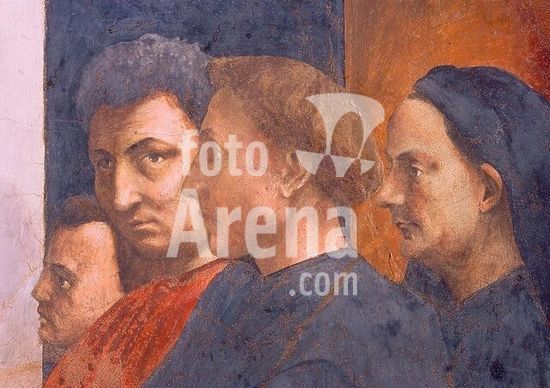
akg259567 Masaccio, origin. Tommaso di Giovanni di Simone Guidi; 1401-1328. / - "Saint Peter in Cathedra", c. 1425/27. Detail:. portr. fr. l.: Masolino, Masaccio, Alberti. & Brunelleschi. Fresco, overall dimensions of th. panel 230 × 598cm. Fr. th. cycle w. scenes fr. the story of St. Peter. Florence, S.Maria del Carmine, Cappella Brancacci, left wall, lower zone.
DC
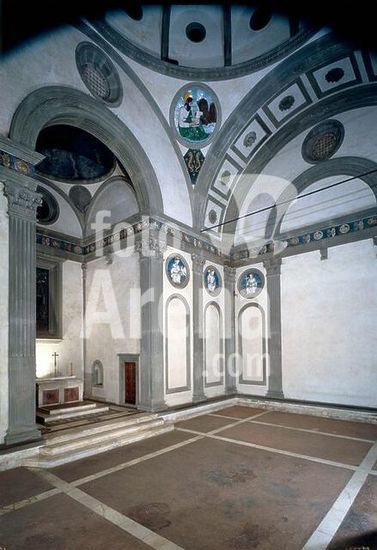
akg248922 Florence - Firenze (Toscana, Italy), S. Croce, Pazzi chapel - Cappella de'. Pazzi (funeral church of the founder family Pazzi; construction started 1429; arch.: Filippo Brunelleschi). Interior: main room with choir in southeast direction (terracotta tondo with apostles by Luca della Robbia). Photo, undated.
DC
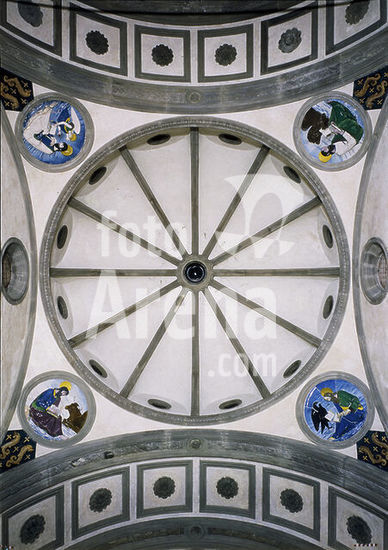
akg248925 Florence - Firenze (Toscana, Italy), S. Croce, Pazzi Chapel - Cappella de'. Pazzi (funeral chapel of the founder family Pazzi; construction started 1429; arch.: Filippo Brunelleschi). Interior: main dome (in the pendentive terracotta reliefs of the four evangelists, propably Venitian). Photo, undated.
DC
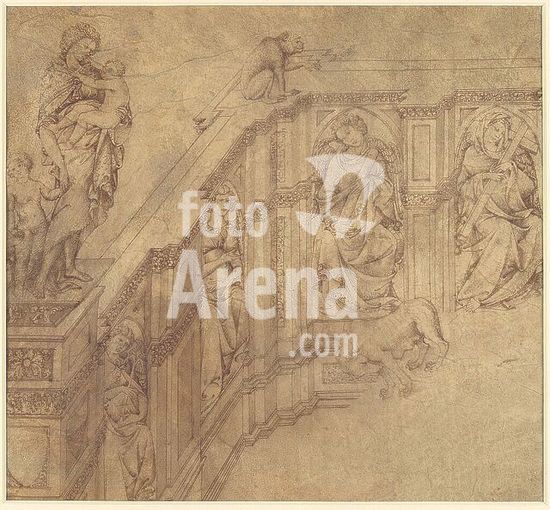
alb3659457 Design Fragment for the Left Side of the 'Fonte Gaia' in Siena. Artist: Jacopo della Quercia (Jacopo di Pietro d'Angelo di Guarnieri) (Italian, Siena 1374?-1438 Siena). Dimensions: 7-13/16 x 8-7/16 in. (20.1 x 21.4 cm). Date: 1415-16.This is one of the most historically important early Italian drawings in a United States collection, and is associated with a famous sculptural project in Renaissance Italy. The details of the project are complex but illuminate the crucial role of this drawing in the development of the commission. They are summarized here with new research. In 1408, Jacopo della Quercia was contracted by the magistrates (signori) of the republic of Siena to execute the Fonte Gaia ("Fountain of Joy"), a great rectangular basin with figural sculptures in marble, intended to replace a previously existing structure on the northwest edge of the Piazza del Campo, the main public space of the town. The damaged original fragments of the Fonte Gaia are today in Santa Maria della Scala (Siena) but remained in situ until 1858 when the ensemble was substituted with a facsimile copy by Tito Sarrocchi. Eleven years in the making, the Fonte Gaia served practical, symbolic, and aesthetic functions, as part of a larger program of public monuments initiated by the fiercely republican government of the comune that rose to power in 1404. It was the principal source of public waters in the center of Siena (a land-locked hill town), serving as a large cistern with several spouts that was supplied from the vast network of subterranean aqueducts, or bottini, which had been completed with a 25 km expansion at enormous expense in the late fourteenth century. The documents about the Fonte Gaia commission (preserved in the Archivio di Stato of Siena) confirm that drawings produced by Jacopo della Quercia served an important legal purpose, allowing the patrons to discuss and approve the state of the fountain as it progressed. Although much about the two drawing fragments in the Metropolitan Museum of Art and Victoria and Albert Museum has been debated (including their authorship, iconography, and precise purpose), the new visual-archaeological evidence and a critical reading of the documents clearly confirm the attribution to Jacopo della Quercia himself.On December 15, 1408, the magistrates of the republic established that the total cost of this major civic monument, dedicated to the Virgin as protectress of Siena, was not to exceed 1,700 gold florins. The commission for the Fonte Gaia was authorized and the terms of the contract with Jacopo were stipulated on January 22, 1409. This document refers to a deadline of twenty months for the completion of the fountain, as well as to its dimensions and decoration "with figures, foliage ornament, and marbles that are clearly shown in the above-mentioned drawing" ("cho' le figure, foglame, e marmi che nel disegno soprascritto chiaramente si dimostrano"). A memorandum of January 18, 1415, however, assessed the defects of the design and the incomplete state of the work as it stood: Jacopo della Quercia seems to have begun to produce the sculptures only in 1414, and between 1415-16 most of the sculptures or their preliminary models may have actually been complete. It also noted the need to expand the size of the fountain and to provide for the decoration of the exterior faces of the basin. On December 11, 1416, a new contract for the Fonte Gaia was drafted, since the prescribed deadline for completion of the monument had also long passed. This document of 1416 refers to a first drawing done in 1408, as well as to a new drawing on a piece of parchment or vellum ("carta edina"), as "designed and made by the hand of the said master Jacopo, presented by the lord magistrates themselves in the town council" ("dicti anni MCCCCVIII, secundum formam primi designi facti in Palatio magnificorum dominorum Priorum in sala dicti Palatii tendenti versus Campsum fori, et quod postea fuit facta nova location, secundum novum designum factum manu dicti magistri Iacobi ... et eo modo et forma et prout continetur et designatum est, et apparet in quadam carta edina manu dicti magistri Iacobi designata et facta, presentata per ipsos dominos Regulatores in Consistorio"). The Fonte Gaia was finished with the last payments to Jacopo della Quercia and the cancellation of the previous contracts for the project, recorded on October 9 and 20, 1419. The two surviving fragments at the Metropolitan Museum of Art and Victoria and Albert Museum pertain to the left and right portions of the Fonte Gaia, and originally constituted a large, very detailed single drawing on vellum of which the central portion is lost. The Victoria and Albert fragment has also been cut down substantially along the upper and bottom borders. The minute control of the figural and ornamental details especially evidence Jacopo della Quercia's early training as a goldsmith. Seen close up and in good light, the drawing style of the figures with parallel- and cross-hatching is also surprisingly expressive. The general iconography of the Fonte Gaia alludes to the virtues of good government of the republic of Siena, which are also celebrated in the fourteenth-century frescoes of the Palazzo Pubblico, which faced the original fountain across the Piazza del Campo. Two standing female figures, each accompanied by two infants, terminate the design of the fountain at left and right foreground in the present drawing fragments. They represent respectively Acca Larentia (she wears a fur) and Rhea Silvia (she wears a crown), who are the birth and foster mothers of the twins Romulus and Remus, founders of Rome, and who according to local legend were also the founders of Siena: these figures are much more individualized in the drawings than in the final marble sculptures. In addition to the she-wolf of Rome in the foreground of the Metropolitan Museum fragment, two other symbolic animals adorn the far corners of the low walls, an ape in the Metropolitan Museum fragment and a she-dog in the Victoria and Albert Museum fragment, possibly alluding to the kinds of sinfulness of the Roman twin's mothers. The rows of niches in the interior of the three low walls of the basin house the figures of Christian virtues. Of the scientific instrumentation used to examine the Metropolitan Museum drawing fragment, ultraviolet light especially clarifies that the wash modeling in iron-gall ink was originally much more extensive and powerful, and that it has greatly faded with age and light. Hence, the monumentality and overall sculptural quality of the original design, with its graded tonal transitions in the areas with wash and with pen-and-ink hatching in the deepest shadows, have been considerably diminished. The arguments that these drawings are by a painter (Priamo della Quercia, doc. 1426-1467, brother of Jacopo being one of the proposed candidates), rather than by a sculptor, therefore fall apart. When the two drawing fragments are seen together side by side, as in the present exhibition and as they were displayed in 1998 and 2010, it becomes clear that the Victoria and Albert portion depicts design elements in a greatly more incomplete state and is of more modest overall conception than the Metropolitan Museum fragment. A possible explanation is that the drawings may represent a kind of visual legal document, or ricordo, of the actual state of progress around 1415-16 of the carved monument and the fact that it was greatly unfinished in its right half at that point in time. The pilasters and much of the moldings are left unarticulated (almost blank) in the London fragment, while the New York drawing seems only slightly unfinished toward the lower right where the very summarily sketched outlines indicate a mount projecting forward from the low back wall that provides a ground-line for the she-wolf. The moldings at the bottom of the architectural framework toward right are also drawn in reserve and are therefore blank (this is verified by the view under the microscope and with infrared reflectography). These architectural lines stop quite short of the design of the mount. Close-up examination of both drawing fragments confirms that these passages of apparent unfinish are an intentional matter of facture, not ones due to compromised physical condition: they are not simply a case of the ink being faded in the blank parts of the designs. The New York and London drawing fragments portray a still fragmentary sculptural ensemble in which the passages of most incomplete execution generally occur in the middle to right portions of the fountain's decoration, although the degree to which the drawings are accurate records of the work in progress may be open to question. The New York and London drawing fragments also provide a greater amount of content and specific details much beyond what the Fonte Gaia documents describe, but represent a much less complex overall design than the fountain that was finally executed in marble by 1419. The drawing fragments therefore must date to 1415-16 or so, roughly speaking during the period of time in which the design of the Fonte Gaia was being reevaluated on the basis of the work in progress, and the new contract and "novum designum" for the greatly modified fountain were being drafted. The visual conventions of form adopted by Jacopo della Quercia in the New York and London fragments also shed light on the precise function of the monumental original drawing. In both drawing fragments, the detailed design of the precisely ruled architectural framework for the fountain with its sculpted allegorical figures, animals, and vegetal patterns of ornament is depicted with precise outlines and modeling in wash in a clearly expository manner so as to indicate the general illusion of the three-dimensional forms receding in space. The figures, animals, and ornament were then further individuated with clarity by the deeper modeling with strokes of spirited hatching. On the two lateral walls, the framing elements of the niches, pilasters, and moldings overlap the forms of the figural sculptures, but the overall design is constructed according to a parallel projection of all diagonal lines, or isometry, rather than a true, pictorial one-point perspective in the Renaissance style pioneered by Filippo Brunelleschi in which orthogonal lines converge on a single vanishing point. These pictorial conventions in the Fonte Gaia design fragments are rooted in Late Gothic practice and fit within a larger typology of architectural-sculptural drawings by Sienese artists from the second half of the fourteenth century onward. Such early Sienese drawings depict carefully ruled architectural ensembles decorated with meticulously drawn figural and ornamental sculpture, and are executed in pen and ink on parchment, as, for example, the drawings for the façade of the Baptistery of Siena and for a lavish, unexecuted pulpit perhaps intended for the Orvieto Cathedral (Siena, Opera del Duomo inv. 20; Orvieto, Opera del Duomo; London, British Museum 1899,0617.2; and Berlin, Kupferstichkabinett KdZ 3392). The result of the early historiography on the Fonte Gaia project has been that the Metropolitan Museum of Art and Victoria and Albert drawing fragments are usually published with a question mark after the attribution to Jacopo della Quercia. While the documents alone should suffice to settle the attribution beyond doubt, the scholarly debates have chiefly arisen from two problems. Firstly, the term disegno in Italian embraces the dual meanings of "design" and "drawing," and in making attributions a previous generation of scholars often overly preferred to regard the authorship of the design idea as separate from the actual execution of a drawing. Secondly, it is a choice of how narrowly or widely one interprets the phrase "manu dicti magistri Jacobi," "made by master Jacopo's hand." In the Italian vernacular, the phrasing in documents is frequently rendered as "fatto di sua mano." The phrase "di sua mano," "by his hand," and like wording have been much better understood by art historians with regard to early paintings and sculptures. The large physical scale of projects often entailed the delegation of labor among collaborators and workshop assistants, and this consequently raises nuanced dimensions of authorship in examining a design with respect to its execution. But, one must emphasize, this is more often than not the wrong paradigm for the analysis of early modern drawings. When referring to actual drawings, at least of a reasonably portable scale, the Italian Renaissance artist, patron, and author applied the phrase "di sua mano" in a most literal and practical sense (that was usually also legally binding in the case of contractual documents), to mean that a drawing was physically made by the artist's hand. At the same time, one must also emphasize that the understanding of the phrase, "di sua mano," as meaning that a drawing was physically by the artist's hand went much beyond the sphere of official contractual drawings: the phrase is used in this narrow, literal sense in a variety of written sources of the early modern period (letters, ricordi, and writings on art including, Giorgio Vasari's Vite de' più eccellenti pittori, scultori e architettori).Carmen C. Bambach (2014). Museum: Metropolitan Museum of Art, New York, USA.
DC
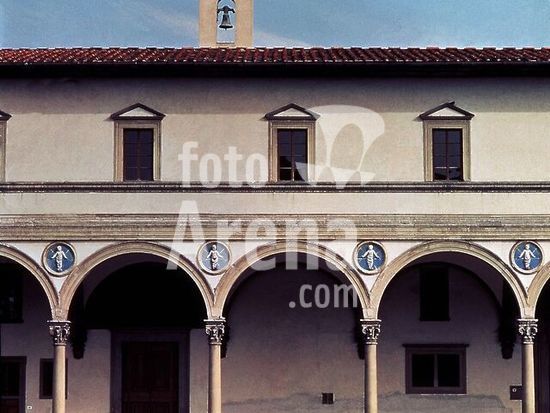
orz138337 DETALLE DE LA FACHADA DEL HOSPITAL DE LOS INOCENTES - SIGLO XV. Author: FILIPPO BRUNELLESCHI (1377-1446). Location: HOSPITAL DE LOS INOCENTES. Florenz. ITALIA.
DC

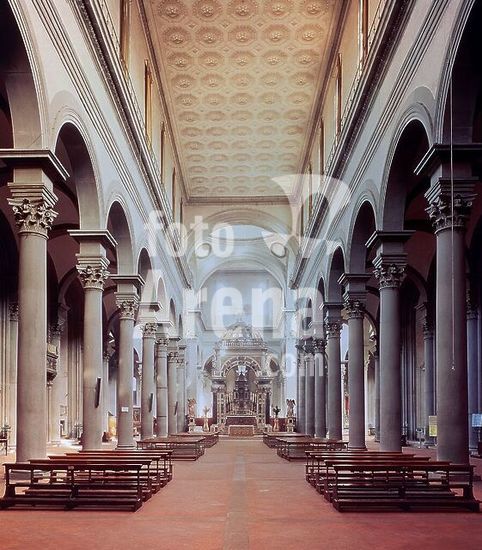
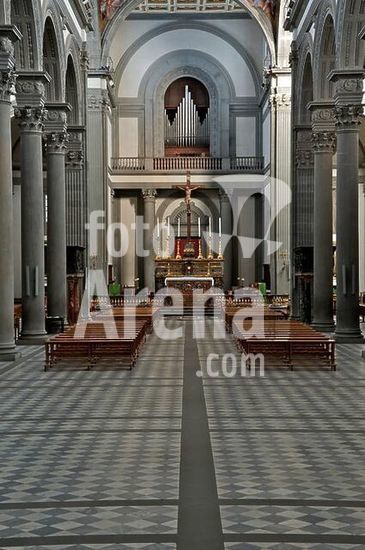
orz022810 VISTA DE LA NAVE CENTRAL DESDE LA ENTRADA, AL FONDO EL BALDAQUINO BARROCO AÑADIDO EN 1601. Author: FILIPPO BRUNELLESCHI (1377-1446). Location: IGLESIA DEL SANTO ESPIRITU. Florenz. ITALIA.
DC

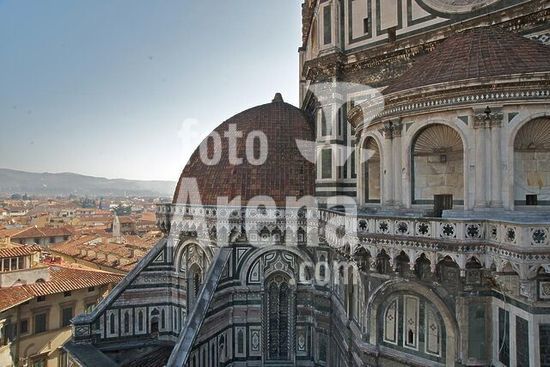
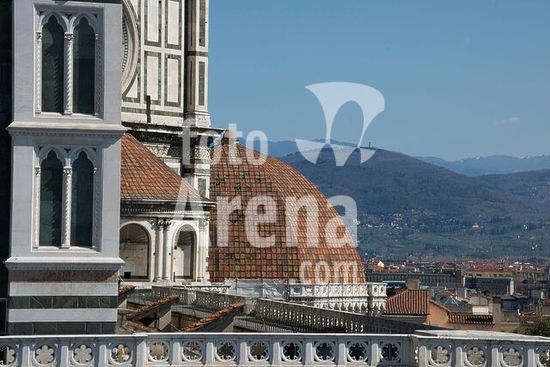
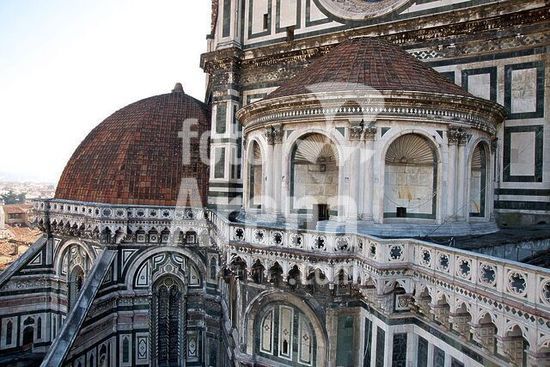
akg1691776 Florenz / Firenze (Toskana, Italien), Dombezirk, Dom / Duomo Santa Maria del Fiore (erbaut 1296-1436; Arch.: Arnolfo di Cambio; Campanile 1334-1359; Arch.: Giotto, A.Pisano u.a.; Kuppel 1429-57; Arch.: Filippo Brunelleschi; Westfassade 1871-87; Arch.: Emilio de Fabris). /-Teilansicht der Chorpartie von Nordwesten: rechts eine der Exedren, ...
DC

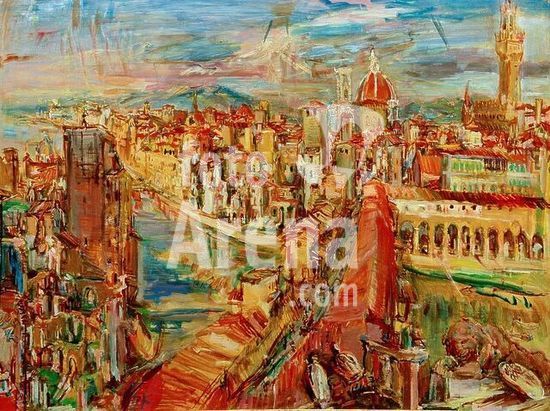
akg995657 Kokoschka, Oskar 1886-1980. "Florence: View from the Mannelli Tower" Oil on canvas, 85.5 x 110 cm. Museum: Private Collection., Privatsammlung.
DC

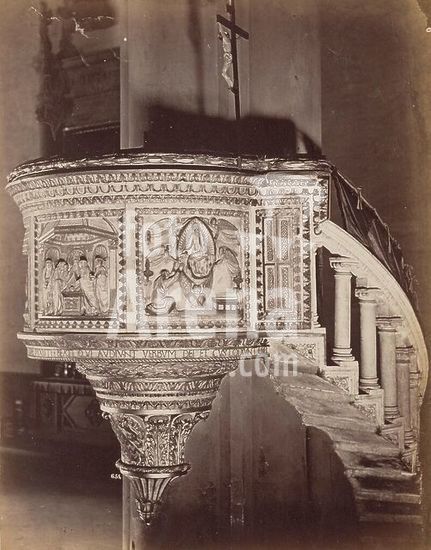
alb15600068 Pulpit in the Santa Maria Novella in Florence, Italy, Sa. Maria Novella-pulpito dal Brunellesco, rillievi Sa. Maestro Lazzaro (title on object), Firenze (series title on object), photograph, anonymous, after design by: Filippo Brunelleschi, Florence, 1851 - 1900, cardboard, albumen print, height, 257 mm × width, 194 mm.
DC
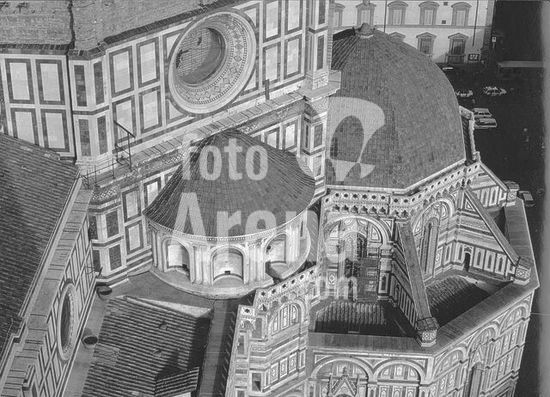
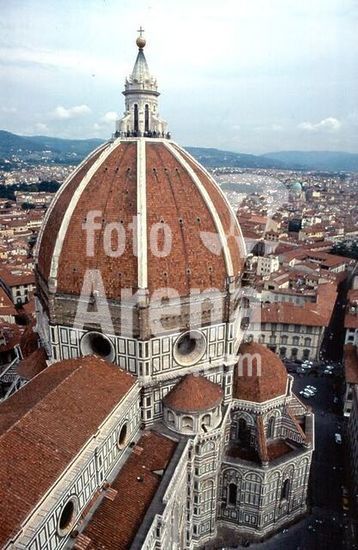
akg295194 Florence, Italy. Florence Cathedral, built 1296 - 1436, cupola, 1420 - 1436, designed by. Filippo Brunalleschi. Bird's eye view of the cathedral. Photo.
DC
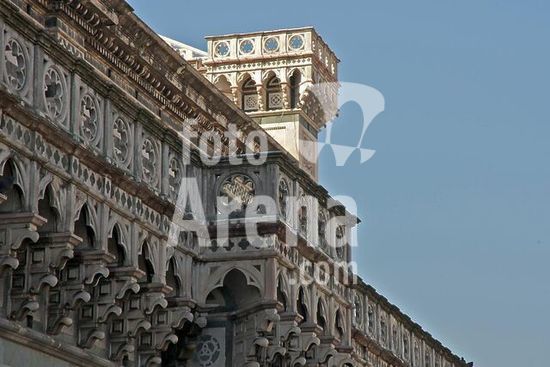
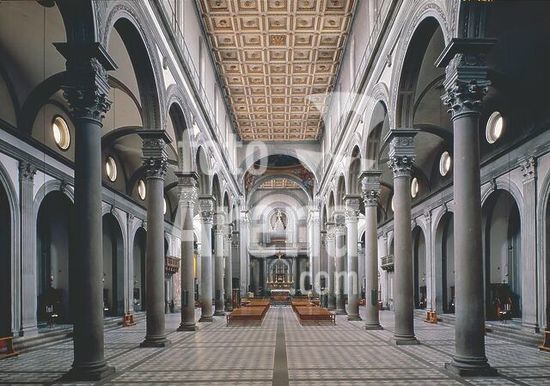
akg273037 Florence - Firenze (Tuscany, Italy), S.Lorenzo church. (built 1418-69.; arch.: Filippo Brunelleschi). Interior view. Photo, undated.
DC
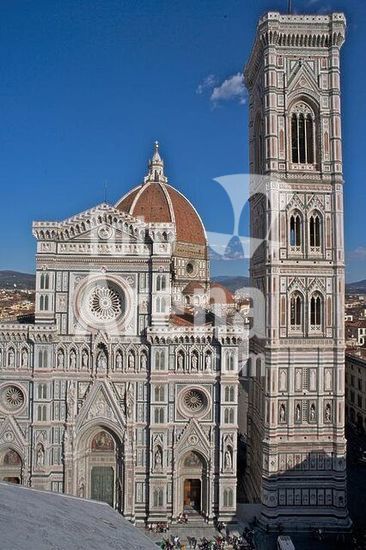
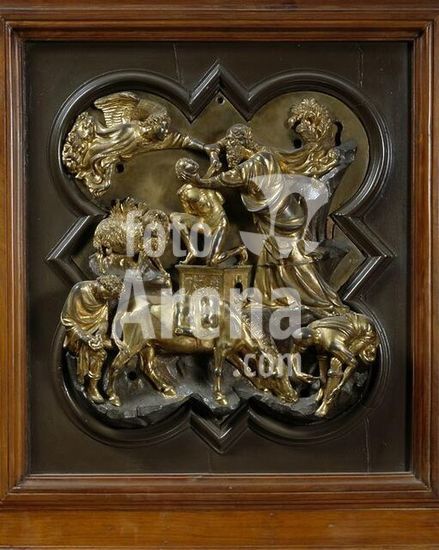
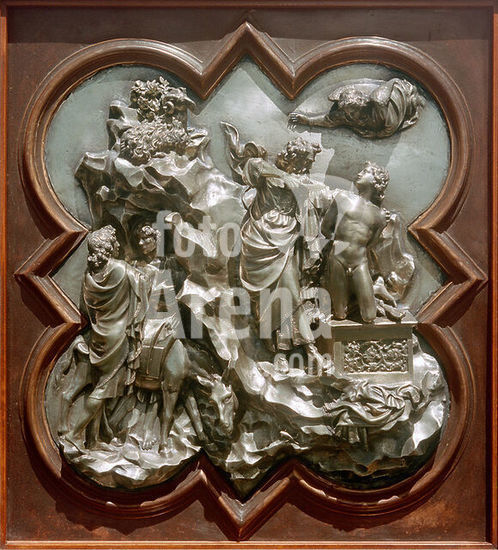
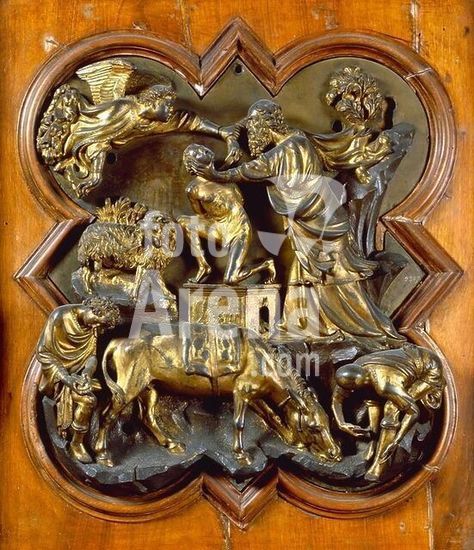
akg1002656 Brunelleschi, Filippo; 1377-1446. "Die Opferung Isaaks", 1402. (Konkurrenzentwurf für die Türe des Baptisteriums in Florenz). Vergoldetes Bronzerelief, 46 x 40 cm. Inv.Nr. 209 (Aufnahme nach der Restaurierung). Museum: Museo Nazionale del Bargello., Florenz.
DC
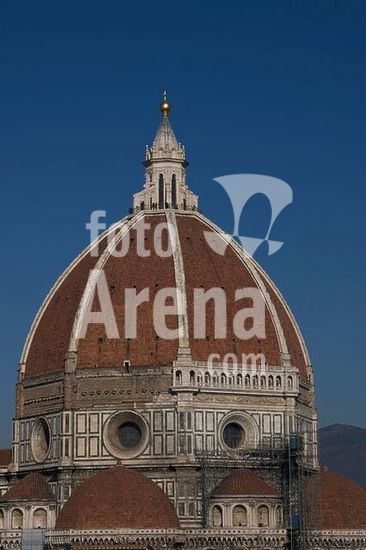
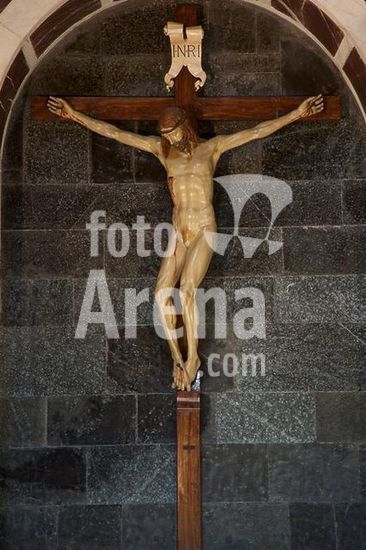
akg1418966 Brunelleschi, Filippo; 1377-1446. /-Kruzifix.-/ Skulptur, um 1410/15. Holz, geschnitz, polychrom bemalt, Corpus 170 x 170 cm. Florenz / Firenze ( Toskana, Italien), Kirche Santa Maria Novella, Cappella Gondi.
DC
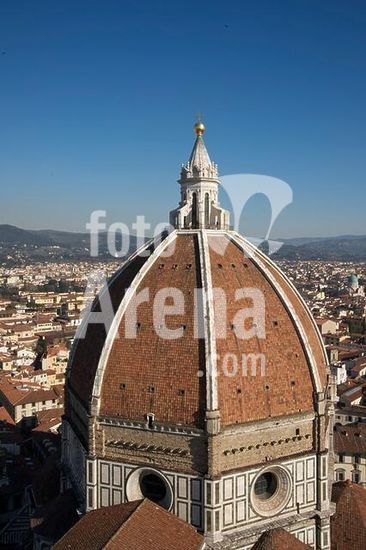
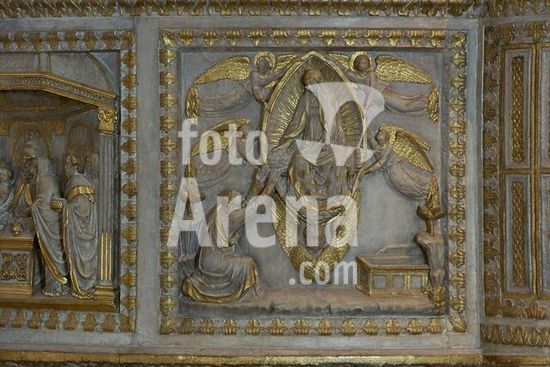
akg1418962 Florenz / Firenze (Toskana, Italien), Kirche Santa Maria Novella, Marmorkanzel am zweiten Arkadenpfeiler der linken Seite des Mittelschiffs. /-Mariä Himmelfahrt.-/ Relief, 1443/48, von Andrea Cavalcanti, genannt Buggiano ( 1412-1462) nach Entwurf von Filippo Brunelleschi (1377-1446). Viertes Relief aus der Serie von vier Szenen des ...
DC
akg1418961 Florenz / Firenze (Toskana, Italien), Kirche Santa Maria Novella, Marmorkanzel am zweiten Arkadenpfeiler der linken Seite des Mittelschiffs. /-Darstellung im Tempel.-/ Relief, 1443/48, von Andrea Cavalcanti, genannt Buggiano ( 1412-1462) nach Entwurf von Filippo Brunelleschi (1377-1446). Drittes Relief aus der Serie von vier Szenen des ...
DC
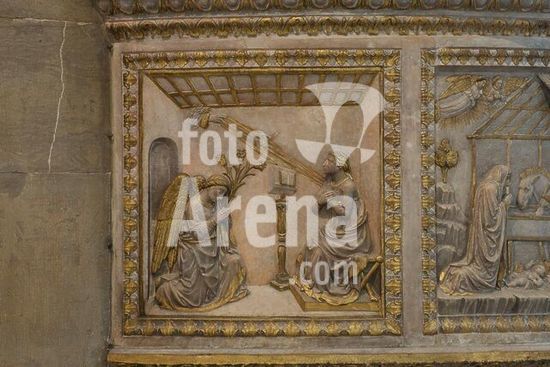
akg1418959 Florenz / Firenze (Toskana, Italien), Kirche Santa Maria Novella, Marmorkanzel am zweiten Arkadenpfeiler der linken Seite des Mittelschiffs. /-Verkündigung an Maria.-/ Relief, 1443/48, von Andrea Cavalcanti, genannt Buggiano (1412-1462) nach Entwurf von Filippo Brunelleschi (1377-1446). Erstes Relief aus der Serie von vier Szenen ...
DC
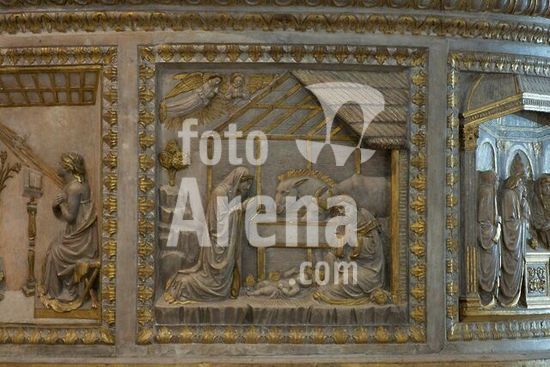
akg1418960 Florenz / Firenze (Toskana, Italien), Kirche Santa Maria Novella, Marmorkanzel am zweiten Arkadenpfeiler der linken Seite des Mittelschiffs. /-Christi Geburt.-/ Relief, 1443/48, von Andrea Cavalcanti, genannt Buggiano (1412-1462) nach Entwurf von Filippo Brunelleschi ( 1377-1446). Zweites Relief aus der Serie von vier Szenen des Marienlebens an d...
DC
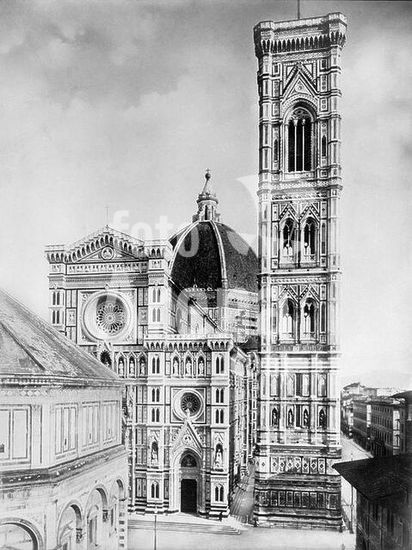
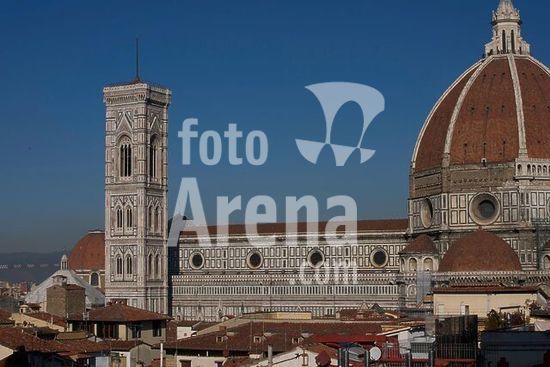
akg1007677 Florenz, Dom S. Maria del Fiore, (1296-1436; Campanile 1334-1359 von Giotto, A.Pisano u.a.; Kuppel 1429-57 von Brunelleschi; Westfassade 1871-87 von Emilio de Fabris).-Ansicht mit Campanile von Westen.-Lichtdruck nach Photographie, undat. (Ende 19. Jahrhundert).
DC
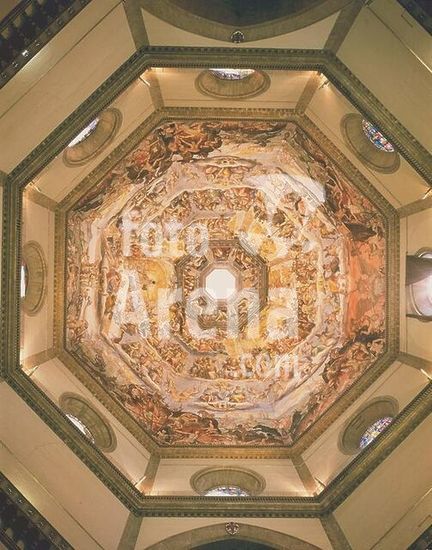
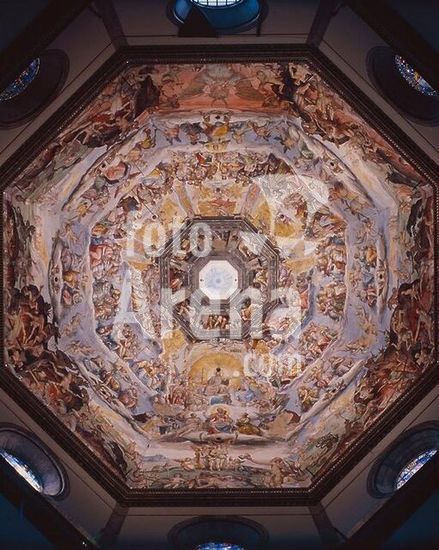
akg255788 Florence (Italy), Santa Maria del Fiore, (1296-1436; dome 1429-57 by Filippo Brunelleschi). - Interior: View of the dome with the fresco "The Last Judgement", begun in. 1572 byGiorgio Vasari (1511-1574), completed in 1579 by Federico Zuccari (c. 1540-1609). - / Photo, undated.
DC
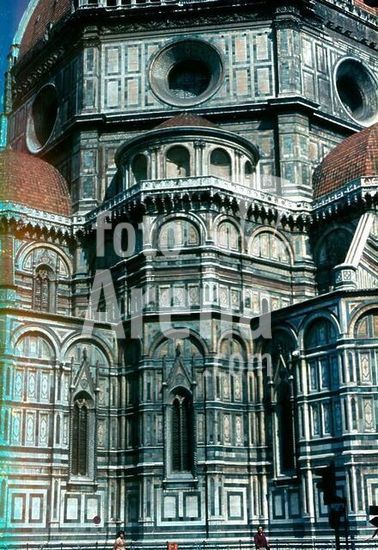
akg1691777 Florenz / Firenze (Toskana, Italien), Dombezirk, Dom / Duomo Santa Maria del Fiore (erbaut 1296-1436; Arch.: Arnolfo di Cambio; Campanile 1334-1359; Arch.: Giotto, A.Pisano u.a.; Kuppel 1429-57; Arch.: Filippo Brunelleschi; Westfassade 1871-87; Arch.: Emilio de Fabris). /-Teilansicht der Chorpartie von Nordwesten mit nördlicher Chor-Tribun...
DC
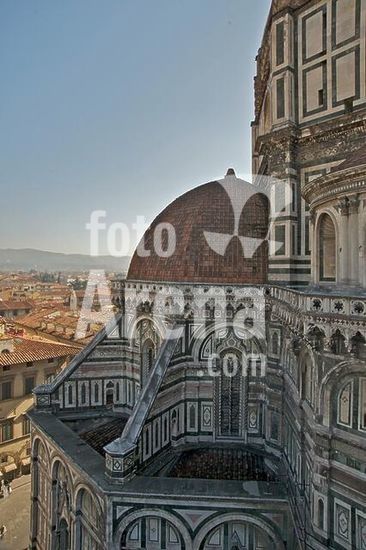
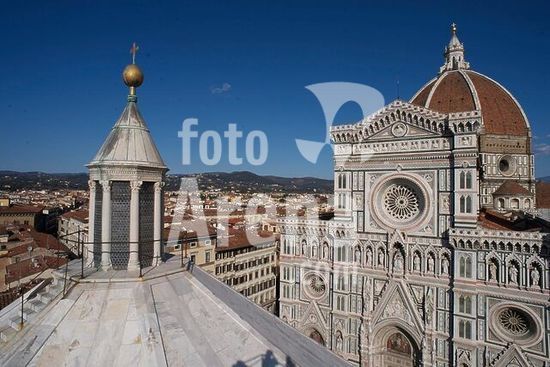
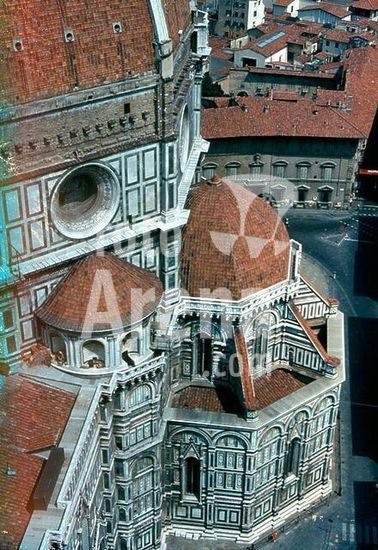
akg1691779 Florenz / Firenze (Toskana, Italien), Dombezirk, Dom / Duomo Santa Maria del Fiore (erbaut 1296-1436; Arch.: Arnolfo di Cambio; Campanile 1334-1359; Arch.: Giotto, A.Pisano u.a.; Kuppel 1429-57; Arch.: Filippo Brunelleschi; Westfassade 1871-87; Arch.: Emilio de Fabris). /-Teilansicht von Westen: Blick vom Dach des Baptisteriums auf die Dachzone de...
DC
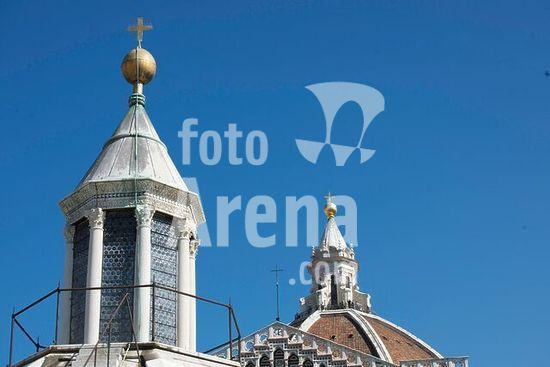
akg1691341 Florenz / Firenze (Toskana, Italien), Dombezirk, Baptisterium / Battistero di S.Giovanni (10./11. Jahrhundert). /-Teilansicht: Laterne (errichtet 1150); dahinter die Kuppel des Domes (1429-57 von Filippo Brunelleschi).-Foto, 13. 3. 2012.
DC
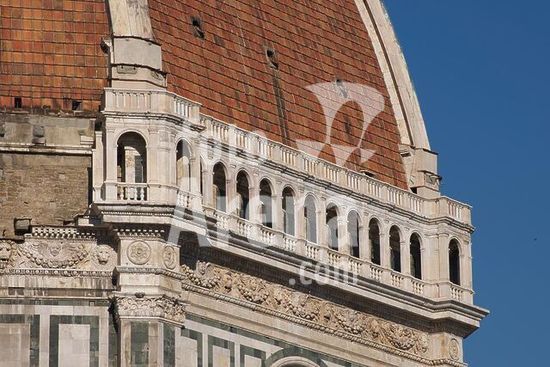
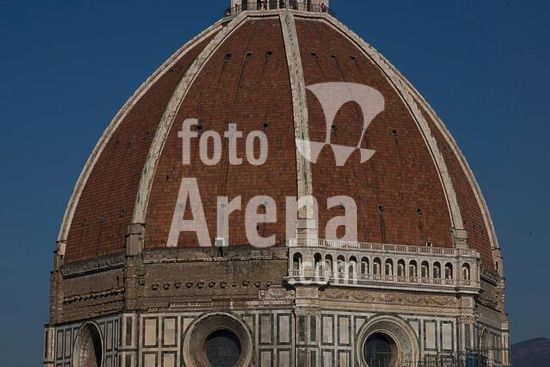
akg1691765 Florenz / Firenze (Toskana, Italien), Dombezirk, Dom / Duomo Santa Maria del Fiore (erbaut 1296-1436; Arch.: Arnolfo di Cambio), Kuppel (erbaut 1429-57; Arch.: Filippo Brunelleschi).-Teilansicht der Kuppel: Südöstliche Seite des Oktogons mit dem Bogenumgang ( erbaut 1508-12; Arch.: Baccio d'Agnolo).-/ Foto, 11. 1. 2012.
DC
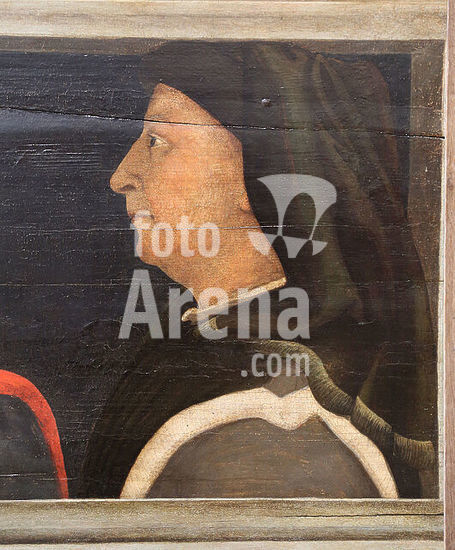
alb11626660 Portrait of archiech Filippo Brunelleschi (1377-1446). Detail. Five famous men, 1450, by Paolo Ucello (1397-1475). Louvre Museum. Paris. France.
DC
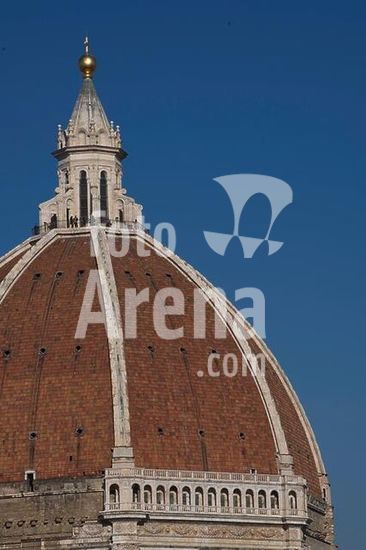
akg1691767 Florenz / Firenze (Toskana, Italien), Dombezirk, Dom / Duomo Santa Maria del Fiore (erbaut 1296-1436; Arch.: Arnolfo di Cambio), Kuppel (erbaut 1429-57; Arch.: Filippo Brunelleschi). /-Ansicht der Kuppel von Südosten mit dem Bogenumgang an der südöstlichen Seite des Oktogons (erbaut 1508-12; Arch.: Baccio d'Agnolo).-/ Foto, 25. 1. 2012.
DC
akg1691769 Florenz / Firenze (Toskana, Italien), Dombezirk, Dom / Duomo Santa Maria del Fiore (erbaut 1296-1436; Arch.: Arnolfo di Cambio), Kuppel (erbaut 1429-57; Arch.: Filippo Brunelleschi). /-Teilansicht der Kuppel von Südosten mit dem Bogenumgang an der südöstlichen Seite des Oktogons (erbaut 1508-12; Arch.: Baccio d'Agnolo).-/ Foto, 25...
DC
akg1691782 Florenz / Firenze (Toskana, Italien), Dombezirk, Dom / Duomo Santa Maria del Fiore (erbaut 1296-1436; Arch.: Arnolfo di Cambio; Campanile 1334-1359; Arch.: Giotto, A.Pisano u.a.; Kuppel 1429-57; Arch.: Filippo Brunelleschi; Westfassade 1871-87; Arch.: Emilio de Fabris). /-Ansicht von Südwesten; im Vordergrund Dach und Laterne des Baptisteriums.-...
DC
akg1691778 Florenz / Firenze (Toskana, Italien), Dombezirk, Dom / Duomo Santa Maria del Fiore (erbaut 1296-1436; Arch.: Arnolfo di Cambio; Campanile 1334-1359; Arch.: Giotto, A.Pisano u.a.; Kuppel 1429-57; Arch.: Filippo Brunelleschi; Westfassade 1871-87; Arch.: Emilio de Fabris). /-Teilansicht der Chorpartie von Nordwesten mit einer der Exedren, ...
DC
akg1691766 Florenz / Firenze (Toskana, Italien), Dombezirk, Dom / Duomo Santa Maria del Fiore (erbaut 1296-1436; Arch.: Arnolfo di Cambio), Kuppel (erbaut 1429-57; Arch.: Filippo Brunelleschi).-Teilansicht der Kuppel: Südöstliche Seite des Oktogons mit dem Bogenumgang ( erbaut 1508-12; Arch.: Baccio d'Agnolo).-/ Foto, 25. 1. 2012.
DC
akg1691783 Florenz / Firenze (Toskana, Italien), Dombezirk, Dom / Duomo Santa Maria del Fiore (erbaut 1296-1436; Arch.: Arnolfo di Cambio; Campanile 1334-1359; Arch.: Giotto, A.Pisano u.a.; Kuppel 1429-57; Arch.: Filippo Brunelleschi; Westfassade 1871-87; Arch.: Emilio de Fabris). /-Teilansicht von Westen: Südwestecke der Westfassade und Kuppel.-/ Foto, 13....
DC
akg1691772 Florenz / Firenze (Toskana, Italien), Dombezirk, Dom / Duomo Santa Maria del Fiore (erbaut 1296-1436; Arch.: Arnolfo di Cambio; Campanile 1334-1359; Arch.: Giotto, A.Pisano u.a.; Kuppel 1429-57; Arch.: Filippo Brunelleschi; Westfassade 1871-87; Arch.: Emilio de Fabris). /-Ansicht der Kuppel von Südosten mit dem Bogenumgang an der südöstlichen Seite...
DC
akg1691770 Florenz / Firenze (Toskana, Italien), Dombezirk, Dom / Duomo Santa Maria del Fiore (erbaut 1296-1436; Arch.: Arnolfo di Cambio), Kuppel (erbaut 1429-57; Arch.: Filippo Brunelleschi). /-Ansicht der Kuppel von Südosten mit dem Bogenumgang an der südöstlichen Seite des Oktogons (erbaut 1508-12; Arch.: Baccio d'Agnolo).-/ Foto, 25. 1. 2012.
DC
akg280988 Florence - Firenze (Tuscany, Italy), S.Maria del Fiore, (1296-1436; cupola 1429-57 by Filippo Brunelleschi). - Interior: view of the cupola with fresco "The Last Judgement", begun. 1572 by Giorgio Vasari (1511-1574, completed in 1579 by Federico Zuccari (c. 1540-1609). Photo, undated.
DC
akg1691773 Florenz / Firenze (Toskana, Italien), Dombezirk, Dom / Duomo Santa Maria del Fiore (erbaut 1296-1436; Arch.: Arnolfo di Cambio; Campanile 1334-1359; Arch.: Giotto, A.Pisano u.a.; Kuppel 1429-57; Arch.: Filippo Brunelleschi; Westfassade 1871-87; Arch.: Emilio de Fabris). /-Ansicht von Süden.-/ Foto, 25. 1. 2012.
DC
akg1691775 Florenz / Firenze (Toskana, Italien), Dombezirk, Dom / Duomo Santa Maria del Fiore (erbaut 1296-1436; Arch.: Arnolfo di Cambio; Campanile 1334-1359; Arch.: Giotto, A.Pisano u.a.; Kuppel 1429-57; Arch.: Filippo Brunelleschi; Westfassade 1871-87; Arch.: Emilio de Fabris). /-Teilansicht von Nordosten: Kranzgesims der nördlichen Langhausseite mit ...
DC
akg1691780 Florenz / Firenze (Toskana, Italien), Dombezirk, Dom / Duomo Santa Maria del Fiore (erbaut 1296-1436; Arch.: Arnolfo di Cambio; Campanile 1334-1359; Arch.: Giotto, A.Pisano u.a.; Kuppel 1429-57; Arch.: Filippo Brunelleschi; Westfassade 1871-87; Arch.: Emilio de Fabris). /-Ansicht von Westen (Blick vom Dach des erzbischöflichen Palastes auf den Dom...
DC
akg1691768 Florenz / Firenze (Toskana, Italien), Dombezirk, Dom / Duomo Santa Maria del Fiore (erbaut 1296-1436; Arch.: Arnolfo di Cambio), Kuppel (erbaut 1429-57; Arch.: Filippo Brunelleschi). /-Ansicht der Kuppel von Südosten mit dem Bogenumgang an der südöstlichen Seite des Oktogons (erbaut 1508-12; Arch.: Baccio d'Agnolo).-/ Foto, 25. 1. 2012.
DC
akg1691771 Florenz / Firenze (Toskana, Italien), Dombezirk, Dom / Duomo Santa Maria del Fiore (erbaut 1296-1436; Arch.: Arnolfo di Cambio), Kuppel (erbaut 1429-57; Arch.: Filippo Brunelleschi). /-Ansicht der Kuppel von Südosten mit dem Bogenumgang an der südöstlichen Seite des Oktogons (erbaut 1508-12; Arch.: Baccio d'Agnolo).-/ Foto, 26. 1. 2012.
DC
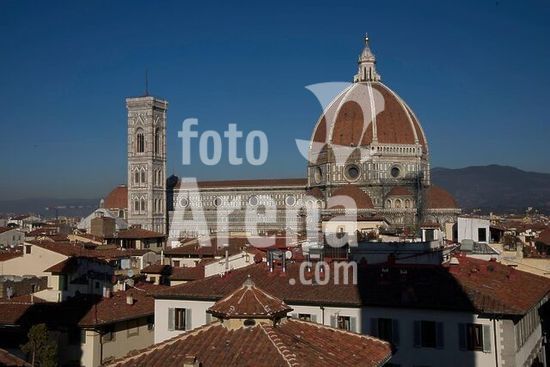
akg1691774 Florenz / Firenze (Toskana, Italien), Dombezirk, Dom / Duomo Santa Maria del Fiore (erbaut 1296-1436; Arch.: Arnolfo di Cambio; Campanile 1334-1359; Arch.: Giotto, A.Pisano u.a.; Kuppel 1429-57; Arch.: Filippo Brunelleschi; Westfassade 1871-87; Arch.: Emilio de Fabris). /-Gesamtansicht von Süden: Blick vom Dach des Bargello.-/ Foto, 25. 1. 2012.
DC
akg5463578 nach: Ghiberti, Lorenzo; 1378-1455. "Die Opferung Isaaks". Kopie (digital erstellter Nachguss) nach dem Bronzerlief, 1402, von Filippo Brunelleschi (Konkurrenzentwurf für die Türe des Baptisteriums in Florenz. Original im Bargello in Florenz). Bronze, teilvergoldet, 44 x 38 cm. Florenz, Galleria Frilli.
DC
akg261052 Brunelleschi, Filippo. 1377-1446. "The Sacrifice of Isaac", 1402. (Competition design for the door of the baptistery in Florence). Gilded bronze relief, 46 × 40cm. Florence, Museo Nazionale del Bargello. Museum: Florenz, Museo Nazionale del Bargello.
DC
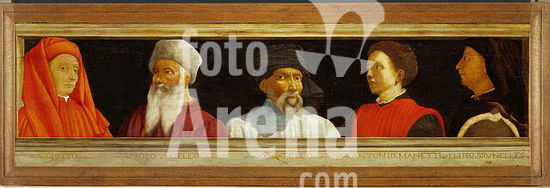
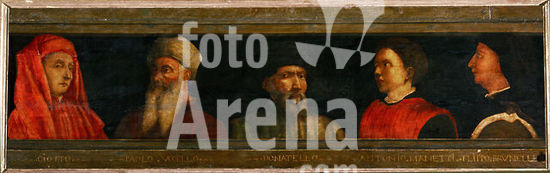
akg328422 Uccello, Paolo. c. 1397 - 1475. -"The five Masters of Florentine Art: Giotto, Uccello, Donatello, Manetti, Brunelleschi", c. 1450. - Oil on wood, 43 × 210cm. Paris, Musée du Louvre. Museum: Paris, Musée Du Louvre.
DC
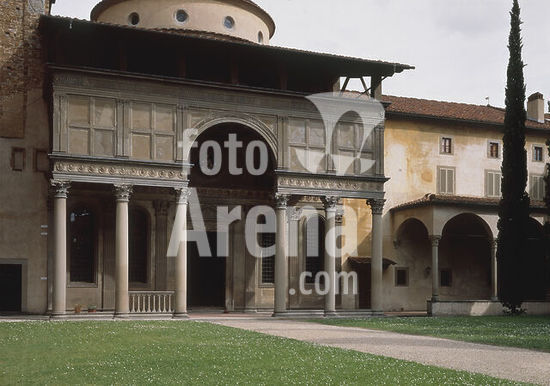
akg248919 Florence - Firenze (Toscana, Italy), S. Croce, Pazzi-Chapel - Cappella de' Pazzi. (Funeral chapel of the founder family Pazzi; construction started 1429; architect: Filippo Brunelleschi). Exterior: entrance hall (incompleted) and dome tambour. Photo, undated.
DC
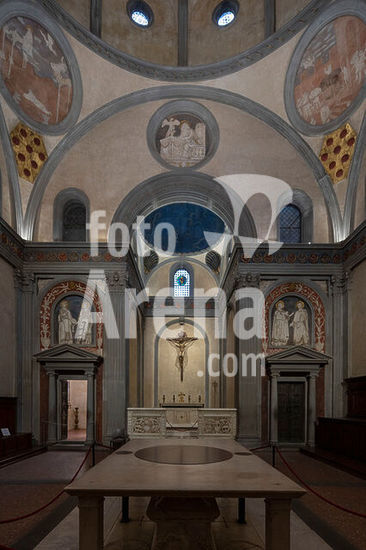
akg7877215 Florenz, Firenze, San Lorenzo, Erster Kirchenbau der Renaissance, Alte Sakristei, 1419-1422 von Filippo Brunelleschi erbaut.
DC
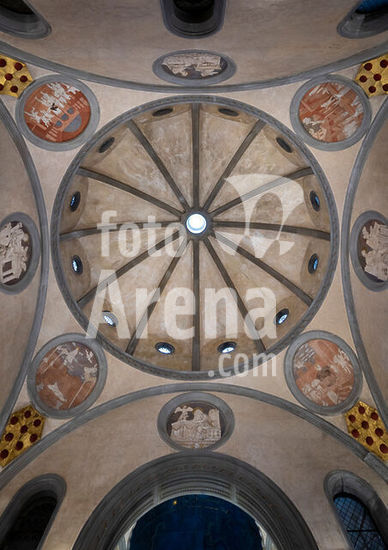
akg7877216 Florenz, Firenze, San Lorenzo, Erster Kirchenbau der Renaissance, Alte Sakristei, 1419-1422 von Filippo Brunelleschi erbaut, Blick in die 12-teilige Melonenkuppel (Schirmkuppel).
DC
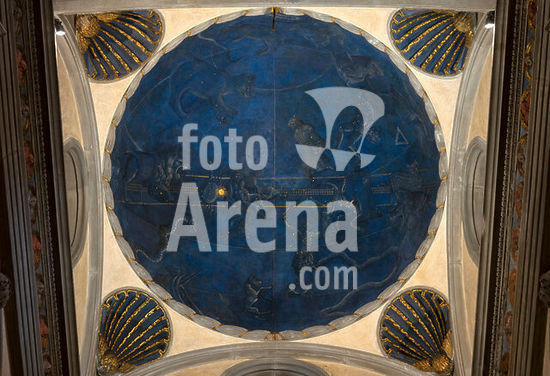
akg7877214 Florenz, Firenze, San Lorenzo, Erster Kirchenbau der Renaissance, Alte Sakristei, 1419-1422 von Filippo Brunelleschi erbaut, Blick in die Kuppel über dem Altar mit Fresko des Sternbildes zur Grundsteinlegung.
DC
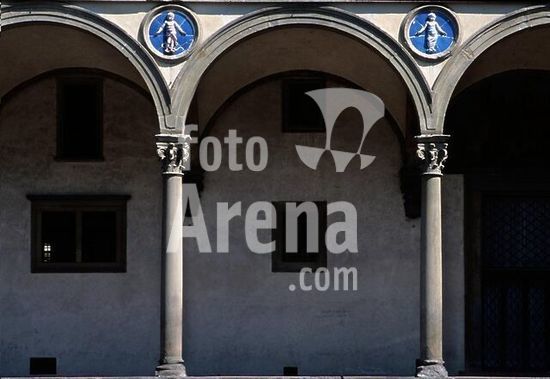
akg896899 Florence / Firenze (Tuscany, Italy), Ospedale degli Innocenti (Foundling Hospital; erected from 1422-1445 by Filippo Brunelleschi; Facade includes terra cotta tondi, 1463, by Andrea della Robbia; 1435-1525).-Partial view of facade.-Photo, 2000.
DC
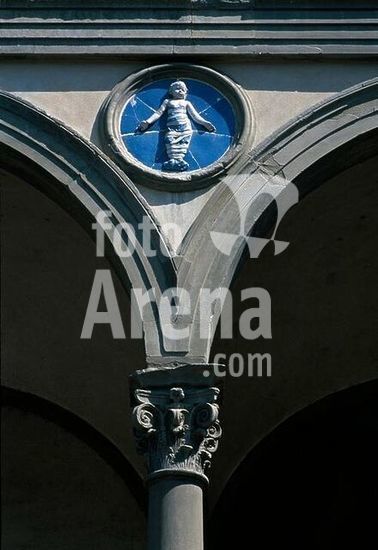
akg896900 Florence / Firenze (Tuscany, Italy), Ospedale degli Innocenti (Foundling Hospital; erected from 1422-1445 by Filippo Brunelleschi).-Partial view of facade: terra cotta tondo, 1463, by Andrea della Robbia; (1435-1525).-Photo, January 2007.
DC
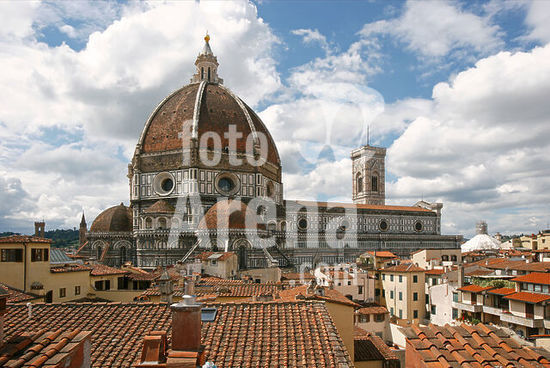
akg5590994 Florence / Firenze (Tuscany, Italy), Cathedral / Duomo Santa Maria del Fiore (built 1296-1436, architect: Arnolfo di Cambio, Campanile 1334-1359, arch.: Giotto, A. Pisano and others, dome 1429-57, arch: Filippo Brunelleschi, west façade 1871 -87; Arch.: Emilio de Fabris). - View from the north from the roof terrace of the Palazzo Pucci to the Duomo. - Photo, undated.
DC
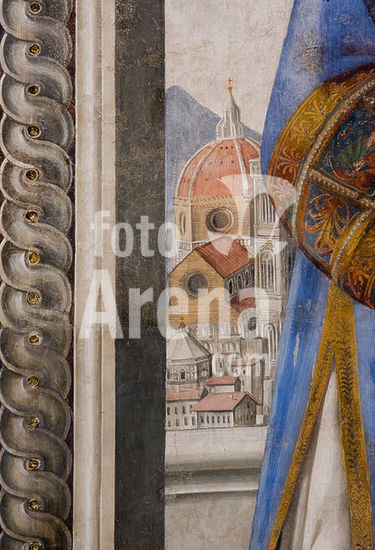
akg5596212 Florence / Firenze (Tuscany, Italy), Cathedral / Duomo Santa Maria del Fiore (built 1296-1436, architect: Arnolfo di Cambio, Campanile 1334-1359, arch.: Giotto, A. Pisano and others, dome 1429-57, arch: Filippo Brunelleschi). - View of the Cathedral with the Baptistery from the west. - Detail from the fresco "Saint Zenobius with the sacred deacons Eugenius and Crescentius", 1482/84, by Domenico Ghirlandaio (1449-1494) and workshop. Florence / Firenze (Tuscany, Italy), Palazzo Vecchio, 2nd floor, Lily Room / Sala dei Gigli, main wall.
DC
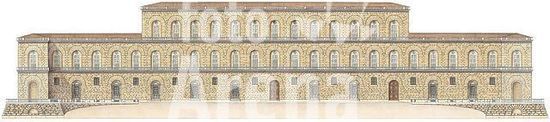
akg1975015 Hauptfassade des Palazzo Pitti; Ort: Florenz, Piazza Pitti; Architekten: Filippo Brunelleschi (1377-1446), Bartolomeo Ammanati (1511-1592); Bauzeit: 1440/1458, 1558-1577. Copyright: For editorial use only. Not for postcards or posters.
DC
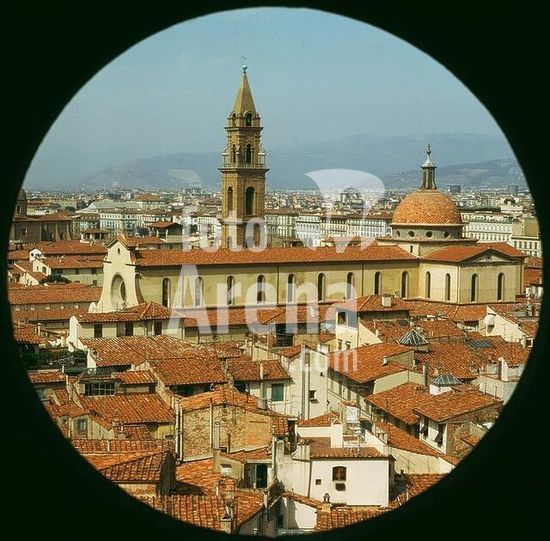
akg941741 Florenz / Firenze (Toskana, Italien), Kirche Santo Spirito (erbaut 1436-82), (erbaut 1436-1482; Arch.: Filippo Brunelleschi).-Gesamtansicht von Südosten.-Foto, undatiert.
DC
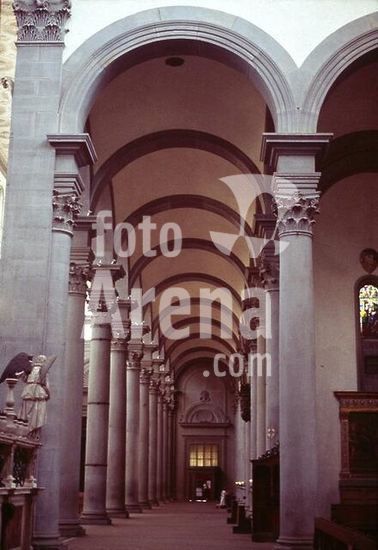
akg199296 Florence S. Spirito (built 1436-1482 by Felippo Brunelleschi). - Interior view: north side aisle looking east. Photo, 1981.
DC
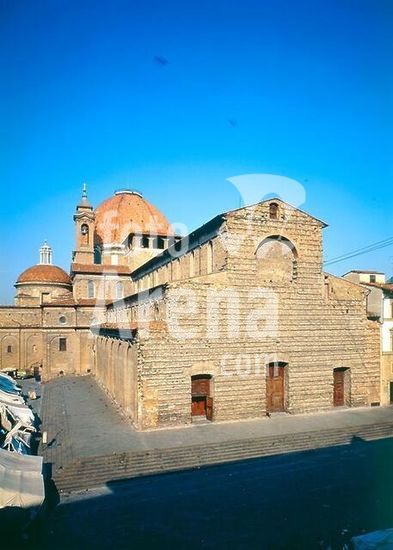
akg194604 Florence - Firenze (Tuscany, Italy), Church S. Lorenzo. (built 1418-69.; Arch.: Filippo Brunelleschi). - Exterior view: Facade (incomplete). right the Alte Sakristei; behind the dome is the Prince Chapel (from 1605; Arch.: Buontalenti). Photo, undat.
DC
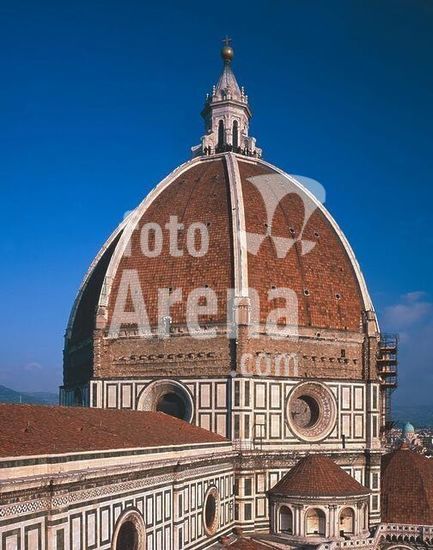
akg248641 Florence - Firenze (Toscana, Italy), Dome S. Maria del Fiore, (1296-1436; dome 1429-57 by Filippo Brunelleschi). Exterior: view of the dome from the Campanile. Photo, undated.
DC
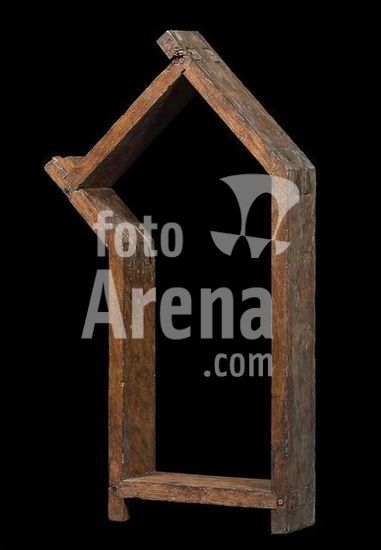
akg3335356 Florenz / Firenze (Toskana, Italien), Dom / Duomo Santa Maria del Fiore, Kuppel (erbaut 1420-36; Arch.: Filippo Brunelleschi). - Holzrahmen zur Formung der Ziegelsteine für den Bau der Kuppel des Domes Santa Maria del Fiore. - Florenz, um 1420/36. Florenz, Museo dell'Opera del Duomo. Museum: Florence, Museo dell'Opera del Duomo. Author: ANONYMOUS.
DC
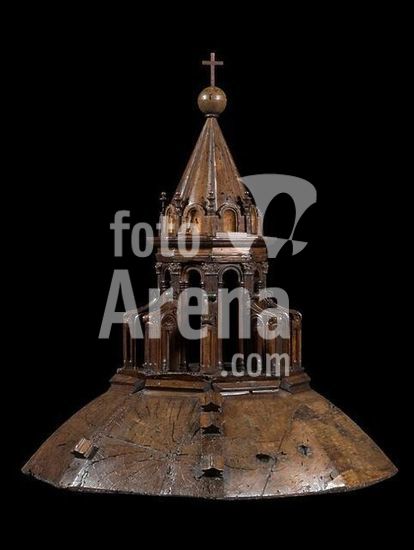
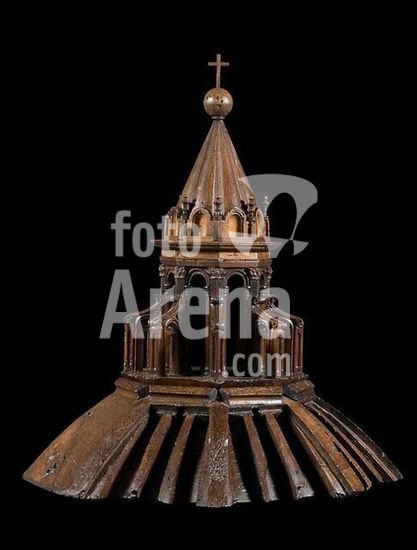
akg3335440 Florenz / Firenze (Toskana, Italien), Dom / Duomo Santa Maria del Fiore, Kuppel (erbaut 1420-36; Arch.: Filippo Brunelleschi; Ausführung der Laterne nach 1446 durch Michelozzo, Antonio Manette, Bernardo Rossellino und Tommaso Succhielli). - Modell für die Laterne der Kuppel. - Holz. Florenz, Museo dell'Opera del Duomo. Museum: Florence, Museo dell'Opera del Duomo. Author: ANONYMOUS.
DC
akg3335438 Florenz / Firenze (Toskana, Italien), Dom / Duomo Santa Maria del Fiore, Kuppel (erbaut 1420-36; Arch.: Filippo Brunelleschi; Ausführung der Laterne nach 1446 durch Michelozzo, Antonio Manetti, Bernardo Rossellino und Tommaso Succhielli). - Modell für die Laterne der Kuppel. - Holz. Florenz, Museo dell'Opera del Duomo. Museum: Florence, Museo dell'Opera del Duomo. Author: ANONYMOUS.
DC
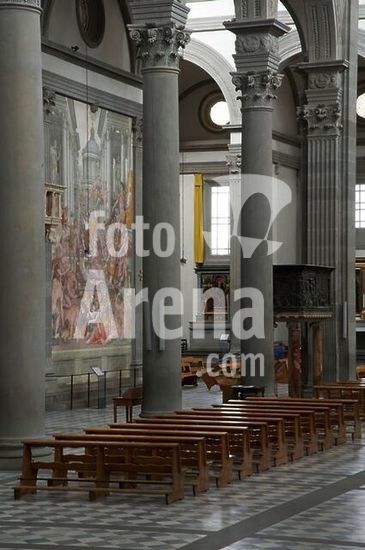
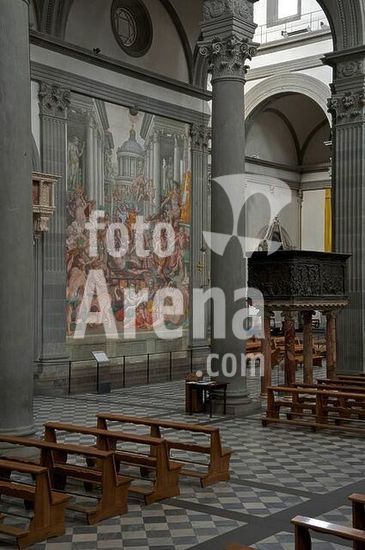
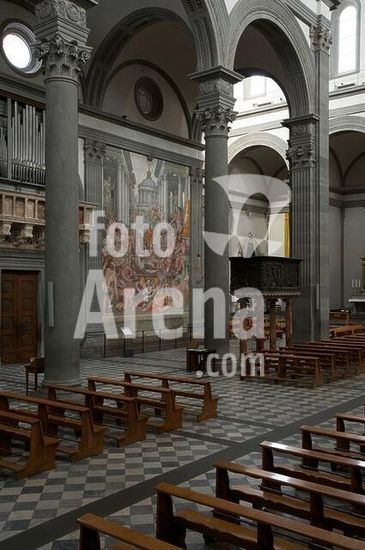
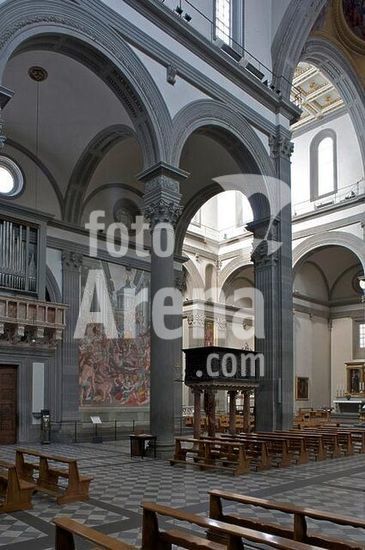
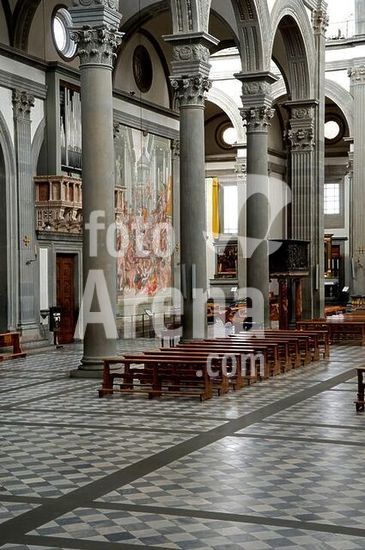
akg1691427 Florenz / Firenze (Toskana, Italien), Kirche San Lorenzo (erbaut 1418-69; Arch.: Filippo Brunelleschi). /-Innenansicht nach Südwesten: Blick aus dem Mittelschiff in das linke Seitenschiff und das Südquerhaus; an der Seitenschiffwand Fresko mit Marter des Heiligen Laurentius von Bronzino; in ersten Arkade Bronzekanzel von ...
DC
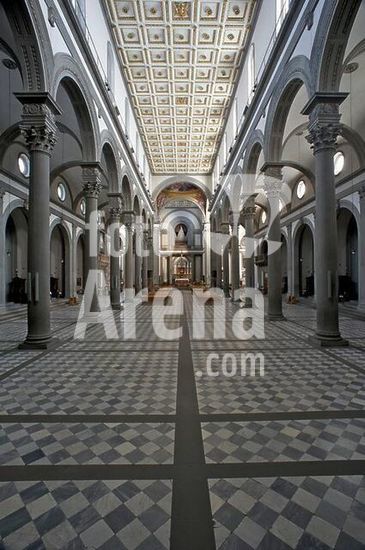
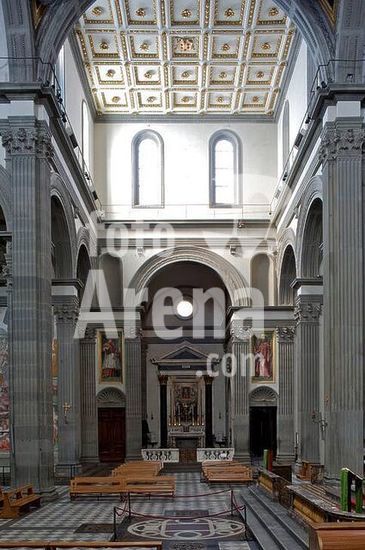
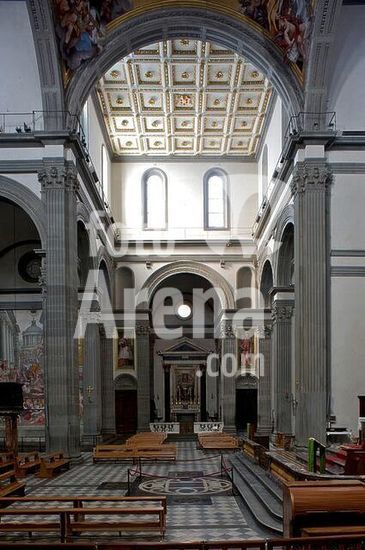
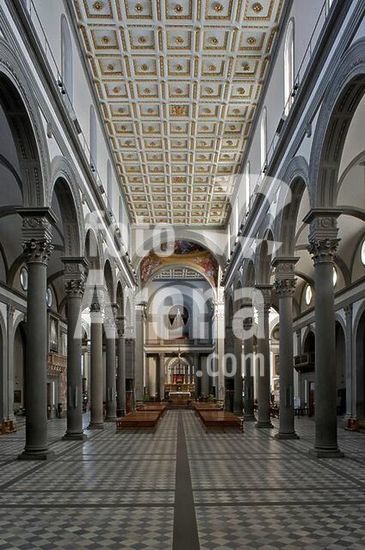
akg1691423 Florenz / Firenze (Toskana, Italien), Kirche San Lorenzo (erbaut 1418-69; Arch.: Filippo Brunelleschi). /-Innenansicht: Mittelschiff nach Westen zum Chor.-/ Foto, 10. 7. 2009.
DC
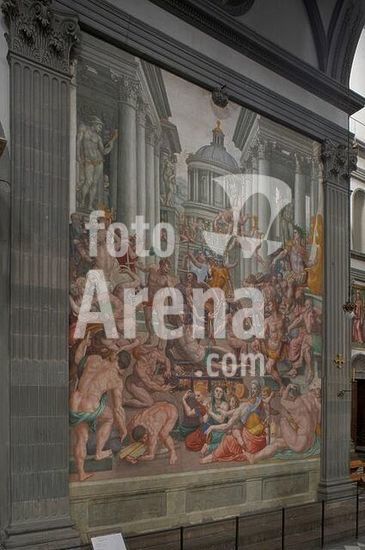
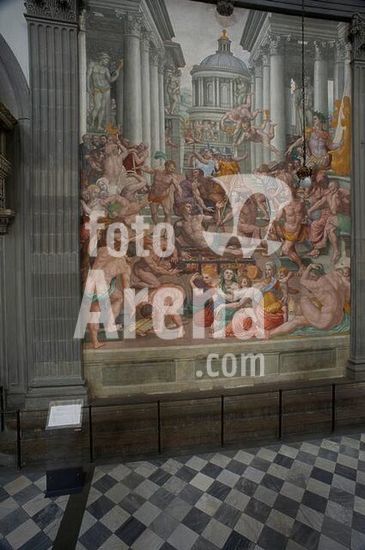
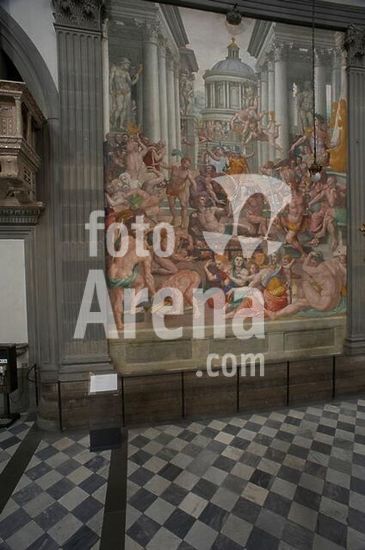
akg1691434 Florenz / Firenze (Toskana, Italien), Kirche San Lorenzo (erbaut 1418-69; Arch.: Filippo Brunelleschi). /-Innenansicht: Südwand des linken Seitenschiffs mit Fresko "Marter des Heiligen Laurentius", 1565/69, von Agnolo Bronzino (1503-1572).-/ Foto, 10. 7. 2009.
DC
akg1691424 Florenz / Firenze (Toskana, Italien), Kirche San Lorenzo (erbaut 1418-69; Arch.: Filippo Brunelleschi). /-Innenansicht: Blick aus dem Mittelschiff zur Chorwand.-/ Foto, 10. 7. 2009.
DC
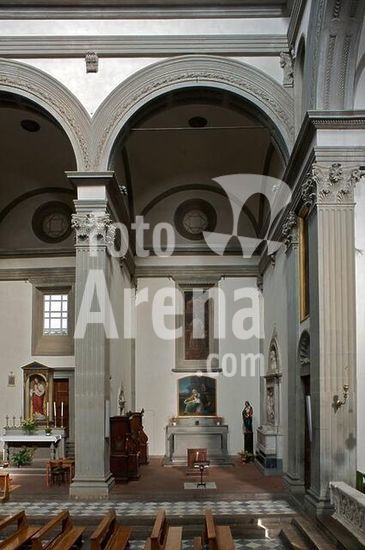
akg1691451 Florenz / Firenze (Toskana, Italien), Kirche San Lorenzo (erbaut 1418-69; Arch.: Filippo Brunelleschi). /-Innenansicht: Blick aus dem Nordquerhaus durch die Vierung in das Südquerhaus.-/ Foto, 10. 7. 2009.
DC
akg1691432 Florenz / Firenze (Toskana, Italien), Kirche San Lorenzo (erbaut 1418-69; Arch.: Filippo Brunelleschi). /-Innenansicht nach Südwesten: Blick aus dem Mittelschiff in das linke Seitenschiff und das Südquerhaus; an der Seitenschiffwand Fresko mit Marter des Heiligen Laurentius von Bronzino; in ersten Arkade Bronzekanzel von ...
DC
akg1691431 Florenz / Firenze (Toskana, Italien), Kirche San Lorenzo (erbaut 1418-69; Arch.: Filippo Brunelleschi). /-Innenansicht nach Südwesten: Blick aus dem Mittelschiff in das linke Seitenschiff und das Südquerhaus; an der Seitenschiffwand Fresko mit Marter des Heiligen Laurentius von Bronzino; in ersten Arkade Bronzekanzel von ...
DC
akg1691457 Florenz / Firenze (Toskana, Italien), Kirche San Lorenzo (erbaut 1418-69; Arch.: Filippo Brunelleschi). /-Innenansicht nach Südwesten: Blick aus dem Mittelschiff in das linke Seitenschiff und das Südquerhaus; an der Seitenschiffwand Fresko mit Marter des Heiligen Laurentius von Bronzino; in ersten Arkade Bronzekanzel von ...
DC
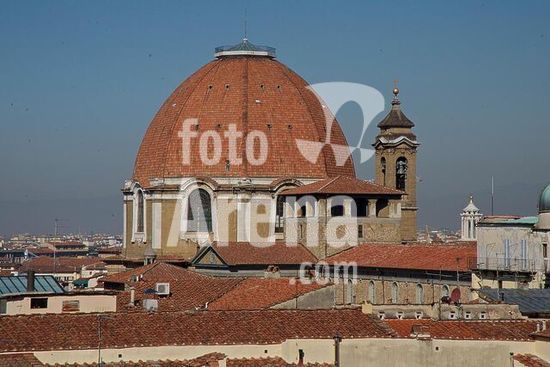
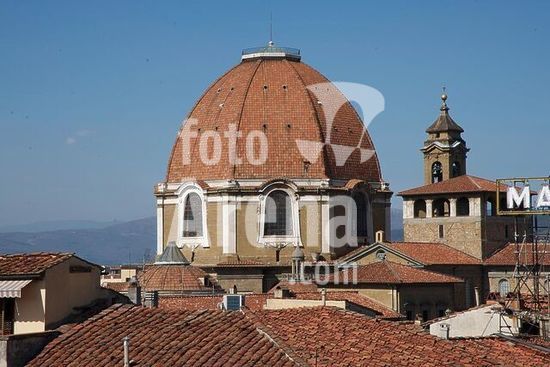
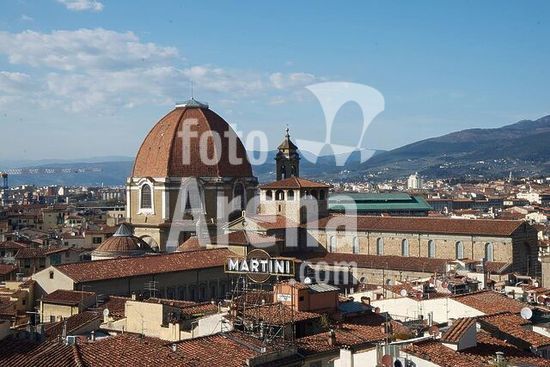
akg1691419 Florenz / Firenze (Toskana, Italien), Kirche San Lorenzo (erbaut 1418-69.; Arch.: Filippo Brunelleschi; Fürstenkapelle erbaut ab 1605 von Giovanni Medici und Matteo Nigetti; Campanile 1740/41 von Ferdinando Ruggieri). /-Blick von Südosten über die Dächer von Florenz auf den Vierungsturm, die Kuppel der ...
DC
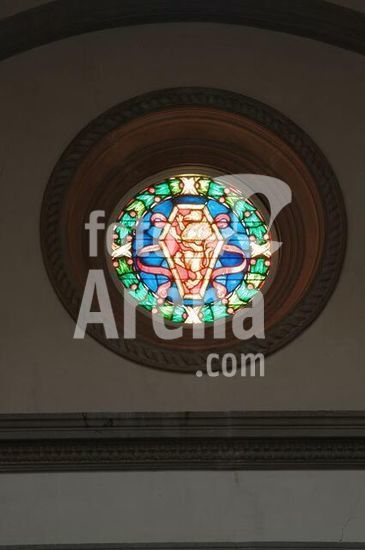
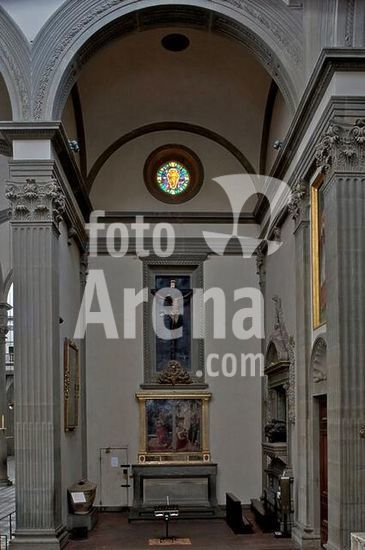
akg1691444 Florenz / Firenze (Toskana, Italien), Kirche San Lorenzo (erbaut 1418-69; Arch.: Filippo Brunelleschi), Cappella Martelli (Kapelle an der Ostwand des südlichen Querhauses). /-Teilansicht: Rundfenster mit Glasmalerei mit Wappen der Familie Martelli.-/ Foto, 10. 7. 2009.
DC
akg1691450 Florenz / Firenze (Toskana, Italien), Kirche San Lorenzo (erbaut 1418-69; Arch.: Filippo Brunelleschi). /-Innenansicht: Südquerhaus nach Süden.-/ Foto, 10. 7. 2009.
DC
akg1691441 Florenz / Firenze (Toskana, Italien), Kirche San Lorenzo (erbaut 1418-69; Arch.: Filippo Brunelleschi), Cappella Martelli (Kapelle an der Ostwand des südlichen Querhauses).-Gesamtansicht mit Altarbild "Verkündigung an Maria", um 1440, von Filippo Lippi; rechts das Grabmal Donatellos (1896 von Dario Guidotti und Raffaello Romanelli), li...
DC
akg1691425 Florenz / Firenze (Toskana, Italien), Kirche San Lorenzo (erbaut 1418-69; Arch.: Filippo Brunelleschi). /-Innenansicht nach Südwesten: Blick aus dem Mittelschiff in das linke Seitenschiff und das Südquerhaus.-/ Foto, 10. 7. 2009.
DC
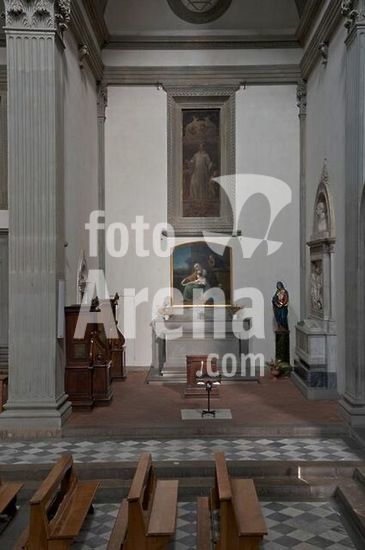
akg1691456 Florenz / Firenze (Toskana, Italien), Kirche San Lorenzo (erbaut 1418-69; Arch.: Filippo Brunelleschi). /-Innenansicht: Rechte westliche Kapelle des Nordquerhauses.-/ Foto, 10. 7. 2009.
DC
akg1691454 Florenz / Firenze (Toskana, Italien), Kirche San Lorenzo (erbaut 1418-69; Arch.: Filippo Brunelleschi). /-Innenansicht: Rechte westliche Kapelle des Nordquerhauses.-/ Foto, 10. 7. 2009.
DC
akg1691421 Florenz / Firenze (Toskana, Italien), Kirche San Lorenzo (erbaut 1418-69.; Arch.: Filippo Brunelleschi; Fürstenkapelle erbaut ab 1605 von Giovanni Medici und Matteo Nigetti; Campanile 1740/41 von Ferdinando Ruggieri). /-Blick von Südosten über die Dächer von Florenz auf den Vierungsturm, die Kuppel der ...
DC
akg1691437 Florenz / Firenze (Toskana, Italien), Kirche San Lorenzo (erbaut 1418-69; Arch.: Filippo Brunelleschi). /-Innenansicht: Südwand des linken Seitenschiffs mit Fresko "Marter des Heiligen Laurentius", 1565/69, von Agnolo Bronzino (1503-1572).-/ Foto, 10. 7. 2009.
DC
akg1691447 Florenz / Firenze (Toskana, Italien), Kirche San Lorenzo (erbaut 1418-69; Arch.: Filippo Brunelleschi). /-Innenansicht: Blick aus dem Nordquerhaus durch die Vierung in das Südquerhaus.-/ Foto, 10. 7. 2009.
DC
akg1691420 Florenz / Firenze (Toskana, Italien), Kirche San Lorenzo (erbaut 1418-69.; Arch.: Filippo Brunelleschi; Fürstenkapelle erbaut ab 1605 von Giovanni Medici und Matteo Nigetti; Campanile 1740/41 von Ferdinando Ruggieri). /-Blick von Südosten über die Dächer von Florenz auf die Kirche San Lorenzo.-/ Foto, 13. 3. 2012.
DC
akg1691422 Florenz / Firenze (Toskana, Italien), Kirche San Lorenzo (erbaut 1418-69; Arch.: Filippo Brunelleschi). /-Innenansicht: Mittelschiff nach Westen zum Chor.-/ Foto, 10. 7. 2009.
DC
akg1691436 Florenz / Firenze (Toskana, Italien), Kirche San Lorenzo (erbaut 1418-69; Arch.: Filippo Brunelleschi). /-Innenansicht: Südwand des linken Seitenschiffs mit Fresko "Marter des Heiligen Laurentius", 1565/69, von Agnolo Bronzino (1503-1572).-/ Foto, 10. 7. 2009.
DC
akg1007041 Florenz / Firenze (Toskana, Italien), Kirche San Lorenzo (erbaut 1418-69.; Arch.: Filippo Brunelleschi).-Innenansicht: Reliquientribüen (1530-32; Arch.: Michelangelo Buonarroti) an der inneren Fassadenwand.-Foto, undat.
DC
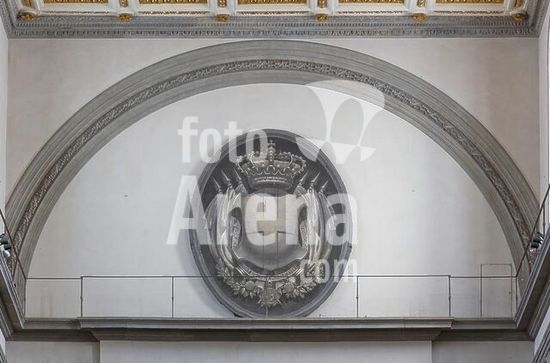
akg1007043 Florenz / Firenze (Toskana, Italien), Kirche San Lorenzo (erbaut 1418-69.; Arch.: Filippo Brunelleschi).-Innenansicht: Wappen des Hauses Savoyen an der inneren Fassadenwand.-Gemälde, um 1865/71. Foto, undat.
DC
akg1007033 Florenz / Firenze (Toskana, Italien), Kirche San Lorenzo (erbaut 1418-69.; Arch.: Filippo Brunelleschi).-Innenansicht: Innere Fassadenwand mit Reliquientribüne (1530-32; Arch.: Michelangelo Buonarroti).-Foto, undat.
DC
akg1006467 Florenz / Firenze (Toskana, Italien), Ospedale degli Innocenti (Findelhaus; 1422-1445 errichtet von Filippo Brunelleschi).-Teilansicht der Fassade: Rechter äußerer Pilaster mit Faszienfries und Ansatz des geplanten strigilierten Frieses.-Foto, undat.
DC
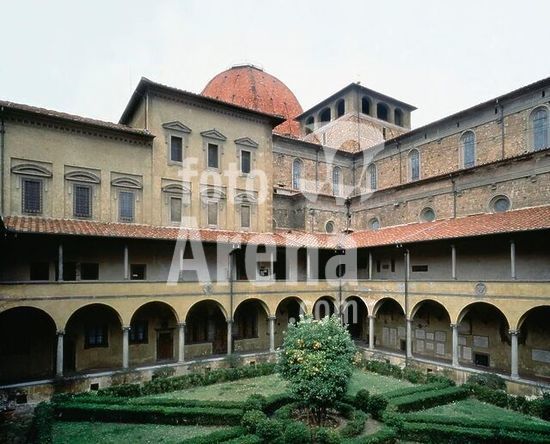
akg1004056 Florenz / Firenze (Toskana, Italien), Kirche San Lorenzo, Kreuzgang / Chiostro (erbaut 1457 ff.; Arch.: Antonio Manetti).-Kreuzgang nach Nordwesten; links die Biblioteca Laurenziana (erb.1524/26; Arch.: Michelangelo Buonarroti), rechts die Kirche (erb. 1418/69; Arch.: Filippo Brunelleschi.-/ Foto, undatiert.
DC
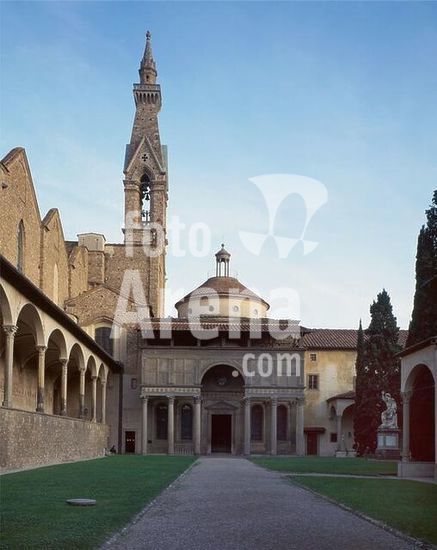
akg1006638 Florenz / Firenze (Toskana, Italien), Kirche Santa Croce, Pazzi-Kapelle / Cappella de' Pazzi (Grabkapelle der Stifterfamilie Pazzi; Baubeginn 1429; Arch.: Filippo Brunelleschi).-Außenansicht von Westen mit Langhaus von Santa Croce und Campanile (1847-65 von G.Baccani).-/ Foto, undat.
DC
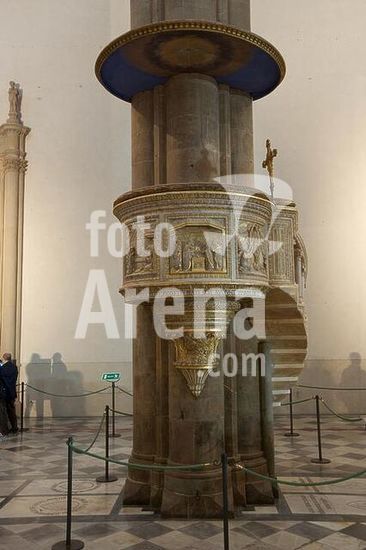
akg1418957 Florenz / Firenze (Toskana, Italien), Kirche Santa Maria Novella (Baubeginn 1246), Marmorkanzel am zweiten Arkadenpfeiler der linken Seite des Mittelschiffs (Ausführung 1443/48; Entwurf: Filippo Brunelleschi; Reliefs von Andrea Cavalcanti, genannt Buggiano; Ornamente von Giulano di Nofri und Bartolo di Antonio; Vergoldungen 18...
DC
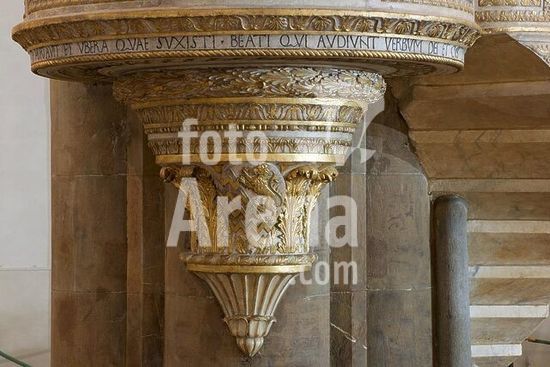
akg1418958 Florenz / Firenze (Toskana, Italien), Kirche Santa Maria Novella (Baubeginn 1246), Marmorkanzel am zweiten Arkadenpfeiler der linken Seite des Mittelschiffs (Ausführung 1443/48; Entwurf: Filippo Brunelleschi; Reliefs von Andrea Cavalcanti, genannt Buggiano; Ornamente von Giulano di Nofri und Bartolo di Antonio; Vergoldungen 18...
DC
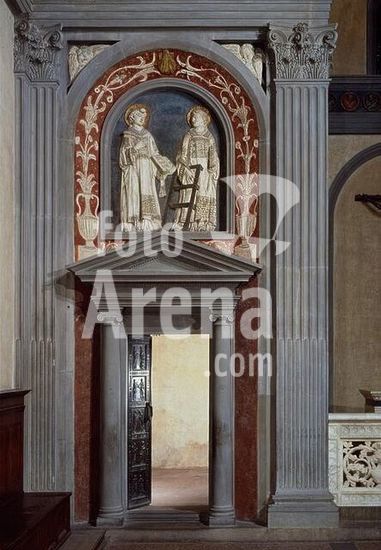
akg1011472 Florenz / Firenze (Toskana, Italien), Kirche Ssan Lorenzo, Alte Sakristei / Sagrestia Vecchia (Familienkapelle der Medici; erbaut 1419-28; Arch.: Filippo Brunelleschi). /-Teilansicht: Linke Tür neben dem Chor; in der Blendnische die Heiligen Stephanus und Laurentius (Farbiges Terracotta-Relief, 1437/43, von Donatello).-/ Foto, undatiert.
DC
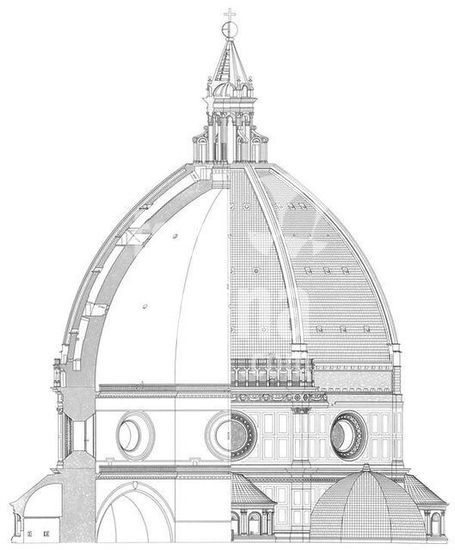
akg1975014 Kuppel des Doms Santa Maria del Fiore, Ort: Florenz, Piazza del Duomo; Architekt: Filippo Brunelleschi (1377-1446); Bauzeit: 1420-1468; Abbildung nach Von Stegmann / Von Geymüller, 1885. Copyright: For editorial use only. Not for postcards or posters.
DC
akg202437 Florenz - Firenze (Toskana, Italien), Dom S. Maria del Fiore. (erb. 1296-1436; Kuppel 1420-36 von Filippo Brunelleschi). - Blick auf die Südkonche vom Campanile. Foto, 1981.
DC
akg202439 Florenz - Firenze (Toskana, Italien), Dom S. Maria del Fiore. (erb. 1296-1436; Kuppel 1420-36 von Filippo Brunelleschi). Südwestseite des Kuppelunterbaus. Foto, 1981.
DC
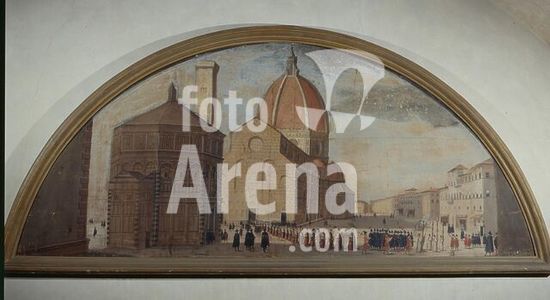
akg1418987 Florence (Tuscany, Italy), Santa Maria del Fiore (built 1296-1436; dome built 1420-36 by Filippo Brunelleschi).-View of the duomo and baptistry.-Painting, anonymous, 17th century. From a series of lunettes with views of Florence. Museum: Museo Firenze com'era., Florenz.
DC
akg228567 Florence - Firenze (Tuscany, Italy), S. Maria del Fiore Cathedral. (built 1296-1436; Dome built 1420-36 by Filippo Brunelleschi). View from Campanile of the dome. Photo, 4.10.1995.
DC
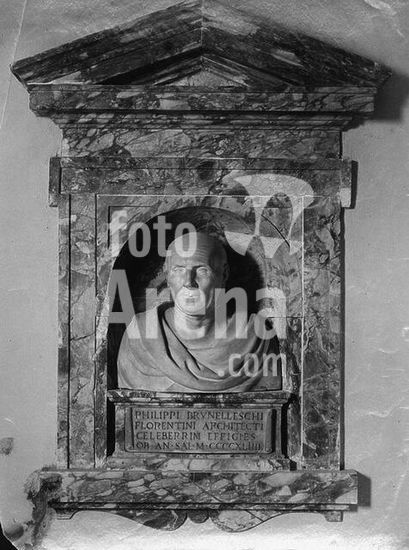
akg176008 Brunelleschi, Filippo; ital. Architekt und Bildhauer; Florenz 1377 - ebd. 15.4.1446. Grabmal Brunelleschis mit Porträtbüste. Skulptur, 1446, von Andrea Cavalcanti, genannt Buggiano (1412-1562). Florenz, Dom, rechtes Seitenschiff.
DC
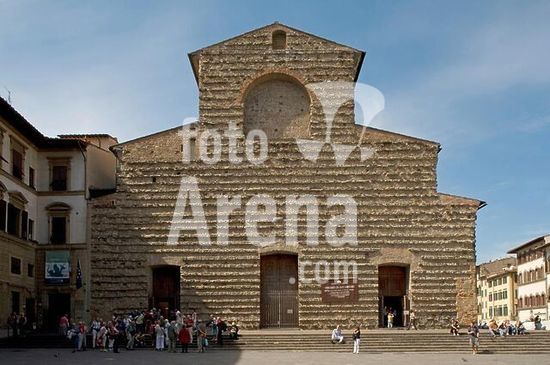
akg901195 Basilica di San Lorenzo in Florenz. Florenz / Firenze (Toskana, Italien), Kirche San Lorenzo (erbaut 1418-69.; Arch.: Filippo Brunelleschi; Fürstenkapelle erbaut ab 1605 von Giovanni Medici und Matteo Nigetti; Campanile 1740/41 von Ferdinando Ruggieri). Erster Kirchenbau der Renaissance, Fassade. Ansicht von der Piazza San Lorenzo.
DC
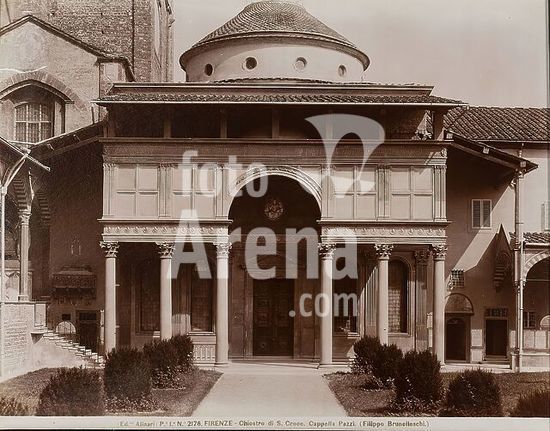
alb5151215 Filippo Brunelleschi, Pazzi Chapel, S. Croce, Florence, albumin paper, black and white positive process, image size: height: 19.00 cm; width: 25.00 cm, FIRENZE - Chiostro di S. Croce. Cappella Pazzi. (Filippo Brunelleschi.), architectural photography, travel photography, column, pillars (architecture), exterior of a church, hist. building, locality, street, Florence.
DC
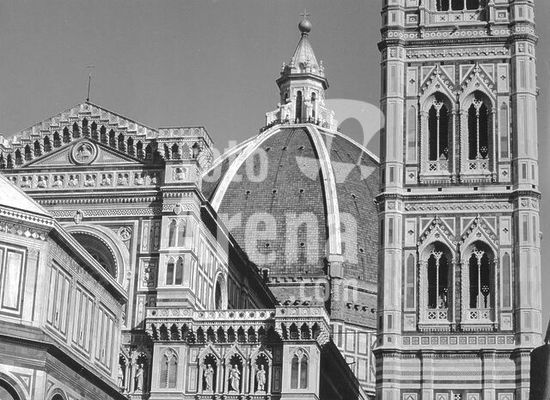
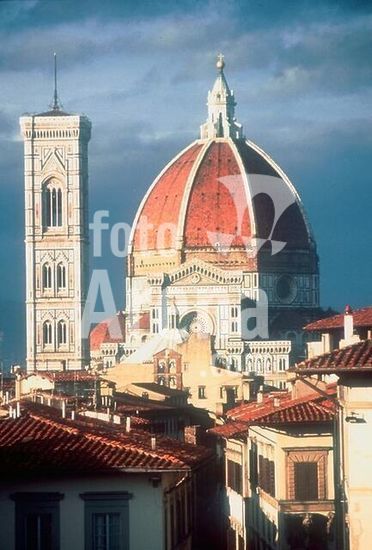
akg295196 Florence, Italy. Florence Cathedral (Santa Maria del Fiore), (1296-1436; campanile 1334-1359 by Giotto, A.Pisano; cupola 1429-57 by Brunelleschi; west facade 1871-87 by Emilio de Fabris). Exterior view: West facade, cupola and campanile; on the left the Baptisterium. Photo, undated.
DC
akg240302 Florence - Firenze (Tuscany, Italy), S.Maria del Fiore, (1296-1436; Campanile 1334-1359 by Giotto, A.Pisano a. o.; dome 1429-57 by Brunelleschi; western facade 1871-87 by Emilio de Fabris). View of the western facade with the dome and the Campanile. Photo, undated.
DC
les40081340 Five masters of Renaissance painting: Giotto, Uccello, Donatello, Manetti and Brunelleschi. After restoration. Wood,65,5 x 2130 cm INV.267. Author: School: Florentine. Location: Louvre, Dpt. des Peintures, Paris, France.
DC
les40080152 " The Masters of Florentine Art": Giotto, Uccello, Donatello, Manetti, Brunelleschi, 1450. (Before restoration-for picture after restoration see 40-08-13 / 40) 65.5 x 213 cm Oil on wood, 65.5 x 213 cm Inv. 267. Author: School: Italian. Location: Louvre, Dpt. des Peintures, Paris, France.
DC

Total de Resultados: 238

Página 1 de 3