


















































Busque também em nossas outras coleções:

Data da imagem:
Pauta
ver mais opções...
Agência
Fotógrafo
ver mais opções...
Pais
Cidade
ver mais opções...
Tipo de licença
Orientação
Coleção

Total de Resultados: 103

Página 1 de 2

ny290326173613 Joel OÕHarrow, who runs the familyÕs dairy farm, at the operation near Oconto Falls in northeastern Wisconsin, March 20, 2026. The OÕHarrow family is stuck between what they see as an obvious truth, that immigrants are essential to AmericaÕs food supply, and a national political mood hurtling in the other direction. (Jamie Kelter Davis/The New York Times/Fotoarena)
DC
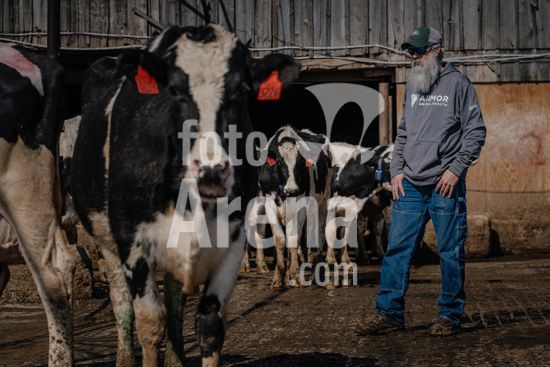
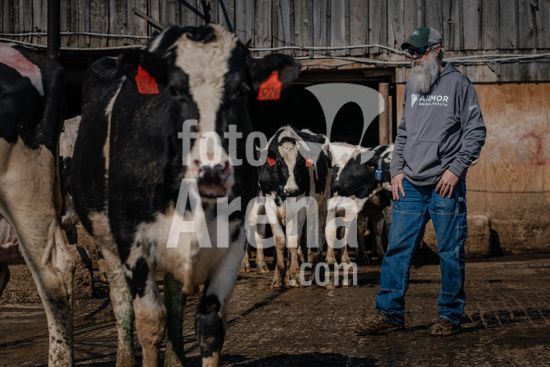
ny270326103613 Joel O?Harrow, who runs the family?s dairy farm, at the operation near Oconto Falls in northeastern Wisconsin, March 20, 2026. The O?Harrow family is stuck between what they see as an obvious truth, that immigrants are essential to America?s food supply, and a national political mood hurtling in the other direction. (Jamie Kelter Davis/The New York Times/Fotoarena)
DC
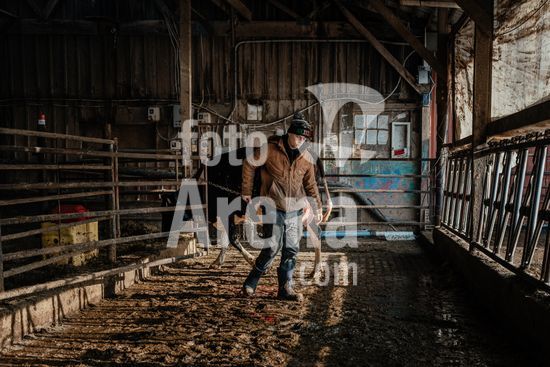
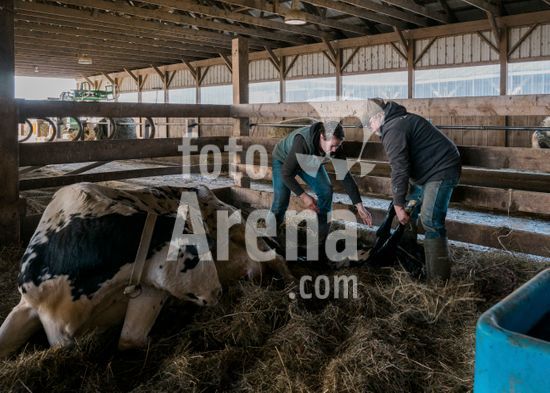
ny270326103814 Sullivan O?Harrow moves a cow that just gave birth at his family?s dairy farm near Oconto Falls in northeastern Wisconsin, March 20, 2026. The O?Harrow family is stuck between what they see as an obvious truth, that immigrants are essential to America?s food supply, and a national political mood hurtling in the other direction. (Jamie Kelter Davis/The New York Times/Fotoarena)
DC
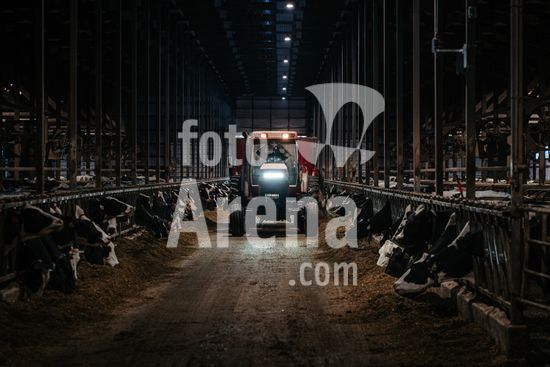
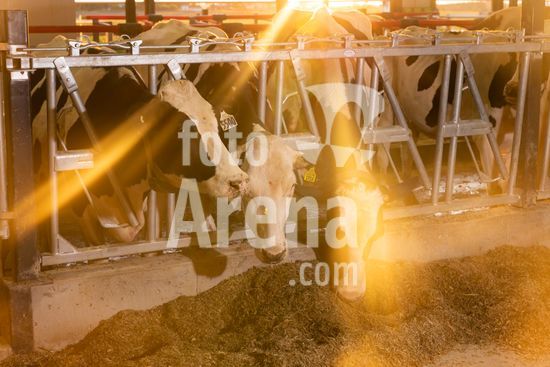
ny290326173514 A worker delivers feed to cattle with a tractor before dawn at the OÕHarrow dairy farm, which has some 1,600 cows, near Oconto Falls in northeastern Wisconsin, March 20, 2026. The OÕHarrow family is stuck between what they see as an obvious truth, that immigrants are essential to AmericaÕs food supply, and a national political mood hurtling in the other direction. (Jamie Kelter Davis/The New York Times/Fotoarena)
DC
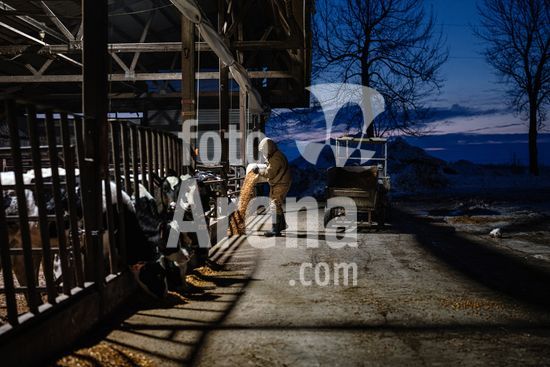
ny030426093612 HEADLINE: When Politics and Milk CollideCAPTION: A worker feeds calves before dawn at the OÕHarrow dairy farm near Oconto Falls in northeastern Wisconsin, March 20, 2026. The OÕHarrow family is stuck between what they see as an obvious truth, that immigrants are essential to AmericaÕs food supply, and a national political mood hurtling in the other direction. CREDIT: (Jamie Kelter Davis/The New York Times/Fotoarena)
DC
ny290326164012 A worker feeds calves before dawn at the OÕHarrow dairy farm near Oconto Falls in northeastern Wisconsin, March 20, 2026. The OÕHarrow family is stuck between what they see as an obvious truth, that immigrants are essential to AmericaÕs food supply, and a national political mood hurtling in the other direction. (Jamie Kelter Davis/The New York Times/Fotoarena)
DC
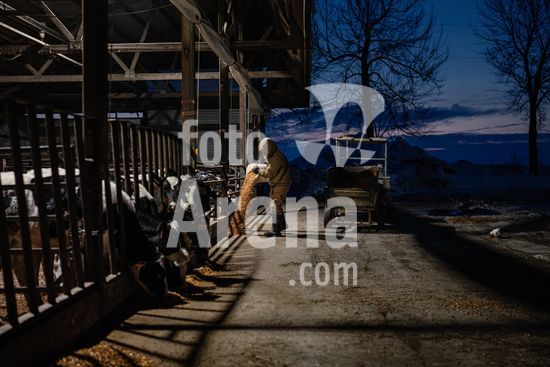
ny290326173513 A worker feeds calves before dawn at the OÕHarrow dairy farm near Oconto Falls in northeastern Wisconsin, March 20, 2026. The OÕHarrow family is stuck between what they see as an obvious truth, that immigrants are essential to AmericaÕs food supply, and a national political mood hurtling in the other direction. (Jamie Kelter Davis/The New York Times/Fotoarena)
DC
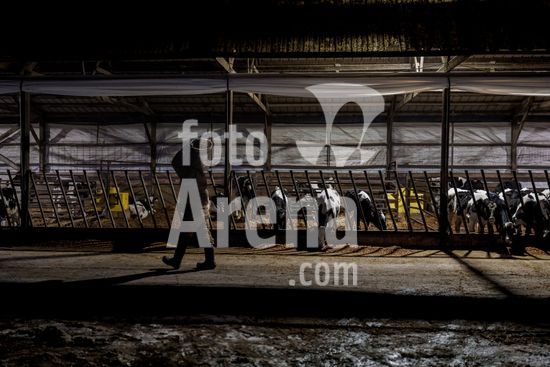
ny270326103712 A worker feeds calves before dawn at the O?Harrow dairy farm near Oconto Falls in northeastern Wisconsin, March 20, 2026. The O?Harrow family is stuck between what they see as an obvious truth, that immigrants are essential to America?s food supply, and a national political mood hurtling in the other direction. (Jamie Kelter Davis/The New York Times/Fotoarena)
DC
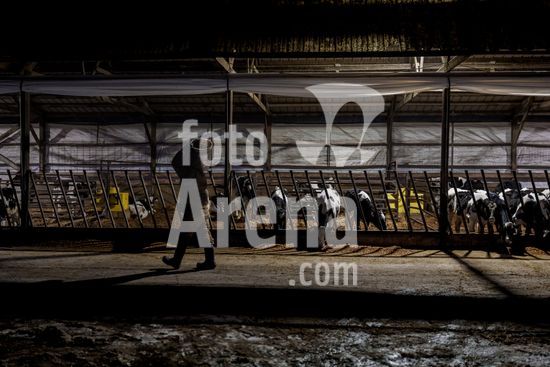
ny290326173712 A worker prepares to feed calves before dawn at the O?Harrow dairy farm, which has some 1,600 cows, near Oconto Falls in northeastern Wisconsin, March 20, 2026. The O?Harrow family is stuck between what they see as an obvious truth, that immigrants are essential to America?s food supply, and a national political mood hurtling in the other direction. (Jamie Kelter Davis/The New York Times/Fotoarena)
DC

ny270326103713 A worker prepares to feed calves before dawn at the O?Harrow dairy farm, which has some 1,600 cows, near Oconto Falls in northeastern Wisconsin, March 20, 2026. The O?Harrow family is stuck between what they see as an obvious truth, that immigrants are essential to America?s food supply, and a national political mood hurtling in the other direction. (Jamie Kelter Davis/The New York Times/Fotoarena)
DC

ny290326173711 A worker feeds a calf before dawn at the OÕHarrow dairy farm near Oconto Falls in northeastern Wisconsin, March 20, 2026. The OÕHarrow family is stuck between what they see as an obvious truth, that immigrants are essential to AmericaÕs food supply, and a national political mood hurtling in the other direction. (Jamie Kelter Davis/The New York Times/Fotoarena)
DC
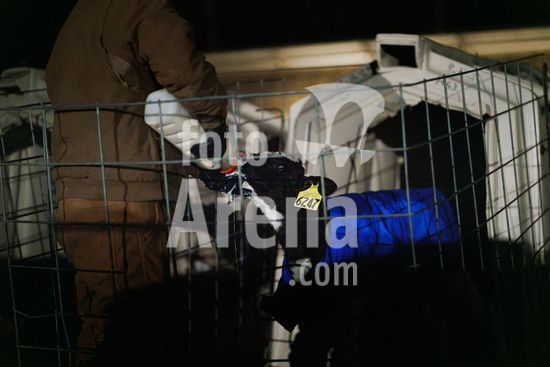
ny270326103813 Sullivan O?Harrow works on the family dairy farm?s computer system, near Oconto Falls in northeastern Wisconsin, March 20, 2026. The O?Harrow family is stuck between what they see as an obvious truth, that immigrants are essential to America?s food supply, and a national political mood hurtling in the other direction. (Jamie Kelter Davis/The New York Times/Fotoarena)
DC

ny290326173611 Newborn calves under heat lamps at the OÕHarrow dairy farm, which has some 1,600 cows, near Oconto Falls in northeastern Wisconsin, March 20, 2026. The OÕHarrow family is stuck between what they see as an obvious truth, that immigrants are essential to AmericaÕs food supply, and a national political mood hurtling in the other direction. (Jamie Kelter Davis/The New York Times/Fotoarena)
DC

ny270326103711 Newborn calves under heat lamps at the O?Harrow dairy farm, which has some 1,600 cows, near Oconto Falls in northeastern Wisconsin, March 20, 2026. The O?Harrow family is stuck between what they see as an obvious truth, that immigrants are essential to America?s food supply, and a national political mood hurtling in the other direction. (Jamie Kelter Davis/The New York Times/Fotoarena)
DC

ny270326103811 Sunset at the O?Harrow dairy farm an operation with some 1,600 cows, near Oconto Falls in northeastern Wisconsin, March 19, 2026. The O?Harrow family is stuck between what they see as an obvious truth, that immigrants are essential to America?s food supply, and a national political mood hurtling in the other direction. (Jamie Kelter Davis/The New York Times/Fotoarena)
DC

ny290326173612 Tim OÕHarrow and his wife Deb, who are now retired after decades of working on the familyÕs dairy farm, at their home near Oconto Falls in northeastern Wisconsin, March 19, 2026. The OÕHarrow family is stuck between what they see as an obvious truth, that immigrants are essential to AmericaÕs food supply, and a national political mood hurtling in the other direction. (Jamie Kelter Davis/The New York Times/Fotoarena)
DC

ny270326103612 Tim O?Harrow and his wife Deb, who are now retired after decades of working on the family?s dairy farm, at their home near Oconto Falls in northeastern Wisconsin, March 19, 2026. The O?Harrow family is stuck between what they see as an obvious truth, that immigrants are essential to America?s food supply, and a national political mood hurtling in the other direction. (Jamie Kelter Davis/The New York Times/Fotoarena)
DC

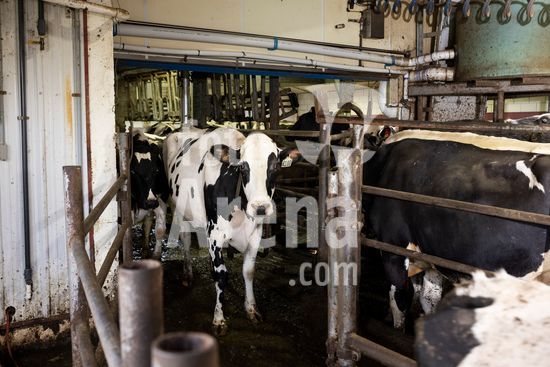
ny290326173511 Workers in a milking parlor at the OÕHarrow dairy farm near Oconto Falls in northeastern Wisconsin, March 19, 2026. The OÕHarrow family is stuck between what they see as an obvious truth, that immigrants are essential to AmericaÕs food supply, and a national political mood hurtling in the other direction. (Jamie Kelter Davis/The New York Times/Fotoarena)
DC
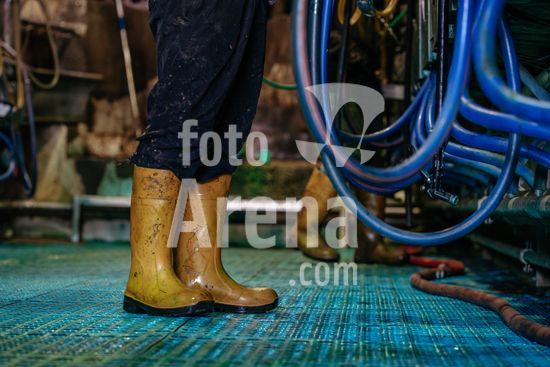
ny270326103812 Workers in a milking parlor at the O?Harrow dairy farm near Oconto Falls in northeastern Wisconsin, March 19, 2026. The O?Harrow family is stuck between what they see as an obvious truth, that immigrants are essential to America?s food supply, and a national political mood hurtling in the other direction. (Jamie Kelter Davis/The New York Times/Fotoarena)
DC
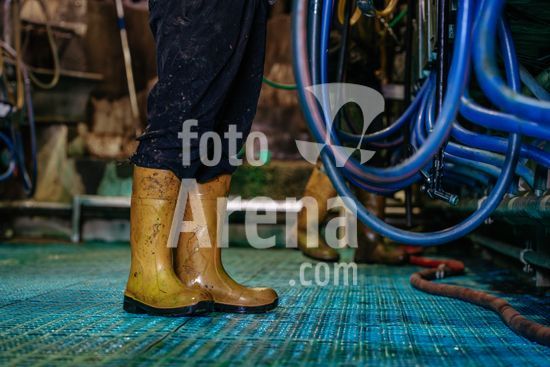
ny290326173512 A worker in a milking parlor at the OÕHarrow dairy farm near Oconto Falls in northeastern Wisconsin, March 19, 2026. The OÕHarrow family is stuck between what they see as an obvious truth, that immigrants are essential to AmericaÕs food supply, and a national political mood hurtling in the other direction. (Jamie Kelter Davis/The New York Times/Fotoarena)
DC
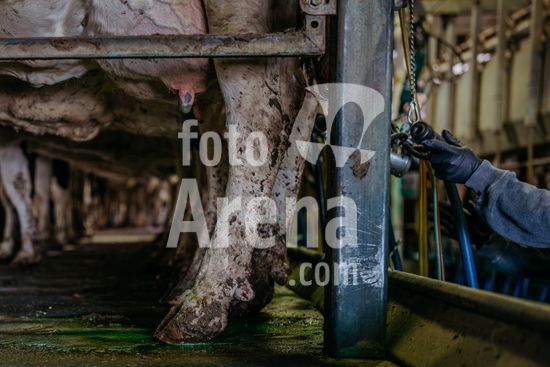
ny240326145713 The remains of a dairy cattle farm that was burned and bombed by the Ecuadorian military in San Martín, Ecuador, March 13, 2026. The Times visited a village where the United States and Ecuador said they destroyed an armed group?s training camp. Residents said it was actually a dairy farm. (Federico Rios/The New York Times/Fotoarena)
DC
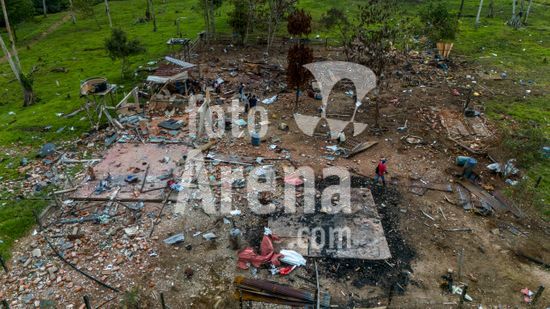
ny240326145712 The remains of a dairy cattle farm that was burned and bombed by the Ecuadorian military in San Martín, Ecuador, March 13, 2026. The Times visited a village where the United States and Ecuador said they destroyed an armed group?s training camp. Residents said it was actually a dairy farm. (Federico Rios/The New York Times/Fotoarena)
DC

ny240326145711 The corpse of a hen at the remains of a dairy cattle farm that was burned and bombed by the Ecuadorian military in San Martín, Ecuador, March 13, 2026. The Times visited a village where the United States and Ecuador said they destroyed an armed group?s training camp. Residents said it was actually a dairy farm. (Federico Rios/The New York Times/Fotoarena)
DC
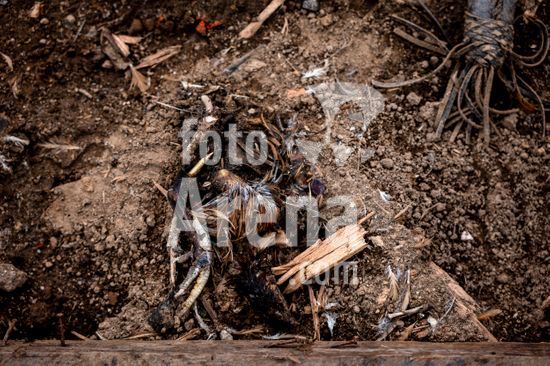
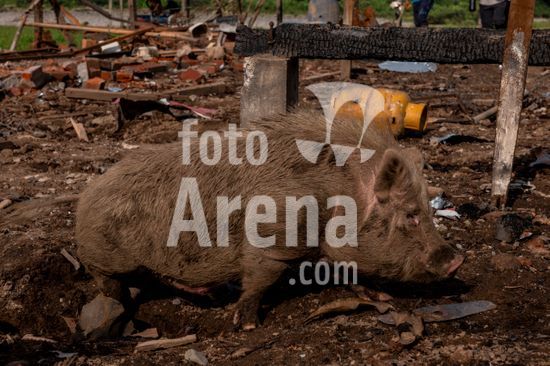
ny240326145714 A survivor pig at the remains of a dairy cattle farm that was burned and bombed by the Ecuadorian military in San Martín, Ecuador, March 13, 2026. The Times visited a village where the United States and Ecuador said they destroyed an armed group?s training camp. Residents said it was actually a dairy farm. (Federico Rios/The New York Times/Fotoarena)
DC
ny240326145813 A shed that the farm owner and workers said had been used for making cheese at a dairy cattle farm that was burned and bombed by the Ecuadorian military in San Martín, Ecuador, March 13, 2026. The Times visited a village where the United States and Ecuador said they destroyed an armed group?s training camp. Residents said it was actually a dairy farm. (Federico Rios/The New York Times/Fotoarena)
DC

ny211125114311 HEADLINE: Extreme Heat, Less MilkCAPTION: Cows at the family farm run by Vito Scalera and his daughter, Mariantonietta Scalera, on the ourskirts of Altamura, Italy, on Oct. 23, 2025. Extreme heat causes cows to produce less milk. This poses problems in cheese-obsessed Italy, especially as it tries to meet growing demand for favorites like burrata. CREDIT: (Gianni Cipriano/The New York Times/Fotoarena)
DC
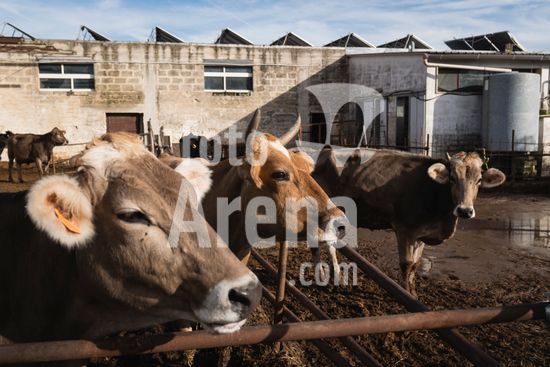
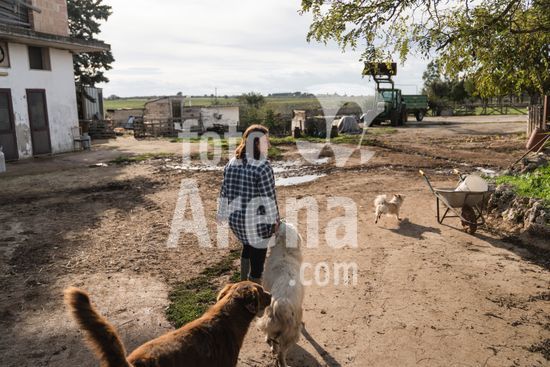
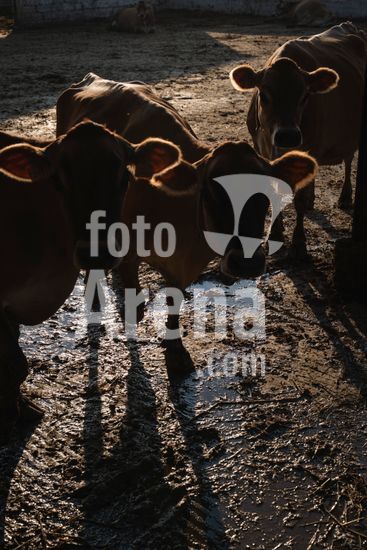
ny191125132513 Cows at the family farm run by Vito Scalera and his daughter, Mariantonietta Scalera, on the ourskirts of Altamura, Italy, on Oct. 23, 2025. Extreme heat causes cows to produce less milk. This poses problems in cheese-obsessed Italy, especially as it tries to meet growing demand for favorites like burrata. (Gianni Cipriano/The New York Times/Fotoarena)
DC
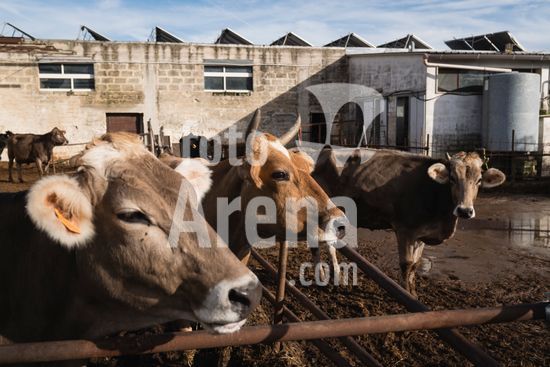
ny191125133111 Mariantonietta Scalera is accompanied by her dogs at the family farm that she runs with her father, Vito Scalera, on the outskirts of Altamura, Italy, on Oct. 23, 2025. She and her father prefer old-fashioned techniques to cope with the modern challenge of climate change. (Gianni Cipriano/The New York Times/Fotoarena)
DC
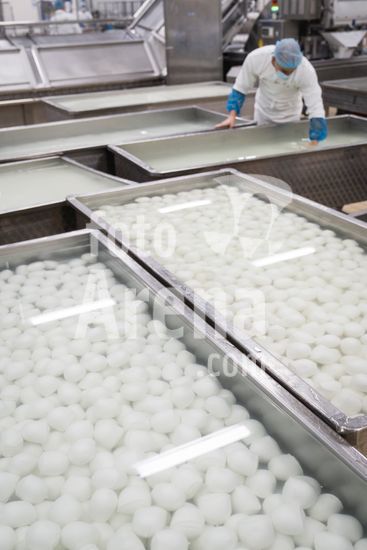
ny191125133112 Balls of mozzarella cheese float in large steel vats of water at the Sanguedolce Dairy in Andria, Italy, on Oct. 23, 2025. At a time when restaurants have an insatiable demand for Italian favorites, the decline in milk supply means some cheese producers are unable to fulfill all their orders. (Gianni Cipriano/The New York Times/Fotoarena)
DC
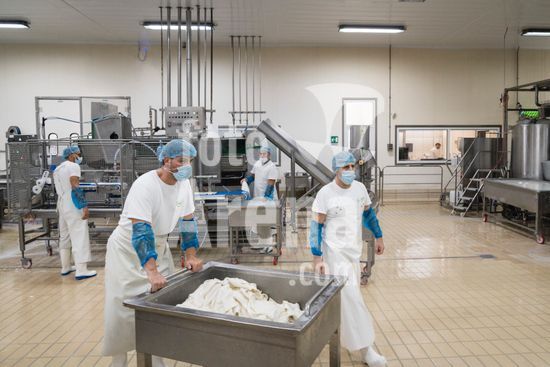
ny191125133113 Workers pushing a cart of freshly made cheese curd at the Sanguedolce Dairy in Andria, Italy, on Oct. 23, 2025. At a time when restaurants have an insatiable demand for Italian favorites, the decline in milk supply means some cheese producers are unable to fulfill all their orders. (Gianni Cipriano/The New York Times/Fotoarena)
DC
ny191125132611 Angelantonio Tafuno, a local cheesemaker, looks on at left as Antonella Nocco, a veterinarian and dairy owner who sells him milk, retrieves data from a robotic milking system at her dairy farm near Altamura, Italy, on Oct. 14, 2025. At a time when restaurants have an insatiable demand for Italian favorites, the decline in milk supply means some cheese producers are unable to fulfill all their orders. (Gianni Cipriano/The New York Times/Fotoarena)
DC

ny191125132614 Jersey cows at the family farm run by Anna Loiudice in Altamura, Italy, on Oct. 14, 2025. Extreme heat causes cows to produce less milk. This poses problems in cheese-obsessed Italy, especially as it tries to meet growing demand for favorites like burrata. (Gianni Cipriano/The New York Times/Fotoarena)
DC
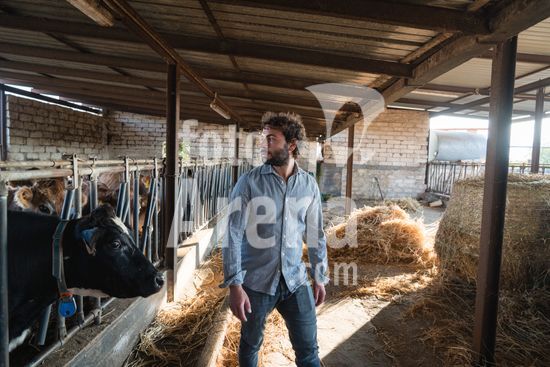
ny191125132512 Angelantonio Tafuno, a local cheesemaker, at the family farm of one of his suppliers, Anna Loiudice, in Altamura, Italy, on Oct. 14, 2025. Extreme heat causes cows to produce less milk. This poses problems in cheese-obsessed Italy, especially as it tries to meet growing demand for favorites like burrata. (Gianni Cipriano/The New York Times/Fotoarena)
DC
ny191125132613 A shop assistant prepares to serve focaccia topped with stracciatella cheese in Altamura, Italy, on Oct. 14, 2025. At a time when restaurants have an insatiable demand for Italian favorites, the decline in milk supply means some cheese producers are unable to fulfill all their orders. (Gianni Cipriano/The New York Times/Fotoarena)
DC
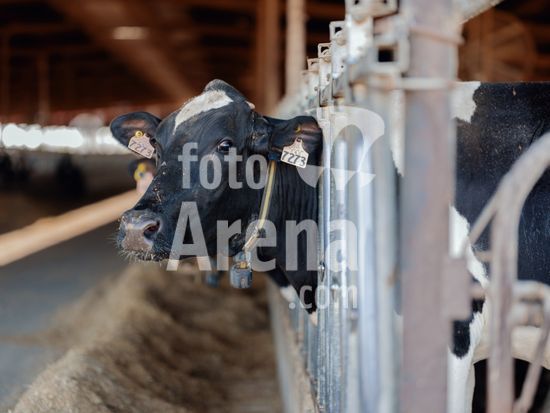
ny041025162413 **EMBARGO: No electronic distribution, Web posting or street sales before SUNDAY 5:01 A.M. ET OCT. 5, 2025. No exceptions for any reasons. EMBARGO set by source.** A dairy cow wears a collar with movement sensors and Wi-Fi that is made by the health care company Merck, at T&C Louters Dairy in Merced, Calif., July 10, 2025. All 700 cows at Tony LoutersÕ dairy farm wear the high-tech devices, which provide data he can use to keep them happier and more productive. (Adam Perez/The New York Times/Fotoarena)
DC
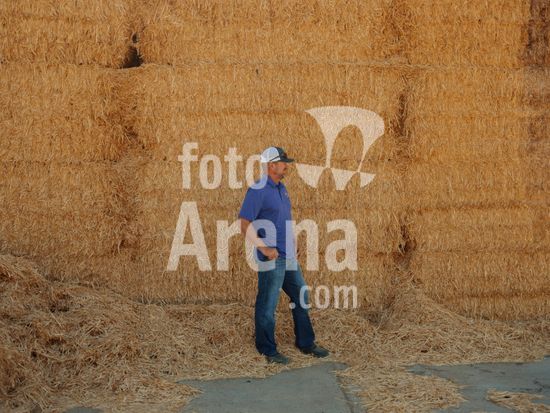
ny041025162412 **EMBARGO: No electronic distribution, Web posting or street sales before SUNDAY 5:01 A.M. ET OCT. 5, 2025. No exceptions for any reasons. EMBARGO set by source.** Tony Louter, who once planned to be an accountant before opening his T&C Louters Dairy in 2005, stands by baled hay stacks at his in Merced, Calif., July 10, 2025. All 700 cows at LoutersÕ dairy farm wear the high-tech devices, a type of precision farming that provides data he can use to keep them happier, healthier and more productive. (Adam Perez/The New York Times/Fotoarena)
DC
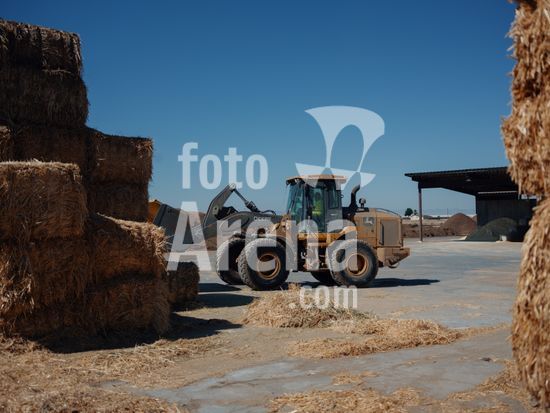
ny041025162411 **EMBARGO: No electronic distribution, Web posting or street sales before SUNDAY 5:01 A.M. ET OCT. 5, 2025. No exceptions for any reasons. EMBARGO set by source.** Hay bales at T&C Louters Dairy in Merced, Calif., July 10, 2025. All 700 cows at Tony LoutersÕ dairy farm wear the high-tech devices, a type of precision farming that provides data he can use to keep them happier, healthier and more productive. (Adam Perez/The New York Times/Fotoarena)
DC
ny210924170812 The Dosties, father and son, on land where cattle once grazed in Fairfield, Maine on July 24, 2024. Pastures were fertilized with toxic sewage decades ago. Nobody knew, until the cows? milk was tested. (Greta Rybus/The New York Times/Fotoarena)
DC
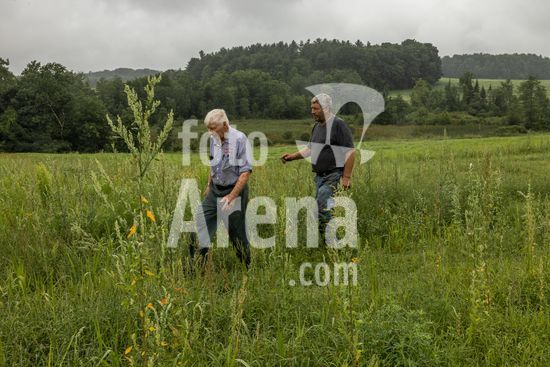
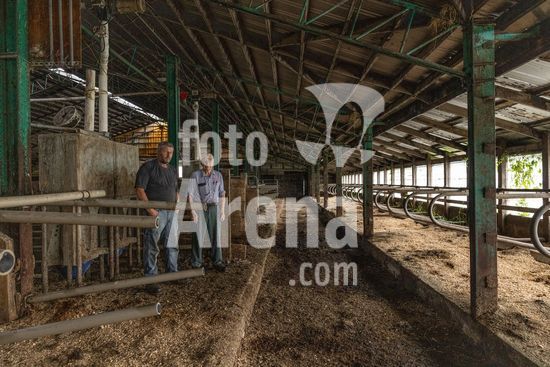
ny230924203310 The Dosties, father and son, in a barn that once sheltered their cattle, in Fairfield, Maine on July 24, 2024. Pastures were fertilized with toxic sewage decades ago. Nobody knew, until the cowsÕ milk was tested. (Greta Rybus/The New York Times/Fotoarena)
DC
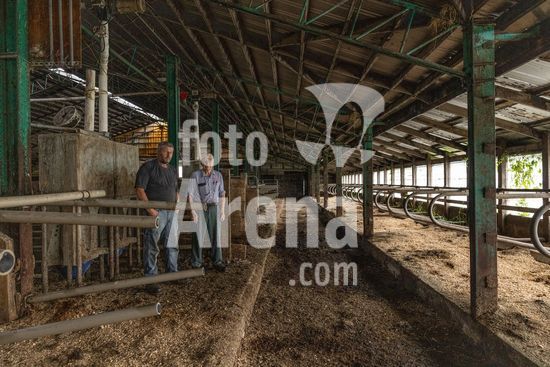
ny210924170713 The Dosties, father and son, in a barn that once sheltered their cattle, in Fairfield, Maine on July 24, 2024. Pastures were fertilized with toxic sewage decades ago. Nobody knew, until the cows? milk was tested. (Greta Rybus/The New York Times/Fotoarena)
DC
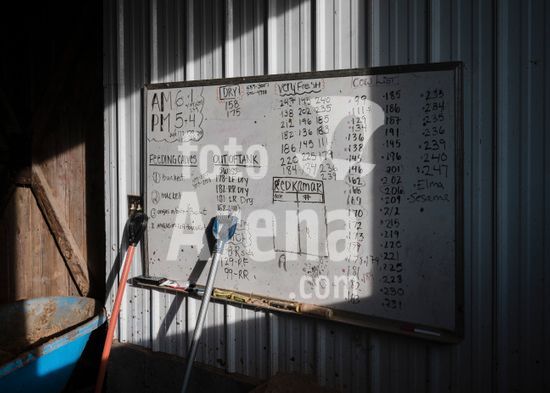
ny061224160112 FILE ? Cows line up to be milked at a dairy farm, near Colby, Wis., June 27, 2024. The U.S. Department of Agriculture announced new rules on Friday, Dec. 6, 2024, requiring the testing of the nation?s milk supply for the bird flu virus known as H5N1, nearly a year after the virus began circulating through dairy cattle. (Tim Gruber/The New York Times/Fotoarena)
DC
ny030225155011 FILE Ñ Cows at a dairy farm near Colby, Wis., on June 26, 2024. In March 2024, the Department of Agriculture discovered cows that were infected with H5N1, and that they could pass the virus to people Ñ possibly through droplets splashed from milking machinery. (Tim Gruber/The New York Times/Fotoarena)
DC
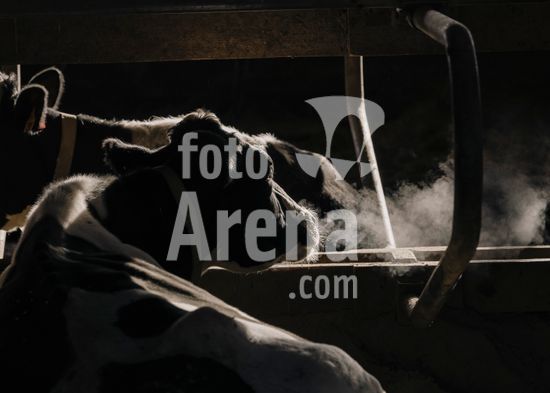
ny110724195111 Cows at a dairy farm in Wymore, Neb., on June 16, 2024. To residents of the tiny town, the school districtÕs new battery-powered bus has become a Rorshach test for the future. (George Etheredge/The New York Times/Fotoarena)
DC
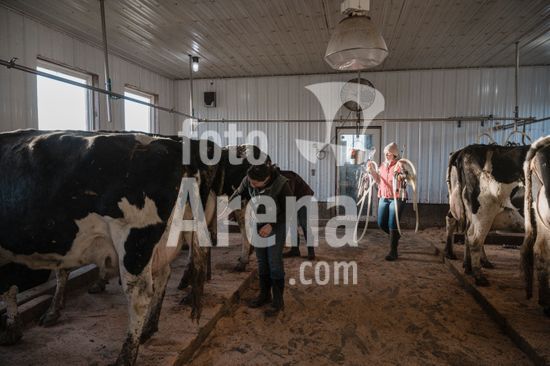
ny090724175111 Cows at a dairy farm in Wymore, Neb., on June 16, 2024. To residents of the tiny town, the school districtÕs new battery-powered bus has become a Rorshach test for the future. (George Etheredge/The New York Times/Fotoarena)
DC
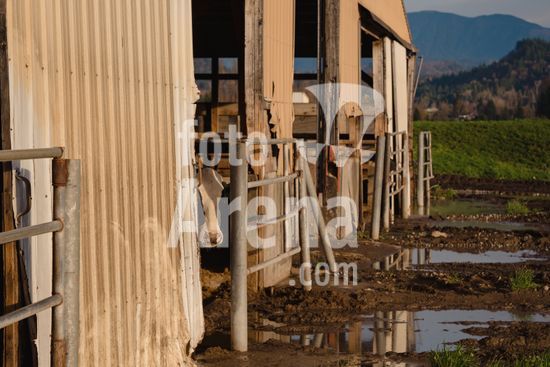
ny020624191811 Cattle at Savage View Farm in Grand Isle, Vt., on May 24, 2024. The farm has 700 dairy cows. The methane digester can also help minimize odor from the cow manure. (Oliver Parini/The New York Times/Fotoarena)
DC

ny300524114211 Cattle at Savage View Farm in Grand Isle, Vt., on May 24, 2024. The farm has 700 dairy cows. The methane digester can also help minimize odor from the cow manure. (Oliver Parini/The New York Times/Fotoarena)
DC
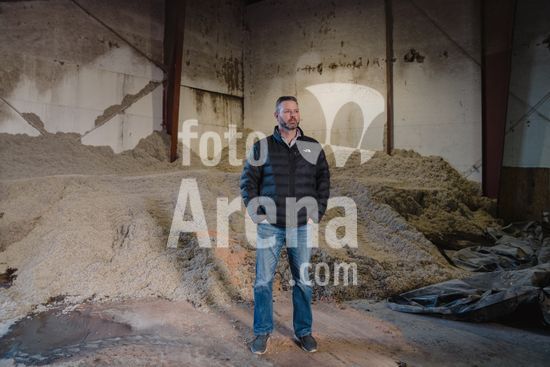
ny121124163711 FILE Ñ Cows at a farm in Whitewater, Kan., on May 6, 2024. The bird flu outbreak among dairy cows makes the risk of contamination and illness even greater, experts say. (Arin Yoon/The New York Times/Fotoarena)
DC
ny290624172510 FILE Ñ Cows at a dairy farm in Whitewater, Kansas, on May 6, 2024. Researchers have long known that influenza viruses can infect mammary cells in cow udders and can be shed in milk. But they had never seen an epidemic of cow flu like the one this year. (Arin Yoon/The New York Times/Fotoarena)
DC
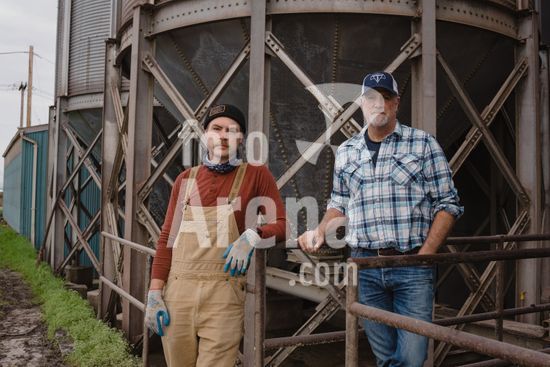
ny040825190211 FILE ? Cows at a dairy farm in Whitewater, Kansas, on May 6, 2024. The bird flu virus that has beset dairy farms since early 2024 may be spreading through the air in so-called milking parlors and through contaminated wastewater, as well as from milking equipment, scientists have found. (Arin Yoon/The New York Times/Fotoarena)
DC
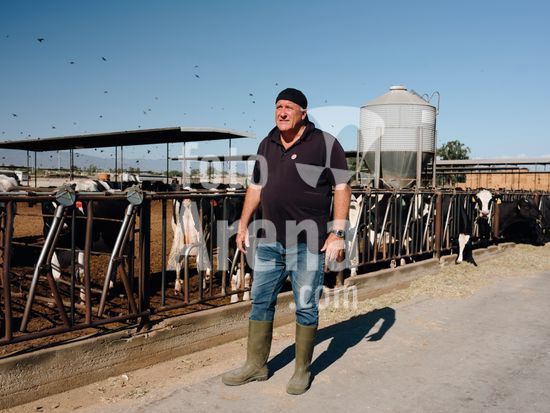
ny240724232211 FILE ? Cows at a dairy farm in Whitewater, Kansas, on May 6, 2024. As the bird flu outbreak in dairy cows has ballooned, officials have provided repeated reassurances: The virus typically causes mild illness in cows, they have said, and because it spreads primarily through milk, it can be curbed by taking extra precautions when moving cows and equipment. (Arin Yoon/The New York Times/Fotoarena)
DC

ny191124115514 FILE ? Cows at a dairy farm in Whitewater, Kansas, on May 6, 2024. For years, Robert F. Kennedy Jr., has leveraged his famous name, his celebrity connections and his nonprofit, Children?s Health Defense, to spread misinformation about vaccines and call their safety and efficacy into question and soon, he might have the power to go much further. (Arin Yoon/The New York Times/Fotoarena)
DC
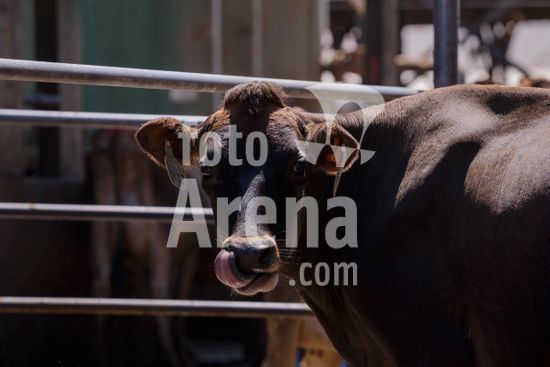
ny170624112412 FILE Ñ Cows at a dairy farm in Whitewater, Kansas, on May 6, 2024. Experts say developing a bird flu vaccine for cows would limit the risk of infection to farmworkers and other animals. (Arin Yoon/The New York Times/Fotoarena)
DC
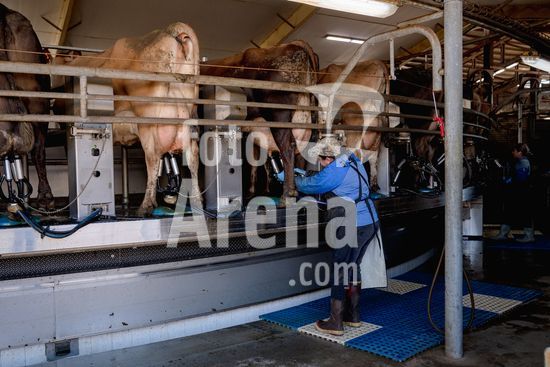
ny290624172410 FILE Ñ A cow is milked at a dairy farm in Whitewater, Kansas, on May 6, 2024. Researchers have long known that influenza viruses can infect mammary cells in cow udders and can be shed in milk. But they had never seen an epidemic of cow flu like the one this year. (Arin Yoon/The New York Times/Fotoarena)
DC
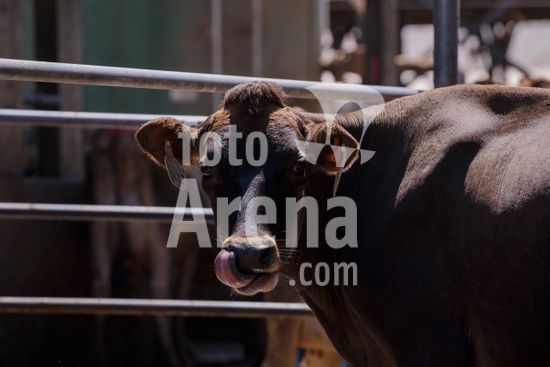
ny230424211907 FILE Ñ Dairy cows feed through a fence on a dairy farm in WashingtonÕs Yakima Valley on Nov. 28, 2023. Federal regulators on Tuesday, April 23, 2024, said that samples of pasteurized milk from around the country had tested positive for inactive remnants of the bird flu virus that has been infecting dairy cows. (Ruth Fremson/The New York Times/Fotoarena)
DC
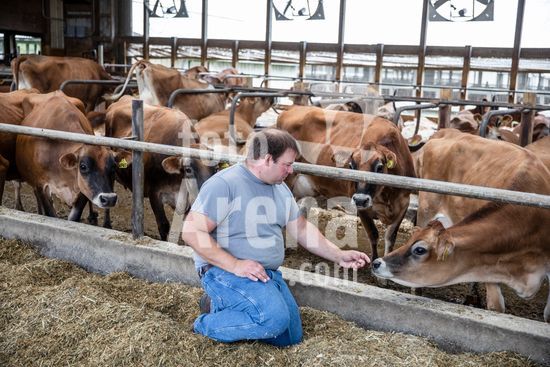
ny180823183506 Rob Leach, a dairy farmer who enlisted Jae Landreth to install solar panels on his barn, with some of his cows in Linwood, Kansas, on July 26, 2023. Cost was crucial to his decision. (Mason Trinca/The New York Times/Fotoarena)
DC
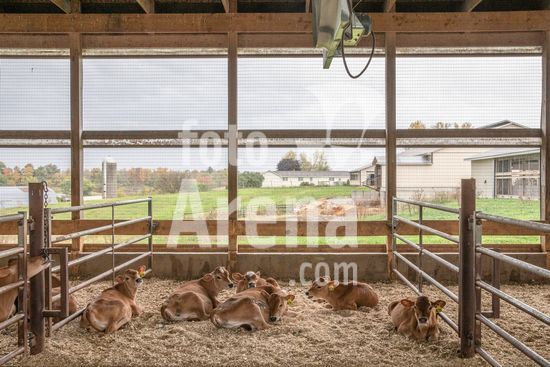
ny140622171106 Some of Animal Farm Creamery?s herd of 10 Jersey cows at pasture, in Shoreham, Vt., May 18, 2022. The herd, which for 22 years has been making the most sought-after small-batch cultured butter in the U.S., was recently sold by retiring owner Diane St. Clair to a nearby young family with 100 organic acres and a desire to continue the small dairy?s methods. (Hilary Swift/The New York Times/Fotoarena)
DC
ny140622170806 Diane St. Clair with the Animal Farm Creamery herd she sold to Ben and Hilary Haigh, at the couple?s Rolling Bale Farm in Shoreham, Vt., May 18, 2022. St. Clair, who wanted to retire from dairy work, recently sold her herd of Jerseys, which for 22 years has been making the most sought-after small-batch cultured butter in the U.S., to a nearby young family with 100 organic acres and a desire to continue the small dairy?s methods. (Hilary Swift/The New York Times/Fotoarena)
DC
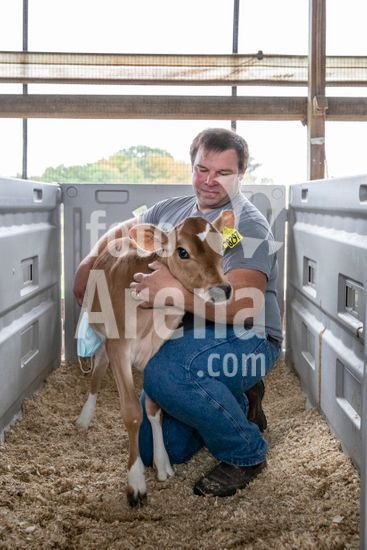
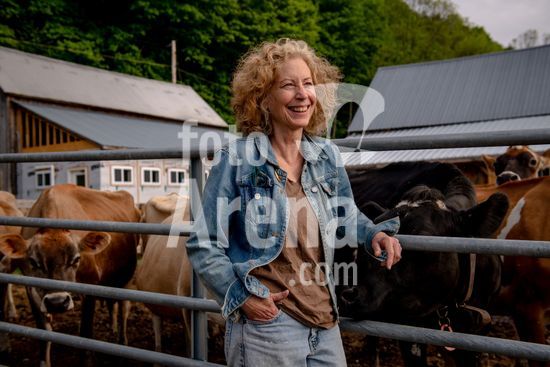
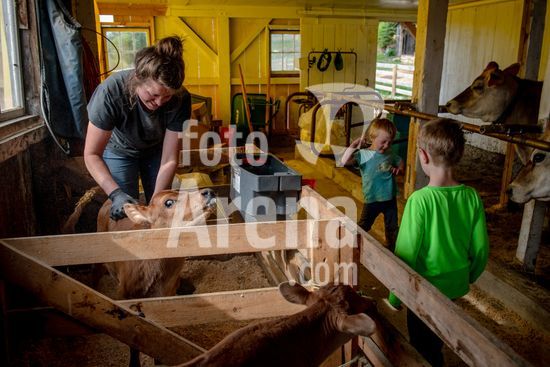
ny140622170905 Hilary Haigh, with her sons William, 5, and Emitt, 3, feeds calves at their Rolling Bale Farm in Shoreham, Vt., May 18, 2022. Haigh and her husband recently bought a herd of 10 Jersey dairy cows from Diane St. Clair, who for 22 years has been making the most sought-after small-batch cultured butter in the U.S., and are continuing with her small dairy?s methods. (Hilary Swift/The New York Times/Fotoarena)
DC
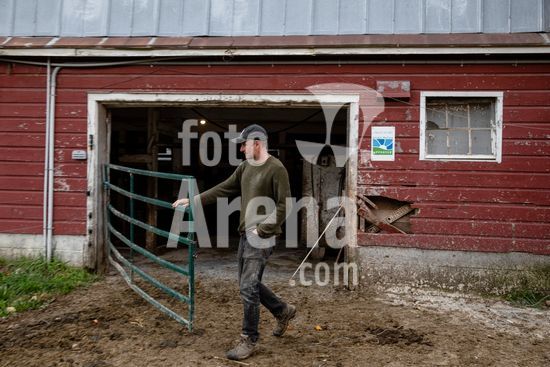
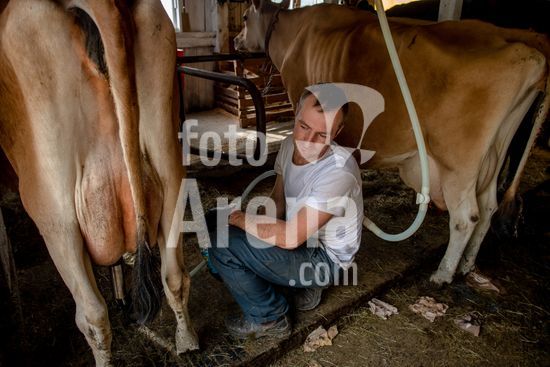
ny140622171505 Ben Haigh milks Animal Farm Creamery Jerseys Meg, left, and Diva, at their Rolling Bale Farm in Shoreham, Vt., May 18, 2022. Haigh and his wife recently bought a herd of 10 Jersey dairy cows from Diane St. Clair, who for 22 years has been making the most sought-after small-batch cultured butter in the U.S., and are continuing with her small dairy?s methods. (Hilary Swift/The New York Times/Fotoarena)
DC

ny140622171705 Ben and Hilary Haigh?s Rolling Bale Farm, a 100-acre organic property, in Shoreham, Vt., May 18, 2022. They recently bought a herd of 10 Jersey dairy cows from Diane St. Clair, who for 22 years has been making the most sought-after small-batch cultured butter in the U.S., and are continuing with her small dairy?s methods. (Hilary Swift/The New York Times/Fotoarena)
DC
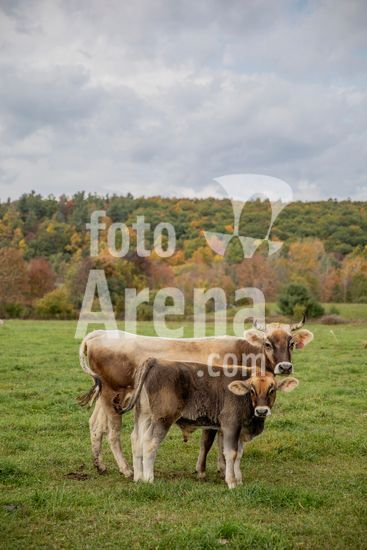
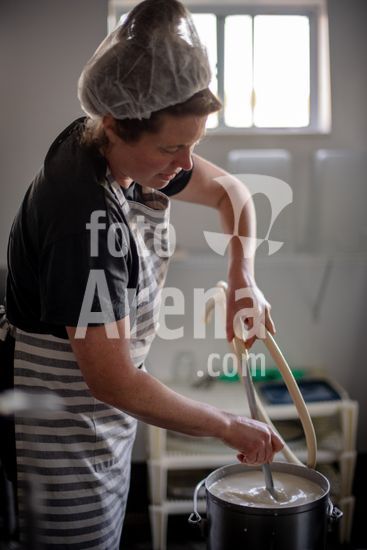
ny140622171206 Hilary Haigh stirs buttermilk before bottling it at Rolling Bale Farm in Shoreham, Vt., May 18, 2022. Haigh and her husband recently bought a herd of 10 Jersey dairy cows from Diane St. Clair, who for 22 years has been making the most sought-after small-batch cultured butter in the U.S., and are continuing with her small dairy?s methods. (Hilary Swift/The New York Times/Fotoarena)
DC
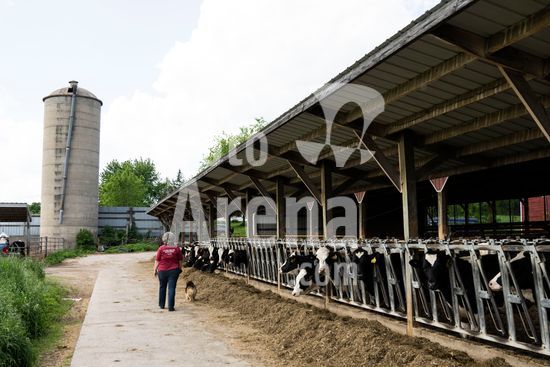
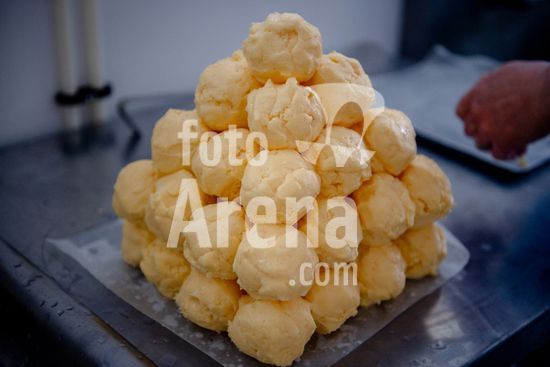
ny140622171405 Freshly made balls of Animal Farm Creamery butter, which have a velvety texture, a slightly nutty, milky flavor, and a retail price of $60 per pound, at Rolling Bale Farm in Shoreham, Vt., May 18, 2022. A young couple with a 100-acre organic farm recently bought a herd of 10 Jersey dairy cows from Diane St. Clair, who for 22 years has been making the most sought-after small-batch cultured butter in the U.S., and are continuing with her small dairy?s methods. (Hilary Swift/The New York Times/Fotoarena)
DC
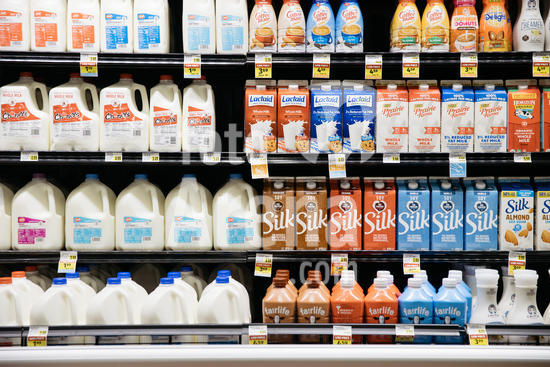
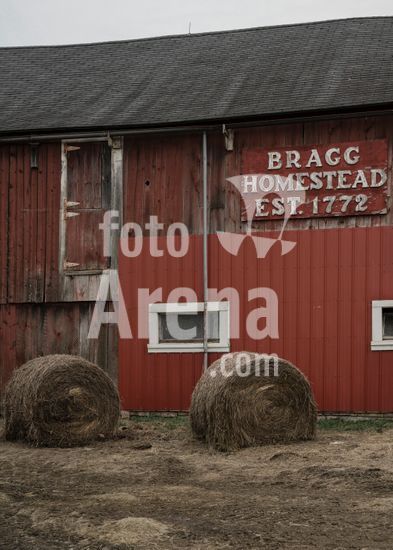
ny050122125305 Signage marks the founding of the Bragg farm in 1772 in Sidney, Maine, Dec. 15, 2021. Organic milk has been a lifeline for small farms in Maine and other New England states. Now those farms are facing trouble as milk processors look to huge dairies in Western states. (Tristan Spinski/The New York Times/Fotoarena)
DC
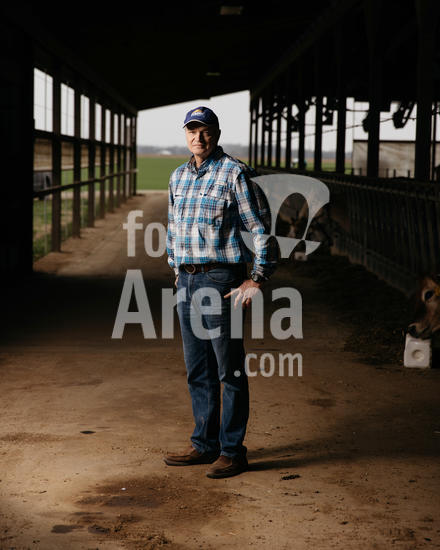
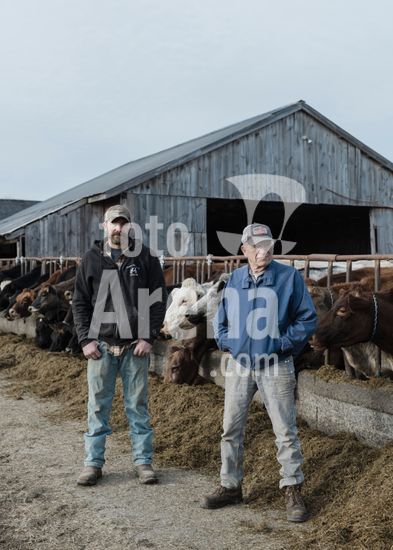
ny050122124805 Cliff Bragg, left, and his father, Wayne, at their family?s organic dairy farm in Sidney, Maine, Dec. 15, 2021. Organic milk has been a lifeline for small farms in Maine and other New England states. Now those farms are facing trouble as milk processors look to huge dairies in Western states. (Tristan Spinski/The New York Times/Fotoarena)
DC

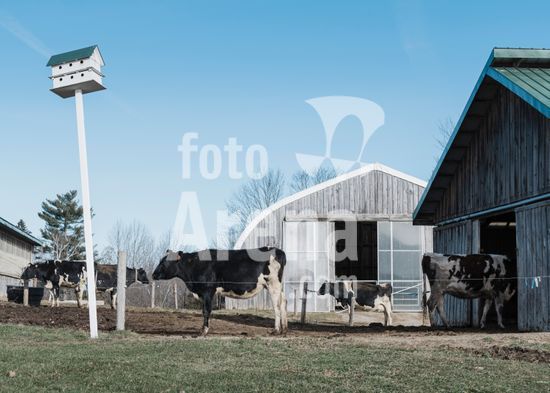
ny050122123905 Dairy cows at Faithful Venture Farm, an organic dairy, in Searsmont, Maine, Dec. 15, 2021. Organic milk has been a lifeline for small farms in Maine and other New England states. Now those farms are facing trouble as milk processors look to huge dairies in Western states. (Tristan Spinski/The New York Times/Fotoarena)
DC
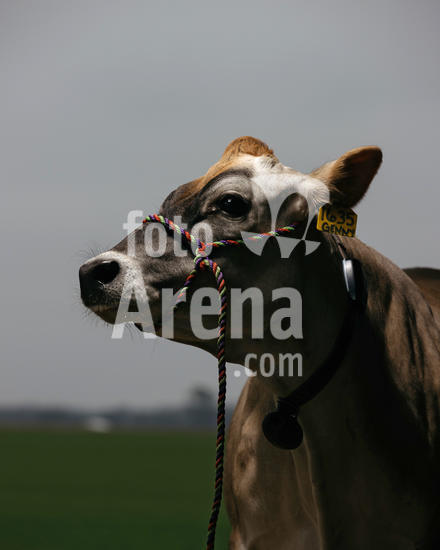
ny050122125005 Glendon Mehuren II and Elida Dickey, his daughter, look after a newborn calf at Faithful Venture Farm, an organic dairy, in Searsmont, Maine, Dec. 15, 2021. Organic milk has been a lifeline for small farms in Maine and other New England states. Now those farms are facing trouble as milk processors look to huge dairies in Western states. (Tristan Spinski/The New York Times/Fotoarena)
DC
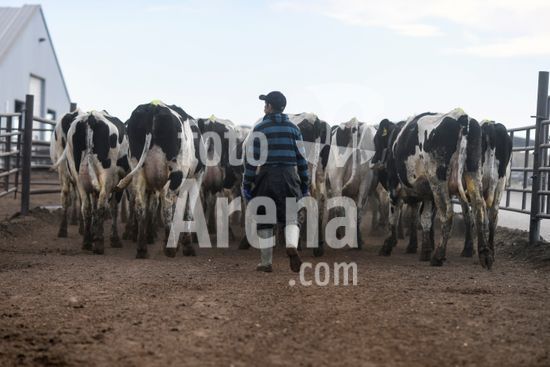
ny050122124504 Elida Dickey goes through morning chores at Faithful Venture Farm, an organic dairy, in Searsmont, Maine, Dec. 15, 2021. Organic milk has been a lifeline for small farms in Maine and other New England states. Now those farms are facing trouble as milk processors look to huge dairies in Western states. (Tristan Spinski/The New York Times/Fotoarena)
DC
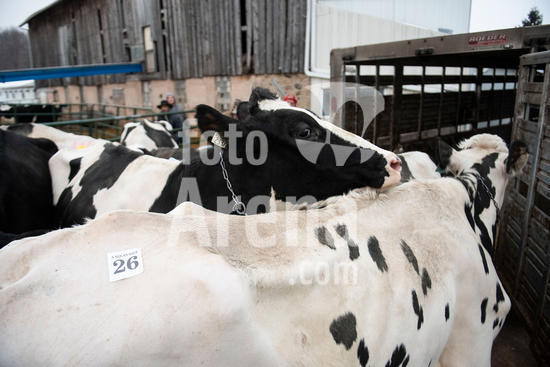
ny050122123705 A dry erase board with farming information at Faithful Venture Farm, an organic dairy, in Searsmont, Maine, Dec. 15, 2021. Organic milk has been a lifeline for small farms in Maine and other New England states. Now those farms are facing trouble as milk processors look to huge dairies in Western states. (Tristan Spinski/The New York Times/Fotoarena)
DC
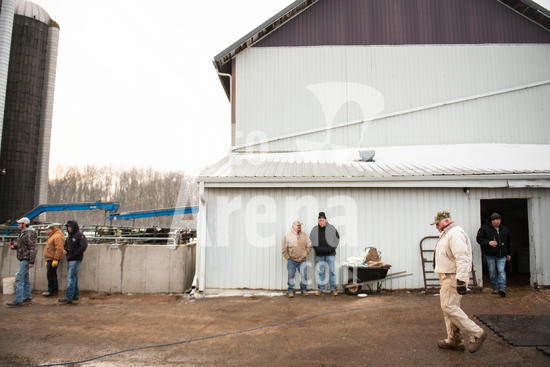
ny050122124105 Dairy cows wait to be milked at Faithful Venture Farm, an organic dairy, in Searsmont, Maine, Dec. 15, 2021. Organic milk has been a lifeline for small farms in Maine and other New England states. Now those farms are facing trouble as milk processors look to huge dairies in Western states. (Tristan Spinski/The New York Times/Fotoarena)
DC
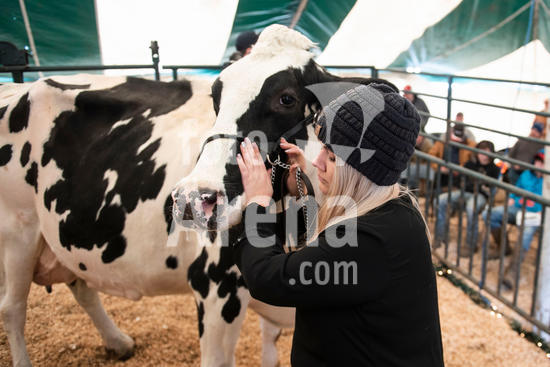
ny050122124406 Elida Dickey, left, and Emma Mehuren milk cows at Faithful Venture Farm in Searsmont, Maine, Dec. 15, 2021. Horizon Organic, which had been buying the farm?s milk for 16 years, is ending its contracts in the Northeast. (Tristan Spinski/The New York Times/Fotoarena)
DC
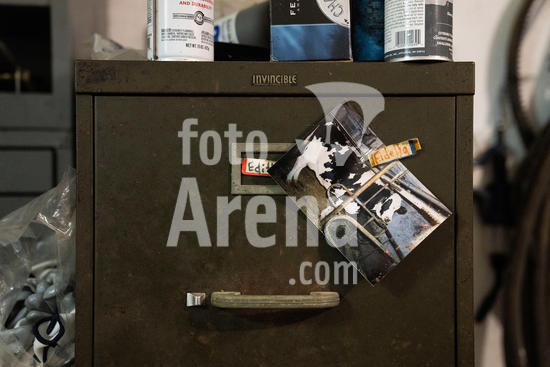
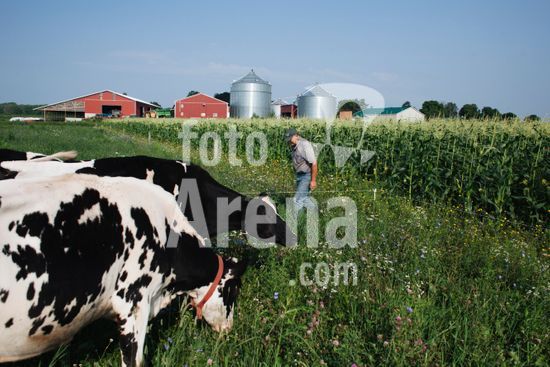
ny061221190304 A dairy farm near Sumas, Wash., Dec. 3., 2021. Near-record flooding in Washington, the nation?s 10th-largest milk-producing state, has drowned cattle, demolished homes and damaged equipment at dairies, and supply chain problems are making it even harder for them to recover. (Jovelle Tamayo/The New York Times/Fotoarena)
DC
ny061221185805 EPL Feed in Sumas, Wash., Dec. 3., 2021, is one of the largest feed suppliers in Washington. Economists and industry experts said the costs of near record flooding in the state are hard to figure because they are still rising, even as the floodwaters recede, and the economic stresses have multiplied in several directions. (Jovelle Tamayo/The New York Times/Fotoarena)
DC
ny061221190005 EPL Feed?s CEO Jason Hoekstra stands by flood-damaged cottonseed, which is used in cow feed, in Sumas, Wash., Dec. 3., 2021. EPL is one of the largest feed suppliers in the state, feeding animals on more than three-fourths of the farms west of the Cascade Range. (Jovelle Tamayo/The New York Times/Fotoarena)
DC
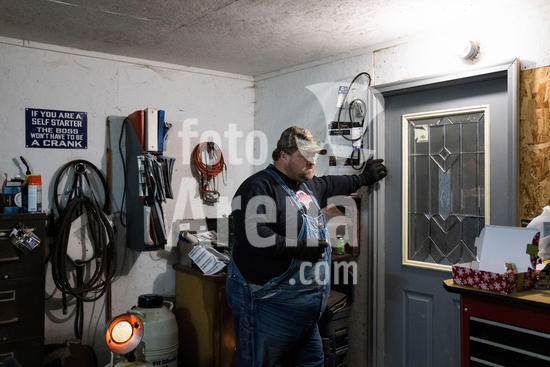
ny061221190505 Sandbags outside an electrical room at EPL Feed, one of the largest feed suppliers in the state, in Sumas, Wash., Dec. 3., 2021. The business?s usual electronics supplier had none of the components needed to repair its flood-damaged electrical system. (Jovelle Tamayo/The New York Times/Fotoarena)
DC
ny061221190105 Scott McKnight, right, owner of Conway Feed, with Chris McKnight, his son and the business?s operations manager in Conway, Wash., Dec. 3, 2021. Scott McKnight at Conway Feed said his company, less affected by the floods, agreed to pick up some customers during the crisis to hold another company over, bridging the gap until repairs could be made. (Jovelle Tamayo/The New York Times/Fotoarena)
DC
ny130921151005 Craig Gordon, a dairy farmer, at his farm in Ontario, Calif., Sept. 11, 2021. He has been urging voters to recall Gov. Gavin Newsom. Gordon is unhappy with dairy taxes, coronavirus restrictions and water curtailments. (Rozette Rago/The New York Times/Fotoarena)
DC
ny130921151205 Recall stickers made by Craig Gordon, a dairy farmer, at his farm in Ontario, Calif., Sept. 11, 2021. He has been urging voters to recall Gov. Gavin Newsom. Gordon is unhappy with dairy taxes, coronavirus restrictions and water curtailments. (Rozette Rago/The New York Times/Fotoarena)
DC
ny090524161006 FILE ? A farmworker adjusts a milking machine hooked up to a cow at a dairy farm in Stanwood, Wash., July 22, 2021. Farmworkers have been exposed to milk infected with the bird flu virus. But there has virtually been no testing on farms, and health officials know little about who may be infected. (Jovelle Tamayo/The New York Times/Fotoarena)
DC
ny211122132906 FILE Ñ A cow at a dairy farm in Stanwood, Wash., July 22, 2021. Hemp with high THC content given to Holsteins leached into their milk, according to a group of German scientists exploring the food chain for dairy production. (Jovelle Tamayo/The New York Times/Fotoarena)
DC
ny161122150005 FILE ? A cow at a dairy farm in Stanwood, Wash., July 22, 2021. Hemp with high THC content given to Holsteins leached into their milk, according to a group of German scientists exploring the food chain for dairy production. (Jovelle Tamayo/The New York Times/Fotoarena)
DC
ny291220010405 **EMBARGO: No electronic distribution, Web posting or street sales before 2:31 a.m. ET TUESDAY, DEC. 29, 2020. No exceptions for any reasons. EMBARGO set by source.** Nate Chittenden, a dairy farmer at Dutch Hollow Farm in Schodack Landing, N.Y., with his cows on Oct. 7, 2020. Facing a growing anti-dairy movement, many farmers are altering their practices. (Lauren Lancaster/The New York Times/Fotoarena)
DC
ny291220011105 **EMBARGO: No electronic distribution, Web posting or street sales before 2:31 a.m. ET TUESDAY, DEC. 29, 2020. No exceptions for any reasons. EMBARGO set by source.** Jersey cows on Nate Chittenden?s farm in Schodack Landing, N.Y., on Oct. 7, 2020. Facing a growing anti-dairy movement, many farmers are altering their practices. (Lauren Lancaster/The New York Times/Fotoarena)
DC
ny291220011304 **EMBARGO: No electronic distribution, Web posting or street sales before 2:31 a.m. ET TUESDAY, DEC. 29, 2020. No exceptions for any reasons. EMBARGO set by source.** A young heifer peeks out of a pen at Dutch Hollow Farm in Schodack Landing, N.Y., on Oct. 7, 2020. Facing a growing anti-dairy movement, many farmers are altering their practices. (Lauren Lancaster/The New York Times/Fotoarena)
DC
ny291220010505 **EMBARGO: No electronic distribution, Web posting or street sales before 2:31 a.m. ET TUESDAY, DEC. 29, 2020. No exceptions for any reasons. EMBARGO set by source.** Nate Chittenden, a dairy farmer at Dutch Hollow Farm with a new calf, one of the 1,500 Jersey cows on his farm, on Oct. 7, 2020. Facing a growing anti-dairy movement, many farmers are altering their practices. (Lauren Lancaster/The New York Times/Fotoarena)
DC
ny291220010904 **EMBARGO: No electronic distribution, Web posting or street sales before 2:31 a.m. ET TUESDAY, DEC. 29, 2020. No exceptions for any reasons. EMBARGO set by source.** Spencer Fenniman, a manager of Hawthorne Valley Farm, in Ghent, N.Y. on Oct. 7, 2020. Fenniman acknowledges that some aspects of dairy farming will upset animal lovers, especially the fate of male calves. (Lauren Lancaster/The New York Times/Fotoarena)
DC
ny291220010704 **EMBARGO: No electronic distribution, Web posting or street sales before 2:31 a.m. ET TUESDAY, DEC. 29, 2020. No exceptions for any reasons. EMBARGO set by source.** A worker inside the dairy at Hawthorne Valley Farm in Ghent, N.Y. on Oct. 7, 2020. Facing a growing anti-dairy movement, many farmers are altering their practices. (Lauren Lancaster/The New York Times/Fotoarena)
DC
ny291220010204 **EMBARGO: No electronic distribution, Web posting or street sales before 2:31 a.m. ET TUESDAY, DEC. 29, 2020. No exceptions for any reasons. EMBARGO set by source.** Cows graze in a pasture at Hawthorne Valley Farm in Ghent, N.Y. on Oct. 7, 2020. Facing a growing anti-dairy movement, many farmers are altering their practices. (Lauren Lancaster/The New York Times/Fotoarena)
DC
ny190620155103 Sarah Lloyd walks past dairy cattle on her family?s farm ? which, like many American farms, has suffered export losses over President Trump?s trade war with China ? in Wisconsin Dells, Wis., June 5, 2020. John Bolton, Trump?s former national security adviser, alleges in his new book that the president personally and explicitly asked President Xi Jinping of China to help him stay in power by increasing purchases of U.S. agricultural goods. (Lauren Justice/The New York Times/Fotoarena)
DC
ny130320221704 **EMBARGO: No electronic distribution, Web posting or street sales before Saturday at 6 a.m. ET March 14, 2020. No exceptions for any reasons. EMBARGO set by source.** Shelves of both dairy and non-dairy choices at an IGA grocery in Bowling Green, Ky., March 11, 2020. While nondairy milk has risen from the dusty shelves of health-food stores to Times Square billboards and supermarkets around the country, dairy farmers have faced economic turmoil. (Brett Carlsen/The New York Times/Fotoarena)
DC
ny130320221904 **EMBARGO: No electronic distribution, Web posting or street sales before Saturday at 6 a.m. ET March 14, 2020. No exceptions for any reasons. EMBARGO set by source.** Carl Chaney, who with his family has turned what was recently a foundering dairy business into a tourist attraction that grosses over a million dollars a year, in Bowling Green, Ky., March 11, 2020. Thanks to yogurt and cheese, overall dairy consumption is up, but milk consumption has steadily dropped. Americans were drinking about 24 gallons of milk a year in 1996, according to the Department of Agriculture, but by 2018 that number was down to 17 gallons. (Brett Carlsen/The New York Times/Fotoarena)
DC
ny130320221504 **EMBARGO: No electronic distribution, Web posting or street sales before Saturday at 6 a.m. ET March 14, 2020. No exceptions for any reasons. EMBARGO set by source.** A milking machine at Chaney?s Dairy Barn in Bowling Green, Ky., March 11, 2020. Thanks to yogurt and cheese, overall dairy consumption is up, but milk consumption has steadily dropped. Americans were drinking about 24 gallons of milk a year in 1996, according to the Department of Agriculture, but by 2018 that number was down to 17 gallons. (Brett Carlsen/The New York Times/Fotoarena)
DC
ny130320222103 **EMBARGO: No electronic distribution, Web posting or street sales before Saturday at 6 a.m. ET March 14, 2020. No exceptions for any reasons. EMBARGO set by source.** A Jersey cow named Genevieve, one of about 60 at Chaney?s Dairy Barn in Bowling Green, Ky., March 11, 2020. Thanks to yogurt and cheese, overall dairy consumption is up, but milk consumption has steadily dropped. Americans were drinking about 24 gallons of milk a year in 1996, according to the Department of Agriculture, but by 2018 that number was down to 17 gallons. (Brett Carlsen/The New York Times/Fotoarena)
DC
ny300524174211 FILE Ñ A dairy farm in Fort Morgan, Colo., on Feb. 14, 2019. A third farmworker in the United States has been found to be infected with bird flu, heightening concerns about an outbreak among dairy cattle first identified in March. (Aaron Ontiveroz/The New York Times/Fotoarena)
DC
ny110420130304 FILE - David and Jaime OwenÕs cattle herd is moved for auction in Pulaski, Wis., Dec. 20, 2019. A brutal type of scorched-earth political warfare is flaring in AmericaÕs dairyland, showing how partisanship pushed to its most strategic outer limits can ensnare farmers who need help. (Lauren Justice/The New York Times/Fotoarena)
DC
ny110420131504 FILE - People attend David and Jaime OwenÕs cattle auction in Pulaski, Wis., Dec. 20, 2019. A brutal type of scorched-earth political warfare is flaring in AmericaÕs dairyland, showing how partisanship pushed to its most strategic outer limits can ensnare farmers who need help. (Lauren Justice/The New York Times/Fotoarena)
DC
ny110420131104 FILE - Amber Owen pets a cow during her familyÕs cattle auction in Pulaski, Wis., Dec. 20, 2019. A brutal type of scorched-earth political warfare is flaring in AmericaÕs dairyland, showing how partisanship pushed to its most strategic outer limits can ensnare farmers who need help. (Lauren Justice/The New York Times/Fotoarena)
DC
ny110420130504 FILE - A photo of a cow in the office of David Owen, a dairy farmer who sold his herd of cattle in December, in Pulaski, Wis., Dec. 20, 2019. A brutal type of scorched-earth political warfare is flaring in AmericaÕs dairyland, showing how partisanship pushed to its most strategic outer limits can ensnare farmers who need help. (Lauren Justice/The New York Times/Fotoarena)
DC
ny110420131304 FILE - David Owen, a dairy farmer who sold his herd of cattle in December, in his office in Pulaski, Wis., Dec. 20, 2019. A brutal type of scorched-earth political warfare is flaring in AmericaÕs dairyland, showing how partisanship pushed to its most strategic outer limits can ensnare farmers who need help. (Lauren Justice/The New York Times/Fotoarena)
DC
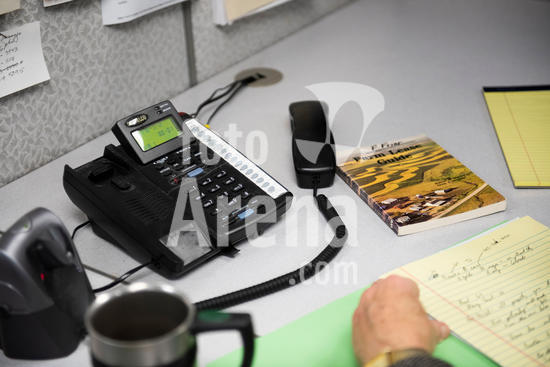
ny110420130904 FILE - Frank Friar, an employee of The Wisconsin Farm Center in Madison, Wis., talks with a farmer on the phone about his business, Dec. 12, 2019. A brutal type of scorched-earth political warfare is flaring in AmericaÕs dairyland, showing how partisanship pushed to its most strategic outer limits can ensnare farmers who need help. (Lauren Justice/The New York Times/Fotoarena)
DC
ny041124180310 FILE Ñ A dairy farm in Penn Yan, N.Y., on Aug. 15, 2018. Tariffs imposed on $300 billion of Chinese imports by President Donald Trump in 2018 started a trade war between the United States and China that affected farmers. (Libby March/The New York Times/Fotoarena)
DC

Total de Resultados: 103

Página 1 de 2