Busque também em nossas outras coleções:

Data da imagem:
Pauta
ver mais opções...
Agência
Fotógrafo
ver mais opções...
Estado
ver mais opções...
Cidade
ver mais opções...
Local
ver mais opções...
Tipo de licença
Orientação
Coleção
ver mais opções...

Total de Resultados: 4.082

Página 1 de 41

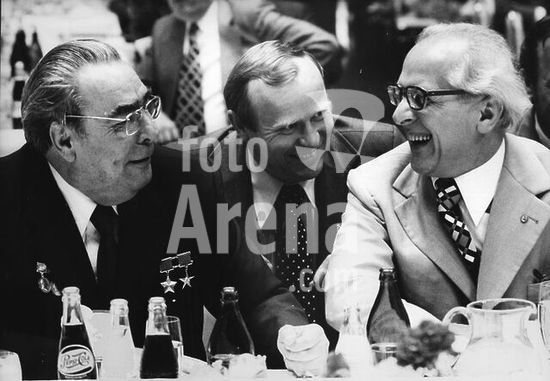
akg210800 Brezhnev, Leonid Ilyich; Soviet politician 1964 1st Secretary, from 1966. General Secr. of CC of CPSU); 1906-82. Conference of the Communist and Workers' Parties of Europe in East Berlin: Brezhnev (l.) and General Secretary of the SED, Erich Honecker (r.) during a reception. Photo, 30.6.1976 (Koard).
DC
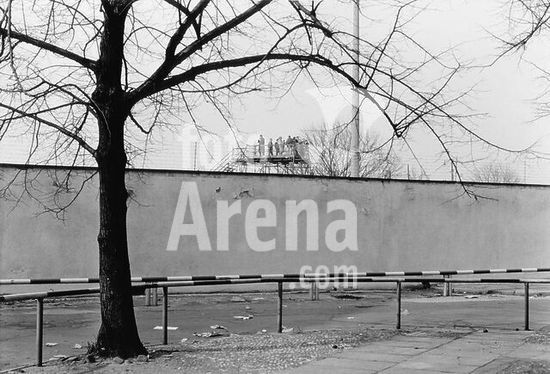
akg719065 Berlin, Berlin Wall-Sector Border. (1961-1989/90).-View of the Wall and a platform on the West Berlin side at the corner of Schwedter and Bernauer Strasse in Prenzlauer Berg.-Photo, 9 March 1982.
DC
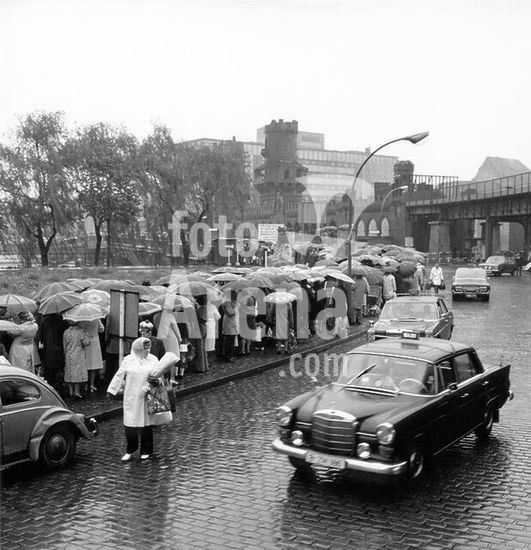
akg1524001 Berlin, Mauer.-Andrang am Grenzübergang Oberbaumbrücke ( Kreuzberg/Friedrichshain) nach Inkrafttreten der zeitweiligen Regelung über den Besuchs-und Transitverkehr zwischen DDR und Bundesrepublik am 29. März 1972: Fußgängerschlange.-Foto, 20.5.1972.
DC
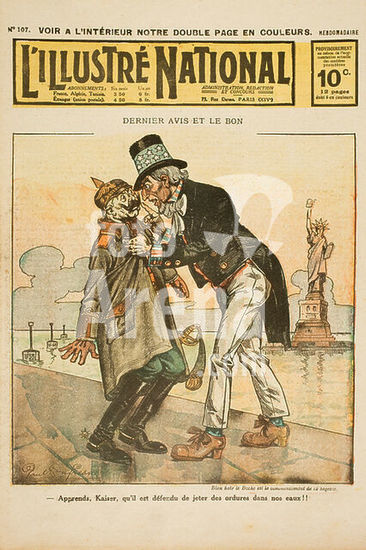
akg5000524 Wilhelm II, German Emperor (1888-1918). Berlin 27. 1. 1859 - House Doorn (Netherlands) 4. 6. 1941. - "Dernier avis et le bon. / - Apprends, Emperor, qi'il est défendu de jetet des ordure dans nos eaux!". (Comprehension, emperor, that it is forbidden to throw waste into our waters). - (Cartoon on Emperor Wilhelm II and the German submarine war in the First World War 1914-1918: Uncle Sam instructs the Emperor). Color print after drawing by Paul Dufresne. Cover to: L'Illustré National, Histoire anecdotique de la guerre européenne, Paris (Jules Tallandier) (1916), no. 107. Private collection.
DC
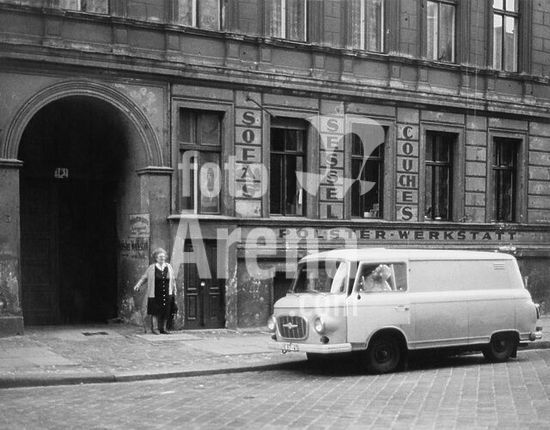
akg718634 Berlin-Prenzlauer Berg.-Straßenszene.-Foto, 1982.
DC
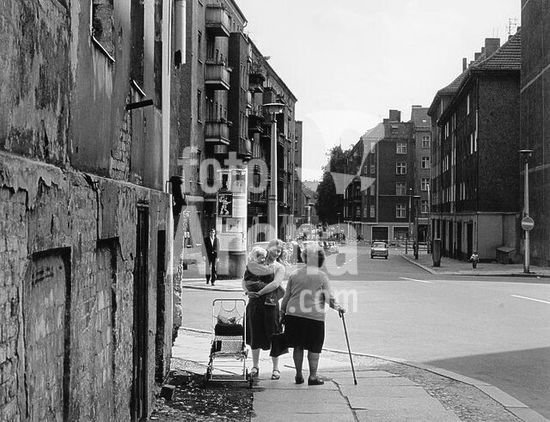
akg718631 Berlin-Prenzlauer Berg, Choriner Straße.-Straßenszene Ecke Zehdenicker Straße.-Foto, 1982.
DC
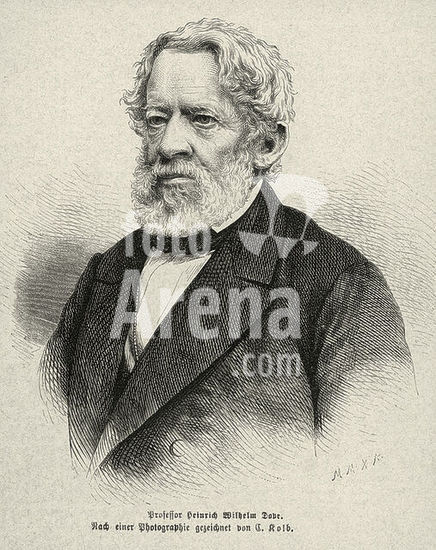
akg5560800 Heinrich Wilhelm Dove; Physicists and meteorologists (from 1829 Prof. at the University of Berlin); Liegnitz 6.10.1803 - Berlin 4.4.1879. Portrait. Wood engraving, 1879, after photography. Berlin, Sammlung Archiv für Kunst und Geschichte. Museum: Berlin, Sammlung Archiv für Kunst und Geschichte. Author: CARL KOLB.
DC
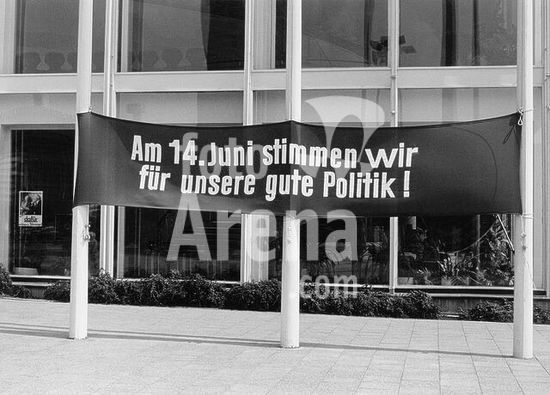
akg718626 Ost-Berlin/ Wahlen zur Volkskammer der DDR, am 14. Juni 1981.-Transparent "Am 14. Juni stimmen wir für unsere gute Politik!" in Berlin-Mitte.-Foto, Mai 1981.
DC
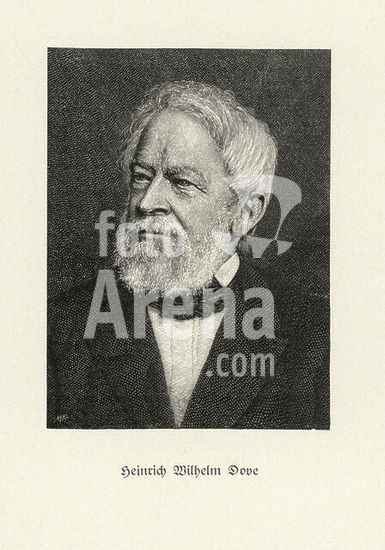
akg209979 Heinrich Wilhelm Dove; Physicists and meteorologists (from 1829 Prof. at the University of Berlin); Liegnitz 6.10.1803 - Berlin 4.4.1879. Portrait. Wood engraving by Moritz Klinkicht (born 1845). From: K. Siebert, Three Hundred Famous Germans, Stuttgart (Greiner & Pfeiffer) 1912, no. 204. Museum: Berlin, Sammlung Archiv für Kunst und Geschichte.
DC
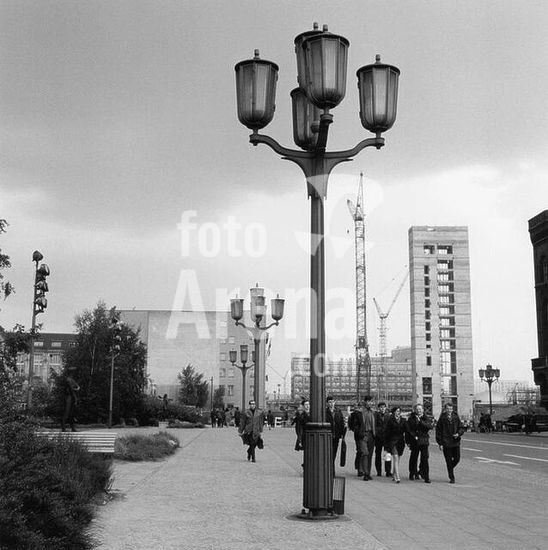
akg252208 Berlin (East), Mitte Rathausstraße, form. Königstraße. Rathausstraße tow. northeast in direction of Alexanderplatz; right: Rathaus-Passagen (shopping centre) und. construction (built 1967-72; arch.: H.Graffunder L.Köhler collective). Photo, undat. (1967?). From the series:. "Berlin Est, édifices, rues, divers".
DC
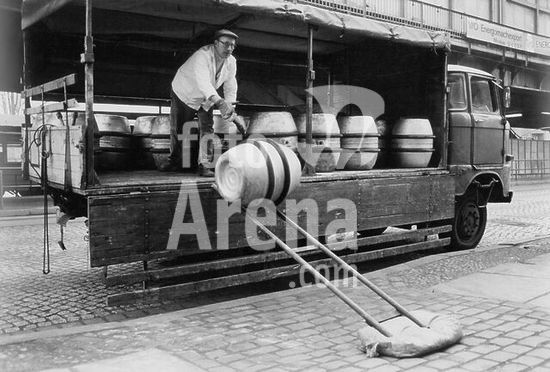
akg719043 Nahrungs-und Genußmittel: Alkohol / Bier.-Bierfässer werden von einem Lastwagen gerollt (Schönhauser Allee, Prenzlauer Berg, Ostberlin, DDR).-Foto, 1983.
DC
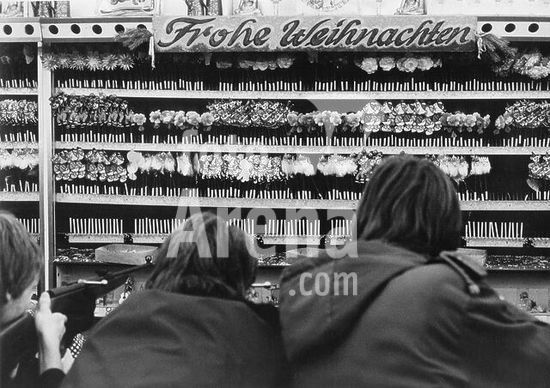
akg719046 Feste: Weihnachten / Weihnachtsmarkt.-Weihnachtsmarkt an der Alexanderstraße in Berlin-Mitte (DDR): Schießbude.-Foto, 1982.
DC
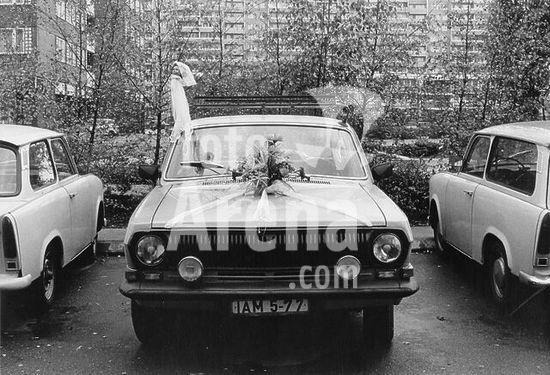
akg719070 Verkehr / Parkplatz.-Mieterparkplatz in der Wohnsiedlung an der Thomas-Mann-Straße, Berlin-Prenzlauer Berg (Ostberlin/DDR): Für eine Hochzeit geschmücktes Auto.-Foto, 1982.
DC
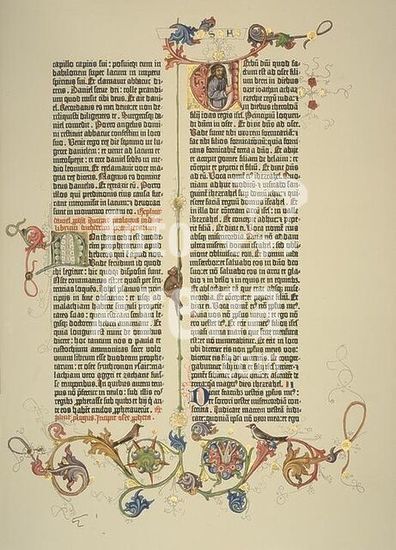
akg180406 Gutenberg, Johannes, c.1397 - 1468, German blacksmith, goldsmith, printer, and publisher and. inventor of mechanical movable type printing. Initial "N" (Non idem est), Prologue to the 12 Prophets and initial "U", Hosea, chapter 1. Type printing and illumination. From: 42-lined Latin bible ("Gutenberg Bible") in Missal script, two columned; finished c.1455 in Mainz. Berlin, Staatsbibliothek Preußischer Kulturbesitz. Museum: Berlin, Staatsbibliothek Preußischer Kulturbesitz.
DC
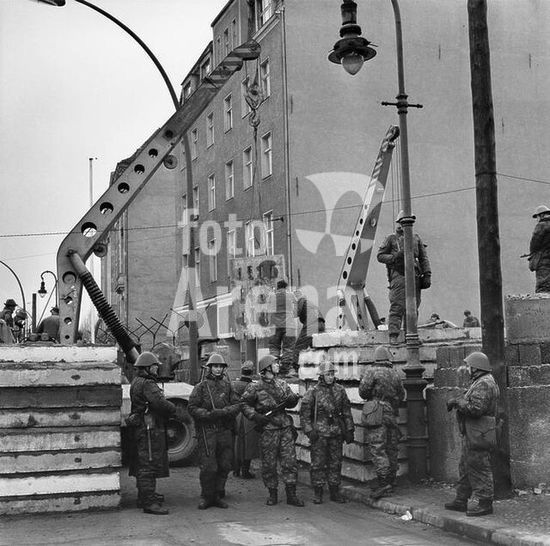
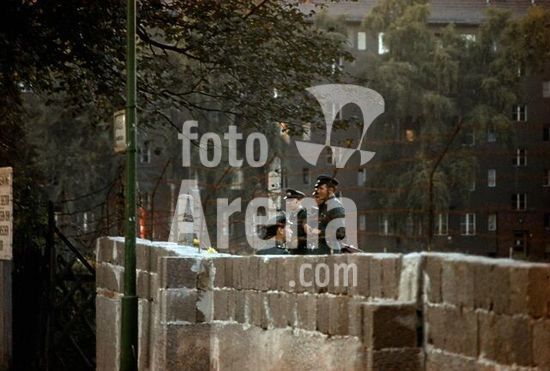
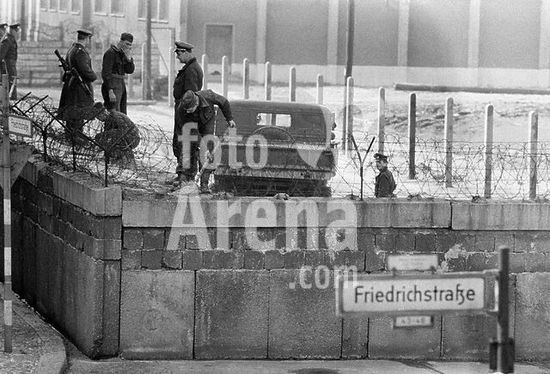
akg072647 The Berlin Wall. (Building began on 13 August 1961). The building of the Wall in Chausseestrasse is completed under the watch of East German soldiers. Photo (Gert Schuetz), 4 December 1961.
DC
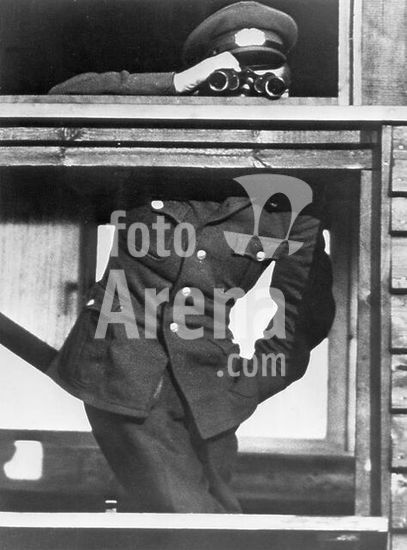
akg072700 The Berlin Wall. (Building began on 13 August 1961). An East German 'People's Policeman' with binoculars in an observation tower in the district of Rudow. Photo.
DC
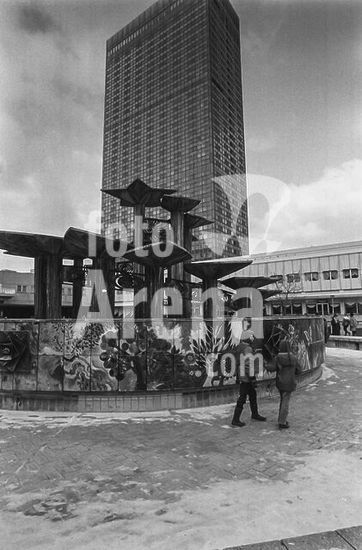
alb5568946 Alexanderplatz, East Berlin, Germany, 1983.
DC
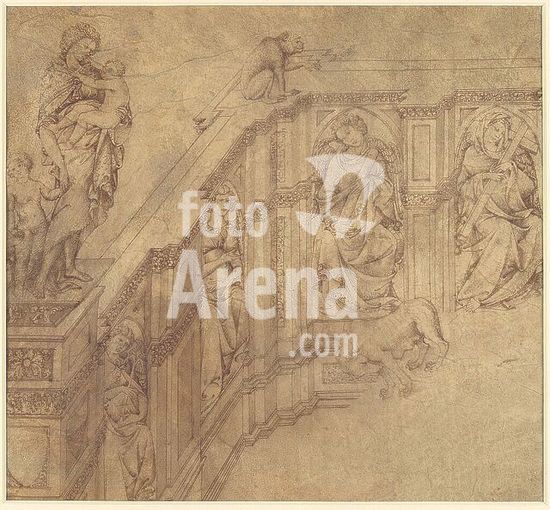
alb3659457 Design Fragment for the Left Side of the 'Fonte Gaia' in Siena. Artist: Jacopo della Quercia (Jacopo di Pietro d'Angelo di Guarnieri) (Italian, Siena 1374?-1438 Siena). Dimensions: 7-13/16 x 8-7/16 in. (20.1 x 21.4 cm). Date: 1415-16.This is one of the most historically important early Italian drawings in a United States collection, and is associated with a famous sculptural project in Renaissance Italy. The details of the project are complex but illuminate the crucial role of this drawing in the development of the commission. They are summarized here with new research. In 1408, Jacopo della Quercia was contracted by the magistrates (signori) of the republic of Siena to execute the Fonte Gaia ("Fountain of Joy"), a great rectangular basin with figural sculptures in marble, intended to replace a previously existing structure on the northwest edge of the Piazza del Campo, the main public space of the town. The damaged original fragments of the Fonte Gaia are today in Santa Maria della Scala (Siena) but remained in situ until 1858 when the ensemble was substituted with a facsimile copy by Tito Sarrocchi. Eleven years in the making, the Fonte Gaia served practical, symbolic, and aesthetic functions, as part of a larger program of public monuments initiated by the fiercely republican government of the comune that rose to power in 1404. It was the principal source of public waters in the center of Siena (a land-locked hill town), serving as a large cistern with several spouts that was supplied from the vast network of subterranean aqueducts, or bottini, which had been completed with a 25 km expansion at enormous expense in the late fourteenth century. The documents about the Fonte Gaia commission (preserved in the Archivio di Stato of Siena) confirm that drawings produced by Jacopo della Quercia served an important legal purpose, allowing the patrons to discuss and approve the state of the fountain as it progressed. Although much about the two drawing fragments in the Metropolitan Museum of Art and Victoria and Albert Museum has been debated (including their authorship, iconography, and precise purpose), the new visual-archaeological evidence and a critical reading of the documents clearly confirm the attribution to Jacopo della Quercia himself.On December 15, 1408, the magistrates of the republic established that the total cost of this major civic monument, dedicated to the Virgin as protectress of Siena, was not to exceed 1,700 gold florins. The commission for the Fonte Gaia was authorized and the terms of the contract with Jacopo were stipulated on January 22, 1409. This document refers to a deadline of twenty months for the completion of the fountain, as well as to its dimensions and decoration "with figures, foliage ornament, and marbles that are clearly shown in the above-mentioned drawing" ("cho' le figure, foglame, e marmi che nel disegno soprascritto chiaramente si dimostrano"). A memorandum of January 18, 1415, however, assessed the defects of the design and the incomplete state of the work as it stood: Jacopo della Quercia seems to have begun to produce the sculptures only in 1414, and between 1415-16 most of the sculptures or their preliminary models may have actually been complete. It also noted the need to expand the size of the fountain and to provide for the decoration of the exterior faces of the basin. On December 11, 1416, a new contract for the Fonte Gaia was drafted, since the prescribed deadline for completion of the monument had also long passed. This document of 1416 refers to a first drawing done in 1408, as well as to a new drawing on a piece of parchment or vellum ("carta edina"), as "designed and made by the hand of the said master Jacopo, presented by the lord magistrates themselves in the town council" ("dicti anni MCCCCVIII, secundum formam primi designi facti in Palatio magnificorum dominorum Priorum in sala dicti Palatii tendenti versus Campsum fori, et quod postea fuit facta nova location, secundum novum designum factum manu dicti magistri Iacobi ... et eo modo et forma et prout continetur et designatum est, et apparet in quadam carta edina manu dicti magistri Iacobi designata et facta, presentata per ipsos dominos Regulatores in Consistorio"). The Fonte Gaia was finished with the last payments to Jacopo della Quercia and the cancellation of the previous contracts for the project, recorded on October 9 and 20, 1419. The two surviving fragments at the Metropolitan Museum of Art and Victoria and Albert Museum pertain to the left and right portions of the Fonte Gaia, and originally constituted a large, very detailed single drawing on vellum of which the central portion is lost. The Victoria and Albert fragment has also been cut down substantially along the upper and bottom borders. The minute control of the figural and ornamental details especially evidence Jacopo della Quercia's early training as a goldsmith. Seen close up and in good light, the drawing style of the figures with parallel- and cross-hatching is also surprisingly expressive. The general iconography of the Fonte Gaia alludes to the virtues of good government of the republic of Siena, which are also celebrated in the fourteenth-century frescoes of the Palazzo Pubblico, which faced the original fountain across the Piazza del Campo. Two standing female figures, each accompanied by two infants, terminate the design of the fountain at left and right foreground in the present drawing fragments. They represent respectively Acca Larentia (she wears a fur) and Rhea Silvia (she wears a crown), who are the birth and foster mothers of the twins Romulus and Remus, founders of Rome, and who according to local legend were also the founders of Siena: these figures are much more individualized in the drawings than in the final marble sculptures. In addition to the she-wolf of Rome in the foreground of the Metropolitan Museum fragment, two other symbolic animals adorn the far corners of the low walls, an ape in the Metropolitan Museum fragment and a she-dog in the Victoria and Albert Museum fragment, possibly alluding to the kinds of sinfulness of the Roman twin's mothers. The rows of niches in the interior of the three low walls of the basin house the figures of Christian virtues. Of the scientific instrumentation used to examine the Metropolitan Museum drawing fragment, ultraviolet light especially clarifies that the wash modeling in iron-gall ink was originally much more extensive and powerful, and that it has greatly faded with age and light. Hence, the monumentality and overall sculptural quality of the original design, with its graded tonal transitions in the areas with wash and with pen-and-ink hatching in the deepest shadows, have been considerably diminished. The arguments that these drawings are by a painter (Priamo della Quercia, doc. 1426-1467, brother of Jacopo being one of the proposed candidates), rather than by a sculptor, therefore fall apart. When the two drawing fragments are seen together side by side, as in the present exhibition and as they were displayed in 1998 and 2010, it becomes clear that the Victoria and Albert portion depicts design elements in a greatly more incomplete state and is of more modest overall conception than the Metropolitan Museum fragment. A possible explanation is that the drawings may represent a kind of visual legal document, or ricordo, of the actual state of progress around 1415-16 of the carved monument and the fact that it was greatly unfinished in its right half at that point in time. The pilasters and much of the moldings are left unarticulated (almost blank) in the London fragment, while the New York drawing seems only slightly unfinished toward the lower right where the very summarily sketched outlines indicate a mount projecting forward from the low back wall that provides a ground-line for the she-wolf. The moldings at the bottom of the architectural framework toward right are also drawn in reserve and are therefore blank (this is verified by the view under the microscope and with infrared reflectography). These architectural lines stop quite short of the design of the mount. Close-up examination of both drawing fragments confirms that these passages of apparent unfinish are an intentional matter of facture, not ones due to compromised physical condition: they are not simply a case of the ink being faded in the blank parts of the designs. The New York and London drawing fragments portray a still fragmentary sculptural ensemble in which the passages of most incomplete execution generally occur in the middle to right portions of the fountain's decoration, although the degree to which the drawings are accurate records of the work in progress may be open to question. The New York and London drawing fragments also provide a greater amount of content and specific details much beyond what the Fonte Gaia documents describe, but represent a much less complex overall design than the fountain that was finally executed in marble by 1419. The drawing fragments therefore must date to 1415-16 or so, roughly speaking during the period of time in which the design of the Fonte Gaia was being reevaluated on the basis of the work in progress, and the new contract and "novum designum" for the greatly modified fountain were being drafted. The visual conventions of form adopted by Jacopo della Quercia in the New York and London fragments also shed light on the precise function of the monumental original drawing. In both drawing fragments, the detailed design of the precisely ruled architectural framework for the fountain with its sculpted allegorical figures, animals, and vegetal patterns of ornament is depicted with precise outlines and modeling in wash in a clearly expository manner so as to indicate the general illusion of the three-dimensional forms receding in space. The figures, animals, and ornament were then further individuated with clarity by the deeper modeling with strokes of spirited hatching. On the two lateral walls, the framing elements of the niches, pilasters, and moldings overlap the forms of the figural sculptures, but the overall design is constructed according to a parallel projection of all diagonal lines, or isometry, rather than a true, pictorial one-point perspective in the Renaissance style pioneered by Filippo Brunelleschi in which orthogonal lines converge on a single vanishing point. These pictorial conventions in the Fonte Gaia design fragments are rooted in Late Gothic practice and fit within a larger typology of architectural-sculptural drawings by Sienese artists from the second half of the fourteenth century onward. Such early Sienese drawings depict carefully ruled architectural ensembles decorated with meticulously drawn figural and ornamental sculpture, and are executed in pen and ink on parchment, as, for example, the drawings for the façade of the Baptistery of Siena and for a lavish, unexecuted pulpit perhaps intended for the Orvieto Cathedral (Siena, Opera del Duomo inv. 20; Orvieto, Opera del Duomo; London, British Museum 1899,0617.2; and Berlin, Kupferstichkabinett KdZ 3392). The result of the early historiography on the Fonte Gaia project has been that the Metropolitan Museum of Art and Victoria and Albert drawing fragments are usually published with a question mark after the attribution to Jacopo della Quercia. While the documents alone should suffice to settle the attribution beyond doubt, the scholarly debates have chiefly arisen from two problems. Firstly, the term disegno in Italian embraces the dual meanings of "design" and "drawing," and in making attributions a previous generation of scholars often overly preferred to regard the authorship of the design idea as separate from the actual execution of a drawing. Secondly, it is a choice of how narrowly or widely one interprets the phrase "manu dicti magistri Jacobi," "made by master Jacopo's hand." In the Italian vernacular, the phrasing in documents is frequently rendered as "fatto di sua mano." The phrase "di sua mano," "by his hand," and like wording have been much better understood by art historians with regard to early paintings and sculptures. The large physical scale of projects often entailed the delegation of labor among collaborators and workshop assistants, and this consequently raises nuanced dimensions of authorship in examining a design with respect to its execution. But, one must emphasize, this is more often than not the wrong paradigm for the analysis of early modern drawings. When referring to actual drawings, at least of a reasonably portable scale, the Italian Renaissance artist, patron, and author applied the phrase "di sua mano" in a most literal and practical sense (that was usually also legally binding in the case of contractual documents), to mean that a drawing was physically made by the artist's hand. At the same time, one must also emphasize that the understanding of the phrase, "di sua mano," as meaning that a drawing was physically by the artist's hand went much beyond the sphere of official contractual drawings: the phrase is used in this narrow, literal sense in a variety of written sources of the early modern period (letters, ricordi, and writings on art including, Giorgio Vasari's Vite de' più eccellenti pittori, scultori e architettori).Carmen C. Bambach (2014). Museum: Metropolitan Museum of Art, New York, USA.
DC
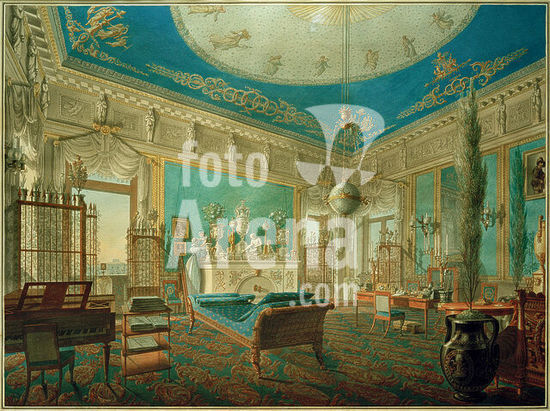
akg4507478 Sankt Petersburg (Russland), Anitschkow-Palais. (erb.1741-50; Arch.: Michail G. Semzow und Bartolomeo Francesco Rastrelli; Umbauten 1778/79 durch Iwan Starow und 1875 durch Karl Karlowitsch Rachau). - "Ansicht des Kabinetts der Großfürstin Alexandra Fjodowna im Anitschkow-Palast". - Aquarell, 1820, Maxim Nikiforowitsch Worobjew (1787-1855) zugeschrieben. Auf Papier, 29,8 x 53,2 cm. Inv. Nr. Aquarellsammlung GK I 40371. Potsdam, SPSG Berlin-Brandenburg. Museum: Berlin, Sammlung Archiv für Kunst und Geschichte.
DC

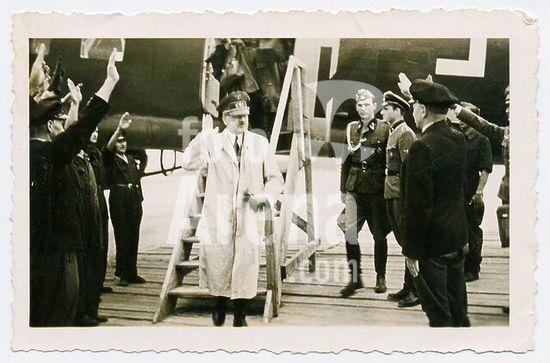
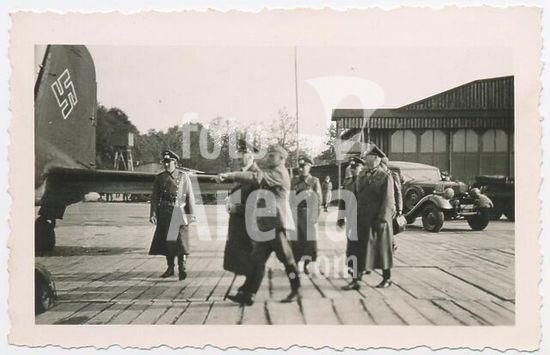
akg1555579 Hitler, Adolf; German politician (NSDAP), Braunau (Austria) 20.4.1889-(suicide) Berlin (Germany) 30.4.1945.-World War II: Hitler arriving at an airport, at his headquarters "Wolfsschanze" near Rastenburg in East Prussia, now Poland (?).-Photo, no date or place given.
DC

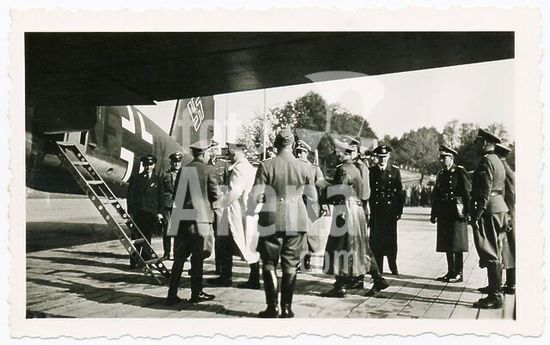
akg1555580 Hitler, Adolf; German politician (NSDAP), Braunau (Austria) 20.4.1889-(suicide) Berlin (Germany) 30.4.1945.-World War II: Hitler arriving at an airport, at his headquarters "Wolfsschanze" near Rastenburg in East Prussia, now Poland (?).-Photo, no date or place given.
DC

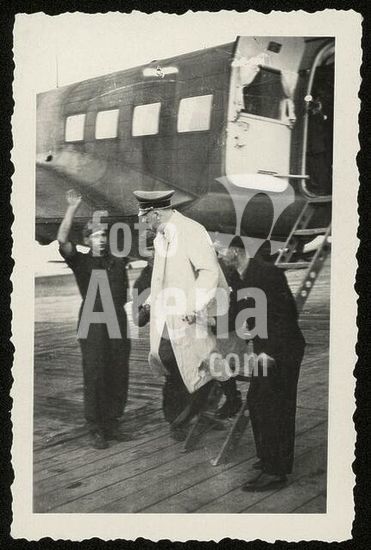
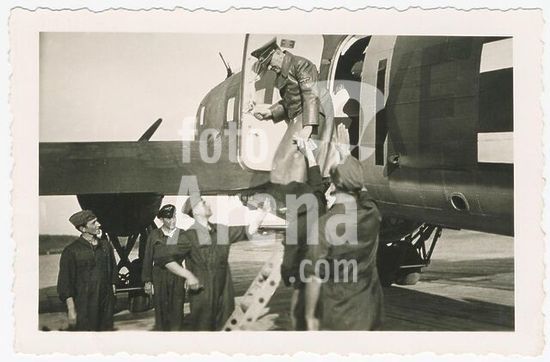
akg1555582 Hitler, Adolf; German politician (NSDAP), Braunau (Austria) 20.4.1889-(suicide) Berlin (Germany) 30.4.1945.-World War II: Hitler (light coat) boarding a plane at his headquarters "Wolfsschanze" near Rastenburg in East Prussia, now Poland (?).-Photo, no date or place given.
DC
akg1555584 Hitler, Adolf; German politician (NSDAP), Braunau (Austria) 20.4.1889-(suicide) Berlin (Germany) 30.4.1945.-World War II: Hitler arriving at an airport, at his headquarters "Wolfsschanze" near Rastenburg in East Prussia, now Poland (?).-Photo, no date or place given.
DC
akg1555620 Hitler, Adolf; German politician (NSDAP), Braunau (Austria) 20.4.1889-(suicide) Berlin (Germany) 30.4.1945.-World War II: Hitler walking towards a plane at an airport, at his headquarters "Wolfsschanze" near Rastenburg in East Prussia, now Poland (?).-Photo, no date or place given.
DC
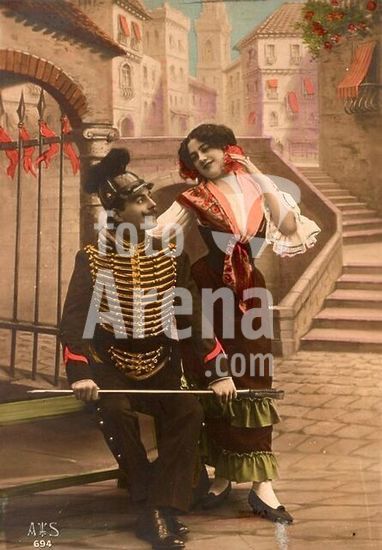
akg108530 Bizet, Georges French composer, 1838-1875. Works: Carmen (opera; libr. aft. Merimee; FP Paris 1875). "Carmen a Jose / L'amour est enfant de Boheme (...) ". Photo postcard, coloured, No. 1 of a series with set up scenes from "Carmen", France, before 1909. Berlin, Sammlung Archiv für Kunst und Geschichte. Museum: Berlin, Sammlung Archiv für Kunst und Geschichte.
DC
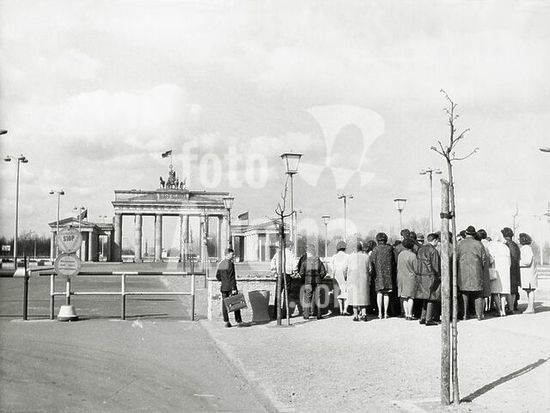
akg184450 Berlin-Mitte, Brandenburg Gate. Tourist group in front of the barrier at the Brandenburg Gate in East Berlin. Photo, 10.4.1968.
DC
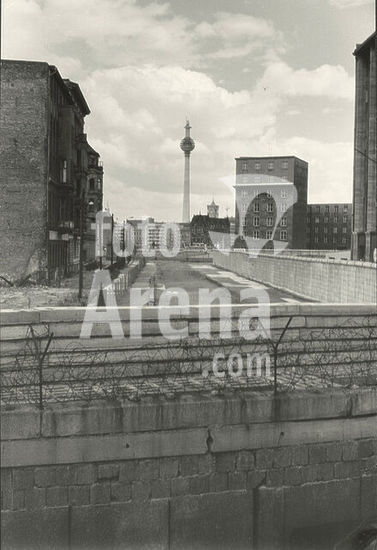
akg7910847 West Berlin, Kreuzberg, Berlin Wall, border fortifications. View from the Lindenstrasse to the Spittelmarkt (East Berlin). in the background the television tower under construction. West Berlin Kreuzberg, July 27, 1968.
DC
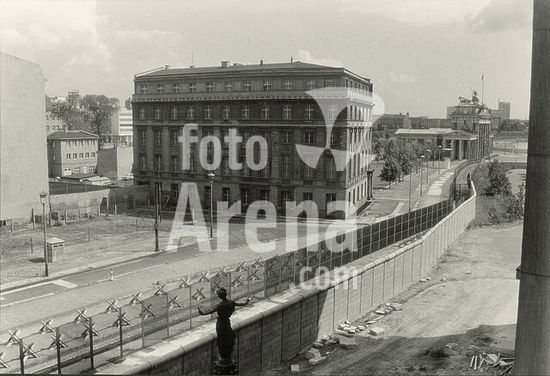
akg7910573 West Berlin, Tiergarten, Berlin Wall, view of the border fortifications from the Reichstag building, behind it on Ebertstraße / corner of Dorotheenstraße the building of the Association of German Engineers VDI (Architects: Konrad Reimer & Friedrich Körte, 1911-1914). In the background the Bandenburg Gate. Berlin-Tiergarten, July 1968. Photo by Jürgen Grothe.
DC
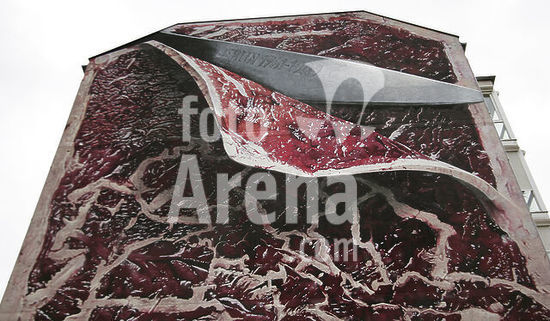
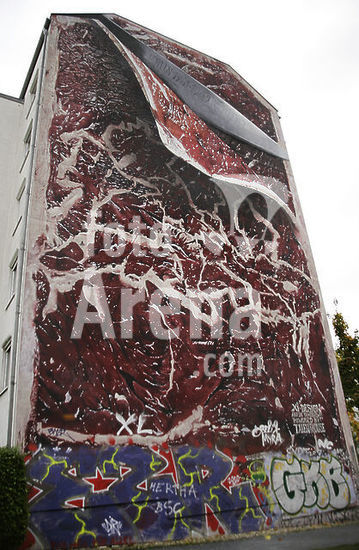
alb19630532 Berlin, Germany. Steak mural, Berlin 1961-1989. Large mural created by German artist Marcus Haas after winning the contest "If Walls Could Talk", promoted in 2016 by Xi-Design art group. Located at Bernauer Straße 11, next to the Berlin Wall Memorial. It symbolises the division caused by the Wall. The texture of the meat represents the different districts of the city, cut in half with a knife. 989. The government of the German Democratic Republic (GDR) built this barrier, more than 150 km long, to completely isolate East Berlin from the rest of the GDR. Berlin Wall Memorial on Bernauer Strasse. Detail of a section located on Bernauer Straße, border between the districts of Mitte (East Berlin) and Wedding (West Berlin). Author: Marcus Haas. German artist.
DC
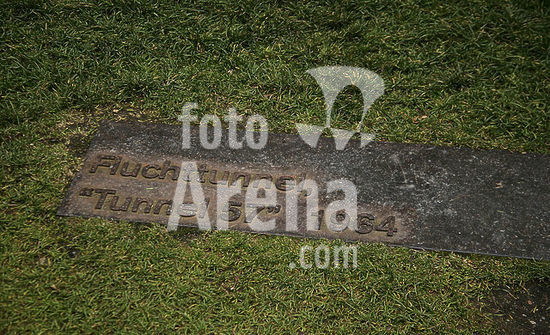
alb19630538 Berlin Wall, Germany. Its construction began on 13 August 1961, and it fell on 9 November 1989. The government of the German Democratic Republic (GDR) built this barrier, more than 150 km long, to completely isolate East Berlin from the rest of the GDR. Berlin Wall Memorial on Bernauer Strasse. Tunnel 57. Escape tunnel dug under the Wall. Between 3 and 4 October 1964, it was the scene of a mass escape of 57 East Berlin citizens to West Berlin. It was built from the basement of an abandoned bakery at 97 Bernauer Straße (West Berlin), which at that time consisted of empty, boarded-up apartment buildings on the east side of Bernauer Straße, to a backyard at 55 Strelitzer Straße (East Berlin). It was designed by two engineers, Reinhard Furrer and Wolfgang Fuchs. Plaque marking the route of Tunnel 57 below the Berlin Wall.
DC
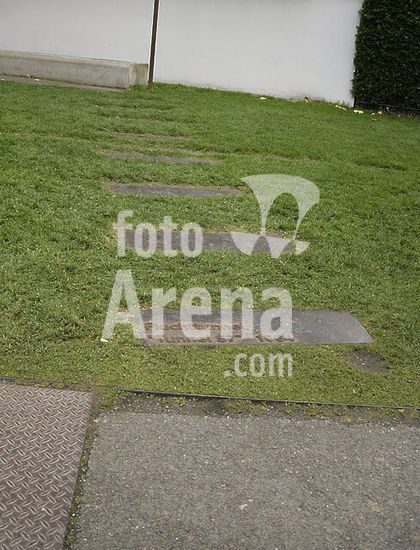
alb19630550 Berlin Wall, Germany. Its construction began on 13 August 1961, and it fell on 9 November 1989. The government of the German Democratic Republic (GDR) built this barrier, more than 150 km long, to completely isolate East Berlin from the rest of the GDR. Berlin Wall Memorial on Bernauer Strasse. Tunnel 57. Escape tunnel dug under the Wall. Between 3 and 4 October 1964, it was the scene of a mass escape of 57 East Berlin citizens to West Berlin. It was built from the basement of an abandoned bakery at 97 Bernauer Straße (West Berlin), which at that time consisted of empty, boarded-up apartment buildings on the east side of Bernauer Straße, to a backyard at 55 Strelitzer Straße (East Berlin). It was designed by two engineers, Reinhard Furrer and Wolfgang Fuchs. Plaques marking the route of Tunnel 57 below the Berlin Wall.
DC
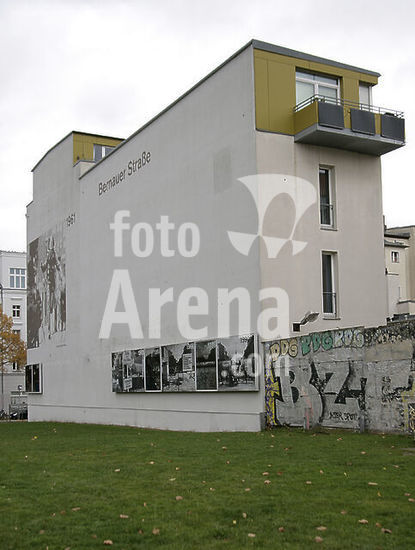
alb19631278 Berlin Wall, Germany. Its construction began on 13 August 1961, and it fell on 9 November 1989. The government of the German Democratic Republic (GDR) built this barrier, more than 150 km long, to completely isolate East Berlin from the rest of the GDR. Berlin Wall Memorial on Bernauer Strasse, Mitte. Building with panels showing historical photographs about the Wall. After it was built, the East German police locked up the doors existing onto Bernauer Strasse. The windows of the houses were gradually bricked up after several Berliners used them to flee.
DC
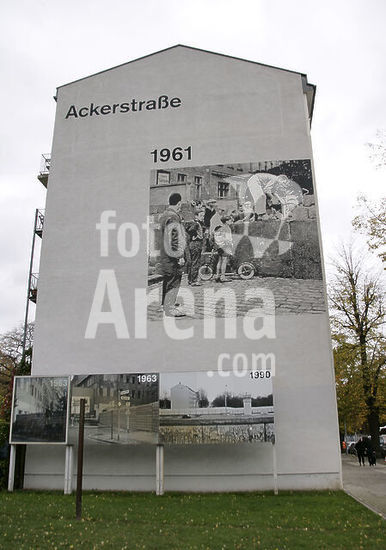
alb19631277 Berlin Wall, Germany. Its construction began on 13 August 1961, and it fell on 9 November 1989. The government of the German Democratic Republic (GDR) built this barrier, more than 150 km long, to completely isolate East Berlin from the rest of the GDR. Berlin Wall Memorial on Bernauer Strasse. Building on the corner of Ackerstrasse. Panels with historical photographs showing the construction and sections of the Wall. After the Wall was built, the East German police locked up the doors existing onto Bernauer Strasse. The windows of the houses were gradually bricked up after several Berliners used them to flee. Late 1965, the corner building and the building at Ackerstrasse 42 were demolished to make room for the border strip that was being created. In 1984 and 1985, during the redevelopment of the border area, building no. 41 and the side wings of the adjacent buildings on Ackerstrasse were also demolished. The large photograph shows the construction of the first concrete block wall on 15 August 1961. The three smaller photographs show the Wall on Ackerstraße in 1963 and 1990 (third-generation Wall and Border Wall 75).
DC
alb19630473 Berlin, Germany. Steak mural, Berlin 1961-1989. Large mural created by German artist Marcus Haas after winning the contest "If Walls Could Talk", promoted in 2016 by Xi-Design art group. Located at Bernauer Straße 11, next to the Berlin Wall Memorial. It symbolises the division caused by the Wall. The texture of the meat represents the different districts of the city, cut in half with a knife. 989. The government of the German Democratic Republic (GDR) built this barrier, more than 150 km long, to completely isolate East Berlin from the rest of the GDR. Berlin Wall Memorial on Bernauer Strasse. Detail of a section located on Bernauer Straße, border between the districts of Mitte (East Berlin) and Wedding (West Berlin). Author: Marcus Haas. German artist.
DC
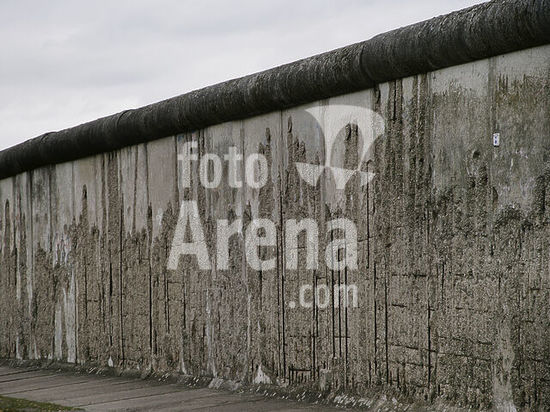
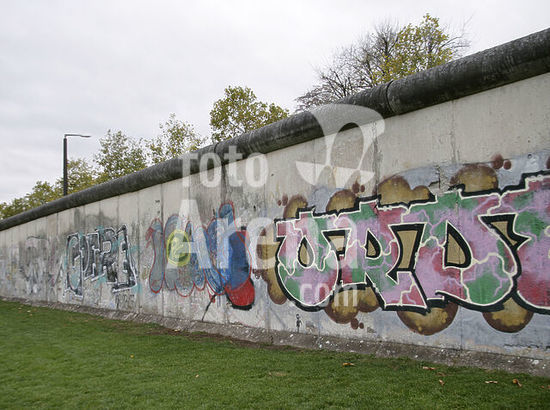
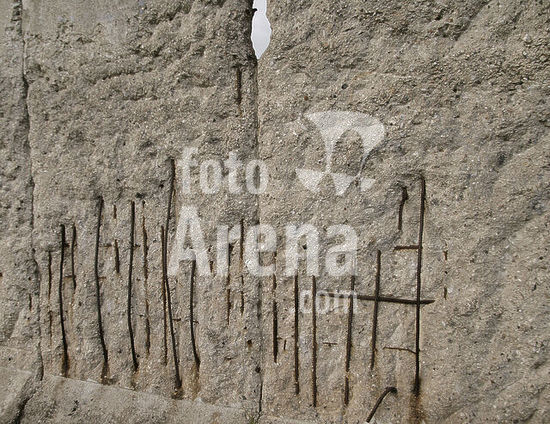
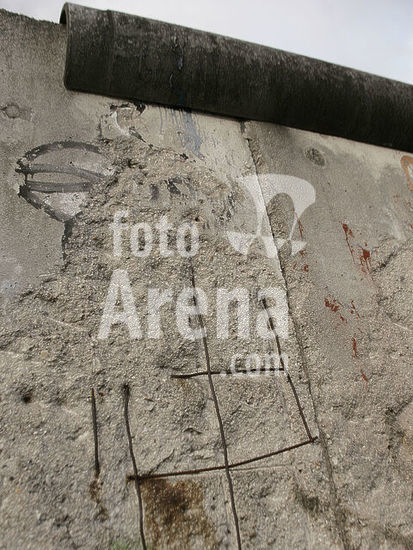
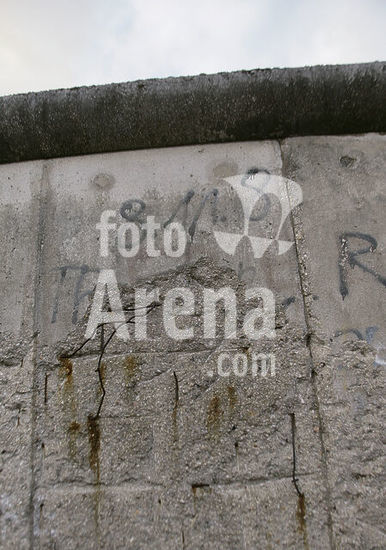
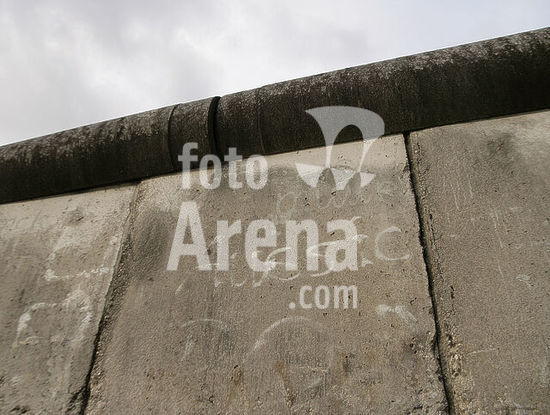
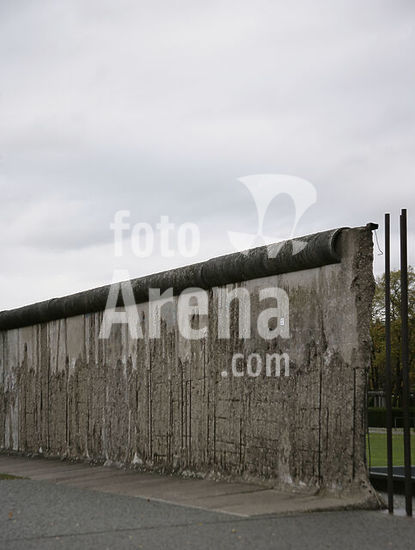
alb19468903 Berlin Wall, Germany. Its construction began on 13 August 1961, and it fell on 9 November 1989. The government of the German Democratic Republic (GDR) built this barrier, more than 150 km long, to completely isolate East Berlin from the rest of the GDR. Berlin Wall Memorial on Bernauer Strasse. Section located on Bernauer Straße, border between the districts of Mitte (East Berlin) and Wedding (West Berlin).
DC
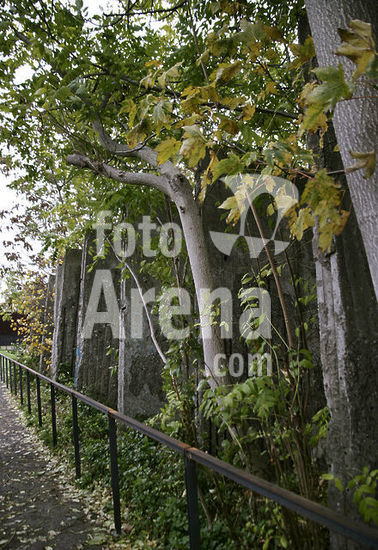
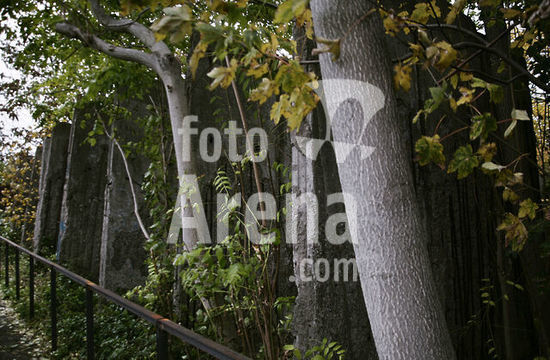
alb19468904 Berlin Wall, Germany. Its construction began on 13 August 1961, and it fell on 9 November 1989. The government of the German Democratic Republic (GDR) built this barrier, more than 150 km long, to completely isolate East Berlin from the rest of the GDR. In 1997 the Sophien parish (Sophienkirche church) demolished two sections of the Wall in protest because they stood on the graves of World War II victims on its parish cemetery. This revealed the existence of a cemetery in the area, partially divided by the Wall. The fragments that were removed from their original location on Bernauer Straße have been preserved in the cemetery Friedhof II der Sophiengemeinde ever since, in the Mitte district. View of these fragments.
DC
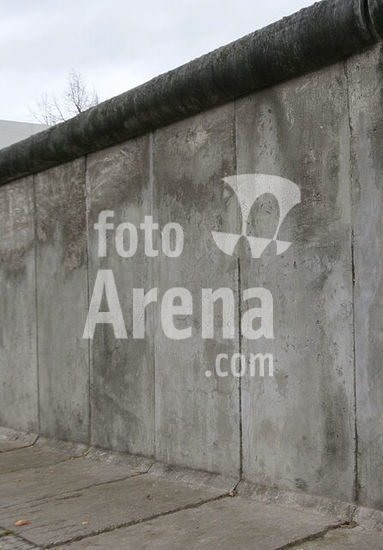
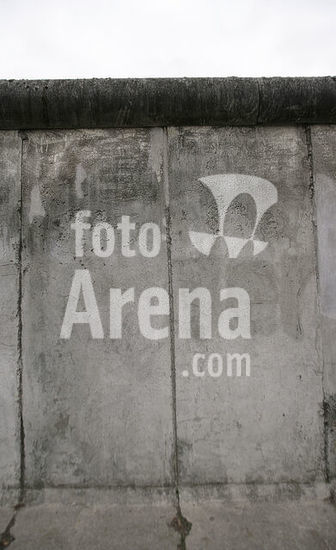
alb19468900 Berlin Wall, Germany. Its construction began on 13 August 1961, and it fell on 9 November 1989. The government of the German Democratic Republic (GDR) built this barrier, more than 150 km long, to completely isolate East Berlin from the rest of the GDR. Berlin Wall Memorial on Bernauer Strasse. Detail of a section located on Bernauer Straße, border between the districts of Mitte (East Berlin) and Wedding (West Berlin).
DC
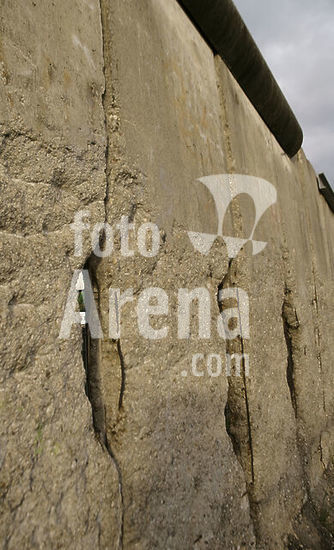
alb19468901 Berlin Wall, Germany. Its construction began on 13 August 1961, and it fell on 9 November 1989. The government of the German Democratic Republic (GDR) built this barrier, more than 150 km long, to completely isolate East Berlin from the rest of the GDR. Berlin Wall Memorial on Bernauer Strasse. Section located on Bernauer Straße, border between the districts of Mitte (East Berlin) and Wedding (West Berlin). View of the so-called "death strip", the area between the two concrete walls that made up the Berlin Wall, through a slit in the internal wall.
DC
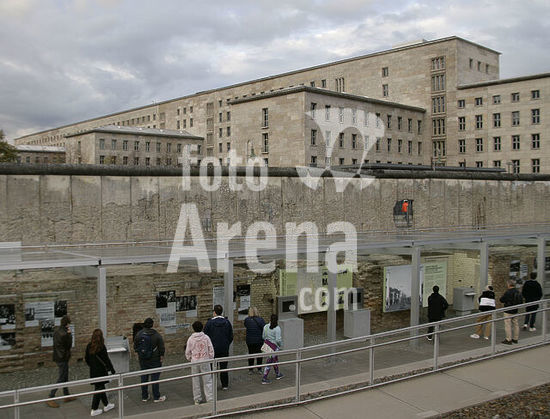
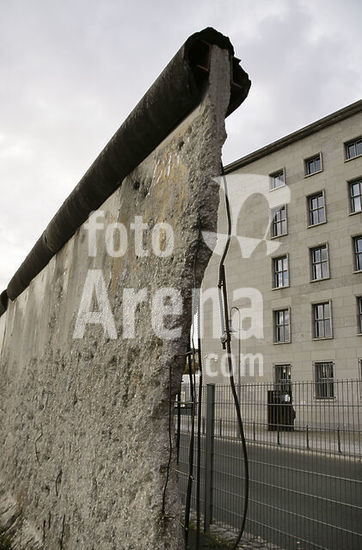
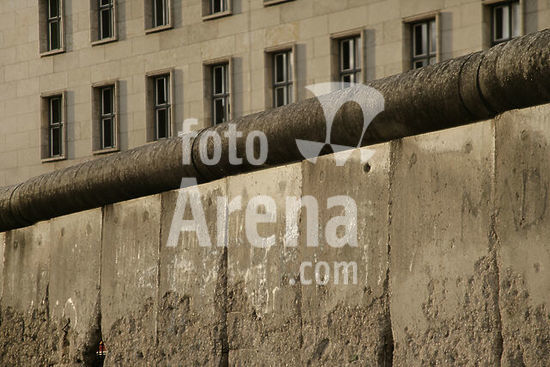
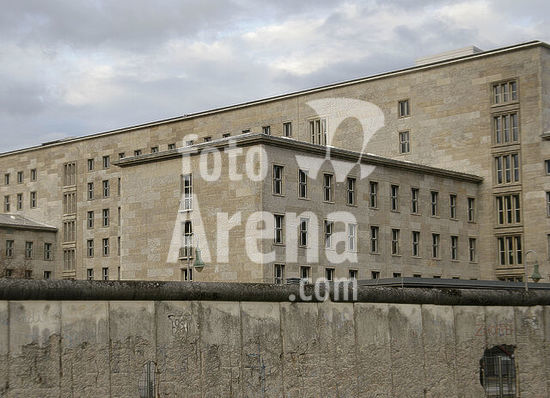
alb19468907 Berlin Wall, Germany. Its construction began on 13 August 1961, and it fell on 9 November 1989. The government of the German Democratic Republic (GDR) built this barrier, more than 150 km long, to completely isolate East Berlin from the rest of the GDR. Section of the Wall located on Niederkirchnerstraße (Niederkirchnerstrasse), designated a historic monument in 1990. It belongs to the collection of historical remains of the Topography of Terror Documentation Center. In the background stands the Reich Ministry of Aviation (Reichsluftfahrtministerium, RLM) building, a government department during the period of Nazi Germany (1933-1945). It was built between February 1935 and August 1936. Since 1999, houses the Federal Ministry of Finance. In the foreground, Exhibition Berlin 1933-1945. Between 1933 and 1945, the Gestapo headquarters, prison, the SS central command, and from 1939 the Reich Security Main Office, were located on the site of what is now the documentation centre Topographie des Terrors. The open-air exhibition, along the excavations next to Niederkirchnerstraße, tells the story of the site as the nerve centre of the Nazi programme of extermination and persecution.
DC
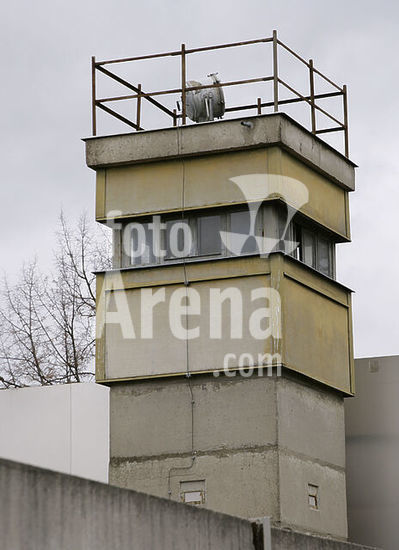
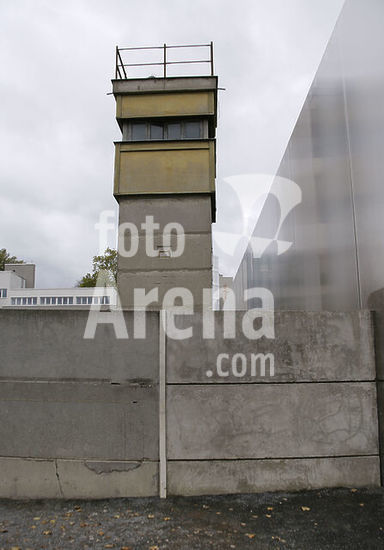
alb19468893 Berlin Wall, Germany. Its construction began on 13 August 1961, and it fell on 9 November 1989. The government of the German Democratic Republic (GDR) built this barrier, more than 150 km long, to completely isolate East Berlin from the rest of the GDR. Berlin Wall Memorial on Bernauer Strasse. Watchtower on a section located on Bernauer Straße, border between the districts of Mitte (East Berlin) and Wedding (West Berlin).
DC
alb19468887 Berlin Wall, Germany. Its construction began on 13 August 1961, and it fell on 9 November 1989. The government of the German Democratic Republic (GDR) built this barrier, more than 150 km long, to completely isolate East Berlin from the rest of the GDR. Berlin Wall Memorial on Bernauer Strasse. Section located on Bernauer Straße, border between the districts of Mitte (East Berlin) and Wedding (West Berlin).
DC
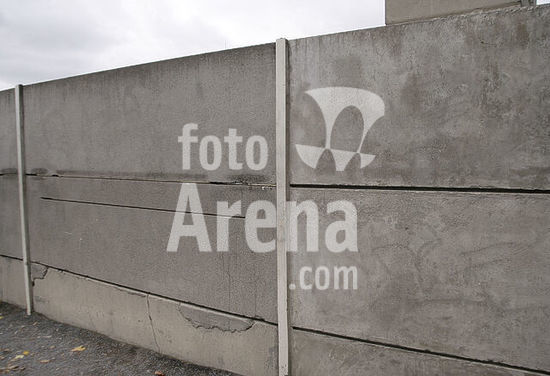
alb19468885 Berlin Wall, Germany. Its construction began on 13 August 1961, and it fell on 9 November 1989. The government of the German Democratic Republic (GDR) built this barrier, more than 150 km long, to completely isolate East Berlin from the rest of the GDR. Berlin Wall Memorial on Bernauer Strasse. Section located on Bernauer Straße, border between the districts of Mitte (East Berlin) and Wedding (West Berlin).
DC
alb19468881 Berlin Wall, Germany. Its construction began on 13 August 1961, and it fell on 9 November 1989. The government of the German Democratic Republic (GDR) built this barrier, more than 150 km long, to completely isolate East Berlin from the rest of the GDR. Berlin Wall Memorial on Bernauer Strasse. Section located on Bernauer Straße, border between the districts of Mitte (East Berlin) and Wedding (West Berlin).
DC
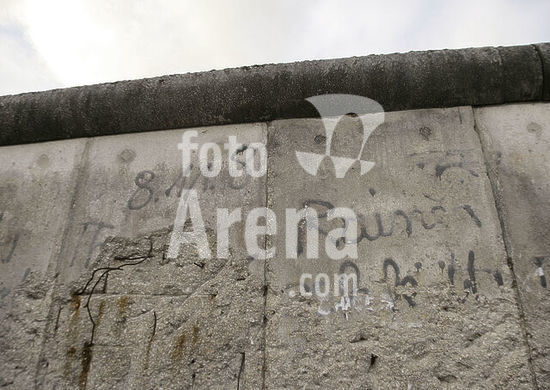
alb19468889 Berlin Wall, Germany. Its construction began on 13 August 1961, and it fell on 9 November 1989. The government of the German Democratic Republic (GDR) built this barrier, more than 150 km long, to completely isolate East Berlin from the rest of the GDR. Berlin Wall Memorial on Bernauer Strasse. Detail of the interior wall of a section located on Bernauer Straße, border between the districts of Mitte (East Berlin) and Wedding (West Berlin).
DC
alb19468894 Berlin Wall, Germany. Its construction began on 13 August 1961, and it fell on 9 November 1989. The government of the German Democratic Republic (GDR) built this barrier, more than 150 km long, to completely isolate East Berlin from the rest of the GDR. Berlin Wall Memorial on Bernauer Strasse. Watchtower on a section located on Bernauer Straße, confluence with Ackerstraße.
DC
alb19468897 Berlin Wall, Germany. Its construction began on 13 August 1961, and it fell on 9 November 1989. The government of the German Democratic Republic (GDR) built this barrier, more than 150 km long, to completely isolate East Berlin from the rest of the GDR. In 1997 the Sophien parish (Sophienkirche church) demolished two sections of the Wall in protest because they stood on the graves of World War II victims on its parish cemetery. This revealed the existence of a cemetery in the area, partially divided by the Wall. The fragments that were removed from their original location on Bernauer Straße have been preserved in the cemetery Friedhof II der Sophiengemeinde ever since, in the Mitte district. View of these fragments.
DC
alb19468892 Berlin Wall, Germany. Its construction began on 13 August 1961, and it fell on 9 November 1989. The government of the German Democratic Republic (GDR) built this barrier, more than 150 km long, to completely isolate East Berlin from the rest of the GDR. Berlin Wall Memorial on Bernauer Strasse. Section located on Bernauer Straße, border between the districts of Mitte (East Berlin) and Wedding (West Berlin).
DC
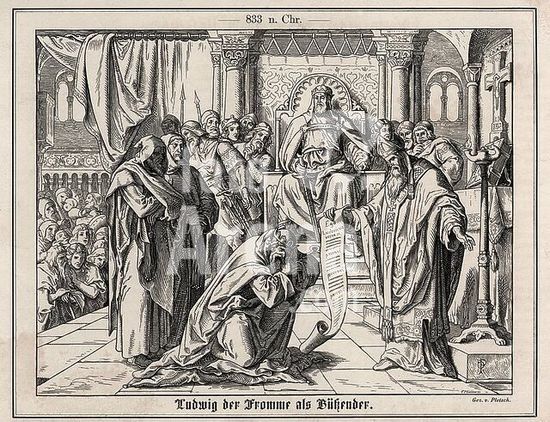
akg007341 Louis Ier, le Pieux ou le Débonnaire ; empereur d'Occident (814-840) ; 778-840. "Louis le Pieux en pénitent". (Louis Ier est déposé par son fils Lothaire en l'église St-Médard de Soissons (octobre 833, et doit porter l'habit de pénitent). Gravure sur bois, v. 1860, d'ap. dessin d'Oskar Pletsch (1830-1888). 15 × 19,5 cm. Berlin, Sammlung Archiv für Kunst und Geschichte. Museum: Berlin, Sammlung Archiv für Kunst und Geschichte.
DC
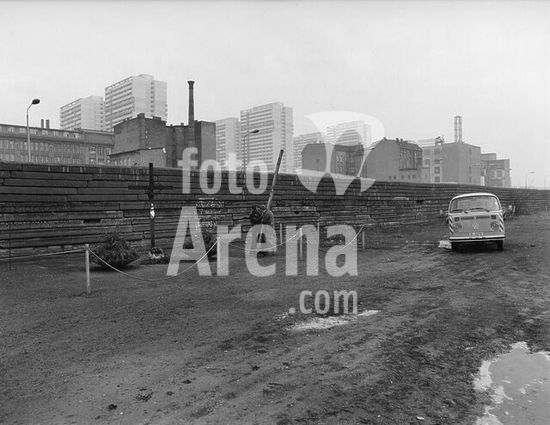
akg431470 Berlin, Berlin Wall - Sector border, (1961-1989/90). The Berlin Wall on Zimmerstrasse (Kreuzberg & Mitte districts) with memorial to Peter Fechter who bled to death after being shot trying to escape on 17 August 1962). Photo, 1976.
DC
akg866067 Berlin Wall construction (barricading the sector border between East and West Berlin starting on 13 August 1961).-GDR border guards along the Wall.-Photo, undated (c. 1961).
DC
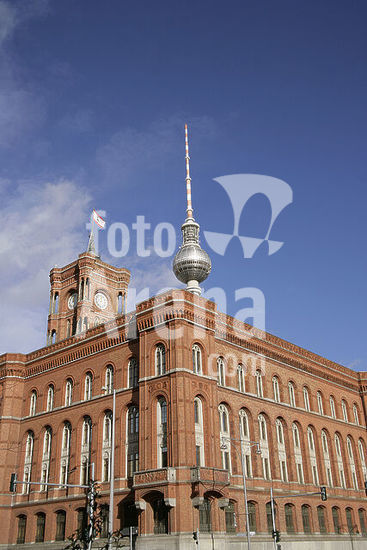
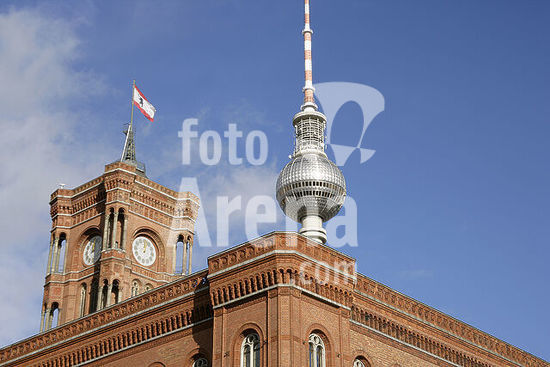
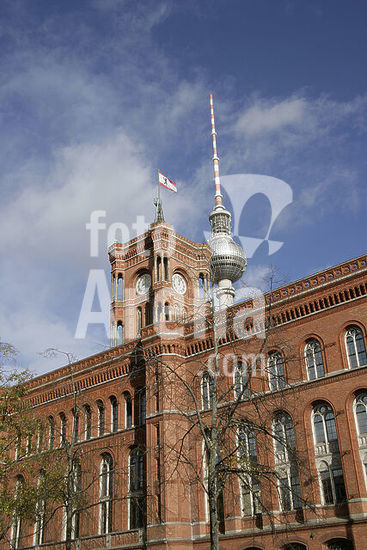
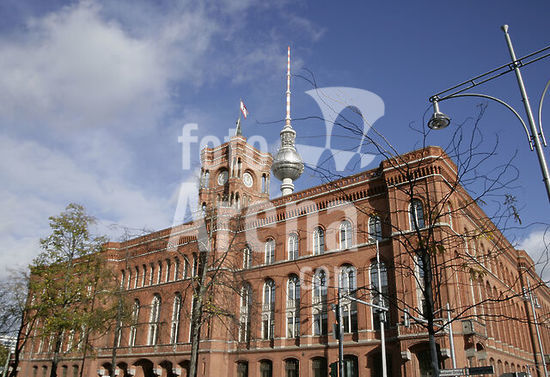
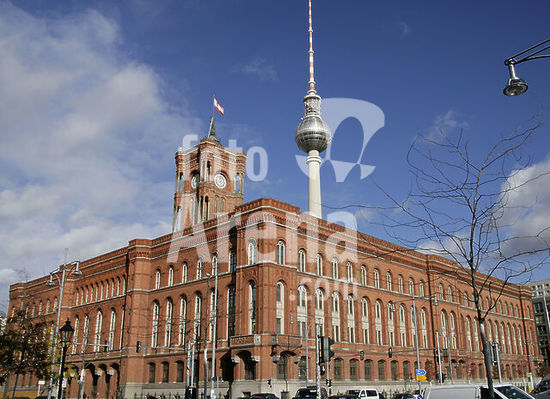
alb18867350 Berlin, Germany. Red Town Hall (Rotes Rathaus). Building constructed between 1861 and 1869 based on a design by architect Hermann Friedrich Waesemann (1813-1879) in the style of the Northern Italy High Renaissance. It replaced several medieval buildings that occupied the entire block. It houses the offices of the mayor and the government of the federal state of Berlin (Senate of Berlin). The building was heavily damaged by Allied bombing in World War II and rebuilt to the original plans between 1951 and 1956. As it was located in the Soviet-occupied sector of the city, it served as the town hall of East Berlin. After German reunification, the Berlin administration was moved to this building in 1991. View from Spandauer Strasse.
DC
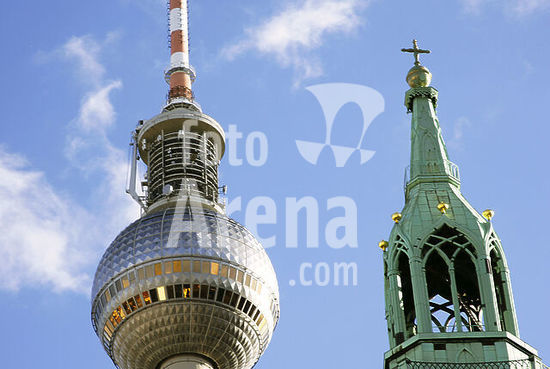
alb18867342 Berlin, Germany. St. Mary's Church (Marienkirche). Originally a Catholic parish church (second half of the 13th century), it became a Lutheran Protestant church after the Reformation in 1539. Detail of the spire by Carl Gotthard Langhans (1732-1808) crowning the tower. The Television Tower (Fernsehturm) stands out beside it.
DC
alb18867359 Berlin, Germany. Red Town Hall (Rotes Rathaus). Building constructed between 1861 and 1869 based on a design by architect Hermann Friedrich Waesemann (1813-1879) in the style of the Northern Italy High Renaissance. It replaced several medieval buildings that occupied the entire block. It houses the offices of the mayor and the government of the federal state of Berlin (Senate of Berlin). The building was heavily damaged by Allied bombing in World War II and rebuilt to the original plans between 1951 and 1956. As it was located in the Soviet-occupied sector of the city, it served as the town hall of East Berlin. After German reunification, the Berlin administration was moved to this building in 1991. Architectural detail.
DC
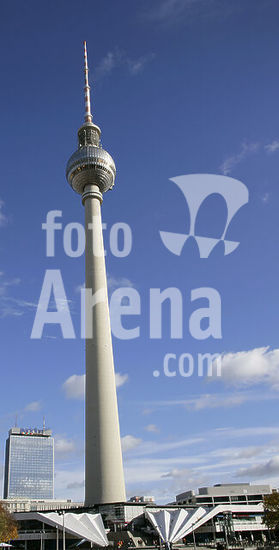
alb18867353 Berlin, Germany. Television Tower (Fernsehturm). It was constructed between 1965 and 1969 by the government of the German Democratic Republic as both a functional broadcasting facility and a symbol of Communist power. General view of the tower, next to Alexanderplatz.
DC
alb18867341 Berlin, Germany. Red Town Hall (Rotes Rathaus). Building constructed between 1861 and 1869 based on a design by architect Hermann Friedrich Waesemann (1813-1879) in the style of the Northern Italy High Renaissance. It replaced several medieval buildings that occupied the entire block. It houses the offices of the mayor and the government of the federal state of Berlin (Senate of Berlin). The building was heavily damaged by Allied bombing in World War II and rebuilt to the original plans between 1951 and 1956. As it was located in the Soviet-occupied sector of the city, it served as the town hall of East Berlin. After German reunification, the Berlin administration was moved to this building in 1991. Architectural detail from Spandauer Strasse.
DC
alb18867351 Berlin, Germany. Red Town Hall (Rotes Rathaus). Building constructed between 1861 and 1869 based on a design by architect Hermann Friedrich Waesemann (1813-1879) in the style of the Northern Italy High Renaissance. It replaced several medieval buildings that occupied the entire block. It houses the offices of the mayor and the government of the federal state of Berlin (Senate of Berlin). The building was heavily damaged by Allied bombing in World War II and rebuilt to the original plans between 1951 and 1956. As it was located in the Soviet-occupied sector of the city, it served as the town hall of East Berlin. After German reunification, the Berlin administration was moved to this building in 1991. General view from Spandauer Strasse.
DC
alb18867349 Berlin, Germany. Red Town Hall (Rotes Rathaus). Building constructed between 1861 and 1869 based on a design by architect Hermann Friedrich Waesemann (1813-1879) in the style of the Northern Italy High Renaissance. It replaced several medieval buildings that occupied the entire block. It houses the offices of the mayor and the government of the federal state of Berlin (Senate of Berlin). The building was heavily damaged by Allied bombing in World War II and rebuilt to the original plans between 1951 and 1956. As it was located in the Soviet-occupied sector of the city, it served as the town hall of East Berlin. After German reunification, the Berlin administration was moved to this building in 1991. General view from Spandauer Strasse.
DC
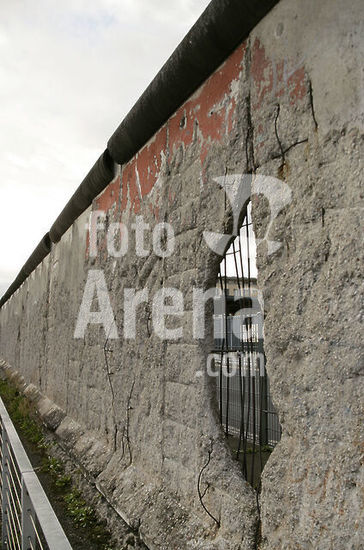
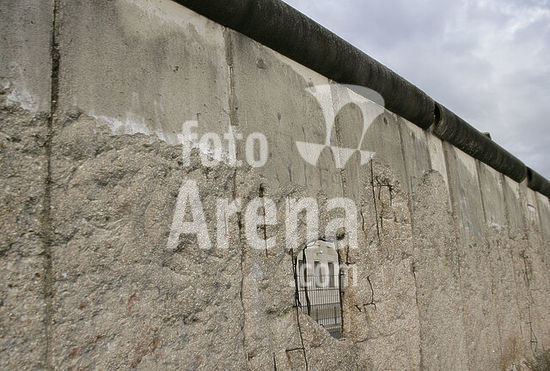
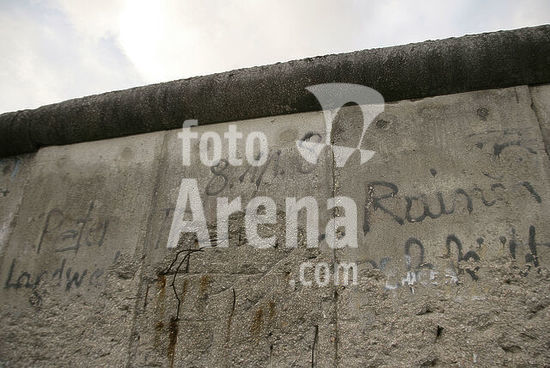
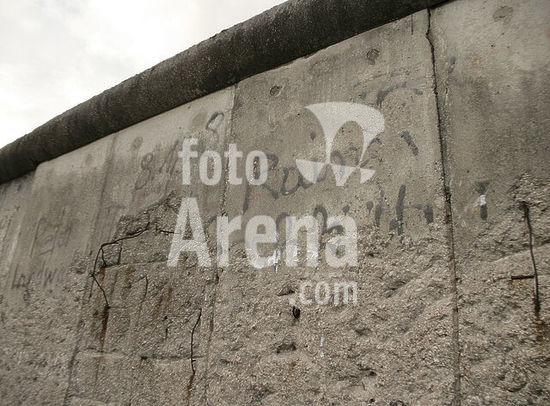
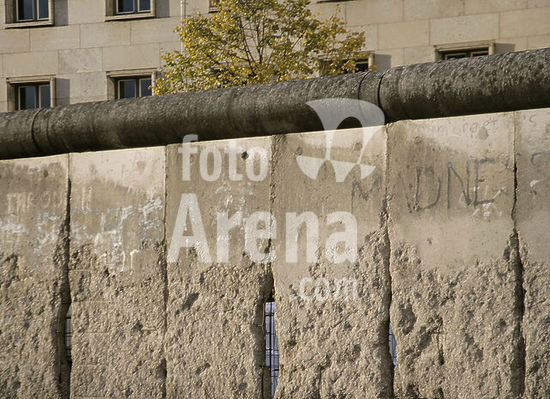
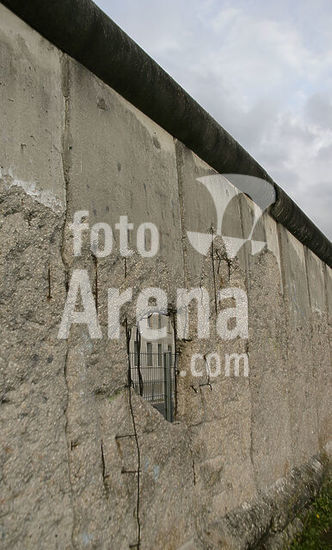
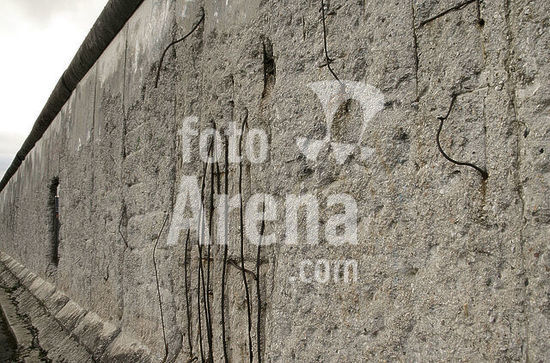
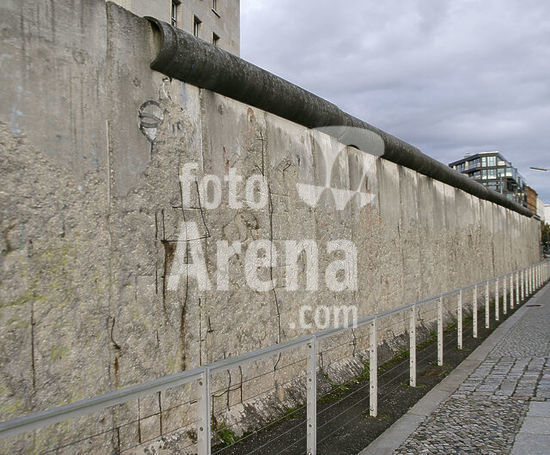
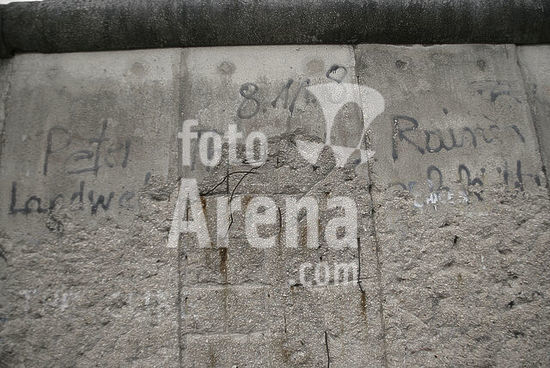
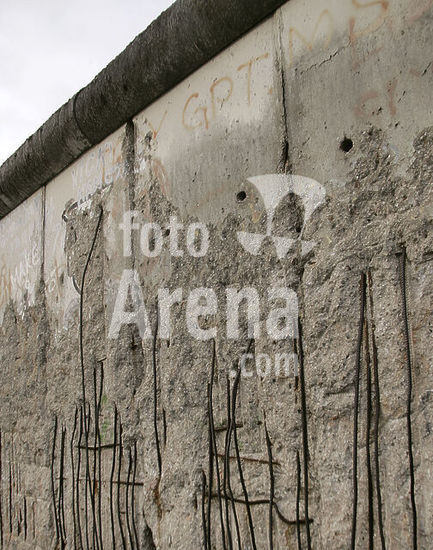
alb18751042 Berlin Wall, Germany. Its construction began on 13 August 1961, and it fell on 9 November 1989. The government of the German Democratic Republic (GDR) built this barrier, more than 150 km long, to completely isolate East Berlin from the rest of the GDR. Section of the Wall located on Niederkirchnerstraße (Niederkirchnerstrasse), designated a historic monument in 1990. It belongs to the collection of historical remains of the Topography of Terror Documentation Center. All traces of destruction have been preserved along the 200 metres of this section of the Wall, which marked the border between the districts of Mitte (East Berlin) and Kreuzberg (West Berlin).
DC
alb18751047 Berlin Wall, Germany. Its construction began on 13 August 1961, and it fell on 9 November 1989. The government of the German Democratic Republic (GDR) built this barrier, more than 150 km long, to completely isolate East Berlin from the rest of the GDR. Section of the Wall located on Niederkirchnerstraße (Niederkirchnerstrasse), designated a historic monument in 1990. It belongs to the collection of historical remains of the Topography of Terror Documentation Center. All traces of destruction have been preserved along the 200 metres of this section of the Wall, which marked the border between the districts of Mitte (East Berlin) and Kreuzberg (West Berlin).
DC
alb18751053 Berlin Wall, Germany. Its construction began on 13 August 1961, and it fell on 9 November 1989. The government of the German Democratic Republic (GDR) built this barrier, more than 150 km long, to completely isolate East Berlin from the rest of the GDR. Section of the Wall located on Niederkirchnerstraße (Niederkirchnerstrasse), designated a historic monument in 1990. It belongs to the collection of historical remains of the Topography of Terror Documentation Center. All traces of destruction have been preserved along the 200 metres of this section of the Wall, which marked the border between the districts of Mitte (East Berlin) and Kreuzberg (West Berlin).
DC
alb18751045 Berlin Wall, Germany. Its construction began on 13 August 1961, and it fell on 9 November 1989. The government of the German Democratic Republic (GDR) built this barrier, more than 150 km long, to completely isolate East Berlin from the rest of the GDR. Section of the Wall located on Niederkirchnerstraße (Niederkirchnerstrasse), designated a historic monument in 1990. It belongs to the collection of historical remains of the Topography of Terror Documentation Center. All traces of destruction have been preserved along the 200 metres of this section of the Wall, which marked the border between the districts of Mitte (East Berlin) and Kreuzberg (West Berlin).
DC
alb18751049 Berlin Wall, Germany. Its construction began on 13 August 1961, and it fell on 9 November 1989. The government of the German Democratic Republic (GDR) built this barrier, more than 150 km long, to completely isolate East Berlin from the rest of the GDR. Section of the Wall located on Niederkirchnerstraße (Niederkirchnerstrasse), designated a historic monument in 1990. It belongs to the collection of historical remains of the Topography of Terror Documentation Center. All traces of destruction have been preserved along the 200 metres of this section of the Wall, which marked the border between the districts of Mitte (East Berlin) and Kreuzberg (West Berlin).
DC
alb18751061 Berlin Wall, Germany. Its construction began on 13 August 1961, and it fell on 9 November 1989. The government of the German Democratic Republic (GDR) built this barrier, more than 150 km long, to completely isolate East Berlin from the rest of the GDR. Section of the Wall located on Niederkirchnerstraße (Niederkirchnerstrasse), designated a historic monument in 1990. It belongs to the collection of historical remains of the Topography of Terror Documentation Center. All traces of destruction have been preserved along the 200 metres of this section of the Wall, which marked the border between the districts of Mitte (East Berlin) and Kreuzberg (West Berlin).
DC
alb18751060 Berlin Wall, Germany. Its construction began on 13 August 1961, and it fell on 9 November 1989. The government of the German Democratic Republic (GDR) built this barrier, more than 150 km long, to completely isolate East Berlin from the rest of the GDR. Section of the Wall located on Niederkirchnerstraße (Niederkirchnerstrasse), designated a historic monument in 1990. It belongs to the collection of historical remains of the Topography of Terror Documentation Center. All traces of destruction have been preserved along the 200 metres of this section of the Wall, which marked the border between the districts of Mitte (East Berlin) and Kreuzberg (West Berlin).
DC
alb18751048 Berlin Wall, Germany. Its construction began on 13 August 1961, and it fell on 9 November 1989. The government of the German Democratic Republic (GDR) built this barrier, more than 150 km long, to completely isolate East Berlin from the rest of the GDR. Section of the Wall located on Niederkirchnerstraße (Niederkirchnerstrasse), designated a historic monument in 1990. It belongs to the collection of historical remains of the Topography of Terror Documentation Center. All traces of destruction have been preserved along the 200 metres of this section of the Wall, which marked the border between the districts of Mitte (East Berlin) and Kreuzberg (West Berlin).
DC
alb18751050 Berlin Wall, Germany. Its construction began on 13 August 1961, and it fell on 9 November 1989. The government of the German Democratic Republic (GDR) built this barrier, more than 150 km long, to completely isolate East Berlin from the rest of the GDR. Section of the Wall located on Niederkirchnerstraße (Niederkirchnerstrasse), designated a historic monument in 1990. It belongs to the collection of historical remains of the Topography of Terror Documentation Center. All traces of destruction have been preserved along the 200 metres of this section of the Wall, which marked the border between the districts of Mitte (East Berlin) and Kreuzberg (West Berlin).
DC
alb18751052 Berlin Wall, Germany. Its construction began on 13 August 1961, and it fell on 9 November 1989. The government of the German Democratic Republic (GDR) built this barrier, more than 150 km long, to completely isolate East Berlin from the rest of the GDR. Section of the Wall located on Niederkirchnerstraße (Niederkirchnerstrasse), designated a historic monument in 1990. It belongs to the collection of historical remains of the Topography of Terror Documentation Center. All traces of destruction have been preserved along the 200 metres of this section of the Wall, which marked the border between the districts of Mitte (East Berlin) and Kreuzberg (West Berlin).
DC
alb18751056 Berlin Wall, Germany. Its construction began on 13 August 1961, and it fell on 9 November 1989. The government of the German Democratic Republic (GDR) built this barrier, more than 150 km long, to completely isolate East Berlin from the rest of the GDR. Section of the Wall located on Niederkirchnerstraße (Niederkirchnerstrasse), designated a historic monument in 1990. It belongs to the collection of historical remains of the Topography of Terror Documentation Center. All traces of destruction have been preserved along the 200 metres of this section of the Wall, which marked the border between the districts of Mitte (East Berlin) and Kreuzberg (West Berlin).
DC
alb18751064 Berlin Wall, Germany. Its construction began on 13 August 1961, and it fell on 9 November 1989. The government of the German Democratic Republic (GDR) built this barrier, more than 150 km long, to completely isolate East Berlin from the rest of the GDR. Section of the Wall located on Niederkirchnerstraße (Niederkirchnerstrasse), designated a historic monument in 1990. It belongs to the collection of historical remains of the Topography of Terror Documentation Center. All traces of destruction have been preserved along the 200 metres of this section of the Wall, which marked the border between the districts of Mitte (East Berlin) and Kreuzberg (West Berlin).
DC
alb18751058 Berlin Wall, Germany. Its construction began on 13 August 1961, and it fell on 9 November 1989. The government of the German Democratic Republic (GDR) built this barrier, more than 150 km long, to completely isolate East Berlin from the rest of the GDR. Section of the Wall located on Niederkirchnerstraße (Niederkirchnerstrasse), designated a historic monument in 1990. It belongs to the collection of historical remains of the Topography of Terror Documentation Center. All traces of destruction have been preserved along the 200 metres of this section of the Wall, which marked the border between the districts of Mitte (East Berlin) and Kreuzberg (West Berlin).
DC
alb18751057 Berlin Wall, Germany. Its construction began on 13 August 1961, and it fell on 9 November 1989. The government of the German Democratic Republic (GDR) built this barrier, more than 150 km long, to completely isolate East Berlin from the rest of the GDR. Section of the Wall located on Niederkirchnerstraße (Niederkirchnerstrasse), designated a historic monument in 1990. It belongs to the collection of historical remains of the Topography of Terror Documentation Center. All traces of destruction have been preserved along the 200 metres of this section of the Wall, which marked the border between the districts of Mitte (East Berlin) and Kreuzberg (West Berlin).
DC
alb18751054 Berlin Wall, Germany. Its construction began on 13 August 1961, and it fell on 9 November 1989. The government of the German Democratic Republic (GDR) built this barrier, more than 150 km long, to completely isolate East Berlin from the rest of the GDR. Section of the Wall located on Niederkirchnerstraße (Niederkirchnerstrasse), designated a historic monument in 1990. It belongs to the collection of historical remains of the Topography of Terror Documentation Center. All traces of destruction have been preserved along the 200 metres of this section of the Wall, which marked the border between the districts of Mitte (East Berlin) and Kreuzberg (West Berlin).
DC
alb18751051 Berlin Wall, Germany. Its construction began on 13 August 1961, and it fell on 9 November 1989. The government of the German Democratic Republic (GDR) built this barrier, more than 150 km long, to completely isolate East Berlin from the rest of the GDR. Section of the Wall located on Niederkirchnerstraße (Niederkirchnerstrasse), designated a historic monument in 1990. It belongs to the collection of historical remains of the Topography of Terror Documentation Center. All traces of destruction have been preserved along the 200 metres of this section of the Wall, which marked the border between the districts of Mitte (East Berlin) and Kreuzberg (West Berlin). In the background stands the Reich Ministry of Aviation (Reichsluftfahrtministerium, RLM) building, a government department during the period of Nazi Germany (1933-1945). It was built between February 1935 and August 1936. Since 1999, houses the Federal Ministry of Finance.
DC
alb18751059 Berlin Wall, Germany. Its construction began on 13 August 1961, and it fell on 9 November 1989. The government of the German Democratic Republic (GDR) built this barrier, more than 150 km long, to completely isolate East Berlin from the rest of the GDR. Section of the Wall located on Niederkirchnerstraße (Niederkirchnerstrasse), designated a historic monument in 1990. It belongs to the collection of historical remains of the Topography of Terror Documentation Center. All traces of destruction have been preserved along the 200 metres of this section of the Wall, which marked the border between the districts of Mitte (East Berlin) and Kreuzberg (West Berlin).
DC
alb18751044 Berlin Wall, Germany. Its construction began on 13 August 1961, and it fell on 9 November 1989. The government of the German Democratic Republic (GDR) built this barrier, more than 150 km long, to completely isolate East Berlin from the rest of the GDR. Section of the Wall located on Niederkirchnerstraße (Niederkirchnerstrasse), designated a historic monument in 1990. It belongs to the collection of historical remains of the Topography of Terror Documentation Center. All traces of destruction have been preserved along the 200 metres of this section of the Wall, which marked the border between the districts of Mitte (East Berlin) and Kreuzberg (West Berlin).
DC
alb18751062 Berlin Wall, Germany. Its construction began on 13 August 1961, and it fell on 9 November 1989. The government of the German Democratic Republic (GDR) built this barrier, more than 150 km long, to completely isolate East Berlin from the rest of the GDR. Section of the Wall located on Niederkirchnerstraße (Niederkirchnerstrasse), designated a historic monument in 1990. It belongs to the collection of historical remains of the Topography of Terror Documentation Center. All traces of destruction have been preserved along the 200 metres of this section of the Wall, which marked the border between the districts of Mitte (East Berlin) and Kreuzberg (West Berlin).
DC
alb18751046 Berlin Wall, Germany. Its construction began on 13 August 1961, and it fell on 9 November 1989. The government of the German Democratic Republic (GDR) built this barrier, more than 150 km long, to completely isolate East Berlin from the rest of the GDR. Section of the Wall located on Niederkirchnerstraße (Niederkirchnerstrasse), designated a historic monument in 1990. It belongs to the collection of historical remains of the Topography of Terror Documentation Center. All traces of destruction have been preserved along the 200 metres of this section of the Wall, which marked the border between the districts of Mitte (East Berlin) and Kreuzberg (West Berlin).
DC
alb18751055 Berlin Wall, Germany. Its construction began on 13 August 1961, and it fell on 9 November 1989. The government of the German Democratic Republic (GDR) built this barrier, more than 150 km long, to completely isolate East Berlin from the rest of the GDR. Section of the Wall located on Niederkirchnerstraße (Niederkirchnerstrasse), designated a historic monument in 1990. It belongs to the collection of historical remains of the Topography of Terror Documentation Center. All traces of destruction have been preserved along the 200 metres of this section of the Wall, which marked the border between the districts of Mitte (East Berlin) and Kreuzberg (West Berlin).
DC
alb18751063 Berlin Wall, Germany. Its construction began on 13 August 1961, and it fell on 9 November 1989. The government of the German Democratic Republic (GDR) built this barrier, more than 150 km long, to completely isolate East Berlin from the rest of the GDR. Section of the Wall located on Niederkirchnerstraße (Niederkirchnerstrasse), designated a historic monument in 1990. It belongs to the collection of historical remains of the Topography of Terror Documentation Center. All traces of destruction have been preserved along the 200 metres of this section of the Wall, which marked the border between the districts of Mitte (East Berlin) and Kreuzberg (West Berlin).
DC
alb18751041 Berlin Wall, Germany. Its construction began on 13 August 1961, and it fell on 9 November 1989. The government of the German Democratic Republic (GDR) built this barrier, more than 150 km long, to completely isolate East Berlin from the rest of the GDR. Section of the Wall located on Niederkirchnerstraße (Niederkirchnerstrasse), designated a historic monument in 1990. It belongs to the collection of historical remains of the Topography of Terror Documentation Center. All traces of destruction have been preserved along the 200 metres of this section of the Wall, which marked the border between the districts of Mitte (East Berlin) and Kreuzberg (West Berlin).
DC
alb18751043 Berlin Wall, Germany. Its construction began on 13 August 1961, and it fell on 9 November 1989. The government of the German Democratic Republic (GDR) built this barrier, more than 150 km long, to completely isolate East Berlin from the rest of the GDR. Section of the Wall located on Niederkirchnerstraße (Niederkirchnerstrasse), designated a historic monument in 1990. It belongs to the collection of historical remains of the Topography of Terror Documentation Center. All traces of destruction have been preserved along the 200 metres of this section of the Wall, which marked the border between the districts of Mitte (East Berlin) and Kreuzberg (West Berlin).
DC
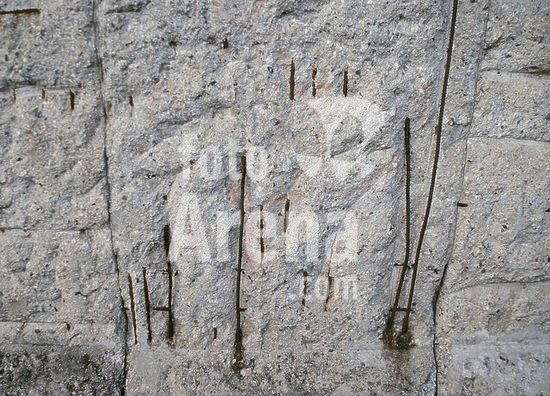
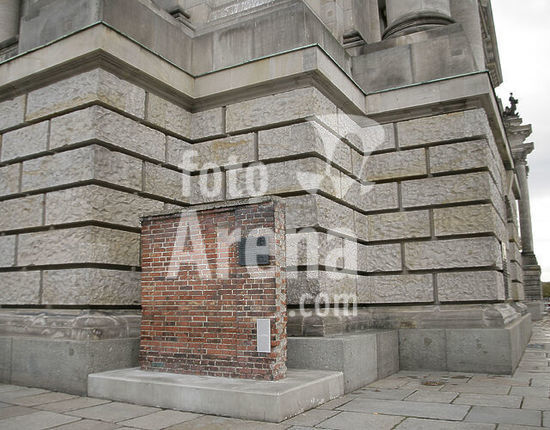
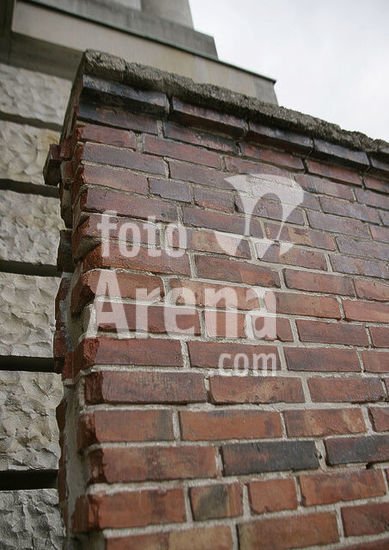
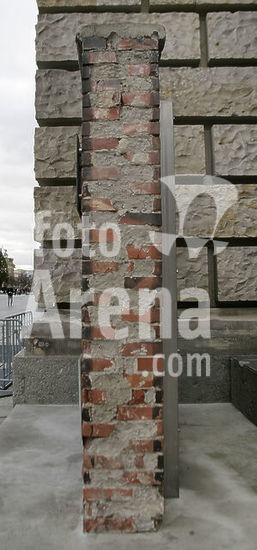
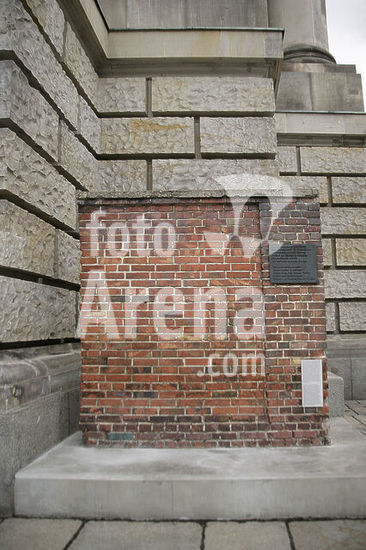
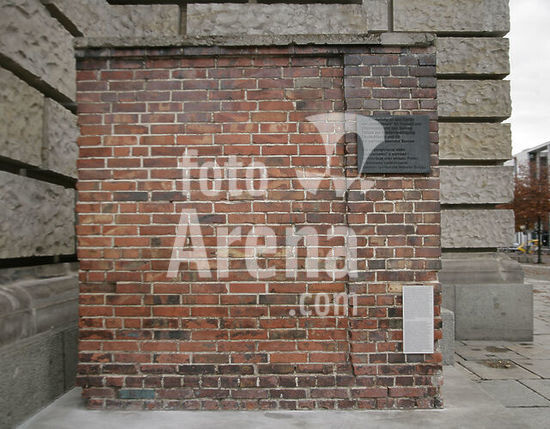
alb18694742 Berlin, Germany. Fragment of the wall from the Gdansk shipyard in remembrance of the beginning of the end of the communist regime in Eastern Europe. It is a gift from the Sejm (Sejm of the Republic of Poland), the Polish parliament, to the German Bundestag. It was part of the very wall that Lech Walesa (b. 1943) climbed over on 14 August 1980 to organise the strike that gave rise to "Solidarnosc" (Solidarity) trade union. It is located next to the Reichstag building.
DC
alb18694730 Berlin, Germany. Fragment of the wall from the Gdansk shipyard in remembrance of the beginning of the end of the communist regime in Eastern Europe. It is a gift from the Sejm (Sejm of the Republic of Poland), the Polish parliament, to the German Bundestag. It was part of the very wall that Lech Walesa (b. 1943) climbed over on 14 August 1980 to organise the strike that gave rise to "Solidarnosc" (Solidarity) trade union. It is located next to the Reichstag building. Detail.
DC
alb18694739 Berlin, Germany. Fragment of the wall from the Gdansk shipyard in remembrance of the beginning of the end of the communist regime in Eastern Europe. It is a gift from the Sejm (Sejm of the Republic of Poland), the Polish parliament, to the German Bundestag. It was part of the very wall that Lech Walesa (b. 1943) climbed over on 14 August 1980 to organise the strike that gave rise to "Solidarnosc" (Solidarity) trade union. It is located next to the Reichstag building. Wall section.
DC
alb18694756 Berlin, Germany. Fragment of the wall from the Gdansk shipyard in remembrance of the beginning of the end of the communist regime in Eastern Europe. It is a gift from the Sejm (Sejm of the Republic of Poland), the Polish parliament, to the German Bundestag. It was part of the very wall that Lech Walesa (b. 1943) climbed over on 14 August 1980 to organise the strike that gave rise to "Solidarnosc" (Solidarity) trade union. It is located next to the Reichstag building.
DC
alb18694747 Berlin, Germany. Fragment of the wall from the Gdansk shipyard in remembrance of the beginning of the end of the communist regime in Eastern Europe. It is a gift from the Sejm (Sejm of the Republic of Poland), the Polish parliament, to the German Bundestag. It was part of the very wall that Lech Walesa (b. 1943) climbed over on 14 August 1980 to organise the strike that gave rise to "Solidarnosc" (Solidarity) trade union. It is located next to the Reichstag building.
DC
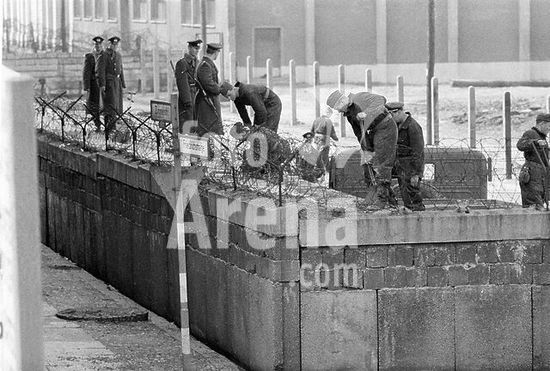
akg1150747 Berlin, Sektorengrenze, Berliner Mauer ( 1961-1989/90).-Ausbau der Grenzbefestigungen an der Zimmerstraße ( Nähe Checkpoint Charly), Bezirksgrenze Kreuzberg und Mitte.-Foto, 10.4.1964, von Gert Schütz (1914-1987).
DC
akg1618642 Berlin, Berliner Mauer-Sektorengrenze (1961-1989/90).-Ausbau der Mauer an der Zimmerstraße (Bezirke Kreuzberg / Mitte) an der Gedenkstätte für Peter Fechter (bei einem Fluchtversuch verblutet am 17.August 1962).-Foto, 13.4.1964, von Gert Schütz (1914-1987).
DC
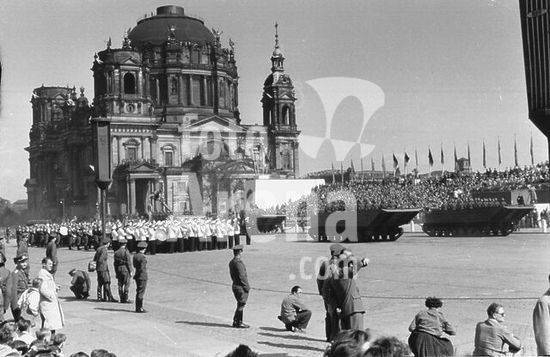
akg282729 East Berlin (Germany / GDR). Berlin, May 1, 1957. May Day military parade on East Berlin's Marx-Engels-Platz (formerly Schloßplatz). Photo, 1957.
DC
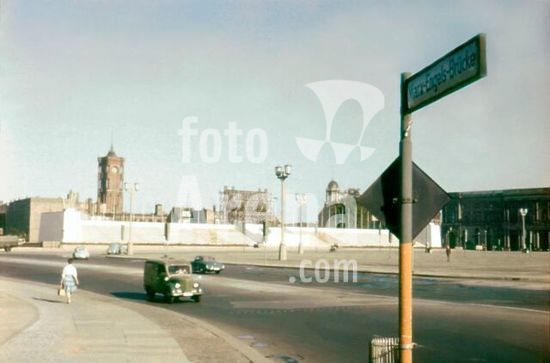
akg422492 Berlin-Mitte, Marx-Engels-Platz (ehem. Schloßplatz). Blick von der Marx-Engels-Brücke auf den Marx-Engels-Platz mit Tribüne und Aufmarschgelände; im Hintergrund das Rote Rathaus. Foto, August 1961.
DC
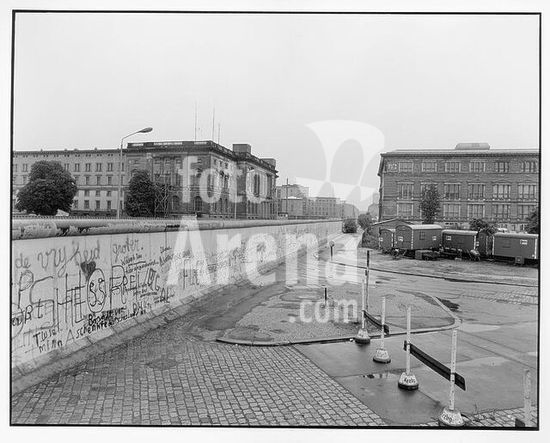
akg431472 Berlin, Berlin Wall - Sector Borders. (1961-1989/90). View of the Wall on corner of Niederkirchner Strasse and Stesemannstrasse; vire to the east with the former Prussian Assembly building (left) and the Martin-Gropius-Bau (right). Photo, 1982.
DC
akg7432346 L'ostalgie , ou la nostalgie de la vie de l'Est , une mode à Berlin qui se trouve relancée par l'ouverture du Musée de la DDR. Les touristes s'y pressent et l'on peut y voir aussi beaucoup d'Allemands . Le mur ou plutôt les nombreux vestiges qui se trouvent encore dans Berlin sont aussi des points de ralliements des visiteurs de la ville . Avec en point fort Check Point Charlie et son musée . Le musée de Check point Charlie raconte l'histoire du lieu mais aussi est dédié aux centaines de Berlinois qui ont tenté de franchir le mur .
DC
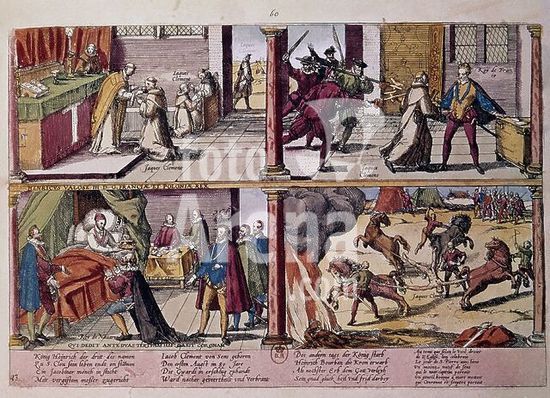
orz021650 ENRIQUE III ASESINADO POR JACQUES CLEMENT Y ESTE DESMEMBRADO POSTERIORMENTE. Location: ARCHIVO. BERLIN. DEUTSCHLAND. Henry III of France. JACQUES CLEMENT. VALOIS ENRIQUE III.
DC
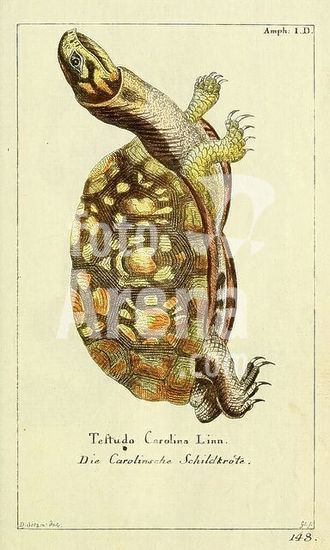
alb15324773 Gemeinnützige Naturgeschichte des Thierreichs bd. 4 plates Berlin, bei Gottlieb August Lange, 1780-1789, zoology, eastern box turtle, box turtle, terrapene carolina carolina, Georg Heinrich Borowski, Daniel Friedrich Sotzmann, HSA, herpetology, reptiles, tortoise, A detailed illustration of a Carolina turtle, scientifically known as *Testudo Carolina Linnaeus*. The turtle is depicted in a dynamic pose, with its head lifted slightly and facing forward, showcasing its distinctive pattern of yellow and brown markings. The shell exhibits a rich, textured design, highlighting the natural beauty and intricate patterns commonly found in this species. Below the illustration, the title in German identifies it as the Carolina tortoise, emphasizing its regional significance. The overall composition captures the elegance of this native North American turtle.
DC
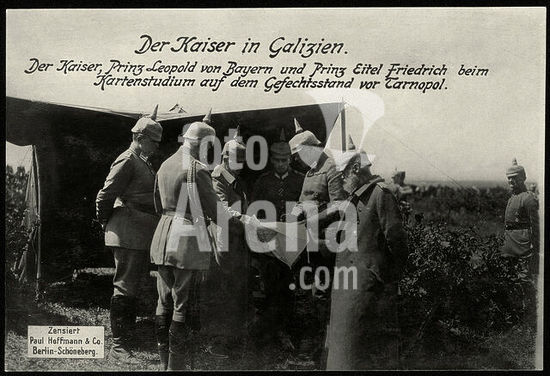
akg3840989 Wilhelm II, German Emperor (1888-1918). Berlin 27. 1. 1859 - Doorn Manor (Netherlands) 4. 6. 1941.  "The Emperor in Galicia. The Emperor, Prince Leopold of Bavaria, and Prince Eitel Frederick, studying the map at the command post before Ternopil." - (In the First World War 1914-1918: The Emperor, 3rd from the left, with his son Prince Eitel Friedrich, on the far left, and Generalfeldmarschall Prince Leopold Bavaria, on the right with spectacles, on the command post before Ternopil / Ternopoli, Ostgalizien, probably July 1917). Press Photo. Berlin, Sammlung Archiv für Kunst und Geschichte. Museum: Berlin, Sammlung Archiv für Kunst und Geschichte.
DC
akg1523925 Berlin, Mauer.-Grenzübergang Oberbaumbrücke am Tag des Inkrafttretens der zeitweiligen Regelung über den Besuchs-und Transitverkehr zwischen DDR und Bundesdesrepublik am 29. März 1972 ( vor Inkrafttreten des Transitabkommens am 3.6.1972): Ein Mitglied des Malteser Hilfsdienstes bringt einen alten Mann zum Übergang.-Foto.
DC
akg1150745 Berlin, Sektorengrenze, Berliner Mauer ( 1961-1989/90).-Ausbau der Grenzbefestigungen an der Zimmerstraße ( Nähe Checkpoint Charly), Bezirksgrenze Kreuzberg und Mitte.-Foto, 10.4.1964, von Gert Schütz (1914-1987).
DC
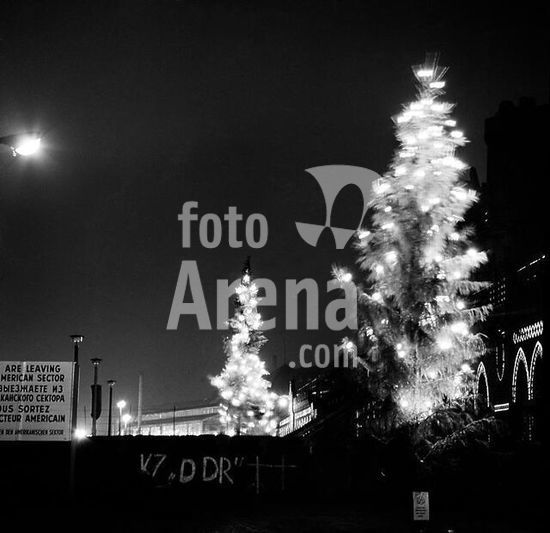
akg1150763 Berlin, Berliner Mauer / Sektorengrenze (erbaut ab dem 13.August 1961; Abriss nach dem 9.November 1989). /-Weihnachtsbäume an der Oberbaumbrücke, Bezirksgrenze Friedrichshain/Kreuzberg.-Foto, 16.12.1962, von Gert Schütz ( 1914-1987).
DC
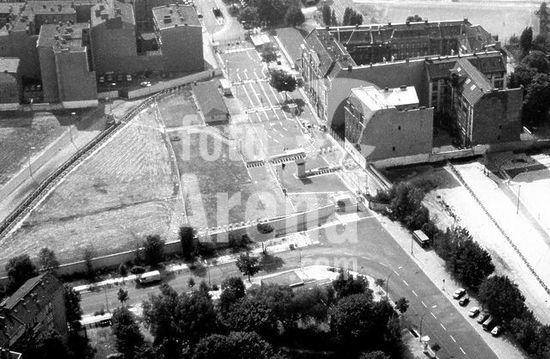
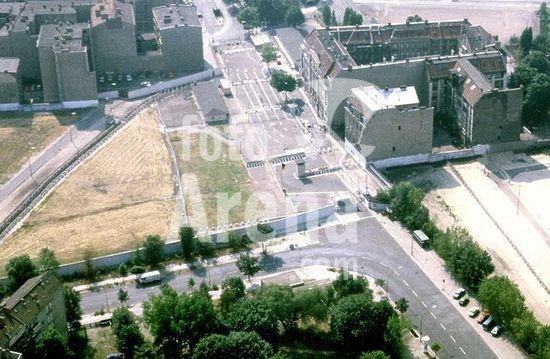
akg1568581 Berlin, Berliner Mauer (erbaut seit dem 13.August 1961; Abriß nach dem 9.November 1989). /-Grenzübergang Chausseestraße / Liesenstraße in Berlin-Wedding / Mitte.-Luftaufnahme, 1981.
DC
akg1568582 Berlin, Berliner Mauer (erbaut seit dem 13.August 1961; Abriß nach dem 9.November 1989). /-Grenzübergang Chausseestraße / Liesenstraße in Berlin-Wedding / Mitte.-Luftaufnahme, 1981.
DC

Total de Resultados: 4.082

Página 1 de 41