


















































Busque também em nossas outras coleções:

Data da imagem:
Pauta
ver mais opções...
Agência
Fotógrafo
ver mais opções...
Estado
Cidade
ver mais opções...
Local
ver mais opções...
Tipo de licença
Orientação
Coleção

Total de Resultados: 172

Página 1 de 2

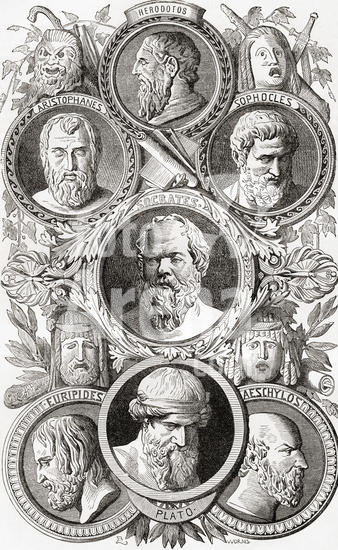
902_05_12512771highres Historians, Philosophers and Dramatists of ancient Greece. Aristophanes, c. 446 - c. 386 BC. Comic playwright. Herodotus, Greek historian. Sophocles, c. 497/6 - c. 406/5 BC. Ancient Greek dramatist. Socrates, 470/469 - 399 BC. Classical Greek philosopher. Euripides, c. 480 - c. 406 BC. Ancient Greek dramatist. Plato, c. 428/423 - c. 348/347 BC. Ancient Greek philosopher. Aeschylus, c. 525/524 - c. 456/455 BC. Ancient Greek dramatist. From Ward and Lock's Illustrated History of the World, published c.1882.
DC
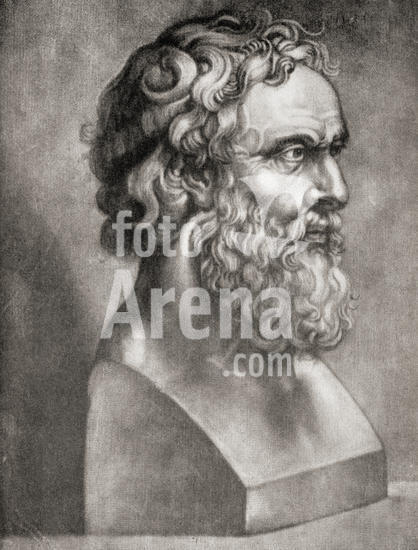
902_05_12290419HighRes Plato, 428/427 or 424/423 BC ? 348/347 BC. Philosopher and mathematician in Classical Greece. From The Story of Philosophy, published 1926.
DC
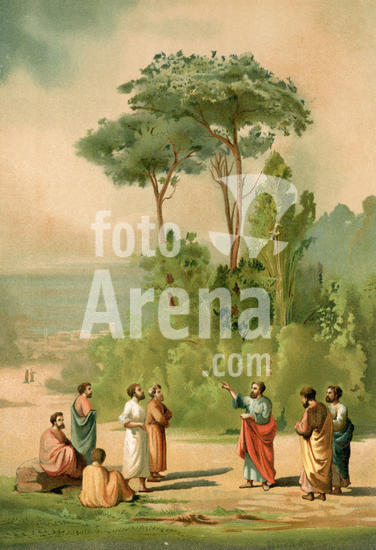
902_05_12323409HighRes Plato and his disciples in the gardens of the Academy, Athens, Greece. Plato, c.428/427 or 424/423 ? 348/347 BC. Philosopher in Classical Greece and the founder of the Academy in Athens, Greece. After a 19th century print.
DC
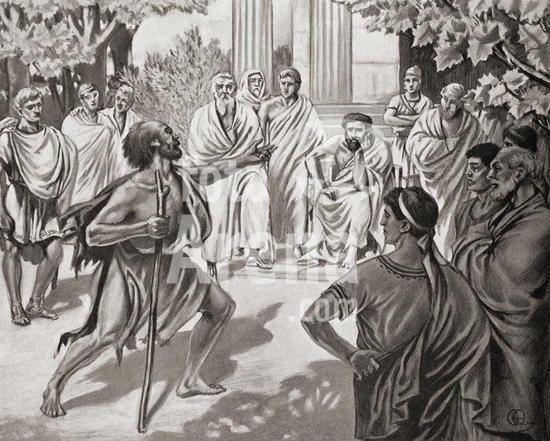
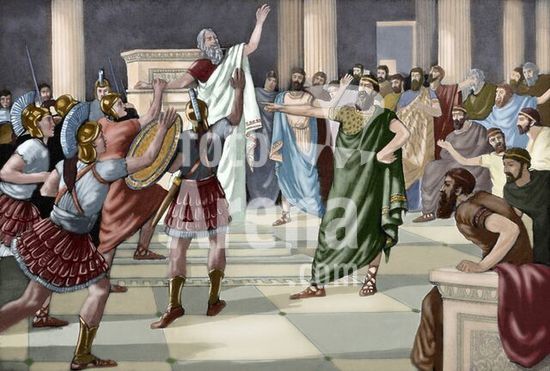
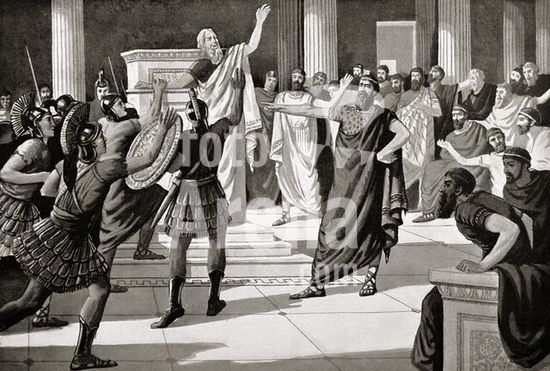
902_05_12310152HighRes Diogenes challenging Plato in the Academy at Athens. Diogenes of Sinope, aka Diogenes the Cynic, c. 412 /404 BC - 323 BC. Greek philosopher. Plato, c. 428/427 ? 348/347 BC. Philosopher in Classical Greece and founder of the Academy in Athens. From Hutchinson's History of the Nations, published 1915.
DC
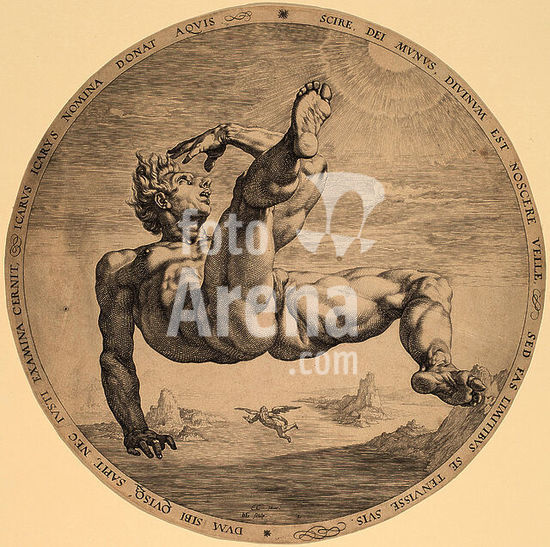
alb3720274 Icarus. Dated: 1588. Dimensions: sheet: 32.8 x 33 cm (12 15/16 x 13 in.) (trimmed to plate mark). Medium: engraving on laid paper. Museum: National Gallery of Art, Washington DC. Author: Hendrik Goltzius, after Cornelis Cornelisz van Haarlem.
DC
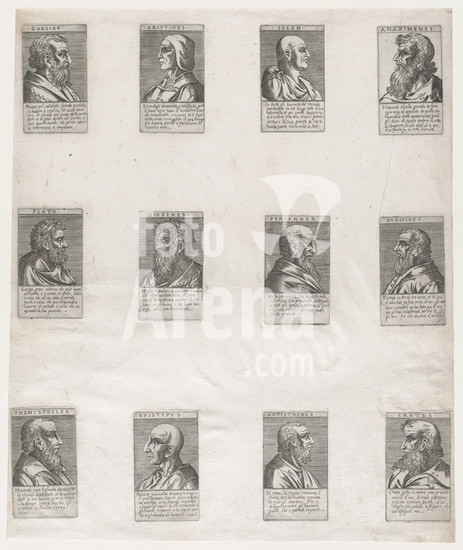
alb3631898 Speculum Romanae Magnificentiae: Portraits of the Ancient Philosophers. Artist: Anonymous, Italian, 16th century. Dimensions: sheet: 18 13/16 x 15 3/8 in. (47.8 x 39 cm). Series/Portfolio: Speculum Romanae Magnificentiae. Date: 16th century.This print comes from the museum's copy of the Speculum Romanae Magnificentiae (The Mirror of Roman Magnificence) The Speculum found its origin in the publishing endeavors of Antonio Salamanca and Antonio Lafreri. During their Roman publishing careers, the two foreign publishers - who worked together between 1553 and 1563 - initiated the production of prints recording art works, architecture and city views related to Antique and Modern Rome. The prints could be bought individually by tourists and collectors, but were also purchased in larger groups which were often bound together in an album. In 1573, Lafreri commissioned a title page for this purpose, which is where the title 'Speculum Romanae Magnificentiae' first appears. Lafreri envisioned an ideal arrangement of the prints in 7 different categories, but during his lifetime, never appears to have offered one standard, bound set of prints. Instead, clients composed their own selection from the corpus to be bound, or collected a group of prints over time. When Lafreri died, two-third of the existing copper plates went to the Duchetti family (Claudio and Stefano), while another third was distributed among several publishers. The Duchetti appear to have standardized production, offering a more or less uniform version of the Speculum to their clients. The popularity of the prints also inspired other publishers in Rome to make copies however, and to add new prints to the corpus. The museum's copy of the Speculum entered the collection as a group of 3 albums with inlaid engravings and etchings. The prints have since been removed, but the original place of each print within the album is contained in the accession number: 41.72(volume.place).Originally volume 3, plate 82 in the scrapbook. 24 philosophers on two plates. This is the second plate. Museum: Metropolitan Museum of Art, New York, USA.
DC
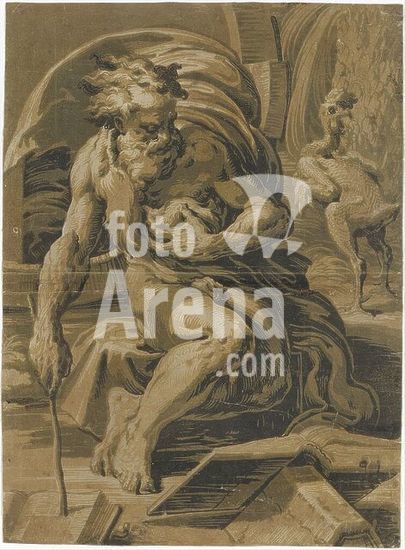
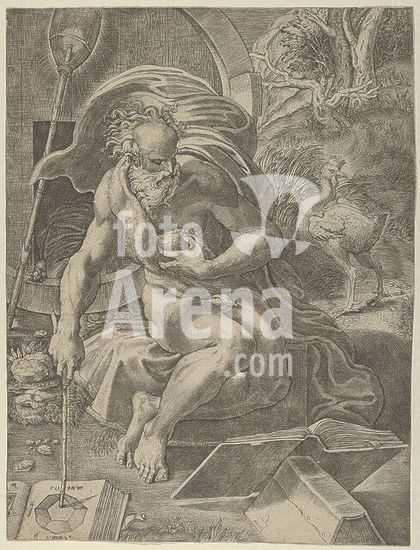
alb3680184 Diogenes, seated before his barrel, reading from a book, a plucked hen standing behind him at right. Artist: After Parmigianino (Girolamo Francesco Maria Mazzola) (Italian, Parma 1503-1540 Casalmaggiore); Ugo da Carpi (Italian, Carpi ca. 1480-1532 Bologna). Dimensions: Image: 18 11/16 x 13 5/8 in. (47.5 x 34.6 cm)Mount: 28 x 22 in. (71.1 x 55.9 cm). Date: 1520-30.Ugo da Carpi was the first Italian artist to experiment with a multiblock woodcut technique known as chiaroscuro. The method requires a different block for each shade; the blocks are inked and printed one over the other to create the composition. In this remarkable example of the medium, the artist creates form through areas of tone. Ugo seems to have drawn inspiration from the wash drawings of Parmigianino, with whom he may have collaborated. The print shows the Greek philosopher Diogenes immersed in his studies. The chicken at right is a reference to his mocking response to Plato's definition of man as a featherless biped: Diogenes is said to have presented a plucked chicken, saying, "Here is Plato's man!". Museum: Metropolitan Museum of Art, New York, USA.
DC
alb3609042 Diogenes. Artist: After Carlo Maratti (Italian, Camerano 1625-1713 Rome); Andrea Procaccini (Italian, Rome 1671-1734 La Granja de San Ildefonso). Dimensions: sheet: 20 11/16 x 14 5/8 in. (52.5 x 37.2 cm)plate: 14 3/4 x 9 1/4 in. (37.5 x 23.5 cm). Date: 1685-1734. Museum: Metropolitan Museum of Art, New York, USA. Author: After Carlo Maratti. Andrea Procaccini.
DC
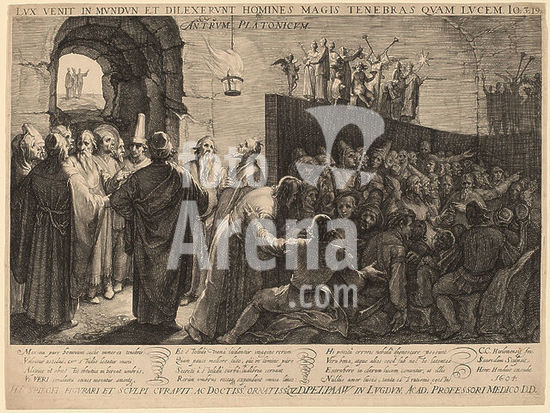
alb3740186 Plato's Cave. Dated: 1604. Dimensions: sheet (trimmed to plate mark): 33.7 x 45 cm (13 1/4 x 17 11/16 in.). Medium: engraving on laid paper. Museum: National Gallery of Art, Washington DC. Author: Jan Pietersz Saenredam after Cornelis Cornelisz van Haarlem.
DC
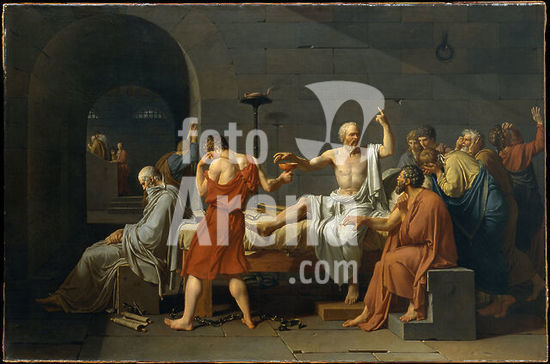
alb3901138 The Death of Socrates. Date/Period: 1787. Painting. Oil on canvas. Height: 129.5 cm (50.9 in); Width: 196.2 cm (77.2 in). Author: JACQUES LOUIS DAVID.
DC
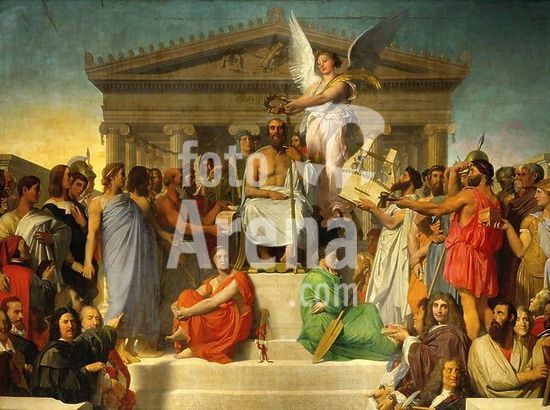
alb2033597 Jean Auguste Dominique Ingres / 'The Aphotheosis of Homer', 1827, Oil on canvas, 386 x 515 cm. Museum: MUSEE DU LOUVRE, BUDAPEST, France.
DC
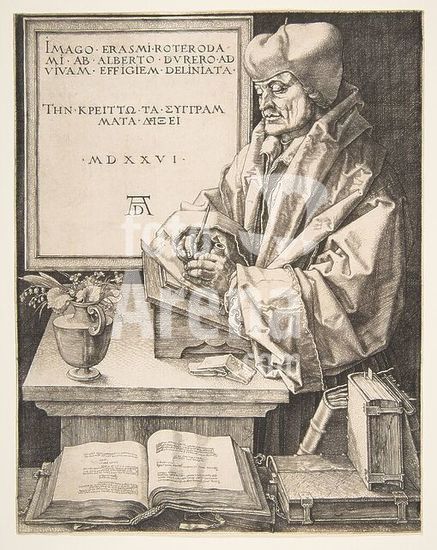
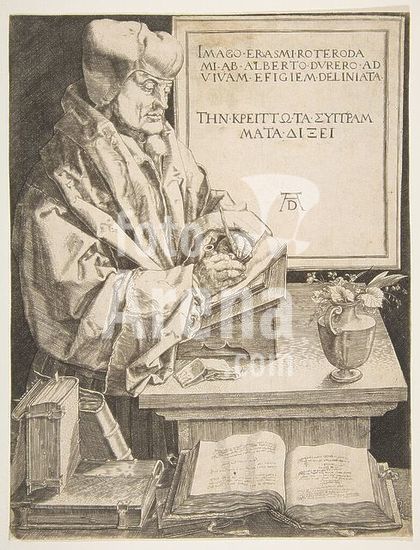
alb3605105 Erasmus of Rotterdam. Artist: Albrecht Dürer (German, Nuremberg 1471-1528 Nuremberg). Dimensions: sheet: 9 3/4 x 7 1/2 in. (24.8 x 19.1 cm) trimmed within plate line at top and bottom, slight margin at sides. Date: 1526.A Roman Catholic reformer and one the most important Netherlandish humanists, Erasmus of Rotterdam held a deep admiration for Albrecht Dürer, whom he praised in a eulogy as the greatest of graphic artists: "And is it not more wonderful to accomplish without the blandishment of colors what Apelles accomplished with their aid?" In likening Dürer to Apelles--indeed, in asserting the German's superiority over the Greek artist--Erasmus echoed a tradition dating back to antiquity of judging artists and the visual character of their work by the standards set by their predecessors. Dürer would certainly have appreciated the praise for his graphic talents. The portrait amply demonstrates the virtuous effects Dürer was able to achieve without the benefit of color or a liquid medium. Convincingly aligned at an angle to the picture plane, Erasmus stands writing in his study, with the books that indicate his substantial intellect and scholarship arranged around him. The vase of lilies probably refers to the purity of his mind, while the Latin and Greek inscription, prominently framed like a picture on the wall, underscores the scholar's humanistic interests: "This image of Erasmus of Rotterdam was drawn from life by Albrecht Dürer." Below are the date, 1526, in Roman numerals, and the artist's monogram.Dürer met Erasmus at least once in Brussels and twice in Rotterdam during a trip to the Netherlands in 1520 and 1521. Although he sketched Erasmus several times during his trip, he did not execute the engraving until six years later, and only then with the encouragement of his close friend Willibald Pirkheimer; apparently, for certain reasons Dürer had been disappointed by the well-known Protestant reformer. Dürer based the portrait on a medal of 1519 in Pirkheimer's collection by Quentin Massys and reproduced the Greek inscription found on the medal, which states: "A better portrait his writings show." Presumably Erasmus agreed, because he made known his disappointment with this portrait to at least two of his colleagues. And yet, Dürer's Erasmus remains one of history's richest and most powerful depictions of scholarly preoccupation and the humanist ideal. Museum: Metropolitan Museum of Art, New York, USA.
DC
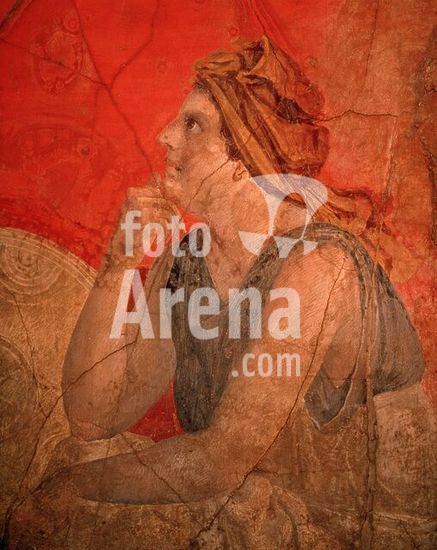
alb343360 Fresco showing woman. Hellenistic. Pompeii 1st. century BC. Museum: ARCHAEOLOGICAL MUSEUM, BERLIN, ITALIA.
DC
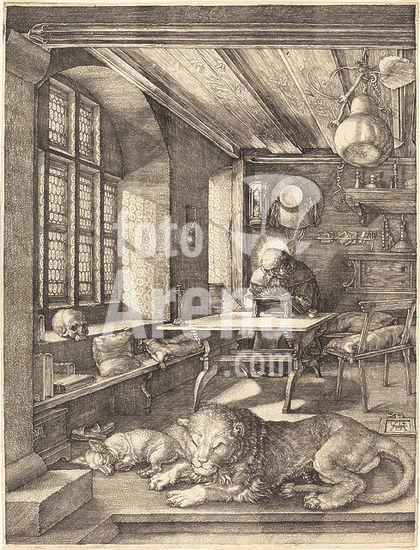
alb3707057 Saint Jerome in His Study. Dated: 1514. Dimensions: sheet (trimmed to plate mark): 25.4 x 19 cm (10 x 7 1/2 in.). Medium: engraving on laid paper. Museum: National Gallery of Art, Washington DC. Author: ALBRECHT DURER.
DC
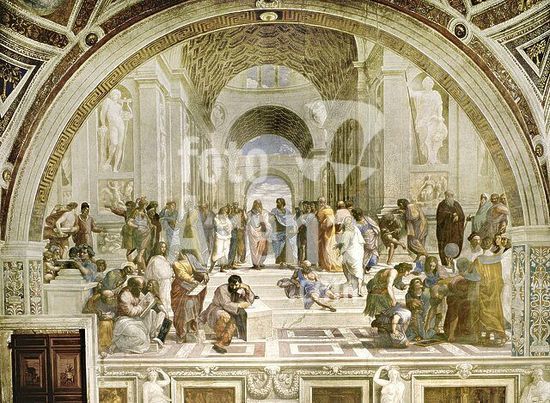
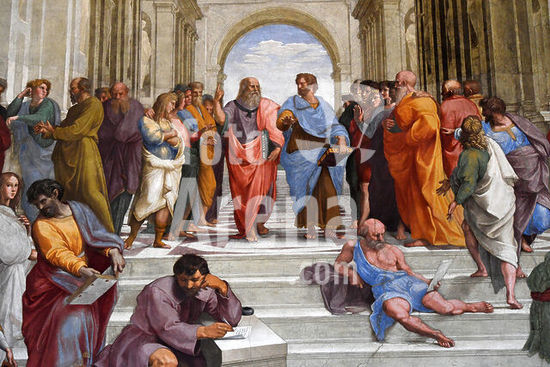
alb2036988 Raphael / 'The School of Athens', c. 1510, Fresco. Museum: MUSEI VATICANI, ROMA, ITALIA. PLATO. Aristoteles.
DC
alb3651587 Erasmus of Rotterdam (copy). Artist: After Albrecht Dürer (German, Nuremberg 1471-1528 Nuremberg); Anonymous, German, 16th century. Dimensions: Sheet: 9 3/16 × 7 5/16 in. (23.3 × 18.6 cm). Sitter: Portrait of Desiderius Erasmus of Rotterdam (Netherlandish, Rotterdam ca. 1466-1536 Basle, Switzerland). Date: n.d.. Museum: Metropolitan Museum of Art, New York, USA.
DC
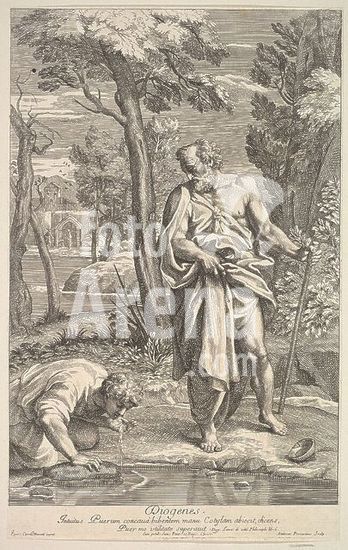
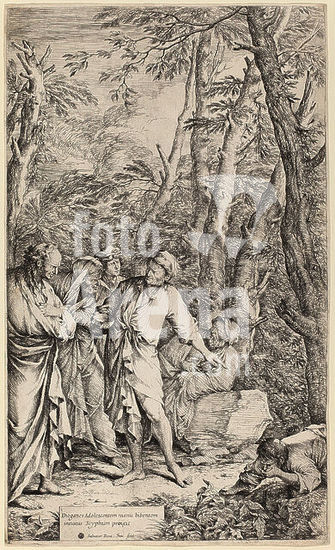
alb3738254 Diogenes Casting Away His Bowl. Dated: 1615-1673. Dimensions: overall: 46 x 27.5 cm (18 1/8 x 10 13/16 in.). Medium: etching. Museum: National Gallery of Art, Washington DC. Author: SALVATOR ROSA.
DC
alb3661419 Diogenes seated with his barrel behind him, and reading a book while holding a stick that rests on a geometry book to his right. Artist: After Parmigianino (Girolamo Francesco Maria Mazzola) (Italian, Parma 1503-1540 Casalmaggiore); Giovanni Jacopo Caraglio (Italian, Parma or Verona ca. 1500/1505-1565 Krakow (?)). Dimensions: Sheet: 11 1/4 × 8 9/16 in. (28.6 × 21.7 cm) trimmed within platemark. Date: 1524-27.This engraving of the Greek philosopher Diogenes follows a design by Parmigianino. In contrast to The Marriage of the Virgin it is striking how little of the copper plate Caraglio left unworked, using controlled tonal differences to achieve a highly nuanced chiaroscuro palette. This change may have been due to greater involvement by Parmigianino himself, who likely created his preparatory drawing with a print in mind. The painter actively thought about the translation of tonality in this design as is suggested by his decision to also have the drawing reproduced in a chiaroscuro woodcut by Ugo da Carpi (Italian, ca. 1480-1532) in Bologna, not long after Caraglio made this engraving. Museum: Metropolitan Museum of Art, New York, USA.
DC
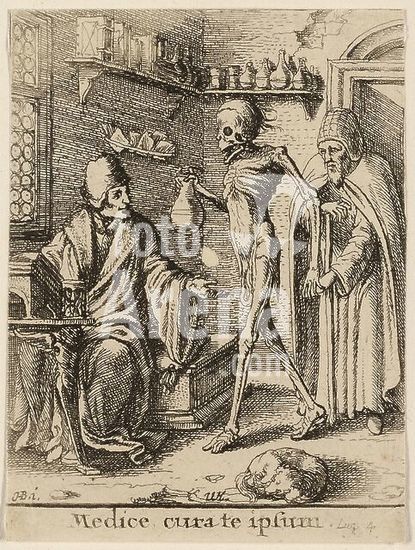
alb4138754 The Doctor and Death. Wenceslaus Hollar (Czech, 1607-1677); after Hans Holbein the younger (German, c.1497-1543). Date: 1651. Dimensions: 71 × 52 mm (sheet, trimmed within plate mark). Etching on ivory wove paper. Origin: Bohemia. Museum: The Chicago Art Institute, USA.
DC
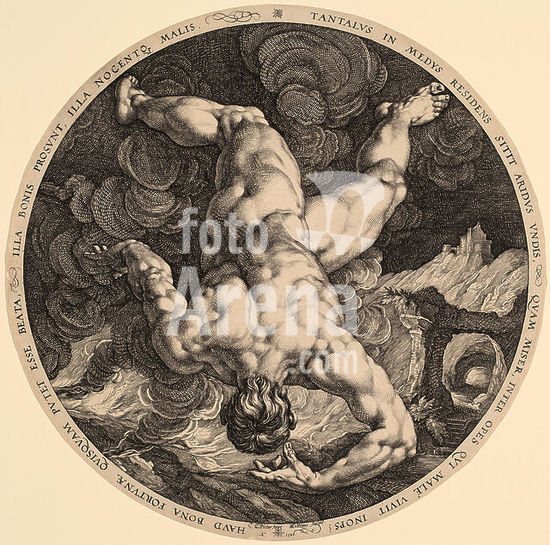
alb3720481 Tantalus. Dated: 1588. Dimensions: sheet: 33 x 33.1 cm (13 x 13 1/16 in.) (trimmed to plate mark). Medium: engraving on laid paper. Museum: National Gallery of Art, Washington DC. Author: Hendrik Goltzius, after Cornelis Cornelisz van Haarlem.
DC
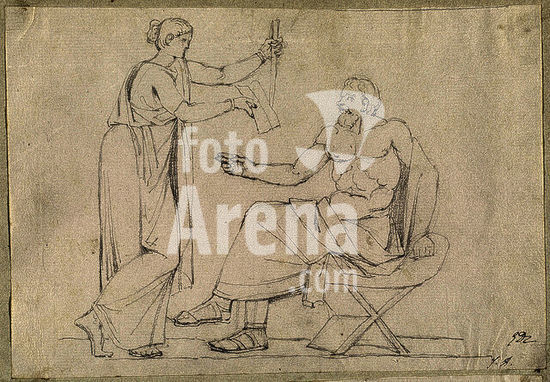
alb3709072 Socrates and Diotime. Dated: 1775/80. Dimensions: overall: 14.6 x 21.2 cm (5 3/4 x 8 3/8 in.). Medium: graphite on laid paper. Museum: National Gallery of Art, Washington DC. Author: JACQUES LOUIS DAVID.
DC
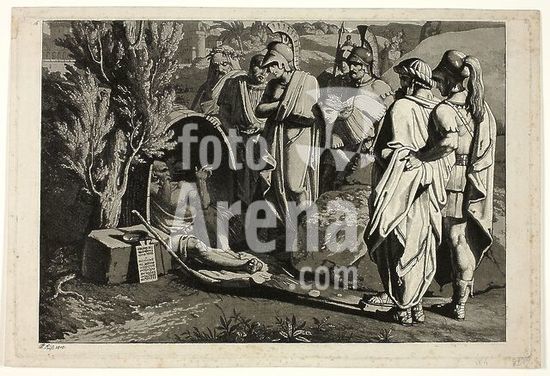
alb4148327 Diogenes in His Tub with Alexande and His Generals. Carl Russ; Austrian, 1779-1843. Date: 1810. Dimensions: 220 × 335 mm (plate); 233 × 347 mm (sheet). Etching and aquatint in black on ivory laid paper. Origin: Austria. Museum: The Chicago Art Institute, USA.
DC
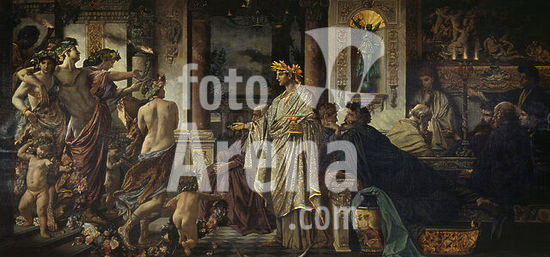
alb3891571 Das Gastmahl. Nach Platon (zweite Fassung) / The Symposium (Second Version). Date/Period: From 1871 until 1874. Painting. Oil on canvas. Length: 750 cm (24.6 ft); Height: 400 cm (13.1 ft). Author: Anselm Feuerbach.
DC
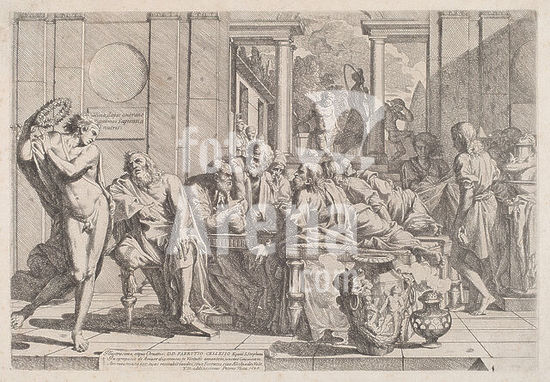
alb3745927 The Symposium. Dated: 1648. Dimensions: sheet: 31.2 × 43.6 cm (12 5/16 × 17 3/16 in.) plate: 45.8 × 38 cm (18 1/16 × 14 15/16 in.). Medium: etching. Museum: National Gallery of Art, Washington DC. Author: Pietro Testa.
DC
alb3662011 Speculum Romanae Magnificentiae: Aristotle. Artist: Anonymous, Italian, mid-16th century; After Enea Vico (Italian, Parma 1523-1567 Ferrara). Dimensions: sheet: 19 5/16 x 13 9/16 in. (49 x 34.5 cm)plate: 16 1/8 x 11 5/16 in. (41 x 28.7 cm). Published in: Rome. Publisher: Published by Antonio Lafreri (French, Orgelet, Franche-Comte ca. 1512-1577 Rome). Series/Portfolio: Speculum Romanae Magnificentiae. Date: 1553.This print comes from the museum's copy of the Speculum Romanae Magnificentiae (The Mirror of Roman Magnificence) The Speculum found its origin in the publishing endeavors of Antonio Salamanca and Antonio Lafreri. During their Roman publishing careers, the two foreign publishers - who worked together between 1553 and 1563 - initiated the production of prints recording art works, architecture and city views related to Antique and Modern Rome. The prints could be bought individually by tourists and collectors, but were also purchased in larger groups which were often bound together in an album. In 1573, Lafreri commissioned a title page for this purpose, which is where the title 'Speculum Romanae Magnificentiae' first appears. Lafreri envisioned an ideal arrangement of the prints in 7 different categories, but during his lifetime, never appears to have offered one standard, bound set of prints. Instead, clients composed their own selection from the corpus to be bound, or collected a group of prints over time. When Lafreri died, two-third of the existing copper plates went to the Duchetti family (Claudio and Stefano), while another third was distributed among several publishers. The Duchetti appear to have standardized production, offering a more or less uniform version of the Speculum to their clients. The popularity of the prints also inspired other publishers in Rome to make copies however, and to add new prints to the corpus. The museum's copy of the Speculum entered the collection as a group of 3 albums with inlaid engravings and etchings. The prints have since been removed, but the original place of each print within the album is contained in the accession number: 41.72(volume.place).Originally volume 2, plate 68. Museum: Metropolitan Museum of Art, New York, USA.
DC
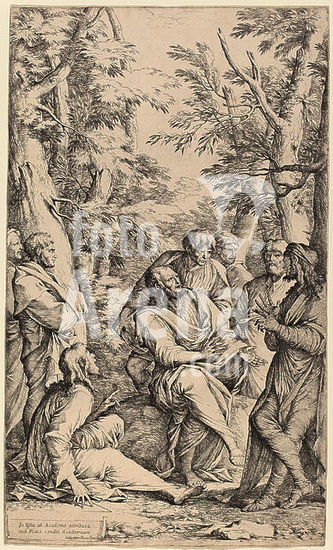
alb3711369 The Academy of Plato. Medium: etching. Museum: National Gallery of Art, Washington DC. Author: SALVATOR ROSA.
DC
alb3701871 Democritus. Dated: 1775. Dimensions: plate: 29.8 x 21.2 cm (11 3/4 x 8 3/8 in.) sheet: 30.5 x 21.8 cm (12 x 8 9/16 in.). Medium: etching on laid ppaer. Museum: National Gallery of Art, Washington DC. Author: Giovanni David.
DC
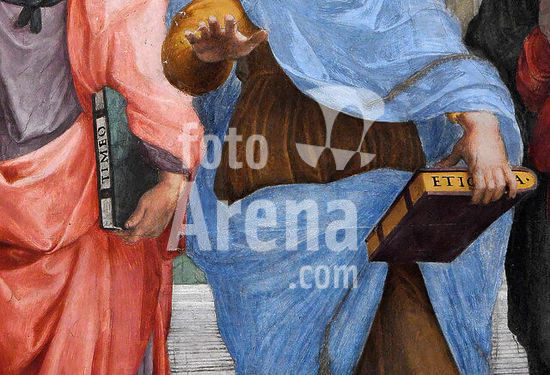
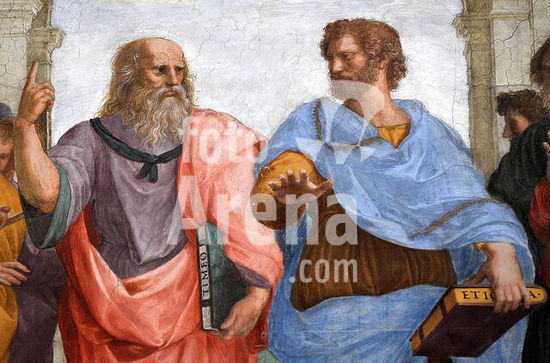
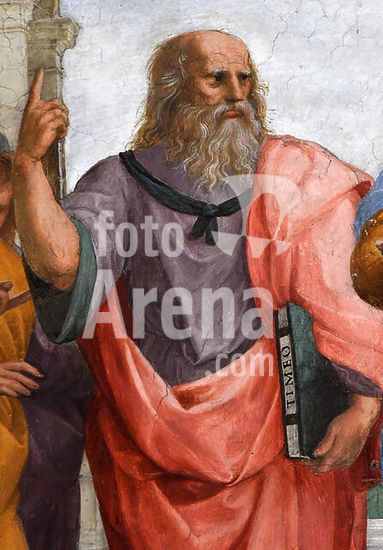
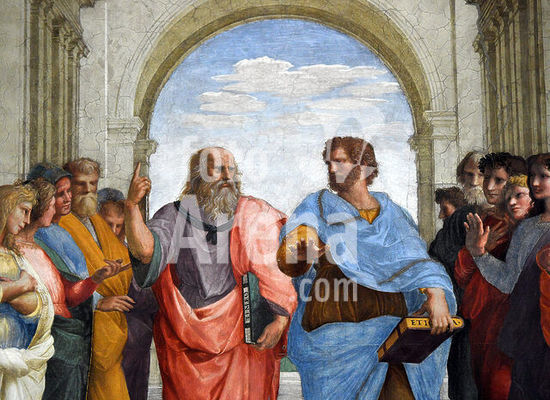
akg8620694 Plato (Platon) holds his book Timeus (Timee, Timaios) in his hand, flanked by Aristotle (Aristote, Aristoteles) with his book Ethics (Ethique, Ethik). - Detail of the School of Athens (L'Ecole d'Athenes, Die Schule von Athen). Painting by Raphael (Raffaello Sanzio, Raffael). - Painted in the Stanza della Segnatura (Room of the Signatura, Salle de la Signature, Saal der Signatur) between 1509 and 1511 as a part of Raphael's commission to decorate the rooms now known as the Stanze di Raffaello, in the Apostolic Palace in the Vatican. - The most famous philosophers of ancient times move within an imposing Renaissance architecture which is inspired by Bramante's project for the renewal of the early Christian basilica of St Peter. Vatican Museums. 2021.
DC
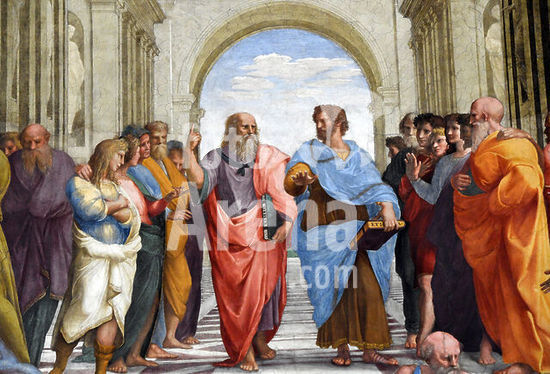
akg8620686 Plato (Platon)(with the portrait of Leonardo da Vinci) points upwards with a finger and holds his book Timeus (Timee, Timaios) in his hand, flanked by Aristotle (Aristote, Aristoteles) with his book Ethics (Ethique, Ethik). - Detail of the School of Athens (L'Ecole d'Athenes, Die Schule von Athen). Painting by Raphael (Raffaello Sanzio, Raffael). - Painted in the Stanza della Segnatura (Room of the Signatura, Salle de la Signature, Saal der Signatur) between 1509 and 1511 as a part of Raphael's commission to decorate the rooms now known as the Stanze di Raffaello, in the Apostolic Palace in the Vatican. - The most famous philosophers of ancient times move within an imposing Renaissance architecture which is inspired by Bramante's project for the renewal of the early Christian basilica of St Peter. Vatican Museums. 2021.
DC
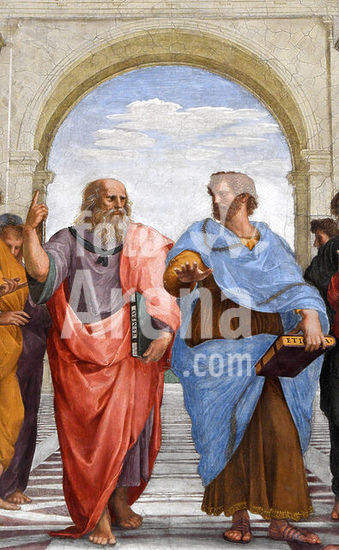
akg8620688 Plato (Platon)(with the portrait of Leonardo da Vinci) points upwards with a finger and holds his book Timeus (Timee, Timaios) in his hand, flanked by Aristotle (Aristote, Aristoteles) with his book Ethics (Ethique, Ethik). - Detail of the School of Athens (L'Ecole d'Athenes, Die Schule von Athen). Painting by Raphael (Raffaello Sanzio, Raffael). - Painted in the Stanza della Segnatura (Room of the Signatura, Salle de la Signature, Saal der Signatur) between 1509 and 1511 as a part of Raphael's commission to decorate the rooms now known as the Stanze di Raffaello, in the Apostolic Palace in the Vatican. - The most famous philosophers of ancient times move within an imposing Renaissance architecture which is inspired by Bramante's project for the renewal of the early Christian basilica of St Peter. Vatican Museums. 2021.
DC
akg8620687 Plato (Platon)(with the portrait of Leonardo da Vinci) points upwards with a finger and holds his book Timeus (Timee, Timaios) in his hand, flanked by Aristotle (Aristote, Aristoteles) with his book Ethics (Ethique, Ethik). - Detail of the School of Athens (L'Ecole d'Athenes, Die Schule von Athen). Painting by Raphael (Raffaello Sanzio, Raffael). - Painted in the Stanza della Segnatura (Room of the Signatura, Salle de la Signature, Saal der Signatur) between 1509 and 1511 as a part of Raphael's commission to decorate the rooms now known as the Stanze di Raffaello, in the Apostolic Palace in the Vatican. - The most famous philosophers of ancient times move within an imposing Renaissance architecture which is inspired by Bramante's project for the renewal of the early Christian basilica of St Peter. Vatican Museums. 2021.
DC
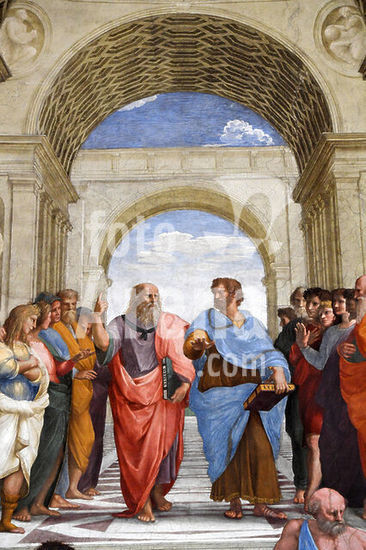
akg8620689 Plato (Platon)(with the portrait of Leonardo da Vinci) points upwards with a finger and holds his book Timeus (Timee, Timaios) in his hand, flanked by Aristotle (Aristote, Aristoteles) with his book Ethics (Ethique, Ethik). - Detail of the School of Athens (L'Ecole d'Athenes, Die Schule von Athen). Painting by Raphael (Raffaello Sanzio, Raffael). - Painted in the Stanza della Segnatura (Room of the Signatura, Salle de la Signature, Saal der Signatur) between 1509 and 1511 as a part of Raphael's commission to decorate the rooms now known as the Stanze di Raffaello, in the Apostolic Palace in the Vatican. - The most famous philosophers of ancient times move within an imposing Renaissance architecture which is inspired by Bramante's project for the renewal of the early Christian basilica of St Peter. Vatican Museums. 2021.
DC
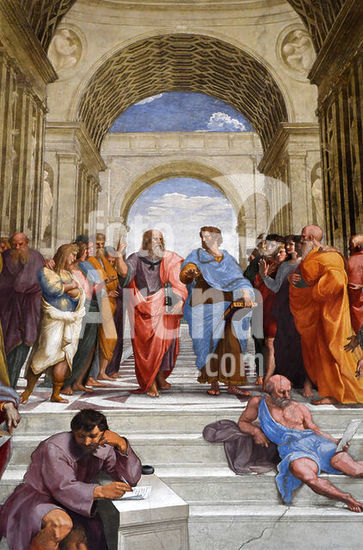
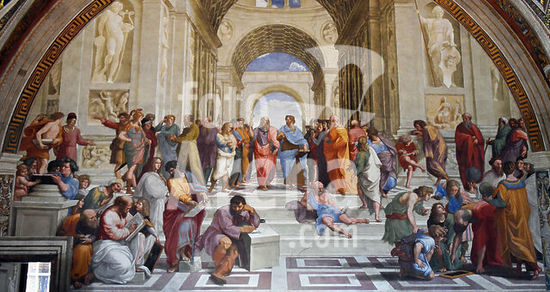
akg8620683 The School of Athens (L'Ecole d'Athenes, Die Schule von Athen). Painting by Raphael (Raffaello Sanzio, Raffael). - Painted in the Stanza della Segnatura (Room of the Signatura, Salle de la Signature, Saal der Signatur) between 1509 and 1511 as a part of Raphael's commission to decorate the rooms now known as the Stanze di Raffaello, in the Apostolic Palace in the Vatican. - The most famous philosophers of ancient times move within an imposing Renaissance architecture which is inspired by Bramante's project for the renewal of the early Christian basilica of St Peter. Some of these are easily recognizable. In the centre Plato (Platon) points upwards with a finger and holds his book Timeus (Timee, Timaios) in his hand, flanked by Aristotle (Aristote, Aristoteles) with his book Ethics (Ethique, Ethik) ; Pythagoras (Pythagore) is shown in the foreground intent on explaining the diatesseron. Diogenes (Diogene) is lying on the stairs with a dish, while the pessimist philosopher, Heraclitus (Heraclite, Heraklit) a portrait of Michelangelo, is leaning against a block of marble, writing on a sheet of paper. On the right we see Euclid (Euclide, Euklid), who is teaching geometry to his pupils, Zoroaster (Zarathustra, Zarathoustra, Zoroastre) holding the heavenly sphere and Ptolemy (Claude Ptolémée, Claudius Ptolemaus) holding the earthly sphere. The personage on the extreme right with the black beret is a self-portrait of Raphael. Vatican Museums. 2021.
DC
akg8620691 Plato (Platon)(with the portrait of Leonardo da Vinci) points upwards with a finger and holds his book Timeus (Timee, Timaios) in his hand. - Detail of the School of Athens (L'Ecole d'Athenes, Die Schule von Athen). Painting by Raphael (Raffaello Sanzio, Raffael). - Painted in the Stanza della Segnatura (Room of the Signatura, Salle de la Signature, Saal der Signatur) between 1509 and 1511 as a part of Raphael's commission to decorate the rooms now known as the Stanze di Raffaello, in the Apostolic Palace in the Vatican. - The most famous philosophers of ancient times move within an imposing Renaissance architecture which is inspired by Bramante's project for the renewal of the early Christian basilica of St Peter. Vatican Museums. 2021.
DC
akg8620693 Plato (Platon)(with the portrait of Leonardo da Vinci) points upwards with a finger and holds his book Timeus (Timee, Timaios) in his hand, flanked by Aristotle (Aristote, Aristoteles) with his book Ethics (Ethique, Ethik). - Detail of the School of Athens (L'Ecole d'Athenes, Die Schule von Athen). Painting by Raphael (Raffaello Sanzio, Raffael). - Painted in the Stanza della Segnatura (Room of the Signatura, Salle de la Signature, Saal der Signatur) between 1509 and 1511 as a part of Raphael's commission to decorate the rooms now known as the Stanze di Raffaello, in the Apostolic Palace in the Vatican. - The most famous philosophers of ancient times move within an imposing Renaissance architecture which is inspired by Bramante's project for the renewal of the early Christian basilica of St Peter. Vatican Museums. 2021.
DC
akg8620684 The School of Athens (L'Ecole d'Athenes, Die Schule von Athen). Painting by Raphael (Raffaello Sanzio, Raffael). - Painted in the Stanza della Segnatura (Room of the Signatura, Salle de la Signature, Saal der Signatur) between 1509 and 1511 as a part of Raphael's commission to decorate the rooms now known as the Stanze di Raffaello, in the Apostolic Palace in the Vatican. - The most famous philosophers of ancient times move within an imposing Renaissance architecture which is inspired by Bramante's project for the renewal of the early Christian basilica of St Peter. Some of these are easily recognizable. In the centre Plato (Platon) points upwards with a finger and holds his book Timeus (Timee, Timaios) in his hand, flanked by Aristotle (Aristote, Aristoteles) with his book Ethics (Ethique, Ethik) ; Pythagoras (Pythagore) is shown in the foreground intent on explaining the diatesseron. Diogenes (Diogene) is lying on the stairs with a dish, while the pessimist philosopher, Heraclitus (Heraclite, Heraklit) a portrait of Michelangelo, is leaning against a block of marble, writing on a sheet of paper. On the right we see Euclid (Euclide, Euklid), who is teaching geometry to his pupils, Zoroaster (Zarathustra, Zarathoustra, Zoroastre) holding the heavenly sphere and Ptolemy (Claude Ptolémée, Claudius Ptolemaus) holding the earthly sphere. The personage on the extreme right with the black beret is a self-portrait of Raphael. Vatican Museums. 2021.
DC
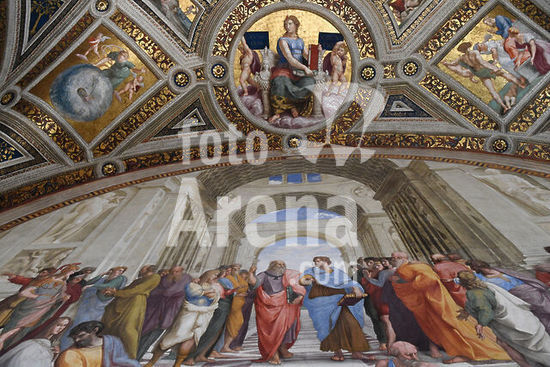
akg8620726 Plato (Platon)(with the portrait of Leonardo da Vinci) points upwards with a finger and holds his book Timeus (Timee, Timaios) in his hand, flanked by Aristotle (Aristote, Aristoteles) with his book Ethics (Ethique, Ethik). - Partial view of the School of Athens (L'Ecole d'Athenes, Die Schule von Athen). Painting by Raphael (Raffaello Sanzio, Raffael). On the ceiling the female allegory representing Philosophy. - Painted in the Stanza della Segnatura (Room of the Signatura, Salle de la Signature, Saal der Signatur) between 1509 and 1511 as a part of Raphael's commission to decorate the rooms now known as the Stanze di Raffaello, in the Apostolic Palace in the Vatican. - The most famous philosophers of ancient times move within an imposing Renaissance architecture which is inspired by Bramante's project for the renewal of the early Christian basilica of St Peter. Vatican Museums. 2021.
DC
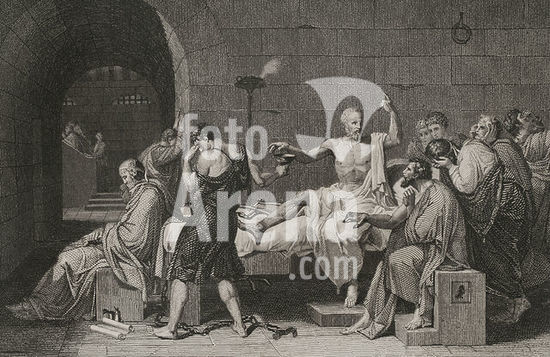
alb8343602 Socrates (ca. 470 BC - 399 BC). Greek philosopher. Accused of corrupting the youth, he was condemned to death by the Heliaia (Supreme Court of Ancient Athens). Death of Socrates. The scene shows Plato seated at the foot of the bed, in a meditative attitude. Engraving by A. Roca, based on the painting by Jacques-Louis David. "Historia Universal", by César Cantú. Volume I, 1854. Author: Antonio Roca Sallent (1813-1864). Spanish engraver.
DC
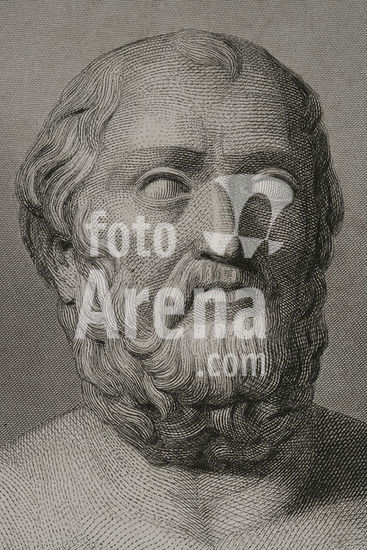
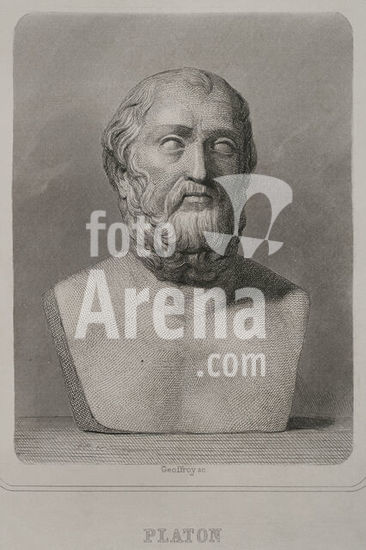
alb8343601 Plato (428/427 BC-348/347 BC). Greek philosopher. Portrait. Engraving by Geoffroy. "Historia Universal", by César Cantú. Volume I, 1854. Author: Charles Geoffroy (1819-1882). French engraver.
DC
alb8343600 Plato (428/427 BC-348/347 BC). Greek philosopher. Portrait. Engraving by Geoffroy. "Historia Universal", by César Cantú. Volume I, 1854. Author: Charles Geoffroy (1819-1882). French engraver.
DC
alb2095742 Critias (460-403 BC). Greek sophist. One of the Thirty Tyrants. Engraving. Colored.
DC
alb2038351 Critias (460-403 BC). Greek sophist. One of the Thirty Tyrants. Engraving.
DC
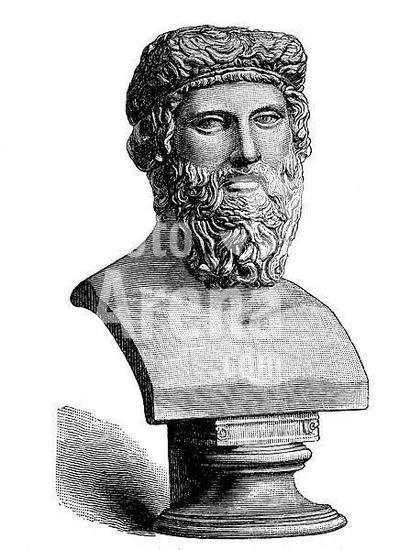
alb2655223 Plato (428/427-348/347 BC). Philosopher and mathematician in Classical Greece. Bust. 2nd-3rd C. AD. National Archaeological Museum. Athens. Greece.
DC
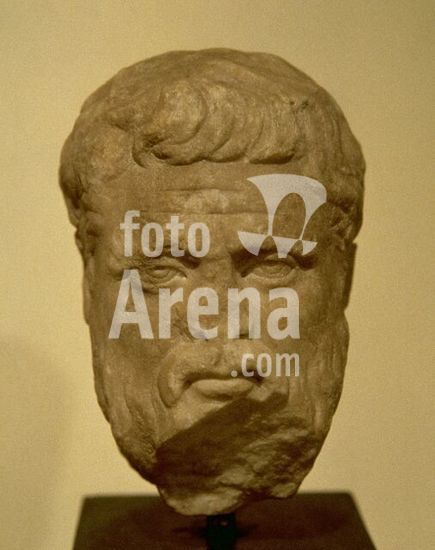
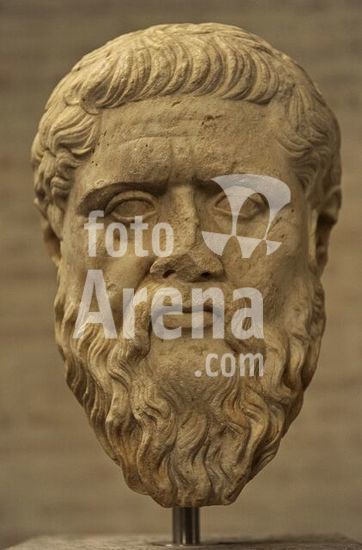
alb2067005 Plato (428-348 BC). Greek philosopher. Head. Roman copy. Glyptothek Museum. Munich. Germany.
DC
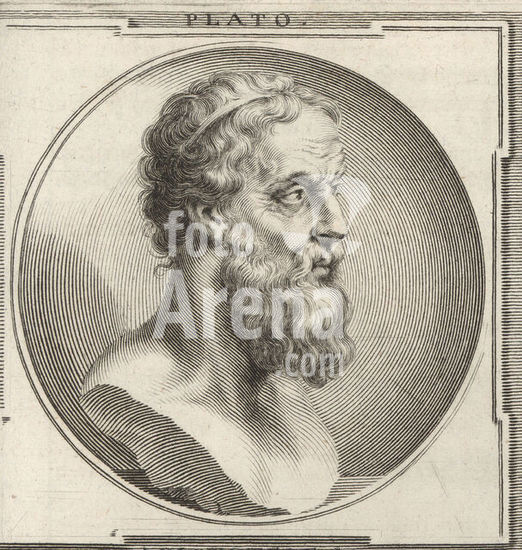
alb9877531 Plato, ancient Greek philosopher born in Athens during the Classical period in Ancient Greece, c.428-348 BC. Plato. Copperplate engraving by Bartholomaus Kilian after an illustration by Joachim von Sandrart from his LAcademia Todesca, della Architectura, Scultura & Pittura, oder Teutsche Academie, der Edlen Bau- Bild- und Mahlerey-Kunste, German Academy of Architecture, Sculpture and Painting, Jacob von Sandrart, Nuremberg, 1675.
DC
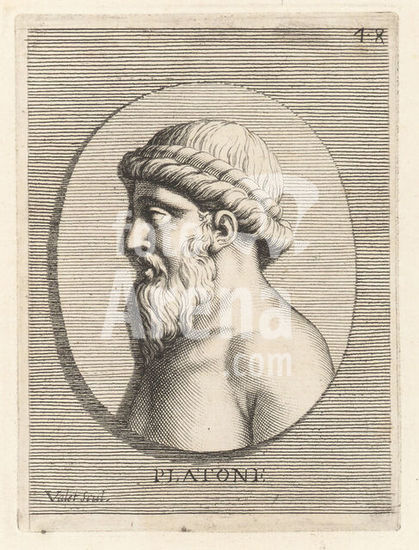
alb9874502 Plato, ancient Greek philosopher born in Athens during the Classical period, circa 428 - 348 BC. From a gem presented to nobleman Ippolito Vitelleschi by the Marquis Tassi. Platone. Copperplate engraving by Guillaume Vallet after Giovanni Angelo Canini from Iconografia, cioe disegni d'imagini de famosissimi monarchi, regi, filososi, poeti ed oratori dell' Antichita, Drawings of images of famous monarchs, kings, philosophers, poets and orators of Antiquity, Ignatio deLazari, Rome, 1699.
DC
alb1470631 Plato (424/423 BC-348/447 BC). Was a classical greek philosopher, mathematician, student of Socrates. Founder of the Academy in Athens. Copy of portrait bust by Silanion. 4th century BC. Museum of Louvre. Paris.
DC
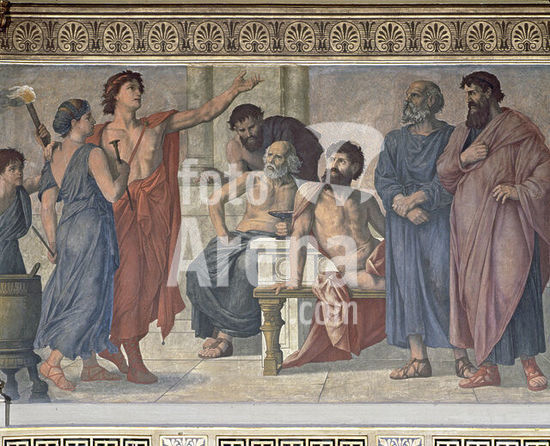
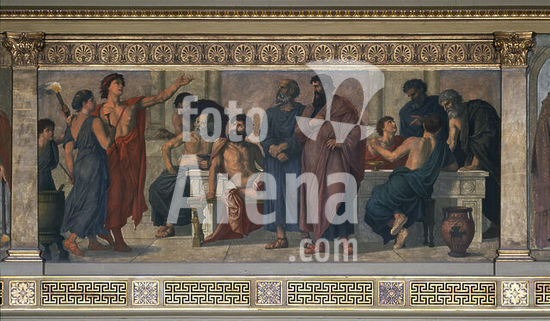
akg219259 Halle (Sachsen-Anhalt), Main building of the university, staircase. Philosophy: Socrates and his disciples (Plato's Symposium). Fresco, 1883/88, by Gustav Adolph Spangenberg (1828-1891). From the cycle "The Four Faculties".
DC
akg219257 Halle (Sachsen-Anhalt), Main building of the university, staircase. Philosophy: Socrates and his disciples (Plato's Symposium). Fresco, 1883/88, by Gustav Adolph Spangenberg (1828-1891). From the cycle "The Four Faculties".
DC
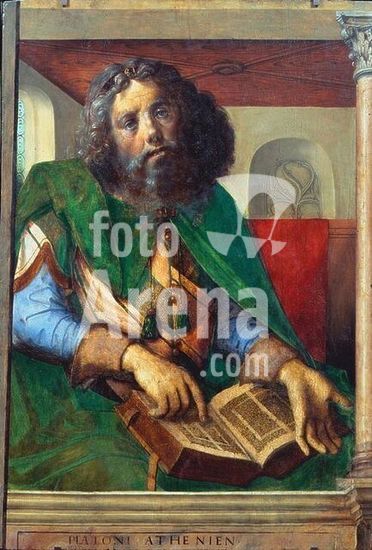
akg155030 Plato Greek philosopher, Athens 427 BC - 347 BC. "Plato". Painting, c. 1477, by Pedro Berruguete. (c. 1450 - 1504). Oil on wood, 101 × 69cm. From the series of portraits of famous men, Urbino, Palazzo Ducale. Paris, Musée du Louvre. Museum: Paris, Musée Du Louvre.
DC
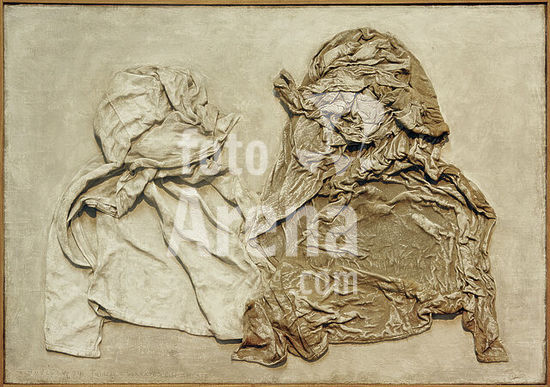
akg4607057 Plato. Greek philosopher. Athens 427 BC. - ibid. 347 BC. Works: Phaedrus (lat. "Phaedrus", also translated as "Über das Schöne"). "Phaedrus and Socrates, or Beauty.". Relief, 1934, by Frantisek Hudecek (1919-1990). Fabric on cardboard, 50 × 72 cm. Prague, Czech Museum of Fine Arts. Museum: Zlin, Staatsgalerie. Copyright: Additional copyrights must be cleared.
DC
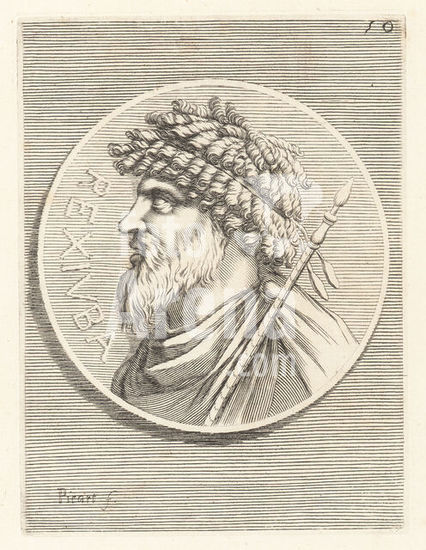
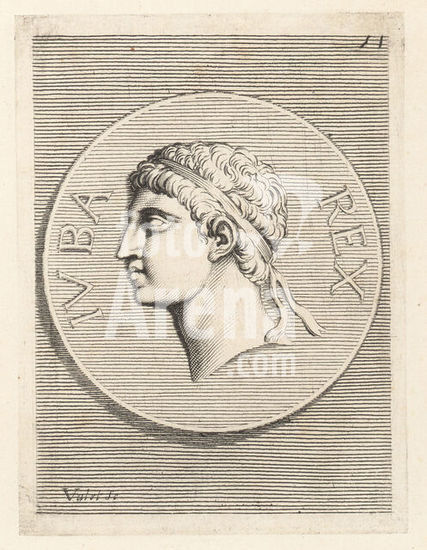
alb9876802 King Juba I of Numidia, c.85-46 BC, king of Numidia (reigned 60-46 BC). He was the son and successor to Hiempsal II. With beard and curly hair, mantle and sceptre. From a silver coin. Rex Iuba. Copperplate engraving by Etienne Picart after Giovanni Angelo Canini from Iconografia, cioe disegni d'imagini de famosissimi monarchi, regi, filososi, poeti ed oratori dell' Antichita, Drawings of images of famous monarchs, kings, philosophers, poets and orators of Antiquity, Ignatio deLazari, Rome, 1699.
DC
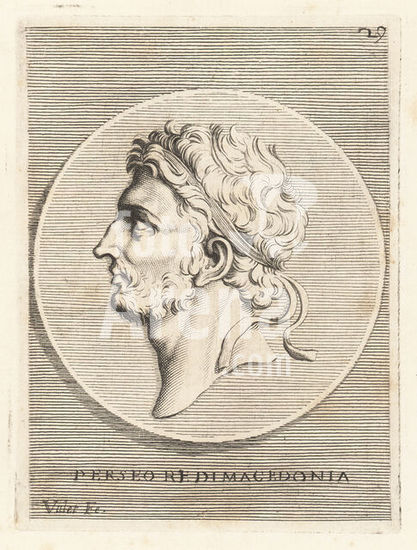
alb9872762 Perseus, last king (Basileus) of the Antigonid dynasty in Macedon, c. 212-166 BC. Head of young bearded man wearing royal diadem from a silver coin in the Museum of Francesco Angeloni. Perseo, Re di Macedonia. Copperplate engraving by Guillaume Vallet after Giovanni Angelo Canini from Iconografia, cioe disegni d'imagini de famosissimi monarchi, regi, filososi, poeti ed oratori dell' Antichita, Drawings of images of famous monarchs, kings, philosophers, poets and orators of Antiquity, Ignatio deLazari, Rome, 1699.
DC
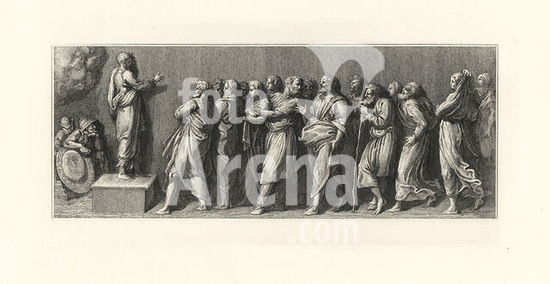
alb9877438 A man in a toga (philosopher?) speaking in front of a crowd. Two soldiers in helmet and armour crouch behind a shield. A bearded face in the cloud. Unknown myth. Copperplate engraving by Francesco Bartolozzi from 108 Plates of Antique Gems, 1860. The gems were from the Duke of Marlborough's collection.
DC
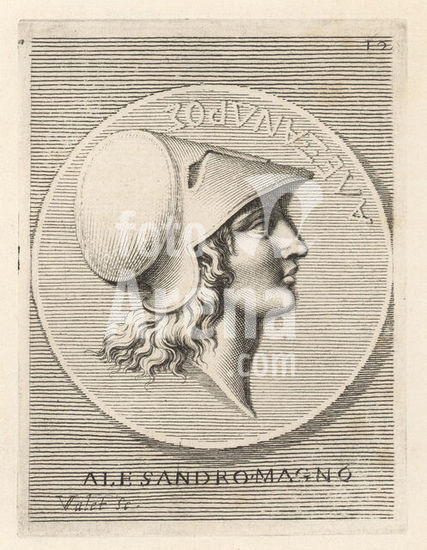
alb9878006 Profile portrait of Alexander the Great, Alexander III of Macedon, 356 323 BC, king of the ancient Greek kingdom of Macedon. Wearing a Corinthian helmet without crest or crown. From a silver coin in the collection of Gio. Pietro Bellori. Alessandro Magno. Copperplate engraving by Guillaume Vallet after Giovanni Angelo Canini from Iconografia, cioe disegni d'imagini de famosissimi monarchi, regi, filososi, poeti ed oratori dell' Antichita, Drawings of images of famous monarchs, kings, philosophers, poets and orators of Antiquity, Ignatio deLazari, Rome, 1699.
DC
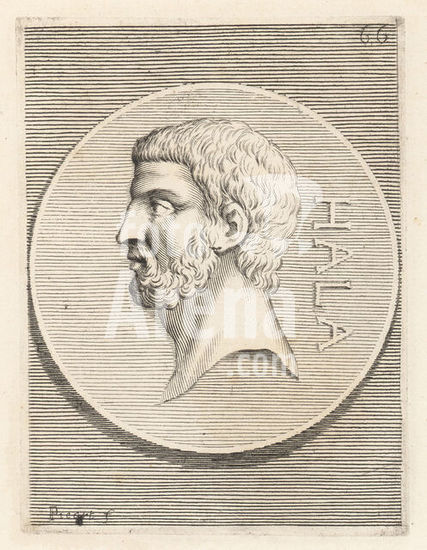
alb9879778 Gaius Servilius Ahala, magister equitum or Master of the Cavalry to Lucius Qunctius Cincinnatus, and assassin of Spurius Maelius, 5th century BC. From the verso of a silver denarius coin minted by Marcus Junius Brutus. Caio Sulpitio Hala. Copperplate engraving by Etienne Picart after Giovanni Angelo Canini from Iconografia, cioe disegni d'imagini de famosissimi monarchi, regi, filososi, poeti ed oratori dell' Antichita, Drawings of images of famous monarchs, kings, philosophers, poets and orators of Antiquity, Ignatio deLazari, Rome, 1699.
DC
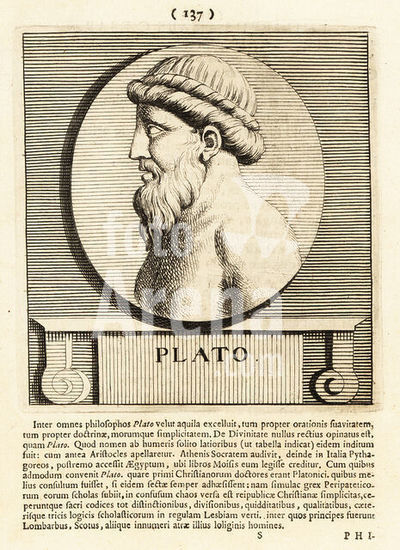
alb9876676 Plato, Athenian philosopher during the Classical period in Ancient Greece, founder of the Platonist school of thought and the Academy. Copperplate engraving by Pieter Bodart (1676-1712) from Henricus Spoors Deorum et Heroum, Virorum et Mulierum Illustrium Imagines Antiquae Illustatae, Gods and Heroes, Men and Women, Illustrated with Antique Images, Petrum, Amsterdam, 1715. First published as Favissæ utriusque antiquitatis tam Romanæ quam Græcæ in 1707. Henricus Spoor was a Dutch physician, classical scholar, poet and writer, fl. 1694-1716.
DC
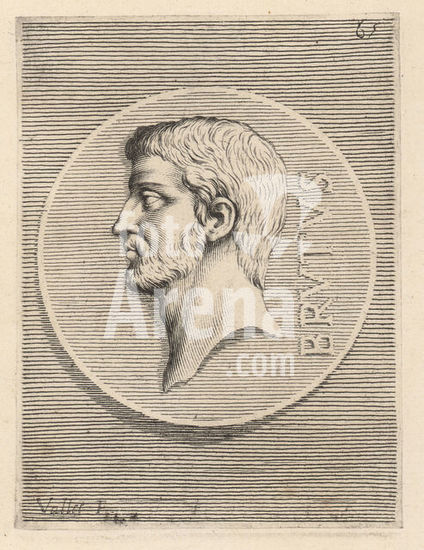
alb9881876 Lucius Junius Brutus, semi-legendary founder of the Roman Republic, and traditionally one of its first consuls in 509 BC. From a silver coin. Bruto. Copperplate engraving by Guillaume Vallet after Giovanni Angelo Canini from Iconografia, cioe disegni d'imagini de famosissimi monarchi, regi, filososi, poeti ed oratori dell' Antichita, Drawings of images of famous monarchs, kings, philosophers, poets and orators of Antiquity, Ignatio deLazari, Rome, 1699.
DC
alb9880751 King Juba II or Juba of Mauretania, c. 48 BC - 23 AD, son of Juba I, client king of Numidia and Mauretania. Head of a young man with royal diadem. From a silver coin. Iuba il giovine. Copperplate engraving by Guillaume Vallet after Giovanni Angelo Canini from Iconografia, cioe disegni d'imagini de famosissimi monarchi, regi, filososi, poeti ed oratori dell' Antichita, Drawings of images of famous monarchs, kings, philosophers, poets and orators of Antiquity, Ignatio deLazari, Rome, 1699.
DC
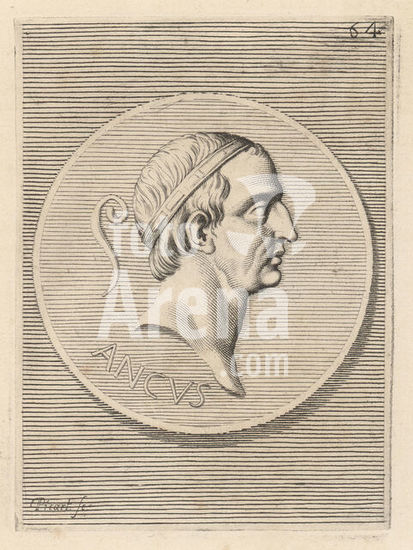
alb9880728 Ancus Martius, legendary fourth king of Rome, who reigned for 24 years. Son of Marcius and Pompilia, Numa Pompilius's daughter. Head wearing diadem from a silver denarius coin. Anco Martio IV Re di Roma. Copperplate engraving by Etienne Picart after Giovanni Angelo Canini from Iconografia, cioe disegni d'imagini de famosissimi monarchi, regi, filososi, poeti ed oratori dell' Antichita, Drawings of images of famous monarchs, kings, philosophers, poets and orators of Antiquity, Ignatio deLazari, Rome, 1699.
DC
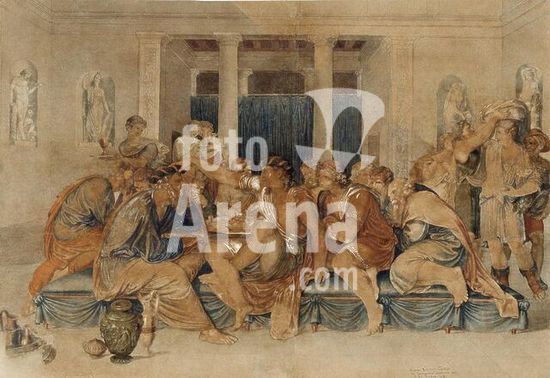
akg864419 Carstens, Jakob Asmus; 1754-1798. "Das Gastmahl des Platon" (Alkibiades bekränzt Sokrates), 1793. (Platon, Symposion). Zeichnung, aquarelliert, mit Deckweiß gehöht. Museum: Regionales Kunstmuseum., NOWOTSCHERKASSK.
DC
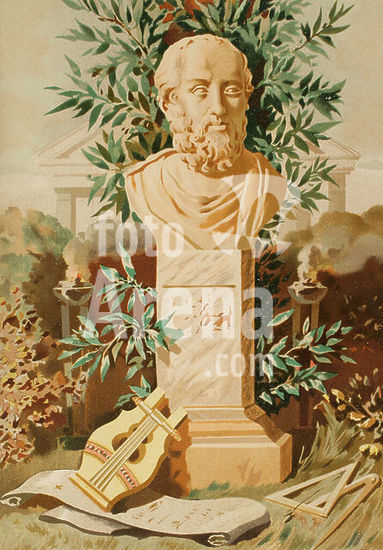
alb9567170 Plato (428/427 BC-348/347 BC). Greek philosopher. Copy of an ancient bust from the Uffizi Gallery in Florence, drawn in Visconti's Greek iconography. Chromolithography. "Historia Universal", by César Cantú. Volume III, 1882.
DC
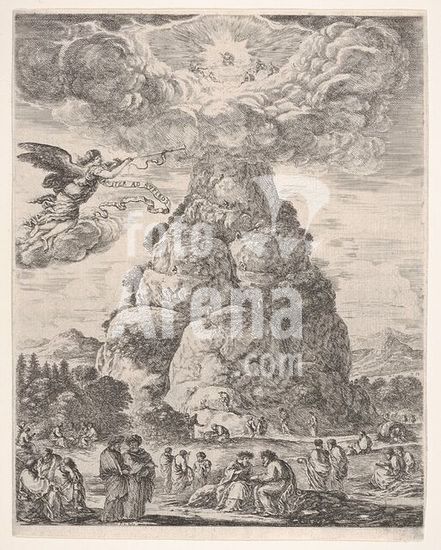
alb3604841 Rock of the Philosphers, or Mount Parnassus, many ancient philosophers gathered in groups at the base of the mountain in the foreground, Diogenes in his barrel to right and Archimedes in center studying an armillary sphere in the middleground, an angel in the sky to left, the mountain in the background, a large cloud at the top of the mountain with the assembly of the gods. Artist: Stefano della Bella (Italian, Florence 1610-1664 Florence). Dimensions: Plate: 10 3/8 x 8 5/16 in. (26.4 x 21.1 cm)Sheet: 10 11/16 x 8 3/8 in. (27.2 x 21.3 cm). Date: ca. 1661. Museum: Metropolitan Museum of Art, New York, USA.
DC
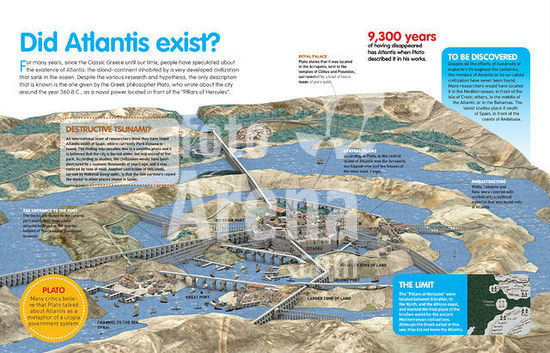
alb2266383 Infographic about Atlantis, the island-continent that sank in the ocean, described by the Greek philosopher Plato, and the theories about its existence or not. [Adobe InDesign (.indd); 4960x3188].
DC
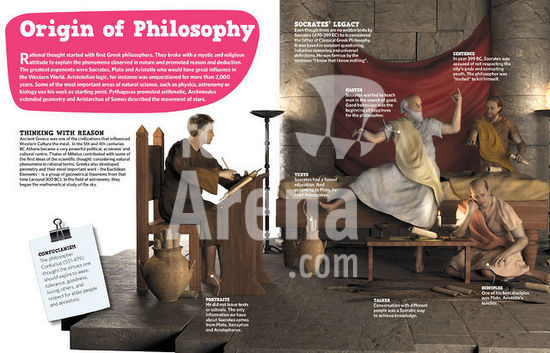
alb2266390 Infographic about the origins of philosophy and Socrates, the father of classical Greek philosophy. [Adobe InDesign (.indd); 4960x3188].
DC
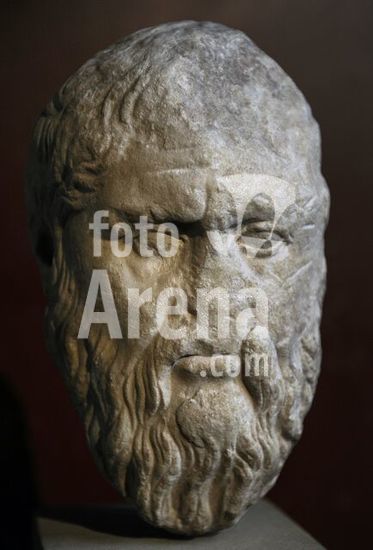
alb2096858 Plato (428-348 BC). Greek philosopher. Bust. Marble. Roman copy of 1st century after a greek original of 4th century BC. Neues Museum. Berlin. Germany.
DC
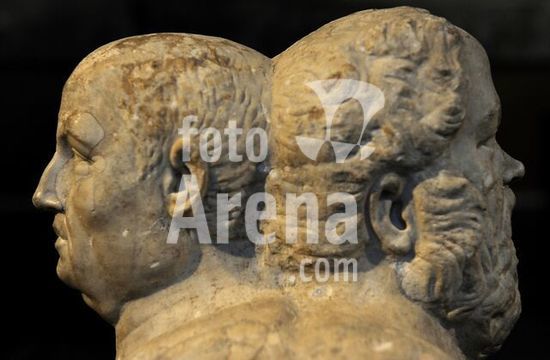
alb2096872 Socrates (470-399 BC). Athenian philosopher and Seneca the Younger (4 BC-65 AD). Roman stoic philosopher. Double bust. Roman copy of 3rd century AD after a greek original of 1st century AD. Neues Museum (New Museum). Berlin. Germany.
DC
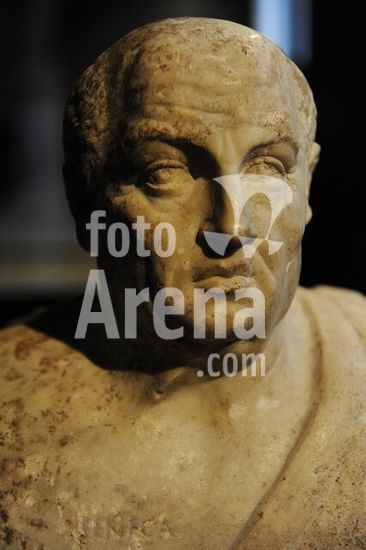
alb2097694 Lucius Annaeus Seneca (c. 4 BC-65 AD). Roman stoic philosopher. Detail of the Double Herm of Socrates and Seneca. Ancient Roman statue from the first half of the 3rd century AD. Marble. Portraits are coupled in double herm by later roman copyst. Neues Museum (New Museum). Berlin, Germany.
DC
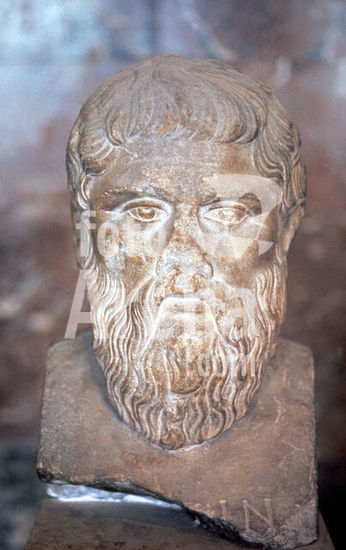
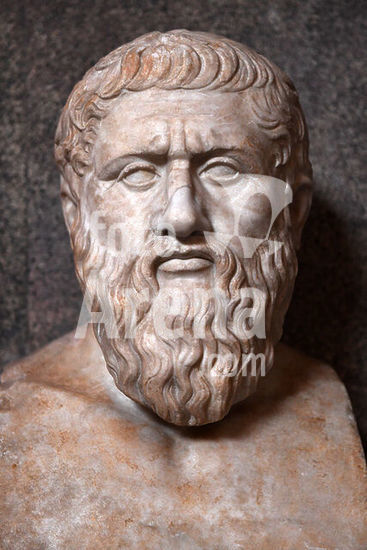
akg8786148 Herm of Plato (Platon).Greek Philosopher (428/27-348/47 BC)Dating to the mid-1st cent. AD, the portrait is probably based on a statue created by Silanion(4th cent. BC)The inscription on the herm is the result of the portrait being wrongly identified in the 18th century.inv. 305Vatican Museums (Pio Clementino Museum).Rome, 2021.
DC
akg8620685 Plato (Platon)(with the portrait of Leonardo da Vinci) points upwards with a finger and holds his book Timeus (Timee, Timaios) in his hand, flanked by Aristotle (Aristote, Aristoteles) with his book Ethics (Ethique, Ethik). Diogenes (Diogene) is lying on the stairs with a dish, while the pessimist philosopher, Heraclitus (Heraclite, Heraklit) a portrait of Michelangelo, is leaning against a block of marble, writing on a sheet of paper. - Detail of the School of Athens (L'Ecole d'Athenes, Die Schule von Athen). Painting by Raphael (Raffaello Sanzio, Raffael). - Painted in the Stanza della Segnatura (Room of the Signatura, Salle de la Signature, Saal der Signatur) between 1509 and 1511 as a part of Raphael's commission to decorate the rooms now known as the Stanze di Raffaello, in the Apostolic Palace in the Vatican. - The most famous philosophers of ancient times move within an imposing Renaissance architecture which is inspired by Bramante's project for the renewal of the early Christian basilica of St Peter. Vatican Museums. 2021.
DC
akg8620690 Plato (Platon)(with the portrait of Leonardo da Vinci) points upwards with a finger and holds his book Timeus (Timee, Timaios) in his hand, flanked by Aristotle (Aristote, Aristoteles) with his book Ethics (Ethique, Ethik). Diogenes (Diogene) is lying on the stairs with a dish, while the pessimist philosopher, Heraclitus (Heraclite, Heraklit) a portrait of Michelangelo, is leaning against a block of marble, writing on a sheet of paper. - Partial view of the School of Athens (L'Ecole d'Athenes, Die Schule von Athen). Painting by Raphael (Raffaello Sanzio, Raffael). - Painted in the Stanza della Segnatura (Room of the Signatura, Salle de la Signature, Saal der Signatur) between 1509 and 1511 as a part of Raphael's commission to decorate the rooms now known as the Stanze di Raffaello, in the Apostolic Palace in the Vatican. - The most famous philosophers of ancient times move within an imposing Renaissance architecture which is inspired by Bramante's project for the renewal of the early Christian basilica of St Peter. Vatican Museums. 2021.
DC
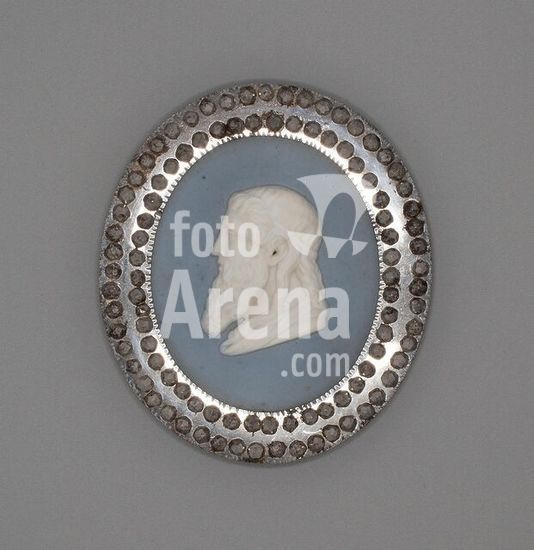
alb4144550 Medallion with Plato. Wedgwood Manufactory; England, founded 1759. Date: 1775-1799. Dimensions: 7.1 × 6.2 × 1 cm (2 13/16 × 2 7/16 × 3/8 in.). Stoneware (jasperware). Origin: Burslem. Museum: The Chicago Art Institute, Chicago, USA.
DC
alb3732897 Architecture Holding a Compass and Square [reverse]. Dimensions: overall (diameter): 4.34 cm (1 11/16 in.) gross weight: 38.23 gr (0.084 lb.) axis: 6:00. Medium: bronze. Museum: National Gallery of Art, Washington DC. Author: Caradosso Foppa.
DC
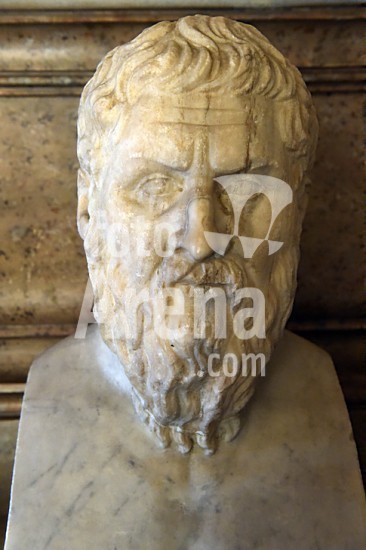
akg4899300 THE CAPITOLINE MUSEUMS (Musei Capitolini) IN ROME, ITALY. The creation of the Capitoline Museums has been traced back to 1471, when Pope Sixtus IV donated a group of bronze statues of great symbolic value to the People of Rome. The collections are closely linked to the city of Rome, and most of the exhibits come from the city itself.PORTRAIT OF PLATO Greek philosopher (5th-4th century BC)Sculpture From a 400 BC Hellenistic originalMarble.
DC
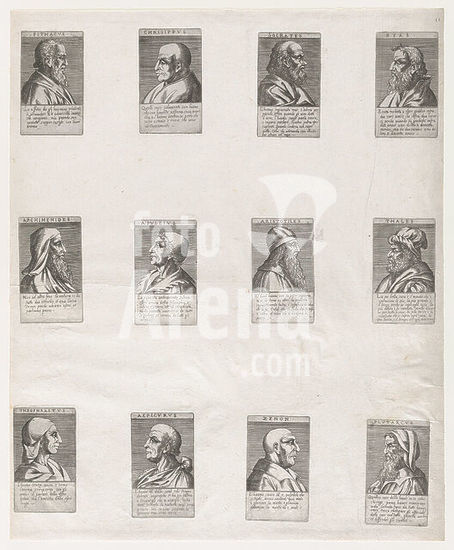
alb3675124 Speculum Romanae Magnificentiae: Portraits of the Ancient Philosophers. Artist: Anonymous, Italian, 16th century. Dimensions: sheet: 18 5/16 x 15 3/8 in. (46.5 x 39 cm). Series/Portfolio: Speculum Romanae Magnificentiae. Date: 16th century.This print comes from the museum's copy of the Speculum Romanae Magnificentiae (The Mirror of Roman Magnificence) The Speculum found its origin in the publishing endeavors of Antonio Salamanca and Antonio Lafreri. During their Roman publishing careers, the two foreign publishers - who worked together between 1553 and 1563 - initiated the production of prints recording art works, architecture and city views related to Antique and Modern Rome. The prints could be bought individually by tourists and collectors, but were also purchased in larger groups which were often bound together in an album. In 1573, Lafreri commissioned a title page for this purpose, which is where the title 'Speculum Romanae Magnificentiae' first appears. Lafreri envisioned an ideal arrangement of the prints in 7 different categories, but during his lifetime, never appears to have offered one standard, bound set of prints. Instead, clients composed their own selection from the corpus to be bound, or collected a group of prints over time. When Lafreri died, two-third of the existing copper plates went to the Duchetti family (Claudio and Stefano), while another third was distributed among several publishers. The Duchetti appear to have standardized production, offering a more or less uniform version of the Speculum to their clients. The popularity of the prints also inspired other publishers in Rome to make copies however, and to add new prints to the corpus. The museum's copy of the Speculum entered the collection as a group of 3 albums with inlaid engravings and etchings. The prints have since been removed, but the original place of each print within the album is contained in the accession number: 41.72(volume.place).Originally volume 3, plate 81 in the scrapbook. 24 philosophers on two plates. This is the first plate. Museum: Metropolitan Museum of Art, New York, USA.
DC
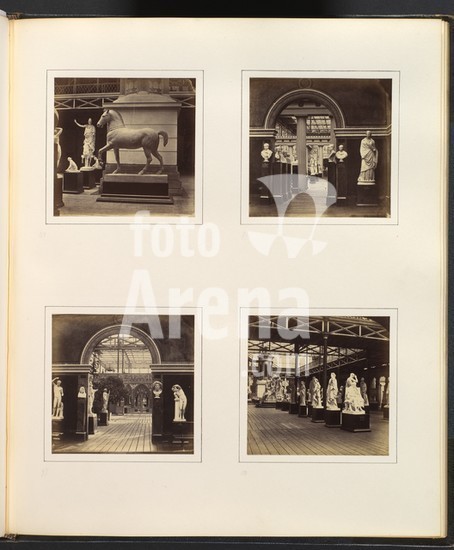
alb3668665 [Statue of a Horse; Roman Court, Portrait Busts of Emperors; Doorway of Roman Court, Flanked by Portrait Bust of Nero; Greek Court of Philosophers, Statesmen, and Generals]. Artist: Attributed to Philip Henry Delamotte (British, 1821-1889). Dimensions: 7.9 x 8.1 cm (3 1/8 x 3 3/16 in.), each. Date: ca. 1859. Museum: Metropolitan Museum of Art, New York, USA.
DC
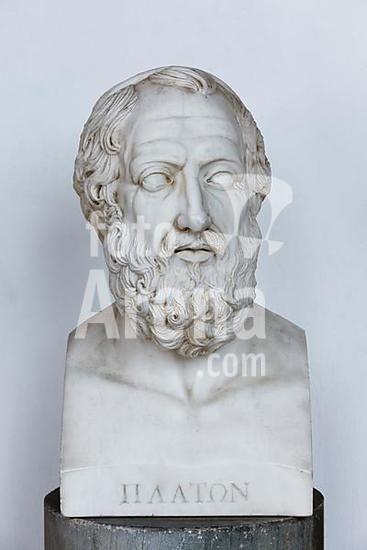
iblkas04911208 Bust of the Greek philosopher Plato, Achilleion Palace, Gastouri, Island of Corfu, Ionian Islands, Greece, Europe
DC
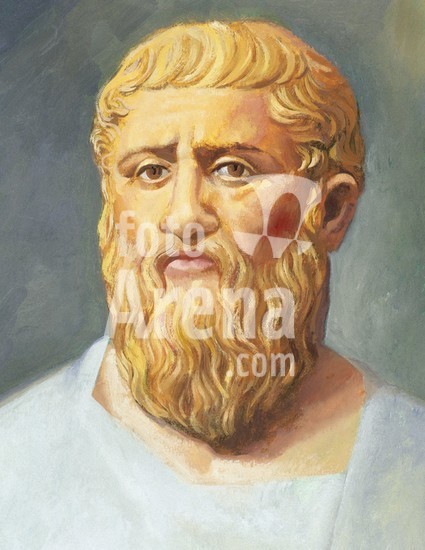
alb2534291 Plato (428 BC-348/347 BC). Greek philosopher, student of Socrates. Founder of the Academy. Watercolor.
DC
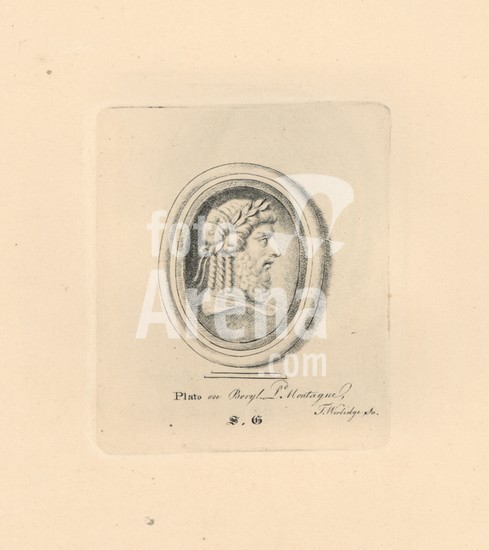
alb3116002 Portrait of Plato, ancient Greek philosopher and mathematician, with laurel wreath and hair in curls and ringlets, on beryl in Lord Montague's collection. Copperplate engraving by Thomas Worlidge from James Vallentin's One Hundred and Eight Engravings from Antique Gems, 1863.
DC
iblsce04735576 Bust of Plato, 428/427 BC Chr., 348/347 v. Chr. BC, was an ancient Greek philosopher, woodcut, Greece, Europe
DC
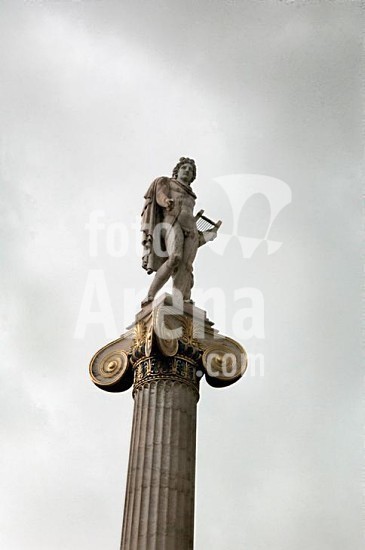
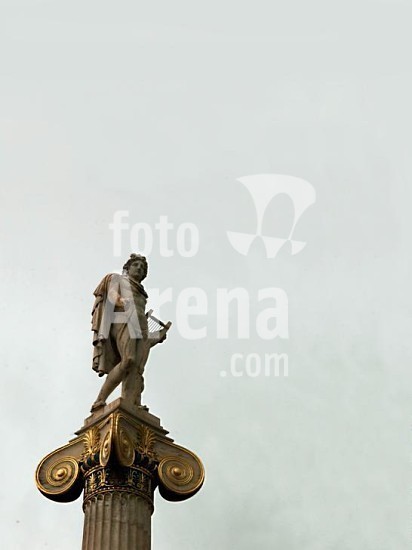
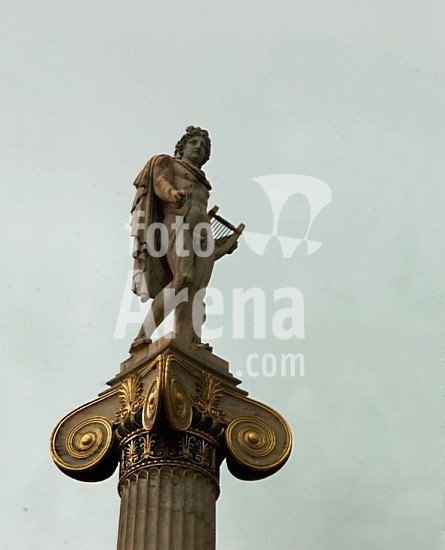
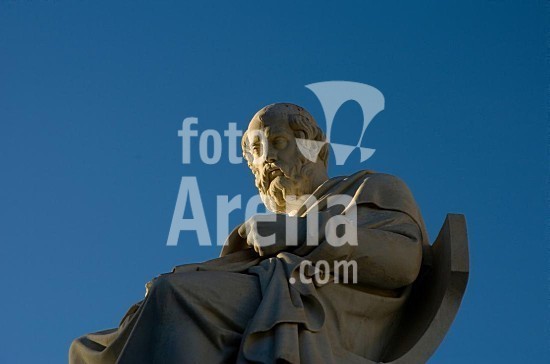
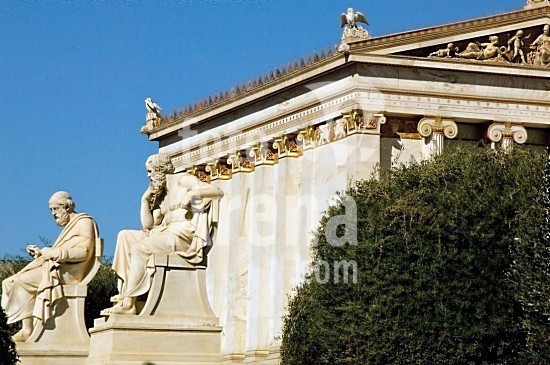
akg2485172 E:. ebd. 347 v. Chr. - Sitzstatue Platons. - (Pendant zur Sitzstatue Sokrates). Skulptur, neuzeitlich. Marmor. Athen, Akademie der Wissenschaft. APOLLON, statue, Athen, Akademie. APOLLON. Athen 427 v. Chr. - ebd. 347 v. Chr.). Skulptur, neuzeitlich. Marmor. Athen, Akade. mie der Wissenschaften. E:. Plato / Seated statue / Athens. Plato; Greek philosopher; Athens 427 BC - ibid. 347 BC. - Se. ated statue of Plato. - (Counterpart to the seated statue of. Socrates). Marble, modern. Athens, Academy of Sciences. akg-images / John Hios. ORIGINAL:. APOLLON, statue, Athen, Akademie. APOLLON; Athen 427 v. Chr. - ebd. 347 v. Chr.
DC
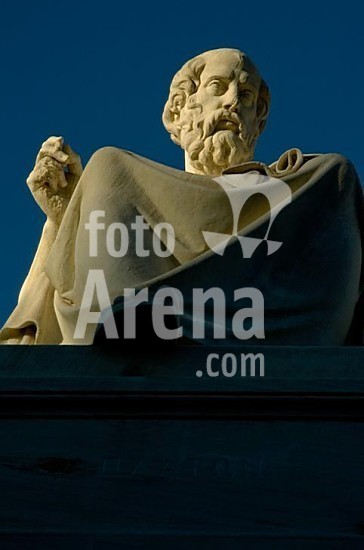
akg2485171 Platon, Sitzstatue, Athen, Akademie. Platon; griech. Philosoph. Athen 427 v. Chr. - ebd. 347 v. Chr. - Sitzstatue Platons. - (Pendant zur Sitzstatue Sokrates). Skulptur, neuzeitlich. Marmor. Athen, Akademie der Wissenschaften. E:. Plato / Seated statue / Athens. Plato; Greek philosopher; Athens 427 BC - ibid. 347 BC. - Seated statue of Plato. - (Counterpart to the seated statue of. Socrates). as seen profile close-up left side. Marble, modern. Athens, Academy of Sciences.
DC
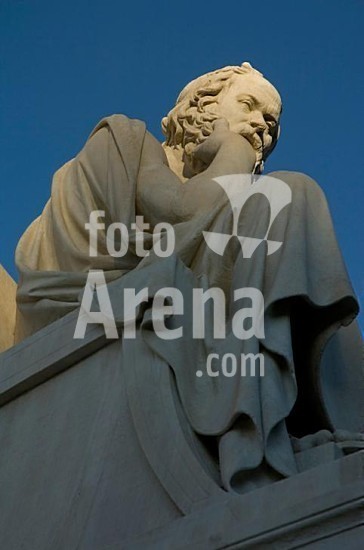
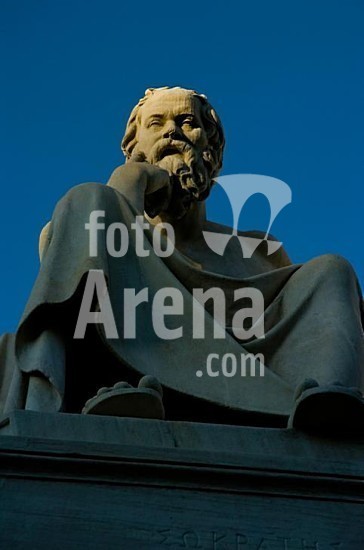
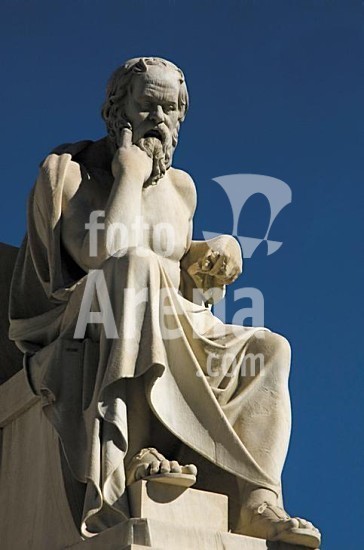
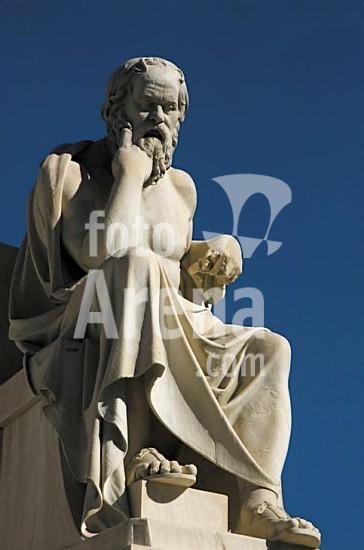
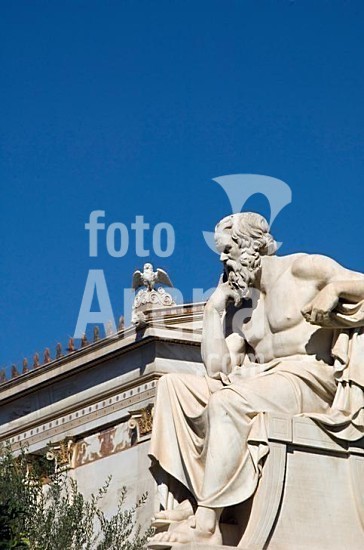
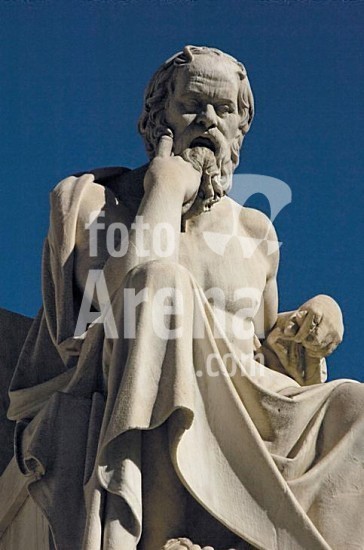
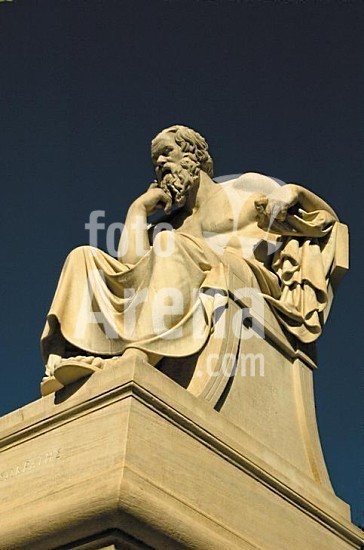
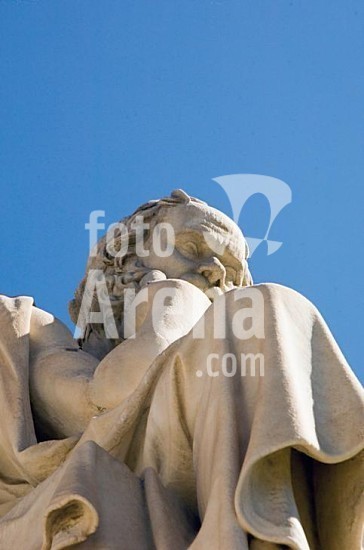
akg2485174 Sokrates, Sitzstatue, Athen, Akademie. Sokrates. griech. Philosoph, 470 v. Chr. - 399 v. Chr. - Sitzstatue Sokrates. - (Pendant zur Sitzstatue Platons). Skulptur, neuzeitlich. Marmor. Athen, Akademie der Wissenschaften. E:. Socrates, Statue, Athens, Academy. Socrates. Greek philosopher. 470 b. Chr. - 399 b. Chr. - Socrates sitting- statue.- (Pendant to Plato sitting - statue).
DC
akg2485169 E:. ebd. 347 v. Chr. - Sitzstatue Platons. - (Pendant zur Sitzstatue Sokrates). Skulptur, neuzeitlich. Marmor. Athen, Akademie der Wissenschaft. APOLLON, statue, Athen, Akademie. APOLLON. Athen 427 v. Chr. - ebd. 347 v. Chr.). Skulptur, neuzeitlich. Marmor. Athen, Akade. mie der Wissenschaften. E:. Plato / Seated statue / Athens. Plato; Greek philosopher; Athens 427 BC - ibid. 347 BC. - Se. ated statue of Plato. - (Counterpart to the seated statue of. Socrates). Marble, modern. Athens, Academy of Sciences. akg-images / John Hios. ORIGINAL:. APOLLON, statue, Athen, Akademie. APOLLON; Athen 427 v. Chr. - ebd. 347 v. Chr.
DC
akg2485176 E:. ebd. 347 v. Chr. - Sitzstatue Platons. - (Pendant zur Sitzstatue Sokrates). Skulptur, neuzeitlich. Marmor. Athen, Akademie der Wissenschaft. APOLLON, statue, Athen, Akademie. APOLLON. Athen 427 v. Chr. - ebd. 347 v. Chr.). Skulptur, neuzeitlich. Marmor. Athen, Akade. mie der Wissenschaften. E:. Plato / Seated statue / Athens. Plato; Greek philosopher; Athens 427 BC - ibid. 347 BC. - Se. ated statue of Plato. - (Counterpart to the seated statue of. Socrates). Marble, modern. Athens, Academy of Sciences. akg-images / John Hios. ORIGINAL:. APOLLON, statue, Athen, Akademie. APOLLON; Athen 427 v. Chr. - ebd. 347 v. Chr.
DC
akg2008692 Platon, Sitzstatue, Athen, Akademie. Platon; griech. Philosoph. Athen 427 v. Chr. - ebd. 347 v. Chr. - Sitzstatue Platons. - (Pendant zur Sitzstatue Sokrates). Skulptur, neuzeitlich. Marmor. Athen, Akademie der Wissenschaften. E:. Plato / Seated statue / Athens. Plato; Greek philosopher; Athens 427 BC - ibid. 347 BC. - Seated statue of Plato. - (Counterpart to the seated statue of. Socrates). Marble, modern. Athens, Academy of Sciences.
DC
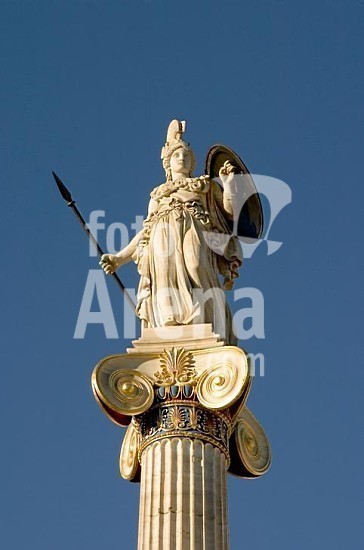
akg2008694 ATHENA, statue, Athen, Akademie. ATHENA. Athen 427 v. Chr. - ebd. 347 v. Chr. - Sitzstatue Platons. - (Pendant zur Sitzstatue Sokrates). Skulptur, neuzeitlich. Marmor. Athen, Akademie der Wissenschaften. E:. Plato / Seated statue / Athens. Plato; Greek philosopher; Athens 427 BC - ibid. 347 BC. - Seated statue of Plato. - (Counterpart to the seated statue of. Socrates). Marble, modern. Athens, Academy of Sciences.
DC
akg2008691 Sokrates, Sitzstatue, Athen, Akademie. Sokrates. griech. Philosoph, 470 v. Chr. - 399 v. Chr. - Sitzstatue Sokrates. - (Pendant zur Sitzstatue Platons). Skulptur, neuzeitlich. Marmor. Athen, Akademie der Wissenschaften. E:. Socrates, Statue, Athens, Academy. Socrates. Greek philosopher. 470 b. Chr. - 399 b. Chr. - Socrates sitting- statue.- (Pendant to Plato sitting - statue). Sculpture, marble. Athens, Academy of Sciences.
DC
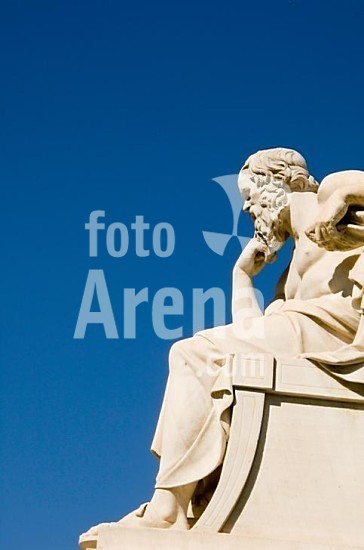
akg2008693 Sokrates, Sitzstatue, Athen, Akademie. Sokrates. griech. Philosoph, 470 v. Chr. - 399 v. Chr. - Sitzstatue Sokrates. - (Pendant zur Sitzstatue Platons). Skulptur, neuzeitlich. Marmor. Athen, Akademie der Wissenschaften. E:. Socrates, Statue, Athens, Academy. Socrates. Greek philosopher. 470 b. Chr. - 399 b. Chr. - Socrates sitting- statue.- (Pendant to Plato sitting - statue). Sculpture, marble. Athens, Academy of Sciences.
DC
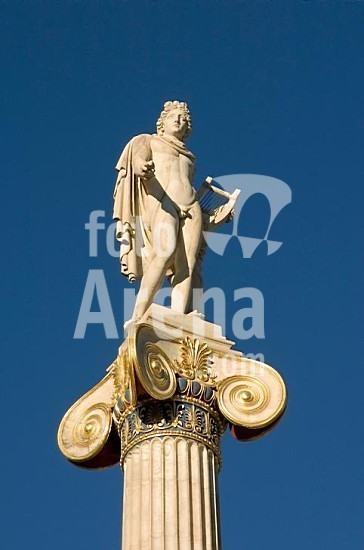
akg2008695 APOLLON, statue, Athen, Akademie. APOLLON. Athen 427 v. Chr. - ebd. 347 v. Chr. - Sitzstatue Platons. - (Pendant zur Sitzstatue Sokrates). Skulptur, neuzeitlich. Marmor. Athen, Akademie der Wissenschaften. E:. Plato / Seated statue / Athens. Plato; Greek philosopher; Athens 427 BC - ibid. 347 BC. - Seated statue of Plato. - (Counterpart to the seated statue of. Socrates). Marble, modern. Athens, Academy of Sciences.
DC
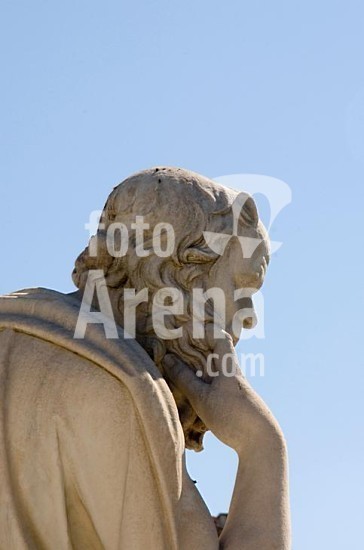
akg2008697 Sokrates, Sitzstatue, Athen, Akademie. Sokrates. griech. Philosoph, 470 v. Chr. - 399 v. Chr. - Sitzstatue Sokrates. - (Pendant zur Sitzstatue Platons). Skulptur, neuzeitlich. Marmor. Athen, Akademie der Wissenschaften. E:. Socrates, Statue, Athens, Academy. Socrates. Greek philosopher. 470 b. Chr. - 399 b. Chr. - Socrates sitting- statue.- (Pendant to Plato sitting - statue). Sculpture, marble. Athens, Academy of Sciences.
DC
akg2008690 Platon, Sitzstatue, Athen, Akademie. Platon; griech. Philosoph. Athen 427 v. Chr. - ebd. 347 v. Chr. - Sitzstatue Platons. - (Pendant zur Sitzstatue Sokrates). Skulptur, neuzeitlich. Marmor. Athen, Akademie der Wissenschaften. E:. Plato / Seated statue / Athens. Plato; Greek philosopher; Athens 427 BC - ibid. 347 BC. - Seated statue of Plato. - (Counterpart to the seated statue of. Socrates). Marble, modern. Athens, Academy of Sciences.
DC
akg2008699 Sokrates, Sitzstatue, Athen, Akademie. Sokrates. griech. Philosoph, 470 v. Chr. - 399 v. Chr. - Sitzstatue Sokrates. - (Pendant zur Sitzstatue Platons). Skulptur, neuzeitlich. Marmor. Athen, Akademie der Wissenschaften. E:. Socrates, Statue, Athens, Academy. Socrates. Greek philosopher. 470 b. Chr. - 399 b. Chr. - Socrates sitting- statue.- (Pendant to Plato sitting - statue). Sculpture, marble. Athens, Academy of Sciences.
DC
akg2008712 Sokrates, Sitzstatue, Athen, Akademie. Sokrates. griech. Philosoph, 470 v. Chr. - 399 v. Chr. - Sitzstatue Sokrates. - (Pendant zur Sitzstatue Platons). Skulptur, neuzeitlich. Marmor. Athen, Akademie der Wissenschaften. E:. Socrates, Statue, Athens, Academy. Socrates. Greek philosopher. 470 b. Chr. - 399 b. Chr. - Socrates sitting- statue.- (Pendant to Plato sitting - statue). Sculpture, marble. Athens, Academy of Sciences.
DC
akg2008718 Sokrates, Sitzstatue, Athen, Akademie. Sokrates. griech. Philosoph, 470 v. Chr. - 399 v. Chr. - Sitzstatue Sokrates. - (Pendant zur Sitzstatue Platons). Skulptur, neuzeitlich. Marmor. Athen, Akademie der Wissenschaften. E:. Socrates, Statue, Athens, Academy. Socrates. Greek philosopher. 470 b. Chr. - 399 b. Chr. - Socrates sitting- statue.- (Pendant to Plato sitting - statue). Sculpture, marble. Athens, Academy of Sciences.
DC
akg2008710 SOCRATES, Sitzstatue, Athen, Akademie. SOCRATES; griech. Philosoph. Athen 427 v. Chr. - ebd. 347 v. Chr. - Sitzstatue SOCRATES. - (Pendant zur Sitzstatue Sokrates). Skulptur, neuzeitlich. Marmor. Athen, Akademie der Wissenschaften. E:. Seated statue of Plato / Athens. Plato; Greek philosopher; Athens 427 BC - ibid. 347 BC. - Seated statue of Plato. - (Counterpart to the statue of Socrates). Sculpture, modern. Marble. Athens, Academy of Sciences.
DC
akg2008701 Sokrates, Sitzstatue, Athen, Akademie. Sokrates. griech. Philosoph, 470 v. Chr. - 399 v. Chr. - Sitzstatue Sokrates. - (Pendant zur Sitzstatue Platons). Skulptur, neuzeitlich. Marmor. Athen, Akademie der Wissenschaften. E:. Socrates, Statue, Athens, Academy. Socrates. Greek philosopher. 470 b. Chr. - 399 b. Chr. - Socrates sitting- statue.- (Pendant to Plato sitting - statue). Sculpture, marble. Athens, Academy of Sciences.
DC
akg2008700 Sokrates, Sitzstatue, Athen, Akademie. Sokrates. griech. Philosoph, 470 v. Chr. - 399 v. Chr. - Sitzstatue Sokrates. - (Pendant zur Sitzstatue Platons). Skulptur, neuzeitlich. Marmor. Athen, Akademie der Wissenschaften. E:. Socrates, Statue, Athens, Academy. Socrates. Greek philosopher. 470 b. Chr. - 399 b. Chr. - Socrates sitting- statue.- (Pendant to Plato sitting - statue). Sculpture, marble. Athens, Academy of Sciences.
DC
akg2008715 Sokrates, Sitzstatue, Athen, Akademie. Sokrates. griech. Philosoph, 470 v. Chr. - 399 v. Chr. - Sitzstatue Sokrates. - (Pendant zur Sitzstatue Platons). Skulptur, neuzeitlich. Marmor. Athen, Akademie der Wissenschaften. E:. Socrates, Statue, Athens, Academy. Socrates. Greek philosopher. 470 b. Chr. - 399 b. Chr. - Socrates sitting- statue.- (Pendant to Plato sitting - statue). Sculpture, marble. Athens, Academy of Sciences.
DC
akg2008703 Sokrates, Sitzstatue, Athen, Akademie. Sokrates. griech. Philosoph, 470 v. Chr. - 399 v. Chr. - Sitzstatue Sokrates. - (Pendant zur Sitzstatue Platons). Skulptur, neuzeitlich. Marmor. Athen, Akademie der Wissenschaften. E:. Socrates, Statue, Athens, Academy. Socrates. Greek philosopher. 470 b. Chr. - 399 b. Chr. - Socrates sitting- statue.- (Pendant to Plato sitting - statue). Sculpture, marble. Athens, Academy of Sciences.
DC

Total de Resultados: 172

Página 1 de 2