



















































Busque também em nossas outras coleções:

Tipo de arquivo:

Tipo do arquivo:

Orientação:

Total de Resultados: 80

Página 1 de 1

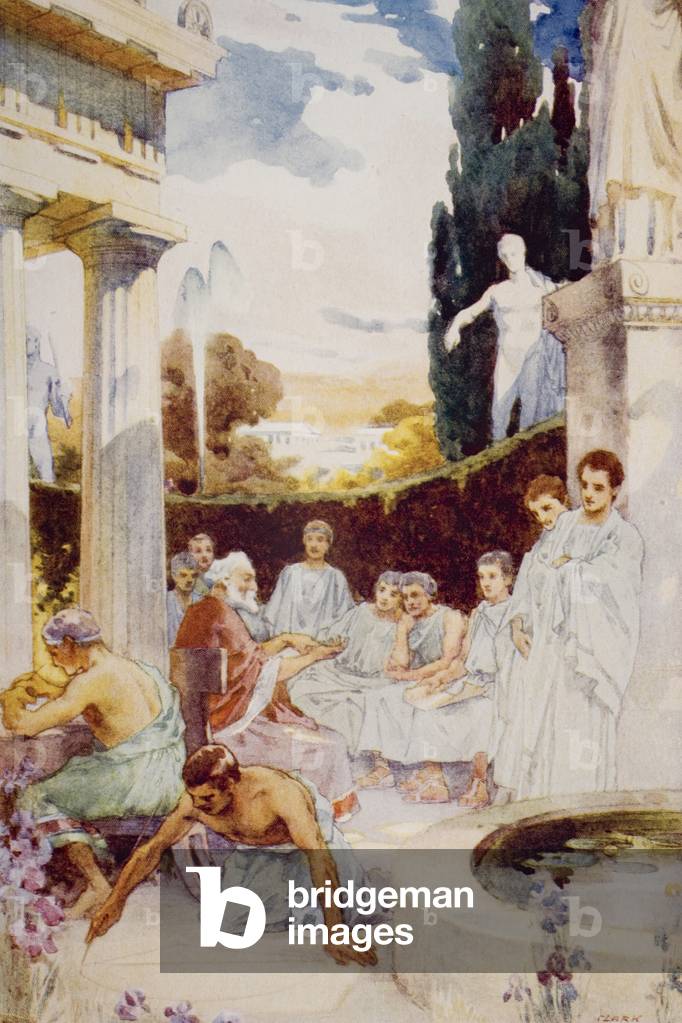
LAL453340 The philosopher Plato taught his students and followers in a grove called the Academia, on Athens' outskirts. From this came our word 'academy', for a place of learning.
DC
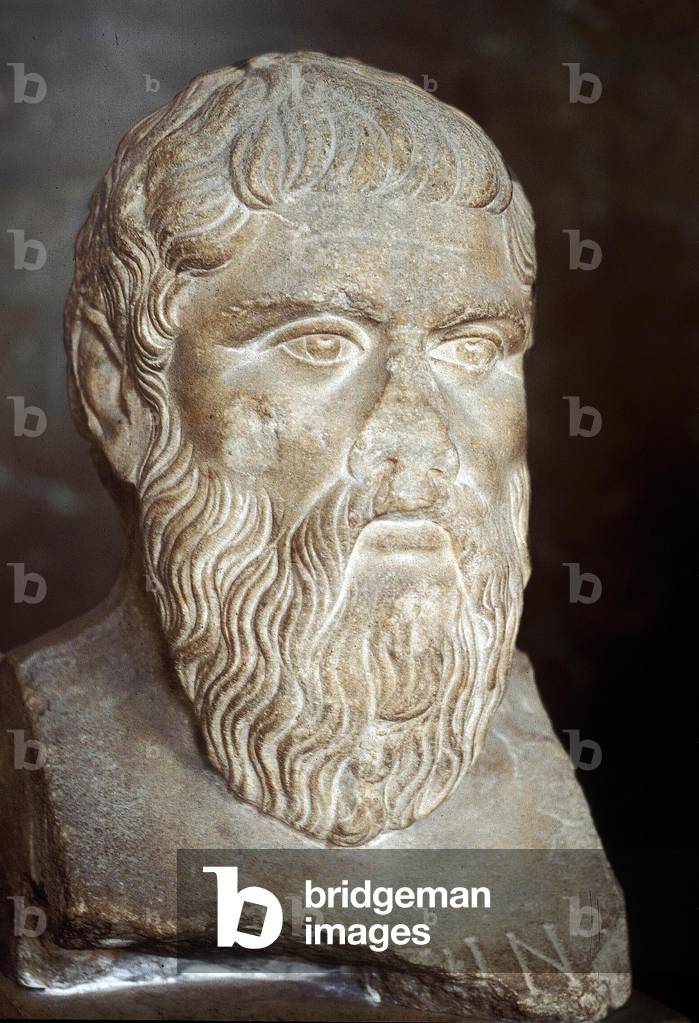
BLP3671168 PLATO, ATHENIAN PHILOSOPHER, 428 - 347 B.C.
DC
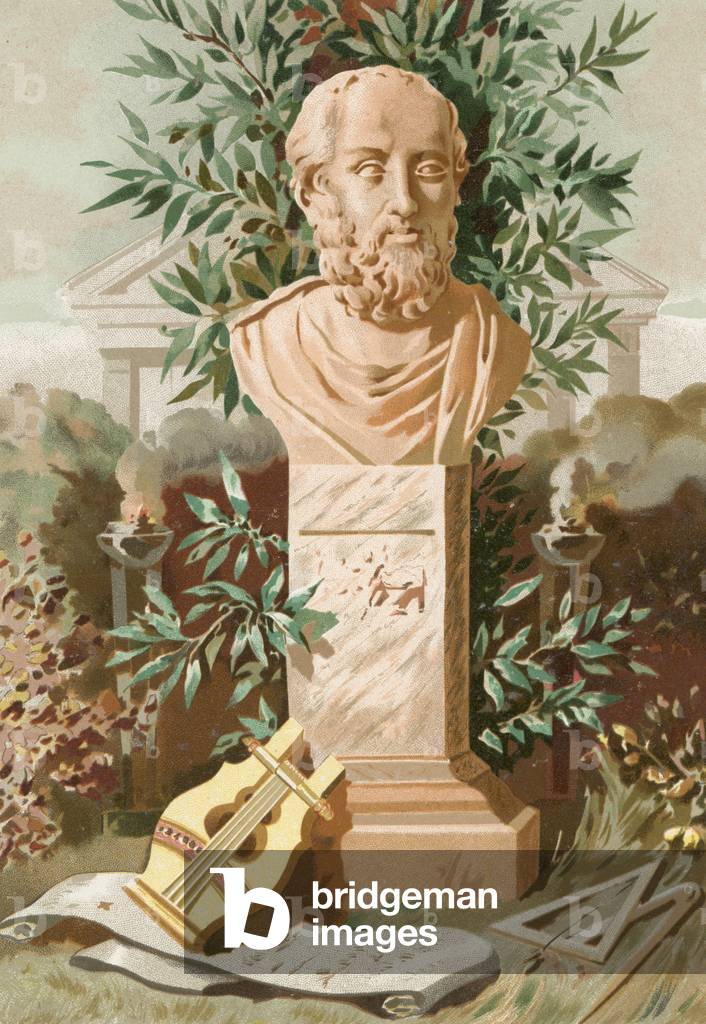
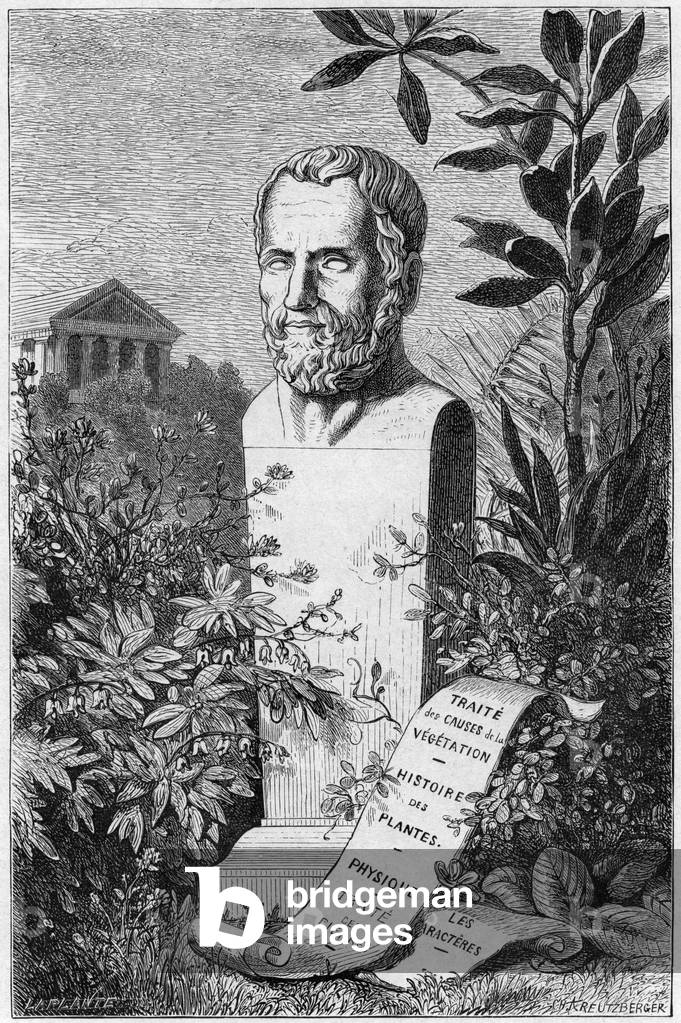
LLM459586 Plato. Based on the bust in the Uffizzi in Florence and the iconography of Visconti. Illustration for La Ciencia Y Sus Hombres by Luis Figuier (D Jaime Seix, 1876). Large chromolithograph.
DC
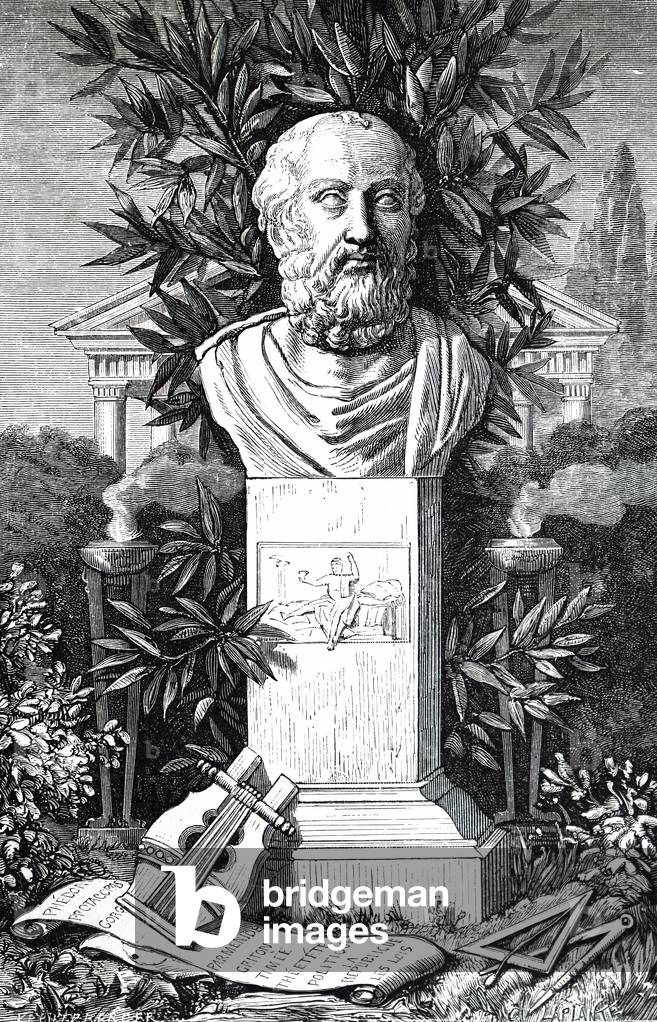
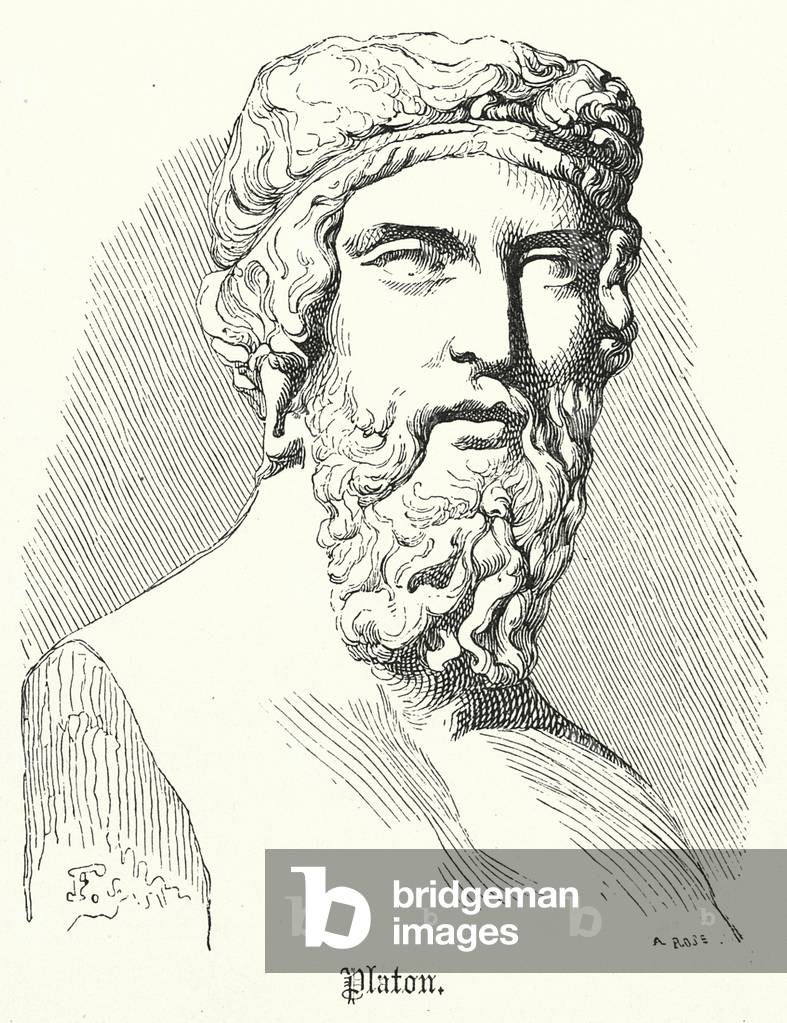
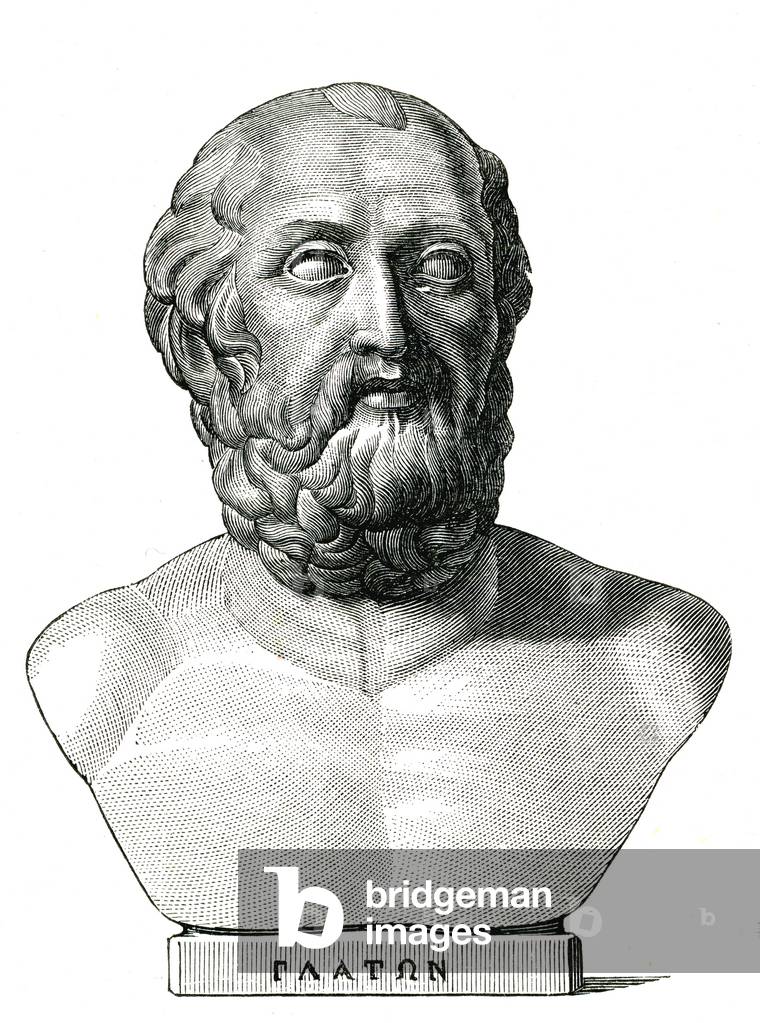
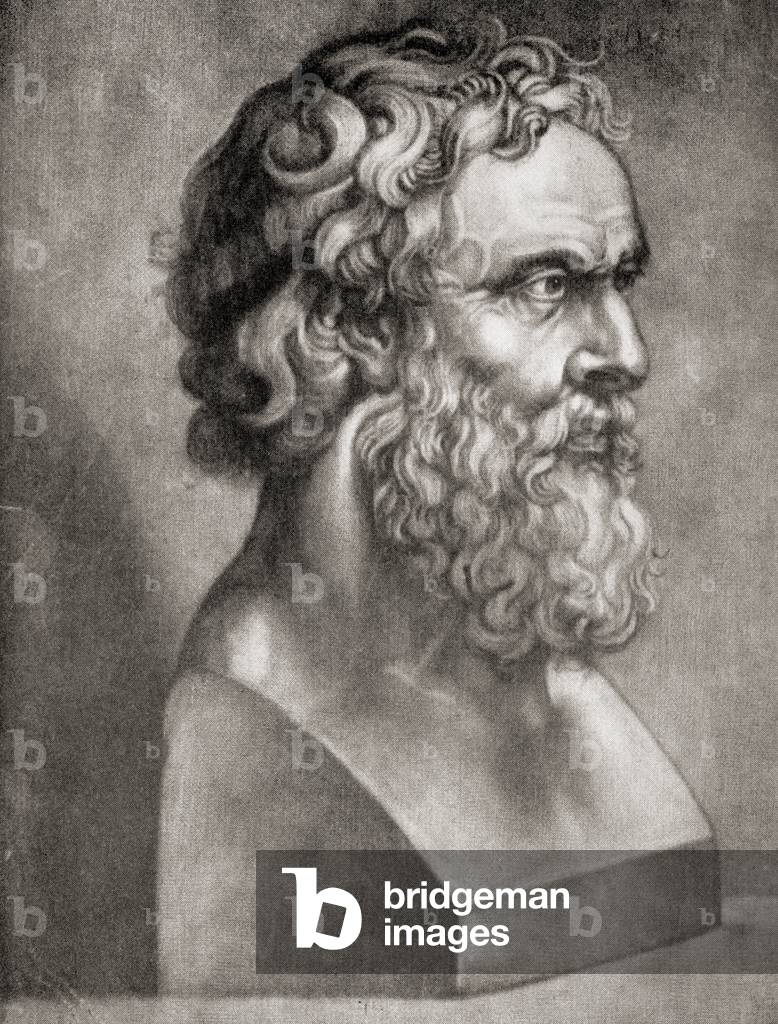
UIG3733618 Engraving depicting a bust of Plato, a philosopher in Classical Greece and the founder of the Academy in Athens, the first institution of higher learning in the Western world. Dated 18th century.
DC
UIG3522035 Bust of Plato a philosopher and mathematician in Classical Greece, and the founder of the Academy in Athens.
DC
UIG541150
DC
UIG3522895 Bust of Plato a philosopher and mathematician in Classical Greece, and the founder of the Academy in Athens
DC
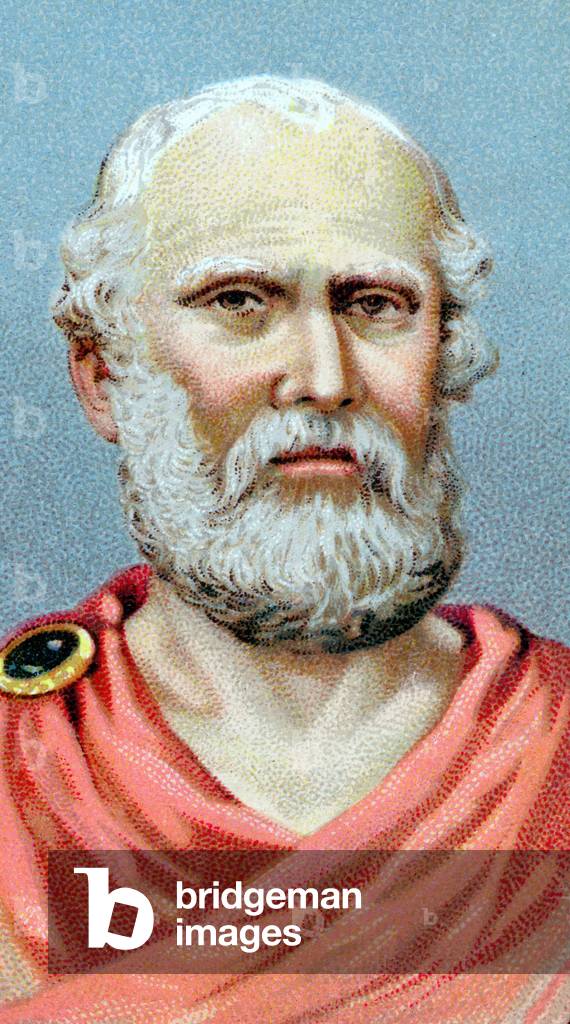
XEE4162621 Portrait of Plato Athenian philosopher - Plato - From series "Leaders of Men" - Chromolithography - English School, 20th century -
RF
LLM8635089 Plato (c428-c347 BC), ancient Greek philosopher. Illustration from Hellas. Das Land und Volk der Alten Griechen, by Wilhelm Waegner (Otto Spamer, Leipzig, 1867).
DC
LLM5229903 Plato, Ancient Greek philosopher. Illustration for Outline of Modern Belief edited by J W N Sullivan and Walter Grierson (George Newnes, 1935).
DC
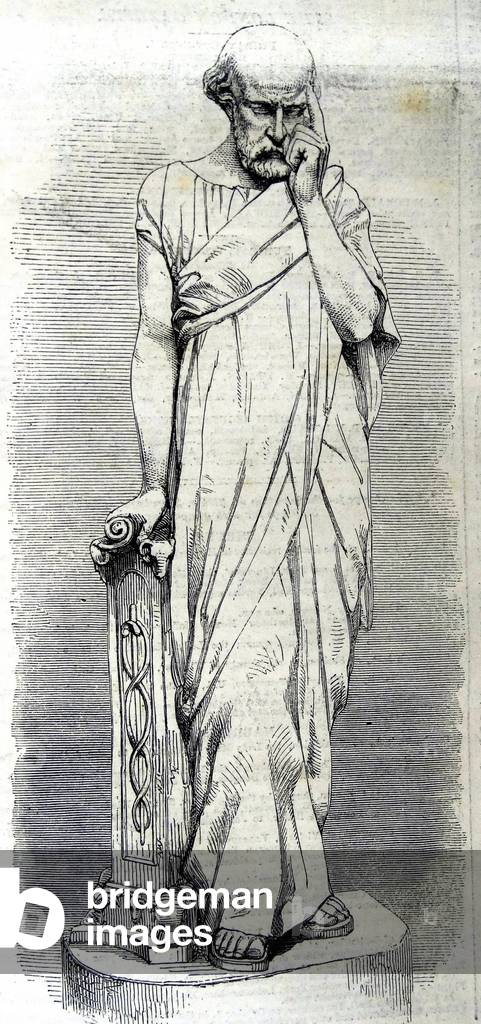
LSE4095521 Engraving of a statue of Plato, 17th century.
DC
SHJ7315293
DC
ELD4840550 Portrait of the Greek philosopher Plato (428-348 BC) - Greek philosopher Plato - Engraving - Private collection
DC
GIA4755649 Portrait of Plato (-428; -348).
DC
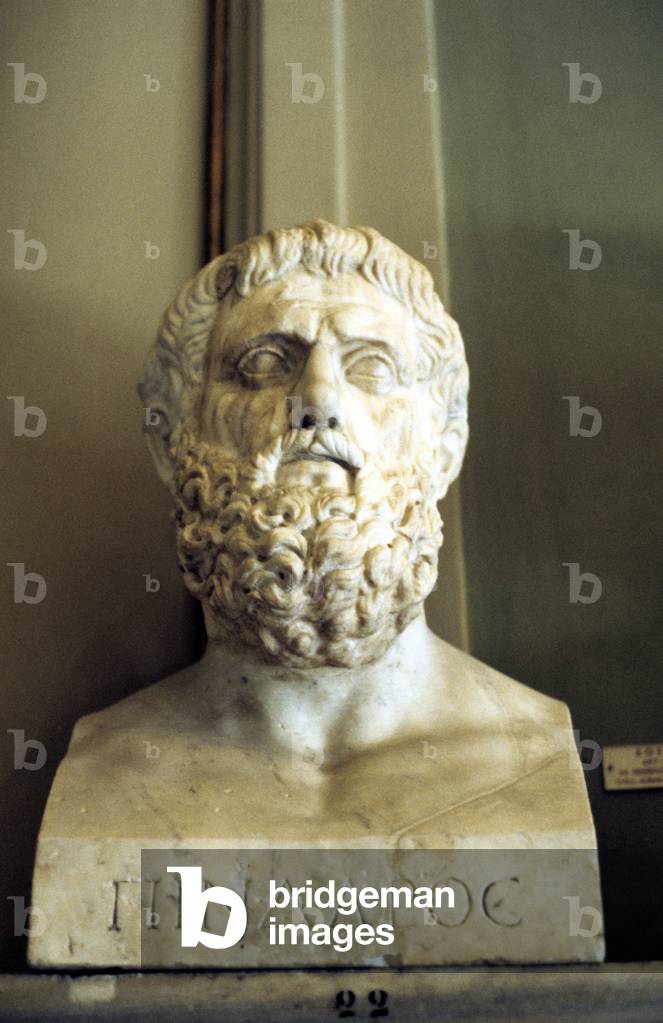
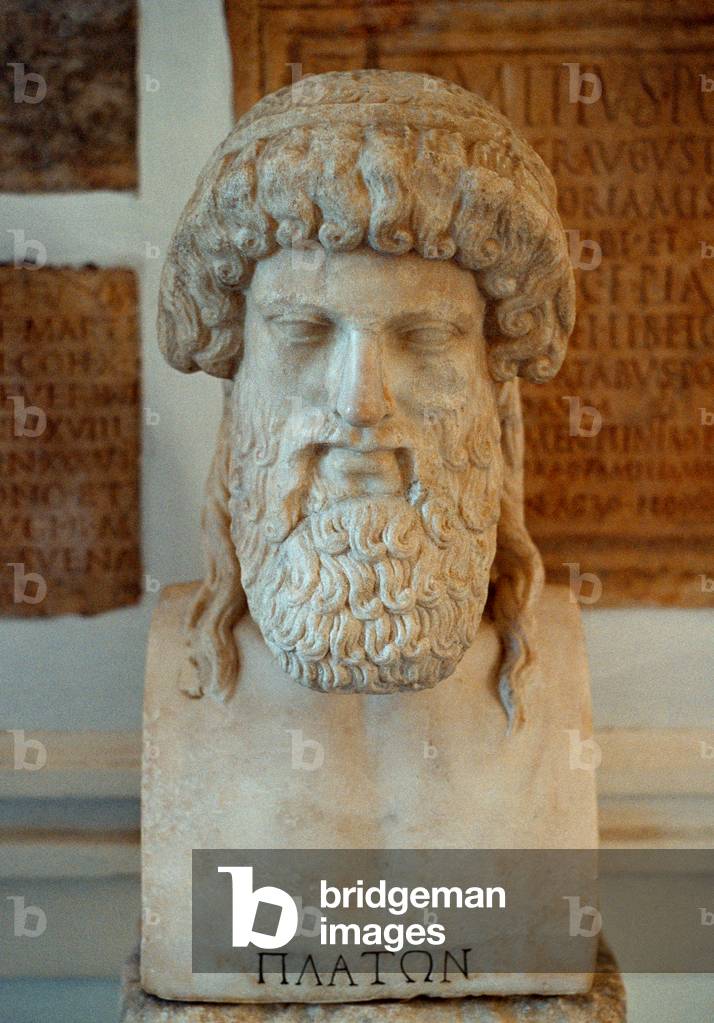
LSE4106386 Bust of Plato - Vatican Museum
DC
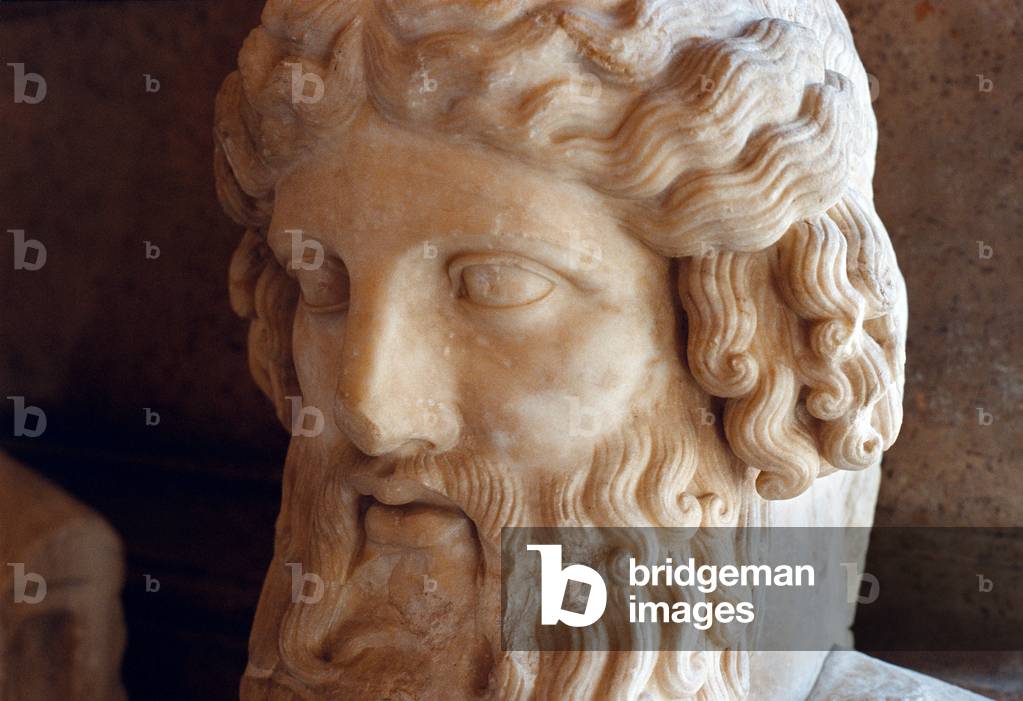
SHJ7315294 Italy, Rome, 16 november 2001
DC
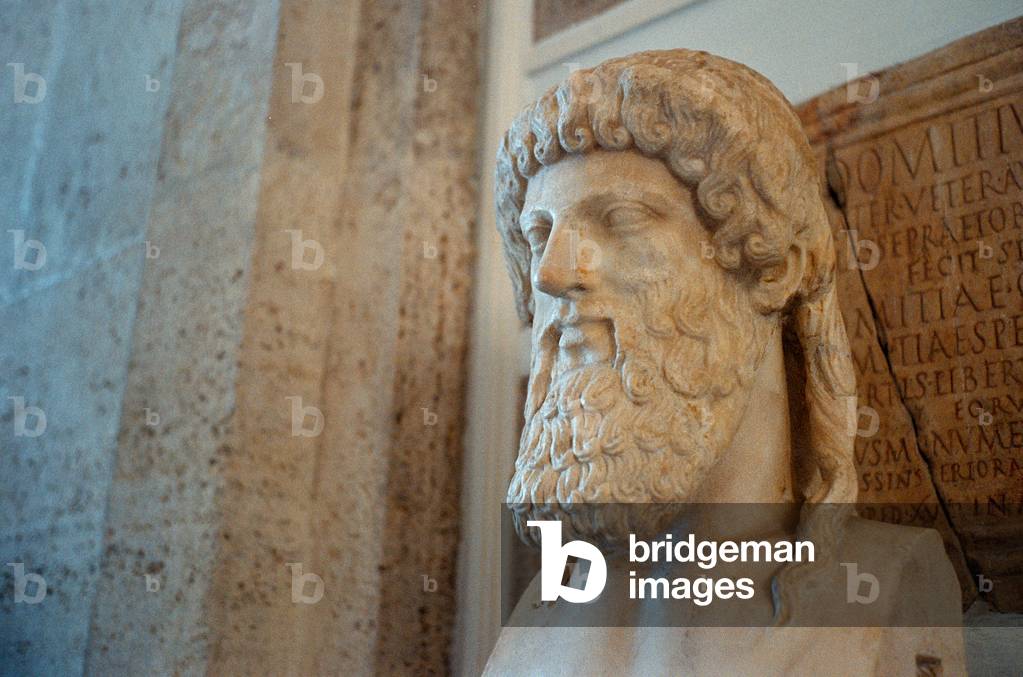
SHJ7315295 Italy, Rome, 16 november 2001
DC
SBL2562043 After an original from the 4th century BCMC inv 571
DC
JAB7345953 Plato, greek philosopher ( 428-347 B.C. )1881
DC
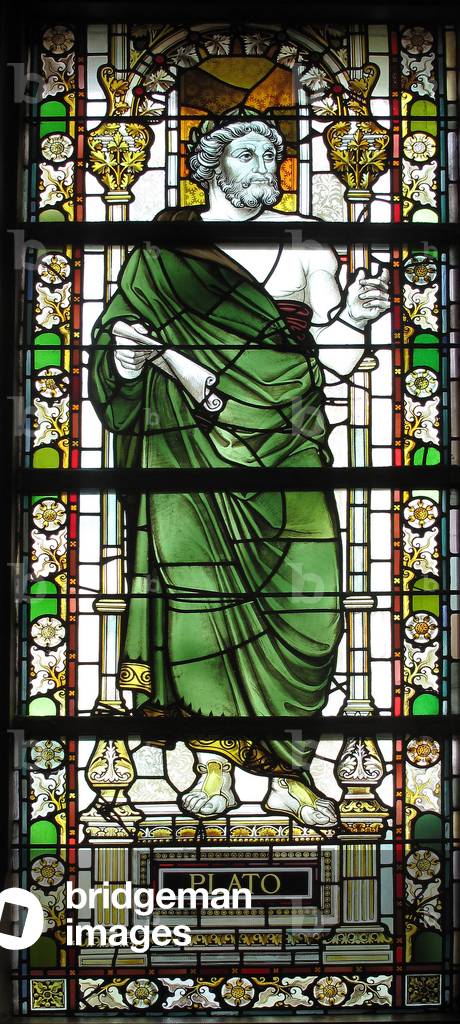
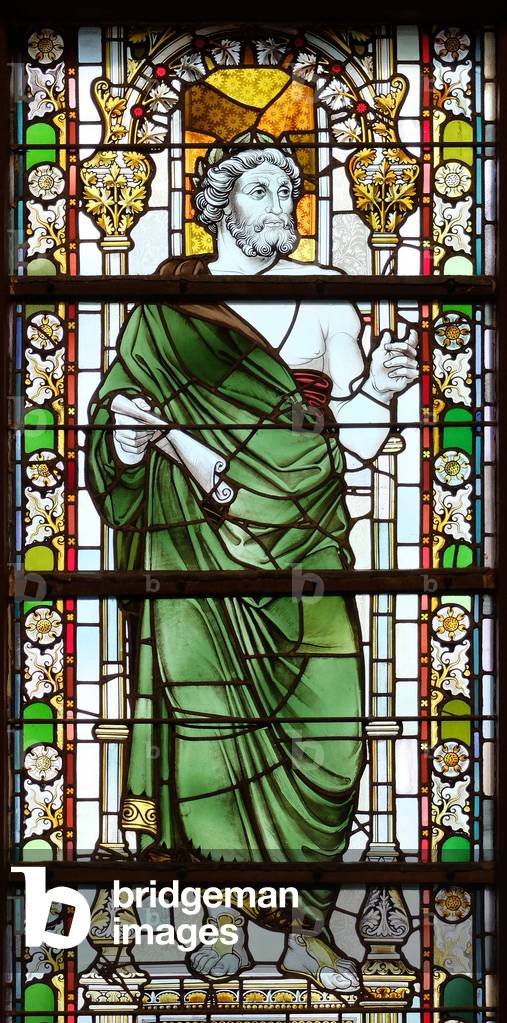
XEE4155711 Plato (Plato) glass at the Rijksmuseum in Amsterdam -
RF
SBL2562042 After an original from the 4th century BCMC inv 571
DC
JEB4941874 Amsterdam, Netherlands. Rijksmuseum. Stained glass representing the philosopher Plato (Plato)
DC
GIA4806592 Portrait of the Greek philosopher Plato (428-348 BC) from a bust of the Louvre Museum
DC
LRI4623571 Bust of the Greek philosopher Plato (428-348 BC) Marble sculpture. Sun 0.430 m. Paris Louvre Museum — Bust of the Philosopher Plato (428-348 BC). Marble, H43 cm. Louvre Museum, Paris, France
DC
HIM5251528 Portrait du philosophe grec Platon (428-348 avant JC) Gravure.
DC
LRI4635090 Bust of the Greek philosopher Plato (428-348 BC) Marble sculpture, Rome, musei capitolini
DC
GIA4769854 Portrait of Plato (-428 - -348), Louvre Museum, Paris.
DC
HIM5251703 Portrait de Platon (428-348 av JC), philosophe de la grece antique.
DC
XEE4403712 Plato and his disciples in the gardens of the Academy. after hombres y Mujeres famous. Barcelona 1877.
RF
STC373512 Diogenes of Sinope (d.323 BC) and Plato (c.428-348 BC), Greek philosophers;
DC
GIA4714463 Portrait of Plato (428-348 BC), philosopher of ancient Greece.
DC
GIA4806585 The Greek philosopher Plato (428-348 BC)”” Detail of the Atlas de Urbano Monte, 1560.
DC
JLJ4650267 Portrait of Plato (428-348 BC), philosopher of ancient Greece. (h s/wood 1.01 x 0.69) painting by Berruguete Pedro (1450-1504).
DC
FIA5405277 Plato (428-348 av JC by Jose de Ribera (1591-1652) Private collection
DC
FLO7235565 Plato, Athenian philosopher during the Classical period in Ancient Greece, founder of the Platonist school of thought and the Academy. Copperplate engraving by Pieter Bodart (1676-1712) from Henricus Spoor’s Deorum et Heroum, Virorum et Mulierum Illustrium Imagines Antiquae Illustatae, Gods and Heroes, Men and Women, Illustrated with Antique Images, Petrum, Amsterdam, 1715. First published as Favissæ utriusque antiquitatis tam Romanæ quam Græcæ in 1707. Henricus Spoor was a Dutch physician, classical scholar, poet and writer, fl. 1694-1716.
DC
CHT231181
DC
XEE4155706 Plato (Plato) glass at the Rijksmuseum in Amsterdam -
RF
ELD4876172 The philosopher Plato (428-348 BC) and his disciples in the gardens of the Academy, a philosophical school founded in 387 BC in Athenes, Greece (Plato in the gardens of Platonic Academy in Athens with his followers, Greece) Engraving from “” Life of illustrious scholars of Antiquite”” by Louis Figuier, 1867 Private collection
DC
GIA4813455 Literary Papyrus: “Phedrus” by Plato (-428; -348), Greek philosopher. University of Milan, Institute of Papyrology
DC
KWE2832712 Plato (428/27 or 424/23 - 348/47 BC), classical Greek philosopher and mathematician.
DC
HIG294485 Plato (429-347 BC);
DC
UIG1577570 Statue of Socrates.
DC
XEE4152167 Plato meditating on immortality before Socrates, the butterfly, skull, and poppy about 400 BC - Plato meditant on immortalite before Socrates, a butterfly, a skull, and a poppy around 400 BC engraving of the 19th century
RF
KWE270814
DC
ELD4869683 Winged Eros looking at a couple Illustration by Georges Lepape (1887-1971) for “The banquet” by the Greek philosopher Plato (428-348 BC) (Symposium by Plato) 1953 Private collection
DC
XIR157905
DC
FIA5393732 Diogene and Plato - Preti, Mattia (1613-1699) - 1649 - Oil On Canvas - 101x151 - Musei Capitolini, Rome
DC
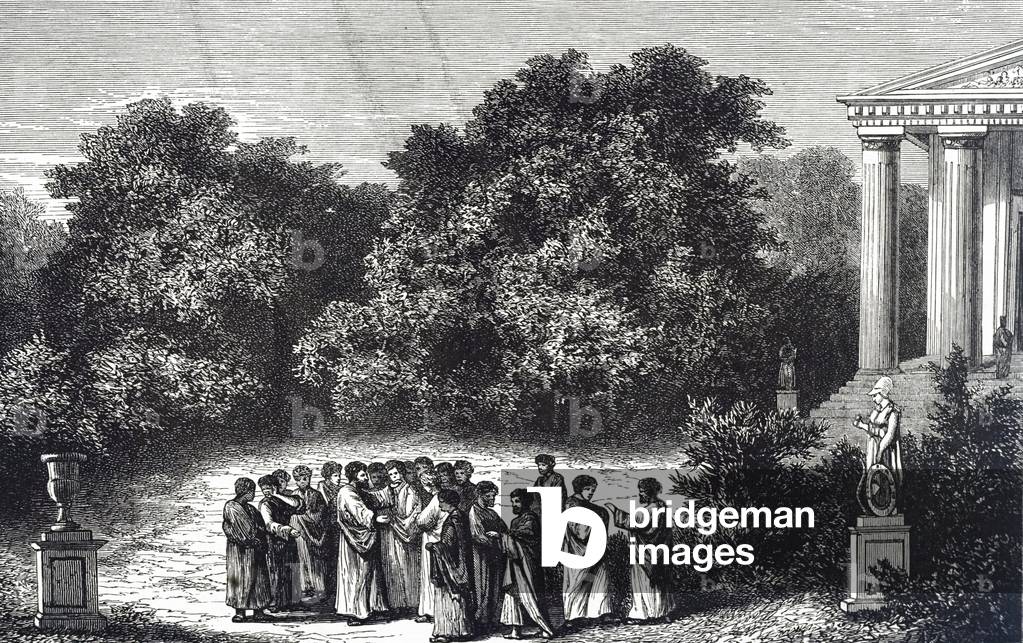
UIG5309169 Engraving depicting Plato and his followers in the grounds of The Academy, Athens. Plato was a philosopher in Classical Greece and the founder of the Academy in Athens. Dated 19th century - 01/02/1866
DC
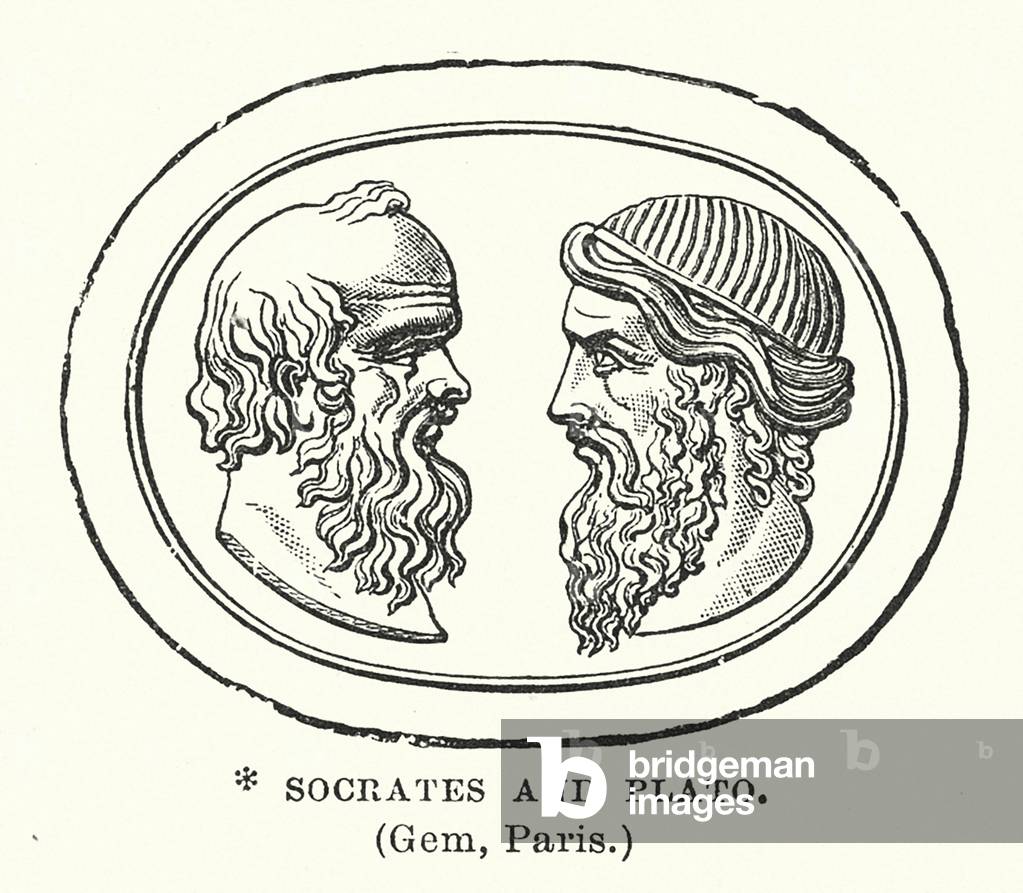
LLM7193884 Socrates and Plato. Illustration for A Dictionary of Classical Antiquities from the German of Dr Oskar Seyffert (William Glaisher, 1891).
DC
LLM5226124 The Ancient Greek philosopher Diogenes presenting a chicken as a man to the Academy of Plato in Athens in response to Plato's definition of men as featherless bipeds. Liebig card, early 20th century, from a series on the life of Diogenes.
DC
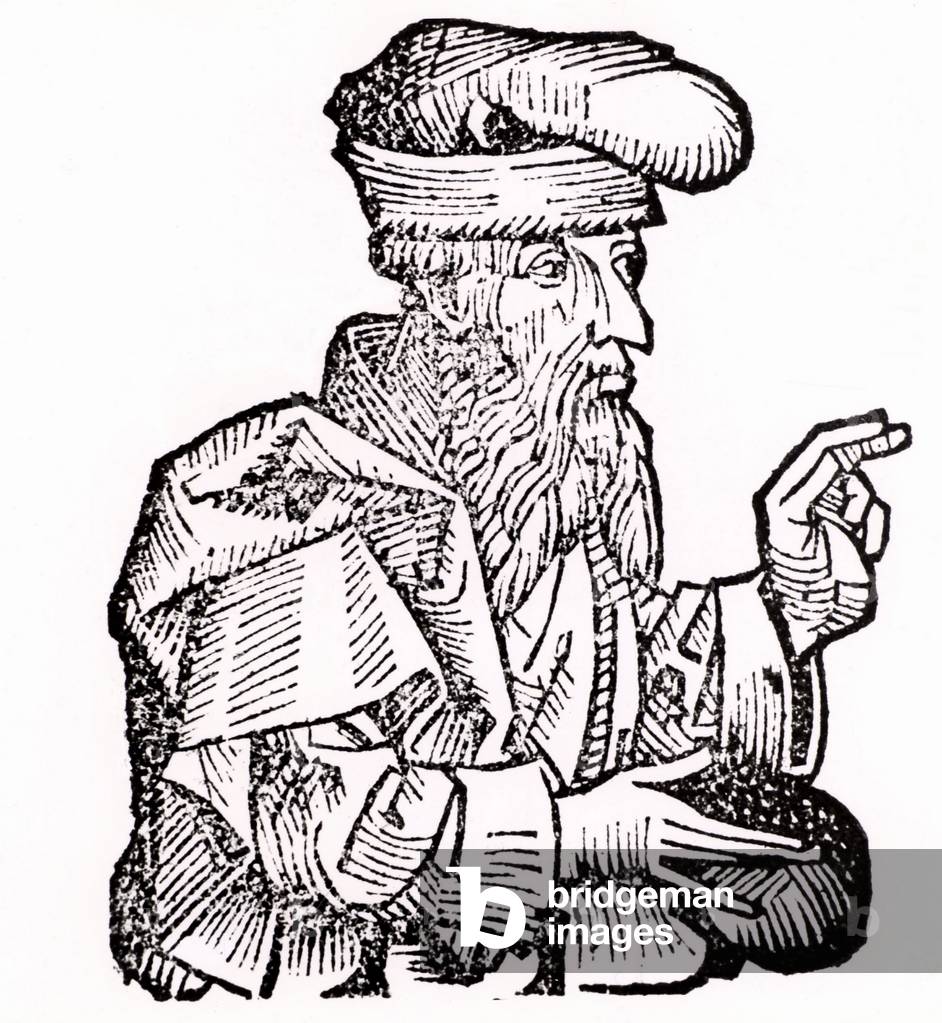
UIG864526 Plato (c428-348 BC) Ancient Greek philosopher. Woodcut from "Liber chronicarum mundi" (Nuremberg Chronicle) by Hartmann Schedel (Nuremberg), 1493.
DC
ELD4869629 Speech by Pausanias: representation of the two Aphrodites, vulgar and celeste (Pausanias dialogue: the two Aphrodites: Pandemios and Urania (heavenly) Illustration by Georges Lepape (1887-1971) for “The banquet” by the Greek philosopher Plato (428-348 BC) (Symposium by Plato) 1953 Private collection
DC
ELD4869486 Socrates dialogue: man contemplating beauty in its many aspects Illustration by Georges Lepape (1887-1971) for “The banquet” by the Greek philosopher Plato (428-348 BC) (Symposium by Plato) 1953 Private collection
DC
ELD4869582 Agathon speech: representation of Eros (Agathon dialogue: The god Eros) Illustration by Georges Lepape (1887-1971) for “The banquet” by the Greek philosopher Plato (428-348 BC) (Symposium by Plato) 1953 Private collection
DC
UIG541133
DC
XLA3768473 Plato-illustrated portrait. Greek philosopher, 428-347 AD. Scene representing him reading scroll in Athens. Palmin collection card.
DC
ELD4869654 Speech by Phedrus: the origins of Eros (Phaedrus dialogue: the Eros oldest of the gods) Illustration by Georges Lepape (1887-1971) for “The banquet” by the Greek philosopher Plato (428-348 BC) (Symposium by Plato) 1953 Private collection
DC
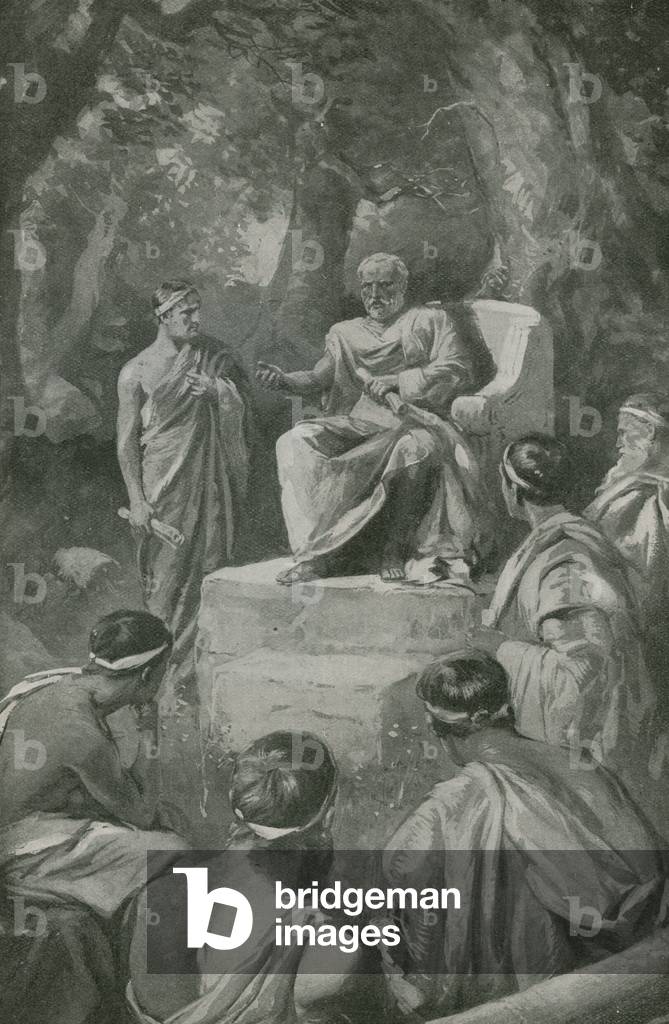
LLM979557 The fountain-head of knowledge. Plato teaching his followers in the "Groves of Academe" in Athens. Illustration for Popular Science edited by Arthur Mee (Amalgamated Press, 1913).
DC
CHT231184 Sambucus was a Hungarian scholar and historiographer to Emperor Maximilian II (1527-76); disciple of Plato and Aristotle;
DC
ELD4869502 Socrates dialogue: allegory of love consisting in being conscious of a need for a good that is not yet possessed) Illustration by Georges Lepape (1887-1971) for “The banquet” by Greek philosopher Plato (428-348 BC) (Symposium by Plato) 1953 Private Collection
DC
ELD4869617 Address by Eryximaque: Eros de la demesure provoking le disequilibrium (Eryximachus dialogue, unhealthy Eros) Illustration by Georges Lepape (1887-1971) for “The banquet” by the Greek philosopher Plato (428-348 BC) (Symposium by Plato) 1953 Private collection
DC
XIR159385 Engraving by Rubens
RF
LLE816617 Plato, Classical Greek philosopher, mathematician, student of Socrates. Published in Portraits and Lives of Illustrious Men, by Andre Thevet, Paris, 1584, engraved by Thomas Campanella De Laumessin.
DC
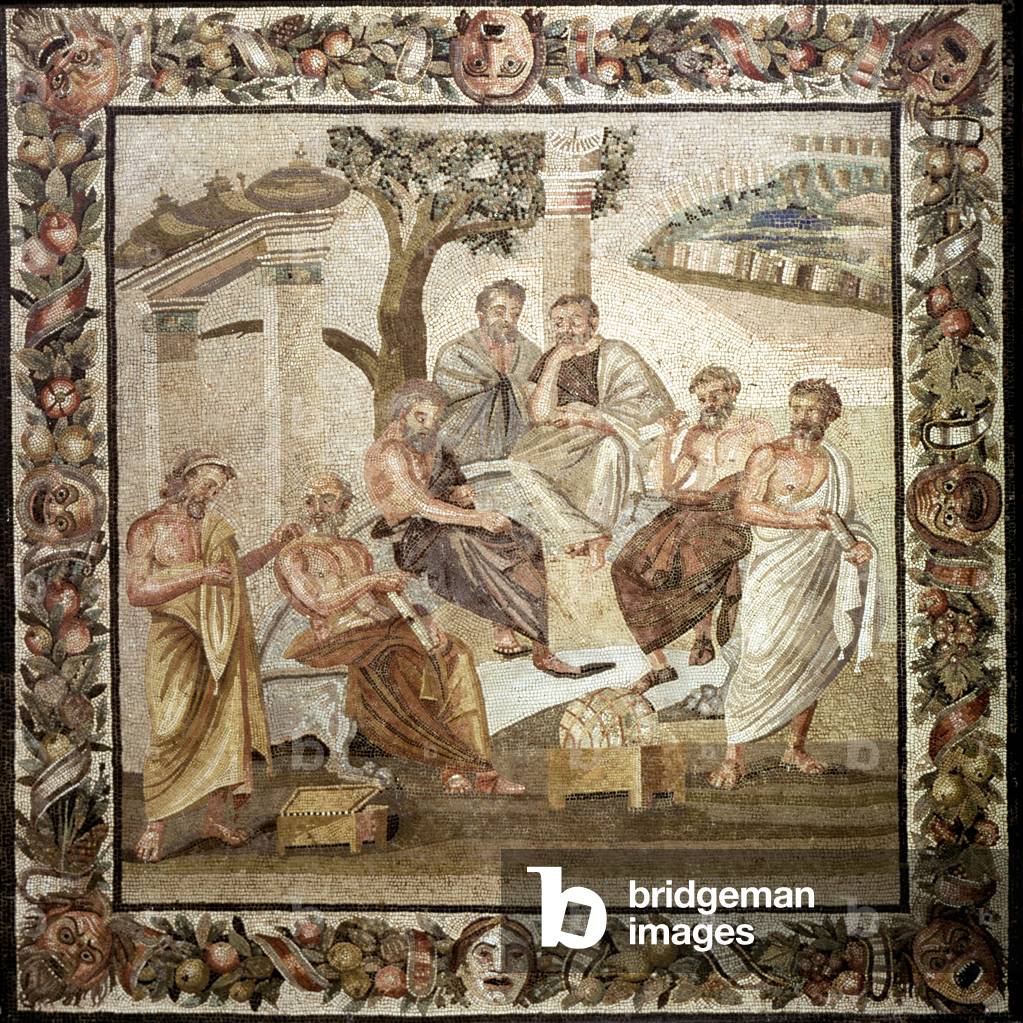
IND6320354 Plato teaching philosophy to his disciples. Pompeian copy of an Hellenistic original
DC
ELD4869588 Speech by Aristophane: representation of the androgynous human being as a sphere with two faces, four hands, four legs and two sexes (Aristophanes dialogue: the androgynous creature) Illustration by Georges Lepape (1887-1971) for “The banquet” by the Greek philosopher Plato (428-348 BC) (Symposium by Plato) 1953 Private collection
DC
ELD4869467 Speech by Alcibiade: Alcibiade praise Socrates while admitting feeling in a position of weakness vis a vis à vis (Alcibiade dialogue: Alcibiades and Socrates) Illustration by Georges Lepape (1887-1971) for “The banquet” by the Greek philosopher Plato (428-348 BC) (Symposium by Plato) 1953 Private collection
DC
LSE4315495 Plato (424-348 BC). Painting by Luca Giordano (1634-1705), oil on canvas, 17th century. Metz Museum of Art and History.
DC
ELD4869564 Speech by Socrates (Diotima): representation of Eros ne de la union de Penia la beggar et de Poros” (Socrates (Diotima) dialogue: representation of Love son of Poverty and Resource) Illustration by Georges Lepape (1887-1971) for “The banquet” by the Greek philosopher Plato (428-348 BC) (Symposium by Plato) 1953 Private collection
DC
LAL298206 Education in Ancient Athens. Left: The philosopher Plato taught his students and followers in a grove called the Academia, on Athens' outskirts. From this came our word 'academy', for a place of learning. Centre: Music and dancing were given an important place in the education of young people in ancient Athens - both boys and girls. The girl in the picture is dancing to the music of a two-pipe flute. The strap worn by the flautist controls the expansion of the cheeks, ensuring a steady flow of breath into the mouthpiece of the instrument. Top right: A writing lesson. With his pointed stylus, the pupil inscribes his letters on a wax-covered tablet. Original artwork for illustrations on pp8-9 of Look and Learn issue no 989 (21 February 1981). Lent for scanning by The Gallery of Illustration.
DC
GUL3600882 This Arabic manuscript, written on stout oriental paper, probably dates from fifteenth century Mesopotamia. It is written mostly in Syriac script - Serta for the main text, and Estrangela for inscriptions on the illumination. Arabic script is also employed for the headings to the tables. Such manuscripts are called Karshūnī and the practice is exclusive to Arabic written by Syrian Christians.(right to left) Aristotle, Galen and Plato depicted on the illuminated frontispiece to this codex. The fourth figure is labelled 'this is Hayqār Hakīm .' who may be identified with Ahiqar (Hayqār in Arabic) the legendary wise man and counsellor of Sennacherib, the king of Assyria. At the head of this page, in Arabic (in Arabic script) is the statement: 'These are the wise who know God: He is the wise the healer'. On the opposite page, in both Syriac and Arabic, at the top: Origanis; at the foot: Hermes Augustus.Ibn Jazla (d.1100) dedicated this work 'the arrangement of bodies for treatment' to the Abbasid Caliph al-Muqtadi bi-Amr Allah. In it, illnesses, dietary matters and hygiene are treated in tabular form (hence Taqwim, Latinised as Tacuinum). In all there are 44 tables, describing 352 maladies. In each case the name of the illness, its cause and symptoms are recorded on one page, and an appropriate curative regime (tadbīr) is indicated on the page facing.
DC
LSE4095492 Socrates and the soother Euthyphron: Socrates cannot believe in the Gods of Euthyphron, these Gods do not agree on the righteous and the unjust over the Holy and the ungodly. Representation of Xenophon, Criton, Plato, Alcibiade, Euthyphron and Socrates.
DC
ELD4888207
DC
XEE4152984 The Tabula of Cebes or The Journey of Human Life (CEBES THEBANUS Greek philosopher) - (traditionally identified with the Cebes of Thebes of the Socramatic dialogues of Plato) - Cebes painting (Cebes by Thebes Greek philosopher of the end of the 5th BC - (allegory of the destinies of the human soul)
RF
FLO4717931 Greek philosopher Plato with the botanists Daniel Charles Solander (1733-1782) and Joseph Banks (1743-1820) in 18th century foppish costume. Copperplate engraving by Thomas Sanders after a satirical illustration by John Collier (Timothy Bobbin) (1708-1786) in Human Passions Delineated, John Haywood, Manchester, 1773.
DC
LLM438675
DC
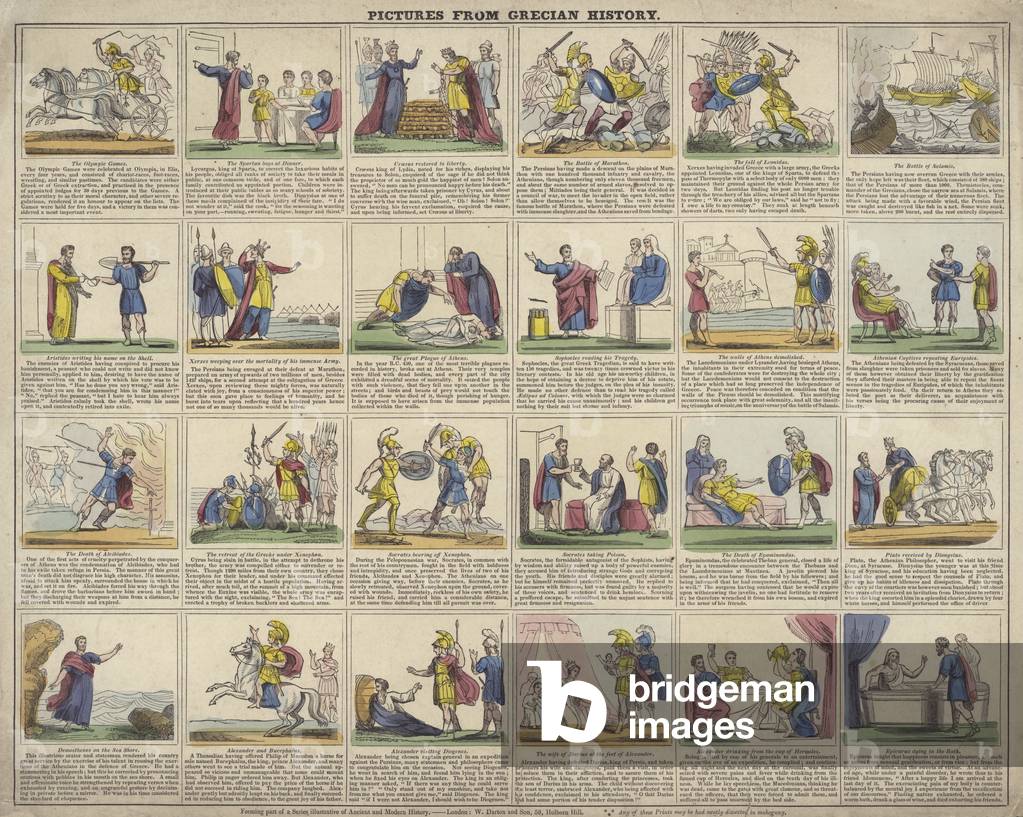
LLM3622280 Pictures from Grecian history.
DC
LLM438612 Plato (424/423 -348/347 BC) Greek philosopher;
DC
XOS8714413 By Jens Adolf JerichauRafael’s The school of Athens through a Modernist lens using limited, broad brush strokes.
DC
XLF3780092 Aristotle at the court of Philip of Macedonia, educating his son the future Alexander the Great, aged 13. Teaching the boy about the laws of the Cosmos. Aristotle, Greek philosopher, a student of Plato: 384 BC – 322 BC. (Liebig series Famous Astronomers / Astronomes celebres).Liebig published 1921
DC
BAL51141 Diogenes (c.410-320 BC), Greek Philosopher; Alexander III of Macedon (356-323 BC), known as Alexander the Great, Greek King and Soldier;
RF

Total de Resultados: 80

Página 1 de 1