



















































Busque também em nossas outras coleções:

Tipo de arquivo:

Tipo do arquivo:

Tipo da licença:

Orientação:

Total de Resultados: 4

Página 1 de 1

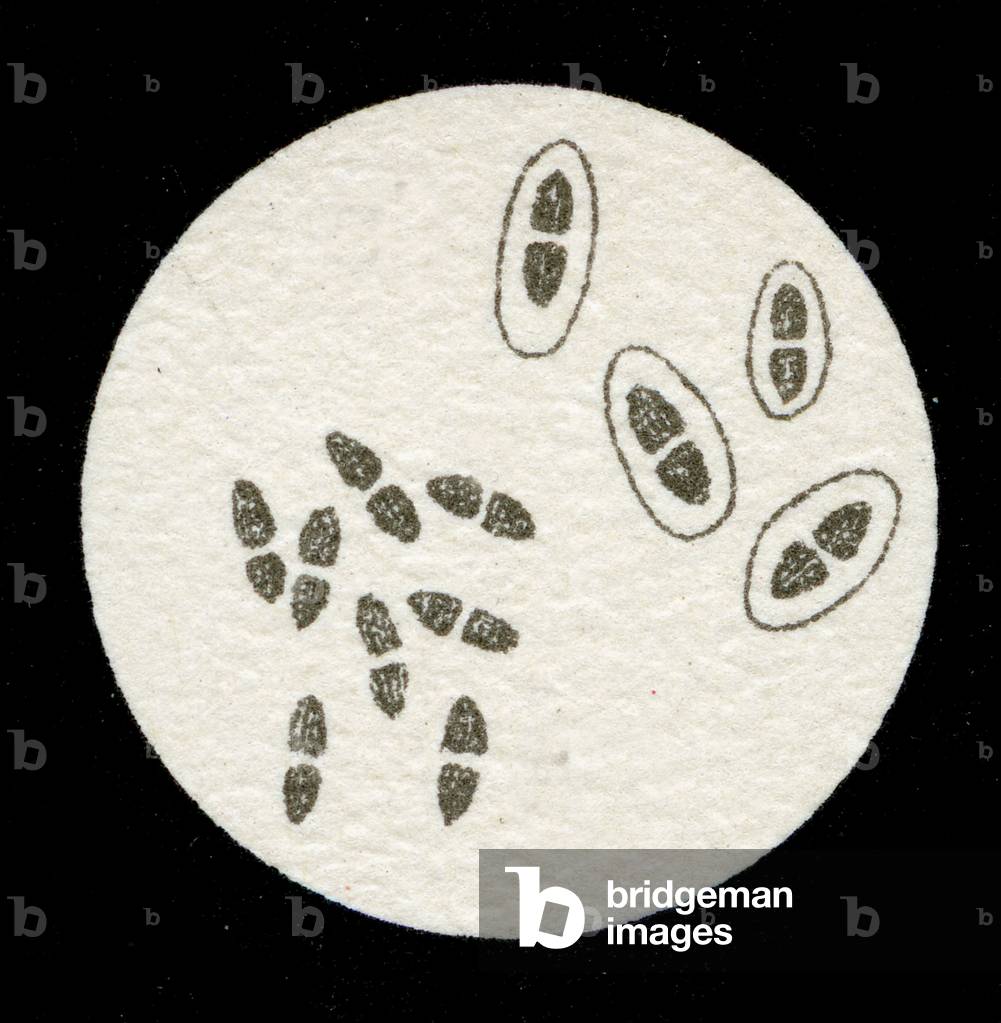
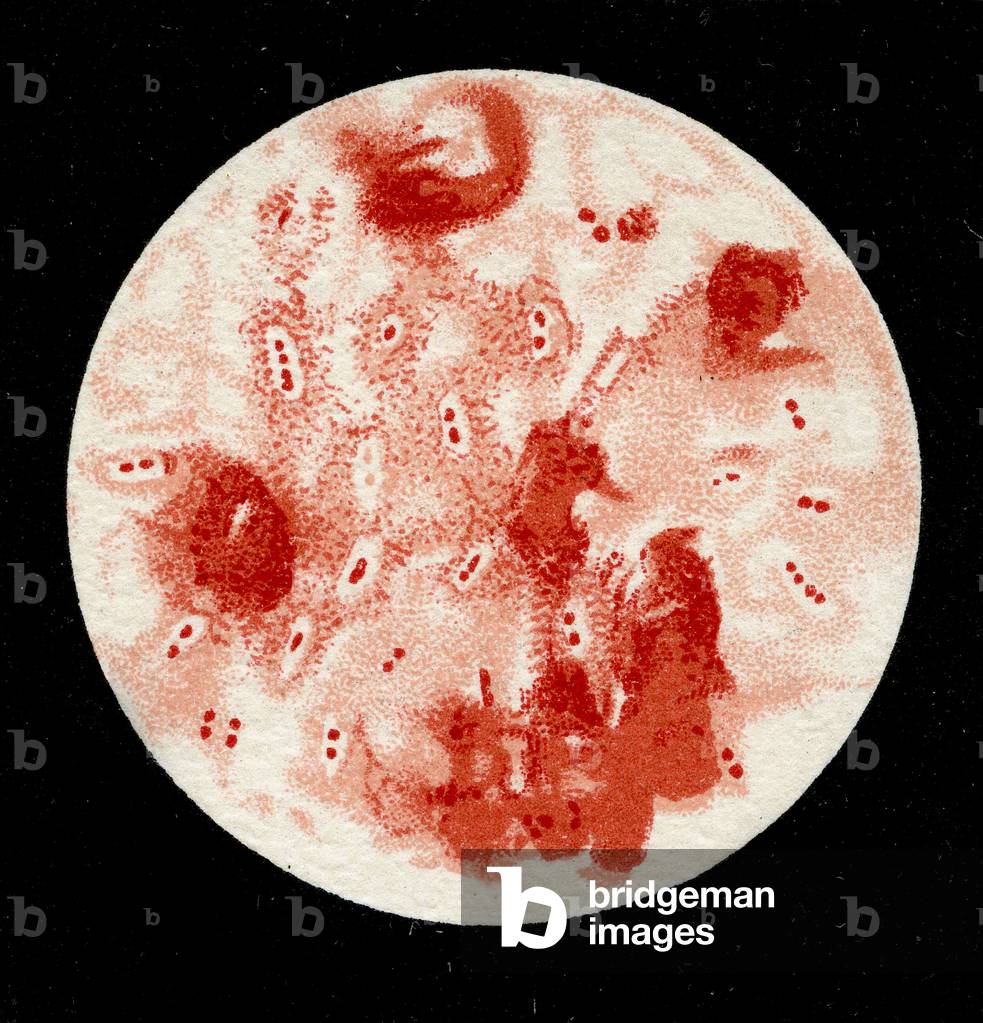
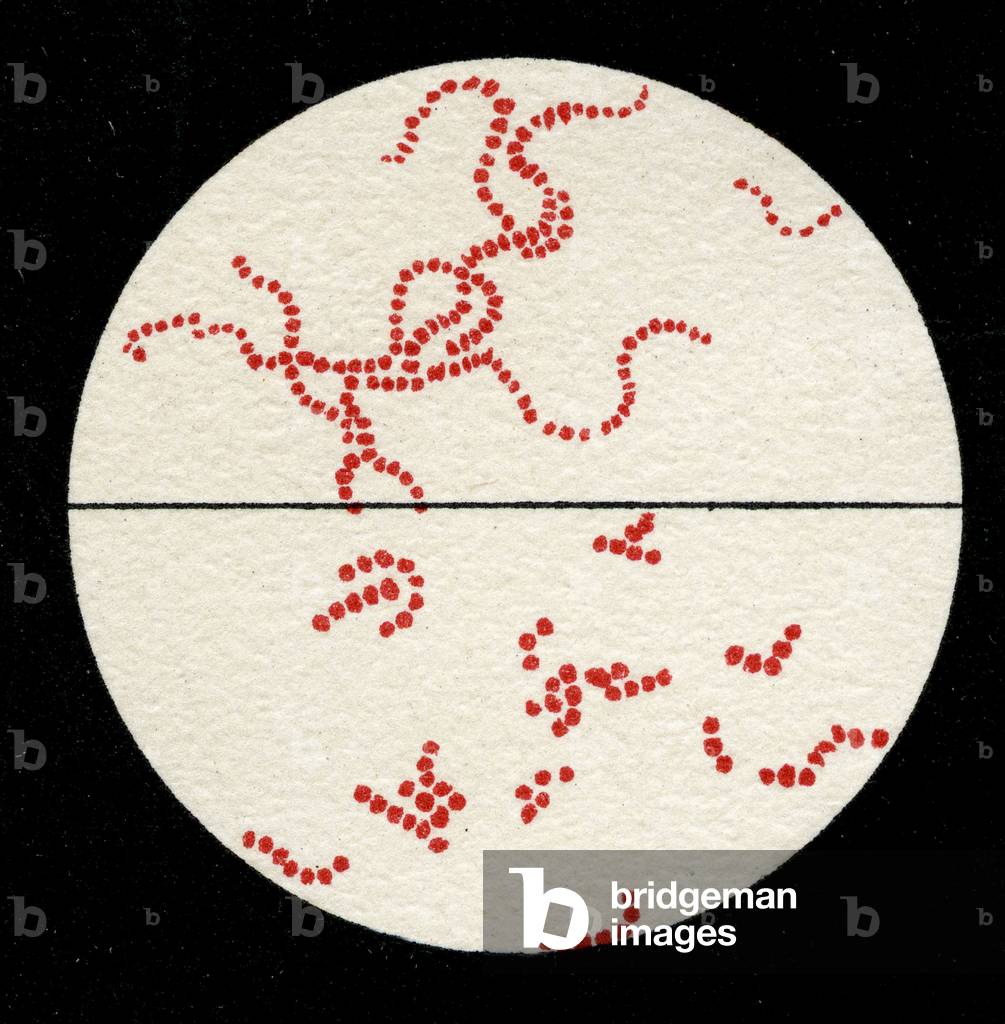
DGC3501898 Bacteria constitute a large domain of prokaryotic microorganisms. Typically a few micrometres in length, bacteria have a number of shapes, ranging from spheres to rods and spirals. Bacteria were among the first life forms to appear on Earth, and are present in most of its habitats. Bacteria inhabit soil, water, acidic hot springs, radioactive waste, and the deep portions of Earth's crust;
DC
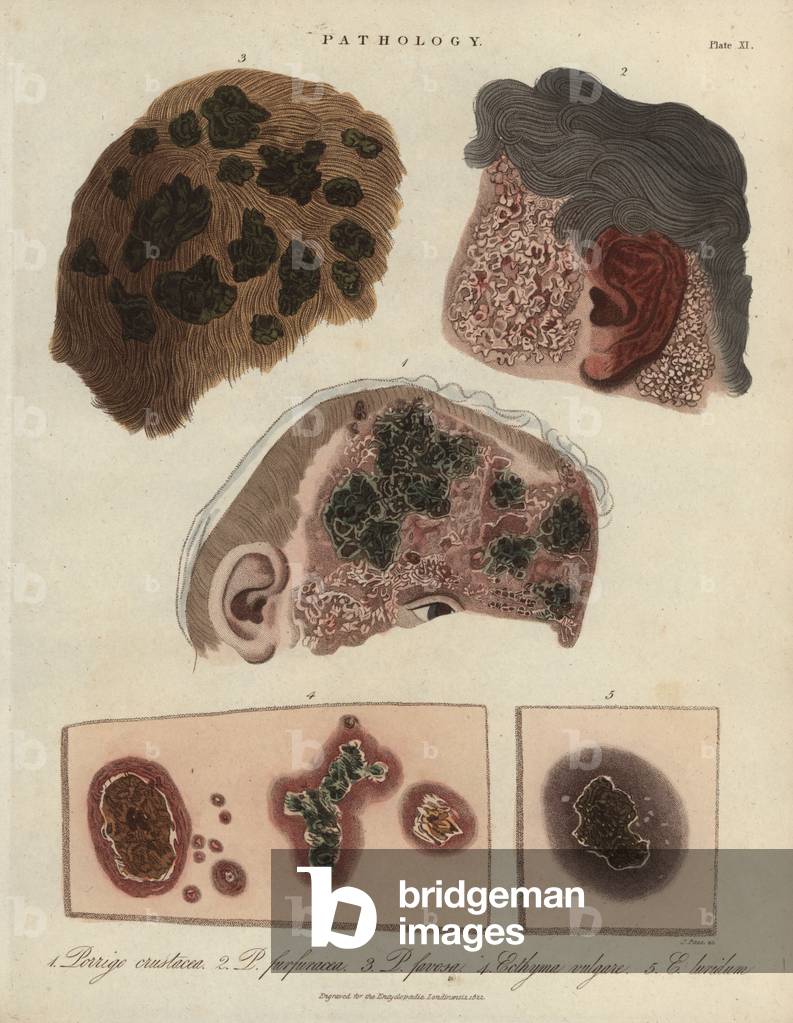
FLO5855397 Scalp diseases Porrigo crustacea and P. furfuracea, and skin diseases Ecthyma vulgaris and E. luridum, ulcerative pyoderma of the skin caused by bacteria such as Streptococcus pyogenes. Handcoloured copperplate stipple engraving by John Pass from John Wilkes' "Encyclopedia Londinensis," J. Adlard, London, 1822.
DC
DGC3501894 Bacteria constitute a large domain of prokaryotic microorganisms. Typically a few micrometres in length, bacteria have a number of shapes, ranging from spheres to rods and spirals. Bacteria were among the first life forms to appear on Earth, and are present in most of its habitats. Bacteria inhabit soil, water, acidic hot springs, radioactive waste, and the deep portions of Earth's crust;
DC
DGC3501899 Bacteria constitute a large domain of prokaryotic microorganisms. Typically a few micrometres in length, bacteria have a number of shapes, ranging from spheres to rods and spirals. Bacteria were among the first life forms to appear on Earth, and are present in most of its habitats. Bacteria inhabit soil, water, acidic hot springs, radioactive waste, and the deep portions of Earth's crust;
DC

Total de Resultados: 4

Página 1 de 1