


















































Busque também em nossas outras coleções:

Tipo de arquivo:

Tipo do arquivo:

Tipo da licença:

Orientação:

Total de Resultados: 92

Página 1 de 1

PIX4675754 Neanderthal meets Homo Sapiens - Neanderthal meets Homo Sapiens - A Neanderthal woman (Homo neanderthalensis), on the left, meets a Homo Sapiens. The two species probably crossed when Homo Sapiens arrived in Europe 42,000 years ago. A Neanderthal woman (Homo neanderthalensis), to the left, meets an Homo Sapiens. Both have probably met when Homo Sapiens arrived in Europe 42,000 years ago
DC
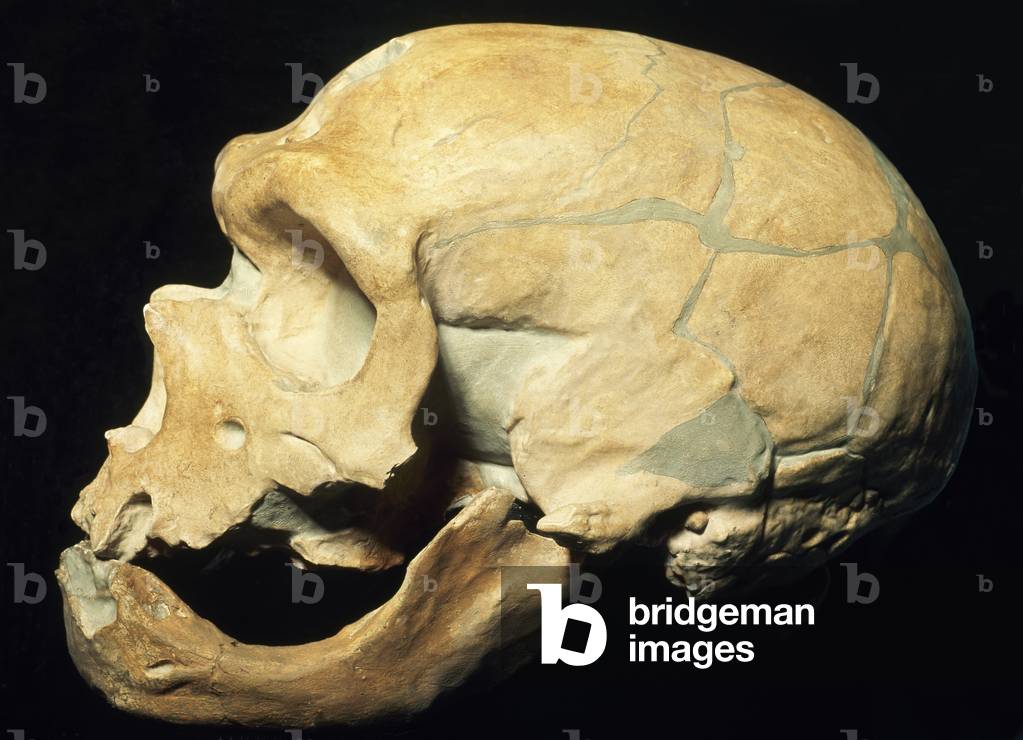
UIG3499733 Prehistory. Paleolithic. Mousterian. Neanderthal skull (Homo Sapiens Neanderthalensis). Middle Paleolithic (90000 BC-35000 BC). Museum of Natural History. Milan (Italy).
DC
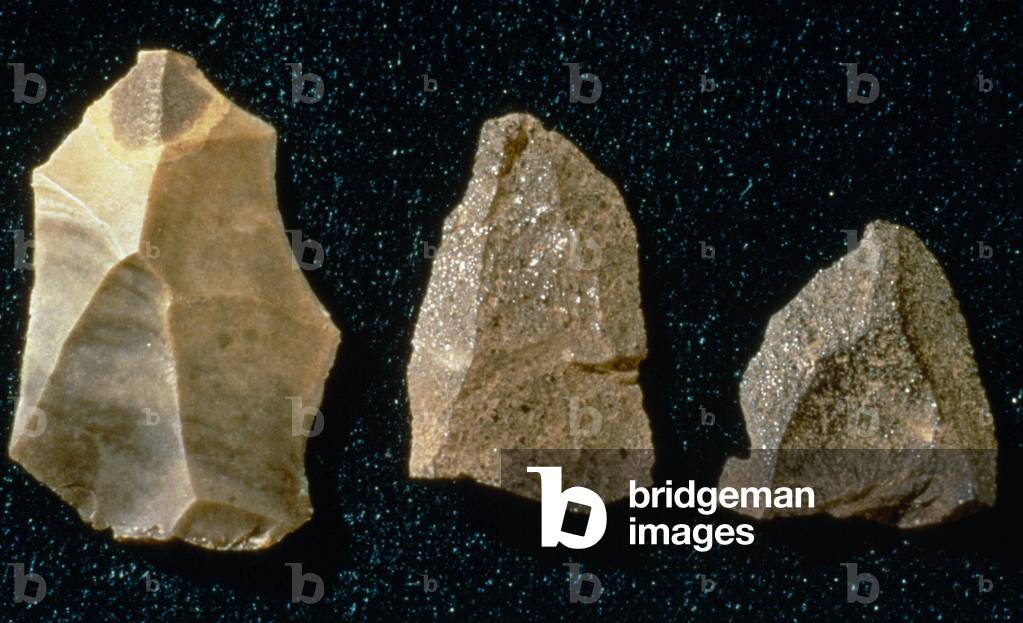
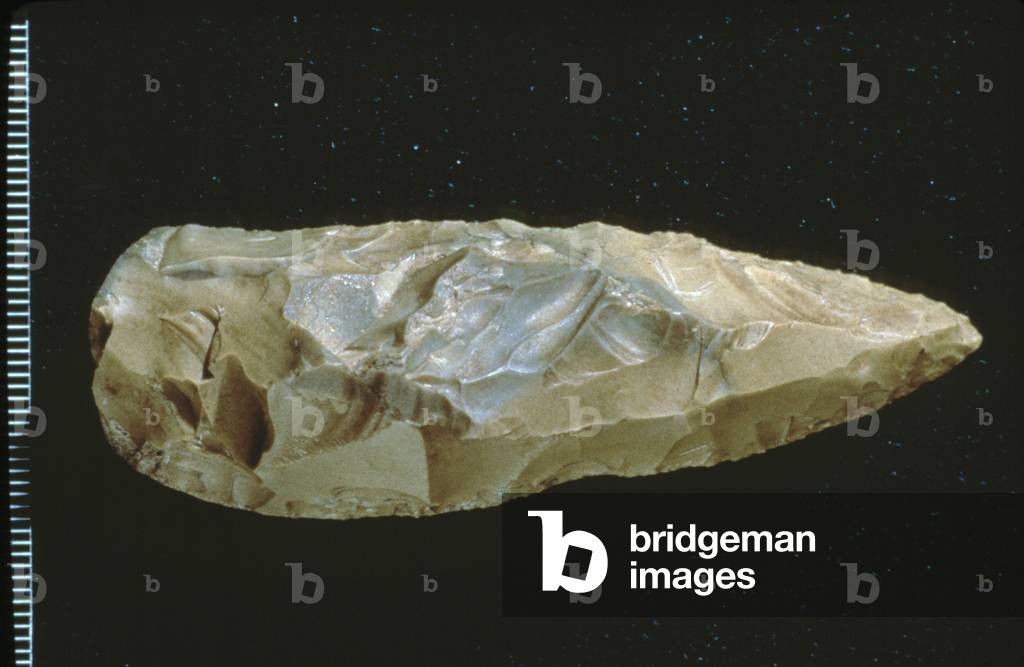
NHM1452640 Neanderthal Man artifact (Tabun), A tool thought to have been used by Neanderthal Man (Homo neanderthalensis) Discovered at Tabun, Israel. - Anthropological
DC
XIR202222
RF
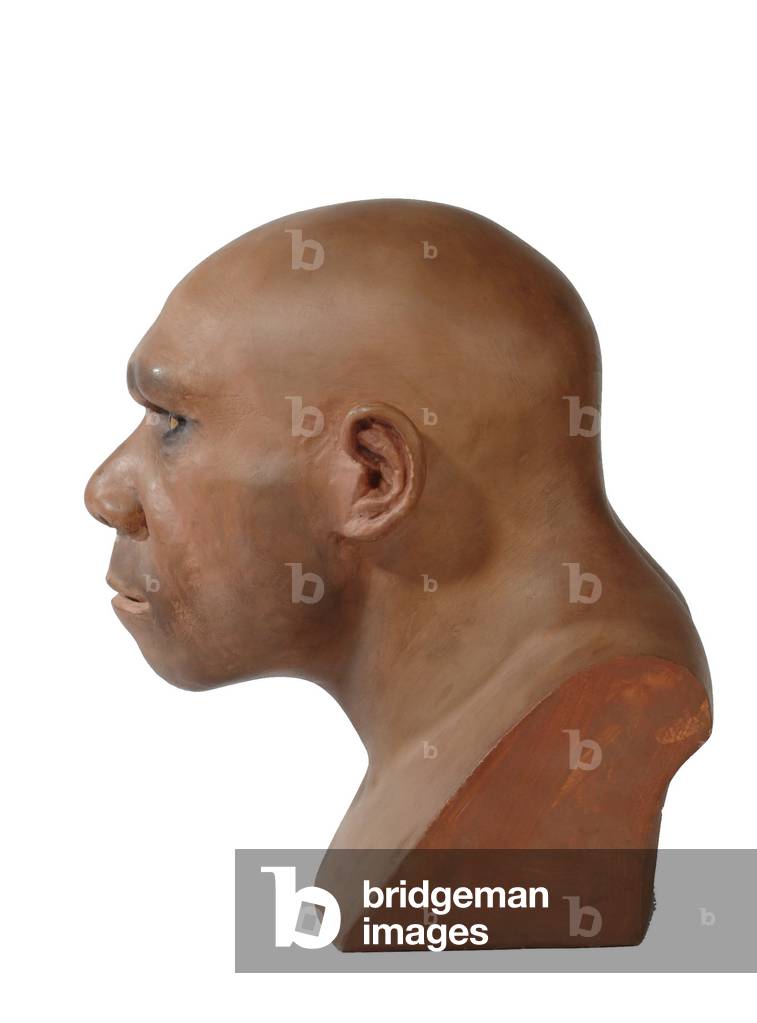
NHM1456349 Homo neanderthalensis, neanderthal man, A model head of Homo neanderthalensis (Neanderthal man), created by Maurice Wilson. Neanderthal man is believed to have lived between 130,000 to 35,000 years ago. - AncestorLondon UK
DC
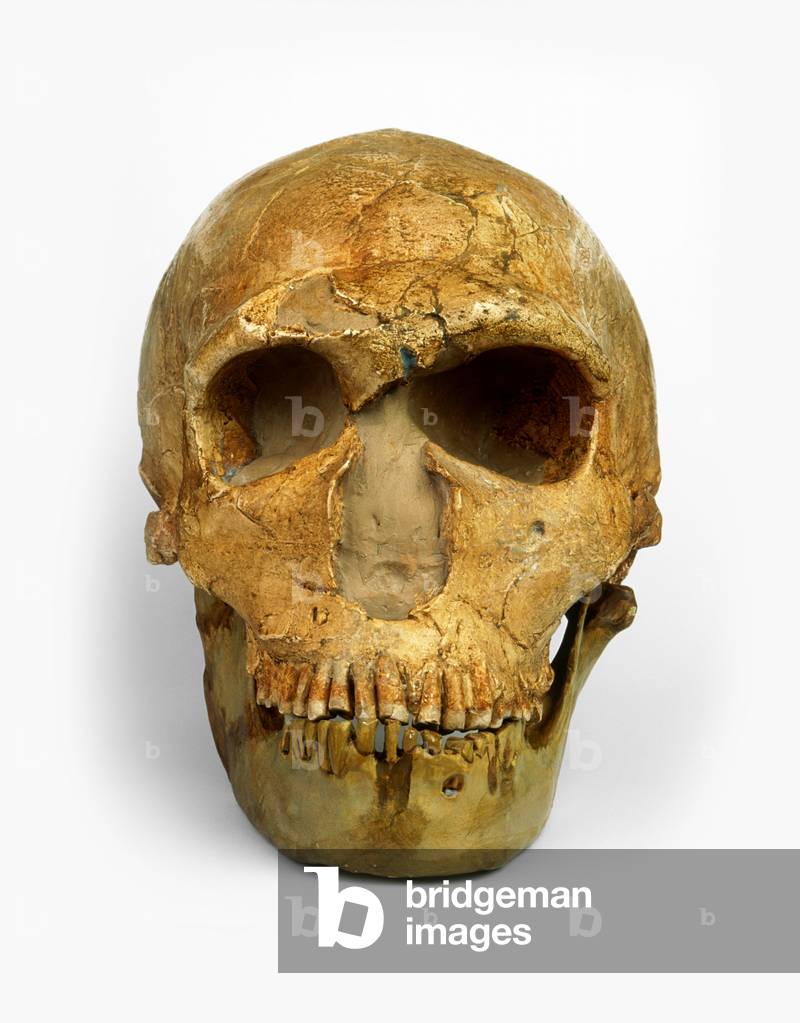
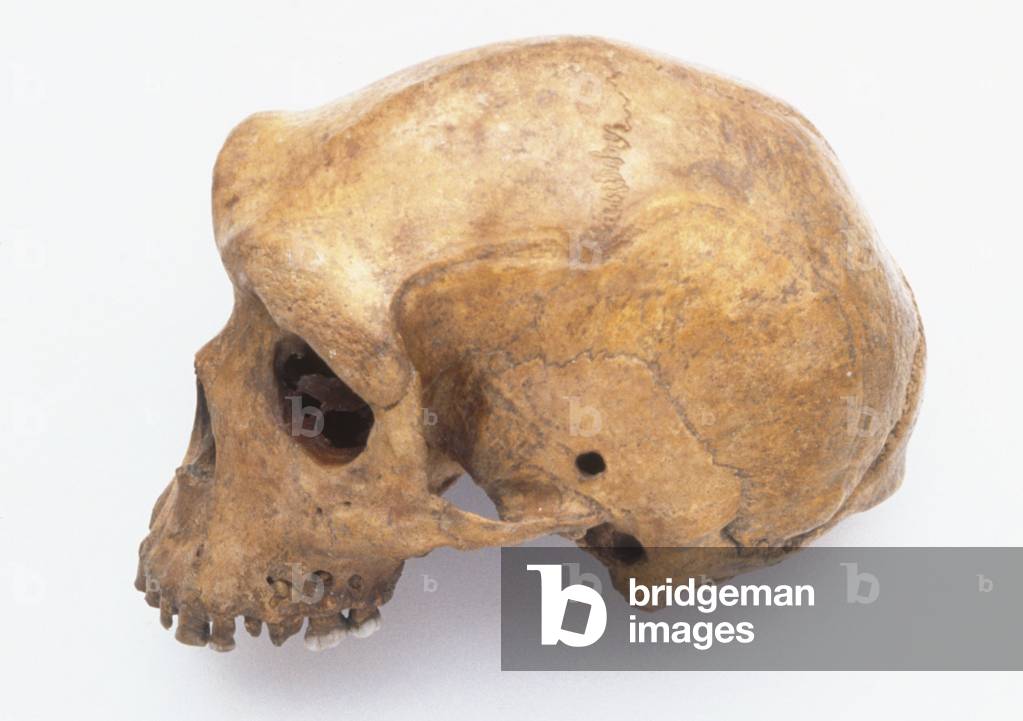
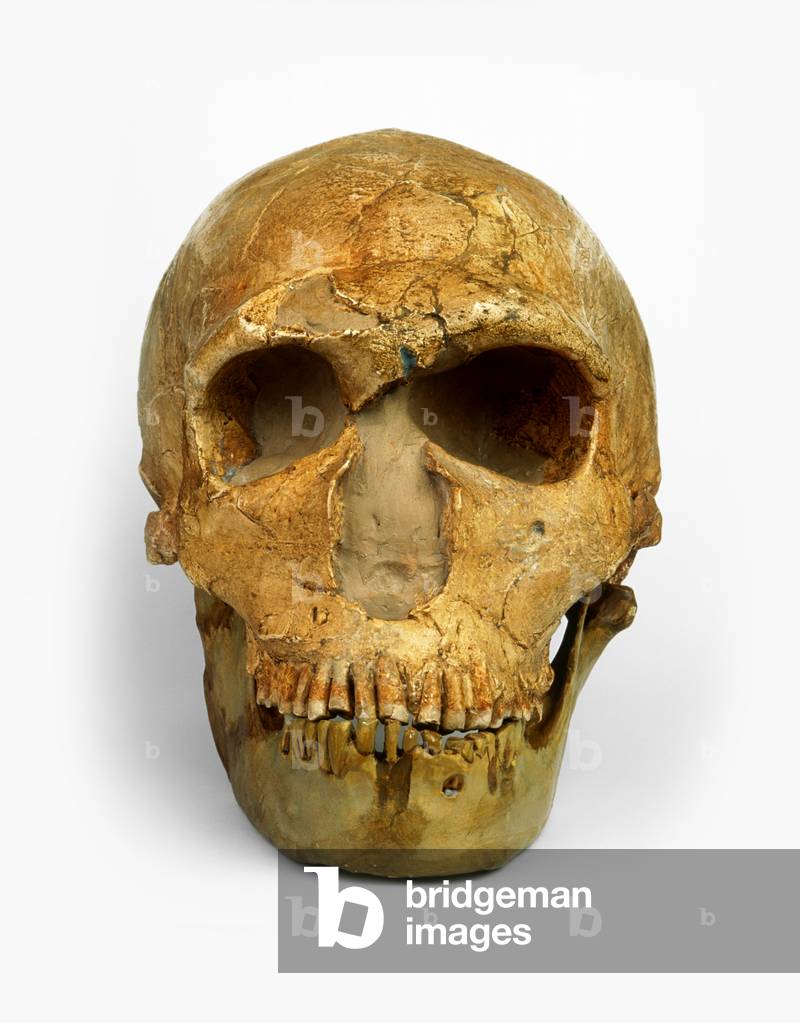
LRI4649112 Prehistory: skull of the Man of the Chapel to the Saints (Chapelle aux Saints), man of Neanderthal (Neanderthal or Neandertal: Homo sapiens), Paleolithic. Reunited in Correze in 1908. Museo Civico di Storia Naturale, Milan - Prehistory: Human skull from la Chapelle-aux-Saints, Neanderthal man (Neandertal: Homo sapiens), Paleolithic. Found in Correze in 1908. Museo Civico di Storia Naturale, Milan, Italy
DC
LRI4649102 Prehistory: skull of the Man of the Chapel to the Saints (Chapelle aux Saints), man of Neanderthal (Neanderthal or Neandertal: Homo sapiens), Paleolithic. Reunited in Correze in 1908. Museo Civico di Storia Naturale, Milan - Prehistory: Human skull from la Chapelle-aux-Saints, Neanderthal man (Neandertal: Homo sapiens), Paleolithic. Found in Correze in 1908. Museo Civico di Storia Naturale, Milan, Italy
DC
XZL151553
RF
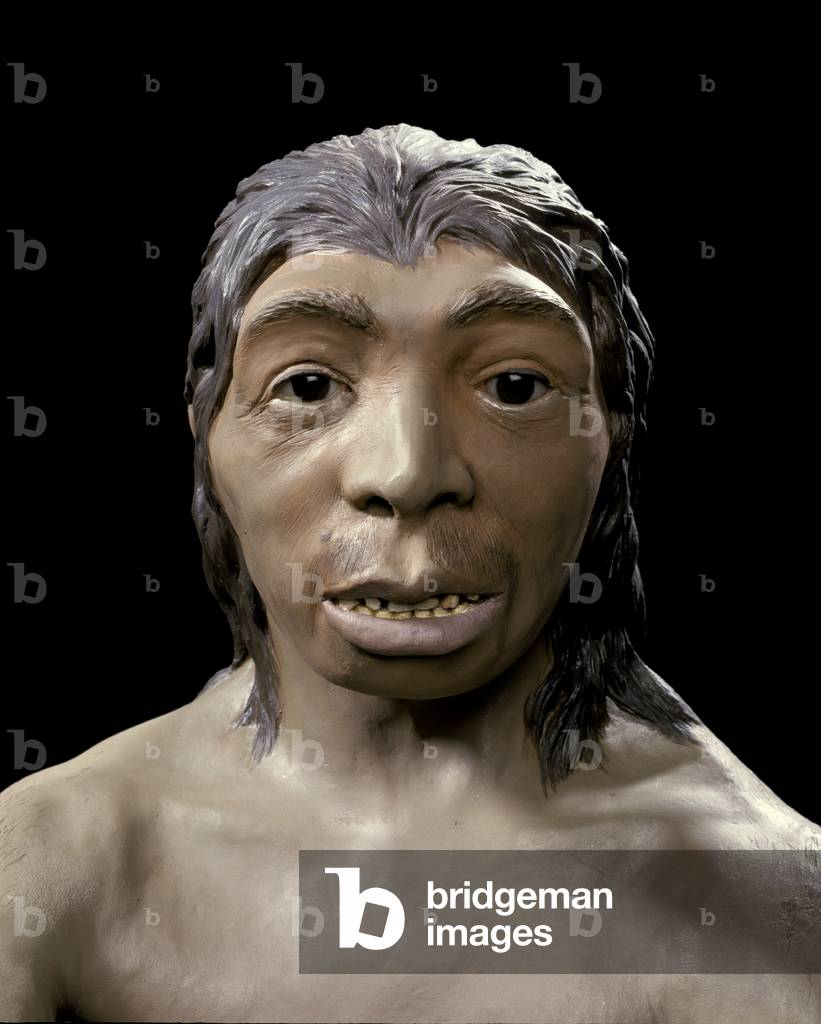
PIX4675718 Neanderthal man - Neanderthal man - Reconstitution of the face of the Neanderthal man (Homo neanderthalensis). The Neanderthals lived in Europe and Western Asia in the Middle Paleolithic, between about 250,000 and 28,000 years BC. Portrait of a Neanderthal man (Homo neanderthalensis). This hominid inhabited Europe and parts of western Asia between 250,000 and 28,000 years ago
DC
LLM665679 Neanderthal man - A species now extinct. Illustration from The Science of Life by H G Wells et al (Waverley, c 1920).
DC
LSE4080457 Neanderthal Men of Prehistory - Reproduction of a painting by Zdenek Burian (1905-1981)
DC
STF257391 Belgien;
DC
STF257393 Deutschland;
DC
LLM665616 Neanderthal Mankind. Illustration from The Outline of History by H G Wells (Waverley, 1920).
DC
LIP1060207 The British Association at Swansea. Illustration for The Graphic, 4 September 1880.
DC
NHM1453559 Neanderthal artifacts, Stone tools believed to once have belonged to Neanderthal Man (Homo neanderthalensis) who lived in Gorham's Cave, Gibraltar. - ArtifactLondon UK
DC
UDK5430351
DC
STF257398 Italien;
DC
LSE4080452 Prehistory: a group of man of neanderthal - Reproduction of a painting by Zdenek Burian (1905-1981)
DC
STF257390 Neandertal; Deutschland;
DC
GIA4701075 Skull of the Neanderthal Man, discovered in Germany in 1856.
DC
STF257397 Frankreich;
DC
THT4305973 Prehistoire: la chasse. La poursuite des chevaux sur le roc de Solutre. Civilisation de Neanderthal (paleolithique). Gravure de 1870
DC
JLJ4564184 Prehistory: bone head (skull) of the Neanderthal skeleton of the Chapel to Saints in Correze. Illustration.
DC
IL309342 Venus of Dolni Vestonice is a Venus figurine, ceramic stauette of nude female figure dates to 29,000-25,000 BC;
DC
UDK844788
DC
IMJ700406 Kebara Cave (Me'arat Kebbara, Mugharat al-Kabara) is an Israeli limestone cave locality of the Wadi Kebara, situated at 60 - 65 metres ASL on the western escarpment of the Carmel Range, some 10km north-east of Caesarea. The cave was inhabited between 60,000 - 48,000 BP and is famous for its excavated finds of hominid remains, made under the direction of Professor Ofer Bar-Yosef.
DC
LLM979413 The Neanderthal Man of La Chapelle-aux-Saints. Illustration from The Outline of Science, The Waverley Book Company Ltd, London.
DC
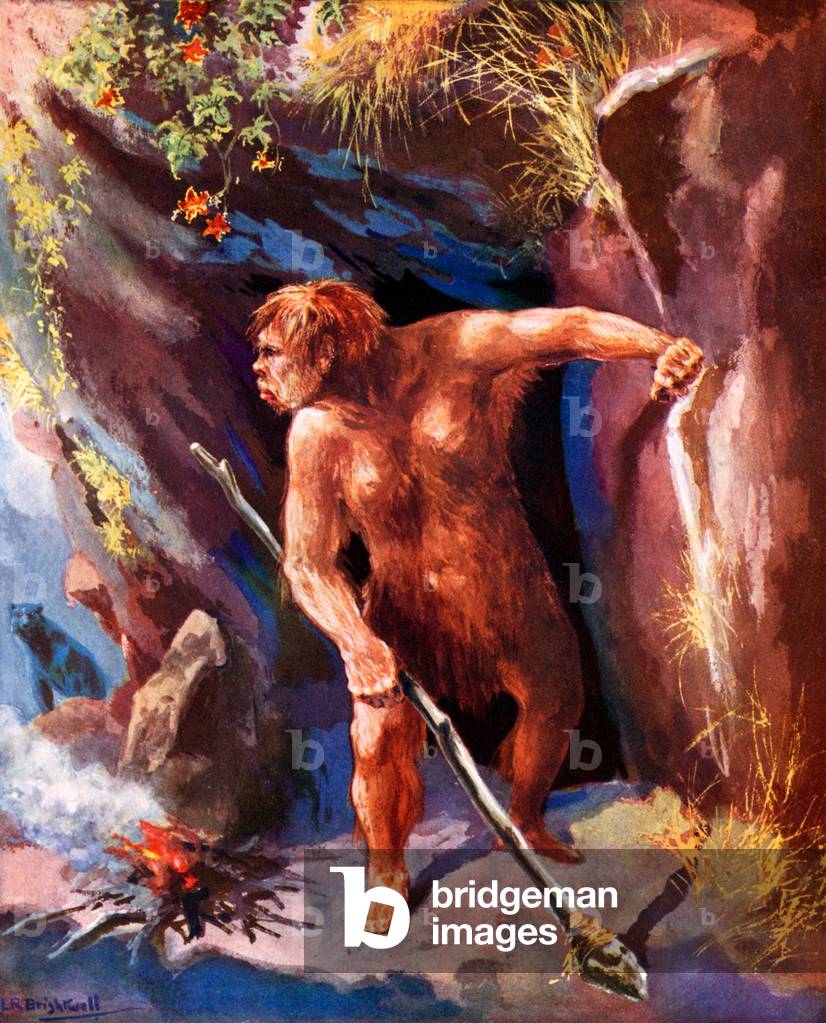
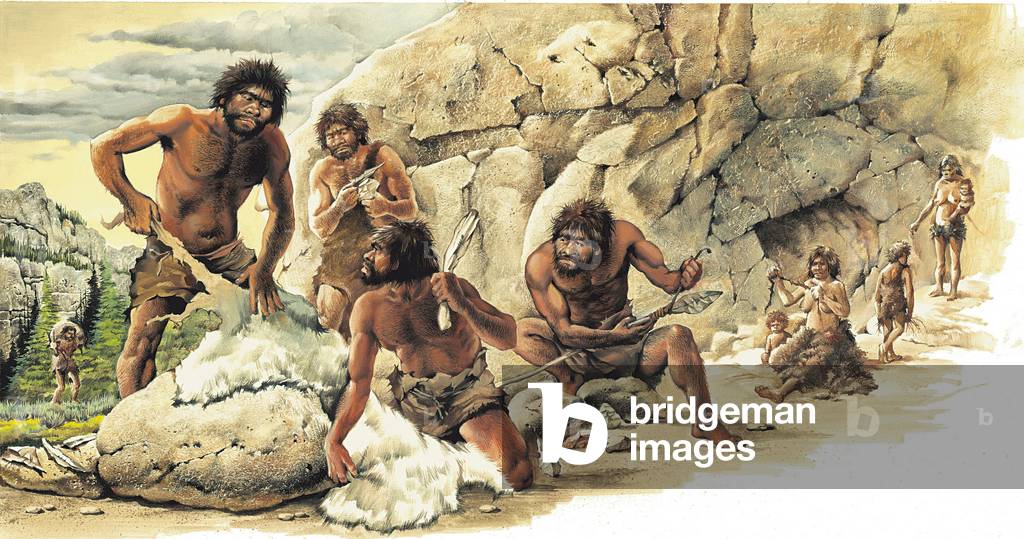
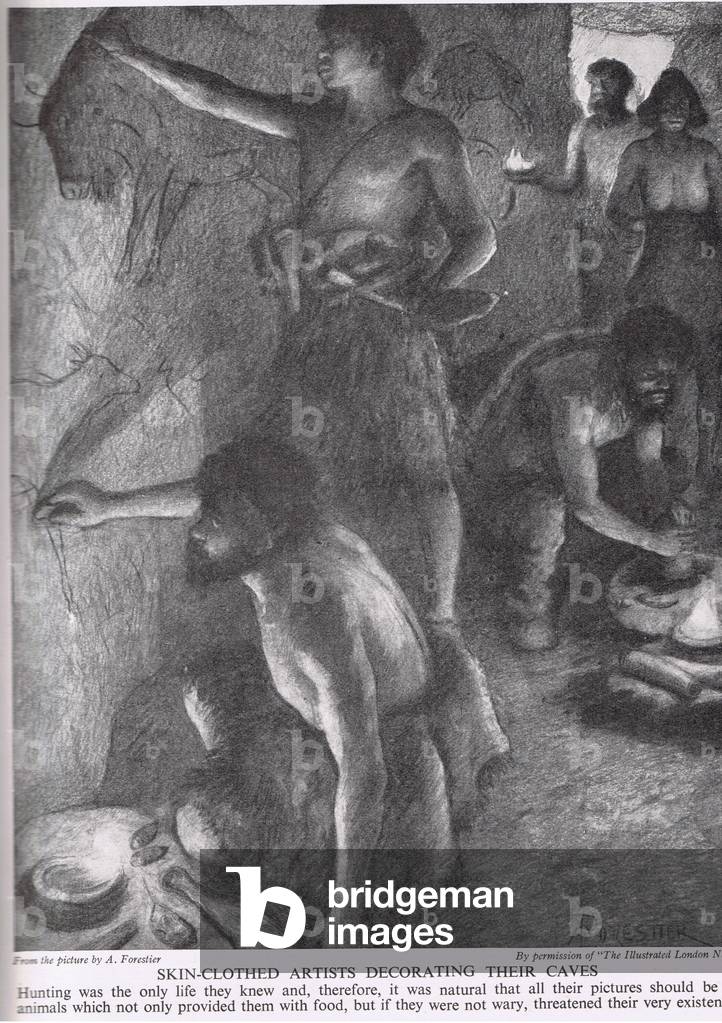
IBE5334409 Prehistory Paleolithic Period: Hunters using the skin of killed betes and making tools and weapons (spear).
DC
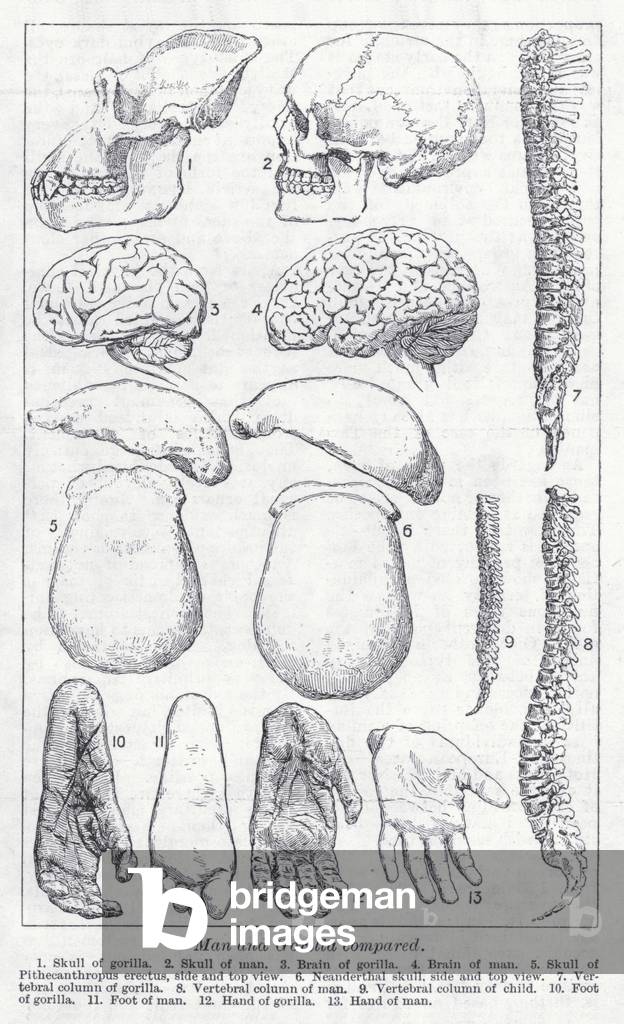
LLM6013549 Man and gorilla compared. Illustration for The Harmsworth Encylopaedia (c 1922).
DC
NHM1453625 Neanderthal spear point, A spear point once belonging to that of Neanderthal Man (Homo neanderthalensis). This specimen was discovered in Gorham's Cave, Gibraltar. - AnthropologicalLondon UK
DC
XEE4159968 Legend of the horse of Solutre - Prehistory: hunting - The pursuit of horses on the rock of Solutre (Hunting in the abime). Civilization of Neanderthal (Paleolithic) - in "Prehistoric Men" by Zdenek Burian (1905-1981)
DC
NHM1452775 Neanderthal stone tools, Tools believed to have once belonged to Neanderthal Man (Homo neanderthalensis) discovered at Gorham's cave, Gibraltar. - Gibraltar Gibraltar
DC
TAD1756937 Reconstitution of skeleton of Neanderthal man after Hans Weinert
DC
STF257394 Steinwerkzeuge des Neandertalers;
DC
PIX4675747 Neanderthal man - Neanderthal man - Group of Neanderthal men (Homo neanderthalensis) hunting. The Neanderthals lived in Europe and Western Asia in the Middle Paleolithic, between about 250,000 and 28,000 years BC. A tribe of Neanderthal men (Homo neanderthalensis) hunting. This hominid inhabited Europe and parts of western Asia between 250,000 and 28,000 years ago
DC
LAL269661
DC
IL309334
DC
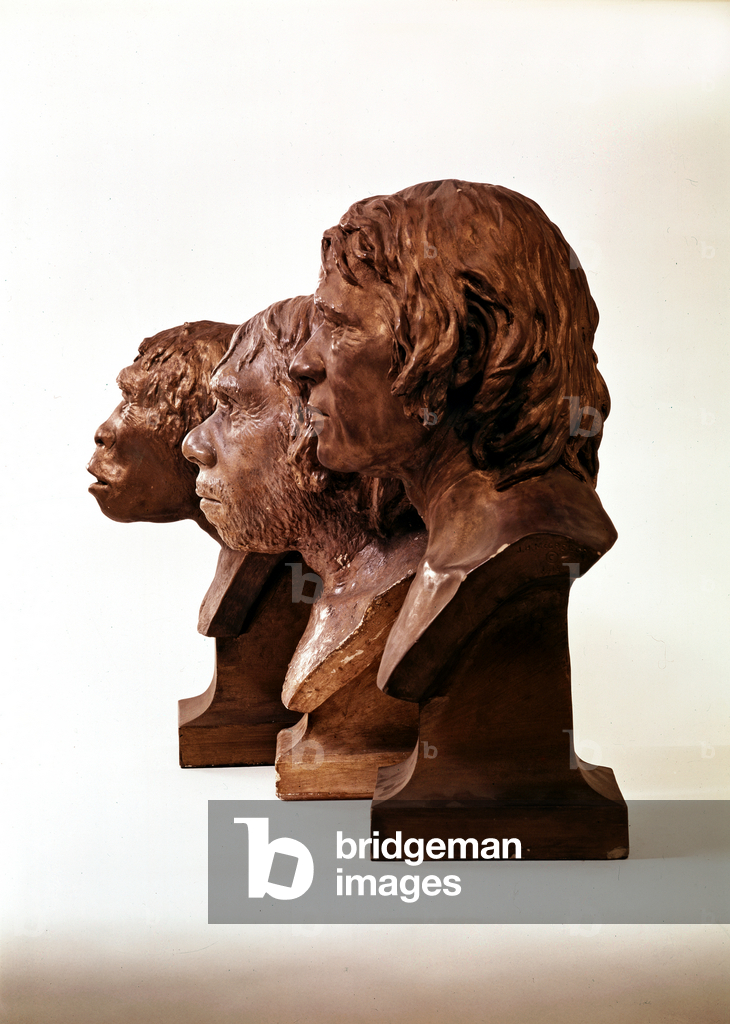
LRI9037149 Reconstructed Heads of Java Man, Neanderthal Man and Cro-Magnon Man.
DC
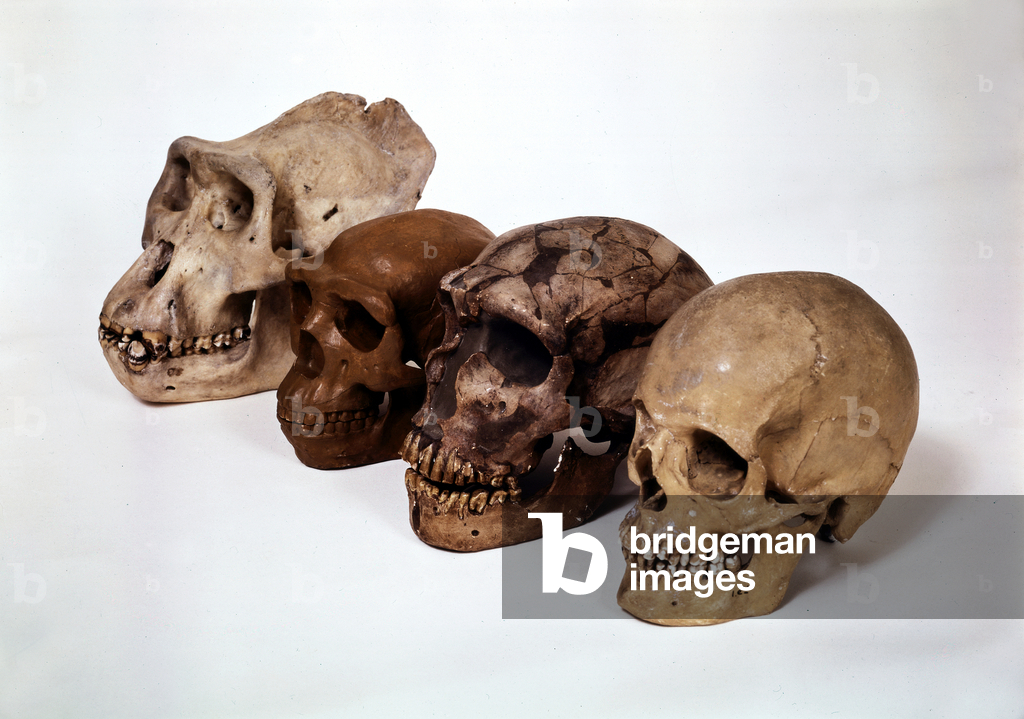
LRI9037150 Skulls of Homo Sapiens, Neanderthal Man, Java Man, and of a Gorilla.
DC
STC321086
DC
IL309341
DC
XBP343142 sub species of homo sapiens;
RF
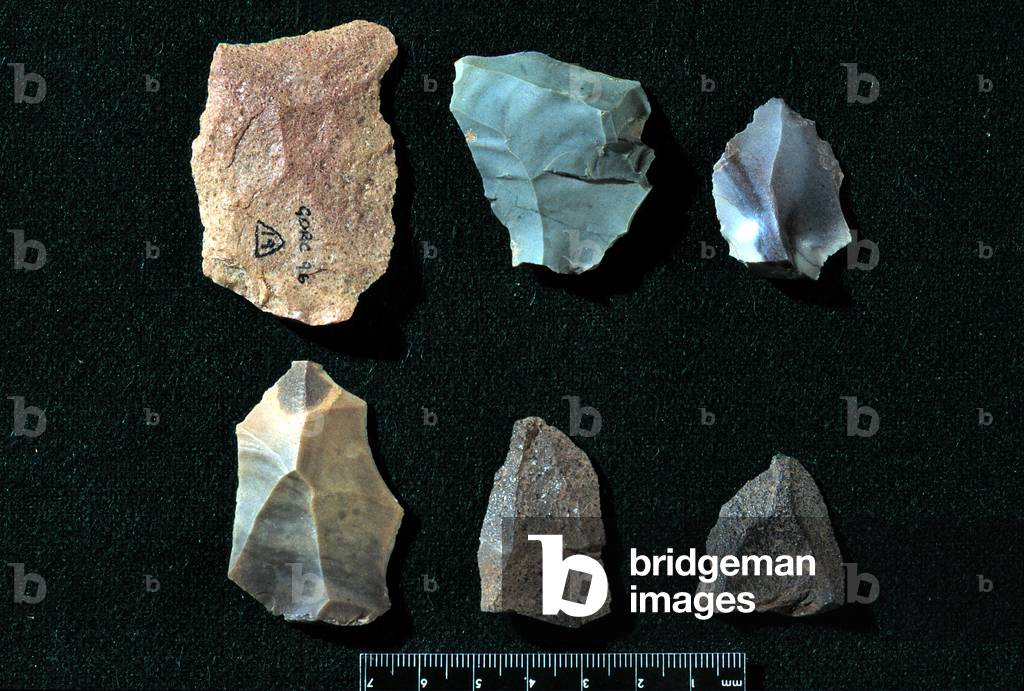
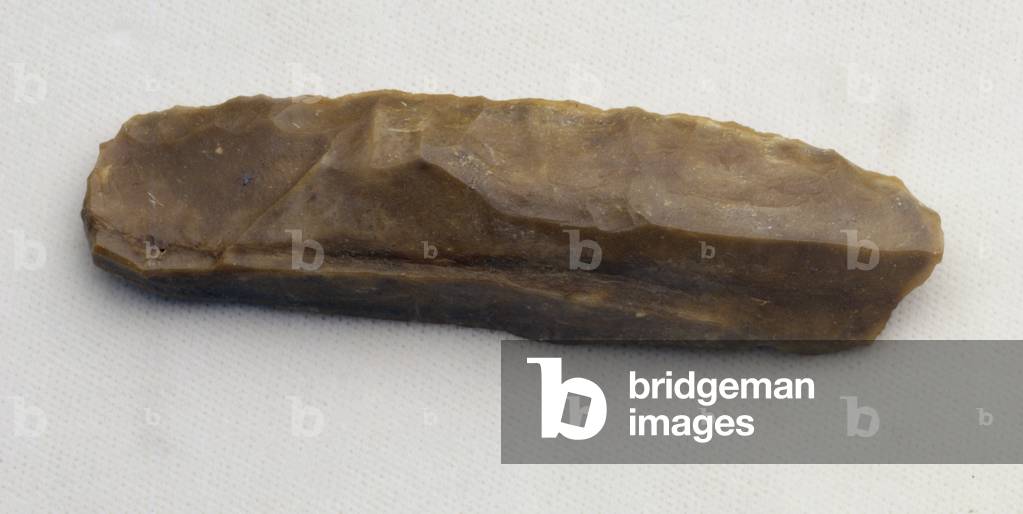
NHM1452796 Homo neanderthalensis, Neanderthal man's flake tool, A flake tool discovered at Tabun, Israel belonging to Neanderthal Man (Homo neanderthalensis) dating back 100,000 years. - AnthropologicalLondon UK
DC
IL309337
DC
PIX4675757 Man of Neanderthal - Neanderthal man - Scene of daily life of a group of Neanderthalians (Homo neanderthalensis). The Neanderthal Man lived in Europe and Western Asia in Middle Paleolithic, between about 250,000 and 28,000 years BC. Everyday life of Neanderthal men (Homo neanderthalensis). This hominid inhabited Europe and parts of western Asia between 250,000 and 28,000 years ago
DC
HFE4443507 Aven Marzal Prehistoric Zoo/Neanderthal Man/130,000 to 10,000 years
DC
IL309349
DC
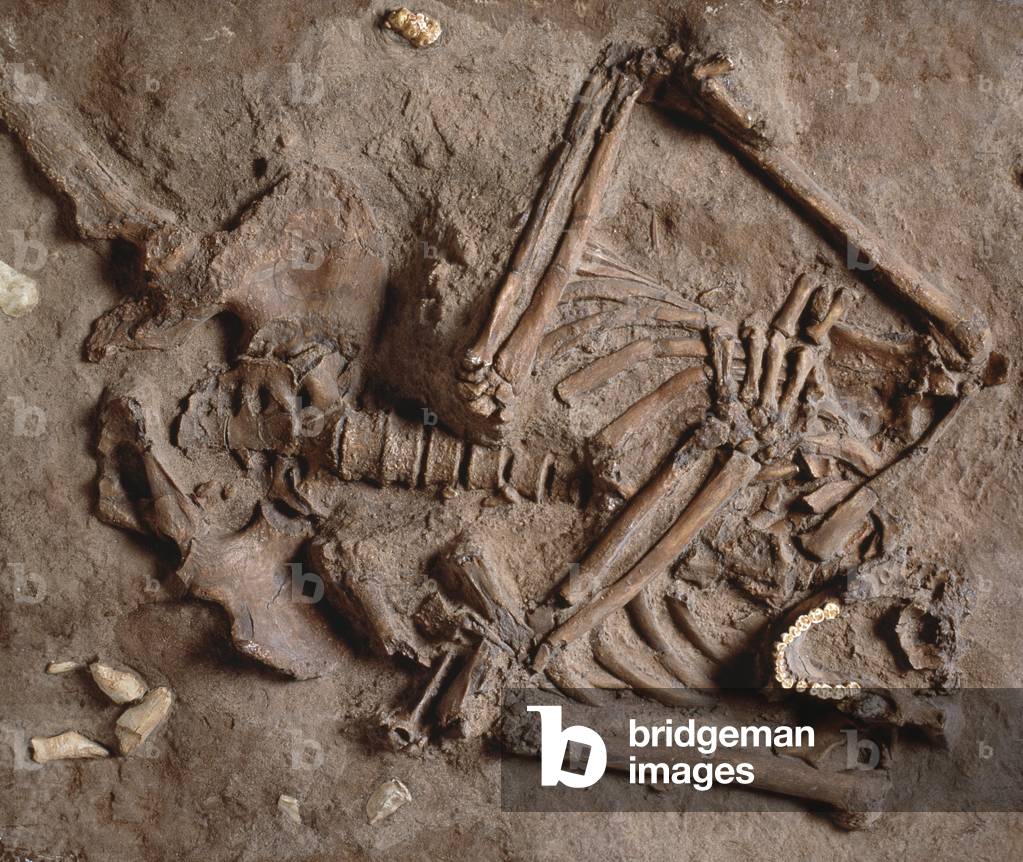
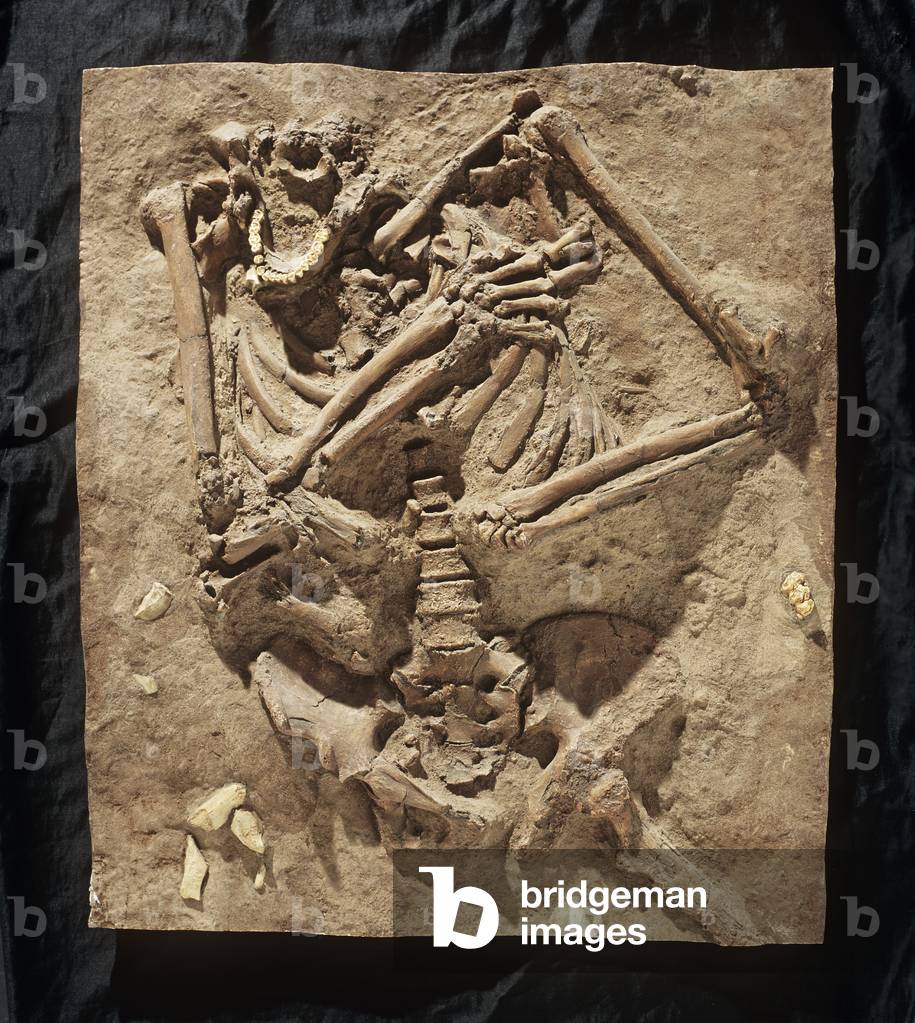
NHM1456018 Homo neanderthalensis (Kebarah) burial site, Burial site of Neanderthal Man (Homo neanderthalensis), 60,000 years old from the Pleistocene, Kabara, Israel. On display in From the Beginning, Gallery 63, Earth Galleries at The Natural History Museum, London. - AnthropologicalLondon UK
DC
NHM1456324 Homo neanderthalensis (Kebarah) burial site, Burial site of Neanderthal Man (Homo neanderthalensis), 60,000 years old from the Pleistocene, Kabara, Israel. On display in From the Beginning, Gallery 63, Earth Galleries at the Natural History Museum, London. - AnthropologicalLondon UK
DC
KWE378977 illustration from a 19th century reconstruction; 'Our Century';
DC
IL309350 cave discovered in modern-day Czech Republic;
DC
UIG805602
DC
IL309343
DC
IL309333 first generally recognised human species; flourished up to 300,000 years ago;
DC
IL309347 the Krapina Cave, in modern-day Croatia, holds some evidence of cannibalism;
DC
IL309344
DC
IL309346
DC
IL309345
DC
IL309335
DC
IL309338
DC
LRI4649140 Prehistory: fossil skull of Homo sapiens pre neanderthal (Homo steinheimensis or Homo heidelbergensis) found in Steinheim an der Murr (Germany) in 1933. Lower paleolithic. Age from 350,000 to 250,000 years. Museo Civico di Storia Naturale, Milan - Prehistory: fossil skull of a pre-neanderthal Homo Sapiens (Homo heidelbergensis or Homo steinheimensis) found in Steinheim an der Murr (Germany) in 1933. Lower Paleolithic. Aged between 350,000 and 250,000 years. Museo Civico di Storia Naturale, Milan, Italy
DC
IL309340
DC
IL309336 moving camp to more favourable hunting grounds;
DC
NHM1452643 Homo neanderthalensis, Neanderthal Man burial site (Teshik-Tash), An artists impression of Neanderthal Man (Homo neanderthalensis) conducting a burial ceremony. This event is reconstructed using fossil evidence discovered at Teshik-Task, Uzbekistan. - AnthropologicalLondon UK
DC
STF257392 Steinwerkzeuge des Neandertalers; Nordafrika;
DC
NHM1456533 Homo neanderthalensis, Neanderthal man model, A model reconstruction of a Neanderthal family situated within a cave. Neanderthal lived between 135,000 to 35,000 years ago. Their fossil remains have been discovered mainly in Europe as well as in the Middle East. - AnthropologyLondon UK
DC
IL309339
DC
UDK844421
DC
DMA1066807 by Rodnay Thomson
DC
UDK5430021
DC
NHM1451386 Homo neanderthalensis, Neanderthal Man, An artists impression of a Neanderthal (Homo neanderthalensis) family based on evidence discovered from excavation sites in Gibraltar. This Neanderthal family depicted as being located outside Gorham's Cave. - AggressionLondon UK
DC
CH494959
DC
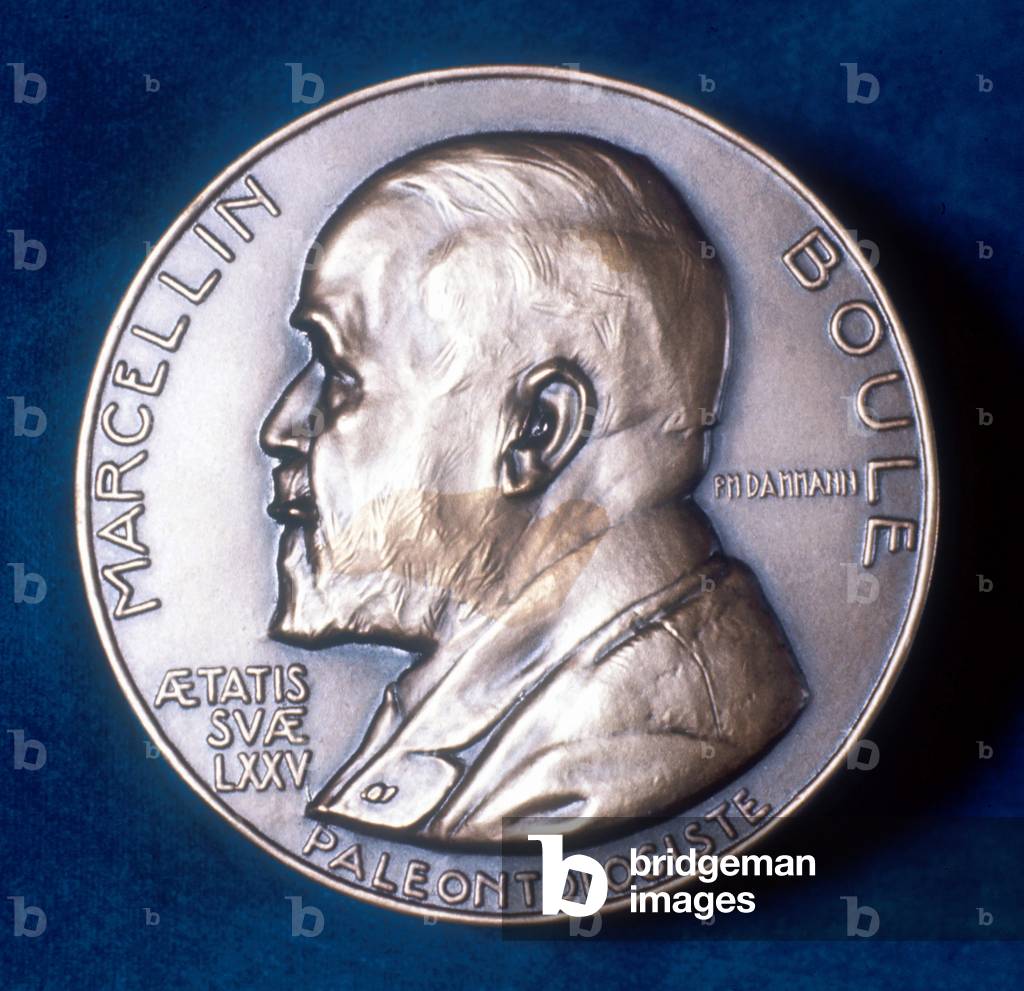
HIM5302495 390003089Medal bearing the effigy of Pierre Marcellin Boule (1861-1942) French paleontologist. 20th century. Pierre Marcellin Boule, French paleontologist, 20th century. In 1921 Boule (1861-1942) completed the first reconstruction of a Neanderthal skeleton. Obverse of commemorative medal.
DC
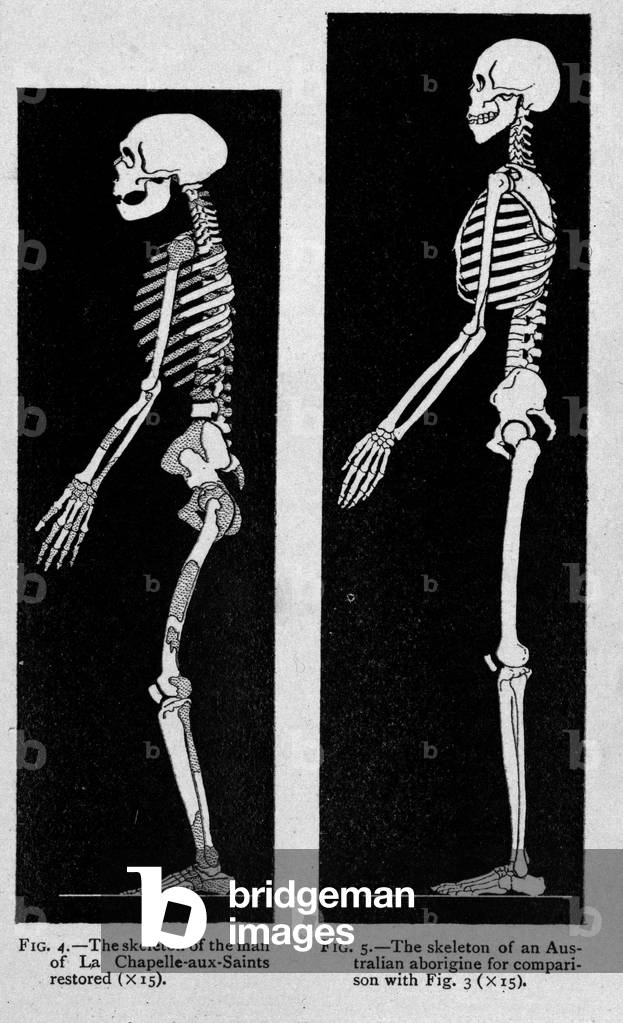
UIS5079148 Skeletons Two representations of skeletons, 1913. Illustration taken from an article entitled ïFossil Man in ïNature, August 1913. The left Skeleton is that of the man of La Chappelle-aux-Saints (restored), while the one on the right is of an Australian Aborigine. The skeleton discovered at La Chapelle-aux-Saints in France in 1908 was the first virtually complete skeleton of Neanderthal Man to be found. It was analysed by the French paleontologist Marcellin Boule, who incorrectly deduced that Neanderthals were primitive ape-like creatures of limited intellectual capacity. A later study of the skeleton in the 1950s disproved Boules interpretation, revealing that the stooped appearance of the skeleton was due to the individuals sheer old age, severe arthritis in the neck, and several injuries including a damaged patella. ©SSPL/Science Museum
DC
NHM1454753 Cro-magnon and Neanderthal skull comparison, Side view comparison of casts of Cro-Magnon skull from Brno, Czech Republic, Upper Palaeolithic (right), and Neanderthal skull from La Chapelle, France, Middle Palaeolithic (left). Photo by Chris Stringer. - BrnoLondon UK
DC
KWE270818 reconstruction drawing from fossil remains 400,000 years old discovered in Chatam in 1913;
DC
BLP398263 Site of human habitation since the Lower Palaeolithic;
DC
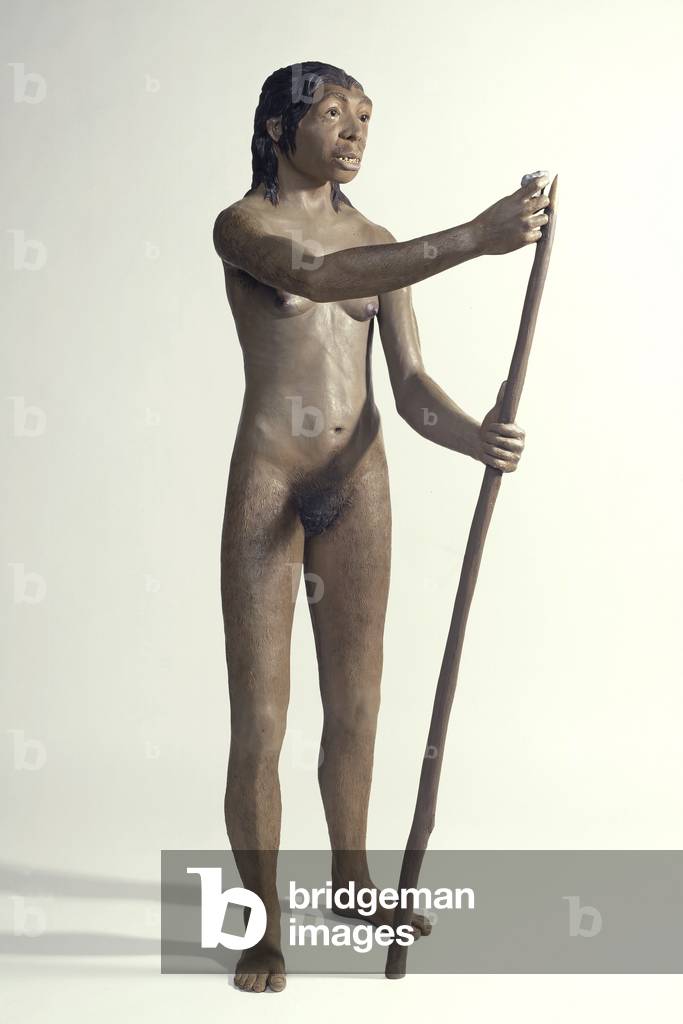
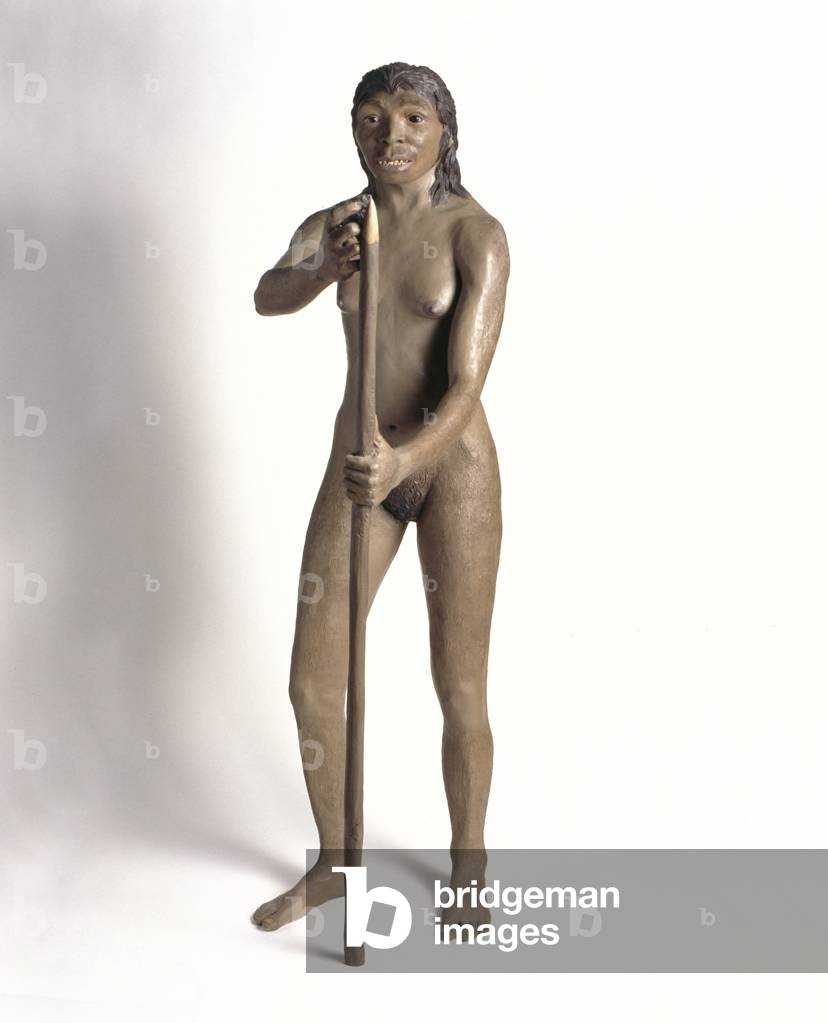
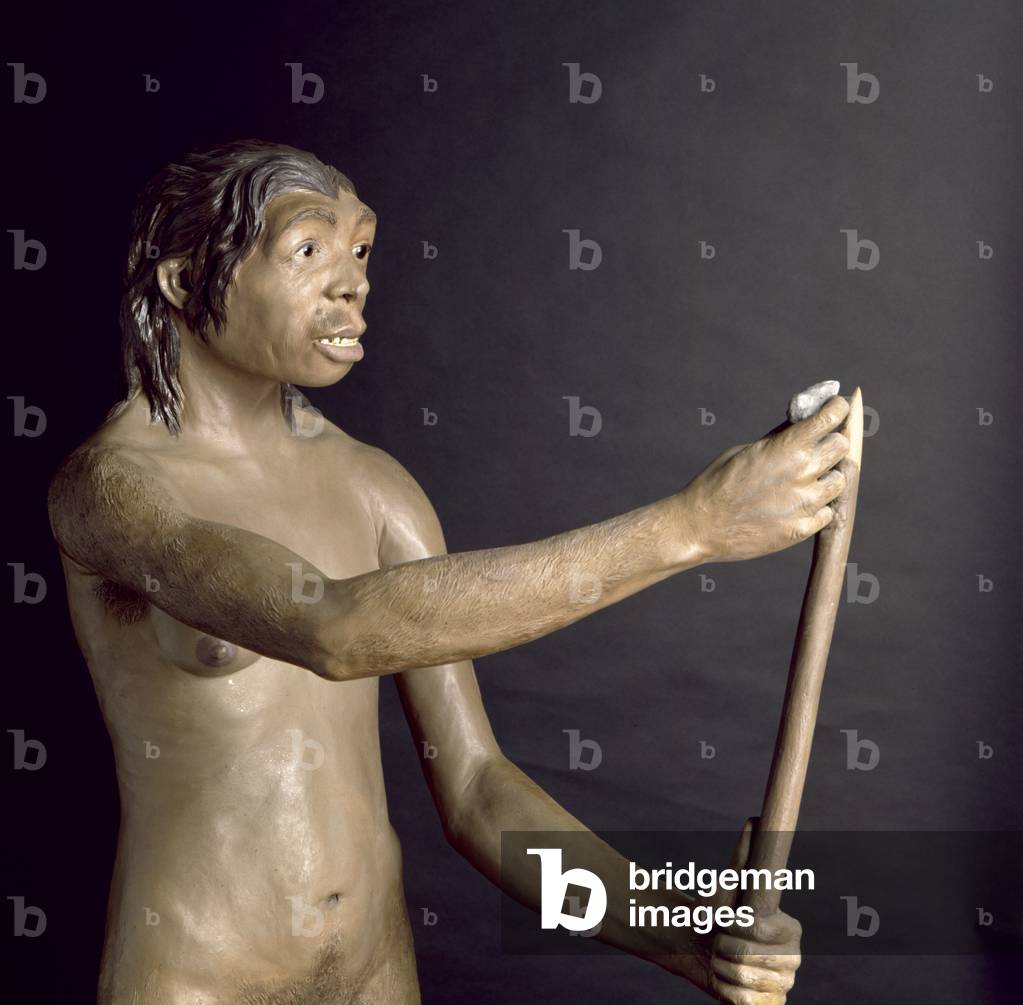
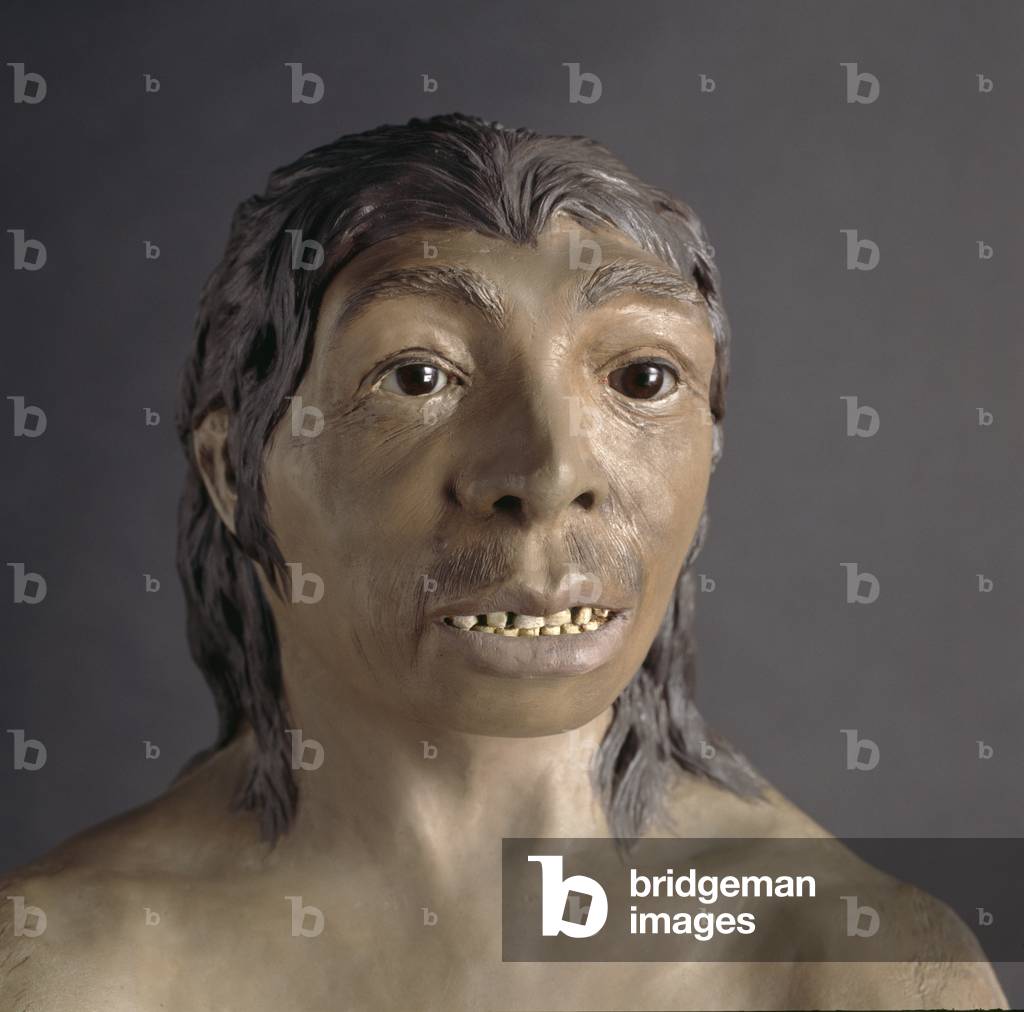
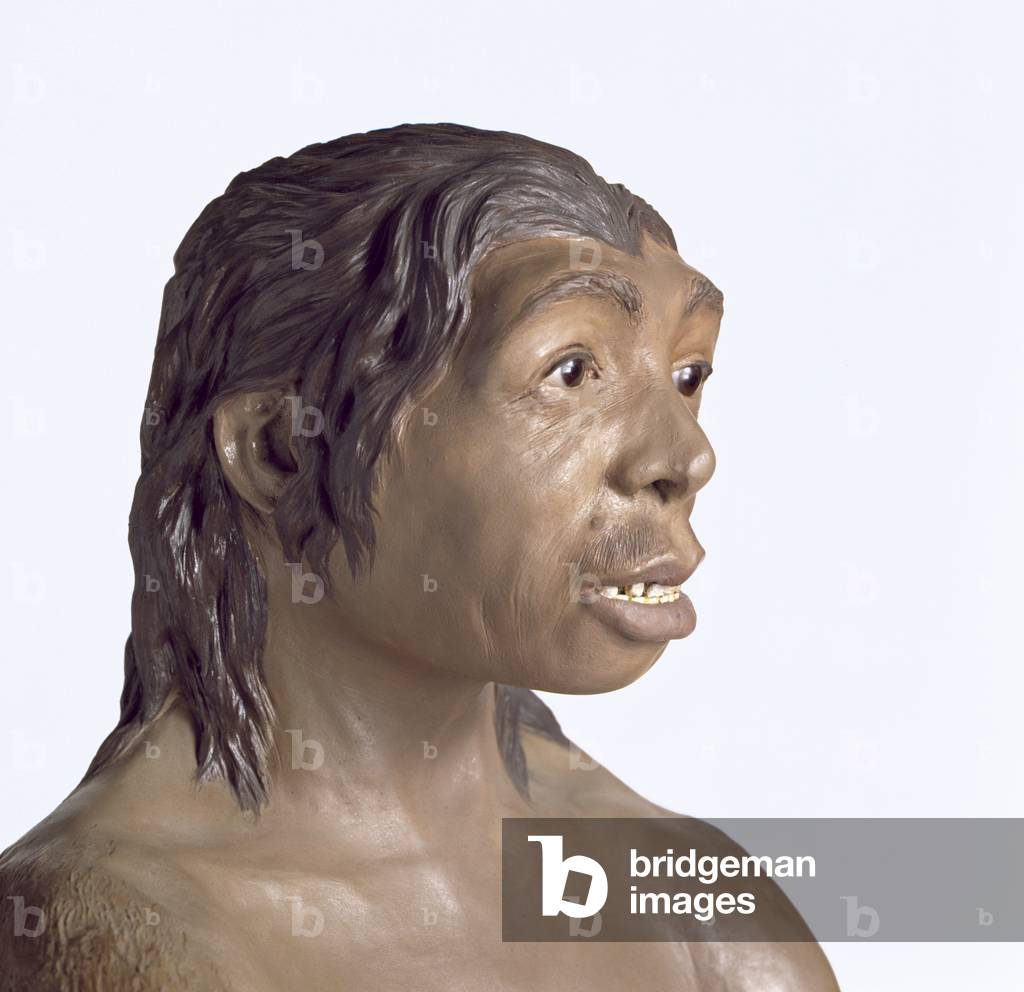
NHM1457020 Homo neanderthalensis, Neanderthal Woman (Tabun C1), Model of Neanderthal woman (Homo neanderthalensis) based upon measurements taken from the fossil skeleton of a female Neanderthal discovered at Tabun, Israel, known as Tabun C1 who lived about 100,000 years ago. - Anthropological
DC
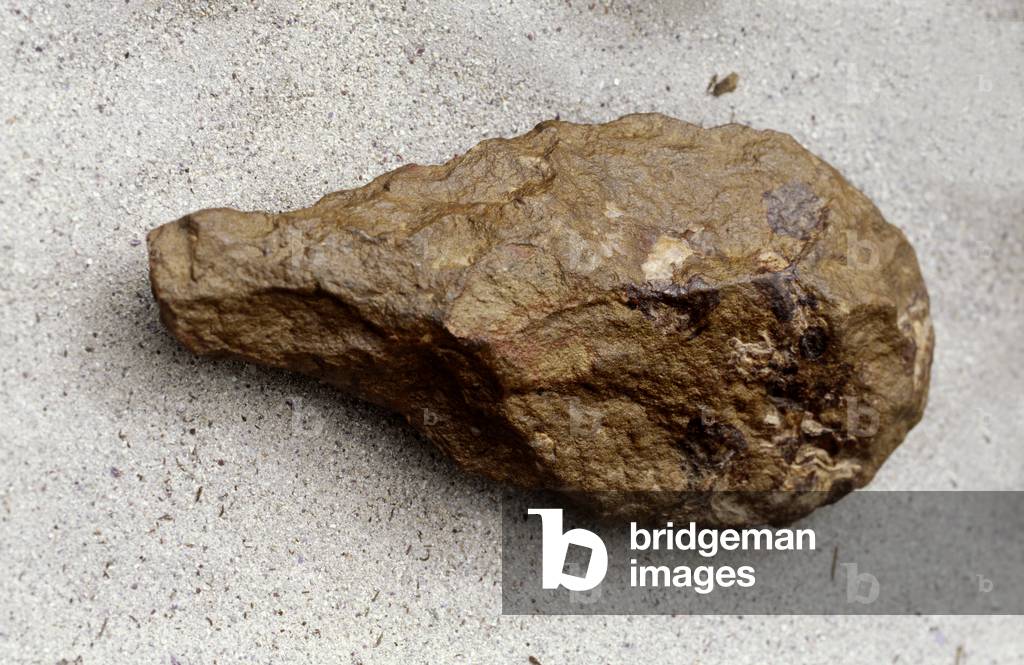
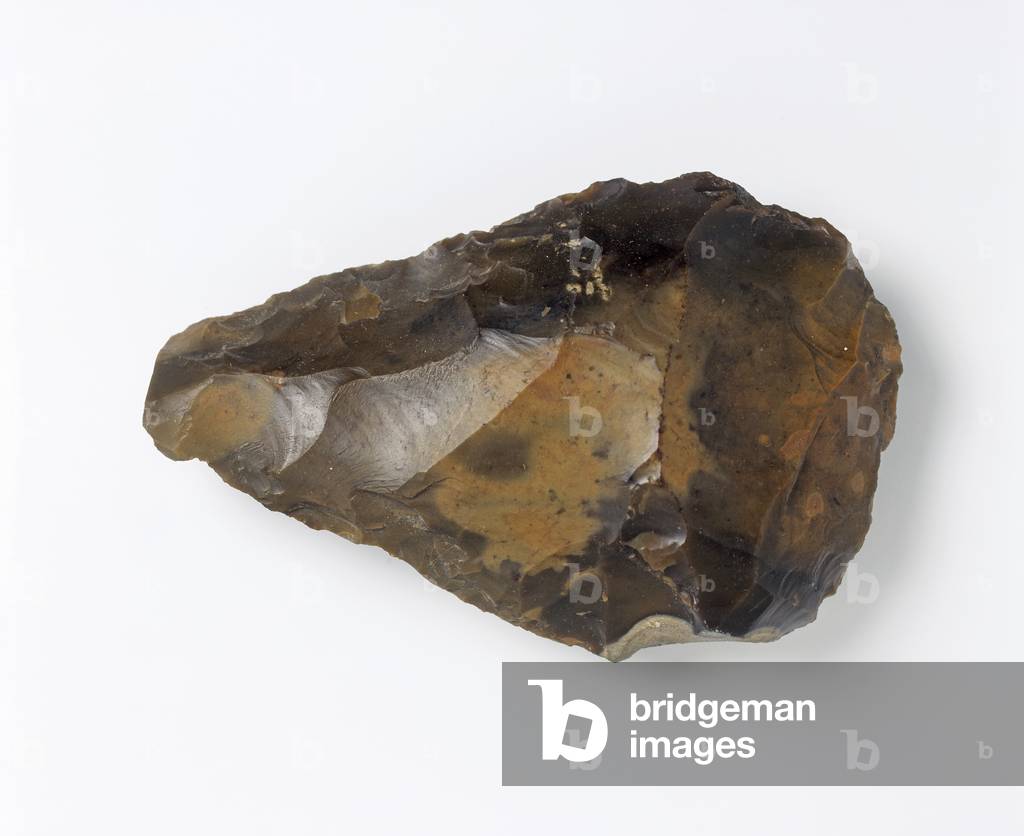
NHM1452590 A Swanscombe Hand Axe, One of many hand axes that have been discovered at the Homo neanderthalensis site of Swanscombe, Kent which was inhabited about 500,000 to 300,000 years ago. - AncestorLondon UK
DC
UIG534427
DC
NHM1459924 Homo neanderthalensis hunting in Swanscombe, A Homo neanderthalensis group hunting fallow deer on the banks of the river Thames at modern day Swanscombe, Kent 400,000 years ago. Illustration by Angus McBride. - ActionLondon UK
DC
KWE270810
DC
IL616804
DC
NHM1454449 Homo neanderthalensis, Neanderthal Woman (Tabun C1), Model of Neanderthal woman (Homo neanderthalensis) based upon measurements taken from the fossil skeleton of a female Neanderthal discovered at Tabun, Israel, known as Tabun C1 who lived about 100,000 years ago. - AnthropologicalLondon UK
DC
NHM1450246 Homo neanderthalensis, Neanderthal Woman (Tabun C1), Model of Neanderthal woman (Homo neanderthalensis) based upon measurements taken from the fossil skeleton of a female Neanderthal discovered at Tabun, Israel, known as Tabun C1 who lived about 100,000 years ago. - AnthropologicalLondon UK
DC
NHM1457941 Homo neanderthalensis, Neanderthal Woman (Tabun C1), Model of Neanderthal woman (Homo neanderthalensis) based upon measurements taken from the fossil skeleton of a female Neanderthal discovered at Tabun, Israel, known as Tabun C1 who lived about 100,000 years ago. - AnthropologicalLondon UK
DC
NHM1454447 Homo neanderthalensis, Neanderthal Woman (Tabun C1), Model of Neanderthal woman (Homo neanderthalensis) based upon measurements taken from the fossil skeleton of a female Neanderthal discovered at Tabun, Israel, known as Tabun C1 who lived about 100,000 years ago. - AnthropologicalLondon UK
DC
NHM1449802 Homo neanderthalensis, Neanderthal Woman (Tabun C1), Model of Neanderthal woman (Homo neanderthalensis) based upon measurements taken from the fossil skeleton of a female Neanderthal discovered at Tabun, Israel, known as Tabun C1 who lived about 100,000 years ago. - AnthropologicalLondon UK
DC
NHM1454448 Homo neanderthalensis, Neanderthal Woman (Tabun C1), Model of Neanderthal woman (Homo neanderthalensis) based upon measurements taken from the fossil skeleton of a female Neanderthal discovered at Tabun, Israel, known as Tabun C1 who lived about 100,000 years ago. - AnthropologicalLondon UK
DC
NHM1454450 Homo neanderthalensis, Neanderthal Woman (Tabun C1), Model of Neanderthal woman (Homo neanderthalensis) based upon measurements taken from the fossil skeleton of a female Neanderthal discovered at Tabun, Israel, known as Tabun C1 who lived about 100,000 years ago. - AnthropologicalLondon UK
DC
NHM1454451 Homo neanderthalensis, Neanderthal Woman (Tabun C1), Model of Neanderthal woman (Homo neanderthalensis) based upon measurements taken from the fossil skeleton of a female Neanderthal discovered at Tabun, Israel, known as Tabun C1 who lived about 100,000 years ago. - AnthropologicalLondon UK
DC

Total de Resultados: 92

Página 1 de 1