

















































Busque também em nossas outras coleções:

Tipo de arquivo:

Tipo do arquivo:

Orientação:

Total de Resultados: 38

Página 1 de 1

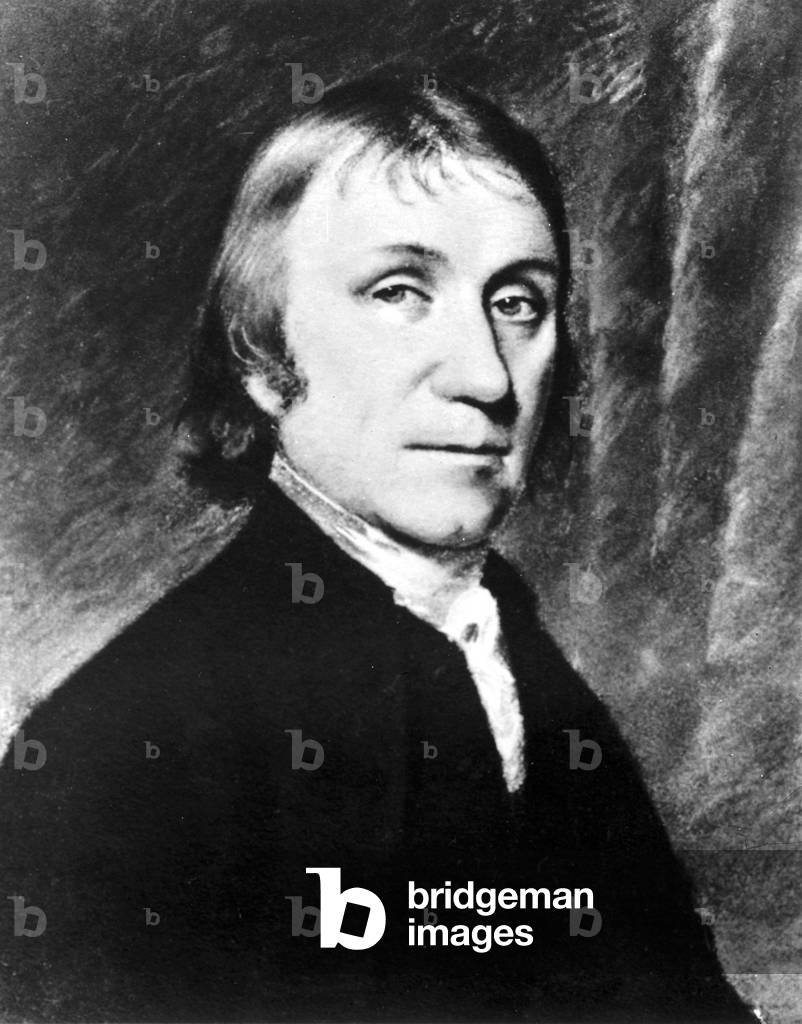
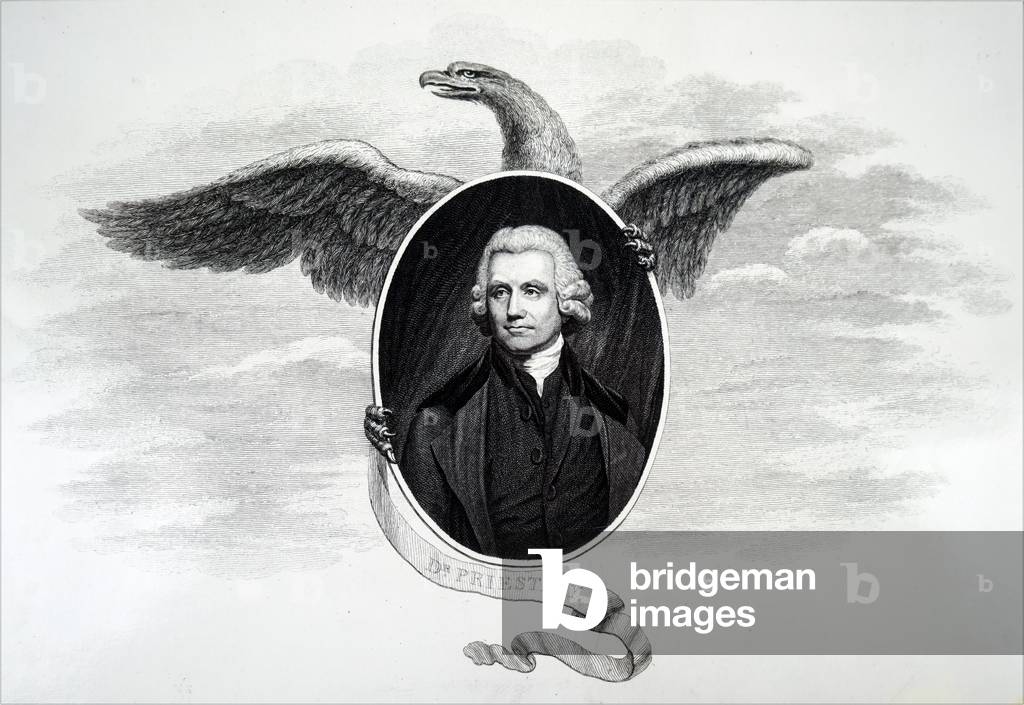
LLE815918 Joseph Priestley (1733-1804). English theologian and political theorist who published over 150 works.
DC
LLE815855 Joseph Priestley (1733-1804). English theologian and political theorist who published over 150 works.
DC
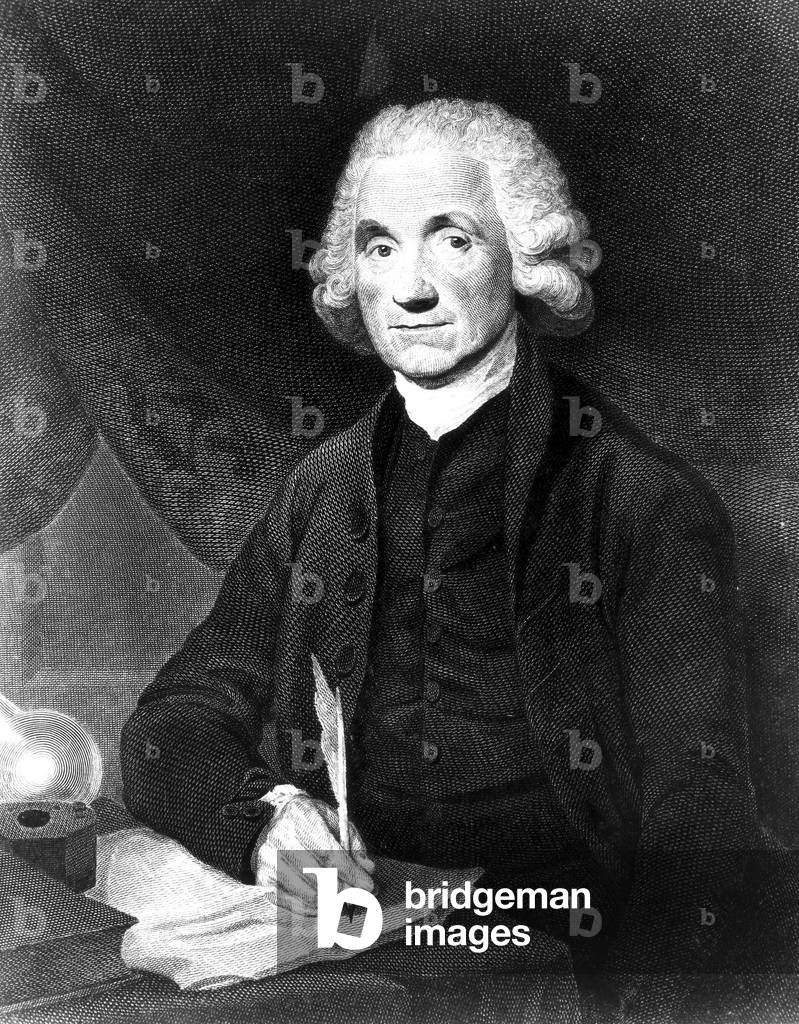
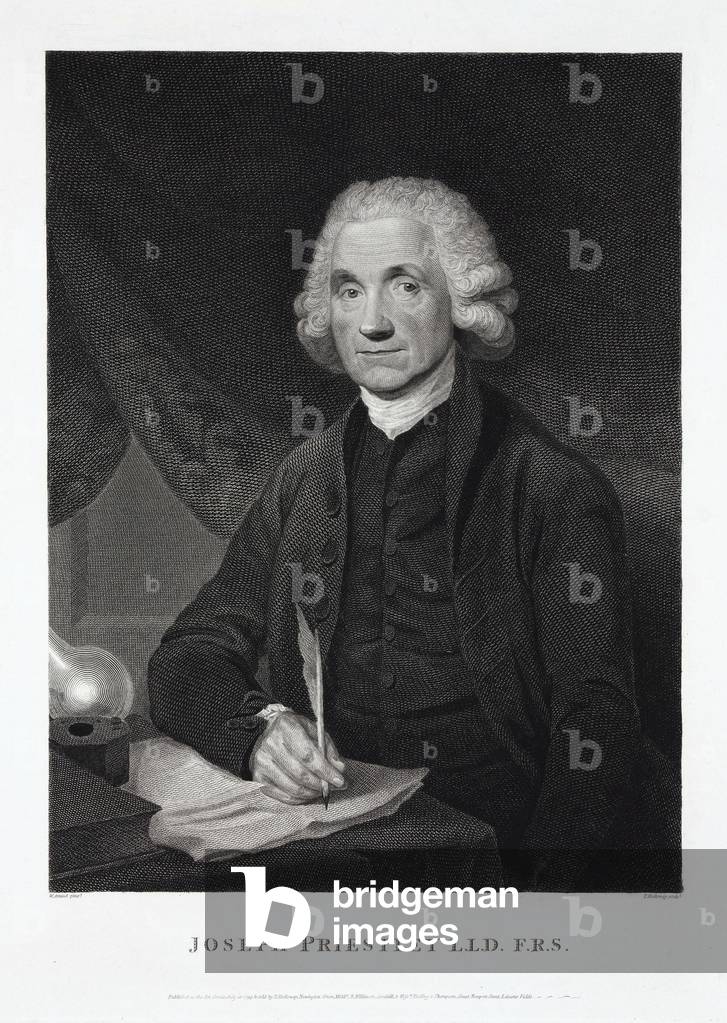
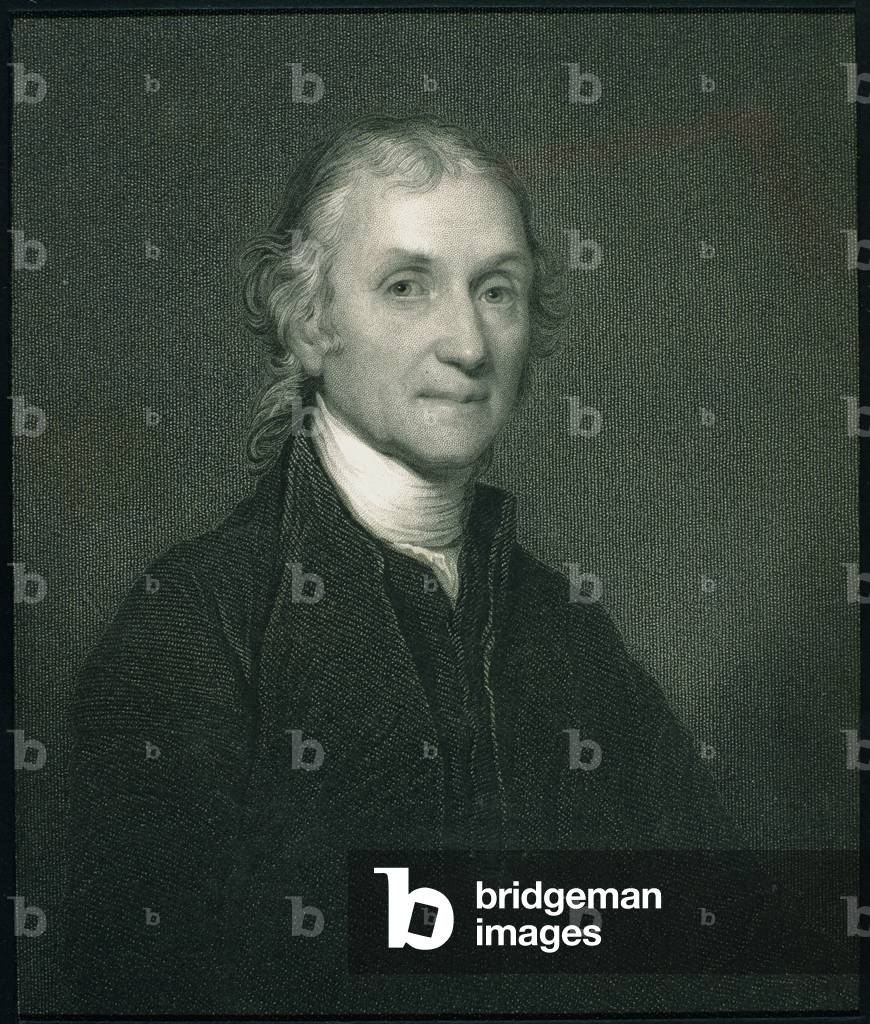
UIS5062293 Joseph Priestley, English-American theologian and chemist, 1794. Engraving by Thomas Holloway, published in 1795, after an original painting by William Artaud. Joseph Priestley (1733-1804) discovered various gaseous elements and compounds, and in an experiment in 1774 obtained a gas which he named 'dephlogisticated air'. This was in fact oxygen, although it was not named thus until the French chemist Lavoisier (1743-1794) repeated Priestley's experiment. Priestley had originally trained as a Church minister, but his radical theological and political views made him a controversial preacher. He strongly supported the French Revolution, and after his house in Birmingham was attacked and burnt by a mob in 1791, he left Britain for America. ©SSPL/Science Museum
DC
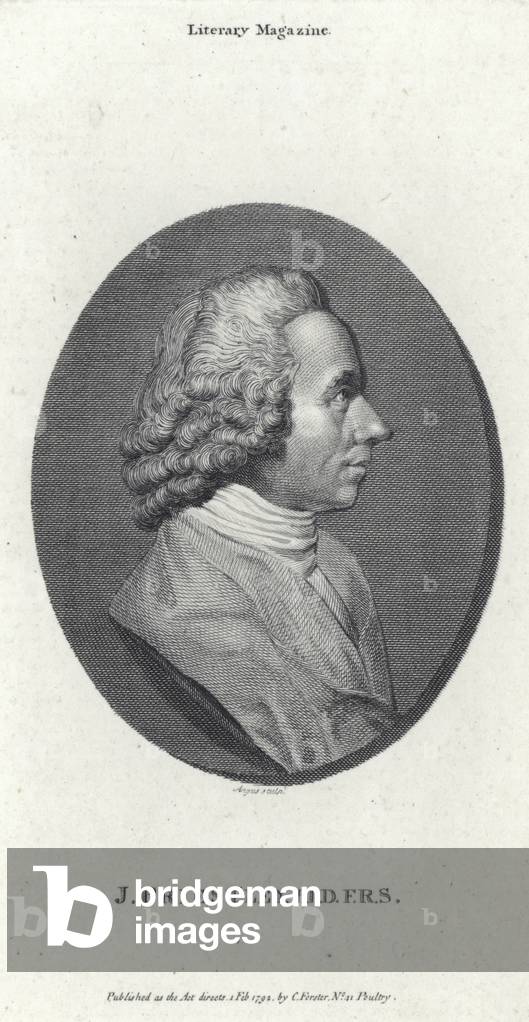
LLE815713 Joseph Priestley (1733-1804). English chemist, philosopher, political theorist, and scholar. Usually credited with the discovery of oxygen and invention of soda water. From the Literary Magazine, 1 February 1792.
DC
UIS5071216 Joseph Priestley, English-American theologian and chemist, 1794. Engraving by Thomas Holloway, published in 1795, after an original painting by William Artaud. Joseph Priestley (1733-1804) discovered various gaseous elements and compounds, and in an experiment in 1774 obtained a gas which he named 'dephlogisticated air'. This was in fact oxygen, although it was not named thus until the French chemist Lavoisier (1743-1794) repeated Priestley's experiment. Priestley had originally trained as a Church minister, but his radical theological and political views made him a controversial preacher. He strongly supported the French Revolution, and after his house in Birmingham was attacked and burnt by a mob in 1791, he left Britain for America. ©SSPL/Science Museum
DC
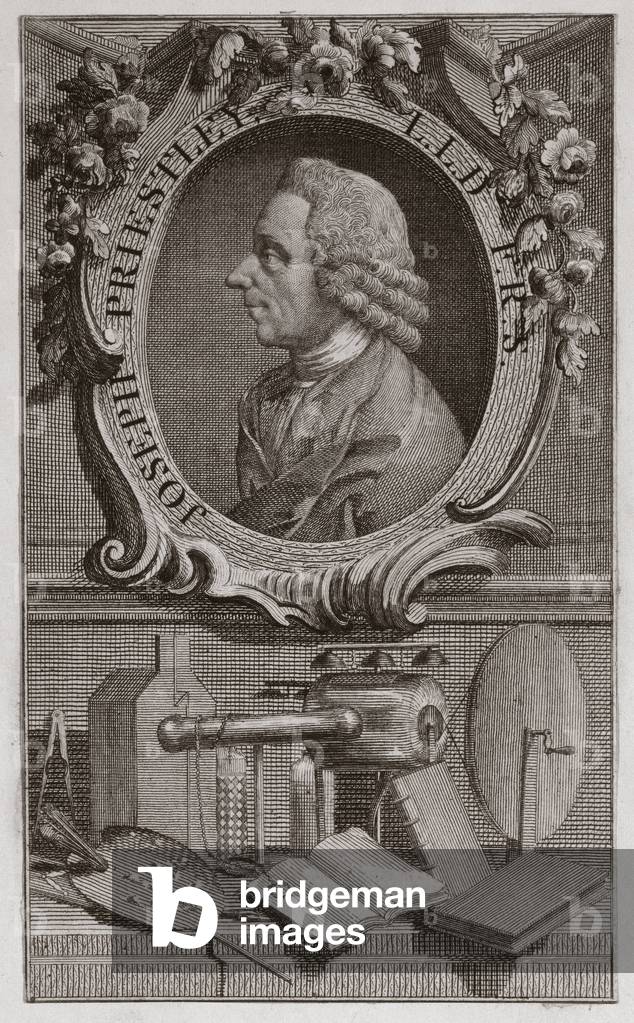
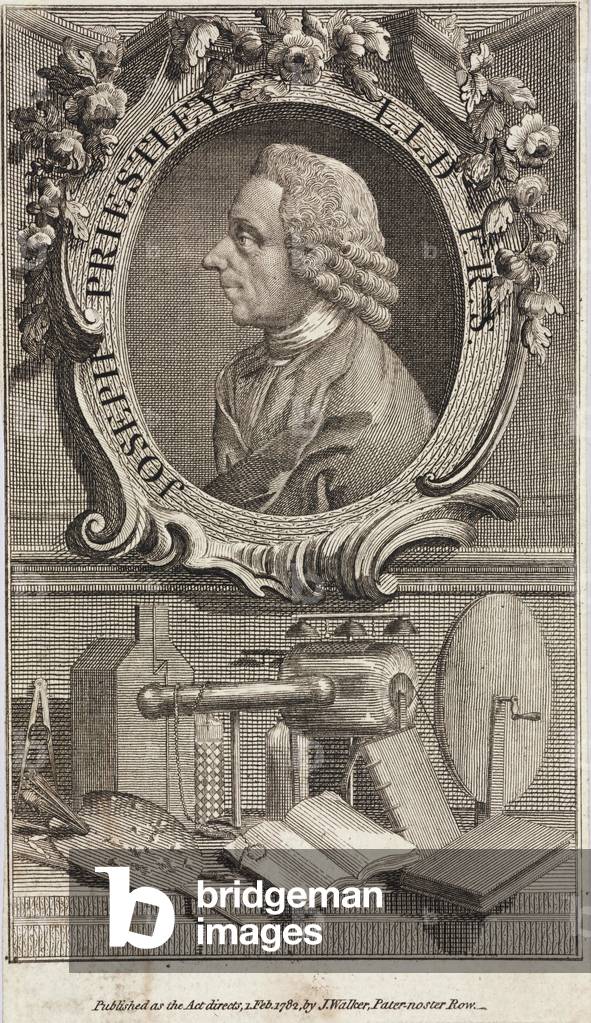
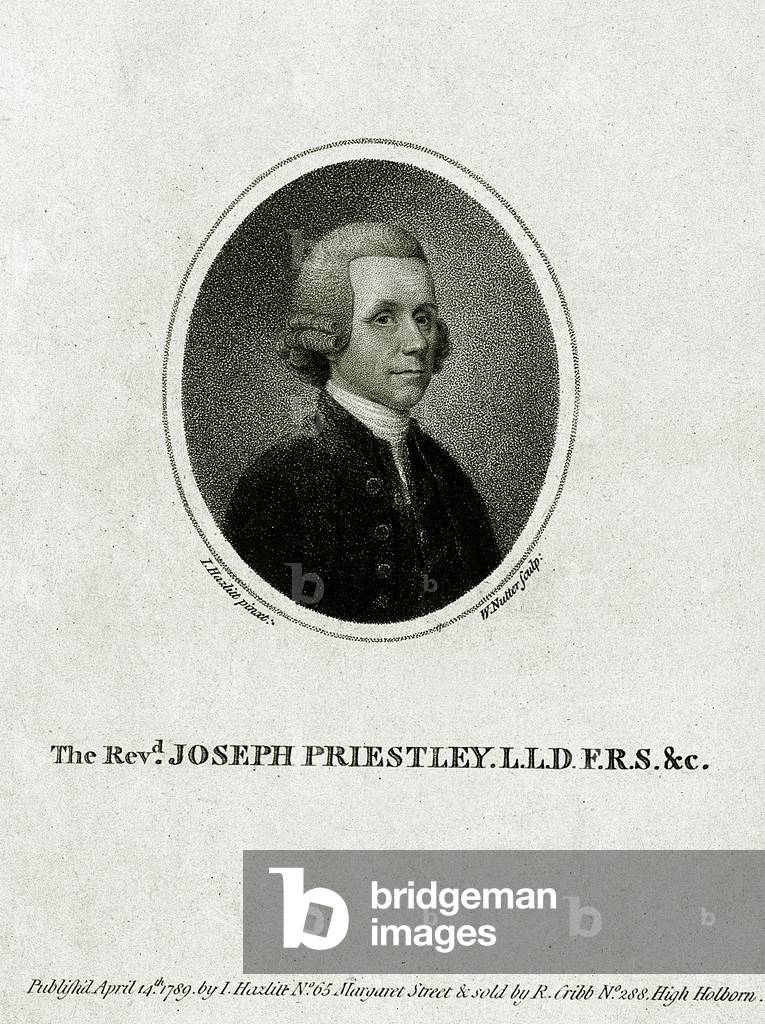
UIS5088620 Joseph Priestley, English-American theologian and chemist, 1782. Engraving. Priestley (1733-1804) discovered various gaseous elements and compounds, and in an experiment in 1774 obtained a gas which he named 'dephlogisticated air'. This was in fact oxygen, although it was not named thus until the French chemist Lavoisier (1743-1794) repeated Priestley's experiment. Priestley had originally trained as a Church minister, but his radical theological and political views made him a controversial preacher. He strongly supported the French Revolution, and after his house in Birmingham was attacked and burnt by a mob in 1791, he left Britain for America in 1794. Published by J Walker, 1 February 1782. Dimensions: 280mm x 195mm. ©SSPL/Science Museum
DC
UIS5071118 Joseph Priestley, English-American theologian and chemist, 1782. Engraving. Priestley (1733-1804) discovered various gaseous elements and compounds, and in an experiment in 1774 obtained a gas which he named 'dephlogisticated air'. This was in fact oxygen, although it was not named thus until the French chemist Lavoisier (1743-1794) repeated Priestley's experiment. Priestley had originally trained as a Church minister, but his radical theological and political views made him a controversial preacher. He strongly supported the French Revolution, and after his house in Birmingham was attacked and burnt by a mob in 1791, he left Britain for America in 1794. Published by J Walker, 1 February 1782. Dimensions: 280mm x 195mm. ©SSPL/Science Museum
DC
XEE5031710 Portrait of Joseph Priestley (1733 - 1804) British chemist and theologian
DC
XEE5031708 Portrait of Joseph Priestley (1733 - 1804) British chemist and theologian
DC
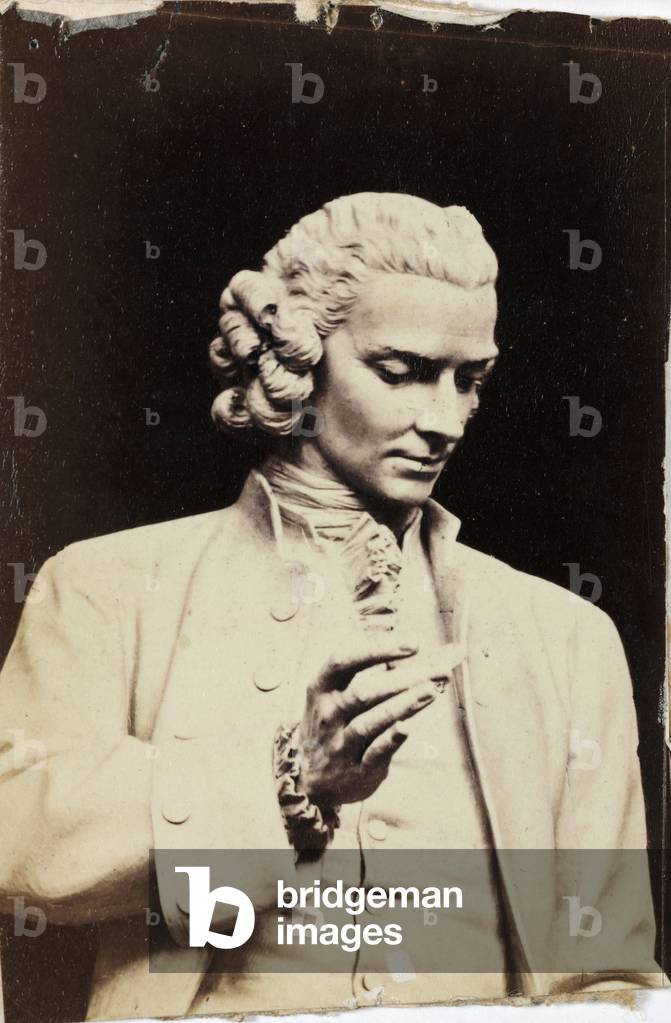
UIS5071609 Joseph Priestley, English American theologian and chemist, c 1775. Photograph of a statue of Priestley in Birmingham made by J F Williamson, 1874. Joseph Priestley (1733-1804) discovered various gaseous elements and compounds, and in an experiment in 1774 obtained a gas which he named 'dephlogisticated air'. This was in fact oxygen, although it was not named thus until the French chemist Lavoisier (1743-1794) repeated Priestley's experiment. Priestley had originally trained as a Church minister, but his radical theological and political views made him a controversial preacher. He strongly supported the French Revolution, and after his house in Birmingham was attacked and burnt by a mob in 1791, he left Britain for America in 1794. ©SSPL/Science Museum
DC
ZIN42670 known for his investigations of carbon dioxide and his co-discovery of oxygen;
DC
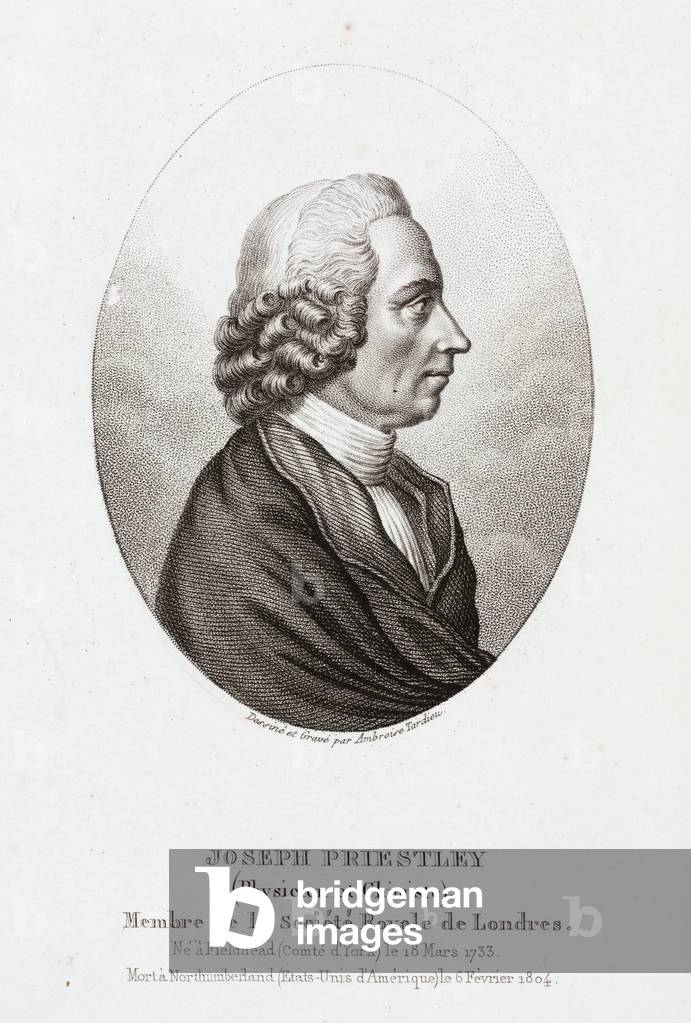
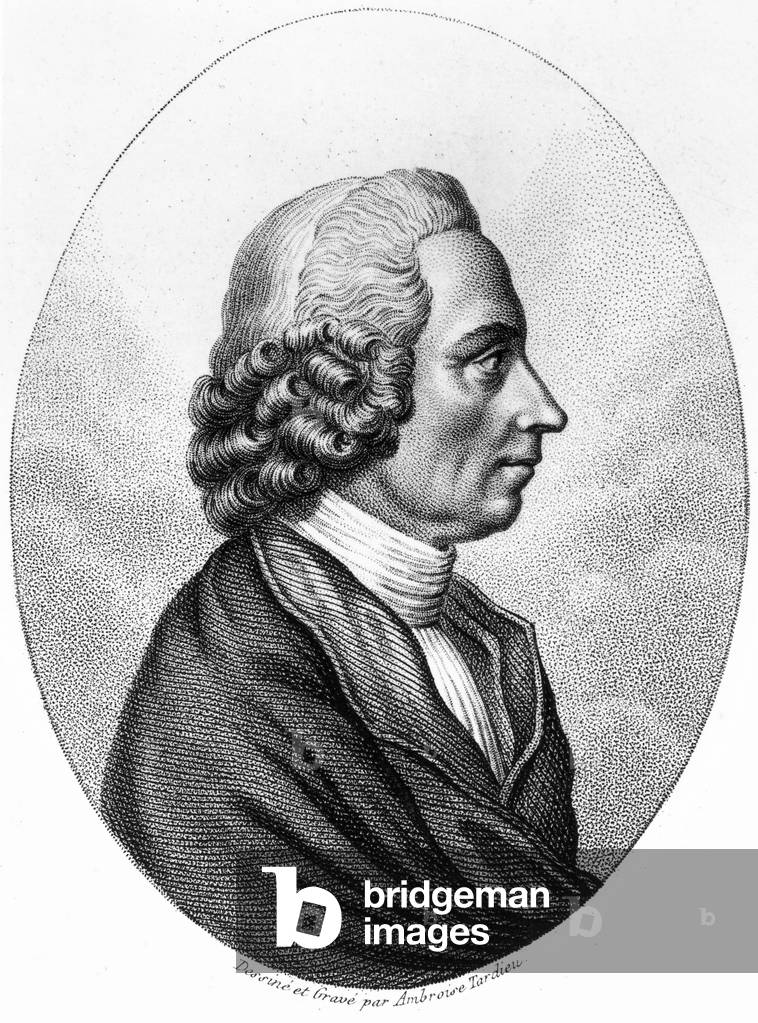
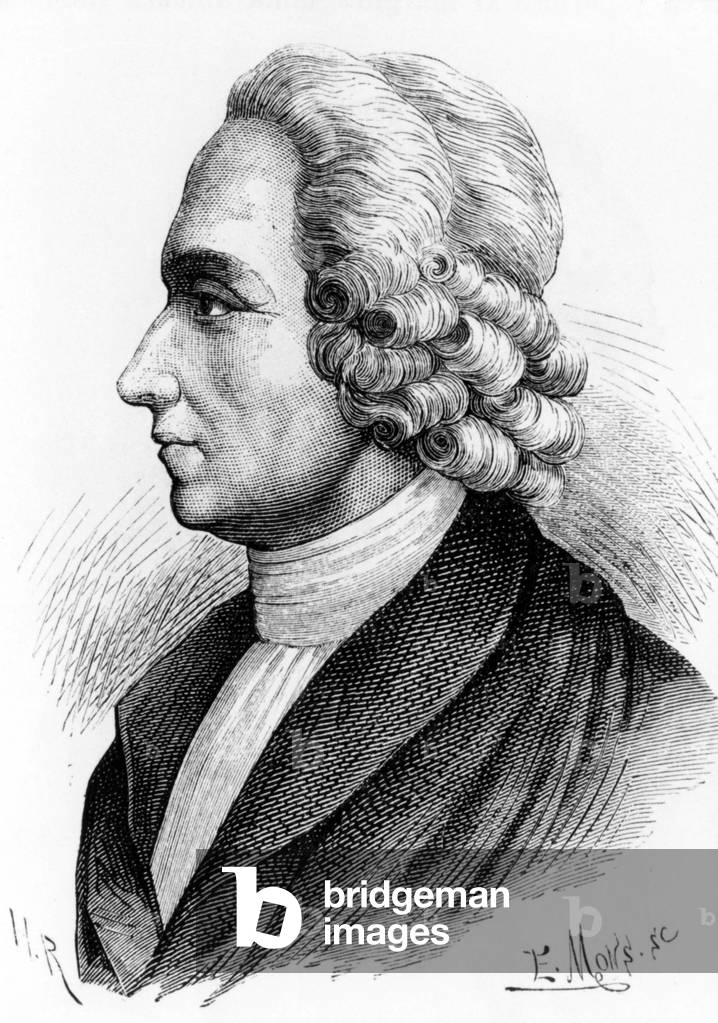
UIS5071151 Joseph Priestley, English-American theologian and chemist, c 1780. Engraving by Ambroise Tardieu after his original drawing. Joseph Priestley (1733-1804) discovered various gaseous elements and compounds, and in an experiment in 1774 obtained a gas which he named 'dephlogisticated air'. This was in fact oxygen, although it was not named thus until the French chemist Lavoisier (1743-1794) repeated Priestley's experiment. Priestley had originally trained as a Church minister, but his radical theological and political views made him a controversial preacher. He strongly supported the French Revolution, and after his house in Birmingham was attacked and burnt by a mob in 1791, he left Britain for America in 1794. ©SSPL/Science Museum
DC
ZIN47085 The History and Present State of Electricity; emigrated to United States of America; founded first Unitarian church in America;
DC
XCF266096 British theologian and scientist;
RF
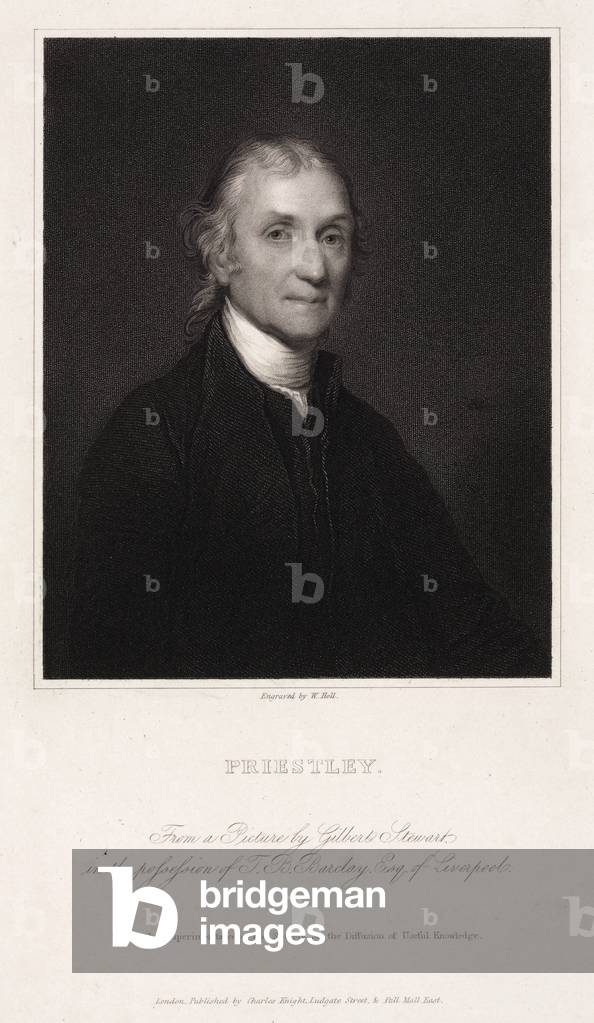
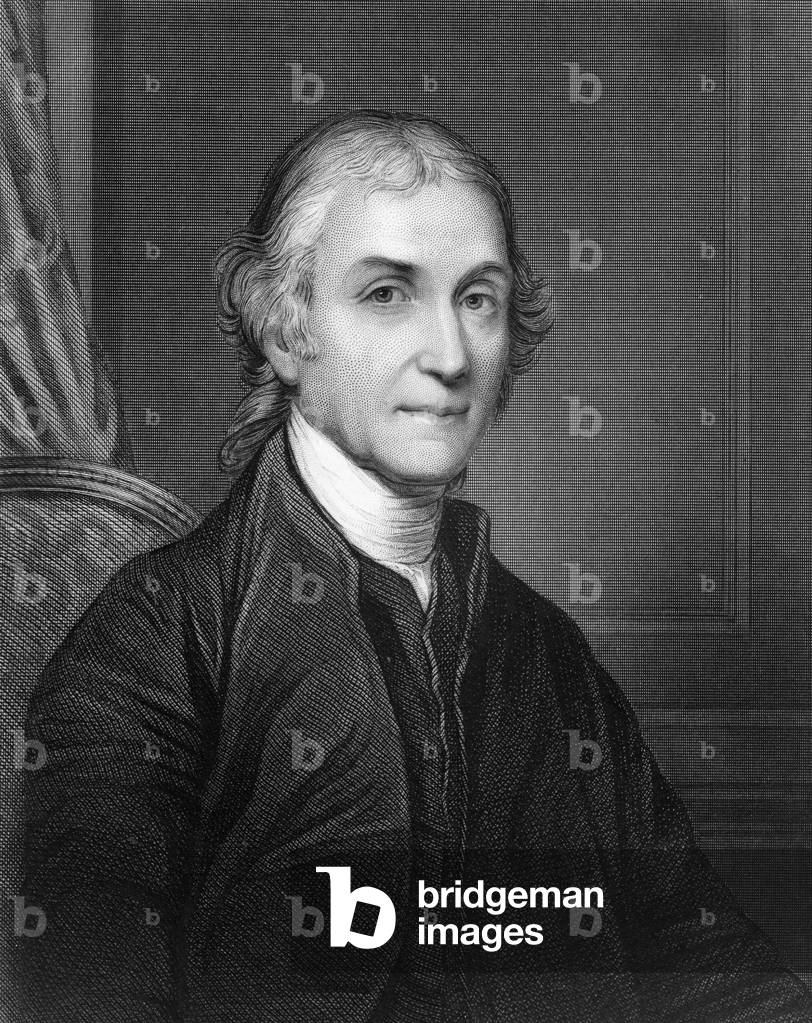
UIS5070652 Joseph Priestley, English-American theologian and chemist, c 1800. Engraving by William Holl from a picture by Gilbert Stewart. Joseph Priestley (1733-1804) discovered various gaseous elements and compounds, and in an experiment in 1774 obtained a gas which he named 'dephlogisticated air'. This was in fact oxygen, although it was not named thus until the French chemist Lavoisier (1743-1794) repeated Priestley's experiment. Priestley had originally trained as a Church minister, but his radical theological and political views made him a controversial preacher. He strongly supported the French Revolution, and after his house in Birmingham was attacked and burnt by a mob in 1791, he left Britain for America in 1794. Published by Charles Knight of Ludgate Streeet and Pall Mall East, London. ©SSPL/Science Museum
DC
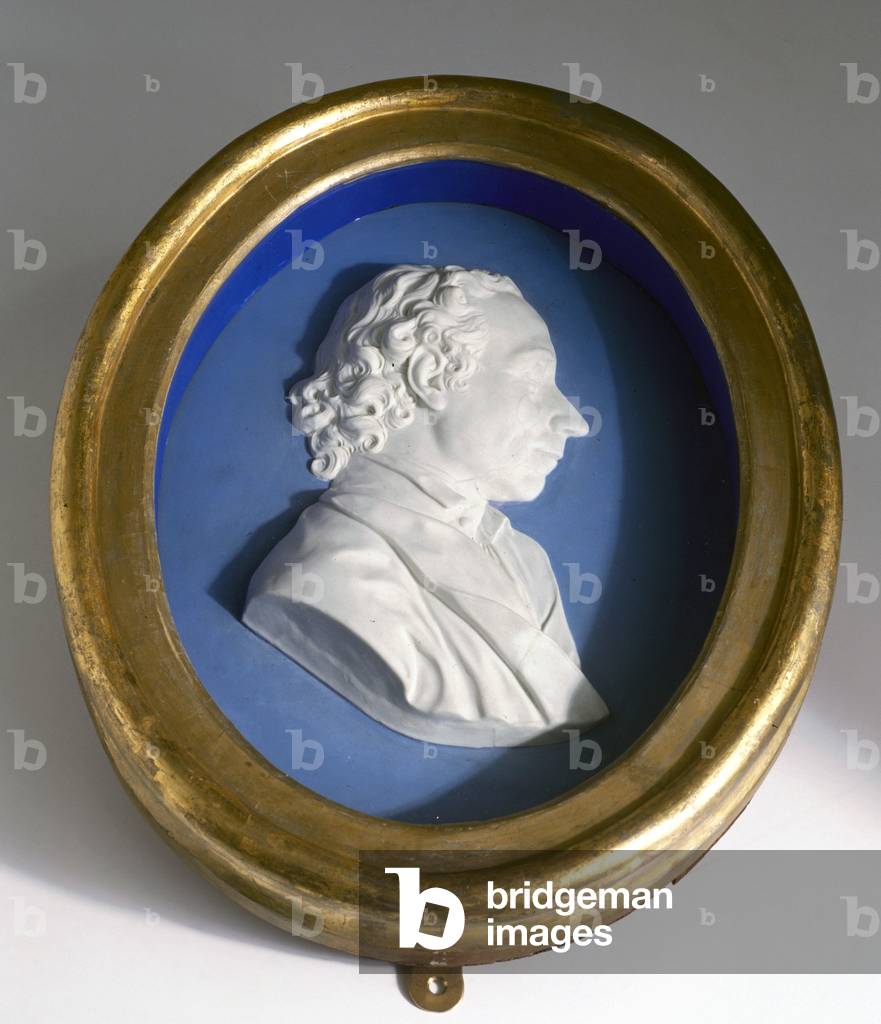
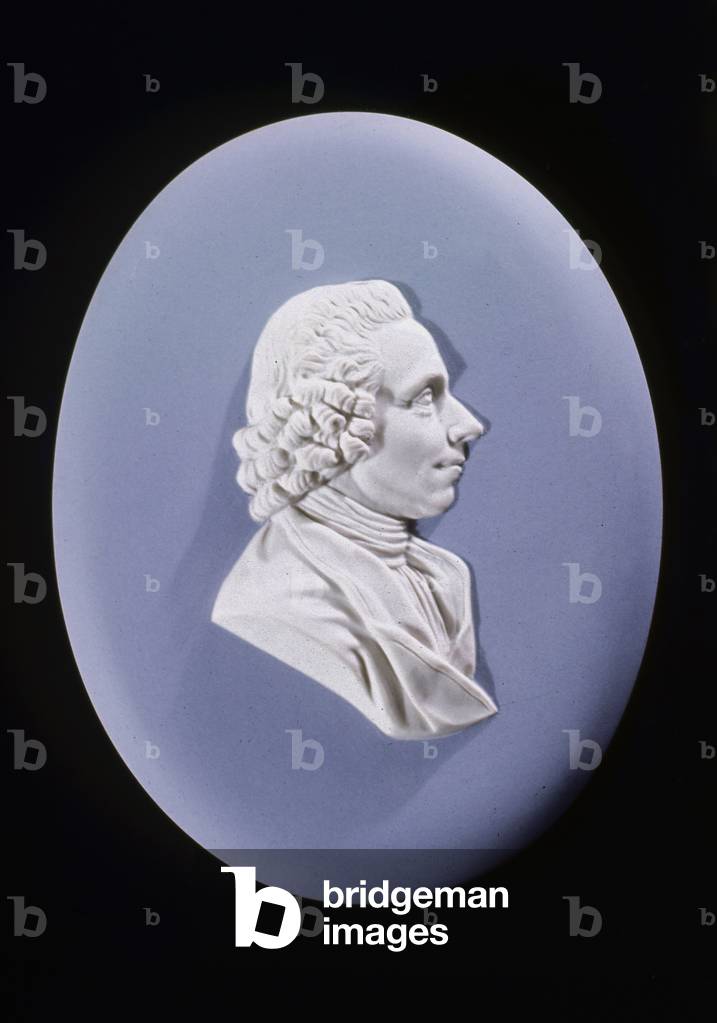
UIS5090839 Joseph Priestley, English-American theologian and chemist, c 1770-1800. Framed oval jasperware plaque made c 1860-1868 at the Wedgwood factory at Stoke-on-Trent, Staffordshire, with a cameo portrait of Priestley by John Flaxman. Priestley (1733-1804) discovered various gaseous elements and compounds, and in an experiment in 1774 obtained a gas which he named 'dephlogisticated air'. This was in fact oxygen, although it was not named thus until the French chemist Lavoisier (1743-1794) repeated Priestley's experiment. Priestley had originally trained as a Church minister, but his radical theological and political views made him a controversial preacher. He strongly supported the French Revolution, and after his house in Birmingham was attacked and burnt by a mob in 1791, he left Britain for America in 1794. ©SSPL/Science Museum
DC
UIG3733576 Portrait of Joseph Priestley (1733-1804) an English theologian, English Dissenters clergyman, natural philosopher, chemist, innovative grammarian, multi-subject educator, and liberal political theorist. Dated 19th century.
DC
KWE200751
DC
GIA4718872 Portrait of Joseph Priestley (1733 - 1804) British chemist and theologian
DC
UIS5076530 Joseph Priestley, English-American theologian and chemist, late 18th century. Joseph Priestley (1733-1804) discovered various gaseous elements and compounds, and in an experiment in 1774 obtained a gas which he named 'dephlogisticated air'. This was in fact oxygen, although it was not named thus until the French chemist Lavoisier (1743-1794) repeated Priestley's experiment. Priestley had originally trained as a Church minister, but his radical theological and political views made him a controversial preacher. He strongly supported the French Revolution, and after his house in Birmingham was attacked and burnt by a mob in 1791, he left Britain for America. ©SSPL/Science Museum
DC
UIS5076532 Joseph Priestley, English-American theologian and chemist, c 1770-1779. Engraving by Ambroise Tardieu. Joseph Priestley (1733-1804) discovered various gaseous elements and compounds, and in an experiment in 1774 obtained a gas which he named 'dephlogisticated air'. This was in fact oxygen, although it was not named thus until the French chemist Lavoisier (1743-1794) repeated Priestley's experiment. Priestley had originally trained as a Church minister, but his radical theological and political views made him a controversial preacher. He strongly supported the French Revolution, and after his house in Birmingham was attacked and burnt by a mob in 1791, he left Britain for America. ©SSPL/Science Museum
DC
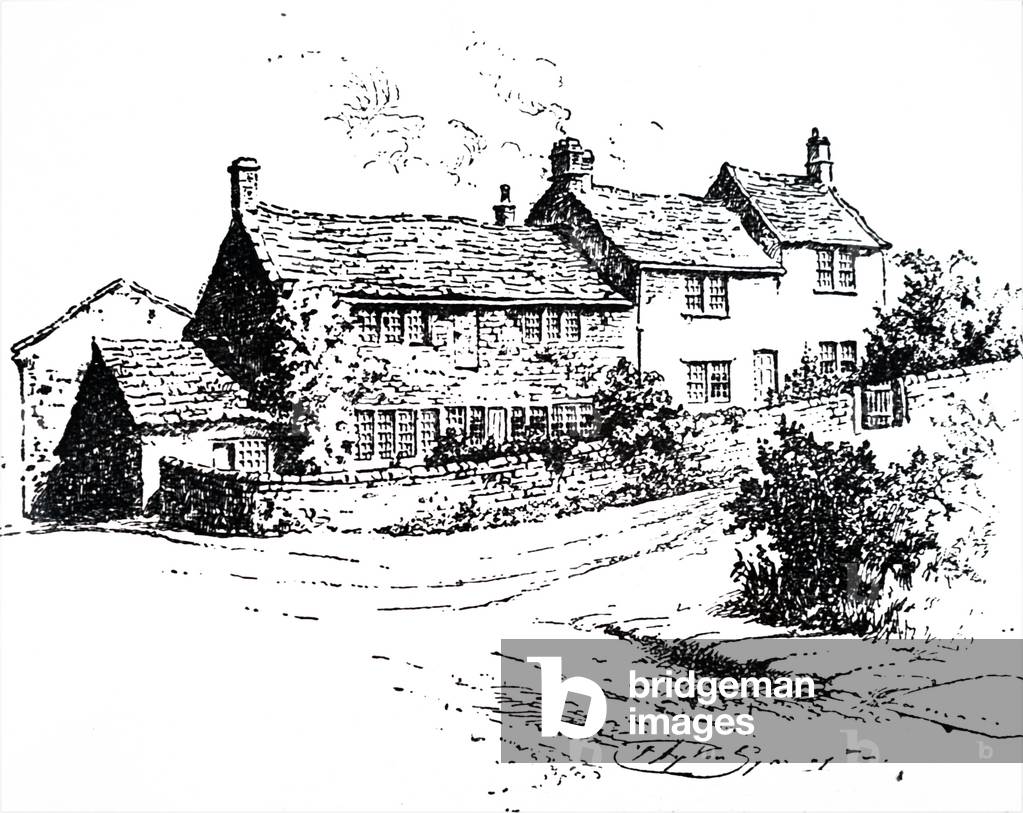
UIG3733575 Engraving depicting the birthplace of Joseph Priestley (1733-1804) an English theologian, English Dissenters clergyman, natural philosopher, chemist, innovative grammarian, multi-subject educator, and liberal political theorist.
DC
UIG539792
DC
GIA4694854 Portrait of Joseph Priestley (1733 - 1804), British chemist and theologian. Engraving of the 19th century.
DC
DGC1275377 Joseph Priestley FRS (1733 – 1804) was an 18th-century English theologian, Dissenting clergyman, natural philosopher, chemist, educator, and Liberal political theorist who published over 150 works. He is usually credited with the discovery of oxygen, having isolated it in its gaseous state, although Carl Wilhelm Scheele and Antoine Lavoisier also have a claim to the discovery;
DC
DGC1275376 Joseph Priestley FRS (1733 – 1804) was an 18th-century English theologian, Dissenting clergyman, natural philosopher, chemist, educator, and Liberal political theorist who published over 150 works. He is usually credited with the discovery of oxygen, having isolated it in its gaseous state, although Carl Wilhelm Scheele and Antoine Lavoisier also have a claim to the discovery;
DC
UIG539787
DC
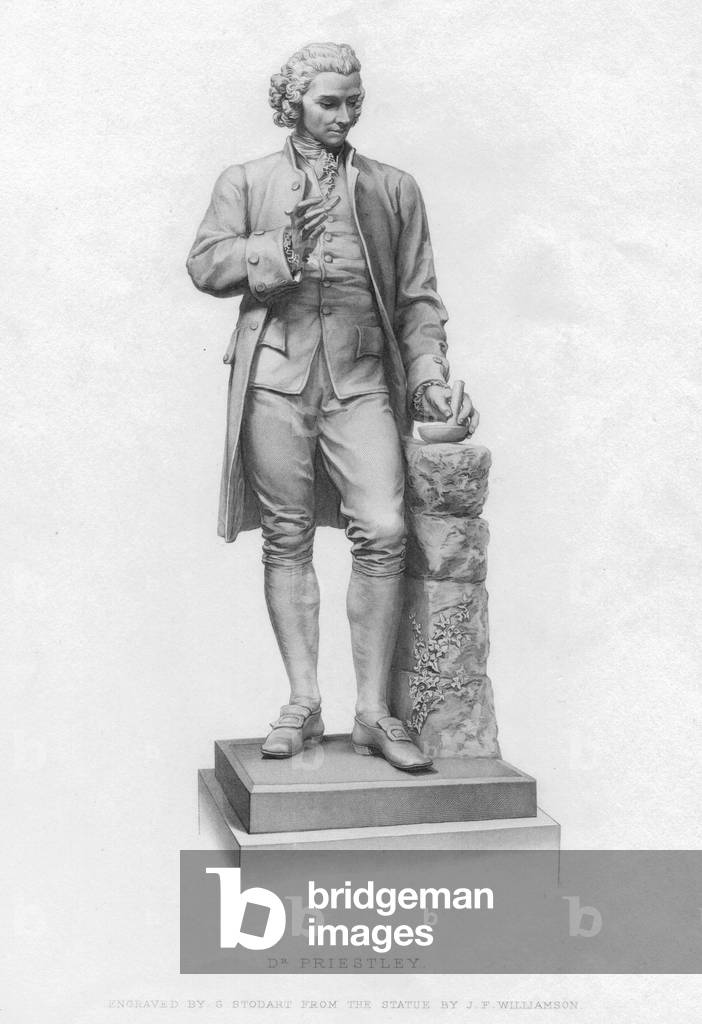
UIG539746 Joseph Priestley (1733-1804) English Chemist and Non-Conformist minister - Engraving after statue by JF Williamson
DC
UIG539789
DC
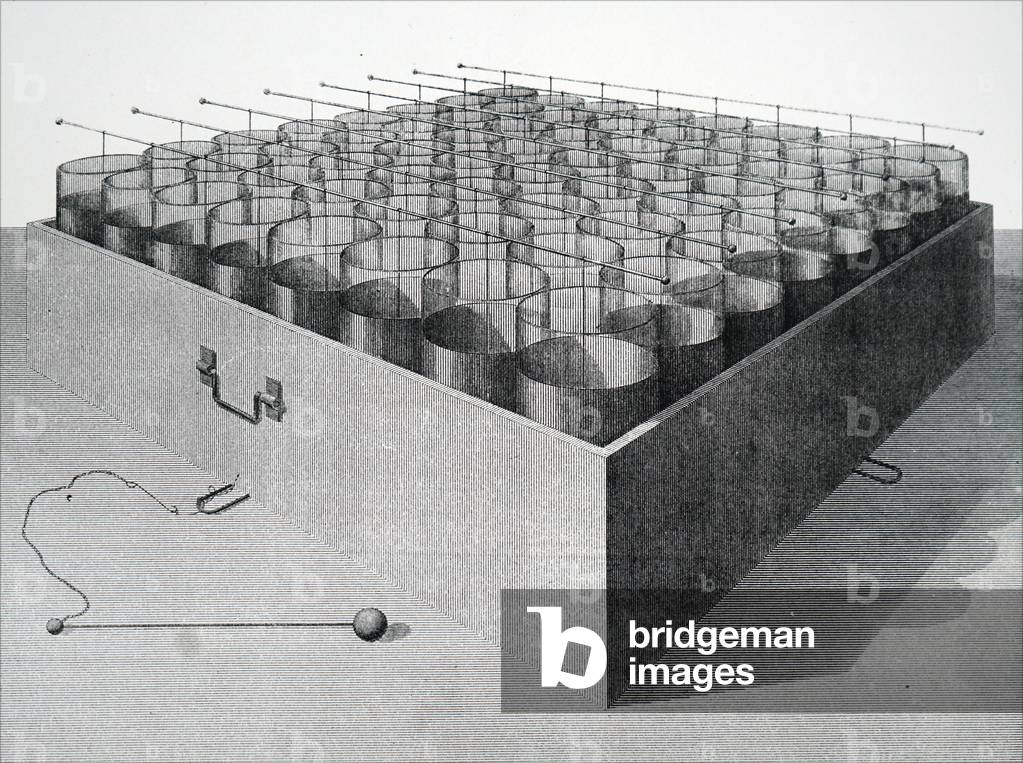
UIG3733574 Print depicting Joseph Priestley's battery of Leyden jars. Joseph Priestley (1733-1804) an English theologian, English Dissenters clergyman, natural philosopher, chemist, innovative grammarian, multi-subject educator, and liberal political theorist. Dated 19th century.
DC
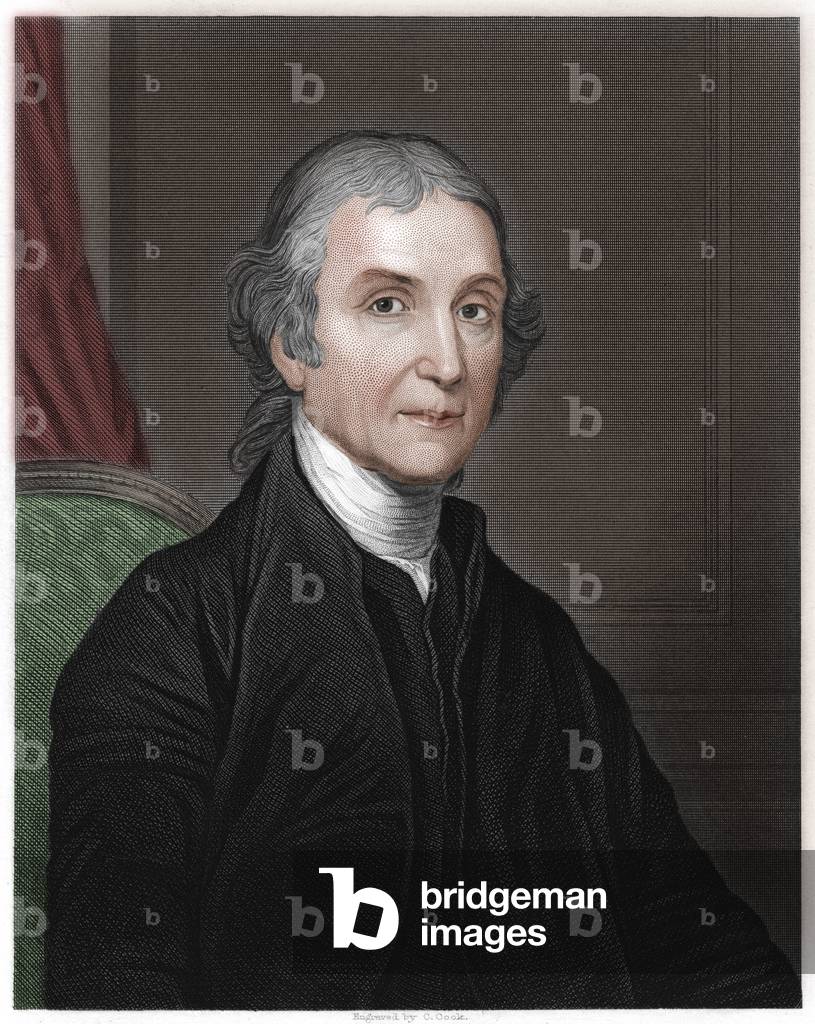
HIM5295315 Joseph Priestley, English chemist and Presbyterian minister, 1860. Priestley (1733-1804) was a pioneer in the study of gases and is recognised as one of the discovers of oxygen. He also experimented with electricity. Priestley was a member of the Lunar Society, a dining club of scientists and businessmen from the Birmingham region, which included Matthew Boulton, James Watt, John Wilkinson, Erasmus Darwin, and Josiah Wedgwood. In 1794 he emigrated to America and published books on Unitarianism. From Chemistry by James Sheridan Muspratt. (London 1860). (Colorised black and white print).
DC
UIG865091 Electrostatic machine used in his experiments by Joseph Priestley (1733-1804) English chemist, nonconformist clergyman and teacher. One of the discoverers of oxygen. Engraving from "Cyclopaedia" by Abraham Rees (London, 1820).
DC
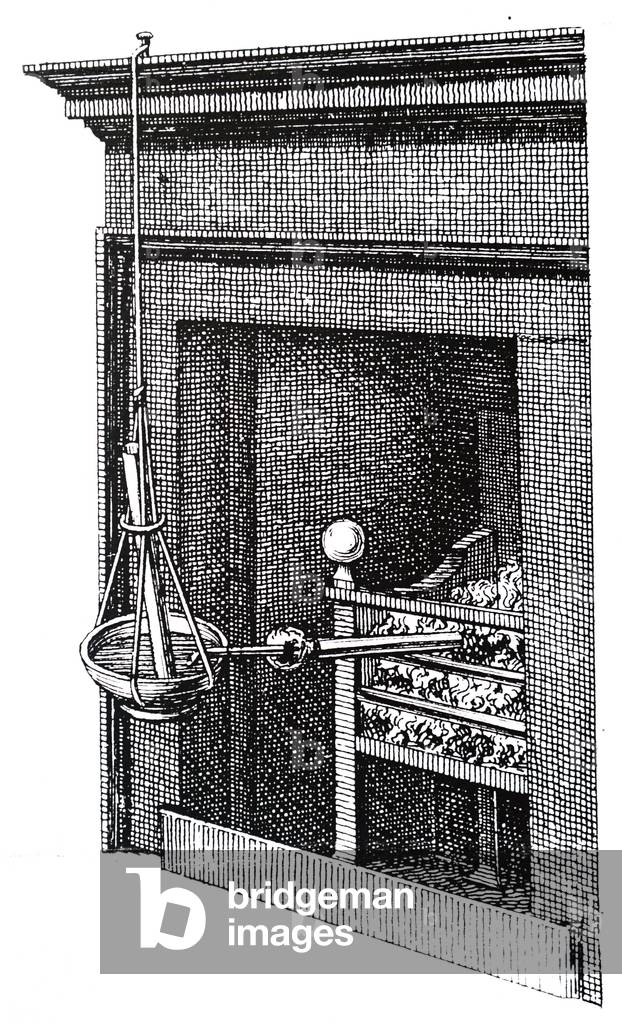
UIG5308238 Engraving depicting Joseph Priestley's gun barrel apparatus which he used when he wished to examine gases from various substances subjected to heat. Priestley placed the substance under investigation in the closed end of barrel which he filled with burned sand. Pipe or glass tube was luted to pen end of the barrel. End of the barrel is placed in the fire and tube placed in a bath of mercury suspended from the mantle shelf, and gas is collected. Joseph Priestley (1733-1804) an English Separatist theologian, natural philosopher, chemist, innovative grammarian, multi-subject educator, and liberal political theorist. Dated 18th century.
DC
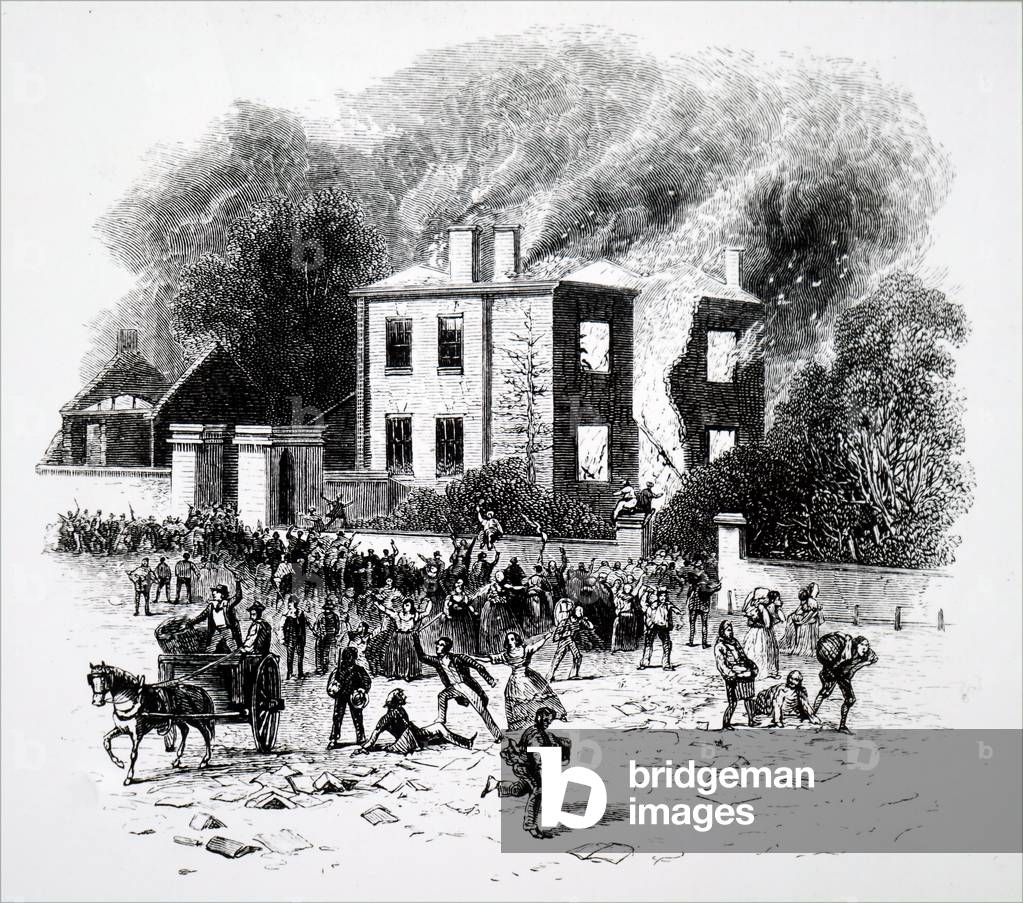
UIG3733577 Engraving depicting a the burning of Joseph Priestley's home during the 1791 Birmingham Riots. Joseph Priestley (1733-1804) an English theologian, English Dissenters clergyman, natural philosopher, chemist, innovative grammarian, multi-subject educator, and liberal political theorist. Dated 19th century.
DC
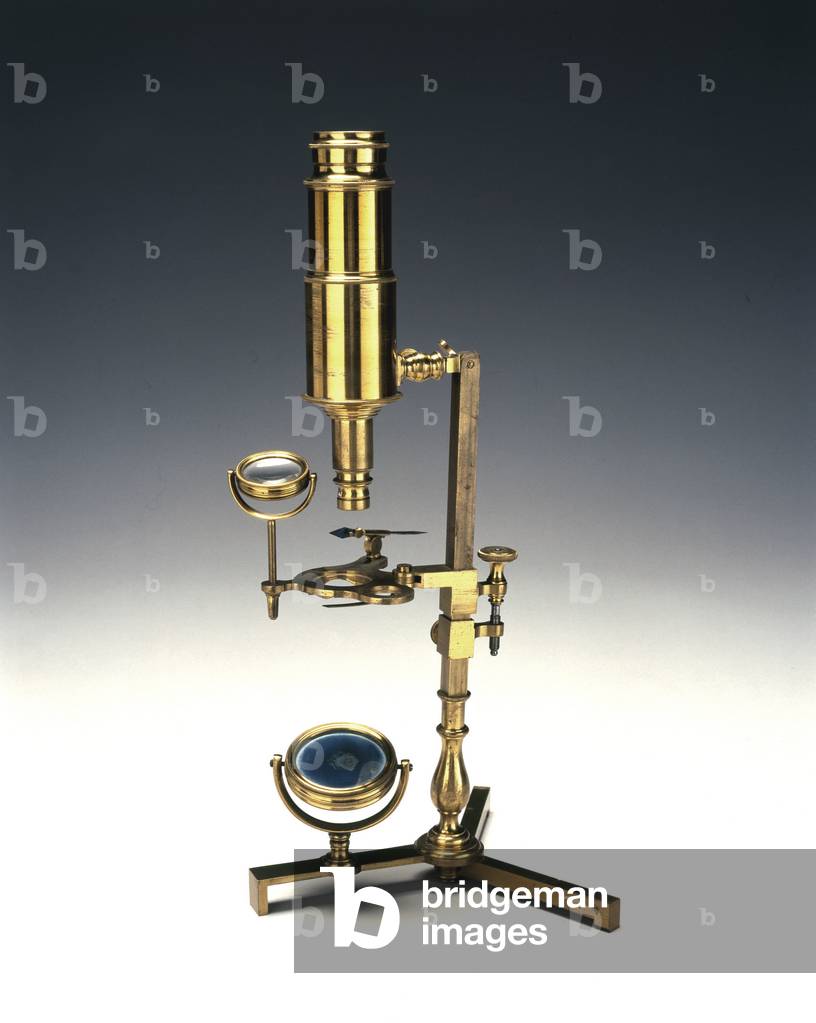
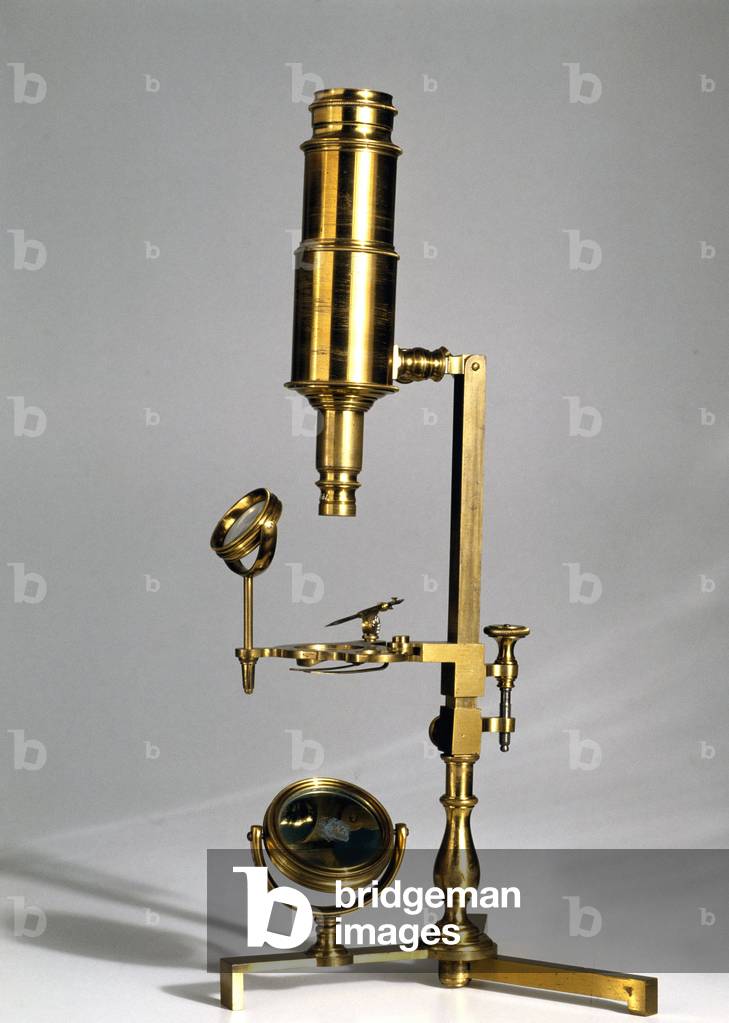
UIS5083298 Microscopes, 18th Century Joseph Priestley's microscope, 1767. This compound microscope belonged to the 18th century English chemist, Joseph Priestley (1733-1804). It is made up of two short-focus convex lenses, the objective and the eyepiece, which are mounted at opposite ends of a tube. It was built in 1767 by Benjamin Martin, a London based amateur scientist. Priestley discovered various gaseous elements and compounds and, in an experiment in 1774, obtained a gas which he named 'dephlogisticated air'. This was in fact oxygen, although it was not named thus until the French chemist Lavoisier (1743-1794) repeated PriestleyÕs experiment. ©SSPL/Science Museum
DC
UIS5084329 Microscopes, 18th Century Joseph Priestley's microscope, 1767. This compound microscope belonged to the 18th century English chemist, Joseph Priestley (1733-1804). It is made up of two short-focus convex lenses, the objective and the eyepiece, which are mounted at opposite ends of a tube. It was built in 1767 by Benjamin Martin, a London based amateur scientist. Priestley discovered various gaseous elements and compounds and, in an experiment in 1774, obtained a gas which he named 'dephlogisticated air'. This was in fact oxygen, although it was not named thus until the French chemist Lavoisier (1743-1794) repeated PriestleyÕs experiment. ©SSPL/Science Museum
DC
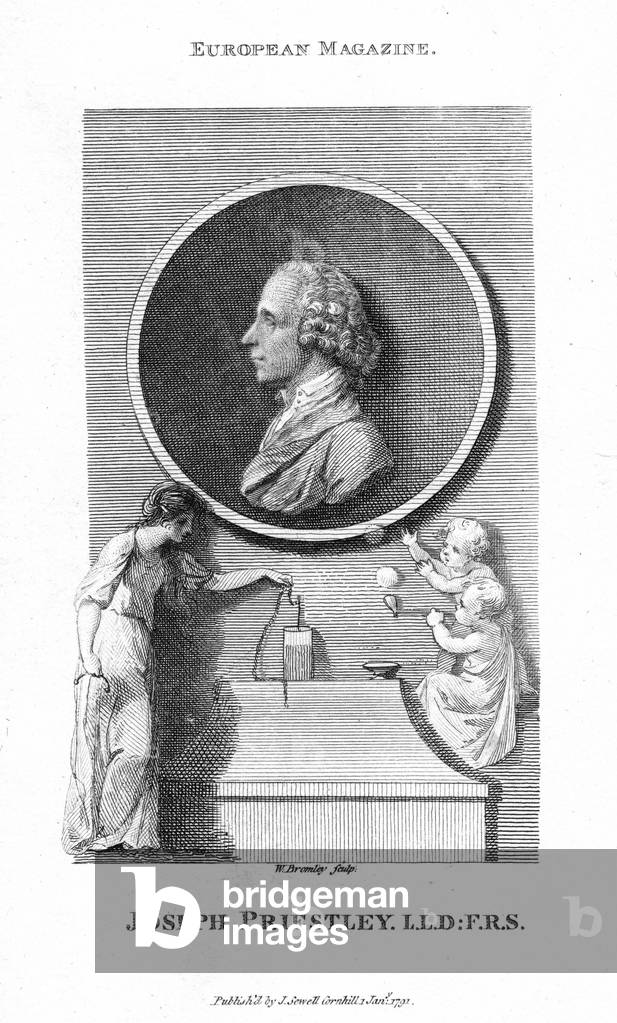
UIG539749 Jospeh Priestley (1733-1804) English Chemist and Non-Conformist minister. One of discoverers of oxygen - Copperplate engraving from The European Magazine, London, 1791, showing putti blowing bubbles with clay pipe and woman/muse with a wet battery cell.
DC
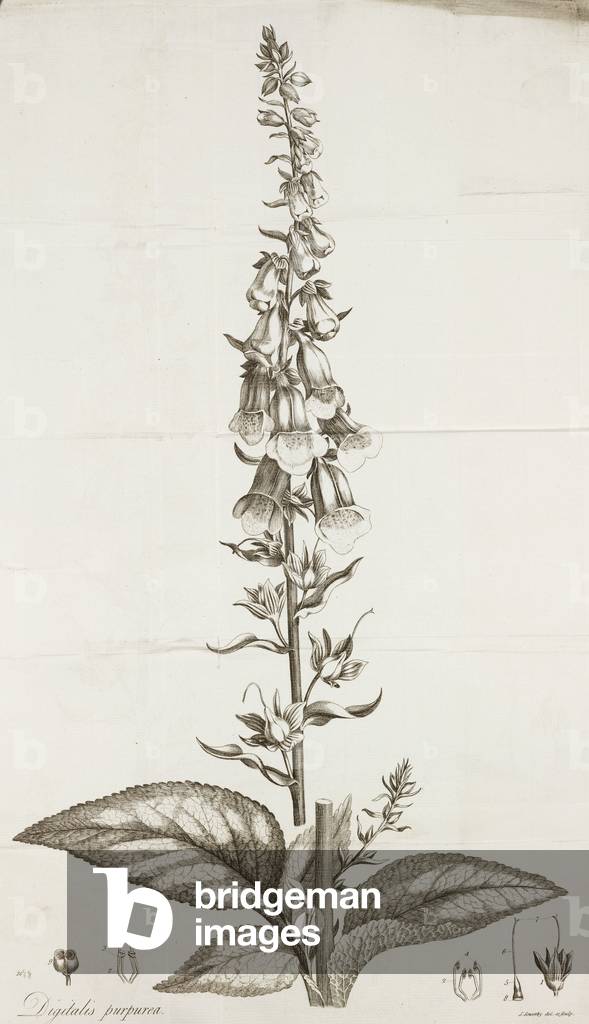
UIS5100604 Foxglove, 1785. Engraved frontispiece from 'An account of the foxglove: and some of its medical uses' by William Withering (1741-1799), published in 1785. Withering practised medicine at the County Infirmary, Stafford and later became chief physician in the General Hospital, Birmingham. In 1776 he published 'Botanical Arrangement of all the Vegetables Naturally Growing in Great Britain' after which he became aquainted with the English-American theologian and chemist, Joseph Priestley (1733-1804) and began to study chemistry and mineralogy along with botany. Withering was the first to establish the connection between dropsy and heart diseases and introduced digitalis (a plant extract from the foxglove) as a drug for cardiac disease. ©SSPL/Science Museum
DC

Total de Resultados: 38

Página 1 de 1