


















































Busque também em nossas outras coleções:

Tipo de arquivo:

Tipo do arquivo:

Orientação:

Total de Resultados: 50

Página 1 de 1

LLM459550 Johannes Kepler. Illustration for La Ciencia Y Sus Hombres by Luis Figuier (D Jaime Seix, 1876). Large chromolithograph.
DC
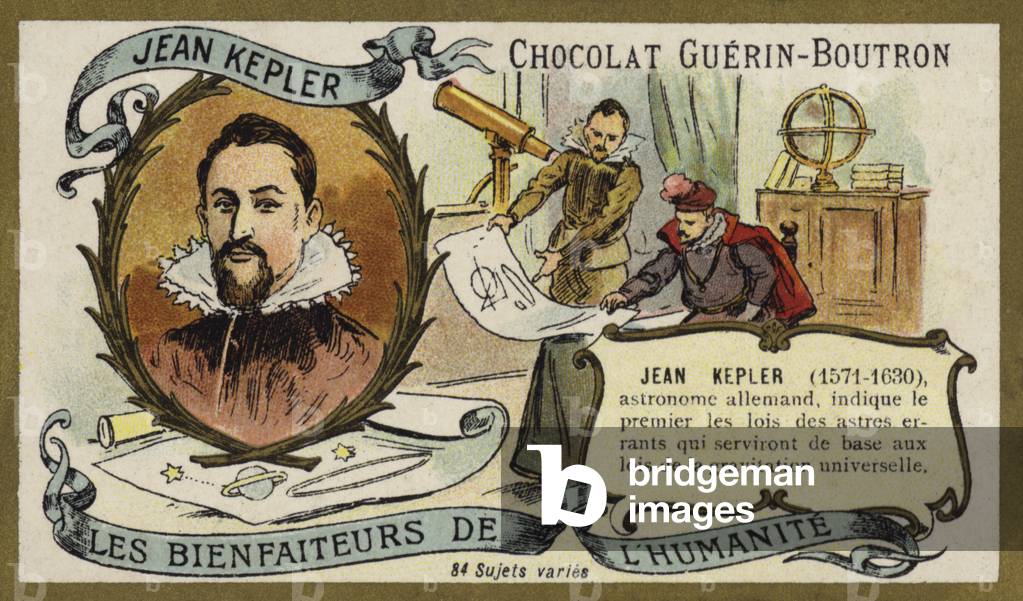
LLM1091425 Johannes Kepler (1571-1630), German astronomer. French educational card, late 19th/early 20th century. From a series on benefactors of humanity.
DC
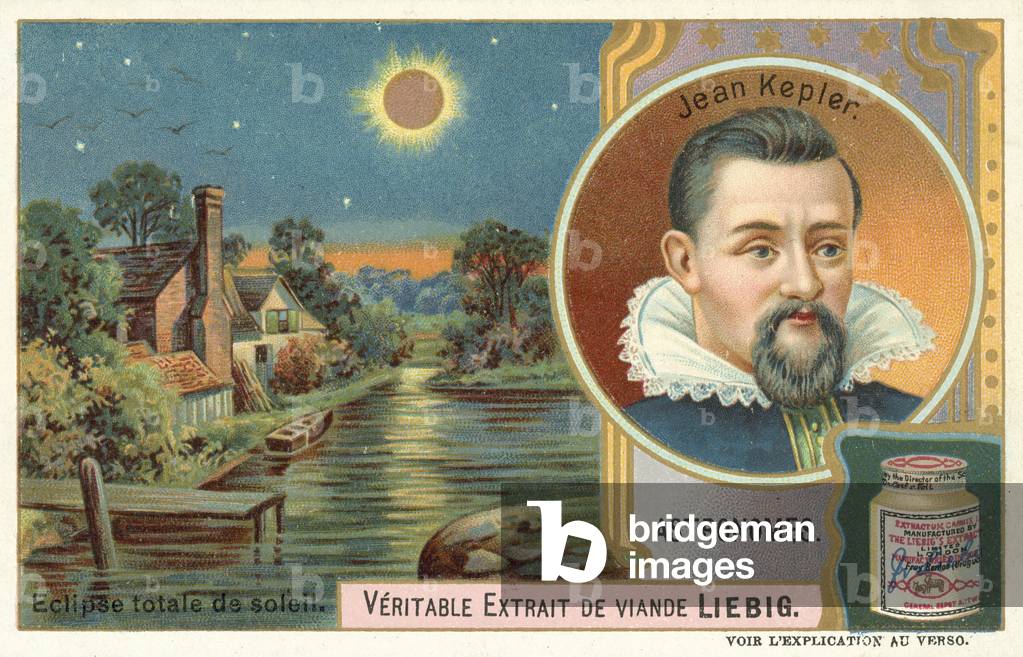
LLM968486 Johannes Kepler (1571-1630), German mathematician and astronomer. Liebig card, from a series on famous astronomers, published in late 19th or early 20th century.
DC
XJF884422 A key figure in the 17th century scientific revolution, he is best known for his laws of planetary motion; founder of modern optics
RF
LRI4638677 Johannes Kepler (Keppler), German astronomer (1571-1630) Fresco by Felice Giani (1758-1823) 1794 (German astronomer Johannes Kepler (Keppler) frescoe by Felice Giani (1758-1823) Palazzo Laderchi, Faenza italy
DC
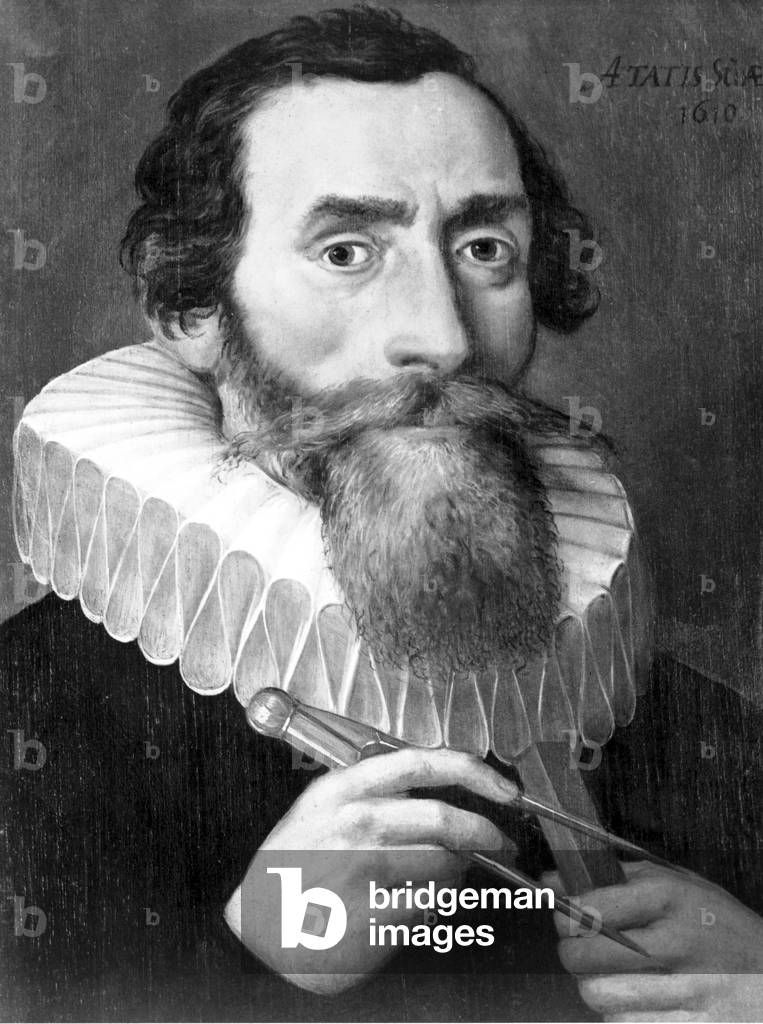
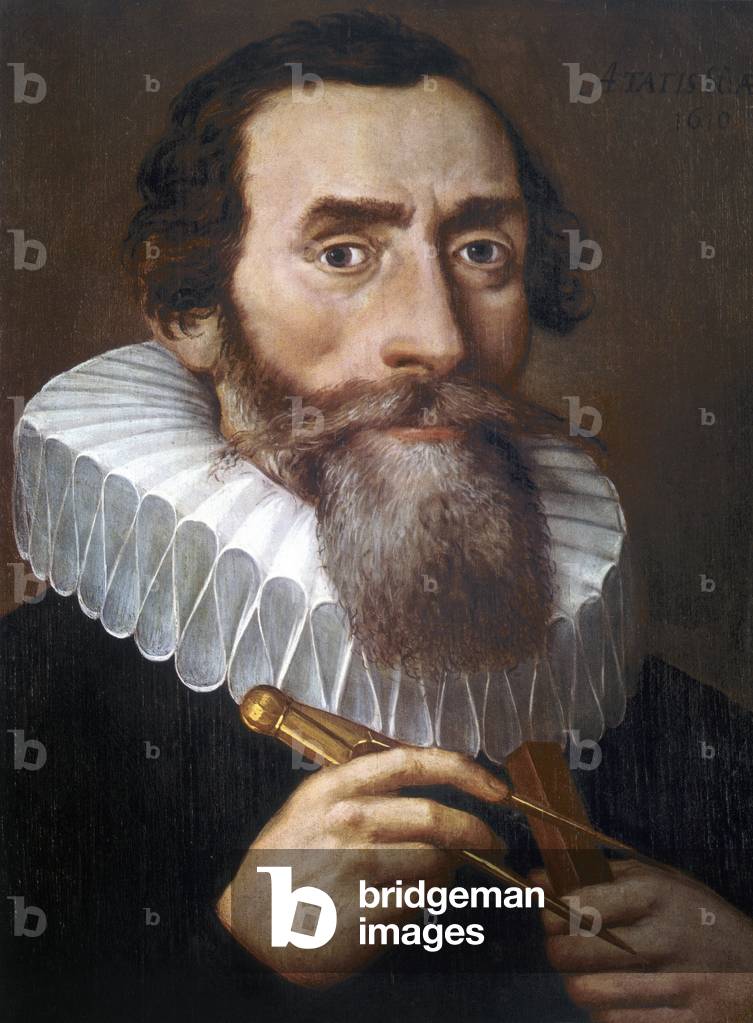
UIS5063355 Johannes Kepler, German astronomer and physicist, 1610.Oil painting on canvas of Johannes Kepler (Keppler) (1571-1630). ©SSPL
DC
UIS5075536 Johannes Kepler, German astronomer and physicist, 1610. Johannes Kepler (1571-1630) became a follower of Copernicus whilst studying theology. He later worked with Tycho Brahe in Prague where he worked out the orbit of Mars. This led him to discover the laws of planetary motion. Kepler was also influential in the evolution of infinitesimal calculus. ©SSPL/Science Museum
DC
XJF884421 A key figure in the 17th century scientific revolution, he is best known for his laws of planetary motion; founder of modern optics
DC
XEE4414585 Portrait of Johannes Kepler (Keppler), Astronomer (1571 - 1630)
RF
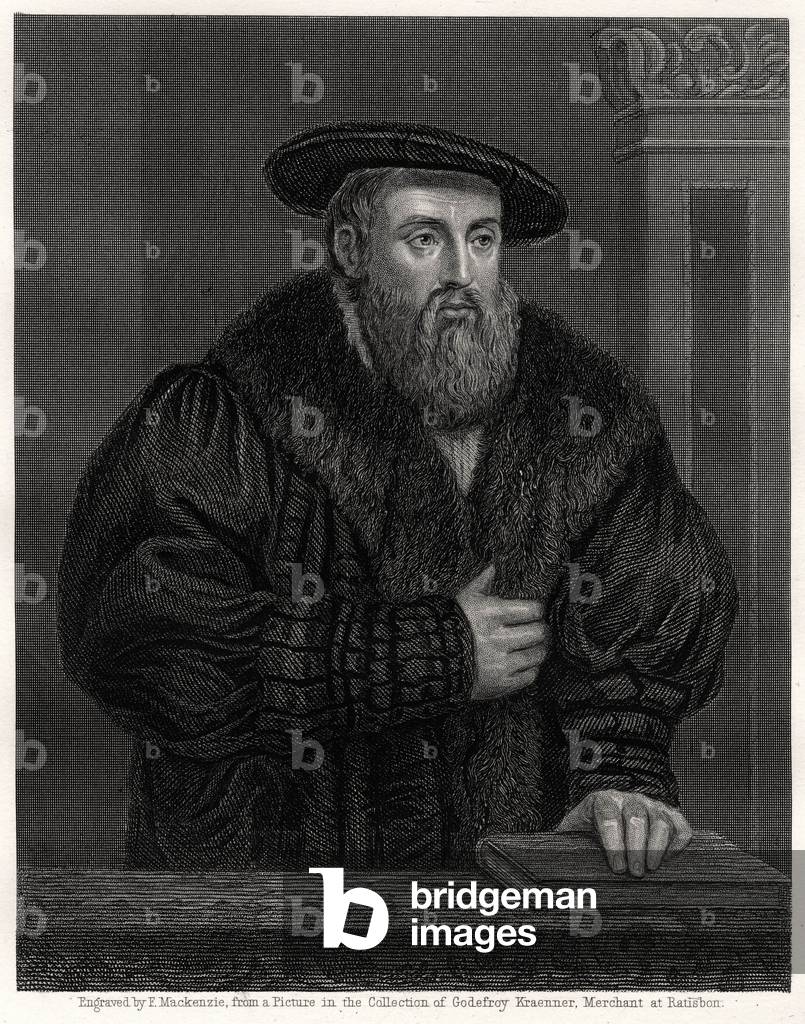
TAD1756655 Johannes Kepler (1571-1630) German astronomer, engraving
DC
UIS5075535 Johannes Kepler, German astronomer and physicist, c 1600. Johannes Kepler (1571-1630) became a follower of Copernicus whilst studying theology. He later worked with Tycho Brahe in Prague where he worked out the orbit of Mars. This led him to discover the laws of planetary motion. Kepler was also influential in the evolution of infinitesimal calculus. ©SSPL/Science Museum
DC
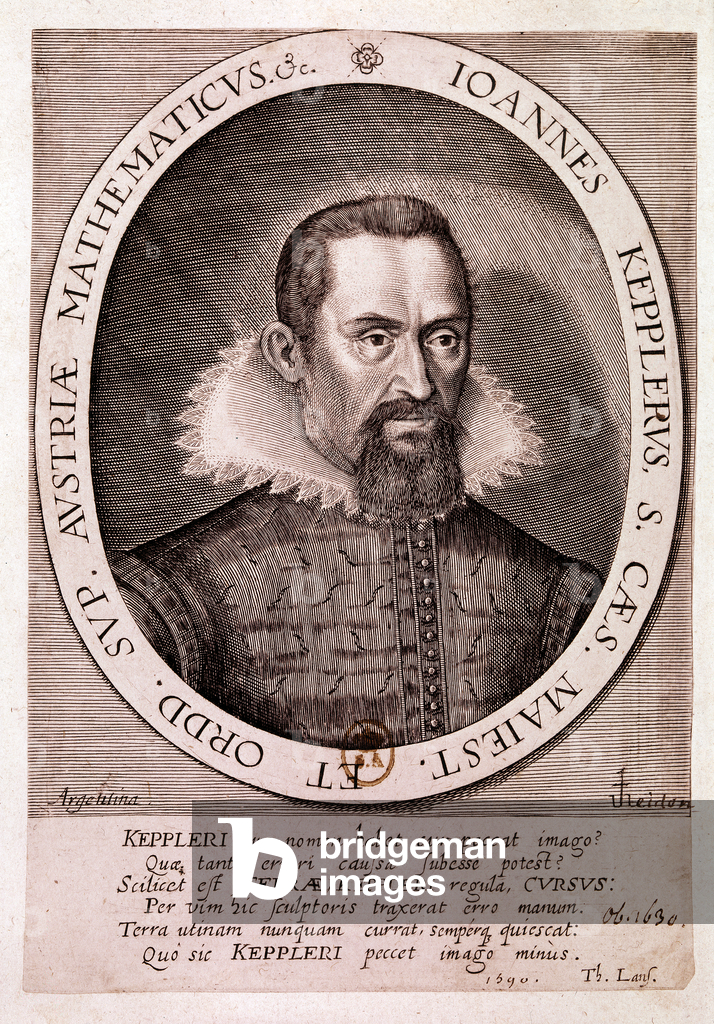
UIS5075527 Johannes Kepler, German astronomer and physicist, c 1600. Engraving. Johannes Kepler (1571-1630) became a follower of Copernicus whilst studying theology. He later worked with Tycho Brahe in Prague where he worked out the orbit of Mars. This led him to discover the laws of planetary motion. Kepler was also influential in the evolution of infinitesimal calculus. ©SSPL/Science Museum
DC
UIS5075529 Johannes Kepler, German astronomer and physicist, c 1600. Johannes Kepler (1571-1630) became a follower of Copernicus whilst studying theology. He later worked with Tycho Brahe in Prague where he worked out the orbit of Mars. This led him to discover the laws of planetary motion. Kepler was also influential in the evolution of infinitesimal calculus. ©SSPL/Science Museum
DC
GIA4720138 Johannes Kepler (Keppler) 1571-1630 - engraving - 19th century
DC
XLF3787677 Johannes Kepler - pictured with illustration of total solar eclipse. Portrait illustration on Liebig collectible card (French series title: 'Astronomes'/'Astronomers'). 1906. JK: German mathematician, astronomer and astrologer, 27 December 1571 - 15 November 1630.Astronomers I S846 (F845)
DC
XIR198492
RF
PIX4665591 Plaque de rue Kepler in Paris - Street Plaque in Paris - Rue du 16eme arrondissement de Paris, in tribute to Johannes Kepler (1571 - 1630), German astronomer. Thanks to the precise observations of the Danish Tycho Brahe, he empirically discovers the laws governing the movements of the planets. Kepler Street, street sign. English astronomer Johannes Kepler is famous for his laws of planetary motion
DC
LLM2782928 Johannes Kepler and a total eclipse of the Sun. Liebig card, published in late 19th or early 20th century. From a series on famous astronomers.
DC
XAM72163 by Johann or Hans von Aachen
RF
PIX4650277 Johannes Kepler - Contemporary illustration. Kepler Johannes (Weil 1571 - Regensburg 1630) German Astronomer. Johannes Kepler (Dec 27 1571 - Nov 15 1630) was a german mathematician, astronomer and a key figure in the 17th century astronomical revolution. Modern illustration
DC
LRI9037050 KEPLER Johannes, German astronomer (1571-1630), portrait.
DC
UIG5311578 Date: 1878
DC
UIG542339
DC
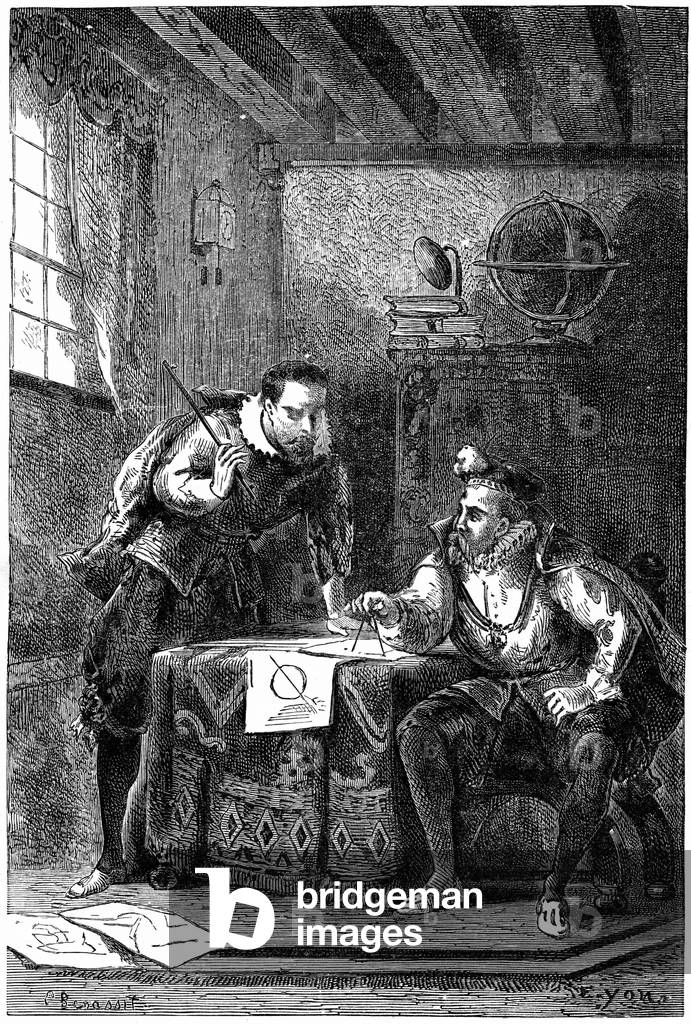
XEE5027421 Danish astronomer Tycho Brahe (1546 - 1601) explains how the globe works to Johannes Kepler (Keppler) (1571-1630) - Illustration by Walton
DC
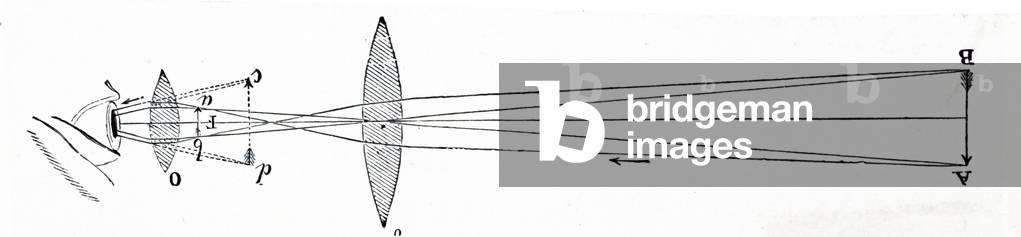
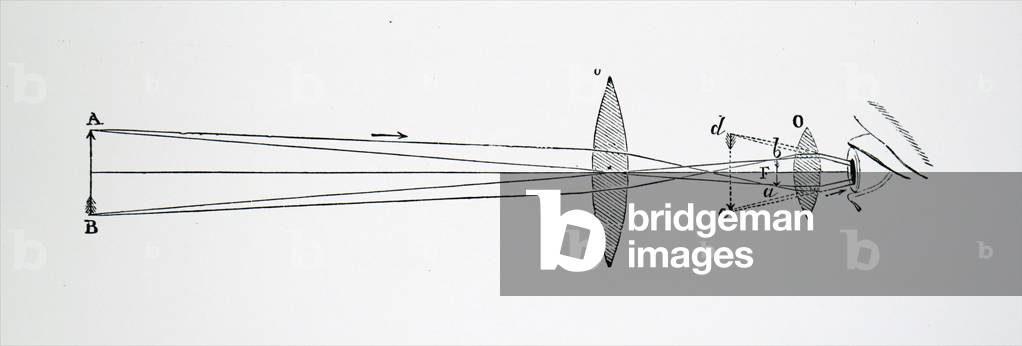
PFH4072273 Johannes Kepler (December 27, 1571 - November 15, 1630) was a German mathematician, astronomer, and astrologer. A key figure in the 17th century scientific revolution, he is best known for his laws of planetary motion, based on his works Astronomia nova, Harmonices Mundi, and Epitome of Copernican Astronomy. These works also provided one of the foundations for Isaac Newton's theory of universal gravitation. During his career, Kepler was a mathematics teacher at a seminary school in Graz, Austria, where he became an associate of Prince Hans Ulrich von Eggenberg. Later he became an assistant to astronomer Tycho Brahe, and eventually the imperial mathematician to Emperor Rudolf II and his two successors Matthias and Ferdinand II. He was also a mathematics teacher in Linz, Austria, and an adviser to General Wallenstein. Additionally, he did fundamental work in the field of optics, invented an improved version of the refracting telescope (the Keplerian Telescope), and mentioned the telescopic discoveries of his contemporary Galileo Galilei.
DC
UIG5426161
DC
KWE189059
DC
XLF3780098 Johannes Kepler, in the court of Rudolph II in Prague. JK: German mathematician and astronomer, known for his laws on planetary motion and for his development of the telescope, b December 27, 1571 - November 15, 1630. (Liebig series Famous Astronomers / Astronomes célèbres, No. 4, published 1921).
DC
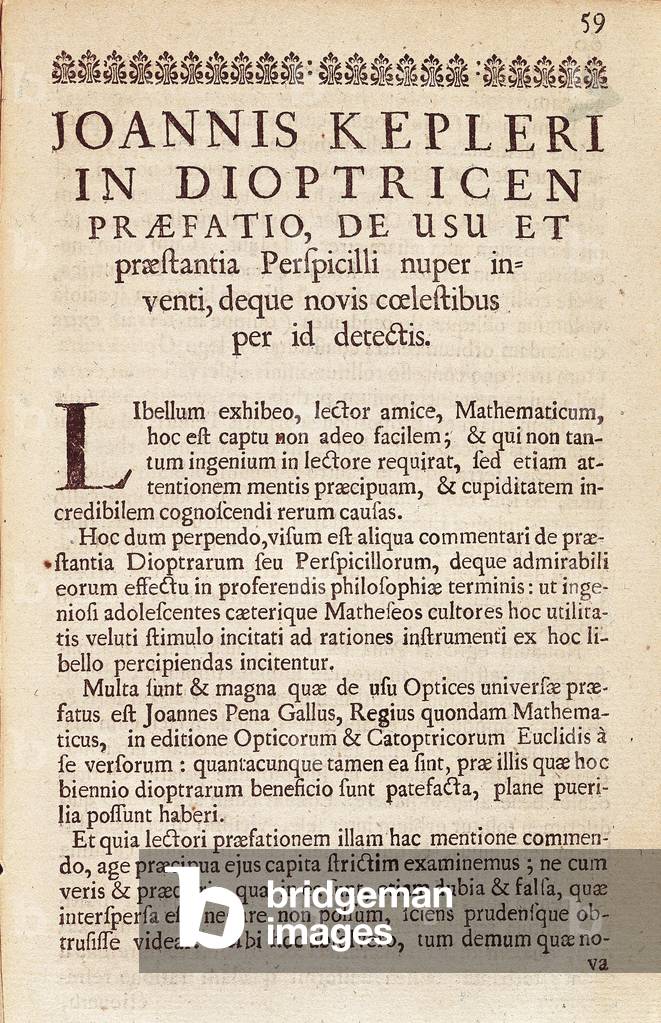
IBE5354024 First page of "Dioptricen Praefatio" by German mathematician and astronomer Johannes Kepler (or Keppler) (1571-1630) 17th century
DC
HIM5256686
DC
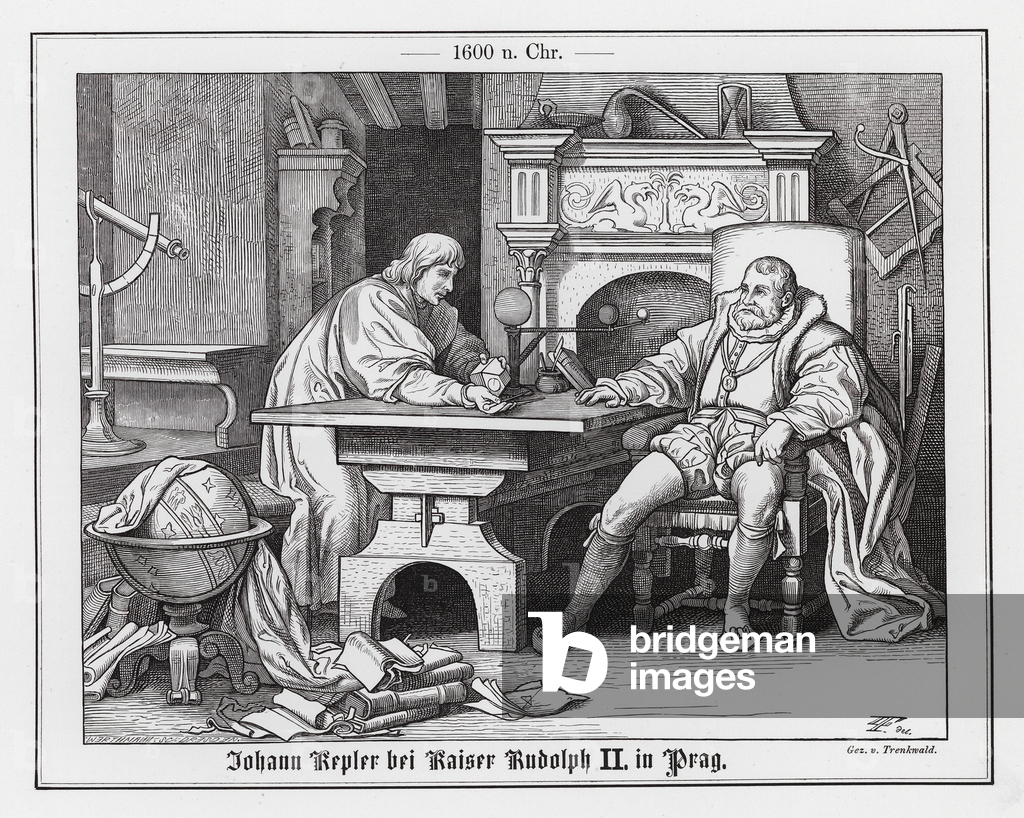
LLM11723933 German astronomer Johannes Kepler with the Holy Roman Emperor Rudolf II in Prague, 1600. Illustration from Deutsche Geschichte in Bildern, Volume 2 (C C Meinhold und Sohne, Dresden, 1862).By Josef Mathias von Trenkwald (1824-1897) (after)
DC
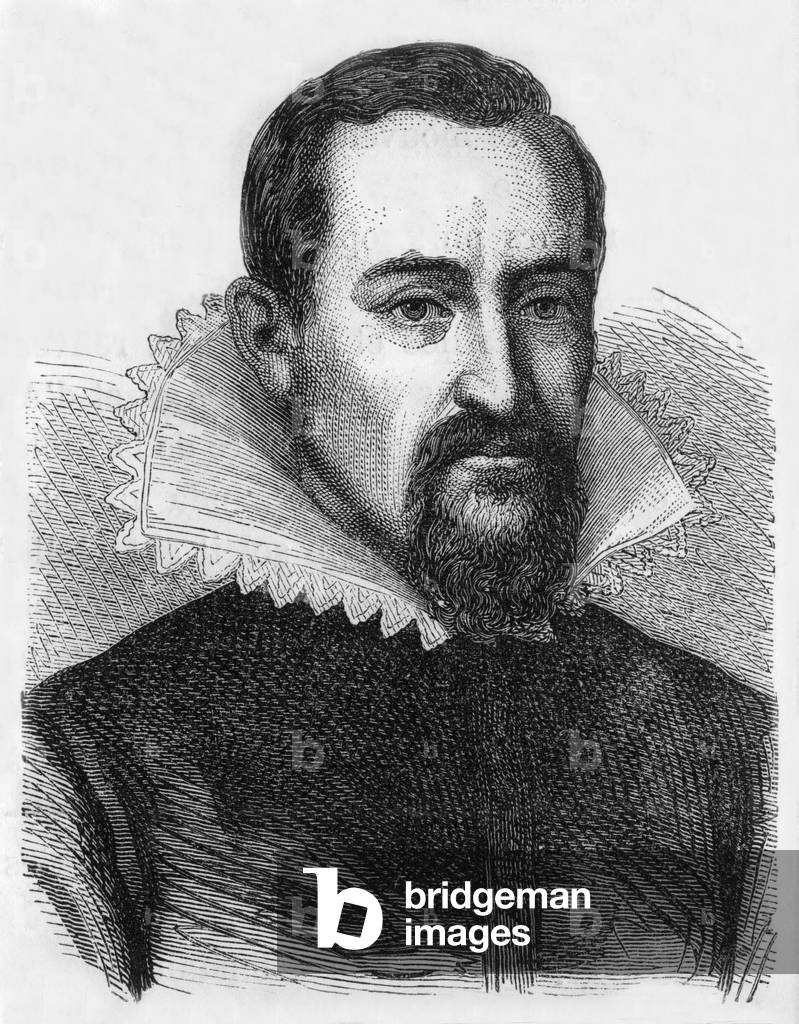
GEG1782673 Johannes Kepler (1571-1630) German astronomer (law of planetary motion) engraving from the book "Histoire de France populaire" by Henri Martin TomeII published 1878-1885
DC
XEE4403641 Portrait of Johannes Kepler (Keppler), astronomer (1571 - 1630), after La Ciencia y sus Hombres by Louis Figuier, Barcelona 1881
RF
PRX1002062 Johannes Kepler, 1884-90 (phototype) (1551-1630) German natural philosopher, mathematician, astronomer, astrologer, optician and Protestant theologian. Engraving by Jacob van der Heyden (born 1570)‘Allgemeines Historisches Porträtwerk’, 1884-90, published by Dr. Woldemar von Seidlitz (1850-1922)Deutscher Naturphilosoph, Mathematiker, Astronom, Astrologe, Optiker und evangelischer Theologe. Stich von Jacob van der Heyden (geb. 1570)
DC
XJF294062 Johannes Kepler (1571-1630), German mathematician, astronomer and astrologer; book contains a star catalogue and planetary tables, inspired by the work of Tycho Brahe (1546-1601), who is shown in the frontispiece along with Hipparchus (c.190-120 BC), Ptolemy (83-161 AD), and Nicolaus Copernicus (1473-1543); Kepler designed the frontispiece himself; temple dedicated to Urania;
RF
IND11974231 Characters, Germany, XVI-XVII century. Kepler, Johannes (1571 - 1630), German astronomer, at the Prague Observatory alongside Tycho Brahe
DC
LLM3098017 Katharina Kepler (1546-1622), born Katharina Guldenmann, was an alleged German witch from Stuttgart, Württemberg, and the mother of the famous astronomer Johannes Kepler. The mother of Johannes Kepler and the exectioner. Illustration for Cent Tableaux de Science Pittoresque by Albert-Levy (Hachette, 1883). Digitally cleaned image. Tortured but refused to admit to being a witch, in October 1621 Kepler was able to effect her release but she died the following year.
DC
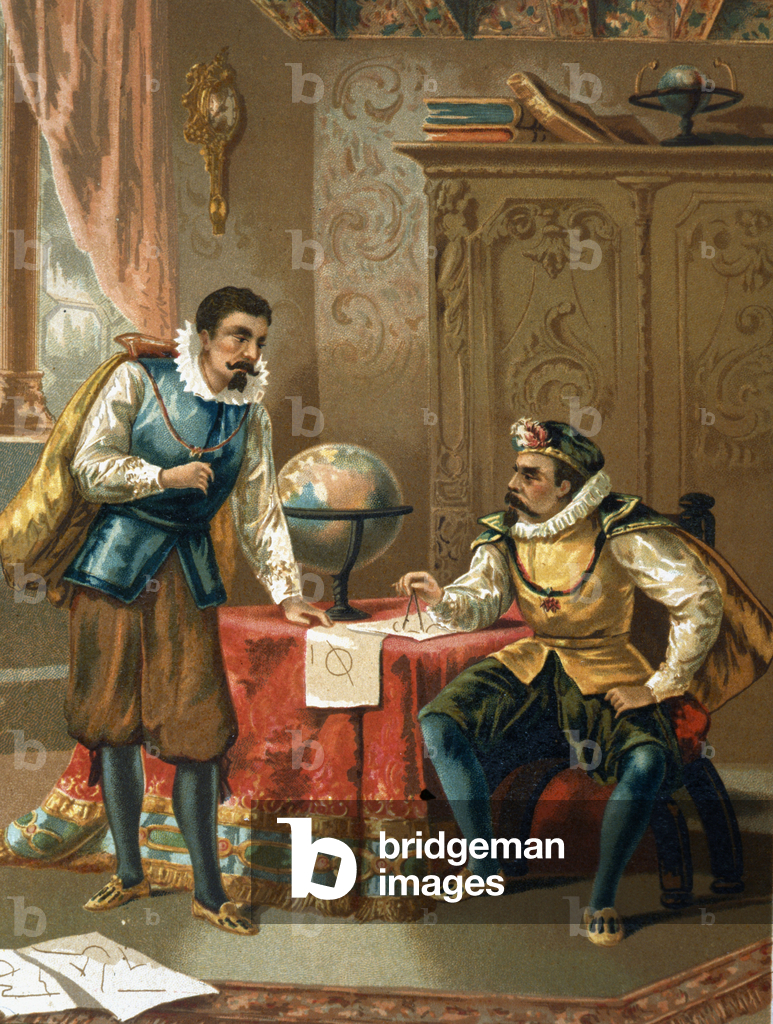
XEE4403644 Johannes Kepler (Keppler) (1571 - 1630) with Tycho Brahe (1546-1601), astronomers, Prague in 1600 - after La Ciencia y sus Hombres by Louis Figuier, Barcelona 1881
RF
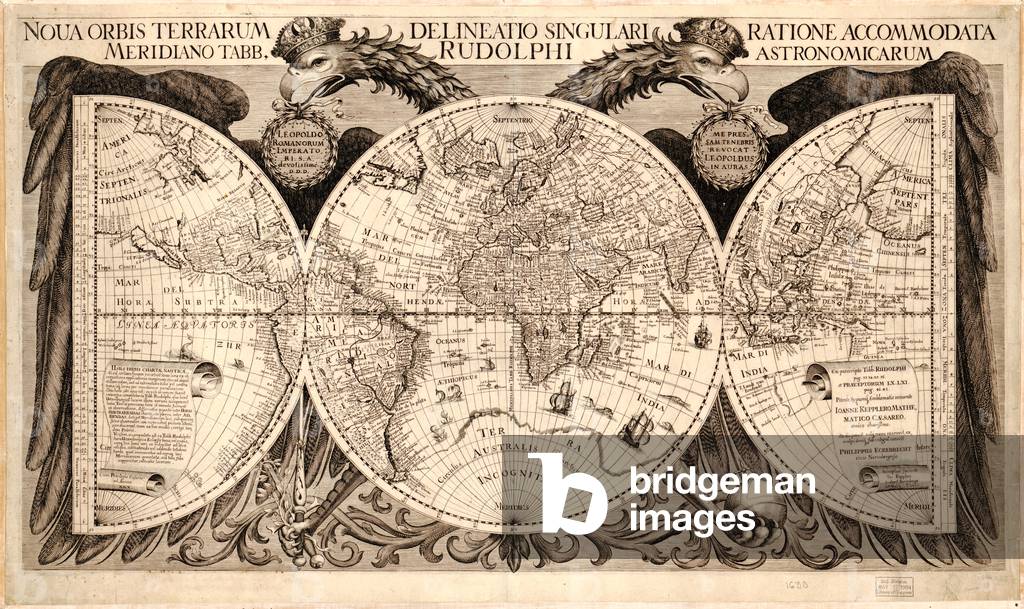
XOS3618828 Nova orbis terrarum delineatio singulari ratione accommodata meridiano tabb. Rudolphi astronomicarum Appears in Johannes Kepler's Tabvlae Rudolphinae. Ulm : Johannes Saur, 1627-30.Prime meridian based on the astronomer Tycho Brahe's observatory in Denmark.
DC
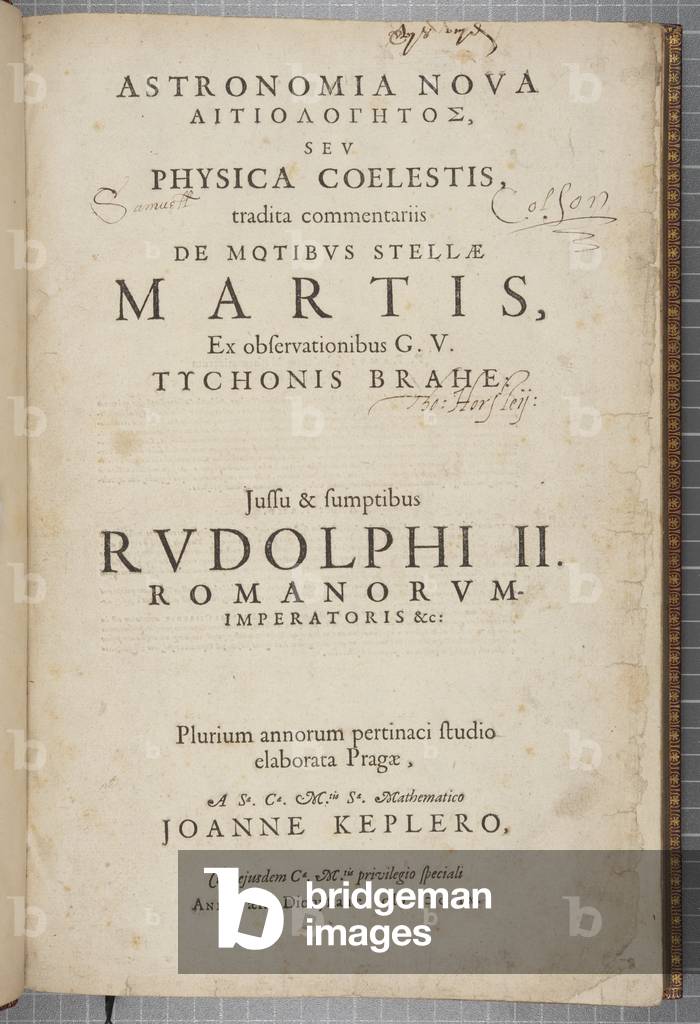
AND2916305 The Astronomia nova (full title in original Latin: Astronomia Nova ΑΙΤΙΟΛΟΓΗΤΟΣ seu physica coelestis, tradita commentariis de motibus stellae Martis ex observationibus G.V. Tychonis Brahe) is a book, published in 1609, that contains the results of the astronomer Johannes Kepler's ten-year-long investigation of the motion of Mars.Kepler, Johannes (1571-1630), Brahe, Tycho (1546-1601); Voegelin, Gotthard, (fl. 1600-1609) printer.Title pageFolio
DC
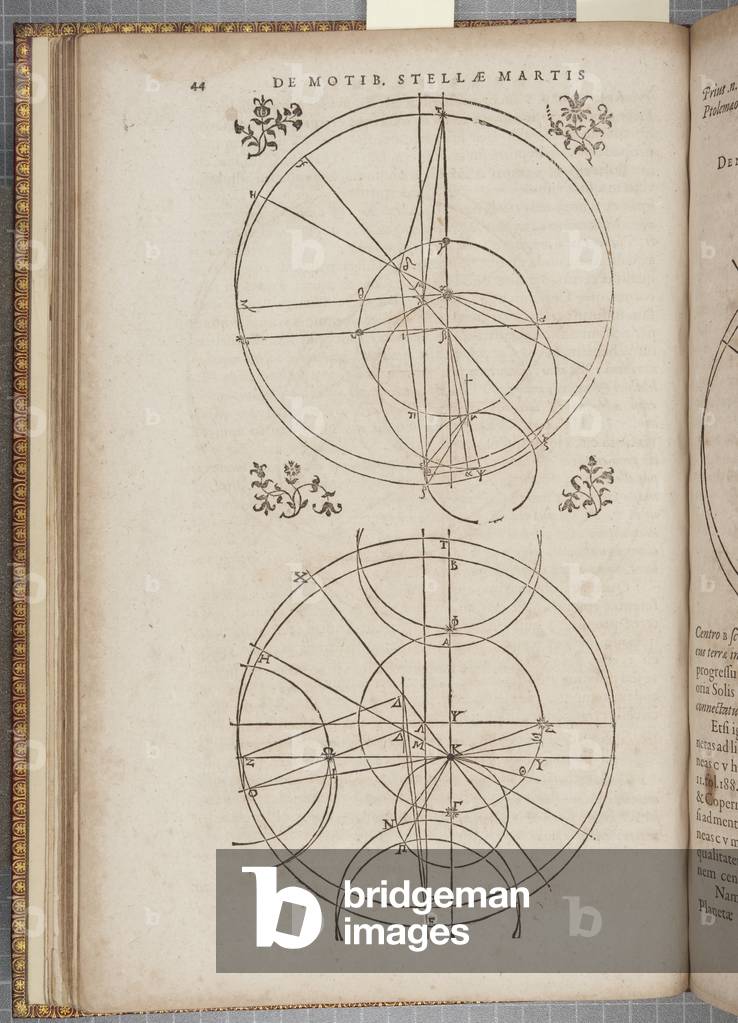
AND2916304 The Astronomia nova (full title in original Latin: Astronomia Nova ΑΙΤΙΟΛΟΓΗΤΟΣ seu physica coelestis, tradita commentariis de motibus stellae Martis ex observationibus G.V. Tychonis Brahe) is a book, published in 1609, that contains the results of the astronomer Johannes Kepler's ten-year-long investigation of the motion of Mars.Kepler, Johannes (1571-1630), Brahe, Tycho (1546-1601); Voegelin, Gotthard, (fl. 1600-1609) printer.Fol 44Folio
DC
AND2916301 The Astronomia nova (full title in original Latin: Astronomia Nova ΑΙΤΙΟΛΟΓΗΤΟΣ seu physica coelestis, tradita commentariis de motibus stellae Martis ex observationibus G.V. Tychonis Brahe) is a book, published in 1609, that contains the results of the astronomer Johannes Kepler's ten-year-long investigation of the motion of Mars.Kepler, Johannes (1571-1630), Brahe, Tycho (1546-1601); Voegelin, Gotthard, (fl. 1600-1609) printer.Fol 130-131Folio
DC
AND2916302 The Astronomia nova (full title in original Latin: Astronomia Nova ΑΙΤΙΟΛΟΓΗΤΟΣ seu physica coelestis, tradita commentariis de motibus stellae Martis ex observationibus G.V. Tychonis Brahe) is a book, published in 1609, that contains the results of the astronomer Johannes Kepler's ten-year-long investigation of the motion of Mars.Kepler, Johannes (1571-1630), Brahe, Tycho (1546-1601); Voegelin, Gotthard, (fl. 1600-1609) printer. Fol 36-37Folio
DC
AND2916303 The Astronomia nova (full title in original Latin: Astronomia Nova ΑΙΤΙΟΛΟΓΗΤΟΣ seu physica coelestis, tradita commentariis de motibus stellae Martis ex observationibus G.V. Tychonis Brahe) is a book, published in 1609, that contains the results of the astronomer Johannes Kepler's ten-year-long investigation of the motion of Mars.Kepler, Johannes (1571-1630), Brahe, Tycho (1546-1601); Voegelin, Gotthard, (fl. 1600-1609) printer.Fol 44-45Folio
DC
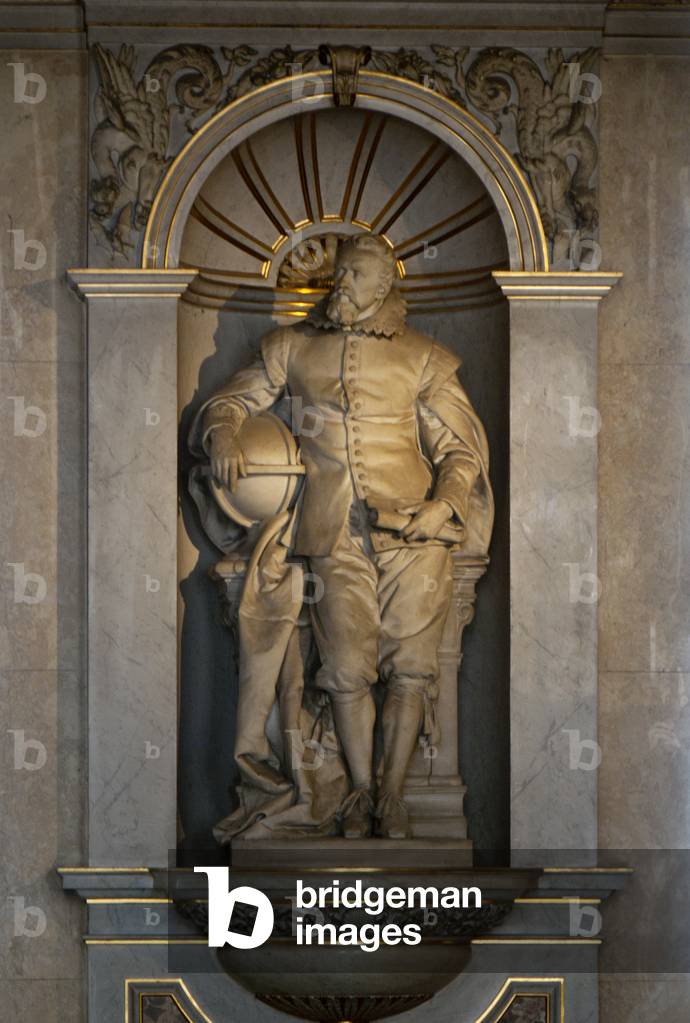
KDC384109 Kepler (1571-1630); Renaissance German astronomer; assistant to Tycho Brahe (1546-1601) and thanks to Brahe's observations discoverer of system of planetary movement, 'Kepler's Laws'; founder of modern science of optics;
DC
AND2916306 The Astronomia nova (full title in original Latin: Astronomia Nova ΑΙΤΙΟΛΟΓΗΤΟΣ seu physica coelestis, tradita commentariis de motibus stellae Martis ex observationibus G.V. Tychonis Brahe) is a book, published in 1609, that contains the results of the astronomer Johannes Kepler's ten-year-long investigation of the motion of Mars.Kepler, Johannes (1571-1630), Brahe, Tycho (1546-1601); Voegelin, Gotthard, (fl. 1600-1609) printer.
DC
UIG5426142
DC
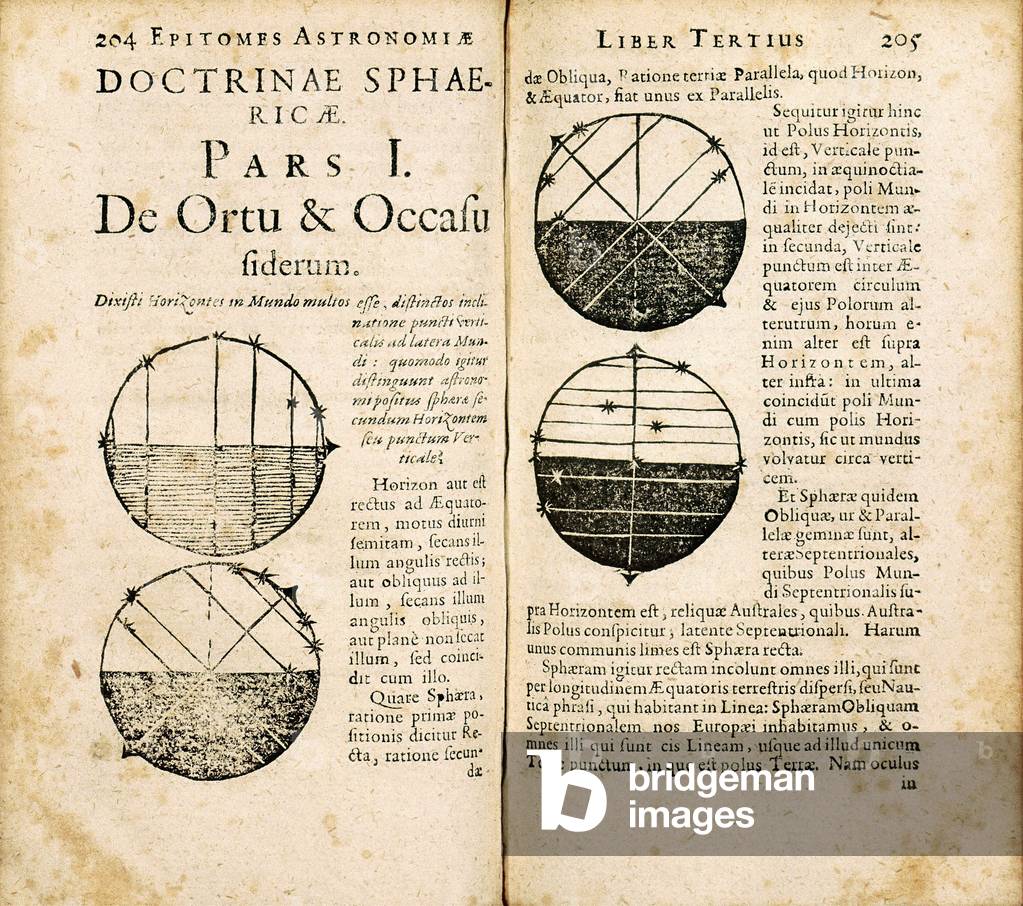
IBE5345408 Page from “" Epitomes Astronomide Doctrinae Sphaericae "” by German mathematician and astronomer Johannes Kepler (Keppler) (1571-1630). 1621 Paris. B.N.
DC
UIS5086387 Kepler's trigon diagram, 1606. Plate taken from 'De Stella Nova in Pede Serpentarii' by Johannes Kepler (1571-1630), published in Prague in 1606. Johannes Kepler was a German astronomer and physicist who became a follower of Copernicus whilst studying theology. He later worked with Tycho Brahe in Prague where he worked out the orbit of Mars. This led him to discover the laws of planetary motion. Kepler was also influential in the evolution of infinitesimal calculus. In addition to his astronomical work, Kepler was also interested in astrology, and this diagram relates to his work in attempting to establish an astrological connection between conjunctions of Saturn and Jupiter, and the appearance of a 'new star', actually a supernova, in 1604. ©SSPL/Science Museum
DC
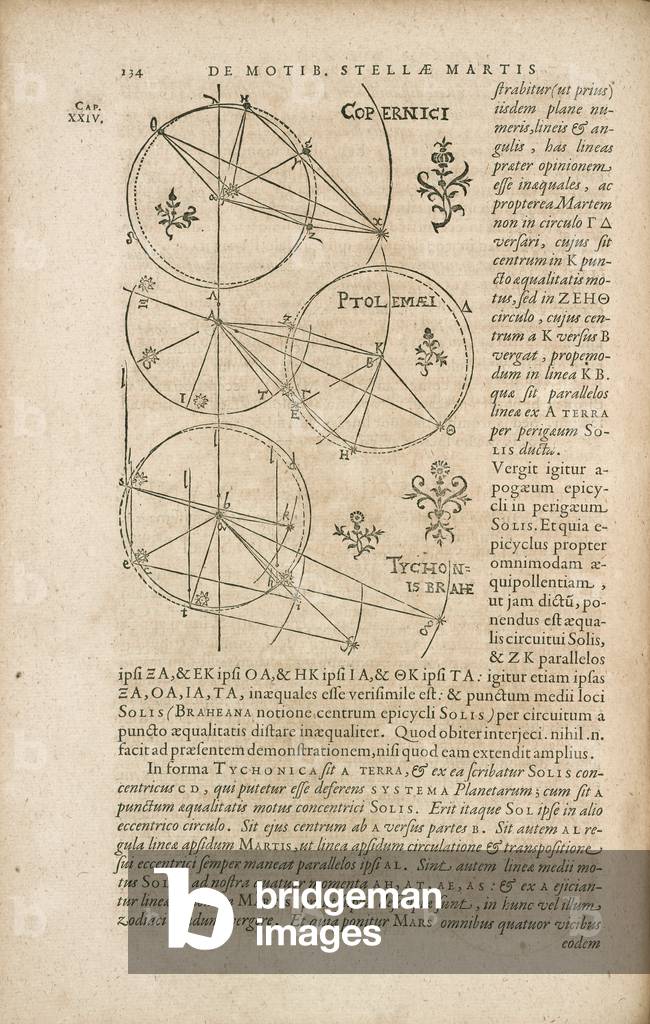
UIS5094854 The orbit of Mars, 1609. Engraving from 'Astronomia nova' (New astronomy) by German astronomer Johannes Kepler (1571-1630) published in Heidelberg in 1609. Modern astronomy started with the publication here of Kepler's first two laws of planetary motion: 1. The orbit of a planet is an ellipse of which the sun is in one focus; 2. In describing its orbit, the radius vector of a planet traverses equal areas in equal time. Using Tycho Brahe's planetary tables, Kepler realised that the orbit of Mars was elliptical; (in this diagram earlier theories of planetary motion by Copernicus, Brahe and Ptolemy are compared). ©SSPL/Science Museum
DC

Total de Resultados: 50

Página 1 de 1