Busque também em nossas outras coleções:

Tipo de arquivo:

Tipo do arquivo:

Tipo da licença:

Orientação:

Total de Resultados: 55

Página 1 de 1

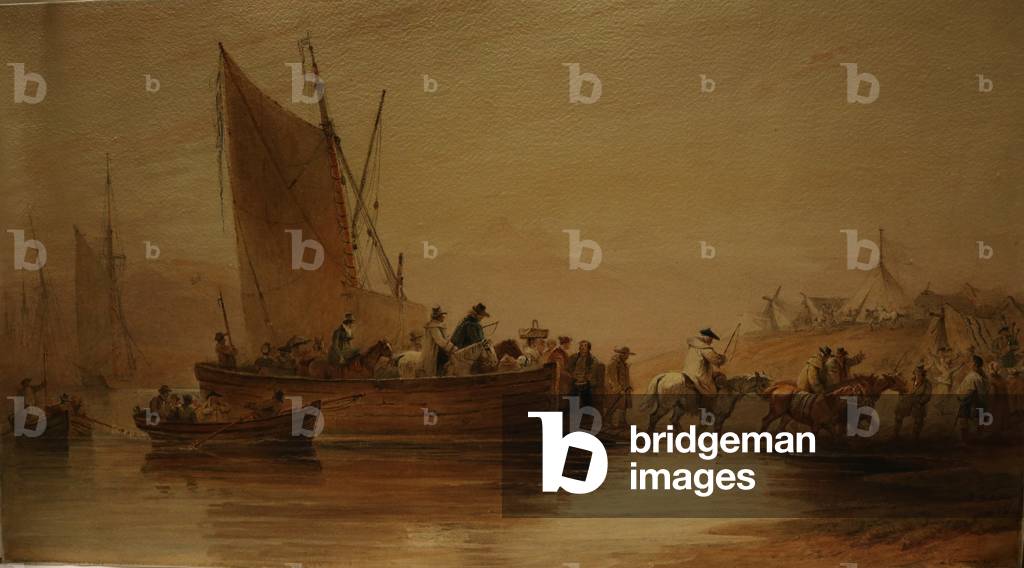
BAL4978 by Edward Villiers Rippingille
RF
BAL13712 by Frederick Morgan
RF
CW12191 by Myles Birket Foster
DC
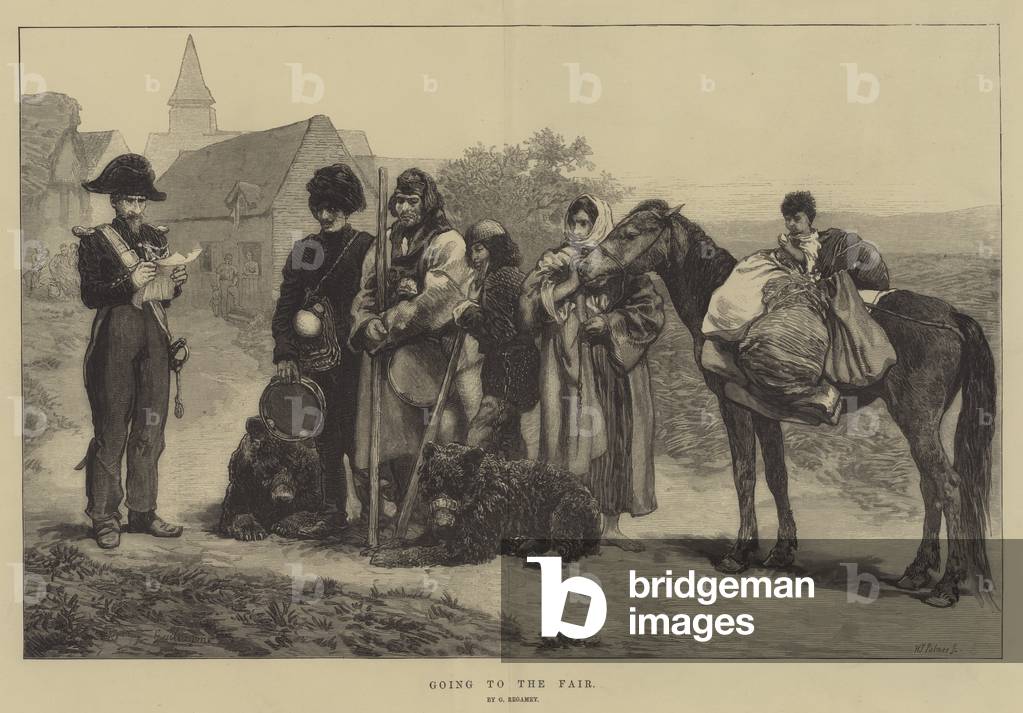
LLP729563 Going to the Fair. Engraving by W J Palmer after original artwork by G Regamey. From the Illustrated London News, 2 November 1872.
DC
LLM338579 Moses going to the fair. Payne's Universum (1847).
DC
LIP1589107 Going to the Fair. Illustration for The Illustrated London News, 2 November 1872.G Regamey
DC
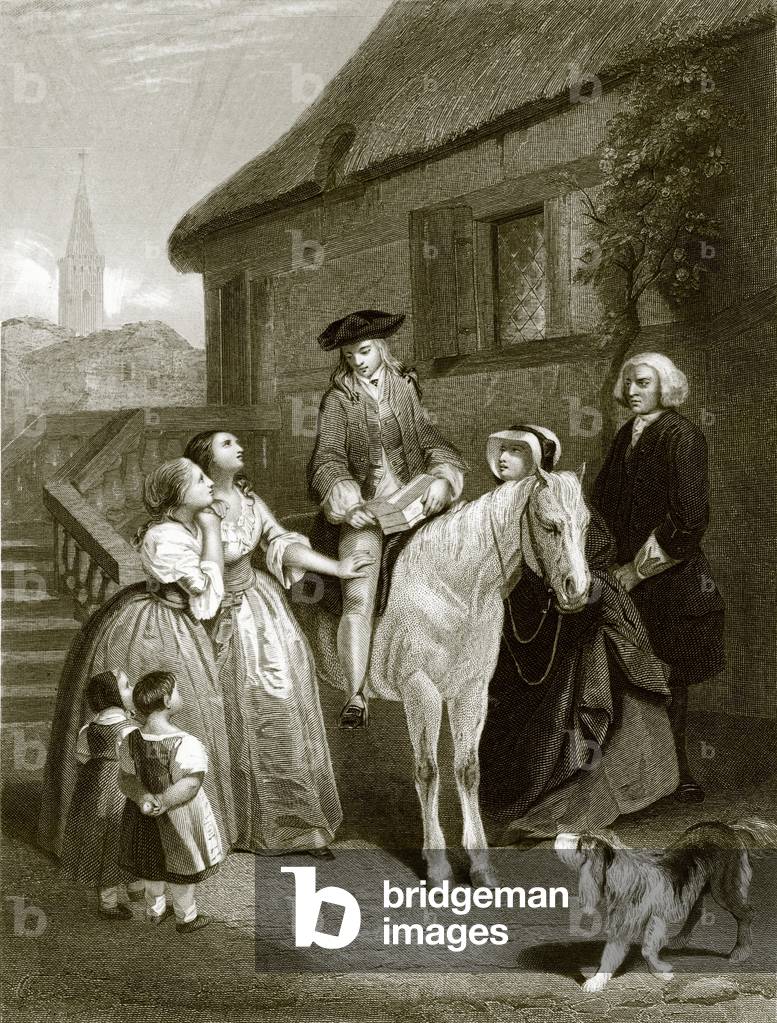
LLM460153 Moses going to the Fair. Illustration for The Vicar of Wakefield by Oliver Goldsmith (Frederick Warne, 1867).
DC
LLM8674316 Going to the Fair. Illustration for Tiles from Dame Marjorie's Chimney Corner and China from her Cupboard by F S J Burne and Helen J A Miles (Wells Gardner, c 1890).
DC
XJF477746 Travelling to Bury St. Edmunds for one of the two annual fairs
RF
CH401888
DC
LIP1040876 An Early Arrival, a Fair Spectator going to take her Seat. Illustration for The Graphic, 13 August 1902.
DC
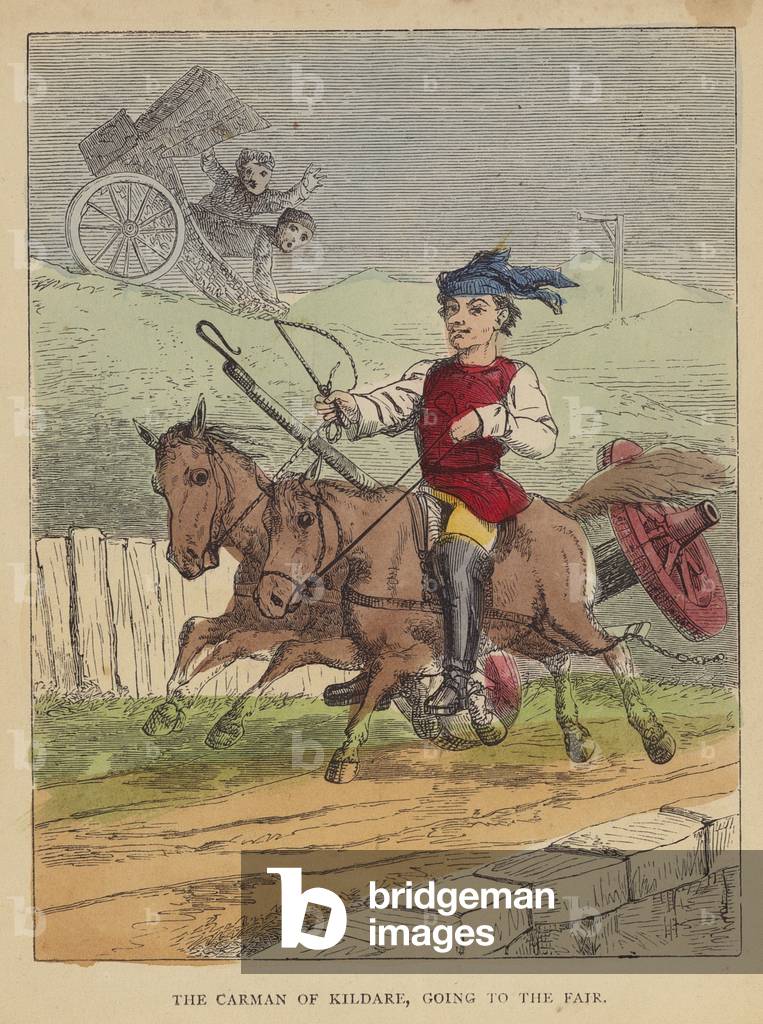
LLM8642521 The carman of Kildare, going to the fair. Illustration for New Comical Nursery Rhymes and Funny Stories (Ward, Lock and Tyler, c 1865).
DC
LLM2815833 Fair! Postcard, early 20th century.
DC
OLD7528540 From the Charles Lees CollectionBy Luke Clennel (1781-1840)
DC
LIP1048887 Character Types in Austro-Hungary, going to the Fair. Illustration for The Graphic, 26 July 1873.
DC
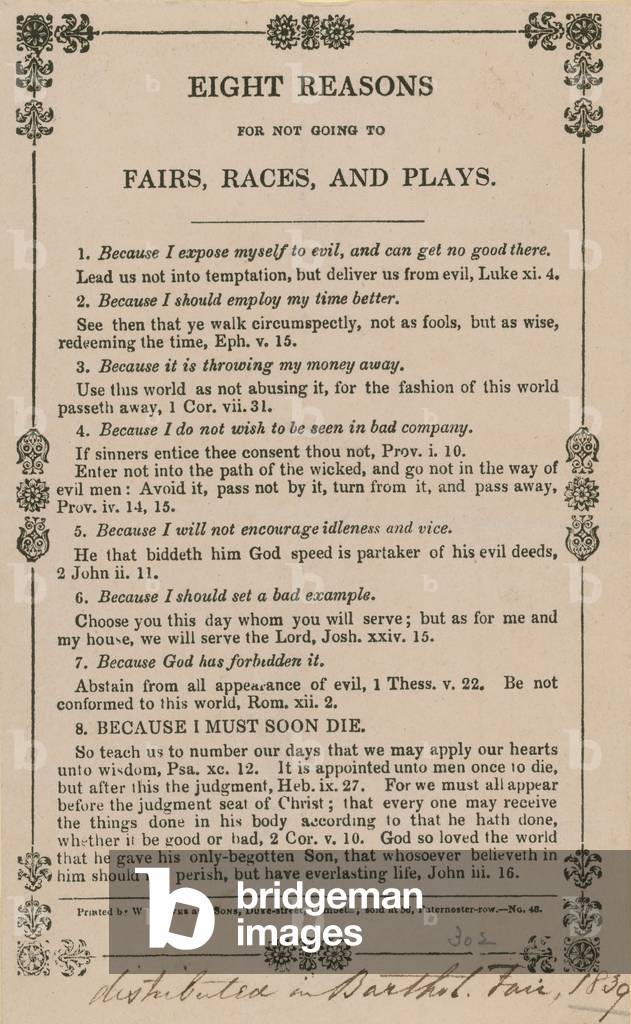
LLJ608751 Eight reasons for not going to fairs, races and plays; leaflet distributed at Bartholomew's Fair, 1839
DC
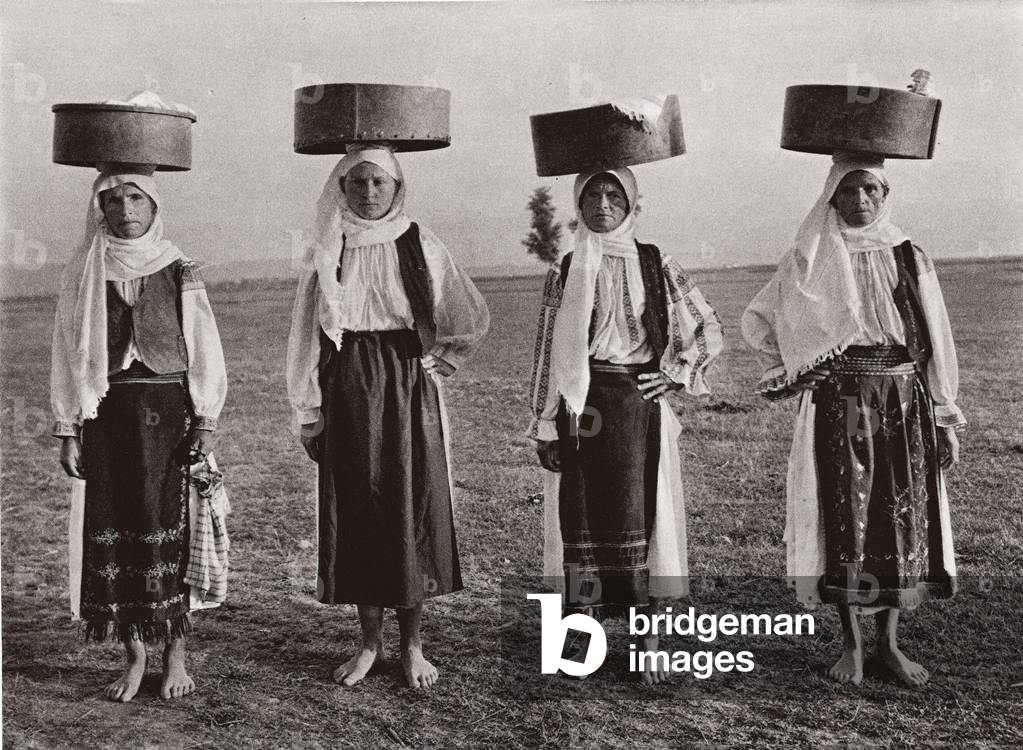
NMP344820 carrying goods on head;
DC
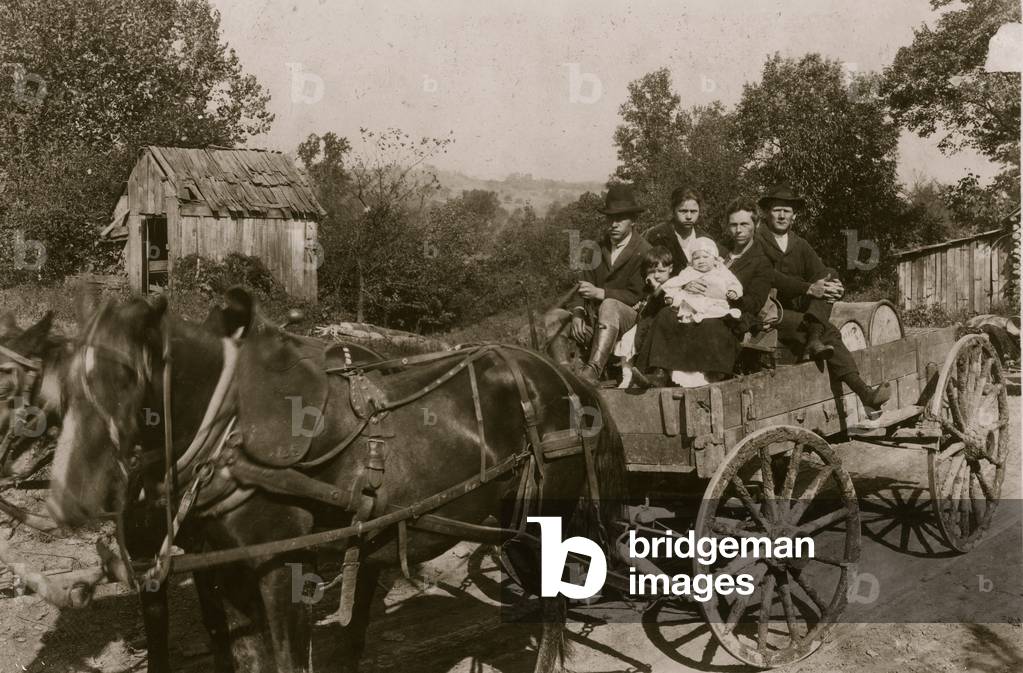
UIG684723 Going to the 4 H Fair at Charleston
DC
STC708890 In Bushey Park, West London.
DC
BAG2829525
DC
CJP107507
DC
LLM3631297 Simple Simon met a pieman going to the fair. Illustration for A Book of Nursery Rhymes (Methuen, 1897).
DC
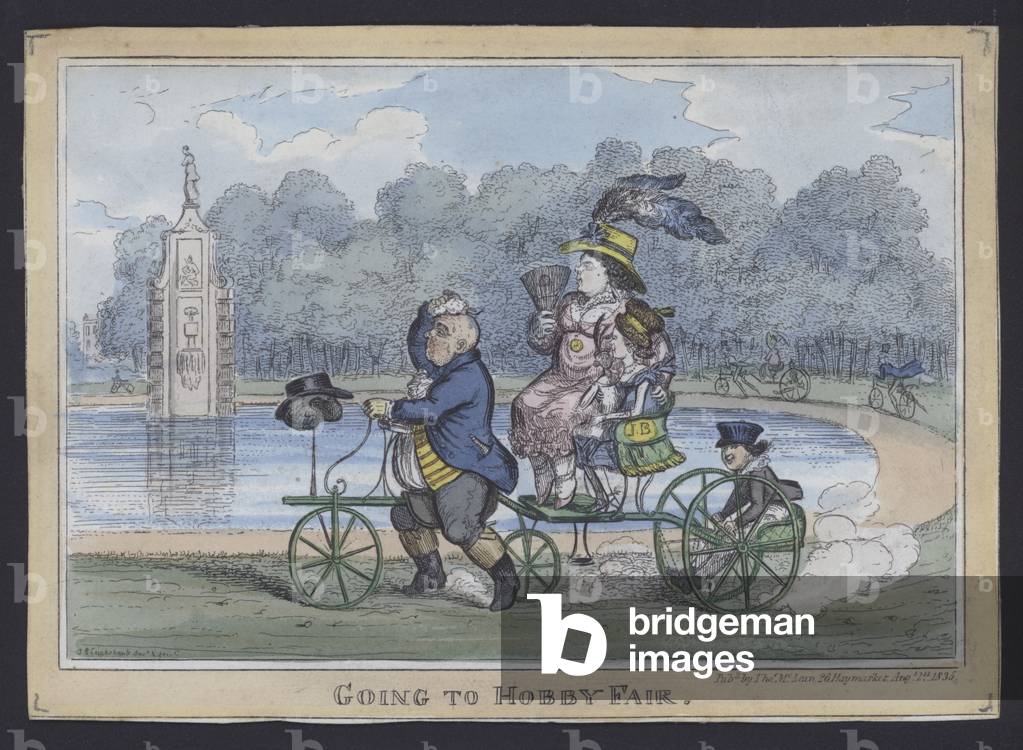
LLH7153630 Early cycling, going to Hobby Fair, 1835.
DC
LIP1050127 The Paris Exhibition, going Home by Water, on Board a Seine Steamboat. Illustration for The Graphic, 15 June 1878.
DC
FDB3247579
DC
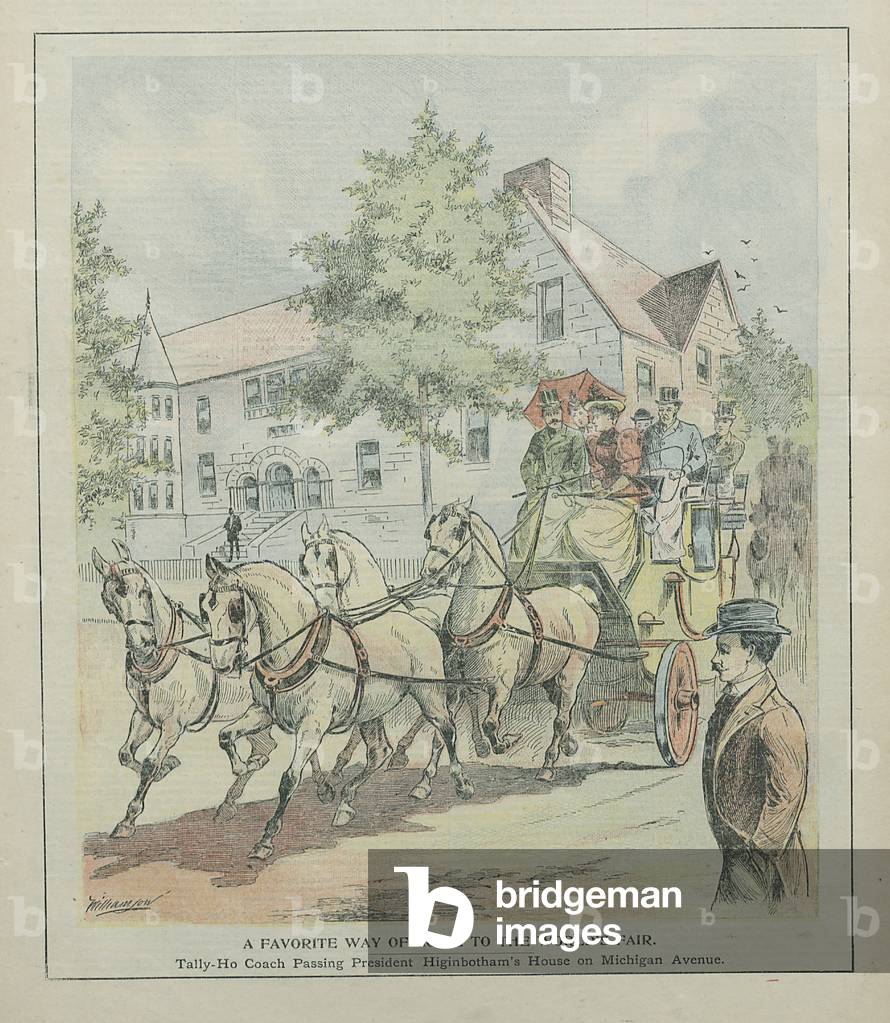
SIC743155 A political cartoon titled 'A Favorite Way of Going To The World's Fair', published on Sunday, May 7, 1893, in the Inter-Ocean Illustrated Supplement as part of the promotion of the World's Columbian Exposition in Chicago, Illinois.
DC
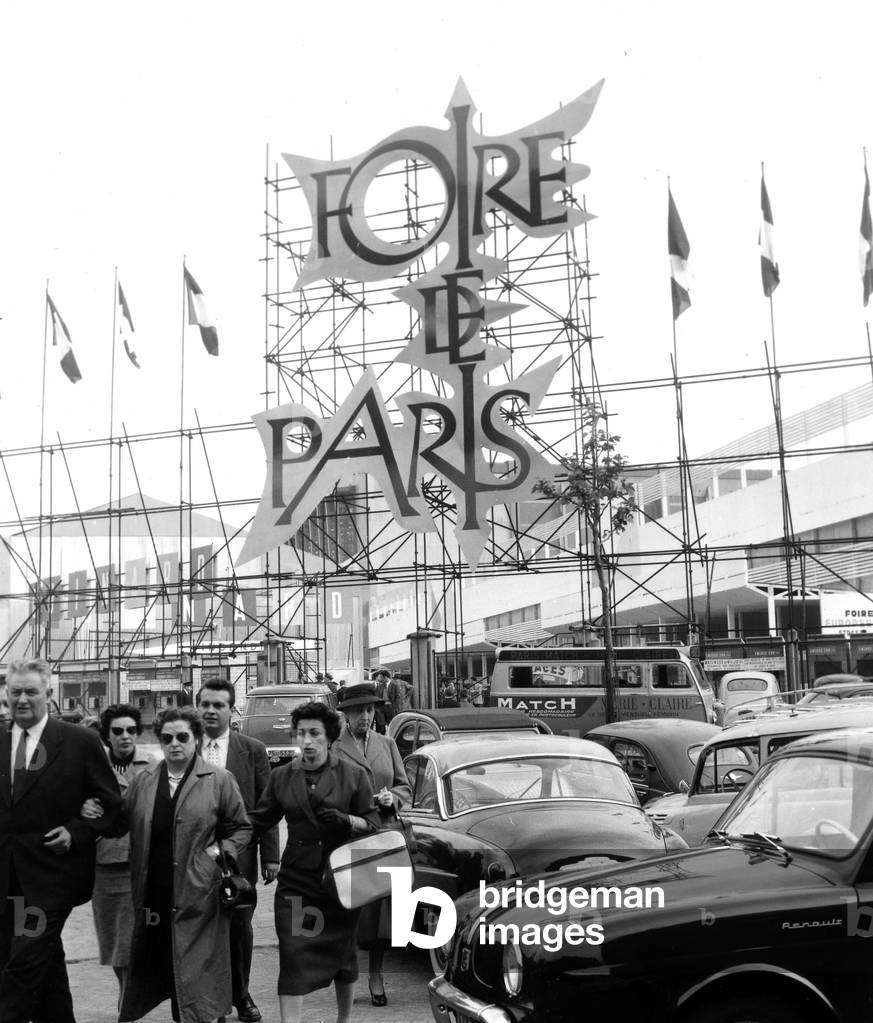
XRA1651147 Visitors going to the Paris fair may 25, 1957
DC
LLR6033196 Peasant women getting ready to go to a fair, Valencia, Spain. Liebig card, late 19th or early 20th century, from a series on scenes in Spain.
DC
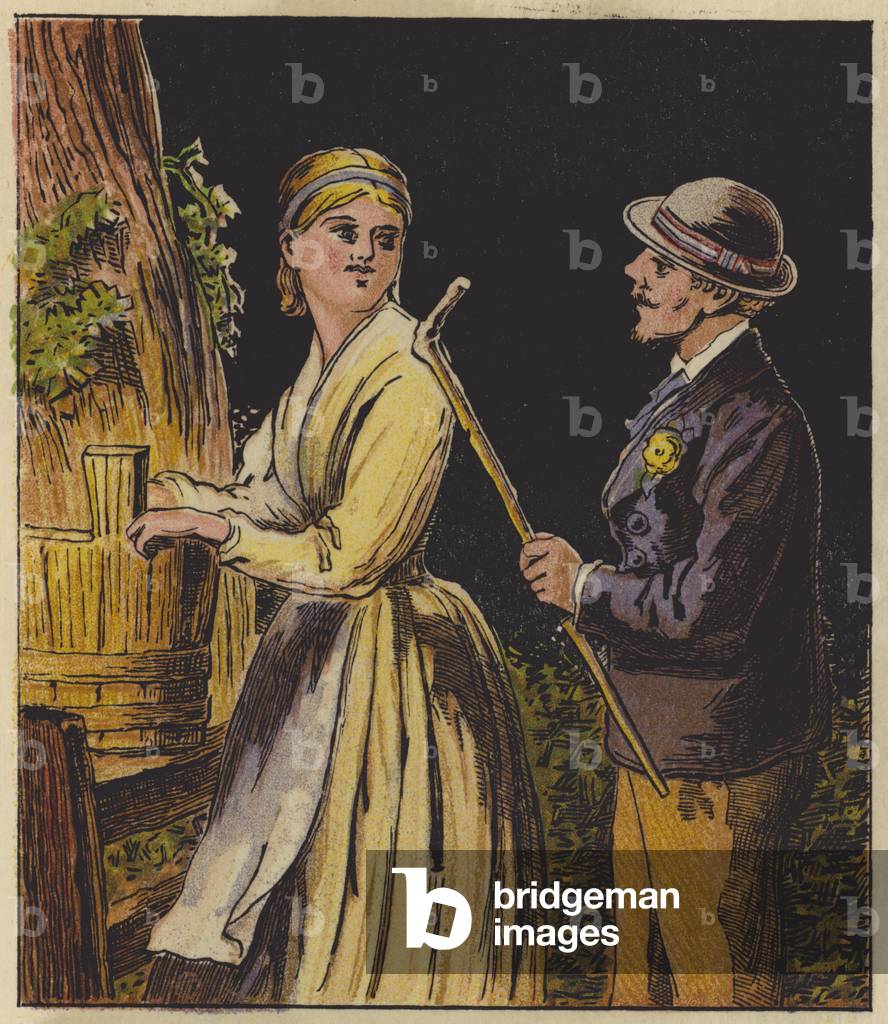
LLM3101450 Where are You Going to, My Pretty Maid? Illustration for Aunt Louisa’s London Picture Book (Frederick Warne, 1866). Illustrations printed by Kronheim.
DC
STC2655418
DC
CH658252 Going to the Derby. Henry Alken (1785-1851). Oil on canvas. 51.4 x 61.6cm
DC
LIP1044658 The Duke and Duchess of Connaught at Bombay. Illustration for The Graphic, 22 December 1883.
DC
CJP107509
DC
CJP107508
DC
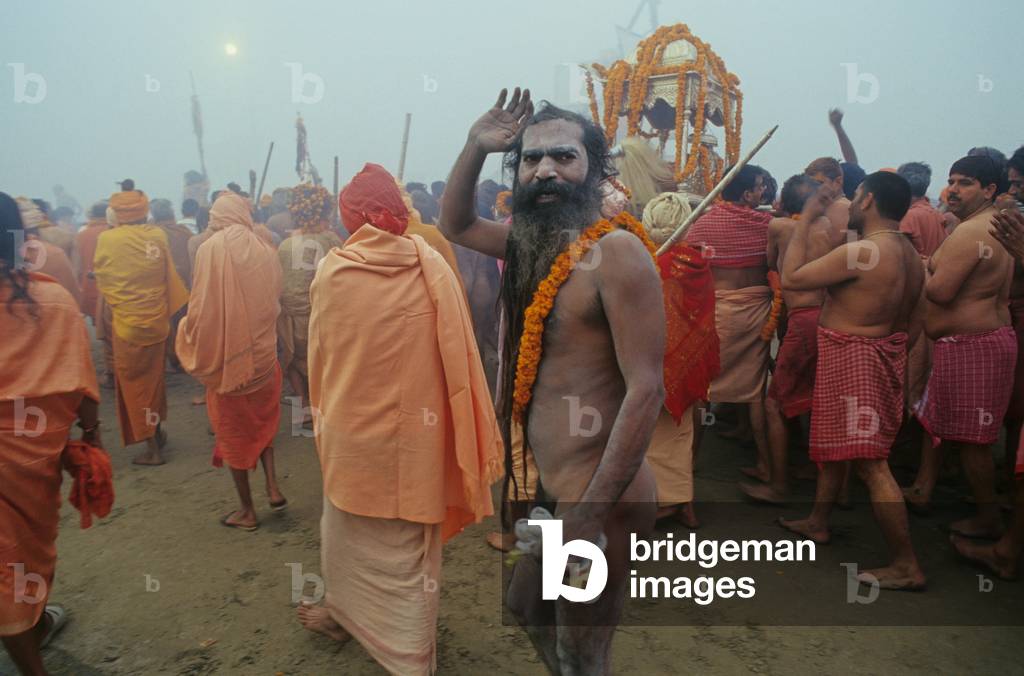
UIG797998 India
DC
UIG797993 India
DC
CJP107510
DC
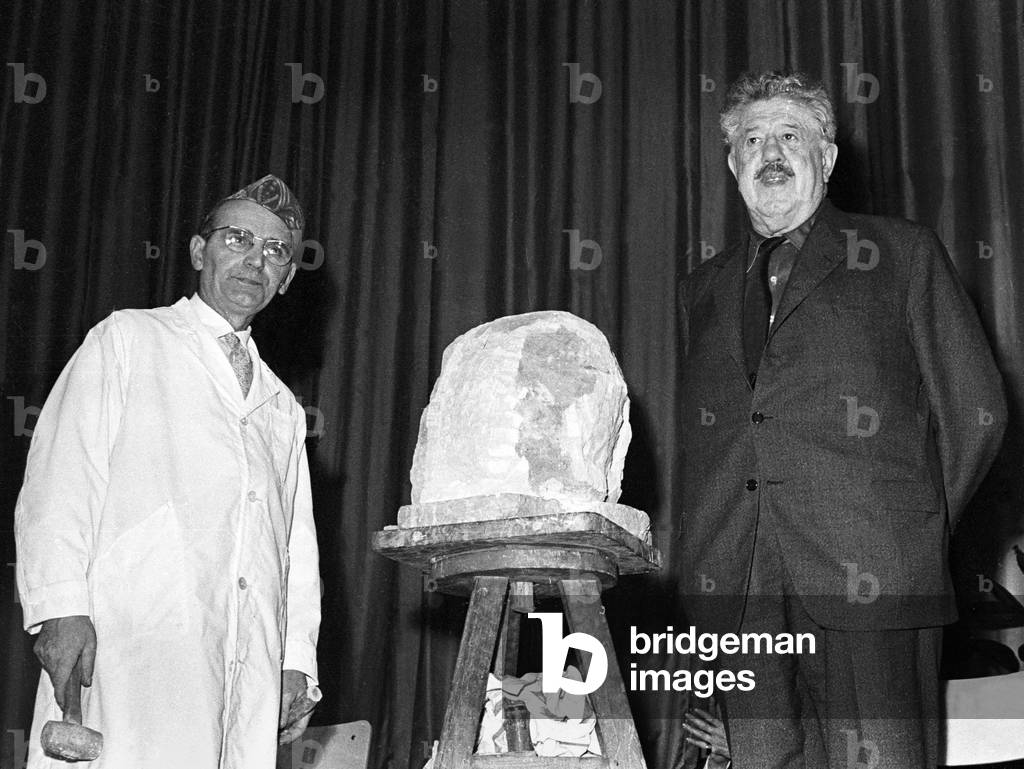
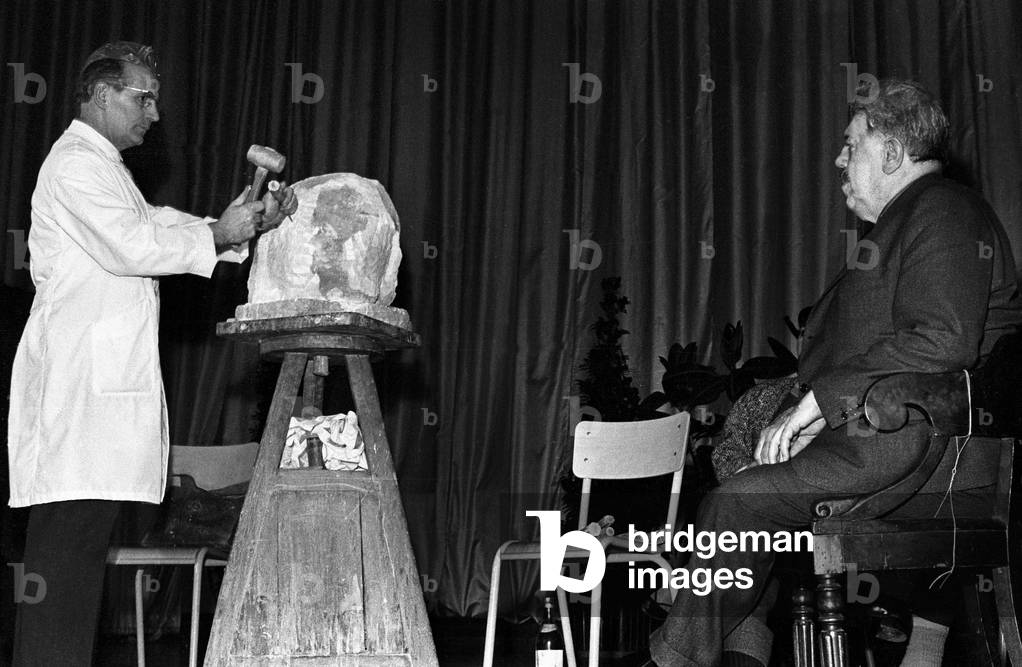
XRC1552719 French sculptor Bartellety Daillion is going to sculpt the bust of Michel Simon in one hour on march 21, 1964 at a fair in Clichy-la-Garenne, France
DC
XRC1552718 French sculptor Bartellety Daillion is going to sculpt the bust of Michel Simon in one hour on march 21, 1964 at a fair in Clichy-la-Garenne, France
DC
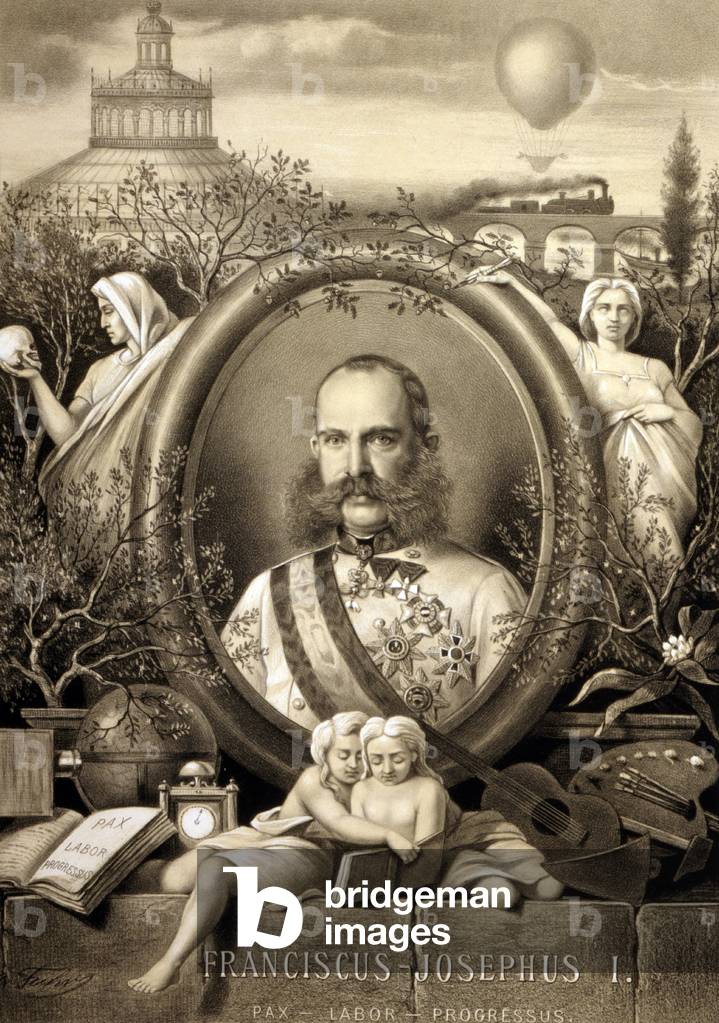
UIG1574241 Print for the Vienna world's fair shows head and shoulders portrait of Emperor Franz Joseph I of Austria, in uniform, surrounded by objects relating to creativity and the arts, technology, and industry including a train going over a bridge and a balloon in the background.
DC
TAD1754257 French president Sadi Carnot going to the 1894 International and colonial Fair in Lyon aboard his "Daumont" coach (before being assassinated), lithography by Duranton after photo by J.Delton
DC
STC2655409
DC
UIG797994 India
DC
LLM8666307 Jahrmarkt. Seit dem Mittelalter suchten die fahrenden Leute besonders gern die Jahrmarkte in den Stadten auf, um dort ihre kleinen Kunste zu zeigen, zu denen vor allem das Vorfuhren dressierter Tiere gehorte. Baren, Affen oder Hunde mussten nach Musikbegleitung muhsam einstudierte, possierlich wirkende Figuren vorfuhren ohne Rucksicht auf die heute mit Recht bekampfte Tierqualerei. Translation: Fair. Since the Middle Ages, wandering people have been particularly fond of going to the annual fairs in the cities to show off their little arts, which mainly included the presentation of trained animals. To the accompaniment of music, bears, monkeys or dogs had to perform painstakingly rehearsed, cute figures without regard to the cruelty to animals that is rightly opposed today. Illustration for Deutsche Kulturbilder, 1400-1900 (Cigaretten-Bilderdienst Hamburg-Bahrenfeld, 1934).
DC
ZUM4833500 Apr. 04, 1953 - This medieval Armour is guaranteed: Free from rust as well as the old weapons and no death watch beetle will ever be in the” wood” of this chest as everything shown is made of - chocolate. This masterwork of Swiss pastry cooks will be shown at the International Pastry Fair which was opened on Saturday (April 25th) in Dusseldorf. The fair is going on to May 4th.
DC
TWC5894926 The Horse Fair is the most famous of the pictures by Wouwermans in the Wallace Collection. His talents as a horse painter are particularly evident, while the occasion of a horse fair allows the artist to contrive an idyllic juxtaposition of the working and leisured classes, thereby combining high and low-life genre to decorative effect. Picturesque interest is provided in the foreground by a wealth of small figures going about their business. The extensive landscape beyond is remarkable for its silver-grey tonality, suggesting a late date in the 1660s. A feeling of space is created in the foreground by a low-lying diagonal shaft of light leading to a rearing white horse and horse-drawn carriage, while the eye is led across the wider landscape, attracted by the successive planes of light and shade, towards the silver ribbon of a river stretching into the hazy distance of the horizon. The picture demonstrates Wouwermans’ strengths as a landscapist in creating subtle evocations of a vaguely Mediterranean or Italianate terrain and atmosphere. Yet like Cuyp and Pynacker, he probably never visited Italy, although he was much influenced by his Dutch Italianate contemporaries, such as Jan Asselijn. The 4th Marquess of Hertford, who appreciated such exquisitely executed paintings of such fine provenance, bought at least seven works by the artist.
DC
XJF741343 Isabella II (1830-1904) Queen of Spain (1833-68); deposed in the 'Glorious Revolution' of 1868 and abdicated in 1870; cartoon depicts going into exile; the caption is satirical: 'She has throughout her life been betrayed by those who should have been most faithful to her'; Tissot used the 'nom de crayon' of Coide for his caricatures;
RF
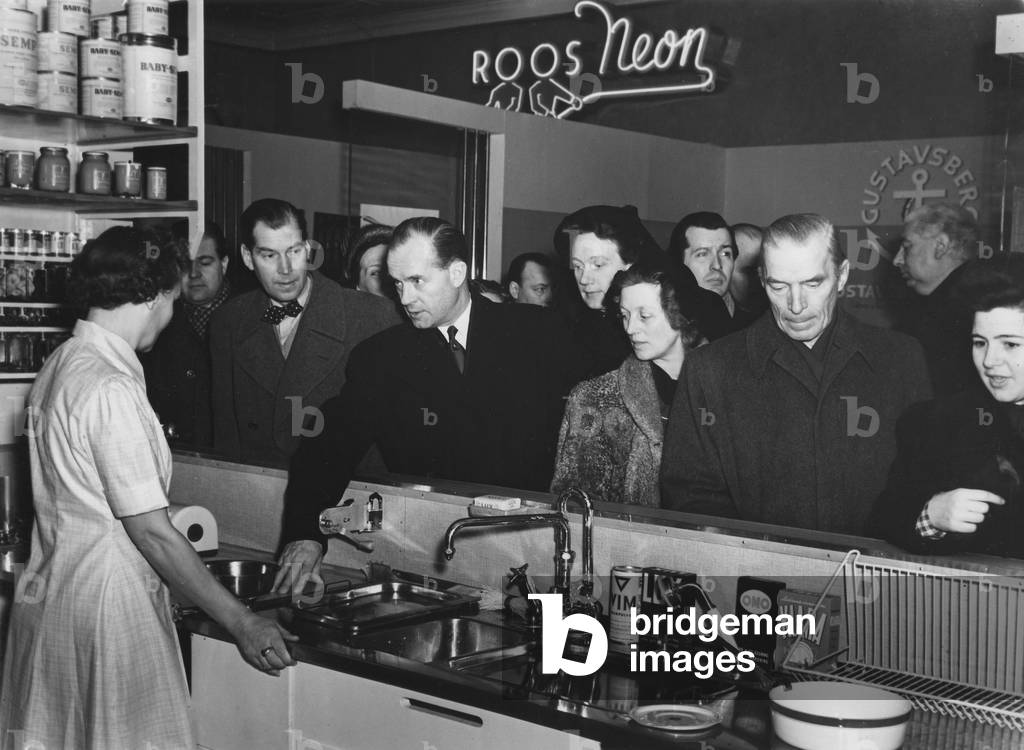
SJB7288066 Kitchen of the 1950s. An exhibition at a public consumer fair is going on and visitors at the display of a modern kitchen are interested to know more. A woman in the stand answers questions. The exhibition is called Home and household and the stainless steel kitchen sink is big news this year 1950. Sweden
DC
STC411981 From 'Three Silver Feathers'; Taffy hunts for fairies in his spare time but one day while he is working and everything is going wrong a little green elf appears in front of him;
DC
XLA3776595 Simple Simon met a Pieman-Nursery rhyme . Food street seller. The fair was an extremely popular place to sell 'your wares. ' Rhyme reads: 'Simple Simon met a pieman going to the fair. Said simple Simon to the pieman le me taste your ware. Said the pieman unto Simon show me first your penny. Said simple Simon to the pieman indeed I have not any. '
DC
LLM2779783 Smugglers' car crossing the French border at speed. A specially constructed armoured car, disguised to look as if it was going to a fair. Such vehicles were designed to speed through border checkpoints without stopping. Automobile de fraude passant la frontiere. Illustration for Le Petit Journal, 7 January 1912.
DC
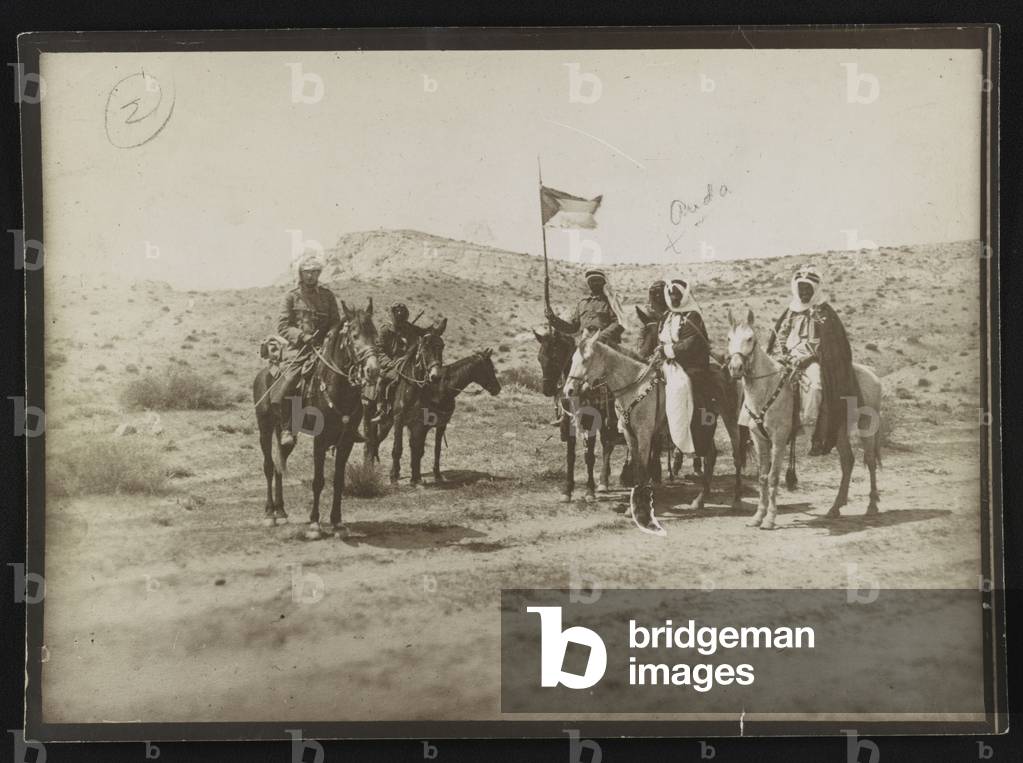
XOS3960584 Caption continues: "Killed 75 Arabs in fair Turk fight, didn't count Turks." Photograph shows Auda Abu Tayi, chief of the Howeitat tribe of Bedouin Arabs, and other men on horseback, one with a raised flag, going to Wejh, Saudi Arabia, to offer support to Prince Faisel in the Arab Revolt.
DC
LLM2783991 A moment of terror... A street sweeper busy at his job, in Cuneo, near the baracconi of a fair, sees people running away. What's going on? She feels a weight on her shoulders, a warm breath on her neck, turns around, a lioness! But the poor man, who could already be seen... eaten, didn't even get a scratch. The beast had gone out for a moment on the square having found the door of the cage open; and had approached the scavenger almost for fun, hearing, then, the voice of the watchman, who rushed to get it back, and meekly returned to the kennel. Illustration for Courier Sunday, 17-23 March 1940.
DC
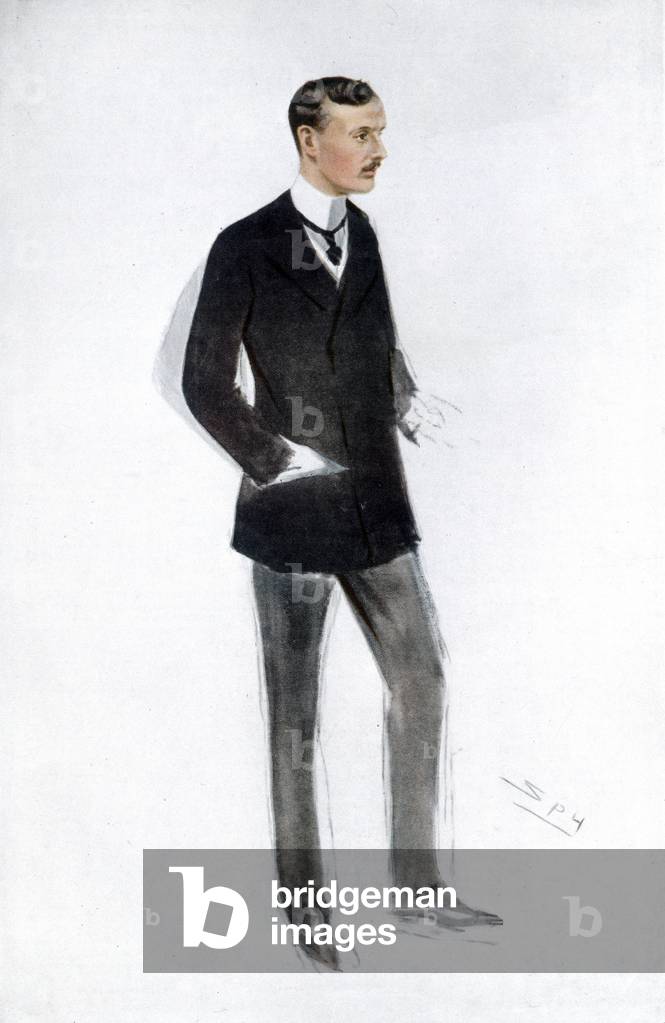
UIS5070590 The Late Hon Charles Stewart Rolls', English automobile manufacturer, 1919. Illustration by 'Spy' (Sir Leslie Ward) depiciting Charles Stewart Rolls (1877- 1912). Rolls (1877-1910) set up a business selling French and Belgian cars, before going into partnership with Frederick Henry Royce (1863-1933) in 1904 to form the motor car and engine manufacturing company Rolls-Royce. In the same year, Rolls crossed the English Channel by hot air balloon. In June 1910 he made the first non-stop double channel crossing by aeroplane. He was killed in a plane crash a month later, the first Briton to die in that manner. Leslie Ward worked as an illustrator on 'Vanity Fair' for over forty years, he was knighted in 1918 and died in 1922. ©SSPL/Science Museum
DC
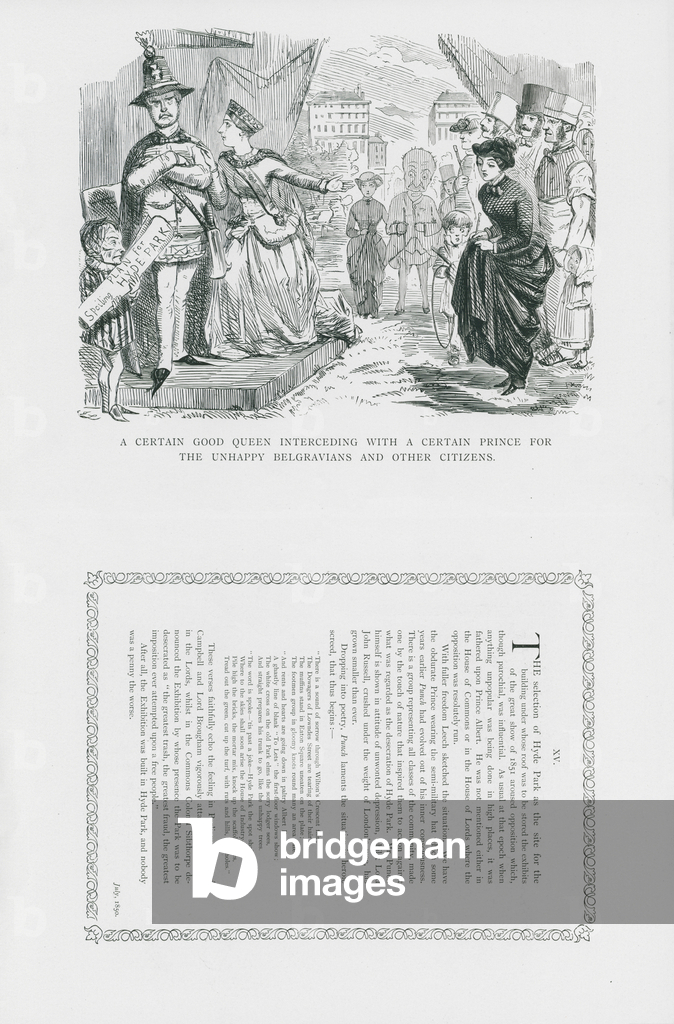
LLM11733635 A Certain Good Queen Interceding with a Certain Prince for the Unhappy Belgravians and other Citizens. The selection of Hyde Park as the site for the building under whose roof was to be stored the exhibits of the great show of 1851 aroused opposition which, though parochial, was influential. As usual at that epoch when anything unpopular was being done in high places, it was fathered upon Prince Albert. He was not mentioned either in the House of Commons or in the House of Lords where the opposition was resolutely run. With fuller freedom Leech sketched the situation. We have the obdurate Prince wearing the semi military hat which some years earlier Punch had evolved out of his inner consciousness. There is a group representing all classes of the community, made one by the touch of nature that inspired them to action against what was regarded as the desecration of Hyde Park. Mr. Punch himself is shown in attitude of unwonted depression, whilst Lord John Russell, crushed under the weight of London's woe, has grown smaller than ever. Dropping into poetry, Punch laments the situation in heroic screed, that thus begins :- "There is a sound of sorrow through Wilton's Crescent fair; The Dowagers of Lowndes Street are tearing of their hair; The muffins stand in Eaton Square uneaten on the plate; The footmen group in gloomy knots round many an area gate. "And rents and hearts are going down in paltry Albert Row, A ghastly line of blank "To Lets" the first-floor windows show; The white cross on the old Park elms the sorry lodger sees, And straight prepares his trunk to go, like the unhappy trees. "The word is spoke 'tis past a joke Hyde Park the spot shall be, Where to the skies shall soon arise the House of Industry Pile high the bricks, the mortar mix, knock up the scaffold poles, Tread out the green, cut up the turf, with ruts and hills, and holes." These verses faithfully echo the feeling in Parliament. Lord Campbell and Lord Brougham vigorously attacked the project in the Lords, whilst in the Commons Colonel Sibthorpe denounced the Exhibition by whose presence the Park was to be desecrated as "the greatest trash, the greatest fraud, the greatest imposition ever attempted upon a free people." After all, the Exhibition was built in Hyde Park, and nobody was a penny the worse. July, 1850. Illustration for The Queen and Mr Punch, The Story of a Reign, Told by "Toby, M.P." (Bradbury, Agnew, 1898).By John Leech
DC


Total de Resultados: 55

Página 1 de 1