

















































Busque também em nossas outras coleções:

Tipo de arquivo:

Tipo do arquivo:

Orientação:

Total de Resultados: 63

Página 1 de 1

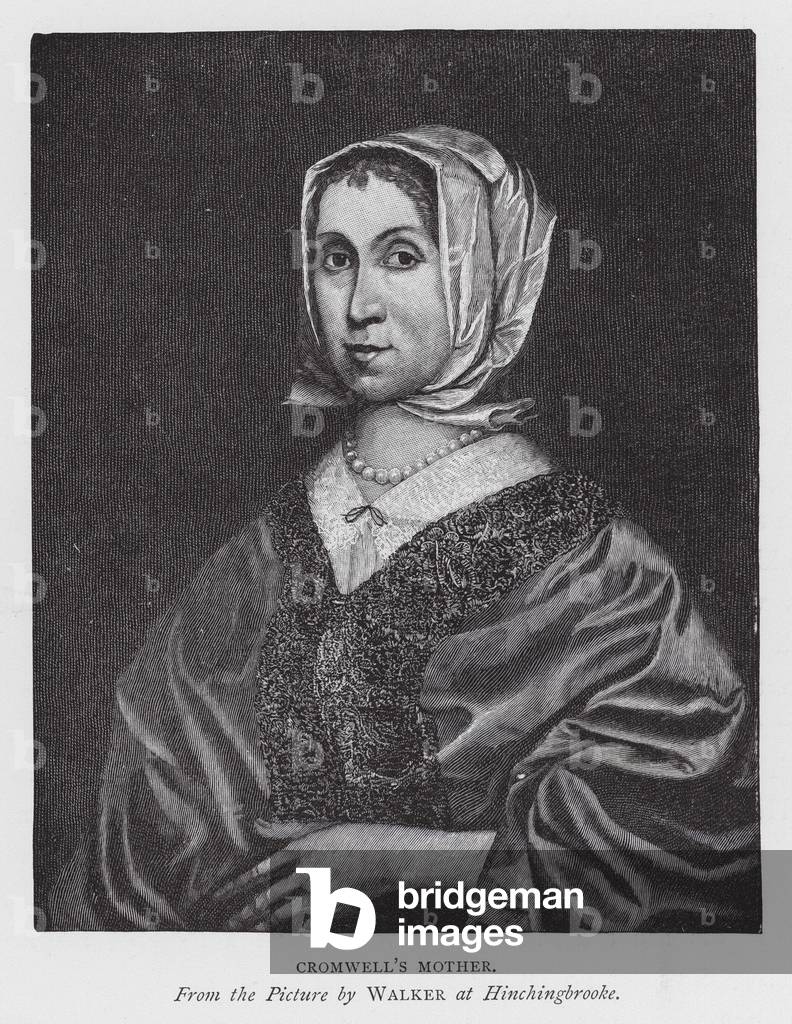
XLF3782314 Elizabeth Cromwell, mother of Oliver Cromwell, Lord Protector of England. EC: 1564 - 1654.Taken from 'A Short History of the English People' by J.R. Green, vol. Iii, published by Macmillan & Co in London and New York, 1893, p. 949.
DC
XLF3782727 Elizabeth Cromwell, mother of Oliver Cromwell, Lord Protector of England. EC: 1564 - 1654.
DC
HRP5246036 Illustration depicting Elizabeth Cromwell (1598-1665), wife of Oliver Cromwell, Lord Protector of England, Scotland and IrelandFrom 'Hampton Court: A short history of the royal manor and palace' by Ernest Law, 1900
DC
LLM2811794 Mrs Cromwell (Elizabeth Steward), mother of Oliver Cromwell. From the Painting by Robert Walker, in the collection of the Earl of Sandwich, at Hinchingbrooke. Illustration for Oliver Cromwell by Samuel Rawson Gardiner (Goupil, 1899).
DC
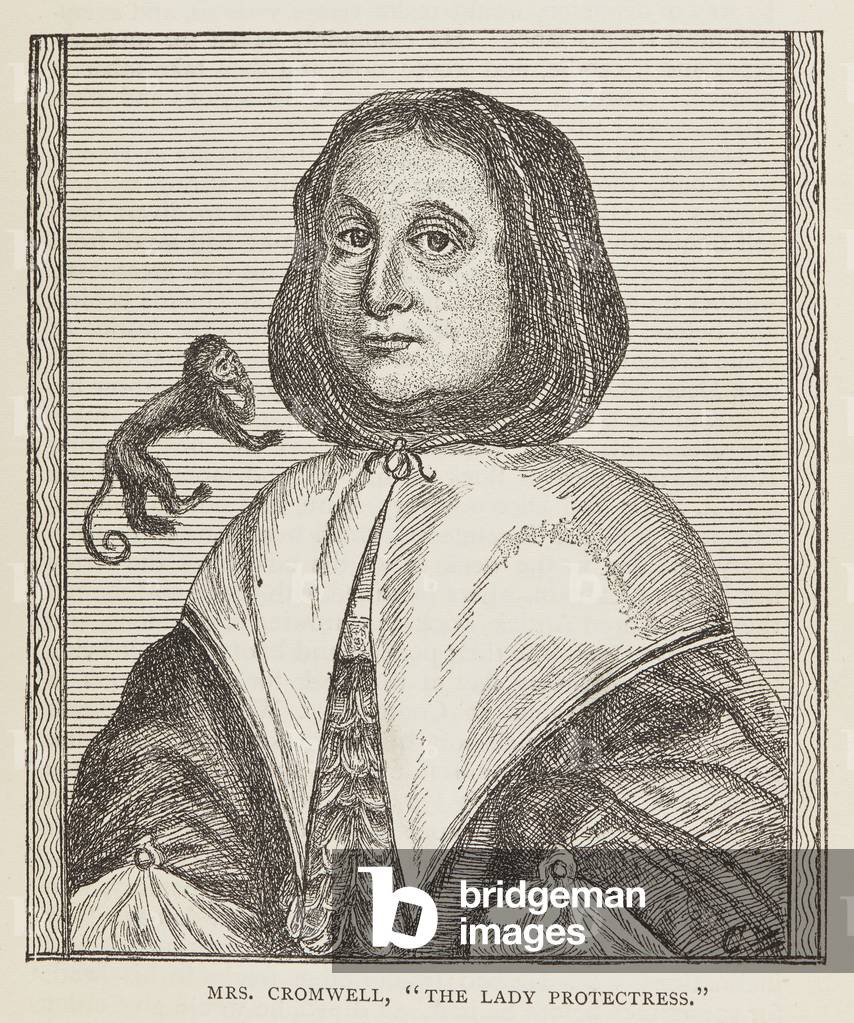
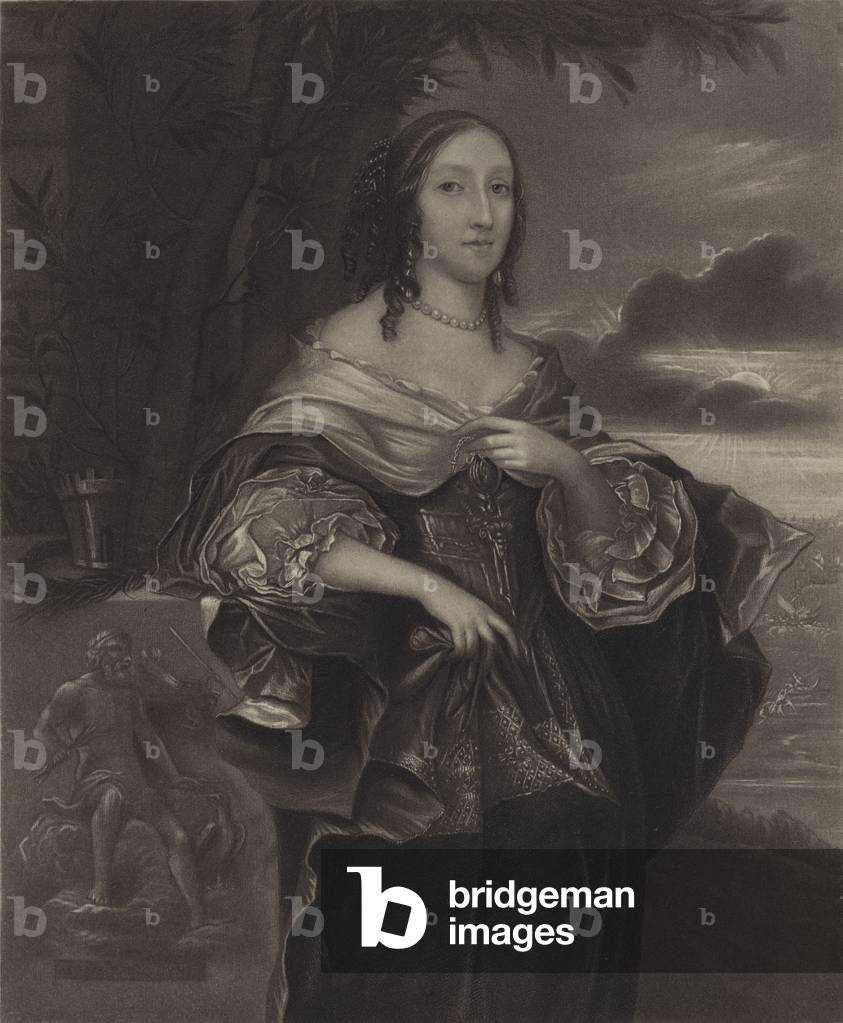
FLO6040098 Elizabeth Cromwell, 1598-1665, wife of Oliver Cromwell, daughter of Sir James Boucher. Commonly called Joan Cromwell or Protectress Cromwell. With monkey symbolizing heresy. Copperplate engraving after a portrait by Christopher Sharp, published in London, 19th century.
DC
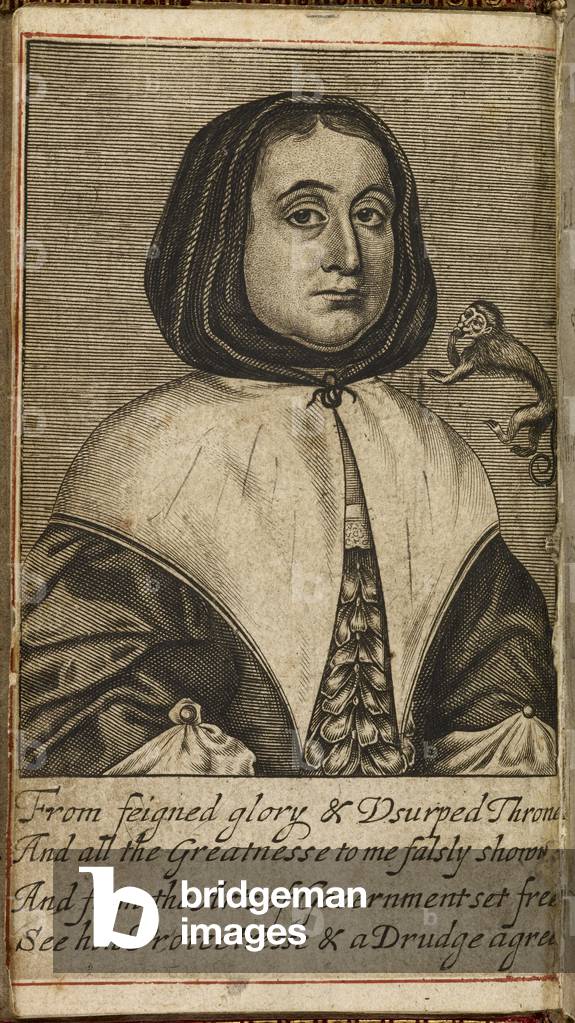
BL3299463 The Court & Kitchen of Elizabeth, commonly called Joan Cromwel the wife of the late usurper, truly described and represented, etcTho. Milbourn, for Randal Taylor: London, England 1664.Language: EnglishSource/Shelfmark: G.4436 frontispiece
DC
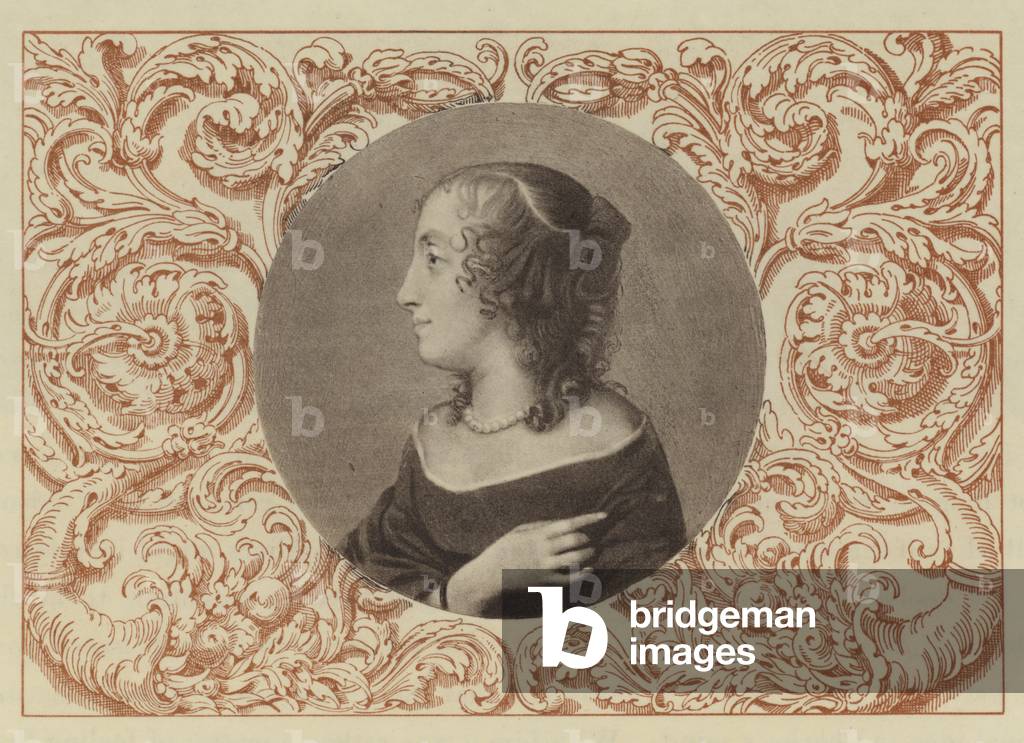
LLM2811807 Mrs Claypole (Elizabeth Cromwell), second daughter of Oliver Cromwell. From the Miniature by Samuel Cooper (signed S C, 1653), in the collection of the Duke of Devonshire, at Devonshire House, London. Illustration for Oliver Cromwell by Samuel Rawson Gardiner (Goupil, 1899).
DC
MOU245504 obsidian crown and mural crown;
DC
LLM2811830 Mrs Claypole (Elizabeth Cromwell), second daughter of Oliver Cromwell. From the Painting by Joseph Michael Wright (1658), in the National Portrait Gallery. Illustration for Oliver Cromwell by Samuel Rawson Gardiner (Goupil, 1899).
DC
CWM6319295 Elizabeth Cromwell (1650-1731), Granddaughter of Oliver Cromwell, Lord ProtectorElizabeth was Cromwell’s granddaughter, referred to by him in a letter as the ‘little brat’. She was brought up by her mother, Dorothy, whilst her father Richard was in exile.
DC
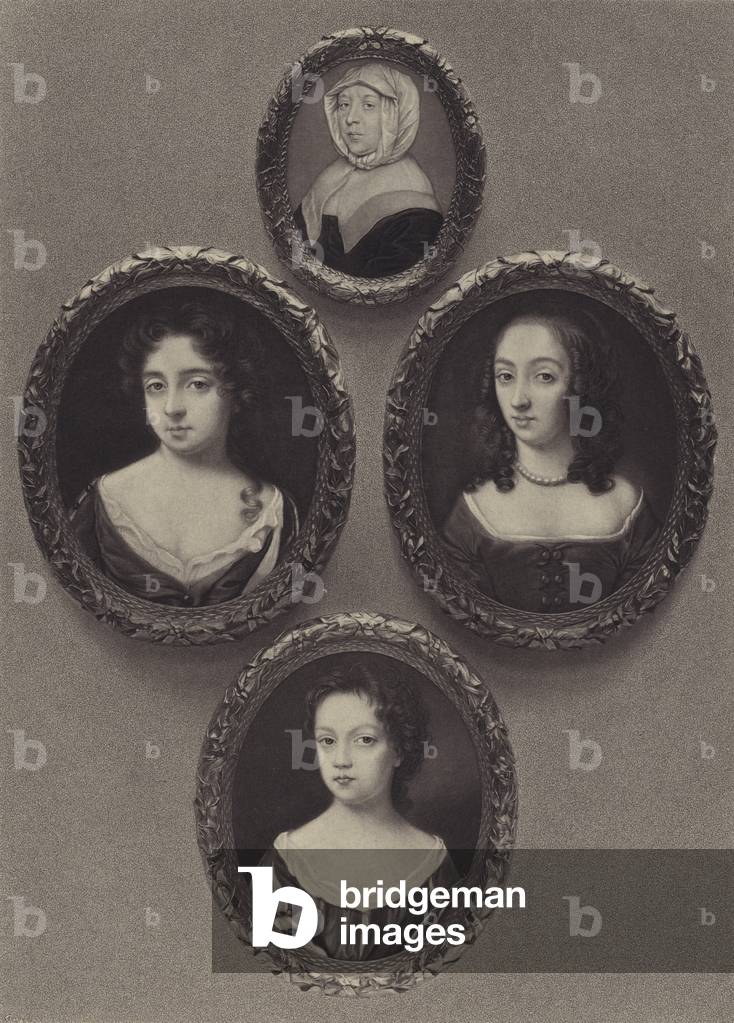
LLM2811822 Group of Four Miniatures. In the Royal collection at Windsor Castle. (At top) Elizabeth Cromwell, mother of Oliver Cromwell, from the original by John Hoskins (signed); (on left) Mary, third daughter of Oliver Cromwell, (afterwards Lady Fauconberg), from the original by Lawrence Crosse (signed); (on right) Elizabeth, second daughter of Oliver Cromwell (afterwards Mrs Claypole), from the original by Samuel Cooper (signed); (at bottom) Bridget, eldest daughter of Oliver Cromwell (afterwards Mrs Ireton and Mrs Fleetwood), from the original by Lawrence Crosse (signed). Illustration for Oliver Cromwell by Samuel Rawson Gardiner (Goupil, 1899).
DC
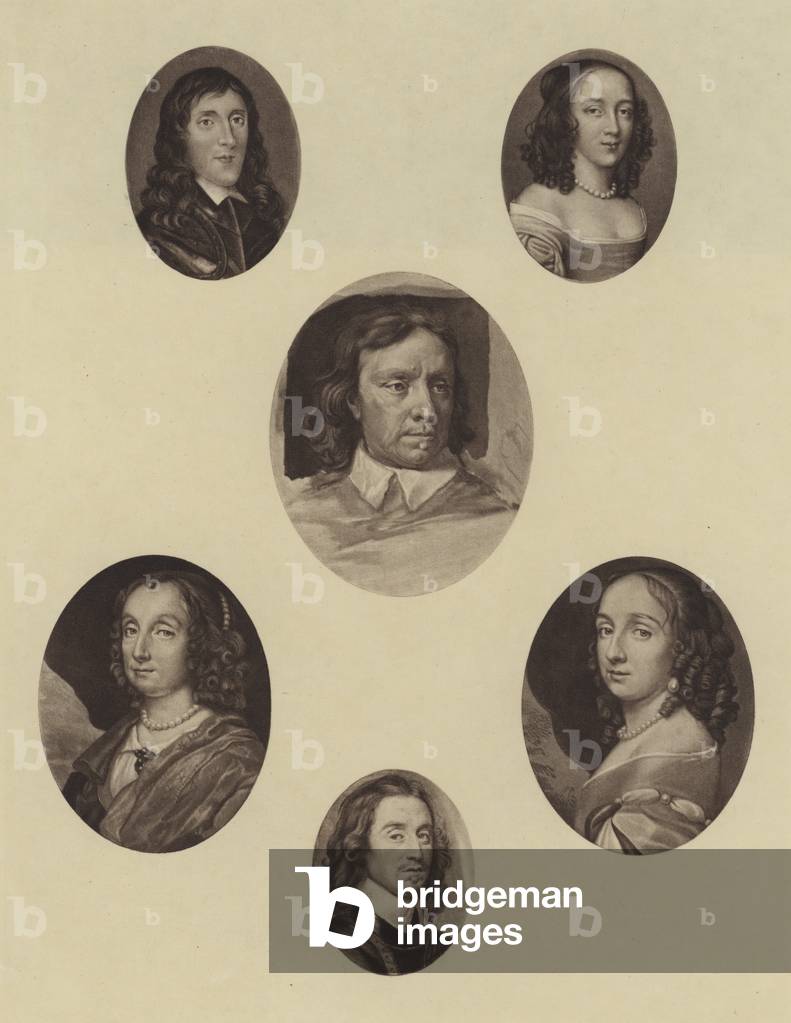
LLM2811821 Group of Six Miniatures. In the collection of the Duke of Buccleuch, at Montague House, London. (At top, on left) Richard, son of Oliver Cromwell, whom he succeeded as Protector, from the original; (at top, on right) Mary, third daughter of Oliver Cromwell, from the original; (in centre) Oliver Cromwell, from the unfinished original by Samuel Cooper; (below, on left) Mrs Elizabeth Cromwell, wife of Oliver Cromwell, from the original by Samuel Cooper; (below, on right) Elizabeth, second daughter of Oliver Cromwell, from the original; (at bottom) Henry, youngest son of Oliver Cromwell, from the original by Samuel Cooper. Illustration for Oliver Cromwell by Samuel Rawson Gardiner (Goupil, 1899).
DC
CWM6317140 Elizabeth Cromwell (1598-1665), nee BourchierCromwell's wife Elizabeth depicted as a younger woman. Produced as a pair with 6317141
DC
LAL441106 Elizabeth Cromwell (nee Bourchier) (1598-1665) was the wife of Oliver Cromwell, Lord Protector of England, Scotland and Ireland; She is sometimes referred to as the Lady Protectress or Protectress Joan;
DC
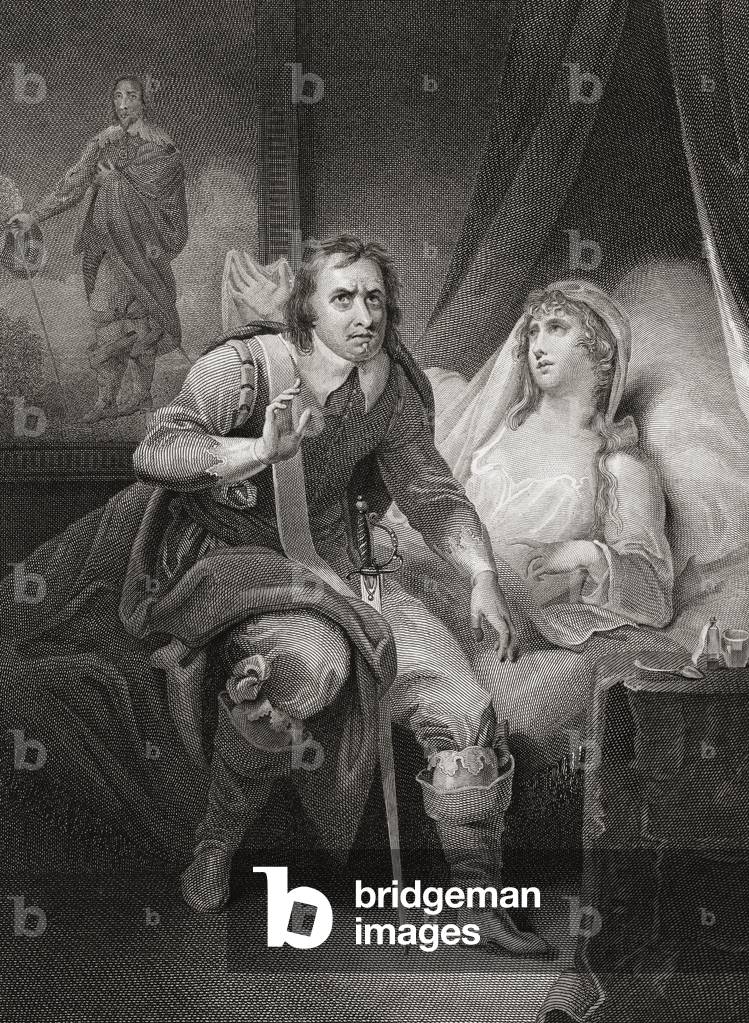
KWE7419983 Oliver Cromwell's daughter, Elizabeth Claypole, 1629 - 1658 lying on her sick-bed, begging her father to be lenient towards political opponents. After a print by James Stow from a work by Henry Tresham originally featured in Robert Bowyer's Historic Gallery, published between 1793 and 1806.
DC
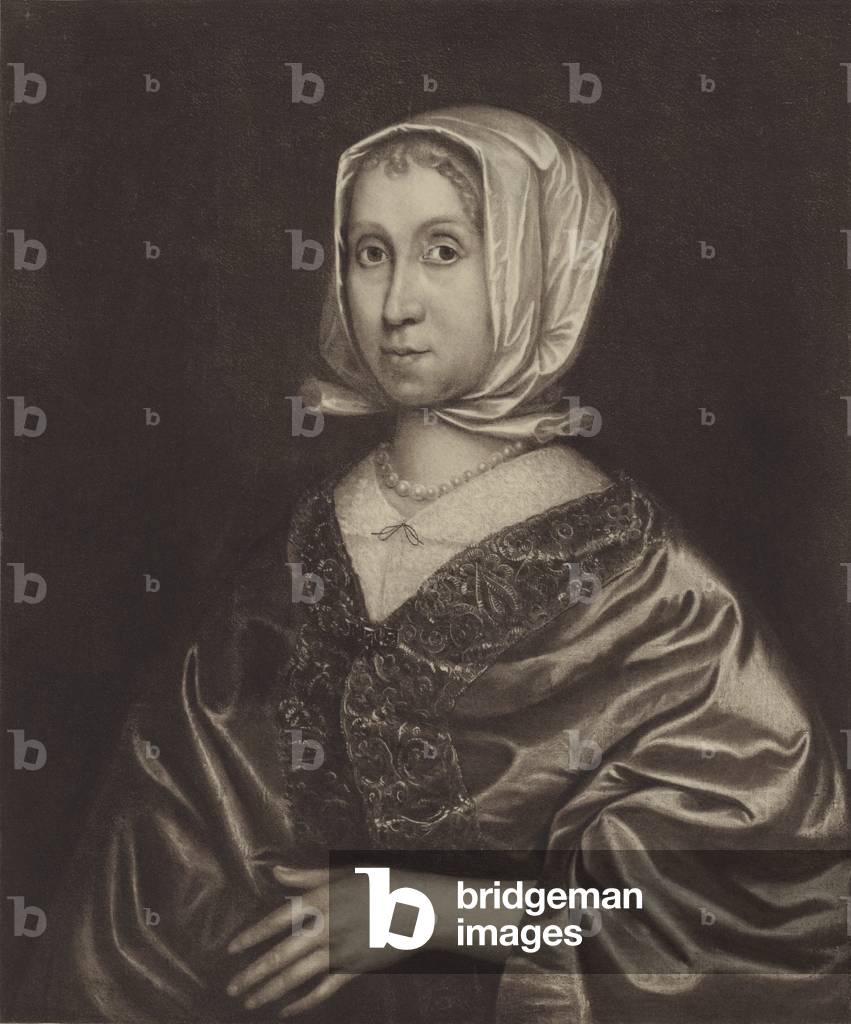
CWM6317148 Elizabeth Cromwell (1598-1665), nee Bourchier, the Protectoress Cromwell's wife Elizabeth shown as Lady Protector in an exqusite silk gown.
DC
LIP1598776 Elizabeth Claypole warning her Father, Oliver Cromwell, not to accept the Crown. Illustration for The Illustrated London News, 22 April 1899.Julius Schrader
DC
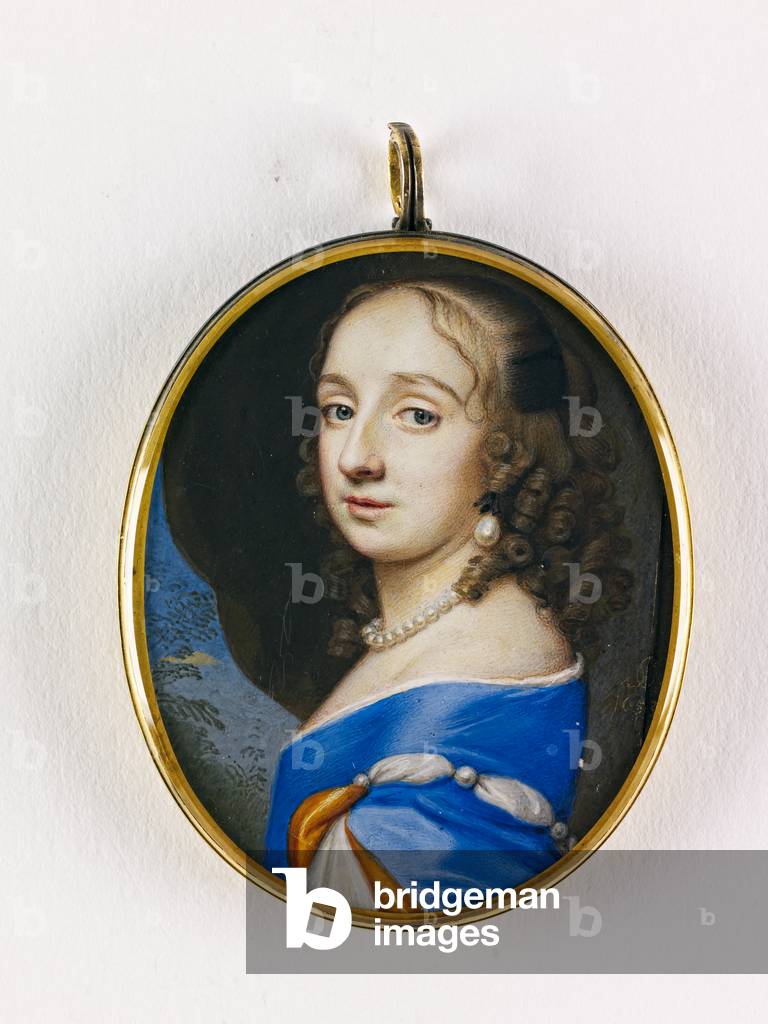
BLH7392931 Artist: Samuel Cooper (1609–1672)Elizabeth Cromwell (1629-1658), Mrs. Claypole, second daughter of the Protector, or her sister, Frances Cromwell, later Lady Russell, facing left, wearing a blue dress slashed with white and yellow, landscape background. In a giltmetal frame, the reverse set with a bloodstone plaque.
DC
CWM6317152 Elizabeth Claypole (1629-58), nee Cromwell, 2nd Daughter of Oliver Cromwell, Lord ProtectorElizabeth was Cromwell's second daughter, and her father's favourite. She married John Claypole, one of his officers, and died prematurely of an illness in 1658.
DC
LAL441107 Elizabeth Cromwell (nee Bourchier) (1598-1665) was the wife of Oliver Cromwell, Lord Protector of England, Scotland and Ireland; She is sometimes referred to as the Lady Protectress or Protectress Joan;
DC
LLM2817717 The Royal Alphabet, N, O, P, Q. Illustration for Aunt Friendly's Nursery Keepsake (Frederick Warne, c 1885).
DC
LAL295039 Thomas Cromwell's Bargain with His King. 'I will make you the richest king there ever was in England,' boasted Thomas Cromwell to Henry VIII. Cromwell's plan was to seize the wealth and power of the English churches and cut them off from the Pope, leaving Henry to become head of the Church of England.
DC
LLM8632774 Oliver Cromwell. Illustration for Glimpses of Old English Homes by Elizabeth Balch (Macmillan, 1890).
DC
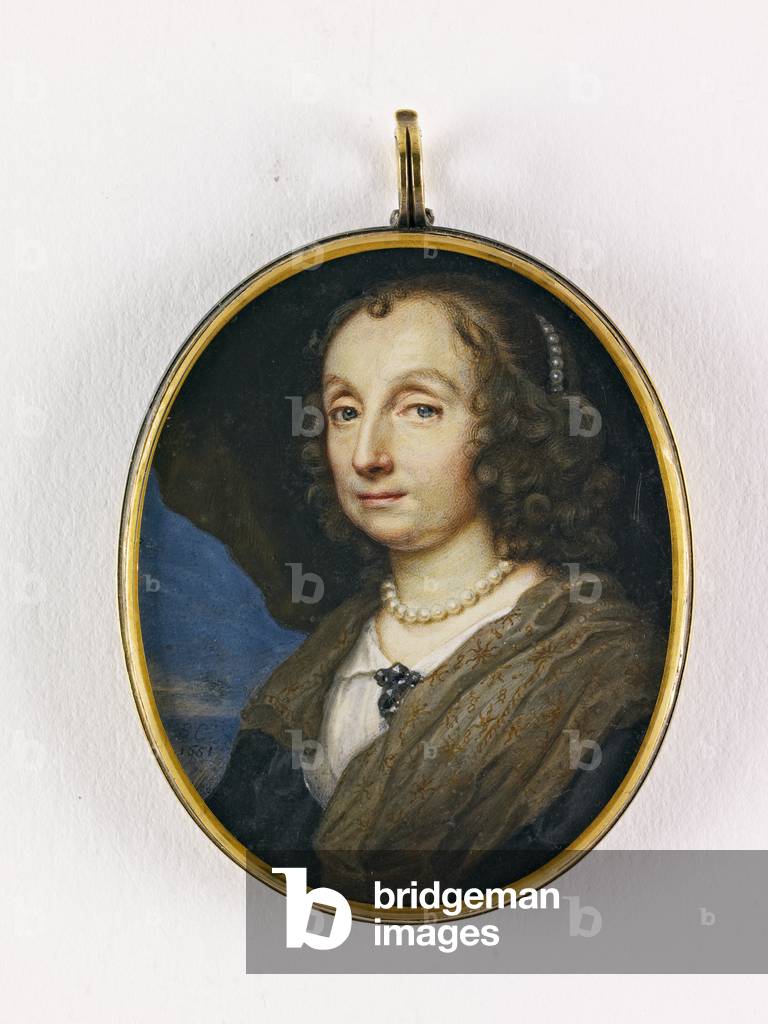
BLH7392928 Artist: Samuel Cooper (1609–1672)Mrs. Oliver Cromwell, née Elizabeth Bourchier (d.1665), 1651, almost full face, wearing a black and white dress and embroidered fawn scarf, landscape background. In a giltmetal frame, the reverse set with a bloodstone plaque.
DC
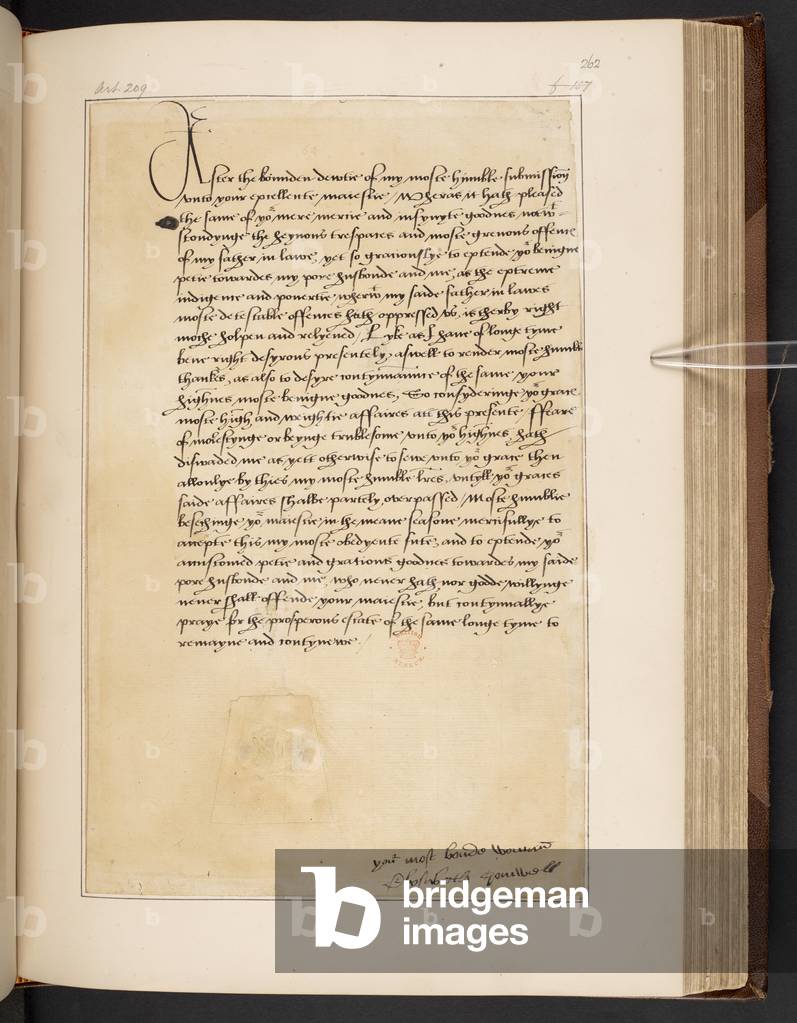
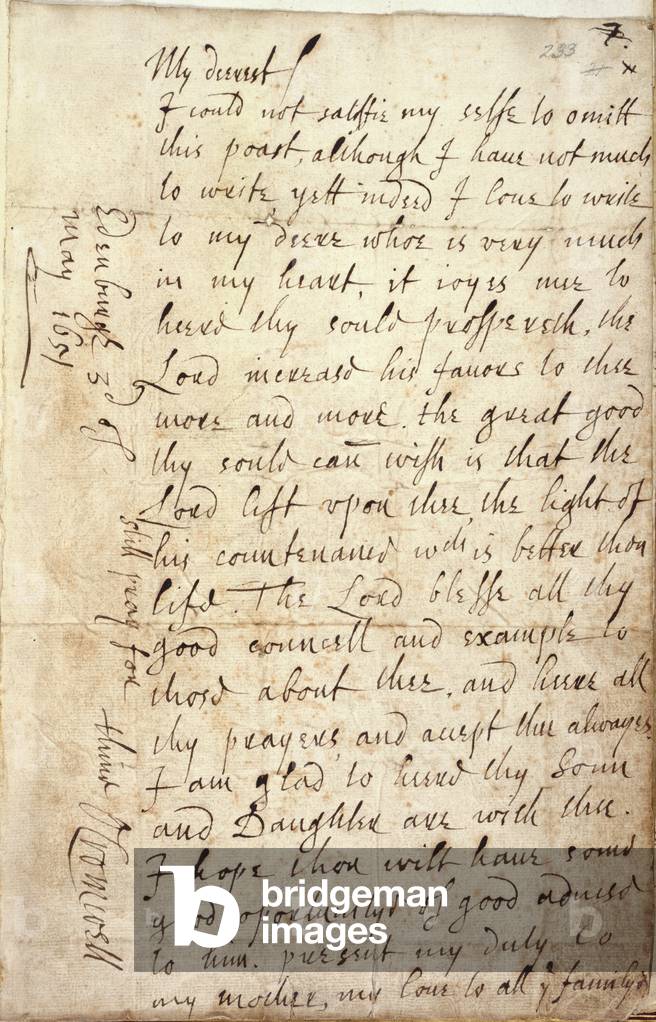
BL3276970 Author: Cromwell, Oliver / Scotland [Edinburgh]; 1651Language: EnglishSource/Shelfmark: Harley 6988, f.233[Whole folio] Autograph letter of Oliver Cromwell to his wife, Elizabeth. Edinburgh, 3 May 1651Originally published/produced in Scotland [Edinburgh]; 1651.
DC
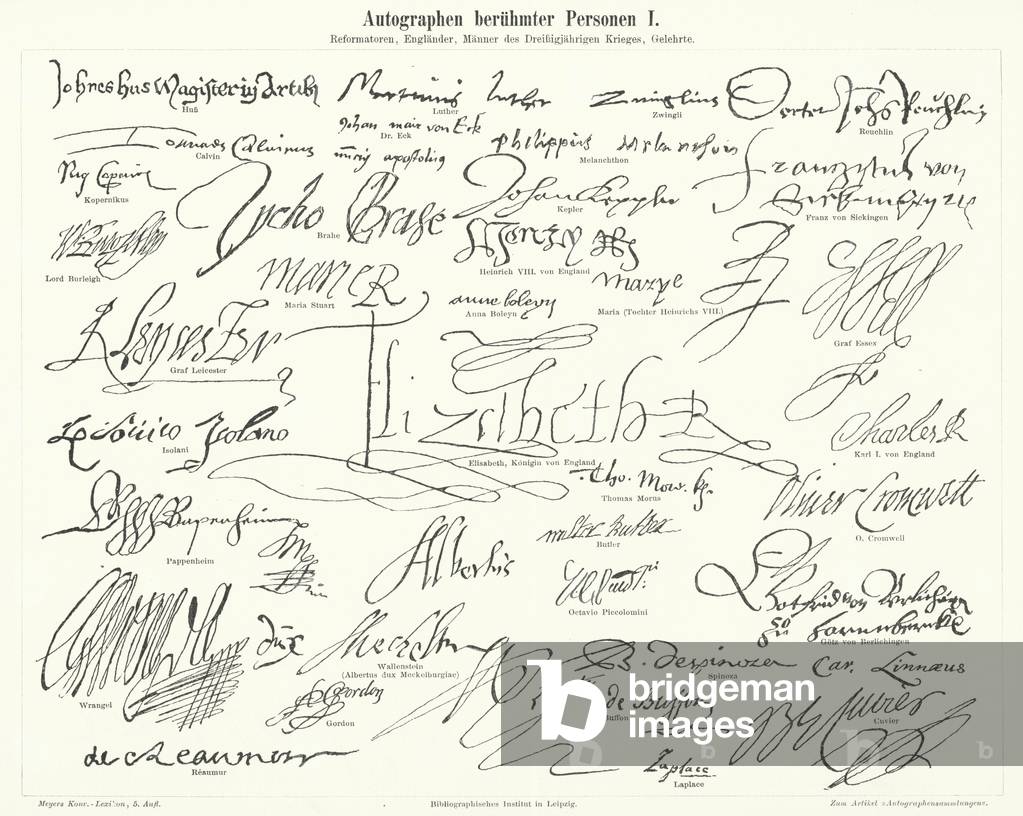
LLM5216887 Autographs of famous people: prominent figures of the Protestant Reformation, Britain, the Thirty Years War and scientists. Illustration from Meyer's Konversations-Lexicon (Bibliographisches Institut, Leipzig and Vienna, 1897).
DC
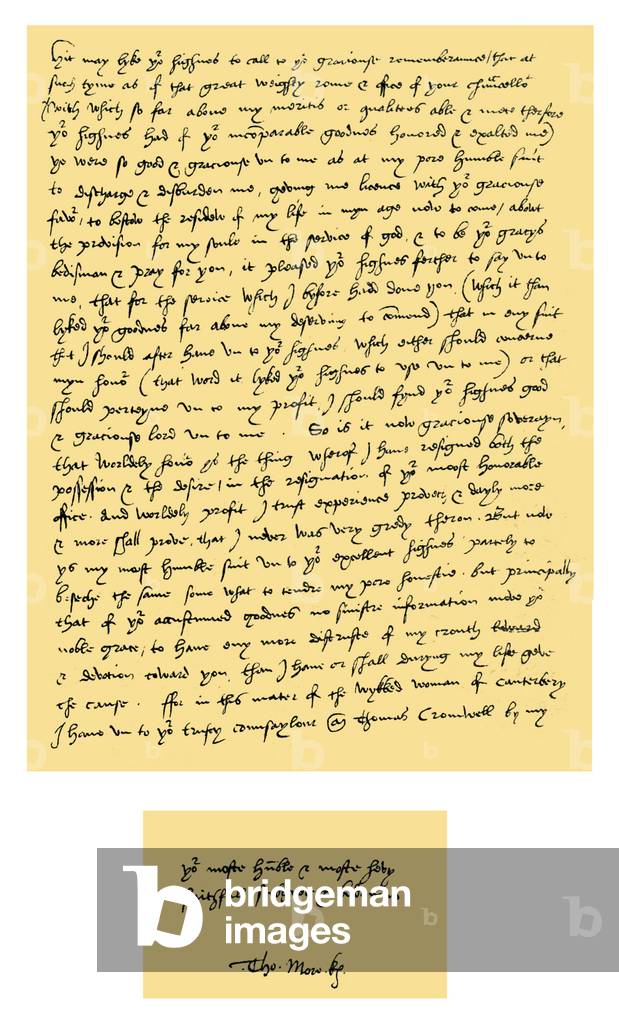
KDC441067 Thomas More (1478-1535) Lord Chancellor (1529-32), author, philosopher, humanist and Reformation martyr; letter asks the king to remember the promise of his favour made when he resigned the chancellorship and stating that he had written the truth to Thomas Cromwell regarding Elizabeth Barton whom More describes as a 'wykked woman'; Elizabeth Barton (c.1506-34) the 'Holy Maid of Kent', executed 20 April, 1534, for making prophecies regarding King Henry's divorce and remarriage plans; letter had no effect and 5 weeks later, More was imprisoned in the Tower of London; Thomas Cromwell (1485-1540) Henry VIII's chief minister (1532-40); facsimile from 'Facsimiles of Royal, Historical & Literary Autographs in the Department of Manuscripts', British Museum, 4th series, printed for the Trustees, 1898; Cotton MS.Cleopatra E.vi.,f.176.;
DC
CWM6317146 English School, mid 17th centuryThis portrait was traditionally identified as being that of Elizabeth Cromwell, nee Steward, Oliver Cromwell's mother but has that has now been disproved.
DC
IL1074106 Cassells History of England published Cassell and Company Limited circa 1920's
DC
BL3727400 Elizabeth Wyckes, (also Wykys, or Wykes) (d. 1529) was the wife of Thomas Cromwell (1485 – 28 July 1540), Earl of Essex, and chief minister to Henry VIII of England. She was daughter to Henry Wyckes, a well-to-do clothier from Chertsey, and his wife Mercy, who later married Sir John Pryor after Wyckes' death.
DC
XJF143599
RF
STC146126 Thomas Cromwell (c.1485-1540) Ist Earl of Essex from 'Memoirs of the Court of Queen Elizabeth', published in
DC
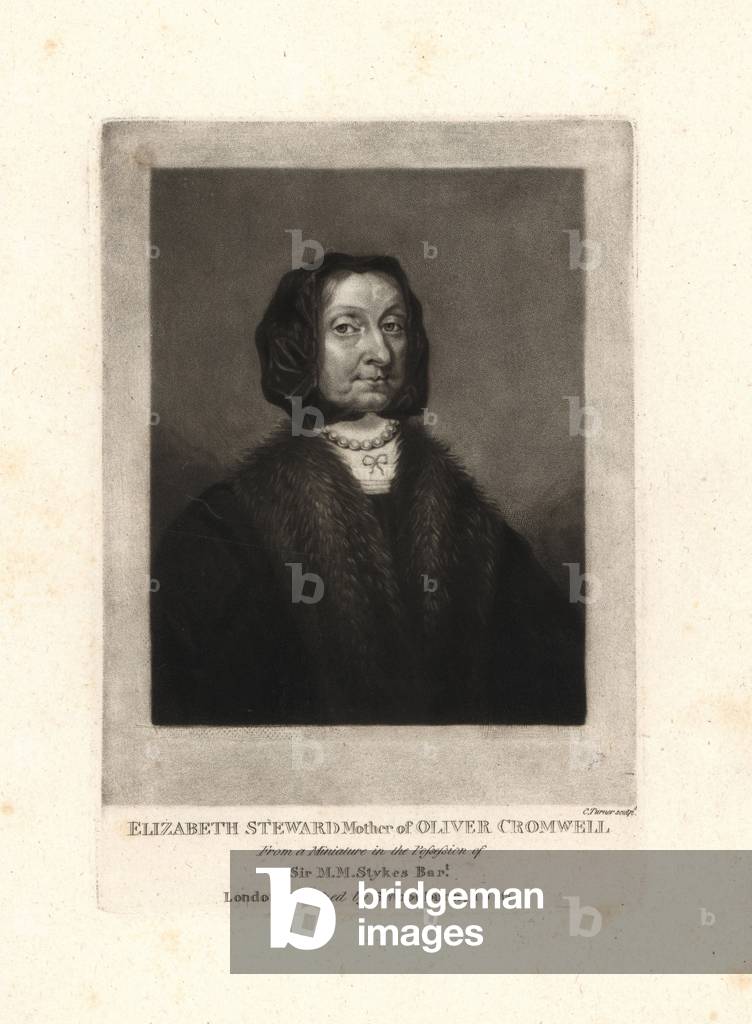
LLM961520 Elizabeth Steward, Mother of Oliver Cromwell the military and political leader. Illustration for Portraits of Characters Illustrious in British History. Published by Woodburn 1815.
DC
STC146743 Secretary of State in reign of Mary I;
DC
PNH419766 Elizabeth Claypole (1629-1658), daughter of Oliver Cromwell;
DC
FLO4731660 Elizabeth Steward, mother of Oliver Cromwell, died 1654. Copperplate mezzotint by Charles Turner after an original miniature painting from Samuel Woodburn's Portraits of Characters Illustrious in British History, London, 1810.
DC
XLF3788212 Queen Elizabeth I (1533-1603) seated in Parliament. Prior to Cromwell it was still traditional for Parliament to regularly address the reigning monarch directly. Herbert Norris artist died 1950 Costume and Fashion Volume Three, The Tudors, by Herbert Norris, printed in London, 1938
DC
KDC384150 signed 'Your loving mistress, Anne the Quene'; letter asking Thomas Cromwell (1485-1540), King Henry's principal secretary and chief minister, to help with the Pointz wardship; Anne Boleyn (1507-36); second wife of King Henry VIII; executed for alleged infidelity in 1536; mother of Elizabeth I (1533-1603);
DC
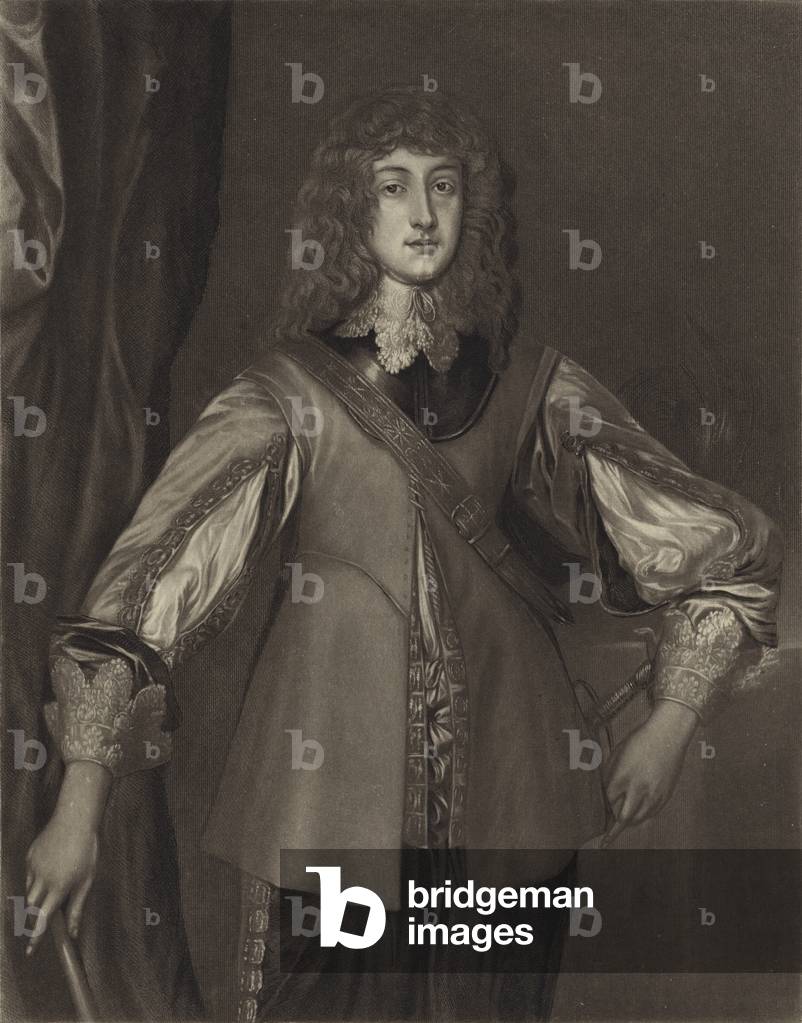
LLM2811801 Prince Rupert, son of the Elector Frederick V, Count Palatine of the Rhine, and of Elizabeth, daughter of James I. From the Painting by Vandyke, in the collection of the Earl of Sandwich, at Hinchingbrooke. Illustration for Oliver Cromwell by Samuel Rawson Gardiner (Goupil, 1899).
DC
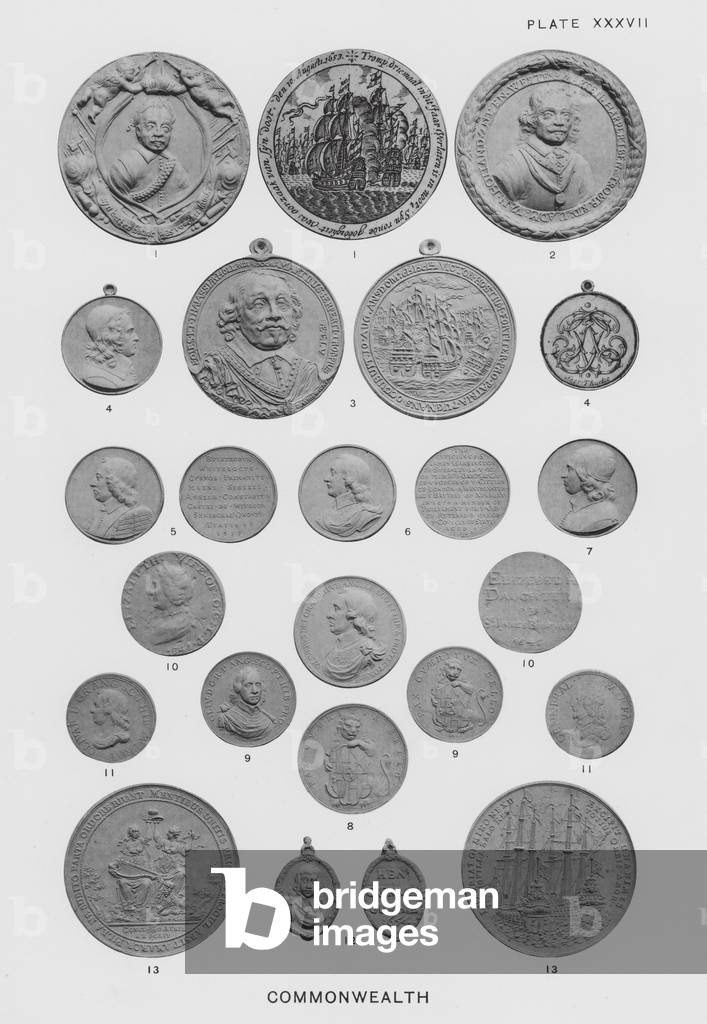
LLM8662215 Commonwealth. 1-2. Martin Harpertzoon Tromp, Memorials, 1653. 3. Martin Harpertzoon Tromp, Memorial, 1653. 4. John Thurloe, 1653. 5. Bulstrode Whitelock, 1653. 6. Sir James Harrington, 1653. 7. Unknown Portrait, 1653. 8. Oliver Cromwell, Lord Protector, 1653. 9. Oliver Cromwell, Lord Protector, 1653. 10. Elizabeth Cromwell, 1653. 11. Cromwell and Fairfax, 1653. 12. Henry Cromwell, 1654. 13. Peace with Holland, 1654. Illustration for Medallic Illustrations of the History of Great Britain and Ireland (British Museum, 1911). Exquisitely printed with great detail.
DC
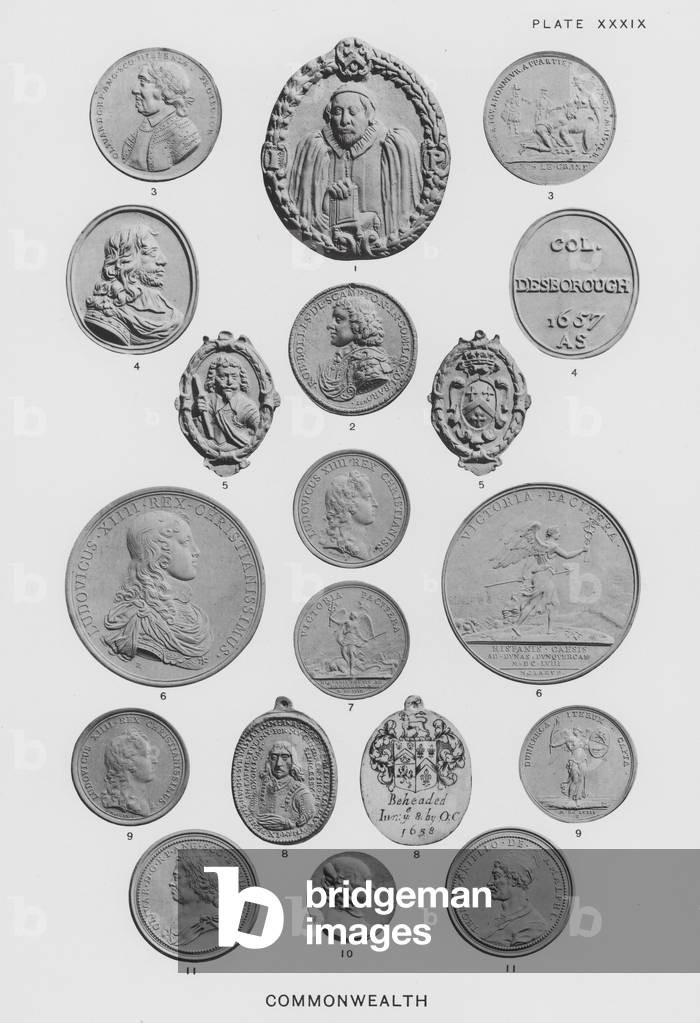
LLM8662219 Commonwealth. 1. James Palmer, Almshouses erected, 1654. 2. Sir Robert and Lady Bolles, 1655. 3. Oliver Cromwell, Subservience of France and Spain, 1655. 4. Colonel John Desborough, 1657. 5. Robert Rich, Second Earl of Warwick, Naval Reward. 6-7. War with Spain, Battle of Dunkirk, 1658. 8. Sir Henry Slingesby, Beheaded, 1658. 9. War with Spain, Dunkirk taken, 1658. 10. Elizabeth Cleypole, Died, 1658. 11. Cromwell and Masaniello, 1658. Illustration for Medallic Illustrations of the History of Great Britain and Ireland (British Museum, 1911). Exquisitely printed with great detail.
DC
STC146720 Walter Devereux, Earl of Essex;
DC
HST3083632 Published by Elizabeth d'Achery (1742-).Group portrait showing Oliver Cromwell (1599-1658); Charles Lennox, Duke of Richmond (1735-1806); William Petty, Earl of Shelburne (1737-1805); and Charles James Fox (1749-1806). Shelburne's plan for "arming the people" to defend themselves was a reaction against the conduct of government soldiers during the Gordon Riots.
DC
LIP1601979 Statues in the New Palace at Westminster. Illustration for The Illustrated London News, 10 February 1855.English School (19th Century)
DC
LAL295274 Kenilworth Castle. Professionally re-touched image.
DC
XLF3784349 Autograph: Letter from Sir Thomas More to Henry VIII, reminding of his promise of favour made when he resigned the chancellorship. He urges the king not to distrust his truth and devotion, and declares that in the matter of Elizabeth Barton, the maid of Kent, he had written the truth to Cromwell. Sir Thomas More writes further that if the king deems him guilty, he is ready to forfeit his life and fortune, but if the king perceives that he has only acted faithfully, he begs that he may be relieved from the bill brought into parliament against him. 5 March 1534. Signature: Sir Thomas More. Lawyer, social philosopher, author, statesman, Renaissance humanist, 7 February 1478 – 6 July 1535. Source: British Museum.
DC
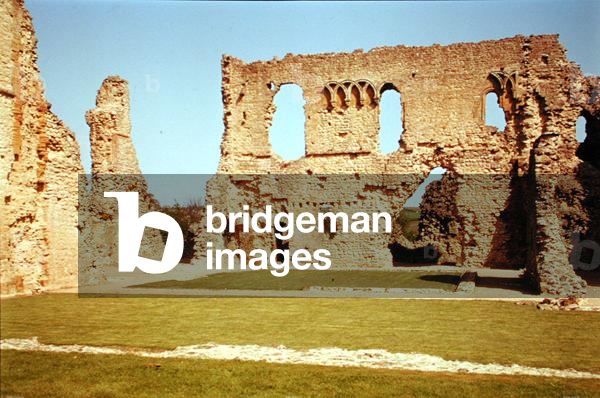
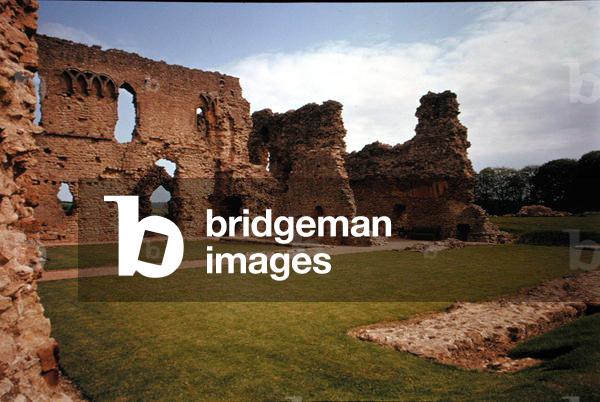
JB151410 in 1592 lease for castle given to Sir Walter Raleigh by Queen Elizabeth; Parliament dismantled it after it was captured under Cromwell troops on August 15th 1645;
DC
JB151411 in 1592 lease for castle given to Sir Walter Raleigh by Queen Elizabeth; Parliament dismantled it after it was captured under Cromwell troops on August 15th 1645;
DC
JB151408 in 1592 lease for castle given to Sir Walter Raleigh by Queen Elizabeth; Parliament dismantled it after it was captured under Cromwell troops on August 15th 1645;
DC
JB151407 in 1592 lease for castle given to Sir Walter Raleigh by Queen Elizabeth; Parliament dismantled it after it was captured under Cromwell troops on August 15th 1645;
DC
JB151409 in 1592 lease for castle given to Sir Walter Raleigh by Queen Elizabeth; Parliament dismantled it after it was captured under Cromwell troops on August 15th 1645;
DC
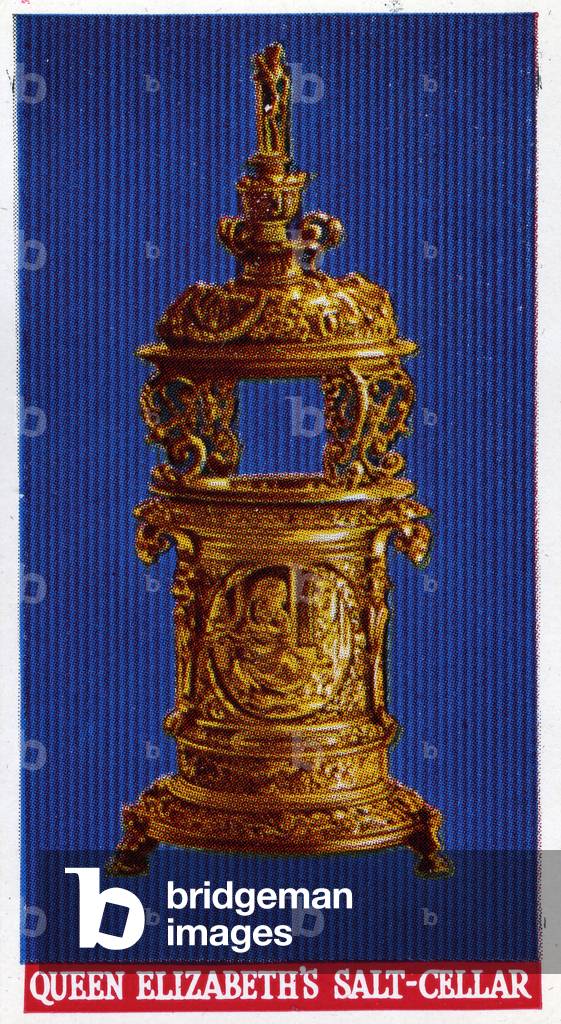
KDC469639 'Queen Elizabeth's Salt', a silver-gilt salt-cellar with the London hallmark of Affabel Partridge, the goldsmith to Queen Elizabeth dated 1572-3; displayed with the other coronation regalia and banqueting plate in the Tower of London; its association with Queen Elizabeth I seems to ne a nineteenth century invention, suggested by the Tudor rose inside the cover; probably acquired c.1660 for Charles II to replace the crown jewels destroyed during the Civil War by Oliver Cromwell;
DC
KDC469410 Purchased in 1678 for Charles II to replace regalia destroyed during the Commonwealth by Oliver Cromwell and possibly first in use for the coronation of James II; also carried at other State occasions; last used for the coronation of Queen Elizabeth II in 1953; illustration from the series of Godfrey Phillips cigarette cards produced for the Coronation of George VI;
DC
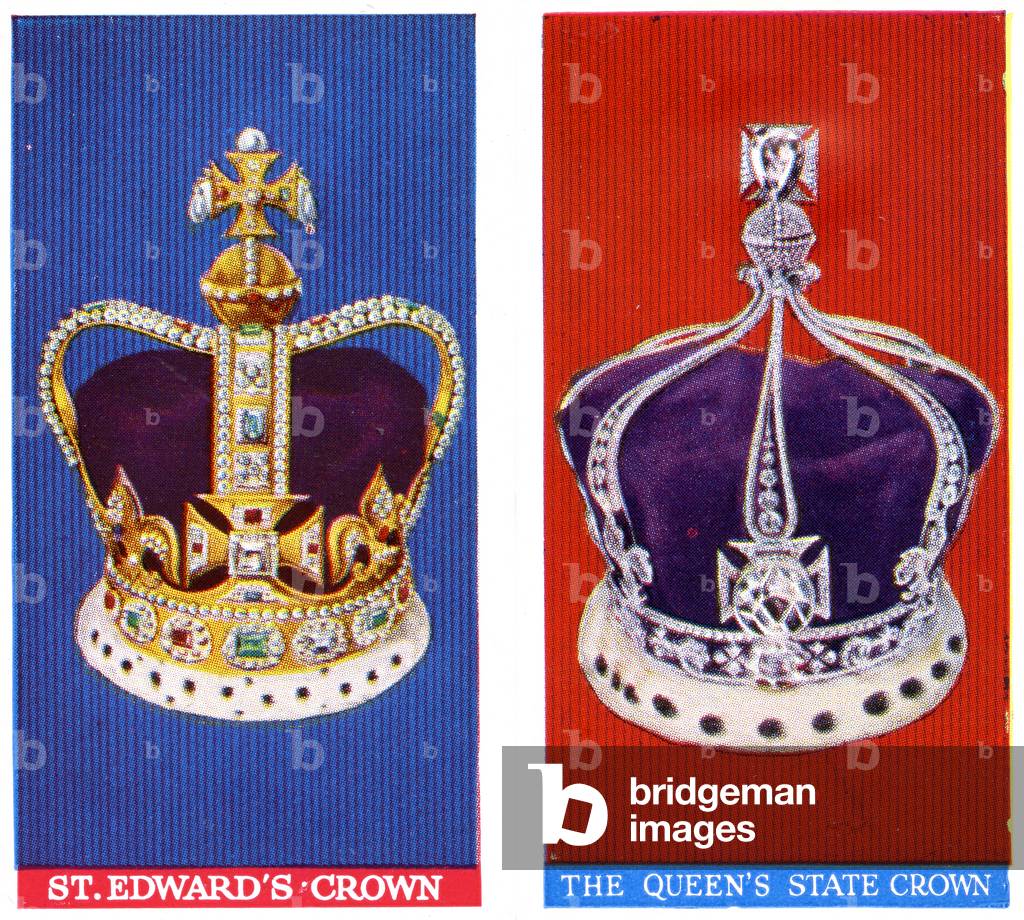
KDC473425 St. Edward's crown is the principal piece of the coronation regalia; used by the Archbishop of Canterbury to crown the new Sovereign; made in 1661 for Charles II; named after Edward the Confessor, King of England (1042-66) whose crown was destroyed in 1650 by Oliver Cromwell in his determination to eradicate all symbols of royalty and kingship; last used for the coronation of Queen Elizabeth II in 1953; the Queen's State crown is used to crown a Queen Consort and was last used in 1937 for the coronation of Queen Elizabeth, consort of George VI; illustration from the series of Godfrey Phillips cigarette cards produced for the Coronation of George VI and Queen Elizabeth;
DC
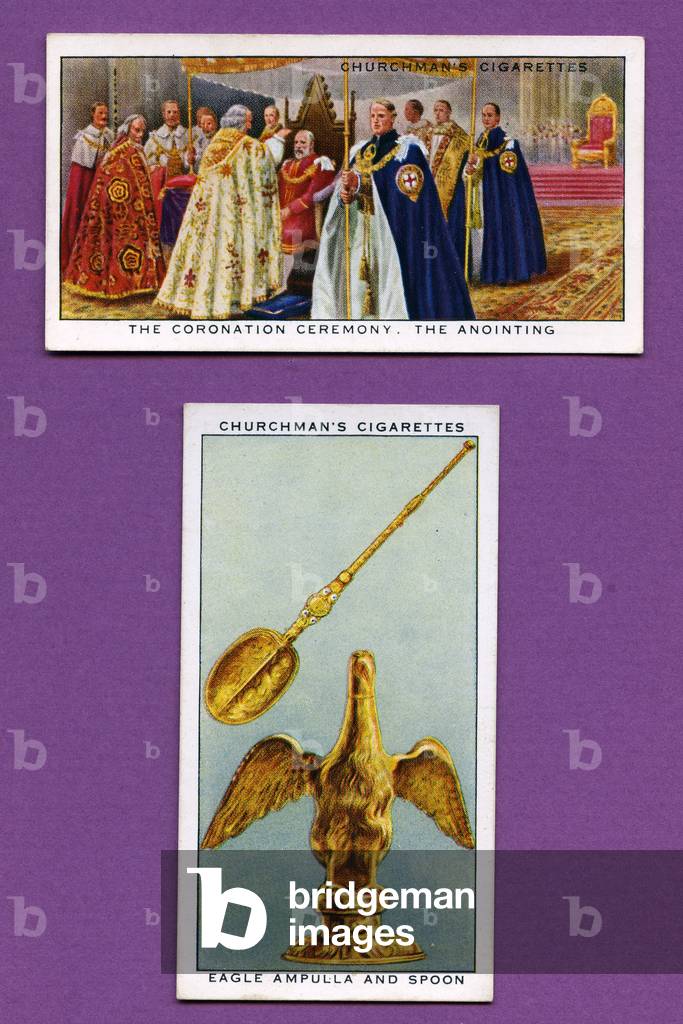
KDC465790 Two oldest objects in the Coronation Regalia; ampulla is a vessel in the shape of an eagle containing the holy oil used to anoint the sovereign on head, breast and hands; thought to have been made in 14th century and first used at the coronation of Henry IV in 1399; spoon dated to 13th century; both objects escaped destruction by Oliver Cromwell in 1650 in his determination to eradicate all symbols of royalty and kingship; illustration from the series of Churchman's cigarette cards produced for the Coronation of George VI and Queen Elizabeth; last used for the Coronation of Queen Elizabeth II in 1953;
DC
KDC469418 symbolically broken sword, the blunt tip is a symbol of the mercy of the sovereign; also known as Edward the Confessor's sword; last used for the coronation of Queen Elizabeth II in 1953; one of the few items of regalia that escaped destruction in 1650-1 by Oliver Cromwell and believed to have been made for the coronation of King Charles I in 1625; illustration from the series of Godfrey Phillips cigarette cards produced for the Coronation of George VI;
DC
KDC469406 Principal piece of the coronation regalia; used by the Archbishop of Canterbury to crown the new Sovereign; made in 1661 for Charles II; named after Edward the Confessor, King of England (1042-66) whose crown was destroyed in 1650 by Oliver Cromwell in his determination to eradicate all symbols of royalty and kingship; last used for the coronation of Queen Elizabeth II in 1953; illustration from the series of Godfrey Phillips cigarette cards produced for the Coronation of George VI;
DC
KDC465788 Archbishop of Canterbury placing the Crown of St. Edward on the head of King George V in 1911; Crown of St. Edward is the principal piece of the coronation regalia; made in 1661 for Charles II; named after Edward the Confessor, King of England (1042-66) whose crown was destroyed in 1650 by Oliver Cromwell in his determination to eradicate all symbols of royalty and kingship; last used for the coronation of Queen Elizabeth II in 1953; illustration from the series of Churchman's cigarette cards produced for the Coronation of George VI;
DC
KDC469407 The anointing ceremony is considered the most solemn and sacred part of the coronation service and consecrates the new sovereign for her or his new duties; a canopy is held over the monarch and photography is not permitted; last used for the Coronation of Queen Elizabeth II in 1953, the ampulla and spoon are the oldest objects in the Coronation Regalia; the ampulla is a vessel in the shape of an eagle containing the holy oil used to anoint the sovereign on head, breast and hands; thought to have been made in 14th century and first used at the coronation of Henry IV in 1399; spoon dated to 13th century; both objects escaped destruction by Oliver Cromwell in 1650 in his determination to eradicate all symbols of royalty and kingship; illustration from the series of Godfrey Phillips cigarette cards produced for the Coronation of George VI;
DC
KDC465794 Crown Jewels of Scotland; oldest coronation regalia in Britain; gifts in the 15th and 16th centuries from Popes to the Scottish kings, James IV and James V; L to R: Sword of State, gift of Pope Julius II to King James IV in 1507; Crown, remodelled in 1540 for James V (1513-42) and last worn by King Charles II for his coronation at Scone in 1651; Sceptre, gift of Pope Alexander VI to James IV in 1494; golden collar of the Garter presented to James IV by Queen Elizabeth I of England and the mace surmounted by a beryl; regalia hidden from capture by Cromwell and the English during the Commonwealth; after the Union of Scotland and England in 1707, the regalia were forgotten until discovered by Sir Walter Scott in 1818 in an old chest in Edinburgh Castle; crown now displayed at the opening of new sessions of the Scottish Parliament;
DC
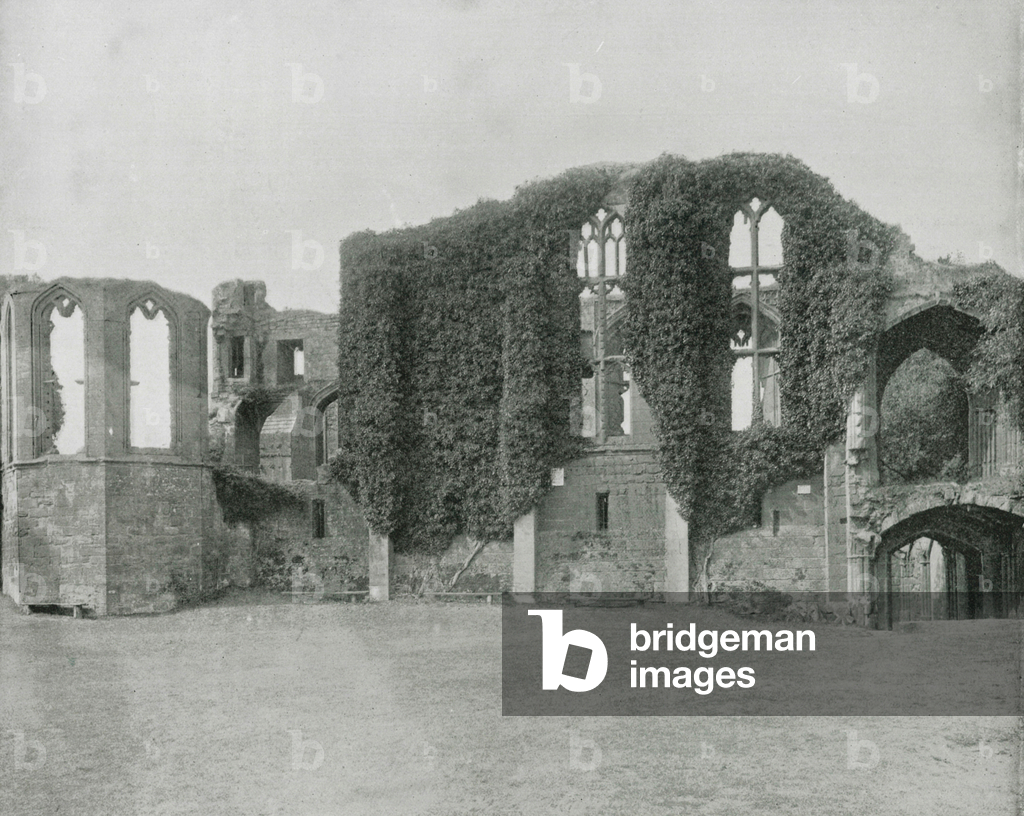
LLM11711755 Kenilworth Castle, England. Few ruins in all England are more interesting than those of this grand old baronial castle, originally founded by Geoffrey de Clinton about 1120. Queen Elizabeth finally gave it to her favourite, the Earl of Leicester, and he spent enormous sums of money in enlarging and improving it. Sir Walter Scott's novel, Kenilworth," gives us an idea of the magnificent style in which Leicester entertained the Queen here in 1575. Unfortunately in the time of Cromwell this, like so many other noble strictures'in England, suffered much mutilation. The clinging ivy, however, makes portions of these ruined walls more beautiful than they could have been when perfect and entire. The material of this castle is old red sand-stone, and hence when illumined by the sunset light its walls and towers glow like shafts of jasper or porphyry, or the volcanic cliffs on the Island of Capri. It must have once been a most splendid residence, well worthy of the abode of him who even dared to hope for the hand of Queen less, as well as for her/anawr. Its outer wall enclosed a space of seven acres, and ten thousand soldiers were required to guard it. The historic memories of this place appear to us more powerfully than those of any other castle in England. Instinctively the words of Tennyson here recur to us:"The splendour falls on castle walls, And snowy summits old in story; The long light shakes across the lakes, And the wild cataract leaps in glory." From a Portfolio of Photographs (Werner, c 1890).By American Photographer (19th Century)
DC
LLM8632777 Cromwell's Mother. Illustration for Glimpses of Old English Homes by Elizabeth Balch (Macmillan, 1890).
DC
LIP1055608 Ancient Shoes. Illustration for The Graphic, 11 May 1889.
DC

Total de Resultados: 63

Página 1 de 1