

















































Busque também em nossas outras coleções:

Tipo de arquivo:

Tipo do arquivo:

Orientação:

Total de Resultados: 80

Página 1 de 1

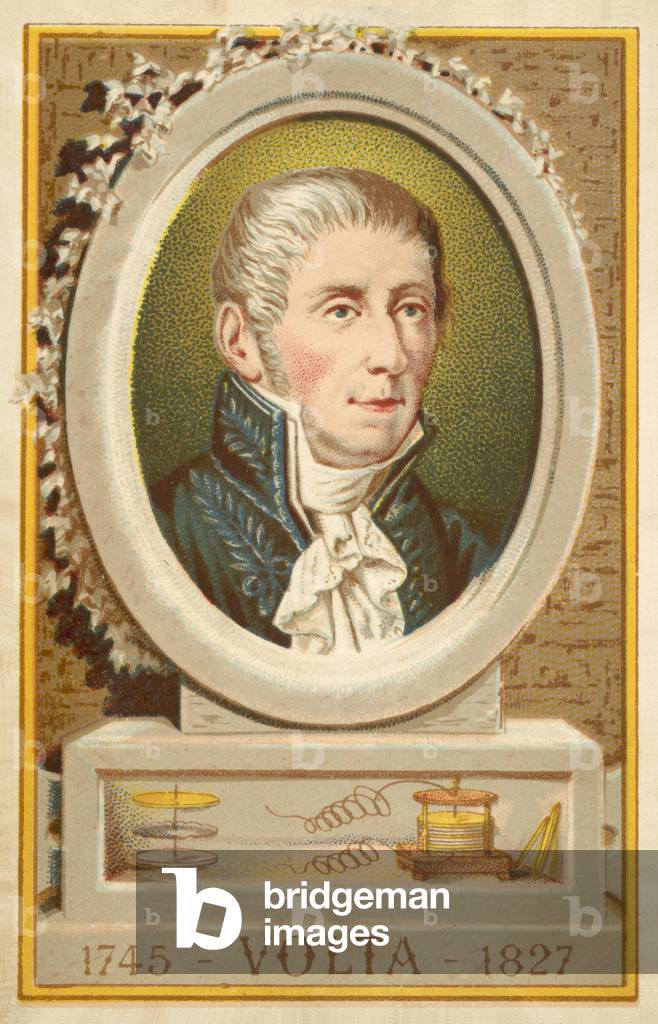
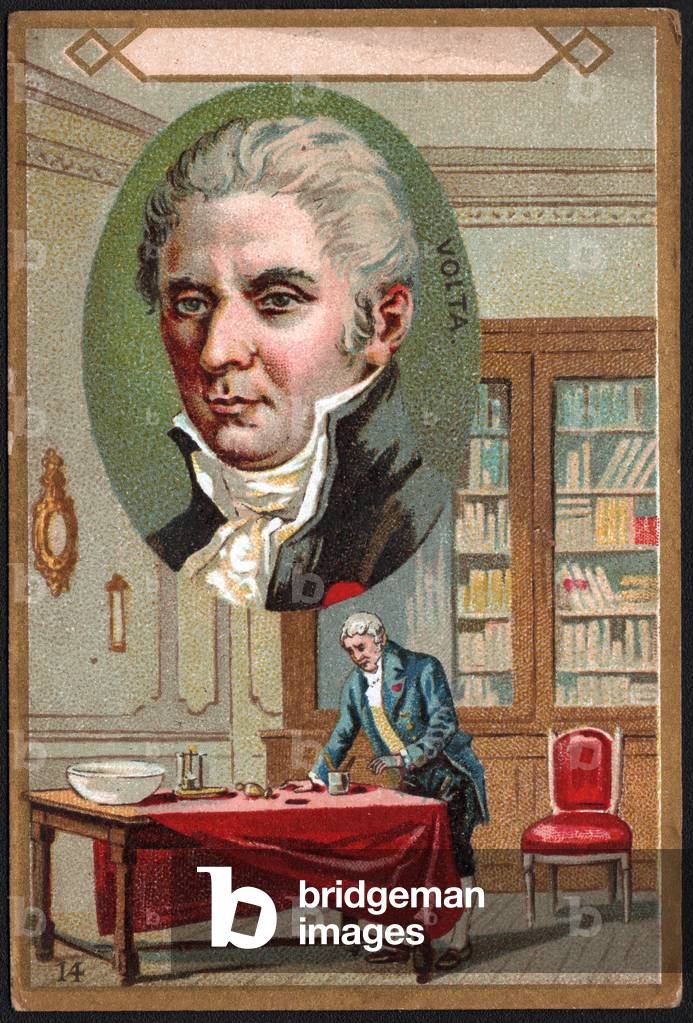
LLM1093702 Alessandro Volta (1745-1827), Italian physicist. French educational card, late 19th or early 20th century.
DC
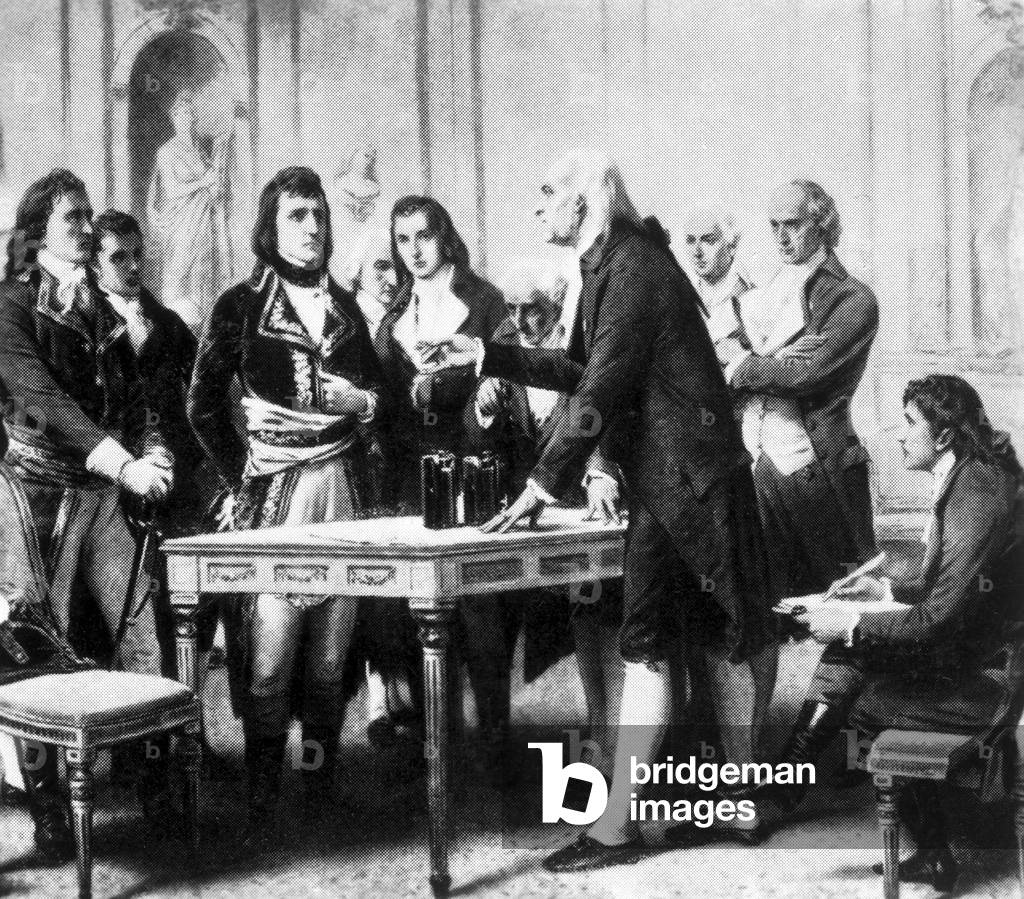
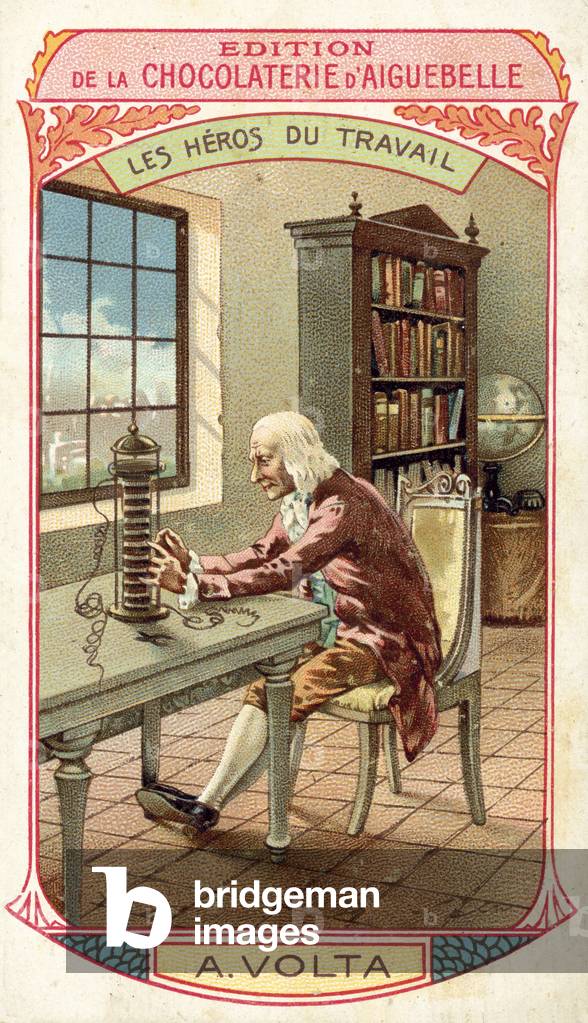
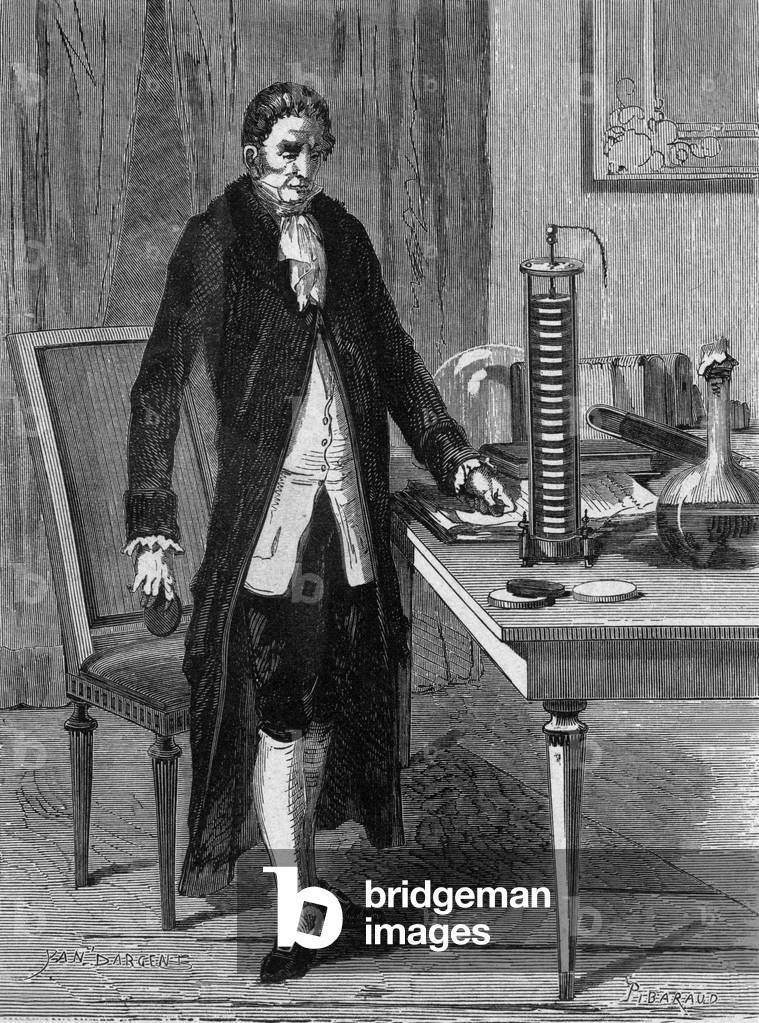
LLM974608 Alessandro Volta (1745-1827), Italian physicist, demonstrating his electric battery, the voltaic pile. Educational card, late 19th or early 20th century.
DC
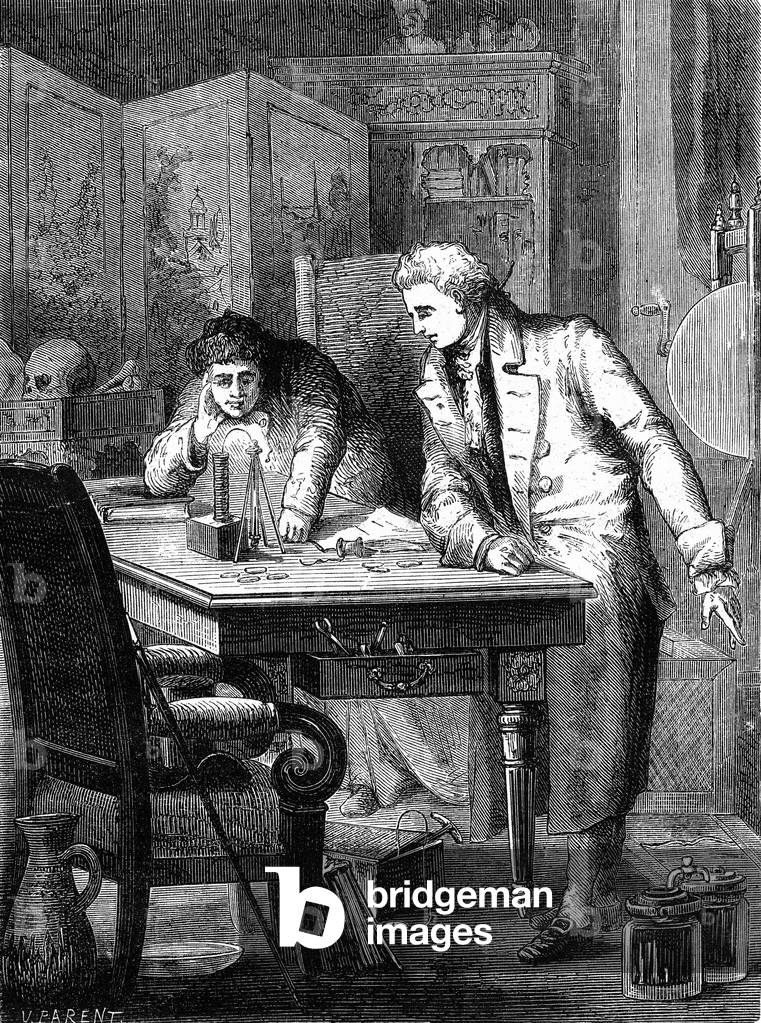
HIM5251258 Alessandro (Alexandre) Volta (1745-1827) Italian physicist.On the table are two of his inventions, the Voltaic pile (wet battery) on the left, and the electrophorus, an apparatus demonstrating electrostatic charge by induction.
DC
LLM1094034 Alessandro Volta (1745-1827), Italian physicist, and his electric battery, the voltaic pile. French educational card, late 19th or early 20th century.
DC
LLE816256 Alessandro Giuseppe Antonio Anastasio Volta (1745-1827). Italian physicist known for the invention of the battery in the 1800s.
DC
LLM1094175 Alessandro Volta (1745-1827), Italian physicist. French educational card, late 19th or early 20th century.
DC
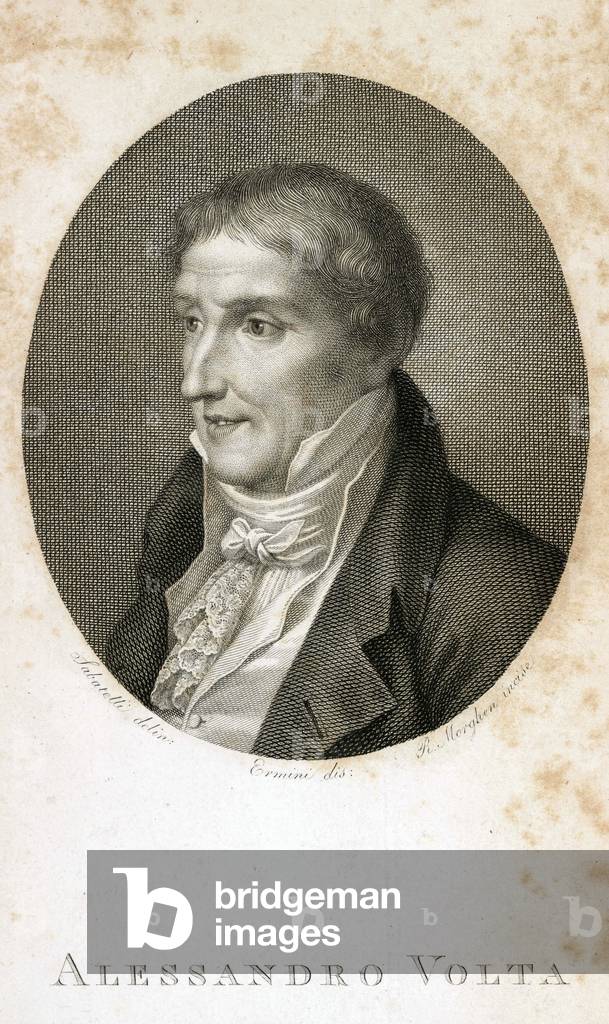
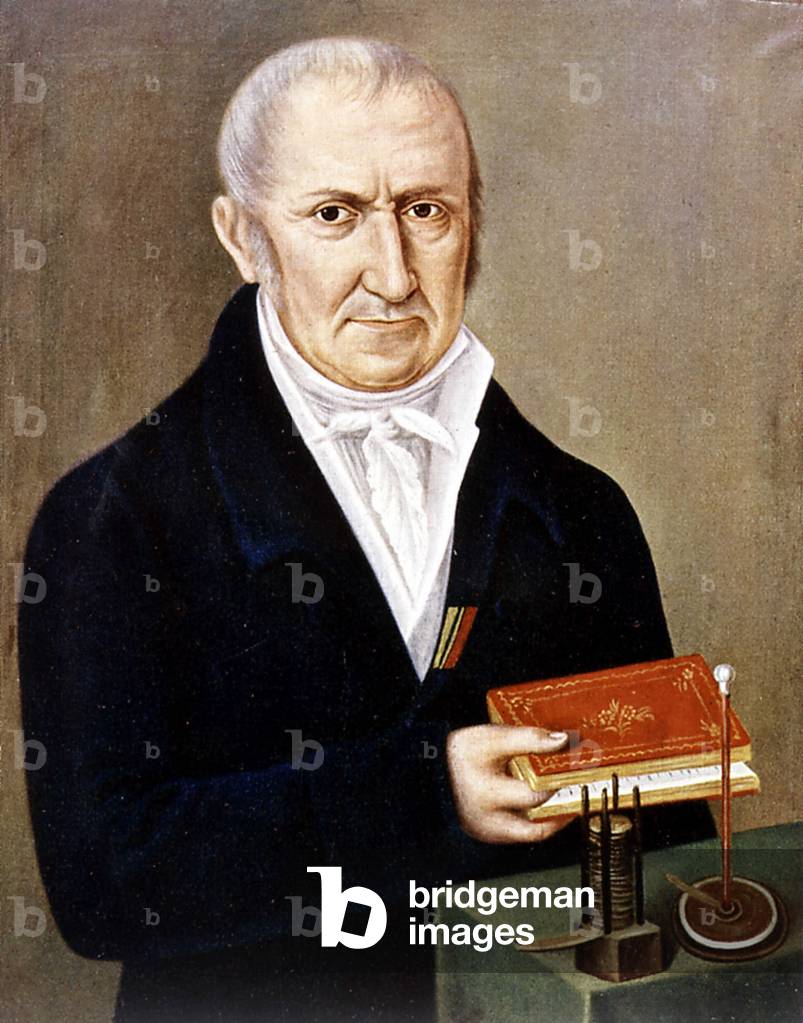
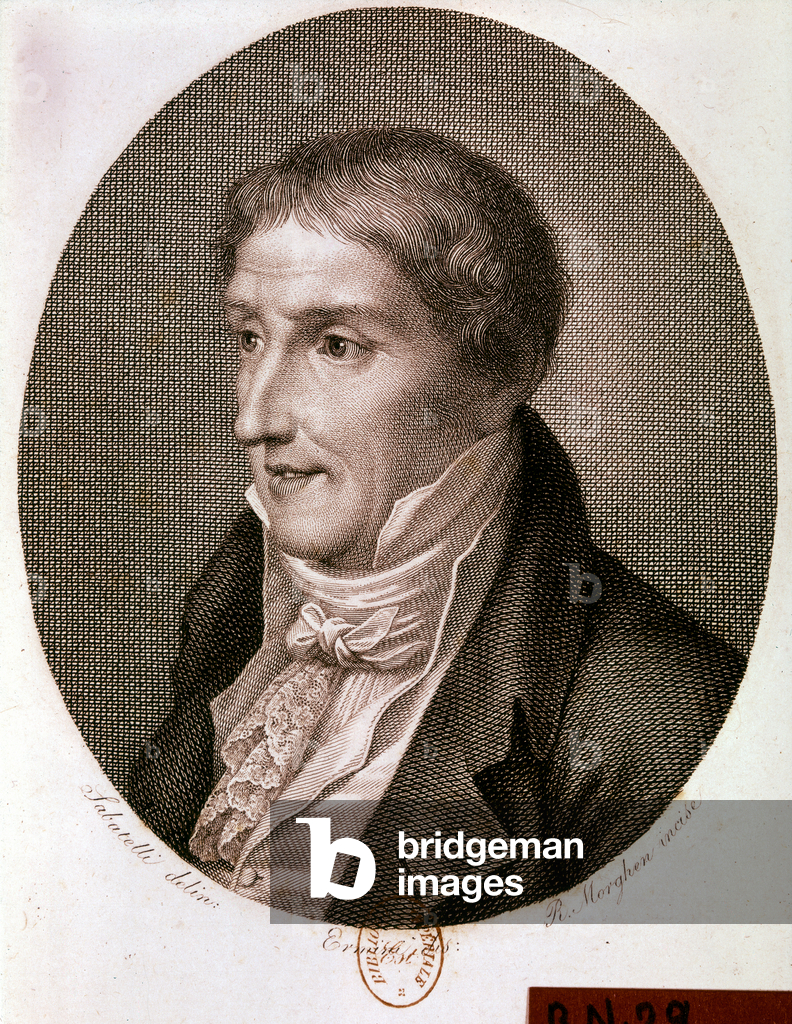
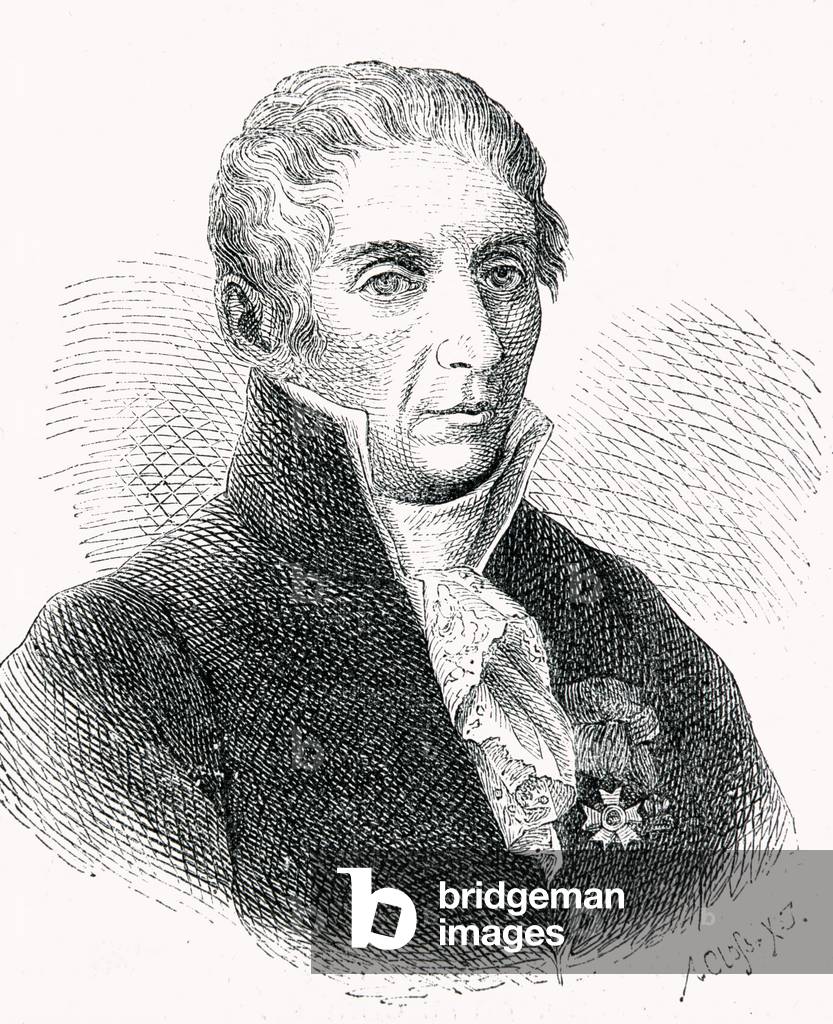
LRI9037047 VOLTA Alessandro, Italian physicist and chemist (1745-1827): Portrait.
DC
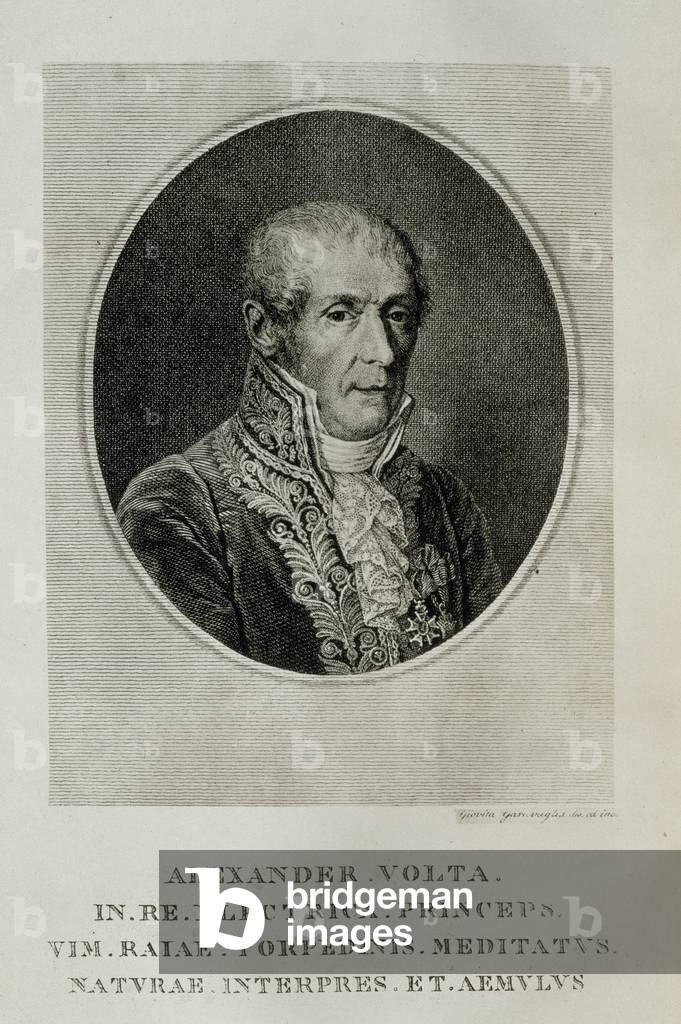
GIA4815664 Alessandro (Alexander) Volta (Count), (1745 - 1827). Inventor of the electric battery (1800). Engraving of the 19th century.
DC
GIA4744241 A scientist (probably Alessandro (Alexandre) Volta) doing a scientific experiment in front of the Melzi Deril family. Anonymous painting. .
DC
LLE817395 Alessandro Volta (1745-1827), Italian physicist and inventor of the battery.
DC
GIA4817443 Alessandro (Alexandre) Volta presents his capacitor in Napoleon. chromolithographof the 19th century.
DC
GIA4744234
DC
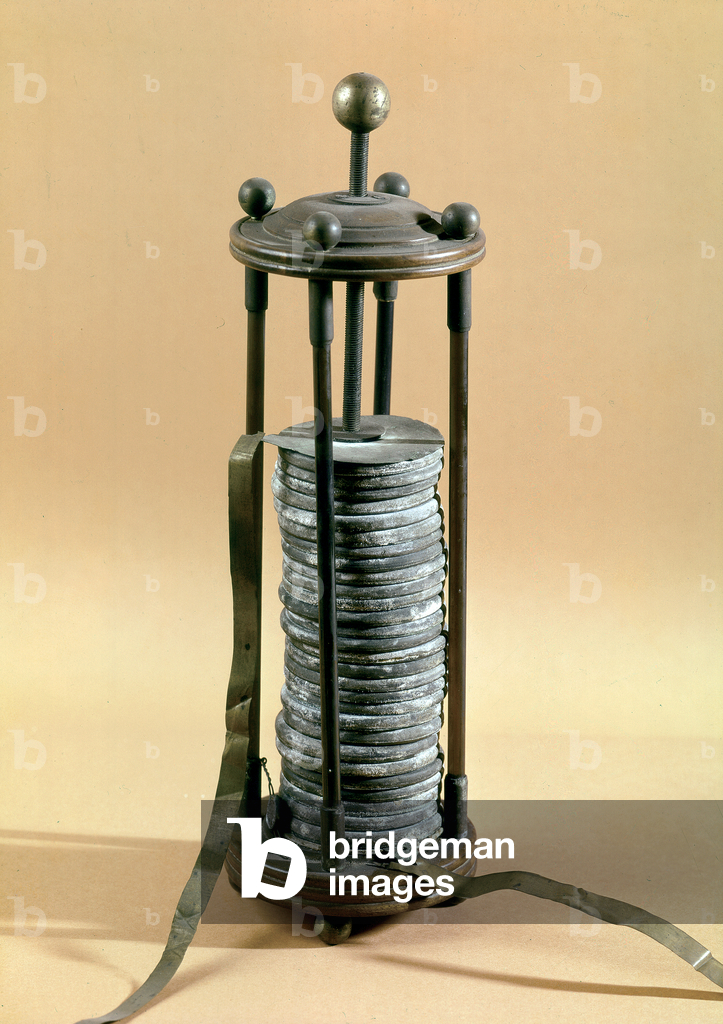
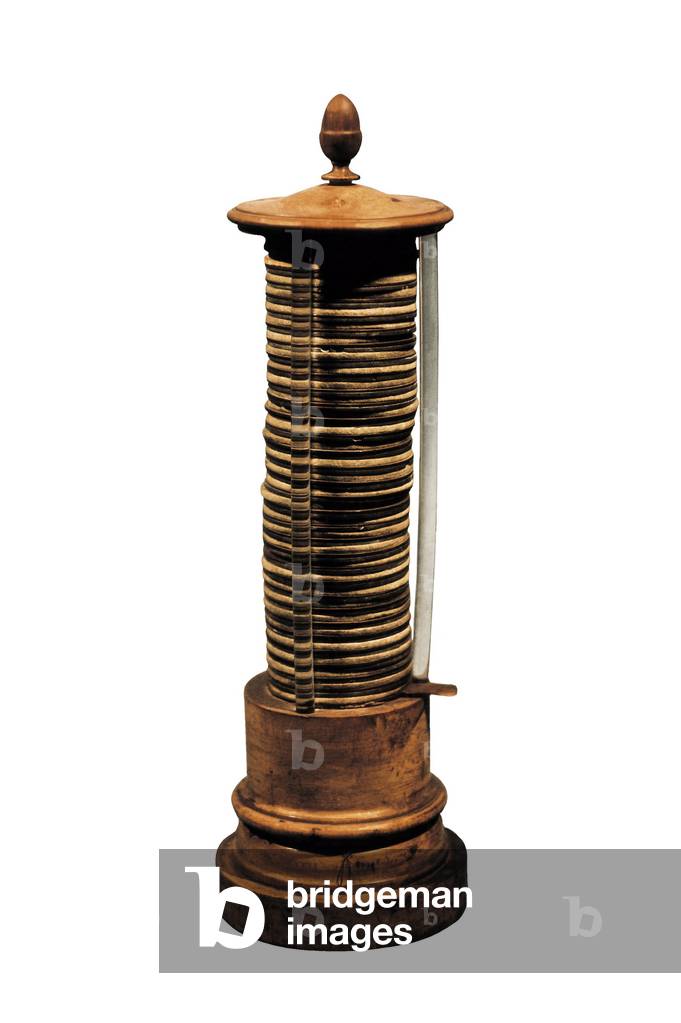
GIA4817404 Pile of Alessandro (Alexandre) Volta, invented in 1800.
DC
UIS5064821 Alessandro Volta, Italian physicist and inventor, c 1810. Alessandro Volta (1745-1827), print showing Volta demonstrating his voltaic pile to Napoleon. Italian physicist and inventor of the voltaic pile, an early battery. This consisted of two different metals, separated by chemicals in order to enable a flow of electricity. It had previously been thought (Galvani) that animal tissue was neccessary to generate electricity. The unit of electromotive force 'volt' is named after him. ©SSPL/Science Museum
DC
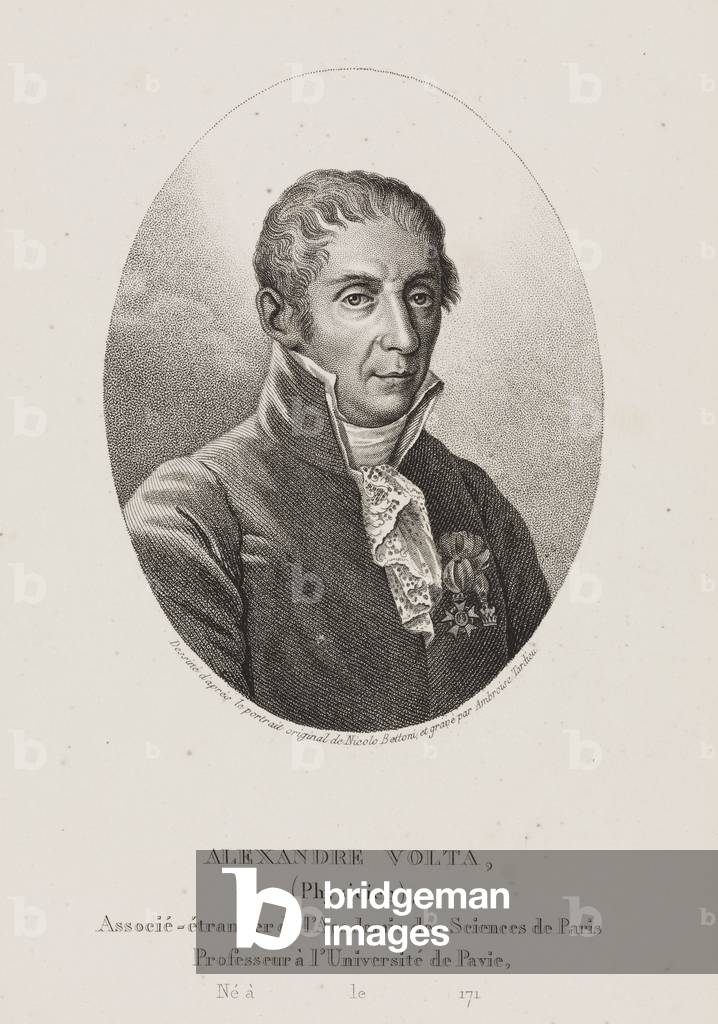
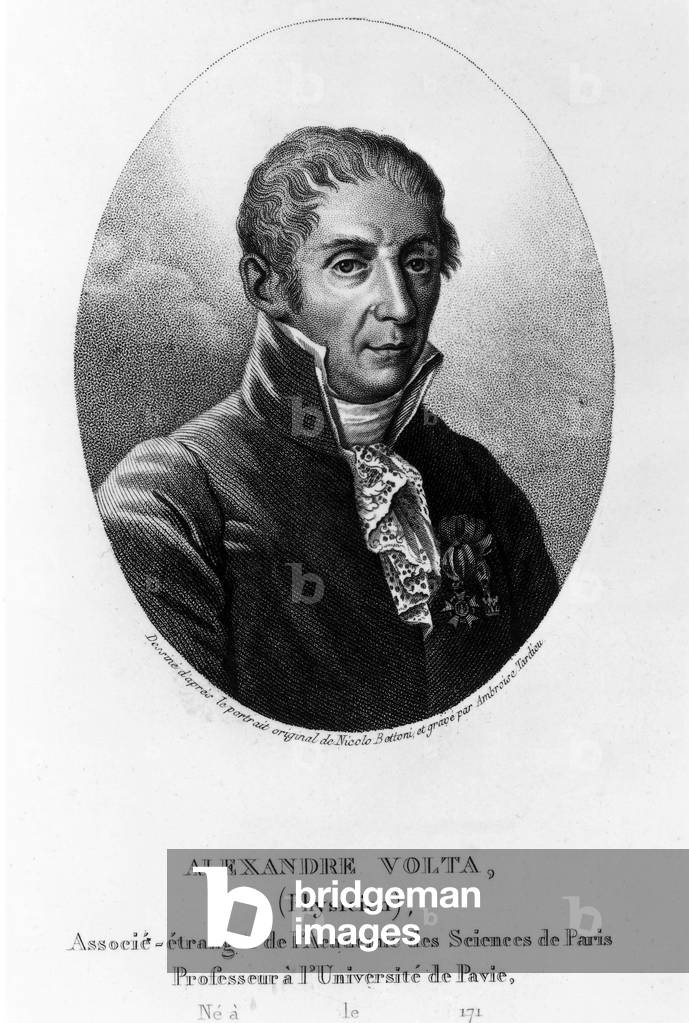
UIS5092844 Alessandro Volta, Italian physicist and inventor, c 1800. Engraving by Ambroise Tardieu, c 1820, after an original work by Nicolo Bettoni, c 1800. Count Alessandro Giuseppe Anastasio Volta (1745-1827) was the inventor of the voltaic pile, an early battery and the first source of current electricity. It consisted of two different metals, separated by chemicals in order to enable a flow of electricity. In 1775, he invented the electrophorus, a precursor of the induction machine, and in 1777 he invented an 'inflammable air' electric pistol. The SI (international standard) unit of electromotive force, the volt (V), is named after him. ©SSPL/Science Museum
DC
GIA4744270 The piles of Alessandro (Alexander) Volta. Museum of Science and Technology, Milan.
DC
UIS5078404 Alessandro Volta (comte Alessandro Giuseppe Anastasio Volta, 1745-1827), physicien italien et inventeur de la pile voltaique, vers 1800. Gravure pour le frontispice du 1er volume de 'Collezione dell' opere del cavaliere Conte Alessandro Volta', publie a Florence en 1816. Count Alessandro Giuseppe Anastasio Volta ©SSPL/Science Museum
DC
TRI115078 electric unit named after him;
DC
LLM11709554 Alessandro Volta. Illustration for Autographs and Birthdays of Eminent Persons compiled by Alice M Rushton (Sampson Low, 1895). Images have been scanned at high resolution and then digitally enhanced to permit repro at large size if required.By English School (19th Century)
DC
XEE4407894 Portrait of Alessandro (Alexandre) Volta (1745-1827) Italian physicist.
RF
LRI11908265 VOLTA Alessandro, Italian physicist and chemist (1745-1827): Volta demonstrates the use of the pile before the First Consul Napoleon Bonaparte.
DC
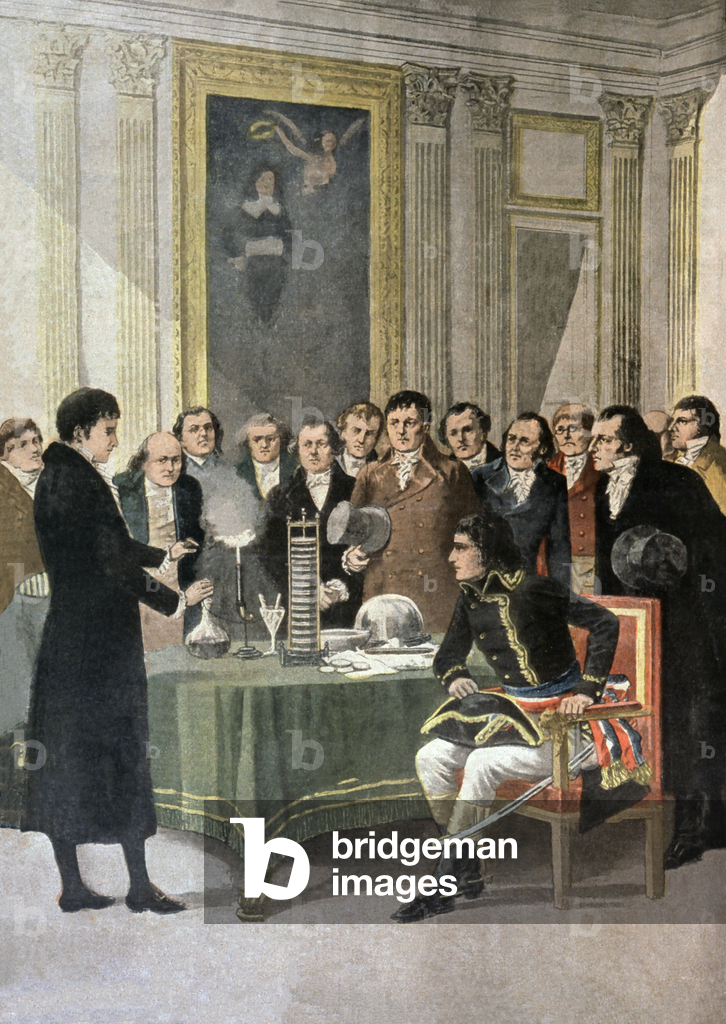
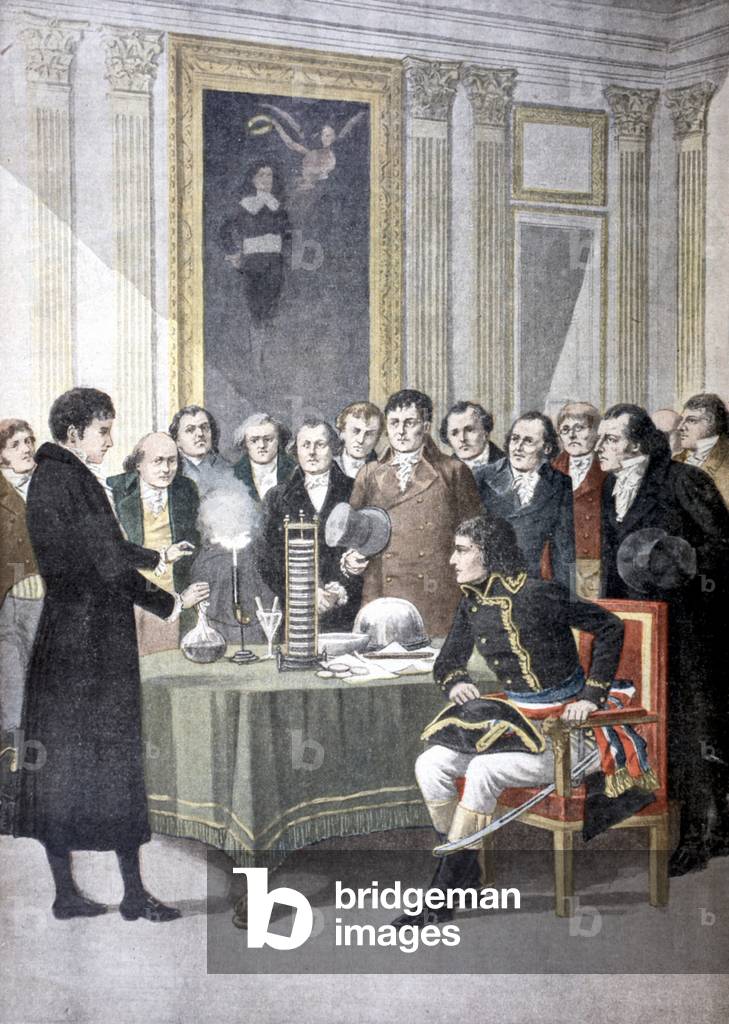
CCI8698414 Science. Energy. Alessandro Volta present his electric battery at Napoleon Bonaparte, Paris, 1800. Illustration in : Le Petit Journal, France, ca 1905.
DC
XEE4412787 Portrat de Alessandro (Alexandre) Volta (1745 - 1827). Italian physicist, inventor of the electric battery. 19th century engraving
RF
PVD1687661 Alessandro Volta (1745-1827) italian physicist (electromagnetism), engraving
DC
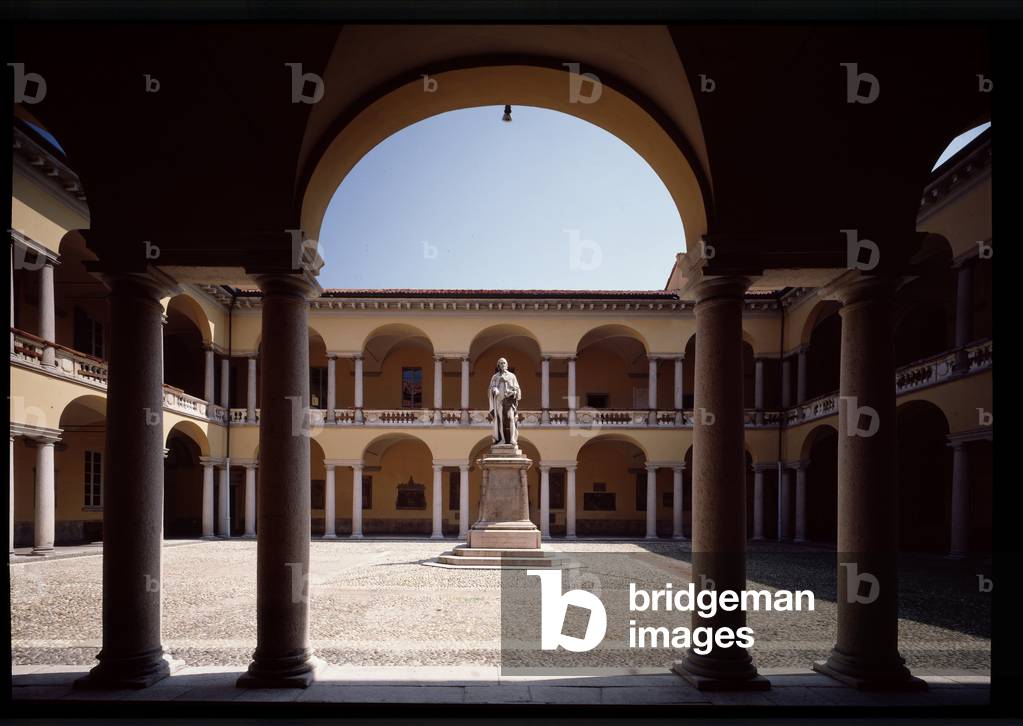
LRI4688159 Great courtyard of the University of Pavia, in the center the statue of Alessandro Volta by Antonio Tantardini (1829-1879) 1878 (View of the courtyard of the university of Pavia, with the statue of Alessandro Volta by Antonio Tantardini) italy
DC
LRI4688157 Great courtyard of the University of Pavia, in the center the statue of Alessandro Volta by Antonio Tantardini (1829-1879) 1878 (View of the courtyard of the university of Pavia, with the statue of Alessandro Volta by Antonio Tantardini) italy
DC
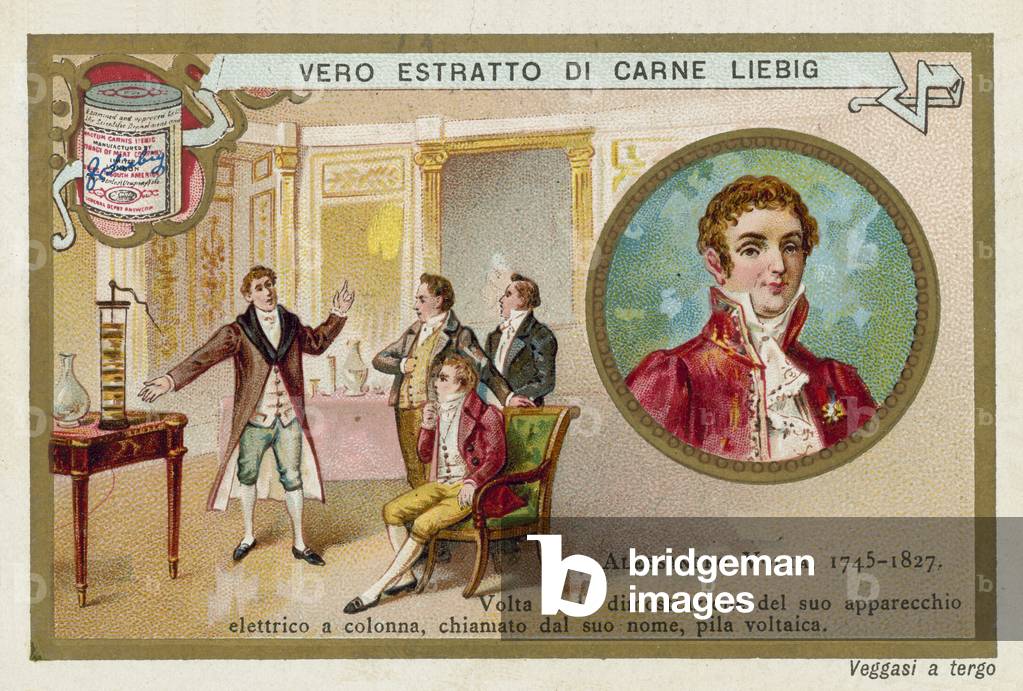
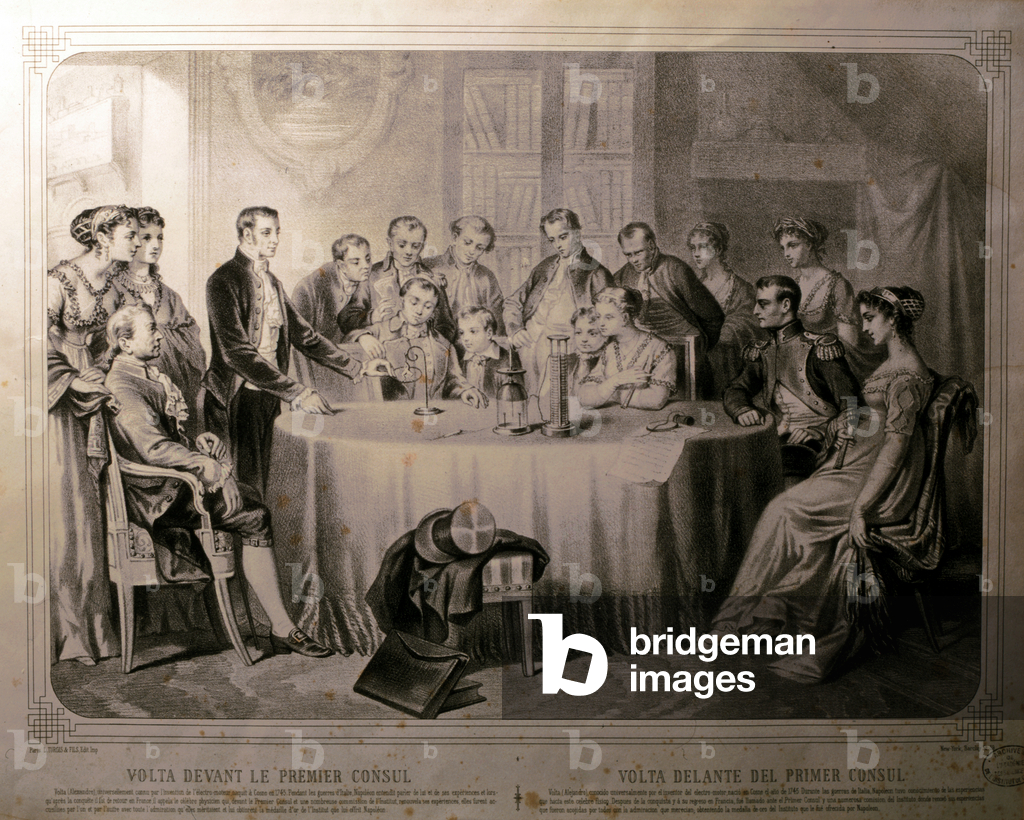
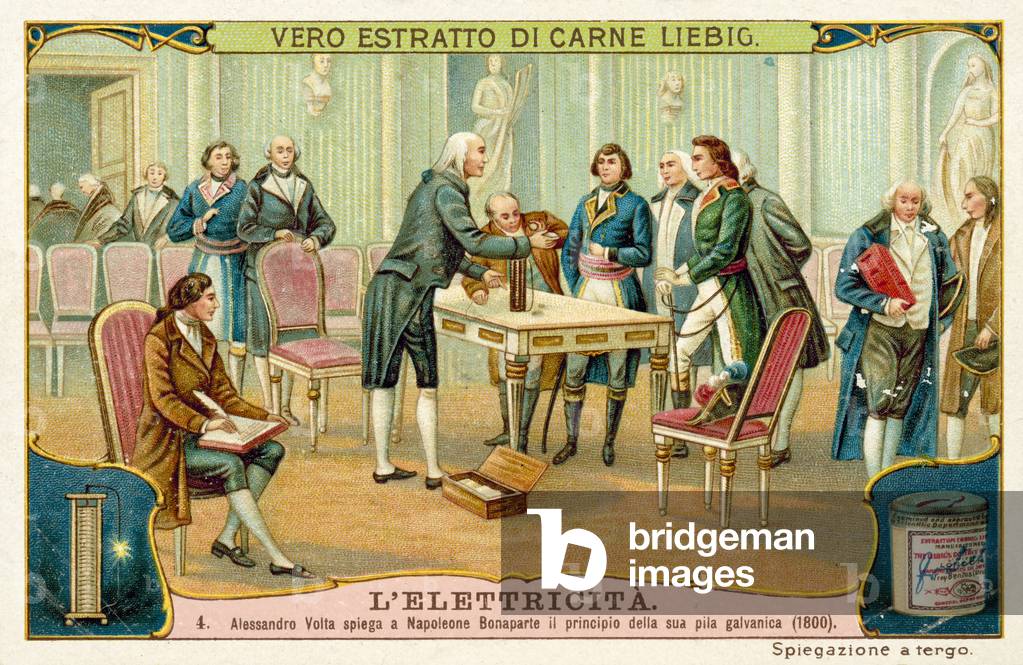
LLM1093304 Alessandro Volta explaining the principle of his battery to Napoleon Bonaparte, 1800. Liebig educational card.
DC
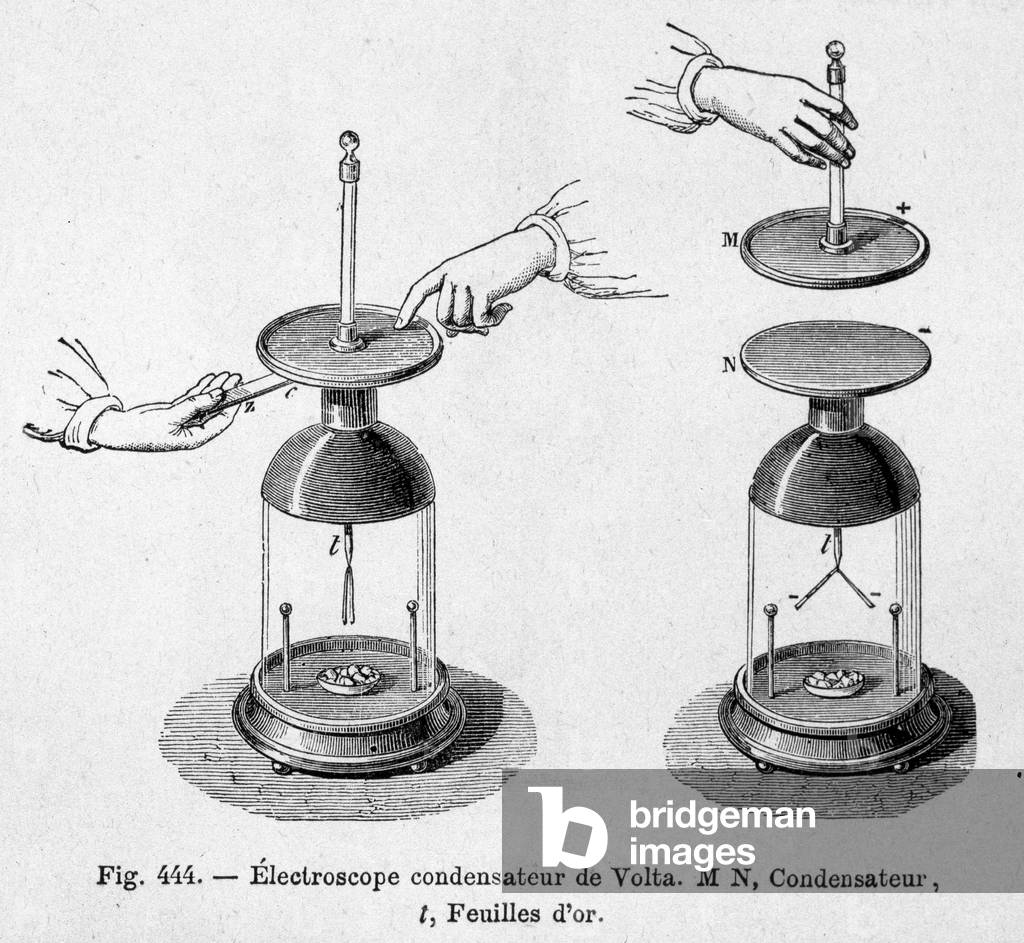
LSE4106521 Electroscope capacitor of Alessandro (Alexandre) Volta - in “” Popular physics”” by Emile Desbeaux, 19th century
DC
KWE114987 volt electric unit named after him;
DC
JLJ4581843 Pile de Alessandro (Alexandre) Volta (1745-1827), Italian physicist, inventor of the electric battery. 19th century Paris, Conservatoire national des arts et metiers
DC
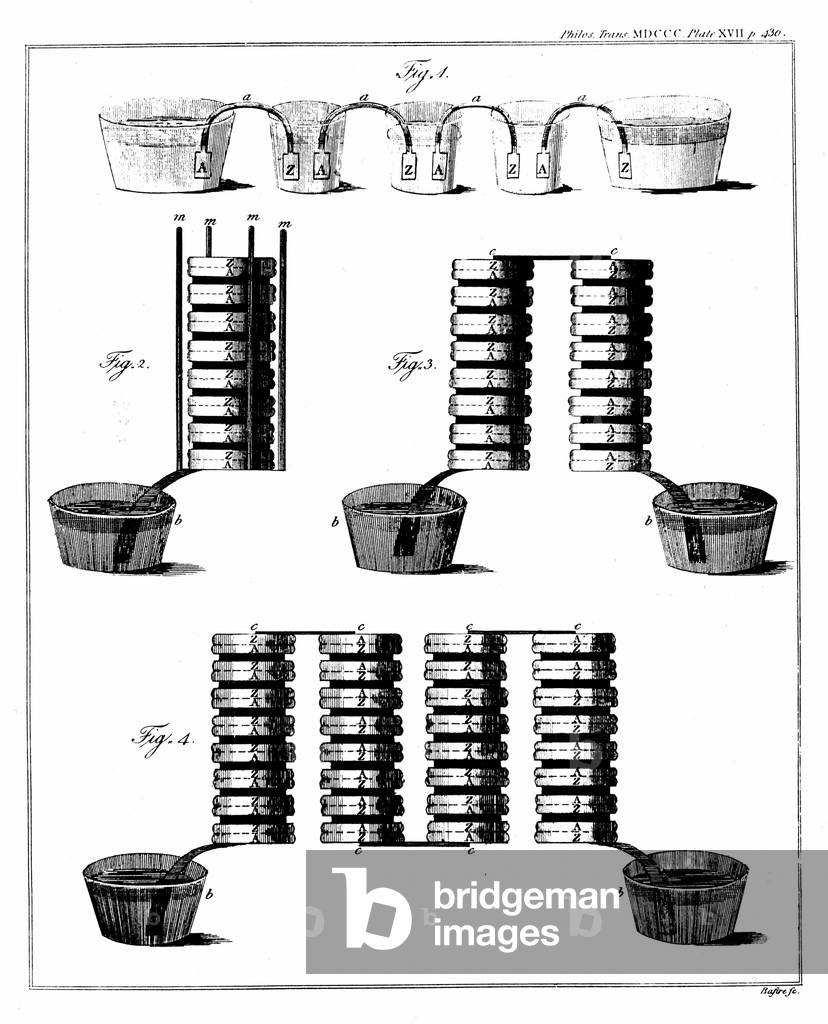
LRI9037045 VOLTA Alessandro, Italian physicist and chemist (1745-1827): Pillar-shaped Pile of Volta, 1800.
DC
XEE4114397 Alexandre (Alessandro) Volta (1745 - 1827) and his experience on the electric battery - in "Storia d'Italia", 1864
RF
LSE4106516 Alessandro (Alexandre) Volta built, in 1799, the electro-motor or electric battery - engraving, 19th century
DC
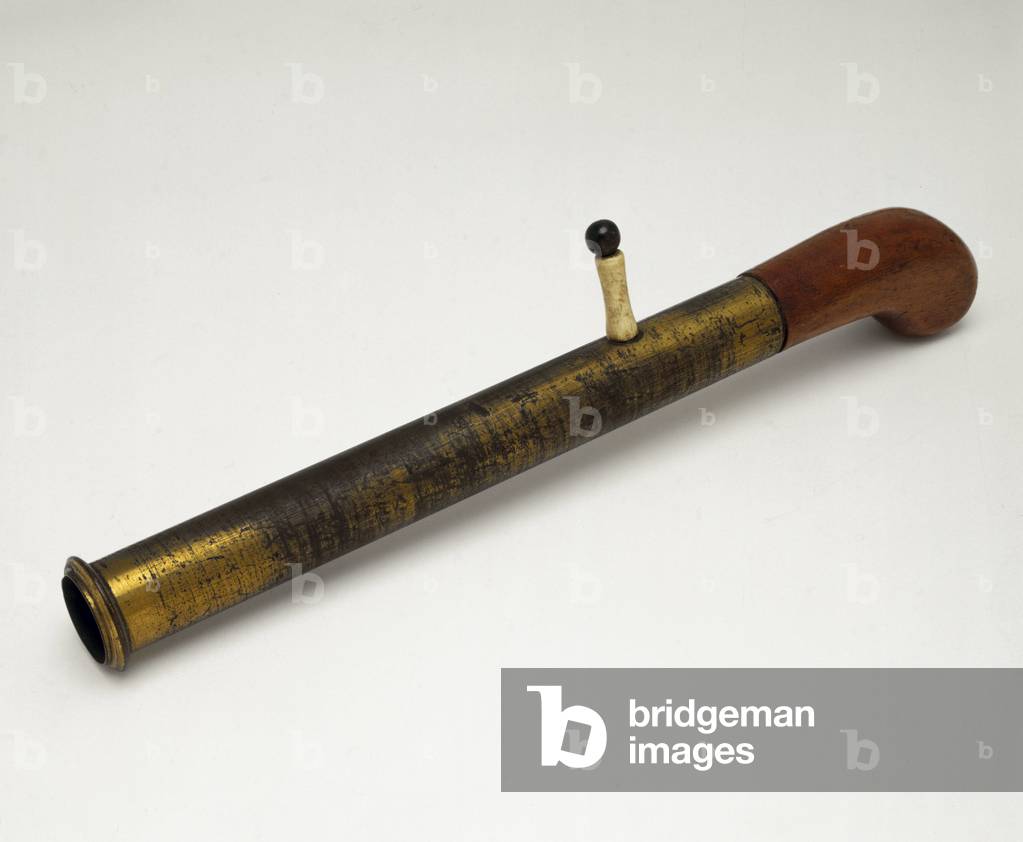
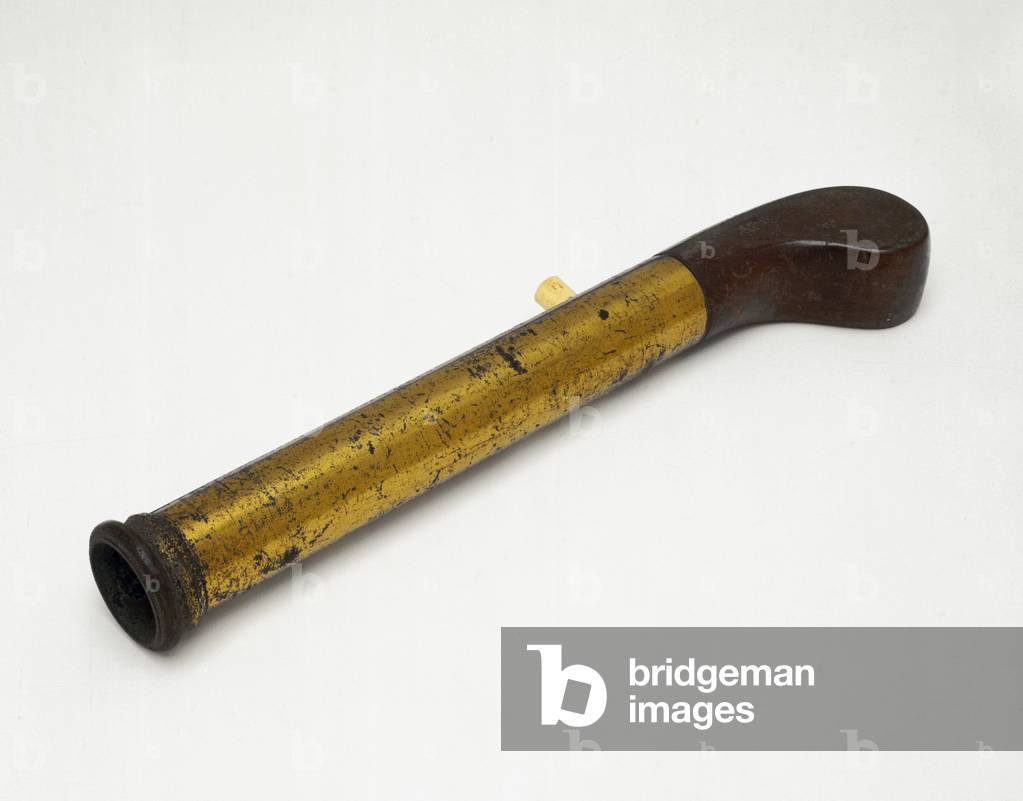
UIS5068173 Electrostatic Equipment Volta pistol, possibly late 18th Century. This instrument was invented by Count Alessandro Anastasio Volta (1745-1827), the Italian physicist and inventor of the voltaic pile, an early battery. A Volta pistol is a pistol-shaped device that is filled with an explosive mixture of gases (hydrogen and air or oxygen for example) and closed with a cork. An electrical discharge is then passed across a small spark gap inside the pistol, using electrodes passing through the barrel. The spark ignites the mixture and shoots a cork out of the end of the pistol. ©SSPL/Science Museum
DC
UIS5064804 Alessandro Anastasio Volta, Italian physicist and inventor, late 18th century. Engraving by Tardieu after Bettoni. Volta (1745- 1827) was the inventor of the voltaic pile, an early battery and the first source of current electricity. This consisted of two different metals, separated by chemicals in order to enable a flow of electricity. In 1775, he invented the electrophorus, a precursor of the induction machine, and in 1777 he invented an 'inflammable air' electric pistol. The unit of electromotive force 'volt' is named after him. ©SSPL/Science Museum
DC
UIS5068181 Electrostatic Equipment Volta pistol, possibly late 18th Century. This instrument was invented by Count Alessandro Anastasio Volta (1745-1827), the Italian physicist and inventor of the voltaic pile, an early battery. A Volta pistol is a pistol-shaped device that is filled with an explosive mixture of gases (hydrogen and air or oxygen for example) and closed with a cork. An electrical discharge is then passed across a small spark gap inside the pistol, using electrodes passing through the barrel. The spark ignites the mixture and shoots a cork out of the end of the pistol. ©SSPL/Science Museum
DC
IBE5352512
DC
XEE4414905 Alexander (Alessandro) Volta built, in December 1799, the electric motor (or battery). In” Album de la Science", Éditions Jouvet, 1896.
RF
ELD4949644 Portrait of Alessandro Volta (1745-1827) inventor of the first electric battery (Portrait of italian physicist Alessandro Volta credited as the inventor of the electrical battery and the discoverer of methane) chromolithograph of the beginning of the 20th century
DC
XEE4155865 Alessandro Volta (1745-1827) Italian scientist, notable for his invention of the voltaic pile
RF
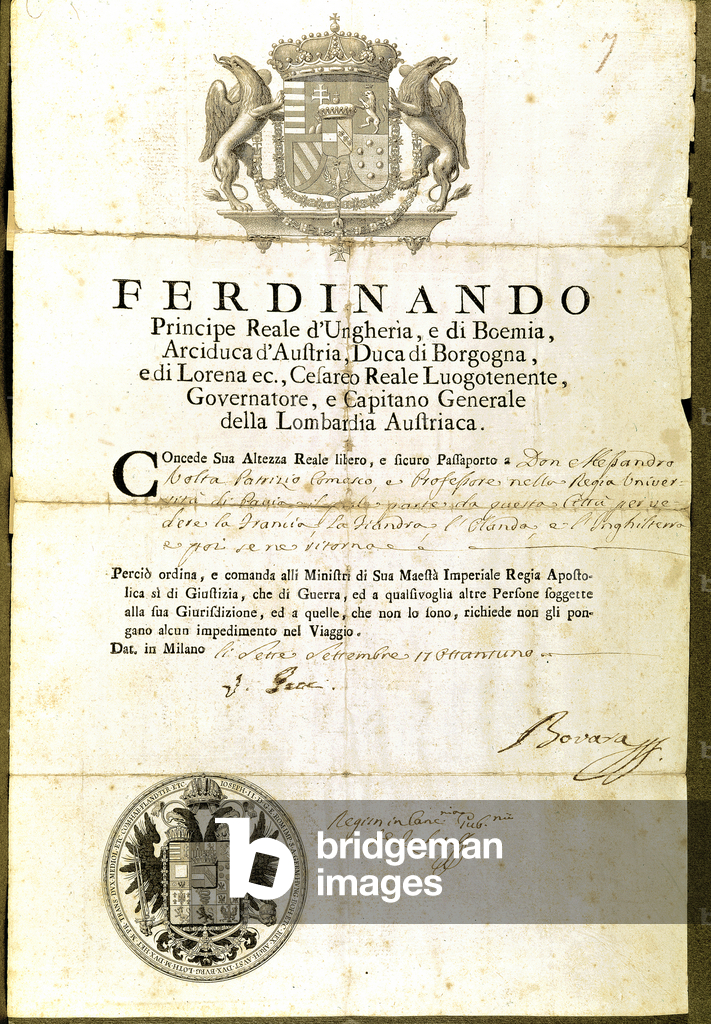
LRI9037044 VOLTA Alessandro, Italian physicist and chemist (1745-1827): Passport of Alessandro Volta for his second scientific trip in Europe (1781).
DC
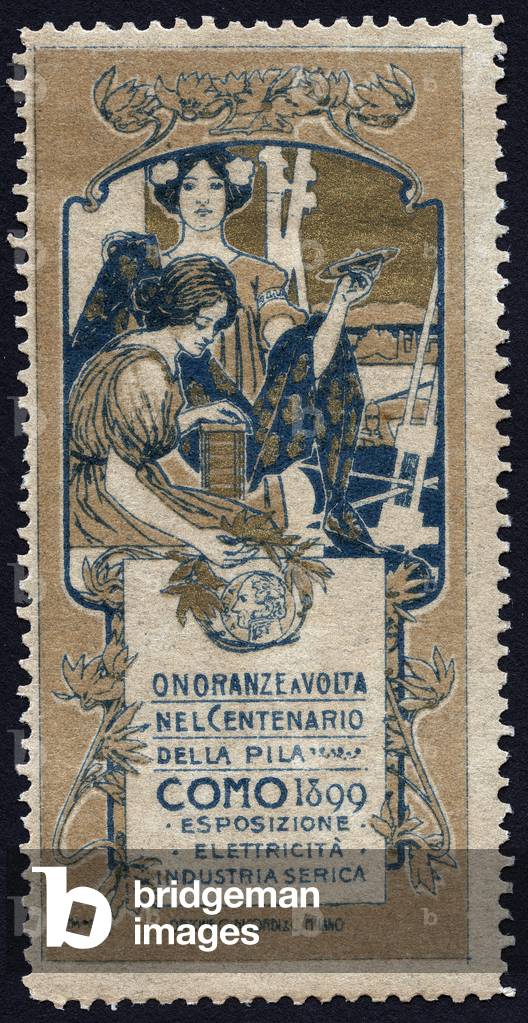
LEG4337582 Two women with silk spinning instruments and weaving metiers, one of them crowns the portrait of Alessandro Volta, for the centenary of the Volta pile - Illustree vignette, reclaimed for the exhibition of electricite and silk industries, Milan (Italy), 1899
DC
LLM3100168 Alessandro Volta demonstrating his battery to Napoleon, First Consul of France, 1801. Illustration for an unidentified Italian history book.
DC
UIG539077
DC
CCI3434351 Sciences. Energies. Imagerie, France, fin 19eme. Coll. Part. Science. Energy. The italian physicist Alessandro Volta. Imagery, France, ca 1890.
DC
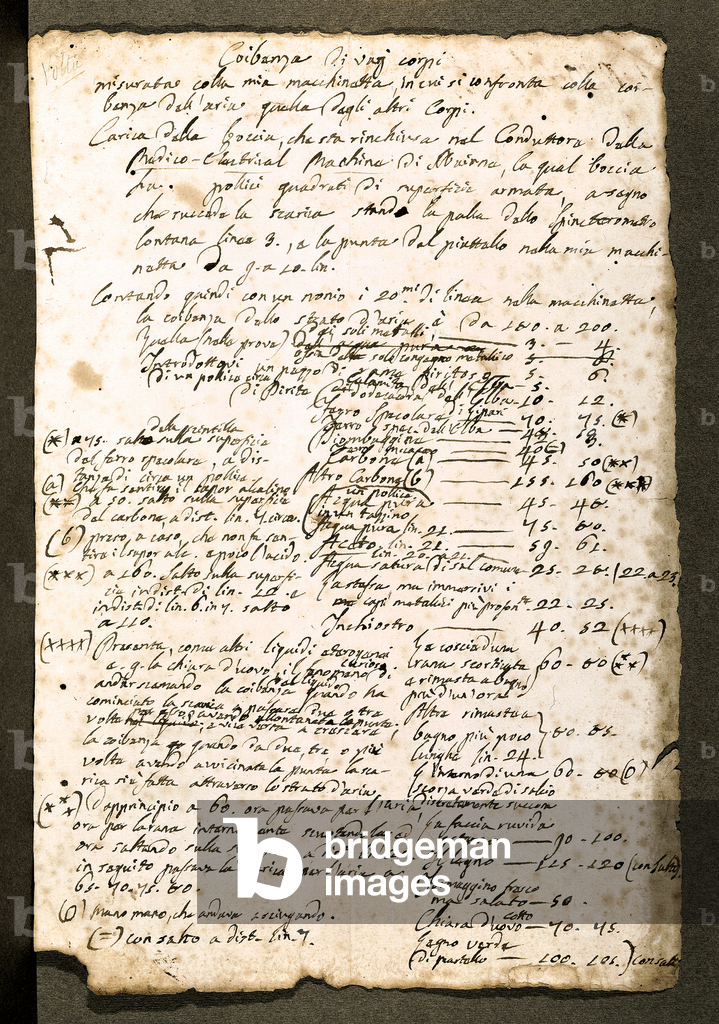
LRI9037042 VOLTA Alessandro, Italian physicist and chemist (1745-1827): Authographic Manuscript about the Nonconduction of various materials.
DC
XEE4136700 Galvanization of the corpse of a hangman with the pile of Alessandro (Alexandre) Volta: under the influence of electricite, the corpse seems to come back to life. Engraving from 1856 in “” Le Musee Des Sciences””
RF
LLM1091649 Volta's battery. French educational card, late 19th/early 20th century.
DC
XEE4407735
RF
JLJ4622465 The Italian physicist Alessandro (Alexandre) Volta (1745-1827) presents his pile to Napoleon Bonaparte. 1801 Private collection
DC
UIG530167
DC
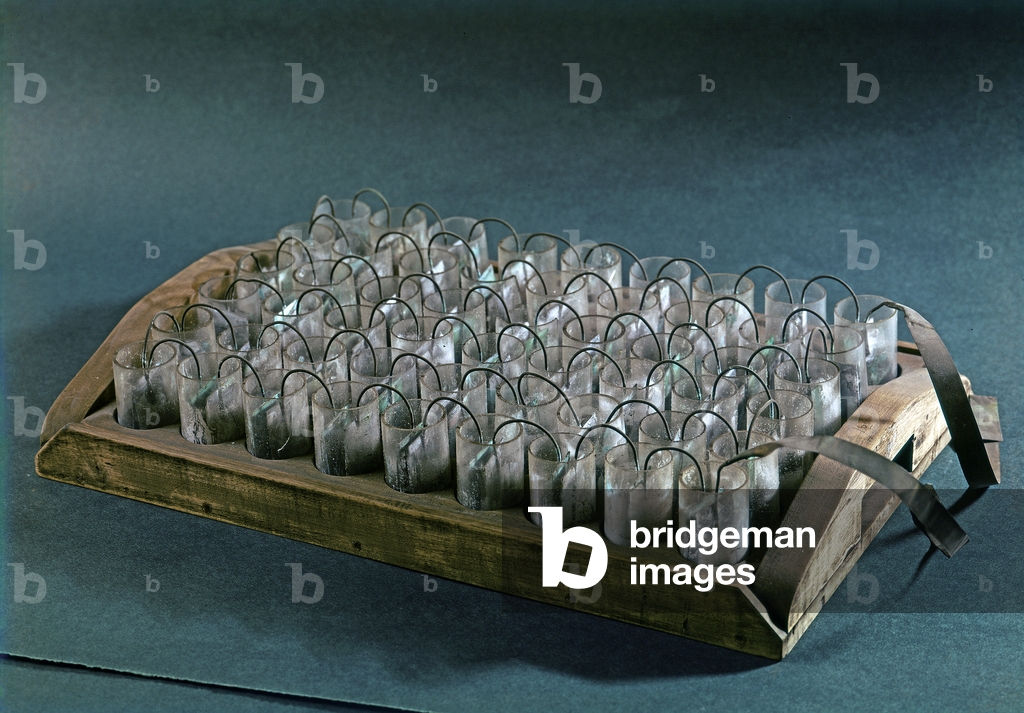
LRI9037046 VOLTA Alessandro, Italian physicist and chemist (1745-1827): Crown of cups-shaped Pile.
DC
ELD4949736
DC
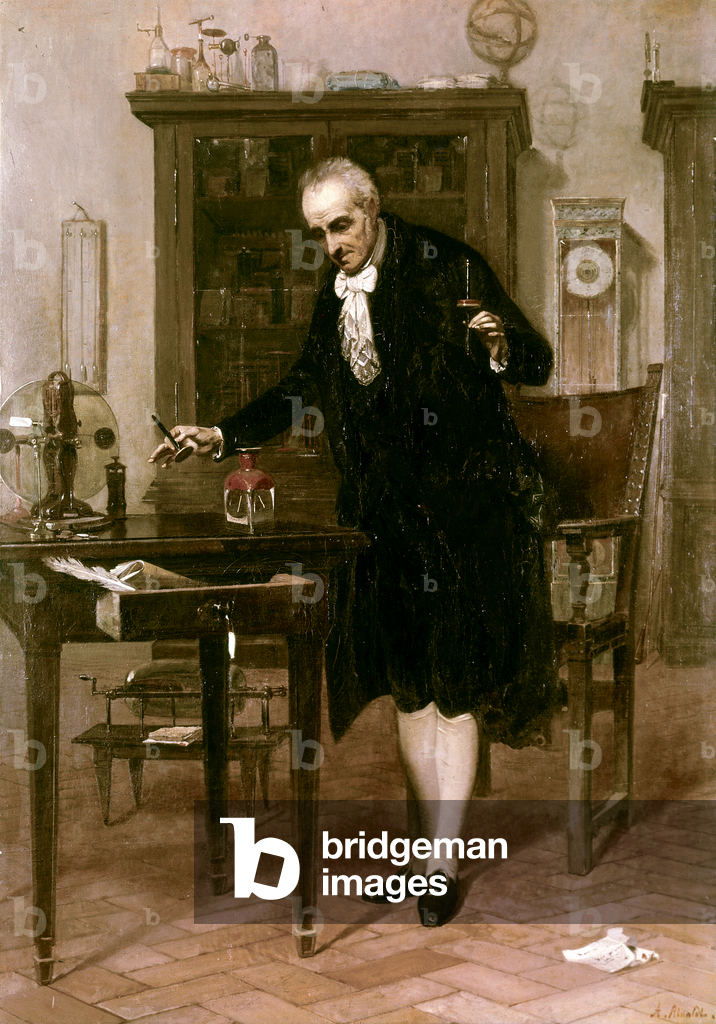
LRI9037034 VOLTA Alessandro, Italian physicist and chemist (1745-1827): Volta in his laboratory. Painting by Alessandro Rinaldi (1839-1890)
DC
UIS5076328 Count Alessandro Anastasio Volta, physicist and inventor, early 19th century. Count Alessandro Anastasio Volta (1745-1827) Italian physicist and inventor of the voltaic pile, an early battery. This consisted of two different metals, separated by chemicals in order to enable a flow of electricity. It had previously been thought (Galvani) that animal tissue was neccessary to generate electricity. The unit of electromotive force 'volt' is named after him. ©SSPL/Science Museum
DC
LLM2807717 Volta's battery. Alessandro Volta demonstrating his invention to Napoleon. Inventions illustres. La pile de Volta. Illustration for Le Petit Journal, 22 December 1901.
DC
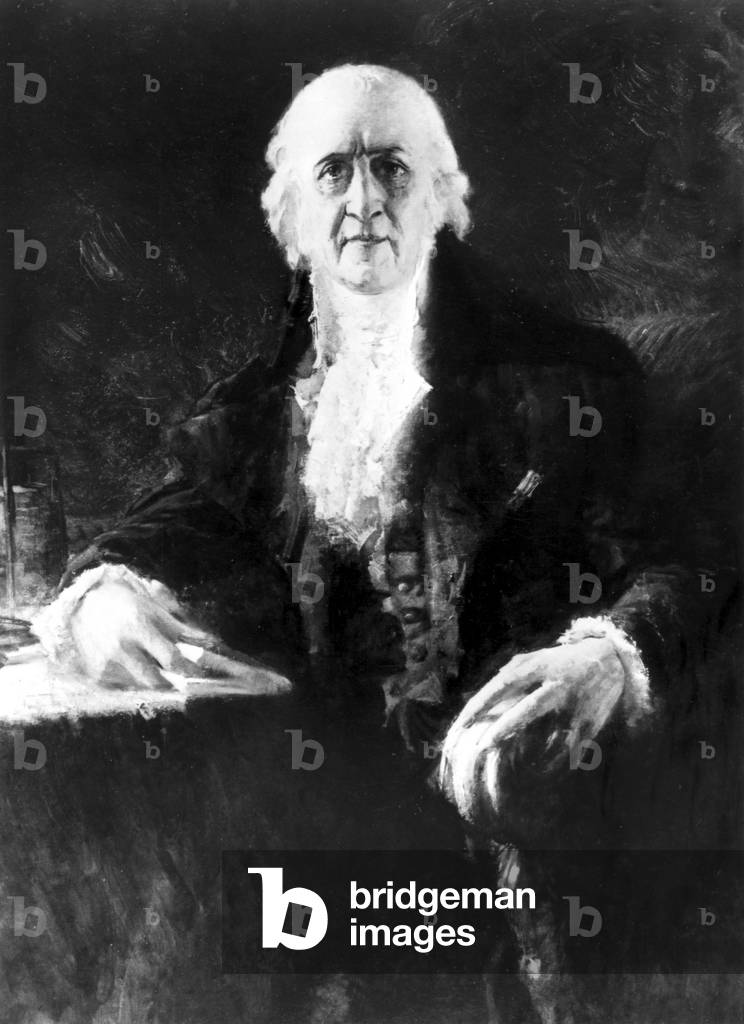
XEE4114874 Portrait of Alessandro (Alexandre) Volta (1745 - 1827) - in “” Album of Science; illustrious scholars; Great Discoveries””” 1896.
RF
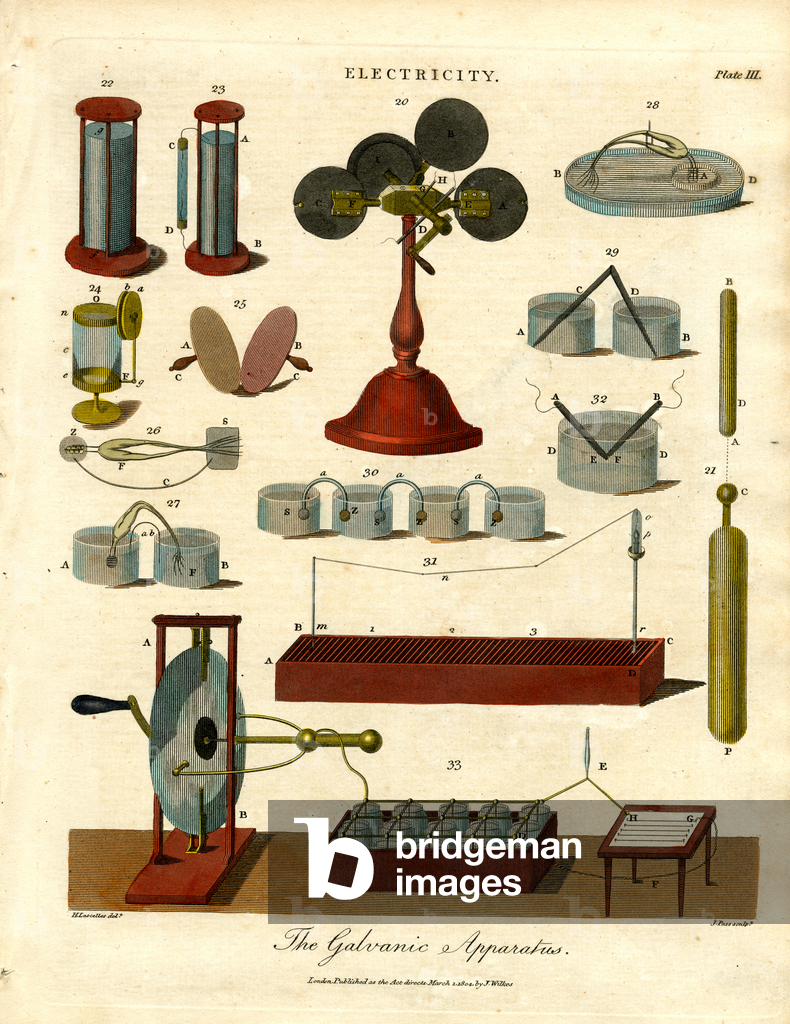
PRX11865546 The plate shows 12 different instruments and apparatus (No. 20-33) for researching and applying galvanism. Centrally depicted are an electrical rotation apparatus with rotating discs (No. 20);column elements (No. 22-23);a galvanic trough battery system (No. 33);and various conduction arrangements. The illustration reflects the early state of knowledge following Volta's and Galvani's discoveries. From Encyclopaedia Londinensis;or Universal Dictionary of Arts;Sciences and Literature. Comprehending;under one general alphabetical arrangement;all the words and substance of every kind of dictionary extant in the English language. Compiled;digested and arranged by John Wilkes. London;1810.
DC
ACD157446
DC
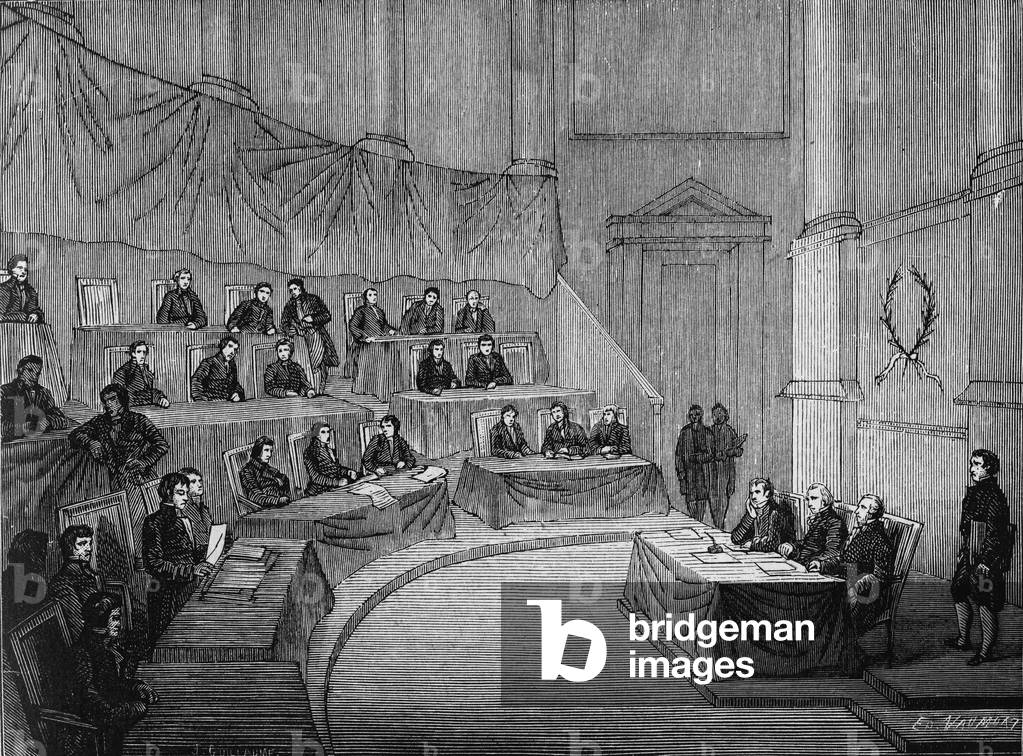
XEE4414921 Alexandre (Alexandre) Volta read before the academy of sciences his thesis on the pile in the presence of the first Consul Bonaparte on November 18, 1800. In” Album de la Science", Éditions Jouvet, 1896.
RF
LSE4106515 Alessandro (Alexandre) Volta explique à Napoleon Bonaparte le principe de sa pile électrique - in ""L'univers et l'humanité"" par Kraemer
DC
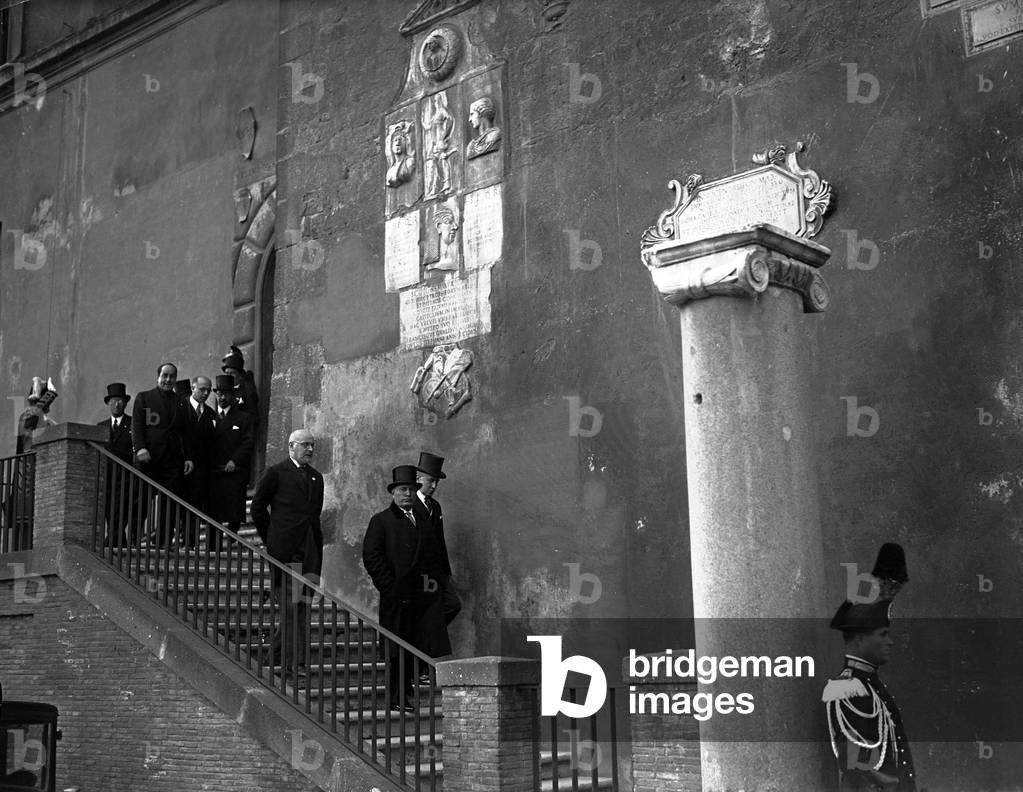
OLA5378505 14/11/1932, Next to him Guglielmo Marconi and behind him Gioacchino Volpe - further behind Gaetano Polverelli, Achille Starace, Arturo Marpicati and Fulvio Suvich
DC
XEE4136702 Portraits of scientists Georges Cuvier (1764-1832), Alessandro (Alexandre) Volta (1745-1827), Alexander Von Humboldt (Alexandre de Humboldt, 1769-1859), Sir William Herschel (1738-1822) and Robert Fulton (1765-1815). Engraving from 1856 in “” Le Musee Des Sciences””
RF
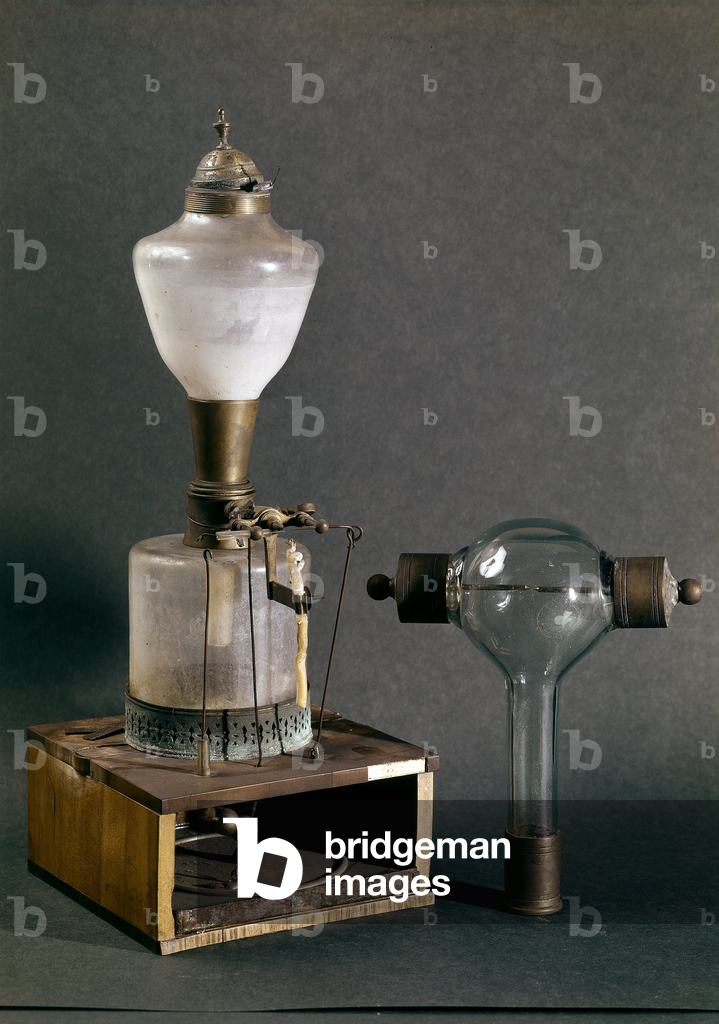
LRI9037036 VOLTA Alessandro, Italian physicist and chemist (1745-1827): Lamp with inflammable air (left) and a pistol of Volta with inflammable air (right). Pistol invented by Volta in 1777
DC
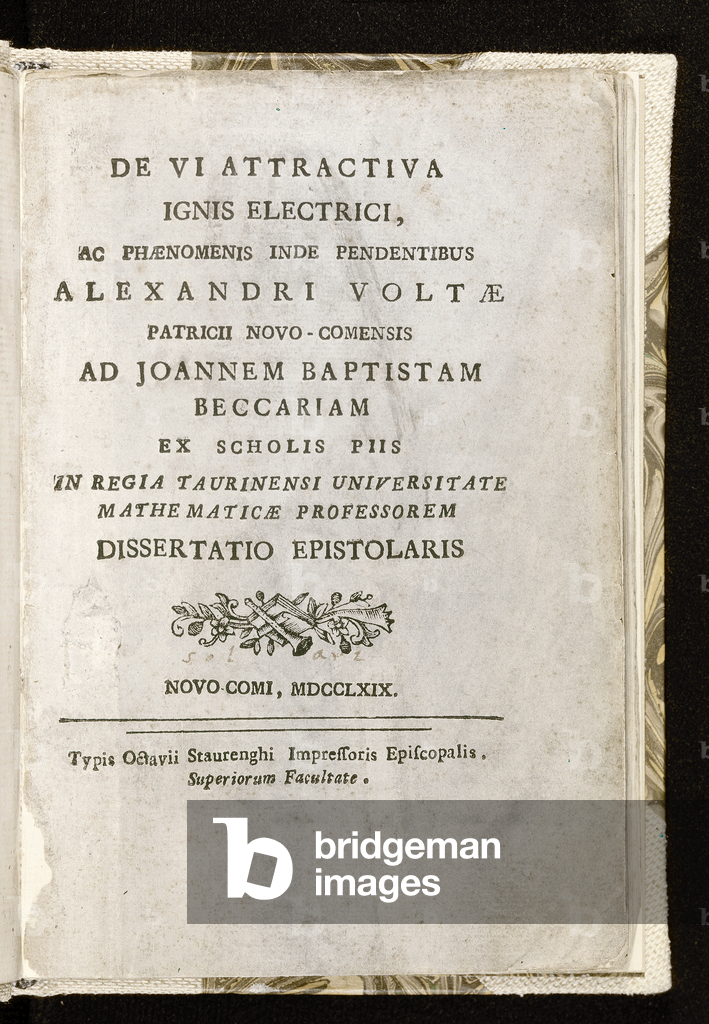
LRI9037041 VOLTA Alessandro, Italian physicist and chemist (1745-1827): Title page of the first printed vork of Alessandro Volta “De vi attractiva ignis electrici ac phaenomenis inde pendentibus”, Como, 1769.
DC
CHT157439 presente sa pile electrique d'apres le recit du temoin oculaire;
DC
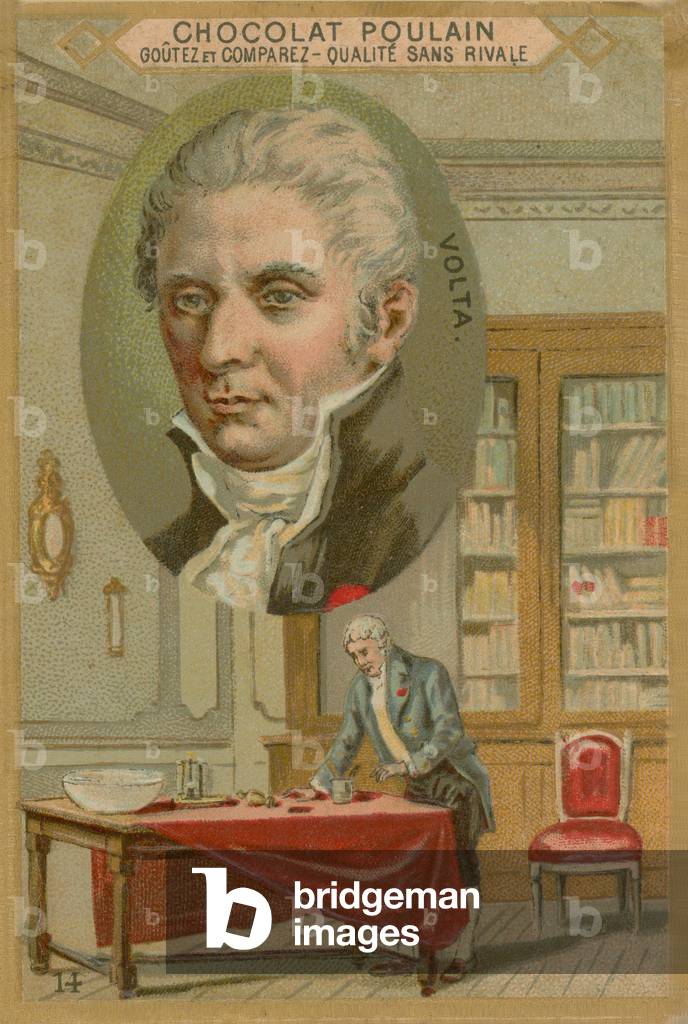
LLM726753 Chocolat Poulain trade card, depicting a portrait of Alessandro Volta, Italian physicist known for the invention of the battery.
DC
JAB4121835 William Nicholson (1753-1815) and Anthony Carlisle (1768-1840)Illustration from the Album of Science; illustrious scientists; Great discoveries
DC
XEE4115160 William Nicholson (1753-1815) and Anthony Carlisle (1768-1840)Illustration from the Album of Science; illustrious scientists; Great discoveries
RF
PVD1687238 William Nicholson (1753-1815) and Anthony Carlisle (1768-1840)Illustration from the Album of Science; illustrious scientists; Great discoveries
DC
XIR201678
RF
LLE3638730 Italian celebrities of art and science: Michelangelo Buonarotti (1475-1564), Tiziano Vicelli (Titian) (1477-1576), Rafaele Sanzio (Raphael) (1483-1520), Giovanni Pierluigi da Palestrina (1524-1594), Gioachino Rossini (1792-1868), Giuseppe Verdi (1813-1901), Dante Alighieri (1265-1321), Torquato Tasso (1544-1595), Alessandro Manzoni (1785-1873), Christopher Columbus (1456-1506), Galileo Galilei (1564-1642), Alessandro Volta (1745-1827).
DC
LRI9037035 VOLTA Alessandro, Italian physicist and chemist (1745-1827): Two types of Electrometers. Invented by Volta 1797
DC
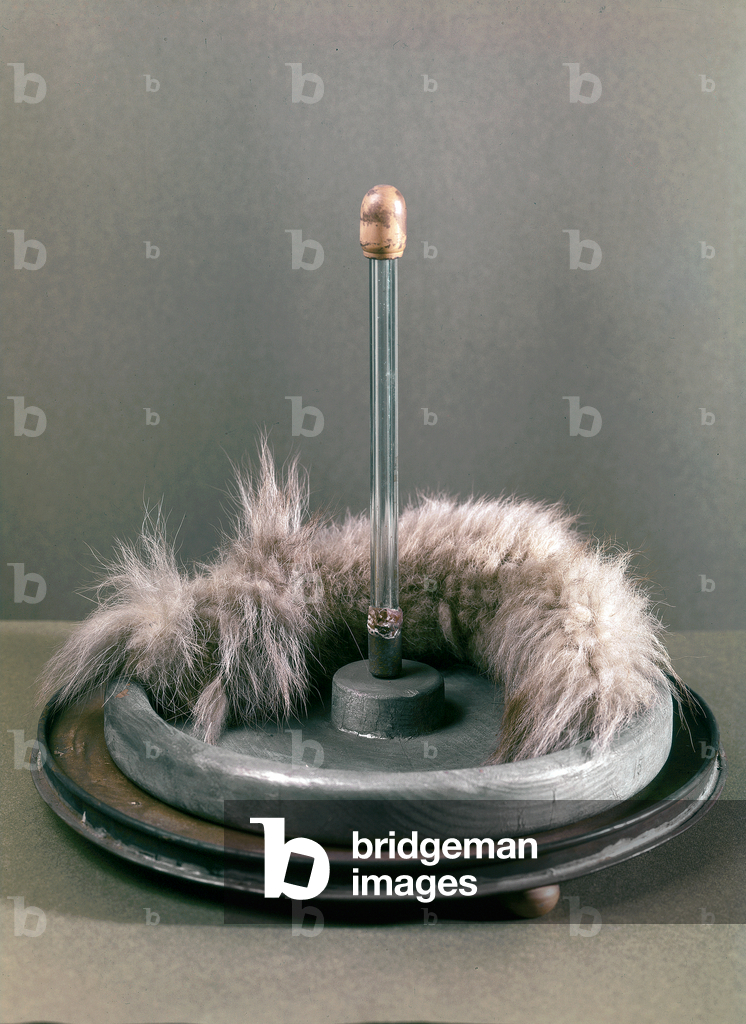
LRI9037038 VOLTA Alessandro, Italian physicist and chemist (1745-1827): Electrophorus with a fox tail to stimulate the electricity. Invented by Volta in 1776
DC
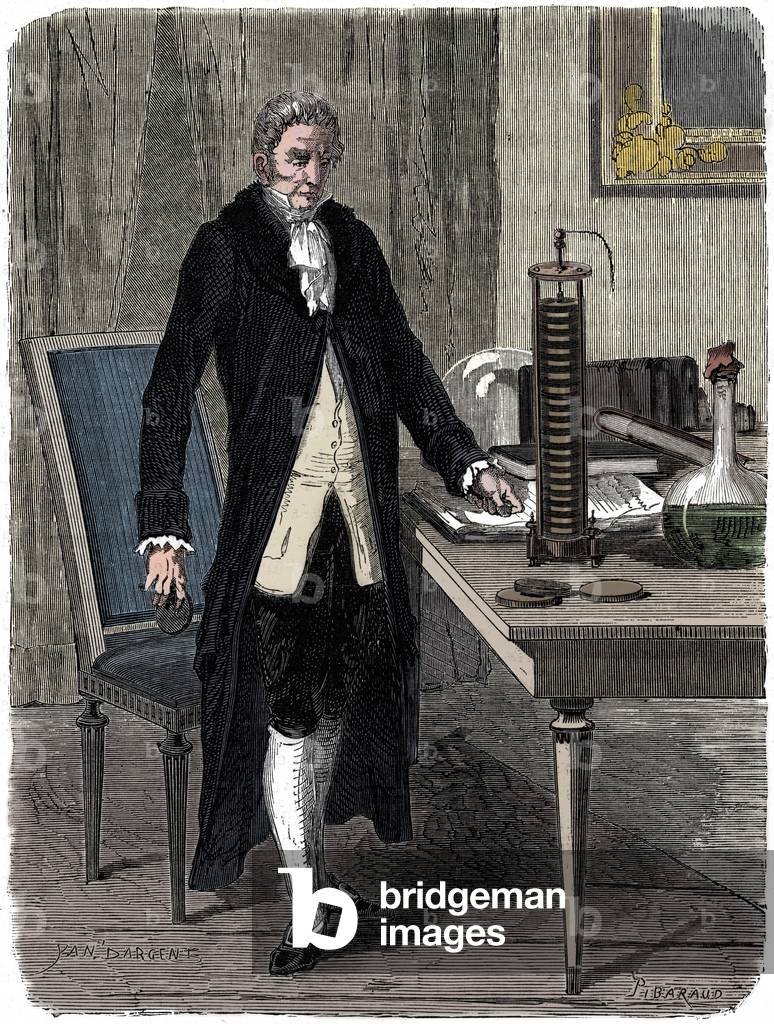
HIM5297113 Alessandro Volta, Italian physicist, demonstrating his electric pile (battery), c1800 (c1870). Volta's (1745-1827) voltaic pile, an early form of battery, was the first source of current electricity. It consisted of two different metals, separated by chemicals in order to enable a flow of electricity. In 1775, he invented the electrophorus, a precursor of the induction machine, and in 1777 he invented an 'inflammable air' electric pistol. The unit of electromotive force 'volt' is named after him. From Les Merveilles de la Science by Louis Figuier. (Paris, c1870). (Colorised black and white print)
DC
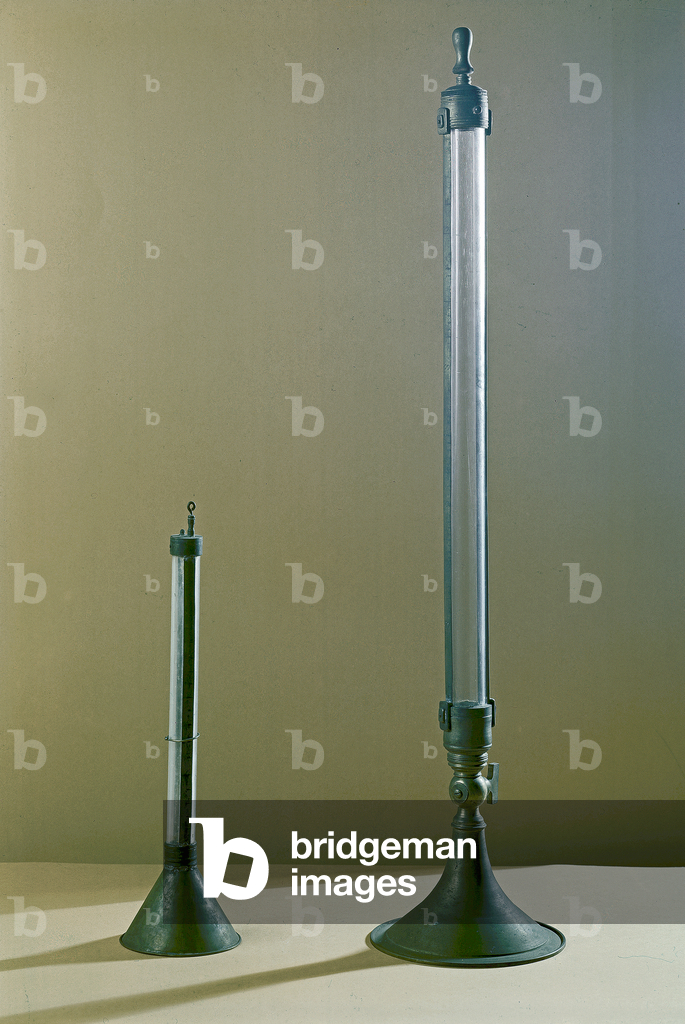
LRI9037037 VOLTA Alessandro, Italian physicist and chemist (1745-1827): Two types of Eudiometers.
DC
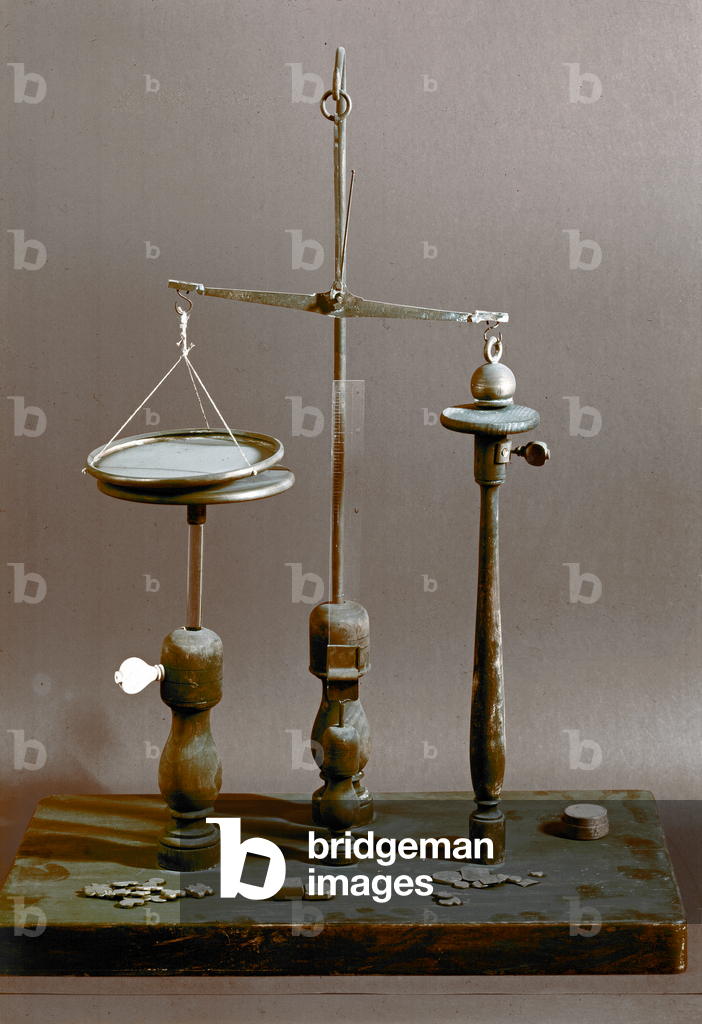
LRI9037039 VOLTA Alessandro, Italian physicist and chemist (1745-1827): Balance for experimenting the eletric actions, also called Electrostatic Balance. Invented by Volta in 1775 ca.
DC
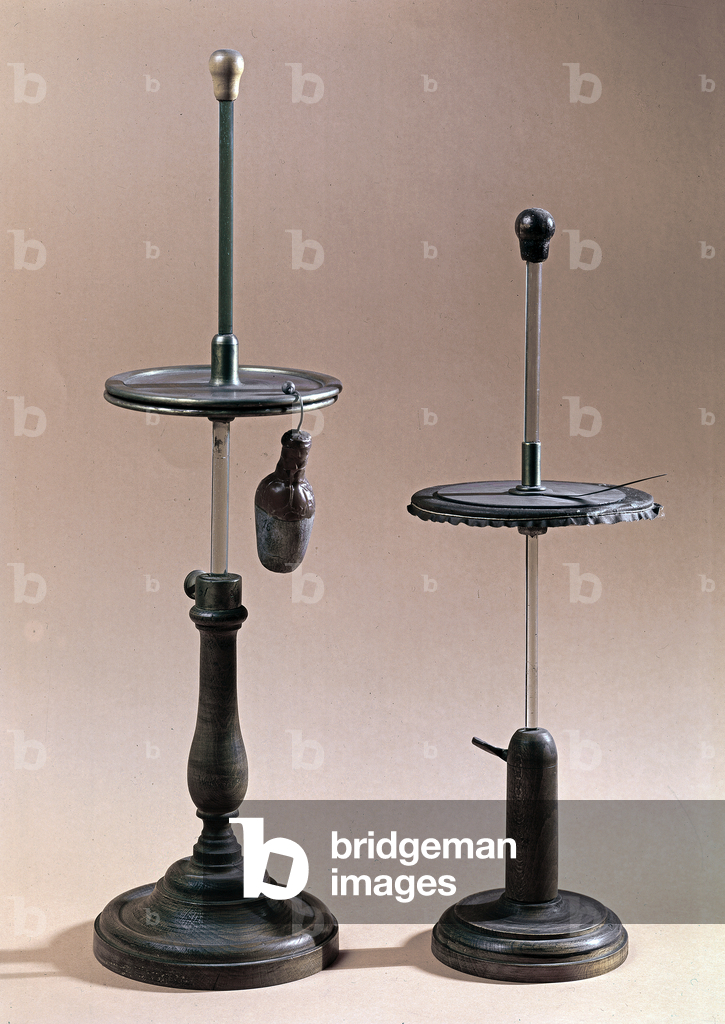
LRI9037040 VOLTA Alessandro, Italian physicist and chemist (1745-1827): Two types of Condenser, to one of which a Leyden Jar is hanged up. Invented by Volta in 1782
DC
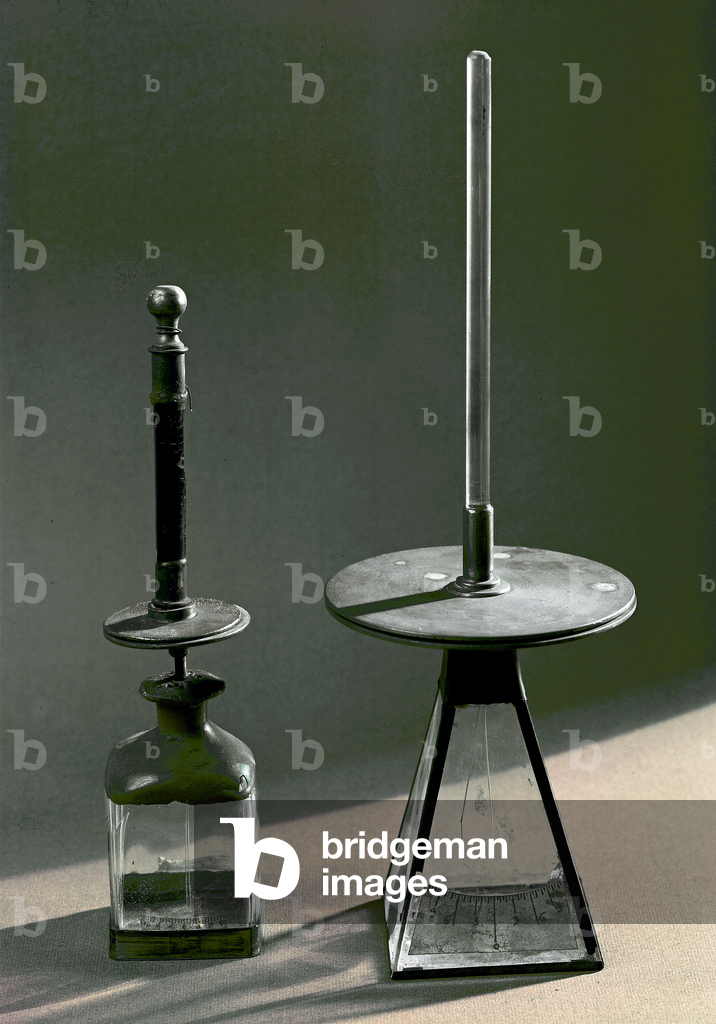
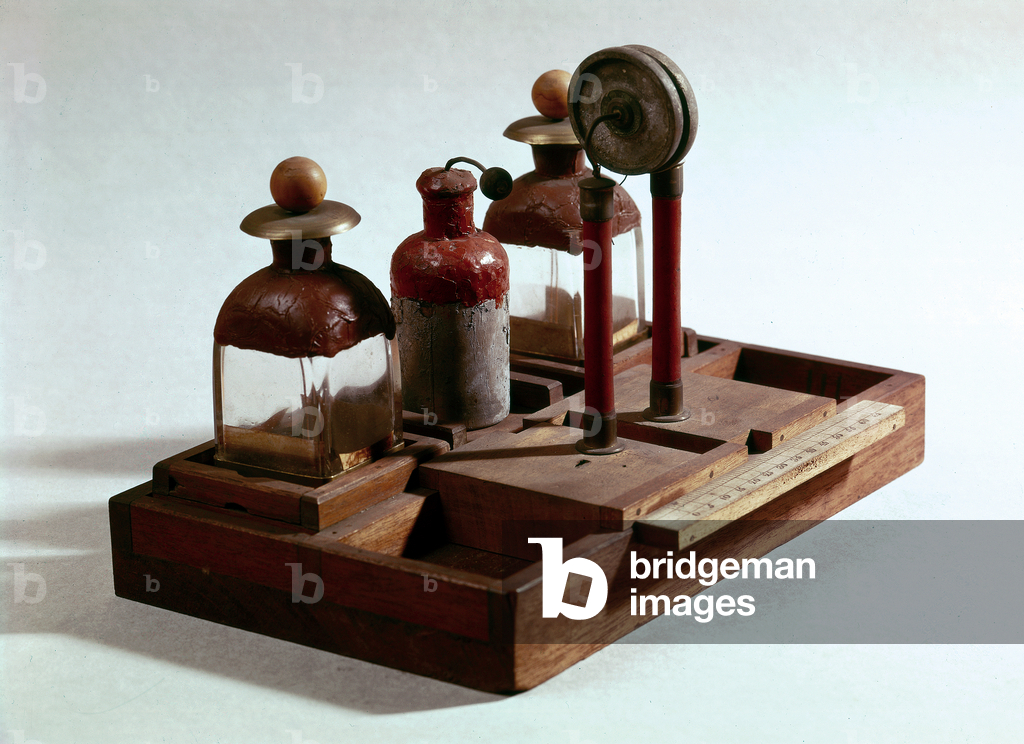
LRI9037043 VOLTA Alessandro, Italian physicist and chemist (1745-1827): Apparatus used for experimenting the inductive actions. (Electrology that studies the phenomena of electrical charges).
DC
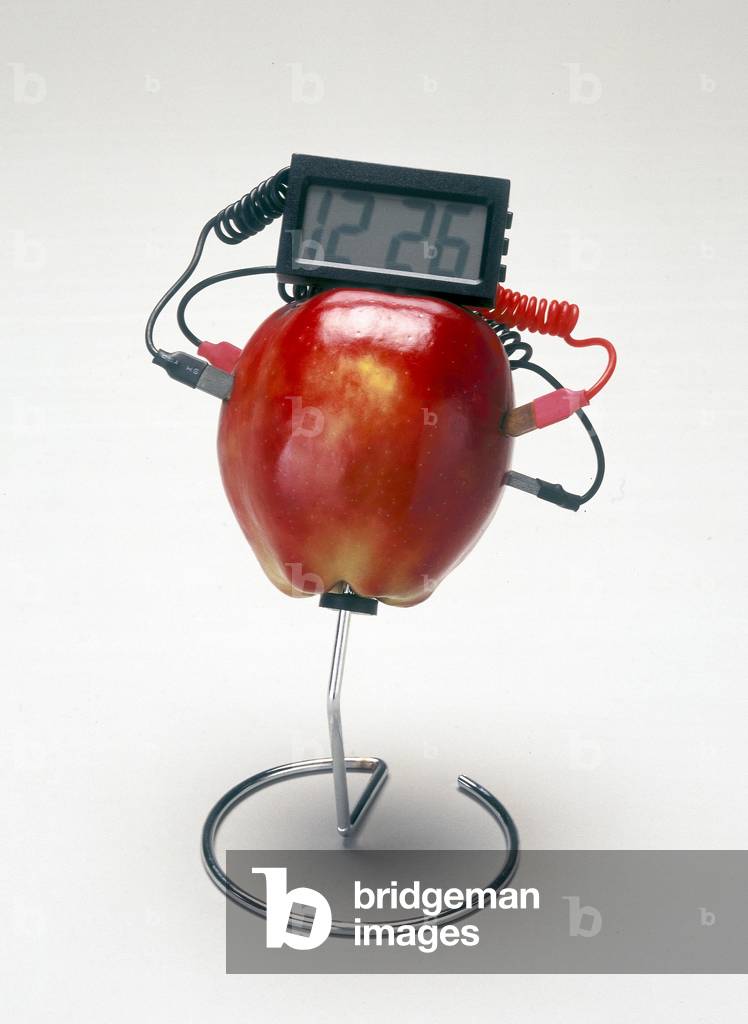
UIS5083351 Clocks, Fruit-powered Fruit-powered clock, 1998. Using Alessandro Volta's (1745-1827) original design for a battery, this clock is powered by a fruit or vegetable which provides acid paste, or electrolyte. Volta was an Italian physicist and the inventor of the voltaic pile, the first battery. This consisted of two different metals, separated by chemicals, in order to enable a flow of electricity. It had previously been thought by the Italian scientist Luigi Galvani (1737-1798 ) that animal tissue was necessary to generate electricity. Volta has the unit of electromotive force, the 'volt', named after him. ©SSPL/Science Museum
DC

Total de Resultados: 80

Página 1 de 1