
















































Busque também em nossas outras coleções:

Data da imagem:
Pauta
ver mais opções...
Agência
Fotógrafo
ver mais opções...
Estado
ver mais opções...
Cidade
ver mais opções...
Local
ver mais opções...
Tipo de licença
Orientação
Coleção
ver mais opções...

Total de Resultados: 555

Página 1 de 6

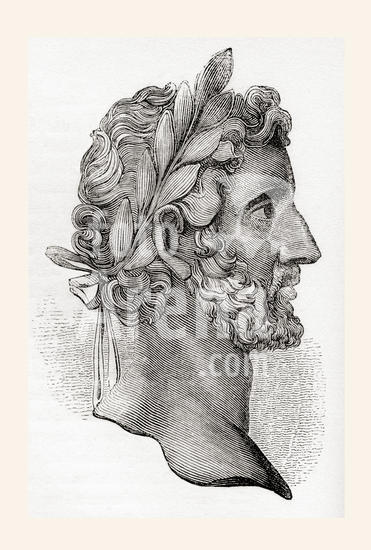
902_05_12529141highres Antoninus Pius, 86 -161 AD, aka Antoninus. Roman emperor. From Old England: A Pictorial Museum, published 1847.
DC
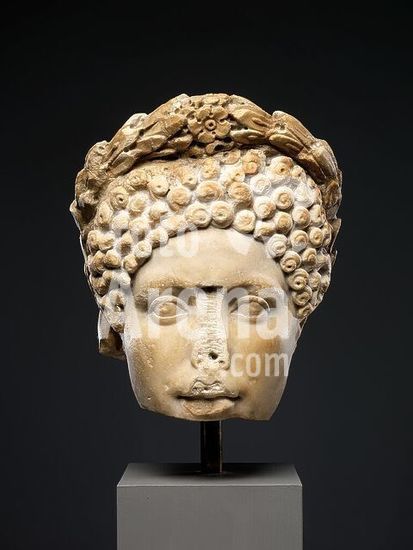
alb3683392 Portrait head of a woman. Culture: Roman. Dimensions: H. 10 1/4 in. (26 cm). Date: ca. A.D. 80-100.It has been argued that this portrait represents Diva Julia Augusta, the daughter of the Emperor Titus, but her features were unlike those shown here. (The drilled pupils of the eyes date to the 19th century.). Museum: Metropolitan Museum of Art, New York, USA.
DC
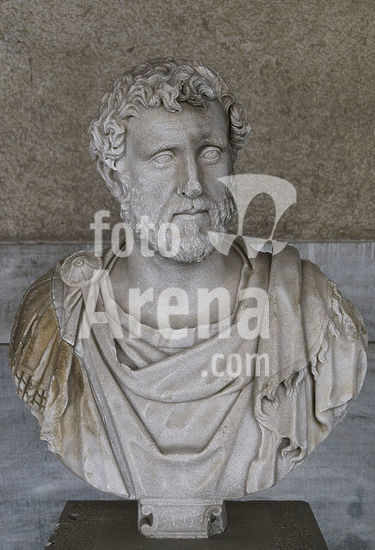
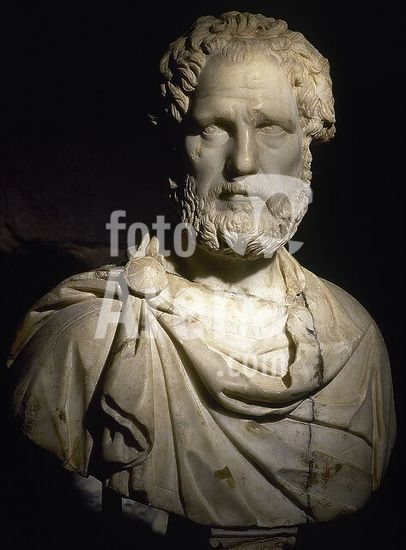
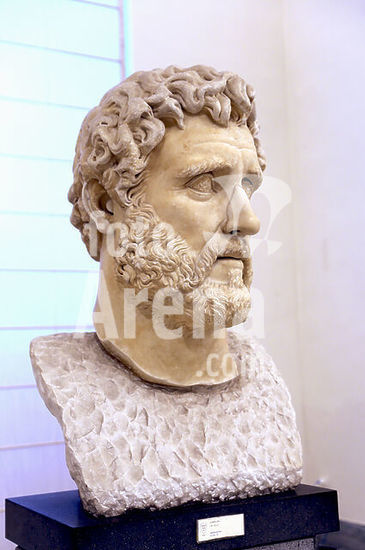
alb22403128 Antoninus Pius (Titus Aelius Hadrianus Antoninus Pius) (86-161). Roman emperor (183-161). Fourth of the Five Good Emperors. Nerva-Antonine dynasty. Portrait bust of the emperor Antoninus Pius. Museum of the Ancient Agora. Athens, Greece.
DC
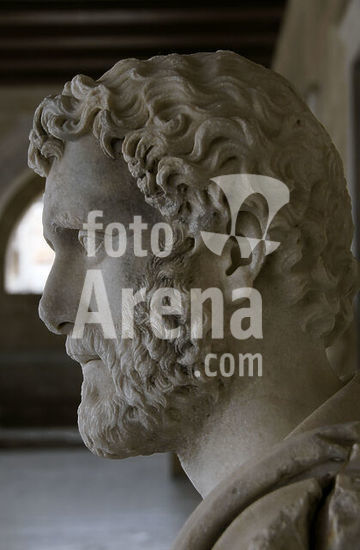
alb22403130 Antoninus Pius (Titus Aelius Hadrianus Antoninus Pius) (86-161). Roman emperor (183-161). Fourth of the Five Good Emperors. Nerva-Antonine dynasty. Portrait bust of the emperor Antoninus Pius. Side detail. Museum of the Ancient Agora. Athens, Greece.
DC
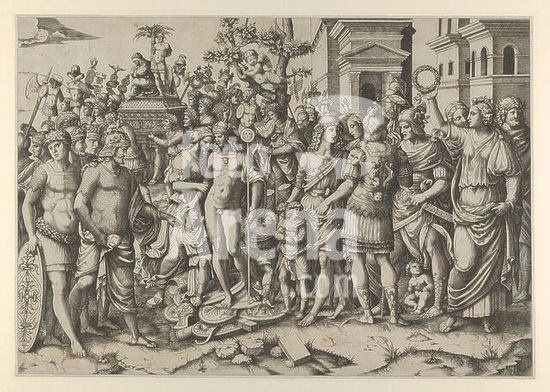
alb3658022 The triumph of a Roman Emperor; a young naked hero stands at center on a pile of armor; a woman at right holds aloft a laurel wreath. Artist: Marcantonio Raimondi (Italian, Argini (?) ca. 1480-before 1534 Bologna (?)); After Jacopo Ripanda (Italian, active 1500-1516). Dimensions: Sheet: 14 × 20 in. (35.5 × 50.8 cm). Date: ca. 1510. Museum: Metropolitan Museum of Art, New York, USA. Author: Marcantonio Raimondi. After Jacopo Ripanda.
DC
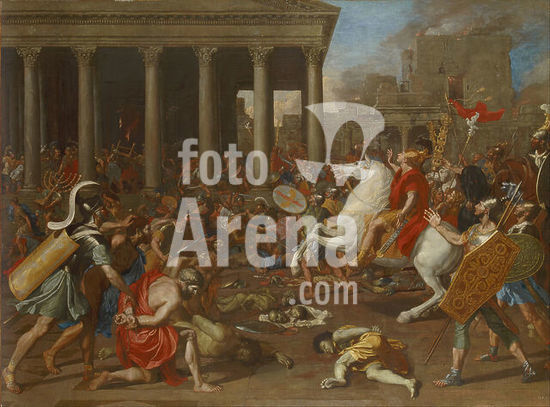
alb3904903 The Conquest of Jerusalem by Emperor Titus. Date/Period: 1638. Painting. Oil on canvas. Height: 1,480 mm (58.26 in); Width: 1,990 mm (78.34 in). Author: NICOLAS POUSSIN.
DC
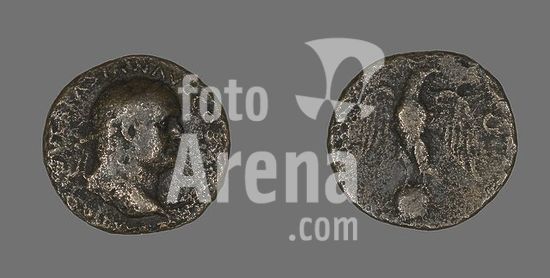
alb4136329 Coin Portraying Emperor Vespasian. Roman. Date: 69 AD-79 AD. Dimensions: Diam. 2.8 cm; 8.74 g. Bronze. Origin: Roman Empire. Museum: The Chicago Art Institute, USA. Author: ANCIENT ROMAN.
DC
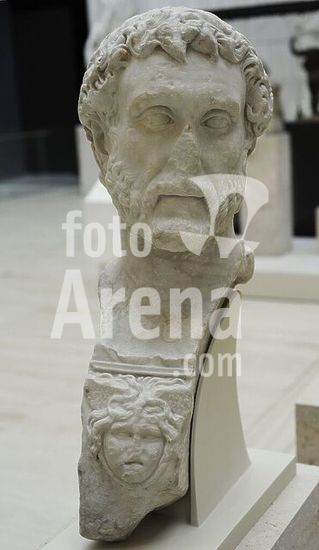
alb4095577 Antoninus Pius (86-161 AD). Roman emperor. Nerva-Antonine dynasty. Bust. 138-149 AD. Marble. From Puente Genil (Cordoba province, Andalusia, Spain). National Archaeological Museum. Madrid. Spain.
DC
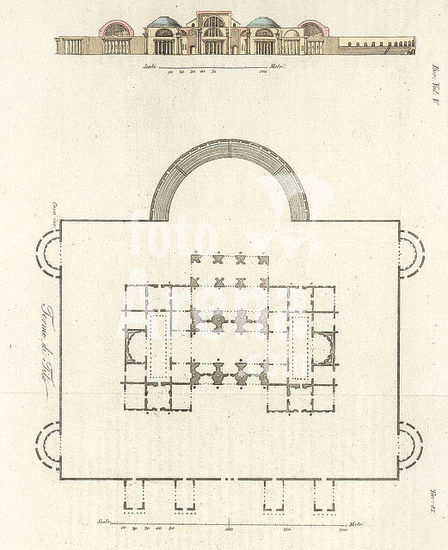
alb9870967 Plan and elevation of the Baths of Titus, Rome. Thermae Titi, public baths built by Emperor Titus. Terme di Tito. Handcoloured copperplate engraving by Corsi from Giulio Ferrarios Costumes Ancient and Modern of the Peoples of the World, Il Costume Antico e Moderno, Florence, 1843.
DC
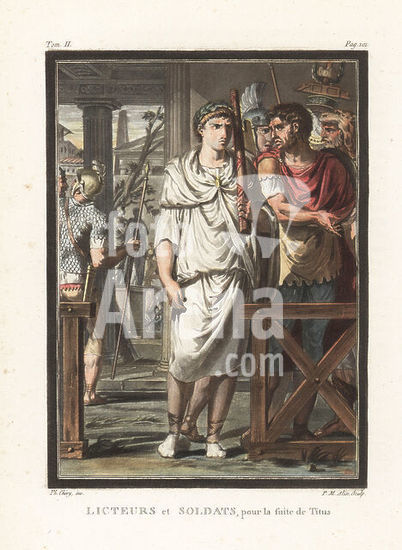
alb18731549 Lictors and soldiers in the retinue of the Roman Emperor Titus, characters in Jean Racine's tragedy Berenice, 1670. Lictor in laurel wreath, white tunic and shoes holding a fasces. Soldier in helmet, armoured cuirass with spear, and aquilifer eagle-bearer in lionskin with aquila. Lecteurs et Soldats pour la suite de Titus. Hand-coloured copperplate engraving by Pierre-Michel Alix after an illustration by Philippe Chéry from Jean-Charles Le Vacher de Charnois's Recherches sur les Costumes et sur les Theatres de Toutes les Nations, M. Drouhin, Paris, 1790.
DC
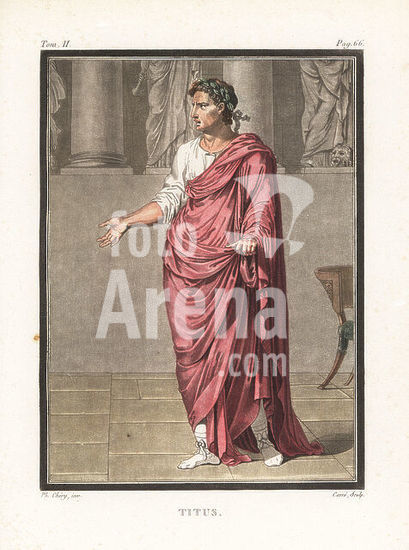
alb18721180 Titus, Roman Emperor, character in Jean Racine's tragedy Berenice, 1670. In laurel wreath, purple pallium, toga, white robe, standing in front of a hall of statues and pillars. Hand-coloured copperplate engraving by Carré after an illustration by Philippe Chéry from Jean-Charles Le Vacher de Charnois's Recherches sur les Costumes et sur les Theatres de Toutes les Nations, M. Drouhin, Paris, 1790.
DC
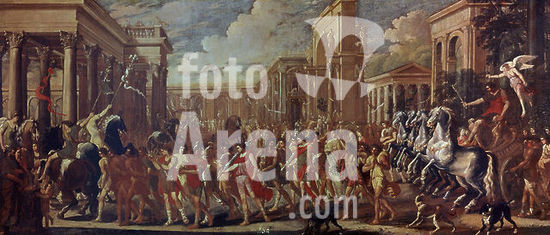
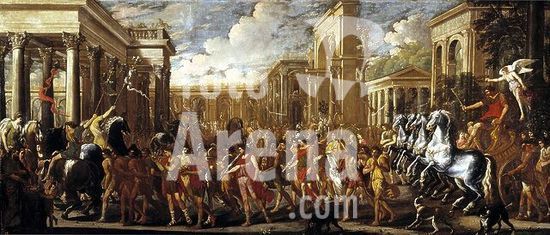
orz012948 Italian school. Vespasian's triumphant entrance into Rome. Entrada triunfal de Vespasiano en Roma. Oil on canvas (155 x 363 cm). Madrid, El Prado. Author: VIVIANO CODAZZI (1603-1670) DOMENICO GARGIULO (1609-1675). Location: MUSEO DEL PRADO-PINTURA. MADRID. SPAIN. TITUS.
DC
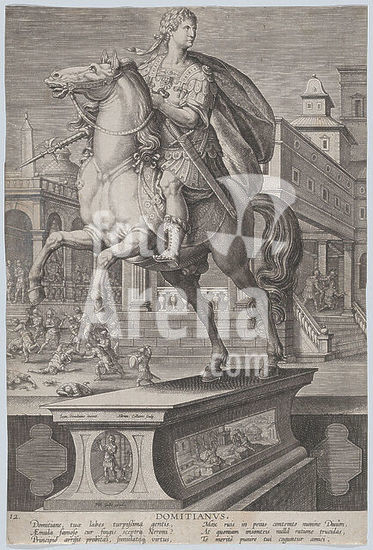
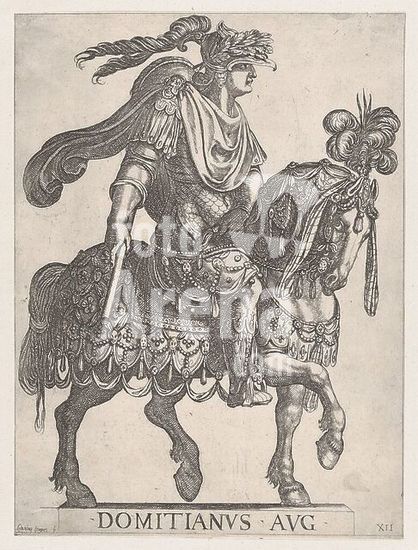
alb3676392 Plate 12: equestrian statue of Domitian, seen three-quarters to the left, with his stabbing death at right in the background, from 'Roman Emperors on Horseback'. Artist: After Jan van der Straet, called Stradanus (Netherlandish, Bruges 1523-1605 Florence); Adriaen Collaert (Netherlandish, Antwerp ca. 1560-1618 Antwerp). Dimensions: Sheet (Trimmed): 12 3/4 × 8 1/2 in. (32.4 × 21.6 cm). Publisher: Philips Galle (Netherlandish, Haarlem 1537-1612 Antwerp). Series/Portfolio: 'Roman Emperors on Horseback'. Date: ca. 1587-89. Museum: Metropolitan Museum of Art, New York, USA.
DC
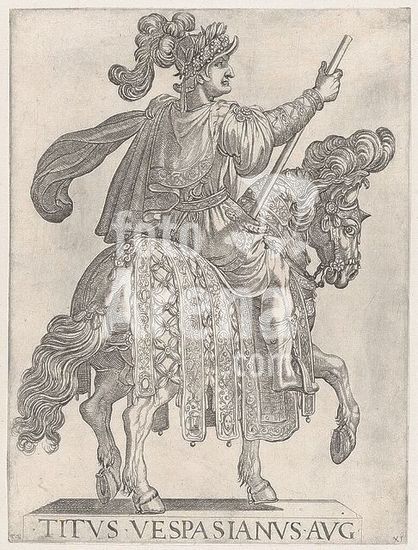
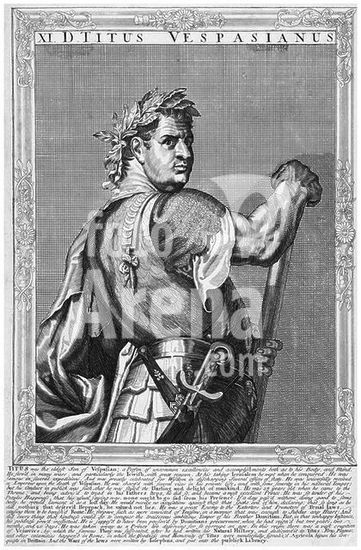
alb3672708 Plate 11: Titus Vespasian on horseback facing right from the 'First Twelve Emperors of Ancient Rome'. Artist: Antonio Tempesta (Italian, Florence 1555-1630 Rome). Dimensions: Sheet: 11 13/16 × 8 7/8 in. (30 × 22.5 cm). Date: 1575-1630. Museum: Metropolitan Museum of Art, New York, USA.
DC
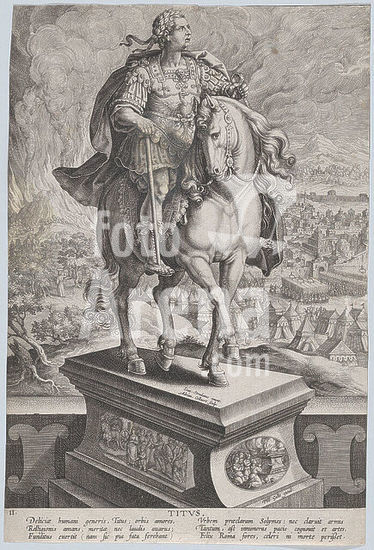
alb3652161 Plate 11: equestrian statue of Titus, seen three-quarters to the right, Mount Vesuvius erupting at left in the background, from 'Roman Emperors on Horseback'. Artist: After Jan van der Straet, called Stradanus (Netherlandish, Bruges 1523-1605 Florence); Adriaen Collaert (Netherlandish, Antwerp ca. 1560-1618 Antwerp). Dimensions: Sheet (Trimmed): 12 3/4 × 8 9/16 in. (32.4 × 21.7 cm). Publisher: Philips Galle (Netherlandish, Haarlem 1537-1612 Antwerp). Series/Portfolio: 'Roman Emperors on Horseback'. Date: ca. 1587-89. Museum: Metropolitan Museum of Art, New York, USA.
DC
alb3639187 Plate 12: Emperor Domitian on horseback facing right from the 'First Twelve Emperors of Ancient Rome'. Artist: Antonio Tempesta (Italian, Florence 1555-1630 Rome). Date: 1575-1630. Museum: Metropolitan Museum of Art, New York, USA.
DC
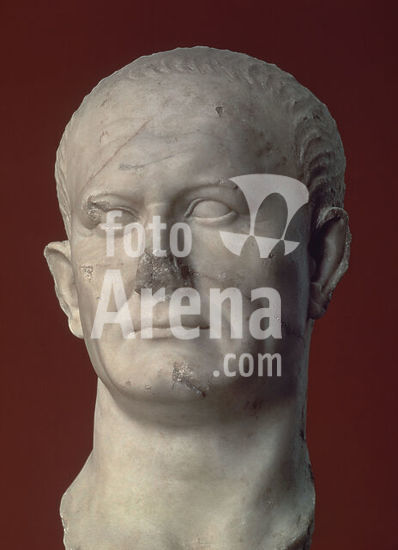
orz122401 VESPASIANO - ITALICA SIGLO I. Location: MUSEO ARQUEOLOGICO-COLECCION. Sevilla. Seville. SPAIN. TITUS.
DC
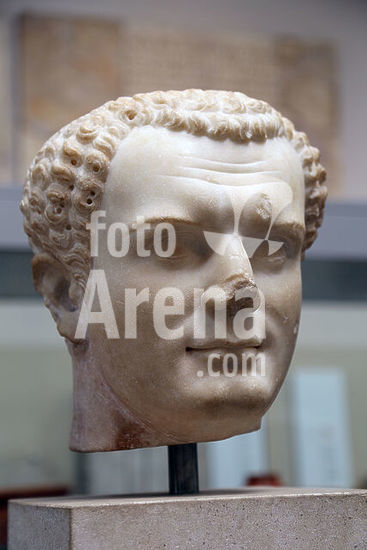
orz051347 TITO FLAVIO VESPASIAMO (9-79 DC) EMPERADOR ENTRE EL AÑO 69-70 DC. Location: MUSEO DE LAS TERMAS. Rome. ITALIA. TITUS.
DC
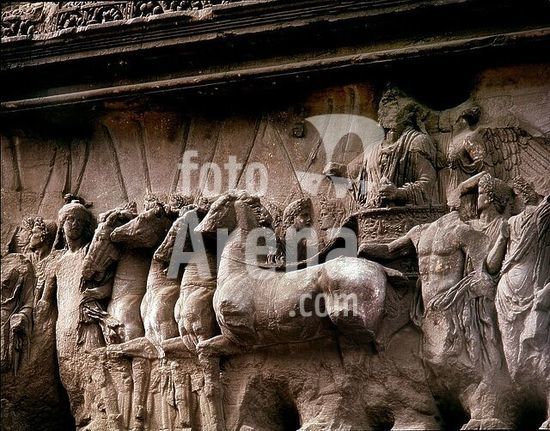
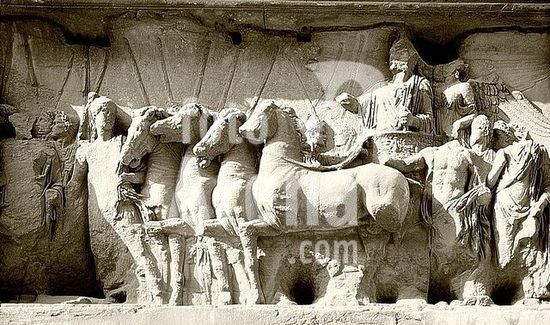
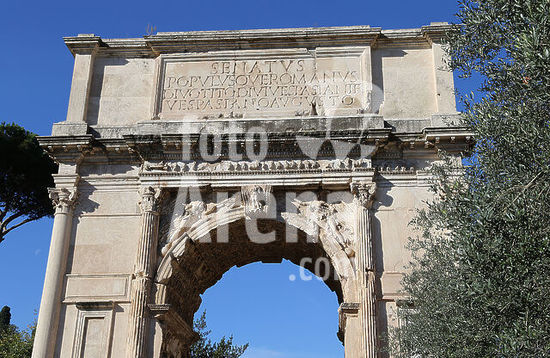
orz051349 ARCO DE TITO- DESFILE TRIUNFAL CELEBRADO EN ROMA CON MOTIVO DE LA CONQUISTA DE JERUSALEN POR TITO E. Location: ARCO DE TITO. Rome. ITALIA. TITO FLAVIO.
DC
alb3397272 Roman bust probably of Roman emperor Antoninus Pius (86-161 AD). Marble. 2nd century AD. Museum of History of the City. Barcelona. Spain.
DC
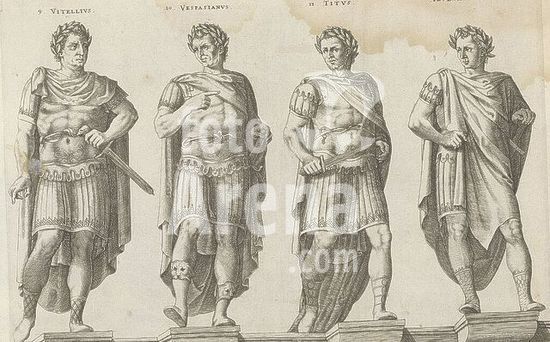
alb15544498 Alkmaar, Schabaelje, Jan Philipsz, Amsterdam, Visscher, Claes Jansz. (II), Ausonius, Decimus Magnus, The Great Figurine Bible, Twelve Roman Emperors, Of the Roman Emperors and their Consequences, 9. Vitellius 10. Vespasianus 11. Titus 12. Domitianus, Roman emperors Vitellius, Vespasianus, Titus and Domitianus, lower right - handwritten in brown ink, Four consoles with the ninth to twelfth emperors of the Roman Empire. Depicted full-length: Vitellius, Titus and Domitianus. The text in the cartouches below are lines of verse from the Monosticha de Ordine Imperatorum by the Latin poet Decimus Magnus Ausonius. The print is part of an album., print, prent, albumblad, prints, prenten, 215, height 203 mm, width 260 mm, print maker, prentmaker, 1646 - 1646, paper, papier, engraving, engraving (printing process), Roman, 310 - 395, writer, Publication (Event), Publication, Northern Netherlands, 1586 - 1652-06-19, publisher, uitgever, Publicatie, 1592 - 1656-04.
DC
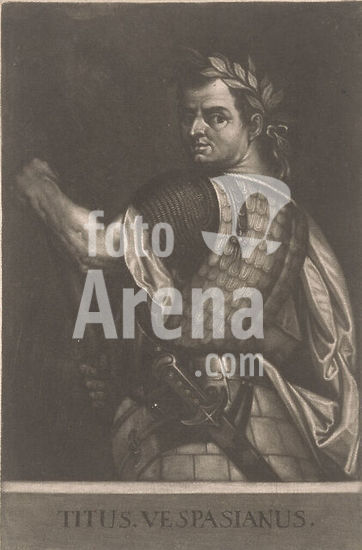
alb15857107 Portrait of Titus, Emperor of the Roman Empire, print maker: Georg Andreas Wolfgang, after painting by: Titiaan, 1642 - 1716, paper, height 308 mm × width 200 mm, print.
DC
alb15750574 Portrait of Titus, Emperor of the Roman Empire, print, print maker: Georg Andreas Wolfgang, (mentioned on object), after painting by: Titiaan, (mentioned on object), 1642 - 1716, paper, height, 308 mm × width, 200 mm.
DC
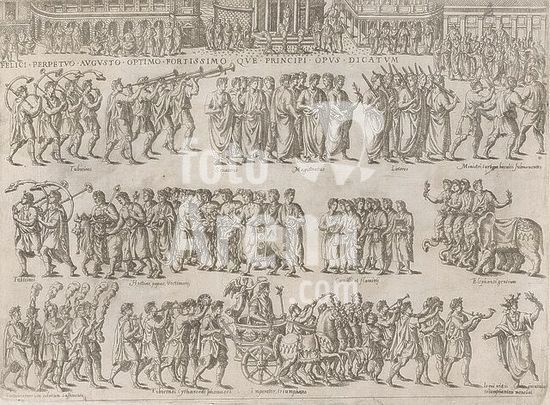
alb15528369 Vatican City, Gregory XIII, Venice, Ciotti, Giovanni Battista, Panvinio, Onofrio, Italy, Dupérac, Etienne, Ornatissimi triumphi uti L Paullus, Roman Triumph, verso - handwritten in brown ink, A Roman triumph with soldiers with torches, musical instruments, bulls and elephants. In the foreground the emperor in a chariot drawn by four horses. In the background the people look on from the streets of Rome., print, picture, book illustration, prints, verso - stamped, No 62 9 Triumph of Titus, height 324 mm, width 433 mm, French, Italian, 1525 - 1604, print maker, printmaker, 1580 - 1580, paper, papier, etching, etchings, Publication (Event), Publication, 1530-02-23 - 1568, publisher, uitgever, Publicatie, 1502-01 - 1585-04-10, verlener van privilege.
DC
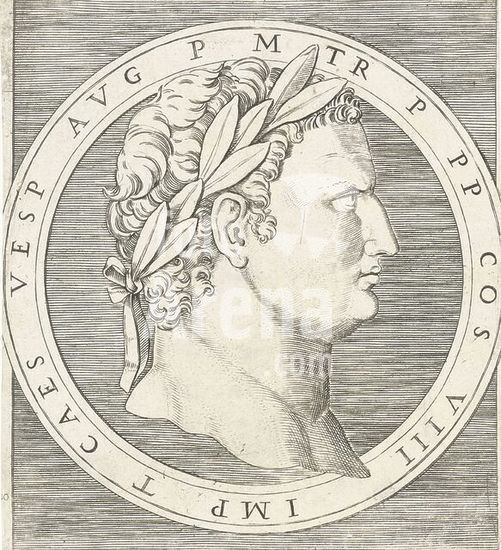
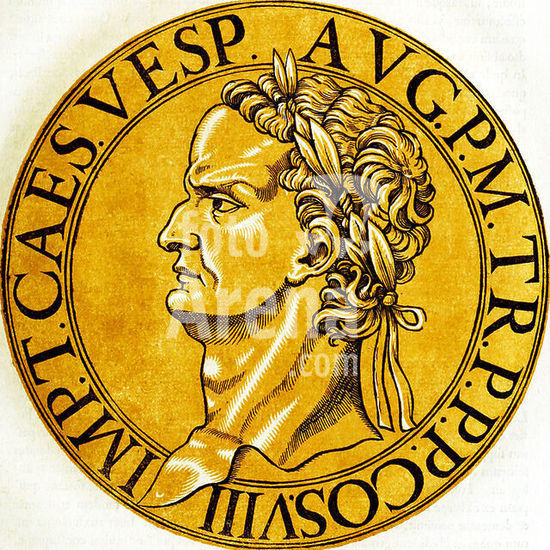
alb15540545 Raimondi, Marcantonio, Italy, Roman emperors, CAES VESP AUG P MTR P PP COS VIII IMP T, Portrait of Emperor Titus with laurel wreath in round frame, verso lower left - stamped, print, portrait, prints, height 172 mm, width 151 mm, Italian, 1482 - 1534, print maker, printmaker, 1510 - 1527, first quarter 16th century, second quarter 16th century, paper, engraving, engraving (printing process), Work conception, after own design by.
DC
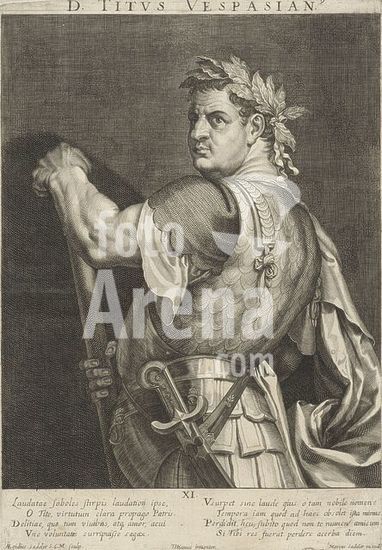
alb15513625 Venice, Sadeler, Marcus, Titian, Prague, Aegidius, Roman emperors, Portrait of Emperor Titus, verso lower left - stamped, print, prints, height 345 mm, width 241 mm, Southern Netherlands, 1570 - 1629, print maker, printmaker, 1597 - 1629, paper, engraving, engraving (printing process), Work conception, Italian, 1488 - 1576-08-27, after a design by, Publication (Event), Publication, German, 1614-04-11 - 1650, publisher.
DC
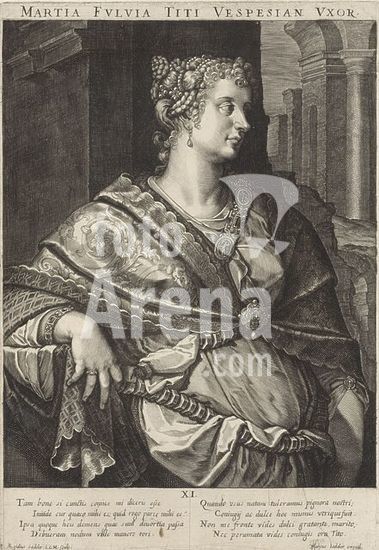
alb15452521 Venice, Sadeler, Marcus, Titian, Prague, Aegidius, Famous Roman women, Portrait of Marcia Furnilla, verso lower left - stamped, Marcia Furnilla, second wife of Emperor Titus., print, prints, height 348 mm, width 240 mm, Southern Netherlands, 1570 - 1629, print maker, printmaker, 1597 - 1629, paper, engraving, engraving (printing process), Work conception, Italian, 1488 - 1576-08-27, after a design by, Publication (Event), Publication, German, 1614-04-11 - 1650, publisher.
DC
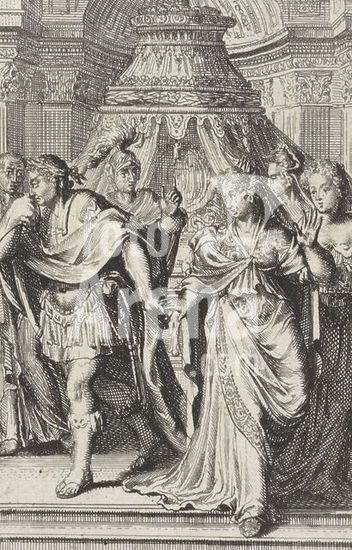
alb15459508 Nederland, Schoonebeek, Adriaen, Afscheid van Berenice en Titus, Netherlands, verso midden - gestempeld, The Jewish queen Berenice, with a tearful face, says a forced farewell to her beloved Titus, Roman general and son of Emperor Vespasian. Behind them a soldier and some servants in front of a richly decorated canopy. Below the print a reference to a passage from Suetonius (Titus 7:1)., print, prent, book illustration, prints, prenten, height 133 mm, width 80 mm, height 192 mm, width 248 mm, Noord-Nederlands, 1661 - 1705, print maker, 1694 - 1694, paper, etching.
DC
akg5422039 Natural son and heir of Emperor Vespasian, Titus (39-81 CE) was a member of the Flavian dynasty, the first Roman emperor to succeed his own biological father. Titus, like his father, had earned much renown as a military commander, especially during the First Jewish-Roman war.When his father left to claim the imperial throne after Nero's death, Titus was left behind to end the Jewish rebellion, which occurred in 70 CE with the siege and sacking of Jerusalem. The Arch of Titus was built in honour of his destruction of the city. He was also known for his controversial relationship with the Jewish queen Berenice.Under his father, her served as prefect of the Praetorian Guard, and he was known as a good emperor after his accession. As emperor, he is most endearingly known for his completion of the Colosseum, started by his father, and his efforts in relieving the destruction caused by the eruption of Mount Vesuvius in 79 CE and a fire in Rome in 80 CE. Titus only served for two years before dying of a fever in 81 CE, and was deified by the Roman Senate before being succeeded by his younger brother, Domitian.
DC
akg4736897 From an equestrian family that rose to senatorial rank under the Julio-Claudian dyansty, Vespasianus - as he was then called - earned much renown through his military record. He first served during the Roman invasion of Britain in 43 CE, and was later sent by Emperor Nero to conquer Judea in 66 CE, during the Jewish rebellion.. During his siege of Jerusalem, news came to him of Nero's suicide and the tumultuous civil war that happened afterwards, later known as the Year of the Four Emperors. When Vitellius became the third emperor in April 69, the Roman legions of Egypt and Judea declared Vespasian the new emperor. Marching to Rome, he defeated and executed Vitellius, becoming emperor and ending the Year of the Four Emperors.. He ruled the Roman empire for 10 years, building the Flavian Amphitheatre, known nowadays as the Roman Colosseum, as well as enacting various reforms to the empire. He died in 79 CE, and his son Titus became the next Roman emperor, starting the Flavian dynasty and making Vespasian the first emperor to be directly succeeded by his own natural son.
DC
akg4736898 Third and last emperor of the Flavian dynasty, Domitian (51-96 CE) was the youngest son of Vespasian and most of his youth was spent in the shadow of his more accomplished brother Titus, who earned his renown during the First Jewish-Roman War. When his father became emperor at the end of the Year of the Four Emperors in 69 CE, Titus was given a great many offices while Domitian held honours but no responsibilities. This would go on for many years, until his brother, succeeding his father in 79 CE, himself died unexpectedly from illness in 81 CE. Domitian was suddenly declared emperor by the Praetorian Guard.. During his reign, Domitian strengthened the Roman economy, expanded the Empire's border defenses and initiated a massive building program to restore a debilitated Rome. Further wars were fought in Britain. Domitian ruled more autocratically than previous emperors, seeing himself as the new Augustus, and formed a cult of personality around himself, making him popular with the people but considered tyrannical by the Senate.. After 15 years in power, longer than any emperor since Tiberius, Domitian was assassinated in 96 CE by court officials. His death ended the Flavian dynasty and he was succeeded by his advisor Nerva, his memory condemned to oblivion by the Senate.
DC
akg4736892 Third and last emperor of the Flavian dynasty, Domitian (51-96 CE) was the youngest son of Vespasian and most of his youth was spent in the shadow of his more accomplished brother Titus, who earned his renown during the First Jewish-Roman War. When his father became emperor at the end of the Year of the Four Emperors in 69 CE, Titus was given a great many offices while Domitian held honours but no responsibilities. This would go on for many years, until his brother, succeeding his father in 79 CE, himself died unexpectedly from illness in 81 CE. Domitian was suddenly declared emperor by the Praetorian Guard.. During his reign, Domitian strengthened the Roman economy, expanded the Empire's border defenses and initiated a massive building program to restore a debilitated Rome. Further wars were fought in Britain. Domitian ruled more autocratically than previous emperors, seeing himself as the new Augustus, and formed a cult of personality around himself, making him popular with the people but considered tyrannical by the Senate.. After 15 years in power, longer than any emperor since Tiberius, Domitian was assassinated in 96 CE by court officials. His death ended the Flavian dynasty and he was succeeded by his advisor Nerva, his memory condemned to oblivion by the Senate.
DC
akg4737230 Natural son and heir of Emperor Vespasian, Titus was a member of the Flavian dynasty, the first Roman emperor to succeed his own biological father. Titus, like his father, had earned much renown as a military commander, especially during the First Jewish-Roman war.. When his father left to claim the imperial throne after Nero's death, Titus was left behind to end the Jewish rebellion, which occurred in 70 CE with the siege and sacking of Jerusalem. The Arch of Titus was built in honour of his destruction of the city. He was also known for his controversial relationship with the Jewish queen Berenice.. Under his father, her served as prefect of the Praetorian Guard, and he was known as a good emperor after his accession. As emperor, he is most endearingly known for his completion of the Colosseum, started by his father, and his efforts in relieving the destruction caused by eruption of Mount Vesuvius in 79 CE and a fire in Rome in 80 CE. Titus only served for two years before dying of a fever in 81 CE, and was deified by the Roman Senate before being succeeded by his younger brother, Domitian.
DC
akg4737200 From an equestrian family that rose to senatorial rank under the Julio-Claudian dyansty, Vespasianus - as he was then called - earned much renown through his military record. He first served during the Roman invasion of Britain in 43 CE, and was later sent by Emperor Nero to conquer Judea in 66 CE, during the Jewish rebellion.. During his siege of Jerusalem, news came to him of Nero's suicide and the tumultuous civil war that happened afterwards, later known as the Year of the Four Emperors. When Vitellius became the third emperor in April 69, the Roman legions of Egypt and Judea declared Vespasian the new emperor. Marching to Rome, he defeated and executed Vitellius, becoming emperor and ending the Year of the Four Emperors.. He ruled the Roman empire for 10 years, building the Flavian Amphitheatre, known nowadays as the Roman Colosseum, as well as enacting various reforms to the empire. He died in 79 CE, and his son Titus became the next Roman emperor, starting the Flavian dynasty and making Vespasian the first emperor to be directly succeeded by his own natural son.
DC
akg4737286 Titus. 39 AD - 81 AD, Roman emperor from 79 to 81. Titus, Emperor of Rome. Line engraving by Aegidus Sadeler (Netherlands, 1570-1629), after Titian, 17th Century.
DC
akg4737214 Natural son and heir of Emperor Vespasian, Titus was a member of the Flavian dynasty, the first Roman emperor to succeed his own biological father. Titus, like his father, had earned much renown as a military commander, especially during the First Jewish-Roman war.. When his father left to claim the imperial throne after Nero's death, Titus was left behind to end the Jewish rebellion, which occurred in 70 CE with the siege and sacking of Jerusalem. The Arch of Titus was built in honour of his destruction of the city. He was also known for his controversial relationship with the Jewish queen Berenice.. Under his father, her served as prefect of the Praetorian Guard, and he was known as a good emperor after his accession. As emperor, he is most endearingly known for his completion of the Colosseum, started by his father, and his efforts in relieving the destruction caused by eruption of Mount Vesuvius in 79 CE and a fire in Rome in 80 CE. Titus only served for two years before dying of a fever in 81 CE, and was deified by the Roman Senate before being succeeded by his younger brother, Domitian.
DC
akg5757012 From an equestrian family that rose to senatorial rank under the Julio-Claudian dyansty, Vespasianus - as he was then called - earned much renown through his military record. He first served during the Roman invasion of Britain in 43 CE, and was later sent by Emperor Nero to conquer Judea in 66 CE, during the Jewish rebellion.During his siege of Jerusalem, news came to him of Nero's suicide and the tumultuous civil war that happened afterwards, later known as the Year of the Four Emperors. When Vitellius became the third emperor in April 69, the Roman legions of Egypt and Judea declared Vespasian the new emperor. Marching to Rome, he defeated and executed Vitellius, becoming emperor and ending the Year of the Four Emperors.He ruled the Roman empire for 10 years, building the Flavian Amphitheatre, known nowadays as the Roman Colosseum, as well as enacting various reforms to the empire. He died in 79 CE, and his son Titus became the next Roman emperor, starting the Flavian dynasty and making Vespasian the first emperor to be directly succeeded by his own natural son.
DC
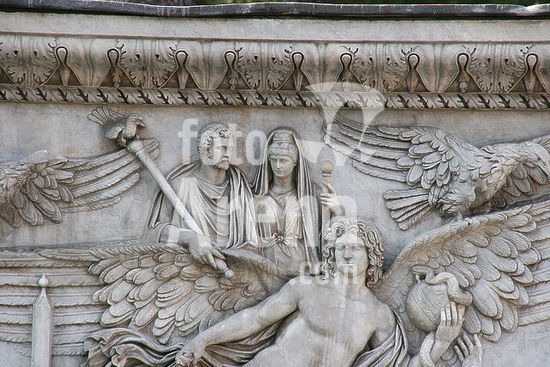
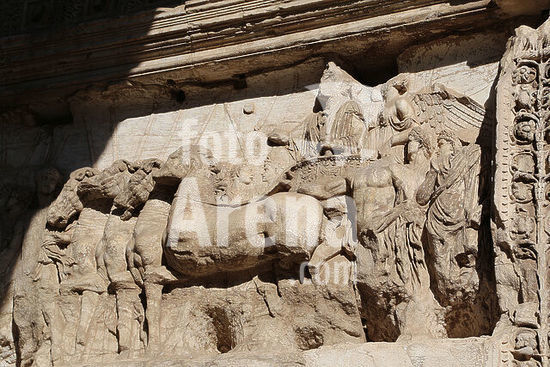
akg605702 The Roman Forum. Relief from the Arch of Titus showing the triumphal procession after the destruction of Jerusalem in AD. 70. Panel showing Titus in a charriot accompanied by the winged Goddesses Victoria and Roma. Country of Origin:. Italy. Culture: Roman.
DC
akg606916 The Roman Forum. Relief from the Arch of Titus showing the triumphal procession after the destruction of Jerusalem in AD. 70. Panel showing Titus in a charriot accompanied by the winged Goddesses Victoria and Roma. Country of Origin:. Italy. Culture: Roman.
DC
akg606994 The Roman Forum. Relief from the Arch of Titus showing the triumphal procession after the destruction of Jerusalem in AD 70. Panel showing Titus in a charriot accompanied by the winged Goddesses Victoria and Roma. Country of Origin: Italy. Culture: Roman.
DC
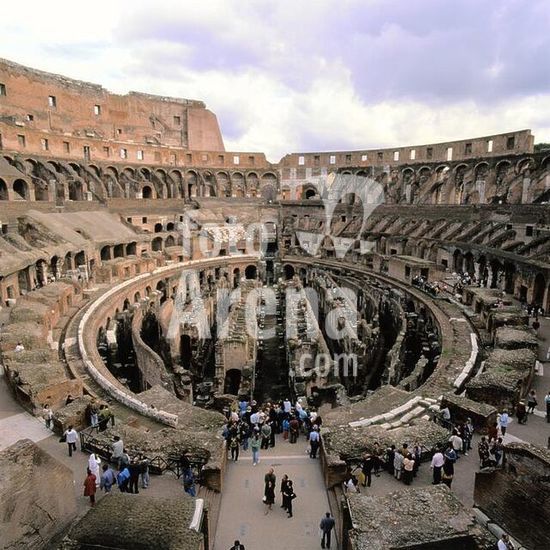
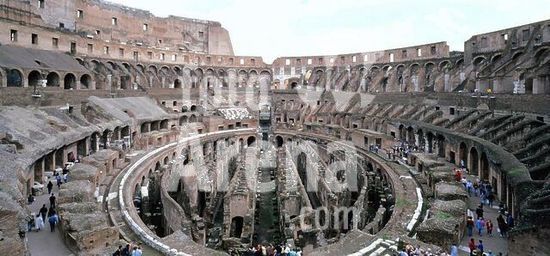
akg596795 Rome, Colosseum (built 70 - 80 AD, under Emperor Vespasian, Titus Flavius Vespasianus, and Titus, Titus Flavius Vespasianus), capacity approx. 70000 spectators, 188 × 156 m. high. Rome, Latium, Italy Photo, undat.
DC
akg596794 Rome, Colosseum (built 70 - 80 AD, under Emperor Vespasian, Titus Flavius Vespasianus, and Titus, Titus Flavius Vespasianus), capacity approx. 70000 spectators, 188 × 156 m. high. Rome, Latium, Italy. Photo, undat.
DC
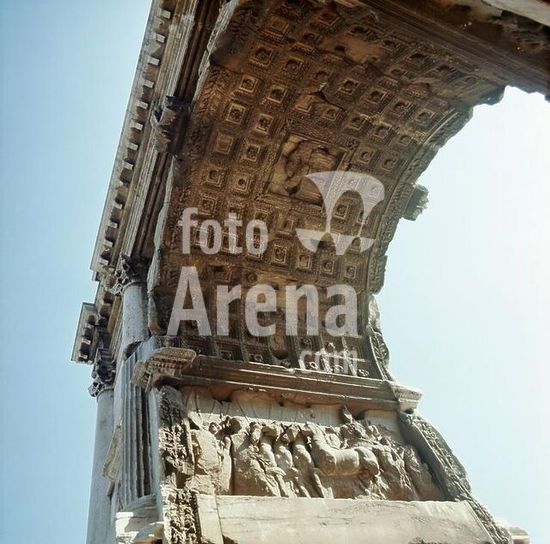
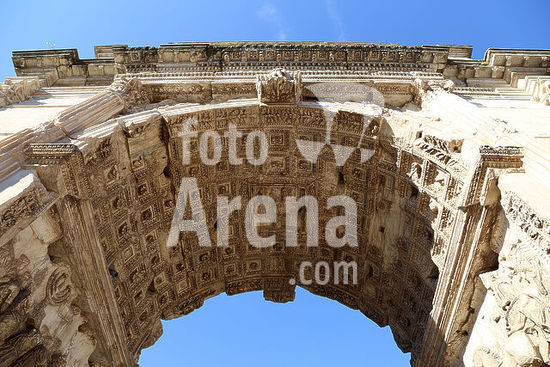
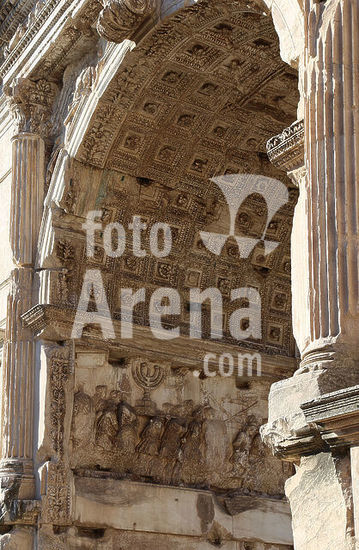
akg863198 The Roman Forum. The coffered vault of the Arch of Titus built to commemorate the sack of Jerusalem by Titus. Country of Origin: Italy. Culture: Roman.
DC
akg610523 The Roman Forum. Relief from the Arch of Titus showing the triumphal procession after the destruction of Jerusalem in AD 70. Panel showing Titus in a charriot accompanied by the Goddesses Victoria and Roma. Country of Origin: Italy. Culture: Roman.
DC
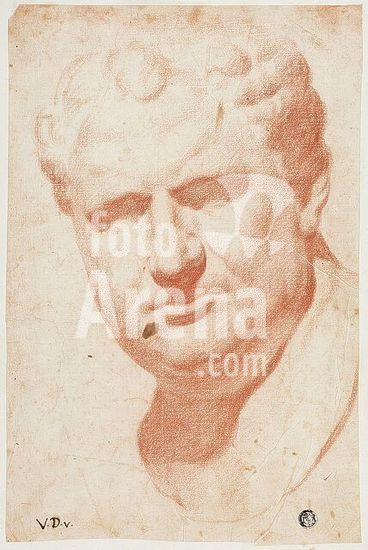
alb4141149 Ancient Portrait Bust of Vespasian. Vincenzo Dandini; Italian, 1607-1675. Date: 1627-1675. Dimensions: 293 x 193 mm. Red chalk on buff laid paper, laid down on ivory wove card. Origin: Italy. Museum: The Chicago Art Institute, USA.
DC
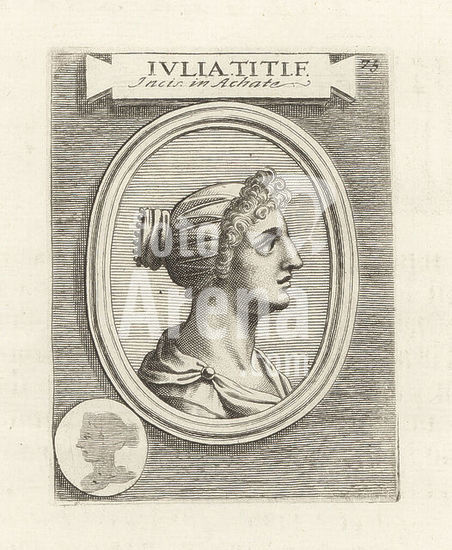
alb9877825 Julia Flavia, Flavia Julia or Julia Titi, daughter of Roman Emperor Titus and his first wife Arrecina Tertulla, c.63-91. In distinctive hairstyle. Engraved gem in agate. Julia Titi F. Incis in Achate. Copperplate engraving from Francesco Valesio, Antonio Gori and Ridolfino Venutis Academia Etrusca, Museum Cortonense in quo Vetera Monumenta, (Etruscan Academy or Museum of Cortona), Faustus Amideus, Rome, 1750.
DC
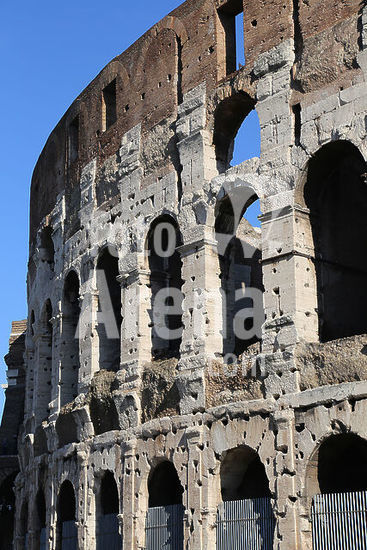
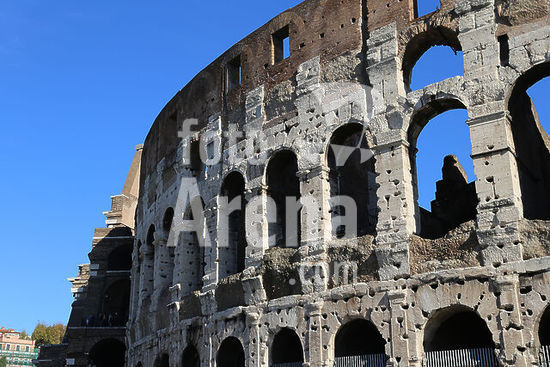
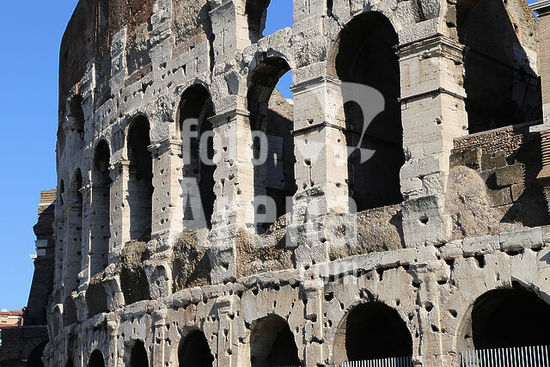
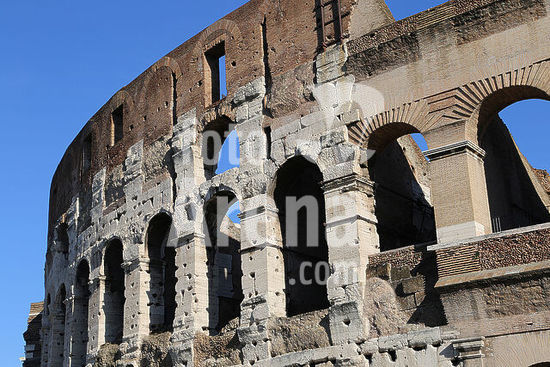
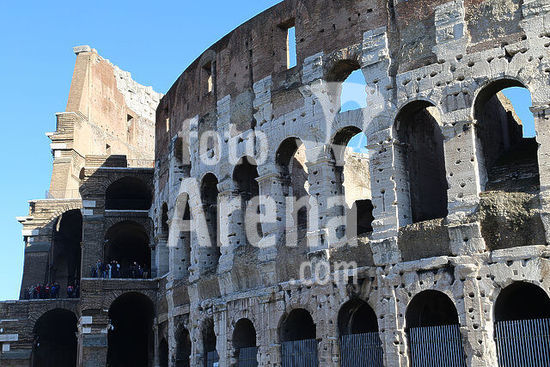
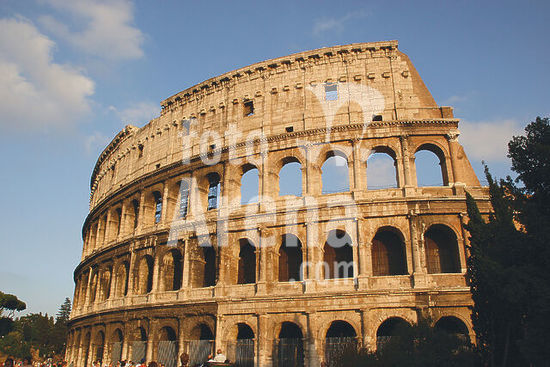
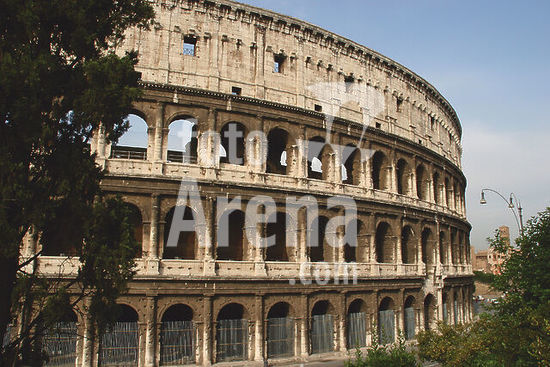
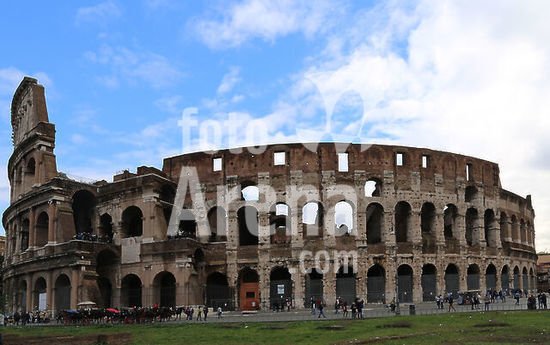
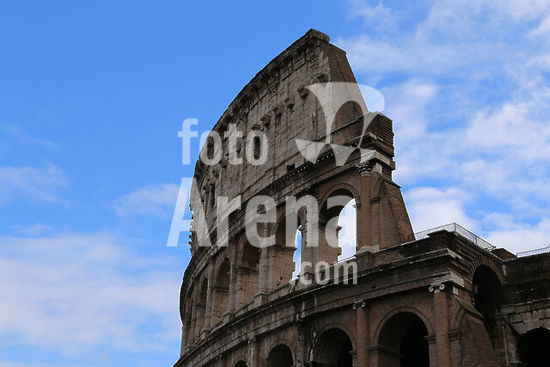
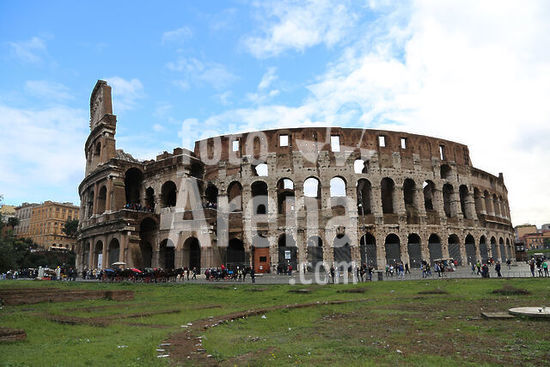
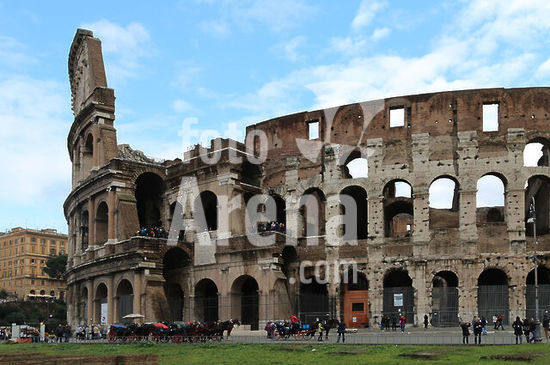
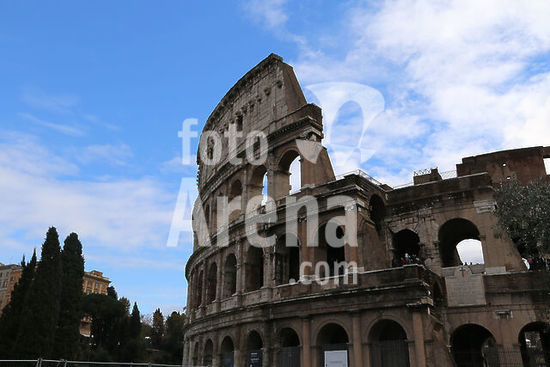
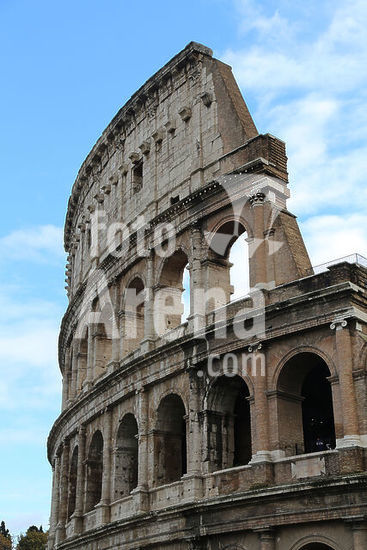
alb11628976 Italy. Rome. The Colosseum (Coliseum) or Flavian Amphitheatre. Its construction started between 70 and 72 AD under emperor Vespasian. Was completed in 80 AD under emperor Titus. Exterior.
DC
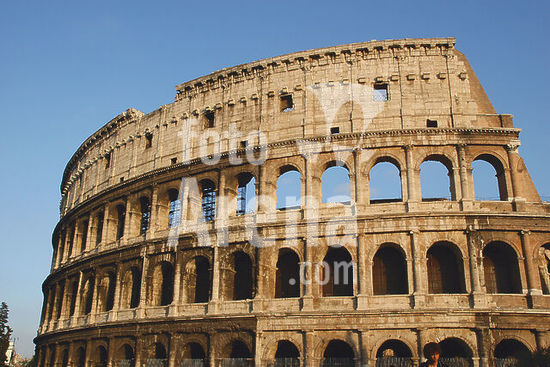
alb11629152 Italy. Rome. The Colosseum (Coliseum) or Flavian Amphitheatre. Its construction started between 70 and 72 AD under emperor Vespasian. Was completed in 80 AD under emperor Titus. Exterior.
DC
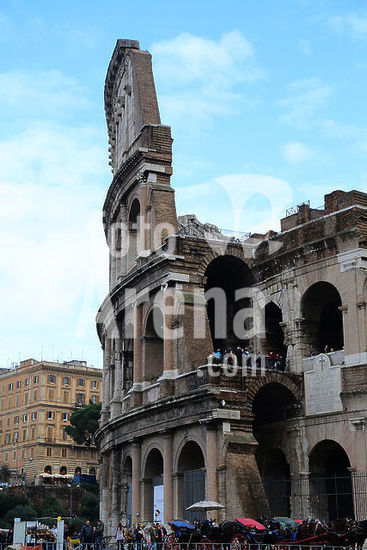
alb11628040 Italy. Rome. The Colosseum (Coliseum) or Flavian Amphitheatre. Its construction started between 70 and 72 AD under emperor Vespasian. Was completed in 80 AD under emperor Titus. Exterior.
DC
alb11626632 Italy. Rome. The Colosseum (Coliseum) or Flavian Amphitheatre. Its construction started between 70 and 72 AD under emperor Vespasian. Was completed in 80 AD under emperor Titus. Exterior.
DC
alb11627968 Italy. Rome. The Colosseum (Coliseum) or Flavian Amphitheatre. Its construction started between 70 and 72 AD under emperor Vespasian. Was completed in 80 AD under emperor Titus. Exterior.
DC
alb2069801 Viviano Codazzi; Domenico Gargiulo / 'Triumphal entry of Vespasian into Rome', ca. 1637, Italian School, Oil on canvas, 155 cm x 363 cm, P00237. Museum: MUSEO DEL PRADO, MADRID, SPAIN. VESPASIAN.
DC
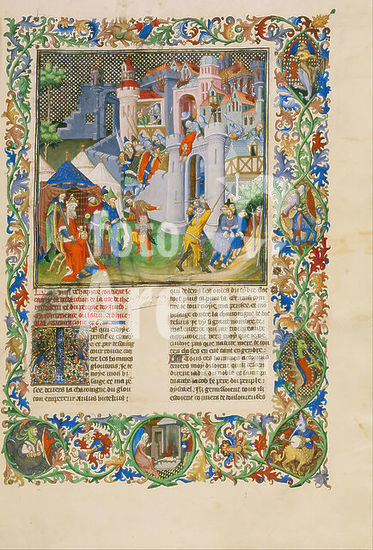
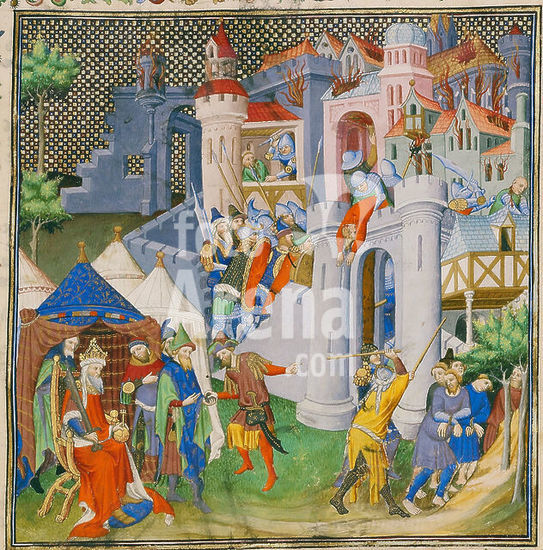
alb3890149 The Destruction of Jerusalem. Date/Period: Ca. 1413 - 1415. Folio. Tempera colors, gold leaf, gold paint, and ink on parchment. Height: 420 mm (16.53 in); Width: 296 mm (11.65 in). Author: UNKNOWN.
DC
alb3890148 The Destruction of Jerusalem. Date/Period: Ca. 1413 - 1415. Folio. Tempera colors, gold leaf, gold paint, and ink on parchment. Height: 420 mm (16.53 in); Width: 296 mm (11.65 in). Author: UNKNOWN.
DC
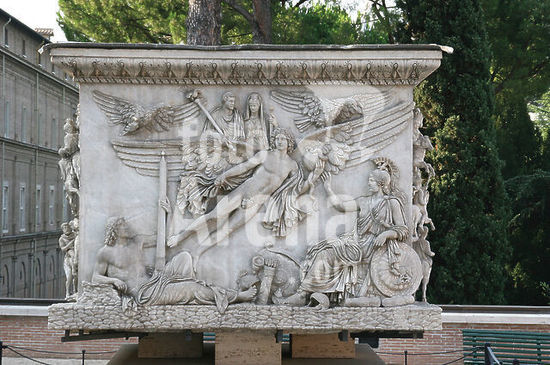
alb12243959 Antonius Pius. Roman emperor from 138 - 161 DC. Apotheosis of Antonius Pius and his wife Faustina, from the base of the Column of Antoninus. 161 AD. Marble. Vatican Museum. City of the Vatican.
DC
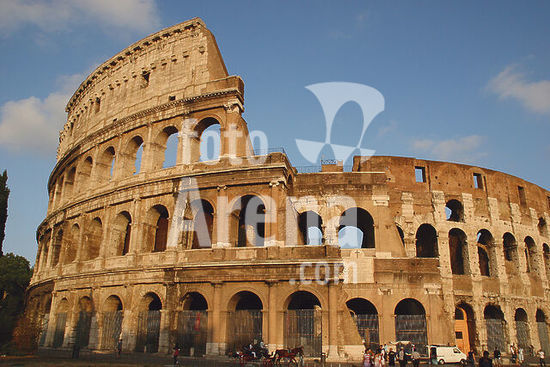
alb12243981 Roman Art. The Colosseum (Coliseum) or Flavian Amphitheatre. Its construction started between 70 and 72 AD under emperor Vespasian. Was completed in 80 AD under emperor Titus. View outside building. Rome. Italy. Europe.
DC
alb12243917 Roman Art. The Colosseum (Coliseum) or Flavian Amphitheatre. Its construction started between 70 and 72 AD under emperor Vespasian. Was completed in 80 AD under emperor Titus. View outside building. Rome. Italy. Europe.
DC
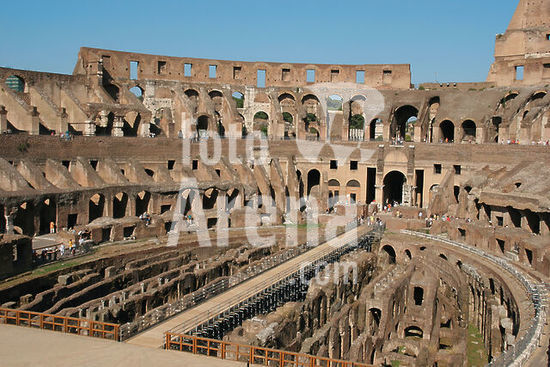
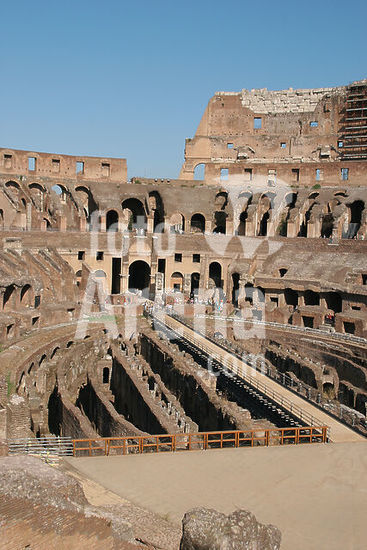
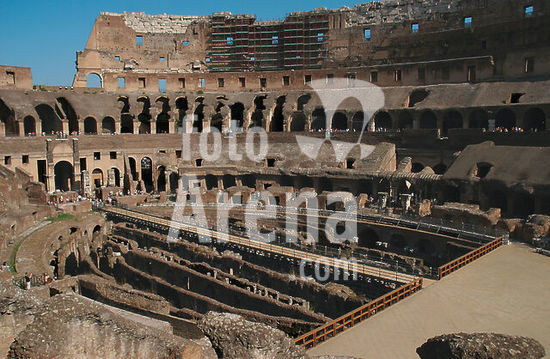
alb12244116 Italy. Rome. Colosseum or Flavian Amphitheatre. 70 - 80 AD. View insede building.
DC
alb12243744 Roman Art. The Colosseum (Coliseum) or Flavian Amphitheatre. Its construction started between 70 and 72 AD under emperor Vespasian. Was completed in 80 AD under emperor Titus. View outside building. Rome. Italy. Europe.
DC
alb12243747 Italy. Rome. Colosseum or Flavian Amphitheatre. 70 - 80 AD. View insede building.
DC
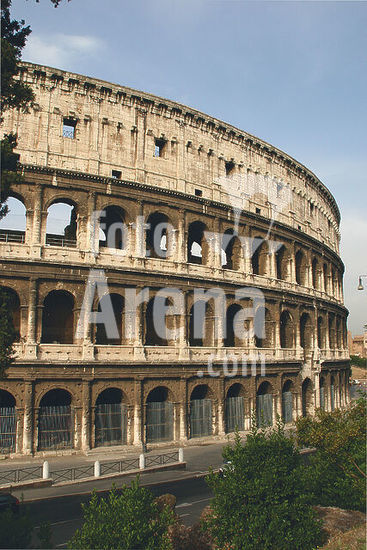
alb12243773 Roman Art. The Colosseum (Coliseum) or Flavian Amphitheatre. Its construction started between 70 and 72 AD under emperor Vespasian. Was completed in 80 AD under emperor Titus. View outside building. Rome. Italy. Europe.
DC
alb12244007 Roman Art. The Colosseum (Coliseum) or Flavian Amphitheatre. Its construction started between 70 and 72 AD under emperor Vespasian. Was completed in 80 AD under emperor Titus. View outside building. Rome. Italy. Europe.
DC
alb12244344 Antonius Pius. Roman emperor from 138 - 161 DC. Apotheosis of Antonius Pius and his wife Faustina, from the base of the Column of Antoninus. 161 AD. Marble. Vatican Museum. City of the Vatican.
DC
alb12244305 Italy. Rome. Colosseum or Flavian Amphitheatre. 70 - 80 AD. View insede building.
DC
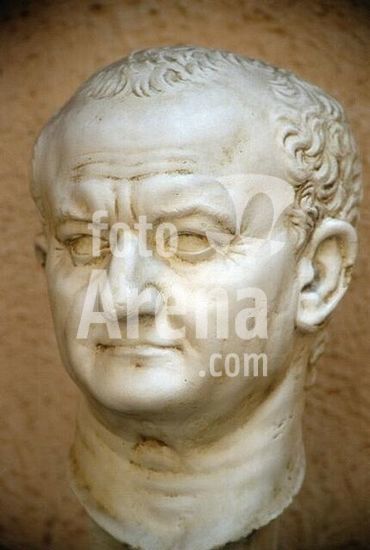
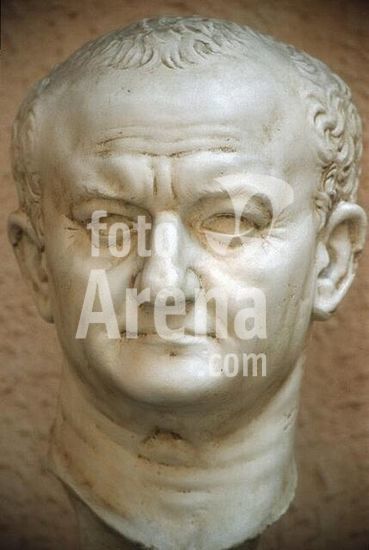
akg601015 Portrait head of Emperor Vespasian. (Titus Flavius Vespasianus, born Falacrinae 17.11.9 AD - Aquae Cutiliae 23.6.79 AD., Roman Emperor; 1.7.69 -23.6.79). Plastercast after the original. Museo Della Civilta' Romana. (Italy, Latium). Rome, Latium, Italy.
DC
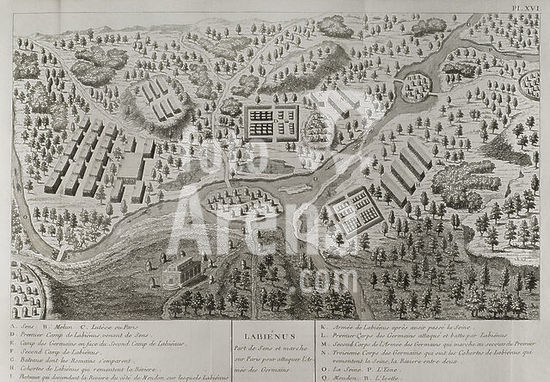
alb11738763 Gallic Wars (58 BC-50 BC). Labienus departs Sens and marches on Paris (Lutetia) to attack the German army. Engraving. Detail. "Commentaires de Cesar, avec des notes historiques, critiques et militaires" by Count Turpin de Crissé. Volume II. Published in Montargis and sold in Paris, 1785.
DC
alb11738762 Gallic Wars (58 BC-50 BC). Labienus departs Sens and marches on Paris (Lutetia) to attack the German army. Engraving. "Commentaires de Cesar, avec des notes historiques, critiques et militaires" by Count Turpin de Crissé. Volume II. Published in Montargis and sold in Paris, 1785.
DC
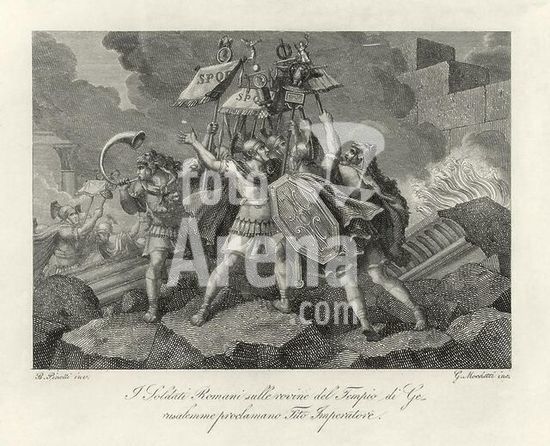
akg165391 Zerstörung des Tempels von Jerusalem durch die Römer unter Titus, 30. August. 70 n. Chr. "I Soldati Romani sulle rovine del Tempio di Gerusalemme proclamano Tito Imperatore" (Ausrufung Titus zum röm. Kaiser durch die Soldaten). Radierung von G.Mochetti nach Zeichnung von Bartolomeo Pinelli (1781-1835). Aus der Folge: Istoria Romana. Berlin, Sammlung Archiv für Kunst und Geschichte. Museum: Berlin, Sammlung Archiv für Kunst und Geschichte.
DC
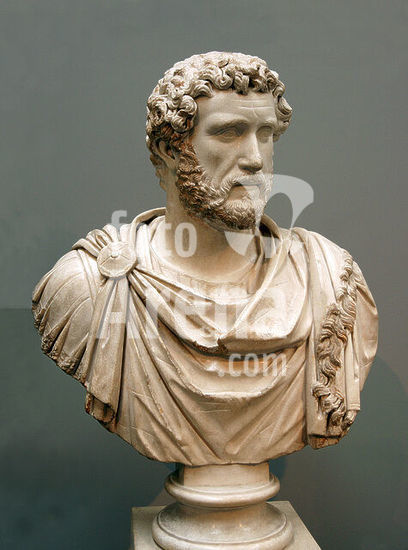
alb11644479 Antoninus Pius (86-161 AD). Roman emperor (138-161AD). Marble bust in military dress, about 140 AD. British Museum, London.
DC
alb11643416 Antoninus Pius (86-161 AD). Roman emperor (138-161AD). Marble head , about 161AD. Farnese collection. Archaeological Museum, Naples.
DC
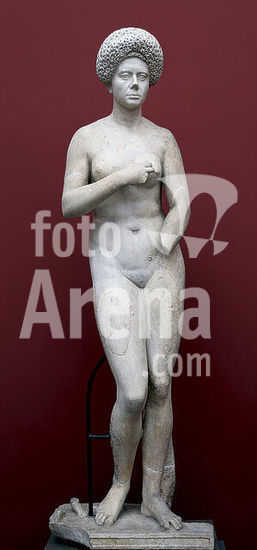
alb11645883 Roman lady, Marcia Furnilla, second wife of Emperor Titus. Body copy of a Greek Venus Capitoline. Marble (98-117 AD). Carlsberg Glyptotek.
DC
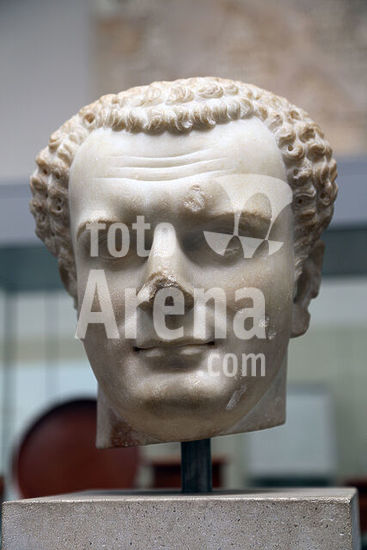
alb11643777 Titus (39-81 AD). Roman emperor from 79-81. Bust, from Utica, Tunisia. British Museum. London, UK.
DC
alb11641246 Titus (39-81 AD). Roman emperor from 79-81. Bust, from Utica, Tunisia. British Museum. London, UK.
DC
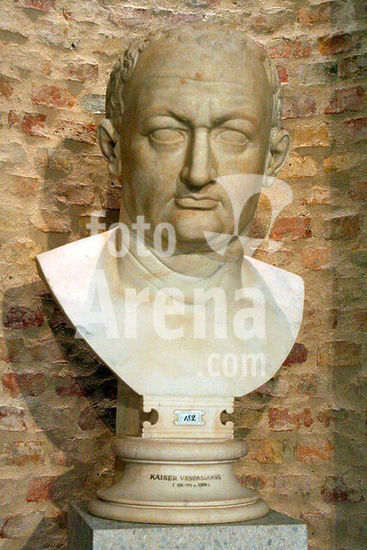
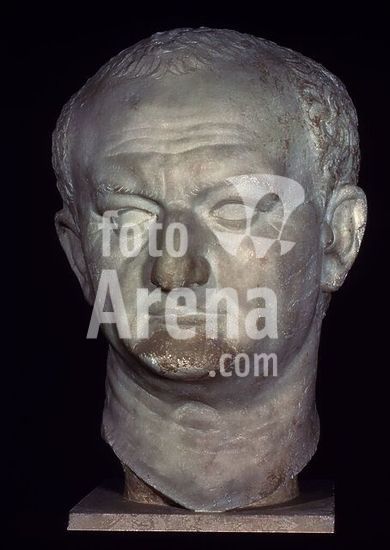
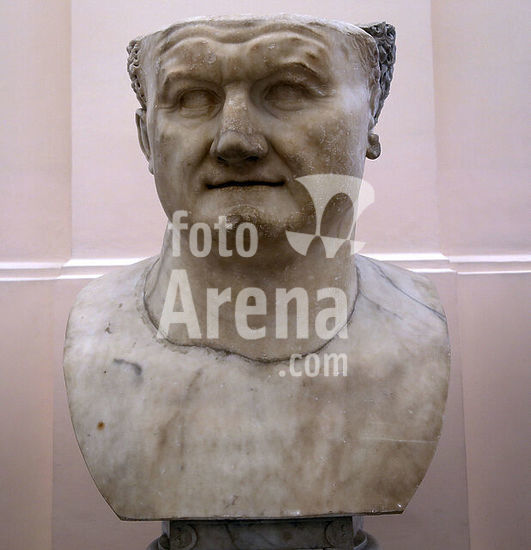
alb11642442 Vespasian (9 - 97 AD.) Roman Emperor from 69 to 79. Marble bust C. 80 AD. National archaeological Museum, Naples, Italy.
DC
akg332282 Domitian (Titus Flavius Domitianus). Roman emperor (81-96); 51 - 96 AD. "Cornelia Vestale ingiustamente accusata, e da Domiziano condannata al suplizio". (Domitian condemns the innocent vestal Cornelia to death). Etching by G. Mochette based on a drawing by Bartolomeo Pinelli (1781-1835). coloured later, From: Istoria Romana. Author: Bartolomeo Pinelli. G. MOCHETTI.
DC
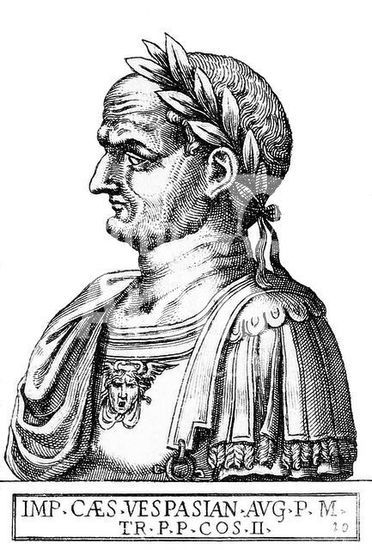
akg601016 Vespasian (Titus Flavius Vespasianus), 9 - 79 AD, Roman Emperor from 69 - 79 AD, and founded the Flavian dynasty. Portrait head of Vespasian. Plaster cast after the original. Museo Della Civilta' Romana, Rome, Italy.
DC
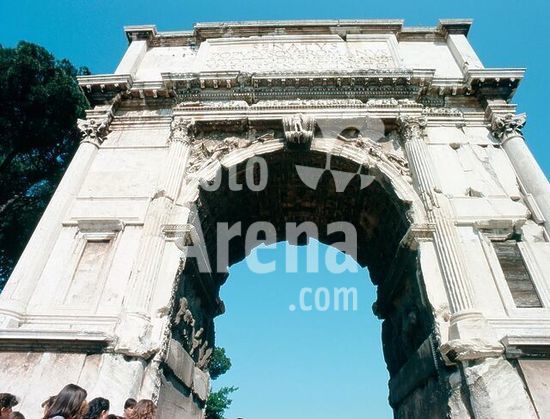
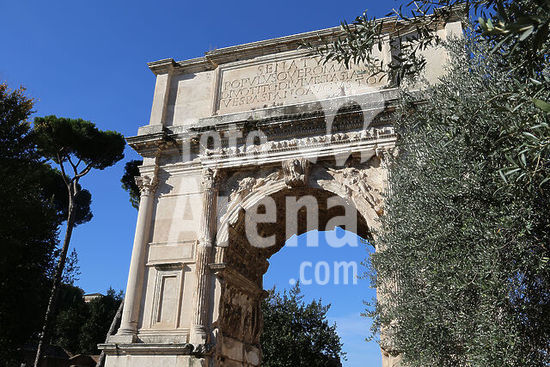
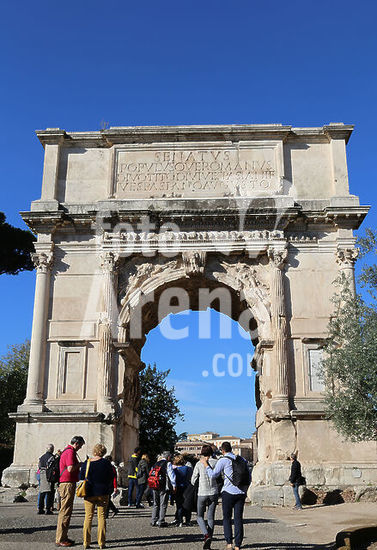
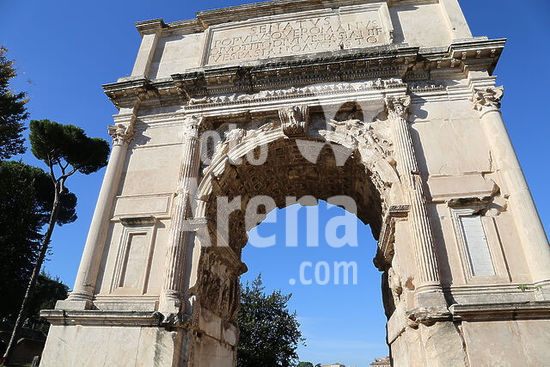
alb11627143 Italy. Rome. Arch of Titus. Constructed in 82 AD by the emperor Domitian to commemorate Titus' victories.
DC
alb11626863 Italy. Rome. The Colosseum (Coliseum) or Flavian Amphitheatre. Its construction started between 70 and 72 AD under emperor Vespasian. Was completed in 80 AD under emperor Titus. Exterior.
DC
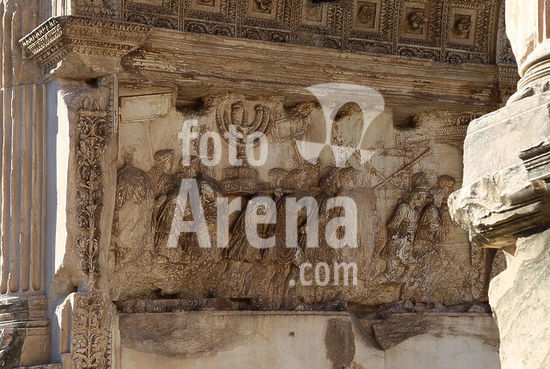
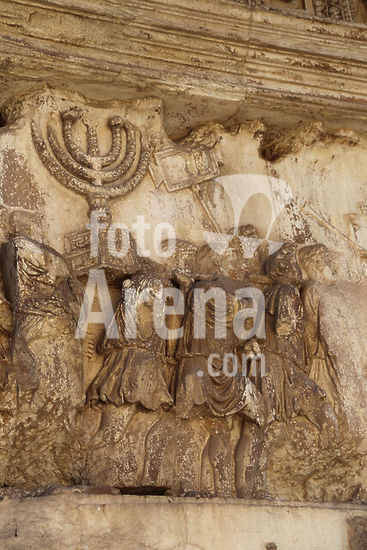
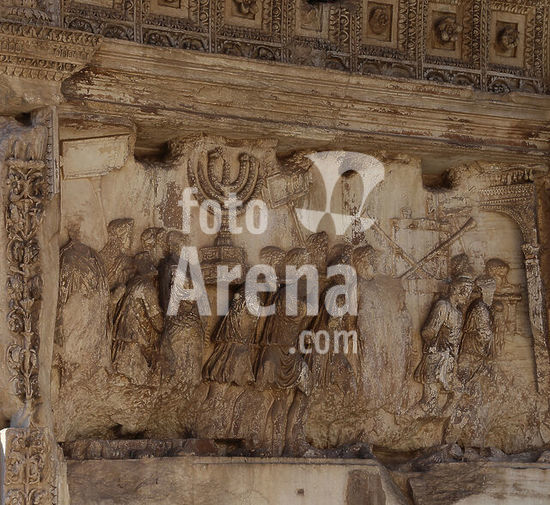
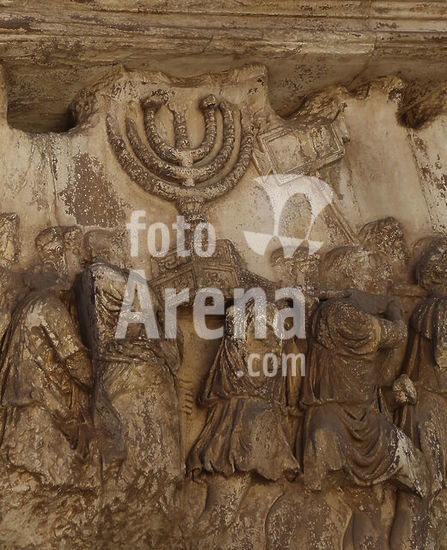
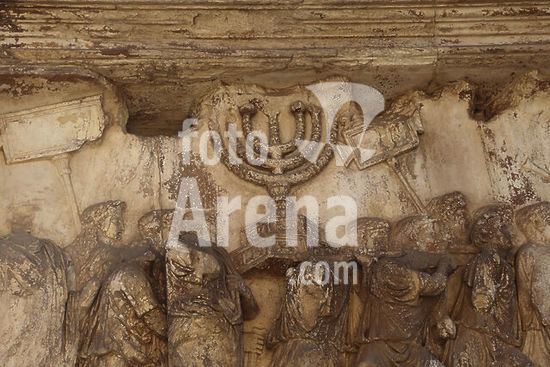
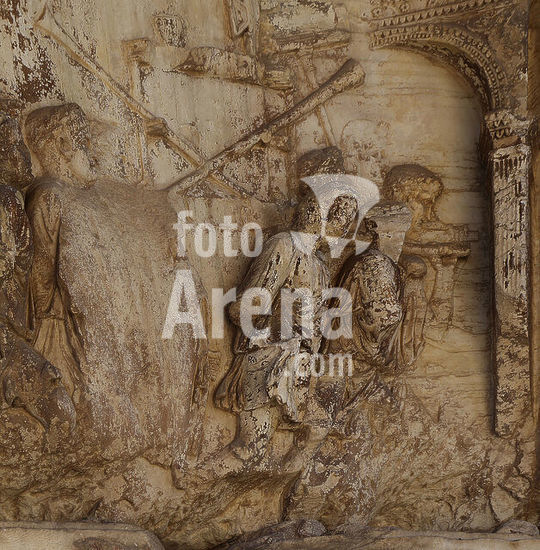
alb11626393 Italy. Rome. Arch of Titus. Constructed in 82 AD by the emperor Domitian to commemorate Titus' victories. Spoil of Jerusalem. Detail relief.
DC
alb11628956 Italy. Rome. Arch of Titus. Constructed in 82 AD by the emperor Domitian to commemorate Titus' victories. Spoil of Jerusalem. Detail relief.
DC
alb11628993 Italy. Rome. The Colosseum (Coliseum) or Flavian Amphitheatre. Its construction started between 70 and 72 AD under emperor Vespasian. Was completed in 80 AD under emperor Titus. Exterior.
DC
alb11628999 Italy. Rome. Arch of Titus. Constructed in 82 AD by the emperor Domitian to commemorate Titus' victories. Detail of the central soffit coffers.
DC
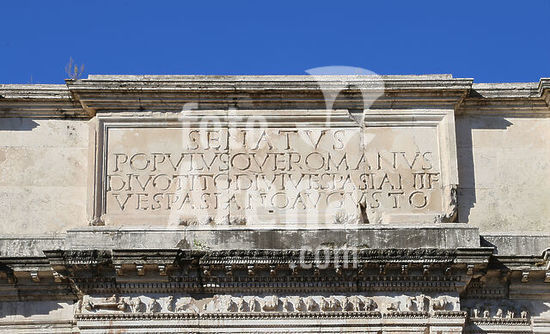
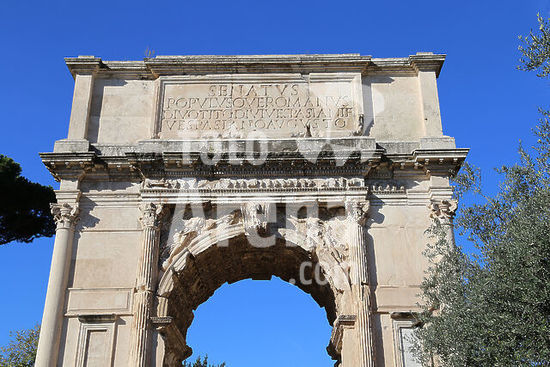
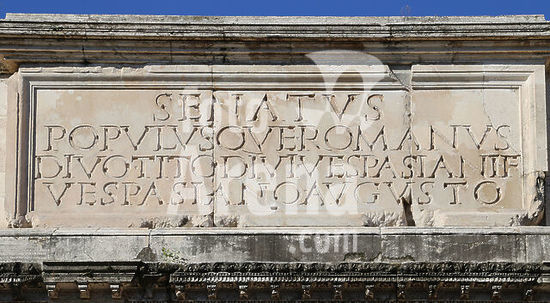
alb11628601 Italy. Rome. Arch of Titus. Constructed in 82 AD by the emperor Domitian to commemorate Titus' victories. The inscription.
DC
alb11628666 Italy. Rome. Arch of Titus. Constructed in 82 AD by the emperor Domitian to commemorate Titus' victories. Spoil of Jerusalem. Detail relief.
DC
alb11627388 Italy. Rome. The Colosseum (Coliseum) or Flavian Amphitheatre. Its construction started between 70 and 72 AD under emperor Vespasian. Was completed in 80 AD under emperor Titus. Exterior.
DC
alb11628791 Italy. Rome. Arch of Titus. Constructed in 82 AD by the emperor Domitian to commemorate Titus' victories.
DC
alb11626936 Italy. Rome. The Colosseum (Coliseum) or Flavian Amphitheatre. Its construction started between 70 and 72 AD under emperor Vespasian. Was completed in 80 AD under emperor Titus. Exterior.
DC
alb11629154 Italy. Rome. Arch of Titus. Constructed in 82 AD by the emperor Domitian to commemorate Titus' victories.
DC
alb11629102 Italy. Rome. Arch of Titus. Constructed in 82 AD by the emperor Domitian to commemorate Titus' victories.
DC
alb11628286 Italy. Rome. The Colosseum (Coliseum) or Flavian Amphitheatre. Its construction started between 70 and 72 AD under emperor Vespasian. Was completed in 80 AD under emperor Titus. Exterior.
DC
alb11628218 italy. Rome. Arch of Titus. Constructed in 82 AD by the emperor Domitian to commemorate Titus' victories. Titus as triumphator attended by various genni and lictors on quadriga.
DC
alb11628209 Italy. Rome. Arch of Titus. Constructed in 82 AD by the emperor Domitian to commemorate Titus' victories. Spoil of Jerusalem. Detail relief.
DC
alb11629565 Italy. Rome. Arch of Titus. Constructed in 82 AD by the emperor Domitian to commemorate Titus' victories. Spoil of Jerusalem. Detail relief.
DC
alb11629530 Italy. Rome. Arch of Titus. Constructed in 82 AD by the emperor Domitian to commemorate Titus' victories. Spoil of Jerusalem. Detail relief.
DC
alb11629358 Italy. Rome. The Colosseum (Coliseum) or Flavian Amphitheatre. Its construction started between 70 and 72 AD under emperor Vespasian. Was completed in 80 AD under emperor Titus. Exterior.
DC
alb11628872 Italy. Rome. The Colosseum (Coliseum) or Flavian Amphitheatre. Its construction started between 70 and 72 AD under emperor Vespasian. Was completed in 80 AD under emperor Titus. Exterior.
DC
alb11629269 Italy. Rome. Arch of Titus. Constructed in 82 AD by the emperor Domitian to commemorate Titus' victories.
DC
alb11627401 Italy. Rome. Arch of Titus. Constructed in 82 AD by the emperor Domitian to commemorate Titus' victories. The inscription.
DC
alb11627451 Italy. Rome. Arch of Titus. Constructed in 82 AD by the emperor Domitian to commemorate Titus' victories. Spoil of Jerusalem. Detail relief.
DC
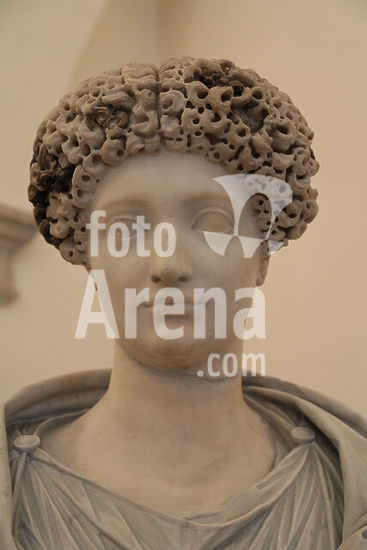
alb11626599 Julia Flavia (61-91). Daugther and only child to Emperor Titus. Bust. 90 AD. National Roman Museum. Palazzo Altemps. Rome. Italy.
DC

Total de Resultados: 555

Página 1 de 6