


















































Busque também em nossas outras coleções:

Data da imagem:
Pauta
ver mais opções...
Agência
ver mais opções...
Fotógrafo
ver mais opções...
Artista
Pais
Estado
Cidade
ver mais opções...
Local
ver mais opções...
Tipo de licença
Orientação
Coleção
ver mais opções...

Total de Resultados: 255

Página 1 de 3

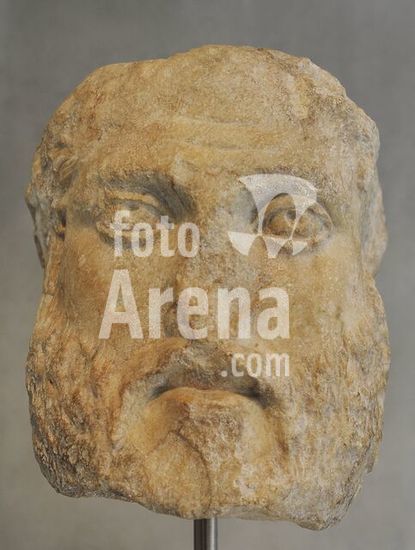
20240828_zaf_x99_012 ATHENS, Aug. 27, 2024 Tourists pose for a photo in front of statues of philosophers Socrates and Confucius at the ancient Agora of Athens in Athens, Greece, on Aug. 27, 2024. Greek tourism revenue surged by 12.2 percent in the first half of 2024 year-on-year to reach 6.921 billion euros (7.75 billion U.S. dollars), according to recent data from the Bank of Greece. (Credit Image: © Marios Lolos/Xinhua/Zuma Press/Fotoarena)
DC
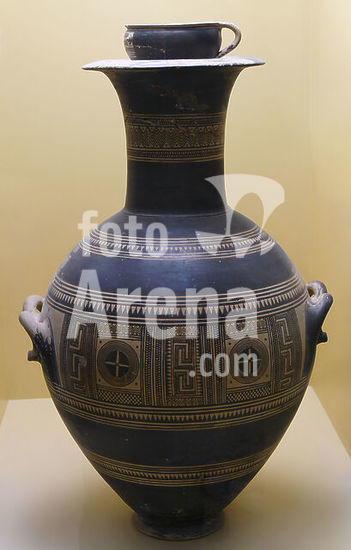
alb23131263 Ash urn tightly sealed with a single-handled cup lid. Cremation burial from the Early Geometric period. It held cremated remains of a pregnant wealthy woman. From the N.W. foot of the Areopagus of Athens. About 850 BC. Museum of the Ancient Agora. Athens, Greece.
DC
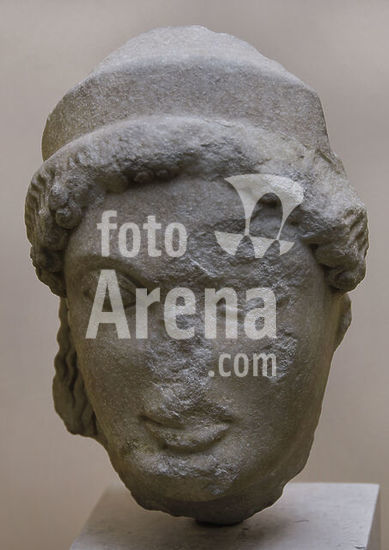
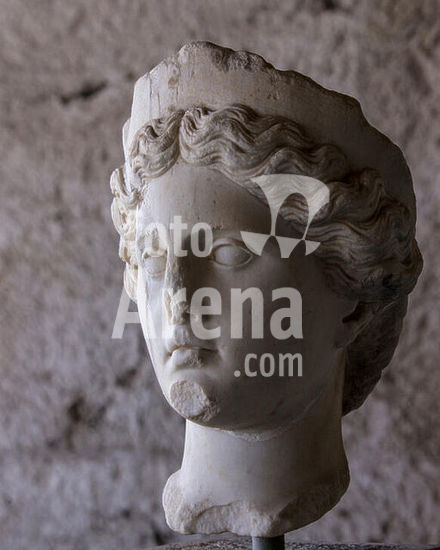
alb22504552 Head of a Kore (maiden). Probably from the statue of a Kore dedicated on the Acropolis. Island marble. Museum of the Ancient Agora. Athens, Greece.
DC
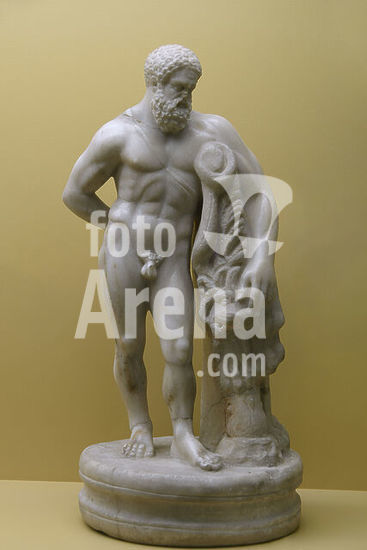
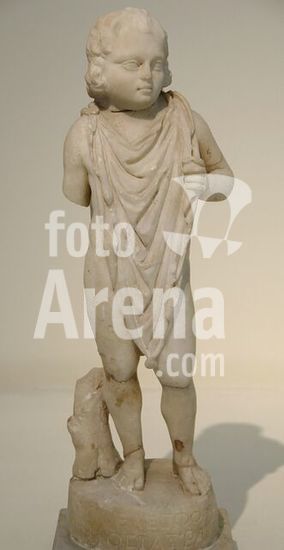
alb22504553 Statuette of Heracles from the Roman period. Marble. Museum of the Ancient Agora. Athens, Greece.
DC
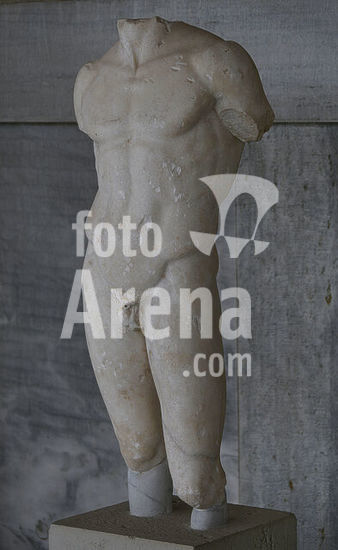
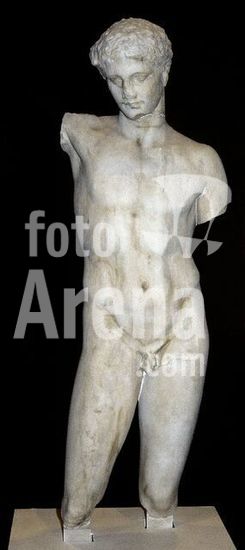
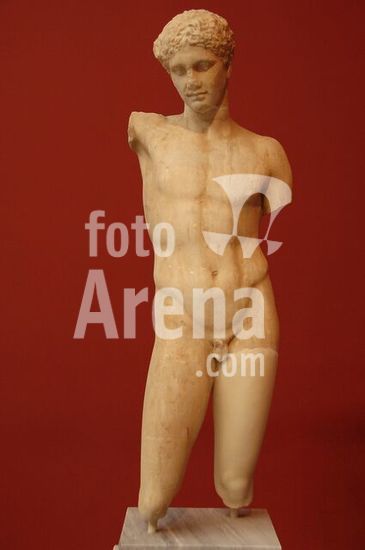
alb22403136 Torso of a youth. Sculpture from the late 5th century - early 4th century BC. Museum of the Ancient Agora. Athens, Greece.
DC
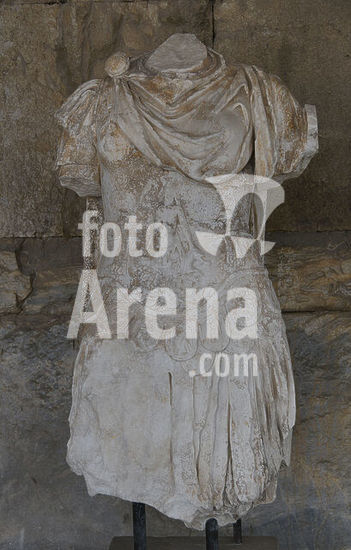
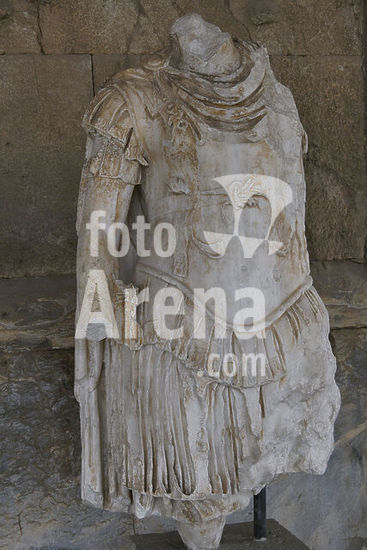
alb22403133 Statue of the personification of Odyssey, Greek epic poem attributed to Homer. The breastplate features imagery from the Odyssey, such Scylla, Aeolus, the Sirens and Polyphemus. 2nd century AD. Probably from the Library of Pantainos, at the Agora of Athens. Museum of the Ancient Agora. Athens, Greece.
DC
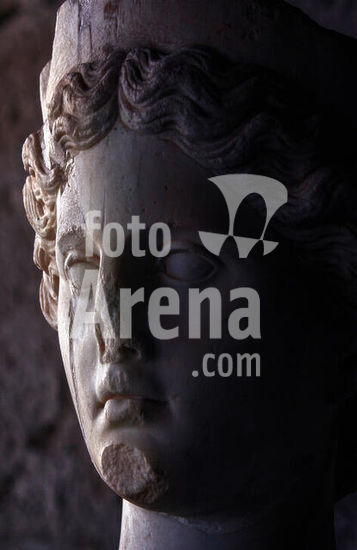
alb22403125 Cult statue of Apollo Patroos. Work attributed to the Greek sculptor and painter Euphranor, 4th century BC. Found near the temple of Apollo, in the ancient Agora of Athens. Pentelic marble. Museum of the Ancient Agora. Athens, Greece. Author: Euphranor. Greek sculptor and painter from the mid-4th century BC.
DC
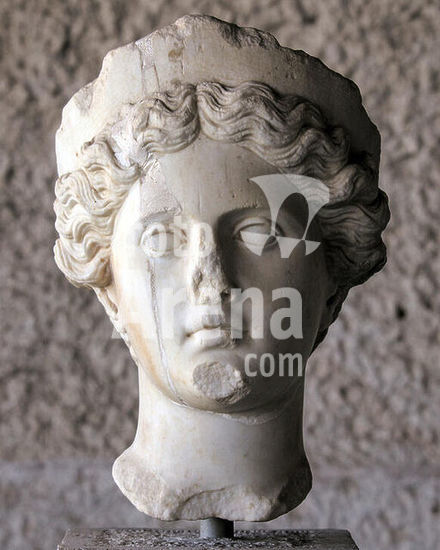
alb22403147 Statue of the personification of the Iliad, Greek epic poem attributed to Homer. 2nd century AD. Probably from the Library of Pantainos, at the Agora of Athens. Museum of the Ancient Agora. Athens, Greece.
DC
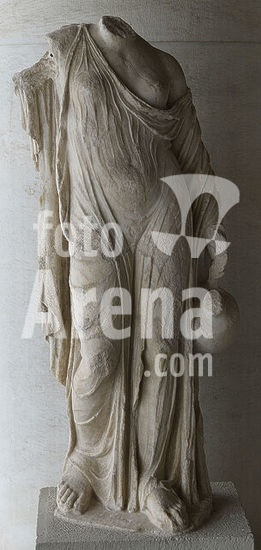
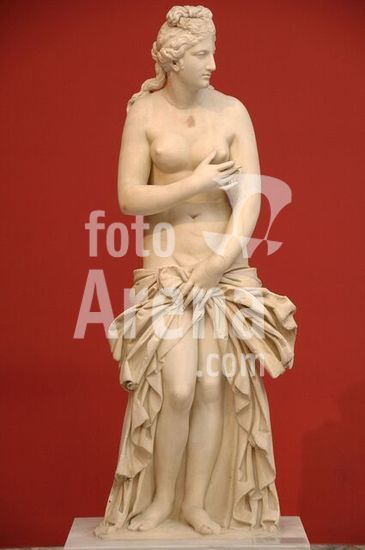
alb22403138 Aphrodite with a water jar. 2nd century AD. Marble. From the Roman nymphaeum at the SE of the Athenian Agora. Adapted from the Venus Genetrix type of the 2nd century BC. Museum of the Ancient Agora. Athens, Greece.
DC
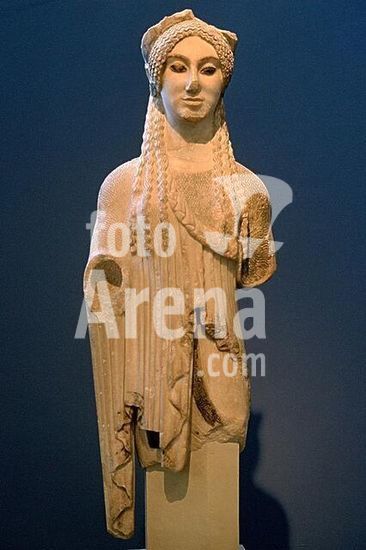
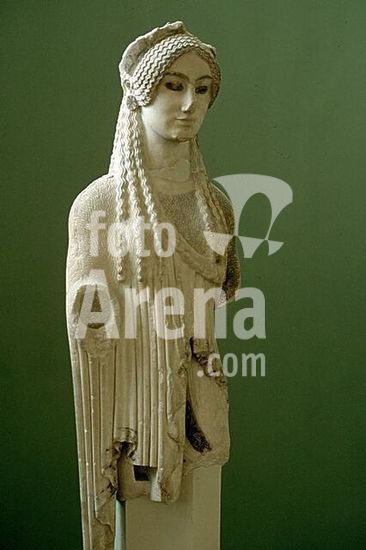
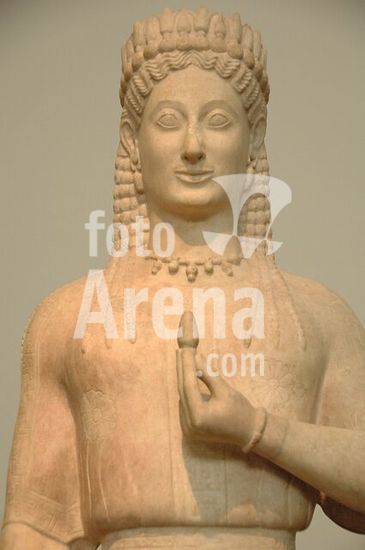
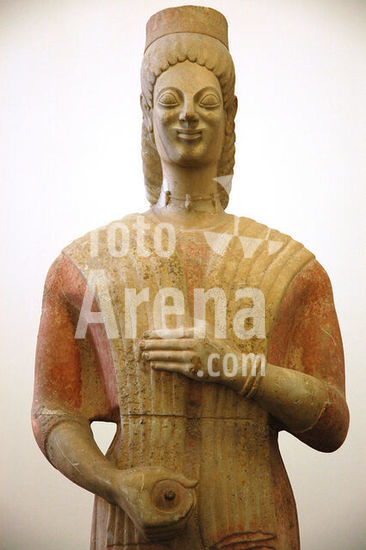
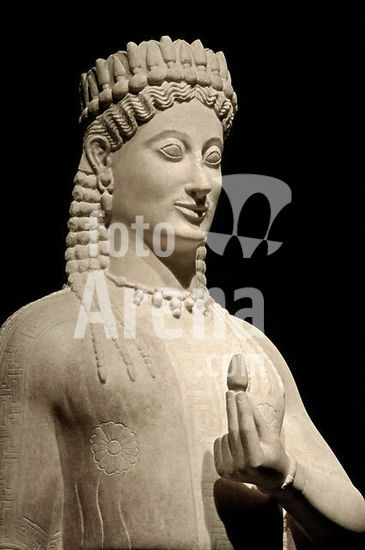
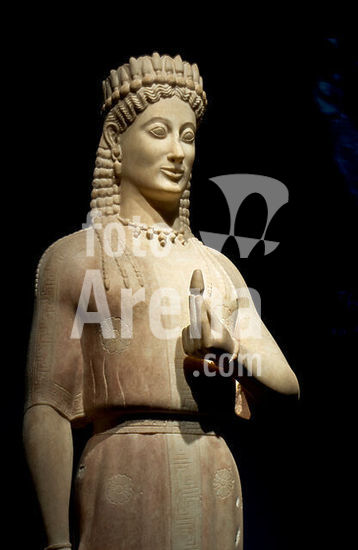
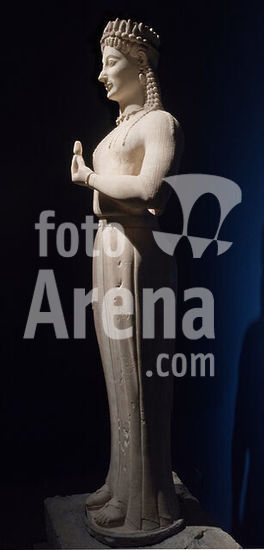
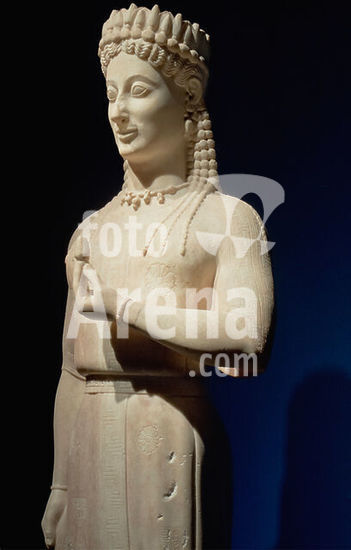
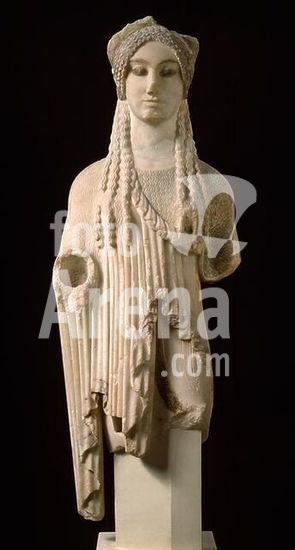
akg611373 Greek, Late Archaic, c. 500 BC. Kore from the Akropolis, so-called Kore with almond-shaped eyes. Marble, traces of paint work, height 92 cm. Found at the Acropolis in Athens. Inv. Nr. 674. Athens, Acropolis Museum. Museum: Athens, Acropolis Museum.
DC
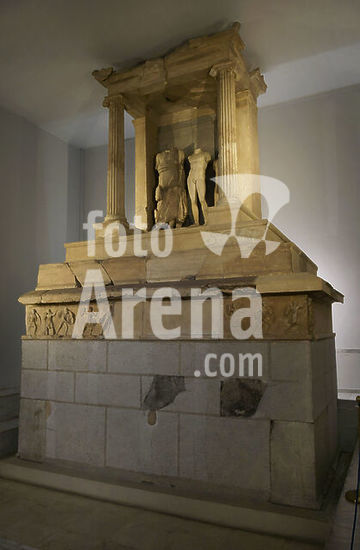
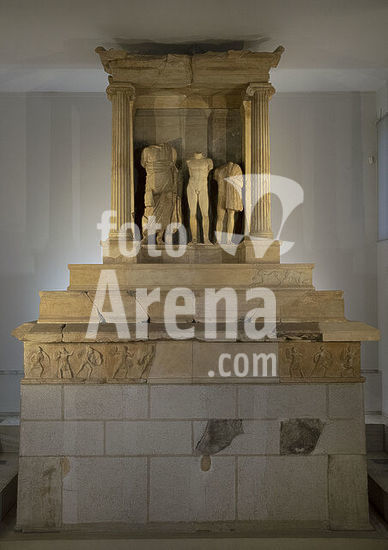
alb21097432 Grave monument of Nikeratos and his son Polyxenos, metics from Istros on the Black Sea coast. Composed by a limestone podium, which supports a marble pedestal with steps. The base features a frieze depicting an Amazonomachy, on which stands a funerary naiskos in Ionic order with three statues inside. The three belong to one family. The one on the far left represents Nikeratos, wearing a himation. The central one is of his son, Polyxenos, depicted as a naked athlete in the contrapposto pose. The statue on the right represents one of the family's slave boys. Found in Kallithea. Ca. 330 BC. General view. Archaeological Museum of Piraeus. Greece.
DC
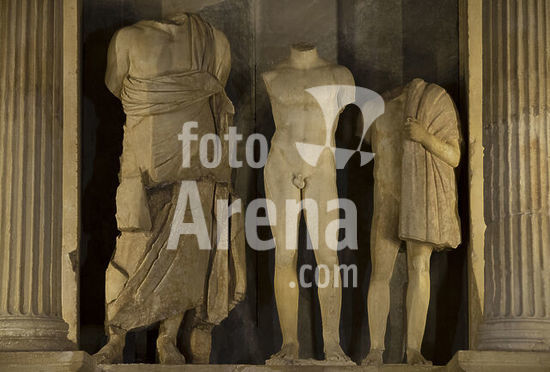
alb21097451 Grave monument of Nikeratos and his son Polyxenos, metics from Istros on the Black Sea coast. Detail of the statues inside the funerary naiskos. The three belong to one family. The one on the far left represents Nikeratos, wearing a himation. The central one is of his son, Polyxenos, depicted as a naked athlete in the contrapposto pose. The statue on the right represents one of the family's slave boys. Found in Kallithea. Ca. 330 BC. General view. Archaeological Museum of Piraeus. Greece.
DC
alb21097439 Grave monument of Nikeratos and his son Polyxenos, metics from Istros on the Black Sea coast. Composed by a limestone podium, which supports a marble pedestal with steps. The base features a frieze depicting an Amazonomachy, on which stands a funerary naiskos in Ionic order with three statues inside. The three belong to one family. The one on the far left represents Nikeratos, wearing a himation. The central one is of his son, Polyxenos, depicted as a naked athlete in the contrapposto pose. The statue on the right represents one of the family's slave boys. Found in Kallithea. Ca. 330 BC. General view. Archaeological Museum of Piraeus. Greece.
DC
alb21097493 Grave monument of Nikeratos and his son Polyxenos, metics from Istros on the Black Sea coast. Detail of the funerary naiskos in Ionic order with three statues inside. The three belong to one family. The one on the far left represents Nikeratos, wearing a himation. The central one is of his son, Polyxenos, depicted as a naked athlete in the contrapposto pose. The statue on the right represents one of the family's slave boys. Found in Kallithea. Ca. 330 BC. General view. Archaeological Museum of Piraeus. Greece.
DC
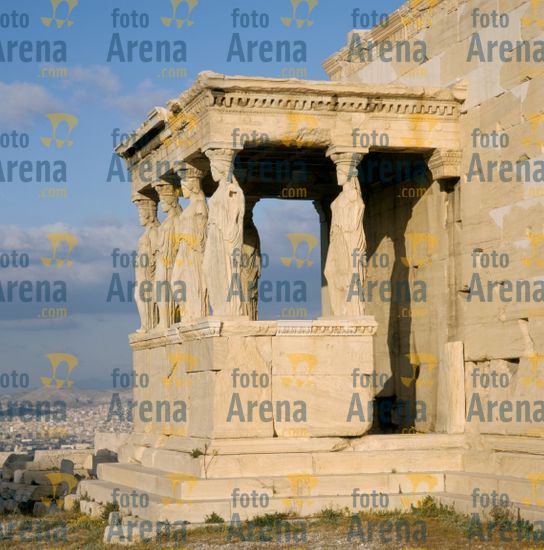
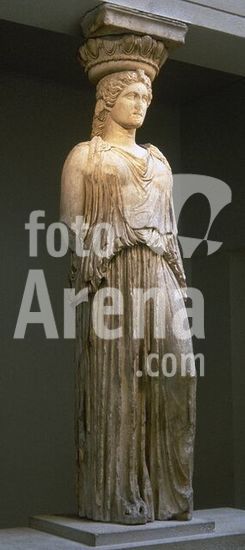
391-4653 Statues of the caryatid maidens on the Erechtheion, dating from 406 BC, Acropolis, UNESCO World Heritage Site, Athens, Greece, EuropeLegenda da Fotoarena:Statues of the caryatid maidens on the Erechtheion, dating from 406 BC, Acropolis, UNESCO World Heritage Site, Athens, Greece, Europe
RF
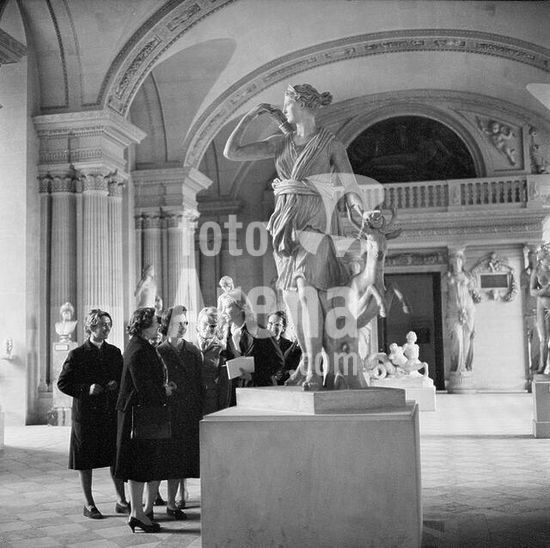
akg3020005 Paris, France. Louvre: Palace of the French Kings; since 1793 museum. Interior view: Visitors looking at a statue of Athena previously in Versailles. Roman copy after an original by Leochares (Greek sculptor from Athens, 4th Century BC). Photo, c.1965.
DC
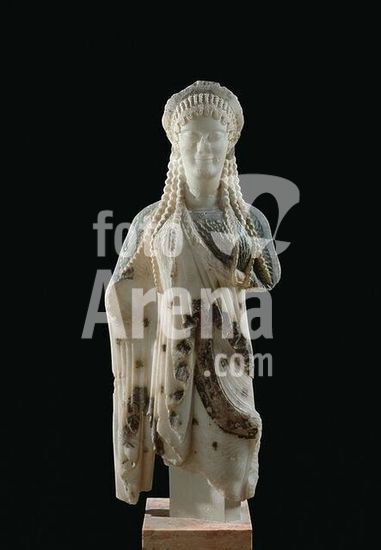
akg332630 Greek, late archaic, Archermos of Chios, c. 520/510 BC. Kore from the Acropolis. Marble (from Chios?), painted blue and red, height 55cm. Found at the Acropolis in Athens. Inv. no. 675. Athens, Acropolis Museum. Museum: Athens, Acropolis Museum.
DC
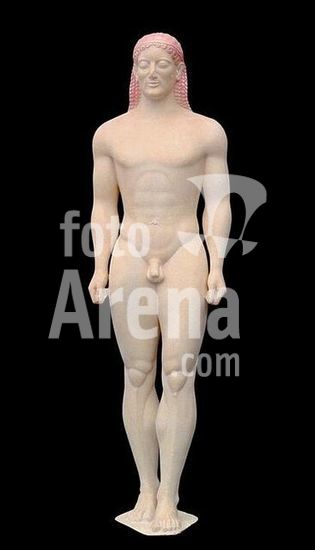
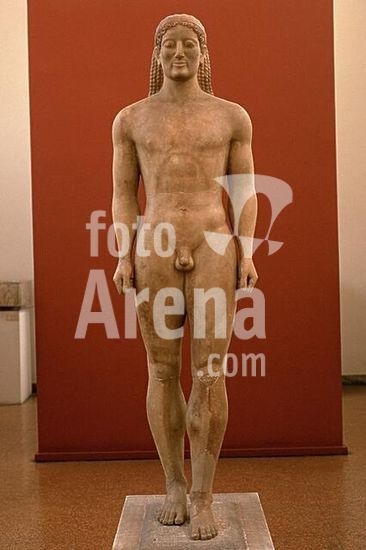
akg338479 Grecian, Archaic, c. 520 BC. Statue from the tomb of Kroisos (Kouros from Anavyssos). Marble, height 194 cm. Found in 1936 in Anavyssos, Attika. Inv. Nr. 3851. Athens, National Archaeological Museum. Museum: Athens, National Archaeological Museum.
DC
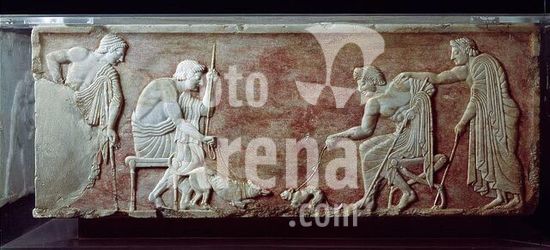
akg333087 Greek, c. 510 BC. Four athletes resting after their exercises, the two seated ones spur a dog and a cat on to fight. Relief from a rectangular base of a statue of a youth. Marble, 29 × 79cm. Found: 1922 in the Themistocleian wall of Kerameikos in Athens. Athens, National Archaeological Museum. Museum: Athens, National Archaeological Museum.
DC
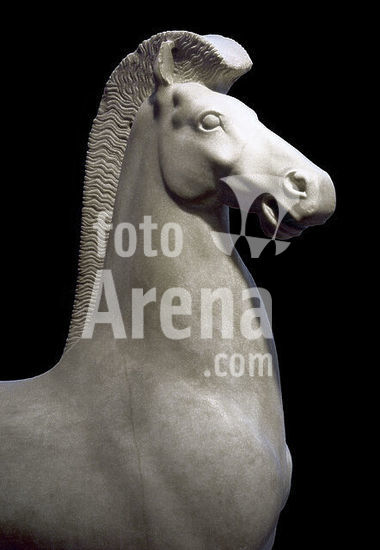
alb1461387 Statue of a horse with ornamentation. From Attic workshop, ca. 490 BC. Greek Archaic Period. Marble from Paros. It was found in the area of the Erechtheion in 1887. Detail. Acropolis Museum. Athens. Greece.
DC
akg611372 Greek, Late Archaic, c. 500 BC. Kore from the Akropolis, so-called Kore with almond-shaped eyes. Marble, traces of paint work, height 92 cm. Found at the Acropolis in Athens. Inv. Nr. 674. Athens, Acropolis Museum. Museum: Athens, Acropolis Museum.
DC
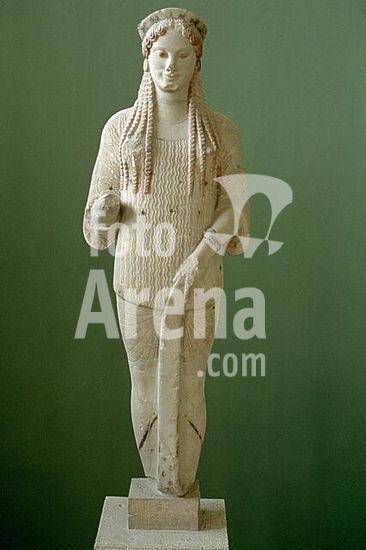
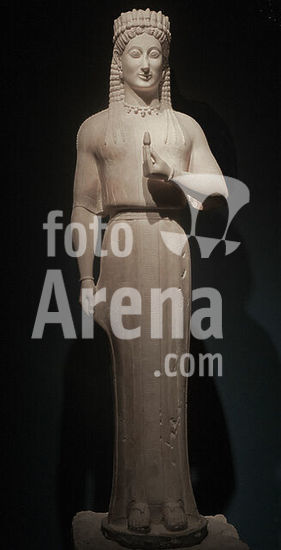
akg611370 Greek. Late Archaic, c. 520/10 BC. Kore from the Acropolis. Marble, traces of paint work, height 115 cm. Found on the Acropolis in Athens. Inv. Nr. 670. Athens, Acropolis Museum. Museum: Athens, Acropolis Museum.
DC
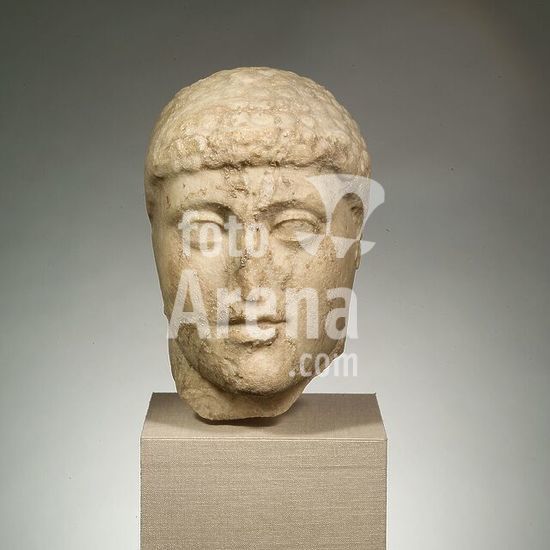
alb3673464 Marble head from a statue of Harmodios. Culture: Roman. Dimensions: H. 10 in. (25.4 cm). Date: 1st-2nd century A.D..Copy of a Greek bronze statue from the Tyrannicide group, erected in 477/476 B.C. and attributed to Kritios and NesiotesSoon after the advent of a democratic government in 510 B.C., Harmodios and Aristogeiton, the Athenian aristocrats who assassinated one of the sons of the tyrant Peisistratos, were commemorated with a pair of statues in the Agora at Athens. The Persians removed the statues during their sack of Athens in 480 B.C., and two new ones were erected in 477/476 B.C. For one hundred years these heroized figures were the only statues of Athenian citizens allowed in the agora and, throughout antiquity, they remained among the most famous statues in Greece. The young Harmodios was represented raising his sword over his head, ready to deliver a slashing downward stroke. The remnants of two struts that supported the right forearm are visible on the front and side of this Roman copy. Museum: Metropolitan Museum of Art, New York, USA.
DC
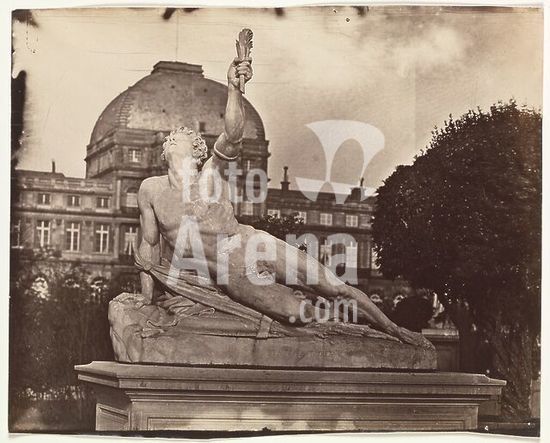
alb3680404 Spartan Soldier. Artist: Charles Nègre (French, 1820-1880). Dimensions: Image: 35.3 x 43.5 cm (13 7/8 x 17 1/8 in.). Date: 1859.Astonished on first seeing daguerreotypes (about 1844) and dreaming of the medium's potential, Charles Nègre immediately resolved to devote himself to the new art, experimenting first with daguerreotypy and, after 1847, with paper photography. Like Le Secq and Le Gray, Nègre had studied painting with Paul Delaroche, and his experience at the easel was the foundation for his photographic work of the early 1850s--genre scenes of Parisian street musicians, chimney sweeps, and vendors, as well as architectural views.Despite his acknowledged talent Nègre failed time and again either to win government support for or to bring to fruition the grand projects he envisioned for the new medium. Bypassed by the Commission des Monuments Historiques in the assignment of "missions héliographiques," Nègre produced some two hundred negatives for a self-initiated project entitled "Midi de la France," only to abandon the publication after issuing two fascicles. Frus trated in his effort to reap any financial benefit from his remarkable photogravure process, he proposed in 1858 that the city of Paris underwrite a 200- to 250-plate photogravure series on the appearance and history of the capital and that the Ministry of State commission a still larger project portraying "the history of humanity" through the collections of the Louvre. Neither proposal was accepted.Finally gaining official sponsorship in 1859 for a series of fifty photogravures depicting statuary in the Tuileries Gardens, Nègre produced a group of large-format glass negatives. Characteristically, the project was stymied before completion, but a few unique prints of Nègre's heroic images survive, printed in reverse for translation into photogravure. Here, outlined against the theatrical backdrop of garden greenery and the central pavilion of the Tuileries Palace, Jean-Pierre Cortot's "Spartan Soldier" (1831) seems to rise toward the light. The fate of this soldier, who collapsed and died of exhaustion immediately after he had run to Athens to announce the rout of the Persian invaders at Marathon, seems an apt metaphor for Nègre's own foundering under the weight of his immense ability and ambition even as he heralded the triumphant potential of the medium. Nègre's unfulfilled project is among the last attempts at true artistry before the pressures of commercialism turned photography into a full-scale industry in the early 1860s. Museum: Metropolitan Museum of Art, New York, USA.
DC
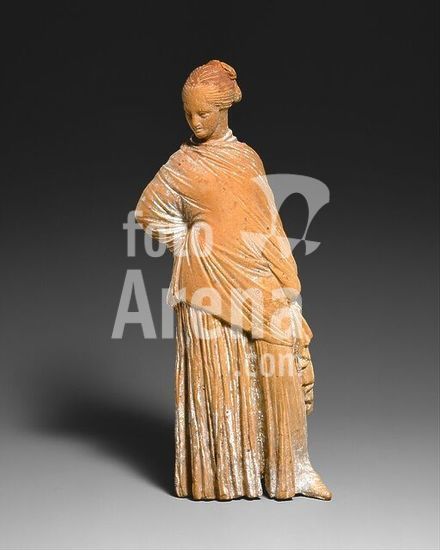
alb3633643 Terracotta statuette of a standing woman. Culture: Greek, probably Boeotian. Dimensions: H. 6 7/16 in. (16.4 cm). Date: late 4th-early 3rd century B.C..Although the Greeks had been making terracotta statuettes since the eighth century B.C., it was not until the late fourth century that they began to produce the clay figurines that are still prized for their naturalness, variety, and charm. These statuettes were first made in Athens and were soon being fabricated throughout the Mediterranean world, but they take their name from Tanagra, an ancient city in Boeotia, the region north of Attica, where great numbers were illicitly removed from tombs in the early 1870s. Whereas almost all earlier terracotta figurines represented deities, the majority of Tanagras are fashionable women or girls elegantly wrapped in thin "himatia" (cloaks), often wearing large sun hats and holding wreaths or fans. While most stand gracefully, some are seated or playing games. A number of boys are represented and Aphrodite and Eros appear as well. Many of these figurines have been discovered in private dwellings. Like other small-scale sculpture found in houses, they probably had a religious purpose and were placed in domestic shrines. They were also dedicated in sanctuaries and put in tombs. Up to a dozen statuettes were found in some graves at Tanagra. Since fashionable ladies did not usually spend much time outdoors, religious festivals and funeral processions offered the best opportunities for displaying their finery. It is therefore possible that for all their secular appearance, the Tanagras indirectly conveyed to the ancient viewer a reminder of serious ceremonies. Their relaxed curvaceous poses, sweet faces, and tightly wrapped drapery that forms a complex pattern of fine folds all derive from large-scale sculpture, such as the statues of Praxiteles, the famous Athenian sculptor who was active in the mid-fourth century B.C. The intimate, secular spirit of the Tanagras also reflects contemporary comedies by Athenian playwrights such as Menander, which placed new emphasis on the foibles of everyday life. The figurines still convey a sense of immediacy and liveliness that marks them as true works of art. Museum: Metropolitan Museum of Art, New York, USA.
DC
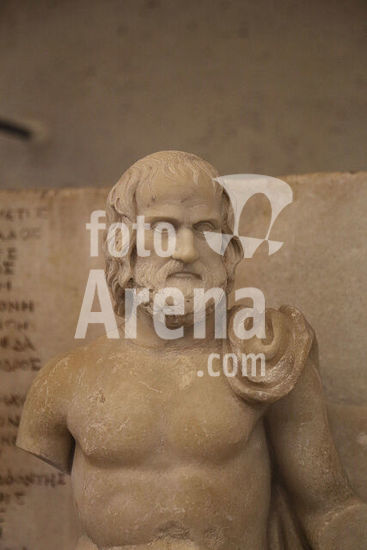
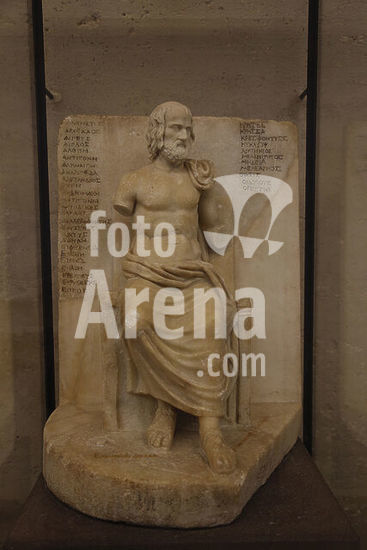
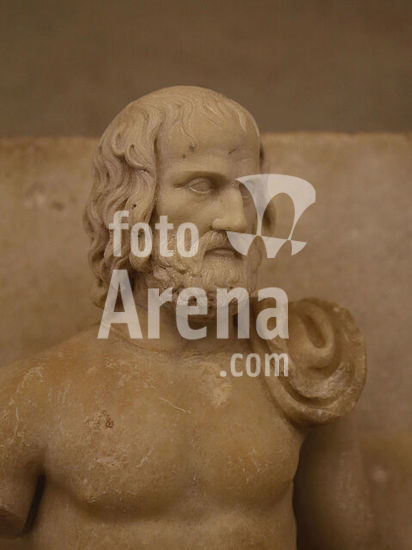
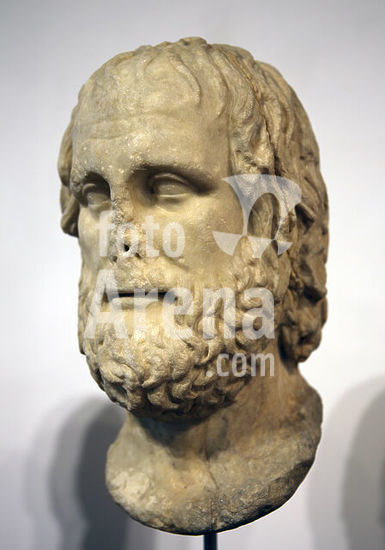
alb11641726 Statue of Euripides. On the Background panel are listed some of Euripide's works. From Esquiline Hill, Rome, 2nd century AD. Louvre, Paris, France.
DC
alb11641479 Statue of Euripides. On the Background panel are listed some of Euripide's works. From Esquiline Hill, Rome, 2nd century AD. Louvre, Paris, France.
DC
alb11643267 Statue of Euripides. On the Background panel are listed some of Euripide's works. From Esquiline Hill, Rome, 2nd century AD. Louvre, Paris, France.
DC
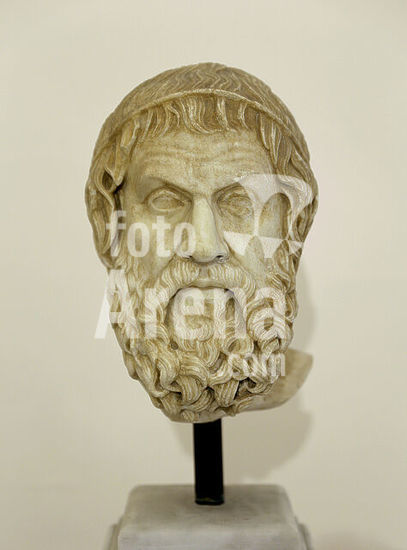
alb11641264 Sophocles (495-406 BC.) Marble head from 1st century AD. Farnese-type. Roman copy of a Greek original of the 4th century BC. Naples museum.
DC
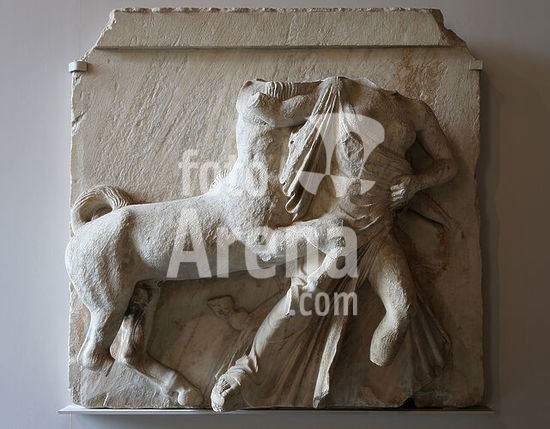
alb11628630 Greek art. Tenth metope from the south facade of the Parthenon. 5th century BC. Centaur abducting a Lapid woman. Centauromachy. Athens. Louvre Museum. Paris. France. Author: Philip Uffenbach.
DC
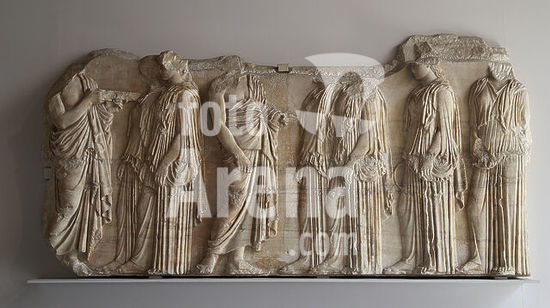
alb11628167 Plaque of the Ergastines. Fragment from frieze on the east side of the Parthenon. 445-448 BC. Marble. Athens. Author: PHIDIAS.
DC
alb11620078 Head of Euripides. Roman copy of a Greek original from the late 4th century BC. Pentelic marble. From Zagarolo, Latium. Barracco Museum of Antique Sculpture. Rome. Italy.
DC
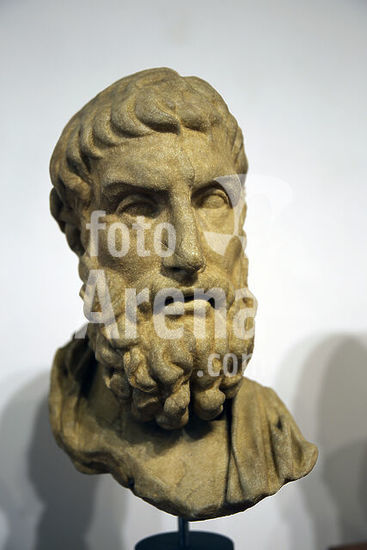
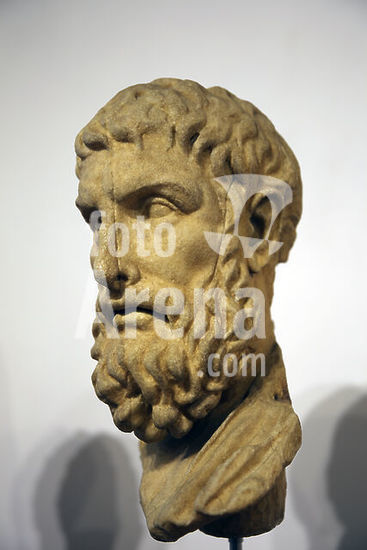
alb11620462 Bust of ancient Greek Philosopher Epicurus. Roman copy of a Greek original from the 3rd century BC. Pentelic marble. From Carsoli, Abruzzo. Barracco Museum of Antique Sculpture. Rome. Italy.
DC
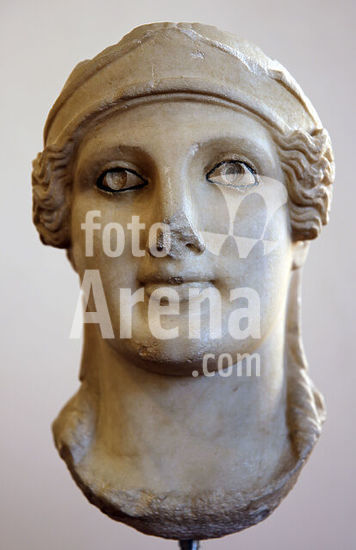
alb11619328 Head of Athena wearing an Attic helmet. Archaizing work from the 1st century A.D. Marbre and bronze. From Capri. Barraco Museum. Rome. Italy.
DC
alb11619335 Bust of ancient Greek Philosopher Epicurus. Roman copy of a Greek original from the 3rd century BC. Pentelic marble. From Carsoli, Abruzzo. Barracco Museum of Antique Sculpture. Rome. Italy.
DC
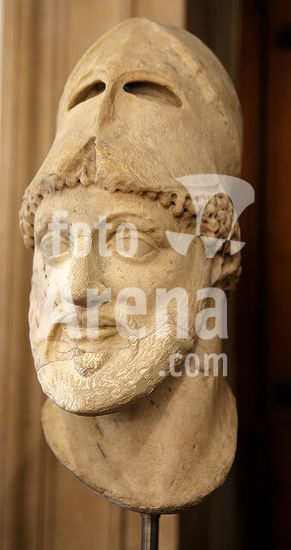
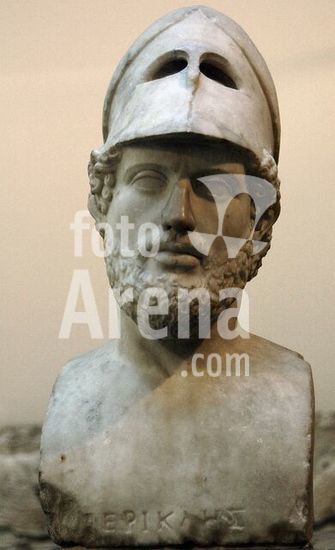
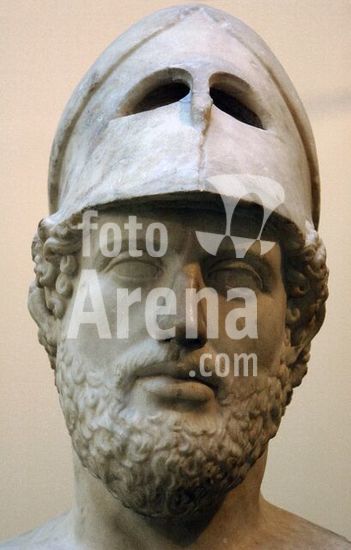
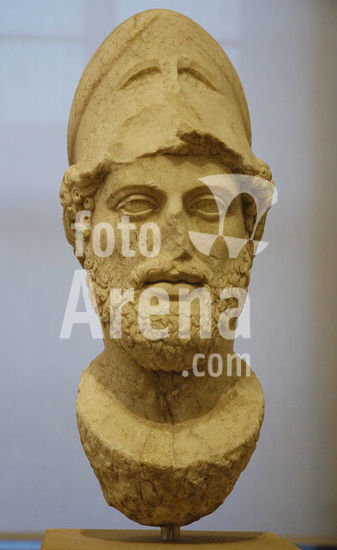
alb11619284 Head of Pericles. 2nd century AD. Copy of a Greek original by Cresilas (5th century BC). Pentelic marble. From the castellani Collection. Barracco Museum of Antique Sculpture. Rome. Italy. Author: KRESILAS.
DC
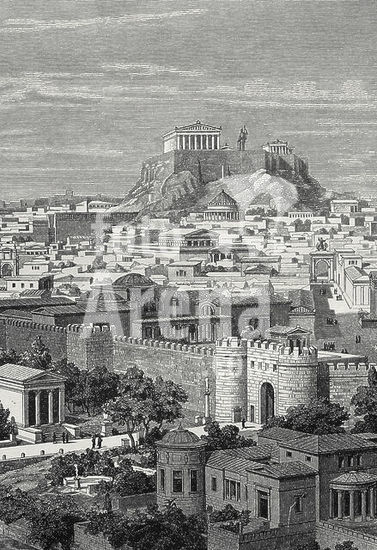
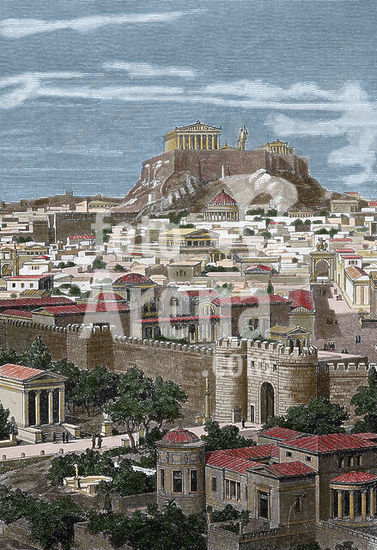
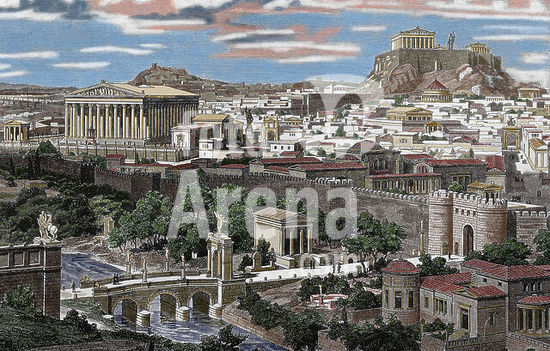
alb11619974 Greece. Athens. 1st century AC. City from East, in the time of Hadrian. Engraving by J. Buhlmann, 1886.
DC
alb11619043 Greece. Athens. 1st century AC. City from East, in the time of Hadrian. Engraving by J. Buhlmann, 1886. (Later colouration).
DC
alb11619785 Greece. Athens. 1st century AC. City from East, in the time of Hadrian. Engraving by J. Buhlmann, 1886. (Later colouration).
DC
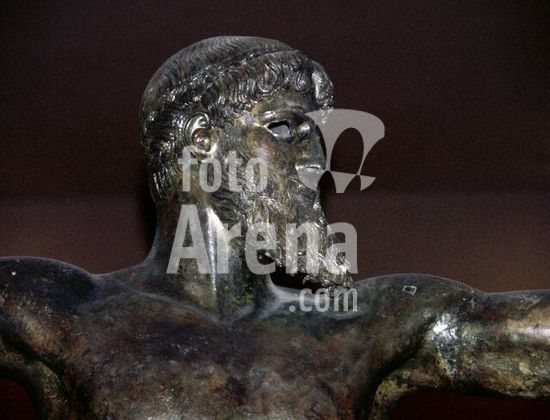
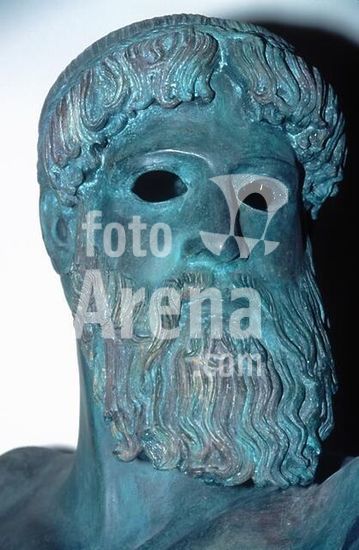
akg602047 Head of a bronze statue of Poseidon. Copy of the statue from the National Museum in Athens (c. 460 BC), found in a ship wreck near Cape Artemision. Photo, undated.
DC
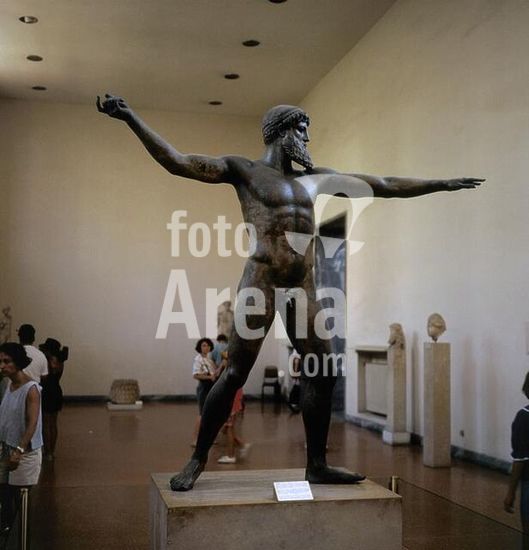
akg597475 Athens, Attica (Greece), bronze statue of Poseidon (or Zeus), c. 460 v. Chr., recovered from the sea off Cape Artemision (Euboea). Statue representing either Zeus or Poseidon. National Archaeological Museum, Athens. Photo.
DC
akg302897 Ancient history / Sports:. Panathenaea: Fr. top t. bottom: Victory w. kithara, long jump, wrestler, judge, runner w. helmet a. shield, torch race. (after vase painting, Greek, red-figured. ) Panathenaic prize amphoras (right), stone jumping weights and bronze statue of a baoxer by Apollonius.- Watercolours by Peter Connolly. (1935-2012). Copyright: Peter Connolly's artistic copyright cleared via akg-images. This artwork is not in the public domain. akg-images represents the artistic copyright of this artist, please contact us from more information and to clear the necessary permissions.
DC
alb5142676 Statue of Zeus or Poseidon, property of the Stiftung Hamburger Kunstsammlungen, St. 44, marble, chiseled, drilled, marble, Total: Height: 113 cm; Width: 45 cm; Depth: 30 cm, three-dimensional sculptures, sculptures, fountains, water, history of Jupiter (Zeus), history of Neptune (Poseidon), torso (torso), gods (classic. Mythology), Early Imperial Era, Roman Antiquity, Depicted is a bearded god in a light screaming position. The right leg is set a little to the side and in front. The sculpture is composed of several fragments. The lower part, the separately attached arms, the statue support and the skull cap are missing. A mantle cloth, which is wrapped around the hips, has slipped down the right side of the figure. It rises at the back so that a small puff hangs down over the left shoulder. The upper edge of the cloak is turned to a bulge rising on the left side of the body. From a dowel hole at the base of the left arm and two more at the base of the left hip, it can be deduced that a bead of robe was passed over the raised left arm and that the arm and the piece of coat were made from a separate piece of marble. The right arm was - according to the identification of the shoulder - led to the side and upwards and probably held a staff or a scepter. The head showed strong, long strands of hair as well as a finely shaped voluminous beard. It is turned a little to the left side. The small mouth is open. The design resembles the head of the 'Dresden Zeus'. The muscular body is precisely formed and shows a fine swing due to the standing and playing leg as well as the opposing shoulders. While the head is based on Greek models of the 5th century B.C, the body and especially the mantle are more Hellenistic. Whether it is a copy or an eclectic new creation is difficult to decide. The statue originally belonged to the sculptural equipment of a Roman thermal bath, according to the identification of the channel of an ancient water pipe running along the right hip. It was an a.
DC
alb2426751 Greek Art. Young athlete from Eleusis. Statue in pentelic marble. Copy from the second half of the 2nd century about an original by Polykleitos, made ca. 400 B.C. National Archaeological Museum. Athens. Greece.
DC
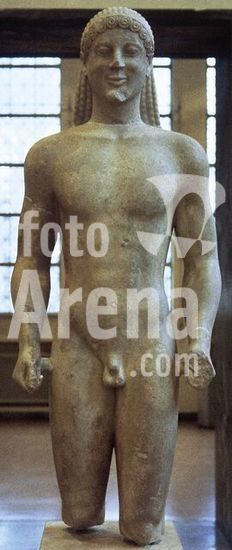
alb2425679 Kouros (naked young). Archaic Greek sculpture. One of the Ptoon kouroi. C. 530-520 BC. Marble. From the sanctuary of Apollo Ptoios on the Ptoon mountain, Boeotia. Central Greece. National Archaeological Museum of Athens. Greece.
DC
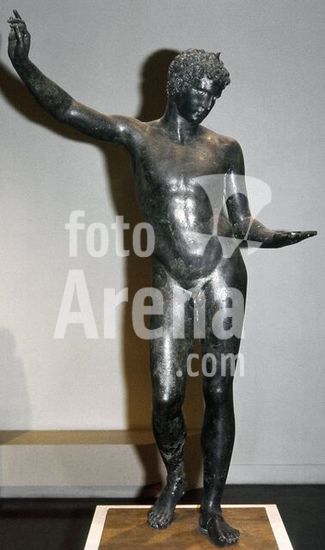
alb2429509 Greek Art. Classical Era. The Marathon Boy or Ephebe of Marathon. Bronze sculpture. It comes from Aegean Sea, bay of Marathon. Dated around 340-330 B.C. National Archaeological Museum. Athens. Greece.
DC
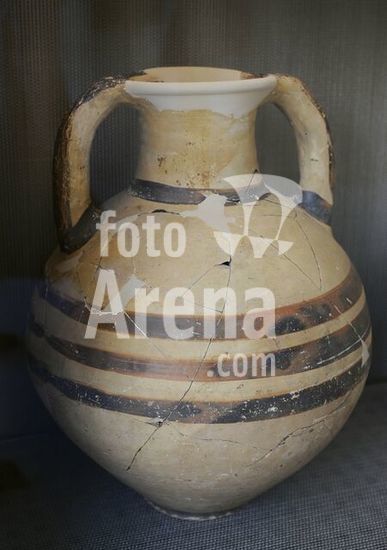
alb3570251 Vessel. Findings from the Mycenaean Fountain. 1225-1190 BC. Acropolis Museum. Athens. Greece.
DC
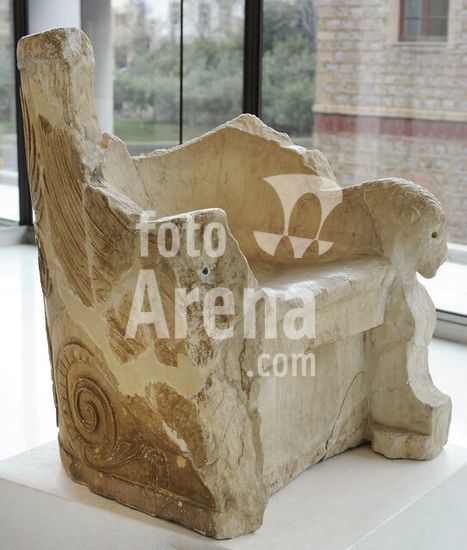
alb3570255 Marble throne. Throne from an earlier public building that was later used as an Episcopal throne in the Parthenon after its conversion into a Christian church in the 6th century AD. Dated between 3rd century BC and 2nd century BC. Acropolis Museum. Athens. Greece.
DC
alb3106869 Artemision Bronze. Statue depicting God Zeus or Poseidon. 460 BC. Severe Style. Detail. National Archaeological Museum. Athens. Greece.
DC
alb1814713 Kore. Parian marble. Found in Merenda (ancient Myrrhinous), Attica. Detail. It was stood atop of the grave of Phrasikleia. Archaic style. Sculpted by Aristion from Paros, 550-540 BC. National Archaeological Museum of Athens, Greece.
DC
alb1471268 Statue of Telesphorus (3rd century) depicted as a child. Pentelic marble. From the Sanctuary of Asclepius at Epidaurus. National Archaeological Museum. Athens. Greece.
DC
alb1788966 Pericles (495-429 BC). Greek statesman. Orator and general of Athens during the Golden Age. Roman copy of 2nd AD. From Hadrian's Villa. Tivoli. Italy. British Museum. London. England. United Kingdom.
DC
alb1788965 Pericles (495-429 BC). Greek statesman. Orator and general of Athens during the Golden Age. Roman copy of 2nd AD. From Hadrian's Villa. Tivoli. Italy. British Museum. London. England. United Kingdom.
DC
alb1462889 Berlin Goddess. 580-560 BC. Kore from the cemetery of Keratea (South of Attica). Detail. Pergamon Museum. Berlin. Germany.
DC
alb1463167 Pericles (h.495-429 BC). Athenian statesman. Marble bust. Roman copy of the Greek original statue by Cresilas. Dated to 429 B.C. It comes from the island of Lesbos. Egyptian Museum (Altes Museum). Berlin. Germany.
DC
alb1469448 Greeg Art. Greece. Statue of Aphrodite carved in Parian marble. Found in Baiai (Italy). He belonged to the collection of Lord Hope and was donated to the National Museum of M. Embeirikos in 1924. The neck, head and right arm were restored by the Italian sculptor Antonio Canova (1757-1822). Version made in the 2nd century A.D. from the Aphrodite of Syracuse whose original goes back to 5th century BC. National Archaeological Museum. Athens. Greece.
DC
alb1466053 Greek art. Classical period. Initial Period. Zeus. Bronze sculpture. Dated to the year 460 BCE Found at sea from Cape Artemision. Severe Style. Detail of the head. National Archaeological Museum. Athens. Greece.
DC
alb1459459 Greek Art. Greece. Statue of an athlete in Pentelic marble. Found in Eleusis. Probably a copy of the second half of the 2nd century BC, from an original by Polykleitos, made __in the year 440 BC, of the athlete Kyniskos. National Archaeological Museum. Athens.
DC
akg611130 Grecian, Archaic, c. 520 BC. Statue from the tomb of Kroisos (Kouros from Anavyssos). Marble, height 194 cm. Found in 1936 in Anavyssos, Attika. Inv. Nr. 3851. Athens, National Archaeological Museum. Museum: Athens, National Archaeological Museum.
DC
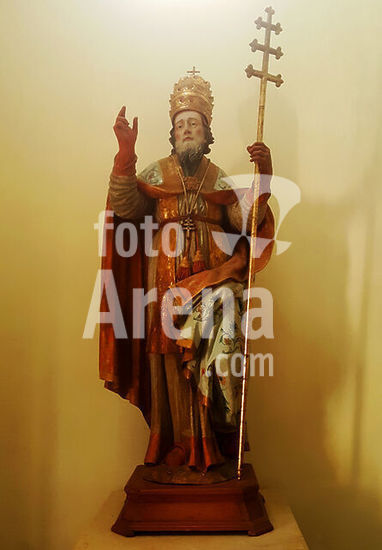
akg8993221 City of Ruvo di Puglia, Chiesa del Purgatorio (Church of Purgatory): statue of San Cleto (Saint Anacletus), third Pope of Roman Catholic church, ruled ca 79 AD - ca 92 AD; Church of Purgatory was built in 17th century in late Apulian Renaissance style and consecrated, in 1643. The local Confraternita del Purgatorio (Brotherhood of Purgatory) was founded, in 1678. The bell tower is of 1753. The church is constructed above an ancient Roman time cistern, called "Grotta di San Cleto" ("Cave of San Cleto"). Born in Athens (Greece), San Cleto (Saint Anacletus, also: Saint Cletus) was the third Pope, most probably ruling the Catholic church from ca 79 AD to his death ca 92 AD. Here, a church of Saint Anacletus, was before.
DC
akg5682562 013_KORE-STATUE. Statue of a kore, The Frasicleia funeral ancient statue. Found in Merenda Attica area of the ancient cemetery of Myrrinounta. ÇTomb of Phrasikleia: my name will forever be kore (unmarried girl). Made by Aristion from Paros, height is supernatural, 2.11 m. 550-540 BC. National Archaeological Museum of Athens.
DC
akg5682555 013_KORE-STATUE. Statue of a kore, The Frasicleia funeral ancient statue. Found in Merenda Attica area of the ancient cemetery of Myrrinounta. ÇTomb of Phrasikleia: my name will forever be kore (unmarried girl). Made by Aristion from Paros, height is supernatural, 2.11 m. 550-540 BC. National Archaeological Museum of Athens.
DC
akg5682560 013_KORE-STATUE. Statue of a kore, The Frasicleia funeral ancient statue. Found in Merenda Attica area of the ancient cemetery of Myrrinounta. ÇTomb of Phrasikleia: my name will forever be kore (unmarried girl). Made by Aristion from Paros, height is supernatural, 2.11 m. 550-540 BC. National Archaeological Museum of Athens.
DC
akg5682570 013_KORE-STATUE. Statue of a kore, The Frasicleia funeral ancient statue. Found in Merenda Attica area of the ancient cemetery of Myrrinounta. ÇTomb of Phrasikleia: my name will forever be kore (unmarried girl). Made by Aristion from Paros, height is supernatural, 2.11 m. 550-540 BC. National Archaeological Museum of Athens.
DC
akg5682558 013_KORE-STATUE. Statue of a kore, The Frasicleia funeral ancient statue. Found in Merenda Attica area of the ancient cemetery of Myrrinounta. ÇTomb of Phrasikleia: my name will forever be kore (unmarried girl). Made by Aristion from Paros, height is supernatural, 2.11 m. 550-540 BC. National Archaeological Museum of Athens.
DC
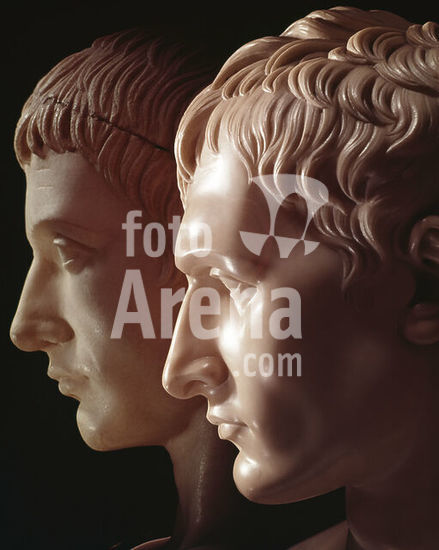
akg2062742 Napoleon Bonaparte, Emperor of the French (from 1804), Ajaccio (Corsica) 15.8.1769 - Longwood (St. Helena) 5.5.1821. /. - Bust of Napoleon Bonaparte; Sculpture, 1802/03, by Antonio Canova (1757-1822); In comparison with the head of the statue of Marcellus, about 20 BC, by Kleomenes of Athens. Photo, 1969. Paris, Musée du Louvre. Museum: Paris, Musée Du Louvre.
DC
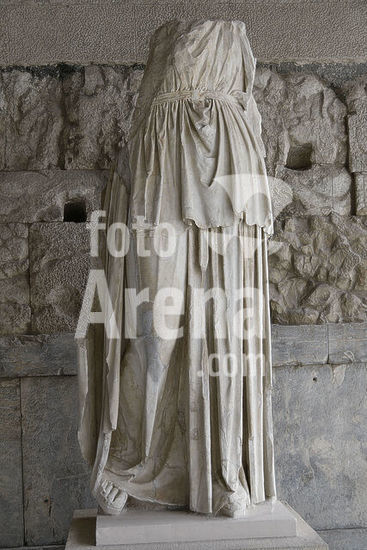
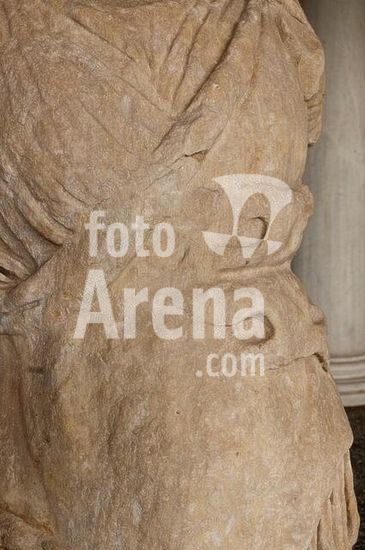
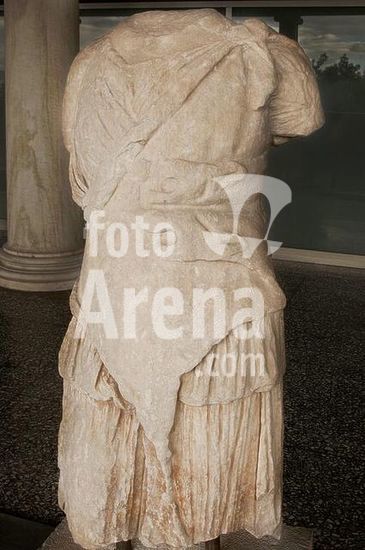
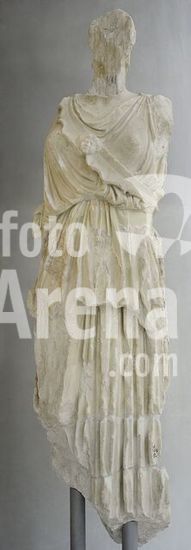
akg2008944 The study for the showcasing the exhibit was conducted within the framework of a project called 'Reviving the Ancient Agora, the place where Democracy was born The exhibition 'Examples of Sculpture from the Ancient Agora' which on Tuesday was inaugurated. The works show, 52 stone statues in all, [some for the first time], that are all representative examples of Athenian sculpture in the later Classical, Hellenistic to the Roman era, a course from the Ancient Greek idealism to the Roman realism. For the first time in 30 years the upper-floor gallery of the Attalos Stoa, will be open for the public. The first set is called 'Idealistic images of gods and mortals' a view of classical Athens 5th-4th cen B.C. - statues of the democratic Athens , IN THE PHOTO: 029_2427/2429-S912. TORSO ARTEMIS 'BOULAEA'. ARTEMIS BOULAEA WAS ONE OF THE DIVINITIESTO WHOM THE PRYTANEIS SACRIFICED BEFORE THE MEETINGS OF THE BOULE [SENATE]. MARBLE. 3rd- 2nd cent. B.C. unfinished copy of a work of the 4th cent B.C. ANCIENT AGORA ATHENS.
DC
akg2008943 The study for the showcasing the exhibit was conducted within the framework of a project called 'Reviving the Ancient Agora, the place where Democracy was born The exhibition 'Examples of Sculpture from the Ancient Agora' which on Tuesday was inaugurated. The works show, 52 stone statues in all, [some for the first time], that are all representative examples of Athenian sculpture in the later Classical, Hellenistic to the Roman era, a course from the Ancient Greek idealism to the Roman realism. For the first time in 30 years the upper-floor gallery of the Attalos Stoa, will be open for the public. The first set is called 'Idealistic images of gods and mortals' a view of classical Athens 5th-4th cen B.C. - statues of the democratic Athens , IN THE PHOTO: 029_2427/2429-S912. TORSO ARTEMIS 'BOULAEA'. ARTEMIS BOULAEA WAS ONE OF THE DIVINITIESTO WHOM THE PRYTANEIS SACRIFICED BEFORE THE MEETINGS OF THE BOULE [SENATE]. MARBLE. 3rd- 2nd cent. B.C. unfinished copy of a work of the 4th cent B.C. ANCIENT AGORA ATHENS.
DC
alb3570269 Head of the General Miltiades. Copy of a multi-figured bronze group, the work of Pheidias, dedicated by the Athenians in Delphi from the spoils from their victory against the Persians at Marathon. 2nd century AD. Acropolis Museum. Athens. Greece.
DC
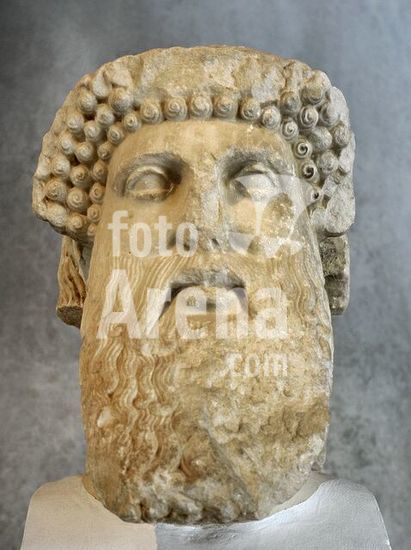
alb3588613 Hermes from a hermaic stele. Ancient copy of Hermes Propylaios which the sculptor Alkamenes had created for the Propylaia of the Acropolis around 430 BC. 1st century BC. Marble. Acropolis Museum. Athens. Greece.
DC
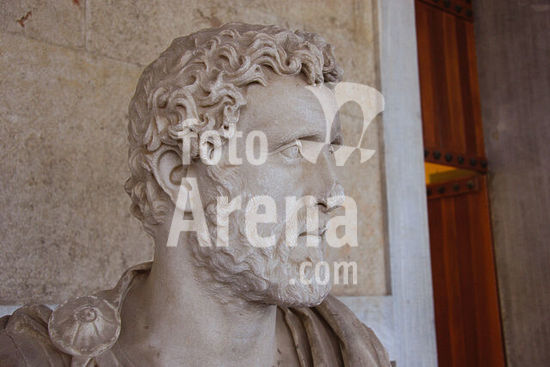
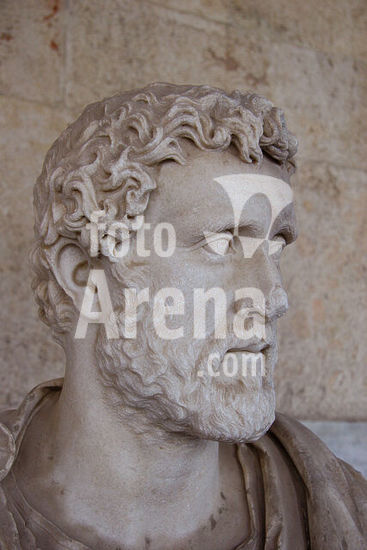
alb1462583 Antoninus Pius (86-161 AD.).(Titus Aurelius Fulvus Boionius Arrius Antoninus). Roman Emperor from 138-161AD.). Imperial Portrait. The Stoa of Attalos (Atallus). Museum. Athenian Agora. Athens. Greece. Europe.
DC
alb1460134 Antoninus Pius (86-161 AD.).(Titus Aurelius Fulvus Boionius Arrius Antoninus). Roman Emperor from 138-161AD.). Imperial Portrait. The Stoa of Attalos (Atallus). Museum. Athenian Agora. Athens. Greece. Europe.
DC
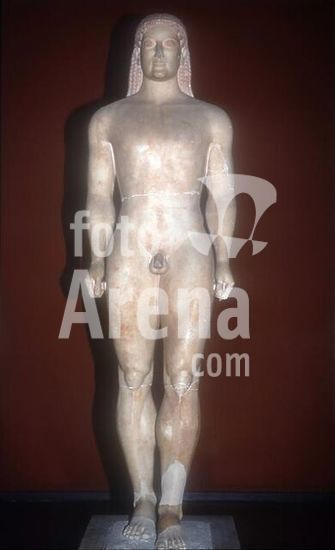
akg597263 Kouros, (Archaic period, 520 BC), from the tomb of Croesus in Anavyssos, Attica. National archeological museum, Athens, Attica, Greece. Photo, undat.
DC
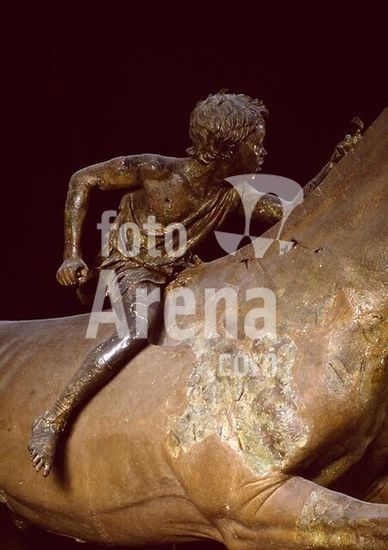
akg1559646 Hellenic, c.240-200 BC.-Boy riding a horse (Jockey from Artemision); detail.-Equestrian statue, bronze, hight of the boy: 84 cm. Found in a shipwreck off Cape Artemision, Euboea, Inv.no. 15177. Museum: National Archaeological Museum., ATHENS.
DC
alb3570268 Statue of Athena. A later version of an original statue of Athena from the end of the 5th century BC showing the Goddess in peplos and a slanting aegis. Late 1st century BC-Early 1st century AD. Acropolis Museum. Athens. Greece.
DC
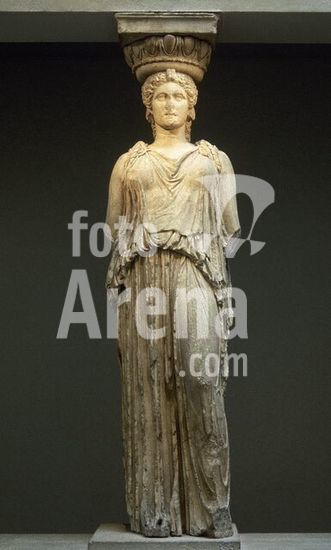
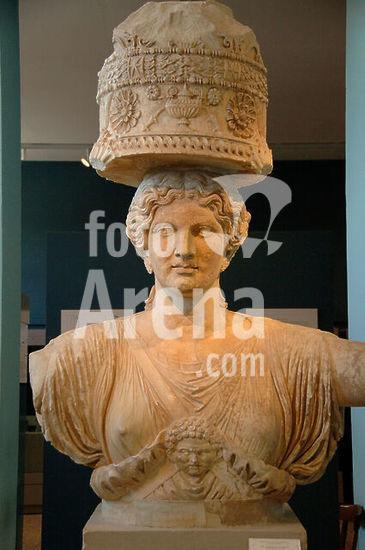
alb3204985 Caryatid from the Erechtheion (Acropolis of Athens), standing in contrapposto. 5th century BC. British Museum. London. United Kingdom.
DC
akg1556489 Greek, c.500 BC.-Kore from the Acropolis of Athens.-Marble, painted, hight: 92 cm. Found: Acropolis of Athens. Inv.no. 674. Museum: Acropolis Museum., ATHENS.
DC
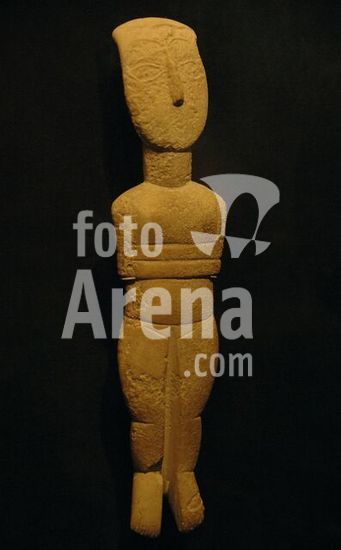
alb2655735 Cycladic Culture. Female figurine of the Spedos variety. Early Cycladic II. Syros Phase. 2800 BC-2300 BC. Marble. Early Bronze Age. Dimensions: H: 35.5 cm. Object provenance from Naxos (?). The eyes, eyebrows, mouth and hair appear to have been modelled in low relief. Museum of Cycladic Art. Athens, Greece.
DC
alb2425613 Erechtheion. Tribune of the Caryatids. Statue of the caryatid, female figure supporting the architrave in the south porch. 421-406 BC. Pentelic marble. From Athens, Greece. British Museum. London, England.
DC
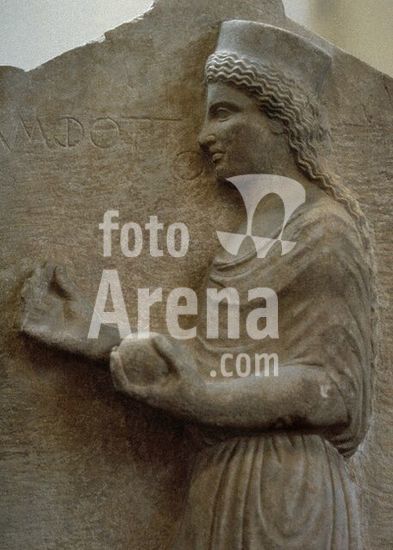
alb2425466 Grave stele of Amphotto from Thebes. Ca. 440 BC. Limestone. The dead woman, Amphotto wear a peplos. National Archaeological Museum. Athens. Greece.
DC
alb3189851 Caryatid from the Erechtheion. Draped female figure as supporting column. Classic period. 5th century BC. Acropolis of Athens, Greece. British Museum. London, United Kingdom.
DC
akg268394 Greek, school of Praxiteles or Lysippus, c. 300 B.C. Tomb statue of a woman, so-called "Great Herculanean woman", detail. Copy from 1st century A.D. Marble, height 200cm. Found in 1926 in the ancient cemetry near the Syntagma Square in Athens. Inv. No. 3622. Athens, National Archaeological Museum. Museum: Athens, National Archaeological Museum.
DC
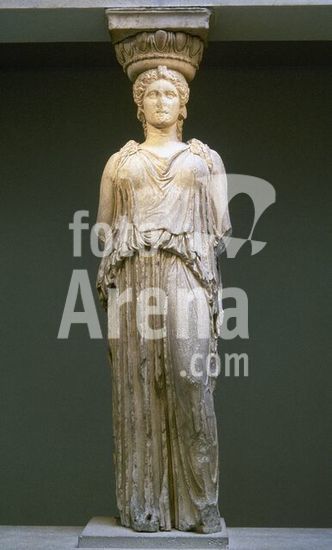
alb1790680 Caryatid from the Erechtheion, standing in contrapposto, displayed at the Acropolis Museum. 421-407 BC. Athens. Greece.
DC
alb1790711 Caryatid from the Erechtheion, standing in contrapposto, displayed at the Acropolis Museum. 421-407 BC. Athens. Greece.
DC
alb1790710 Caryatid from the Erechtheion, standing in contrapposto, displayed at the Acropolis Museum. 421-407 BC. Athens. Greece.
DC
alb1466098 GREEK ART. GREECE. Caryatid from Small Propylaea. Dated in the second half of I century b.C. Museum of Eleusis. Athens. Greece.
DC
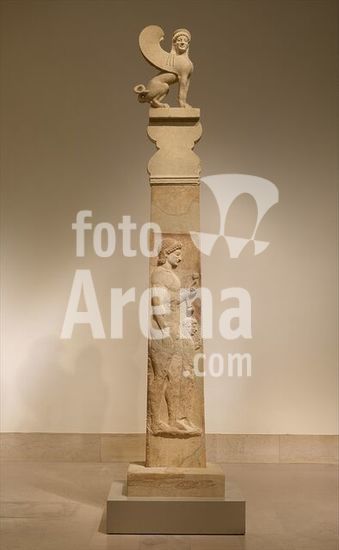
alb3653263 Marble stele (grave marker) of a youth and a little girl. Culture: Greek, Attic. Dimensions: total H. 166 11/16 in. (423.4cm). Date: ca. 530 B.C..Inscribed on the base: to dear Me[gakles], on his death, his father with his dear mother set [me] up as a monumentThis is the most complete grave monument of its type to have survived from the Archaic period. Fragments were acquired by The Metropolitan Museum of Art in 1911, 1921, 1936, 1938, and 1951. The fragment with the girl's head, here a plaster copy, was acquired in 1903 by the Berlin Museums; the fragment with the youth's right forearm, also a plaster cast here, is in the National Museum in Athens. The capital and crowning sphinx are casts of the originals, displayed in a case nearby. The youth on the shaft is shown as an athlete, with an aryballos (oil flask) suspended from his wrist. Athletics were an important part of every boy's education, and oil was used as a cleanser after exercise. He holds a pomegranate--a fruit associated with both fecundity and death in Greek myths--perhaps indicating that he had reached puberty before his death. The little girl, presumably a younger sister, holds a flower. This exceptionally lavish monument, which stands over thirteen feet high, must have been erected by one of the wealthiest aristocratic families. Some scholars have restored the name of the youth in the inscription as Megakles, a name associated with the powerful clan of the Alkmeonidai, who opposed the tyrant Peisistratos during most of the second half of the sixth century B.C. The tombs of aristocratic families were sometimes desecrated and destroyed as a result of that conflict, and this stele may well have been among them. Museum: Metropolitan Museum of Art, New York, USA.
DC
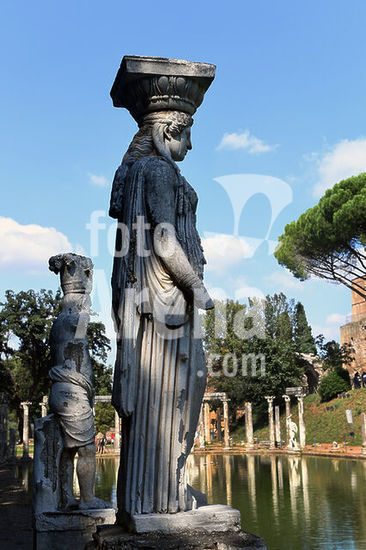
akg6026781 Statues of Caryatids at the Canopus (Canope) at Hadrian's Villa (Villa Adriana - Villa d'Hadrien)Roman copy after the Caryatids of the Erechtheion on the Acropolis of Athens.- Tivoli (Lazio, Italy) 2018Hadrian intended to recreate allusively the Egyptian city of Canopus, connected to Alexandria by means of an artificial canal known in the past for its magnificent temple of Serapis.The villa Hadriana was constructed at Tibur (modern-day Tivoli) as a retreat from Rome for Roman Emperor Hadrian (117-138 AD) during the second and third decades of the 2nd century AD. This large Roman archaeological complex is a UNESCO World Heritage Site.
DC
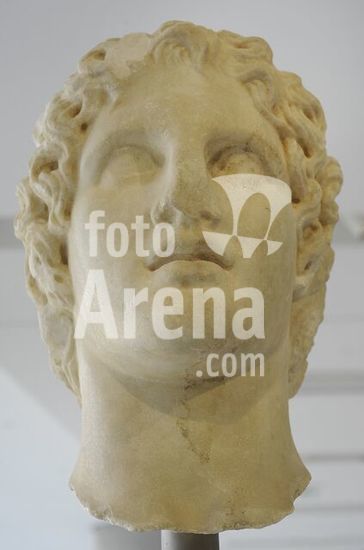
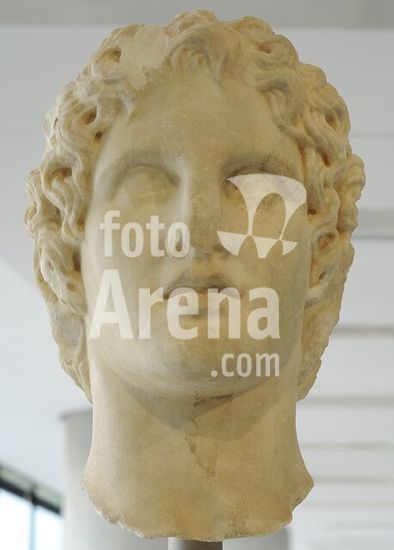
alb3570448 Portrait of Alexander the Great (356 BC-323 BC). Most likely a work of the sculptor from Athens Leochares. 340-330 BC. Acropolis Museum. Athens. Greece.
DC
alb3570449 Portrait of Alexander the Great (356 BC-323 BC). Most likely a work of the sculptor from Athens Leochares. 340-330 BC. Acropolis Museum. Athens. Greece.
DC
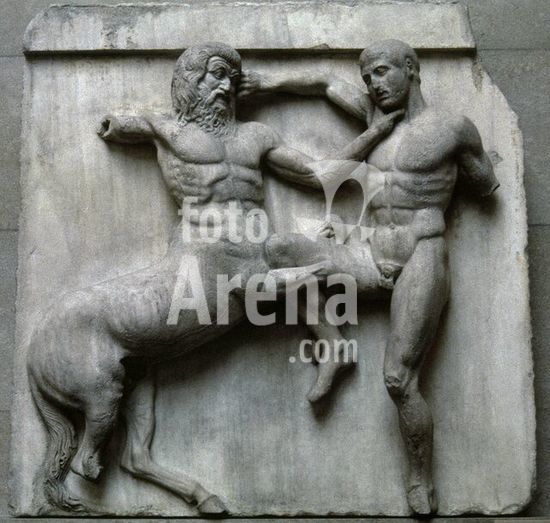
alb3204956 Parthenon Marbles. Classical Greek. Ca. 447-438 BC. Acropolis, Athens. Metope from the Elgin marbles depicting a Centaur and a Lapith fighting. Supervision by Phidias. The British Museum. London. UK.
DC
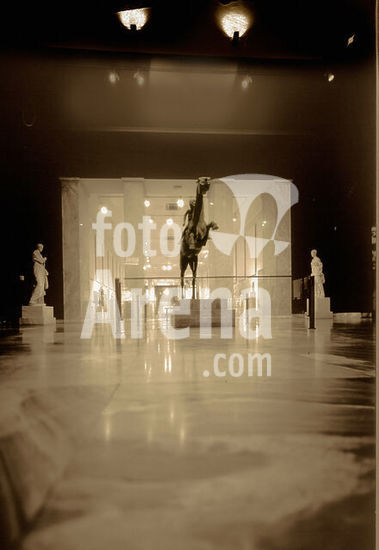
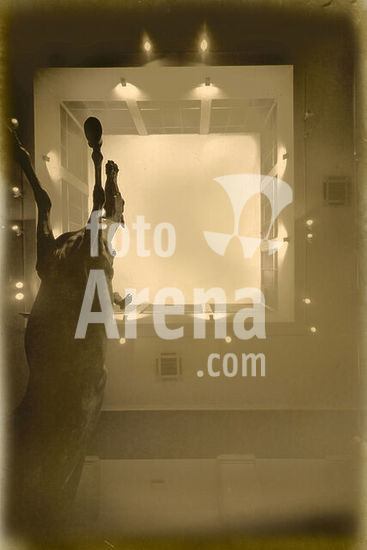
akg7862395 ARTEMISION HORSE AND BOY JOCKEY. The Jockey of Artemision is a large Hellenistic bronze statue of a young boy jockey riding a horse from Artemision. A Bronze Equestrian Monument of the Hellenistic Period. It is a rare surviving original bronze. Bronze, almost lifesize. around 150-140 BC. room of the Diadoumenos. NATIONAL ARCHAEOLOGICAL MUSEUM ATHENS. NOTES ABOUT THE PHOTO:. "I created a camera to my needs for making photos as paper negatives. It can accommodate photographic paper of the size 13x18 cm and up to 24x30 cm. The construction with the lens option (wide angle) is calibrated perfectly on the "golden means" (chrisi-kanona in Greek). From the artistic point, it refers to the three levels, called Ouranos-Steria-Edaphia or Edaphos. This tripartite idea is also contained in the ideogram symbolic to "IA" from the Linear B gramiki, according to the the archaeologist Sir Arthur Evans (1851-1941). The obtained photo has been hand-developed in old chemical formulas in order to create the photo-paper as a black & white negative of 13x18 cm size, and it is treated in different toners like old photos. I then scanned and toned and hand colored it by digital means. Therefore, the present photo is digital with ancient origins..." John Hios.
DC
akg7862389 ARTEMISION HORSE AND BOY JOCKEY. The Jockey of Artemision is a large Hellenistic bronze statue of a young boy jockey riding a horse from Artemision. A Bronze Equestrian Monument of the Hellenistic Period. It is a rare surviving original bronze. Bronze, almost lifesize. around 150-140 BC. room of the Diadoumenos. NATIONAL ARCHAEOLOGICAL MUSEUM ATHENS. NOTES ABOUT THE PHOTO:. "I created a camera to my needs for making photos as paper negatives. It can accommodate photographic paper of the size 13x18 cm and up to 24x30 cm. The construction with the lens option (wide angle) is calibrated perfectly on the "golden means" (chrisi-kanona in Greek). From the artistic point, it refers to the three levels, called Ouranos-Steria-Edaphia or Edaphos. This tripartite idea is also contained in the ideogram symbolic to "IA" from the Linear B gramiki, according to the the archaeologist Sir Arthur Evans (1851-1941). The obtained photo has been hand-developed in old chemical formulas in order to create the photo-paper as a black & white negative of 13x18 cm size, and it is treated in different toners like old photos. I then scanned and toned and hand colored it by digital means. Therefore, the present photo is digital with ancient origins..." John Hios.
DC
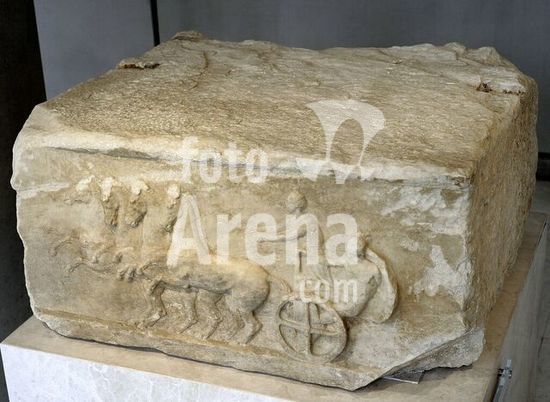
alb3570270 Base of a dedication. The relief depicts a scene from the apobates race. In the apobates race, the fully armed athlete jumped to the ground and then had to remount on the fast-moving chariot. Late 4th-Early 3rd century BC. Acropolis Museum. Athens. Greece.
DC
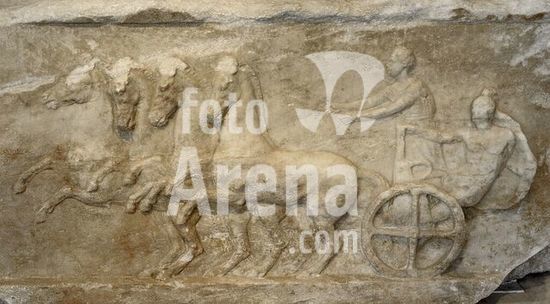
alb3570271 Base of a dedication, detail. The relief depicts a scene from the apobates race. In the apobates race, the fully armed athlete jumped to the ground and then had to remount on the fast-moving chariot. Late 4th-Early 3rd century BC. Acropolis Museum. Athens. Greece.
DC
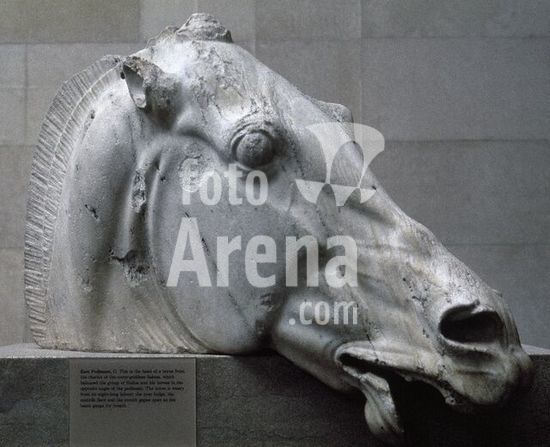
alb3189703 Head of a horse from the chariot of Selene. East pediment. Marble. C. 447-438 BC. Supervision of Phidias and his assistants. Parthenon of Acropolis of Athens, Greece. British Museum. London, United Kingdom.
DC
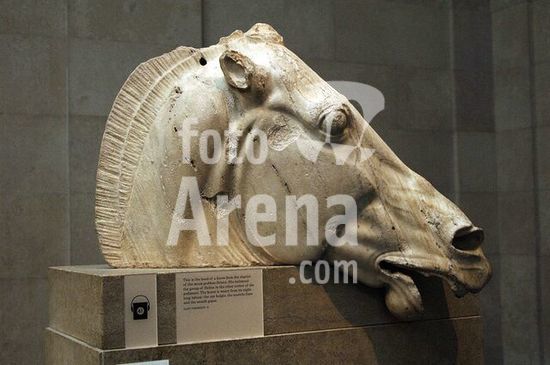
alb1788907 Greece. Athens. Parthenon. Head of horse from the chariot of the moon-goddes Selene. East pediment. 5th C. BC. British Museum. London. United Kingdom.
DC
akg8775987 NEMESIS_HEAD. head from a statue of the Goddess Nemesis. Marble of Paros. Roman copy 2d cen-A.D. of an original from the 5th century B.C. ANCIENT AGORA ATHENS.
DC
akg8775986 NEMESIS_HEAD. head from a statue of the Goddess Nemesis. Marble of Paros. Roman copy 2d cen-A.D. of an original from the 5th century B.C. ANCIENT AGORA ATHENS.
DC
akg8775981 NEMESIS_HEAD. head from a statue of the Goddess Nemesis. Marble of Paros. Roman copy 2d cen-A.D. of an original from the 5th century B.C. ANCIENT AGORA ATHENS.
DC

Total de Resultados: 255

Página 1 de 3