















































Busque também em nossas outras coleções:

Data da imagem:
Pauta
ver mais opções...
Agência
ver mais opções...
Fotógrafo
ver mais opções...
Artista
Pais
Estado
Cidade
Local
Tipo de licença
Orientação
Coleção
ver mais opções...

Total de Resultados: 166

Página 1 de 2

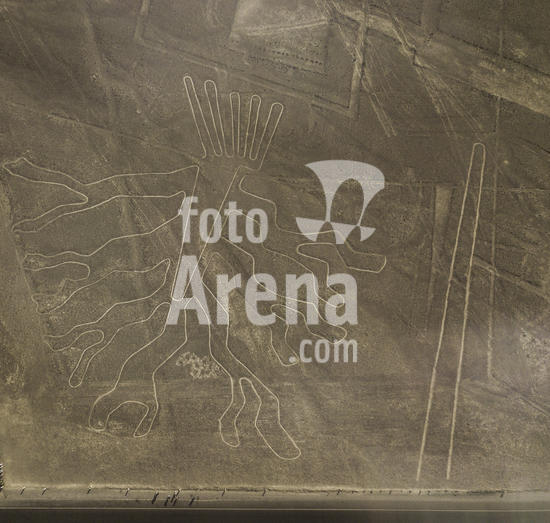
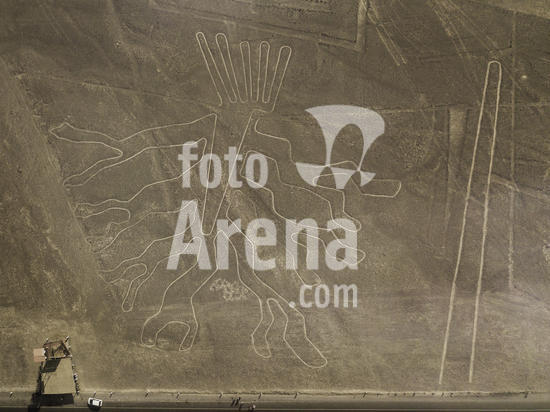
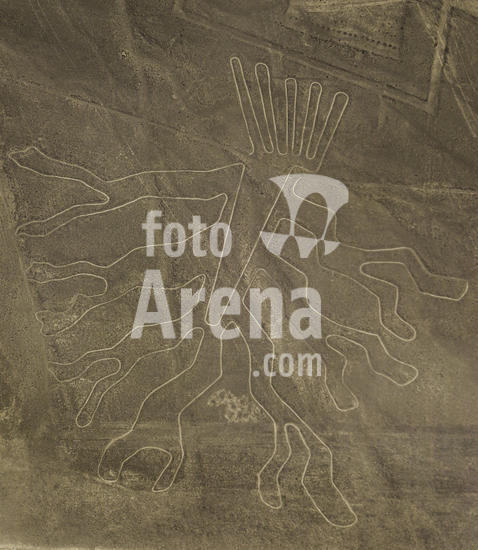
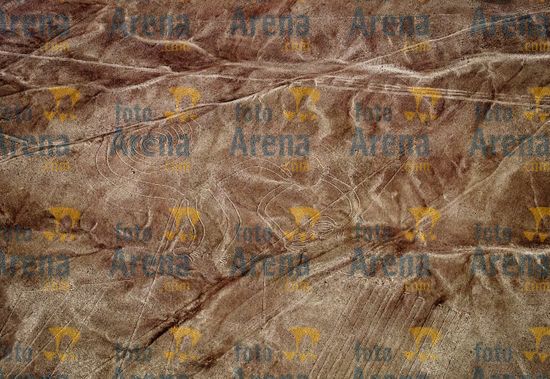
1829324 El sueño de Nazca. A 450 Km. Al sur de Lima, a la vera de la carretera Panamericana, sobre las pampas de uno de los desiertos más aridos del mundo, están las fabulosas líneas de Nazca. con sus dos mil años, con sus misterios, con su belleza. LAS MANOS, para algunos estudiosos en verdad esta figura es el dibujo de una Rana no de unas Manos.
DC
1829323 El sueño de Nazca. A 450 Km. Al sur de Lima, a la vera de la carretera Panamericana, sobre las pampas de uno de los desiertos más aridos del mundo, están las fabulosas líneas de Nazca. con sus dos mil años, con sus misterios, con su belleza. AVES EN NAZCA, Posiblemente y los estudios modernos así lo demuestran esta figura se trataría de un Pelícano muy común en el Perú aunque no en Nazca,
DC
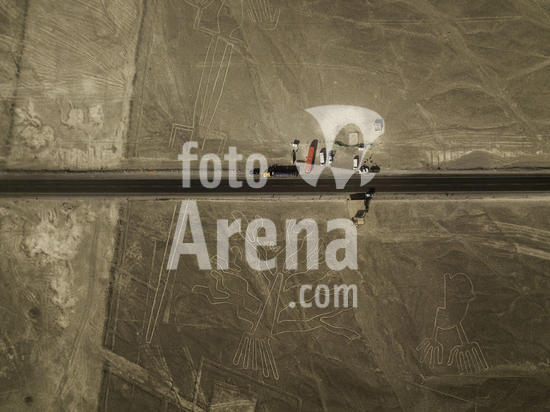
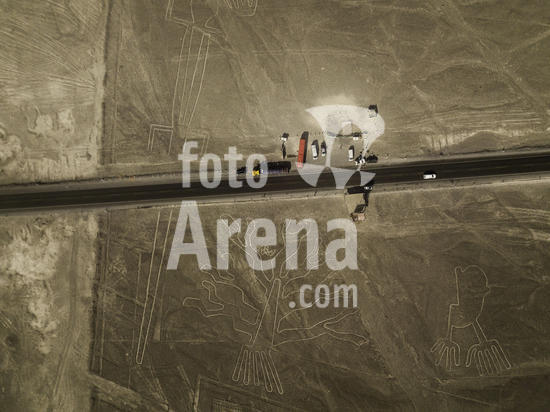
1829322 El sueño de Nazca. A 450 Km. Al sur de Lima, a la vera de la carretera Panamericana, sobre las pampas de uno de los desiertos más aridos del mundo, están las fabulosas líneas de Nazca. con sus dos mil años, con sus misterios, con su belleza. EL ÁRBOL en primer plano, a la izquierda la cola del LAGARTO o LAGARTIJA que fue brutalmente segmentada por la carretera Panamericana. arriba a la derecha parte de la torre del mirador, a la izquierda transita un camión y nos sirve para tener una referencia del tamaño del bello árbol de Nazca.
DC
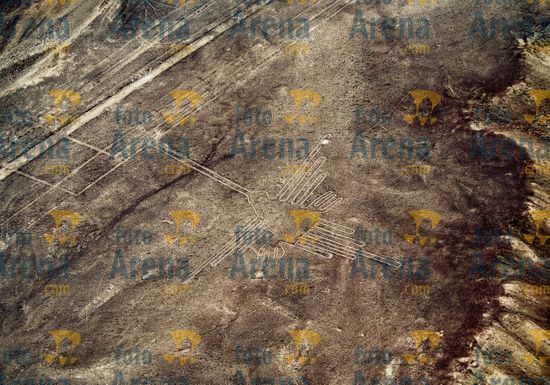
1829321 El sueño de Nazca. A 450 Km. Al sur de Lima, a la vera de la carretera Panamericana, sobre las pampas de uno de los desiertos más aridos del mundo, están las fabulosas líneas de Nazca. con sus dos mil años, con sus misterios, con su belleza. EL COLIBRI, uno de los dibujos más bellos, con sus 66 metros de emvergadura.
DC
1829320 El sueño de Nazca. A 450 Km. Al sur de Lima, a la vera de la carretera Panamericana, sobre las pampas de uno de los desiertos más aridos del mundo, están las fabulosas líneas de Nazca. con sus dos mil años, con sus misterios, con su belleza. EL COLIBRI, uno de los dibujos más bellos, con sus 66 metros de emvergadura.
DC
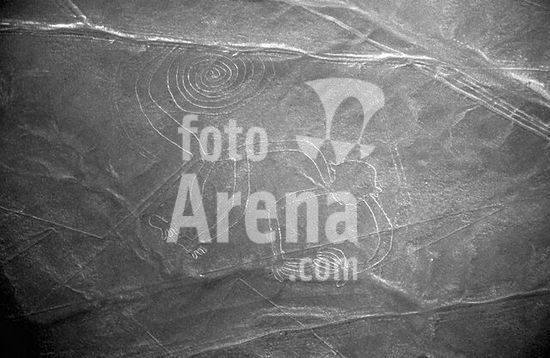
1829319 El sueño de Nazca. A 450 Km. Al sur de Lima, a la vera de la carretera Panamericana, sobre las pampas de uno de los desiertos más aridos del mundo, están las fabulosas líneas de Nazca. con sus dos mil años, con sus misterios, con su belleza. EL MONO, con su cola en espiral, su rostro sin ojos ni boca, sus dispares dedos en las manos y sus agraciada pose, es uno de los más populares dibujos de la pampa, sus 135 metros de belleza valen de sobra los minutos sobre una aeronave con el fin de encantarnos.
DC

1829318 El sueño de Nazca. A 450 Km. Al sur de Lima, a la vera de la carretera Panamericana, sobre las pampas de uno de los desiertos más aridos del mundo, están las fabulosas líneas de Nazca. con sus dos mil años, con sus misterios, con su belleza. LA BALLENA con sus 60 metros de largo, y una lamentable franja que la parte en su centro, que bien podría ser el trazo de una antigua carretera, cuando las Líneas aún no eran descubiertas ni estudiadas. Las figuras de Nazca tienen que ser avistadas desde la altura de una aeronave para ser visibles en sus dimensiones y su belleza, desde la superficie es casi imposible.
DC
1829317 El sueño de Nazca. A 450 Km. Al sur de Lima, a la vera de la carretera Panamericana, sobre las pampas de uno de los desiertos más aridos del mundo, están las fabulosas líneas de Nazca. con sus dos mil años, con sus misterios, con su belleza. MARÍA REICHE La alemana que entregó gran parte de su vida al estudio y conservación de Las Líneas de Nazca, su amor por la Pampa Jumana, donde están los dibujos, no ha tenido rival ni lo tendrá, la llamaban "Bruja" cuando escoba en mano barrió cientos de kilómetros de líneas, gracias a su enteresa a su trabajo inagotable, Nazca y sus líneas se conocen en el planeta, la primera torre mirador al filo de la carretera Panamericana fue hecha por la gestión incansable de Maía Reiche, desde donde podemos ver tres dibujos en la pampa, LAS MANOS, EL ÁRBOL, EL LAGARTO, este último lamentablemente cortado a la altura de su cola por la carrretera Panamericana. Nuestra eterna gratitud, María Victoria Reiche Neuman. (1903-1998)
DC
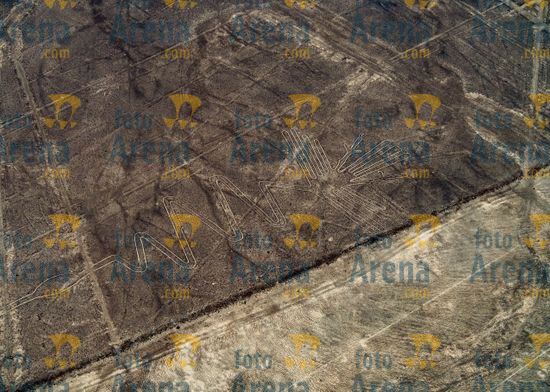
1829316 El sueño de Nazca. A 450 Km. Al sur de Lima, a la vera de la carretera Panamericana, sobre las pampas de uno de los desiertos más aridos del mundo, están las fabulosas líneas de Nazca. con sus dos mil años, con sus misterios, con su belleza. EL CONDOR, Magestuoso como si volara en el medio de Los Andes, entre la cordillera de la América indigena,
DC
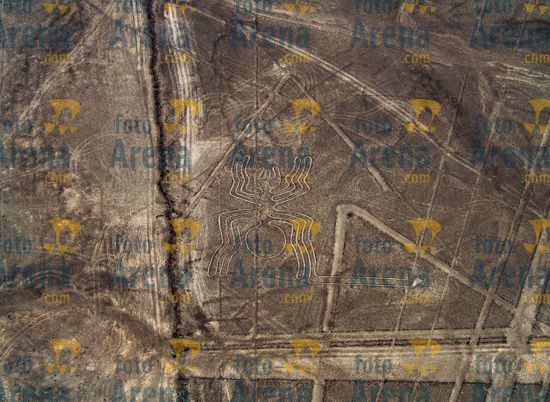
1829315 El sueño de Nazca. A 450 Km. Al sur de Lima, a la vera de la carretera Panamericana, sobre las pampas de uno de los desiertos más aridos del mundo, están las fabulosas líneas de Nazca. con sus dos mil años, con sus misterios, con su belleza. LA ARAÑA, bella perfecta, con sus 46 metros en la parte más larga, relacionada con la constelacíon de 0rión, y las escasas lluvias de esta parte del mundo.
DC
1827044 El sueño de Nazca. A 450 Km. Al sur de Lima, a la vera de la carretera Panamericana, sobre las pampas de uno de los desiertos más aridos del mundo, están las fabulosas líneas de Nazca. con sus dos mil años, con sus misterios, con su belleza. EL COLIBRI, uno de los dibujos más bellos, con sus 66 metros de emvergadura.
DC
1829314 El sueño de Nazca. A 450 Km. Al sur de Lima, a la vera de la carretera Panamericana, sobre las pampas de uno de los desiertos más aridos del mundo, están las fabulosas líneas de Nazca. con sus dos mil años, con sus misterios, con su belleza. LA ARAÑA, bella perfecta, con sus 46 metros en la parte más larga, relacionada con la constelacíon de 0rión, y las escasas lluvias de esta parte del mundo. Pero en sus dos mil años no podría estar mejor conservada, aunque las indeseables huellas de vehículos motorizados son evidentes, felizmente es ahora una zona protegida por Ley.
DC
1829313 El sueño de Nazca. A 450 Km. Al sur de Lima, a la vera de la carretera Panamericana, sobre las pampas de uno de los desiertos más aridos del mundo, están las fabulosas líneas de Nazca. con sus dos mil años, con sus misterios, con su belleza. EL CONDOR, Magestuoso como si volara en el medio de Los Andes, entre la cordillera de la América indigena,
DC
1829312 El sueño de Nazca. A 450 Km. Al sur de Lima, a la vera de la carretera Panamericana, sobre las pampas de uno de los desiertos más aridos del mundo, están las fabulosas líneas de Nazca. con sus dos mil años, con sus misterios, con su belleza. de esta parte del mundo. que los espera con sus Líneas, su gastronomía, sus inagotables lugares de interes arqueólogico. EL LORO, uno de los geoglifos que al igual que EL AUSTRONAUTA, están en las faldas de algunas elevasiones del terrreno de la pampa del desierto de Nazca
DC
1829311 El sueño de Nazca. A 450 Km. Al sur de Lima, a la vera de la carretera Panamericana, sobre las pampas de uno de los desiertos más aridos del mundo, están las fabulosas líneas de Nazca. con sus dos mil años, con sus misterios, con su belleza. El LAGARTO partido por la carretera panamericana, El ÁRBOL al centro. EL MIRADOR a la derecha y sobre el negro asfalto dos camiones el más grande con rumbo Norte, el más pequeño hacia el Sur.
DC
1829309 El sueño de Nazca. A 450 Km. Al sur de Lima, a la vera de la carretera Panamericana, sobre las pampas de uno de los desiertos más aridos del mundo, están las fabulosas líneas de Nazca. con sus dos mil años, con sus misterios, con su belleza. LA ARAÑA, bella perfecta, con sus 46 metros en la parte más larga, relacionada con la constelacíon de 0rión, y las escasas lluvias de esta parte del mundo.
DC
1829308 El sueño de Nazca. A 450 Km. Al sur de Lima, a la vera de la carretera Panamericana, sobre las pampas de uno de los desiertos más aridos del mundo, están las fabulosas líneas de Nazca. con sus dos mil años, con sus misterios, con su belleza. DESDE EL MIRADOR EN TIERRA. Esta fotografia es el detalle de una de las figuras de Nazca desde la torre mirador que está a la vera de la carretera. En este detalle podemos ver como los antiguos pobladores de Nazca retiraban la primera capa del terreno compuesta en su mayor parte de guijarros, bajo esta primera capa hay una capa de tierra de un color mas claro y más terrosa, que con la humedad y el sereno de la noche se solidifica, como si se tratase de yeso, los guijarros que se retiraban se agrupaban al lado de las figuras y se conservan hasta ahora. Las lineas y figuras se hacian siguiendo un patrón a escala y señalada con estacas y cuerdas.
DC
1829307 El sueño de Nazca. A 450 Km. Al sur de Lima, a la vera de la carretera Panamericana, sobre las pampas de uno de los desiertos más aridos del mundo, están las fabulosas líneas de Nazca. con sus dos mil años, con sus misterios, con su belleza. DESDE EL MIRADOR EN TIERRA. Esta fotografia es el detalle de una de las figuras de Nazca desde la torre mirador que está a la vera de la carretera. En este detalle podemos ver como los antiguos pobladores de Nazca retiraban la primera capa del terreno compuesta en su mayor parte de guijarros, bajo esta primera capa hay una capa de tierra de un color mas claro y más terrosa, que con la humedad y el sereno de la noche se solidifica, como si se tratase de yeso, los guijarros que se retiraban se agrupaban al lado de las figuras y se conservan hasta ahora. Las lineas y figuras se hacian siguiendo un patrón a escala y señalada con estacas y cuerdas.
DC
1829272 El sueño de Nazca. A 450 Km. Al sur de Lima, a la vera de la carretera Panamericana, sobre las pampas de uno de los desiertos más aridos del mundo, están las fabulosas líneas de Nazca. con sus dos mil años, con sus misterios, con su belleza. DESDE EL MIRADOR EN TIERRA. Esta fotografia es el detalle de una de las figuras de Nazca desde la torre mirador que está a la vera de la carretera Panamericana, a pocos Km. de la ciudad de Nazca, que los espera con sus Líneas, su gastronomía, sus inagotables lugares de interes arqueólogico.
DC
1829271 El sueño de Nazca. A 450 Km. Al sur de Lima, a la vera de la carretera Panamericana, sobre las pampas de uno de los desiertos más aridos del mundo, están las fabulosas líneas de Nazca. con sus dos mil años, con sus misterios, con su belleza. DESDE EL MIRADOR EN TIERRA. Esta fotografia es el detalle de una de las figuras de Nazca desde la torre mirador que está a la vera de la carretera. En este detalle podemos ver como los antiguos pobladores de Nazca retiraban la primera capa del terreno compuesta en su mayor parte de guijarros, bajo esta primera capa hay una capa de tierra de un color mas claro y más terrosa, que con la humedad y el sereno de la noche se solidifica, como si se tratase de yeso, los guijarros que se retiraban se agrupaban al lado de las figuras y se conservan hasta ahora. Las lineas y figuras se hacian siguiendo un patrón a escala y señalada en el terreno con estacas y cuerdas. A eso hay que sumar las condiciones metereológicas, de un lugar donde las precipitaciones de lluvia son escasas o nulas, el bajo relieve de las líneas las proteje del fuerte viento del desierto, si sumamos, tenemos unas líneas y unos dibujos que han sobrevivido dos mil años.
DC

1829306 El sueño de Nazca. A 450 Km. Al sur de Lima, a la vera de la carretera Panamericana, sobre las pampas de uno de los desiertos más aridos del mundo, están las fabulosas líneas de Nazca. con sus dos mil años, con sus misterios, con su belleza. LA ARAÑA, bella perfecta, con sus 46 metros en la parte más larga, relacionada con la constelacíon de 0rión, y las escasas lluvias de esta parte del mundo. DESDE EL MIRADOR EN TIERRA. Esta fotografia es el detalle de una de las figuras de Nazca desde la torre mirador que está a la vera de la carretera Panamericana, a pocos Km. de la ciudad de Nazca, que los espera con sus Líneas, su gastronomía, sus inagotables lugares de interes arqueólogico.
DC
1829305 El sueño de Nazca. A 450 Km. Al sur de Lima, a la vera de la carretera Panamericana, sobre las pampas de uno de los desiertos más aridos del mundo, están las fabulosas líneas de Nazca. con sus dos mil años, con sus misterios, con su belleza. LA ARAÑA, bella perfecta, con sus 46 metros en la parte más larga, relacionada con la constelacíon de 0rión, y las escasas lluvias de esta parte del mundo. Pero en sus dos mil años no podría estar mejor conservada, aunque las indeseables huellas de vehículos motorizados son evidentes, felizmente es ahora una zona protegida por Ley.
DC
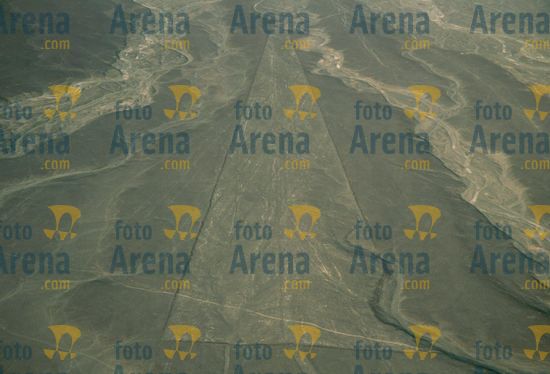
1829270 El sueño de Nazca. A 450 Km. Al sur de Lima, a la vera de la carretera Panamericana, sobre las pampas de uno de los desiertos más aridos del mundo, están las fabulosas líneas de Nazca. con sus dos mil años, con sus misterios, con su belleza. TRAPECIOS, comunes en Nazca, de diferentes longitudes, enigmáticos por su similitud a pistas de aterrizajes, en verdad nada más semejante.
DC
1829304 El sueño de Nazca. A 450 Km. Al sur de Lima, a la vera de la carretera Panamericana, sobre las pampas de uno de los desiertos más aridos del mundo, están las fabulosas líneas de Nazca. con sus dos mil años, con sus misterios, con su belleza. GREENPEACE Y EL COLIBRI en dicembre del año 2014, miembros de la organización Greempeace ingresaron a la zona protegida de las pampas y se aproximaron a pocos metros de una de las figuras más emblemáticas de Nazca EL COLIBRÍ, entre el ala izquierda y el pico, bajo la cabeza y a pocos metros del largo pico de esta bella figura, extendieron unas telas en la que se leía: TIME FOR CHANGE THE FUTURE IS RENEWABLE. La noticia de este hecho indignó a la comunidad nacional como internacional, un año después Greepeace fue condenado por un Tribunal Peruano a pagar una indennización de casi 200 mil dolares, por daños inrreparables al patrimonio cultural del Perú y del Mundo.
DC
1829303 El sueño de Nazca. A 450 Km. Al sur de Lima, a la vera de la carretera Panamericana, sobre las pampas de uno de los desiertos más aridos del mundo, están las fabulosas líneas de Nazca. con sus dos mil años, con sus misterios, con su belleza. GREENPEACE Y EL COLIBRI en dicembre del año 2014, miembros de la organización Greempeace ingresaron a la zona protegida de las pampas y se aproximaron a pocos metros de una de las figuras más emblemáticas de Nazca EL COLIBRÍ, entre el ala izquierda y el pico, bajo la cabeza y a pocos metros del largo pico de esta bella figura, extendieron unas telas en la que se leía: TIME FOR CHANGE THE FUTURE IS RENEWABLE. La noticia de este hecho indignó a la comunidad nacional como internacional, un año después Greepeace fue condenado por un Tribunal Peruano a pagar una indennización de casi 200 mil dolares, por daños inrreparables al patrimonio cultural del Perú y del Mundo.
DC
1829302 El sueño de Nazca. A 450 Km. Al sur de Lima, a la vera de la carretera Panamericana, sobre las pampas de uno de los desiertos más aridos del mundo, están las fabulosas líneas de Nazca. con sus dos mil años, con sus misterios, con su belleza. EL COLIBRI, uno de los dibujos más bellos, con sus 66 metros de emvergadura.
DC
1829301 El sueño de Nazca. A 450 Km. Al sur de Lima, a la vera de la carretera Panamericana, sobre las pampas de uno de los desiertos más aridos del mundo, están las fabulosas líneas de Nazca. con sus dos mil años, con sus misterios, con su belleza. El AUSTRONAUTA dibujo de figura humana, con el brazo derecho alto como saludando, su redonda cabeza simula una escafandra,
DC
1829300 El sueño de Nazca. A 450 Km. Al sur de Lima, a la vera de la carretera Panamericana, sobre las pampas de uno de los desiertos más aridos del mundo, están las fabulosas líneas de Nazca. con sus dos mil años, con sus misterios, con su belleza. LÍNEAS que se prolongan sobre la panpa hasta por 48 Km. No han faltado quienes le atribuyen la posibilidad de haber sido usadas por aeronaves.
DC
1829299 El sueño de Nazca. A 450 Km. Al sur de Lima, a la vera de la carretera Panamericana, sobre las pampas de uno de los desiertos más aridos del mundo, están las fabulosas líneas de Nazca. con sus dos mil años, con sus misterios, con su belleza. LA BALLENA con sus 60 metros de largo, y una lamentable franja que la parte en su centro, que bien podría ser el trazo de una antigua carretera, cuando las Líneas aún no eran descubiertas ni estudiadas. Las figuras de Nazca tienen que ser avistadas desde la altura de una aeronave para ser visibles en sus dimensiones y su belleza, desde la superficie es casi imposible.
DC
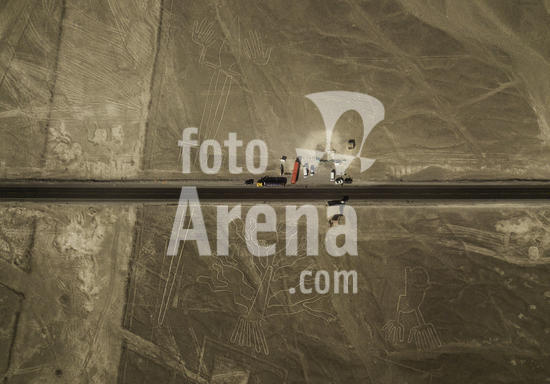
1829298 El sueño de Nazca. A 450 Km. Al sur de Lima, a la vera de la carretera Panamericana, sobre las pampas de uno de los desiertos más aridos del mundo, están las fabulosas líneas de Nazca. con sus dos mil años, con sus misterios, con su belleza. EL CONDOR, Magestuoso como si volara en el medio de Los Andes, entre la cordillera de la América indigena,
DC
1829246 El Candelabro es un geoglifo con una edad indeterminada, que se ubica en la península de Paracas y en la ruta que nos lleva hacia las Islas Ballestas, en mitad de la navegación, desde la lancha se puede fotografiar,como en este caso, con sus 183 metros de longitud y sus 60 metros en su parte más hancha, es Patrimonio Cultural de la Nación, y atractivo turístico importante, sus semejanzas con Las Líneas de Nazca, le aumentan la importancia de su factura.
DC
1829245 El Candelabro es un geoglifo con una edad indeterminada, que se ubica en la península de Paracas y en la ruta que nos lleva hacia las Islas Ballestas, en mitad de la navegación, desde la lancha se puede fotografiar,como en este caso, con sus 183 metros de longitud y sus 60 metros en su parte más hancha, es Patrimonio Cultural de la Nación, y atractivo turístico importante, sus semejanzas con Las Líneas de Nazca, le aumentan la importancia de su factura.
DC
1829244 El Candelabro es un geoglifo con una edad indeterminada, que se ubica en la península de Paracas y en la ruta que nos lleva hacia las Islas Ballestas, en mitad de la navegación, desde la lancha se puede fotografiar,como en este caso, con sus 183 metros de longitud y sus 60 metros en su parte más hancha, es Patrimonio Cultural de la Nación, y atractivo turístico importante, sus semejanzas con Las Líneas de Nazca, le aumentan la importancia de su factura.
DC
1829243 El Candelabro es un geoglifo con una edad indeterminada, que se ubica en la península de Paracas y en la ruta que nos lleva hacia las Islas Ballestas, en mitad de la navegación, desde la lancha se puede fotografiar,como en este caso, con sus 183 metros de longitud y sus 60 metros en su parte más hancha, es Patrimonio Cultural de la Nación, y atractivo turístico importante, sus semejanzas con Las Líneas de Nazca, le aumentan la importancia de su factura.
DC
1829236 El sueño de Nazca. A 450 Km. Al sur de Lima, a la vera de la carretera Panamericana, sobre las pampas de uno de los desiertos más aridos del mundo, están las fabulosas líneas de Nazca. con sus dos mil años, con sus misterios, con su belleza. EL PERRO, Para los antiguos peruanos el perro fue un animal de compañia, una raza autóctona, llamada Viringo Peruano, es Patrimonio Nacional del Perú así como Las Lineas de Nazca es Patrimonio Mundial o Ptrimonio de la Humanidad.
DC
1459828 Conjunto de geoglifos antigos chamados de Linhas de Nazca ou Nasca, localizados no deserto de Nazca, no Peru. Em 1994 a UNESCO os designou como um Patrimônio Mundial.
DC
1459827 Conjunto de geoglifos antigos chamados de Linhas de Nazca ou Nasca, localizados no deserto de Nazca, no Peru. Em 1994 a UNESCO os designou como um Patrimônio Mundial.
DC
1459826 Conjunto de geoglifos antigos chamados de Linhas de Nazca ou Nasca, localizados no deserto de Nazca, no Peru. Em 1994 a UNESCO os designou como um Patrimônio Mundial.
DC
1459825 Conjunto de geoglifos antigos chamados de Linhas de Nazca ou Nasca, localizados no deserto de Nazca, no Peru. Em 1994 a UNESCO os designou como um Patrimônio Mundial.
DC
1459824 Conjunto de geoglifos antigos chamados de Linhas de Nazca ou Nasca, localizados no deserto de Nazca, no Peru. Em 1994 a UNESCO os designou como um Patrimônio Mundial.
DC
1459823 Conjunto de geoglifos antigos chamados de Linhas de Nazca ou Nasca, localizados no deserto de Nazca, no Peru. Em 1994 a UNESCO os designou como um Patrimônio Mundial.
DC
1459822 Conjunto de geoglifos antigos chamados de Linhas de Nazca ou Nasca, localizados no deserto de Nazca, no Peru. Em 1994 a UNESCO os designou como um Patrimônio Mundial.
DC
1459821 Conjunto de geoglifos antigos chamados de Linhas de Nazca ou Nasca, localizados no deserto de Nazca, no Peru. Em 1994 a UNESCO os designou como um Patrimônio Mundial.
DC
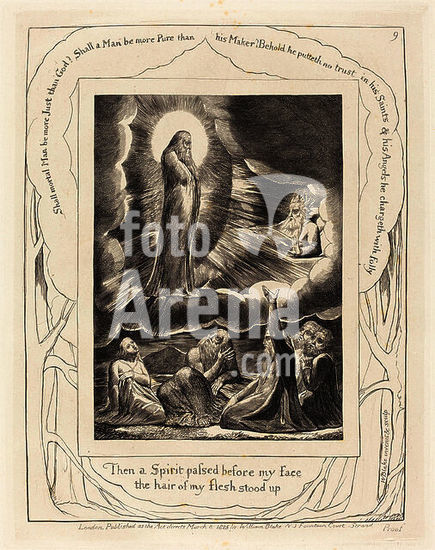
alb3703476 The Vision of Eliphaz. Dated: 1825. Medium: engraving on India paper. Museum: National Gallery of Art, Washington DC. Author: William Blake.
DC
alb3608995 Elizabeth Farren (born about 1759, died 1829), Later Countess of Derby. Artist: Sir Thomas Lawrence (British, Bristol 1769-1830 London). Dimensions: 94 x 57 1/2 in. (238.8 x 146.1 cm). Date: 1790.The Irish actress Elizabeth Farren made her London debut in 1777 as Kate Hardcastle in Oliver Goldsmith's She Stoops to Conquer. She was at the height of her career when this canvas was exhibited in 1790. Seven years later, she married the twelfth earl of Derby. This elegant portrait helped to secure for Lawrence the role of successor to the elderly Sir Joshua Reynolds (1723-1792). Museum: Metropolitan Museum of Art, New York, USA.
DC
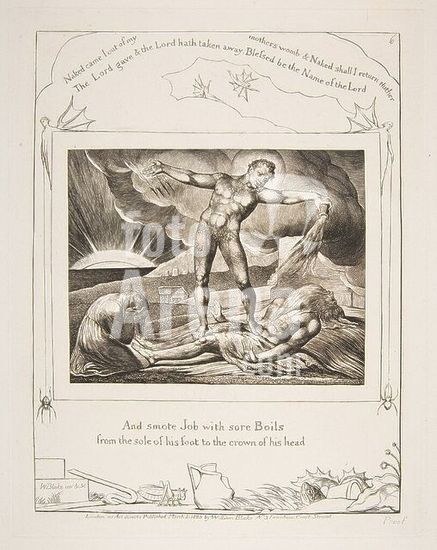
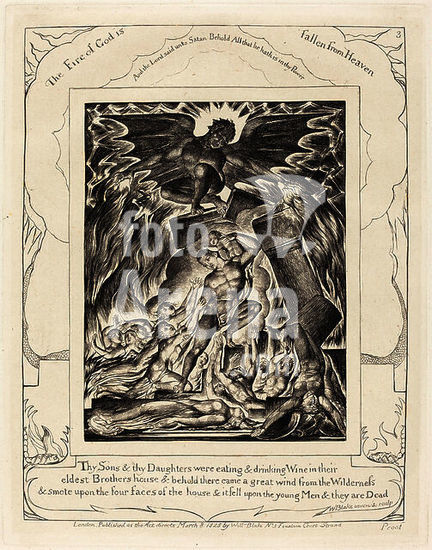
alb3637373 Satan Smiting Job with Boils, from Illustrations of the Book of Job. Artist: William Blake (British, London 1757-1827 London). Dimensions: plate: 8 1/2 x 6 5/8 in. (21.6 x 16.8 cm)sheet: 16 1/8 x 10 7/8 in. (41 x 27.6 cm). Publisher: Published by William Blake (British, London 1757-1827 London) No. 3 Fountain Court, Strand. Date: 1825-26. Museum: Metropolitan Museum of Art, New York, USA.
DC
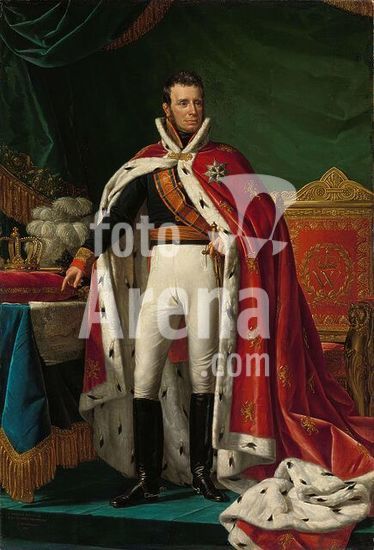
alb4105641 Portrait of William I, King of the Netherlands. Dating: 1819. Measurements: h 227 cm × w 155.5 cm. Museum: Rijksmuseum, Amsterdam. Author: Joseph Paelinck.
DC
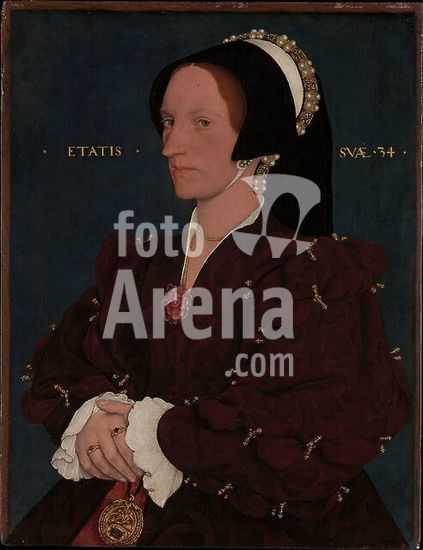
alb3666499 Lady Lee (Margaret Wyatt, born about 1509). Artist: Workshop of Hans Holbein the Younger (German, Augsburg 1497/98-1543 London). Dimensions: 17 3/8 × 13 3/8 in. (44.1 × 34 cm). Date: early 1540s.Lady Lee, born Margaret Wyatt, grew up in a family closely connected to the court of Henry VIII. Her father, Henry Wyatt, served as treasurer of the king's chamber, and her brother, Thomas, was the foremost Tudor poet and an ambassador. She is shown here at the age of thirty-four, sumptuously dressed in the courtly fashion of the early 1540s. The painting is close to the manner of Holbein, but the attention paid to decorative effects and linear details at the expense of life-like portrayal of the sitter is indicative of workshop production. The portrait was likely based on a Holbein drawing. Museum: Metropolitan Museum of Art, New York, USA.
DC
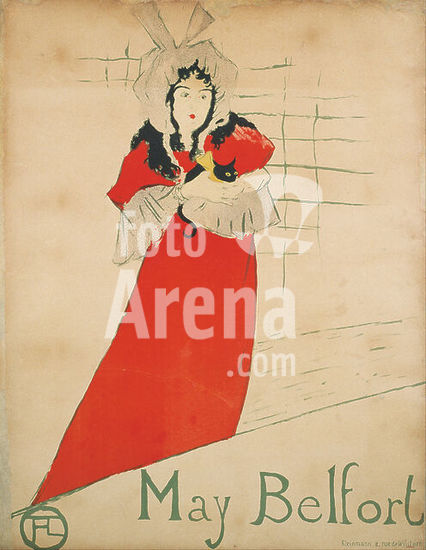
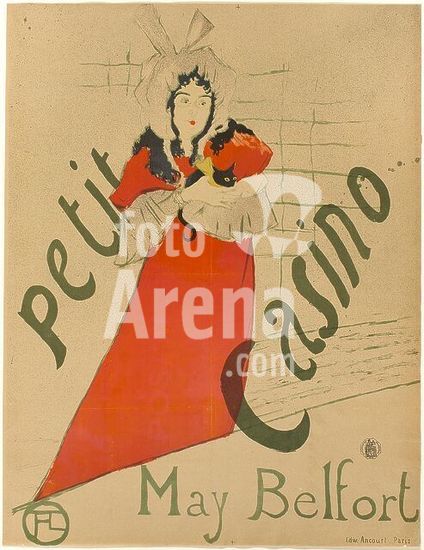
alb3906623 May Belfort. Date/Period: 1895. Poster. Colour lithograph on paper. Height: 800 mm (31.49 in); Width: 620 mm (24.40 in). Author: Henri de Toulouse-Lautrec.
DC
alb4160173 May Belfort. Henri de Toulouse-Lautrec; French, 1864-1901. Date: 1895. Dimensions: 801 × 608 mm (image); 801 × 613 mm (sheet). Color lithograph poster on tan wove paper. Origin: France. Museum: The Chicago Art Institute, USA.
DC
alb3709157 The Destruction of Job's Sons. Dated: 1825. Dimensions: plate: 21.6 x 17.2 cm (8 1/2 x 6 3/4 in.) sheet: 41.9 x 33.3 cm (16 1/2 x 13 1/8 in.). Medium: engraving on India paper. Museum: National Gallery of Art, Washington DC. Author: William Blake.
DC
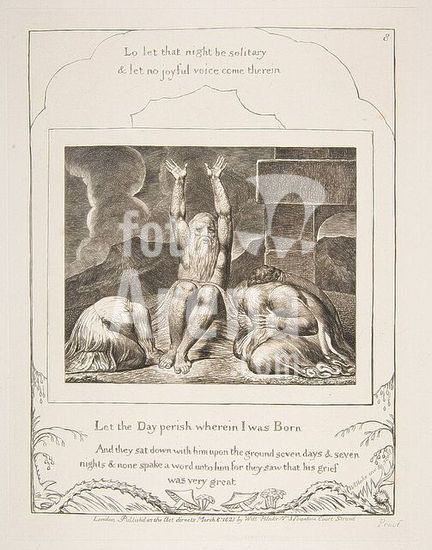
alb3641069 Job's Despair, from Illustrations of the Book of Job. Artist: William Blake (British, London 1757-1827 London). Dimensions: plate: 8 9/16 x 6 9/16 in. (21.7 x 16.7 cm)sheet: 16 1/4 x 10 7/8 in. (41.3 x 27.6 cm). Publisher: Published by William Blake (British, London 1757-1827 London) No. 3 Fountain Court, Strand. Date: 1825-26. Museum: Metropolitan Museum of Art, New York, USA.
DC
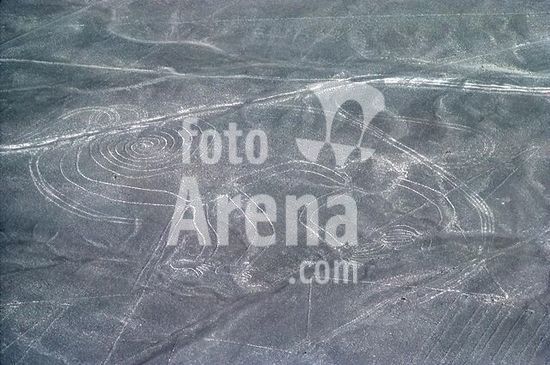
312-1614 Monkey, Nazca (Nasca) Lines, UNESCO World Heritage Site, Peru, South AmericaLegenda da Fotoarena:Monkey, Nazca (Nasca) Lines, UNESCO World Heritage Site, Peru, South America
DC
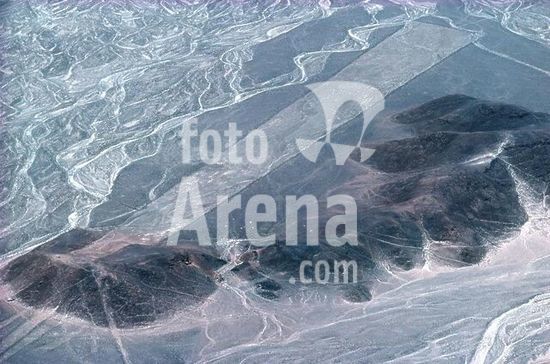
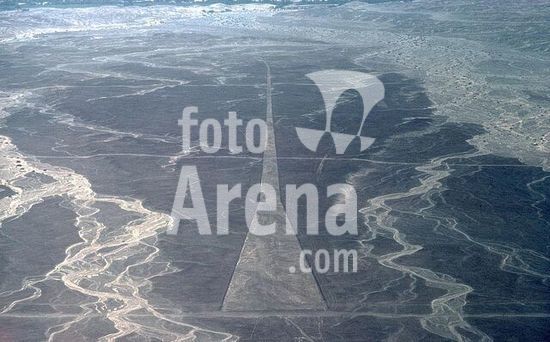
312-1611 Trapezoid, Nazca Lines (Nasca Lines), UNESCO World Heritage Site, Peru, South AmericaLegenda da Fotoarena:Trapezoid, Nazca Lines (Nasca Lines), UNESCO World Heritage Site, Peru, South America
DC
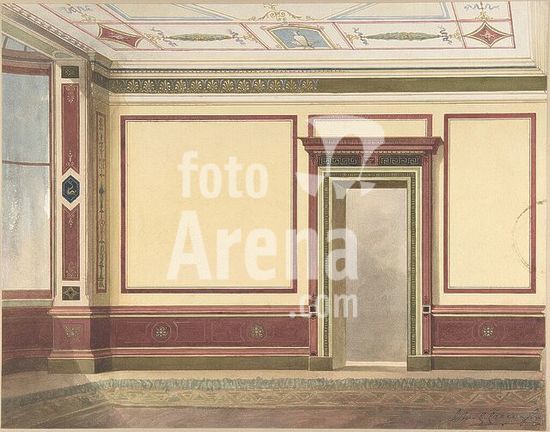
alb3653013 Dining Room Elevation in a Simplified Third Pompeian Style. Artist: John Gregory Crace (British, London 1809-1889 Dulwich) , and Son; John Dibblee Crace (British, London 1838-1919 London). Dimensions: sheet: 13 3/8 x 17 1/8 in. (33.9 x 43.5 cm). Date: ca. 1870-90.John Dibblee Crace was born into a long line of interior decorators. His ancestors Edward and Frederic Crace (British, 1725-1799; 1779-1825) had been responsible for the decoration of the Royal Pavilion in Brighton for King George III. His own father, John Gregory Crace (1809-1889), continued their family business and had also been partner to Augustus W.N. Pugin (British, London 1812-1852 Ramsgate). By the time John became an architect, historic period styles were in high demand and John catered to that market with great success, designing some of the most celebrated period rooms in Great Britain. At the height of the Crace firm's activity in the 1870s, they employed over a 100 regular employees. In the last quarter of the century success waned however and John Dibblee Crace closed the firm in 1899. Museum: Metropolitan Museum of Art, New York, USA.
DC
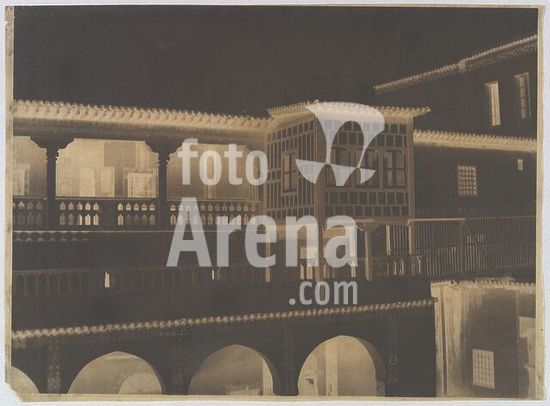
alb3645030 [Palace of the Dey of Algiers, Algeria]. Artist: Gustave de Beaucorps (French, 1825-1906). Dimensions: Image: 28.7 × 38.6 cm (11 5/16 × 15 3/16 in.)Sheet: 29.1 × 39.8 cm (11 7/16 × 15 11/16 in.), irregularly trimmed. Date: 1859.Beaucorps was born into a wealthy, aristocratic French family and took up photography as an amateur in the mid-1850s. A collector and an enthusiast of Spanish and Arab decorative arts, he is best known for his architectural photographs of monuments and landscapes made during travels through western Europe, Algeria, Egypt, Morocco, Palestine, and Turkey. Although this waxed-paper negative of the sixteenth-century Palace of the Dey of Algiers does not represent the image's final presentation, its striking graphic composition and revelation of the clean lines and intricate patterning of Moorish architecture has significant visual power in its own right. No known positive print from this negative of the palace survives. Museum: Metropolitan Museum of Art, New York, USA.
DC
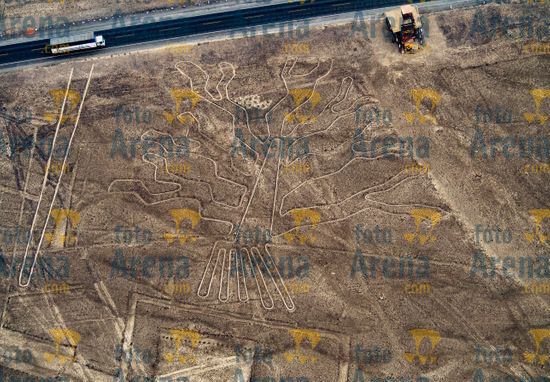
1245-664 The Tree Geoglyph, aerial view, Nazca, UNESCO World Heritage Site, Ica Region, Peru, South AmericaLegenda da Fotoarena:The Tree Geoglyph, aerial view, Nazca, UNESCO World Heritage Site, Ica Region, Peru, South America
RF
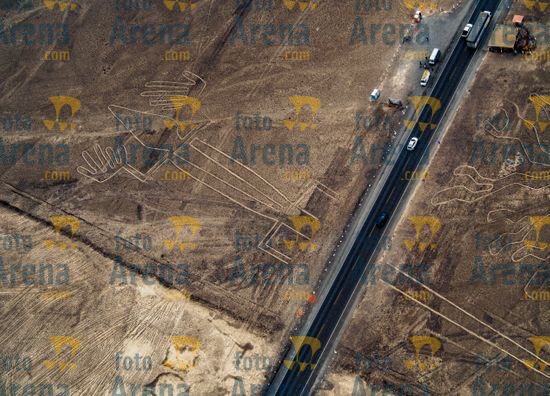
1245-665 The Lizard Geoglyph, aerial view, Nazca, UNESCO World Heritage Site, Ica Region, Peru, South AmericaLegenda da Fotoarena:The Lizard Geoglyph, aerial view, Nazca, UNESCO World Heritage Site, Ica Region, Peru, South America
RF
1245-658 The Spider Geoglyph, aerial view, Nazca, UNESCO World Heritage Site, Ica Region, Peru, South AmericaLegenda da Fotoarena:The Spider Geoglyph, aerial view, Nazca, UNESCO World Heritage Site, Ica Region, Peru, South America
RF
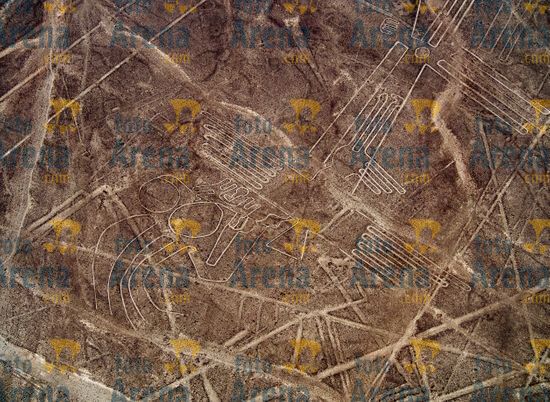
1245-659 The Monkey Geoglyph, aerial view, Nazca, UNESCO World Heritage Site, Ica Region, Peru, South AmericaLegenda da Fotoarena:The Monkey Geoglyph, aerial view, Nazca, UNESCO World Heritage Site, Ica Region, Peru, South America
RF
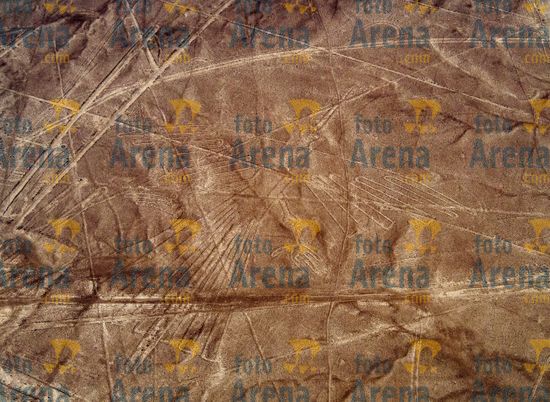
1245-661 The Humming Bird Geoglyph, aerial view, Nazca, UNESCO World Heritage Site, Ica Region, Peru, South AmericaLegenda da Fotoarena:The Humming Bird Geoglyph, aerial view, Nazca, UNESCO World Heritage Site, Ica Region, Peru, South America
RF
1245-662 The Heron Geoglyph, aerial view, Nazca, UNESCO World Heritage Site, Ica Region, Peru, South AmericaLegenda da Fotoarena:The Heron Geoglyph, aerial view, Nazca, UNESCO World Heritage Site, Ica Region, Peru, South America
RF
1245-660 The Condor Geoglyph, aerial view, Nazca, UNESCO World Heritage Site, Ica Region, Peru, South AmericaLegenda da Fotoarena:The Condor Geoglyph, aerial view, Nazca, UNESCO World Heritage Site, Ica Region, Peru, South America
RF
1245-663 The Bird Geoglyph, aerial view, Nazca, UNESCO World Heritage Site, Ica Region, Peru, South AmericaLegenda da Fotoarena:The Bird Geoglyph, aerial view, Nazca, UNESCO World Heritage Site, Ica Region, Peru, South America
RF
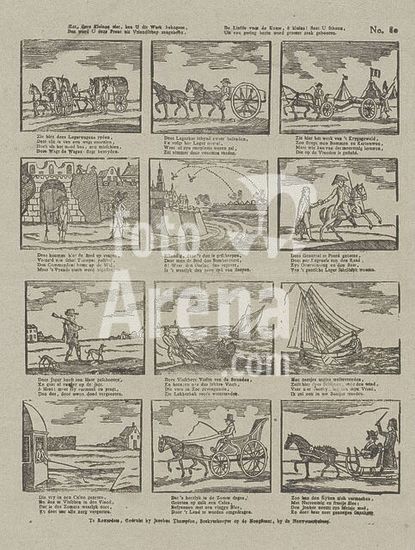
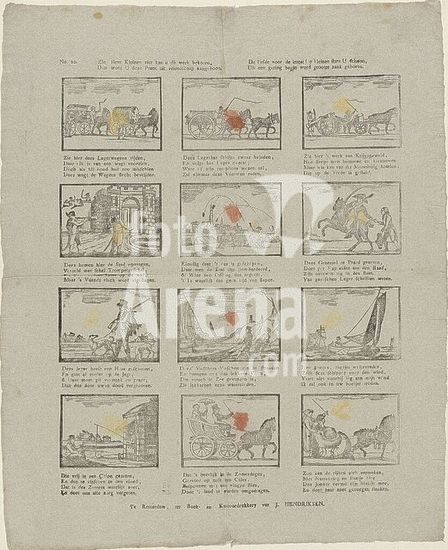
alb15546020 Netherlands, Rotterdam, Thompson, Jacobus, See, dear little ones, see, if this work can charm you, Then this print is offered to you out of friendship, The love for art, oh little one! suits you beautifully, From a small beginning a greater thing is born, verso - stamped, Sheet with 12 representations of military and rural scenes. Below each image a four-line verse. Numbered top right: No. 80., print, prent, volksprent, prints, prenten, volksprenten, height 405 mm, width 340 mm, Publication (Event), Publication, Dutch, publisher, 1791 - 1812, paper, papier, houtcut, letterpress printing, boekdruk, print maker, prentmaker.
DC
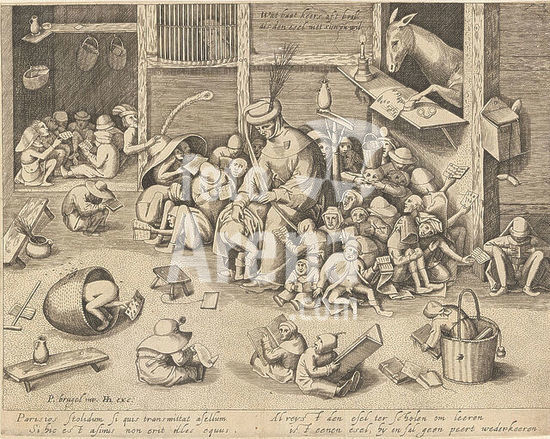
alb15881511 The donkey in school, Schoolroom with a teacher spanking a child. Around this children read or play. On the right an easel with a sheet of music. As the saying goes: Even if a donkey goes to school, it will not come back as a horse. (He who is born as a donkey will die as a donkey: stupid remains stupid.) Below the performance there is a line in Latin and a line in Dutch., print maker: anonymous, after print by: Pieter van der Heyden, after drawing by: Pieter Bruegel (I), The Hague, 1597 - 1649, paper, engraving, height 233 mm × width 298 mm, print.
DC
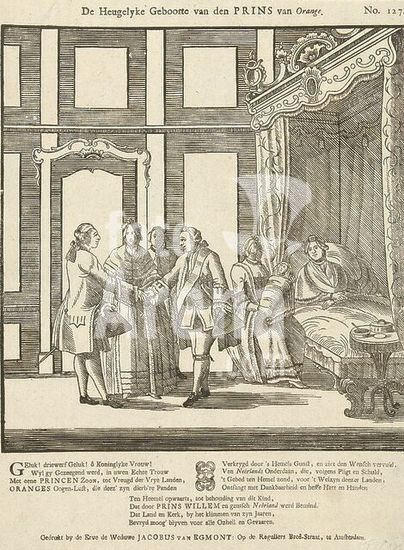
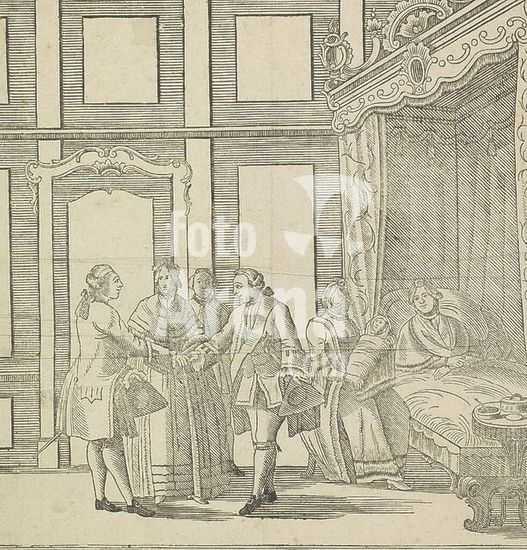
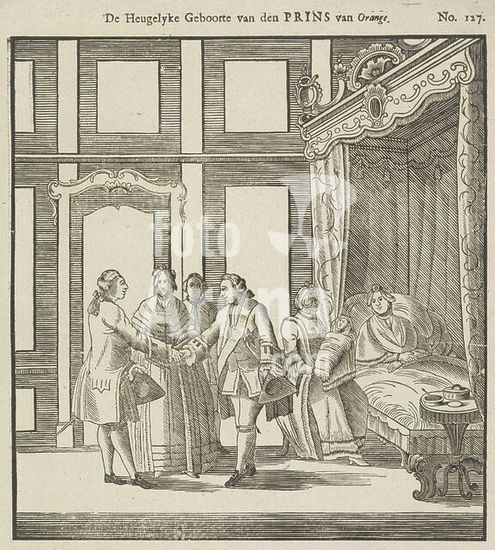
alb15751573 The Heugelyke Birth of the Prince of Orange (title on object), Sheet with a large representation of a bedroom where (presumably) William I Frederik was just born. In space, his father William V is being congratulated and his mother Wilhelmina of Prussia is in bed. Below the scene a twelve-line verse in three columns. Numbered top right: No. 127., print, print maker: anonymous, publisher: erven de Weduwe Jacobus van Egmont, (mentioned on object), print maker: Northern Netherlands, publisher: Amsterdam, 1761 - 1804, paper, letterpress printing, height, 387 mm × width, 296 mm.
DC
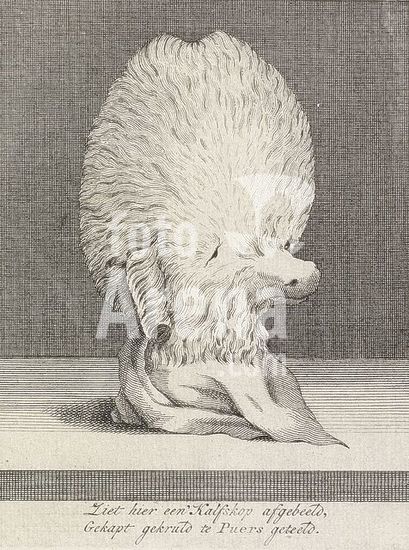
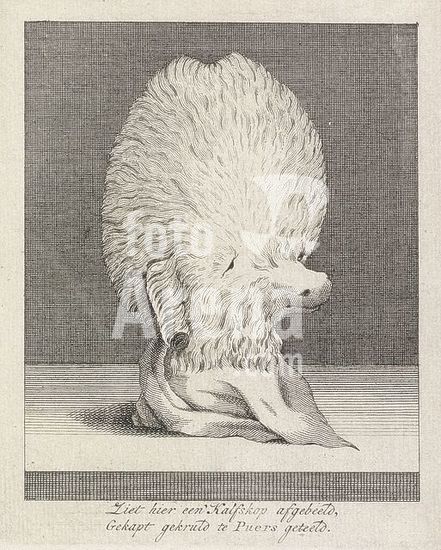
alb15756826 Calf's head with haircut, 1778, Depiction of a calf, grown with a haircut (title on object), A calf's head with fur resembling a haircut. Born in the village of Puers in Brabant on January 27, 1778. Satire on fashionable hairstyles in Brabant at this time. At the bottom a two-line verse., print, print maker: anonymous, Brussels, (possibly), 1778, paper, etching, engraving, height, 203 mm × width, 122 mm.
DC
alb15550482 Brussels, Image of a calf, bred with a hairstyle, Calf's head with hairstyle, 1778, verso - stamped, A calf's head with fur resembling a hairstyle. Born in the village of Puers in Brabant on 27 January 1778. Satire on fashionable hairstyles in Brabant at this time. At the bottom a two-line verse., print, prints, Frederik Muller Historieplaten, height 203 mm, width 122 mm, print maker, printmaker, 1778 - 1778, paper, papier, etching, etchings, engraving, engraving (printing process).
DC
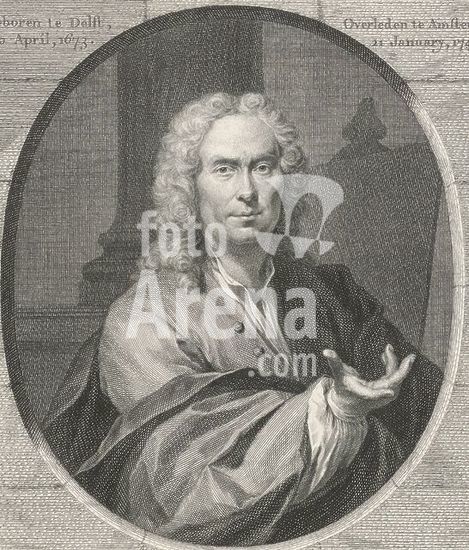
alb15541044 Feitama, Simon, Verkolje, Nicolaas, Amsterdam, Houbraken, Jacob, Nikolaas Verkolje, Portrait of Nicolaas Verkolje, verso - stamped, Half-length portrait to the right of Nicolaas Verkolje in an architectural oval, with a column and an easel behind him. Above the portrait are the name and details in three lines in Dutch and at the bottom a six-line verse in Dutch., print, prints, ro: J. Houbraken sculpsit Ao 1753, lo: Seipsum pinxit Ao1723, above the portrait: 'Nikolaas Verkolje'; left: 'Born in Delft, 11 April, 1673'; right: 'Died in Amsterd., 21 January, 1746'. Below the portrait a 6-line poem by S. feitama: ' Verkolje, famous everywhere for the first art scenes, The Founder of Pictuur's most charming trophy. Captivates, as with this print, our eyes with his panels, And caresses, yes steals the heart of every Protogen. Whoever takes Tyber, Seine and Timmer as an example, Our Amstel sees in him a Phoenix of the Apples'. above the portrait: 'Nikolaas Verkolje'; left: 'Born in Delft, 1673'; right: 'Died in Amsterdam, our eye with its panels, yes steals the heart of every Protogen. Whoever takes the Tyber, Seine and Tiber as an example, Our Amstel sees in him a Phoenix of the Apples'., height 201 mm, width 148 mm, Northern Netherlands, 1698-12-25 - 1780-11-14, print maker, printmaker, 1753 - 1753, paper, engraving, engraving (printing process), 1673-04-11 - 1746-01-21, after, after painting by, writer.
DC
alb15515493 Amsterdam, Egmont, Heirs of the Widow Jacobus van, The joyful birth of the prince of Orange, verso - stamped, Sheet with large image of a bedroom where (presumably) Willem I Frederik has just been born. In the room his father Willem V is being congratulated and his mother Wilhelmina of Prussia is lying in bed. Below the image a twelve-line verse in three columns. Numbered top right: No. 127., print, prent, volksprent, prints, prenten, volksprenten, verso - gestempeld, height 395 mm, width 311 mm, Publication (Event), Publicatie, Nederlands, publisher, uitgever, 1761 - 1804, paper, papier, houtsnede, letterpress printing, boekdruk, print maker, prentmaker.
DC
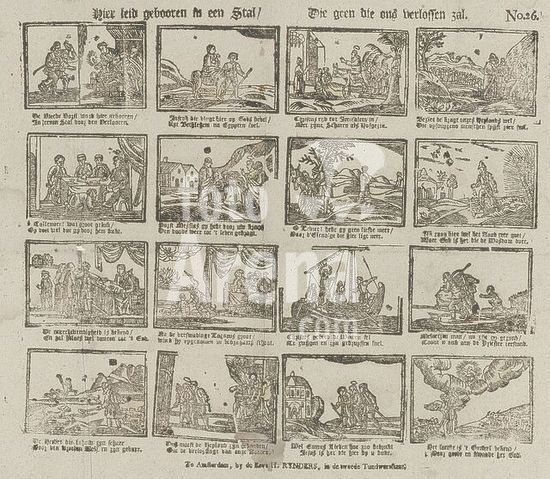
alb15518399 Netherlands, Amsterdam, Rynders, Erve H., Hier leid born in a stable, Die geen die ons vervrijen zal, verso - stamped, Sheet with 16 scenes from the life of Christ, such as the adoration by the shepherds and the flight into Egypt. A two-line verse below each image. Numbered top right: No. 26., print, engraving, volksprent, prints, engravings, volksprenten, height 309 mm, width 421 mm, Publication (Event), Publication, publisher, 1831 - 1854, paper, woodcut, letterpress printing, print maker, printmaker.
DC
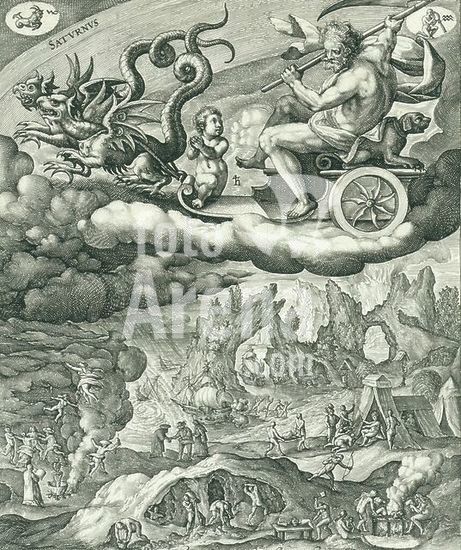
alb15530310 Passe, Crispijn van de (I), Vos, Maerten de, Keulen, Cathena Aurea Platonis, The seven planets, Satvrnvs, Saturnus, verso under - stamped, The god Saturnus as personification of the planet Saturn in a chariot drawn by dragons. In his hands he holds a scythe. In the upper corners the signs of the zodiac that symbolize his planetary children: Capricorn and Aquarius. Down on earth the people born under the influence of this planet are engaged in activities characteristic of these signs. In the margin a sixteen-line poem, in four columns, in Latin that refers to the metal lead that is associated with the planet Saturn., print, prints, height 235 mm, width 180 mm, 1564 - 1637, print maker, printmaker, 1589 - 1611, paper, papier, engraving, engraving (printing process), Work conception, Zuid-Nederlands, 1532 - 1603-12-04, after a design by, Publication (Event), Publication, publisher.
DC
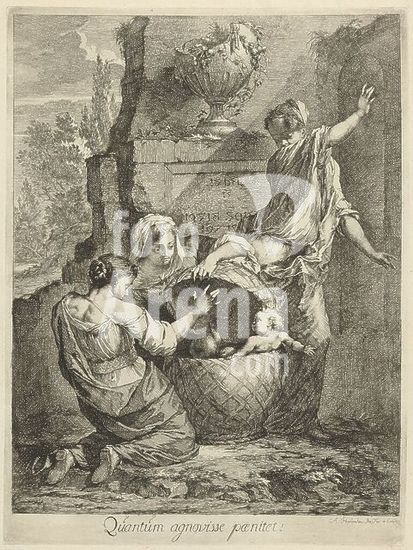
alb15508166 Dordrecht, Houbraken, Arnold, Amsterdam, Quantum agnovisse paenitet, Erichthonius found by the three daughters of Cecrops, verso lower left - stamped, Erichthonius, born from the spilled seed of Vulcan on Mother Earth and locked up in a basket by Minerva, is found by the three daughters of Cecrops, the king of Attica. The child has a snake's tail instead of legs, which gives the three daughters a great fright. Below the representation a line in Latin., print, prints, height 367 mm, width 276 mm, 1660-03-28 - 1719-10-14, print maker, printmaker, 1670 - 1719, paper, papier, etching, etsen, Work conception, after own design of, Publication (Event), Publication, publisher, uitgever, Publicatie.
DC
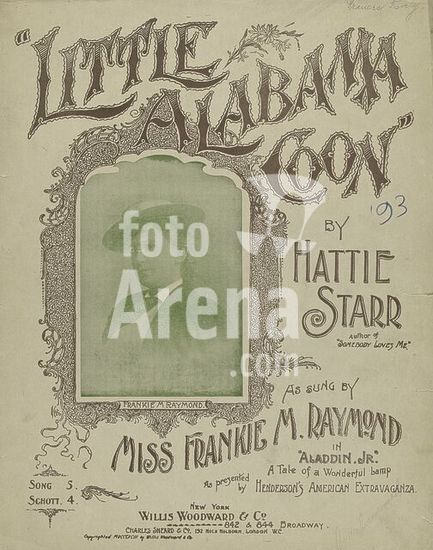
alb15434432 Little Alabama coon, 1893 - 1893, Additional title: Go to sleep my little picaninny, Brer' Fox 'll catch you if yo' don't. first line of chorus, Additional title: I's a little Alabama Coon! And I hasn't been born very long. first line, Date Issued: 1893, Place: New York, London, Publisher: Willis Woodward & Co., Charles Heard & Co., Songs, African Americans, Lullabies, Musicals, Extent: 1 score (8 p.), 35 cm., Coon's innocent sleep, Tricked by fox's cunning snare, Racialized song.
DC
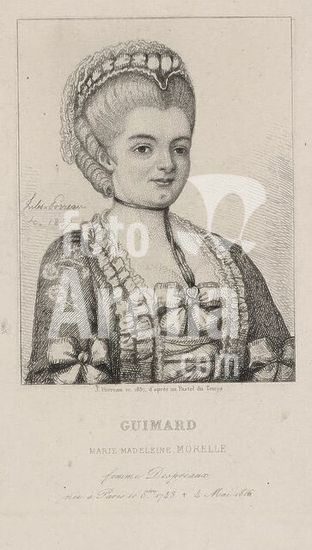
alb15430020 Guimard, Marie Madeleine Morelle, Despreaux woman, born in Paris 10 8bre 1743 died May 4, 1816, 1857, Additional title: Portrait, Date Issued: 1857, (Inferred), Place: Paris, Publisher: Vignères, ed'r. 1, rue Baillet, Issue: single unit, Guimard, Marie Madeleine, 1743-1816, Etchings, Extent: Etching in line border, border: 9.8 x 7.2 cm., Paris birthplace sweet, Line borders frame her face, Legacy remains.
DC
alb15468649 Amsterdam, Egmont, Heirs of the Widow Jacobus van, The joyful birth of the Prince of Orange, verso - stamped, Sheet with large image of a bedroom where (presumably) Willem I Frederik has just been born. In the room his father Willem V is being congratulated and his mother Wilhelmina of Prussia is lying in bed. Below the image a twelve-line verse in three columns. Numbered top right: No. 127., print, prent, volksprent, prints, prenten, volksprenten, height 416 mm, width 312 mm, Publication (Event), Publicatie, Nederlands, publisher, uitgever, 1761 - 1804, paper, papier, houtsnede, letterpress printing, boekdruk, print maker, prentmaker.
DC
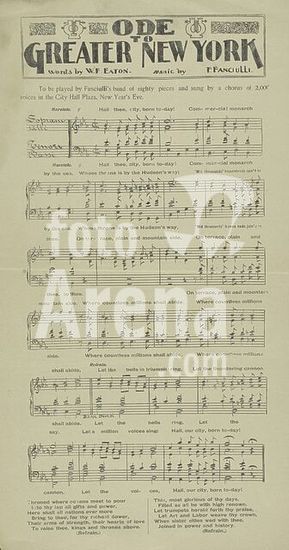
alb15418633 Ode to Greater New York, 1898 - 1898, Ode to Greater New York, Additional title: Hail thee, city born today! first line, Additional title: Let the bells in triumph ring. first line of chorus, Place: New York, Songs, New York (N.Y.), New Year, Marches (Voice with piano), Extent: 1 score (2 p.), 38 cm., Civic bells resound, Triumph's chorus fills the air, Greater New York born.
DC
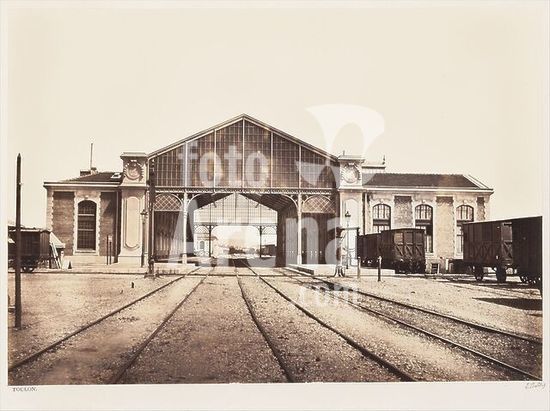
alb3625015 Toulon. Artist: Édouard Baldus (French, born Prussia, 1813-1889). Dimensions: Image: 30.7 x 43.6 cm (12 1/16 x 17 3/16 in.)Mount: 46 x 60.5 cm (18 1/8 x 23 13/16 in.). Date: ca. 1861.In July 1861 the Paris-Lyon-Méditerranée (PLM) Railroad commissioned Baldus to produce an album of views of the rail constructions and principal sites served by the line between Lyon, Marseille, and Toulon. In the album, Chemins de fer de Paris à Lyon et à la Méditerranée, Baldus intermixed his landscape and architectural images with bold, geometric views of the modern landscape-railroad tracks, stations, bridges, viaducts, and tunnels-effectively addressing the influence of technology (of which both the railroad and the camera were prime examples) on the world and its representation.In the final pair of images in the PLM album, Ollioules Gorge and Toulon, Baldus restated the central theme of the volume: wilderness and civilization-Nature and Man. Ollioules Gorge is barren and untamed landscape. By contrast, there is a highly rational order to the arrangement of space and structures in the album's final picture. The materials are iron and glass, dressed stone and brick. Everything is crisp, industrial, modern. Most dramatically, the tracks-the "great demarcation line between past and present," in the words of William Thackeray-race straight back through the station as if pointing toward Nice and the Italian frontier (lines already viewed as the next logical extension of the PLM network) and toward the future. Museum: Metropolitan Museum of Art, New York, USA.
DC
akg600551 Nazca Lines / Geoglyphs / Photo. Ancient Civilisations / Nazca culture /. Nazca Lines (200 BC); geoglyphs located in the Nazca Desert in southern Peru:. - Trapezoidal zone in the shape of a runway. / Length of figure over 400m. Aerial photograph (100% surcharge applies).
DC
akg600553 Nazca Lines / Geoglyphs / Photo. Ancient Civilisations / Nazca culture /. Nazca Lines (200 BC); geoglyphs located in the Nazca Desert in southern Peru:. Figure of a monkey with a spiralshaped tail. 90m long. Aerial photograph (100% surcharge applies).
DC
akg600552 Nazca Lines / Geoglyphs / Photo. Ancient Civilisations / Nazca culture /. Nazca Lines (200 BC); geoglyphs located in the Nazca Desert in southern Peru:. Trapezoidal zone, in the shape of a runway. Over 400m long. Aerial photograph. (100% surcharge applies).
DC
akg832565 Scharrbid der Nazca-Kultur 200 v.Chr.-600 n.Chr.) in der Wüste von Nazca-Palpa (Peru, Süderu, Costa) mit der Darstellung eines Affen mit einem Schwanz in Spiralform. Länge ca. 90 m. Ica, Museo Regional (Peru, Costa). Nazca lines of the Nazca civilization (200 BC-600 AC) in the desert of Nazca-Palpa showing an ape. Length c. 90 m. Ica, , , Peru.
DC
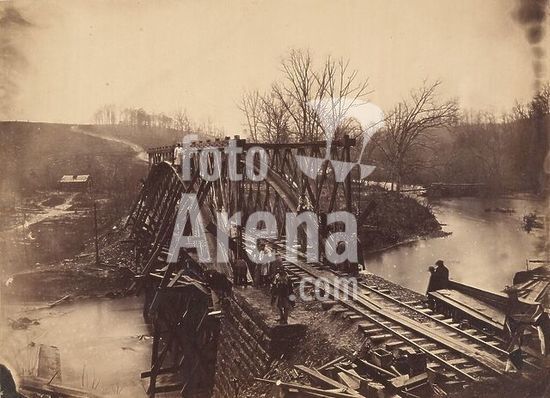
alb3618885 Part of Construction Corps Building New Military Truss Bridge Across Bull Run. Artist: Egbert Guy Fowx (American, born 1821). Dimensions: Image: 15 x 20.6 cm (5 7/8 x 8 1/8 in.)Mount: 19.9 x 25 cm (7 13/16 x 9 13/16 in.). Date: April 1863.In 1861, at the outbreak of the Civil War, Fowx left his portrait studio in Baltimore, Maryland, and joined Mathew Brady's corps of photo-graphers documenting the War Between the States. In 1863, along with many other cameramen, he would leave Brady's employ to work exclusively for Alexander Gardner, Brady's former studio manager. This photograph is typical of Fowx's wartime photographs and shows engineering repairs on the famous Orange & Alexandria Railroad bridge over Bull Run creek, near Union Mills, Virginia.In every war, the efficient movement of troops, ammunition, provisions, and information to the front lines is the responsibility of military tacticians working alongside military engineers. During the Civil War, the efficient operation of the railroads and the adept repair of bridges were of critical importance to both sides of the conflict. One of the many engineering innovations of the period was the use by the United States Military Railroad Construction Corps of portable bridge trusses that could be constructed in distant carpenter shops and shipped by train to wherever the army needed them. The Corps got much of its training at this Bull Run bridge, which was destroyed seven times during the war. The final destruction was not caused by the Confederates but by a particularly brutal springtime flood. Museum: Metropolitan Museum of Art, New York, USA.
DC
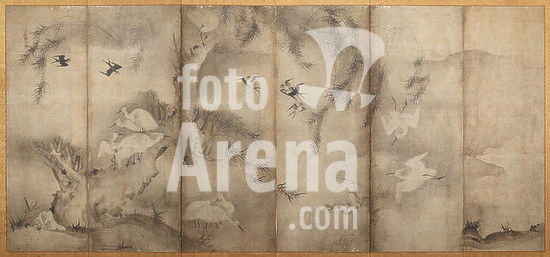
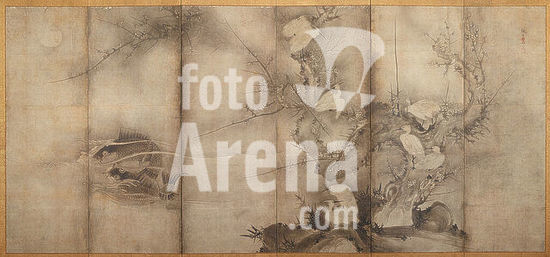
alb9509362 Egrets in Willow left of the pair Egrets in Plum and Willow, second half 16th century, Sesson Shkei, Japanese, 1504 - 1589, 69 1/4 x 24 in. (175.9 x 60.96 cm) (each fold), Ink on paper, Japan, suiboku-ga, Born in remote eastern Japan, far from the cultural center of Kyoto, Sesson Shkei taught himself to paint by studying the brush styles of earlier Chinese and Japanese masters, whose works were held in many old collections in the region. These screens reveal his keen interest in the Chinese Zen painter-monk Muqi (c. 1210after 1269). Of the dozens of extant paintings by Sesson, a Zen priest himself, none so clearly attests to his admiration for Muqi as this misty, moonlit scene of herons cavorting around a gnarled old plum tree and willow. Using the so-called 'boneless' technique for which Muqi was famous, Sesson avoided contour lines, relying instead on soft washes of ink. He also borrowed several motifs directly from paintings by Muqi. Indeed, this pair of screens is as much a visual eulogy to the Chinese master as they are an evocative picture of auspicious bird and trees.
DC
alb9499696 A Confucian principle, 1771, Itsuzan, Japanese, 1702 - 1778, 44 × 5 3/4 in. (111.76 × 14.61 cm) (image), Ink on paper, Japan, Seal script (tensho), Born in Osaka, Itsuzan studied seal script and seal carving and presented his findings to the government at the early age of 16. In 1738 he became a Buddhist monk and around ten years later moved to Nagasaki to study the colorful Chinese bird and flower painting style. In 1757 he settled down at a temple in Kyoto where he responded to the many requests for his painting and calligraphy. This single line of seal script is from this later period and is based off of Confucian teachings.
DC
alb9493741 Vessel in the Form of a Fish, c. 100 BCE - 600 CE, 5 3/8 x 8 1/4 x 4 in. (13.7 x 21.0 x 10.2 cm), Clay, pigments, Peru, 1st century BCE - 7th century CE, Nazca artists are known for their bold, colorful designs. Although they were acute observers of the world around them and depicted many plants and animals in their work, they seemed concerned less with naturalism than with capturing the spirit and liveliness of their subject matter. This fish is highly stylized, with scales suggested by brush strokes, and gills through sweeping lines. It is rounded and fat, attesting to flush times and an abundance of food. Fish were a key component of the Nazca diet and were often shown in their art.
DC
alb9474760 Sheet with 12 representations of vehicles, hunters and fishermen. Below each image a four-line verse. Numbered top left: No. 20., See dear little ones, if you like this work, / Then you will be offered this print out of friendship. / The love of art, oh little one, stands you in good stead, / From a small beginning, greater things are born., publisher: Jan Hendriksen, (mentioned on object), print maker: anonymous, Rotterdam, 1781 - 1828, paper, letterpress printing, h 397 mm × w 316 mm.
DC
alb9455006 Egrets in Plum right of the pair Egrets in Plum and Willow, second half 16th century, Sesson Shkei, Japanese, 1504 - 1589, 69 1/4 x 24 in. (175.9 x 60.96 cm) (each fold), Ink on paper, Japan, 16th century, Born in remote eastern Japan, far from the cultural center of Kyoto, Sesson Shkei taught himself to paint by studying the brush styles of earlier Chinese and Japanese masters, whose works were held in many old collections in the region. These screens reveal his keen interest in the Chinese Zen painter-monk Muqi (c. 1210after 1269). Of the dozens of extant paintings by Sesson, a Zen priest himself, none so clearly attests to his admiration for Muqi as this misty, moonlit scene of herons cavorting around a gnarled old plum tree and willow. Using the so-called 'boneless' technique for which Muqi was famous, Sesson avoided contour lines, relying instead on soft washes of ink. He also borrowed several motifs directly from paintings by Muqi. Indeed, this pair of screens is as much a visual eulogy to the Chinese master as they are an evocative picture of auspicious bird and trees.
DC
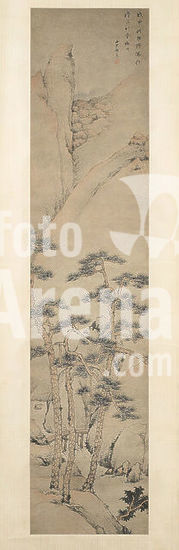
alb9441684 Landscape at Han River Bamboo Hall, 1668, Zhu Chang, Chinese, died 1678, H.65-11/16 x W.14-13/16 in. (image), Ink and color on paper, China, 17th century, Born in Anhui province, Zhu Chang lived mostly in neighboring Xin'an. While there, he studied with Hongren (1616-1663), the central figure of the Anhui or Xin'an school of painting. It was from that renowned master that Zhu learned the basics of his own technique and style. This scroll features the rectilinear and multi-faceted cliffs and elongated spreading pines characteristic of the famous Huangshan mountains of Anhui province. The linear, rather spare style capturing the fissured forms and surfaces of the rocks and trees, owes a great deal to Hongren as well as to the solitary nature of Zhu's own personality. Zhu is also said to have studied and copied works by various Yuan dynasty masters: their influence is observed in the extreme degree of simplification in his sparse landscape paintings.
DC
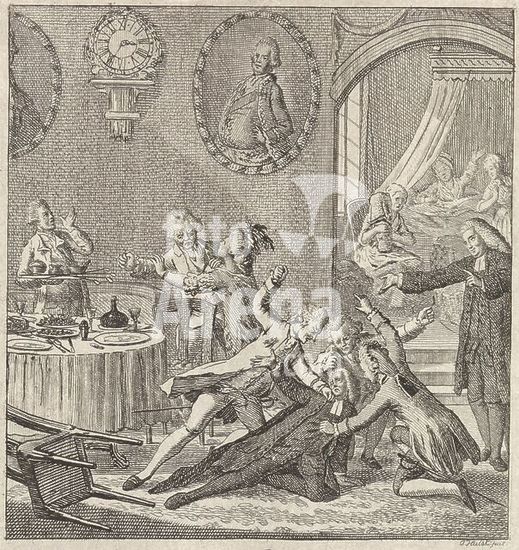
alb9410545 Abuse of Pastor Langerak from Laren in the House of Netelhorst near Lochum by Baron van Heeckeren, the Lochum mayor Doctor de Wolf and Mr Sölner. The preacher was mistreated for refusing to drink to the health of the Duke of Brunswick at the baptismal feast of Baron van Heeckeren's son, born on 14 June. Preacher Abbink from Lochum stands to the right of the fighting people. On the right one looks into the maternity ward where Mrs van Heeckeren is lying in bed and a sitting woman is holding the newborn son. Beneath an eight-line text in Dutch, Abuse of preacher Langerak in the House of Netelhorst near Lochum., print maker: Joannes Hulstkamp, (mentioned on object), bookseller: D. de Vries, (mentioned on object), print maker: Rotterdam, bookseller: Delfshaven, 1784 - 1786, paper, etching, h 138 mm × w 100 mm.
DC
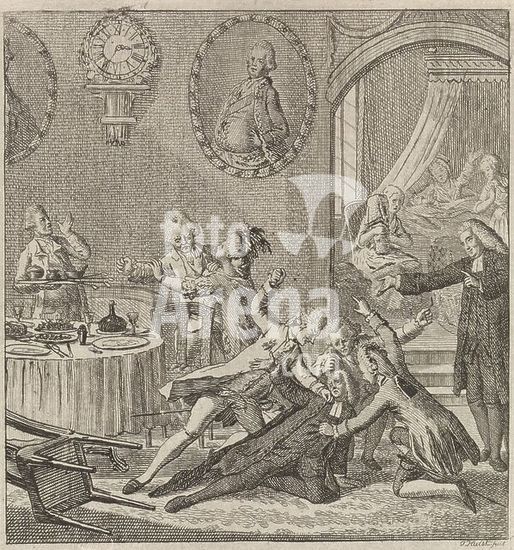
alb9408976 Ill-treatment of pastor Langerak from Laren in the house Netelhorst near Lochum by Baron van Heeckeren, the Lochum mayor doctor de Wolf and Mr. Sölner. The preacher was mistreated for refusing to drink to the health of the Duke of Brunswick at the baptismal feast of Baron van Heeckeren's son, born on June 14. Preacher Abbink from Lochum stands to the right of the fighting people. On the right one looks into the maternity ward where Mrs. van Heeckeren is lying in bed and a sitting woman is holding the newborn son. Beneath an eight-line text in Dutch, Mishandeling te Lochum., print maker: Joannes Hulstkamp, (mentioned on object), bookseller: D. de Vries, (mentioned on object), print maker: Rotterdam, bookseller: Delfshaven, 1784 - 1786, paper, etching, h 138 mm × w 100 mm.
DC
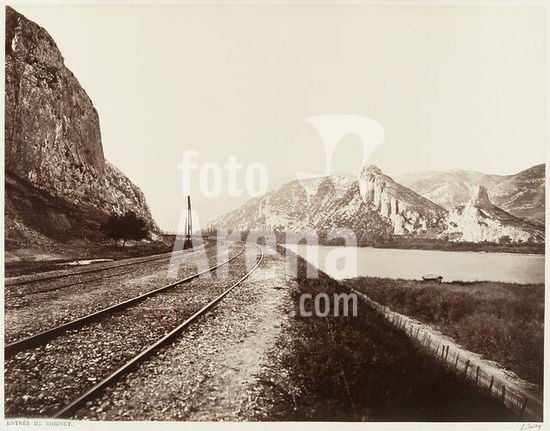
alb3623528 Entrée du Robinet. Artist: Édouard Baldus (French, born Prussia, 1813-1889). Dimensions: Image: 33.3 x 43.2 cm (13 1/8 x 17 in.)Mount: 46 x 60.5 cm (18 1/8 x 23 13/16 in.)Mat: 62.9 x 72.4 cm (24 3/4 x 28 1/2 in.). Date: ca. 1861.In July 1861 the board of directors for the southern region of the Paris-Lyon-Méditerranée Railroad commissioned Baldus to produce an album of views of the rail constructions and principal sites served by the line between Lyons, Marseilles, and Toulon. This line, especially the section linking Lyons and Avignon, followed trade routes established in antiquity alongside the Rhône, the most powerful river in France, whose strong current made navigation always difficult and perilous, and at times impossible.Perched on the very edge of the roadbed, Baldus photographed the track and the telegraph lines that ran parallel to it as they skirted along the east bank of the river at the Donzère Pass, the northern entrance to Provence. The ease with which the smooth rails recede into the distance and curve gently around the rugged cliff wall is an apt pictorial expression of the mastery of modern engineering over time and space.The photograph appears in the album "Chemins de fer de Paris à Lyon et à la Méditerranée.". Museum: Metropolitan Museum of Art, New York, USA.
DC
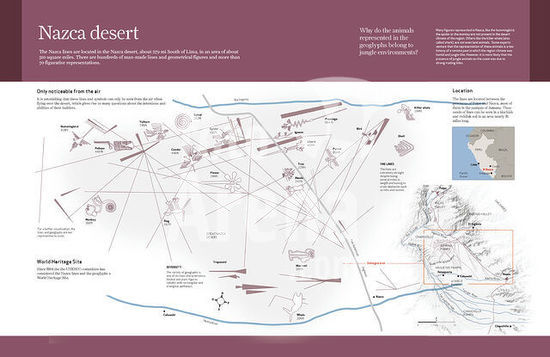
alb2268562 Computer graphics about Nazca desert, Peru, where there are huge geoglyphs which purpose is still unknown. [QuarkXPress (.qxp); 4960x3188].
DC
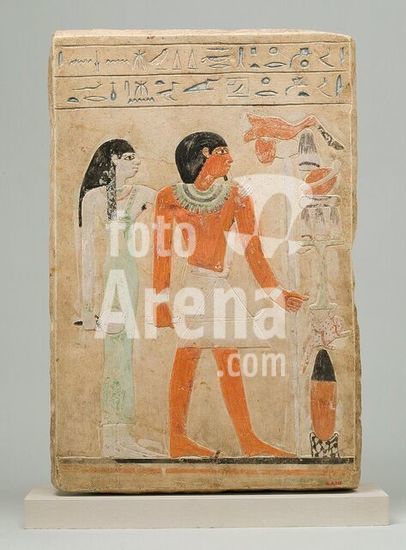
alb3606586 Stela of Dedu. Dimensions: H. 38 cm (14 15/16 in); W. 25 cm (9 13/16 in). Dynasty: end of Dynasty 11 - beginning of Dynasty 12. Date: ca. 2000-1952 B.C..The two lines of inscription at the top of this rectangular stela indicate that the monument belongs to a man named Dedu, born of Seni, and his wife Sitsobek, born of Nefret. In the center of the large scene, Dedu is shown striding forward over the ground line that is painted in three colors like a wall dado. He holds a long walking stick in one hand and carries a shorter stave with an upturned end in the other. His jet black hair is short, he sports a small goatee on his chin, and he wears an ornate broad collar, bracelets, and a short kilt with a triangular front panel. Sitsobek stands to the left, placing one hand on her husband's shoulder and holding a mirror with a papyrus-shaped handle in the other. Her long tripartite hair is as black as Dedu's, and she is shown wearing a green close-fitting dress with a single shoulder strap. A broad collar, bracelets, and anklets complete her attire. In front of Dedu and Sitsobek are food offerings, starting at the bottom with a large pottery beaker capped with a conical stopper and placed on a low stand, which is painted in a mottled pattern perhaps to imitate diorite. Above the vessel are a plucked duck and a green table laden with loaves of bread and various cuts of meat. Although the items appear to float vertically, they are meant to be seen as arranged side by side. The low flat raised relief style seen on this stela is characteristic of the period of transition between Dynasty 11 and Dynasty 12. Museum: Metropolitan Museum of Art, New York, USA.
DC
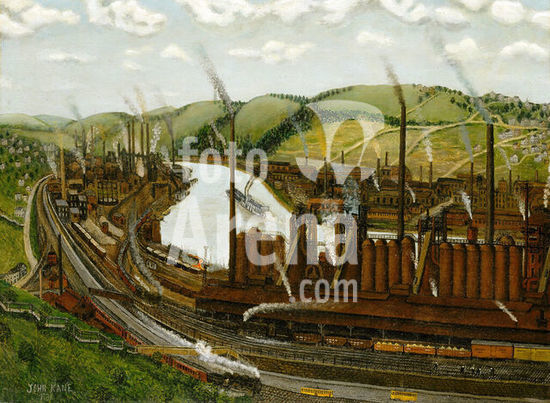
alb3665339 The Monongahela River Valley, Pennsylvania. Artist: John Kane (America, West Calder, Scotland 1860-1934 Pittsburg, Pennsylvania). Dimensions: 28 x 38 in. (71.1 x 96.5 cm). Date: 1931.John Kane was born of Irish parentage in West Calder, Scotland. At the age of nineteen he came to America, eventually taking up residence in Pittsburgh, Pennsylvania, a city famous for its steel refineries. About 1897, while working as a laborer, Kane began to dabble in painting. Since he could not afford the expense of art school, Kane was self-taught, and his style has been variously classified as "naïve," "primitive," and "folk art," a genre that gained critical acceptance in the 1920s and 1930s. "The Monongahela River Valley, Pennsylvania" is one of several paintings by Kane that celebrate the ever-growing industrialization of the American landscape during the 1930s. He was intimately acquainted with Pittsburgh's heavy industries, having worked for both the steel industry and the railroad. Despite the loss of part of a leg in a railroad-related accident, his enthusiasm for Pittsburgh's industry and landscape was never extinguished. The scene represented by the painting fairly hums with activity. Four railroad trains, one clearly marked with the name of the local rail line, Baltimore and Ohio, pass swiftly along an intricate maze of tracks, while nearby trolley cars and boxcars wait for clear passage. Echoing this movement is a large paddle-wheel steamboat pushing a barge upriver. On either side of the meandering river, the dark buildings of the steel mills spread across the landscape, their billowing smokestacks lending vertical accents to the horizontal composition. Although Kane is known for his portraits of both himself and others, people play a subordinate role in this particular landscape. Here a railroad crew is dwarfed by the enormous buildings and vast network of tracks. Only the serene rural landscape, seen in the background, competes with the industrial foreground for the viewer's attention. Kane treats these divergent landscapes with equal admiration, finding beauty in both. . Museum: Metropolitan Museum of Art, New York, USA.
DC
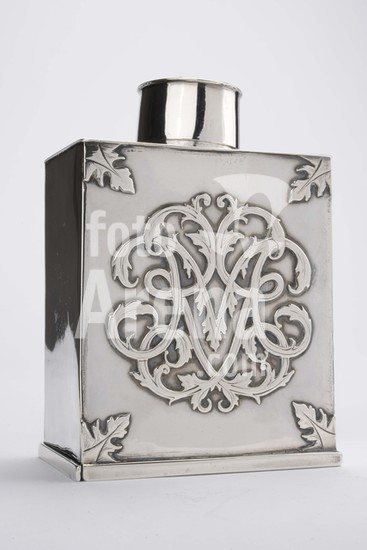
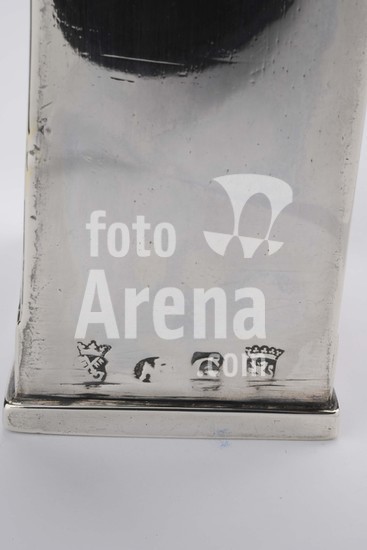
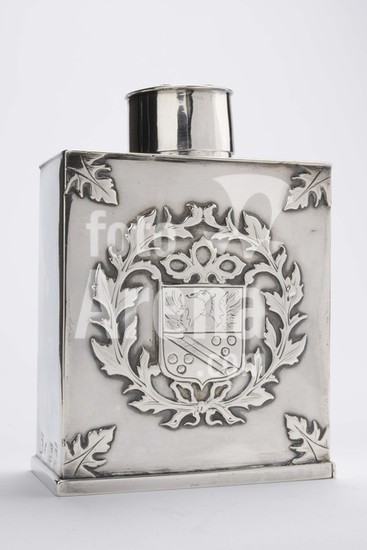
alb5195487 tea caddy, Abraham van den Bergh, 1693, driven, Total: 10.7 x 7.8 x 4.2cm (107 x 78 x 42mm), Bus: 10.3 x 7.8 x 4.2cm (103 x 78 x 42mm), Lid: 2 x 2.9cm (20 x 29mm), family crest, Silver rectangular tea caddy with on one side the crest of the Grommee or Grommaeus family, consisting of a horizontally sectioned shield, with an eagle in the upper part and under a sloping tube with three pearls on either side. The shield is lined with leaf tendrils. On the other side of the tea caddy the mirror monogram M.G. Possibly of Mauritius Grommee, born in Leiden 1662 as son of the Walloon minister Isaacq Grommée, died in The Hague 1731. Or of his sister Maria Grommée, born in Leiden 1667 and died in The Hague 1713. On both sides on the four corners a half oak leaf. The sides are not decorated. The tea caddy has a raised circular cap with a leaf motif as decoration. The bottom consists of a loose plate that can be pushed forward to fill the can. Marked on the side, 1978.
DC
alb5184885 tea caddy, Abraham van den Bergh, 1693, driven, Total: 10.7 x 7.8 x 4.2cm (107 x 78 x 42mm), Bus: 10.3 x 7.8 x 4.2cm (103 x 78 x 42mm), Lid: 2 x 2.9cm (20 x 29mm), family crest, Silver rectangular tea caddy with on one side the crest of the Grommee or Grommaeus family, consisting of a horizontally sectioned shield, with an eagle in the upper part and under a sloping tube with three pearls on either side. The shield is lined with leaf tendrils. On the other side of the tea caddy the mirror monogram M.G. Possibly of Mauritius Grommee, born in Leiden 1662 as son of the Walloon minister Isaacq Grommée, died in The Hague 1731. Or of his sister Maria Grommée, born in Leiden 1667 and died in The Hague 1713. On both sides on the four corners a half oak leaf. The sides are not decorated. The tea caddy has a raised circular cap with a leaf motif as decoration. The bottom consists of a loose plate that can be pushed forward to fill the can. Marked on the side, 1978.
DC
alb5178005 tea caddy, Abraham van den Bergh, 1693, driven, Total: 10.7 x 7.8 x 4.2cm (107 x 78 x 42mm), Bus: 10.3 x 7.8 x 4.2cm (103 x 78 x 42mm), Lid: 2 x 2.9cm (20 x 29mm), family crest, Silver rectangular tea caddy with on one side the crest of the Grommee or Grommaeus family, consisting of a horizontally sectioned shield, with an eagle in the upper part and under a sloping tube with three pearls on either side. The shield is lined with leaf tendrils. On the other side of the tea caddy the mirror monogram M.G. Possibly of Mauritius Grommee, born in Leiden 1662 as son of the Walloon minister Isaacq Grommée, died in The Hague 1731. Or of his sister Maria Grommée, born in Leiden 1667 and died in The Hague 1713. On both sides on the four corners a half oak leaf. The sides are not decorated. The tea caddy has a raised circular cap with a leaf motif as decoration. The bottom consists of a loose plate that can be pushed forward to fill the can. Marked on the side, 1978.
DC
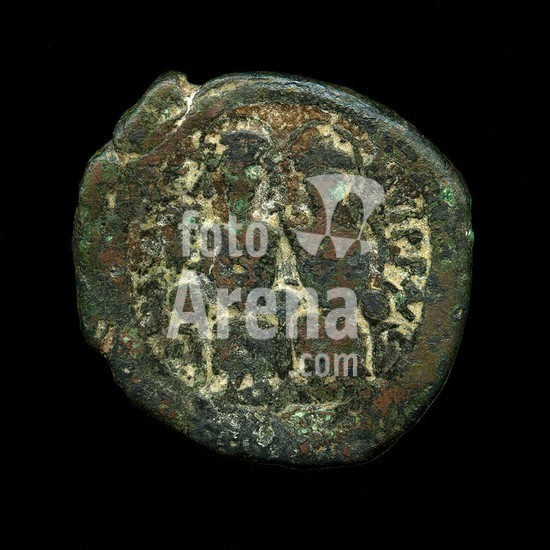
alb5147333 Follis Iustinus II, G bronze, embossed, bronze, Total: Diameter: 2.8 cm, Inscription: X, coins, portrait of ruler, state portrait, emperor, late antiquity, The obverse of the follis shows the enthroned imperial couple with an inwardly directed inscription all around. Iustinus II sits on the left; in his right hand he holds the globe with the cross. His wife Sophia sits on the right, holding a scepter in her hand. Both heads are surrounded by a nimbus. On the reverse side (lapel) is the MY token, in the lower section separated by a line is the mint NIKO(medeia). Above the stamp there is a cross, below it the Officina stamp B. On the left side the letters AN(no) (in the year) are still preserved, but the date is missing on the right side. Flavius Iustinus, born in 520 A.D, was the Eastern Roman emperor from 14 November 565 to 5 October 578. His wife Sophia was a niece of the emperor's wife Theodora, who died in 548 AD. During the reign of Iustinus II, the Longobards invaded Italy in 568 A.D. According to written sources, the emperor showed signs of serious mental illness from the beginning of 574 A.D. While some sources attributed the illness to military setbacks in the West and East, the Monophysite saw it as a divine punishment for the Emperor's religious policy.
DC

Total de Resultados: 166

Página 1 de 2