















































Quino
Liniers
Tute
Album
Akg
Magnum Photos
THE NEW YORK TIMES
Fotoarena
Researchers
Bridgeman
Granger
Verger
Minden
Interfoto
Science Source
Zuma
Universal
Everett
Nature
Newscom
DPA
Sipa
Glasshouse Images
Deposit
Quadrinhos
Saulo
Rita
Reuters Pictures
Science Photo Library
ImageBROKER
Angeli
Cagle Cartoons
Fabiane Langona
Caia Image
Almir Almeida
Márcio Pannunzio
María Verónica
André Barroso
PA Images
Ani Ganzala
Caloi
Ingran
British Museum
Allan Sieber
Angel Boligán
Adão Iturrusgarai
Claudia Liz
Cassio Vasconcellos
Flávio Cannalonga
Alamy
SPP
Robert Harding
TopFoto
Nando Motta
Ciro Fernandes
African Pictures

Busque também em nossas outras coleções:

Tipo de licença

Tipo de uso

Pauta

Agência

Fotógrafo
ver mais opções...

Estado
ver mais opções...

Cidade
ver mais opções...

Local
ver mais opções...

Orientação

Coleção

Total de Resultados: 10.000

Página 1 de 100

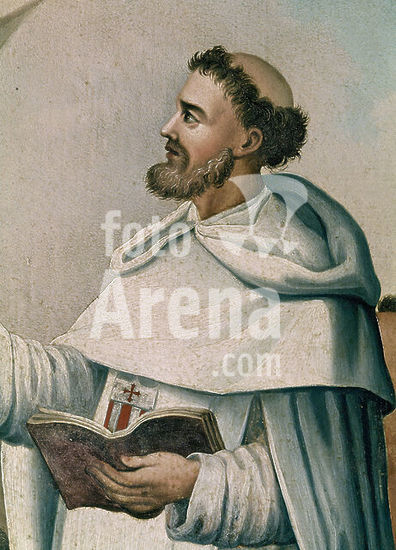
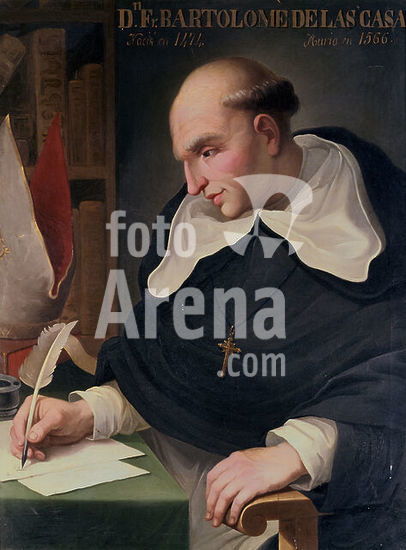
orz003829 First priest in America. Oil on canvas. 20th century. Sevilla, Colombian Library. Author: ANONYMOUS. Location: BIBLIOTECA COLOMBINA. Sevilla. Seville. SPAIN. BARTOLOME DE LAS CASAS. FRAY BARTOLOME DE LAS CASAS. CASAS FRAY BARTOLOME.
DC
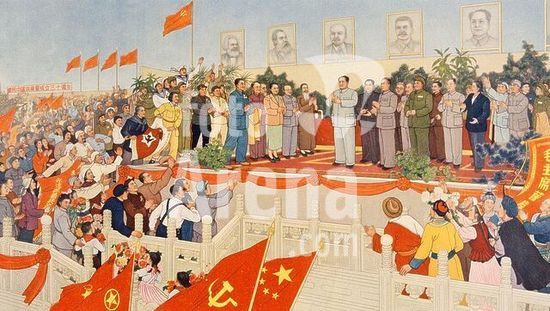
akg123368 Zedong, Mao, 1893 - 1976, Chinese Communist revolutionary and the founding father of the People's Republic of China, which he governed as Chairman of the Communist Party of China from its establishment in 1949 until his death in 1976. Party event with Mao. Chinese colour print, unsigned. Author: ANONYMOUS.
DC
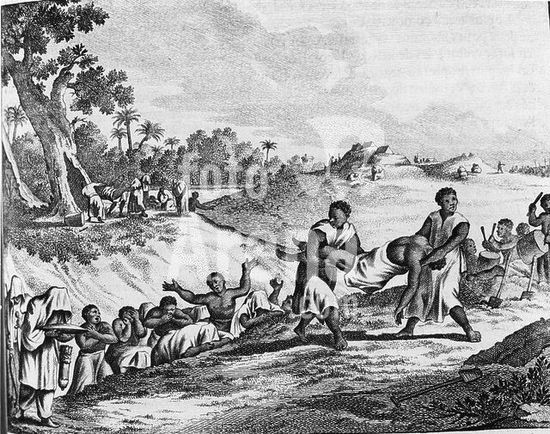
akg530588 Ethnology / Africa:. - "Du Royaume de Zenega / Funerailles". (Burial ceremony in Senegal). Copper engraving, unsigned. From: Olfert Dapper, Description de l'Afrique, Traduite du Flamand, Amsterdam (Wolfgang, Waesberge, Boom & van Someren) 1686, P. 235. Colour added later. Author: ANONYMOUS.
DC
akg127308 Ethnology / Africa. "Du Royaume de Zenega / Funerailles" (Funeral of the death at Senegal). Copper engraving, undated. From: Olfert Dapper, Description de l'Afrique, Traduite du Flamand, Amsterdam (Wolfgang, Waesberge, Boom & van Someren) 1686, p. 235. Author: ANONYMOUS.
DC
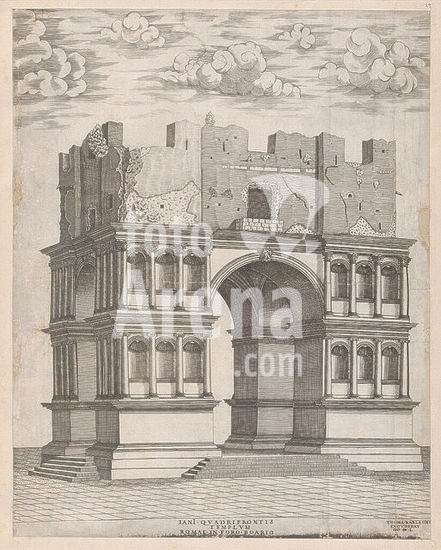
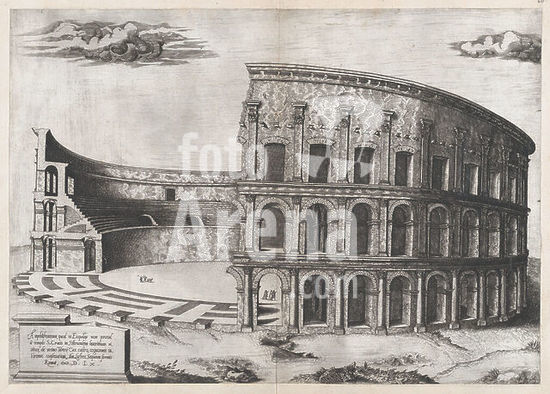
alb3681789 Speculum Romanae Magnificentiae: Temple of Janus. Artist: Anonymous. Dimensions: sheet: 22 1/8 x 16 3/4 in. (56.2 x 42.6 cm)plate: 17 11/16 x 13 7/8 in. (45 x 35.2 cm). Publisher: Tommaso Barlacchi (active Rome, 1541-50). Series/Portfolio: Speculum Romanae Magnificentiae. Date: 1550.This print comes from the museum's copy of the Speculum Romanae Magnificentiae (The Mirror of Roman Magnificence) The Speculum found its origin in the publishing endeavors of Antonio Salamanca and Antonio Lafreri. During their Roman publishing careers, the two foreign publishers - who worked together between 1553 and 1563 - initiated the production of prints recording art works, architecture and city views related to Antique and Modern Rome. The prints could be bought individually by tourists and collectors, but were also purchased in larger groups which were often bound together in an album. In 1573, Lafreri commissioned a title page for this purpose, which is where the title 'Speculum Romanae Magnificentiae' first appears. Lafreri envisioned an ideal arrangement of the prints in 7 different categories, but during his lifetime, never appears to have offered one standard, bound set of prints. Instead, clients composed their own selection from the corpus to be bound, or collected a group of prints over time. When Lafreri died, two-third of the existing copper plates went to the Duchetti family (Claudio and Stefano), while another third was distributed among several publishers. The Duchetti appear to have standardized production, offering a more or less uniform version of the Speculum to their clients. The popularity of the prints also inspired other publishers in Rome to make copies however, and to add new prints to the corpus. The museum's copy of the Speculum entered the collection as a group of 3 albums with inlaid engravings and etchings. The prints have since been removed, but the original place of each print within the album is contained in the accession number: 41.72(volume.place).Originally volume 1, plate 29 in the scrapbook. Museum: Metropolitan Museum of Art, New York, USA.
DC
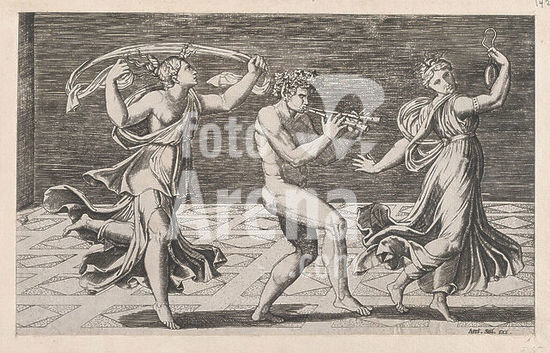
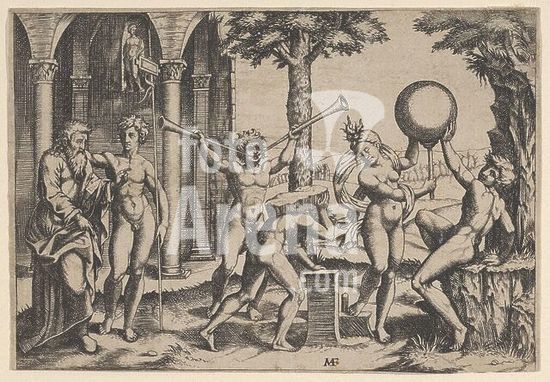
alb3683422 Speculum Romanae Magnificentiae: Dance of Fauns and Bacchants. Artist: Anonymous; After Agostino Veneziano (Agostino dei Musi) (Italian, Venice ca. 1490-after 1536 Rome). Dimensions: sheet: 6 7/8 x 11 in. (17.5 x 28 cm)mount: 10 13/16 x 15 9/16 in. (27.5 x 39.5 cm). Publisher: Antonio Salamanca (Salamanca 1478-1562 Rome). Series/Portfolio: Speculum Romanae Magnificentiae. Date: early 16th century.This print comes from the museum's copy of the Speculum Romanae Magnificentiae (The Mirror of Roman Magnificence) The Speculum found its origin in the publishing endeavors of Antonio Salamanca and Antonio Lafreri. During their Roman publishing careers, the two foreign publishers - who worked together between 1553 and 1563 - initiated the production of prints recording art works, architecture and city views related to Antique and Modern Rome. The prints could be bought individually by tourists and collectors, but were also purchased in larger groups which were often bound together in an album. In 1573, Lafreri commissioned a title page for this purpose, which is where the title 'Speculum Romanae Magnificentiae' first appears. Lafreri envisioned an ideal arrangement of the prints in 7 different categories, but during his lifetime, never appears to have offered one standard, bound set of prints. Instead, clients composed their own selection from the corpus to be bound, or collected a group of prints over time. When Lafreri died, two-third of the existing copper plates went to the Duchetti family (Claudio and Stefano), while another third was distributed among several publishers. The Duchetti appear to have standardized production, offering a more or less uniform version of the Speculum to their clients. The popularity of the prints also inspired other publishers in Rome to make copies however, and to add new prints to the corpus. The museum's copy of the Speculum entered the collection as a group of 3 albums with inlaid engravings and etchings. The prints have since been removed, but the original place of each print within the album is contained in the accession number: 41.72(volume.place).Originally volume 2, plate 142 in the scrapbook. Museum: Metropolitan Museum of Art, New York, USA.
DC
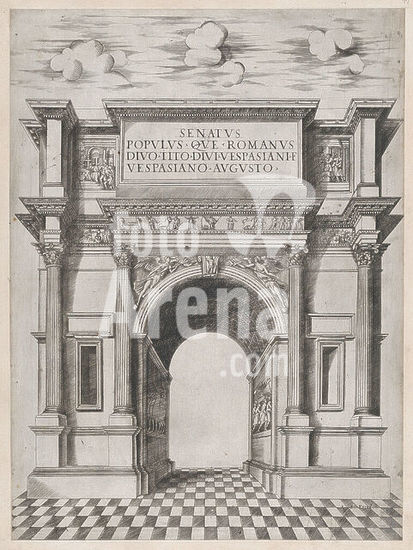
alb3684074 The Arch of Titus Speculum Romanae Magnificentiae). Artist: Anonymous. Dimensions: sheet: 17 15/16 x 13 1/4 in. (45.5 x 33.7 cm)mount: 22 1/16 x 16 7/8 in. (56 x 42.8 cm). Publisher: Antonio Salamanca (Salamanca 1478-1562 Rome). Series/Portfolio: Speculum Romanae Magnificentiae. Date: ca. 1540-1560.This print comes from the museum's copy of the Speculum Romanae Magnificentiae (The Mirror of Roman Magnificence) The Speculum found its origin in the publishing endeavors of Antonio Salamanca and Antonio Lafreri. During their Roman publishing careers, the two foreign publishers - who worked together between 1553 and 1563 - initiated the production of prints recording art works, architecture and city views related to Antique and Modern Rome. The prints could be bought individually by tourists and collectors, but were also purchased in larger groups which were often bound together in an album. In 1573, Lafreri commissioned a title page for this purpose, which is where the title 'Speculum Romanae Magnificentiae' first appears. Lafreri envisioned an ideal arrangement of the prints in 7 different categories, but during his lifetime, never appears to have offered one standard, bound set of prints. Instead, clients composed their own selection from the corpus to be bound, or collected a group of prints over time. When Lafreri died, two-third of the existing copper plates went to the Duchetti family (Claudio and Stefano), while another third was distributed among several publishers. The Duchetti appear to have standardized production, offering a more or less uniform version of the Speculum to their clients. The popularity of the prints also inspired other publishers in Rome to make copies however, and to add new prints to the corpus. The museum's copy of the Speculum entered the collection as a group of 3 albums with inlaid engravings and etchings. The prints have since been removed, but the original place of each print within the album is contained in the accession number: 41.72(volume.place).Originally volume 1, plate 77 in the scrapbook. Museum: Metropolitan Museum of Art, New York, USA.
DC
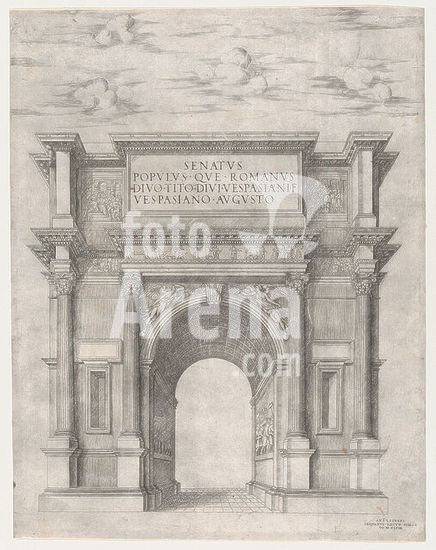
alb3673195 Speculum Romanae Magnificentiae: Arch of Titus. Artist: Anonymous. Dimensions: sheet: 18 7/8 x 14 5/8 in. (48 x 37.2 cm). Publisher: Antonio Lafreri (French, Orgelet, Franche-Comte ca. 1512-1577 Rome). Series/Portfolio: Speculum Romanae Magnificentiae. Date: 1558.This print comes from the museum's copy of the Speculum Romanae Magnificentiae (The Mirror of Roman Magnificence) The Speculum found its origin in the publishing endeavors of Antonio Salamanca and Antonio Lafreri. During their Roman publishing careers, the two foreign publishers - who worked together between 1553 and 1563 - initiated the production of prints recording art works, architecture and city views related to Antique and Modern Rome. The prints could be bought individually by tourists and collectors, but were also purchased in larger groups which were often bound together in an album. In 1573, Lafreri commissioned a title page for this purpose, which is where the title 'Speculum Romanae Magnificentiae' first appears. Lafreri envisioned an ideal arrangement of the prints in 7 different categories, but during his lifetime, never appears to have offered one standard, bound set of prints. Instead, clients composed their own selection from the corpus to be bound, or collected a group of prints over time. When Lafreri died, two-third of the existing copper plates went to the Duchetti family (Claudio and Stefano), while another third was distributed among several publishers. The Duchetti appear to have standardized production, offering a more or less uniform version of the Speculum to their clients. The popularity of the prints also inspired other publishers in Rome to make copies however, and to add new prints to the corpus. The museum's copy of the Speculum entered the collection as a group of 3 albums with inlaid engravings and etchings. The prints have since been removed, but the original place of each print within the album is contained in the accession number: 41.72(volume.place).Originally volume 1, plate 76 in the scrapbook. Museum: Metropolitan Museum of Art, New York, USA.
DC
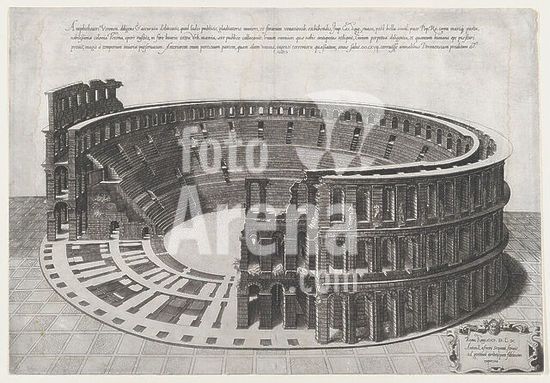
alb3677469 Speculum Romanae Magnificentiae: Amphitheater at Verona. Artist: Anonymous. Dimensions: sheet: 13 1/8 x 19 1/16 in. (33.4 x 48.4 cm). Publisher: Antonio Lafreri (French, Orgelet, Franche-Comte ca. 1512-1577 Rome). Series/Portfolio: Speculum Romanae Magnificentiae. Date: 1560.This print comes from the museum's copy of the Speculum Romanae Magnificentiae (The Mirror of Roman Magnificence) The Speculum found its origin in the publishing endeavors of Antonio Salamanca and Antonio Lafreri. During their Roman publishing careers, the two foreign publishers - who worked together between 1553 and 1563 - initiated the production of prints recording art works, architecture and city views related to Antique and Modern Rome. The prints could be bought individually by tourists and collectors, but were also purchased in larger groups which were often bound together in an album. In 1573, Lafreri commissioned a title page for this purpose, which is where the title 'Speculum Romanae Magnificentiae' first appears. Lafreri envisioned an ideal arrangement of the prints in 7 different categories, but during his lifetime, never appears to have offered one standard, bound set of prints. Instead, clients composed their own selection from the corpus to be bound, or collected a group of prints over time. When Lafreri died, two-third of the existing copper plates went to the Duchetti family (Claudio and Stefano), while another third was distributed among several publishers. The Duchetti appear to have standardized production, offering a more or less uniform version of the Speculum to their clients. The popularity of the prints also inspired other publishers in Rome to make copies however, and to add new prints to the corpus. The museum's copy of the Speculum entered the collection as a group of 3 albums with inlaid engravings and etchings. The prints have since been removed, but the original place of each print within the album is contained in the accession number: 41.72(volume.place).Originally volume 1, plate 64 in the scrapbook. Museum: Metropolitan Museum of Art, New York, USA.
DC
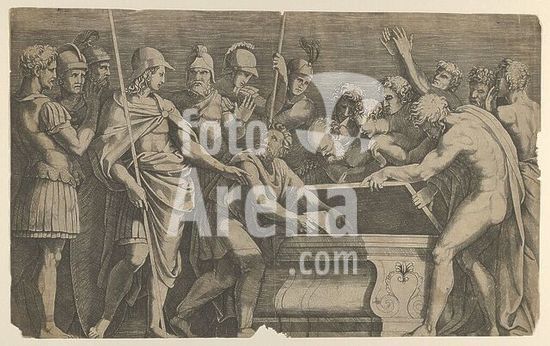
alb3672921 Alexander the Great commanding that the work of Homer be placed in the tomb of Achilles. Artist: Anonymous; After Marcantonio Raimondi (Italian, Argini (?) ca. 1480-before 1534 Bologna (?)). Dimensions: Sheet: 9 11/16 × 15 13/16 in. (24.6 × 40.1 cm). Date: ca. 1500-1550. Museum: Metropolitan Museum of Art, New York, USA.
DC
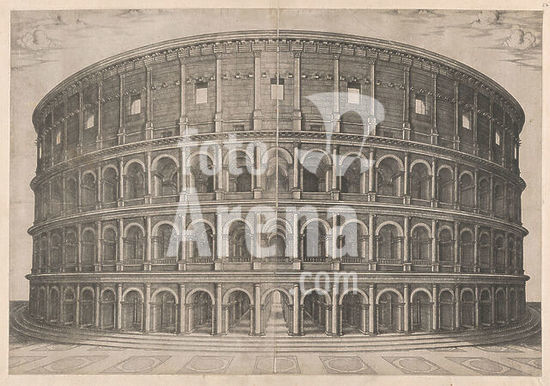
alb3672396 Speculum Romanae Magnificentiae: The Colosseum. Artist: Anonymous. Dimensions: sheet: 15 1/16 x 21 15/16 in. (38.2 x 55.8 cm)mount: 19 15/16 x 26 3/8 in. (50.7 x 67 cm). Series/Portfolio: Speculum Romae Magnificentiae. Date: 16th century.This print comes from the museum's copy of the Speculum Romanae Magnificentiae (The Mirror of Roman Magnificence) The Speculum found its origin in the publishing endeavors of Antonio Salamanca and Antonio Lafreri. During their Roman publishing careers, the two foreign publishers - who worked together between 1553 and 1563 - initiated the production of prints recording art works, architecture and city views related to Antique and Modern Rome. The prints could be bought individually by tourists and collectors, but were also purchased in larger groups which were often bound together in an album. In 1573, Lafreri commissioned a title page for this purpose, which is where the title 'Speculum Romanae Magnificentiae' first appears. Lafreri envisioned an ideal arrangement of the prints in 7 different categories, but during his lifetime, never appears to have offered one standard, bound set of prints. Instead, clients composed their own selection from the corpus to be bound, or collected a group of prints over time. When Lafreri died, two-third of the existing copper plates went to the Duchetti family (Claudio and Stefano), while another third was distributed among several publishers. The Duchetti appear to have standardized production, offering a more or less uniform version of the Speculum to their clients. The popularity of the prints also inspired other publishers in Rome to make copies however, and to add new prints to the corpus. The museum's copy of the Speculum entered the collection as a group of 3 albums with inlaid engravings and etchings. The prints have since been removed, but the original place of each print within the album is contained in the accession number: 41.72(volume.place).Originally volume 1, plate 53 in the scrapbook. Museum: Metropolitan Museum of Art, New York, USA.
DC
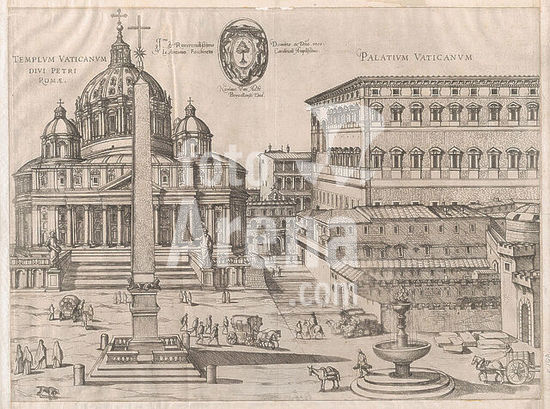
alb3673747 Speculum Romanae Magnificentiae: St. Peter's. Artist: Anonymous. Dimensions: sheet: 17 7/8 x 22 1/16 in. (45.4 x 56 cm)plate: 15 1/2 x 20 7/8 in. (39.4 x 53 cm). Publisher: Nicolaus van Aelst (Flemish, Brussels 1526-1613 Rome). Series/Portfolio: Speculum Romanae Magnificentiae. Date: 16th century.This print comes from the museum's copy of the Speculum Romanae Magnificentiae (The Mirror of Roman Magnificence) The Speculum found its origin in the publishing endeavors of Antonio Salamanca and Antonio Lafreri. During their Roman publishing careers, the two foreign publishers - who worked together between 1553 and 1563 - initiated the production of prints recording art works, architecture and city views related to Antique and Modern Rome. The prints could be bought individually by tourists and collectors, but were also purchased in larger groups which were often bound together in an album. In 1573, Lafreri commissioned a title page for this purpose, which is where the title 'Speculum Romanae Magnificentiae' first appears. Lafreri envisioned an ideal arrangement of the prints in 7 different categories, but during his lifetime, never appears to have offered one standard, bound set of prints. Instead, clients composed their own selection from the corpus to be bound, or collected a group of prints over time. When Lafreri died, two-third of the existing copper plates went to the Duchetti family (Claudio and Stefano), while another third was distributed among several publishers. The Duchetti appear to have standardized production, offering a more or less uniform version of the Speculum to their clients. The popularity of the prints also inspired other publishers in Rome to make copies however, and to add new prints to the corpus. The museum's copy of the Speculum entered the collection as a group of 3 albums with inlaid engravings and etchings. The prints have since been removed, but the original place of each print within the album is contained in the accession number: 41.72(volume.place).Originally volume 3, plate 19 in the scrapbook. Museum: Metropolitan Museum of Art, New York, USA.
DC
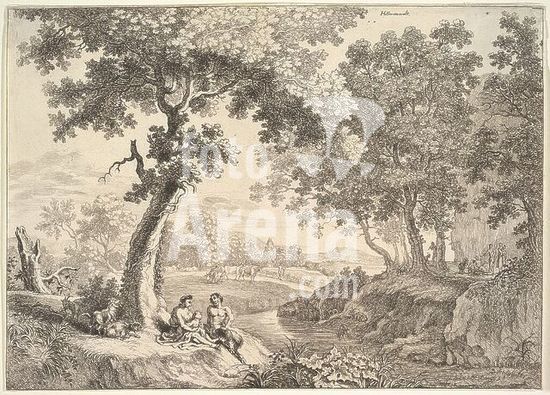
alb3670475 Satyrs in a Landscape. Artist: Anonymous; After Herman van Swanevelt (Dutch, Woerden (?) ca. 1603-1655 Paris). Dimensions: sheet: 7 5/8 x 10 5/8 in. (19.3 x 27 cm). Museum: Metropolitan Museum of Art, New York, USA.
DC
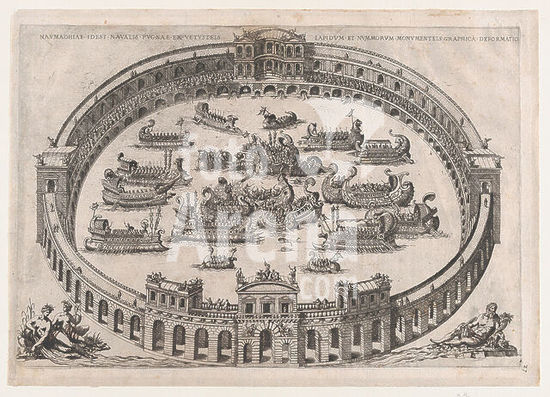
alb3679753 Speculum Romanae Magnificentiae: Roman Naval Battle. Artist: Anonymous. Dimensions: sheet: 13 9/16 x 19 1/8 in. (34.5 x 48.5 cm)plate: 12 3/8 x 18 1/8 in. (31.5 x 46 cm). Series/Portfolio: Speculum Romanae Magnificentiae. Date: 16th century.This print comes from the museum's copy of the Speculum Romanae Magnificentiae (The Mirror of Roman Magnificence) The Speculum found its origin in the publishing endeavors of Antonio Salamanca and Antonio Lafreri. During their Roman publishing careers, the two foreign publishers - who worked together between 1553 and 1563 - initiated the production of prints recording art works, architecture and city views related to Antique and Modern Rome. The prints could be bought individually by tourists and collectors, but were also purchased in larger groups which were often bound together in an album. In 1573, Lafreri commissioned a title page for this purpose, which is where the title 'Speculum Romanae Magnificentiae' first appears. Lafreri envisioned an ideal arrangement of the prints in 7 different categories, but during his lifetime, never appears to have offered one standard, bound set of prints. Instead, clients composed their own selection from the corpus to be bound, or collected a group of prints over time. When Lafreri died, two-third of the existing copper plates went to the Duchetti family (Claudio and Stefano), while another third was distributed among several publishers. The Duchetti appear to have standardized production, offering a more or less uniform version of the Speculum to their clients. The popularity of the prints also inspired other publishers in Rome to make copies however, and to add new prints to the corpus. The museum's copy of the Speculum entered the collection as a group of 3 albums with inlaid engravings and etchings. The prints have since been removed, but the original place of each print within the album is contained in the accession number: 41.72(volume.place).Originally volume 1, plate 72 in the scrapbook. Museum: Metropolitan Museum of Art, New York, USA.
DC
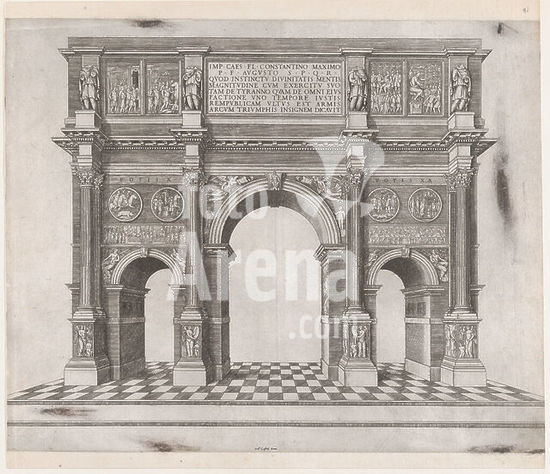
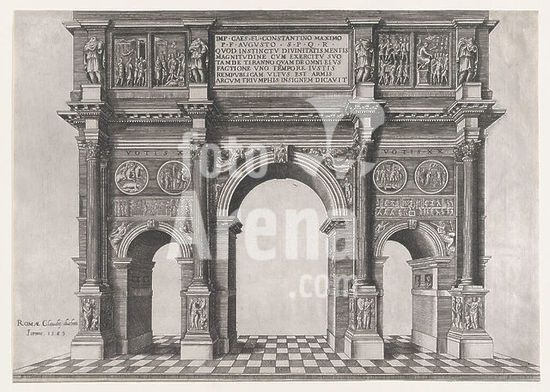
alb3640199 Speculum Romanae Magnificentiae: Arch of Constantine. Artist: Anonymous. Dimensions: sheet: 13 1/2 x 16 3/4 in. (34.3 x 42.5 cm)mount: 14 5/8 x 16 3/4 in. (37.1 x 42.5 cm). Publisher: Antonio Lafreri (French, Orgelet, Franche-Comte ca. 1512-1577 Rome); Antonio Lafreri (French, Orgelet, Franche-Comte ca. 1512-1577 Rome). Series/Portfolio: Speculum Romanae Magnificentiae. Date: 16th century.This print comes from the museum's copy of the Speculum Romanae Magnificentiae (The Mirror of Roman Magnificence) The Speculum found its origin in the publishing endeavors of Antonio Salamanca and Antonio Lafreri. During their Roman publishing careers, the two foreign publishers - who worked together between 1553 and 1563 - initiated the production of prints recording art works, architecture and city views related to Antique and Modern Rome. The prints could be bought individually by tourists and collectors, but were also purchased in larger groups which were often bound together in an album. In 1573, Lafreri commissioned a title page for this purpose, which is where the title 'Speculum Romanae Magnificentiae' first appears. Lafreri envisioned an ideal arrangement of the prints in 7 different categories, but during his lifetime, never appears to have offered one standard, bound set of prints. Instead, clients composed their own selection from the corpus to be bound, or collected a group of prints over time. When Lafreri died, two-third of the existing copper plates went to the Duchetti family (Claudio and Stefano), while another third was distributed among several publishers. The Duchetti appear to have standardized production, offering a more or less uniform version of the Speculum to their clients. The popularity of the prints also inspired other publishers in Rome to make copies however, and to add new prints to the corpus. The museum's copy of the Speculum entered the collection as a group of 3 albums with inlaid engravings and etchings. The prints have since been removed, but the original place of each print within the album is contained in the accession number: 41.72(volume.place).Originally volume 1, plate 81 in the scrapbook. Museum: Metropolitan Museum of Art, New York, USA.
DC
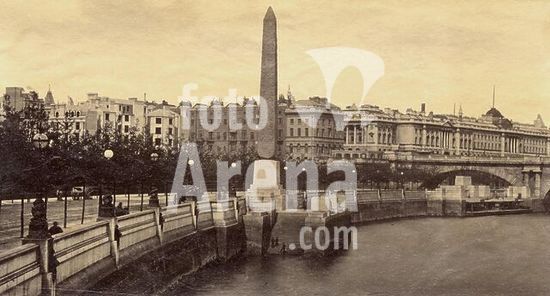
akg382457 London (England), Victoria Embankment, Cleopatra's Needle. (Egypt. Obelisk, positioned 1878). View. Potograph, anon., undat., (c. 1900?). Berlin, Sammlung Archiv für Kunst und Geschichte. Museum: Berlin, Sammlung Archiv für Kunst und Geschichte. Author: ANONYMOUS.
DC
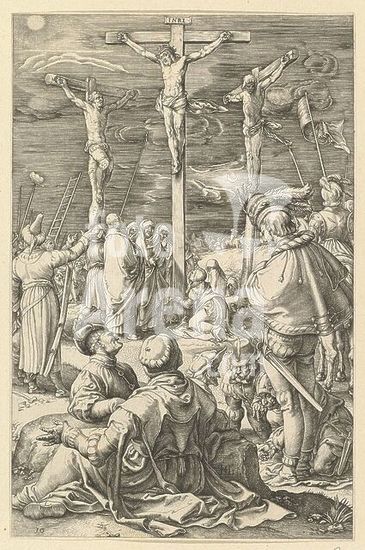
alb3661528 Christ on the Cross, from The Passion of Christ. Artist: After Hendrick Goltzius (Netherlandish, Mühlbracht 1558-1617 Haarlem); Anonymous. Dimensions: Sheet: 7 5/8 in. × 5 in. (19.4 × 12.7 cm). Series/Portfolio: Set of copies: Hirschmann p. 18 and Dutuit IV.412. Date: ca. 1598-1617. Museum: Metropolitan Museum of Art, New York, USA.
DC
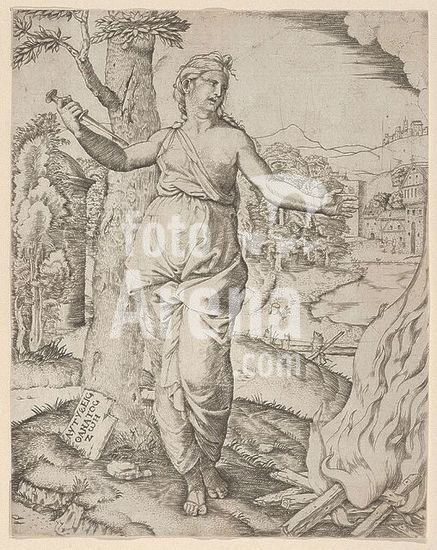
alb3665709 Dido holding a dagger in her right hand, left arm outstreched. Artist: After Raphael (Raffaello Sanzio or Santi) (Italian, Urbino 1483-1520 Rome); Anonymous; After Marcantonio Raimondi (Italian, Argini (?) ca. 1480-before 1534 Bologna (?)). Dimensions: Sheet: 6 1/8 × 4 7/8 in. (15.6 × 12.4 cm). Date: ca. 1510-30. Museum: Metropolitan Museum of Art, New York, USA.
DC
alb3661191 Speculum Romanae Magnificentiae: Arch of Constantine. Artist: Anonymous. Dimensions: sheet: 11 5/8 x 16 5/16 in. (29.5 x 41.5 cm). Publisher: Antonio Lafreri (French, Orgelet, Franche-Comte ca. 1512-1577 Rome); Claudio Duchetti (Italian, active Venice and Rome, ca. 1565-died ca. 1585). Series/Portfolio: Speculum Romanae Magnificentiae. Date: 1583.This print comes from the museum's copy of the Speculum Romanae Magnificentiae (The Mirror of Roman Magnificence) The Speculum found its origin in the publishing endeavors of Antonio Salamanca and Antonio Lafreri. During their Roman publishing careers, the two foreign publishers - who worked together between 1553 and 1563 - initiated the production of prints recording art works, architecture and city views related to Antique and Modern Rome. The prints could be bought individually by tourists and collectors, but were also purchased in larger groups which were often bound together in an album. In 1573, Lafreri commissioned a title page for this purpose, which is where the title 'Speculum Romanae Magnificentiae' first appears. Lafreri envisioned an ideal arrangement of the prints in 7 different categories, but during his lifetime, never appears to have offered one standard, bound set of prints. Instead, clients composed their own selection from the corpus to be bound, or collected a group of prints over time. When Lafreri died, two-third of the existing copper plates went to the Duchetti family (Claudio and Stefano), while another third was distributed among several publishers. The Duchetti appear to have standardized production, offering a more or less uniform version of the Speculum to their clients. The popularity of the prints also inspired other publishers in Rome to make copies however, and to add new prints to the corpus. The museum's copy of the Speculum entered the collection as a group of 3 albums with inlaid engravings and etchings. The prints have since been removed, but the original place of each print within the album is contained in the accession number: 41.72(volume.place).Originally volume 1, plate 83 in the scrapbook. Museum: Metropolitan Museum of Art, New York, USA.
DC
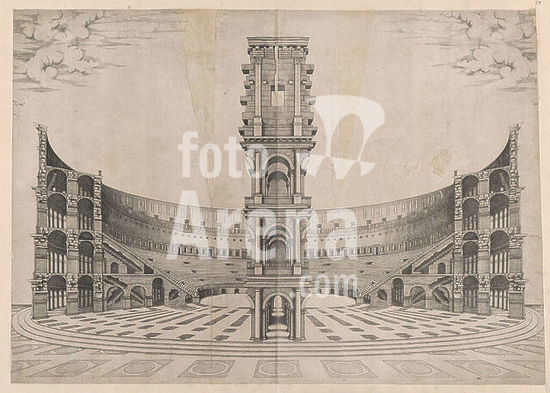
alb3636373 Speculum Romanae Magnificentiae: Interior Reconstruction of the Colosseum. Artist: Anonymous. Dimensions: sheet: 15 11/16 x 22 1/4 in. (39.8 x 56.5 cm)mount: 20 x 26 1/16 in. (50.8 x 66.2 cm). Series/Portfolio: Speculum Romanae Magnificentiae. Date: 16th century.This print comes from the museum's copy of the Speculum Romanae Magnificentiae (The Mirror of Roman Magnificence) The Speculum found its origin in the publishing endeavors of Antonio Salamanca and Antonio Lafreri. During their Roman publishing careers, the two foreign publishers - who worked together between 1553 and 1563 - initiated the production of prints recording art works, architecture and city views related to Antique and Modern Rome. The prints could be bought individually by tourists and collectors, but were also purchased in larger groups which were often bound together in an album. In 1573, Lafreri commissioned a title page for this purpose, which is where the title 'Speculum Romanae Magnificentiae' first appears. Lafreri envisioned an ideal arrangement of the prints in 7 different categories, but during his lifetime, never appears to have offered one standard, bound set of prints. Instead, clients composed their own selection from the corpus to be bound, or collected a group of prints over time. When Lafreri died, two-third of the existing copper plates went to the Duchetti family (Claudio and Stefano), while another third was distributed among several publishers. The Duchetti appear to have standardized production, offering a more or less uniform version of the Speculum to their clients. The popularity of the prints also inspired other publishers in Rome to make copies however, and to add new prints to the corpus. The museum's copy of the Speculum entered the collection as a group of 3 albums with inlaid engravings and etchings. The prints have since been removed, but the original place of each print within the album is contained in the accession number: 41.72(volume.place).Originally volume 1, plate 54 in the scrapbook. Museum: Metropolitan Museum of Art, New York, USA.
DC
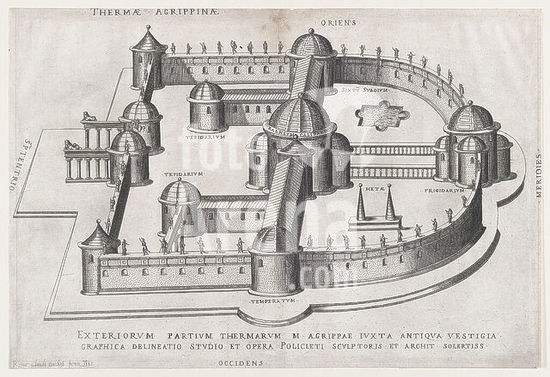
alb3632056 Speculum Romanae Magnificentiae: Baths of Agrippa. Artist: Anonymous. Dimensions: sheet: 13 5/16 x 20 1/2 in. (33.8 x 52 cm). Publisher: Claudio Duchetti (Italian, active Venice and Rome, ca. 1565-died ca. 1585). Series/Portfolio: Speculum Romanae Magnificentiae. Date: 1585.This print comes from the museum's copy of the Speculum Romanae Magnificentiae (The Mirror of Roman Magnificence) The Speculum found its origin in the publishing endeavors of Antonio Salamanca and Antonio Lafreri. During their Roman publishing careers, the two foreign publishers - who worked together between 1553 and 1563 - initiated the production of prints recording art works, architecture and city views related to Antique and Modern Rome. The prints could be bought individually by tourists and collectors, but were also purchased in larger groups which were often bound together in an album. In 1573, Lafreri commissioned a title page for this purpose, which is where the title 'Speculum Romanae Magnificentiae' first appears. Lafreri envisioned an ideal arrangement of the prints in 7 different categories, but during his lifetime, never appears to have offered one standard, bound set of prints. Instead, clients composed their own selection from the corpus to be bound, or collected a group of prints over time. When Lafreri died, two-third of the existing copper plates went to the Duchetti family (Claudio and Stefano), while another third was distributed among several publishers. The Duchetti appear to have standardized production, offering a more or less uniform version of the Speculum to their clients. The popularity of the prints also inspired other publishers in Rome to make copies however, and to add new prints to the corpus. The museum's copy of the Speculum entered the collection as a group of 3 albums with inlaid engravings and etchings. The prints have since been removed, but the original place of each print within the album is contained in the accession number: 41.72(volume.place).Originally volume 1, plate 88 in the scrapbook. Museum: Metropolitan Museum of Art, New York, USA.
DC
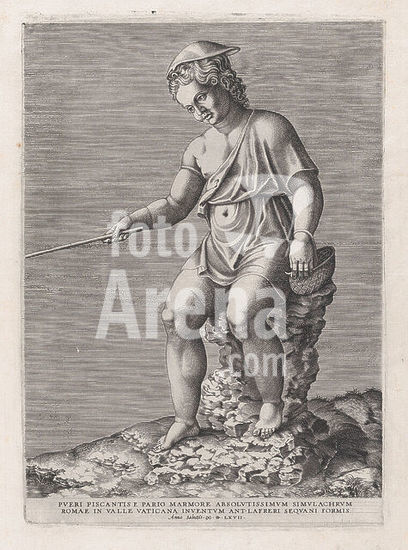
alb3631816 Speculum Romanae Magnificentiae: The Little Angler. Artist: Anonymous. Dimensions: sheet: 19 1/8 x 13 5/8 in. (48.6 x 34.6 cm)plate: 14 3/4 x 10 5/8 in. (37.5 x 27 cm). Publisher: Antonio Lafreri (French, Orgelet, Franche-Comte ca. 1512-1577 Rome). Series/Portfolio: Speculum Romanae Magnificentia. Date: 1567.This print comes from the museum's copy of the Speculum Romanae Magnificentiae (The Mirror of Roman Magnificence) The Speculum found its origin in the publishing endeavors of Antonio Salamanca and Antonio Lafreri. During their Roman publishing careers, the two foreign publishers - who worked together between 1553 and 1563 - initiated the production of prints recording art works, architecture and city views related to Antique and Modern Rome. The prints could be bought individually by tourists and collectors, but were also purchased in larger groups which were often bound together in an album. In 1573, Lafreri commissioned a title page for this purpose, which is where the title 'Speculum Romanae Magnificentiae' first appears. Lafreri envisioned an ideal arrangement of the prints in 7 different categories, but during his lifetime, never appears to have offered one standard, bound set of prints. Instead, clients composed their own selection from the corpus to be bound, or collected a group of prints over time. When Lafreri died, two-third of the existing copper plates went to the Duchetti family (Claudio and Stefano), while another third was distributed among several publishers. The Duchetti appear to have standardized production, offering a more or less uniform version of the Speculum to their clients. The popularity of the prints also inspired other publishers in Rome to make copies however, and to add new prints to the corpus. The museum's copy of the Speculum entered the collection as a group of 3 albums with inlaid engravings and etchings. The prints have since been removed, but the original place of each print within the album is contained in the accession number: 41.72(volume.place).Originally volume 2, plate 88 in the scrapbook. Museum: Metropolitan Museum of Art, New York, USA.
DC
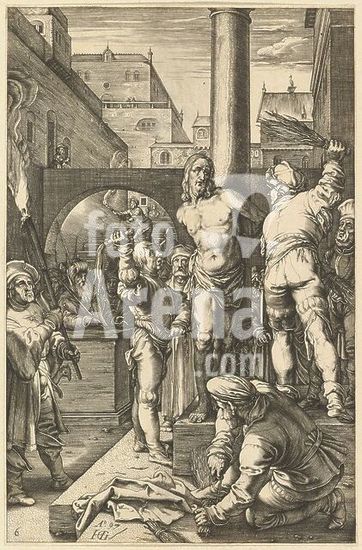
alb3648138 The Flagellation, from The Passion of Christ. Artist: After Hendrick Goltzius (Netherlandish, Mühlbracht 1558-1617 Haarlem); Anonymous. Dimensions: Sheet: 7 11/16 × 4 15/16 in. (19.5 × 12.6 cm). Date: ca. 1598-1617. Museum: Metropolitan Museum of Art, New York, USA.
DC
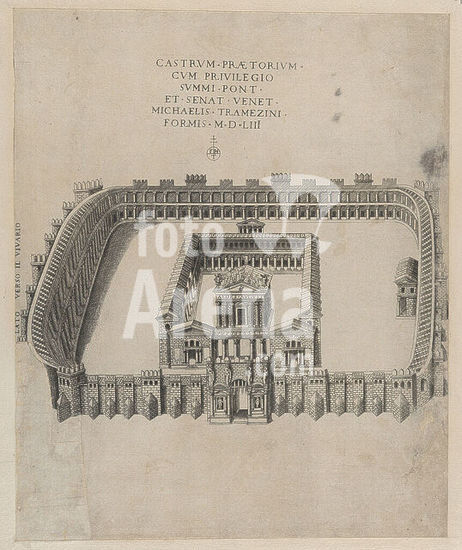
alb3648573 Speculum Romanae Magnificentiae: Amphiteathrum Castrense. Artist: Anonymous. Dimensions: sheet: 12 13/16 x 18 1/8 in. (32.6 x 46 cm)mount: 20 x 26 in. (50.8 x 66 cm). Publisher: Antonio Lafreri (French, Orgelet, Franche-Comte ca. 1512-1577 Rome). Series/Portfolio: Speculum Romanae Magnificentiae. Date: 1560.This print comes from the museum's copy of the Speculum Romanae Magnificentiae (The Mirror of Roman Magnificence) The Speculum found its origin in the publishing endeavors of Antonio Salamanca and Antonio Lafreri. During their Roman publishing careers, the two foreign publishers - who worked together between 1553 and 1563 - initiated the production of prints recording art works, architecture and city views related to Antique and Modern Rome. The prints could be bought individually by tourists and collectors, but were also purchased in larger groups which were often bound together in an album. In 1573, Lafreri commissioned a title page for this purpose, which is where the title 'Speculum Romanae Magnificentiae' first appears. Lafreri envisioned an ideal arrangement of the prints in 7 different categories, but during his lifetime, never appears to have offered one standard, bound set of prints. Instead, clients composed their own selection from the corpus to be bound, or collected a group of prints over time. When Lafreri died, two-third of the existing copper plates went to the Duchetti family (Claudio and Stefano), while another third was distributed among several publishers. The Duchetti appear to have standardized production, offering a more or less uniform version of the Speculum to their clients. The popularity of the prints also inspired other publishers in Rome to make copies however, and to add new prints to the corpus. The museum's copy of the Speculum entered the collection as a group of 3 albums with inlaid engravings and etchings. The prints have since been removed, but the original place of each print within the album is contained in the accession number: 41.72(volume.place).Originally volume 1, plate 60 in the scrapbook. Museum: Metropolitan Museum of Art, New York, USA.
DC
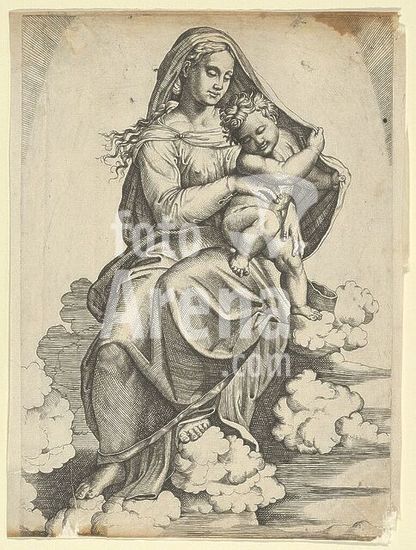
alb3645849 Madonna and Child. Artist: Anonymous; After Marcantonio Raimondi (Italian, Argini (?) ca. 1480-before 1534 Bologna (?)). Dimensions: 8 3/8 x 6 1/4 in. (21.3 x 15.8 cm). Date: ca. 1512-20. Museum: Metropolitan Museum of Art, New York, USA.
DC
akg1823288 Religion / Kultgegenstände / Reliquiare:. Reliquiar des hl. Dagobert. Anonym, Ende 15. Jahrhundert. Kupfer, vergoldet. Mons, Trésor des Soeurs Noires, FUCAM, Proprieté Facultés universitaires catholiques Mons (FUCAM).
DC
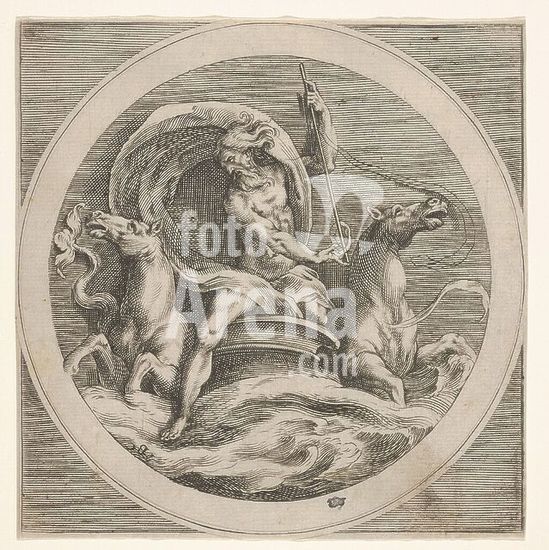
alb3620369 Neptune rising from the sea and bearing a staff, accompanied by two horse-headed sea creatures, reverse copy after a series of engravings by Cherubino Alberti of mythological scenes after Polidoro da Caravaggio. Artist: Anonymous; After Polidoro da Caravaggio (Italian, Caravaggio ca. 1499-ca. 1543 Messina); After Cherubino Alberti (Zaccaria Mattia) (Italian, Borgo Sansepolcro 1553-1615 Rome). Dimensions: sheet: 5 13/16 x 5 11/16 in. (14.7 x 14.5 cm). Date: ca. 1550-1600. Museum: Metropolitan Museum of Art, New York, USA.
DC
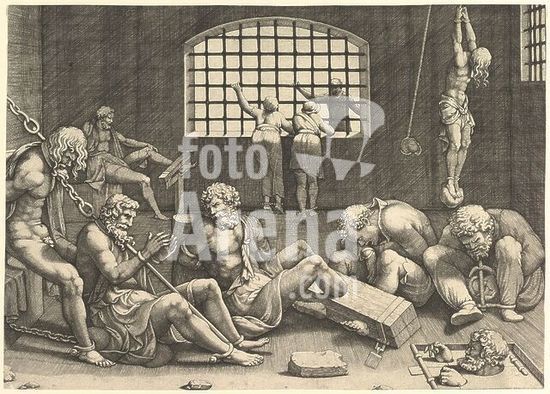
alb3618620 The Prison; a group of men in a dungeon bound in chains and shackles; to the right a figure hanging from his arms, tied to a boulder. Artist: Anonymous; After Giulio Romano (Italian, Rome 1499?-1546 Mantua). Dimensions: plate: 10 1/4 x 14 3/16 in. (26 x 36 cm) trimmed within borderline. Former Attribution: Formerly attributed to Giorgio Ghisi (Italian, Mantua ca. 1520-1582 Mantua). Date: n.d.. Museum: Metropolitan Museum of Art, New York, USA.
DC
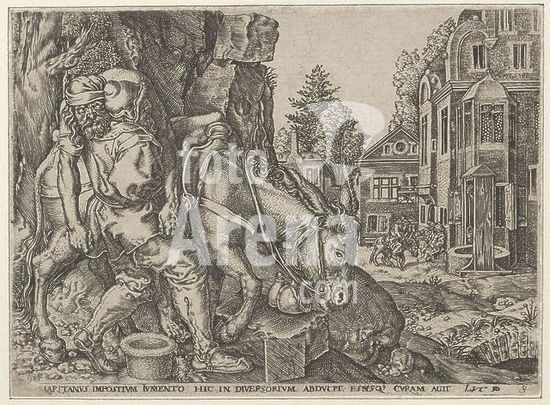
alb3610275 Copy of The Good Samaritan Putting the Traveller on His Donkey, from The Parable of the Good Samaritan. Artist: Anonymous; after Heinrich Aldegrever (German, Paderborn ca. 1502-1555/1561 Soest). Dimensions: Sheet: 3 3/16 × 4 3/8 in. (8.1 × 11.1 cm). Date: after 1554.At left, the Good Samaritan lifts the limp body of the traveller onto the donkey. In the background at right, the inn with figures out front and a well. Plate 3 from a series of four engravings depicting Luke 10:30-35. Museum: Metropolitan Museum of Art, New York, USA.
DC
akg2080410 Hamza ibn 'Abdul-Muttalib, companion and paternal uncle of the Islamic prophet Muhammad, c.567-625. Hamza ibn 'Abdul-Muttalib and Ubaydah ibn al-Harith with their army. fighting against Abu Jahl. Miniature, Constantinople, c.1594/95. Illustration from the epic Siyer-i Nebi. about the life of the Prophet Muhammad, by Mustafa son of Yusuf of Erzurum, known as al-Darir, written. 1388. London, Khalili Collection. Museum: London, Khalili Collection. Author: ANONYMOUS.
DC
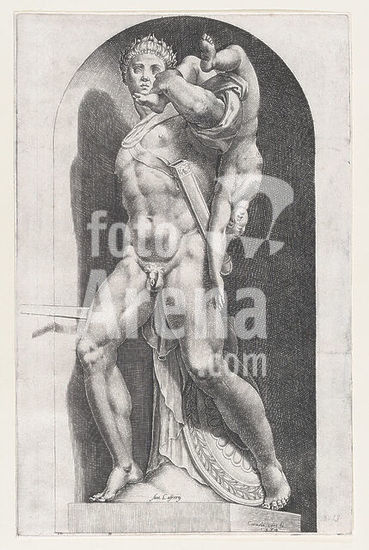
akg017249 Nollet, Abbé Jean-Antoine; French physicist (experimeted with electricity around 1750; wrote "Lettres sur l'électricité", 1753); Pimpré (Oise). 1700 - Paris 1770. Abbé Nollet at the electrifying machine. Wood engraving, c. 1880. Author: ANONYMOUS.
DC
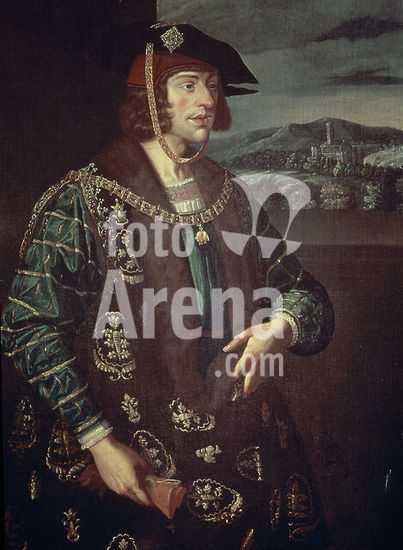
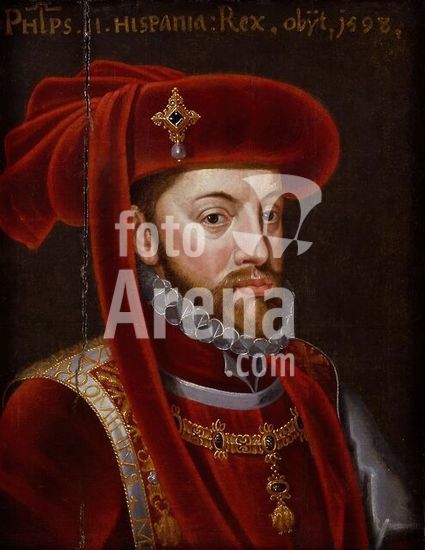
orz024409 FELIPE EL HERMOSO (1478-1506) REY DE LOS PAISES BAJOS (1482-1506) Y DE CASTILLA (1504-1506). Author: ANONYMOUS. Location: INSTITUTO VALENCIA DE DON JUAN-COLECCION. MADRID. SPAIN. FELIPE I DE ESPAÑA (1478-1506) FELIPE DE BORGOÑA-FELIPE EL HERMOSO. MAXIMILIANO I DE AUSTRIA EMPERADOR (1459-1519) HIJO.
DC
alb3602867 An old man seated and writing in a book (an evangelist?). Artist: Anonymous; After (?) Guido Reni (Italian, Bologna 1575-1642 Bologna). Dimensions: Sheet: 7 13/16 × 6 7/16 in. (19.8 × 16.4 cm)Plate: 7 1/2 × 6 3/16 in. (19.1 × 15.7 cm). Date: 17th century. Museum: Metropolitan Museum of Art, New York, USA.
DC
alb3662887 The Virgin seated holding a rosary in her right hand, the infant Christ on her lap holding several rosaries, in an oval frame with flowers surrounding it and a tablet with inscription at the base. Artist: Anonymous; After Guido Reni (Italian, Bologna 1575-1642 Bologna). Dimensions: Sheet (Trimmed): 10 5/16 × 7 13/16 in. (26.2 × 19.8 cm). Date: 17th century. Museum: Metropolitan Museum of Art, New York, USA.
DC
orz004302 Capture of Maastricht by Alejandro Farnesio in 1579. Monastery of San Lorenzo del Escorial . Madrid. Author: ANONYMOUS. Location: MONASTERIO DE SAN LORENZO-SALA DE BATALLAS. SAN LORENZO DEL ESCORIAL. MADRID. ALEJANDRO FARNESIO (1545-1592) III DUQUE DE PARMA.
DC
akg7775102 Indian miniature, Mughal art, 1594th. - Sita shies away from Hanuman, believing he is Ravana in disguise. - Detail. From a copy of th Ramayana, ordered by Akbar and presented to his mother. Gouache on paper, sheet size 37.8 × 25.6 cm. Inv. No. 68/1998. Copenhagen, Davids Samling. Author: ANONYMOUS.
DC
orz179528 CRISTO DE ESQUIPULAS - 1701-1800 - MADERA Y NACAR. Author: ANONYMOUS. Location: MUSEO DE AMERICA-COLECCION. MADRID. SPAIN. JESUS. VIRGIN MARY. CRISTO CRUCIFICADO. SAN JUAN EVANGELISTA Y APOSTOL. CRISTO DE ESQUIPULAS. SANTA MARIA MAGDALENA-MARIA DE MAGDALA.
DC
alb4223367 '"Portrait of Countess P.I. Sheremeteva"'. Russia, Early 19th century. Dimensions: 71,5x58 cm. Museum: State Hermitage, St. Petersburg. Author: ANONYMOUS.
DC
akg022512 Astrology:. microcos and macrocosm. Astrological diagram about the healing power of drug plants . Copper engraving. From: Athanasius Kircher, Mundus Subterranneus, Amsterdam 1688. Author: ANONYMOUS.
DC
akg073860 First World War 1914-18: Sea battle. 7 Mai 1915: Cunard-steamer Lusitania is sunk on its way from the USA to Liverpool by the German submarine U 20. The sinking of the Lusitania. Watercolour painting, contemporary, signed "Wikinger" (the Viking). Author: ANONYMOUS.
DC
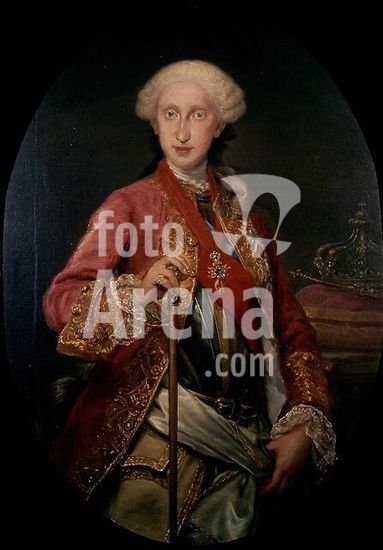
orz134029 Spanish school. Portrait of Charles III (1716-1788), king of Spain from 1759 to 1788. 18th century. Madrid, Banco de España. Author: ANONYMOUS. Location: BANCO DE ESPAÑA-COLECCION ARTE. MADRID. SPAIN. CARLOS III (1716-1788) REY BORBON DE ESPAÑA-CARLOS I DE PARMA.
DC
orz030928 Mozart and Haydn. Low-relief in wax. Paris, Meyer Collection. Author: ANONYMOUS. Location: PRIVATE COLLECTION. France. JOSEPH HAYDN. Wolfgang Amadeus Mozart (1756-1791).
DC
akg3882299 Buchmalerei, karolingisch, Tours, um 840. - Doppelseite. Linke Seite: :Die Geschichte Adams und Evas von der Erschaffung Adams bis zu Adam und Eva nach der Vertreibung aus dem Paradies. Rechte Seite: Vorrede des Hieronymus zum 1. Buch Mose (Incipit praefatio sancti Hieronymi...). - Aus der Bibel aus Moutier-Grandval. Auf Pergament, 510 × 375 mm. Ms Additional 10546, fol. 5 v, fol. 6 r. London, British Library. Museum: London, British Library. Author: ANONYMOUS.
DC
orz002683 SEPULCRO DEL CARDENAL PEDRO GONZALEZ DE MENDOZA (1428/1495) - ESCULTURA RENACENTISTA. Author: ANONYMOUS. Location: CATEDRAL-INTERIOR. Toledo. SPAIN.
DC
orz234826 VIRGEN MARIA CON EL NIÑO EN BRAZOS, PROBABLEMENTE HECHA PARA FERNANDO DE ANTEQUERA, 1406/1412, h.41,5cm. Author: ANONYMOUS. Location: CATEDRAL-MUSEO. Toledo. SPAIN. INFANT JESUS. SANTA ANA MADRE DE LA VIRGEN MARIA. VIRGEN CORONADA.
DC
orz234827 VIRGEN MARIA CON EL NIÑO EN BRAZOS, PROBABLEMENTE HECHA PARA FERNANDO DE ANTEQUERA, 1406/1412, h.41,5cm. Author: ANONYMOUS. Location: CATEDRAL-MUSEO. Toledo. SPAIN. INFANT JESUS. SANTA ANA MADRE DE LA VIRGEN MARIA. VIRGEN CORONADA.
DC
orz171137 HERNAN CORTES 1485/1547-CONQUISTADOR ESPAÑOL DE MEXICO. Author: ANONYMOUS. Location: Archivo General de Indias. Sevilla. Seville. SPAIN. HERNAN CORTES (1485-1547).
DC
orz002507 CONQUISTA DE MEXICO - HERNAN CORTES HUNDE SUS NAVES Y GUARDA LAS VELAS EN 1519 - PINTURA DEL S XVIII. Author: ANONYMOUS. Location: MUSEO DE AMERICA-COLECCION. MADRID. SPAIN. HERNAN CORTES (1485-1547).
DC
orz002820 Conquest of Mexico. Diego Velazquéz giving the ships to Cortés. Painted on copper in the late 18th century. Madrid, museum of America. Author: ANONYMOUS. Location: MUSEO DE AMERICA-COLECCION. MADRID. SPAIN. DIEGO VELAZQUEZ DE CUELLAR. HERNAN CORTES (1485-1547).
DC
orz003873 Portrait of Hernán Cortés (1485-1547), conquistador of Mexico. Seville, Collection of the duke del Infantado. Author: ANONYMOUS. Location: Archivo General de Indias. Sevilla. Seville. SPAIN.
DC
alb30347158 Portrait of Emperor Charles VI (1685-1740), as King of Hungary. Museum: PRIVATE COLLECTION. Author: ANONYMOUS.
DC
alb30347132 Mobiloil, Vacuum Oil Company. Museum: PRIVATE COLLECTION. Author: ANONYMOUS.
DC
alb30347197 Michael Caine in the film "Blue Ice" by Russell Mulcahy. Museum: PRIVATE COLLECTION. Author: ANONYMOUS.
DC
alb30347139 Ingrid Bergman in the film "Notorious" by Alfred Hitchcock. Museum: © RKO Radio Pictures. Author: ANONYMOUS.
DC
alb30346895 Portrait of the composer Béla Bartók (1881-1945). Museum: PRIVATE COLLECTION. Author: ANONYMOUS.
DC
alb30346850 Gabriële Buffet, Bretagne. Museum: PRIVATE COLLECTION. Author: ANONYMOUS.
DC
alb30346806 Movie poster "La Femme et le Pantin" (A Woman Like Satan) by Julien Duvivier. Museum: PRIVATE COLLECTION. Author: ANONYMOUS.
DC
alb30346316 Movie poster "Gentlemen Prefer Blondes" by Howard Hawks. Museum: © 20th Century Studios. Author: ANONYMOUS.
DC
alb30346371 The Council of the People's Deputies, November 1918. Museum: PRIVATE COLLECTION. Author: ANONYMOUS.
DC
alb30346324 Movie poster "Godzilla" by Ishiro Honda. Museum: PRIVATE COLLECTION. Author: ANONYMOUS.
DC
alb30346392 Movie poster "Citizen Kane" by Orson Welles. Museum: © RKO Radio Pictures. Author: ANONYMOUS.
DC
alb30346352 Vote black, white, and red! That's German National!. Museum: PRIVATE COLLECTION. Author: ANONYMOUS.
DC
alb30346369 Kokoon Artists Present Bal Risqué. Museum: PRIVATE COLLECTION. Author: ANONYMOUS.
DC
alb30347040 Poster for the Opera Madama Butterfly by G. Puccini. Museum: PRIVATE COLLECTION. Author: ANONYMOUS.
DC
alb30347053 Portrait of the composer Béla Bartók (1881-1945). Museum: PRIVATE COLLECTION. Author: ANONYMOUS.
DC
alb30348916 Portrait of Thomas Samuel Kuhn (1922-1996). Museum: PRIVATE COLLECTION. Author: ANONYMOUS.
DC
alb30348920 Óscar Domínguez. Museum: PRIVATE COLLECTION. Author: ANONYMOUS.
DC
alb30348983 Portrait of the composer Béla Bartók (1881-1945). Museum: PRIVATE COLLECTION. Author: ANONYMOUS.
DC
alb30348618 Woody Allen and Romy Schneider in "What's New Pussycat?" by Clive Donner. Museum: PRIVATE COLLECTION. Author: ANONYMOUS.
DC
alb30348623 The construction of the Basílica de la Sagrada Família. Museum: PRIVATE COLLECTION. Author: ANONYMOUS.
DC
alb30348673 Alla Nazimova in the film "Salomé" by Charles Bryant. Museum: © United Artists. Author: ANONYMOUS.
DC
alb30348657 Saint Leonard Liberating Captives. Museum: Royal Museum of Fine Arts, Antwerp. Author: ANONYMOUS.
DC
alb30348675 Portrait of Ivan Ilyich Mozzhukhin (1889-1939). Museum: PRIVATE COLLECTION. Author: ANONYMOUS.
DC
alb30348629 Movie poster "The Thomas Crown Affair" by Norman Jewison. Museum: © United Artists. Author: ANONYMOUS.
DC
alb30348697 Scene from the film "The Great Escape" by John Sturges. Museum: PRIVATE COLLECTION. Author: ANONYMOUS.
DC
alb30348659 Michel Subor and Brigitte Bardot in "Please, Not Now!" (La Bride sur le cou) by Roger Vadim. Museum: PRIVATE COLLECTION. Author: ANONYMOUS.
DC
alb30348642 Cover of the Iranian weekly women's magazine "Zan-e Rooz" (Woman of Today), 5 June 1971. Museum: PRIVATE COLLECTION. Author: ANONYMOUS.
DC
alb30346774 Marlene Dietrich in "Blonde Venus" by Josef von Sternberg. Museum: © Paramount Pictures. Author: ANONYMOUS.
DC
alb30346764 La Vestale. Cheminée à feu continu. Museum: PRIVATE COLLECTION. Author: ANONYMOUS.
DC
alb30346798 Portrait of the Pope Leo XII (1760-1829). Museum: PRIVATE COLLECTION. Author: ANONYMOUS.
DC
alb30346735 Movie poster "Psycho" by Alfred Hitchcock. Museum: © Universal Studios. Author: ANONYMOUS.
DC
alb30346780 Raid Baracca 1921. Museum: PRIVATE COLLECTION. Author: ANONYMOUS.
DC
alb30348108 North German Lloyd Bremen. Museum: PRIVATE COLLECTION. Author: ANONYMOUS.
DC
alb30348181 Movie poster "The Good, the Bad and the Ugly" (Il buono, il brutto, il cattivo) by Sergio. Museum: © United Artists. Author: ANONYMOUS.
DC
alb30348162 Movie poster "If I Were Single" by Roy Del Ruth. Museum: © Warner Bros. Entertainment. Author: ANONYMOUS.
DC
alb30347395 Tourist Map USSR. Museum: PRIVATE COLLECTION. Author: ANONYMOUS.
DC
alb30347311 I always use Lux. Museum: PRIVATE COLLECTION. Author: ANONYMOUS.
DC
alb30347399 The Miracle of the Donkey of Saint Anthony of Padua. Museum: PRIVATE COLLECTION. Author: ANONYMOUS.
DC
alb30347382 Marlene Dietrich in "Blonde Venus" by Josef von Sternberg. Museum: © Paramount Pictures. Author: ANONYMOUS.
DC
alb30349606 Portrait of Archduchess Barbara of Austria, Duchess of Ferrara (1539-1572). Museum: PRIVATE COLLECTION. Author: ANONYMOUS.
DC
alb30347591 Movie poster "Thunderbirds Are Go!" by David Lane. Museum: PRIVATE COLLECTION. Author: ANONYMOUS.
DC
alb30347541 Movie poster "Bringing Up Baby" by Howard Hawks. Museum: © RKO Radio Pictures. Author: ANONYMOUS.
DC
alb30347535 Movie poster "Ben-Hur: A Tale of the Christ" by Fred Niblo. Museum: PRIVATE COLLECTION. Author: ANONYMOUS.
DC
alb30348729 Leonor Fini in Arachon. Museum: PRIVATE COLLECTION. Author: ANONYMOUS.
DC
alb30346924 Movie poster "Murder at the Vanities" by Mitchell Leisen. Museum: © Paramount Pictures. Author: ANONYMOUS.
DC
alb30349121 Patricia Laffan in the film "Devil Girl from Mars" by David MacDonald. Museum: PRIVATE COLLECTION. Author: ANONYMOUS.
DC
alb30349172 Movie poster "Some Like It Hot" by Billy Wilder. Museum: © United Artists. Author: ANONYMOUS.
DC
alb30349123 FIS Nordic World Ski Championships 1934. Museum: PRIVATE COLLECTION. Author: ANONYMOUS.
DC
alb30348522 Scene from the film "The Third Man" by Carol Reed. Museum: PRIVATE COLLECTION. Author: ANONYMOUS.
DC
alb30348562 Portrait of Adolph, Landgrave of Hesse-Philippsthal-Barchfeld (1743-1803). Museum: PRIVATE COLLECTION. Author: ANONYMOUS.
DC

Total de Resultados: 10.000

Página 1 de 100