











































Busque também em nossas outras coleções:

Data da imagem:
Pauta
ver mais opções...
Agência
Fotógrafo
ver mais opções...
Estado
ver mais opções...
Cidade
Local
ver mais opções...
Tipo de licença
Orientação
Coleção
ver mais opções...

Total de Resultados: 10.000

Página 1 de 100

akg094155 Briand, Aristide French politician. Nantes 28.3.1862 - Paris 7.3.1932. Aristide Briand at the Conference in Washington (13 Nov. 1921 - 6 Febr. 1922). Photo.
DC
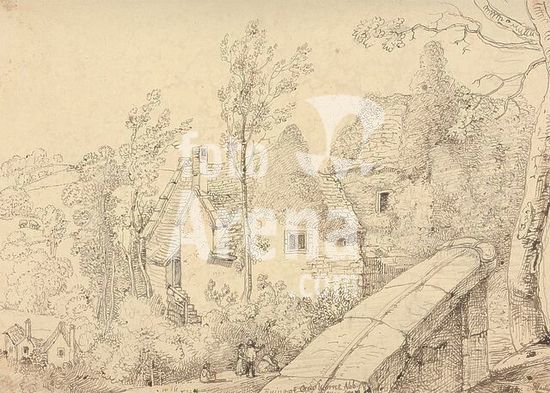
akg8909560 Capt. Thomas Hastings. Ruins of Crewkerne Abbey, May 1833Sketches, Vol. 7: Drawings of Devon, Wales, Lakes, etca , 1833. Graphite and pen and brown ink on medium, slightly textured, cream wove paper, 23.8 × 33 cm. Inv. No. B1977.14.2451. New Haven, Yale Center for British Art.
DC
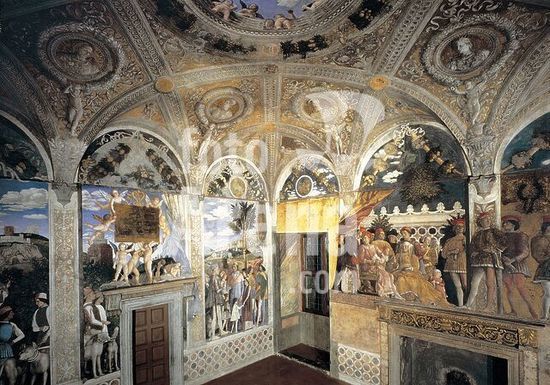
alb8909560 Mantua-Mantova (Lombardy, Italy), Palazzo Ducale, Castello S.Giorgio, Camera degli Sposi (frescos, c.1465-74, by Andrea Mantegna; 1431-1506).-Interior view looking northwest: west wall with "Meeting between Ludovico III Gonazaga and his son Francesco", north wall with "Court of Ludovico III".-Photo.
DC
akg6002722 Saint Francis of Assisi and four post-mortem miraclesby Giunta Pisano (c. 1190- c.1260)Tempera and gold on wood panel inv. 40023Vatican Museums (Pinacoteca - Picture Gallery) 2018.
DC
akg4450025 SECOND WORLD WAR Walter Audisio (Valerio colonel) head partisan, was which arranged the execution of Mussolini and Petacci, like from instructions received from the mlitari authorities, and that he executed it materially. Italy 1945.
DC
akg7725824 Zoology / monkey. Gorilla guest performance in Berlin:. "Monkey boy with his owner, an Englishwoman, and the zoologist Lutz Heck (1892-1983) coming from his hotel Unter den Linden". - Photo, 1925 (F. Gerlach).
DC

akg7069332 Figure tile, blue with standing figure with long cloak or dress and string of garlic in the hand, corner pattern ox head, wall tile tile sculpture ceramic earthenware glaze, baked 2x glazed painted.
DC
alb2068154 Juan Antonio Ribera y Fernández / 'Wamba renunciando a la corona', ca. 1819, Spanish School, Oil on canvas, 163 cm x 219 cm, P06519. Museum: MUSEO DEL PRADO, MADRID, SPAIN.
DC
alb3680812 Cylinder seal. Culture: Babylonian. Dimensions: H. 3 cm x Diam. 1.4 cm. Date: ca. 18th-16th century B.C..Although engraved stones had been used as early as the seventh millennium B.C. to stamp impressions in clay, the invention in the fourth millennium B.C. of carved cylinders that could be rolled over clay allowed the development of more complex seal designs. These cylinder seals, first used in Mesopotamia, served as a mark of ownership or identification. Seals were either impressed on lumps of clay that were used to close jars, doors, and baskets, or they were rolled onto clay tablets that recorded information about commercial or legal transactions. The seals were often made of precious stones. Protective properties may have been ascribed to both the material itself and the carved designs. Seals are important to the study of ancient Near Eastern art because many examples survive from every period and can, therefore, help to define chronological phases. Often preserving imagery no longer extant in any other medium, they serve as a visual chronicle of style and iconography.The modern impression of the seal is shown so that the entire design can be seen. This hematite cylinder seal is carved with the images of two deities, identifiable by their horned headgear. The seated deity holds a rod with an emblem or recarving at the top and wears a long dress; the standing god is dressed in a shorter tunic and rests one foot on a horned animal. Based on his attributes, the standing figure on the right may be the god Amurru.Amurru, the eponymous god of the Amorite peoples (Akkadian amurru), began to be represented on cylinder seals in the early second millennium B.C. It is likely that the god was created by the urban elite of southern Mesopotamia as a personification of the semi-nomadic Amorite tribes whose name he shared. The symbols associated with this god - the horned animal, crooked staff, and in some cases distinctive headgear or a stylized mountain - all emphasize his foreignness. On this cylinder, Amurru is shown in an inferior position standing before an enthroned (and traditionally-garbed) deity.Cylinder seals in the ancient Near East served as both a kind of amulet and as a mark of ownership or identification. The representation of Amurru on this cylinder may have appealed to its owner either as a Mesopotamian symbol of Amorite identity or, perhaps more likely, as a protective device, since the god came to be associated with exorcism and healing. Museum: Metropolitan Museum of Art, New York, USA.
DC
alb3713308 The Penance of Saint John Chrysostom. Dated: c. 1541/1545. Dimensions: sheet (trimmed to plate mark): 5.3 x 7.7 cm (2 1/16 x 3 1/16 in.). Medium: engraving. Museum: National Gallery of Art, Washington DC. Author: Sebald Beham.
DC
alb3635729 Monserrat, Vista general de la montaña desde Monistrol. Artist: Charles Clifford (Welsh, 1819-1863). Dimensions: Image: 31.7 × 41.5 cm (12 1/2 × 16 5/16 in.)Mount: 42.3 × 58.2 cm (16 5/8 × 22 15/16 in.). Date: 1860.This print is from an album of fifty-six plates entitled "Photographic Memories of the Trip of Their Majesties and Highnesses to the Balearic Islands, Catalonia and Aragon," which originally belonged to Antoine d'Orléans, duc de Montpensier, a great collector and patron of photographers and the brother-in-law of Queen Isabella II. Museum: Metropolitan Museum of Art, New York, USA.
DC
alb3632199 Prospect of the inner part of Tangier. Artist: Wenceslaus Hollar (Bohemian, Prague 1607-1677 London). Dimensions: Sheet: 4 3/4 × 8 3/8 in. (12 × 21.3 cm). Series/Portfolio: Various views of TangierTitle and five plates. Date: ca. 1670.View of Tangier, with Peterborough Tower; horses in the foreground, and various figures in the market place; in the distance, the coast of Spain. Museum: Metropolitan Museum of Art, New York, USA.
DC
alb3636626 Tobias Leaving the Table, from The Story of Tobias. Artist: Georg Pencz (German, Wroclaw ca. 1500-1550 Leipzig). Dimensions: Sheet: 2 1/2 × 3 7/8 in. (6.4 × 9.8 cm). Series/Portfolio: The Story of Tobias. Date: 1543. Museum: Metropolitan Museum of Art, New York, USA.
DC
alb3708593 Joseph Interprets His Dream to Jacob. Dated: 1512. Medium: engraving. Museum: National Gallery of Art, Washington DC. Author: LUCAS VAN LEYDEN.
DC
alb3705354 The Annunciation. Dated: probably c. 1509/1510. Medium: woodcut. Museum: National Gallery of Art, Washington DC. Author: ALBRECHT DURER.
DC
alb3706438 The Betrayal of Christ. Dated: probably c. 1509/1510. Medium: woodcut. Museum: National Gallery of Art, Washington DC. Author: ALBRECHT DURER.
DC
alb3704443 The Triumph of Fame. Medium: engraving. Museum: National Gallery of Art, Washington DC. Author: Georg Pencz.
DC
alb3672419 Saint Christopher. Artist: Albrecht Dürer (German, Nuremberg 1471-1528 Nuremberg). Dimensions: sheet: 8 3/8 x 8 3/8 in. (21.3 x 21.2 cm). Date: 1511. Museum: Metropolitan Museum of Art, New York, USA.
DC
alb3679213 Cylinder seal and modern impression: Ishtar image and a worshiper below a canopy flanked by winged genies. Culture: Assyrian. Dimensions: H. 1 1/4 in. (3.1 cm). Date: ca. 8th-7th century B.C..Seals of the early first millennium B.C. in Babylonia and Assyria were carved in the linear, drilled, cut, and modeled styles. The modeled style illustrated here derives from earlier Middle Assyrian seal carving and from the modeled sculpture in the palace of Sargon II (r. 721-705 B.C.), king of Assyria at Khorsabad. This style was used predominantly on seals showing scenes of contest and worship.On this cylinder seal a statue of the goddess Ishtar stands on a platform within a canopied enclosure. Ishtar is identified by crossed quivers, a starred crown, and stars encircling her body. Two winged genies protect the enclosure, while a kneeling figure worships. Museum: Metropolitan Museum of Art, New York, USA.
DC
alb3737915 Frontispiece for "Views of Tombs". Dated: 1768. Medium: etching. Museum: National Gallery of Art, Washington DC. Author: Jean-Laurent Legeay.
DC
alb3730779 The Defeat of Sennacherib. Medium: etching. Museum: National Gallery of Art, Washington DC. Author: Pieter Claesz Soutman after Sir Peter Paul Rubens.
DC
alb3698172 Christ before Annas. Dated: probably c. 1509/1510. Medium: woodcut. Museum: National Gallery of Art, Washington DC. Author: ALBRECHT DURER.
DC
alb3746835 The Baptism of Clovis. Dated: c. 1500. Dimensions: painted surface: 61.5 x 45.5 cm (24 3/16 x 17 15/16 in.) overall (panel): 63.3 x 46.7 cm (24 15/16 x 18 3/8 in.) framed: 82.07 × 66.36 × 9.21 cm (32 5/16 × 26 1/8 × 3 5/8 in.). Medium: oil on panel. Museum: National Gallery of Art, Washington DC. Author: Master of Saint Giles.
DC
alb3744556 The Meeting of Abraham and Melchizedek. Dated: c. 1626. Dimensions: overall: 65.5 x 82.4 cm (25 13/16 x 32 7/16 in.) framed: 96.8 x 113.4 cm (38 1/8 x 44 5/8 in.). Medium: oil on panel. Museum: National Gallery of Art, Washington DC. Author: PETER PAUL RUBENS.
DC
alb3602835 Joseph Telling His Dreams to Jacob (copy). Artist: After Lucas van Leyden (Netherlandish, Leiden ca. 1494-1533 Leiden). Dimensions: sheet: 5 x 6 3/4 in. (12.7 x 17.1 cm). Publisher: Clement de Jonghe (Dutch, Brunsbüttel (Landkreis Dithmarschen) 1624/1625-1677 Amsterdam). Date: 1640-70. Museum: Metropolitan Museum of Art, New York, USA.
DC
alb3604481 The Lady on Horseback and the Lansquenet. Artist: Albrecht Dürer (German, Nuremberg 1471-1528 Nuremberg). Dimensions: Sheet: 4 1/4 × 3 1/16 in. (10.8 × 7.8 cm). Date: ca. 1497. Museum: Metropolitan Museum of Art, New York, USA.
DC
alb3608556 Sardanapal in the Bath. Artist: after Maerten de Vos (Netherlandish, Antwerp 1532-1603 Antwerp); Johann Theodor de Bry (Netherlandish, Strasbourg 1561-1623 Bad Schwalbach); After Crispijn de Passe the Elder (Netherlandish, Arnemuiden 1564-1637 Utrecht). Dimensions: Sheet: 2 1/2 × 2 9/16 in. (6.4 × 6.5 cm). Date: 1576-1623.A scene with the bearded figure of Sardanapal, the Assyrian king, in a bath at center, surrounded by six attending slaves. The scene is framed by a circular ornamental frieze with pairs of animals and groupings of fruit. Copied from a rectangular print by Crispijn de Passe I (Hollstein XV.142.119), after a drawing by Maerten de Vos. Museum: Metropolitan Museum of Art, New York, USA.
DC
alb3605248 The Turkish Family. Artist: Albrecht Dürer (German, Nuremberg 1471-1528 Nuremberg). Dimensions: sheet: 4 x 2 7/8 in. (10.2 x 7.3 cm). Trimmed to platemark.. Date: ca. 1496. Museum: Metropolitan Museum of Art, New York, USA.
DC
alb3600754 Calvary with the Three Crosses. Artist: Albrecht Dürer (German, Nuremberg 1471-1528 Nuremberg). Dimensions: sheet: 8 3/8 x 5 13/16 in. (21.2 x 14.8 cm). Date: ca. 1503. Museum: Metropolitan Museum of Art, New York, USA.
DC
alb3653298 Christ Crowned with Thorns, from The Small Passion. Artist: Albrecht Dürer (German, Nuremberg 1471-1528 Nuremberg). Dimensions: sheet: 5 x 3 13/16 in. (12.7 x 9.7 cm). Date: ca. 1509. Museum: Metropolitan Museum of Art, New York, USA.
DC
alb3659959 Saint Jerome in the Wilderness. Artist: Probably by Antonio Rossellino (Italian, Settignano 1427-ca. 1479 Florence). Culture: Italian, Florence. Dimensions: Overall (confirmed): 16 5/8 × 15 1/4 × 2 7/8 in., 31 lb. (42.2 × 38.7 × 7.3 cm, 14.0615kg). Date: ca. 1470.The Metropolitan displays in its galleries an important group of quattrocento reliefs of the Madonna and Child by such Italian Renaissance masters as Antonio Rossellino (see acc. no. 14.40.675) and Benedetto da Maiano (see acc. no. 41.190.137). Until Saint Jerome in the Wilderness entered the collection, however, the Museum had no example of a classic narrative relief. Beginning in 1424, when Lorenzo Ghiberti's first set of bronze doors for the Baptistery was set in place, narrative reliefs held signal importance in Florentine art. (It was Ghiberti who invented the device, echoed here, of showing the foreground spilling over the frame in the reliefs for his second set of Baptistery doors, the "Gates of Paradise.")[1] Small reliefs like this marble were often made for private devotions in a family chapel. The 1553 inventory of the Palazzo della Signoria, Florence, for example, mentions a low relief of Saint Jerome,[2] which could have been this one, although it is usually associated with a work by Desiderio da Settignano in the National Gallery of Art in Washington, D.C.[3] The subject is unsurprising: images of this gaunt ascetic abounded in the 1470s, as is attested by paintings attributed to Andrea del Verrocchio (Palazzo Pitti, Florence) and by Leonardo da Vinci (Pinacoteca, Vatican).Widely read during the Renaissance, Jerome's letters vividly describe his physical and spiritual trials in the desert outside Bethlehem, where, he tells us, he would "set up my oratory, and make that spot a place of torture for my unhappy flesh."[ 4] Furthermore, the best-selling compilation of saints' lives, Jacobus de Voragine's Golden Legend, relates charming stories of his relationships with animals, which are often woven into depictions of the present scene. We learn that he befriended a lion; the lion teamed up with a donkey to carry wood to Jerome's monastery; and some camel-driving merchants stole the donkey. These tales account for the lion, lioness, and camel in the relief. It is, in fact, a virtual bestiary: the stag, for instance, may be explained by the following passage from the Song of Solomon, "Behold, he cometh leaping upon the mountains, skipping upon the hills. My beloved is like a roe or a young hart," which is often interpreted in Renaissance exegesis as a reference to Christ, whose cross rises above the animal here. Other creatures -- a squirrel and a dragon -- also carried symbolic meaning in contemporary writings.[5]The references to religious and secular literature made this a stirring image in fifteenth-century Florence, yet it is the airy landscape that draws the viewer into the scene and encourages him or her to linger over its delightful details. Jerome and the animals inhabit a mountainous region that conjures atmosphere and depth within the compact limits of the relief. Twin peaks curve toward the saint as if sheltering him within the hollow at their base. As Jerome kneels on the rocky stage in the foreground, the lions stand or sit on ledges receding to the left; in the distance a trader and his camel disappear behind a crag. Jutting from an outcrop, the crucifix separates Jerome from the right side of the pictorial space, where beasts and foliage hint at a passage behind the peaks. Using a mountainous landscape to separate a composition into discrete areas was pioneered by Ghiberti in the Baptistery reliefs and by such artists as Domenico Veneziano in painting. Borrowing that formal device, the sculptor of this relief carved the marble intuitively, suggesting recession into depth rather than constructing it through the rules of one-point perspective. Careful observations of striated rock, different varieties of leaves, and wispy clouds breathe life into this natural world.The style of the work closely resembles that of a set of reliefs in Faenza Cathedral. Giorgio Vasari credited them to Benedetto da Maiano, but many later scholars have attributed them to Benedetto's master, Antonio Rossellino. [6] In 1985, however, Gary M. Radke returned the attribution to Benedetto, finding that they forecast another, slightly later set of reliefs by him in the chapel of Santa Fina, San Gimignano.7 Radke pointed out that in the Faenza reliefs the manner in which the foreground figure is related to the mountains, the use of foliage to fill out the middle ground, and the placement of animals in the background are all aspects of Benedetto's sensibility as well as Rossellino's. Even Mario Scalini, a scholar who attributes the Museum's relief to Rossellino, dates it to the 1470s by relating it to Benedetto's Stigmatization of Saint Francis in the church of Santa Croce, Florence.[8] And because it is clearly dependent on Rossellino's sculptural formulas, our relief was not surprisingly identified as his work when it was auctioned in New York in 1918.[9] Radke's arguments for Benedetto's authorship of the Faenza reliefs -- citing Benedetto's keen interest in narrative and his blocky figures and rich surface ornamentation -- are attractive, but the eminent scholar Francesco Caglioti continues to believe that Rossellino and his workshop were responsible.[10] Clearly, whoever carved the Faenza reliefs also carved the Museum's Saint Jerome in the Wilderness.Although we have no written record of its authorship, this relief's renown in the Renaissance is confirmed by the existence of two copies. A glazed terracotta of about 1510 attributed to Luca della Robbia the Younger (1475 - 1548) in the Casa Buonarroti, Florence, is clearly based on the composition, which the artist clarified through color, thereby losing atmospheric perspective.[11] There are a few changes in the details, but the basic form and the dimensions are the same. In another version (Victoria and Albert Museum, London), also attributed to Luca della Robbia the Younger, a bearded Jerome has been turned into a contemplative saint reading a book, not mortifying himself with a rock.[12] Rather, his arms are spread wide in adoration of Christ. This different interpretation may have been more appealing in a less fervently religious period than the 1470s, but the survival of the composition speaks for the fame of the relief long after its original conception.[Ian Wardropper. European Sculpture, 1400-1900, in the Metropolitan Museum of Art. New York, 2011, no. 5, pp. 23-25.]Footnotes:[1] See Andrew Butterfield. "Art and Innovation in Ghiberti's Gates of Paradise." In The Gates of Paradise: Lorenzo Ghiberti's Renaissance Masterpiece, pp. 16-41. Exh. cat. edited by Gary M. Radke, with Contributions by Andrew Butterfield et al. High Museum of Art, Atlanta; Art Institute of Chicago; The Metropolitan Museum of Art; 2007-8. Atlanta and New Haven, 2007, pp. 23 - 26.[2] "quadro marmoreo in rilievo schiacciato che rappresenta S. Girolamo"; quoted in Ida Cardellini. Desiderio da Settignano. Studi e documenti di storia dell'arte 3. Milan, 1962, p. 244.[3] Rudolph Wittkower. "Desiderio da Settignano's 'St. Jerome in the Desert.'" In Idea and Image: Studies in the Italian Renaissance, pp. 137-49. London, 1978, pp. 145 - 46.[4] Saint Jerome. Select Letters of St. Jerome. Translated by F.A. Wright. Cambridge, Mass., 1933, letter no. 12, pp. 66 - 69.[5] Song of Solomon 2: 8 - 9. For a general study of the symbolic meaning of animals in the Renaissance, see Herbert Friedmann. A Bestiary for Saint Jerome: Animal Symbolism in European Religious Art. Washington, D.C., 1980.[6] Giancarlo Gentilini. I Della Robbia: La scultura invetriata nel Rinascimento. 2 vols. Florence, 1992, p. 361.[7] Gary M. Radke. "The Sources and Composition of Benedetto da Maiano's San Savino Monument in Faenza." Studies in the History of Art (National Gallery of Art, Washington, D.C.) 18, 1985, pp. 7-27.[8] Mario Scalini in Un tesoro rilevato: Capolavori dalla Collezione Carle De Carlo. Exh. cat. edited by Mario Scalini and Angelo Tartuferi. Galleria dell'Accademia, Florence; 2001. Florence, 2001, p. 57, no. 18[9] See The Beautiful Art Treasures and Antiquities, The Property of Signor Stefano Bardini, sale cat., at American Art Galleries, New York, April 23 - 27, 1918, no. 420.[10] Francesco Caglioti. Donatello e i Medici: Storia del "David" e della "Giuditta." 2 vols. Florence, 2000, vol. 1, p. 133, n. 133, vol. 2, fig. 329.[11] Alfredo Bellandi in I Della Robbiae l'arte nuova della scultura invetriata. Exh. cat. edited by Giancarlo Gentilini. Basilica di Sant'Alessandro, Fiesole; 1998. Florence, 1998, pp. 291 - 92, no. iv.1.[12] Ibid., pp. 292 - 93, no. iv.2. Museum: Metropolitan Museum of Art, New York, USA.
DC
alb3651381 Saint George on Horseback. Artist: Albrecht Dürer (German, Nuremberg 1471-1528 Nuremberg). Dimensions: Sheet: 4 7/16 × 3 7/16 in. (11.2 × 8.7 cm). Date: 1505-8. Museum: Metropolitan Museum of Art, New York, USA.
DC
alb3611745 Sudarium displayed by two Angels. Artist: Albrecht Dürer (German, Nuremberg 1471-1528 Nuremberg). Dimensions: plate: 3 7/8 x 5 7/16 in. (9.8 x 13.8 cm)sheet: 3 15/16 x 5 1/2 in. (10 x 13.9 cm). Date: 1513. Museum: Metropolitan Museum of Art, New York, USA.
DC
alb3617541 The Fall of Man, from The Small Passion. Artist: Albrecht Dürer (German, Nuremberg 1471-1528 Nuremberg). Dimensions: sheet: 5 x 3 13/16 in. (12.7 x 9.7 cm). Date: ca. 1510. Museum: Metropolitan Museum of Art, New York, USA.
DC
alb3654578 The Last Judgment, from The Small Passion. Artist: Albrecht Dürer (German, Nuremberg 1471-1528 Nuremberg). Dimensions: sheet: 5 x 3 13/16 in. (12.7 x 9.7 cm). Date: ca. 1510. Museum: Metropolitan Museum of Art, New York, USA.
DC
alb3643601 The Circumcision, from The Life of the Virgin. Artist: Albrecht Dürer (German, Nuremberg 1471-1528 Nuremberg). Dimensions: sheet: 11 5/8 x 8 1/4 in. (29.5 x 21 cm). Date: n.d.. Museum: Metropolitan Museum of Art, New York, USA.
DC
alb3613702 Adam and Eve, from the Small Passion, copy. Artist: After Albrecht Dürer (German, Nuremberg 1471-1528 Nuremberg); Johann Mommard. Date: n.d.. Museum: Metropolitan Museum of Art, New York, USA.
DC
alb3648050 Cylinder seal and modern impression: hunter holding a lion; griffin attacking a stag; Master of Animals; double-headed eagle. Dimensions: 0.83 in. (2.11 cm). Date: ca. 14th century B.C..Although engraved stones had been used as early as the seventh millennium B.C. to stamp impressions in clay, the invention in the fourth millennium B.C. of carved cylinders that could be rolled over clay allowed the development of more complex seal designs. These cylinder seals, first used in Mesopotamia, served as a mark of ownership or identification. Seals were either impressed on lumps of clay that were used to close jars, doors, and baskets, or they were rolled onto clay tablets that recorded information about commercial or legal transactions. The seals were often made of precious stones. Protective properties may have been ascribed to both the material itself and the carved designs. Seals are important to the study of ancient Near Eastern art because many examples survive from every period and can, therefore, help to define chronological phases. Often preserving imagery no longer extant in any other medium, they serve as a visual chronicle of style and iconography.The modern impression of the seal is shown so that the entire design can be seen. This seal shows many motifs juxtaposed at different levels in the pictorial field. A nude hero wearing a belt and conical plumed cap stands between two lions, holding one upside down by its tail. To the right is a smaller scene of a griffin attacking a stag. A double-headed eagle hovers between the two scenes and, at the same level, another smaller nude belted hero is flanked by dogs. Museum: Metropolitan Museum of Art, New York, USA.
DC
alb3643426 Antiquae Urbis Romae cum Regionibus Simulacrum. Author: Written by Fabio Calvo (Italian, probably Ravenna ca. 1450-1527 Rome); Introduction written by Fabio Timotheo (Italian). Dedicatee: Dedicated to Pope Clement VII (Giulio de Medici) (Italian, 1478-1534, (papacy 1523-34)). Designer: Woodcut plans designed by Tolomeo Egnazio (Italian). Dimensions: 16 5/16 x 11 1/8 x 1 3/16 in. (41.5 x 28.2 x 3 cm). Draftsman: Chancery script on woodcuts lettered by Ludovico Arrighi (Italian, 16th century). Patron: Publication paid for by Cardinal Francesco Armellini de' Medici (Italian, 1470-1527). Published in: Rome. Publisher: Published by Valerio Dorico , Rome. Date: 1532. Museum: Metropolitan Museum of Art, New York, USA.
DC
alb3648026 Saint Christopher Facing Left. Artist: Albrecht Dürer (German, Nuremberg 1471-1528 Nuremberg). Dimensions: sheet: 4 9/16 x 2 15/16 in. (11.7 x 7.5 cm)image: 4 13/16 x 3 1/16 in. (12.2 x 7.8 cm). Date: 1521. Museum: Metropolitan Museum of Art, New York, USA.
DC
alb3900598 Sir Thomas More (1478 -1535). Date/Period: Ca. 1526 - ca. 1527. Drawing. Black and coloured chalks, the outlines pricked for transfer, paper. Height: 398 mm (15.66 in); Width: 299 mm (11.77 in). Author: Hans Holbein.
DC
alb3905603 Crowd by a Gibbet. Drawing. Watercolor with pen and brown ink, over graphite on medium, smooth, beige, wove paper, mounted on heavy board. Height: 152 mm (5.98 in); Width: 213 mm (8.38 in). Author: Thomas Rowlandson.
DC
alb3720062 The Mocking of Christ. Dated: probably c. 1509/1510. Medium: woodcut. Museum: National Gallery of Art, Washington DC. Author: ALBRECHT DURER.
DC
alb3668958 Virgin and Child on a Grassy Bench. Artist: Albrecht Dürer (German, Nuremberg 1471-1528 Nuremberg). Dimensions: plate: 4 1/2 x 2 13/16 in. (11.5 x 7.1 cm)sheet: 7 5/8 x 5 1/16 in. (19.3 x 12.8 cm). Date: 1503. Museum: Metropolitan Museum of Art, New York, USA.
DC
alb3729067 Baptême royal à la Cour d'Espagne. Dated: 1882. Medium: wood engraving. Museum: National Gallery of Art, Washington DC. Author: Auguste Lepère after Daniel Vierge.
DC
alb3724569 Tomb with Funerary Urn. Dated: 1768. Medium: etching. Museum: National Gallery of Art, Washington DC. Author: Jean-Laurent Legeay.
DC
alb3665352 The Assumption and Coronation of the Virgin, from The Life of the Virgin. Artist: Albrecht Dürer (German, Nuremberg 1471-1528 Nuremberg). Dimensions: sheet: 11 1/2 x 8 1/8 in. (29.2 x 20.6 cm). Date: 1510. Museum: Metropolitan Museum of Art, New York, USA.
DC
alb3667762 Zaragoza, Patio de la Casa Conocida con el Nombre de los Infantes. Artist: Charles Clifford (Welsh, 1819-1863). Dimensions: Image: 30.9 × 42.5 cm (12 3/16 × 16 3/4 in.)Mount: 42.3 × 58 cm (16 5/8 × 22 13/16 in.). Date: 1860.This print is from an album of fifty-six plates entitled "Photographic Memories of the Trip of Their Majesties and Highnesses to the Balearic Islands, Catalonia and Aragon," which originally belonged to Antoine d'Orléans, duc de Montpensier, a great collector and patron of photographers and the brother-in-law of Queen Isabella II.The photograph represents the patio balcony in the house where the infante Luis Antonio, a son of the eighteenth-century king of Spain, Philip V, was forced to retire after marrying a woman beneath his station. Not long after Clifford's visit, many pieces of the extraordinary plateresque decoration were removed and sold abroad. While the photograph documents the deteriorated state of the house, its unsettling quality emanates less from desuetude than from the mysterious curtain at the right, which in effect decapitates the knight in the cartouche below. In the work of a photographer whose ideal was complete and generalized description, the curtain in the dark-cornered vignette might be considered a mistake. But as Clifford consistently constructed telling images from selected details, the eccentric picture may well be a poignant commentary on the demise of the noble arts and on the personal obscurity of the banished infante. Museum: Metropolitan Museum of Art, New York, USA.
DC
alb4131617 Farhad Carrying Shirin and Her Horse, from a copy of the Khamsa of Nizami. Iran. Date: 1480-1490. Dimensions: 27.9 x 17.8 cm (11 x 7 in.). Opaque watercolor on paper. Origin: Iran. Museum: The Chicago Art Institute, USA. Author: Islamic.
DC
alb4151019 Judith Addressing the Elders of Bethulia, plate three from The Story of Judith and Holofernes. Philip Galle (Netherlandish, 1537-1612); after Maarten van Heemskerck (Dutch, 1498-1574). Date: 1564. Dimensions: 202 x 248 mm (image); 204 x 250 mm (plate); 233 x 284 mm (sheet). Engraving in black on ivory laid paper. Origin: Netherlands. Museum: The Chicago Art Institute, USA.
DC
alb4131453 The Crucifixion. Taddeo di Bartolo; Italian, 1362/63-1422. Date: 1401-1404. Dimensions: Panel: 37.6 × 72.4 cm (14 3/4 × 28 1/2 in.); Painted Surface: 33 × 68 cm (13 × 26 3/4 in.). Tempera on panel. Origin: Italy. Museum: The Chicago Art Institute, USA.
DC
alb4159263 Beach at Cabasson (Baigne-Cul). Henri Edmond Cross; French, 1856-1910. Date: 1891-1892. Dimensions: 25 3/4 × 36 3/8 in. (65.3 × 92.3 cm). Oil on canvas. Origin: France. Museum: The Chicago Art Institute, USA. Author: Henri Edmond Cross.
DC
alb4150996 Judith Displaying Holofernes's Head to the People of Bethulia, plate seven from The Story of Judith and Holofernes. Philip Galle (Netherlandish, 1537-1612); after Maarten van Heemskerck (Dutch, 1498-1574). Date: 1564. Dimensions: 203 x 248 mm (image); 205 x 251 mm (plate); 227 x 275 mm (sheet). Engraving in black on ivory laid paper. Origin: Netherlands. Museum: The Chicago Art Institute, USA.
DC
alb4113125 Krishna with Baladeva versus three gods gopis. Draughtsman: anonymous. Dating: 1820 - 1849. Place: Nepal. Measurements: h 185 mm × w 297 mm. Museum: Rijksmuseum, Amsterdam.
DC
akg5285448 Knights Templar trial papers : 1308 parchment titled Processus Contra Templarios (Trial against the Templars)- The Vatican publishes a long-misplaced, 700-year-old papal report on the medieval holy warriors. It is a 1308 parchment titled Processus Contra Templarios (Trial against the Knights Templar), which chronicles the order's sordid endgame: the accusations of heresy, the Templars' defense, and Pope Clement V's absolution of the order, before he did an about-face and eliminated it. The document misplaced in Vatican's archives until 2001, is reportedly the official transcript of that trial and Clement's 1308 verdict, which found the Templars to be immoral but not heretical. The Pope allegedly intended to reform them. But under continued pressure from his French protector, Clement instead disbanded them in 1312 and gave most of their riches to a rival military order.Vatican, 2007.
DC
akg2484597 Alison Moyet, Geneviève Alison Jane Moyet - die britische Pop-Saengerin bei einem Konzert am 24.09.2013 im Hamburger Gruenspan. KEINE PERSOENLICHKEITSRECHTE VORHANDEN, NUR FUER REDAKTIONELLE VERWENDUNG, KEINE WERBUNG. KEINE WEITERGABE AN DRITTE. Copyright: For editorial use only.
DC
akg5791882 Statue of Theophrastus (BC 371 - 287)Greek philosopher,botanist, biologist, and physicist.In the Gymnasium of the Palermo Botanical Garden.Origins of the garden date back to 1789. Palermo, Sicily, Italy (2017).
DC
akg861505 Madrid (Spanien), Calle de Cervantes.-Straßenschild mit Porträt des spanischen Dichters Miguel de Cervantes.-Foto, 2005.
DC
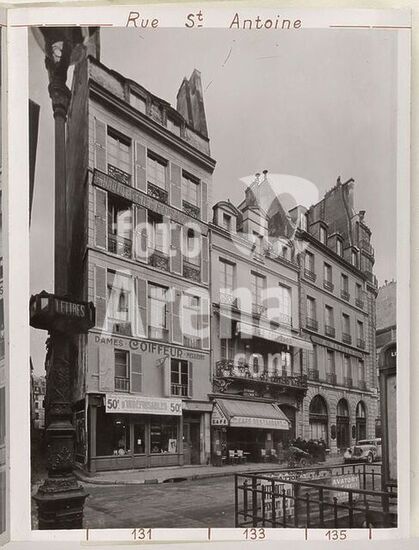
akg344576 Paris (France), Porte Dauphine. "PARIS. La Porte Dauphine". (Entrance to Bois de Boulogne at the Porte Dauphine). Photo postcard, undated (ca. 1905). Paris, Private Collection. Museum: Paris, Private Collection.
DC
akg275526 Heraldry / General:. Arab banner: trophy of the Spanish from the battle in the plain of Tolosa, province Guipúzcoa in the Basque country, 16 July 1212. Photo, no date. Monasterio de Santa Maria la Real de Huelgas, Burgos, Spain.
DC
akg467478 Rubens, Peter Paul. 1577-1640, Werkstatt. "Das Festmahl des Acheloos", um 1603/27. (Ovid, Metamorphosen, VIII. Buch, Vers 547-619). Öl auf Eichenholztafel, parkettiert, 100 × 79,5 cm. Privatsammlung , 2006.
DC
akg429020 Goytisolo, Juan; spanischer Schriftsteller; geb. 5.1.1931 in Barcelona. Foto, Berlin, 22. Mai 2005. Copyright: For editorial use only.
DC
akg456306 Art étrusque, archaïque. Collier avec pendentif (tête d'Achéloos (dieu du fleuve) ) ; v. 600 av. J.-C. Feuille d'or avec granulations, H. du pendentif : 0,04. Provenance : Étrurie. Fibule avec inscription (1re mention du terme "étrusque"), v. 630 av. J.-C. Or, L. 0,216. Département des Antiquités étrusques, grecques et romaines. Paris, Musée du Louvre. Museum: Paris, Musée Du Louvre.
DC
akg1329208 Völkerkunde / Palästina.-Israel, im Dorf Quissan, auf palästinensischem Territorium: "Ce centre social de village offre une assistance aux futures mamans" (Die Sozialstation des Dorfes bietet zukünftigen Müttern Unterstützung an).-Foto, 1999. Aus einer Serie " Femmes Eternelles".
DC
akg3001846 Tarquinia (Latium, Italien), Monterozzi-Nekropole (seit 2004 UNESCO-Welterbe), Tomba dei Tori / Grab der Stiere. /. - Angreifender Stier mit Menschengesicht (Acheloos). - Wandmalerei, etruskisch, um 550/5540 v.Chr. Ausschnitt aus dem Fries mit Stieren und erotischen Gruppen an der Rückwand. Foto, undatiert. Author: ANONYMOUS.
DC
akg1039967 Soviet invasion of the Czechoslovak Socialist Republic (Czechoslovakia), 20/21 August 1968 (passive resistance by the Slovak people).-Demonstrators on a tank.-Photo, Bratislava, 21 August 1968.
DC
akg1063500 Pferdedroschke / Droschkenkutscherin.-"Au bois, un jour de bombe".-(Erste Zulassungen von Frauen zum Fuhrwesen in Paris: Damen bei einer Spazierfahrt mit einer Droschkenkutscherin).-Fotopostkarte, 1907 (C.M.). Aus einer Serie: Paris Moderne. Les femmes cocher. Museum: Private Collection., Paris.
DC
akg7895391 LOISEAU, GUSTAVEParis 1865 - 1935L'eglise d'Auvers-sur-Oise, temps gris. Oil on canvas. 50,5 x 61,5 cm. Signed and dated lower left: G. Loiseau 1910. Framed. Provenance: - Private collection, Paris - Hammer Galleries, New York with enclosed authentication from the gallery dated July 10, 1985. Certificate:Didier Imbert, Paris dated July 10, 1985, is to be enclosed into the catalogue raisonné in progress.Influenced by the style of his friend Paul Gauguin, Gustave Loiseau belonged to the second generation of impressionists. In 1901 the gallery owner Durand-Ruel, who had already signed him on in 1897, aligned a large solo exhibition for him. With the sole purpose to depict nature as honest as possible he developed an own impressionistic style which is characteristed by vivid, dynamic colour application.Just like Cézanne, Pissarro and van Gogh he is magically attracted time and time again by the rural Auvers. There he often visits his friend Dr. Gachet. In his painting of the church of Auvers-sur-Oise Loiseau he masterly depicts an everyday scene on a cloudy summer day. Loyal to his restrained nature he captures the unspectacular life off the metropolis in muted colours. Special-Edition-Catalogue_Collection_Stinner Text-Special-Edition-Catalogue_Collection_Stinner. Art trade, Van Ham.
DC
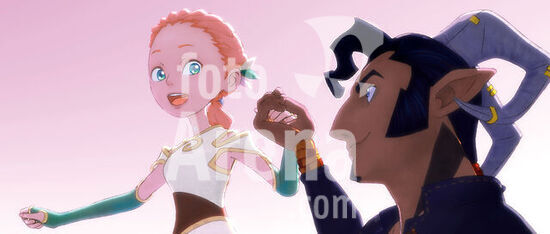
alb21308505 ARCO (2025), directed by UGO BIENVENU. English title: ARCO.
DC
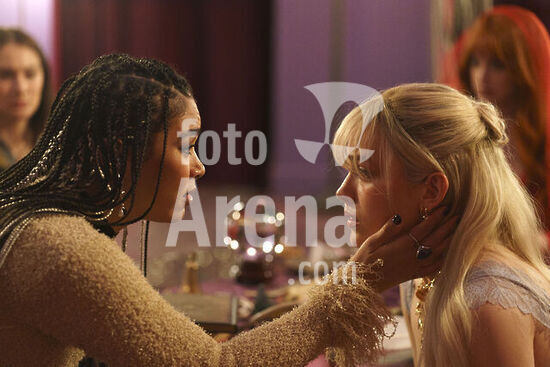
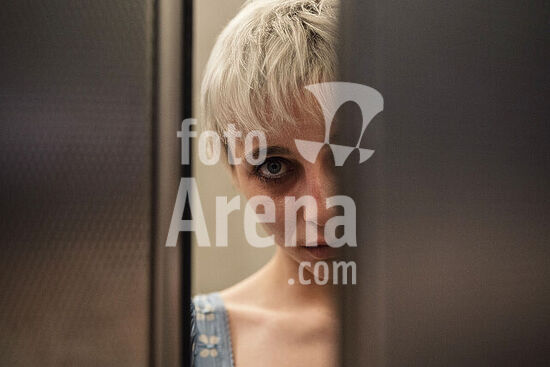
alb21308518 RENATE REINSVE in VALOR SENTIMENTAL (2025) -Original title: SENTIMENTAL VALUE-, directed by JOACHIM TRIER. English title: AFFEKSJONSVERDI.
DC
alb21308502 ARCO (2025), directed by UGO BIENVENU. English title: ARCO.
DC
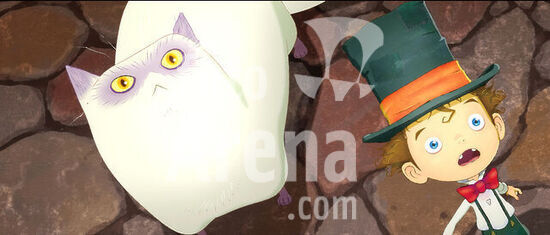
alb21308501 ARCO (2025), directed by UGO BIENVENU. English title: ARCO.
DC
alb21308506 ETHAN HAWKE and MARGARET QUALLEY in BLUE MOON (2025), directed by RICHARD LINKLATER. English title: BLUE MOON.
DC
alb21308510 BLUE MOON (2025), directed by RICHARD LINKLATER. English title: BLUE MOON.
DC
alb21308522 WAGNER MOURA, ISABEL ZUAA and HERMILA GUEDES in AGENTE SECRETO (2025) -Original title: O AGENTE SECRETO-, directed by KLEBER MENDONÇA FILHO. English title: THE SECRET AGENT.
DC
alb21308519 VALOR SENTIMENTAL (2025) -Original title: SENTIMENTAL VALUE-, directed by JOACHIM TRIER. English title: AFFEKSJONSVERDI.
DC
alb21308523 WAGNER MOURA in AGENTE SECRETO (2025) -Original title: O AGENTE SECRETO-, directed by KLEBER MENDONÇA FILHO. English title: THE SECRET AGENT.
DC
alb21308514 JESSIE BUCKLEY, CHLOE ZHAO and PAUL MESCAL in HAMNET (2025), directed by CHLOE ZHAO. English title: HAMNET.
DC
alb21308503 ARCO (2025), directed by UGO BIENVENU. English title: ARCO.
DC
alb21308509 ETHAN HAWKE in BLUE MOON (2025), directed by RICHARD LINKLATER. English title: BLUE MOON.
DC
alb21308512 JESSIE BUCKLEY in HAMNET (2025), directed by CHLOE ZHAO. English title: HAMNET.
DC
alb21308508 ETHAN HAWKE and ANDREW SCOTT in BLUE MOON (2025), directed by RICHARD LINKLATER. English title: BLUE MOON.
DC
alb21308520 RENATE REINSVE in VALOR SENTIMENTAL (2025) -Original title: SENTIMENTAL VALUE-, directed by JOACHIM TRIER. English title: AFFEKSJONSVERDI.
DC
alb21308500 ARCO (2025), directed by UGO BIENVENU. English title: ARCO.
DC
alb21308513 JESSIE BUCKLEY in HAMNET (2025), directed by CHLOE ZHAO. English title: HAMNET.
DC
alb21308494 WAGNER MOURA and HERMILA GUEDES in AGENTE SECRETO (2025) -Original title: O AGENTE SECRETO-, directed by KLEBER MENDONÇA FILHO. English title: THE SECRET AGENT.
DC
alb21308492 WAGNER MOURA in AGENTE SECRETO (2025) -Original title: O AGENTE SECRETO-, directed by KLEBER MENDONÇA FILHO. English title: THE SECRET AGENT.
DC
alb21308515 ELLE FANNING and INGA IBSDOTTER LILLEAAS in VALOR SENTIMENTAL (2025) -Original title: SENTIMENTAL VALUE-, directed by JOACHIM TRIER. English title: AFFEKSJONSVERDI.
DC
alb21308497 ARCO (2025), directed by UGO BIENVENU. English title: ARCO.
DC
alb21308490 AGENTE SECRETO (2025) -Original title: O AGENTE SECRETO-, directed by KLEBER MENDONÇA FILHO. English title: THE SECRET AGENT.
DC
alb21308489 RENATE REINSVE in VALOR SENTIMENTAL (2025) -Original title: SENTIMENTAL VALUE-, directed by JOACHIM TRIER. English title: AFFEKSJONSVERDI.
DC
alb21277691 PAUL MESCAL in HAMNET (2025), directed by CHLOE ZHAO. English title: HAMNET.
DC
alb21277686 JESSIE BUCKLEY in HAMNET (2025), directed by CHLOE ZHAO. English title: HAMNET.
DC
alb21277684 JOE ALWYN and JESSIE BUCKLEY in HAMNET (2025), directed by CHLOE ZHAO. English title: HAMNET.
DC
alb21277687 JESSIE BUCKLEY and PAUL MESCAL in HAMNET (2025), directed by CHLOE ZHAO. English title: HAMNET.
DC
alb21277688 EMILY WATSON in HAMNET (2025), directed by CHLOE ZHAO. English title: HAMNET.
DC
alb21277692 PAUL MESCAL and JACOBI JUPE in HAMNET (2025), directed by CHLOE ZHAO. English title: HAMNET.
DC
alb21277690 PAUL MESCAL in HAMNET (2025), directed by CHLOE ZHAO. English title: HAMNET.
DC
alb21277685 JESSIE BUCKLEY in HAMNET (2025), directed by CHLOE ZHAO. English title: HAMNET.
DC
alb256893 HUMPHREY BOGART, EDWARD G. ROBINSON and BARTON MACLANE in BALAS O VOTOS (1936) -Original title: BULLETS OR BALLOTS-, directed by WILLIAM KEIGHLEY. English title: BULLETS OR BALLOTS. Portuguese title: BALAS OU VOTOS.
DC

Total de Resultados: 10.000

Página 1 de 100