










































Busque também em nossas outras coleções:

Data da imagem:
Pauta
ver mais opções...
Agência
Fotógrafo
ver mais opções...
Estado
Cidade
ver mais opções...
Local
ver mais opções...
Tipo de licença
Orientação
Coleção

Total de Resultados: 10.000

Página 1 de 100

akg8537984 Below: Three portraits of Homer (Homere). Up center: Two portraits of Socrates (Socrate, Sokrates). The Hall of the Philosophers contains the busts of poets, philosophers and orators of Greek antiquity, whose images, in Roman times and then in the Renaissance, decorated public and private libraries, homes, villas and parks of the wealthy and sensitive lovers of Arts and Philosophy . - Palazzo Nuovo, Musei Capitolini. (Capitoline Museums ; Musées du Capitole; Museen Kapitolinischen). - Rome , Italy. 2020.
DC
akg8636971 Partial view of the Parnassus (Le Parnasse, Parnass ). Painting by Raphael (Raffaello Sanzio, Raffael). The Parnassus is the dwelling place of the god Apollo and the Muses and the home of poetry, according to classical myth. Apollo (Apollon) seated at the centre, plays the lyre surrounded by the nine Muses, protectresses of the arts, and by ancient and modern poets, among whom (at left) Homer (Homere) (blind), Virgil (Virgile) and Dante Alighieri (Durante degli Alighieri) are easily recognisable behind him. - Painted in the Stanza della Segnatura (Room of the Signatura, Salle de la Signature, Saal der Signatur) between 1509 and 1511 as a part of Raphael's commission to decorate the rooms now known as the Stanze di Raffaello (Raphael Rooms, Chambres de Raphael, Stanzen des Raffael), in the Apostolic Palace in the Vatican. Vatican Museums. 2021.
DC
akg8398379 Head of Homer (Epimenides type) (Homere). Roman copy of a Greek original from the Mid-5th century BC. Sculpture, statue. Parian marble. - Museo Giovanni Barracco di Scultura Antica (Barracco Museum of Antique Sculpture, Musée Barracco de Sculptures Anciennes). The palazzo is also called 'Farnesina ai Baullari' or 'Piccola Farnesina' (Little Farnesina). The museum is featuring the antiquities acquired by the collector Giovanni Barracco, who donated his collection to the City of Rome in 1902. Rome, Italy. 2020.
DC
akg8537987 Roman portrait of Homer (Homere). Greek poet (8th cent. BC). Copy after a Greek work of the 2nd. cent.BC. inv. MC 559. in the Hall of the Philosophers . - Palazzo Nuovo, Musei Capitolini. (Capitoline Museums ; Musées du Capitole; Museen Kapitolinischen). - Rome , Italy. 2020.
DC
akg8537986 Roman portrait of Homer (Homere). Greek poet (8th cent. BC). Copy after a Greek work of the 2nd. cent.BC. inv. MC 558. in the Hall of the Philosophers . - Palazzo Nuovo, Musei Capitolini. (Capitoline Museums ; Musées du Capitole; Museen Kapitolinischen). - Rome , Italy. 2020.
DC
akg8636974 The Parnassus (Le Parnasse, Parnass ). Painting by Raphael (Raffaello Sanzio, Raffael). The Parnassus is the dwelling place of the god Apollo and the Muses and the home of poetry, according to classical myth. Apollo (Apollon) seated at the centre, plays the lyre surrounded by the nine Muses, protectresses of the arts, and by ancient and modern poets, among whom (at left) Homer (Homere) (blind), Virgil (Virgile) and Dante Alighieri (Durante degli Alighieri) are easily recognisable behind him , as well as the poetess Sapphos seated at the bottom left, with her name written on the scroll she holds in her left hand. - Painted in the Stanza della Segnatura (Room of the Signatura, Salle de la Signature, Saal der Signatur) between 1509 and 1511 as a part of Raphael's commission to decorate the rooms now known as the Stanze di Raffaello (Raphael Rooms, Chambres de Raphael, Stanzen des Raffael), in the Apostolic Palace in the Vatican. Vatican Museums. 2021.
DC
akg8636958 Partial view of The Parnassus (Le Parnasse, Parnass ). Painting by Raphael (Raffaello Sanzio, Raffael). The Parnassus is the dwelling place of the god Apollo and the Muses and the home of poetry, according to classical myth. Apollo (Apollon) seated at the centre, plays the lyre surrounded by the nine Muses, protectresses of the arts, and by ancient and modern poets, among whom (at left) Homer (Homere) (blind), Virgil (Virgile) and Dante Alighieri (Durante degli Alighieri) are easily recognisable behind him. - Painted in the Stanza della Segnatura (Room of the Signatura, Salle de la Signature, Saal der Signatur) between 1509 and 1511 as a part of Raphael's commission to decorate the rooms now known as the Stanze di Raffaello (Raphael Rooms, Chambres de Raphael, Stanzen des Raffael), in the Apostolic Palace in the Vatican. Vatican Museums. 2021.
DC
akg8636960 The Parnassus (Le Parnasse, Parnass ). Painting by Raphael (Raffaello Sanzio, Raffael). The Parnassus is the dwelling place of the god Apollo and the Muses and the home of poetry, according to classical myth. Apollo (Apollon) seated at the centre, plays the lyre surrounded by the nine Muses, protectresses of the arts, and by ancient and modern poets, among whom (at left) Homer (Homere) (blind), Virgil (Virgile) and Dante Alighieri (Durante degli Alighieri) are easily recognisable behind him. On the ceiling the female allegory representing Poetry. - Painted in the Stanza della Segnatura (Room of the Signatura, Salle de la Signature, Saal der Signatur) between 1509 and 1511 as a part of Raphael's commission to decorate the rooms now known as the Stanze di Raffaello (Raphael Rooms, Chambres de Raphael, Stanzen des Raffael), in the Apostolic Palace in the Vatican. Vatican Museums. 2021.
DC
akg8636965 Left to right: Dante Alighieri (Durante degli Alighieri,dit ), Homer (Homere) and Virgil (Virgile). Detail of The Parnassus (Le Parnasse, Parnass ). Painting by Raphael (Raffaello Sanzio, Raffael). The Parnassus is the dwelling place of the god Apollo and the Muses and the home of poetry, according to classical myth. - Painted in the Stanza della Segnatura (Room of the Signatura, Salle de la Signature, Saal der Signatur) between 1509 and 1511 as a part of Raphael's commission to decorate the rooms now known as the Stanze di Raffaello (Raphael Rooms, Chambres de Raphael, Stanzen des Raffael), in the Apostolic Palace in the Vatican. Vatican Museums. 2021.
DC
akg8636972 Left to right: Dante Alighieri (Durante degli Alighieri, dit ), Homer (Homere) Virgil (Virgile) and Publius Papinius Statius (Stace). Detail of The Parnassus (Le Parnasse, Parnass ). Painting by Raphael (Raffaello Sanzio, Raffael). The Parnassus is the dwelling place of the god Apollo and the Muses and the home of poetry, according to classical myth. - Painted in the Stanza della Segnatura (Room of the Signatura, Salle de la Signature, Saal der Signatur) between 1509 and 1511 as a part of Raphael's commission to decorate the rooms now known as the Stanze di Raffaello (Raphael Rooms, Chambres de Raphael, Stanzen des Raffael), in the Apostolic Palace in the Vatican. Vatican Museums. 2021.
DC
akg8636955 The Parnassus (Le Parnasse, Parnass ). Painting by Raphael (Raffaello Sanzio, Raffael). The Parnassus is the dwelling place of the god Apollo and the Muses and the home of poetry, according to classical myth. Apollo (Apollon) seated at the centre, plays the lyre surrounded by the nine Muses, protectresses of the arts, and by ancient and modern poets, among whom (at left) Homer (Homere) (blind), Virgil (Virgile) and Dante Alighieri (Durante degli Alighieri) are easily recognisable behind him , as well as the poetess Sapphos seated at the bottom left, with her name written on the scroll she holds in her left hand. - Painted in the Stanza della Segnatura (Room of the Signatura, Salle de la Signature, Saal der Signatur) between 1509 and 1511 as a part of Raphael's commission to decorate the rooms now known as the Stanze di Raffaello (Raphael Rooms, Chambres de Raphael, Stanzen des Raffael), in the Apostolic Palace in the Vatican. Vatican Museums. 2021.
DC
akg8636964 Left to right: Dante Alighieri (Durante degli Alighieri, dit), Homer (Homere) and Virgil (Virgile). Detail of The Parnassus (Le Parnasse, Parnass ). Painting by Raphael (Raffaello Sanzio, Raffael). The Parnassus is the dwelling place of the god Apollo and the Muses and the home of poetry, according to classical myth. - Painted in the Stanza della Segnatura (Room of the Signatura, Salle de la Signature, Saal der Signatur) between 1509 and 1511 as a part of Raphael's commission to decorate the rooms now known as the Stanze di Raffaello (Raphael Rooms, Chambres de Raphael, Stanzen des Raffael), in the Apostolic Palace in the Vatican. Vatican Museums. 2021.
DC
akg8703547 William-Adolphe Bouguereau, French painter, 1825-1905. Homer and His Guide (Homère et son guide), 1874. Oil on canvas, 208.92 x 142.88 cm. Milwaukee, Milwaukee Art Museum.
DC
akg8692009 Statue of Laocoon and His Sons, also called the Laocoon Group. (Groupe du Laocoon, Laokoon-Gruppe). Attributed to three Greek sculptors from the island of Rhodes: Agesander, Athenodoros and Polydorus. - The figures are near life-size and the group is a little over 2 m in height, showing the Trojan priest Laocoon and his sons Antiphantes and Thymbraeus being attacked by sea serpents. There has been much debate over the date of the statue, which would seem to have been made around 40-30 B.C. inv. 1059. Vatican Museums (Pio Clementino Museum - Octagonal Courtyard). 2021.
DC
akg8692008 Statue of Laocoon and His Sons, also called the Laocoon Group. (Groupe du Laocoon, Laokoon-Gruppe). Attributed to three Greek sculptors from the island of Rhodes: Agesander, Athenodoros and Polydorus. - The figures are near life-size and the group is a little over 2 m in height, showing the Trojan priest Laocoon and his sons Antiphantes and Thymbraeus being attacked by sea serpents. There has been much debate over the date of the statue, which would seem to have been made around 40-30 B.C. inv. 1059. Vatican Museums (Pio Clementino Museum - Octagonal Courtyard). 2021.
DC
akg8692005 Statue of Laocoon and His Sons, also called the Laocoon Group. (Groupe du Laocoon, Laokoon-Gruppe). Attributed to three Greek sculptors from the island of Rhodes: Agesander, Athenodoros and Polydorus. - The figures are near life-size and the group is a little over 2 m in height, showing the Trojan priest Laocoon and his sons Antiphantes and Thymbraeus being attacked by sea serpents. There has been much debate over the date of the statue, which would seem to have been made around 40-30 B.C. inv. 1059. Vatican Museums (Pio Clementino Museum - Octagonal Courtyard). 2021.
DC
akg8692006 Statue of Laocoon and His Sons, also called the Laocoon Group. (Groupe du Laocoon, Laokoon-Gruppe). Attributed to three Greek sculptors from the island of Rhodes: Agesander, Athenodoros and Polydorus. - The figures are near life-size and the group is a little over 2 m in height, showing the Trojan priest Laocoon and his sons Antiphantes and Thymbraeus being attacked by sea serpents. There has been much debate over the date of the statue, which would seem to have been made around 40-30 B.C. inv. 1059. Vatican Museums (Pio Clementino Museum - Octagonal Courtyard). 2021.
DC
akg8181712 Géographes, Géographie et Cartographie / 19e siècle. Marmocchi, Francesco Constantino (1805-1858). "Les voyages d'Ulysse et des Argonautes" (titre original : "viaggi d'Ulisse e degli argonauti"). (En rouge, les voyages d'Ulysse ; en jaune / orange, celui des Argonautes. Le bassin méditerranéen et le monde sont représentés tels que les grecs anciens les concevaient). in Geografia Primitiva de Greci Secondo Esiodo ed Omero, Atlante di geografia universale di Francesco Constantino Marmocchi, Florence, Vincenzo Batelli e Compagni éd., 1842. Collection privée.
DC
akg8472705 Homer (Homere). Painting by Mattia Preti (1613-1699). Canvas. 1635c. - Gallerie dell'Accademia (Galeries de l'Académie ). Museum gallery of pre-19th-century art in the sestiere (district) of Dorsoduro. Venice (Venise, Venedig ). Italy. 2020.
DC
akg8692007 Statue of Laocoon and His Sons, also called the Laocoon Group. (Groupe du Laocoon, Laokoon-Gruppe). Attributed to three Greek sculptors from the island of Rhodes: Agesander, Athenodoros and Polydorus. - The figures are near life-size and the group is a little over 2 m in height, showing the Trojan priest Laocoon and his sons Antiphantes and Thymbraeus being attacked by sea serpents. There has been much debate over the date of the statue, which would seem to have been made around 40-30 B.C. inv. 1059. Vatican Museums (Pio Clementino Museum - Octagonal Courtyard). 2021.
DC
akg8692004 Statue of Laocoon and His Sons, also called the Laocoon Group. (Groupe du Laocoon, Laokoon-Gruppe). Attributed to three Greek sculptors from the island of Rhodes: Agesander, Athenodoros and Polydorus. - The figures are near life-size and the group is a little over 2 m in height, showing the Trojan priest Laocoon and his sons Antiphantes and Thymbraeus being attacked by sea serpents. There has been much debate over the date of the statue, which would seem to have been made around 40-30 B.C. inv. 1059. Vatican Museums (Pio Clementino Museum - Octagonal Courtyard). 2021.
DC
akg8668891 Epoch of Odysseus. In a period of time when history is being made, the life of one person, named Odysseus, will mark the events of particular characteristics for years to come. Travels of need that are about to befall Odysseus and his warriors after the fall of Troy, a series of acts that the Gods arranged. The Nemesis (goddess of revenge) will follow him during his ten years of wandering. Penelope. Drawing and watercolour, 2020.
DC
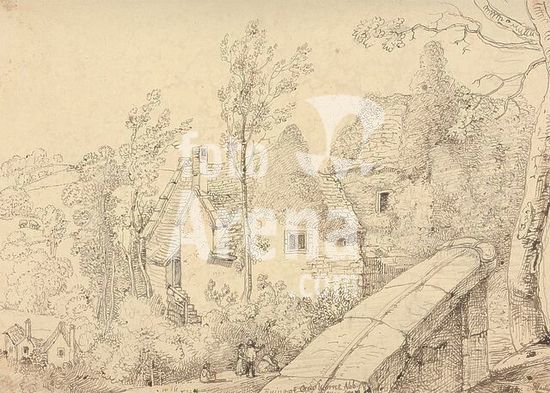
akg8909560 Capt. Thomas Hastings. Ruins of Crewkerne Abbey, May 1833Sketches, Vol. 7: Drawings of Devon, Wales, Lakes, etca , 1833. Graphite and pen and brown ink on medium, slightly textured, cream wove paper, 23.8 × 33 cm. Inv. No. B1977.14.2451. New Haven, Yale Center for British Art.
DC
akg8786156 Head of Homer (Homere).Greek poet (8th cent. BC) author of 'The Odyssey'The head, dated to between the second half of the 1st cent. and the middle of the 2nd cent. AD derives from a 'reconstructed portrait' created around the the 5th cent. BCinv. 315Vatican Museums (Pio Clementino Museum) .Rome, 2021.
DC
akg8786157 Head of Homer (Homere).Greek poet (8th cent. BC) author of 'The Odyssey'The head, dated to between the second half of the 1st cent. and the middle of the 2nd cent. AD derives from a 'reconstructed portrait' created around the the 5th cent. BCinv. 315Vatican Museums (Pio Clementino Museum) .Rome, 2021.
DC
akg8668873 Epoch of Odysseus. In a period of time when history is being made, the life of one person, named Odysseus, will mark the events of particular characteristics for years to come. Travels of need that are about to befall Odysseus and his warriors after the fall of Troy, a series of acts that the Gods arranged. The Nemesis (goddess of revenge) will follow him during his ten years of wandering. Scylla, a naiad changed into a sea monster with three heads of beasts that tears apart boats (Book XII). Drawing and watercolour, 2020.
DC
akg8668883 Epoch of Odysseus. In a period of time when history is being made, the life of one person, named Odysseus, will mark the events of particular characteristics for years to come. Travels of need that are about to befall Odysseus and his warriors after the fall of Troy, a series of acts that the Gods arranged. The Nemesis (goddess of revenge) will follow him during his ten years of wandering. After many years have slipped by, the leaders of the Greeks, opposed by the Fates and damaged by the Trojan War, build a horse of mountainous size, through Pallas's divine art and weave planks of fir over its ribs. They pretend it's a votive offering for Troy: this rumour spreads. They secretly hide a picked body of men, chosen by lot, there, in the dark body, filling the belly and the huge cavernous insides with armed warriors. Troy burning. Drawing and watercolour, 2020.
DC
akg8668886 Epoch of Odysseus. In a period of time when history is being made, the life of one person, named Odysseus, will mark the events of particular characteristics for years to come. Travels of need that are about to befall Odysseus and his warriors after the fall of Troy, a series of acts that the Gods arranged. The Nemesis (goddess of revenge) will follow him during his ten years of wandering. (...) "the wind took me first to Ismarus, which is the city of the Cicons. There I sacked the town ...that we had better make off at once, but my men very foolishly would not obey me, so they stayed there drinking much wine and killing great numbers of sheep and oxen on the sea shore. Meanwhile the Cicons cried out for help these were more in number and stronger and they were more skilled in the art of war. They came as thick as leaves and bloom in summer and the hand of heaven was against us so that we were hard pressed. They set the battle in array near the ships and the hosts aimed their bronze-shod spears at each warrior. As the sun went down, towards the time when men loose their oxen, the Cicons got the better of us and we lost half a dozen men from every ship we had; so we got away with those that were left.". Fleeing the Cicons (Book IX). Drawing and watercolour, 2020.
DC
akg8668877 Epoch of Odysseus. In a period of time when history is being made, the life of one person, named Odysseus, will mark the events of particular characteristics for years to come. Travels of need that are about to befall Odysseus and his warriors after the fall of Troy, a series of acts that the Gods arranged. The Nemesis (goddess of revenge) will follow him during his ten years of wandering. The suitors of Penelope (Book XXII). Drawing and watercolour, 2020.
DC
akg5212706 Bertholet Flemalle I., 1614-1675. "Achilles Wounded by Paris". Oil on canvas, 98 x 70 cm. Inv. NM 428. Stockholm, National Museum.
DC
akg5212705 Lairesse, Gerard de; 1641-1711. "Achilles Discovered Amongst the Daughters of Lycomedes". Oil on canvas, 150,5 x 181,4 cm. Inv. NM 494. Stockholm, National Museum. Museum: Stockholm, National Museum.
DC
akg5214695 Aachen, Hans von; 1552-1615. "The Judgement of Paris". Oil on wood, 39 x 59 cm. Inv. NM 739. Stockholm, National Museum.
DC
akg5953240 Portrait of HomerGreek poet (8th cent. BC) author of 'The Odyssey'The head, dated to between the second half of the 1st cent. and the middle of the 2nd cent. AD derives from a 'reconstructed portrait' created around the the 5th cent. BCinv. 315Vatican Museums (Pio Clementino Museum).
DC
akg5953239 Portrait of HomerGreek poet (8th cent. BC) author of 'The Odyssey'The head, dated to between the second half of the 1st cent. and the middle of the 2nd cent. AD derives from a 'reconstructed portrait' created around the the 5th cent. BCinv. 315Vatican Museums (Pio Clementino Museum).
DC
akg5735004 Stadt Himara, Oberstadt Himara-Kastro (Himara-Burg), Südwest-Albanien: 2006 eröffnete griechische Schule "Homer" neben der griechisch-orthodoxen Allerheiligenkirche. Die Adria-Stadt Himara besteht aus der Unterstadt Himara-Spille (Himara-Strand) sowie der hoch über dem Strand erbauten historischen Oberstadt Himara-Kastro (Himara-Burg). Bei Himara fanden italienische Archäologen 1939 die ältesten menschlichen Siedlungsspuren entlang der Adria (Mesolithikum). Die Gründung von Himara-Kastro geht auf das 8. Jh. v. Chr. zurück, was Reste der Zyklopenmauern, auf denen die Burgrmauern errichtet wurden, nahelegen. Während des Römischen Bürgerkriegs zog Julius Caesar hier 48 v. Chr. samt Heer Richtung Griechenland durch. Der Name Himara soll auf die Chaoner zurückgehen, eventuell auch auf "cheimarros" (Wildbach). Nach wechselnder Besetzung gelangte die Stadt in Besitz von Venedig, dann in den der Osmanen, obschon Gjon Kastrioti, Sohn des albanischen Nationalhelden Skanderbeg, einen historischen Sieg während des Aufstands ab 1481 feierte. Die Auseinandersetzungen der Himarioten mit den Osmanen setzen sich fort, denn Himara war und ist Albaniens Zentrum der griechischsprachigen und griechisch-orthodoxen Minderheit. 1577 rief man sogar den Papst zur Hilfe und bot den Übertritt zum katholischen Glauben an. 1798 übernahm Ali Pascha Tepelene Himara und gründete nahebei die Festung Porto Palermo, die aber wohl älter und von den Venezianern ist. Im 2. Weltkrieg war Himara-Kastro zwischen albanischen Partisanen und deutscher Wehrmacht stark umkämpft. Die Auseinandersetzungen zwischen Albanern und Griechen in Himara setzen sich im 21. Jh. fort. So kam es zu Zwischenfällen in den Jahren 1999, 2003, 2004 und 2010. Besonders sehenswert in Himara-Kastro (von lat. castrum: befestigtes Militärlager, Stadt) sind die Reste der byzantinischen Kirche mit Fresken sowie die Wehranlagen.
DC
akg5227498 Géographie / Antiquité. La Terre d'après Homère, c'est-à-dire tel que l'auteur de l'Iliade et de l'odyssée concevait le monde au VIIIe siècle av. J.-C. (Outre péninsule grecque, on distingue les territoires des Cimériens, Hyperborréens, Lotophages, Pygmées, Phéniciens et Ehiopien). Gravure couleur, 19e siècle (Collection particulière).
DC
akg5836684 Ireland, Co. Offlay, ruins of Clonmacnoise (former monastery): "Cross of the Scriptures" (replica of the High Cross) in front of the Cathedral (also: Temple McDermot). The so called Cross of the Scriptures is a 4 m high corss made of sandstone and one of the most prestigious high crosses in Ireland. It was built around 900 most probably by Flann Sinna, King of Ireland, and Abbot Colmán. The surface of the cross is divided in panels, showing religious scenes (Crucifixion, Last Judgement, Christ in the Tomb). There are as well other scenes, showing King Diarmuid, horsemen, hunters and animals. Building of the so called Cathedral (Temple McDermot) in the centre of the abbey grounds startet in 909 by King Flann Sinna and Abbot Colmán mac Ailella. West door way has been restored. Famous is the Gothic style northern doorway with view from and to Shannon river, called Whispering Arch. In this biggest church of Clonmacnoise, lots of graves have been found. Most prominent is the grave of Rory O`Conor, the last High King of Ireland, who was buried here, in 1198, following his father Turlough O`Conor who had built on of the round towers, the O'Rourke's Tower, in 1124, with Gilla Christ Ua Maoileoin (O`Malone), abbot of Clonmacnoise.The monastery of Clonmacnoise, irish Cluain Mhic Nóis, "Meadow of the Sons of Nós", or irish Cluain Muccu Nóis, "Meadow of the Pigs of Nós", was founded in 544 or 548 AD by St. Ciarán ((c. 516 - c. 549 or 552) and seven following monks, who died soon after most probably caused by pestilentia. The monastery became famous for its scriptorium. here, The Book of the Dun Cow (German: Buch der dunkelfarbenen Kuh), the oldest writing in old irish language, was realized. In 1979, Pope John Paul II visited Clonmacnoise. From 9th to 12th century, the monastery was strongly tied with the kings of Meath. Lots of high kings of Tara and Connacht were buried here. From 10th to 16th century, the monastery was continously extended. Within 400 years, Viking.
DC
akg5924342 Parnassusby Raphael (Raffaello Sanzio) (1483-1520)Raphael's Rooms - Room of the signatureBeneath Poetry, Mount Parnassus is represented: the god Apollo, seated at the centre, plays the lyre surrounded by the nine Muses, protectresses of the arts, and by ancient and modern poets, among whom Homer (blind), Virgil and Dante are easily recognisable behind him, as well as the poetess Sapphos seated at the bottom left, with her name written on the scroll she holds in her left hand.Vatican Museums (Raphael's Rooms - Room of the Signature, Stanza della Segnatura).
DC
akg5836693 Ireland, Co. Offlay, ruins of Clonmacnoise (former monastery): Panel "music player playing triple pipes" on north face of the "Cross of the Scriptures" (replica of the High Cross) in front of the Cathedral (also: Temple McDermot). The so called Cross of the Scriptures is a 4 m high corss made of sandstone and one of the most prestigious high crosses in Ireland. It was built around 900 most probably by Flann Sinna, King of Ireland, and Abbot Colmán. The surface of the cross is divided in panels, showing religious scenes (Crucifixion, Last Judgement, Christ in the Tomb). There are as well other scenes, showing King Diarmuid, horsemen, hunters and animals. Building of the so called Cathedral (Temple McDermot) in the centre of the abbey grounds startet in 909 by King Flann Sinna and Abbot Colmán mac Ailella. West door way has been restored. Famous is the Gothic style northern doorway with view from and to Shannon river, called Whispering Arch. In this biggest church of Clonmacnoise, lots of graves have been found. Most prominent is the grave of Rory O`Conor, the last High King of Ireland, who was buried here, in 1198, following his father Turlough O`Conor who had built on of the round towers, the O'Rourke's Tower, in 1124, with Gilla Christ Ua Maoileoin (O`Malone), abbot of Clonmacnoise.The monastery of Clonmacnoise, irish Cluain Mhic Nóis, "Meadow of the Sons of Nós", or irish Cluain Muccu Nóis, "Meadow of the Pigs of Nós", was founded in 544 or 548 AD by St. Ciarán ((c. 516 - c. 549 or 552) and seven following monks, who died soon after most probably caused by pestilentia. The monastery became famous for its scriptorium. here, The Book of the Dun Cow (German: Buch der dunkelfarbenen Kuh), the oldest writing in old irish language, was realized. In 1979, Pope John Paul II visited Clonmacnoise. From 9th to 12th century, the monastery was strongly tied with the kings of Meath. Lots of high kings of Tara and Connacht were buried here. From 10th to 16th century, t.
DC
akg5924358 Room of the Signatureby Raphael (Raffaello Sanzio) (1483-1520)Raphael's Rooms The Room of the Segnatura contains Raphael's most famous frescoes. The room takes its name from the highest court of the Holy See, the 'Segnatura Gratiae et Iustitiae', which was presided over by the pontiff and used to meet in this room around the middle of the 16th century. Originally the room was used by Julius II (pontiff from 1503 to 1513) as a library and private office. The iconographic programme of the frescoes, which were painted between 1508 and 1511, is related to this function. It was certainly established by a theologian and meant to represent the three greatest categories of the human spirit: Truth, Good and Beauty. RIGHT: School of AthensThe most famous philosophers of ancient times move within an imposing Renaissance architecture which is inspired by Bramante's project for the renewal of the early Christian basilica of St Peter.LEFT: ParnassusBeneath Poetry, Mount Parnassus is represented: the god Apollo, seated at the centre, plays the lyre surrounded by the nine Muses, protectresses of the arts, and by ancient and modern poets, among whom Homer (blind), Virgil and Dante are easily recognisable behind him, as well as the poetess Sapphos seated at the bottom left, with her name written on the scroll she holds in her left hand.Vatican Museums (Raphael's Rooms - Room of the Signature, Stanza della Segnatura).
DC
akg5836688 Ireland, Co. Offlay, ruins of Clonmacnoise (former monastery): glass pavillon for Pope John Paull II (right), McCarthy`s Tower and Temple Finghín. The glass pavillon was erected for the visit of Pope John Paul II, in 1979. McCarthy`s Tower was built in 12th century in Romanesque style, it is beneath Temple Finghín, built in the same time. Building of the so called Cathedral (Temple McDermot) in the centre of the abbey grounds startet in 909 by King Flann Sinna and Abbot Colmán mac Ailella. West door way has been restored. Famous is the Gothic style northern doorway with view from and to Shannon river, called Whispering Arch. In this biggest church of Clonmacnoise, lots of graves have been found. Most prominent is the grave of Rory O`Conor, the last High King of Ireland, who was buried here, in 1198, following his father Turlough O`Conor who had built on of the round towers, the O'Rourke's Tower, in 1124, with Gilla Christ Ua Maoileoin (O`Malone), abbot of Clonmacnoise.The monastery of Clonmacnoise, irish Cluain Mhic Nóis, "Meadow of the Sons of Nós", or irish Cluain Muccu Nóis, "Meadow of the Pigs of Nós", was founded in 544 or 548 AD by St. Ciarán ((c. 516 - c. 549 or 552) and seven following monks, who died soon after most probably caused by pestilentia. The monastery became famous for its scriptorium. here, The Book of the Dun Cow (German: Buch der dunkelfarbenen Kuh), the oldest writing in old irish language, was realized. In 1979, Pope John Paul II visited Clonmacnoise. From 9th to 12th century, the monastery was strongly tied with the kings of Meath. Lots of high kings of Tara and Connacht were buried here. From 10th to 16th century, the monastery was continously extended. Within 400 years, Vikings and Normans, often sailing via Shannon river, raided the monastery. The time of Clonmacnoise ended in 1552, when english soldiers of the nearby garrison in Athlone burned and destroyed everything. Most important in Clonmacnoise are the round towers and Hi.
DC
akg5836690 Ireland, Co. Offlay, ruins of Clonmacnoise (former monastery): Temple Hurpan and Temple Melaghlin (behind, covered) on southeastern side of the Cathedral (also: Temple McDermot). Building of the so called Cathedral (Temple McDermot) in the centre of the abbey grounds startet in 909 by King Flann Sinna and Abbot Colmán mac Ailella. West door way has been restored. Famous is the Gothic style northern doorway with view from and to Shannon river, called Whispering Arch. In this biggest church of Clonmacnoise, lots of graves have been found. Most prominent is the grave of Rory O`Conor, the last High King of Ireland, who was buried here, in 1198, following his father Turlough O`Conor who had built on of the round towers, the O'Rourke's Tower, in 1124, with Gilla Christ Ua Maoileoin (O`Malone), abbot of Clonmacnoise.The monastery of Clonmacnoise, irish Cluain Mhic Nóis, "Meadow of the Sons of Nós", or irish Cluain Muccu Nóis, "Meadow of the Pigs of Nós", was founded in 544 or 548 AD by St. Ciarán ((c. 516 - c. 549 or 552) and seven following monks, who died soon after most probably caused by pestilentia. The monastery became famous for its scriptorium. here, The Book of the Dun Cow (German: Buch der dunkelfarbenen Kuh), the oldest writing in old irish language, was realized. In 1979, Pope John Paul II visited Clonmacnoise. From 9th to 12th century, the monastery was strongly tied with the kings of Meath. Lots of high kings of Tara and Connacht were buried here. From 10th to 16th century, the monastery was continously extended. Within 400 years, Vikings and Normans, often sailing via Shannon river, raided the monastery. The time of Clonmacnoise ended in 1552, when english soldiers of the nearby garrison in Athlone burned and destroyed everything. Most important in Clonmacnoise are the round towers and High Crosses. Open air, there are replicas of the high crosses, only. The original three high crosses are conserved in the museum (interpretive centre) of the visito.
DC
akg5836692 Ireland, Co. Offlay, ruins of Clonmacnoise (former monastery): Panel below the panel with two men wearing swords at east face of the "Cross of the Scriptures" (replica of the High Cross) in front of the Cathedral (also: Temple McDermot). This panel could be a religious scene from Old Testament (Joseph interpreting the dream of the butler). Newest interpretation sees St. Ciarán (St. Kieran) and King Diarmuid while founding the monastery of Clonmacnoise. The monastery of Clonmacnoise, irish Cluain Mhic Nóis, "Meadow of the Sons of Nós", or irish Cluain Muccu Nóis, "Meadow of the Pigs of Nós", was founded in 544 or 548 AD by St. Ciarán ((c. 516 - c. 549 or 552) and seven following monks, who died soon after most probably caused by pestilentia. The monastery became famous for its scriptorium. here, The Book of the Dun Cow (German: Buch der dunkelfarbenen Kuh), the oldest writing in old irish language, was realized. In 1979, Pope John Paul II visited Clonmacnoise. From 9th to 12th century, the monastery was strongly tied with the kings of Meath. Lots of high kings of Tara and Connacht were buried here. From 10th to 16th century, the monastery was continously extended. Within 400 years, Vikings and Normans, often sailing via Shannon river, raided the monastery. The time of Clonmacnoise ended in 1552, when english soldiers of the nearby garrison in Athlone burned and destroyed everything. Most important in Clonmacnoise are the round towers and High Crosses. Open air, there are replicas of the high crosses, only. The original three high crosses are conserved in the museum (interpretive centre) of the visitor centre. Clonmacnoise is as well connected with the beautiful "Helena of Ireland", Derbforgaill. She constructed, in 1167, the nun`s church, 500 m away from the monastery of the male monks. She is reflected also in the famous annals of Clonmacnoise, written around 1480. Analogue to the Troja saga of Homer, she became the "Helena of Ireland". Her fate is directly.
DC
akg5836687 Ireland, Co. Offlay, ruins of Clonmacnoise (former monastery): McCarthy`s Tower. McCarthy`s Tower was built in 12th century in Romanesque style, it is beneath Temple Finghín, built in the same time. Building of the so called Cathedral (Temple McDermot) in the centre of the abbey grounds startet in 909 by King Flann Sinna and Abbot Colmán mac Ailella. West door way has been restored. Famous is the Gothic style northern doorway with view from and to Shannon river, called Whispering Arch. In this biggest church of Clonmacnoise, lots of graves have been found. Most prominent is the grave of Rory O`Conor, the last High King of Ireland, who was buried here, in 1198, following his father Turlough O`Conor who had built on of the round towers, the O'Rourke's Tower, in 1124, with Gilla Christ Ua Maoileoin (O`Malone), abbot of Clonmacnoise.The monastery of Clonmacnoise, irish Cluain Mhic Nóis, "Meadow of the Sons of Nós", or irish Cluain Muccu Nóis, "Meadow of the Pigs of Nós", was founded in 544 or 548 AD by St. Ciarán ((c. 516 - c. 549 or 552) and seven following monks, who died soon after most probably caused by pestilentia. The monastery became famous for its scriptorium. here, The Book of the Dun Cow (German: Buch der dunkelfarbenen Kuh), the oldest writing in old irish language, was realized. In 1979, Pope John Paul II visited Clonmacnoise. From 9th to 12th century, the monastery was strongly tied with the kings of Meath. Lots of high kings of Tara and Connacht were buried here. From 10th to 16th century, the monastery was continously extended. Within 400 years, Vikings and Normans, often sailing via Shannon river, raided the monastery. The time of Clonmacnoise ended in 1552, when english soldiers of the nearby garrison in Athlone burned and destroyed everything. Most important in Clonmacnoise are the round towers and High Crosses. Open air, there are replicas of the high crosses, only. The original three high crosses are conserved in the museum (interpretive.
DC
akg5836685 Ireland, Co. Offlay, ruins of Clonmacnoise (former monastery): main entrance to the Cathedral (also: Temple McDermot). Building of the so called Cathedral (Temple McDermot) in the centre of the abbey grounds startet in 909 by King Flann Sinna and Abbot Colmán mac Ailella. West door way has been restored. Famous is the Gothic style northern doorway with view from and to Shannon river, called Whispering Arch. In this biggest church of Clonmacnoise, lots of graves have been found. Most prominent is the grave of Rory O`Conor, the last High King of Ireland, who was buried here, in 1198, following his father Turlough O`Conor who had built on of the round towers, the O'Rourke's Tower, in 1124, with Gilla Christ Ua Maoileoin (O`Malone), abbot of Clonmacnoise.The monastery of Clonmacnoise, irish Cluain Mhic Nóis, "Meadow of the Sons of Nós", or irish Cluain Muccu Nóis, "Meadow of the Pigs of Nós", was founded in 544 or 548 AD by St. Ciarán ((c. 516 - c. 549 or 552) and seven following monks, who died soon after most probably caused by pestilentia. The monastery became famous for its scriptorium. here, The Book of the Dun Cow (German: Buch der dunkelfarbenen Kuh), the oldest writing in old irish language, was realized. In 1979, Pope John Paul II visited Clonmacnoise. From 9th to 12th century, the monastery was strongly tied with the kings of Meath. Lots of high kings of Tara and Connacht were buried here. From 10th to 16th century, the monastery was continously extended. Within 400 years, Vikings and Normans, often sailing via Shannon river, raided the monastery. The time of Clonmacnoise ended in 1552, when english soldiers of the nearby garrison in Athlone burned and destroyed everything. Most important in Clonmacnoise are the round towers and High Crosses. Open air, there are replicas of the high crosses, only. The original three high crosses are conserved in the museum (interpretive centre) of the visitor centre. Clonmacnoise is as well connected with the beautifu.
DC
akg5836686 Ireland, Co. Offlay, ruins of Clonmacnoise (former monastery): view from window of the Cathedral (also: Temple McDermot) to McCarthy`s Tower. McCarthy`s Tower was built in 12th century in Romanesque style, it is beneath Temple Finghín, built in the same time. Building of the so called Cathedral (Temple McDermot) in the centre of the abbey grounds startet in 909 by King Flann Sinna and Abbot Colmán mac Ailella. West door way has been restored. Famous is the Gothic style northern doorway with view from and to Shannon river, called Whispering Arch. In this biggest church of Clonmacnoise, lots of graves have been found. Most prominent is the grave of Rory O`Conor, the last High King of Ireland, who was buried here, in 1198, following his father Turlough O`Conor who had built on of the round towers, the O'Rourke's Tower, in 1124, with Gilla Christ Ua Maoileoin (O`Malone), abbot of Clonmacnoise.The monastery of Clonmacnoise, irish Cluain Mhic Nóis, "Meadow of the Sons of Nós", or irish Cluain Muccu Nóis, "Meadow of the Pigs of Nós", was founded in 544 or 548 AD by St. Ciarán ((c. 516 - c. 549 or 552) and seven following monks, who died soon after most probably caused by pestilentia. The monastery became famous for its scriptorium. here, The Book of the Dun Cow (German: Buch der dunkelfarbenen Kuh), the oldest writing in old irish language, was realized. In 1979, Pope John Paul II visited Clonmacnoise. From 9th to 12th century, the monastery was strongly tied with the kings of Meath. Lots of high kings of Tara and Connacht were buried here. From 10th to 16th century, the monastery was continously extended. Within 400 years, Vikings and Normans, often sailing via Shannon river, raided the monastery. The time of Clonmacnoise ended in 1552, when english soldiers of the nearby garrison in Athlone burned and destroyed everything. Most important in Clonmacnoise are the round towers and High Crosses. Open air, there are replicas of the high crosses, only. The original t.
DC
akg5836689 Ireland, Co. Offlay, ruins of Clonmacnoise (former monastery): Temple Doolin and Temple Hurpan on southeastern side of the Cathedral (also: Temple McDermot). Building of the so called Cathedral (Temple McDermot) in the centre of the abbey grounds startet in 909 by King Flann Sinna and Abbot Colmán mac Ailella. West door way has been restored. Famous is the Gothic style northern doorway with view from and to Shannon river, called Whispering Arch. In this biggest church of Clonmacnoise, lots of graves have been found. Most prominent is the grave of Rory O`Conor, the last High King of Ireland, who was buried here, in 1198, following his father Turlough O`Conor who had built on of the round towers, the O'Rourke's Tower, in 1124, with Gilla Christ Ua Maoileoin (O`Malone), abbot of Clonmacnoise.The monastery of Clonmacnoise, irish Cluain Mhic Nóis, "Meadow of the Sons of Nós", or irish Cluain Muccu Nóis, "Meadow of the Pigs of Nós", was founded in 544 or 548 AD by St. Ciarán ((c. 516 - c. 549 or 552) and seven following monks, who died soon after most probably caused by pestilentia. The monastery became famous for its scriptorium. here, The Book of the Dun Cow (German: Buch der dunkelfarbenen Kuh), the oldest writing in old irish language, was realized. In 1979, Pope John Paul II visited Clonmacnoise. From 9th to 12th century, the monastery was strongly tied with the kings of Meath. Lots of high kings of Tara and Connacht were buried here. From 10th to 16th century, the monastery was continously extended. Within 400 years, Vikings and Normans, often sailing via Shannon river, raided the monastery. The time of Clonmacnoise ended in 1552, when english soldiers of the nearby garrison in Athlone burned and destroyed everything. Most important in Clonmacnoise are the round towers and High Crosses. Open air, there are replicas of the high crosses, only. The original three high crosses are conserved in the museum (interpretive centre) of the visitor centre. Clonmacnois.
DC
akg5836691 Ireland, Co. Offlay, ruins of Clonmacnoise (former monastery): Panel at east face of the "Cross of the Scriptures" (replica of the High Cross) in front of the Cathedral (also: Temple McDermot). The panel shows two men with swords, symbols of a clear secular scene. Interpretation is diffcult. Most probably, it shows Flann Sinna, High King of Tara, and Cathal mac Conchobair, King of Connacht, while conclusing a pact. it may as well be an allegoric scene from Old Testament. The so called Cross of the Scriptures is a 4 m high corss made of sandstone and one of the most prestigious high crosses in Ireland. It was built around 900 most probably by Flann Sinna, King of Ireland, and Abbot Colmán. The surface of the cross is divided in panels, showing religious scenes (Crucifixion, Last Judgement, Christ in the Tomb). There are as well other scenes, showing King Diarmuid, horsemen, hunters and animals. Building of the so called Cathedral (Temple McDermot) in the centre of the abbey grounds startet in 909 by King Flann Sinna and Abbot Colmán mac Ailella. West door way has been restored. Famous is the Gothic style northern doorway with view from and to Shannon river, called Whispering Arch. In this biggest church of Clonmacnoise, lots of graves have been found. Most prominent is the grave of Rory O`Conor, the last High King of Ireland, who was buried here, in 1198, following his father Turlough O`Conor who had built on of the round towers, the O'Rourke's Tower, in 1124, with Gilla Christ Ua Maoileoin (O`Malone), abbot of Clonmacnoise.The monastery of Clonmacnoise, irish Cluain Mhic Nóis, "Meadow of the Sons of Nós", or irish Cluain Muccu Nóis, "Meadow of the Pigs of Nós", was founded in 544 or 548 AD by St. Ciarán ((c. 516 - c. 549 or 552) and seven following monks, who died soon after most probably caused by pestilentia. The monastery became famous for its scriptorium. here, The Book of the Dun Cow (German: Buch der dunkelfarbenen Kuh), the oldest writing in old iri.
DC
akg5836683 Ireland, Co. Offlay, ruins of Clonmacnoise (former monastery): grave stones in front Cathedral (also: Temple McDermot). Building of the so called Cathedral (Temple McDermot) in the centre of the abbey grounds startet in 909 by King Flann Sinna and Abbot Colmán mac Ailella. West door way has been restored. Famous is the Gothic style northern doorway with view from and to Shannon river, called Whispering Arch. In this biggest church of Clonmacnoise, lots of graves have been found. Most prominent is the grave of Rory O`Conor, the last High King of Ireland, who was buried here, in 1198, following his father Turlough O`Conor who had built on of the round towers, the O'Rourke's Tower, in 1124, with Gilla Christ Ua Maoileoin (O`Malone), abbot of Clonmacnoise.The monastery of Clonmacnoise, irish Cluain Mhic Nóis, "Meadow of the Sons of Nós", or irish Cluain Muccu Nóis, "Meadow of the Pigs of Nós", was founded in 544 or 548 AD by St. Ciarán ((c. 516 - c. 549 or 552) and seven following monks, who died soon after most probably caused by pestilentia. The monastery became famous for its scriptorium. here, The Book of the Dun Cow (German: Buch der dunkelfarbenen Kuh), the oldest writing in old irish language, was realized. In 1979, Pope John Paul II visited Clonmacnoise. From 9th to 12th century, the monastery was strongly tied with the kings of Meath. Lots of high kings of Tara and Connacht were buried here. From 10th to 16th century, the monastery was continously extended. Within 400 years, Vikings and Normans, often sailing via Shannon river, raided the monastery. The time of Clonmacnoise ended in 1552, when english soldiers of the nearby garrison in Athlone burned and destroyed everything. Most important in Clonmacnoise are the round towers and High Crosses. Open air, there are replicas of the high crosses, only. The original three high crosses are conserved in the museum (interpretive centre) of the visitor centre. Clonmacnoise is as well connected with the beautif.
DC
akg5437279 Ingres, Jean-Auguste-Dominique; 1780-1867. "L'apothéose d'Homère" (Die Apotheose Homers), 1827. (Aquarellfassung des monumentale Deckenbildes im Louvre in Paris). Aquarell und Gouache, 56,6 x 62 cm. Inv. Nr. Pl. 1480. Lille, Musée des Beaux-Arts. Museum: Berlin, Sammlung Archiv für Kunst und Geschichte.
DC
akg2315160 Runge, Philipp Otto. 1777-1810. "Achill und Skamandros", 1801. Pinsel in Schwarz, Grau und Weiß über Bleistift auf blaugrauem Papier, 456 × 576 mm. Inv. Nr. 34227; Kupferstichkabinett, Hamburg, Kunsthalle. Museum: Hamburg, Kunsthalle.
DC
akg2362689 Beaumont, Claudio Francesco. 1694-1766; Umkreis. "Die Einschiffung Helenas in Troja" ("The embarkation of Helen of Troy"), undatiert. (Nach dem Sieg über Troja nimmt Menelaos Helena mit zurück nach Sparta; Ilias III). Öl auf Leinwand, 63,5 × 164 cm. Kunsthandel London, Sotheby's, 3. Juli 1997, Lot 259.
DC
akg2162328 Tizian, eigentl. Tiziano Vecelli (o). um 1487/90 - 1576. /. "Orpheus und Eurydike", um 1508 (um 1511(?)). Öl auf Leinwand, 39 × 53 cm. Bergamo, Galleria dell'Accademia Carrara. Museum: Bergamo, Galleria dell'Accademia Carrara.
DC
akg2315154 Runge, Philipp Otto. 1777-1810. "Achill und Skamandros", 1801. Feder und Pinsel in Grau und Schwarz über Bleistift, 412 × 593 mm. Inv. Nr. 34223; Kupferstichkabinett, Hamburg, Kunsthalle. Museum: Hamburg, Kunsthalle.
DC
akg2315169 Runge, Philipp Otto. 1777-1810. "Achill und Skamandros", 1801. Pinsel in Braun und Weiß über Bleistift auf braun grundiertem Papier, 527 × 673 mm (Papier aus zwei Teilen zusammengesetzt). Inv. Nr. 34231; Kupferstichkabinett, Hamburg, Kunsthalle. Museum: Hamburg, Kunsthalle.
DC
akg2348878 Etruskische Malerei, 320-310 v. Chr. Opferung trojanischer Gefangener an die Manen des Patroklos durch Acle (Achilles). Kopie, 1931, von Augusto Guido Gatti nach der etruskischen Wandmalerei aus der Tomba François in Vulci (Latium). Florenz, Soprintendenza per i Beni Archeologici d. Toscana. Museum: Florence, Soprintendenza per i Beni Archeologici d. Toscana.
DC
akg2097287 Moreau, Gustave, 1826-1898, French painter. "Le poète et la sirène" (The poet and. the siren), 1892-93. Oil on canvas, 97 x 62 cm. London Sotheby's, 24th October 1898, lot 82.
DC
akg2047852 Klinger, Max. 1857-1920. "Penelope am Webstuhl", 1895. Radierung, Stich, Aquatinta von zwei Platten und Farblithographie von 4 Steinplatten, 18,9 × 30,2 cm, auf Velin, 26,8 × 35,6 cm. (Gewidmet dem Zoologen Rudolf Leuckart (1822-1898). von seinen Schülern zum 50jährigen Doktorjubiläum). Inv. Nr. 173. Chemnitz, Städtische Kunstsammlungen. Museum: Chemnitz, Städtische Kunstsammlungen.
DC
akg2354502 Jordaens, Jacob, 1593-1678, Flemish painter. "Odysseus and Nausicaa", 1630-35. (Homer, The Odyssey VI 127-211). Oil on canvas, 107.5 x 153 cm. London Sotheby's, 10th December 1986, lot 45.
DC
akg2451289 Griechisch, Kykladen, um 670 v. Chr. Reliefpithos mit Szenen des Trojanischen Krieges; am Hals Darstellung des Trojanischen Pferdes. Ton, Höhe 120 cm. Fundort: Mykonos (Kykladen, Griechenland). Inv. Nr. 2240. Mykonos, Museum. Museum: Mykonos, Museum.
DC
akg2427519 Griechisch, Kykladen, um 670 v. Chr. Das trojanische Pferd mit angreifenden Kriegern. Halsbild einer Reliefamphora (Pithos mit Darstellungen der Belagerung Trojas). Höhe 120 cm. Inv. Nr. 2240. Mykonos, Museum. Museum: Mykonos, Museum.
DC
akg136816 Homer, Greek poet; 8th Century BC. - "Homer and the Greek people". (Homer as a rhapsodist with audience). Steel engr., 1874, by Edouard Schuler. (1806-1882) after drawing by Gustav Jäger (1808-1871). Berlin, Sammlung Archiv für Kunst und Geschichte. Museum: Berlin, Sammlung Archiv für Kunst und Geschichte.
DC
akg252819 Tischbein, Johann Heinrich Wilhelm 1751-1829. "Odysseus and Penelope", 1810. Oil on canvas, 77 × 105.5cm. Inv. Nr. C 4728. Dortmund, Mus.f.Kunst u. Kulturgeschichte. Museum: Dortmund, Mus. f. Kunst u. Kulturgeschichte.
DC
akg259449 D'ap.: Diepenbeeck, Abraham van. 1596-1675. "La toile de Pénélope". Gravure sur cuivre, anonyme, d'ap. un dessin de Diepenbeeck. N° 48 de la série: Temple des Muses, textes de Michel de Marolles, Paris, 1655. Paris, coll. particulière.
DC
akg250676 Kauffman, Angelika ; 1741-1807. "Hector reproche à Parîs sa faiblesse", 1770. (Homère, Iliade, traduit par Johann Heinrich Voss, 6e chant, 280-364). Huile sur toile, H. 1,445 ; L. 1,21. Chur, Bündner Kunstmuseum. Museum: Chur, Bündner Kunstmuseum.
DC
akg211759 Mythology / Ulysses. Roman, 3rd century. Ulysses and the Sirens. Detail. (Homer, Odyssee 12,36 ff.). Mosaic, 3.8 × 1.3m. Found at Thugga (Dougga, Tunisia), House of Ulysses. Tunis, Musée national du Bardo. Museum: Tunis, Musée national du Bardo.
DC
akg138084 Greek vasepainting, Blackfigure, Exekias (c. 550 - 525 BC). "Achilles and Ajax playing a boardgame". Amphora, c. 530 BC. Rome, Vatican Museums. Museum: Rom, Vatikanische Museen.
DC
akg135482 re: Homer; Greek poet, 8th cent. BC. Works: Iliad. The Trojan horse. French book illumination, 15th century. From "Receuil des Hystoirs troyennes". by Raoul le Febvre (1464). Paris, Bibliothèque Nationale. Museum: Paris, Bibliothèque Nationale. Author: ANONYMOUS.
DC
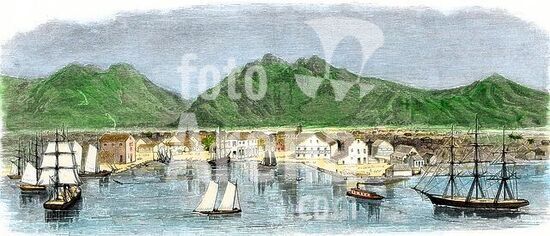
akg289659 Canova, Antonio. 1757-1822. "Ettore" (Hector), c. 1807/08. Bozzetto for the statue at Palazzo Treves in Venice. Plaster, 60 × 22.5 × 18cm. Venice, Museo Civico Correr. Museum: Venedig, Museo Civico Correr.
DC
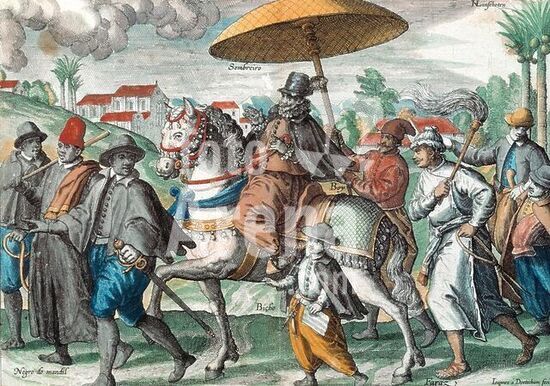
akg683256 Carstens, Jakob Asmus; 1754-1798. "Die Helden im Zelt des Achill" (Ajax, Phönix, Ulysses vor Achill und Patroklos;-nach Homer, Ilias IX, 185ff.), 1794. Aquarell und Deckfarben auf braunem Papier, 45,2 x 66,1 cm. Inv.Carstens 27 Kunstsammlung,. Museum: Akademie der Künste., BERLIN.
DC
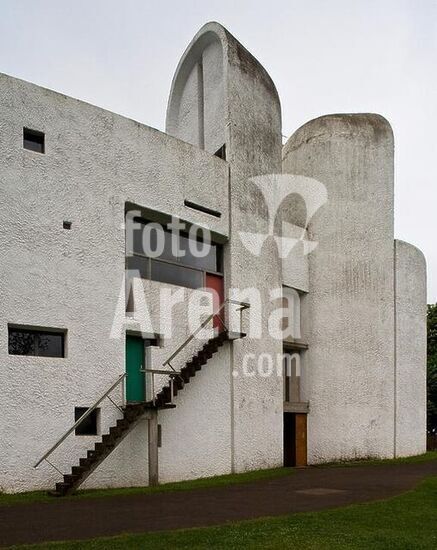
akg289797 Tischbein, Johann Heinrich Wilhelm. 1751-1829. "Achilles", 1775. Chalk, 32 × 20.6cm. Weimar, Staatliche Kunstsammlungen. Museum: Weimar, Staatliche Kunstsammlungen.
DC

akg362500 Langlois, Jérôme-Martin; 1779-1838. "Cassandre implorant la vengeance de Minerve contre Ajax" (Cassandra pleads with Athena for revenge against Ajax), undat. (Cassandra, who fled to the Altar of Athena during the sack of Troy, is violated by Ajax). Oil on canvas, 180.9 × 193 cm. Chambéry, Musée des Beaux-Arts. Museum: Chambéry, Musée des Beaux-Arts.
DC
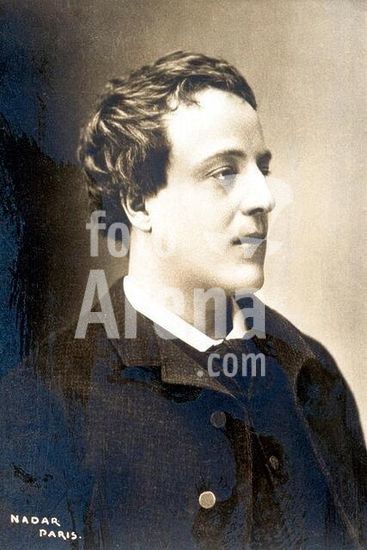
akg289673 Canova, Antonio; 1757-1822. "Danza dei figli di Alcinoo" (dance of the sons of Alcinous), 1790/92. (Halios and Laodamas dance before Alcinous, Odysseus, Arete & Nausicaa; left: the blind Demodocos; - Homer, Odyssey 8). Plaster, 136 × 264cm. From a series of reliefs with scenes from Homer, Vergil and Platon. Inv. no. 32. Venice, Museo Civico Correr. Museum: Venedig, Museo Civico Correr.
DC
akg361326 History / Classical / Military. - Heavily armed warrior in a chariot. (presumably without shield), Mycenea, Homeric era, c. 1400 BC. (Reconstruction of the armour after a grave find - Dendra). Watercolour, 1977, by Peter Connolly. (1935-2012). From the series: "The Greek Armies". Copyright: Peter Connolly's artistic copyright cleared via akg-images. This artwork is not in the public domain. akg-images represents the artistic copyright of this artist, please contact us from more information and to clear the necessary permissions.
DC
akg177936 Genelli, Bonaventura. 1798-1868. Thetis bringt Achilleus neue Waffen. (Ilias XIX, 3-6). Umrißstich. Aus: B.Genelli's Umrisse zum Homer mit Erläuterungen von Dr. Ernst Förster, Stuttgart und Tübingen (J.G. Cotta'scher Verlag) 1844, Tafel XV. Berlin, Sammlung Archiv für Kunst und Geschichte. Museum: Berlin, Sammlung Archiv für Kunst und Geschichte.
DC
akg366455 Roman, end of 4th / beg. of 5th century. Silver bowl with depiction of Achilles' Wrath (Achilles' argument with Agamemnon on the possession of Briseis, Ilias I, 326-356); so-cal. "Bouclier de Scipion". Silver, engraved a. gilded in parts, dm. 71. cm. Found 1656 in Rhône near Avignon. Cabinet des Medailles, Inv. MOA 344. Paris, Bibliothèque Nationale. Museum: Paris, Bibliothèque Nationale.
DC
akg177944 Genelli, Bonaventura. 1798-1868. Achilleus greift vergeblich nach dem Schatten des Patroklos. (Ilias XXIII, 59-101). Umrißstich. Aus: B.Genelli's Umrisse zum Homer mit Erläuterungen von Dr. Ernst Förster, Stuttgart und Tübingen (J.G. Cotta'scher Verlag) 1844, Tafel XX. Berlin, Sammlung Archiv für Kunst und Geschichte. Museum: Berlin, Sammlung Archiv für Kunst und Geschichte.
DC
akg362791 Illumination, Italy (Bologna?), 2nd half of 14th c. Scene of the Troyan War. From: Benoît de Sainte-Maure, Le Roman de la guerre de Troie. on vellum, 41.5 × 28cm. FR.F. v. XIV, 3, fol. 73 r, St Petersburg, Russian State Museum. Museum: St. Petersburg, Russian Museum. Author: ANONYMOUS.
DC
akg177965 Genelli, Bonaventura. 1798-1868. Odysseus bei den Phäaken. (Odyssee XIII, 113). Umrißstich. Aus: B.Genelli's Umrisse zum Homer mit Erläuterungen von Dr. Ernst Förster, Stuttgart und Tübingen (J.G. Cotta'scher Verlag) 1844, Tafel XV. Berlin, Sammlung Archiv für Kunst und Geschichte. Museum: Berlin, Sammlung Archiv für Kunst und Geschichte.
DC
akg177974 Genelli, Bonaventura. 1798-1868. Odysseus with his father Laertes. (The Odyssey XXIV, 226). Outline etching: B. Genelli's sketches to illustrate Homer with commentaries by Dr. Förster, Stuttgart und Tübingen (J.G Cotta'scher Verlag) 1844, Plate XXIV. Berlin, Sammlung Archiv für Kunst und Geschichte. Museum: Berlin, Sammlung Archiv für Kunst und Geschichte.
DC
akg177939 Genelli, Bonaventura. 1798-1868. Zeus and Ganymedes". (Iliad XX, 231-235). Outline eng, fr: B.Genelli's Umrisse zum Homer mit Erläuterungen von Dr. Ernst Förster, Stuttgart and Tübingen (J.G. Cotta'scher Verlag) 1844, Table XVII. Berlin, Sammlung Archiv für Kunst und Geschichte. Museum: Berlin, Sammlung Archiv für Kunst und Geschichte.
DC
akg177960 Genelli, Bonaventura; 1798-1868. Circe returns the companions of Odysseus to their human form, having turned them into pigs. (Odyssey X, 388). Outline engraving, from: B.Genelli's Umrisse zum Homer mit Erläuterungen von Dr. Ernst Förster, Stuttgart und Tübingen (J.G. Cotta'scher Verlag) 1844, Table X. Berlin, Sammlung Archiv für Kunst und Geschichte. Museum: Berlin, Sammlung Archiv für Kunst und Geschichte.
DC
akg177912 Genelli, Bonaventura; 1798-1868. Der verwundete Philoktet auf Lemnos; Echo antwortet seinen Schmerzenslauten. (Ilias II, 722-726. Umrißstich. Aus: B.Genelli's Umrisse zum Homer mit Erläuterungen von Dr. Ernst Förster, Stuttgart und Tübingen (J.G.Cotta'scher Verlag) 1844, Tafel III. Berlin, Sammlung Archiv für Kunst und Geschichte. Museum: Berlin, Sammlung Archiv für Kunst und Geschichte.
DC
akg177968 Genelli, Bonaventura, 1798-1868, German painter. Ulysses and his dog Argos. (Odyssey, XVII, 300). Engraving. From: B.Genelli's Umrisse zum Homer mit Erläuterungen von Dr. Ernst Förster, Stuttgart und Tübingen (J.G. Cotta'scher Verlag) 1844, plate XVII. Berlin, Sammlung Archiv für Kunst und Geschichte. Museum: Berlin, Sammlung Archiv für Kunst und Geschichte.
DC
akg177971 Genelli, Bonaventura. 1798-1868. Odysseus begnadigt den Sänger Femios auf Bitten des Telemachos. (Odyssee XXII, 330-356). Umrißstich. Aus: B.Genelli's Umrisse zum Homer mit Erläuterungen von Dr. Ernst Förster, Stuttgart und Tübingen (J.G. Cotta'scher Verlag) 1844, Tafel XXI. Berlin, Sammlung Archiv für Kunst und Geschichte. Museum: Berlin, Sammlung Archiv für Kunst und Geschichte.
DC
akg177948 Genelli, Bonaventura; 1798-1868. Lamentation des femmes auprès du cadavre d'Hector (Andromaque, Hécube, Cassandre et Hélène). (Iliade XXIV, 717). Gravure au trait. IN : B.Genelli's Umrisse zum Homer mit Erläuterungen von Dr. Ernst Förster, Stuttgart und Tübingen (J.G. Cotta'scher Verlag) 1844, pl. XXIV. Berlin, Sammlung Archiv für Kunst und Geschichte. Museum: Berlin, Sammlung Archiv für Kunst und Geschichte.
DC
akg177953 Genelli, Bonaventura; 1798-1868. Zeus tötet mit seinem Blitz Iasion, den Geliebten der Demeter. (Odyssee V, 125-128). Umrißstich. Aus: B.Genelli's Umrisse zum Homer mit Erläuterungen von Dr. Ernst Förster, Stuttgart und Tübingen (J.G. Cotta'scher Verlag) 1844, Tafel IV. Berlin, Sammlung Archiv für Kunst und Geschichte. Museum: Berlin, Sammlung Archiv für Kunst und Geschichte.
DC
akg177920 Genelli, Bonaventura. 1798-1868. Hector's farewell from Andromache and his son Astyanax. (Ilias VI, 474). Etching. From: B.Genelli's illustrations for Homer with explanations by Dr. Ernst Förster, Stuttgart und Tübingen (J.G. Cotta'scher Verlag) 1844, plate IX. Berlin, Sammlung Archiv für Kunst und Geschichte. Museum: Berlin, Sammlung Archiv für Kunst und Geschichte.
DC
akg177958 Genelli, Bonaventura, 1798-1868, German painter. Ulysses is getting Polyphemus drunk. (Odyssey IX, 353). From: B.Genelli's Umrisse zum Homer mit Erläuterungen von Dr. Ernst Förster, Stuttgart und Tübingen (J.G. Cotta'scher Verlag) 1844, plate VII. Berlin, Sammlung Archiv für Kunst und Geschichte. Museum: Berlin, Sammlung Archiv für Kunst und Geschichte.
DC
akg177916 Genelli, Bonaventura. 1798-1868. - The wounded Mars bathing, being tended by Hebe. (Iliad V, 904-905). Contour engraving. From: B.Genelli's Umrisse zum Homer mit Erläuterungen von Dr. Ernst Förster, Stuttgart and Tübingen (J.G. Cotta'scher Verlag) 1844, plate VI. Berlin, Sammlung Archiv für Kunst und Geschichte. Museum: Berlin, Sammlung Archiv für Kunst und Geschichte.
DC
akg177969 Genelli, Bonaventura, 1798-1868, German painter. Ulysses and Eurycleia. (Odyssey, XIX, 467-481). Engraving. From: B.Genelli's Umrisse zum Homer mit Erläuterungen von Dr. Ernst Förster, Stuttgart und Tübingen (J.G. Cotta'scher Verlag) 1844, plate XIX. Berlin, Sammlung Archiv für Kunst und Geschichte. Museum: Berlin, Sammlung Archiv für Kunst und Geschichte.
DC
akg177951 Genelli, Bonaventura; 1798-1868. The death of Ajax (Poseidon throws Ajax and the rock on which he sits, into the sea). (Odyssey IV, 499-511). Line engraving from Genelli's engravings for Homer with commentary by Dr. Ernst Förster, Stuttgart and Tübingen (J.G. Cotta'scher Publisher). 1844, Plate V. Berlin, Sammlung Archiv für Kunst und Geschichte. Museum: Berlin, Sammlung Archiv für Kunst und Geschichte.
DC
akg177959 Genelli, Bonaventura. 1798-1868. Hermès montre à Ulysse l'herbe "moly", qui protège contre le sortilège de Circé. (Odyssée X, 277-307). Gravure. In : B. Genelli's Umrisse zum Homer mit Erläuterungen von Dr. Ernst Förster (Les gravures de B. Genelli sur Homère, avec des explications du docteur Ernst Förster). Stuttgart et Tübingen (J.G. Cotta'scher Verlag) 1844, planche IX. Berlin, Sammlung Archiv für Kunst und Geschichte. Museum: Berlin, Sammlung Archiv für Kunst und Geschichte.
DC
akg177961 Genelli, Bonaventura. 1798-1868. Odysseus befragt den Seher Teiresias in der Unterwelt. (Odyssee XI, 80-144). Umrißstich. Aus: B.Genelli's Umrisse zum Homer mit Erläuterungen von Dr. Ernst Förster, Stuttgart und Tübingen (J.G. Cotta'scher Verlag) 1844, Tafel XI. Berlin, Sammlung Archiv für Kunst und Geschichte. Museum: Berlin, Sammlung Archiv für Kunst und Geschichte.
DC
akg177932 Genelli, Bonaventura; 1798-1868. Hera, unterstützt von Liebe und Schlaf, verschließt das Auge des Zeus. (Ilias XIV, 346-355). Umrißstich. Aus: B.Genelli's Umrisse zum Homer mit Erläuterungen von Dr. Ernst Förster, Stuttgart und Tübingen (J.G. Cotta'scher Verlag) 1844, Tafel XII. Berlin, Sammlung Archiv für Kunst und Geschichte. Museum: Berlin, Sammlung Archiv für Kunst und Geschichte.
DC
akg177966 Genelli, Bonaventura, 1798-1868, German painter. Telemachus and Peisistratus are taking their leave. (Odyssey, XV, 142-172). From: B.Genelli's Umrisse zum Homer mit Erläuterungen von Dr. Ernst Förster, Stuttgart und Tübingen (J.G. Cotta'scher Verlag) 1844, plate XVI. Berlin, Sammlung Archiv für Kunst und Geschichte. Museum: Berlin, Sammlung Archiv für Kunst und Geschichte.
DC
akg177919 Genelli, Bonaventura; 1798-1868. Hektor findet seinen Bruder Paris im Gemach Helenas und ermahnt ihn zur Schlacht. (Ilias VI, 321-325). Umrißstich. Aus: B.Genelli's Umrisse zum Homer mit Erläuterungen von Dr. Ernst Förster, Stuttgart und Tübingen (J.G. Cotta'scher Verlag) 1844, Tafel VIII. Berlin, Sammlung Archiv für Kunst und Geschichte. Museum: Berlin, Sammlung Archiv für Kunst und Geschichte.
DC
akg177964 Genelli, Bonaventura. 1798-1868. Odysseus and the Sirens. (Odyssee XII, 182). Silouette. From: B.Genelli's Umrisse zum Homer mit Erläuterungen von Dr. Ernst Förster, Stuttgart und Tübingen (J.G. Cotta'scher Verlag) 1844, Tafel XIV. Berlin, Sammlung Archiv für Kunst und Geschichte. Museum: Berlin, Sammlung Archiv für Kunst und Geschichte.
DC
akg177929 Genelli, Bonaventura. 1798-1868. Odysseus und Diomedes töten den trojanischen Kundschafter Dolon. (Ilias X, 448-458). Umrißstich. Aus: B.Genelli's Umrisse zum Homer mit Erläuterungen von Dr. Ernst Förster, Stuttgart und Tübingen (J.G. Cotta'scher Verlag) 1844, Tafel XI. Berlin, Sammlung Archiv für Kunst und Geschichte. Museum: Berlin, Sammlung Archiv für Kunst und Geschichte.
DC
akg177940 Genelli, Bonaventura ; 1798-1868. - Achille en lutte contre le dieu fleuve Scamandre / Héra arrêtant Hephaïstos.- (. Iliade XXI, 298-380). Gravure au trait. In : Gravures sur cuivre de B. Genelli illustrant Homère avec commentaires de Dr. Ernst Förster, Stuttgart et Tübingen (J.G. Cotta'scher Verlag) 1844, planche XVIII. Berlin, Sammlung Archiv für Kunst und Geschichte. Museum: Berlin, Sammlung Archiv für Kunst und Geschichte.
DC

Total de Resultados: 10.000

Página 1 de 100