

















































Busque também em nossas outras coleções:

Data da imagem:
Agência
Fotógrafo
Estado
Cidade
Local
Tipo de licença
Orientação
Coleção

Total de Resultados: 11

Página 1 de 1

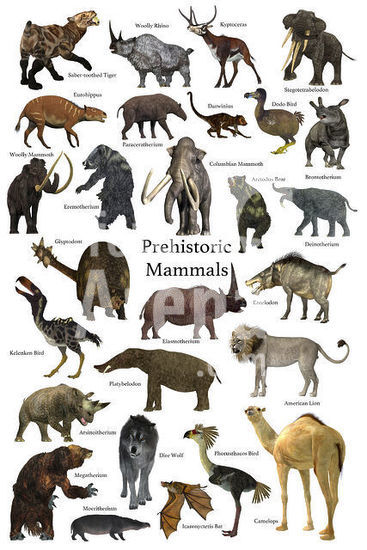
alb5570196 A collection of some of the better known mammals that lived during the Cenozoic Era.
DC
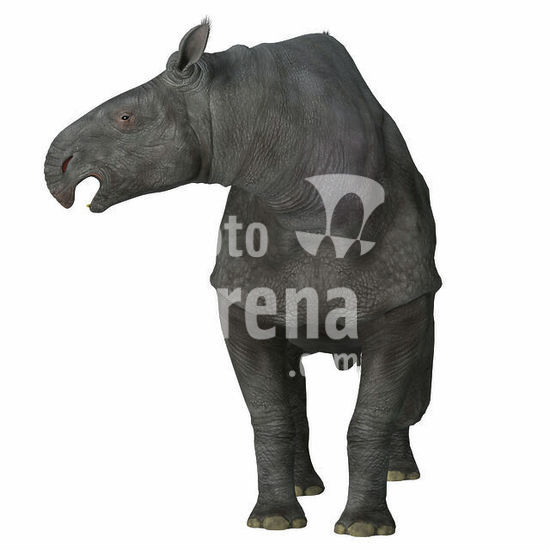
alb5566759 Paraceratherium mammal on white background. Paraceratherium was a herbivorous mammal that lived in Eurasia during the Eocene and Oligocene Periods.
DC
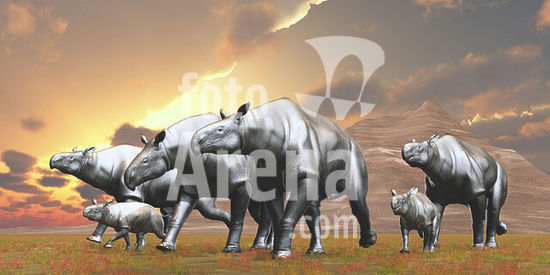
alb5569344 A group of Paraceratherium mammals. Paraceratherium was an Indricotherium herbivore that lived in Eurasia during the Eocene Period.
DC
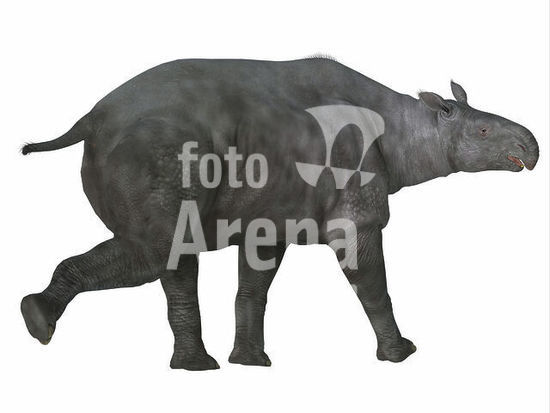
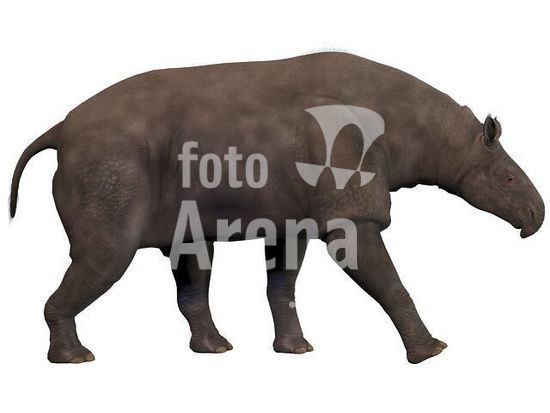
alb5567886 Paraceratherium mammal, side profile. Paraceratherium was a herbivorous mammal that lived in Eurasia during the Eocene and Oligocene Periods.
DC
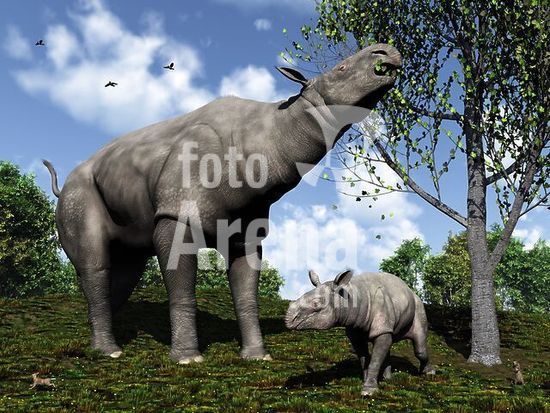
alb3896209 A Paraceratherium mother grazes on leaves and twigs of a poplar tree while her infant son stands nearby in a scene from 30 million years ago during the Rupelian Stage of the Oligocene Epoch in northwest China. Also in this scene on the lower left is a Palaeolagus, an extinct genus of the order lagomorpha, which includes modern hares, rabbits and pikas. On the lower right is a Palaeosciurus, the earliest known ground squirrel. Flying overhead are passerine ancestors of today's perching songbirds.. More massive than a modern African elephant, Paraceratherium is believed to be the largest mammal ever to have walked the Earth. Adult Paraceratherium are estimated to have been 18 ft tall at the shoulder with a maximum raised head height of 26 ft. They may have weighed as much as 20 tons. Related to modern rhinoceroses, Paraceratherium became extinct about 23 million years ago.
DC
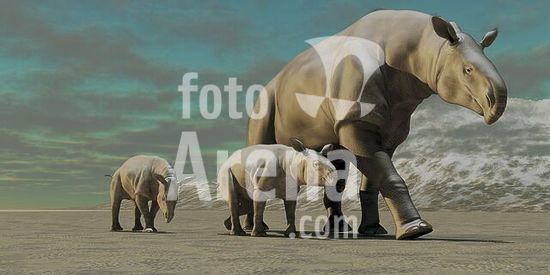
alb3886768 A rhinoceros-like Paraceratherium mother with two twin calves walks along a stoney desert in the Oilgocene Era.
DC
alb3883375 A lone Paraceratherium bugtiense mammal. The Paraceratherium is a horness relative of the rhinoceros.
DC
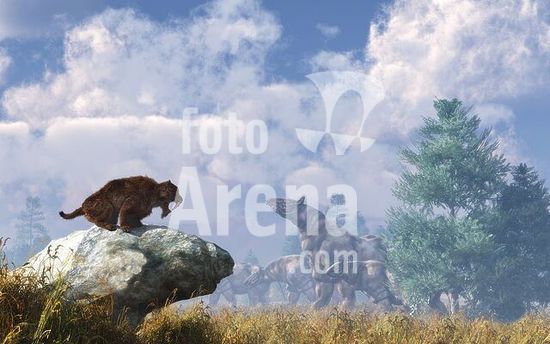
alb3880023 A Eusmilus watches a herd of Paraceratherium.
DC
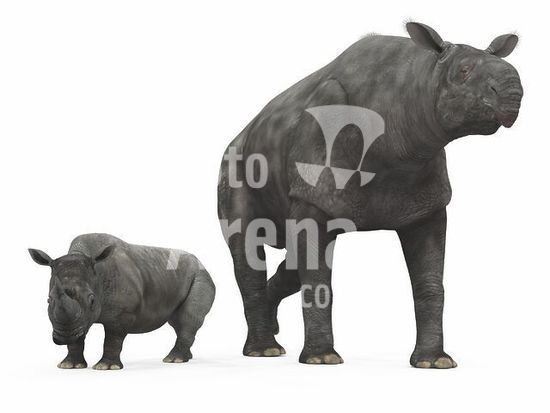
alb3882743 An adult Paraceratherium (AKA Indricotherium and Baluchitherium) from 30 million years ago is compared to a modern adult White Rhinoceros (Ceratotherium simum). The Paraceratherium is 18 feet tall at the shoulder and weighs 40,000 pounds*, while the White Rhinoceros is 6 feet tall at the shoulder and weighs 7,000 pounds.. Paraceratherium is the largest mammal known to have walked the Earth and are from an extinct family of hornless rhinoceroses that ranged across North America, Europe, and Asia from 60 to 20 million years ago.. * Values are estimates only based upon available paleontological data.
DC
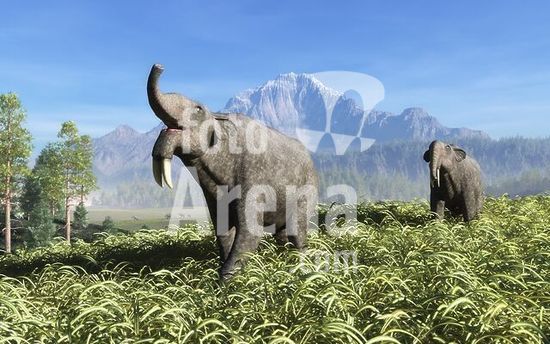
alb3888016 Deinotherium traverse the rolling plains of what is today Europe. A prehistoric relative of modern elephants, Deinotherium was larger and had a shorter trunk and downward-curving tusks attached to its lower jaw. Deinotherium is the third largest land mammal known to have existed; only Paraceratherium and some mammoths were larger. Deinotherium likely behaved like modern elephants and may have lived side-by-side with the early human ancestor Australopithecus.
DC
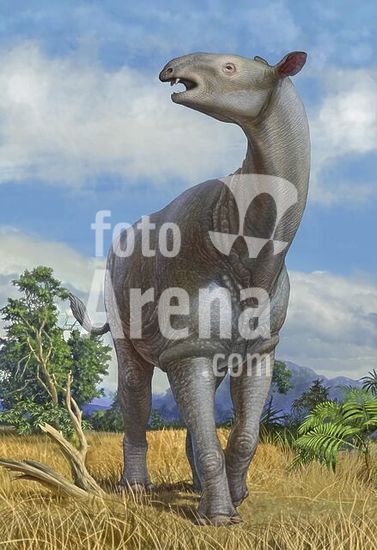
alb3886697 Paraceratherium also known as Indricotherium was a genus of gigantic hornless rhinoceros-like animal which was the largest land mammal ever known. It was a herbivore and lived during the Eocene to Oligocene Periods.
DC

Total de Resultados: 11

Página 1 de 1