Quino
Liniers
Tute
Album
Akg
Magnum Photos
THE NEW YORK TIMES
Fotoarena
Researchers
Bridgeman
Granger
Verger
Minden
Interfoto
Science Source
Zuma
Universal
Everett
Nature
Newscom
DPA
Sipa
Glasshouse Images
Deposit
Quadrinhos
Saulo
Rita
Reuters Pictures
Science Photo Library
ImageBROKER
Angeli
Cagle Cartoons
Fabiane Langona
Caia Image
Almir Almeida
Márcio Pannunzio
María Verónica
André Barroso
PA Images
Ani Ganzala
Caloi
Ingran
British Museum
Allan Sieber
Angel Boligán
Adão Iturrusgarai
Claudia Liz
Cassio Vasconcellos
Flávio Cannalonga
Alamy
SPP
Robert Harding
TopFoto
Nando Motta
Ciro Fernandes
African Pictures

Busque também em nossas outras coleções:

Tipo de licença

Tipo de uso

Pauta
ver mais opções...

Agência
ver mais opções...

Fotógrafo
ver mais opções...

Pais

Estado

Cidade
ver mais opções...

Local
ver mais opções...

Orientação

Coleção
ver mais opções...

Total de Resultados: 1.103

Página 1 de 12

ny020323174205 ?The Sassoons? with portraits of dynasty members over the generations including Aline de Rothschild (Lady Sassoon), several of Sybil Sassoon, and two of Sir Philip Sassoon, all by John Singer Sargent at the Jewish Museum in New York, March 1, 2023. The Jewish Museum surveys one of the grandest families of the 19th century: a hemisphere-spanning dynasty of merchants, poets, soldiers and socialites. (Karsten Moran/The New York Times/Fotoarena)
DC
ny230720145404 A visitor looks on at, from left, John Singer Sargent?s ?Fumée d?Ambre Gris (Smoke of Ambergris),? from 1880, and his ?A Venetian Interior? (around 1880-82), at the Clark Art Institute in Williamstown, Mass., on July 19, 2020. At the Massachusetts Museum of Contemporary Art and the Clark, there are timely new exhibitions, but our critic finds as much relevance in a still life by Manet, or an Ingres drawing. (Tony Cenicola/The New York Times/Fotoarena)
DC
902_05_12323652HighRes Elizabeth Angela Marguerite Bowes-Lyon, 1900 ?2002. Future Queen Elizabeth, The Queen Mother and mother of Queen Elizabeth II. After the drawing by John Singer Sargent. From The Duchess of York, published c.1928.
DC
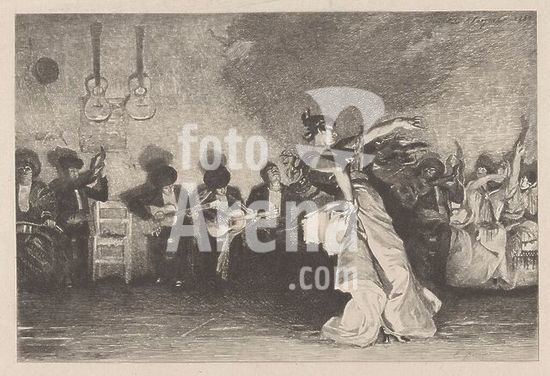
alb31013444 El Jaleo, a Roma dance, gypsy dance (former title), print, printmaker: Etienne Gabriel Bocourt, France, after design by John Singer Sargent, 1882, paper, etching, drypoint, intaglio printmaking technique, height 272 mm x width 354 mm, wandering communities: Romani or Roma, woman dancing alone, more than one musician with instrument, cithern, mandolin, guitar, balalaika, Europeans: Spaniards, Roma., A wide monochrome etching shows a row of seated musicians and standing dancers in a dim interior. Two guitars hang on the wall above the musicians, who sit with instruments and a chair visible among them; some wear rounded hats and cloaks. In front of them a woman in a flowing dress strikes a dynamic pose with one arm extended and her skirt swirling, while other figures to her side raise arms and gestures as if clapping or cheering. The background is textured with crosshatched shading and a dark, smoky area behind the central dancer, and the floor in the foreground has horizontal etched lines.
DC
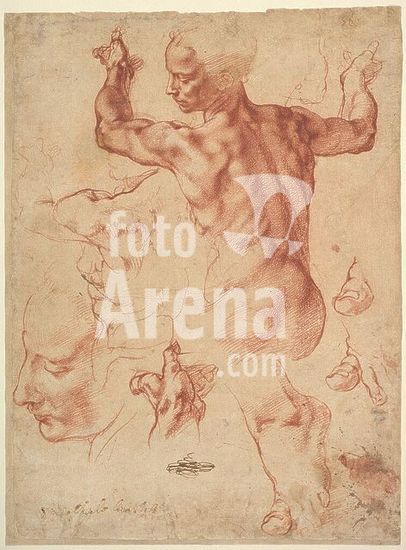
alb3603041 Studies for the Libyan Sibyl (recto); Studies for the Libyan Sibyl and a small Sketch for a Seated Figure (verso). Artist: Michelangelo Buonarroti (Italian, Caprese 1475-1564 Rome). Dimensions: Sheet: 11 3/8 x 8 7/16 in. (28.9 x 21.4 cm). Date: ca. 1510-11.This double-sided sheet of closely observed life studies is the most magnificent drawing by Michelangelo in North-America, purchased by the Metropolitan Museum of Art on August 8, 1924 (its acquisition being voted by the museum's acquisitions committee on June 9, 1924), in great part thanks to negotiations by the eminent painter, John Singer Sargent, with the widow of Aureliano de Beruete, its previous owner (file no. D7950, Archive Department of Drawings and Prints, The Metropolitan Museum of Art). The much smaller than life-size studies on the famous recto side of the Metropolitan sheet were clearly done from a young male assistant posing in the artist's studio, being preparatory for the design of the Libyan Sibyl, the monumental enthroned female figure painted in fresco on the north-east end of the Sistine Ceiling. The Libyan Sibyl was the last of the seers to be frescoed on the north part of the vault, executed in a scale that is about three times life-size (the overall area of this part in the fresco measures 4.54 meters by 3.80 meters); she is clothed except for her powerful shoulders and arms, and wears an elaborately braided coiffure. Her complex pose in the fresco, evidently requiring study in numerous drawings, plays on the arrested motion of her stepping down from the throne, while holding an enormous open book of prophecy which she is about to close. Sketched in soft black chalk, the verso of the double-sided Metropolitan sheet was possibly drawn before the better-known recto side with its meditated red chalk studies; many of Michelangelo's drawings for the early parts of the Sistine Ceiling are in a similarly soft black-chalk technique (examples of early Sistine studies in soft black chalk are British Museum inv. 1859,0625.567, London; Teylers Museum inv. A 18 verso, Haarlem; Casa Buonarroti inv. nos. 64 F and 75 F, Florence; Musée du Louvre Département des Arts Graphiques inv. 860, Paris; Biblioteca Reale inv. 15627 D.C., Turin.), while a preponderance of sheets done for the later parts of the frescoes are in red chalk. The verso of the Metropolitan sheet portrays at center, in profile the large nude seated figure of the sibyl (here, the softer anatomical forms may be feminine, rather than masculine as they evidently are in the case of the studies on the recto), at upper right a very summary design of a much smaller figure in three-quarter view facing left (its style generally resembles the motifs in the "Oxford Sketchbook": see Ashmolean Museum nos. 1846.45 to 1846.52), and at lower right the detail study of the sibyl's right knee. The main study in red chalk, on what is today considered the recto of the Metropolitan double-sided sheet, portrays the seated youth with head in profile, bent arms and upper body turned in an elegant contrapposto stance, to display the formidable musculature of his back in a rear view. Michelangelo considered the position of the shoulders turning into the depth of space, with especial attention, indicating also with two small circles the prominence of the supraspinatus muscles (the accents with tiny touches of white chalk on the left shoulder are likely a later retouching, but create a most intense highlight). The sequence of execution of the surrounding motifs on the recto, also done in red chalk, is much less clear, and one may venture to guess that, at left, the reprise of the head in profile and the rough sketch of the torso and head were drawn before the main study (given that parts of their outlines seem to lie underneath the main study), while the highly rendered motifs of the left hand at lower center and the three reprises of the left foot and toes at right probably followed the main study on the sheet. The manner of the weight-bearing on the toes of the sibyl's left foot was crucial for the overall design of the figure's contrapposto pose, and explains the multiple studies of this detail on the Metropolitan sheet. The facial features on the large head at lower left in the recto seem closer to those of the Libyan Sibyl in the final fresco, than the face of the youth in the main study. The recto of a sheet in the Ashmolean Museum (no. 1846.43; Fig. 2), Oxford, dedicated to studies for the Sistine Ceiling and sketches for the Tomb of Pope Julius II, represents at center the attendant young boy genius who is seen to the immediate left of the frescoed Libyan Sibyl, as well as at lower left the sibyl's right hand, both motifs executed in red chalk. While the overall dimensions of the Oxford sheet (28.6 x 19.4 cm) are similar to those of the Metropolitan sheet, the hue of the red chalk seems brighter and slightly orange; nevertheless, it is clear that the Oxford and New York sheets are very close companions, probably from the same sketchbook, without their necessarily being (in the present author's opinion) halves of the same sheet, as an earlier generation of scholars suggested (summary of discussion in Joannides 2007, p. 120).The scientific findings which emerged during the cleaning of Michelangelo's Sistine frescoes (1984-1990; published in Mancinelli 1994) provide a precise, though often overlooked context in which to consider the dating and function of the Metropolitan Museum studies. Given that the great artist painted the enormous vault of the chapel from the west to east end -- that is, from above the entrance to above the site of the altar -- in two campaigns demarcated by the erection of scaffolding (or pontate), as is suggested by both documents and a variety of recently emerged physical data (for which see Mancinelli 1994, pp. 16-22), the monumental Libyan Sibyl belongs to the latter phase of work on the project. At this point, Michelangelo's technical virtuosity as a fresco painter was at its height, having made a rough and inexperienced beginning in 1508 when the first scene of the vault he frescoed, The Deluge, grew mold because of incorrectly prepared intonaco (this fine surface plaster was used too watery; see also Condivi 1553). The most difficult technique of painting is possibly that of fresco, as it requires speed of execution onto the wet plaster before it sets and great self-confidence; writers of art treatises from the fourteenth to the eighteenth century judged the medium of fresco to be supreme, precisely because of the technical virtuosity it demanded (Bambach 1999); as Michelangelo would himself later complain to his biographer Giorgio Vasari: "Fresco painting is not an art for old men." (Vasari 1568).Although the chronology of the Sistine Ceiling is debated, the first phase of work, or pontata, was done between late summer - perhaps late July -- of 1508 (the contract for the Sistine frescoes dates to May 10, 1508; see Bardeschi Ciulich and Barocchi 1970) and late August 1510, and ended with the painting of the Creation of Eve; while the second pontata and final phase of work probably began some time after January 1511 (the winter months are not good for fresco-painting), concluding on October 31, 1512 with the unveiling of the Chapel (see Gilbert 1994). The recto of the Metropolitan Museum study can be dated with great probability to the winter of 1511, when Michelangelo could draw rather than paint in fresco (he returned to Rome, from Bologna, by January 11, 1511), and would have been prepared at the beginning of the second pontata, that is, soon after the great artist had moved his scaffolding for the second (and final) time to paint. The gigantic figure of the Libyan Sibyl, together with her throne and attendants, was frescoed onto the large concave surface of the vault in twenty days of work (the fresco is comprised of 20 giornate, or patches of fine surface plaster), and the complex design was transferred by the laborious technique of spolvero (a cartoon or full-scale drawing transferred by means of pricking and pouncing the outlines; see Bambach 1994).The Metropolitan study is done with a red-chalk of slightly purplish hue sharpened to a point for the fine contours of the figure and some of the interior hatching, but it was also at times applied with the side of the stick; the red chalk medium was especially suited for the particularized, highly naturalistic study of anatomical detail. Although Michelangelo had begun to use red chalk in the early 1490s (See C.C. Bambach, "La virtù dei disegni del giovane Michelangelo", in Michelangelo 1564-2014, ed. by C. Acidini, Rome 2014), his greatest accomplishments with this medium are connected with the later parts of the Sistine Ceiling. Yet the group of red chalk studies for the Sistine has also been among the most greatly contested of Michelangelo's drawings in terms of attributions. The closest companions in style and technique to the red-chalk Metropolitan Libyan Sibyl are the studies on the sheet at the Ashmolean Museum (Fig. 2), as well as three others at the Teyler Museum, Haarlem (inv. nos. A16 recto, A20 recto-verso, and A27 recto-verso). Two of these Teyler sheets (A20 and A 27) are drawn, in fact, with a red chalk of closely similar purplish hue as that employed for the Libyan Sibyl on the recto of the Metropolitan Museum sheet. Clearly autograph, the sketches on the better preserved verso of the Metropolitan sheet are not ever mentioned by the scholars rejecting the attribution of the recto studies to Michelangelo(Perrig 1976; Perrig 1991; Zöllner et al. 2008). This verso exhibits a similar type of handling --with loose, impressionistic hatching and contours, rather than finely detailed-- as most of the soft black-chalk studies for the early parts of the Sistine Ceiling (for example, the sheets British Museum inv. 1859,0625.567, London; Teylers Museum inv. A 18 verso, Haarlem; Casa Buonarroti inv. nos. 64 F and 75F, Florence; Musée du Louvre Département des Arts Graphiques inv. 860, Paris). The late sixteenth-century copy in red chalk after the Metropolitan Libyan Sibyl at the Uffizi (inv. no. 2318 F), Florence, is of nearly the same size, but is of remarkably inferior quality of execution, omitting also the two anatomical notations of circles on the shoulders and the tiny white chalk accents. Moreover, the drawn copy rearranges the positioning of the individual motifs, introduces the right foot of the sibyl (which is absent in the recto of the Metropolitan sheet), and records the abrupt terminus of outlines in the study of the toe. As the Uffizi copy emulates defects of condition in the original Metropolitan sheet (especially the outlines of the hole in the original paper support), it can be deduced that it directly derives from the Metropolitan sheet.The verso sketches on the Metropolitan Museum sheet have always rightly been recognized as by Michelangelo, and the "no. 2i ." inscribed at lower center adds further proof, as it fits precisely into a numerical sequence found on many other drawings by the great artist that have an early Buonarroti family provenance (see Bambach 1997). The annotation at lower left on the recto regarding the artist's surname, here spelled in the form of "bona Roti" is also signficant in view of the corpus of drawings by Michelangelo and his school which bear this annotation by the so-called "Bona Roti collector," as Paul Joannides has baptized him. In any case, important groups of drawings inherited by the Buonarroti family appears to have been dispersed between ca. 1684 and 1799, probably by the senatore Filippo Buonarroti (Joannides 2007). The paraph in pen and dark brown ink inscribed at lower center on the recto of the Metropolitan sheet is often mistaken as a mark of ownership by the collector Everhard Jabach (1618-1695), of Cologne and Paris (De Tolnay1975; Logan and Plomp 2005) rather, it closely resembles the paraphs scribbled on sheets of drawings in the Real Academia de San Fernando, Madrid, and which were part of a large group of drawings acquired in 1775 from the widow of the painter Andrea Procaccini (1671-1734), who had died at La Granja de San Ildefonso and who had in turn inherited them from his master, Carlo Maratti (1625-1713; see Mena Marqués 1982). Although the overall condition of this double-sided sheet is very good, it is somewhat different for each face of the paper; the original off-white hue of the paper is still nearly intact on the verso, but is considerably darkened on the recto; this is apparently due to prolonged exposure to light, and, as noted in 1925 by Bryson Burroughs (the curator who bought the drawing for the Met), the red chalk studies on the recto were "fixed" with a solution of shellac in alcohol, which has intensified the differences of light and shade (Bryson Burroughs 1925). The recto also exhibits stains of brown wash at lower right; the triangular loss on the original support toward the center of the right border (if the sheet is regarded from the recto) is the result of very early damage, being made up and toned in restoration after 1951.(Carmen C. Bambach). Museum: Metropolitan Museum of Art, New York, USA.
DC
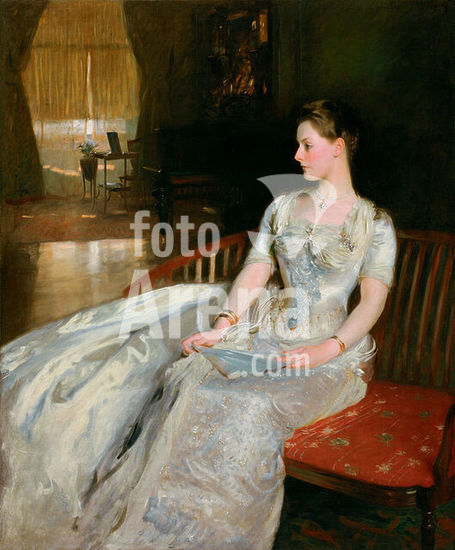
alb9534908 Elizabeth Winthrop Chanler (Mrs. John Jay Chapman). Date: 1893. oil on canvas. Museum: Smithsonian American Art Museum.
DC
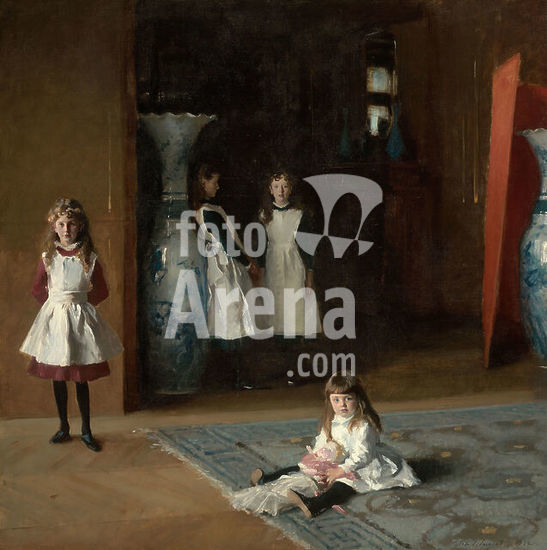
alb19932636 John Singer Sargent/ The Daughters of Edward Darley Boit, 1882. Oil on canvas, 222.5 x 222.5 cm. Museum: MUSEUM OF FINE ARTS / BOSTON / ES. UNIDOS.
DC
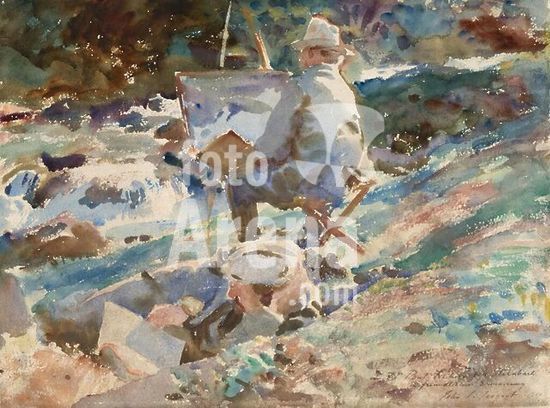
alb4166302 An Artist at His Easel. John Singer Sargent; American, 1856-1925. Date: 1914. Dimensions: 400 x 534 mm. Watercolor over traces of graphite on ivory wove paper. Origin: United States. Museum: The Chicago Art Institute, USA.
DC
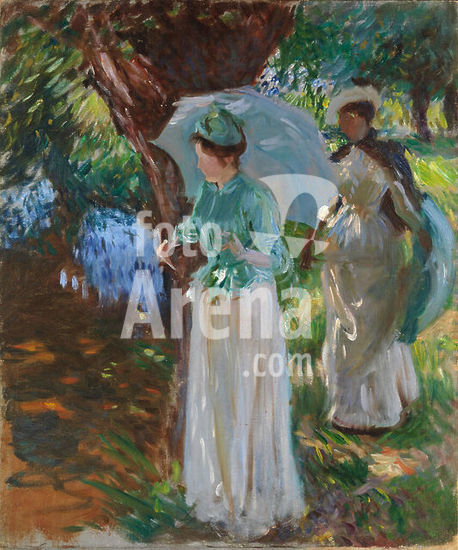
alb3670847 Two Girls with Parasols. Artist: John Singer Sargent (American, Florence 1856-1925 London). Dimensions: 29 1/2 x 25 in. (74.9 x 63.5 cm). Date: 1888.Beginning in 1885, Sargent often visited Claude Monet at his home in the French village of Giverny, and he was inspired, over the next few years, to create Impressionist landscapes, boating scenes, and figure subjects. This unfinished canvas, which he painted at Calcot Mill in England's Berkshire countryside, reflects the French master's influence. It depicts the artist's sister Violet, in the foreground, and a friend during a walk in the country. Sargent's spontaneous technique and rapid brushwork are evident in the summary rendering of faces and forms and the fleeting effects of dappled light. Museum: Metropolitan Museum of Art, New York, USA.
DC

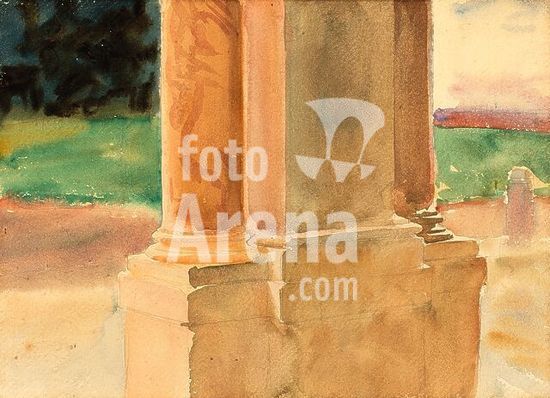
alb3735000 Frascati, Architectural Study. Dated: c. 1907. Dimensions: sheet: 26.7 × 37.1 cm (10 1/2 × 14 5/8 in.). Medium: watercolor over graphite on wove paper mounted on board. Museum: National Gallery of Art, Washington DC. Author: John Singer Sargent.
DC
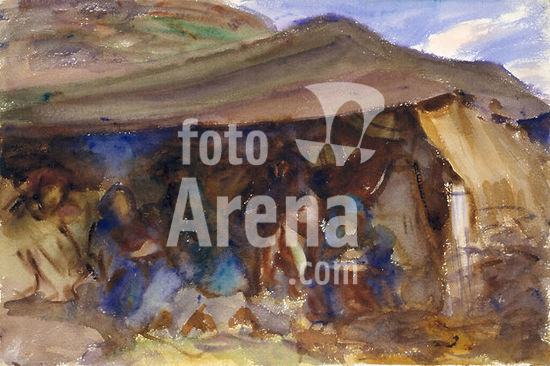
alb3622243 Bedouin Tent. Artist: John Singer Sargent (American, Florence 1856-1925 London). Dimensions: 11 7/8 x 17 7/8 in. (30.2 x 45.4 cm). Date: 1905-6. Museum: Metropolitan Museum of Art, New York, USA.
DC
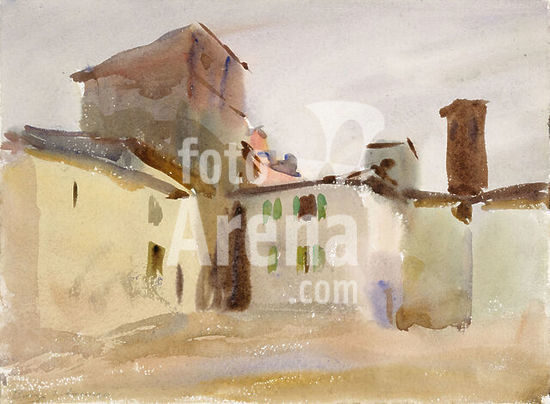
alb3616332 Borgo San Lorenzo (2). Artist: John Singer Sargent (American, Florence 1856-1925 London). Dimensions: 9 5/8 x 13 1/16 in. (24.4 x 33.2 cm). Date: ca. 1910. Museum: Metropolitan Museum of Art, New York, USA.
DC

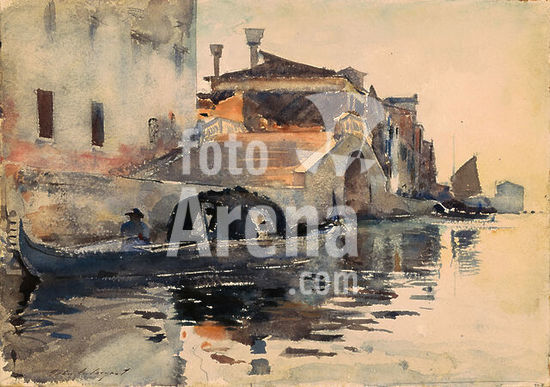
alb3727874 Ponte Panada, Fondamenta Nuove, Venice. Dated: c. 1880. Dimensions: sheet: 25.24 × 35.72 cm (9 15/16 × 14 1/16 in.). Medium: watercolor over graphite on wove paper. Museum: National Gallery of Art, Washington DC. Author: John Singer Sargent.
DC
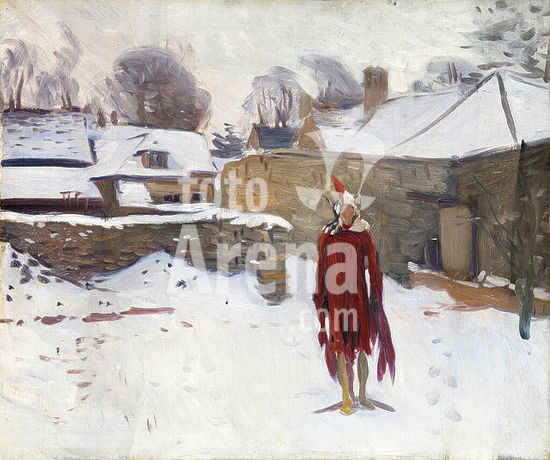
alb3661846 Mannikin in the Snow. Artist: John Singer Sargent (American, Florence 1856-1925 London). Dimensions: 25 x 30 in. (63.5 x 76.2 cm). Date: ca. 1891-93.Sargent painted this canvas in the company of his fellow expatriate Edwin Austin Abbey in Fairford, Gloucestershire, where the two artists had rented a studio for their work on mural commissions. As a diversion one day, they arranged a mannequin in the snow and painted oil sketches of it from their studio window. The results reveal their dissimilar approaches to art. The critic Royal Cortissoz recalled that Abbey conjured from the mannequin a lifelike medieval troubadour wearing a cloak and a feathered hat (in a painting that has not been located); Sargent, instead, recorded the lifeless dummy that stood before his eyes. Museum: Metropolitan Museum of Art, New York, USA.
DC

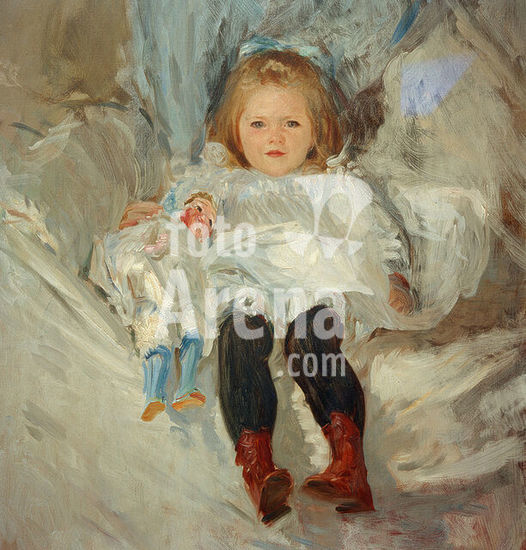
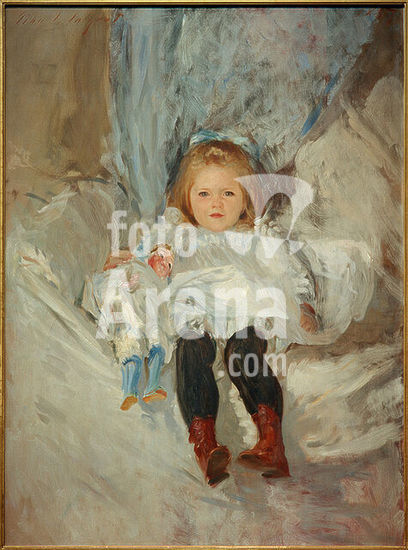
akg5820621 John Singer Sargent. 1856-1925. "Ruth Sears Bacon" (1884-1987), 1887. (Daughter of New York surgeon Dr. Gorham Bacon and his wife Elizabeth, née Simpkins). (Detail). Oil on canvas, 123.8 × 92.1 cm. Inv.no. 1975.92; Hartford, Wadsworth Atheneum. Museum: Wien, Österr. Galerie im Belvedere.
DC
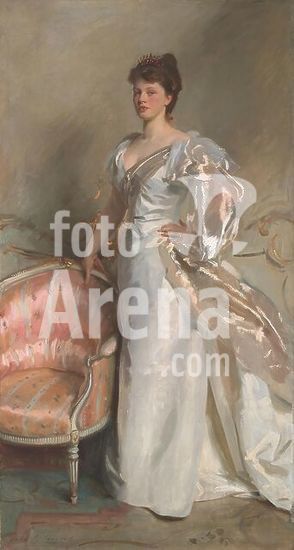
alb4209783 Mrs. George Swinton (Elizabeth Ebsworth). John Singer Sargent; American, 1856-1925. Date: 1897. Dimensions: 231 × 124 cm (90 3/4 × 48 3/4 in.). Oil on canvas. Origin: London. Museum: The Chicago Art Institute, USA.
DC
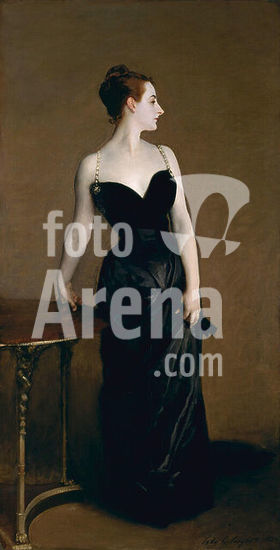
alb3676726 Madame X (Madame Pierre Gautreau). Artist: John Singer Sargent (American, Florence 1856-1925 London). Dimensions: 82 1/8 x 43 1/4in. (208.6 x 109.9cm)Framed: 95 3/4 x 56 5/8 x 5 in. (243.2 x 143.8 x 12.7 cm). Date: 1883-84.Madame Pierre Gautreau (the Louisiana-born Virginie Amélie Avegno; 1859-1915) was known in Paris for her artful appearance. Sargent hoped to enhance his reputation by painting and exhibiting her portrait. Working without a commission but with his sitter's complicity, he emphasized her daring personal style, showing the right strap of her gown slipping from her shoulder. At the Salon of 1884, the portrait received more ridicule than praise. Sargent repainted the shoulder strap and kept the work for over thirty years. When, eventually, he sold it to the Metropolitan, he commented, "I suppose it is the best thing I have done," but asked that the Museum disguise the sitter's name. Museum: Metropolitan Museum of Art, New York, USA.
DC

alb22071515 At Broadway. Museum: PRIVATE COLLECTION. Author: JOHN SINGER SARGENT.
DC
alb22071998 The Façade of La Salute, Venice. Museum: PRIVATE COLLECTION. Author: JOHN SINGER SARGENT.
DC
alb22009788 John Singer Sargent, A Nude Boy on a Beach, oil paint on wood, Tate Britain, National Gallery of British Art, London, England.
DC
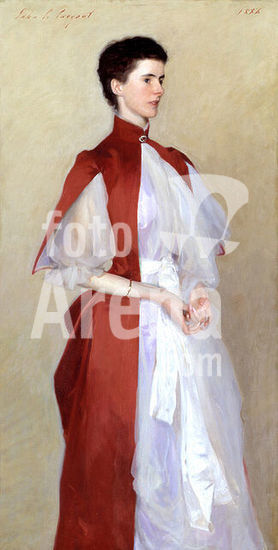
akg8243744 Sargent, John Singer; 1856-1925. "Portrait of Mrs Robert Harrison", 1886. (Helen Harrison, née Smith (c.1858-1936), wife of Robert Harrison of Shiplake Court, Henley, stockbroker and musical connoisseur, friends of the artist). Oil on canvas, 157.8 x 80.3 cm. Ref. No.: T07693. London, Tate Britain.
DC
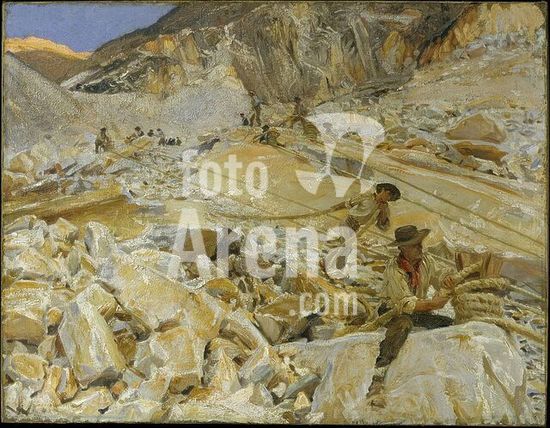
akg5164010 Sargent, John Singer; 1856-1925. Bringing Down Marble from the Quarries to Carrara. Painting, 1911. Oil on canvas, 71.4 × 91.8 cm. Inv. No. 17.97.1. New York, Metropolitan Museum of Art.
DC
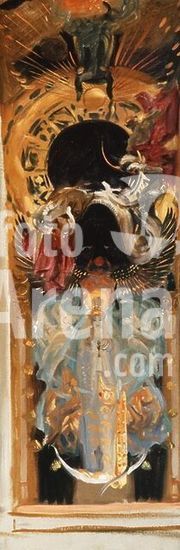
akg5164316 Sargent, John Singer; 1856-1925. Astarte. Painting, c. 1887-1895. Oil on canvas, 98.1 × 30.5 cm. Inv. No. 50.130.3. New York, Metropolitan Museum of Art.
DC
akg5820395 John Singer Sargent. 1856-1925. "Ruth Sears Bacon" (1884-1987), 1887. (Daughter of New York surgeon Dr. Gorham Bacon and his wife Elizabeth, née Simpkins). Oil on canvas, 123.8 × 92.1 cm. Inv.no. 1975.92; Hartford, Wadsworth Atheneum. Museum: Wien, Österr. Galerie im Belvedere.
DC
akg052837 Sargent, John Singer. 1856-1925. "Lord Ribbersdale", 1902. Oil on canvas, 253 × 140cm. London, Tate Britain. Museum: London, Tate Britain.
DC
akg3841235 Venedig - Venezia (Veneto, Italien), Santa Maria della Salute. (erbut 1631-50; Arch: Baldassare Longhena). - "Santa Maria della Salute". - Aquarell, um 1906/09, von John Singer Sargent (1856-1925). Aquarell auf Papier. Privatsammlung. Museum: PRIVATE COLLECTION.
DC
akg3841216 Sargent, John Singer; 1856-1925. "Venetian Women in the Palazzo Rezzonico / Donne veneziane a Ca' Rezzonico" (Venezianerinnen in der Ca' Rezzonico), um 1880/81. (Die Modelle des Künstlers in seinem Atelier im Portego, heute Portego dei dipinti, in der Ca' Rezzonico). Ausschnitt. Öl auf Leinwand, 45,1 x 63,5 cm. Privatsammlung. Museum: PRIVATE COLLECTION.
DC
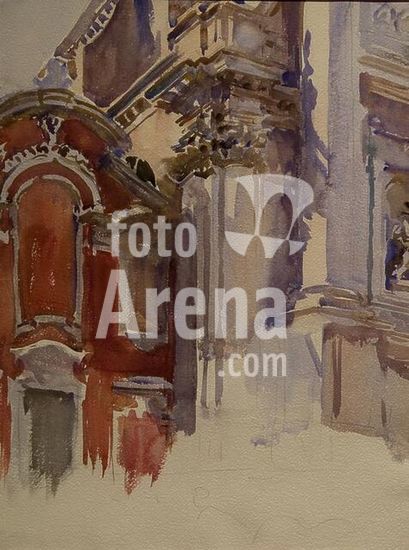
akg3841245 Venedig / Venezia (Veneto, Italien), San Stae / Chiesa di Sant'Eustachio. (erbaut 1678-1709; Arch.: Giovanni Grassi; Fassade 1709 von Domenico Rossi). - "St. Stae, Venice". - Aquarell, um 1913, von John Singer Sargent (1856-1925). Aquarell über Bleistift auf Papier. Privatsammlung. Museum: PRIVATE COLLECTION.
DC
akg3841239 Venedig / Venezia (Veneto, Italien), Sestiere Dorsoduro, Chiesa dello Spirito Santo. (erbaut 1506). - "On the Zattere / Alle Zattere". - (An den Zattere; Blick aus einer Gondel auf dem Canale della Giudecca auf das Fondamenta delle Zattere mit der Chiesa dello Spirito Santo und der benachbarten Scuola dello Spirito Santo). Aquarell, um 1902/04, von John Singer Sargent (1856-1926). Aquarell auf Papier. Privatsammlung. Museum: PRIVATE COLLECTION.
DC
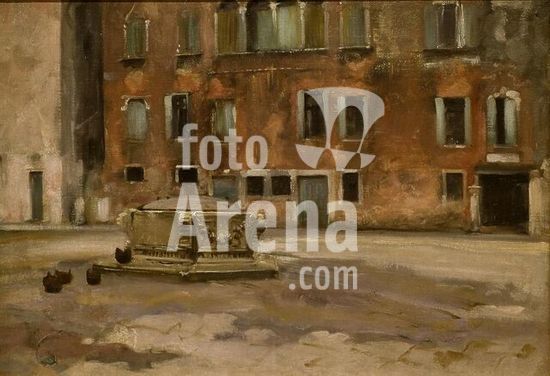
akg3841199 Venedig / Venezia (Veneto, Italien), Sestiere Dorsoduro, Campo Sant'Agnese. - "Campo Sant'Agnese, Venezia". - Gemälde, 1880/82, von John Singer Sargent (1856-1925). Öl auf leinwand, 45,7 x 65,1 cm.
DC
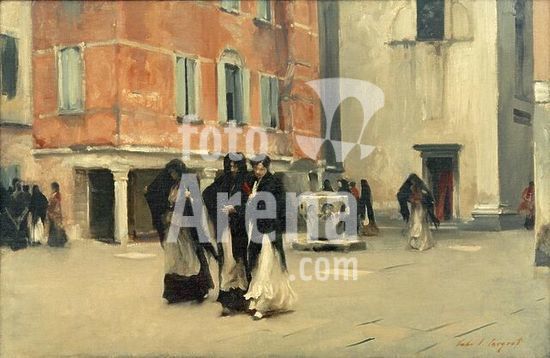
akg1148186 Venice - Venezia (Veneto, Italy), Campo San Canciano. "Sortie de l'église, Campo San Canciano, Venise" (Leaving the church, Campo San Canciano, Venice). Painting, circa 1882, by John Singer Sargent (1856-1925). Oil on canvas, 55.9 × 85.1cm. Private Collection. Museum: PRIVATE COLLECTION.
DC
akg7179718 John Singer Sargent, American artist, 12.1.1856 - 14.4.1925. Mrs. Cecil Wade, 1886. Oil on canvas, 137 × 167 cm. Kansas City, Nelson-Atkins Museum.
DC
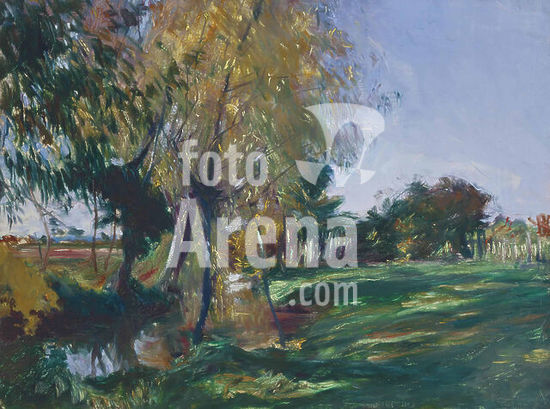
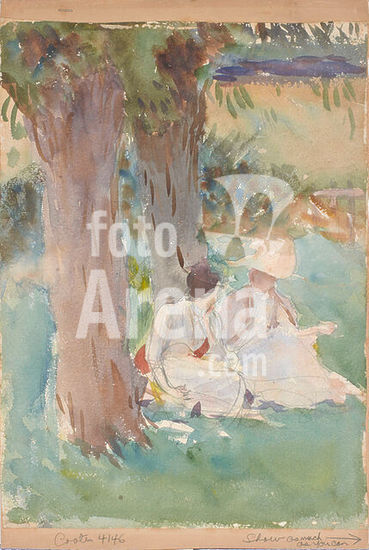
akg7153037 John Singer Sargent, 1856-1925. "Under the Willows", 1888. Watercolour and pencil on paper, 35.6 × 23.8 cm. Acc. Nr.: 2007.1789. Houston, Museum of Fine Arts.
DC
akg7333114 Riley, James Whitcomb, American writer and poet, Greenfield, Indiana, October 7, 1849 - Indianapolis, Indiana, July 22, 1916. - "Portrait of James Whitcomb Riley". - Painting, 1903, by John Singer Sargent (1856-1925). Oil on canvas, 91.5 × 77.5 cm. Painted on commission from the Art Association of Indianapolis. Acc. No. 03.7. Indianapolis, Museum of Art.
DC
alb3712522 The Rt. Reverend William Lawrence. Dated: 1916. Dimensions: overall: 63.8 x 48.2 cm (25 1/8 x 19 in.). Medium: charcoal on laid paper. Museum: National Gallery of Art, Washington DC. Author: John Singer Sargent.
DC
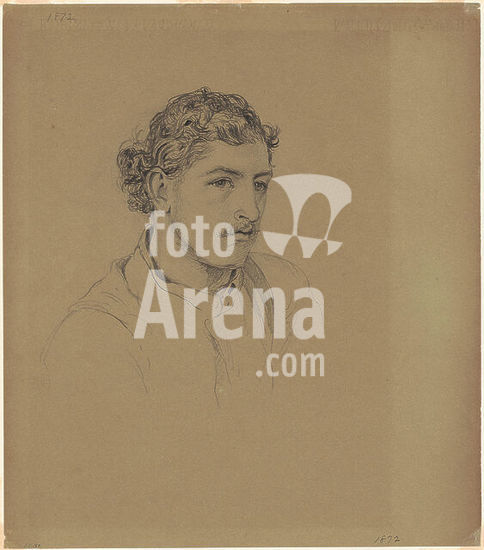
alb3714909 Man with Curly Hair. Dated: 1872. Dimensions: image (irregular): 18.1 × 15.88 cm (7 1/8 × 6 1/4 in.) sheet: 30.48 × 26.67 cm (12 × 10 1/2 in.). Medium: graphite on gray-green wove paper. Museum: National Gallery of Art, Washington DC. Author: John Singer Sargent.
DC
alb3680201 Arm of a Javanese Dancer (from Sketchbook of Javanese Dancers). Artist: John Singer Sargent (American, Florence 1856-1925 London). Dimensions: 5 1/2 x 8 1/2 in. (14 x 21.6 cm). Date: 1889. Museum: Metropolitan Museum of Art, New York, USA.
DC

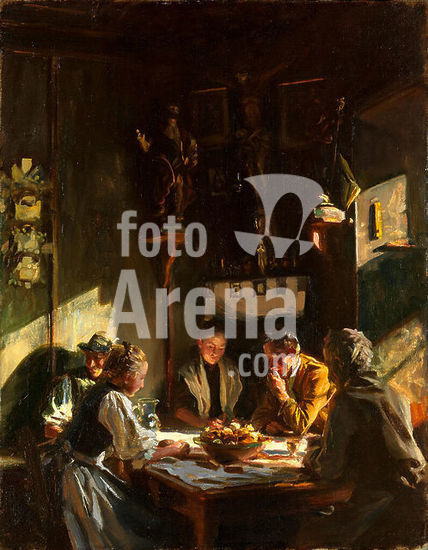
alb3684122 Tyrolese Interior. Artist: John Singer Sargent (American, Florence 1856-1925 London). Dimensions: 28 1/8 x 22 1/16 in. (71.4 x 56 cm). Date: 1915.During the summer of 1914, Sargent and some friends visited the Austrian Tyrol. Austria's declaration of war on Serbia in July marred the summer's tranquility. "Tyrolese Interior" was probably painted in or near Sankt Lorenzen, in an old castle that had long since been transformed into farmers' quarters. It shows a peasant family at their midday meal against a background filled with religious objects. When the delivery of ten watercolors Sargent sold to the Metropolitan in 1915 was delayed by the danger of transatlantic shipping, he offered to add to the lot this work, which he called "the best oil picture I did in Tirol [sic] last summer.". Museum: Metropolitan Museum of Art, New York, USA.
DC

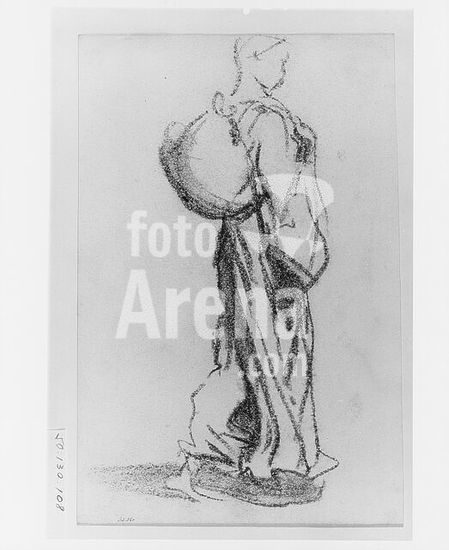
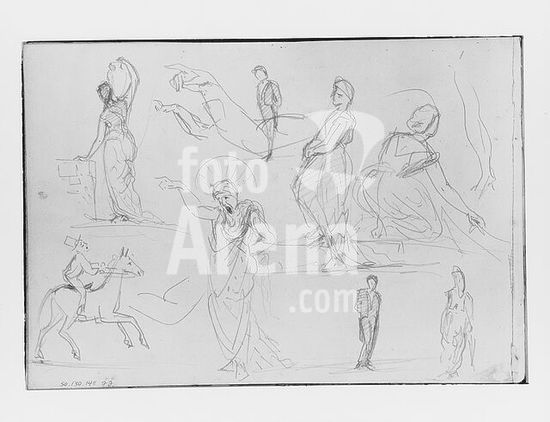
alb3635532 Man on Horseback, Woman Carrying a Jug, Figure with Halo, and other Figure Studies (from Switzerland 1870 Sketchbook). Artist: John Singer Sargent (American, Florence 1856-1925 London). Dimensions: 8 x 11 1/8 in. (20.3 x 28.3 cm). Date: 1870. Museum: Metropolitan Museum of Art, New York, USA.
DC

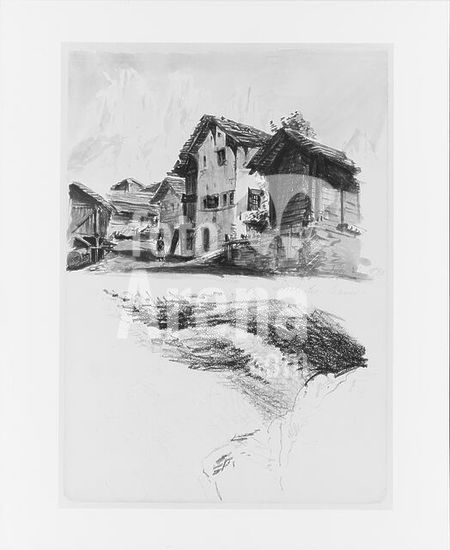
alb3636213 Village Scene; Loèche-les-Bains (from "Splendid Mountain Watercolors" Sketchbook). Artist: John Singer Sargent (American, Florence 1856-1925 London). Dimensions: 16 x 10 7/8 in. (40.6 x 27.6 cm). Date: July 2, 1870. Museum: Metropolitan Museum of Art, New York, USA.
DC

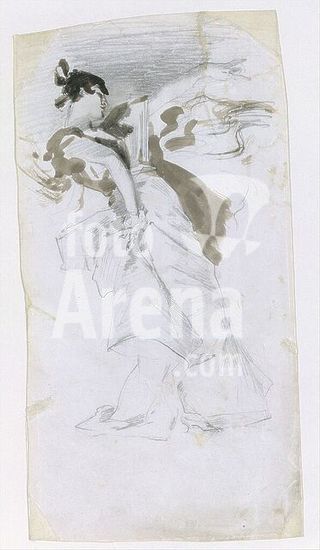
alb3634760 After "El-Jaleo". Artist: John Singer Sargent (American, Florence 1856-1925 London). Dimensions: 10 1/8 x 5 1/2 in. (25.7 x 14 cm)Mat: 19 1/4 × 14 1/4 in. (48.9 × 36.2 cm). Date: ca. 1882. Museum: Metropolitan Museum of Art, New York, USA.
DC

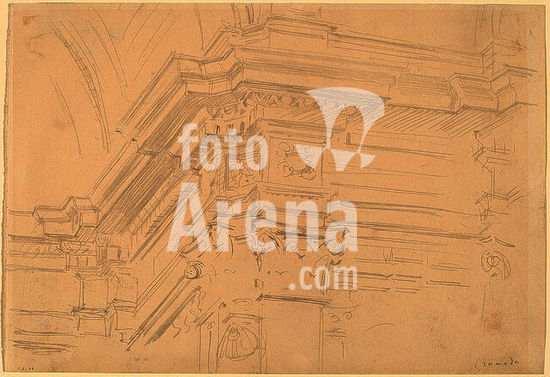
alb3703151 Capilla Real Entablature, Granada. Dated: 1912. Dimensions: overall: 25.3 x 36.9 cm (9 15/16 x 14 1/2 in.). Medium: graphite. Museum: National Gallery of Art, Washington DC. Author: John Singer Sargent.
DC
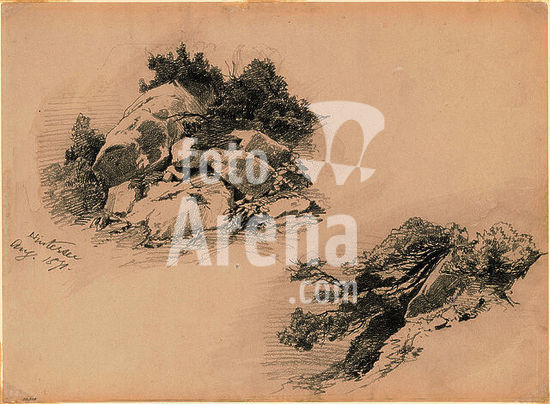
alb3702798 Hintersee, Germany. Dated: 1871. Dimensions: sheet: 28.58 × 39.37 cm (11 1/4 × 15 1/2 in.). Medium: graphite on wove paper. Museum: National Gallery of Art, Washington DC. Author: John Singer Sargent.
DC
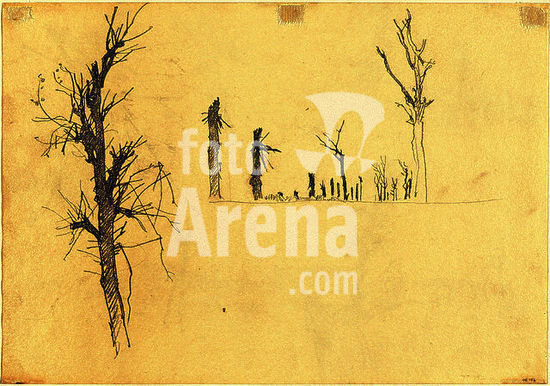
alb3709062 Devastated Trees [verso]. Dated: 1918. Dimensions: sheet: 25.4 × 36.2 cm (10 × 14 1/4 in.). Medium: graphite on wove paper. Museum: National Gallery of Art, Washington DC. Author: John Singer Sargent.
DC
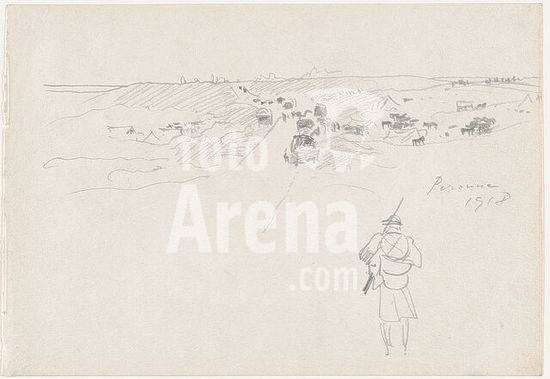
alb3675158 Road at Péronne. Artist: John Singer Sargent (American, Florence 1856-1925 London). Dimensions: 7 1/16 x 10 1/4 in. (17.9 x 26 cm). Date: 1918. Museum: Metropolitan Museum of Art, New York, USA.
DC

alb3671758 Piz Julier from St. Moritz (from Switzerland 1869 Sketchbook). Artist: John Singer Sargent (American, Florence 1856-1925 London). Dimensions: 7 3/4 x 11 3/4 in. (19.7 x 29.8 cm). Date: 1869. Museum: Metropolitan Museum of Art, New York, USA.
DC

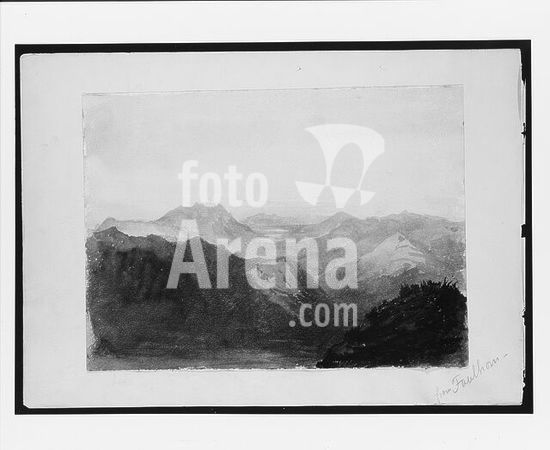
alb3674526 From Faulhorn, verso (from "Splendid Mountain Watercolours" Sketchbook). Artist: John Singer Sargent (American, Florence 1856-1925 London). Dimensions: 8 3/8 x 11 11/16 in. (21.3 x 29.7 cm). Date: 1870. Museum: Metropolitan Museum of Art, New York, USA.
DC

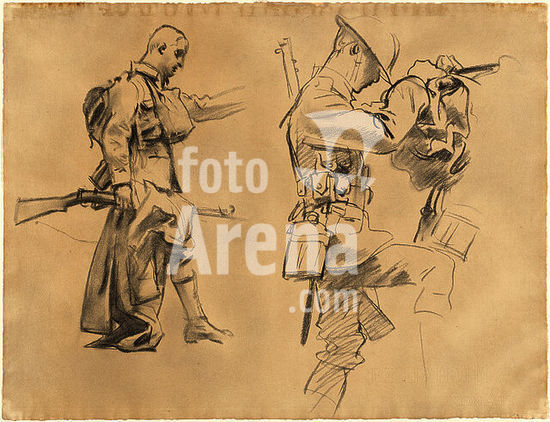
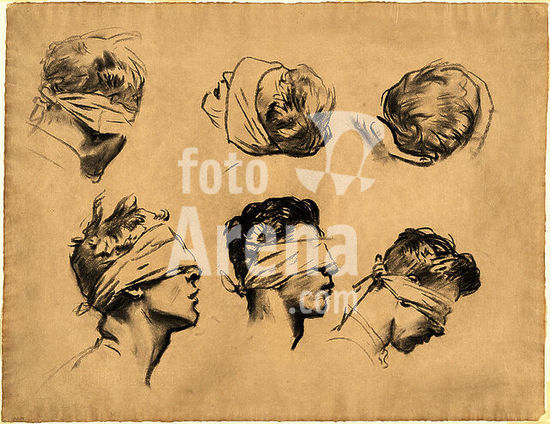
alb3730859 Studies for "Gassed" [recto]. Dated: 1918-1919. Dimensions: sheet: 47.63 × 62.23 cm (18 3/4 × 24 1/2 in.). Medium: charcoal on laid paper. Museum: National Gallery of Art, Washington DC. Author: John Singer Sargent.
DC
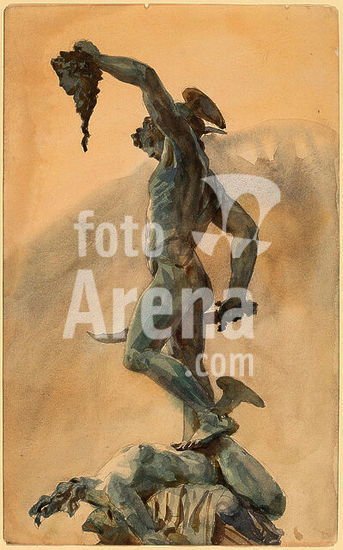
alb3739148 Sketch of Cellini's "Perseus". Dimensions: sheet: 36.5 × 22.7 cm (14 3/8 × 8 15/16 in.). Medium: watercolor over graphite on wove paper. Museum: National Gallery of Art, Washington DC. Author: John Singer Sargent.
DC
alb3734895 Trucks [recto]. Dated: 1918. Dimensions: image (irregular): 20.96 × 24.13 cm (8 1/4 × 9 1/2 in.) sheet: 25.4 × 36.83 cm (10 × 14 1/2 in.). Medium: graphite on wove paper. Museum: National Gallery of Art, Washington DC. Author: John Singer Sargent.
DC
alb3736297 Cannon Trailers, France. Dated: 1918. Dimensions: sheet: 18.73 × 36.35 cm (7 3/8 × 14 5/16 in.). Medium: graphite on wove paper. Museum: National Gallery of Art, Washington DC. Author: John Singer Sargent.
DC
alb3733049 Peter A. B. Widener. Dated: 1902. Dimensions: overall: 148.9 x 98.4 cm (58 5/8 x 38 3/4 in.) framed: 181.9 x 131.1 cm (71 5/8 x 51 5/8 in.). Medium: oil on canvas. Museum: National Gallery of Art, Washington DC. Author: John Singer Sargent.
DC
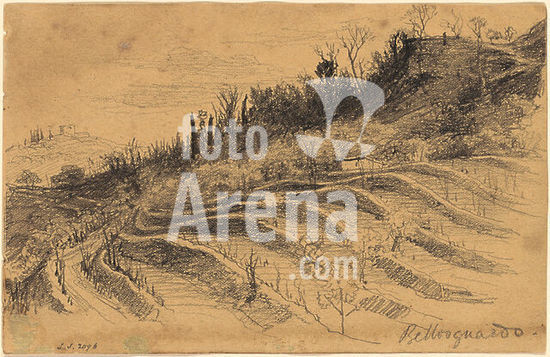
alb3735488 Bellosguardo, Florence. Dated: 1870-1872. Dimensions: sheet: 9.53 × 14.61 cm (3 3/4 × 5 3/4 in.). Medium: graphite on wove paper. Museum: National Gallery of Art, Washington DC. Author: John Singer Sargent.
DC
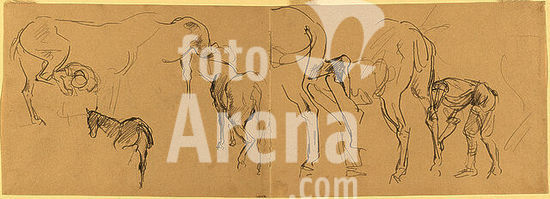
alb3734619 Studies for "Shoeing Calvary Horses at the Front" [recto]. Dated: 1918. Dimensions: sheet: 17.78 × 51.12 cm (7 × 20 1/8 in.). Medium: graphite on wove paper. Museum: National Gallery of Art, Washington DC. Author: John Singer Sargent.
DC
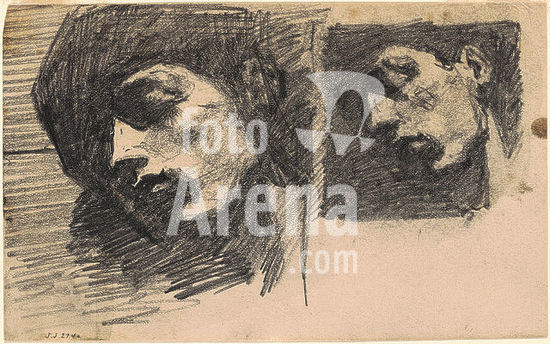
alb3698982 Two Heads. Dated: 1875-1880. Dimensions: sheet: 8.57 × 16.19 cm (3 3/8 × 6 3/8 in.). Medium: graphite on wove paper. Museum: National Gallery of Art, Washington DC. Author: John Singer Sargent.
DC
alb3627134 Landscape Study at Faido, Tree (from Switzerland 1870 Sketchbook). Artist: John Singer Sargent (American, Florence 1856-1925 London). Dimensions: 11 1/8 x 8 in. (28.3 x 20.3 cm). Date: June 3,1870. Museum: Metropolitan Museum of Art, New York, USA.
DC

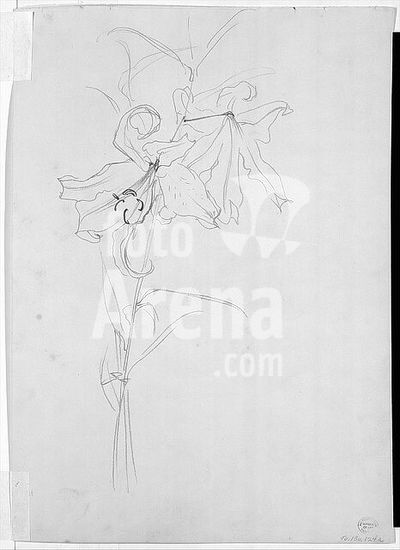
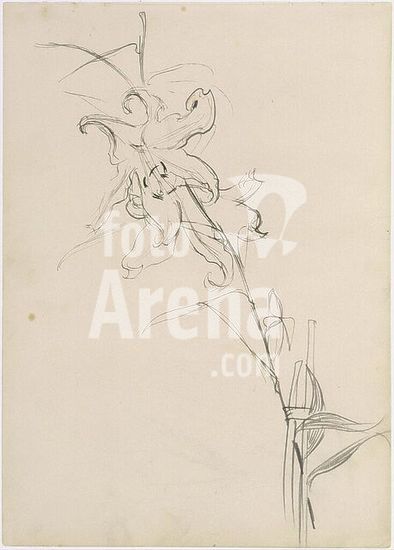
alb3620243 Lily, Study for "Carnation, Lily, Lily, Rose". Artist: John Singer Sargent (American, Florence 1856-1925 London). Dimensions: 13 9/16 x 9 11/16 in. (34.4 x 24.6 cm). Date: 1885-86. Museum: Metropolitan Museum of Art, New York, USA.
DC

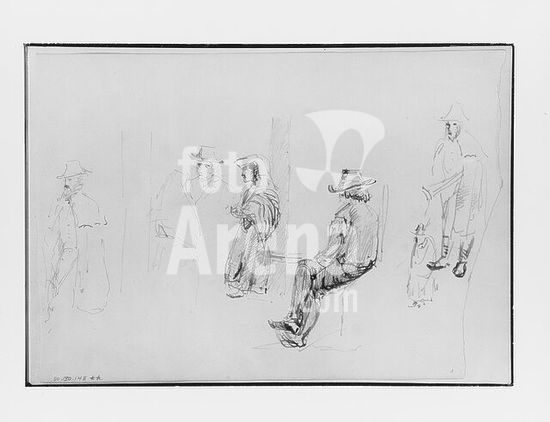
alb3621991 Figures (from Switzerland 1870 Sketchbook). Artist: John Singer Sargent (American, Florence 1856-1925 London). Dimensions: Irregular: 7 1/2 x 10 5/8 in. (19.1 x 27 cm). Date: 1869. Museum: Metropolitan Museum of Art, New York, USA.
DC

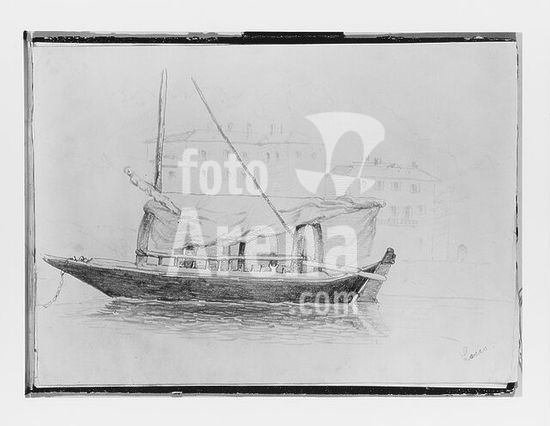
alb3624109 Boat on Lake Lecco (from Switzerland 1870 Sketchbook). Artist: John Singer Sargent (American, Florence 1856-1925 London). Dimensions: Irregular: 7 5/8 x 11 1/8 in. (19.4 x 28.3 cm). Date: 1869 (?). Museum: Metropolitan Museum of Art, New York, USA.
DC

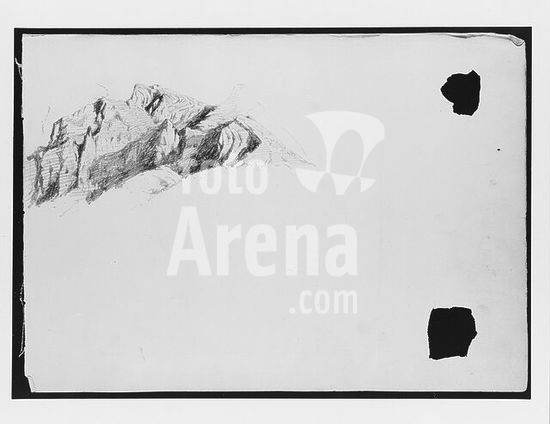
alb3626453 Mountain (from "Splendid Mountain Watercolours" Sketchbook). Artist: John Singer Sargent (American, Florence 1856-1925 London). Dimensions: 10 7/8 x 16 in. (27.6 x 40.6 cm). Date: 1870. Museum: Metropolitan Museum of Art, New York, USA.
DC

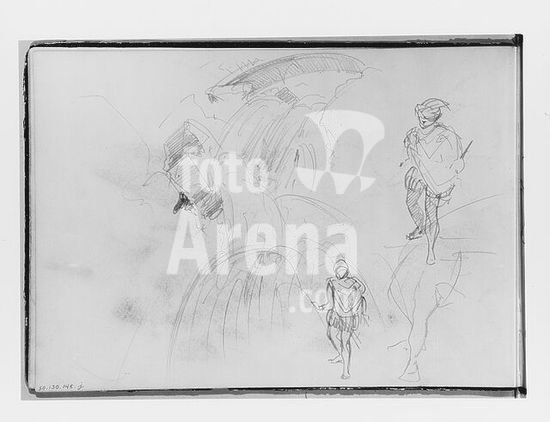
alb3622403 Waterfall, Figures (from Switzerland 1870 Sketchbook). Artist: John Singer Sargent (American, Florence 1856-1925 London). Dimensions: 8 x 11 1/8 in. (20.3 x 28.3 cm). Date: 1870. Museum: Metropolitan Museum of Art, New York, USA.
DC

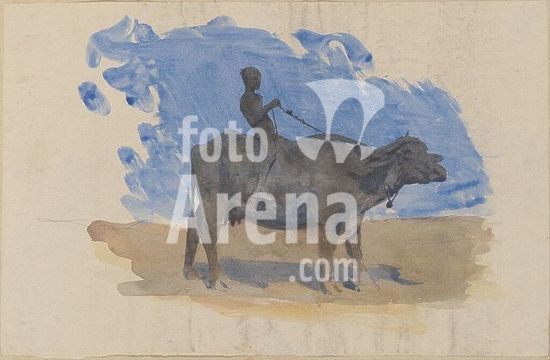
alb3621174 Boy on Water Buffalo (from scrapbook). Artist: John Singer Sargent (American, Florence 1856-1925 London). Dimensions: 7 7/8 x 12 3/16 in. (20 x 31 cm). Date: ca. 1879. Museum: Metropolitan Museum of Art, New York, USA.
DC

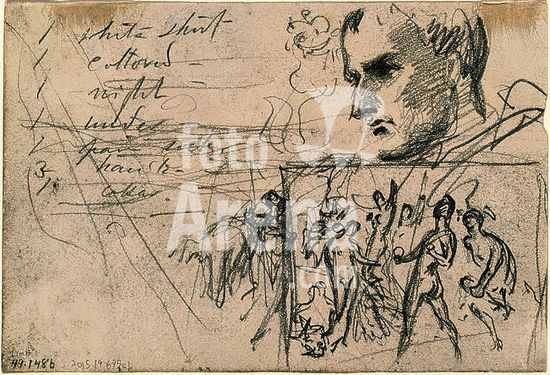
alb3741787 Napoleonic Head and Judgment of Paris [verso]. Dated: c. 1871-1872. Dimensions: sheet: 9.68 × 14.29 cm (3 13/16 × 5 5/8 in.). Medium: graphite on wove paper. Museum: National Gallery of Art, Washington DC. Author: John Singer Sargent.
DC
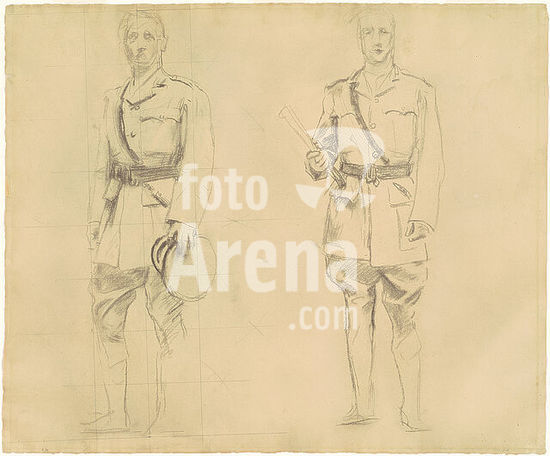
alb3743336 Studies of Generals Plumer and Haig for "General Officers of World War I" [recto]. Dated: 1920-1922. Dimensions: sheet: 47.94 × 57.79 cm (18 7/8 × 22 3/4 in.). Medium: charcoal with graphite on laid paper. Museum: National Gallery of Art, Washington DC. Author: John Singer Sargent.
DC
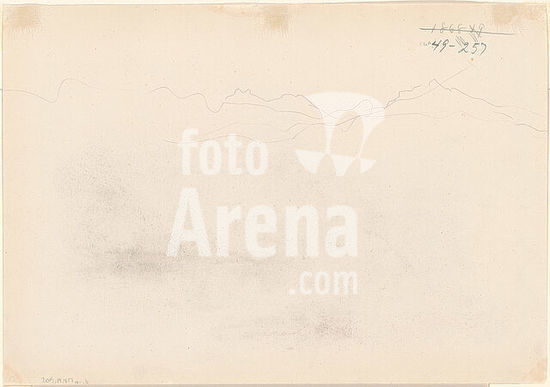
alb3747386 Mountains [verso]. Dated: 1869. Dimensions: image (irregular): 2.86 × 27.46 cm (1 1/8 × 10 13/16 in.) sheet: 19.21 × 27.46 cm (7 9/16 × 10 13/16 in.). Medium: graphite on wove paper. Museum: National Gallery of Art, Washington DC. Author: John Singer Sargent.
DC
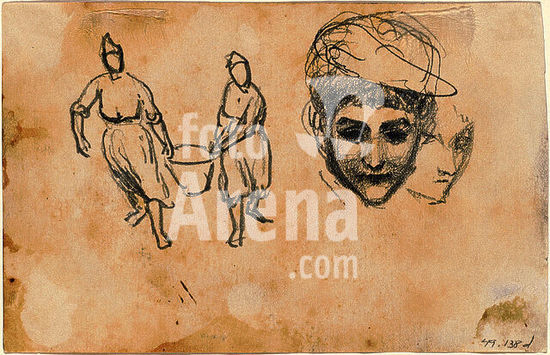
alb3740172 Studies of Peasants [verso]. Dated: 1870-1872. Dimensions: sheet: 9.53 × 14.61 cm (3 3/4 × 5 3/4 in.). Medium: graphite on wove paper. Museum: National Gallery of Art, Washington DC. Author: John Singer Sargent.
DC
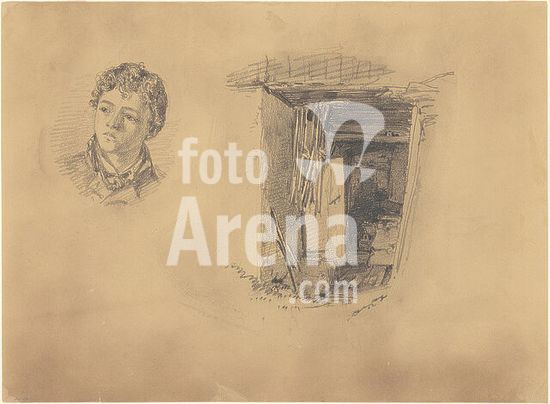
alb3744526 Head of a Boy; and the Entrance to a Shack. Dated: 1871. Dimensions: image (irregular): 19.69 × 29.21 cm (7 3/4 × 11 1/2 in.) sheet: 28.89 × 39.37 cm (11 3/8 × 15 1/2 in.). Medium: graphite on wove paper. Museum: National Gallery of Art, Washington DC. Author: John Singer Sargent.
DC
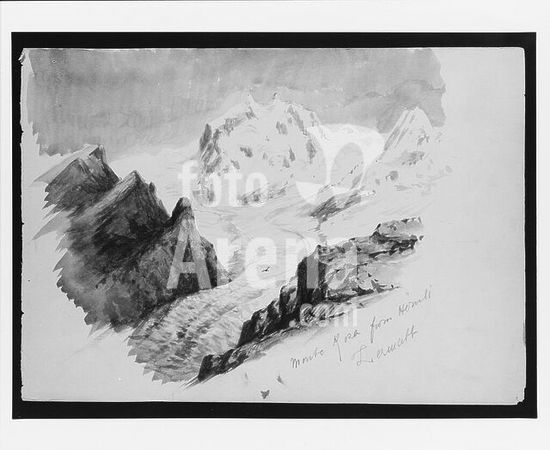
alb3603902 Monte Rosa from Hornli, Zermatt (from "Splendid Mountain Watercolours" Sketchbook). Artist: John Singer Sargent (American, Florence 1856-1925 London). Dimensions: 10 7/8 x 16 in. (27.6 x 40.6 cm). Date: 1870. Museum: Metropolitan Museum of Art, New York, USA.
DC

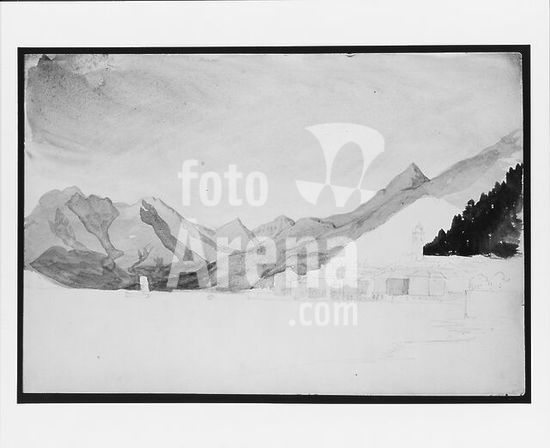
alb3605249 Town at Edge of Mountain Lake (from Switzerland 1869 Sketchbook). Artist: John Singer Sargent (American, Florence 1856-1925 London). Dimensions: 7 3/4 x 11 3/4 in. (19.7 x 29.8 cm). Date: 1869. Museum: Metropolitan Museum of Art, New York, USA.
DC

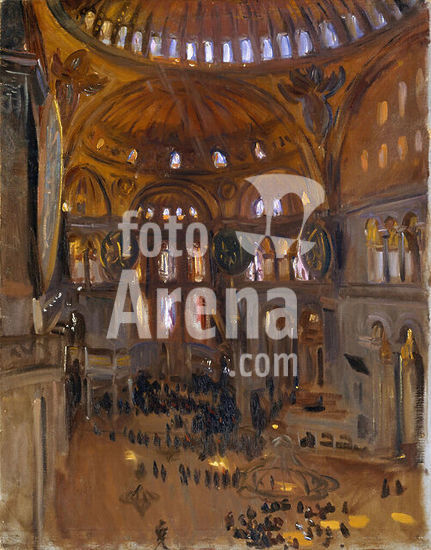
alb3603080 Santa Sofia. Artist: John Singer Sargent (American, Florence 1856-1925 London). Dimensions: 31 1/2 x 24 1/4 in. (80 x 61.6 cm). Date: 1891 (?). Museum: Metropolitan Museum of Art, New York, USA.
DC

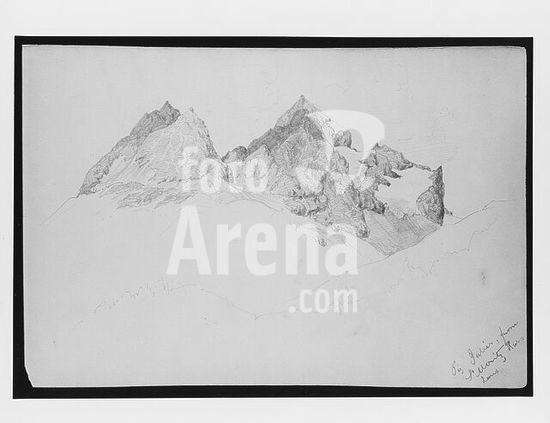
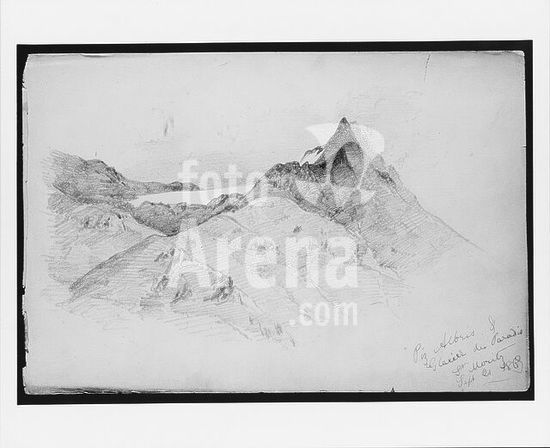
alb3604158 Piz Albris and Glacier du Paradis, St. Moritz,(from Switzerland 1869 Sketchbook). Artist: John Singer Sargent (American, Florence 1856-1925 London). Dimensions: 7 3/4 x 11 3/4 in. (19.7 x 29.8 cm). Date: September 21, 1869. Museum: Metropolitan Museum of Art, New York, USA.
DC

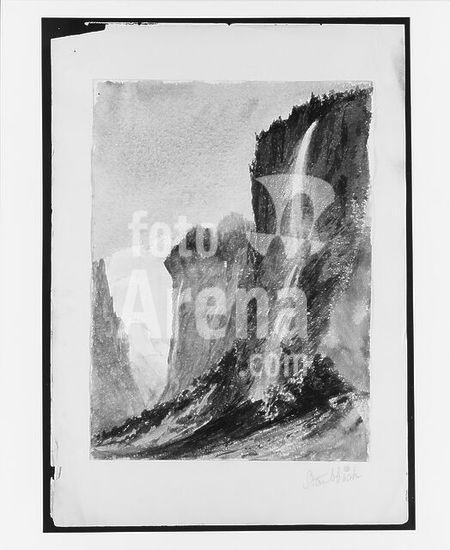
alb3608053 Staubbach Falls (from "Splendid Mountain Watercolours" Sketchbook). Artist: John Singer Sargent (American, Florence 1856-1925 London). Dimensions: 11 11/16 x 8 7/16 in. (29.7 x 21.4 cm). Date: 1870. Museum: Metropolitan Museum of Art, New York, USA.
DC

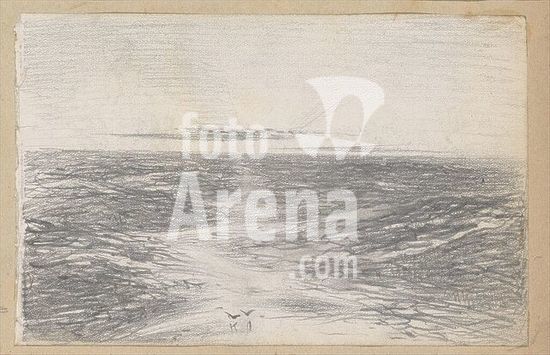
alb3605943 Moonlight on Waves (from Scrapbook). Artist: John Singer Sargent (American, Florence 1856-1925 London). Dimensions: 3 3/4 x 5 7/8 in. (9.5 x 14.9 cm). Date: ca. 1876. Museum: Metropolitan Museum of Art, New York, USA.
DC
alb3607707 First Page of Switzerland 1870 Sketchbook. Artist: John Singer Sargent (American, Florence 1856-1925 London). Dimensions: 8 x 11 1/8 in. (20.3 x 28.3 cm). Date: 1870. Museum: Metropolitan Museum of Art, New York, USA.
DC

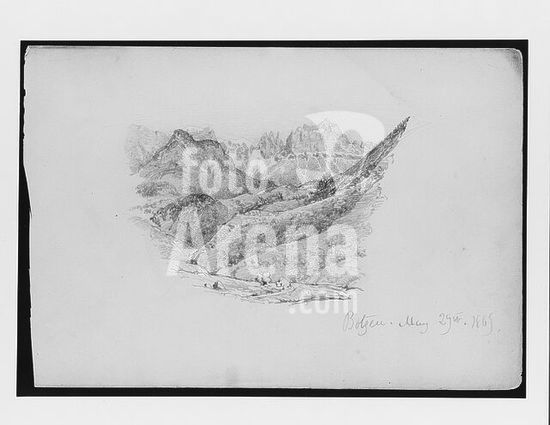
alb3604648 Botzen (from Switzerland 1869 Sketchbook). Artist: John Singer Sargent (American, Florence 1856-1925 London). Dimensions: 7 3/4 x 11 3/4 in. (19.7 x 29.8 cm). Date: May 29, 1869. Museum: Metropolitan Museum of Art, New York, USA.
DC

alb3604331 Woman Walking. Artist: John Singer Sargent (American, Florence 1856-1925 London). Dimensions: 10 1/16 x 6 5/8 in. (25.6 x 16.8 cm). Date: 1890 (?). Museum: Metropolitan Museum of Art, New York, USA.
DC

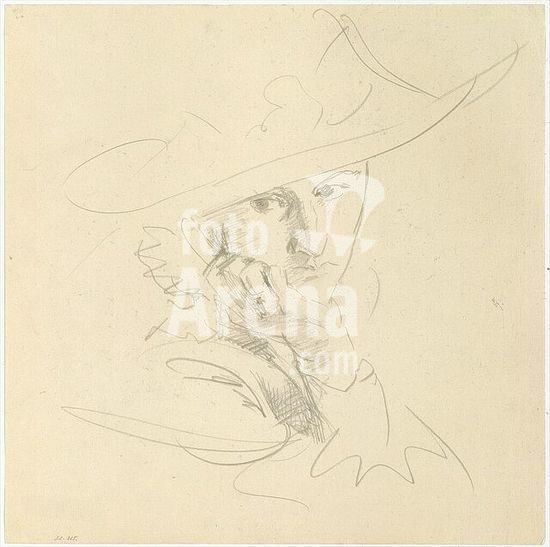
alb3650935 Jane de Glehn, Study for "In the Generalife". Artist: John Singer Sargent (American, Florence 1856-1925 London). Dimensions: 9 15/16 x 9 15/16 in. (25.2 x 25.2 cm). Date: 1912. Museum: Metropolitan Museum of Art, New York, USA.
DC

alb3651134 Palmettos. Artist: John Singer Sargent (American, Florence 1856-1925 London). Dimensions: 15 1/4 x 20 3/4 in. (38.7 x 52.7 cm). Date: 1917. Museum: Metropolitan Museum of Art, New York, USA.
DC

alb3617105 Kandersteg from the Klus of the Gasternthal (from "Splendid Mountain Watercolours" Sketchbook). Artist: John Singer Sargent (American, Florence 1856-1925 London). Dimensions: 16 x 10 7/8 in. (40.6 x 27.6 cm). Date: 1870. Museum: Metropolitan Museum of Art, New York, USA.
DC

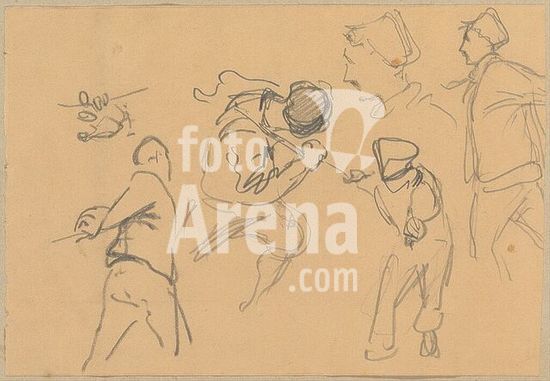
alb3618610 Men Pulling Ropes (from Scrapbook). Artist: John Singer Sargent (American, Florence 1856-1925 London). Dimensions: 4 5/16 x 6 1/4 in. (11 x 15.9 cm). Date: ca. 1876. Museum: Metropolitan Museum of Art, New York, USA.
DC

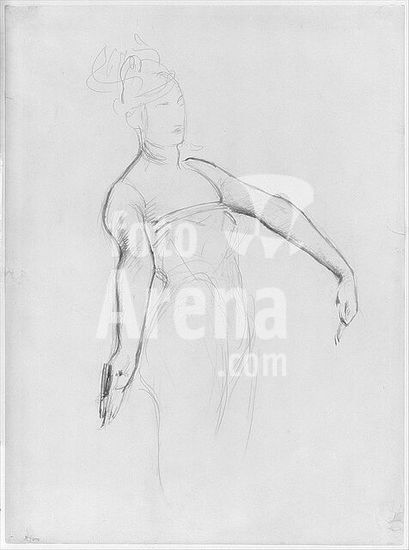
alb3619629 Javanese Dancer. Artist: John Singer Sargent (American, Florence 1856-1925 London). Dimensions: 12 11/16 x 9 11/16 in. (32.2 x 24.6 cm). Date: 1889. Museum: Metropolitan Museum of Art, New York, USA.
DC

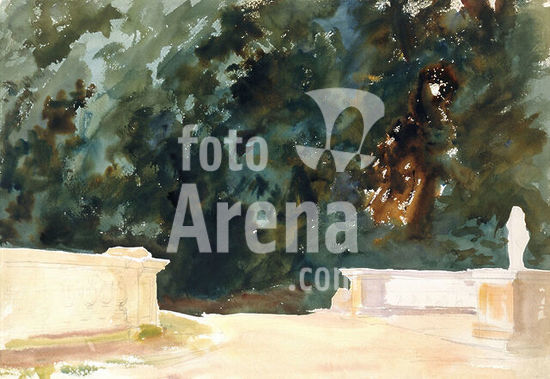
alb3610903 Terrace and Gardens. Artist: John Singer Sargent (American, Florence 1856-1925 London). Dimensions: 14 5/8 x 21 1/4 in. (37.1 x 54 cm). Date: 1907. Museum: Metropolitan Museum of Art, New York, USA.
DC

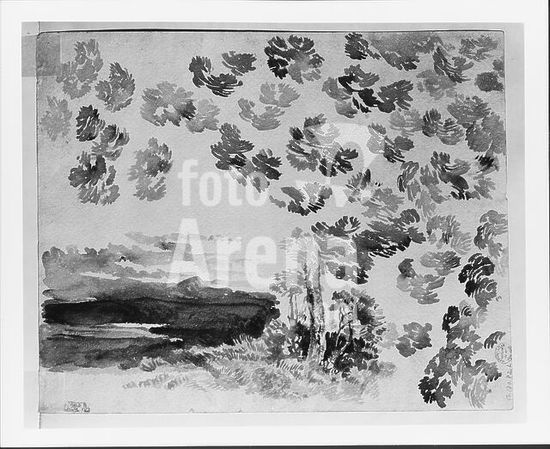
alb3614498 Leaves. Artist: John Singer Sargent (American, Florence 1856-1925 London). Dimensions: 9 1/4 x 11 5/8 in. (23.5 x 29.5 cm). Date: 1868. Museum: Metropolitan Museum of Art, New York, USA.
DC

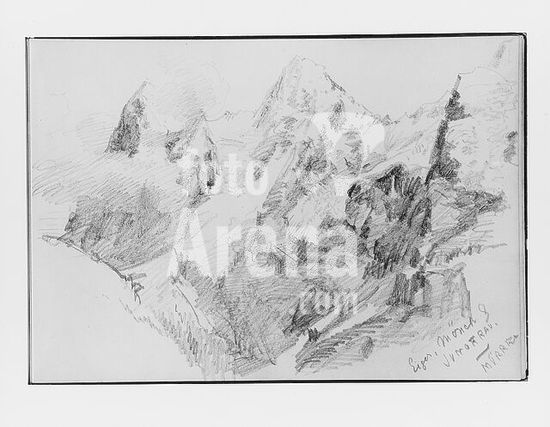
alb3614444 Eiger, Mönch, and Jungfrau from Mürren (from Switzerland 1870 Sketchbook). Artist: John Singer Sargent (American, Florence 1856-1925 London). Dimensions: 8 x 11 1/8 in. (20.3 x 28.3 cm). Date: 1870. Museum: Metropolitan Museum of Art, New York, USA.
DC
alb3613041 The Wyndham Sisters: Lady Elcho, Mrs. Adeane, and Mrs. Tennant. Artist: John Singer Sargent (American, Florence 1856-1925 London). Dimensions: 115 x 84 1/8 in. (292.1 x 213.7 cm). Date: 1899.The three daughters of the Honorable Percy Wyndham, a wealthy Londoner, appear in this monumental canvas. From the left, they are Madeline Adeane (1869-1941), Pamela Tennant (1871-1928), and Mary Constance, Lady Elcho (1862-1937). Sargent painted them in the drawing room of their family's residence on Belgrave Square. Seen on the wall above them is George Frederic Watts's portrait of their mother (private collection), which establishes their genealogy and reminds viewers of Sargent's ties to older artists. Displayed in 1900 at the Royal Academy, The Wyndham Sisters was hailed by the critics and dubbed "The Three Graces" by the Prince of Wales. Museum: Metropolitan Museum of Art, New York, USA.
DC

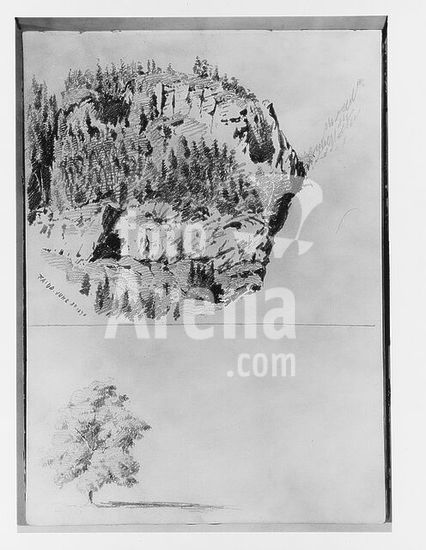
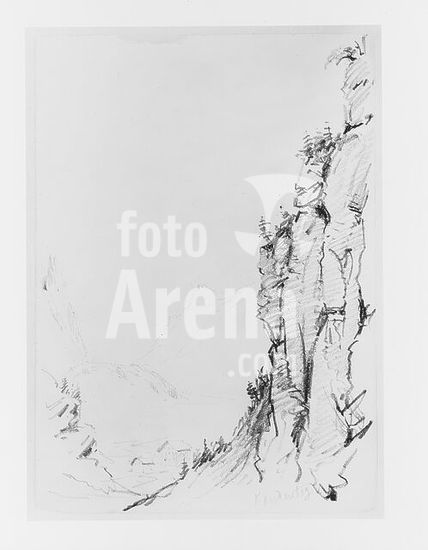
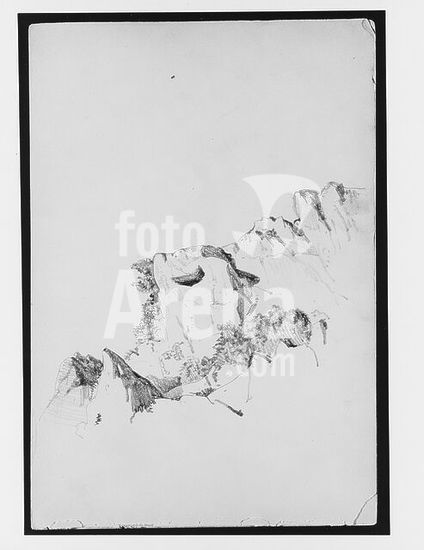
alb3613019 Rocky Cliff (from Switzerland 1869 Sketchbook). Artist: John Singer Sargent (American, Florence 1856-1925 London). Dimensions: 7 3/4 x 11 3/4 in. (19.7 x 29.8 cm). Date: 1869. Museum: Metropolitan Museum of Art, New York, USA.
DC

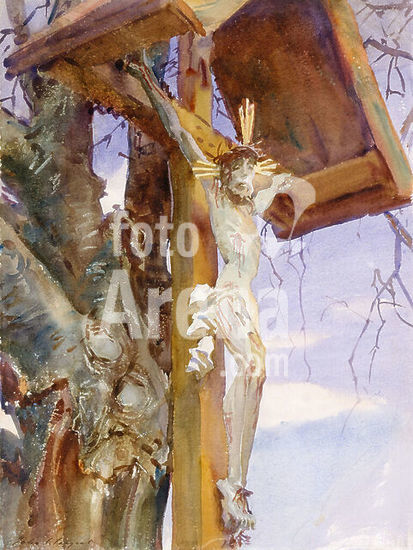
alb3613562 Tyrolese Crucifix. Artist: John Singer Sargent (American, Florence 1856-1925 London). Dimensions: 21 x 15 3/4 in. (53.3 x 40 cm). Date: 1914.Like "Tyrolese Interior," shown nearby, this watercolor was painted during the late summer or autumn of 1914 when Sargent was detained in the Tyrol after Britain and France declared war on Austria. Overtly religious symbols are rare in Sargent's watercolors. This depiction of a carved crucifixion reflects his somber and foreboding mood as he waited to obtain the necessary travel documents to return to London. Roofed crosses were common sites in the Tyrol. Erected along roadsides or open fields, sometimes commemorative in function, such shrines served as spots of prayer and worship for travelers. Sargent exploits a low vantage point to render the lifeless, gaunt figure of Christ against a gnarled tree trunk. Museum: Metropolitan Museum of Art, New York, USA.
DC

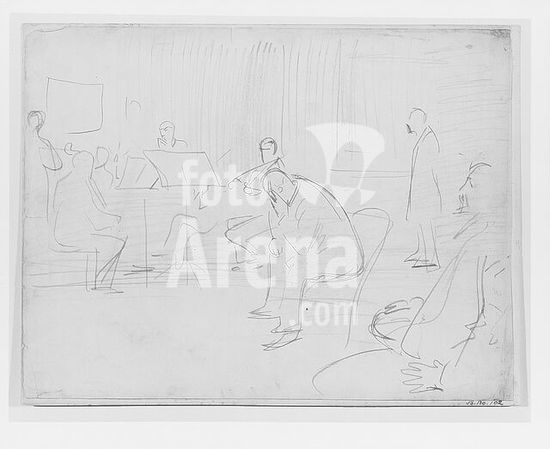
alb3611154 Musicians and Listeners. Artist: John Singer Sargent (American, Florence 1856-1925 London). Dimensions: 10 1/8 x 13 9/16 in. (25.7 x 34.4 cm). Date: after 1890. Museum: Metropolitan Museum of Art, New York, USA.
DC

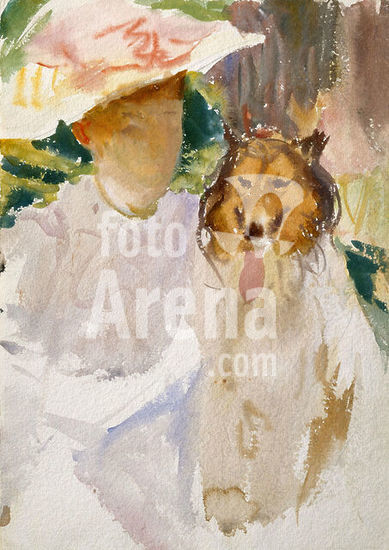
alb3617220 Woman with Collie. Artist: John Singer Sargent (American, Florence 1856-1925 London). Dimensions: 13 15/16 x 9 15/16 in. (35.4 x 25.2 cm)Mat: 19 1/4 × 14 1/4 in. (48.9 × 36.2 cm). Date: after 1890.Sargent abandoned this composition before completing it, creating a droll juxtaposition between the unfinished face of the woman and the more detailed and very charming likeness of the dog. With characteristic fluidity, Sargent suggests the dog's soft fur and big pink tongue with just a few brushstrokes. Museum: Metropolitan Museum of Art, New York, USA.
DC
alb3610732 Lily, Study for "Carnation, Lily, Lily, Rose". Artist: John Singer Sargent (American, Florence 1856-1925 London). Dimensions: 13 9/16 x 9 11/16 in. (34.4 x 24.6 cm). Date: 1885-86. Museum: Metropolitan Museum of Art, New York, USA.
DC

alb3643150 Mountain Sketches (Inside Back Cover of "Splendid Mountain Watercolours" Sketchbook). Artist: John Singer Sargent (American, Florence 1856-1925 London). Dimensions: 10 7/8 x 16 in. (27.6 x 40.6 cm). Date: 1870. Museum: Metropolitan Museum of Art, New York, USA.
DC

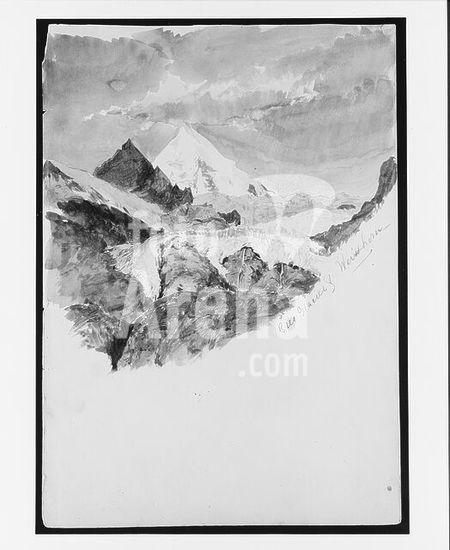
alb3647380 Bies Glacier and Weisshorn, Zermatt, recto (from "Splendid Mountain Watercolours" Sketchbook). Artist: John Singer Sargent (American, Florence 1856-1925 London). Dimensions: 16 x 10 7/8 in. (40.6 x 27.6 cm). Date: 1870. Museum: Metropolitan Museum of Art, New York, USA.
DC
alb3641920 Switzerland 1870 Sketchbook. Artist: John Singer Sargent (American, Florence 1856-1925 London). Dimensions: Closed: 8 x 11 1/4 x 1/2 in. (20.3 x 28.6 x 1.3 cm)Sheets: 8 x 11 1/8 in. (20.3 x 28.3 cm). Date: 1870.This image represents one of forty-six drawings and watercolors in this sketchbook. Museum: Metropolitan Museum of Art, New York, USA.
DC

alb3648846 Madame X (Madame Pierre Gautreau). Artist: John Singer Sargent (American, Florence 1856-1925 London). Dimensions: 9 3/4 x 13 3/16 in. (24.8 x 33.5 cm)Mat: 14 1/4 × 19 1/4 in. (36.2 × 48.9 cm)Framed (standard exhibition frame): 16 1/4 x 21 1/4 x 1 1/8 in. (41.3 x 54 x 2.9 cm). Date: 1883-84.Sargent made more preparatory studies for Madame X than for any other portrait. Museum: Metropolitan Museum of Art, New York, USA.
DC

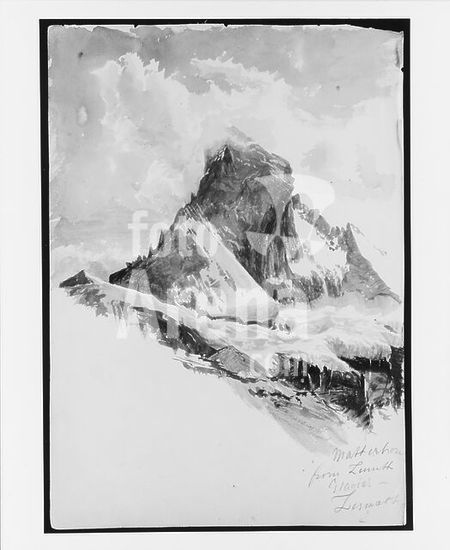
alb3644282 Matterhorn from Zmutt Glacier, Zermatt, recto (from "Splendid Mountain Watercolours" Sketchbook). Artist: John Singer Sargent (American, Florence 1856-1925 London). Dimensions: 16 x 10 7/8 in. (40.6 x 27.6 cm). Date: 1870. Museum: Metropolitan Museum of Art, New York, USA.
DC

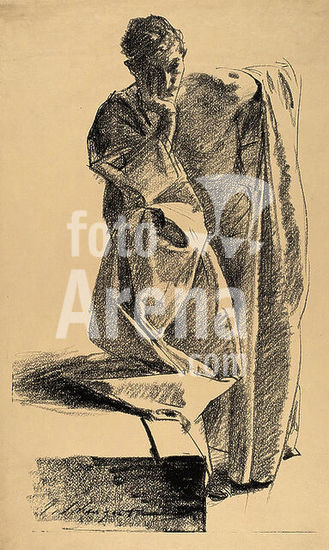
alb3720076 Study of a Young Man. Dimensions: overall: 50 x 32.3 cm (19 11/16 x 12 11/16 in.). Medium: lithograph. Museum: National Gallery of Art, Washington DC. Author: John Singer Sargent.
DC
alb3720302 Ellen Peabody Endicott (Mrs. William Crowninshield Endicott). Dated: 1901. Dimensions: overall: 162.9 x 114.3 cm (64 1/8 x 45 in.) framed: 189.2 x 141.6 x 7.6 cm (74 1/2 x 55 3/4 x 3 in.). Medium: oil on canvas. Museum: National Gallery of Art, Washington DC. Author: John Singer Sargent.
DC

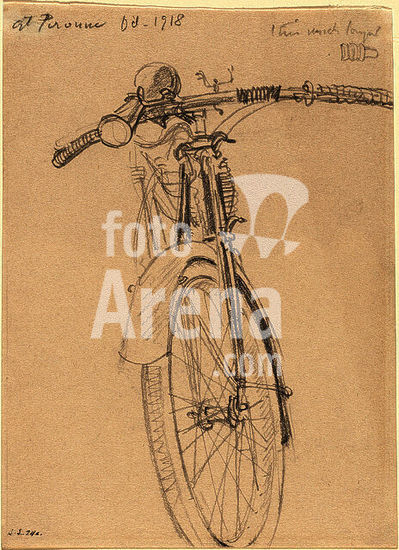
alb3727644 Motorcycle. Dated: 1918. Dimensions: sheet: 17.94 × 13.02 cm (7 1/16 × 5 1/8 in.). Medium: graphite on wove paper. Museum: National Gallery of Art, Washington DC. Author: John Singer Sargent.
DC
alb3727767 Clouds [verso]. Dated: 1870-1872. Dimensions: sheet: 9.53 × 14.29 cm (3 3/4 × 5 5/8 in.). Medium: graphite on wove paper. Museum: National Gallery of Art, Washington DC. Author: John Singer Sargent.
DC
alb3723581 Studies for "Gassed". Dated: 1918-1919. Dimensions: sheet: 47.63 × 61.6 cm (18 3/4 × 24 1/4 in.). Medium: charcoal on laid paper. Museum: National Gallery of Art, Washington DC. Author: John Singer Sargent.
DC

Total de Resultados: 1.103

Página 1 de 12